
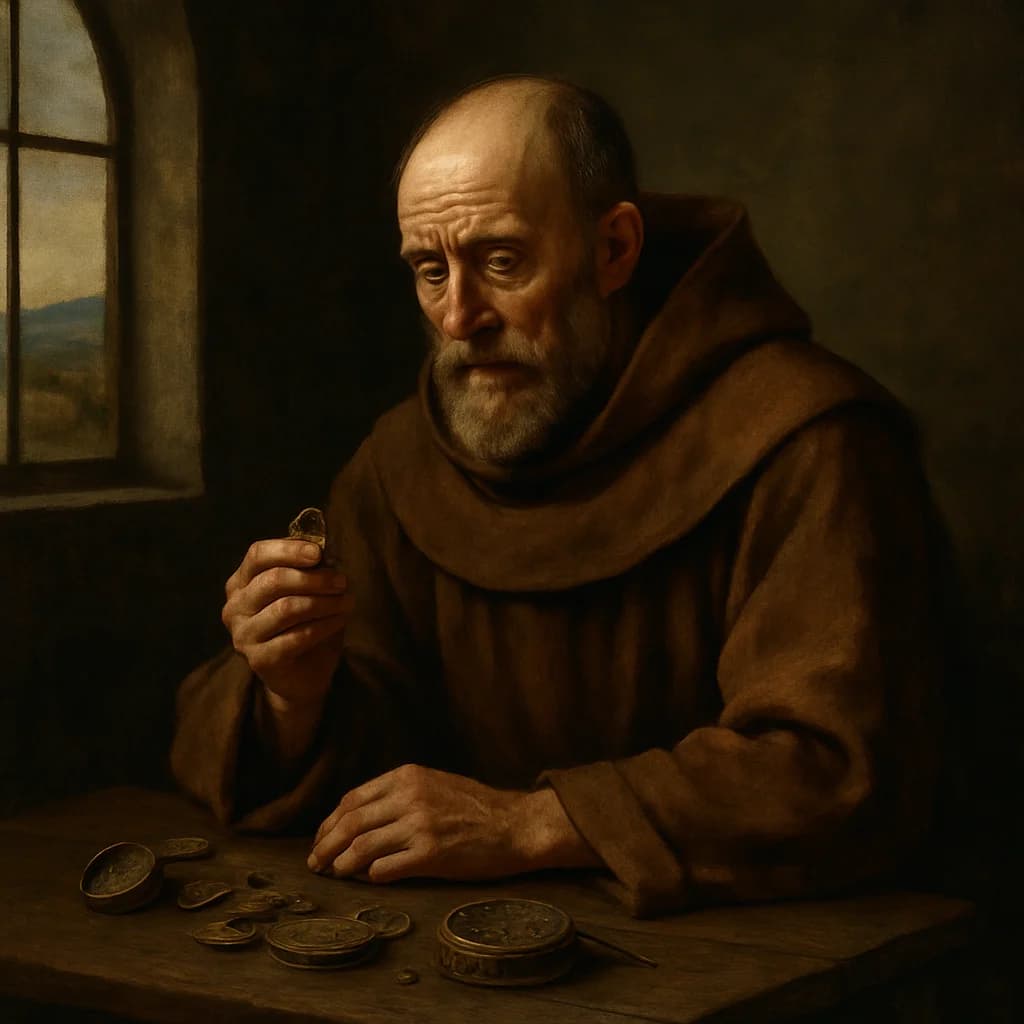
Charles V
The man who ruled more territory than any emperor in history spent his final years alone in a monastery, timing boiled eggs and dismantling clocks.
Charles V inherited an empire that stretched from Peru to the Philippines purely by accident of birth. His grandfather Maximilian died at the right moment, his other grandfather Ferdinand at another, and suddenly a teenager who spoke no Spanish controlled Spain, a young man who barely knew German commanded the Holy Roman Empire, and an emperor who had never seen the New World owned half of it.
What broke him wasn't ruling the largest empire in human history. It was the impossibility of being everywhere at once. While he fought the Ottoman Empire in Hungary, Protestant princes rebelled in Germany. While he crushed Protestants in Germany, French armies invaded Italy. While he defended Italy, corsairs raided Spanish coasts. His empire was too vast for medieval communication, too diverse for unified control. He spent his reign racing between crises like a man trying to hold water in his hands.
The breaking point came in 1556. Charles had been emperor for thirty-seven years, had fought thirty major wars, had personally led armies across three continents. He looked at a map of his territories and realized he was seventy-six years old, crippled with gout, and still fighting the same enemies his grandfather had fought. So he did something no monarch had ever done: he quit.
Charles divided his empire between his son Philip and his brother Ferdinand, then retired to a Spanish monastery. There, the man who had commanded millions spent his days taking apart pocket watches and reassembling them, fascinated by mechanical precision he had never achieved in human governance. When he died in 1558, only his confessor, his secretary, and a handful of monks attended his funeral, the loneliest death of the most powerful man who ever lived.
Charles V was simultaneously Holy Roman Emperor, King of Spain, Duke of Burgundy, and ruler of territories in four continents, making him the last person to hold the title 'Emperor on whose realm the sun never sets,' but he spoke six languages poorly and never felt at home in any of his kingdoms.
Why untold: History remembers him as the peak of Habsburg power, obscuring that his reign was actually a forty-year demonstration of why empires collapse under their own weight.
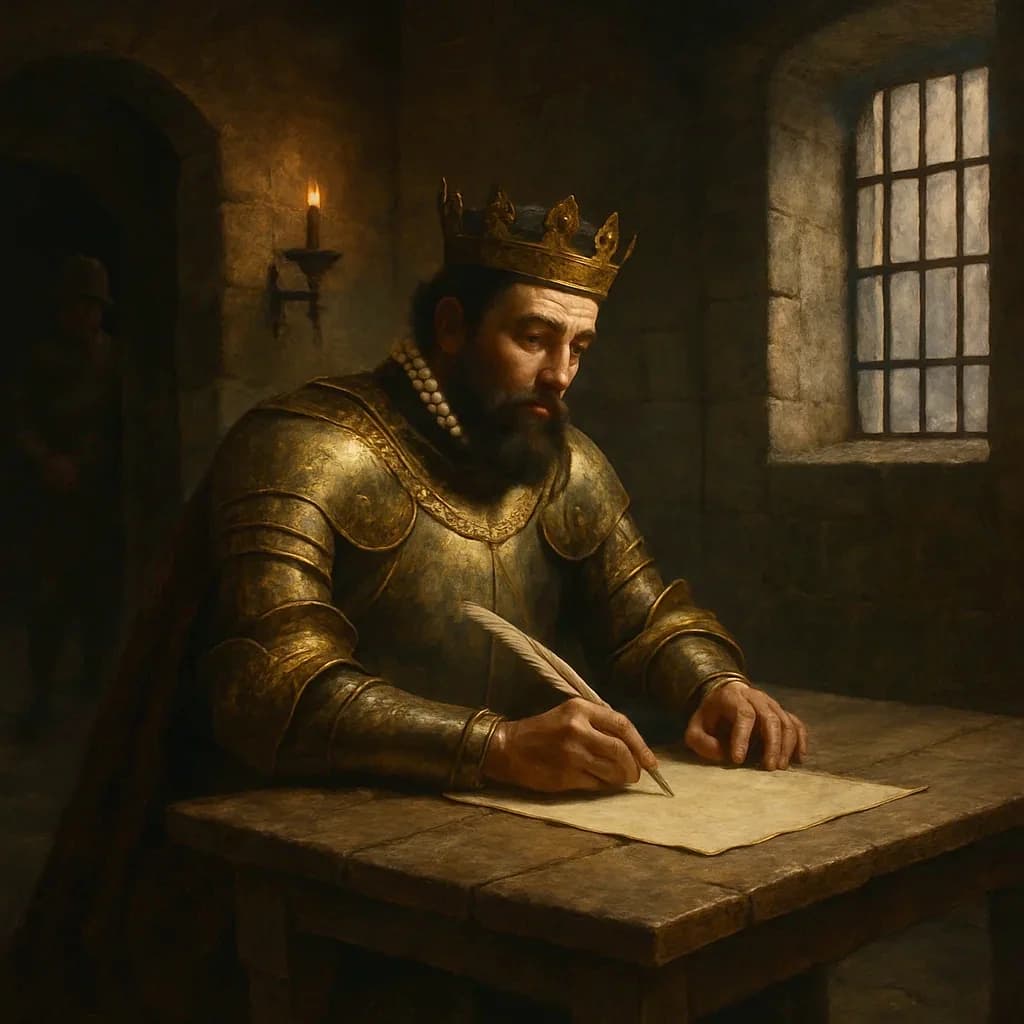
A Captured King's Letter That Redefined Surrender
A French king sat in a Spanish dungeon in 1525 and wrote a single sentence to his mother that quietly rewrote the rules of warfare forever.
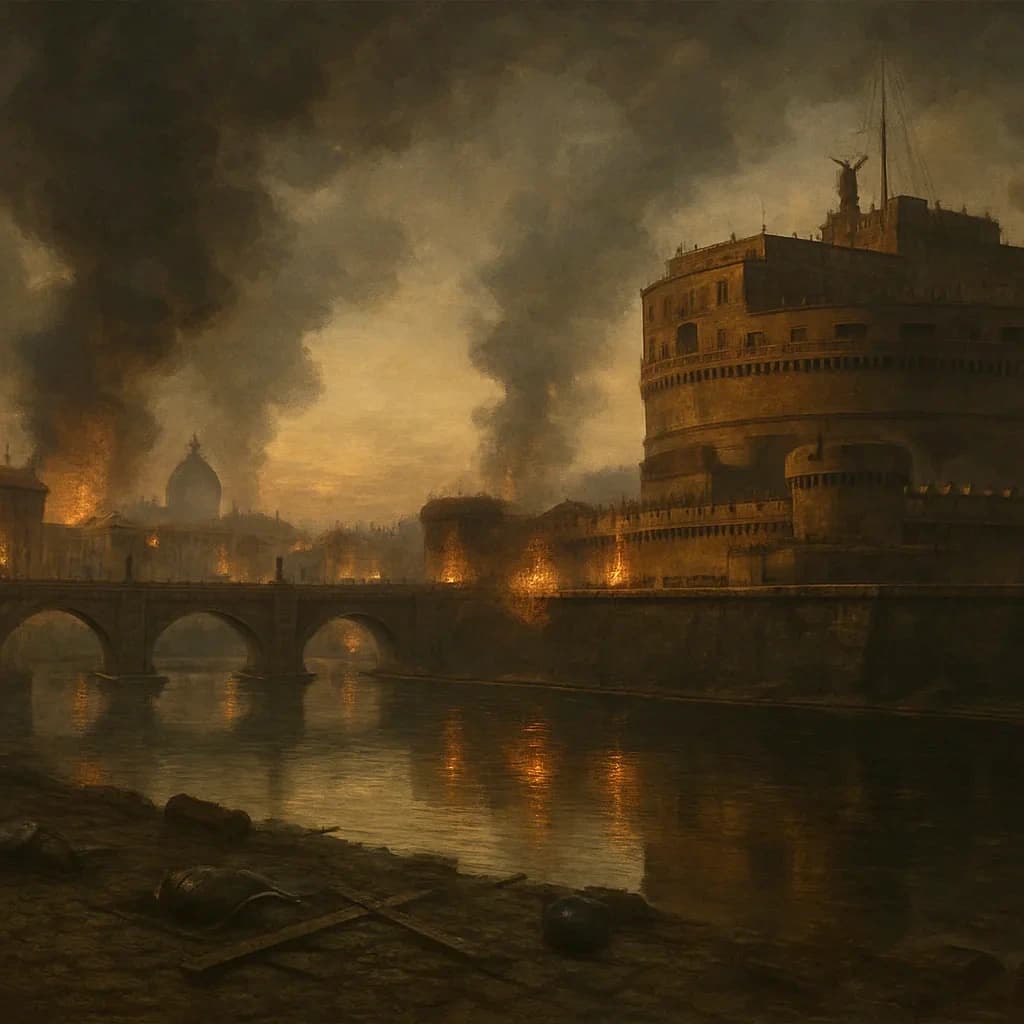
Charles V Skipped Payroll. Rome Paid Instead.
The Pope was hiding in a castle in 1527 while his own city burned below him, and the army doing the burning hadn't been paid in months.
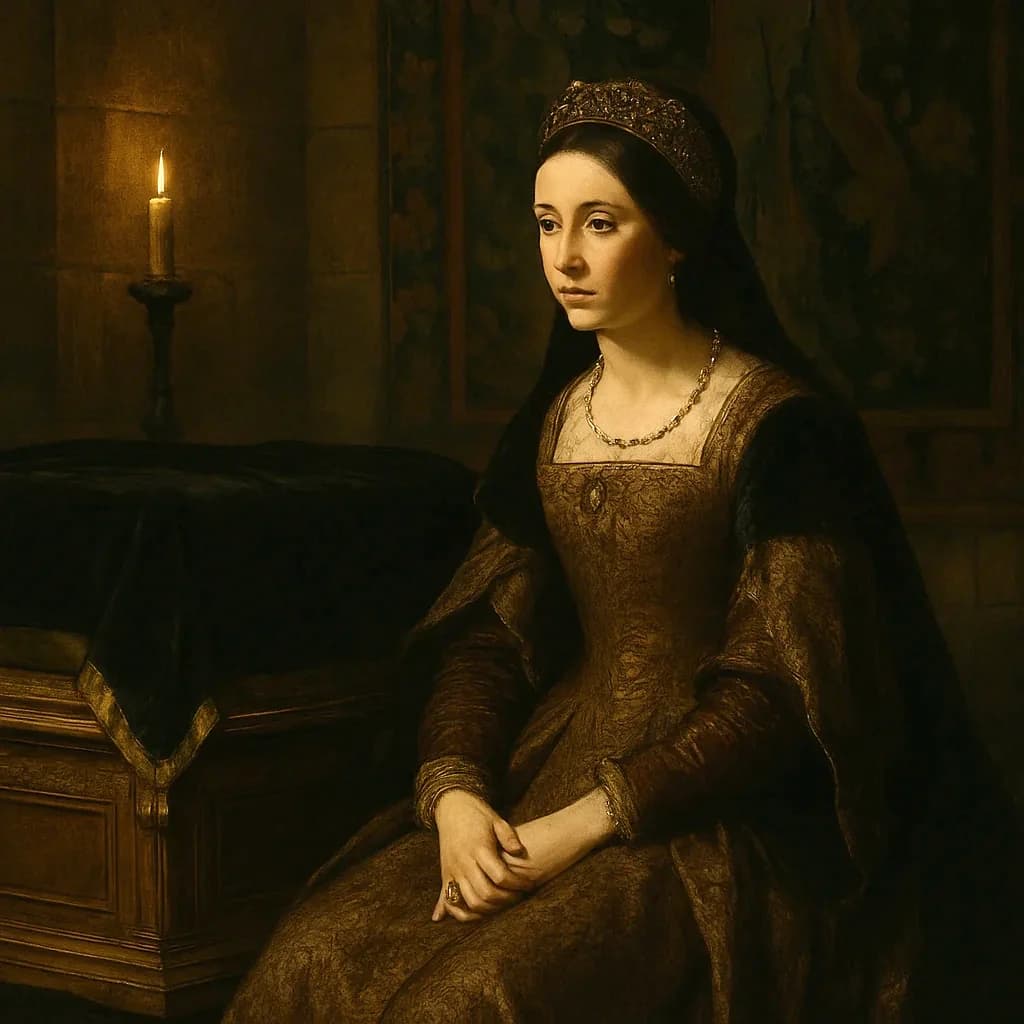
Four Days on a Sickbed, and the Fate of the Reconquista
A medieval queen refused to die on schedule, and in doing so, accidentally united two of history's most powerful crowns.
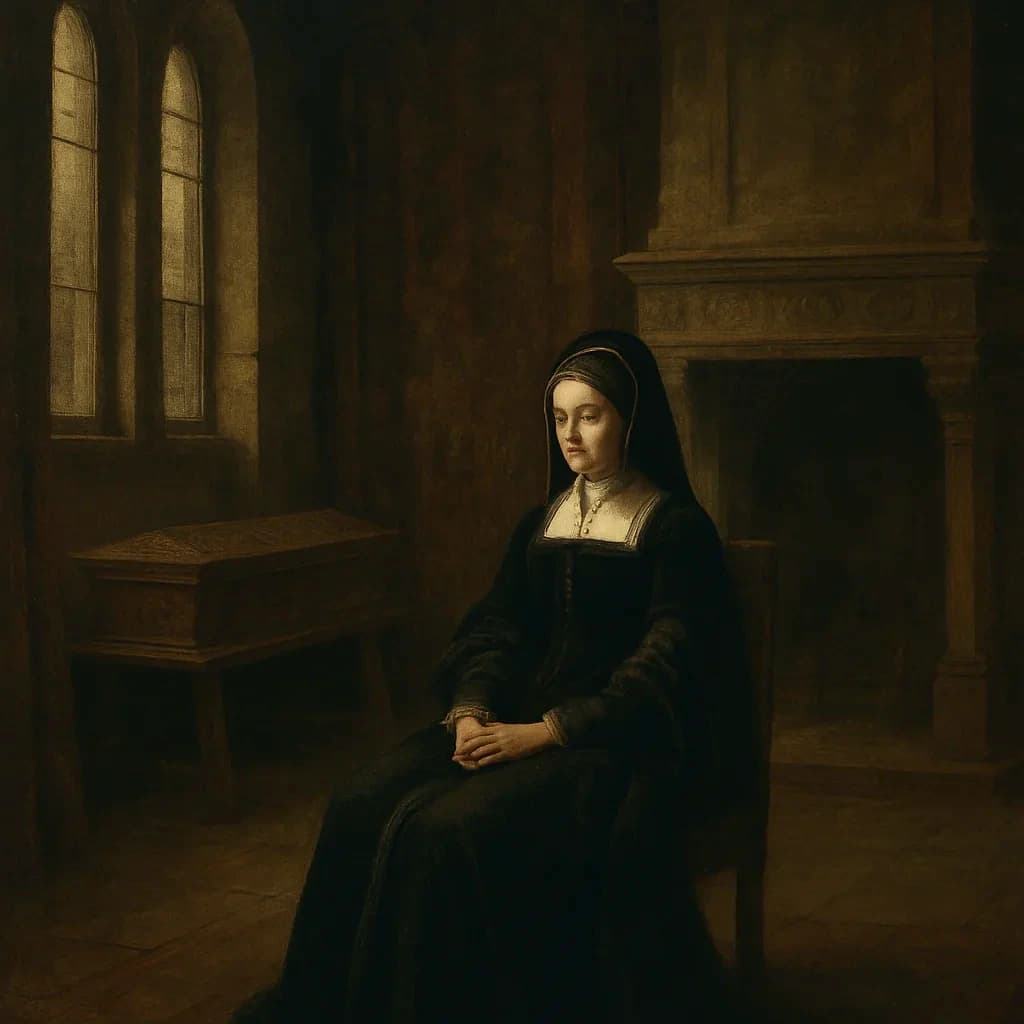
The Queen Locked in a Tower for 46 Years
When her husband died, Juana of Castile refused to let them bury him, and for nearly fifty years, she kept his corpse close.
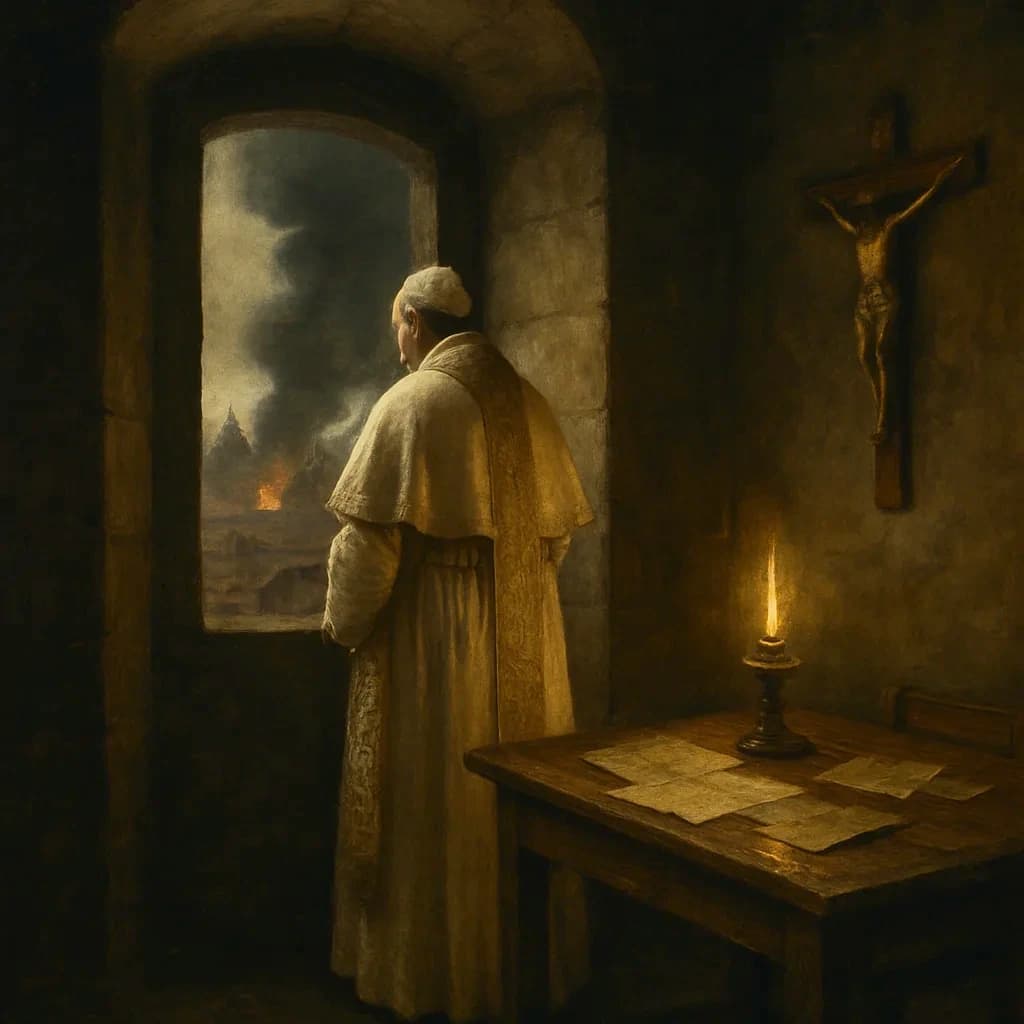
Hungry Soldiers Sacked Rome and Kept Ireland Catholic
A Swiss mercenary rebellion in 1527 ended up preserving the Catholic faith in Ireland for five centuries.
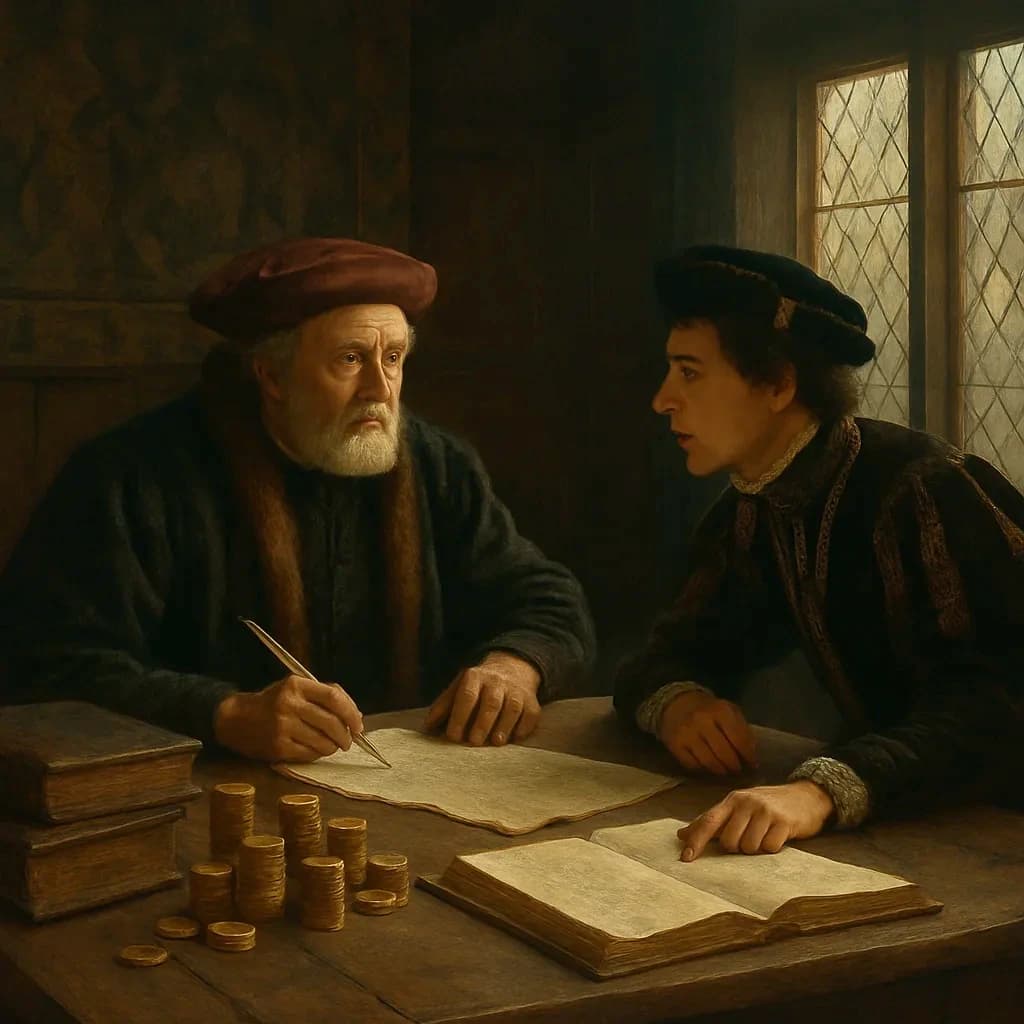
The Banker Who Bought an Emperor His Crown
A single unpaid debt to a German cloth merchant, settled in 1520, decided who would rule Europe for the next two centuries.
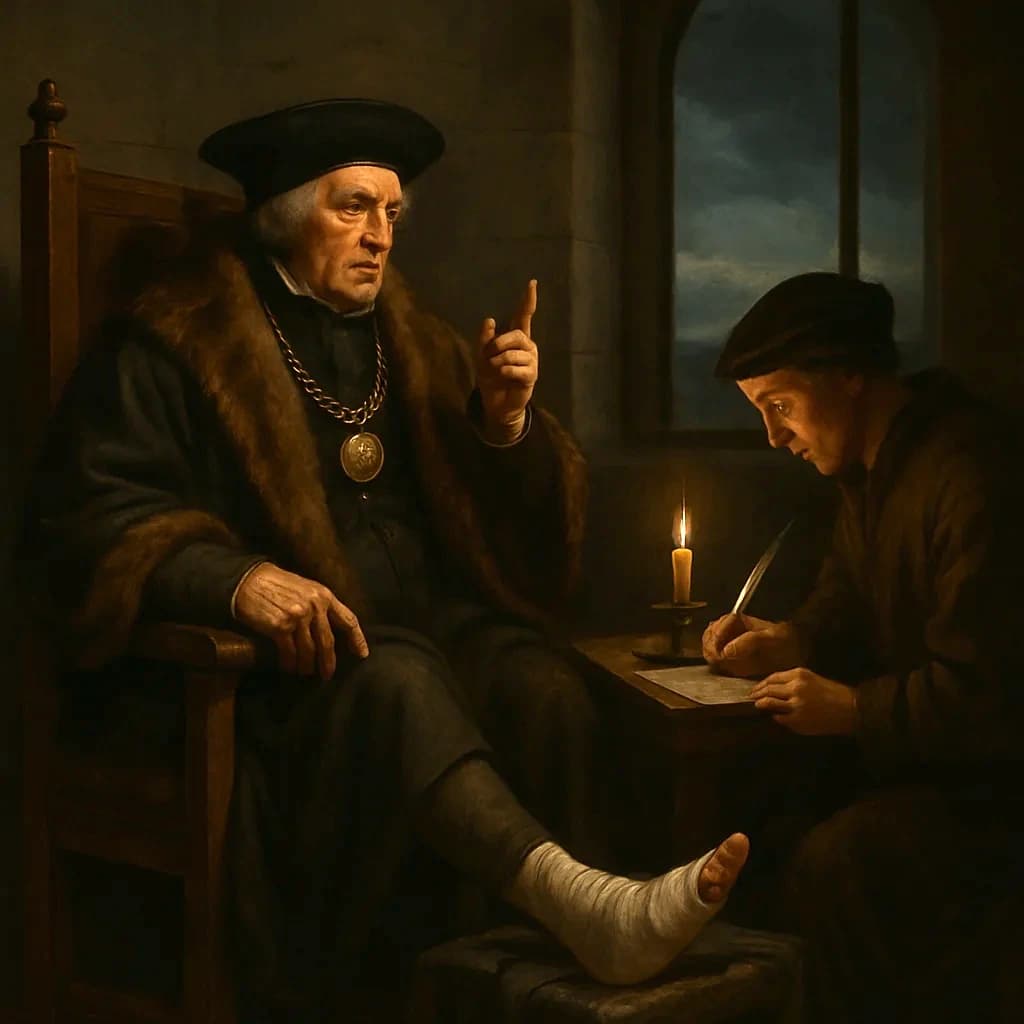
The Reformation Nearly Died Because One Man Got Sick
The Protestant Reformation nearly ended not with fire, not with armies, but because its most important defender got sick at exactly the wrong moment.
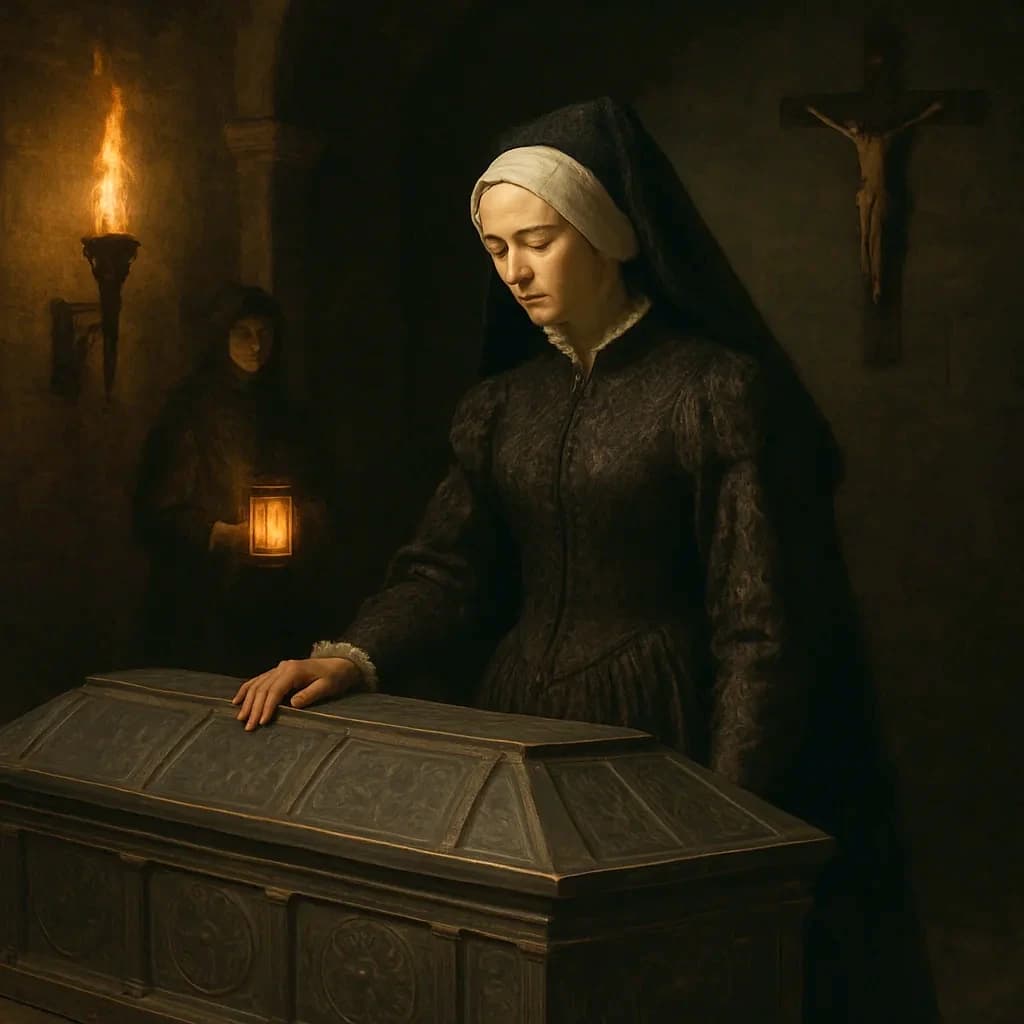
They Called Her Mad to Steal Her Throne
For eleven years, an empress ruled one of history's most powerful empires while her husband sat in a box.
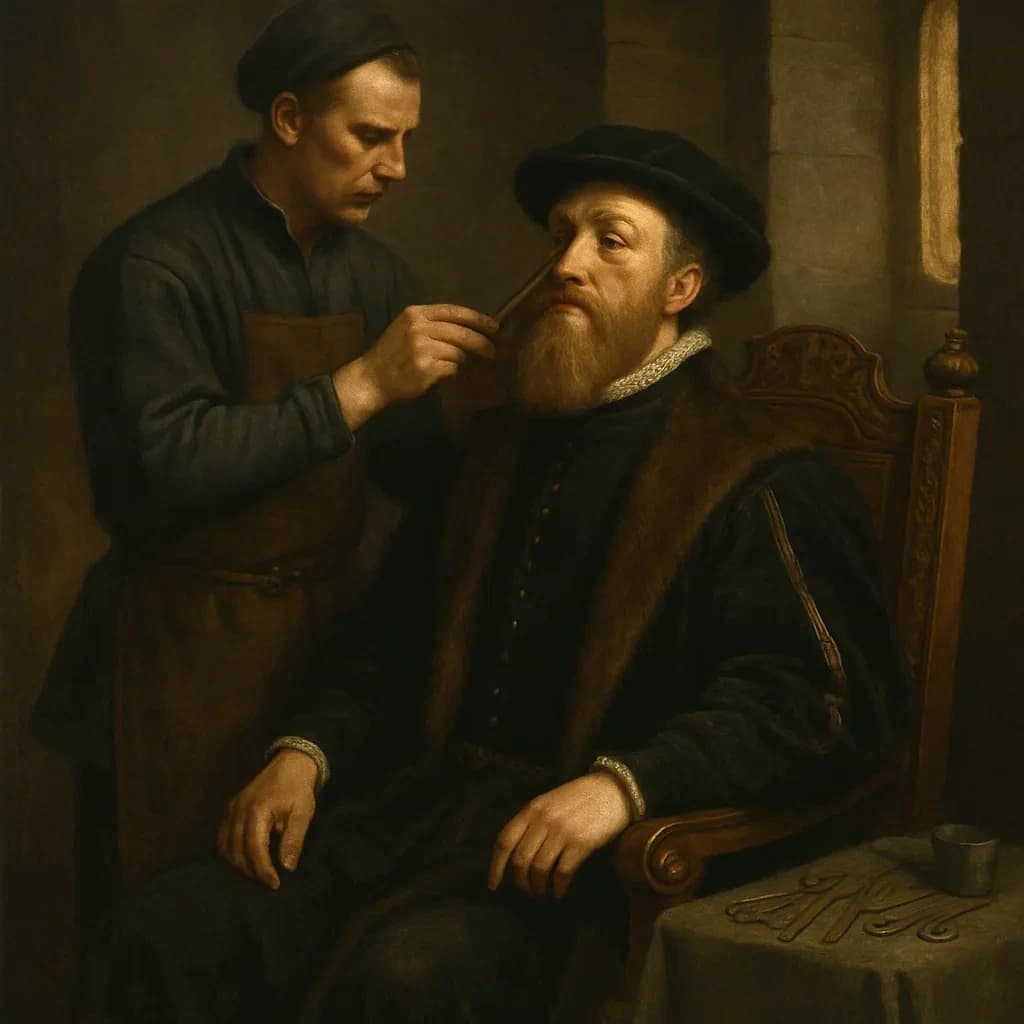
A Barber Heard Six Emperors' Secrets and Said Nothing
For sixty years, one German barber knew the secrets of every Habsburg emperor, and somehow never lost his head.
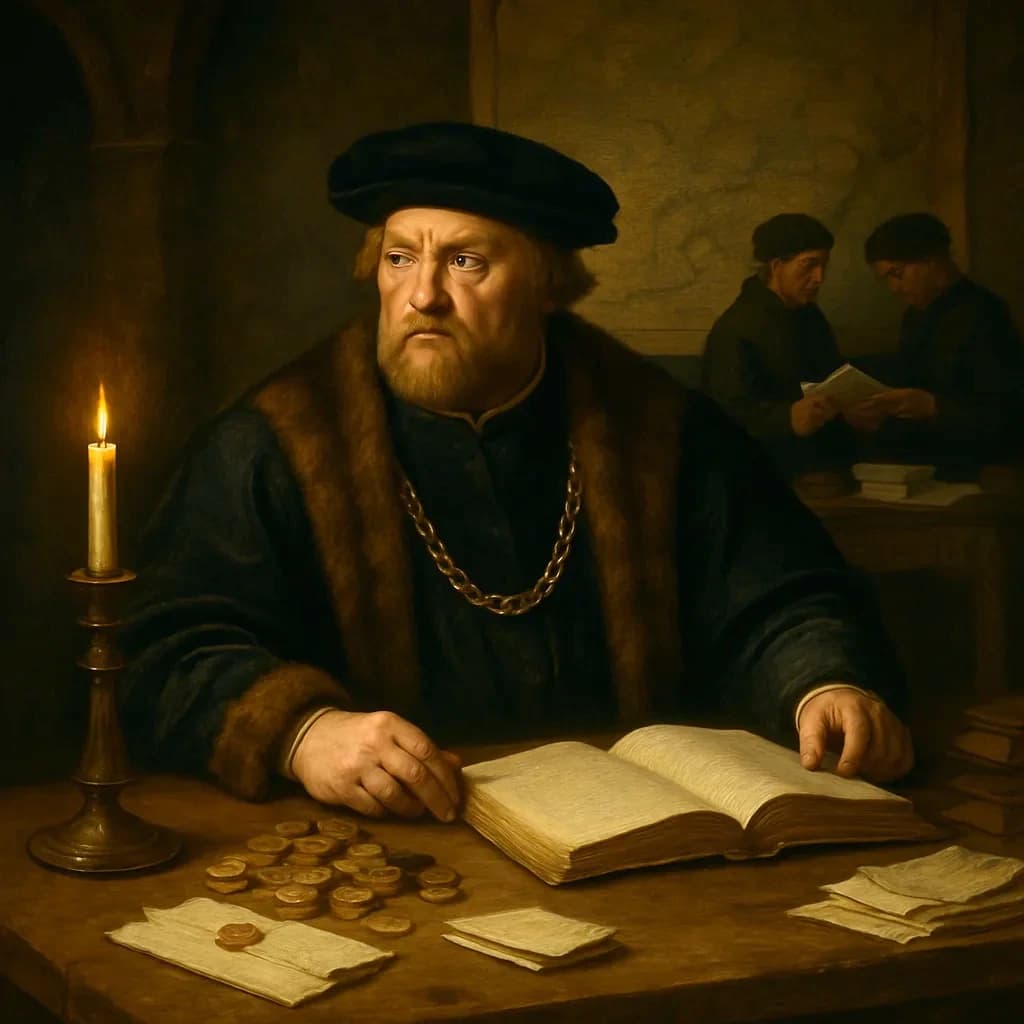
The Banker Who Bought a Holy Roman Emperor
The most powerful office in Christendom was auctioned off like a used horse, and the man who won it did so entirely with borrowed money.
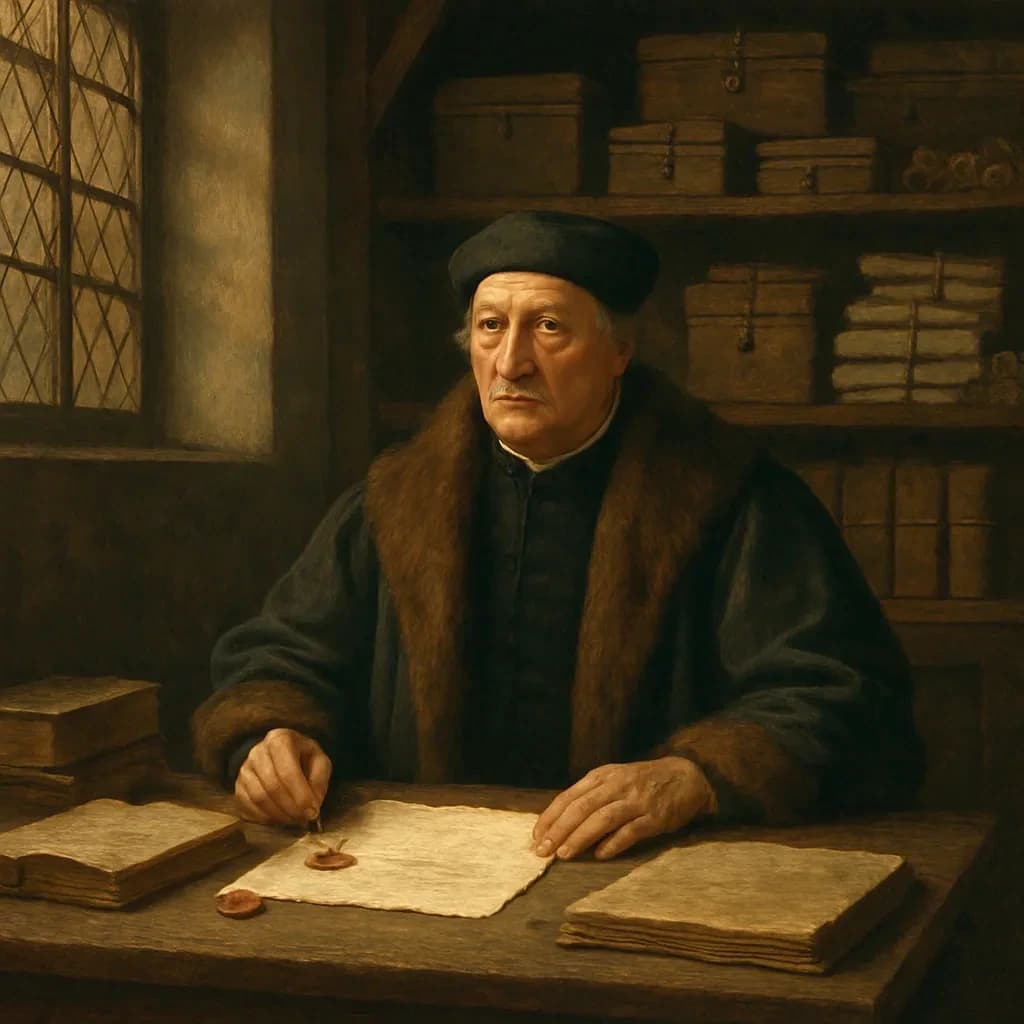
A German Banker Single-Handedly Bought the Holy Roman Empire
In 1519, a German banker single-handedly bought the Holy Roman Empire, and made sure everyone knew it.
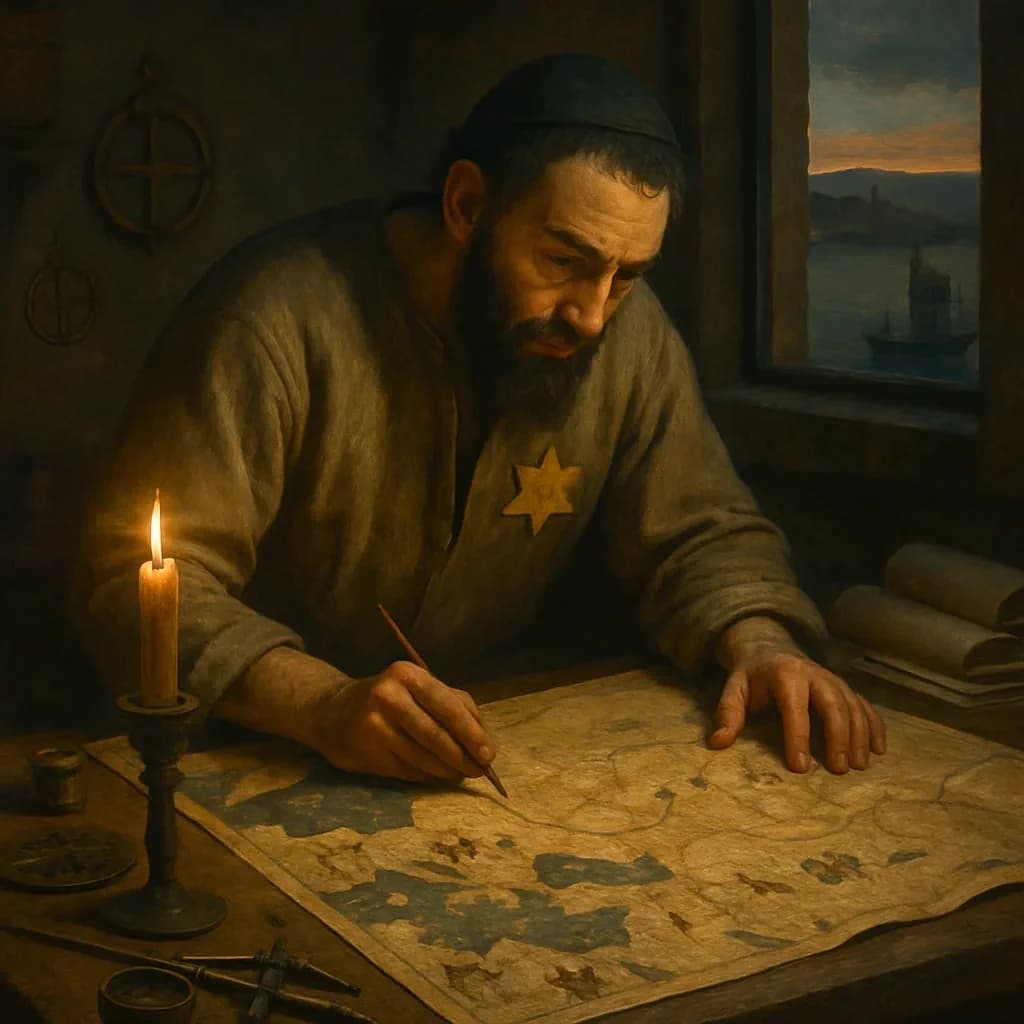
He Mapped a World He Never Saw
A Catalan slave named Cresques Abraham produced the most accurate map of the known world in 1349, while Europe burned around him.
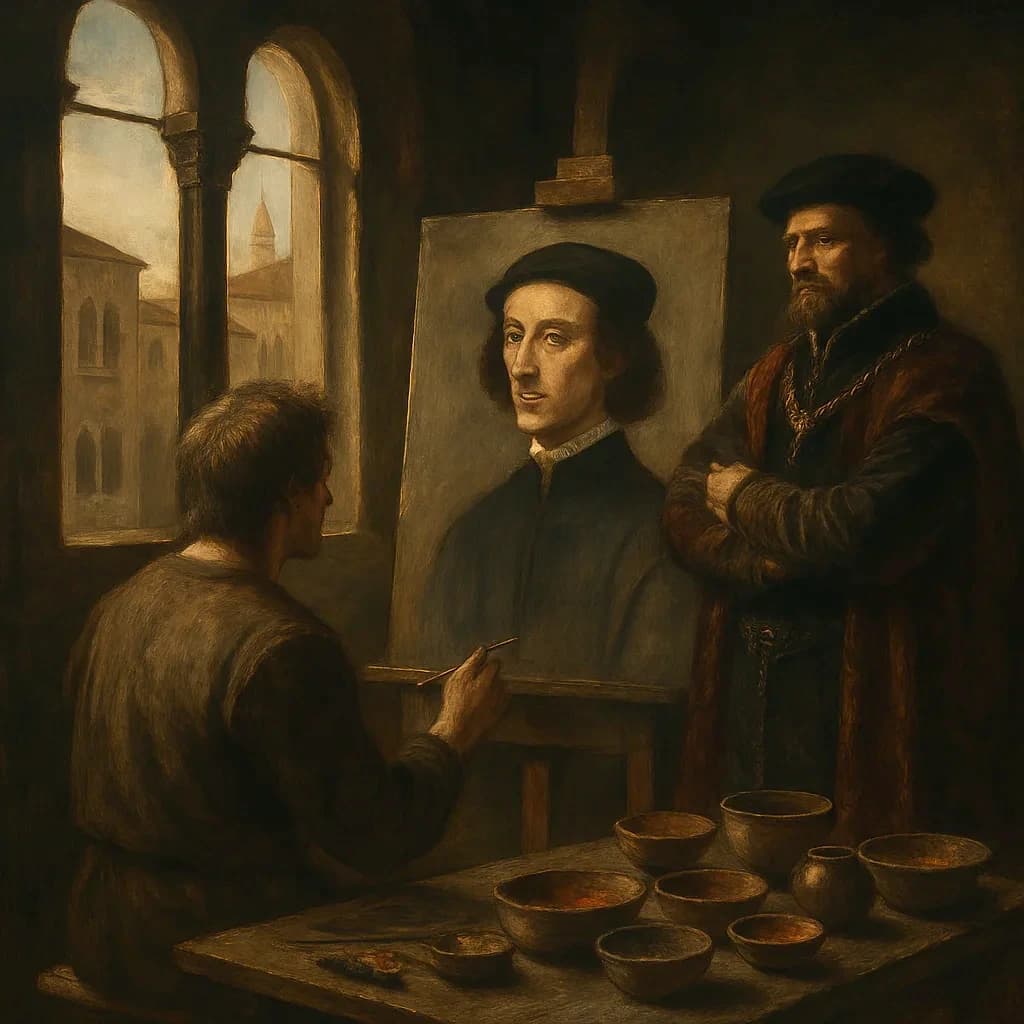
How a Painting Helped Spain Win Half the World
A minor artistic dispute between a German merchant and a Venetian painter accidentally set off the chain of events that handed Spain control of half the known world.
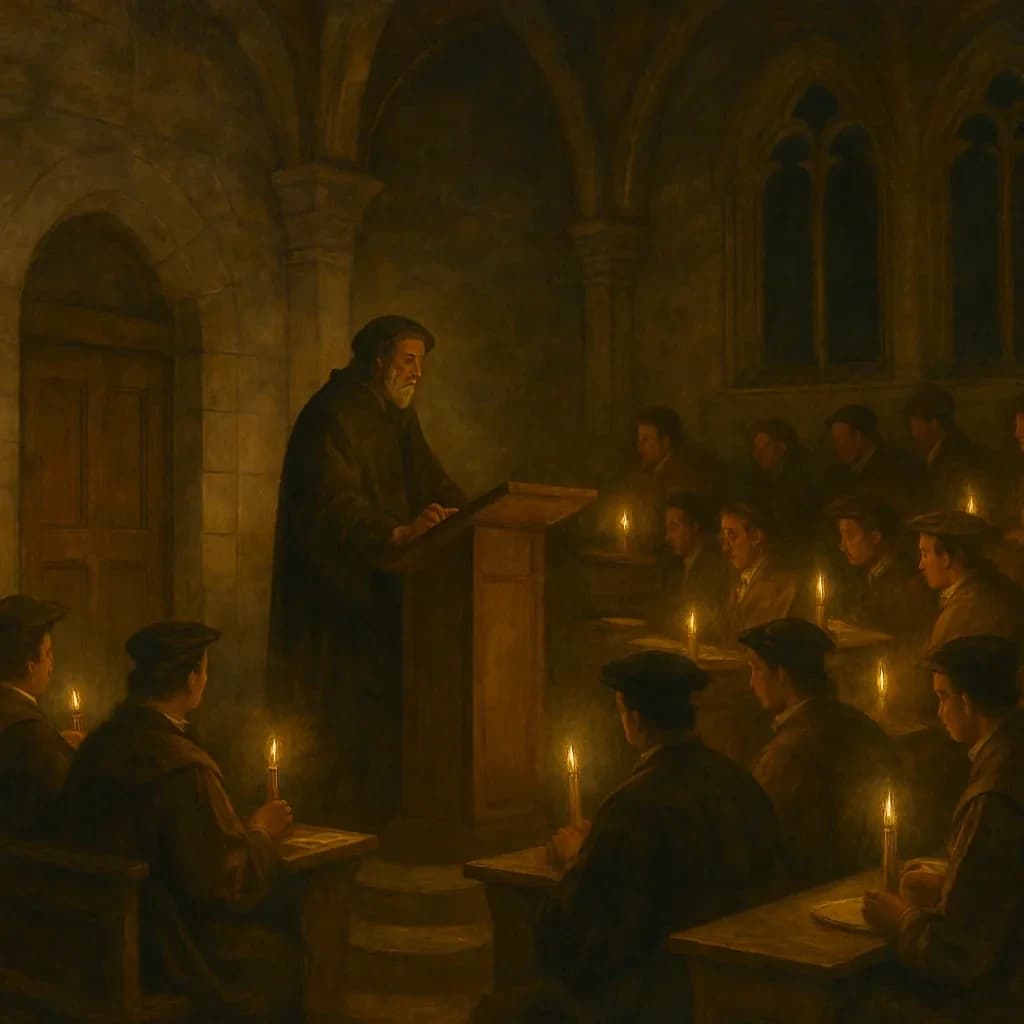
A Professor's Secret Midnight Lessons Shaped Europe for Three Centuries
A Spanish professor's secret midnight lessons would determine how Europe understood human nature for the next three centuries.
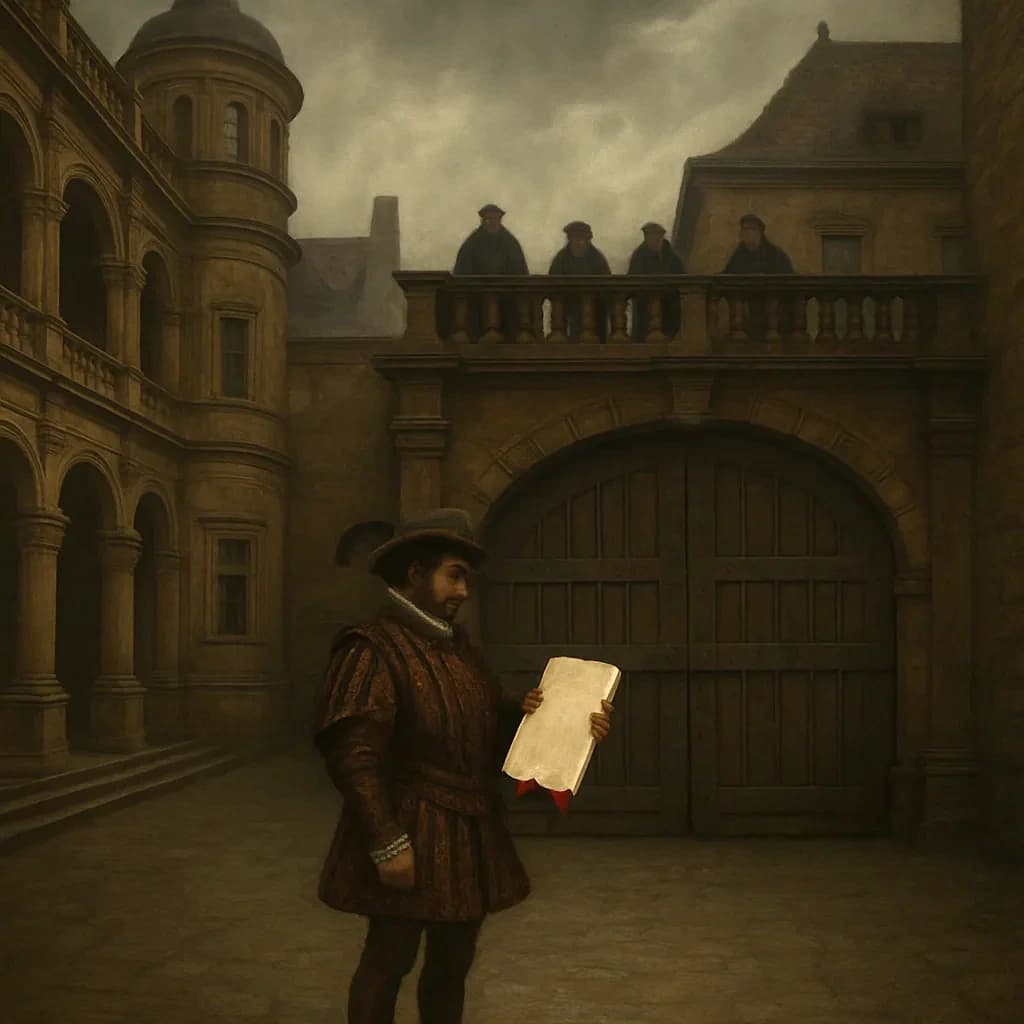
The Notaries Who Locked Out an Emperor's Heir
For three days in 1547, the Holy Roman Empire's most powerful throne sat vacant because no one could figure out who owned it.
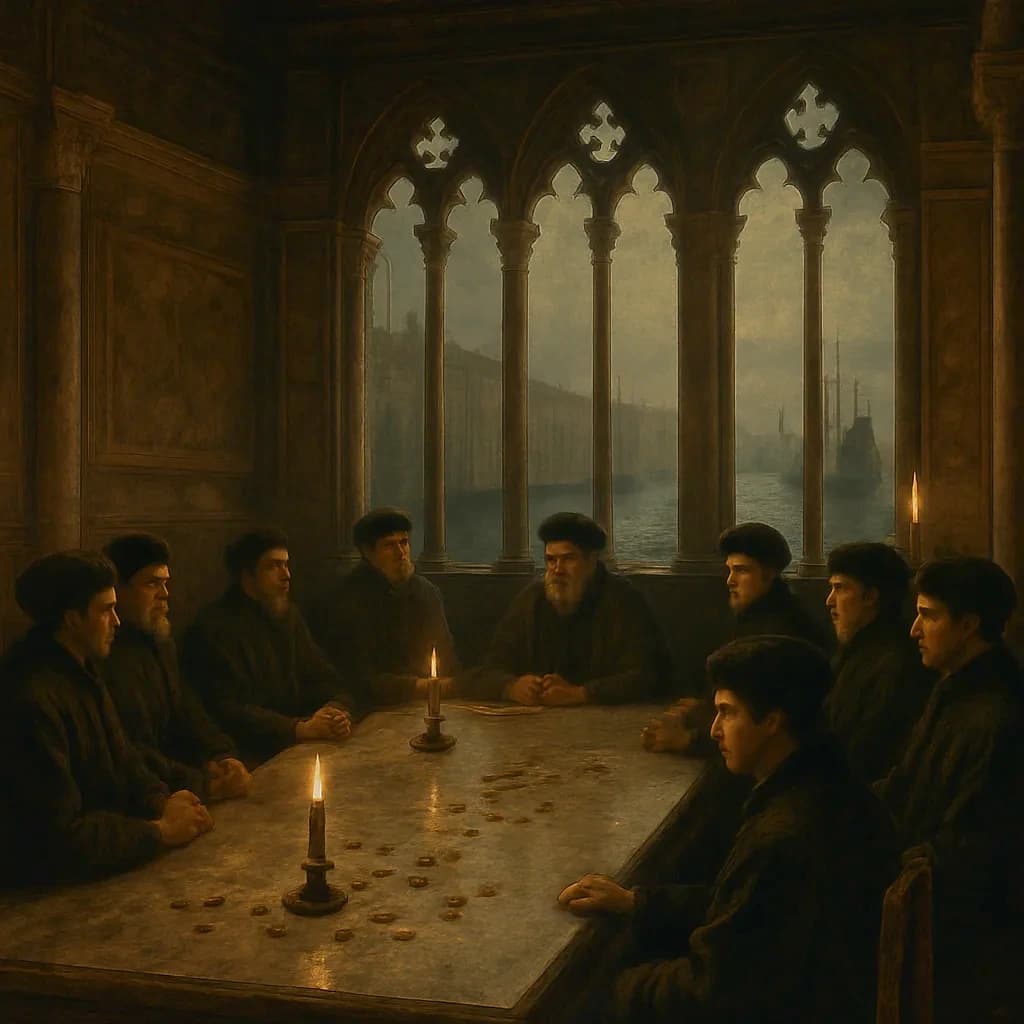
Forty-Three Beans Chose the Holy Roman Emperor
A Venetian merchant's son counted dried beans to choose the most powerful man in Europe.
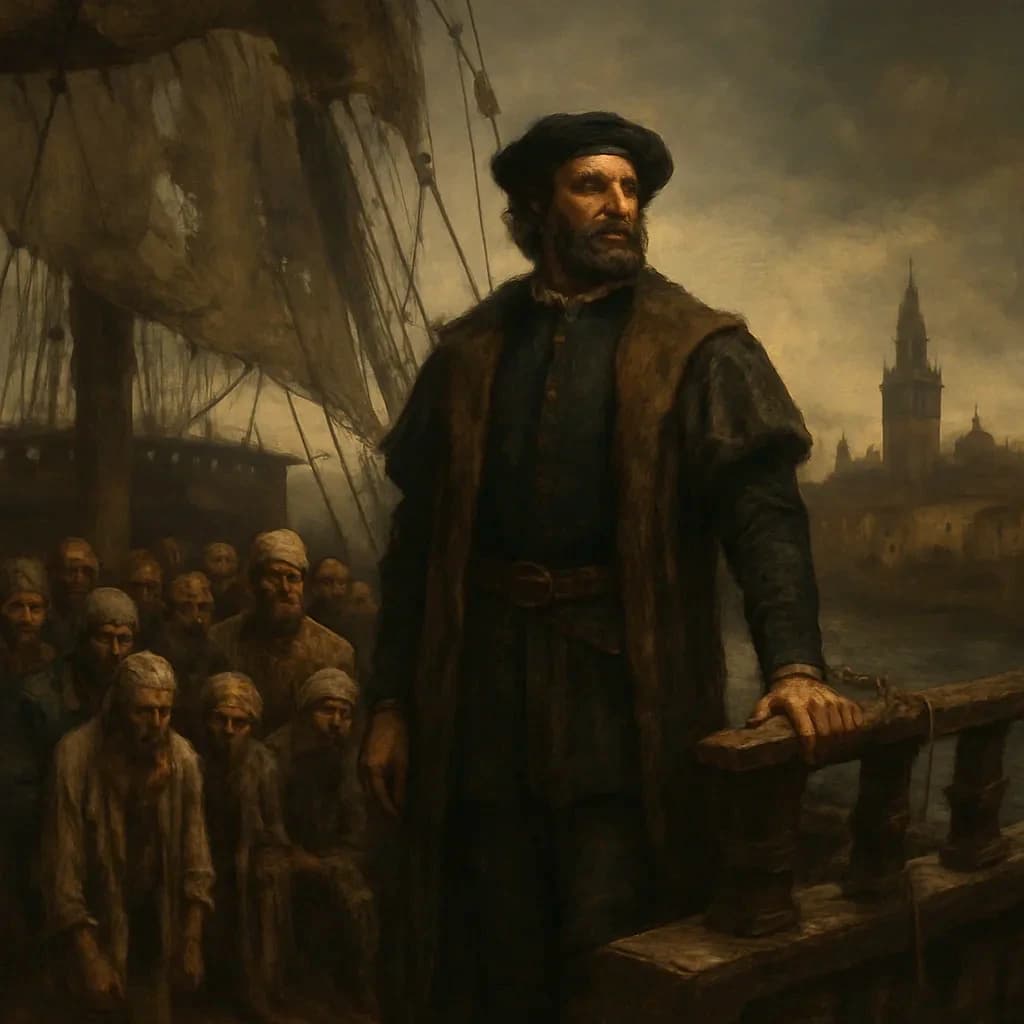
When Magellan's Cook Conquered the World
A ship's cook with no nautical training became the first person to circumnavigate the globe.
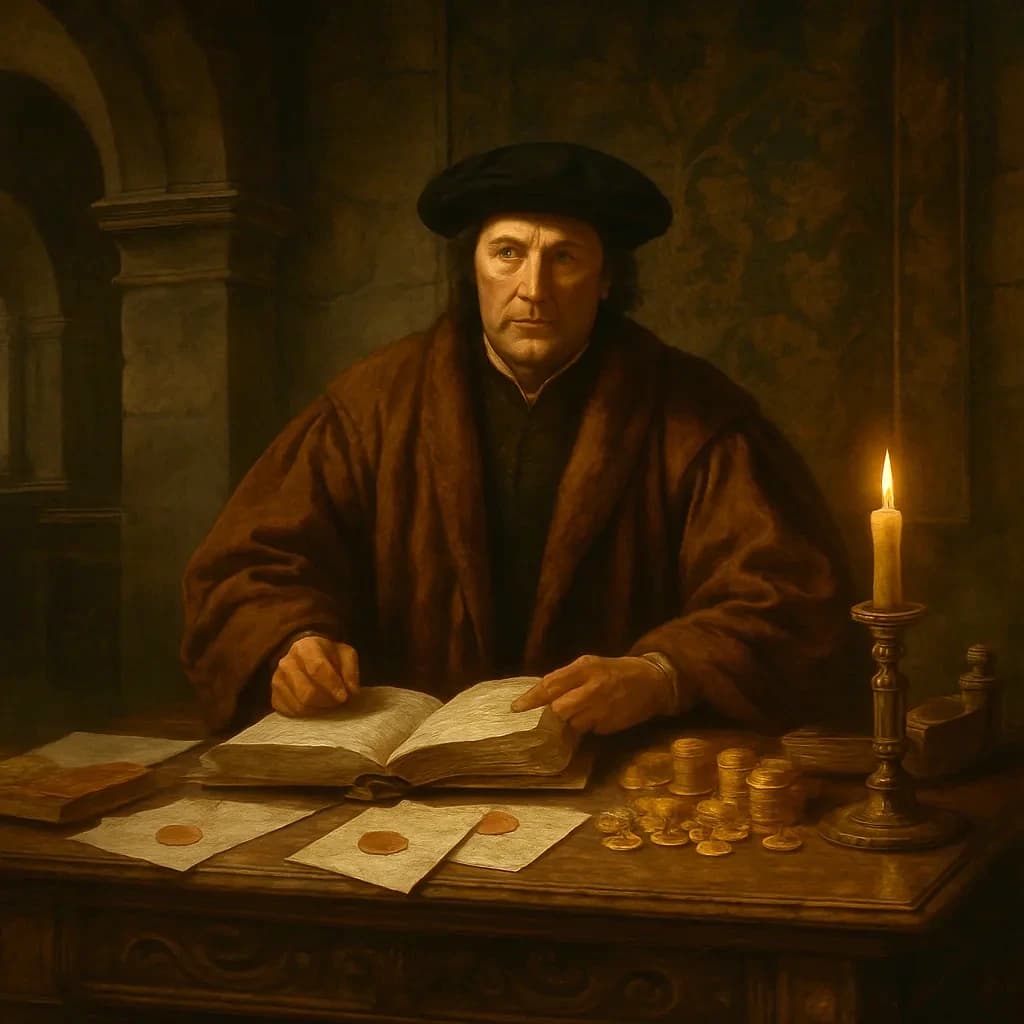
The Banker Who Bought an Emperor's Crown
While kings begged for loans, one man in Augsburg casually bought and sold the fate of entire empires.
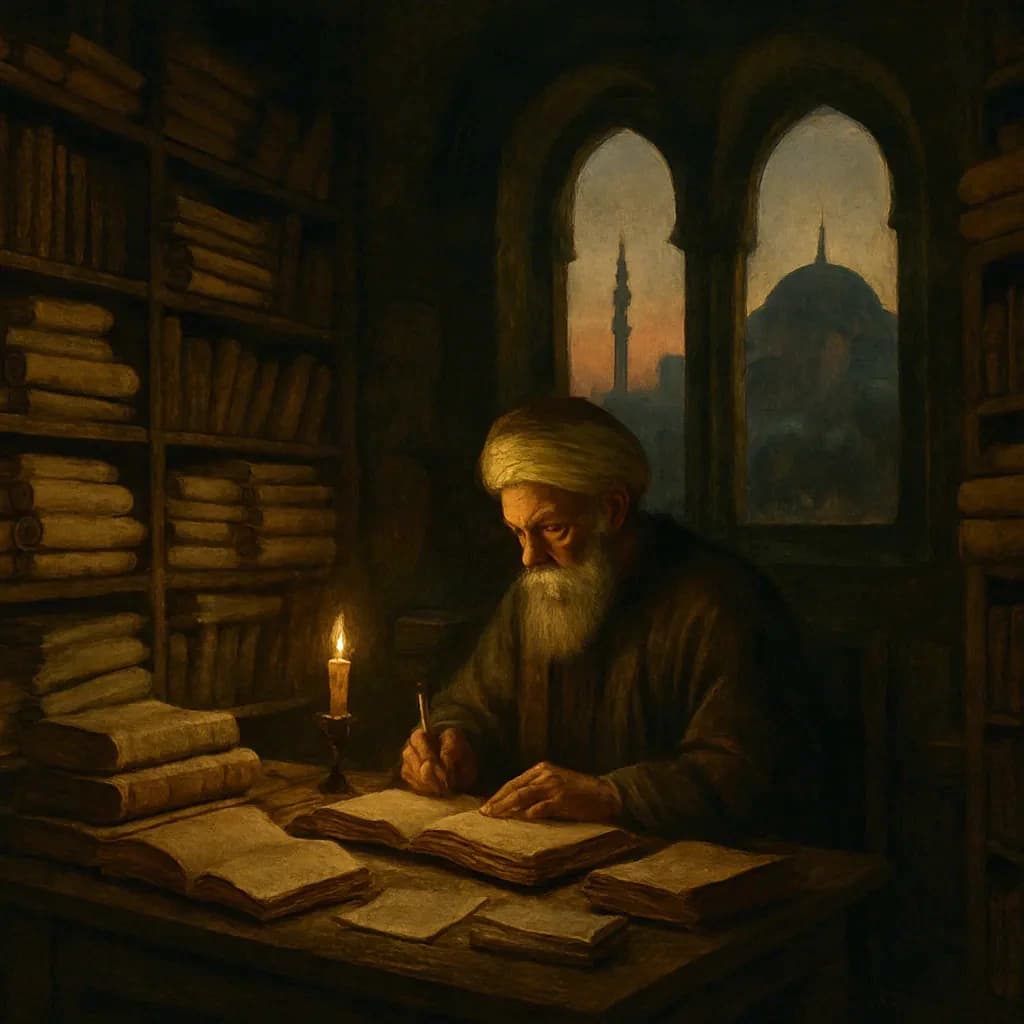
He Saved the Books Everyone Else Was Burning
While Europe fought the Renaissance wars of religion, one man in Constantinople was quietly preserving the lost knowledge of thirty civilizations.
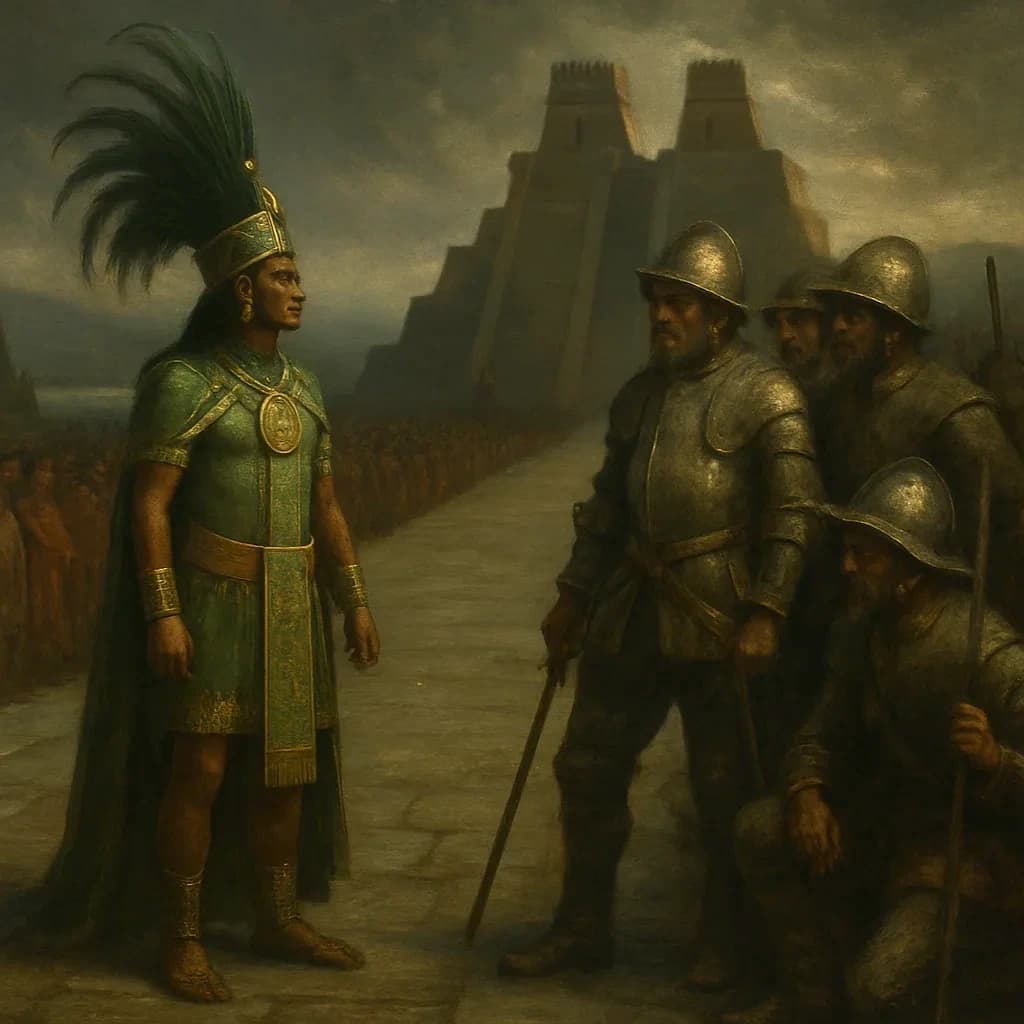
400 Starving Men Bluffed an Empire Into Surrender
An army of 400 men convinced 300,000 people to surrender their empire without firing a shot.
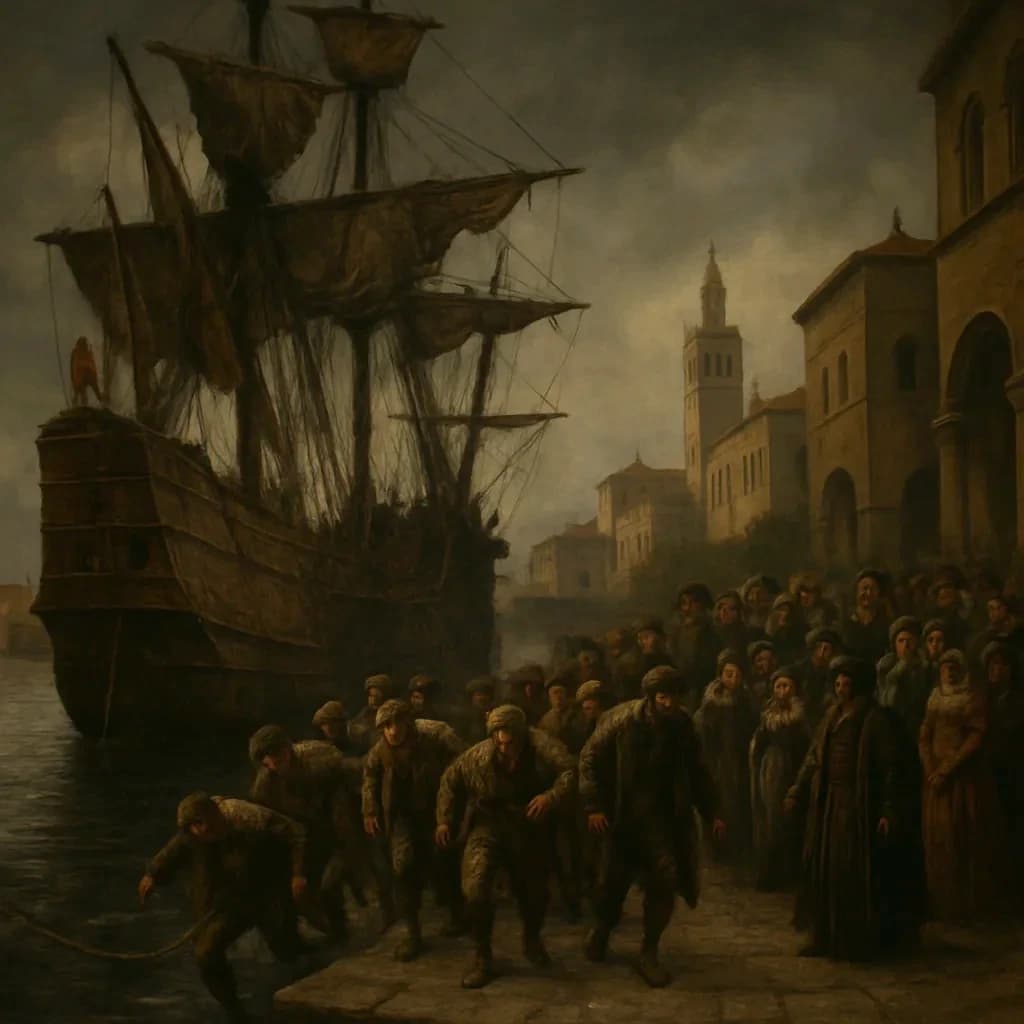
Magellan Never Made It Around the World. His Cook Did.
Ferdinand Magellan never completed the first voyage around the world, but his cook did.
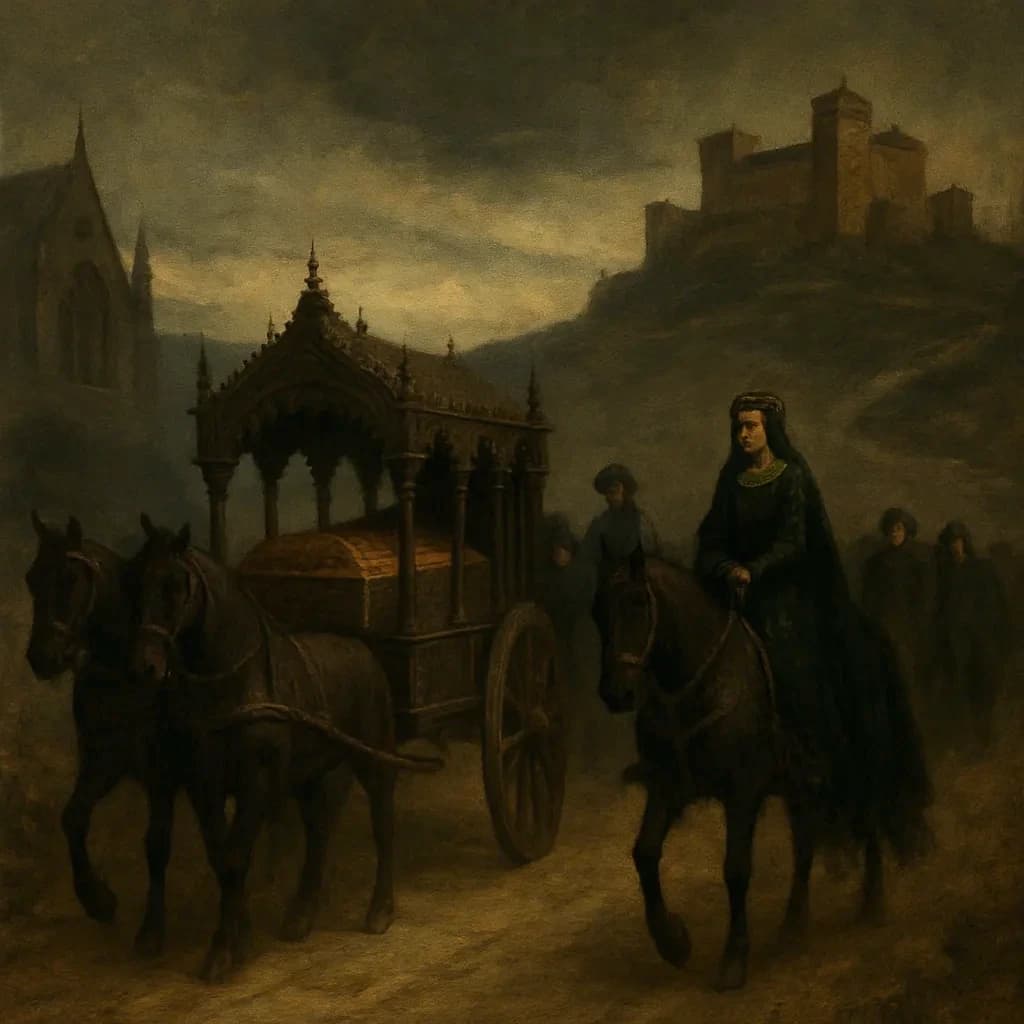
The Queen Who Forgot She Was Dead
Juana of Castile refused to bury her husband for three years, traveling across Spain with his coffin, and her madness accidentally saved an empire.
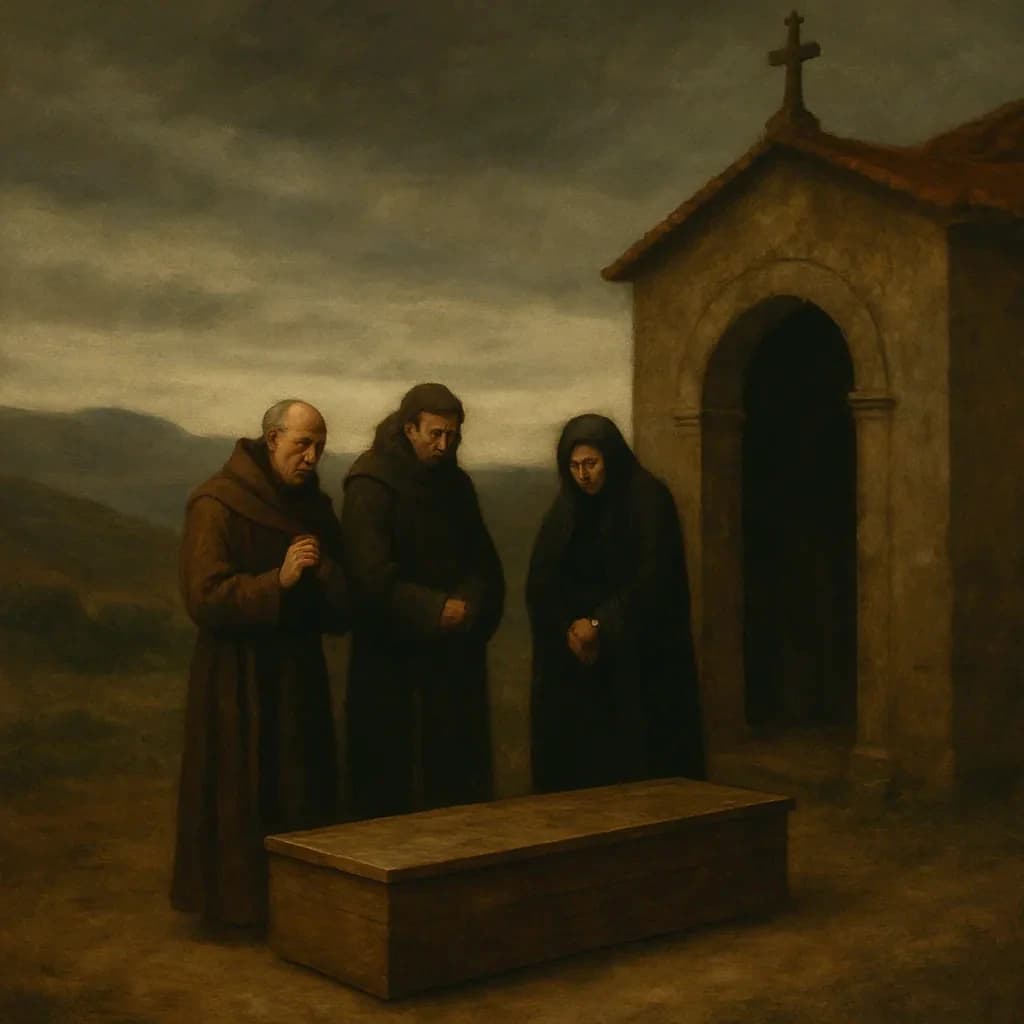
Europe's Most Powerful Emperor Was Buried by Three Strangers
When the most powerful man in Europe died, only three people came to his funeral, and they weren't invited.
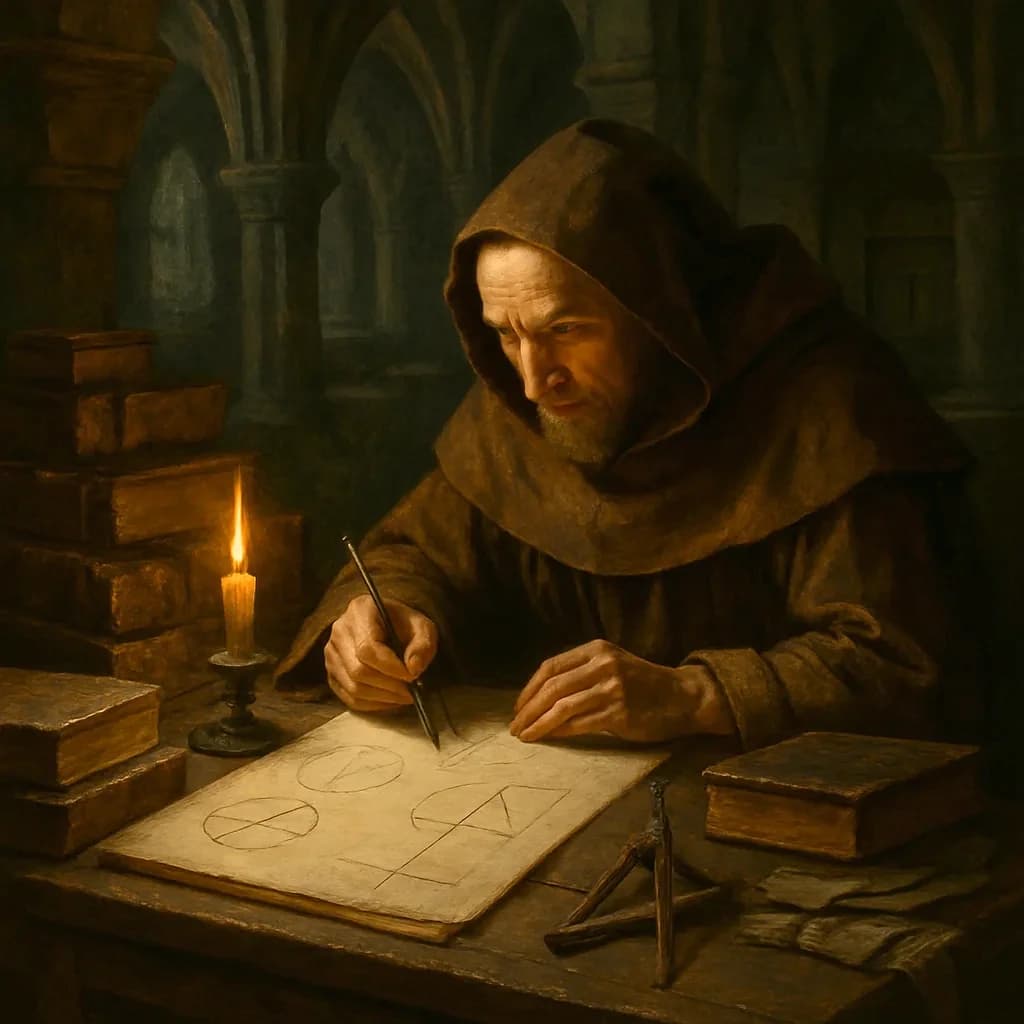
He Proved Some Infinities Are Bigger, Then Disowned It
A medieval mathematician's proof that infinity comes in different sizes nearly got him burned as a heretic.
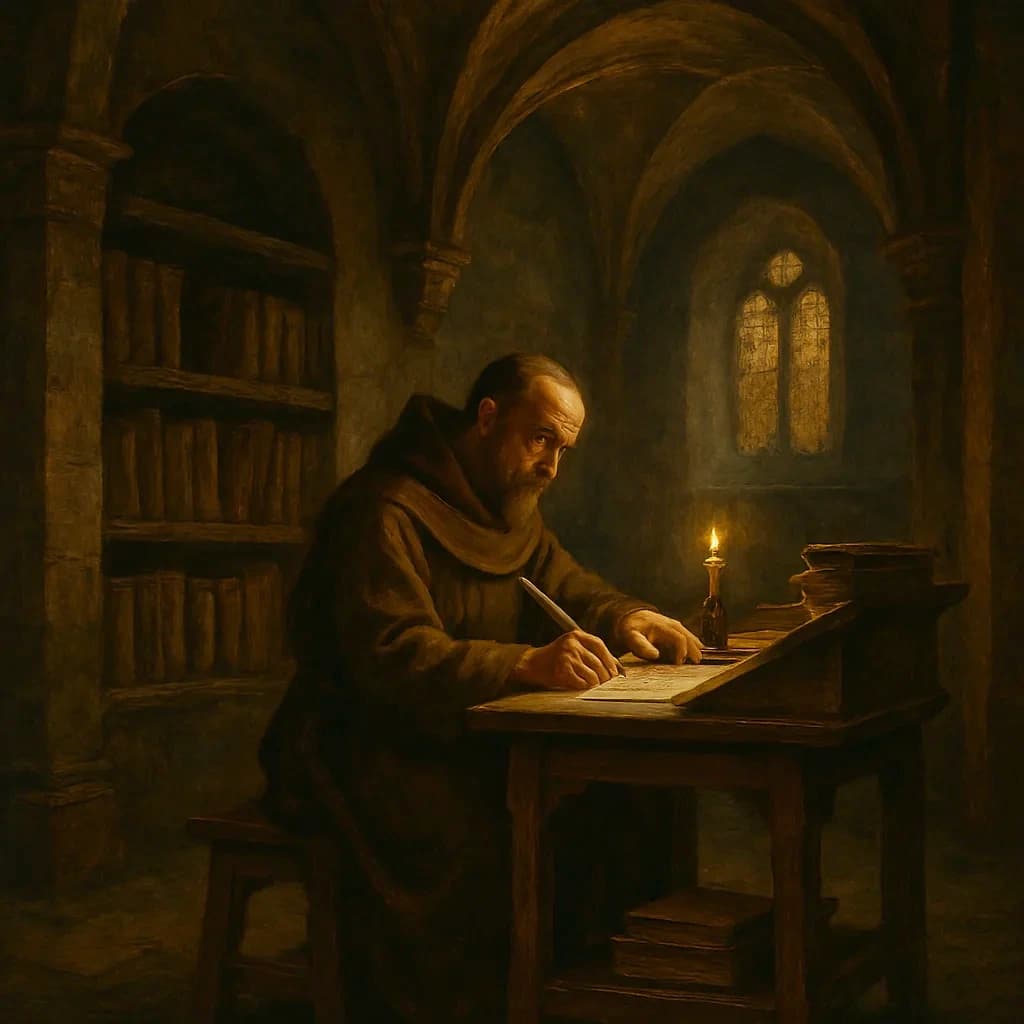
How a Celibate Monk Arranged Europe's Greatest Marriage
A celibate monk became the unwitting matchmaker for the most powerful political marriage in European history.
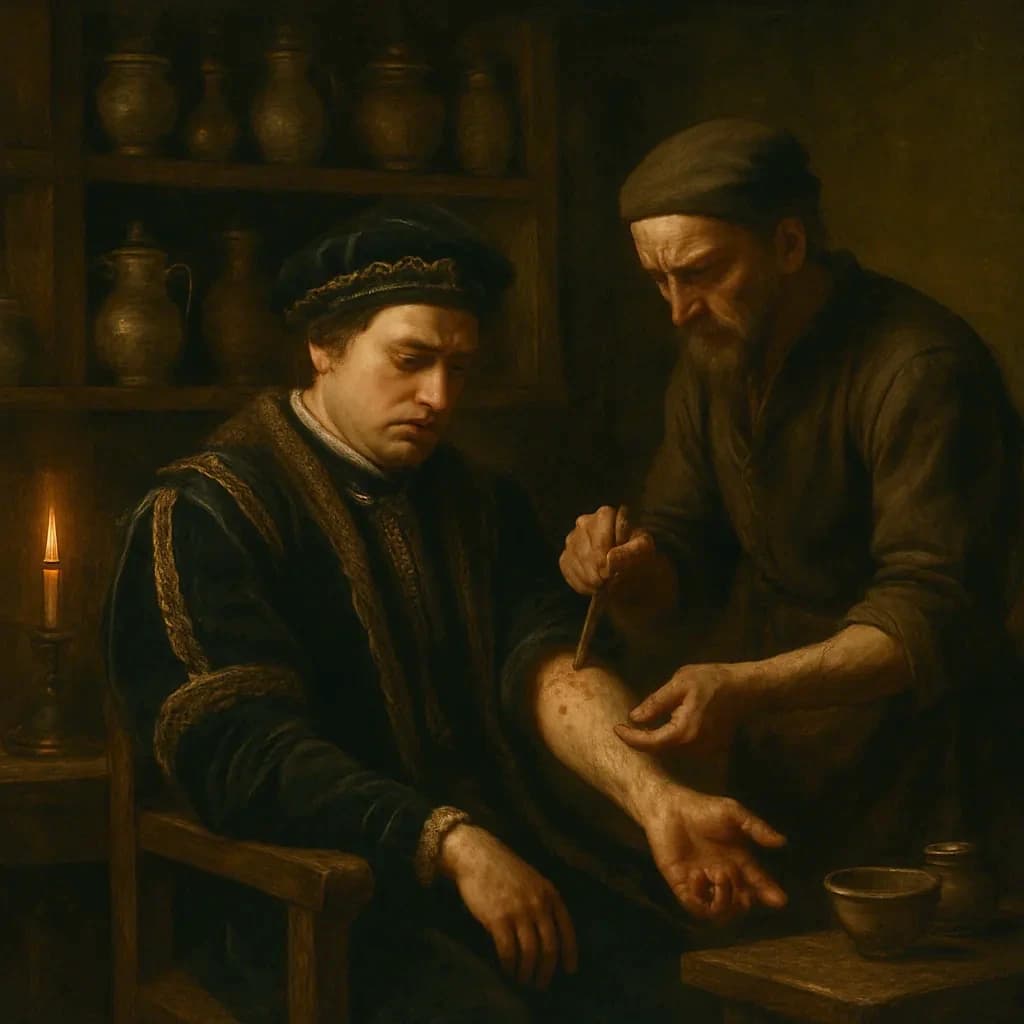
The Only Cure for the French Disease Drove Men Mad
In 1516, mercury was the only cure for the French Disease, and the men who took it slowly went mad.
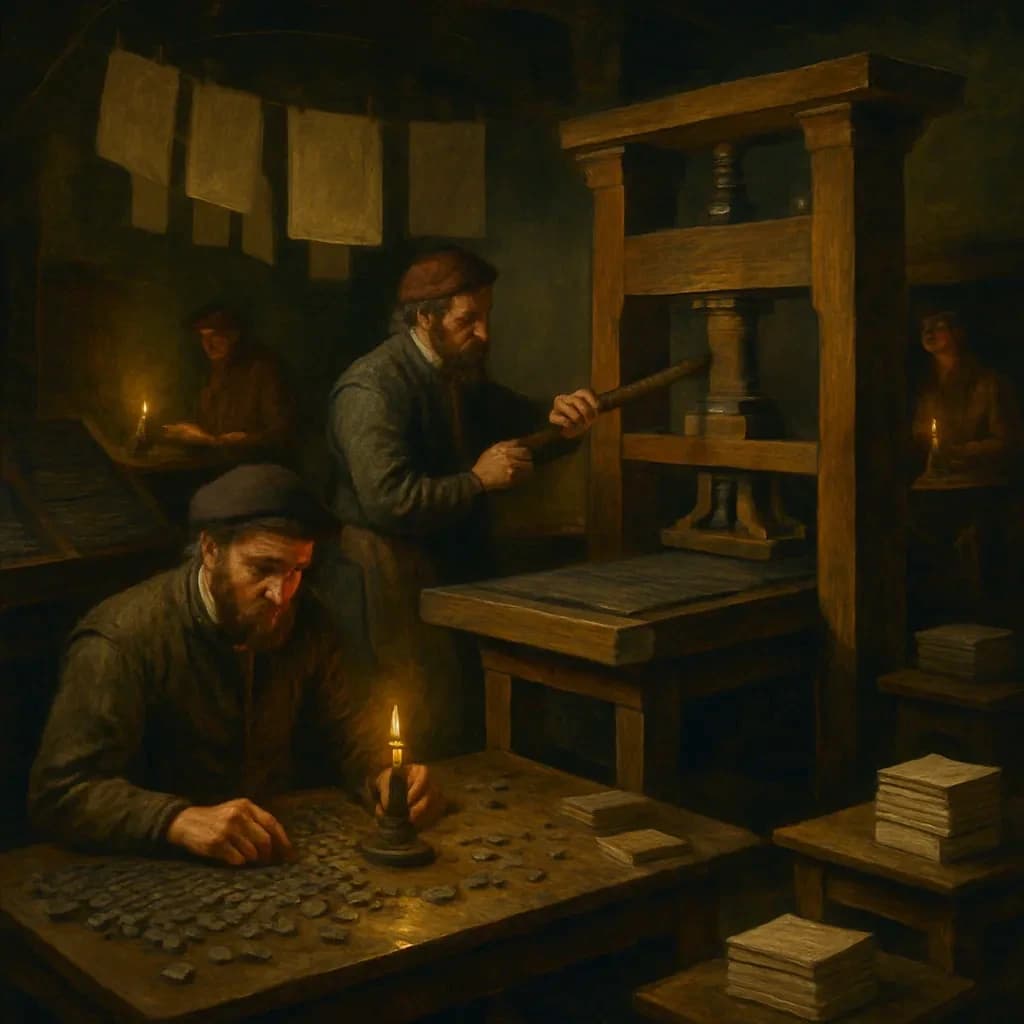
The Printer Who Sold Revolt in Sixteen Pages
A single printing press in 1550s Geneva launched more revolts than any army ever could.
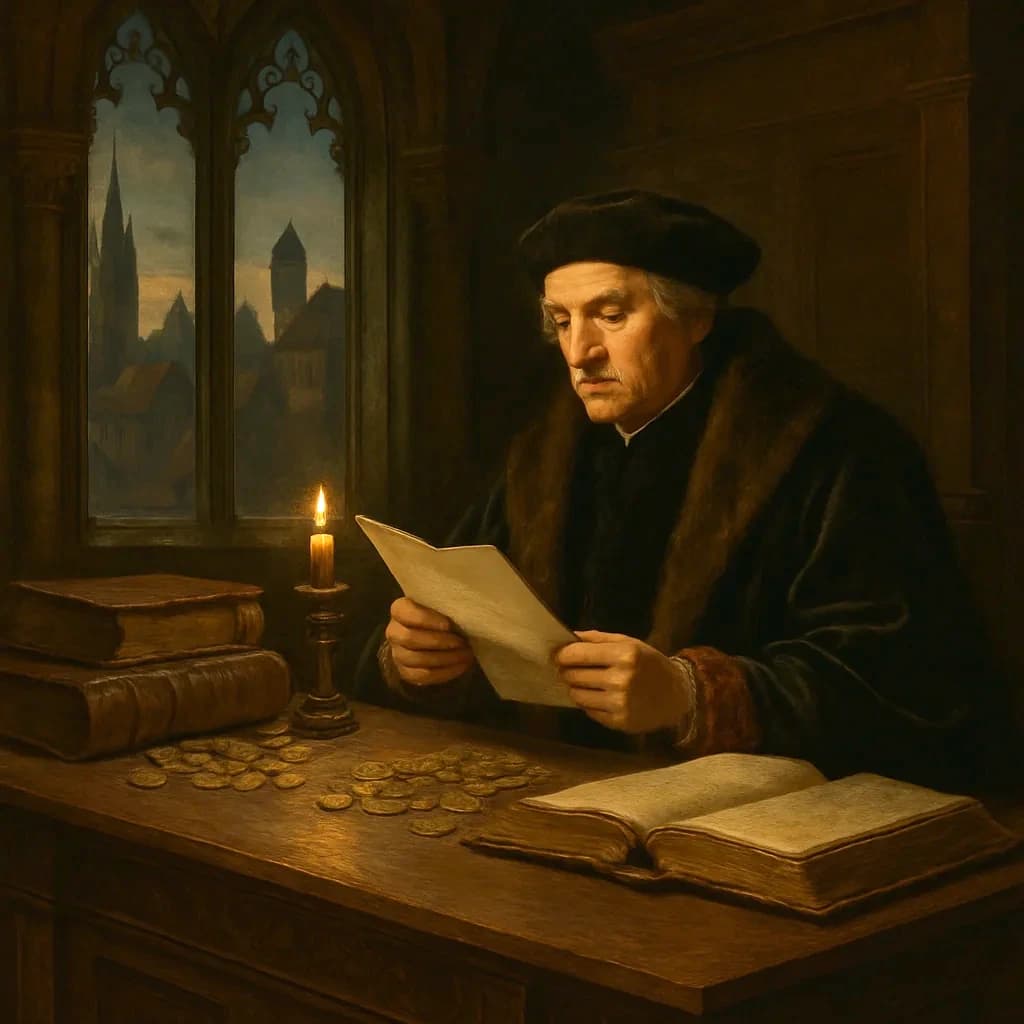
The Merchant Who Owned More Than Nations
Jacob Fugger's personal wealth dwarfed entire kingdoms. And he made sure emperors knew exactly who owed him.
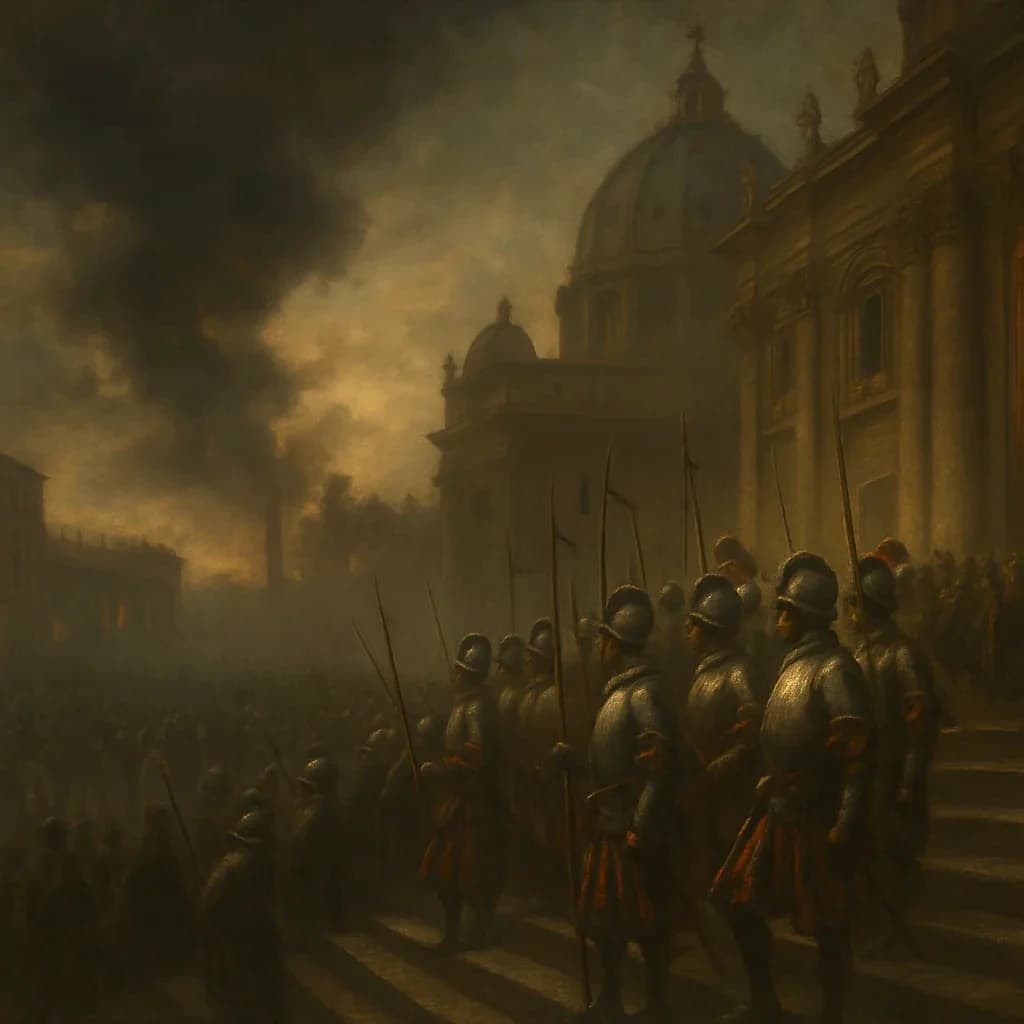
147 Unpaid Mercenaries Held Off 20,000 to Save the Pope
In 1527, 147 Swiss mercenaries held off 20,000 soldiers so the Pope could escape Rome, and most of them had never been paid.
- Geoffrey Parker, 'Emperor: A New Life of Charles V' (2019)
- Hugh Thomas, 'The Golden Empire: Spain, Charles V, and the Creation of America' (2010)
- Aurelio Espinosa, 'The Empire of the Cities: Emperor Charles V, the Comunero Revolt, and the Transformation of the Spanish System' (2009)