
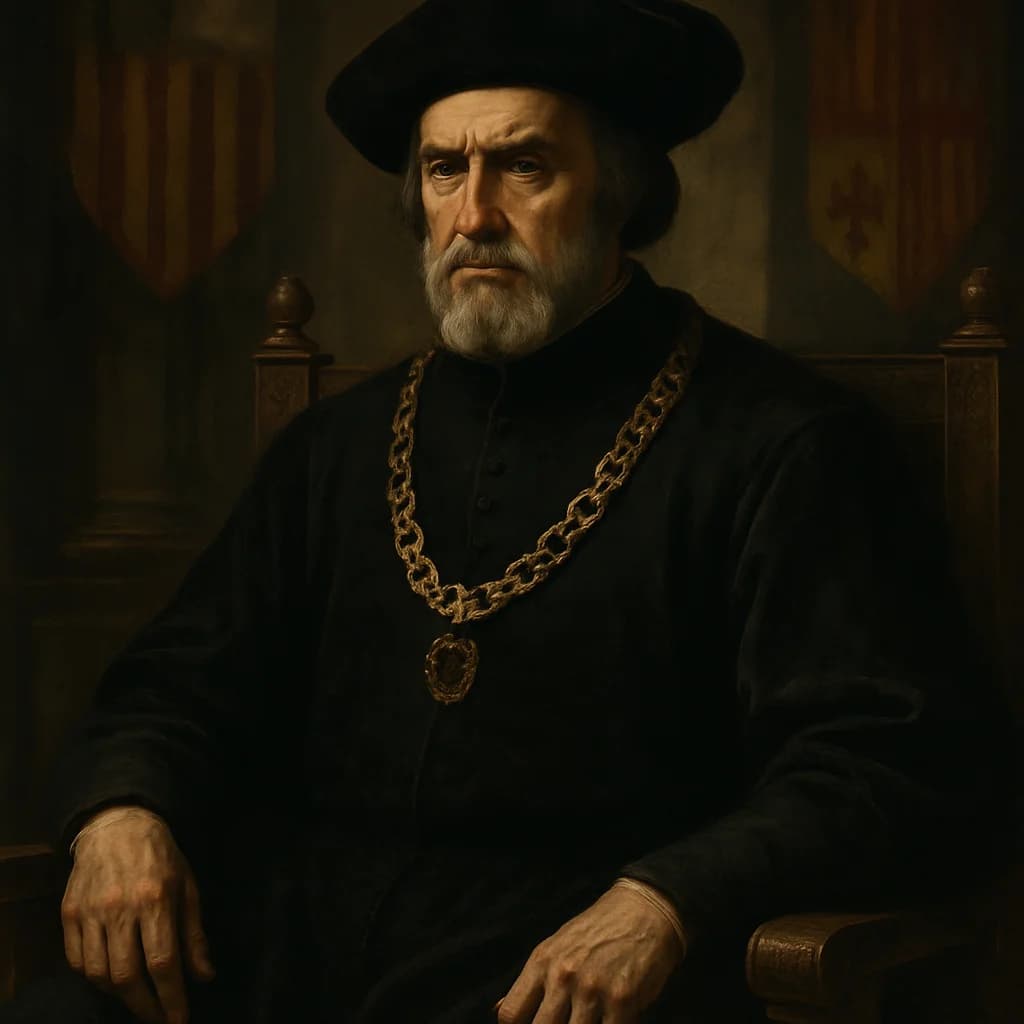
Ferdinand of Aragon
The man who united Spain spent his final years fighting his own grandson for control of the kingdom he'd created.
Ferdinand of Aragon understood something most rulers miss: marriage is the ultimate military strategy. When he wed Isabella of Castile in 1469, he wasn't just gaining a wife. He was engineering the birth of a nation. Their union fused two crowns into one Spanish empire, but Ferdinand's real genius lay in what he did after Isabella died in 1504.
While Europe expected him to fade into widowerhood, Ferdinand pulled off one of history's most audacious power grabs. His daughter Juana had inherited Castile, but Ferdinand declared her mentally unfit to rule. For three years, as Juana dragged her husband Philip's corpse across Spain in a bizarre funeral procession, Ferdinand quietly consolidated control over both kingdoms. He used his daughter's grief-induced madness as legal justification to rule in her name, a regency that conveniently lasted until his death.
But Ferdinand's masterpiece was his final act of spite. In 1515, at age 63, he remarried, to Germaine de Foix, a 18-year-old French princess. The goal wasn't love; it was revenge against his Habsburg grandson Charles, who'd been pressuring him to abdicate. Ferdinand hoped to father a new heir and cut Charles out entirely. When Germaine bore him a son who died in infancy, Ferdinand reportedly wept not from grief, but from rage at his dynasty's lost future.
The architect of Spanish unity died in 1516, still scheming against the very grandson who would inherit his empire and become the most powerful ruler in European history. Ferdinand had created something magnificent and then spent his last breath trying to destroy it, the ultimate paradox of a man who confused personal ambition with national destiny.
Ferdinand tried to disinherit his own grandson Charles V by remarrying at 63 and desperately attempting to father a new heir to spite the Habsburgs.
Why untold: His foundational role in creating Spain is overshadowed by Isabella's religious fame and Charles V's later imperial dominance.
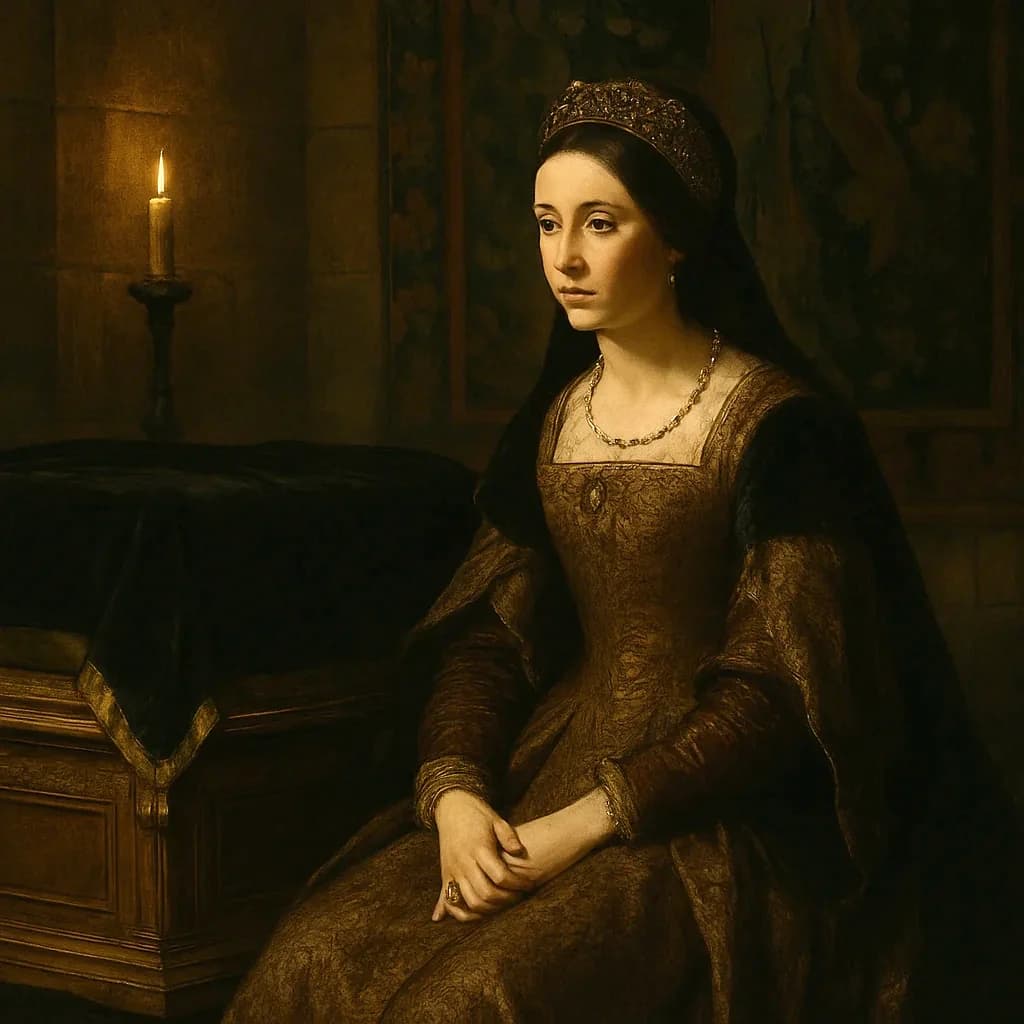
Four Days on a Sickbed, and the Fate of the Reconquista
A medieval queen refused to die on schedule, and in doing so, accidentally united two of history's most powerful crowns.
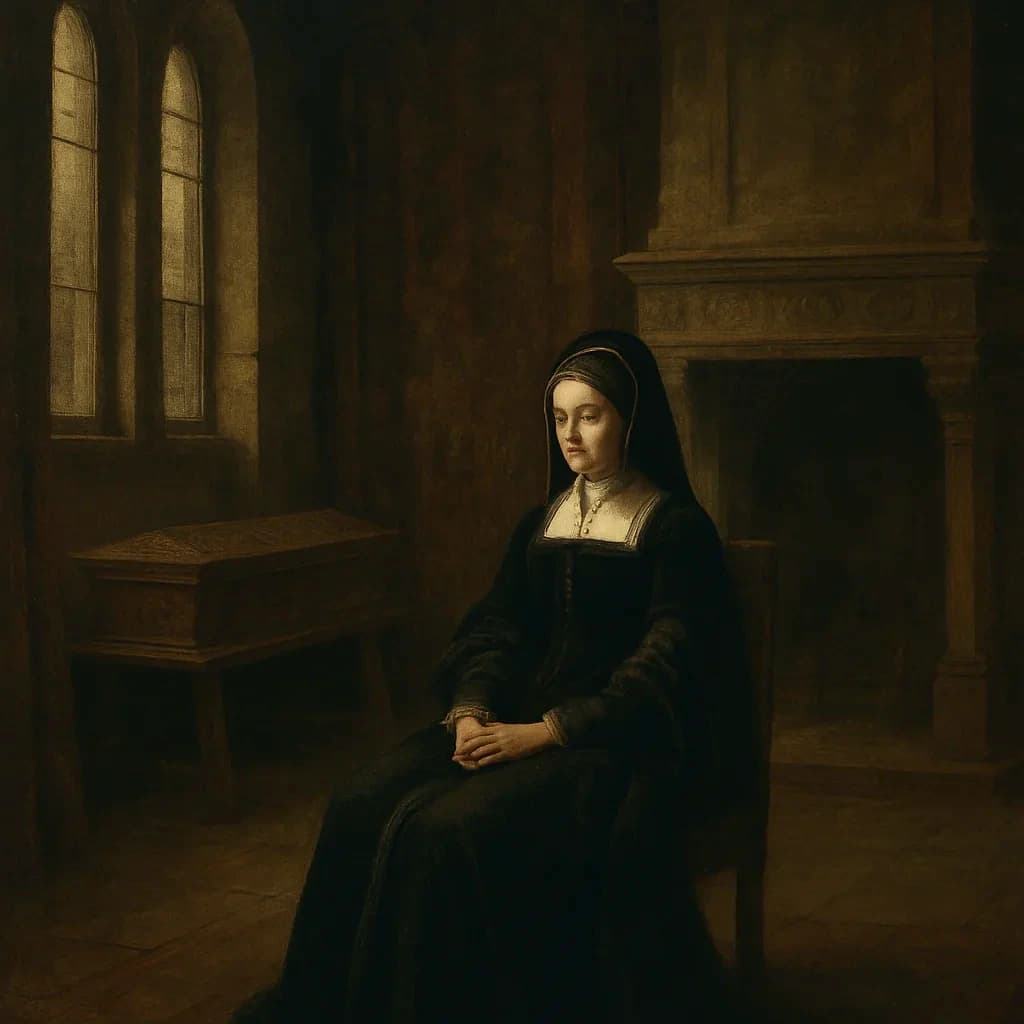
The Queen Locked in a Tower for 46 Years
When her husband died, Juana of Castile refused to let them bury him, and for nearly fifty years, she kept his corpse close.
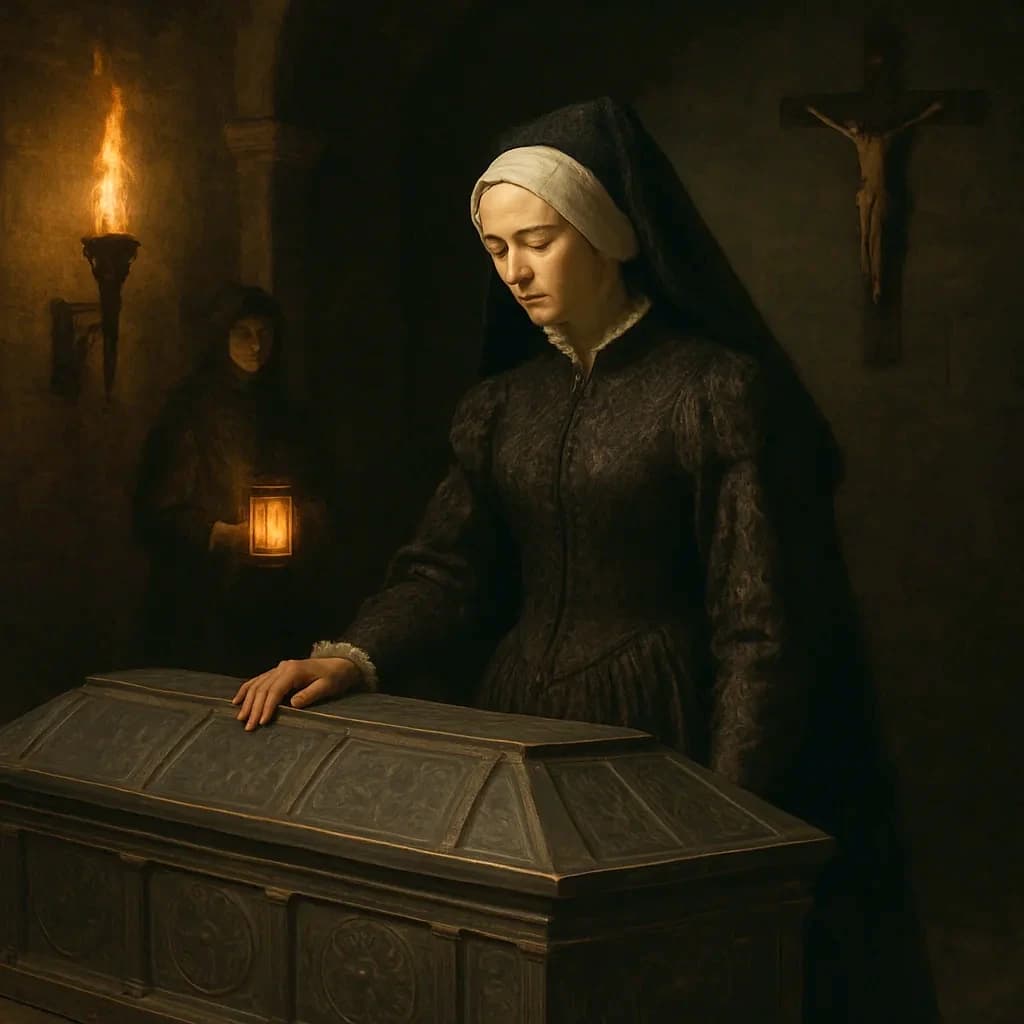
They Called Her Mad to Steal Her Throne
For eleven years, an empress ruled one of history's most powerful empires while her husband sat in a box.
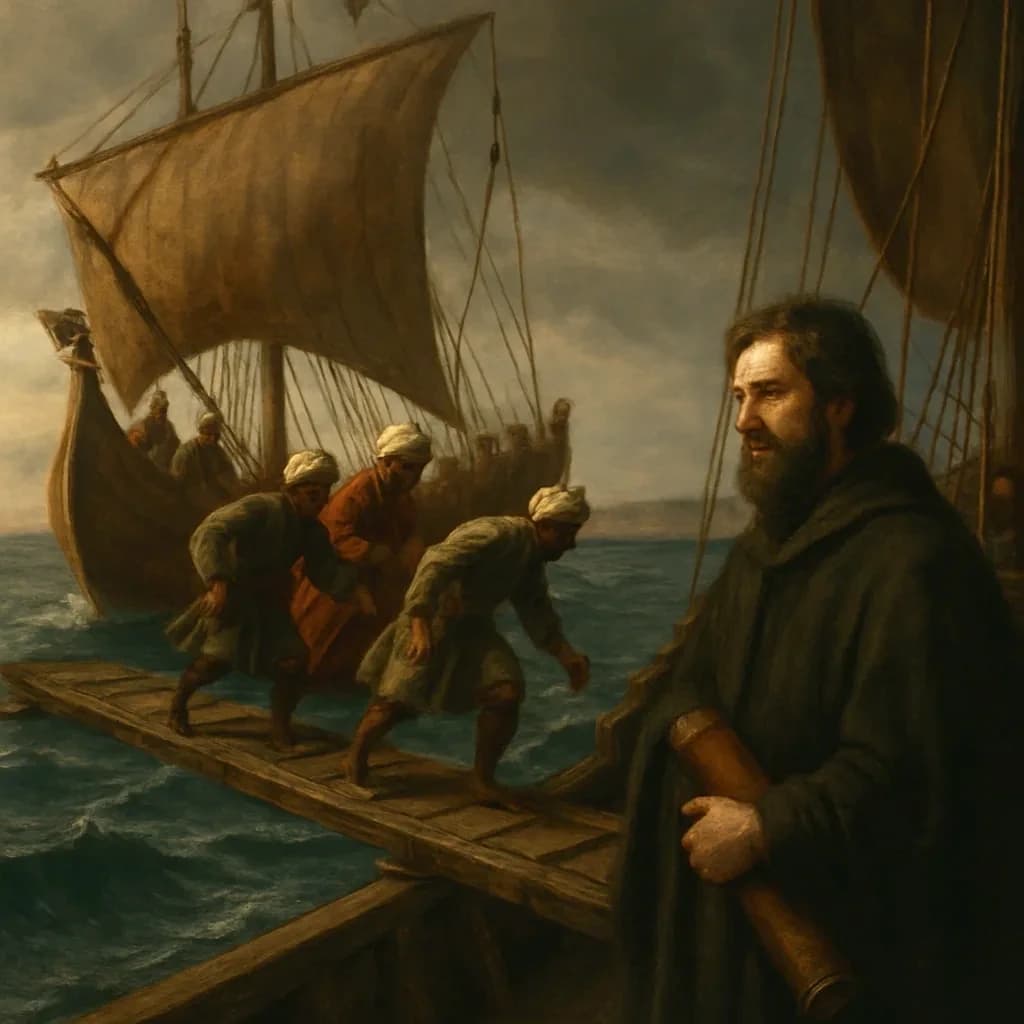
Pirates Wanted His Maps, Not His Gold
When a Tunisian corsair fleet seized a Spanish cartographer in 1493, the ransom they demanded wasn't money.
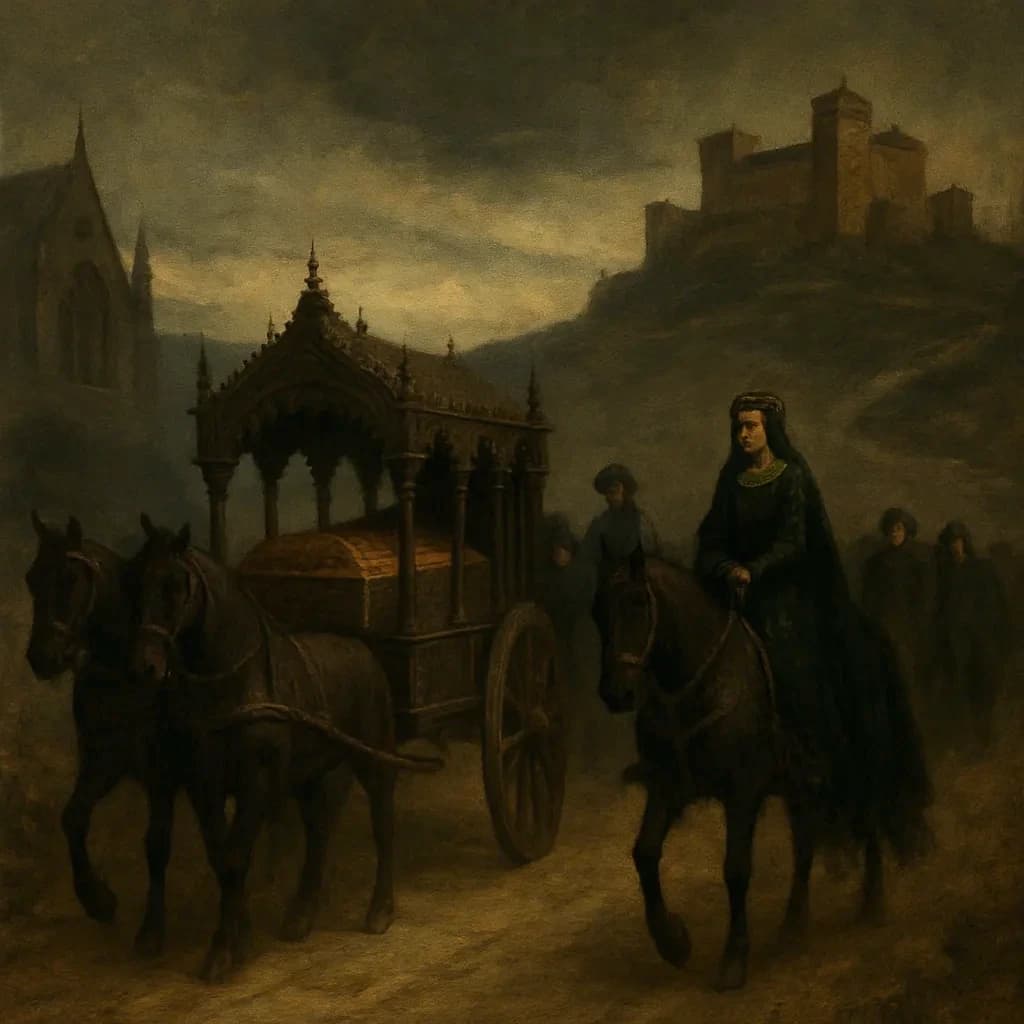
The Queen Who Forgot She Was Dead
Juana of Castile refused to bury her husband for three years, traveling across Spain with his coffin, and her madness accidentally saved an empire.
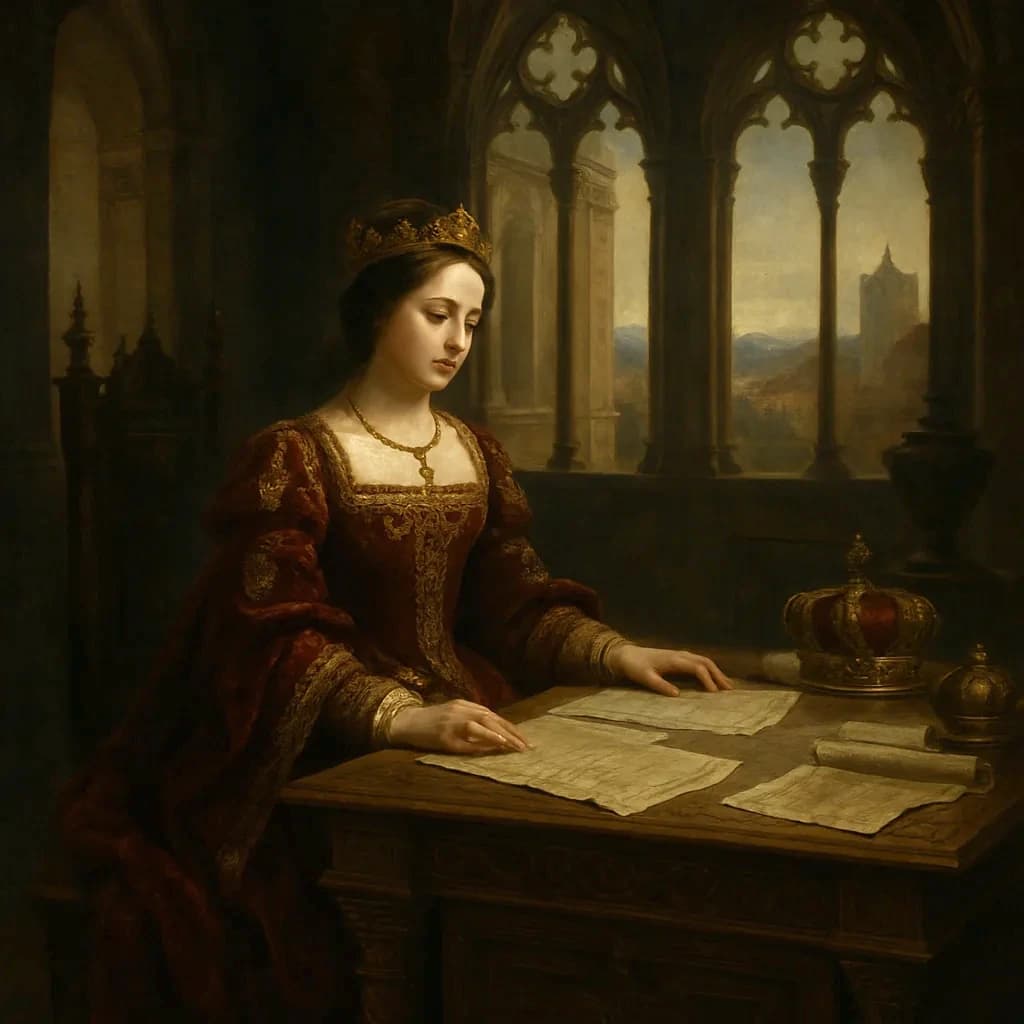
How Spain's Paperwork Invented East and West
A sixteen-year-old girl inherited half of Spain in 1504, and the bureaucratic split that followed invented the modern idea of East versus West.
- Peggy K. Liss, Isabel the Queen: Life and Times (1992)
- Joseph Pérez, Ferdinand and Isabella (2005)
- Henry Kamen, Spain, 1469-1714: A Society of Conflict (2005)