
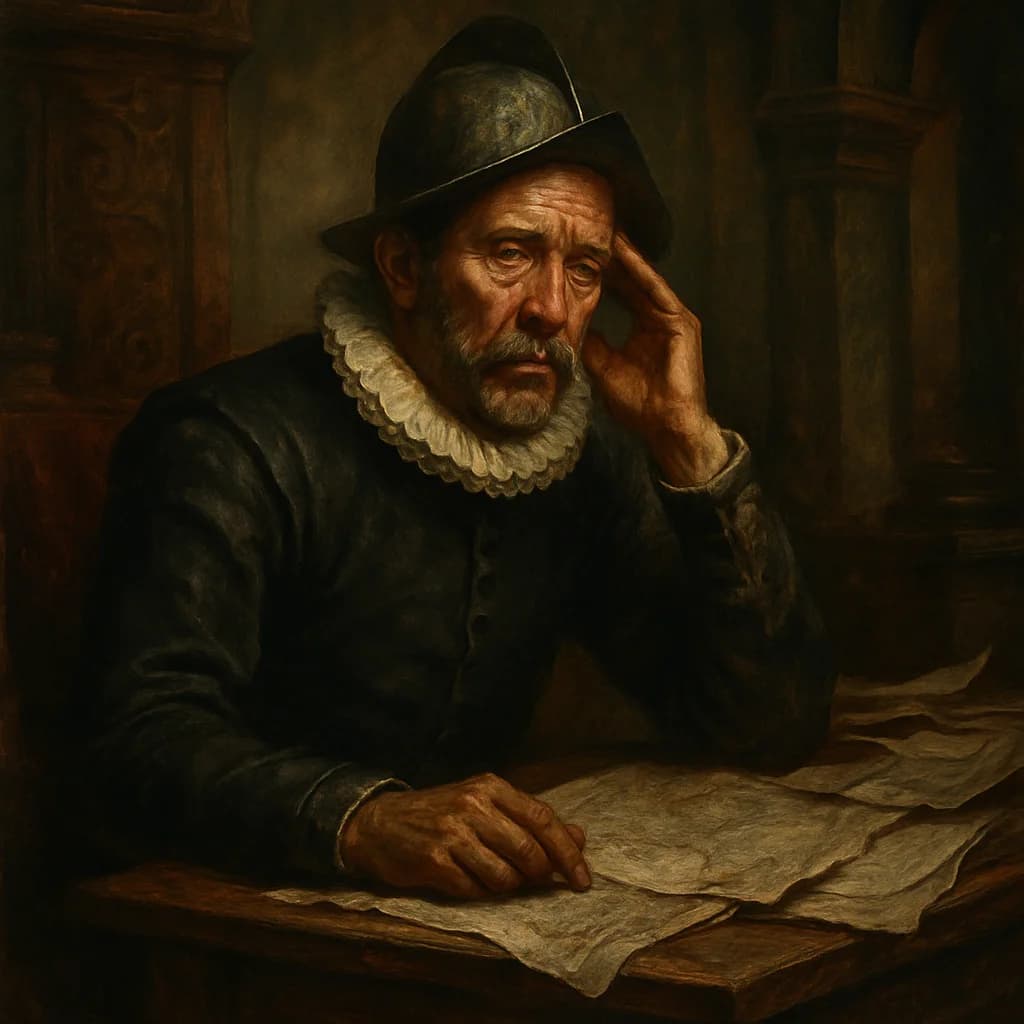
Hernán Cortés
The man who conquered Mexico spent his final years as a bitter court hanger-on, following the Spanish king around Europe like a forgotten celebrity begging for recognition.
Hernán Cortés didn't set out to topple empires. He was a failed law student from Extremadura who'd washed up in Cuba as a minor colonial administrator, nursing debts and nursing grudges. When Diego Velázquez gave him command of an expedition to Mexico in 1518, it was supposed to be a trading mission. Cortés had other ideas.
The conquest that made him famous lasted just two years, but the aftermath consumed the rest of his life. After destroying Tenochtitlan in 1521, Cortés found himself fighting a different kind of war, against Spanish bureaucrats who saw him as too powerful, too independent, too rich. The Crown systematically stripped away his authority, replacing him with royal appointees who'd never set foot in the New World. By 1540, the conqueror of Mexico was reduced to petitioning for basic recognition of his services.
His final decades read like a tragicomedy. Cortés followed Charles V's court across Europe, showing up uninvited to royal functions, desperately trying to get the emperor's attention. At one point, he literally climbed onto the emperor's carriage, prompting Charles to ask, "Who is this man?" When told it was Cortés, the emperor replied, "Ah, the one who has given me more kingdoms than my ancestors left me cities." It was the closest thing to gratitude he ever received.
Cortés died in 1547 near Seville, still pursuing legal claims, still fighting for estates that had been promised but never delivered. The man who had rewritten the map of the world couldn't secure a decent pension from the kingdom he'd enriched beyond measure.
Cortés burned his own ships not to prevent retreat, but to prevent his men from sailing back to Cuba with the gold they'd already collected, effectively forcing them to seek greater riches inland.
Why untold: His post-conquest struggles reveal the colonial system's ingratitude toward even its most successful agents, contradicting narratives of conquistador glory and imperial gratitude.
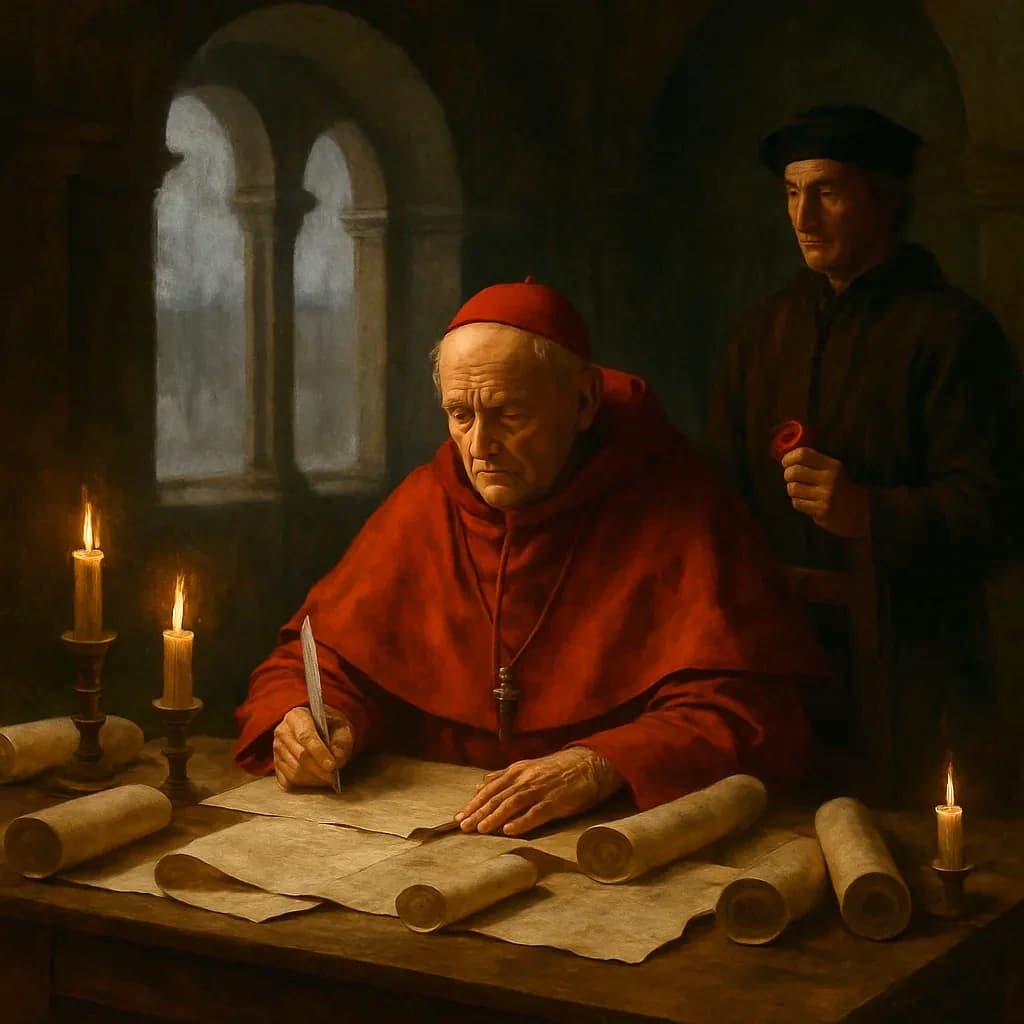
The Dead King Who Kept Signing Orders
A single forged royal signature in 1519 redirected the course of the entire Spanish Empire, and the man who wrote it was already dead.
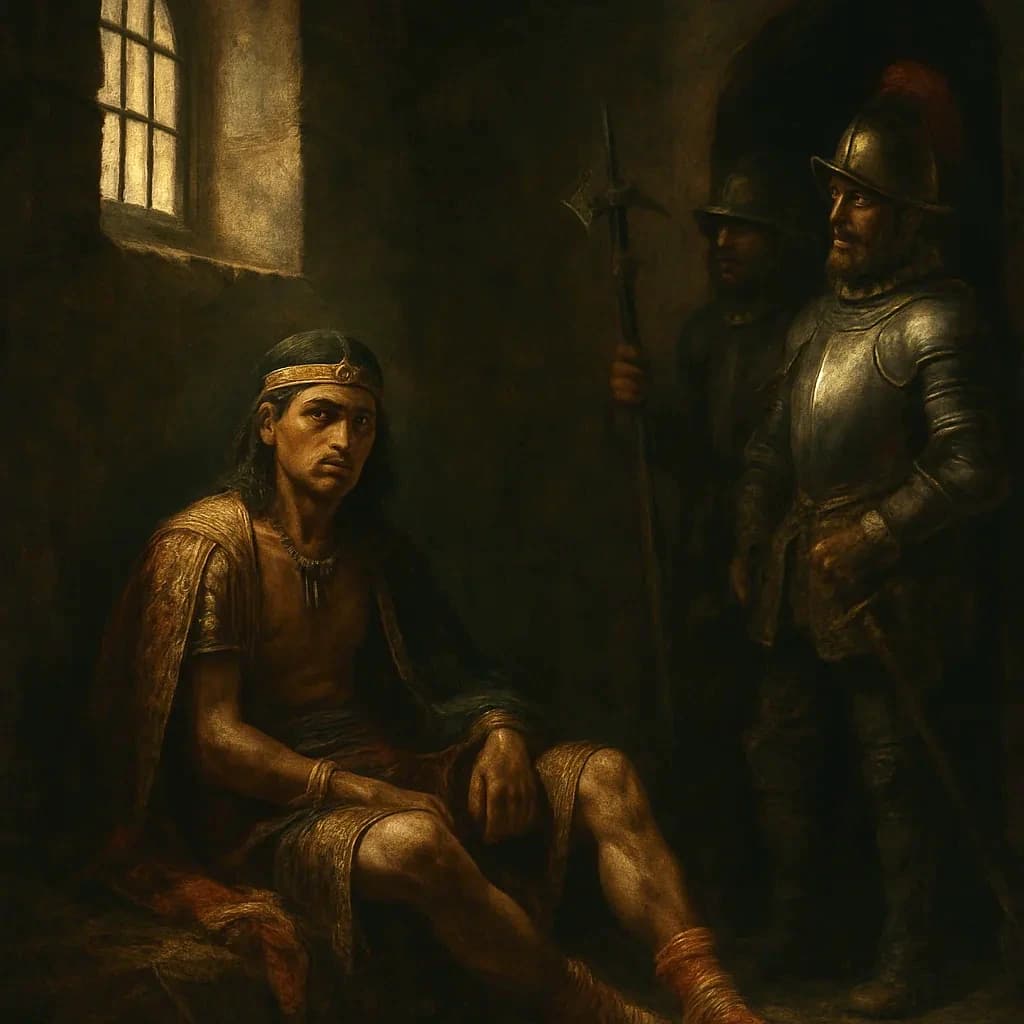
The Last Aztec Emperor's Silence Outlived His Empire
The last Aztec Emperor sat in a Spanish prison cell in 1522 and made a decision that would echo across five centuries.
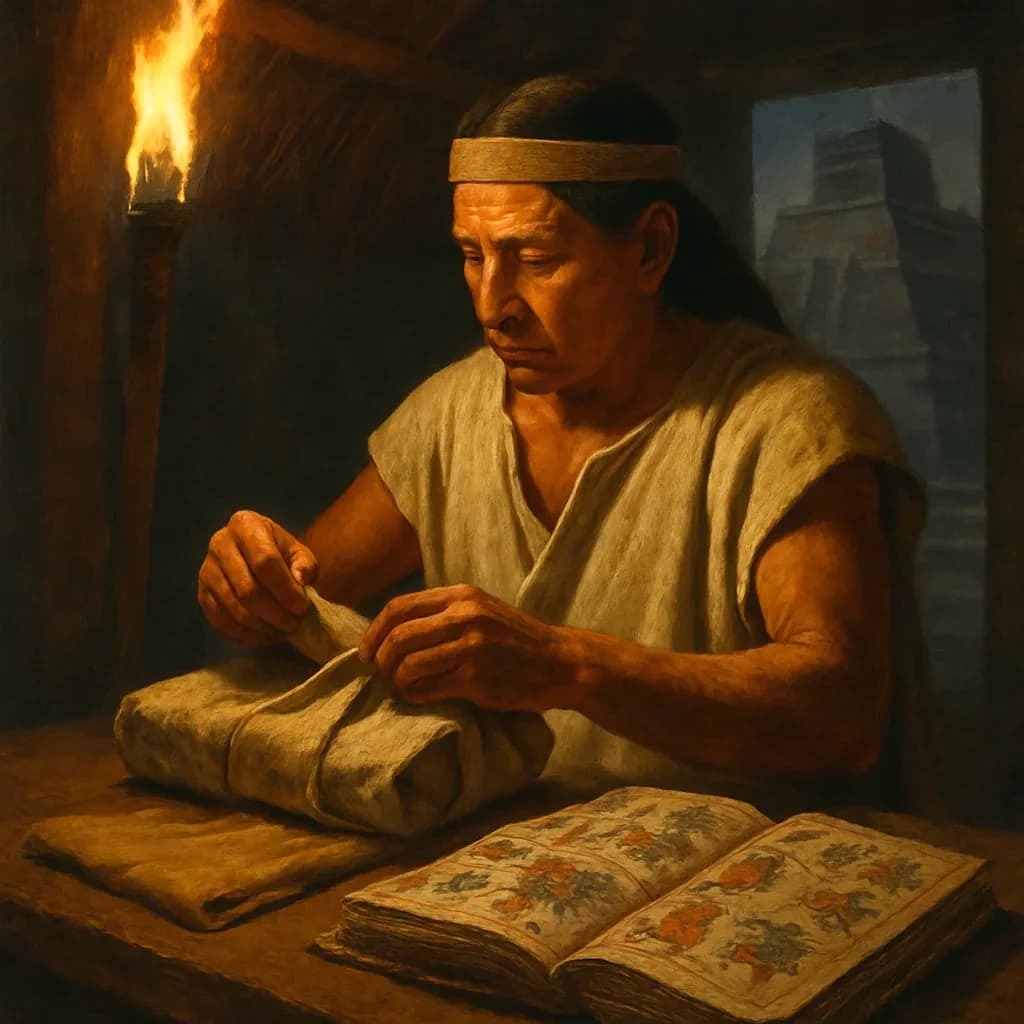
An Aztec Scribe Hid Twenty-Seven Books from the Conquistadors
When Spanish conquistadors burned the Aztec libraries, one scribe saved twenty-seven books by hiding them in the most unlikely place imaginable.
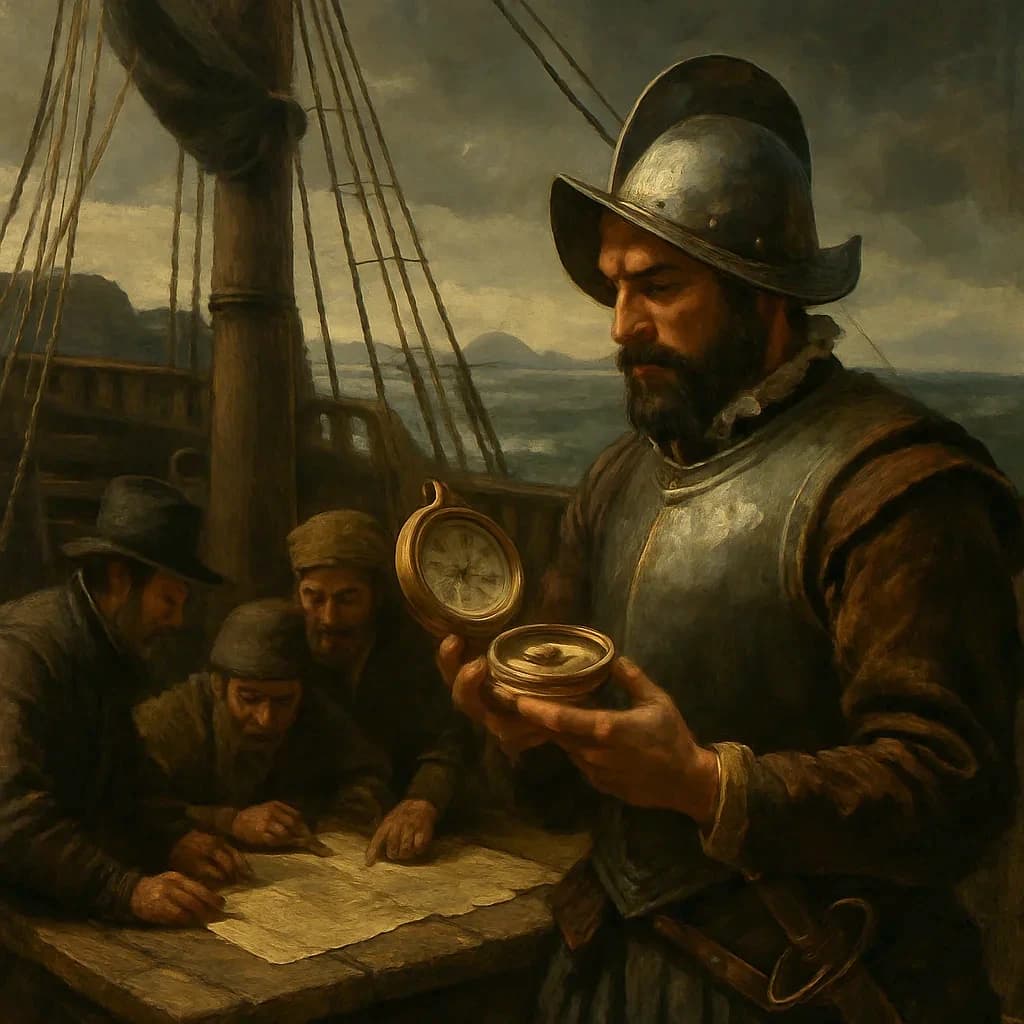
How a Faulty Seville Compass Doomed the Aztecs
A single broken magnetic compass in 1519 steered Spanish explorers away from their intended destination, straight into the heart of the Aztec Empire.
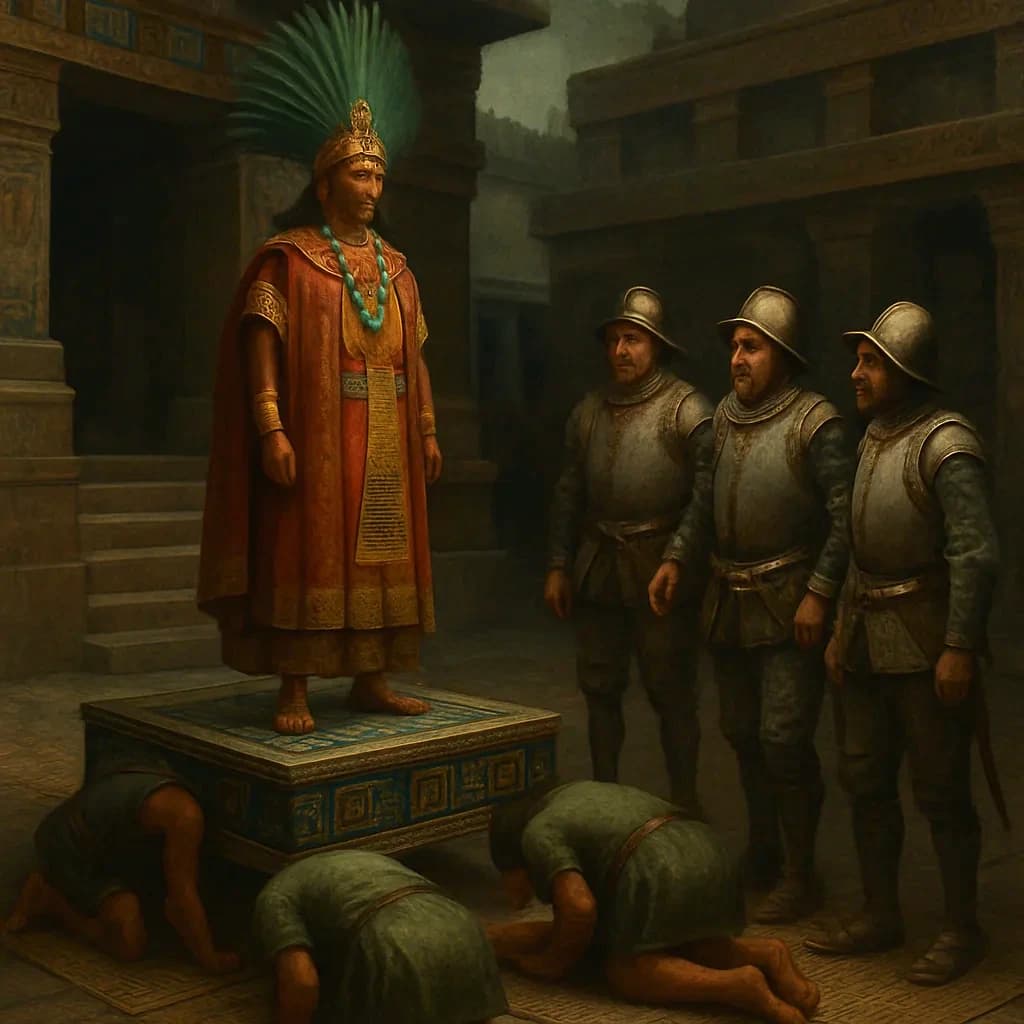
When the Aztec Emperor's Feet Never Touched the Ground
The most powerful ruler in the Americas lived his entire reign without walking on earth, and the Spanish couldn't figure out why.
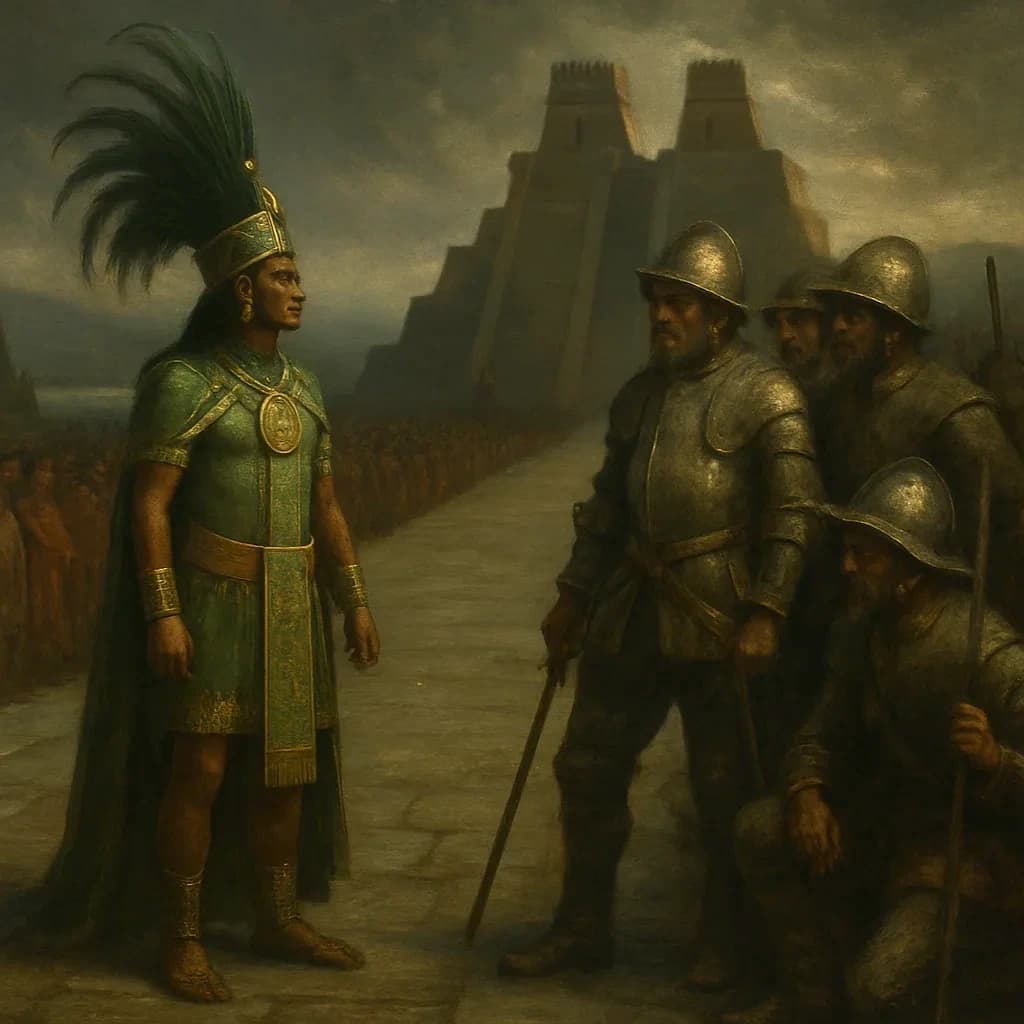
400 Starving Men Bluffed an Empire Into Surrender
An army of 400 men convinced 300,000 people to surrender their empire without firing a shot.
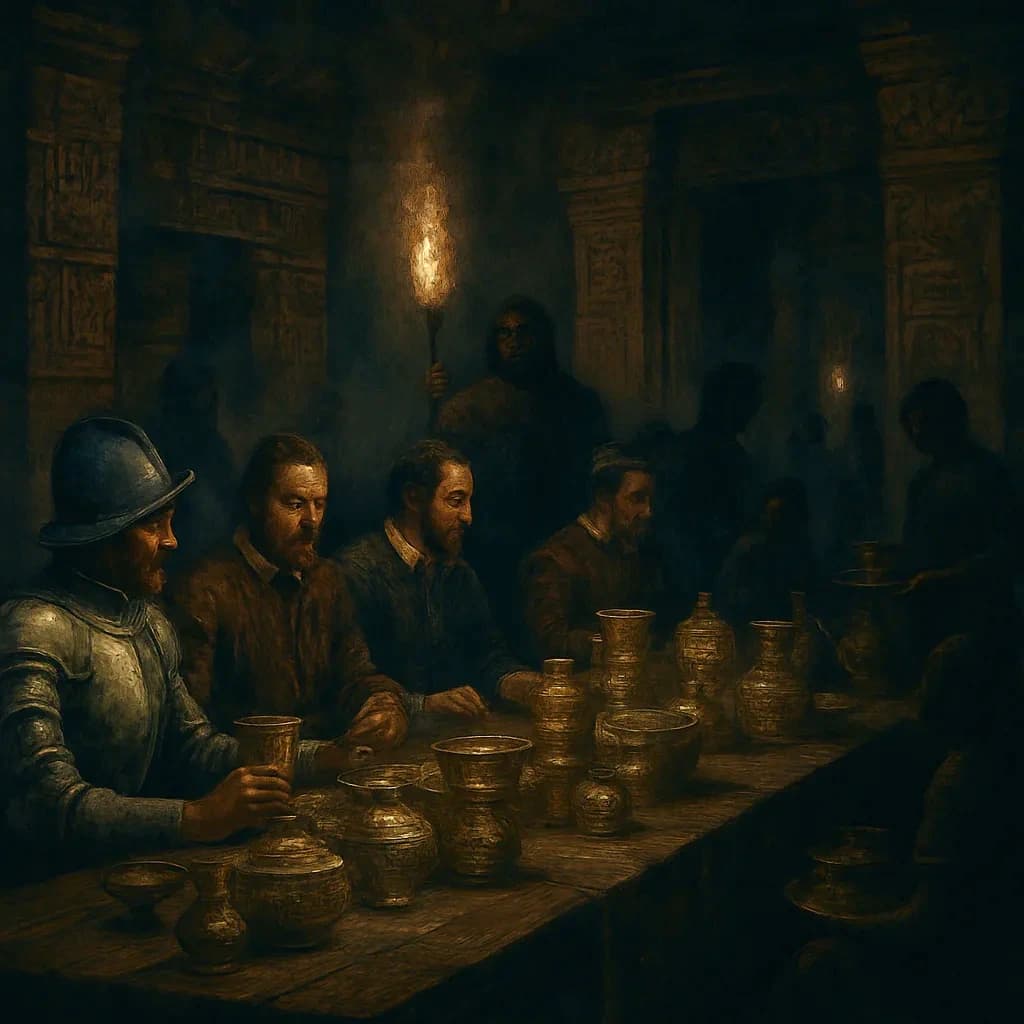
Cortés Threw a Victory Feast Inside a Trap
When 400 Spanish colonists sat down to celebrate their conquest of the Aztec Empire, they didn't know they were about to become the meal.
- Hugh Thomas, Conquest: Montezuma, Cortés, and the Fall of Old Mexico (1993)
- José Luis Martínez, Hernán Cortés (1990)
- Matthew Restall, Seven Myths of the Spanish Conquest (2003)