
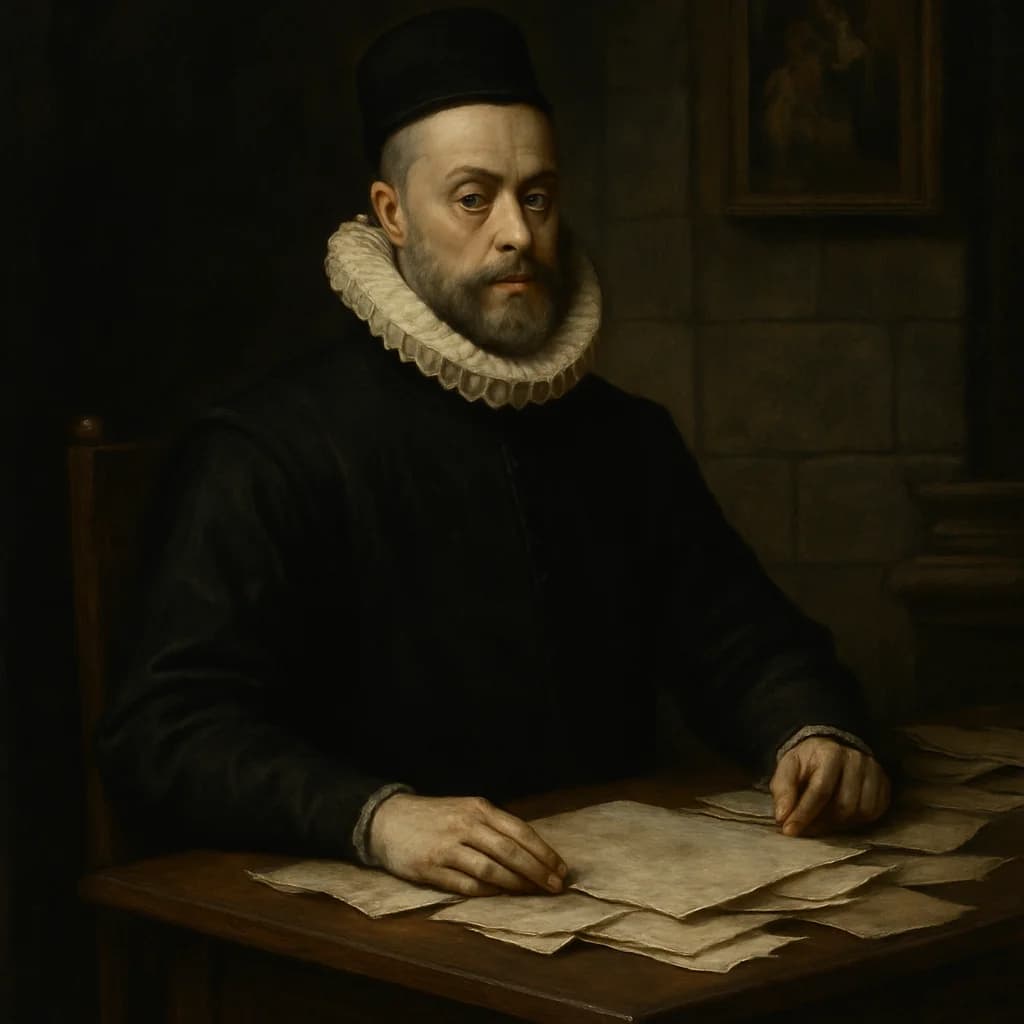
Philip II
The most powerful man in sixteenth-century Europe died alone, bankrupt, and convinced that lying down would kill him.
Philip II of Spain inherited an empire so vast the sun never set on it, then spent forty-two years methodically destroying it from his desk. While other kings rode into battle or held glittering courts, Philip locked himself in a monastery-palace called the Escorial, surrounded by 40,000 holy relics and mountains of paperwork he insisted on reading personally. Every decision, from troop movements in the Netherlands to tax collection in Peru, had to cross his desk. He annotated reports in margins so cramped his secretaries needed magnifying glasses.
The man who controlled half the world's silver became history's most spectacular debtor. Philip declared bankruptcy four times, turning the Spanish treasury into a revolving door of creditors. His attempt to collect taxes from the Netherlands triggered an eighty-year war that cost more than the entire New World produced. His 'Invincible' Armada, built at ruinous expense, was destroyed by weather that lasted exactly twelve hours. Each failure only convinced him God was testing his resolve.
Strangest of all, Philip spent his final decades sleeping standing up. Court physicians had convinced him that royal blood would turn poisonous if it pooled while lying down, a theory that spread to monarchs across Europe. He died in 1598 after fifty-three days of agony from infected leg wounds, having refused to lie down even as gangrene consumed his body.
When the most powerful man on earth finally died, only three people attended his funeral: two monks and a gravedigger. The empire that had stretched from Madrid to Manila was already fracturing, but Philip's true legacy was architectural. The Escorial still stands, a granite monument to the delusion that one man could control the world with paperwork and prayer.
Philip II accumulated over 40,000 holy relics in the Escorial, including what he believed were 12 entire bodies of saints, making his palace the largest collection of human remains outside of Rome's catacombs.
Why untold: His administrative obsessions and bizarre sleeping habits are overshadowed by the dramatic military failures of the Spanish Armada.
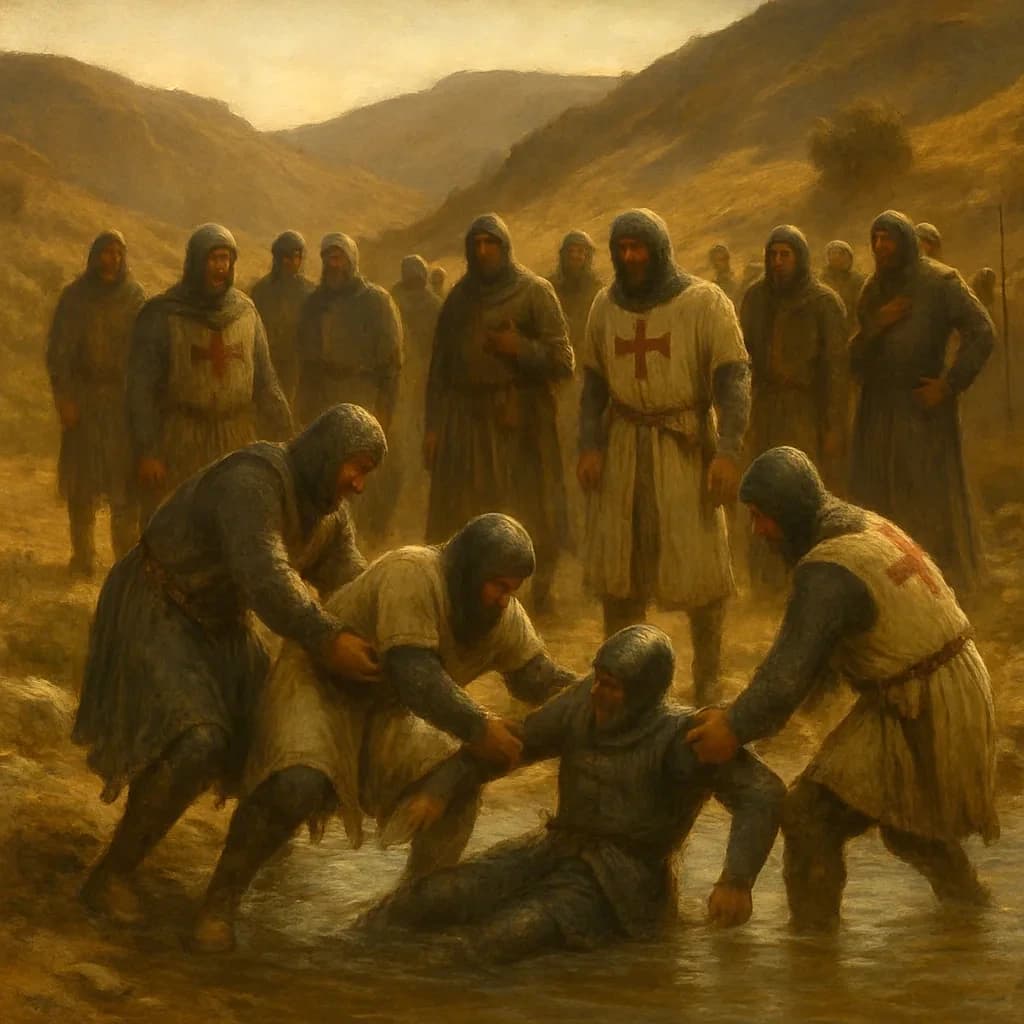
Barbarossa Drowned in a River You Could Wade Across
A single corpse pushed Europe's most powerful rulers toward war in 1191, and it wasn't even the right corpse.
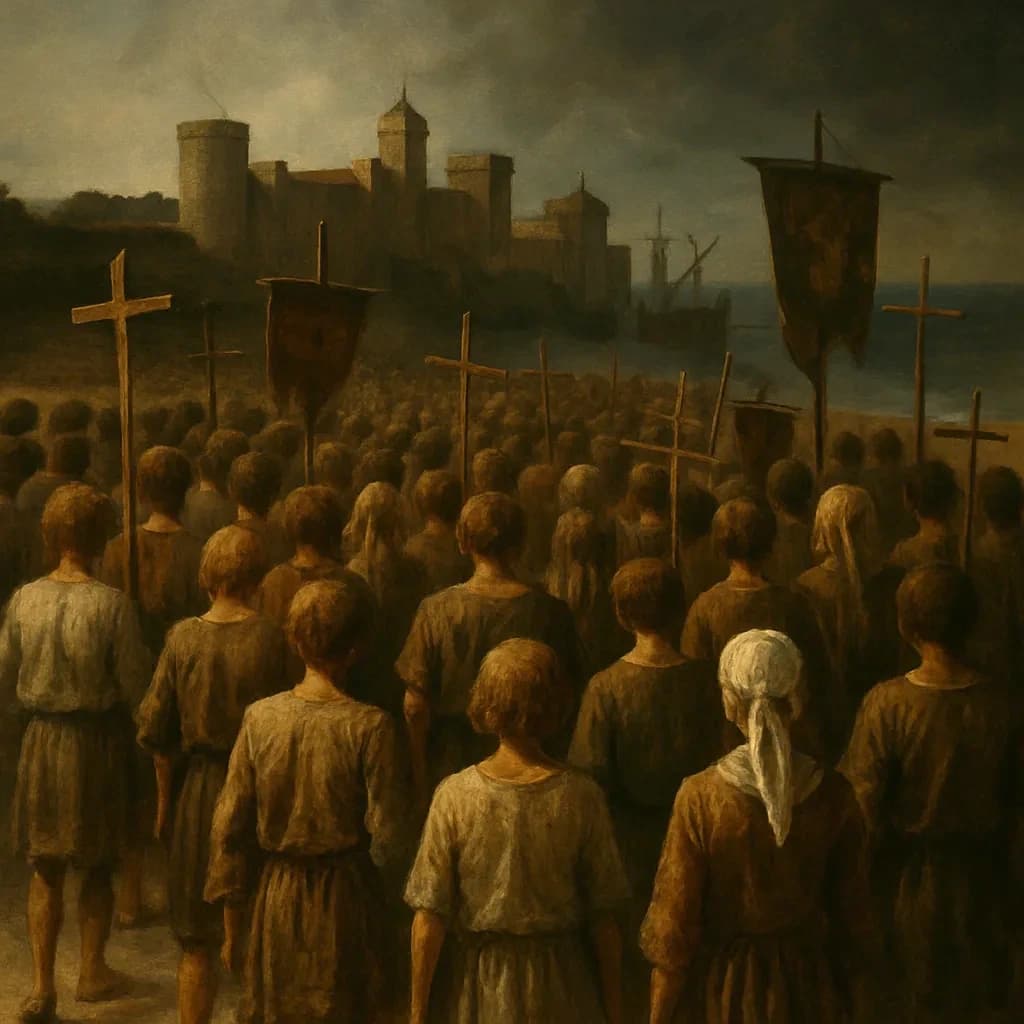
The Children Promised the Sea Would Part
Two armies of children marched toward the Holy Land in 1212. One ran out of road. The other ran out of luck, and ended up in an Egyptian slave market.
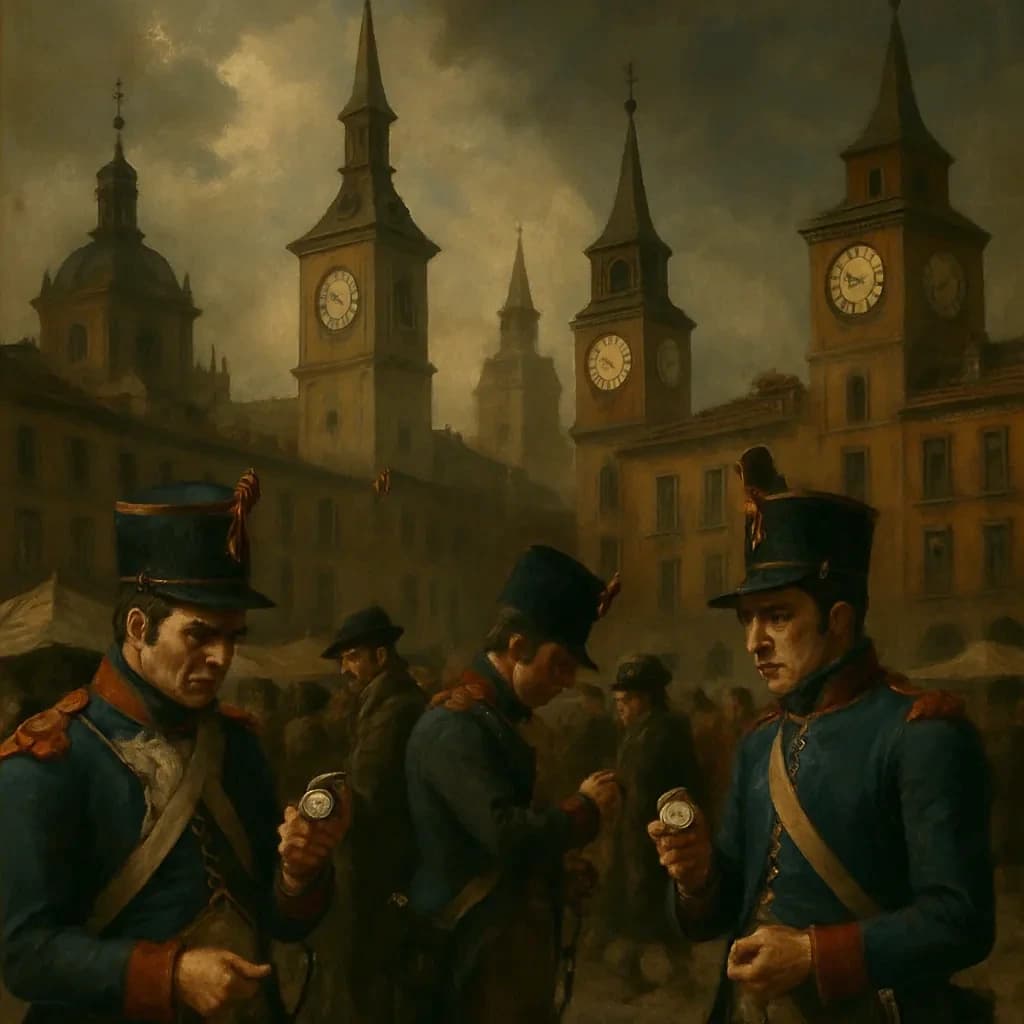
Why Every Clock in Madrid Told a Different Time
Marching into Madrid in 1808, Napoleon's troops found something that would puzzle military strategists for decades: no two clocks in the entire city showed the same time.
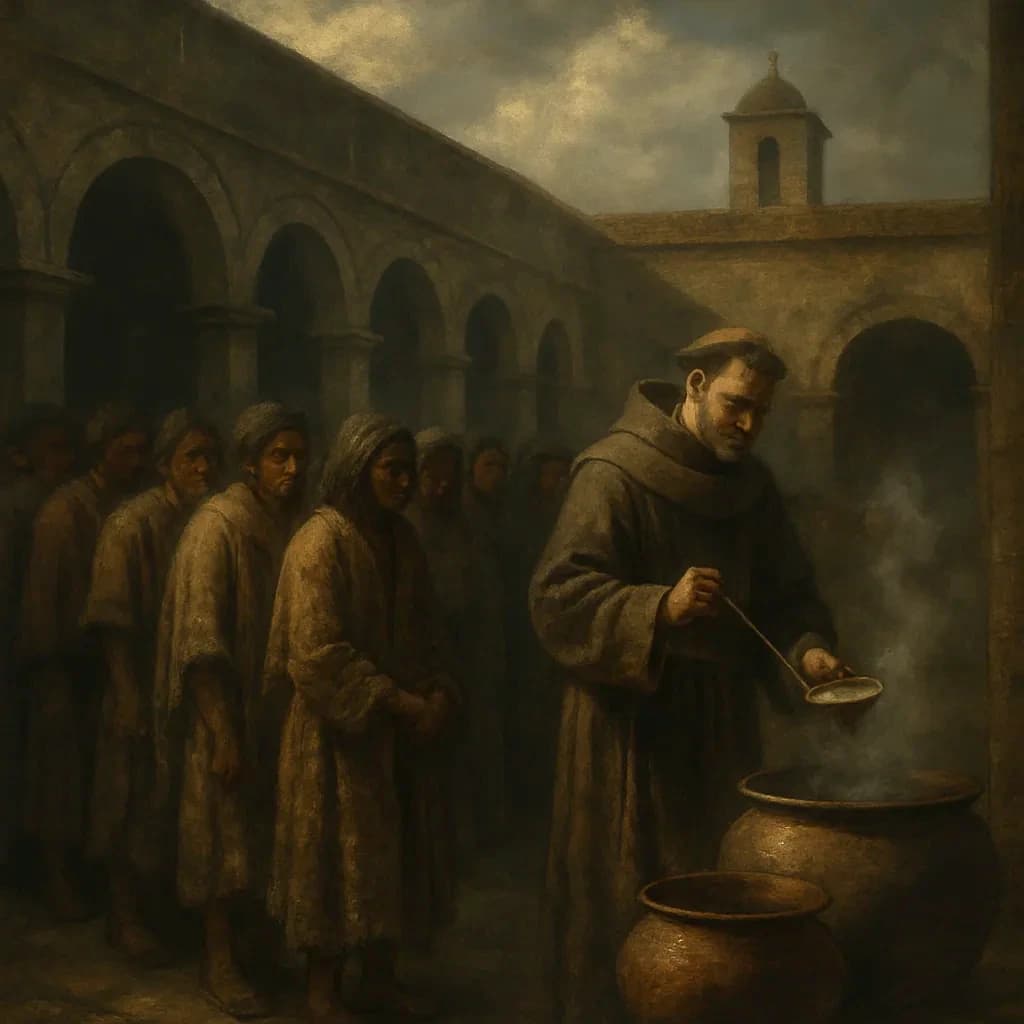
The Soup Kitchen Spain Ordered Shut Down
A Spanish priest in 16th century Mexico faced an impossible choice: feed the starving or obey the Crown's orders to let them die.
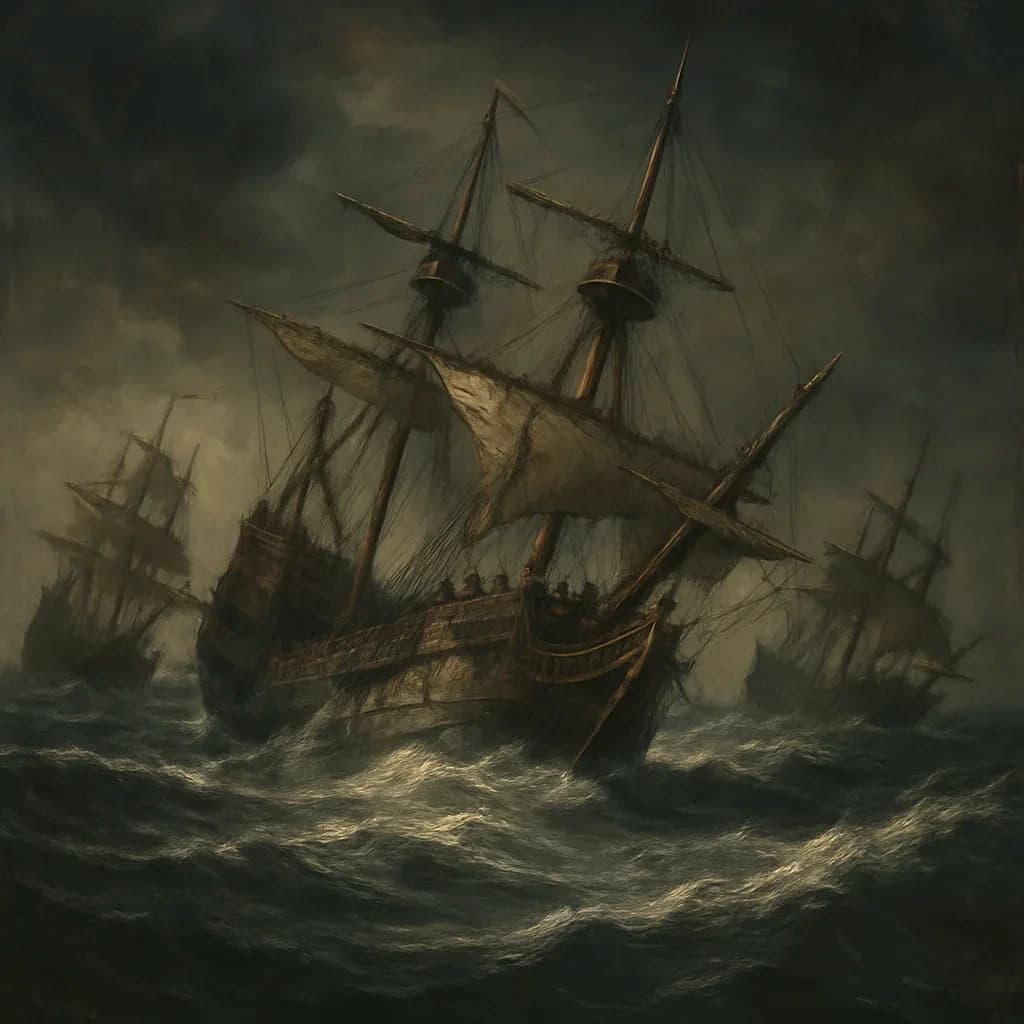
A Midnight Wind Wrecked the Spanish Armada
A storm that lasted twelve hours in 1588 decided whether England would speak Spanish or English.
The 335-Year War That Killed No One
A bankruptcy declaration in Madrid set off a war that lasted 335 years and technically never ended.
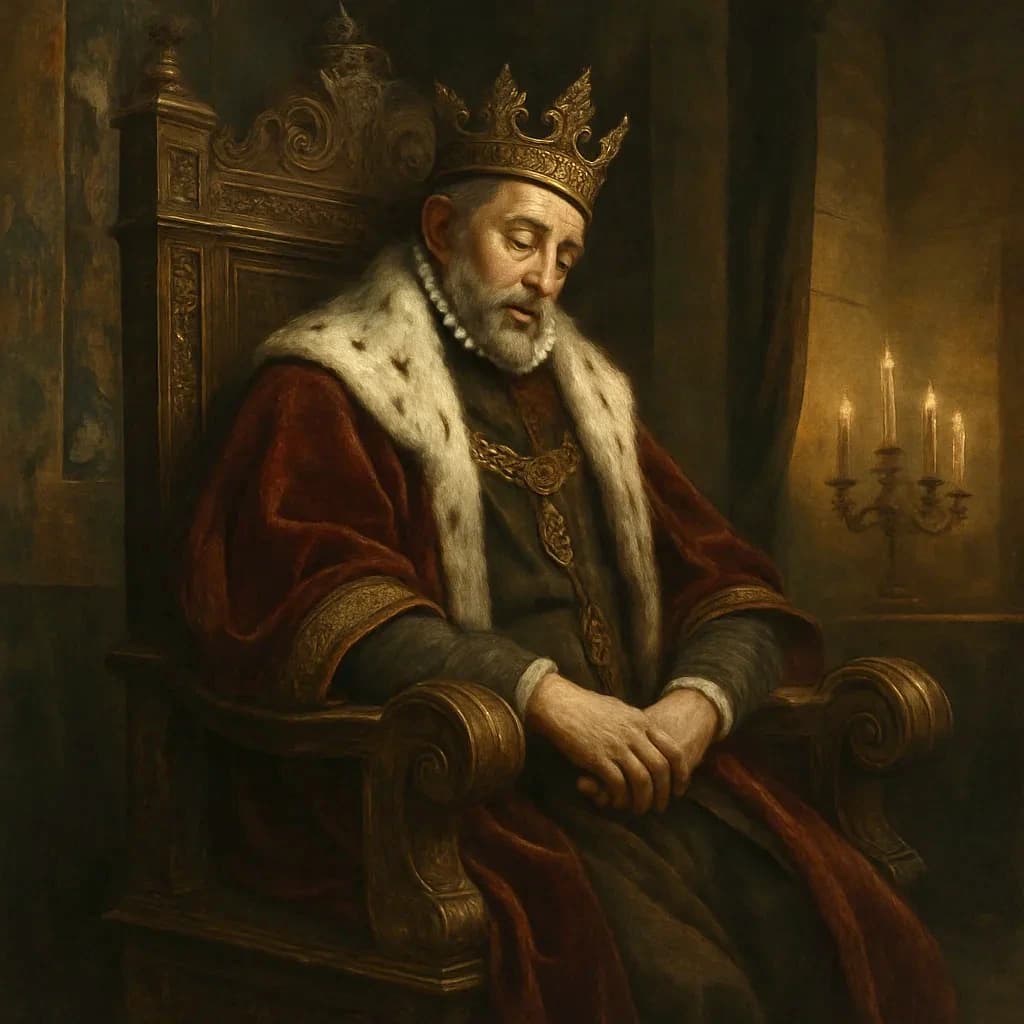
When Kings Went to Sleep Standing Up
For nearly a century, European monarchs believed their royal blood would turn to poison if they ever lay down while sleeping.
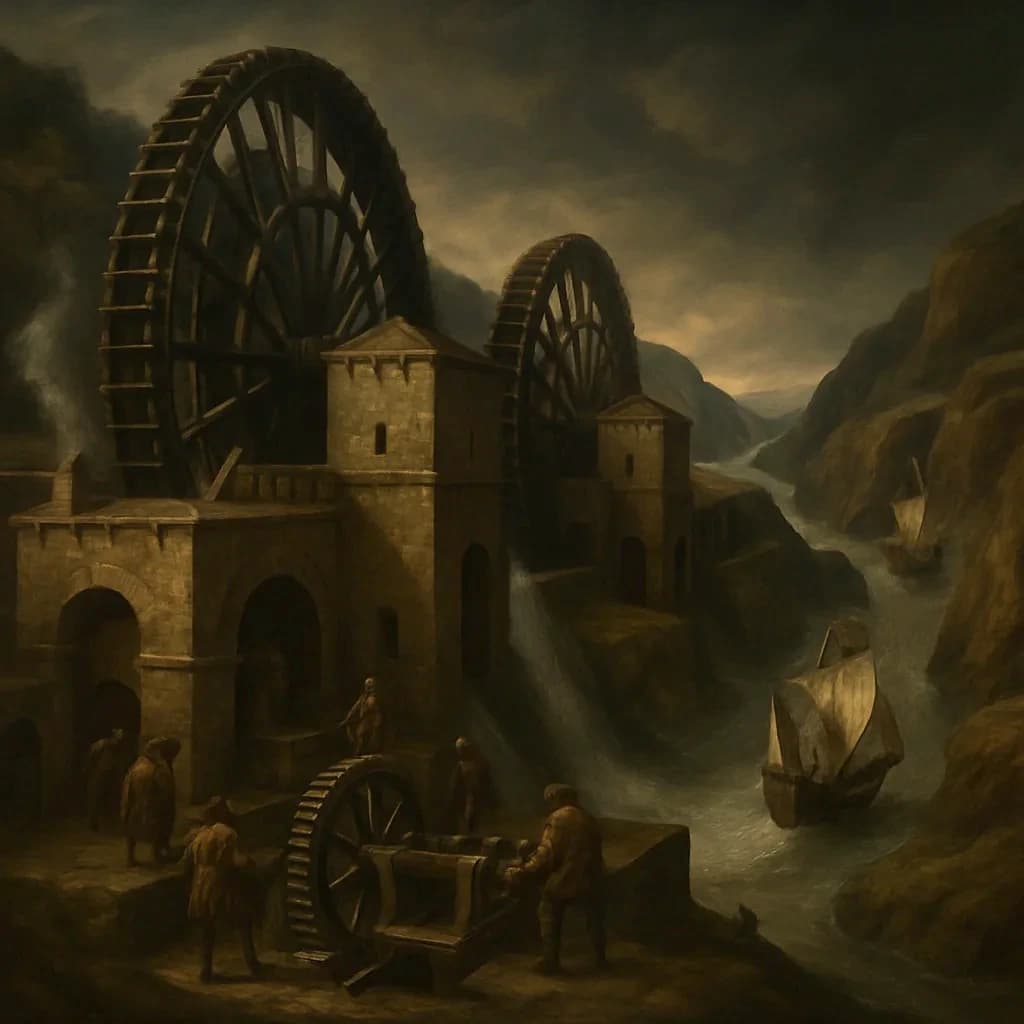
He Promised to Make a River Flow Uphill
A Dutch engineer convinced the Spanish Empire to fund the impossible in 1580: making water flow backwards across an entire country.
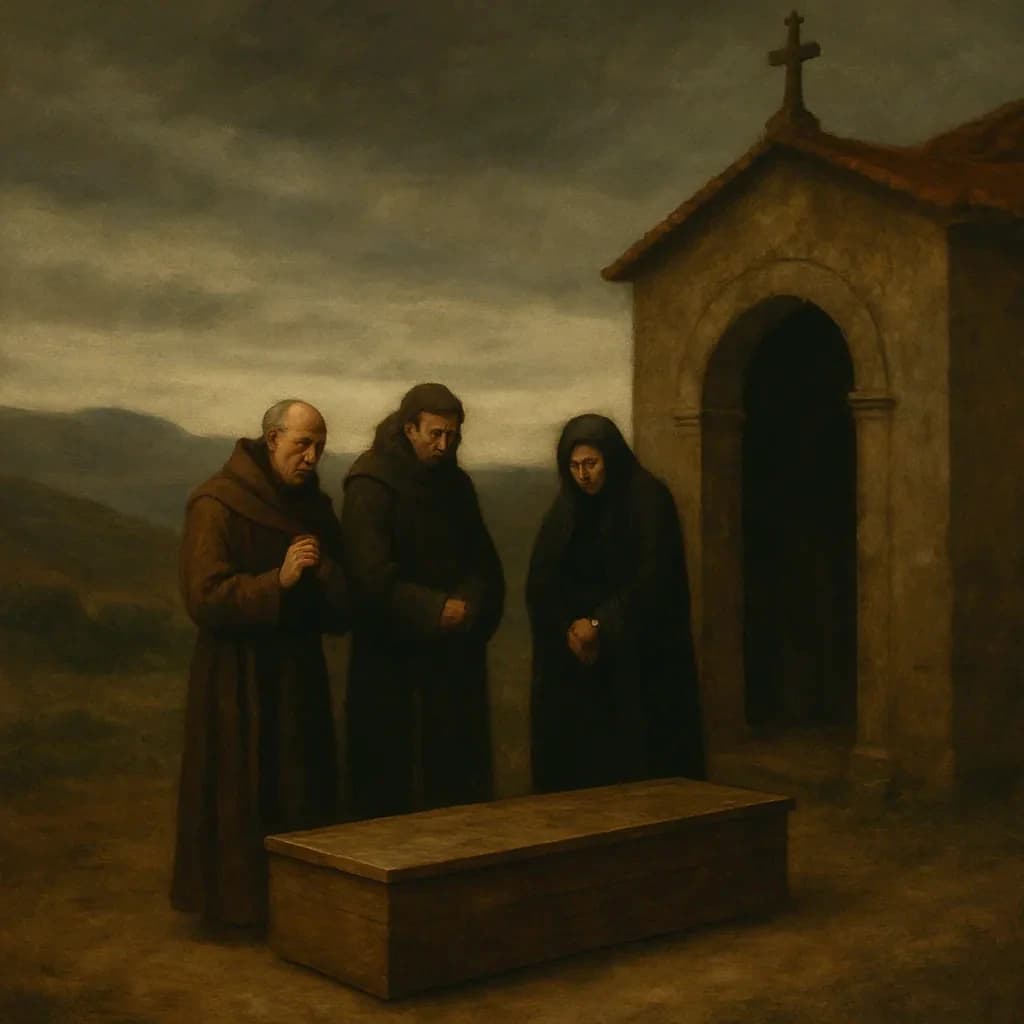
Europe's Most Powerful Emperor Was Buried by Three Strangers
When the most powerful man in Europe died, only three people came to his funeral, and they weren't invited.
- Geoffrey Parker, 'Imprudent King: A New Life of Philip II' (2014)
- Henry Kamen, 'Philip of Spain' (1997)
- Antonio Feros, 'Kingship and Favoritism in the Spain of Philip III, 1598-1621' (2000)