
Ancient World: the history they never taught you.
True stories from the ancient world that rarely make the textbooks: the officials, accidents, and quiet decisions behind Rome, Egypt, Greece, Mesopotamia, and the first empires. Every story below is independently and lists its published sources.
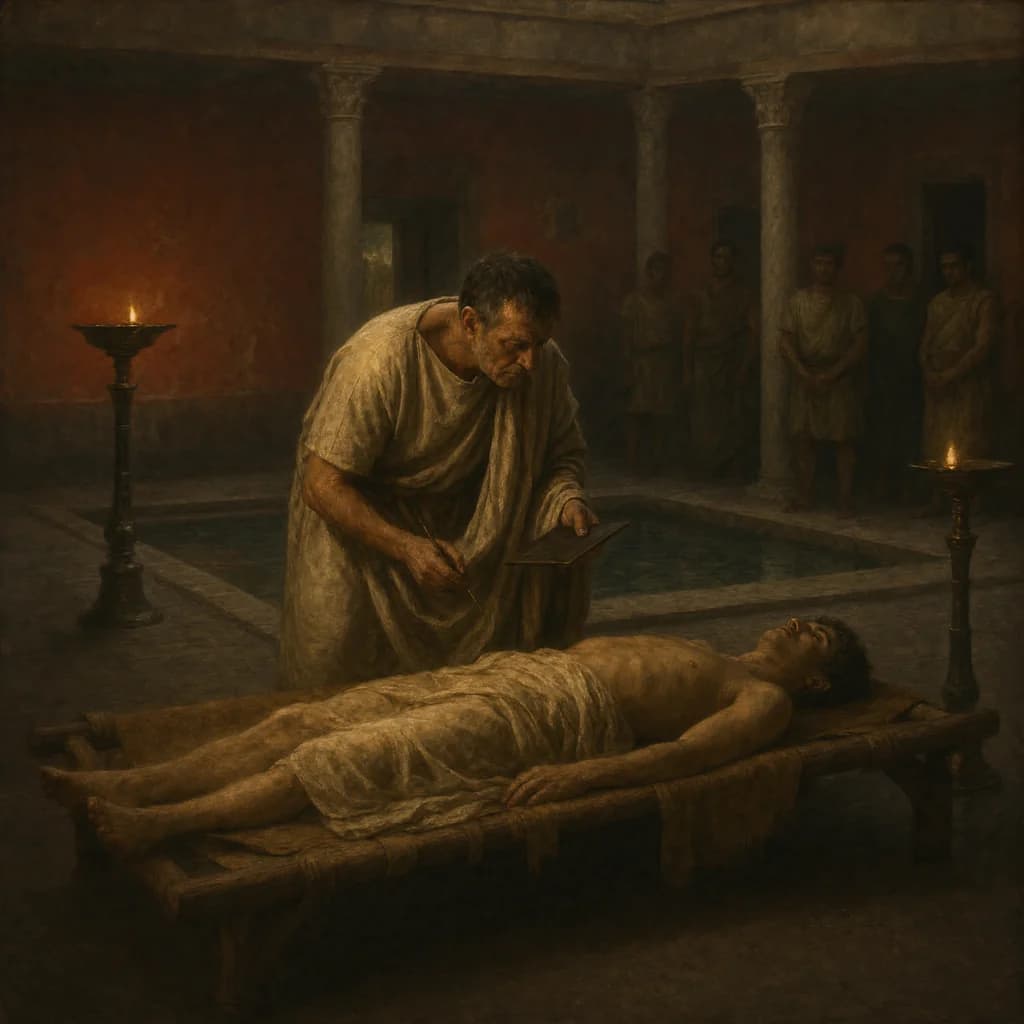
Only One of Caesar's Twenty-Three Wounds Killed Him
The physician called to examine Julius Caesar's body counted twenty-three wounds and concluded that only one of them had actually killed him.
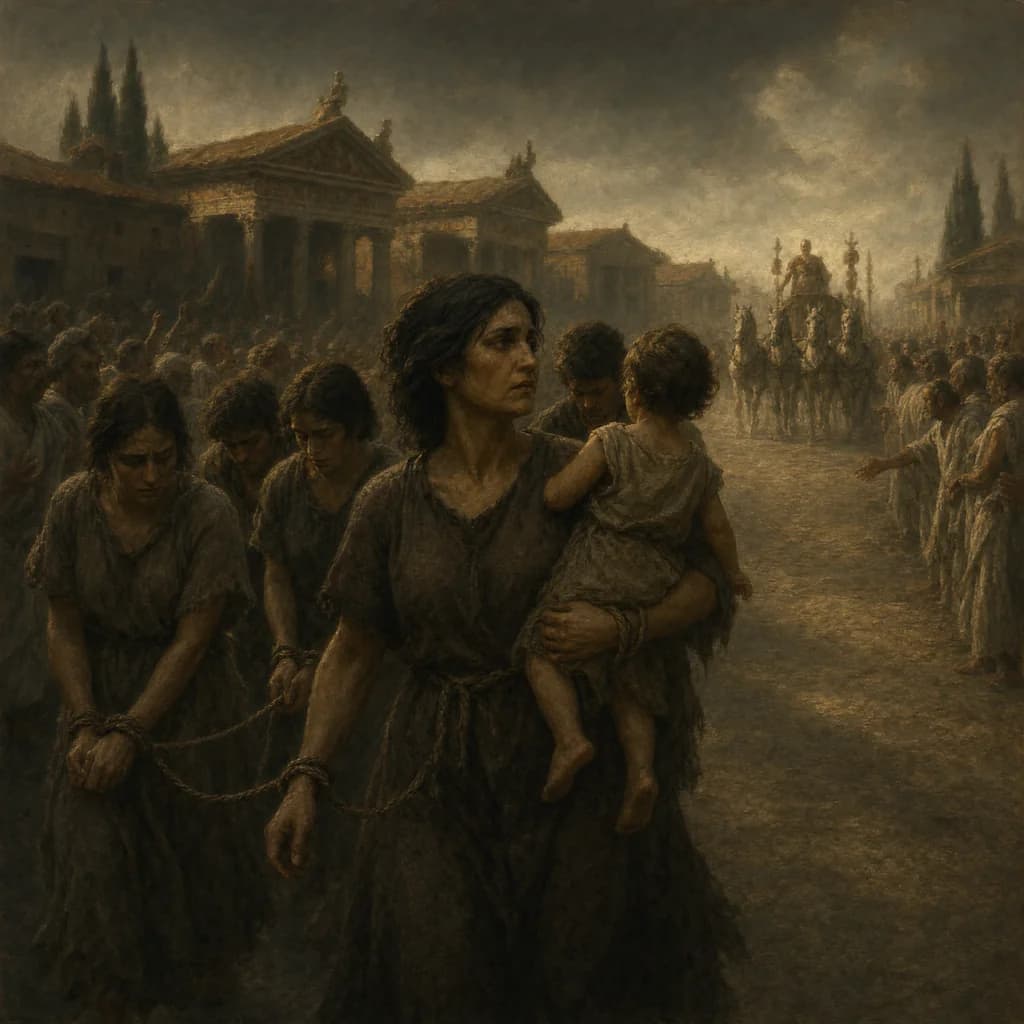
Rome's First Conqueror of Parthia Was Once Its Prisoner
He entered Rome the first time as a captive in someone else's triumph, and fifty-one years later he came back riding in his own.
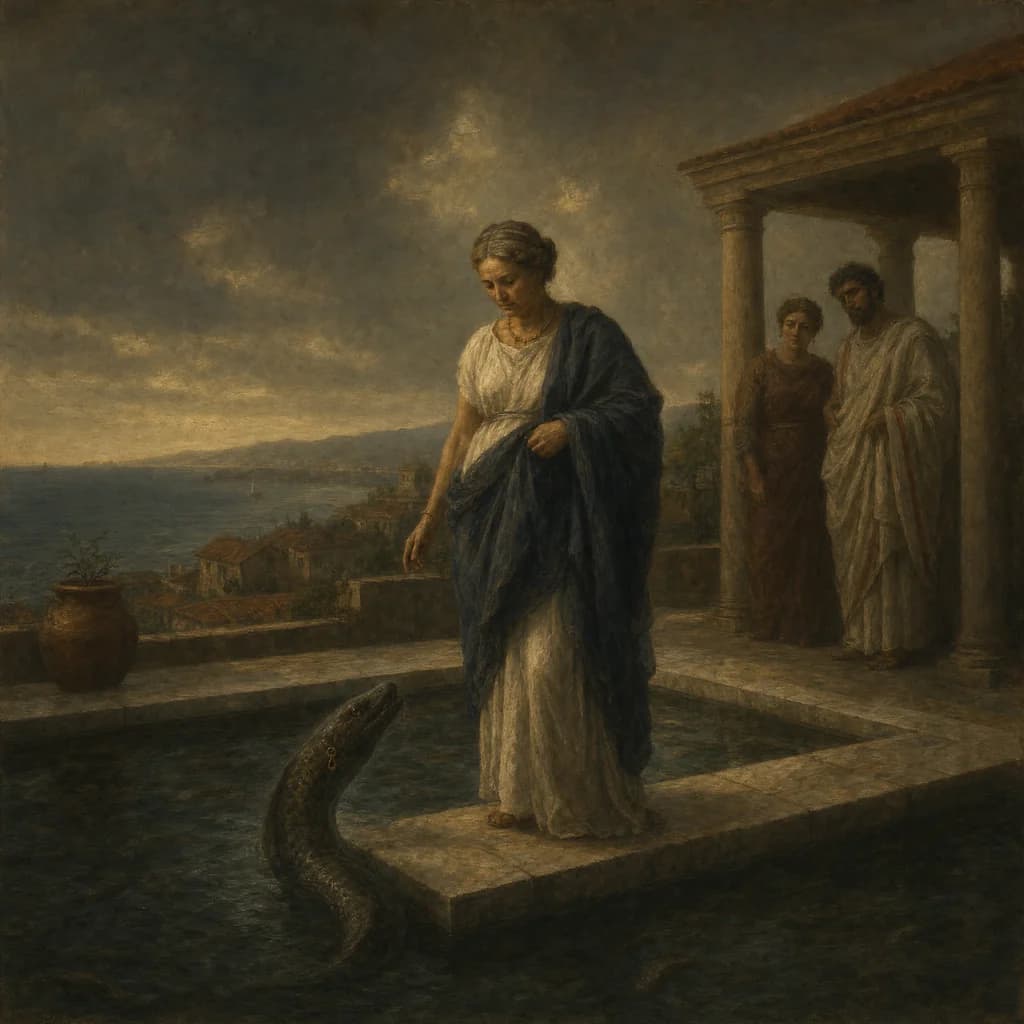
Mark Antony's Daughter Destroyed the Man Running Rome
She kept a pet moray eel that she had fitted with earrings, and she wrote the letter that destroyed the second most powerful man in the Roman Empire.
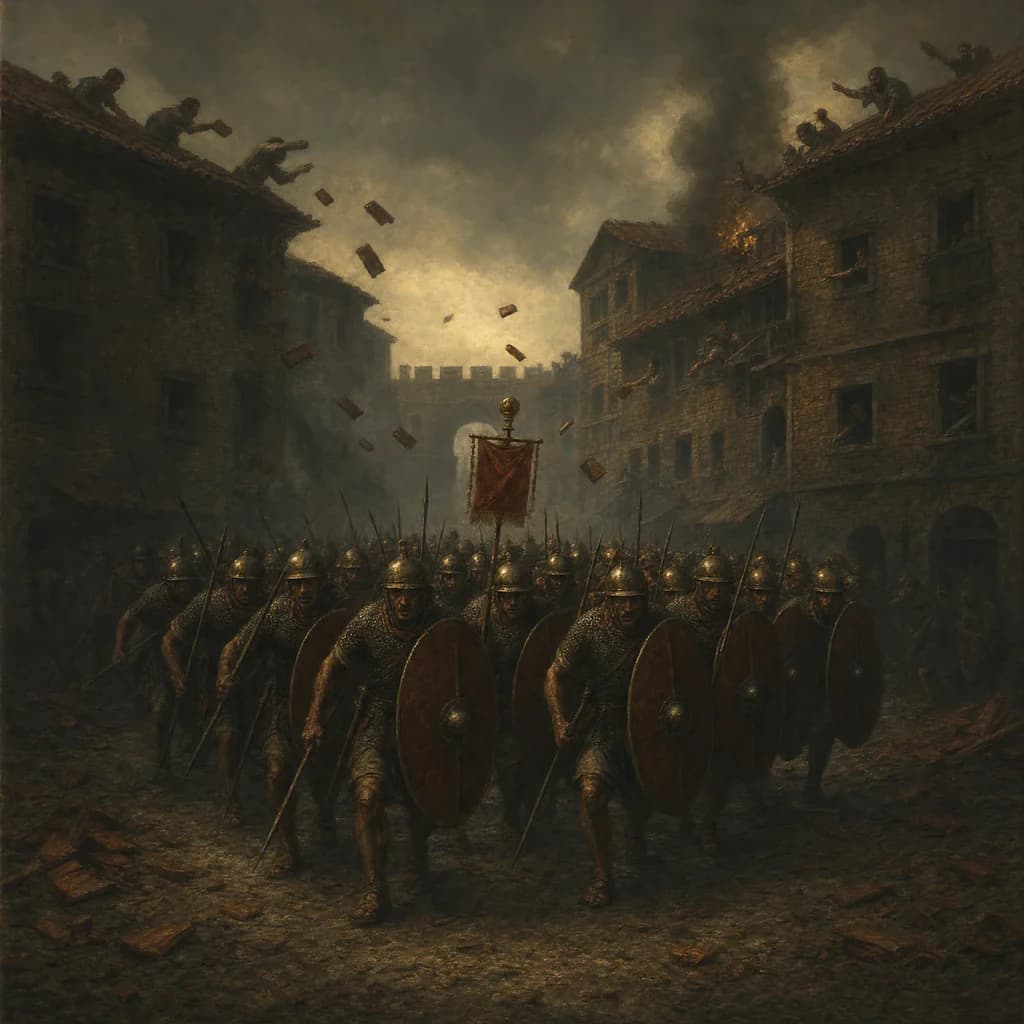
Rome's First Coup Was Not Caesar's
He laid out the plan to his command staff, and all but one of them got on their horses and rode off without him.
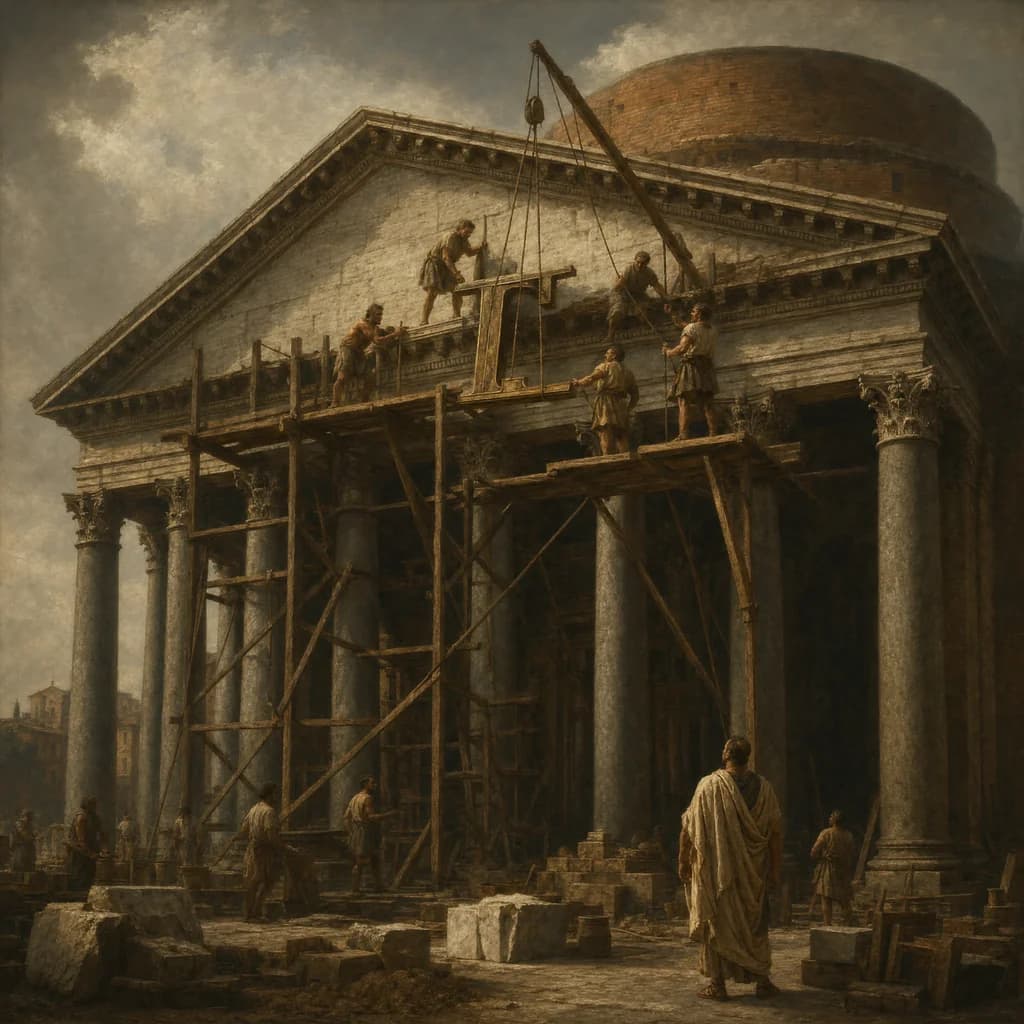
Rome's Most Famous Building Credits the Wrong Man
Millions of visitors a year photograph the builder's name across the front of the Pantheon. He had been dead for over a century when the building went up.
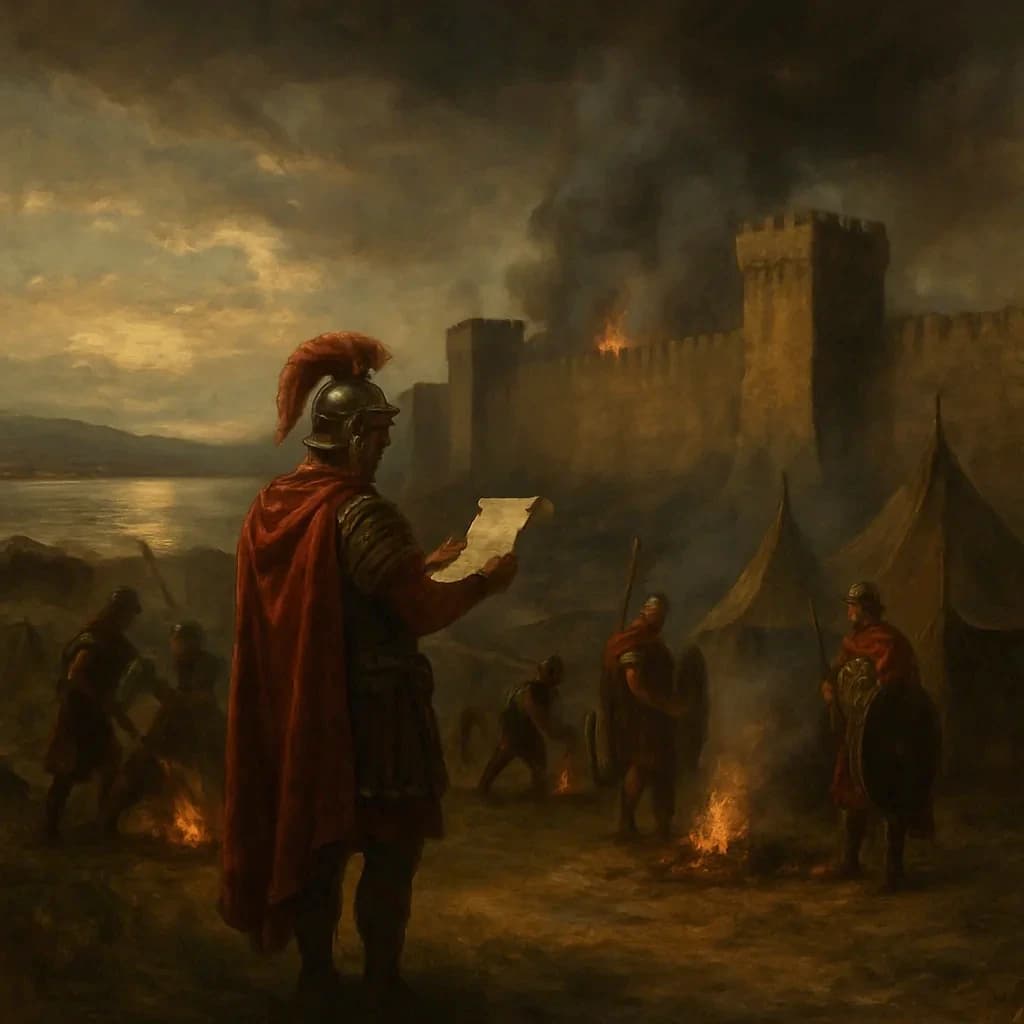
Carthage Tried to Surrender. The Letters Never Arrived.
Rome's greatest rival didn't fall to legions. It fell because one general refused to deliver a message.
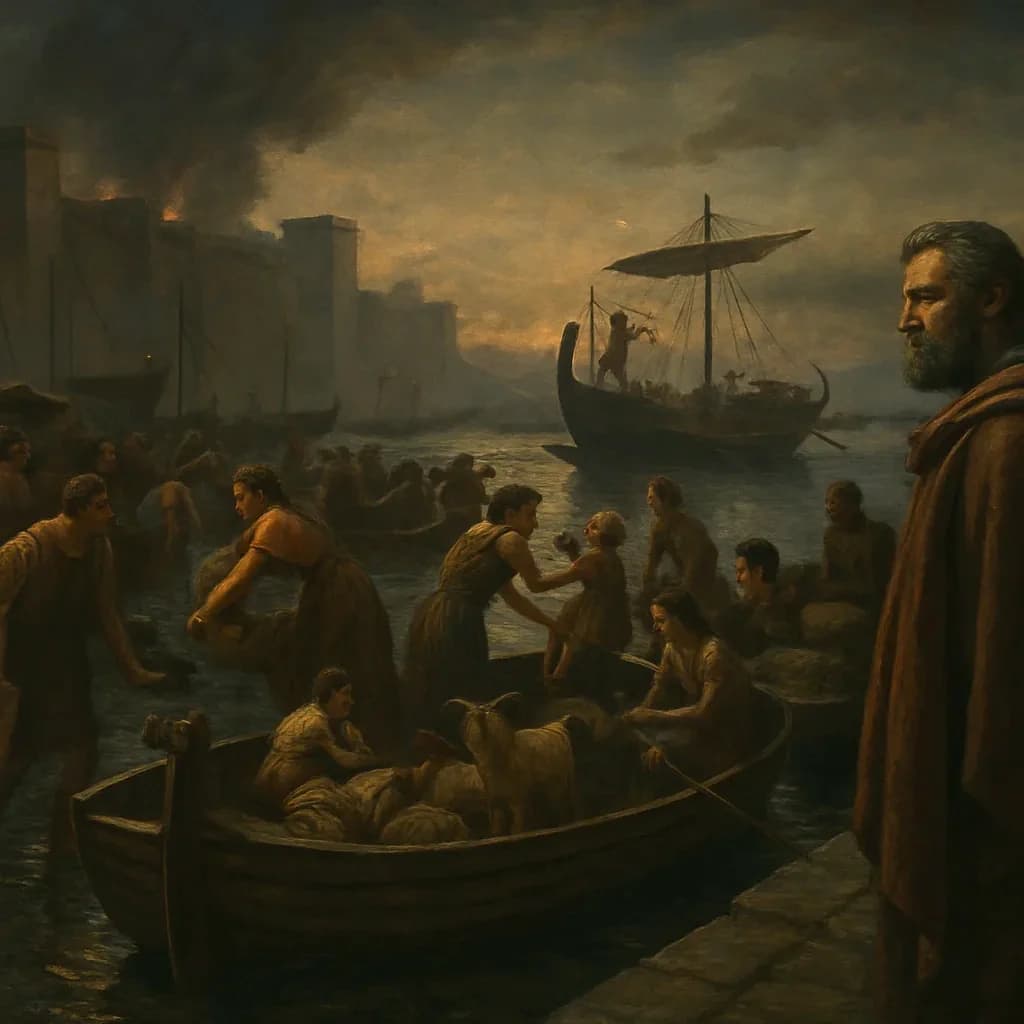
A Poem No One Agreed On Saved Athens
With Persia two weeks away, an Athenian general talked an entire city into abandoning itself, over a poem nobody could agree on.
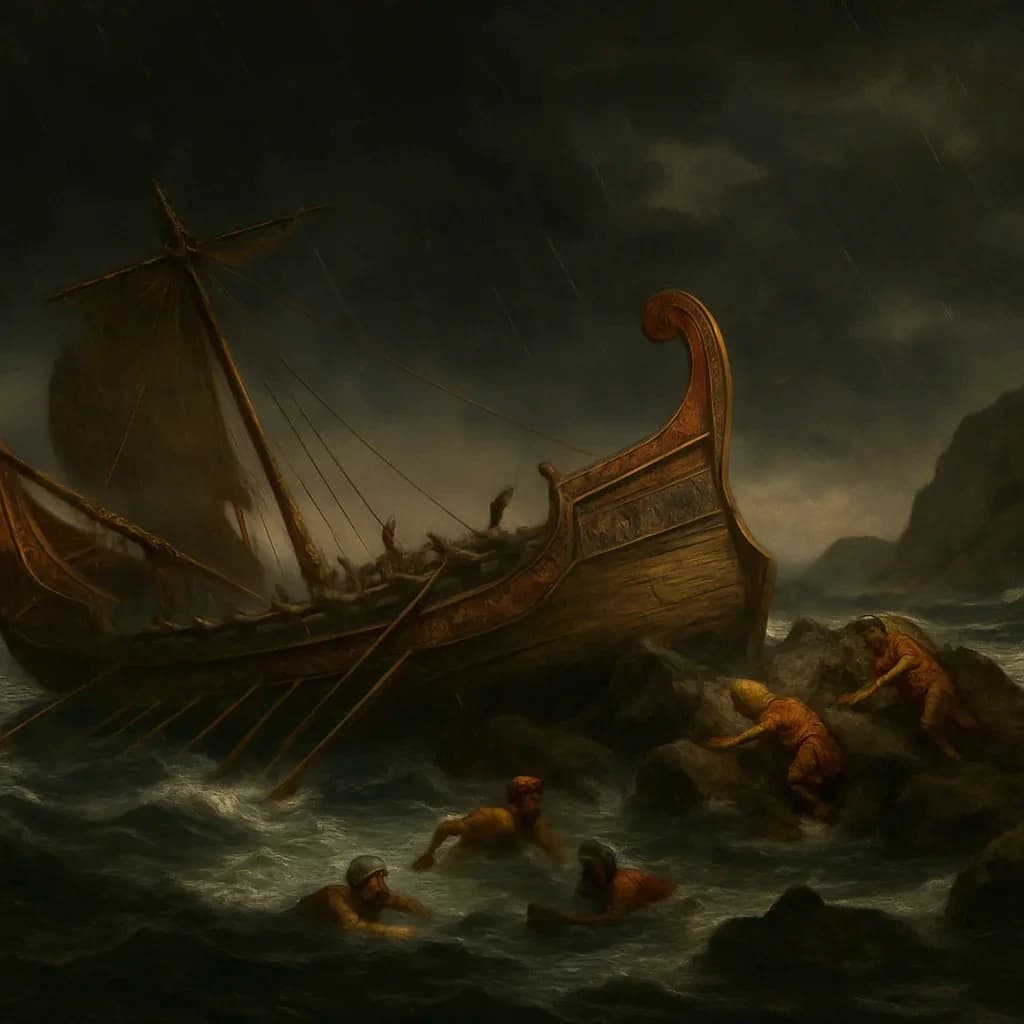
Poseidon vs. Persia: The Sea That Wrecked Xerxes Twice
Xerxes built the largest invasion force the ancient world had ever seen, and then the sea ate it. Twice.
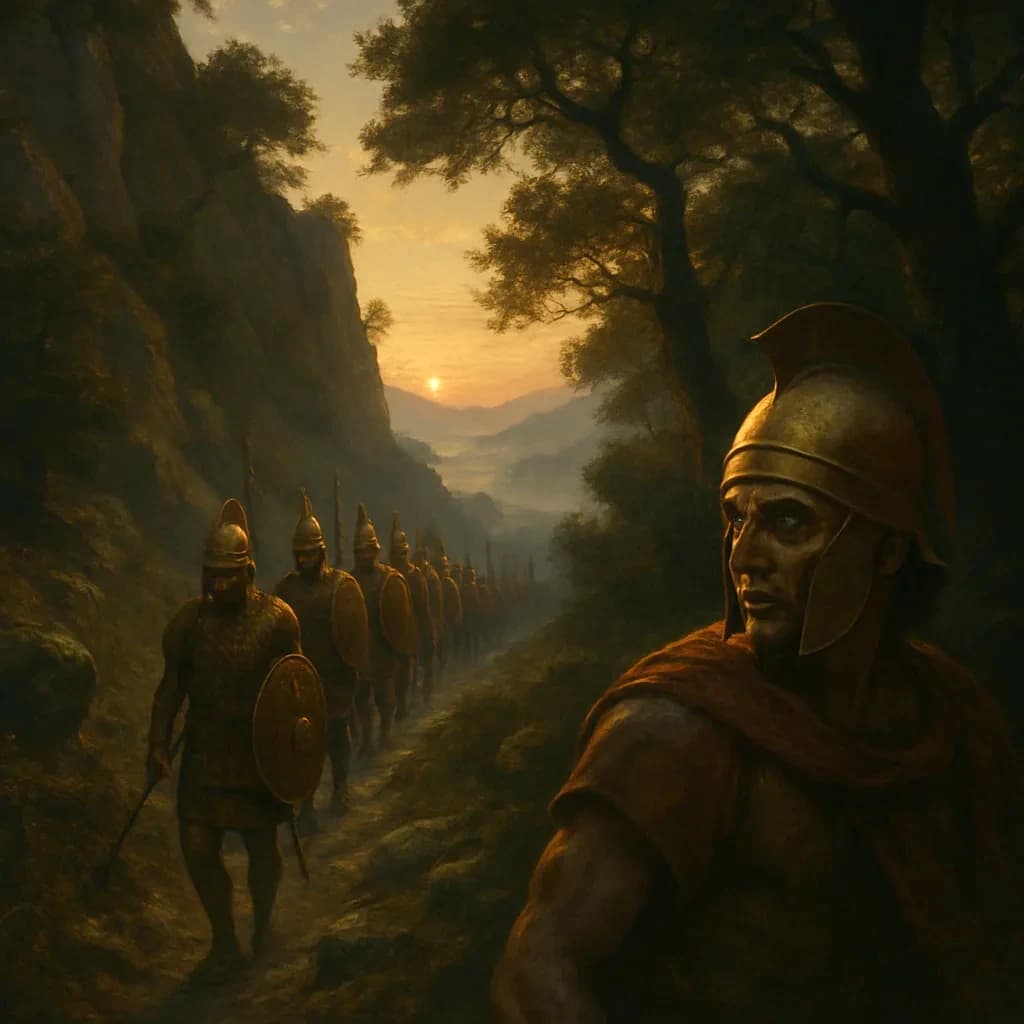
An Unguarded Goat Path Decided Thermopylae
The battle of Thermopylae was decided not by Spartan courage or Persian numbers, but by a goat path nobody thought to guard.
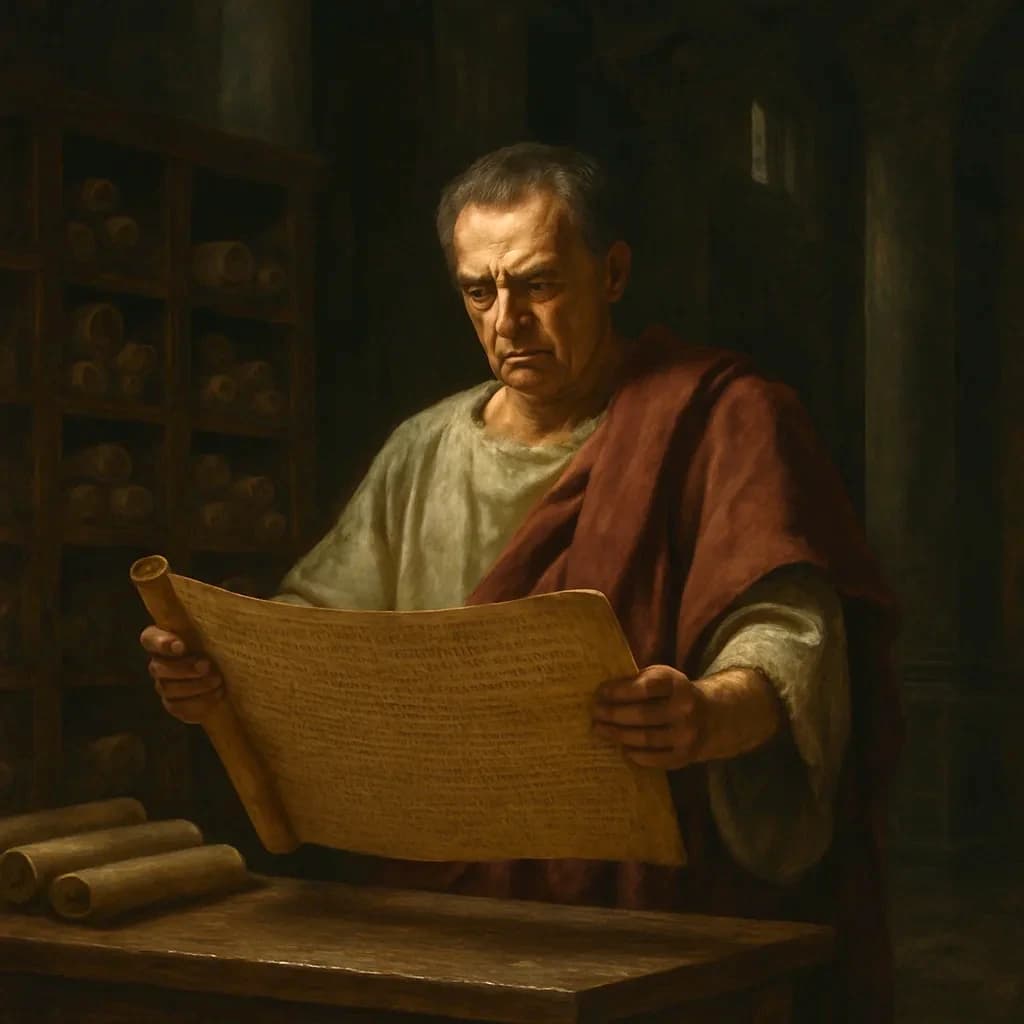
Carthage Burned, But Its Farming Manual Survived
Rome's most feared enemy left behind one weapon no sword could destroy: a farming manual that Romans copied out by hand for the next five hundred years.
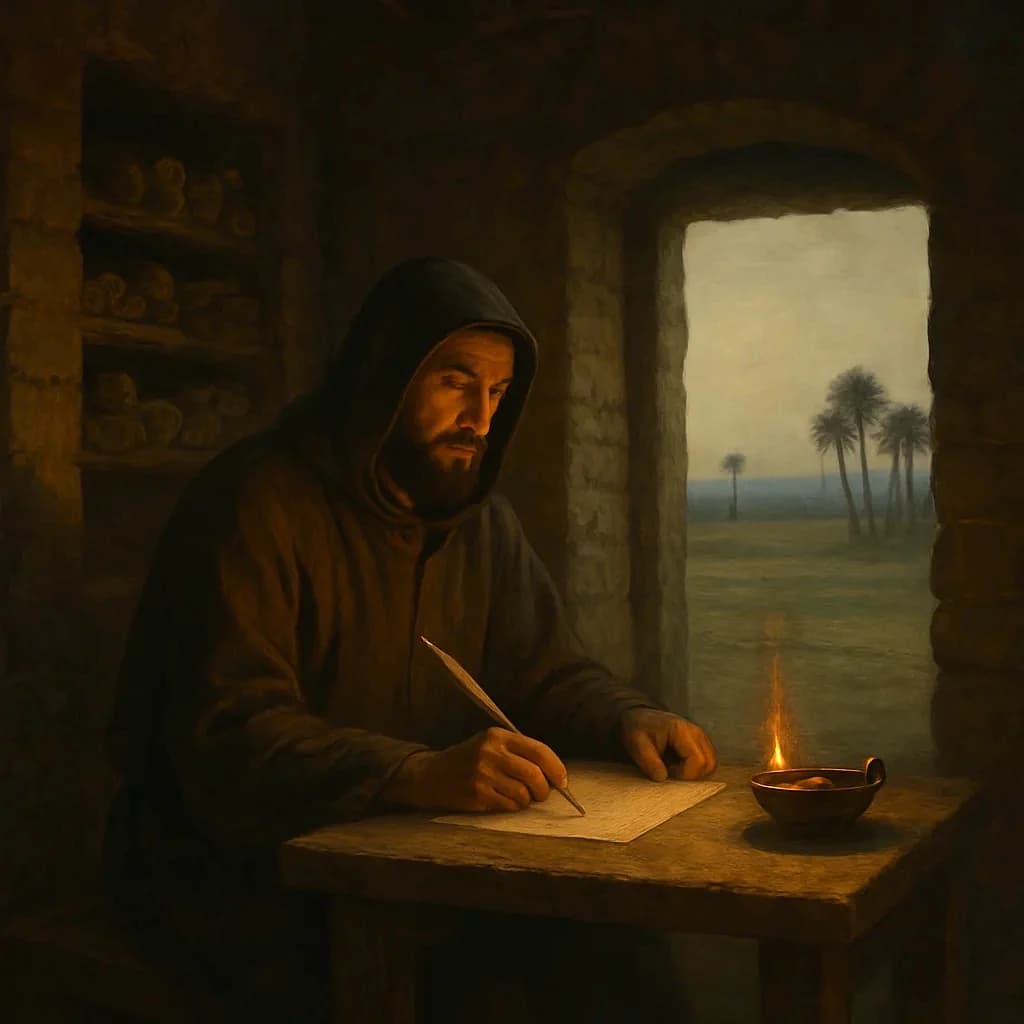
How a Persian General's Indifference Saved Rome's Farm Records
A Persian general made a decision about a small Egyptian village in 619 AD that preserved the only complete record of Rome's eastern grain supply, and doomed his own empire.
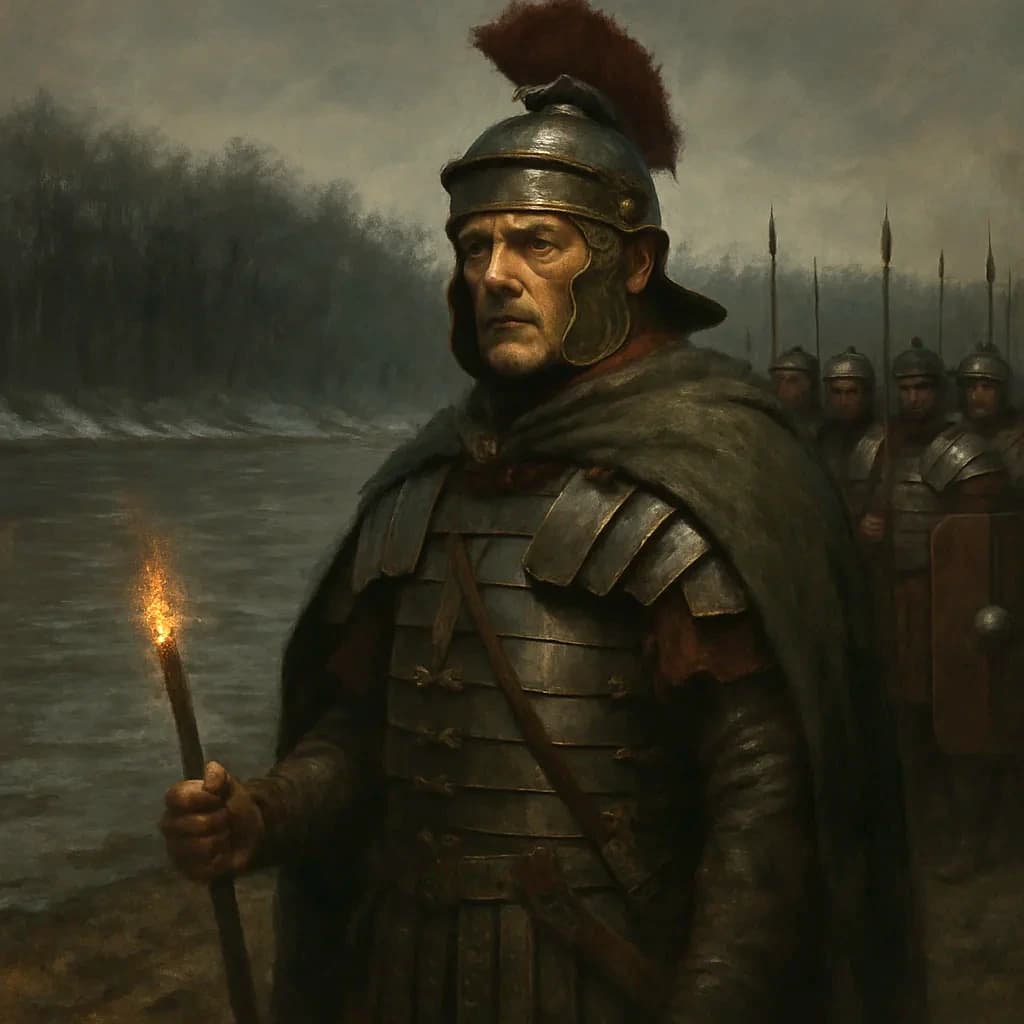
A Goat Herder's Heir Became History's Most Dangerous Soldier
A Roman emperor's decision to adopt a nobody from the Anatolian backcountry accidentally produced one of history's most effective soldiers, and one of its most dangerous.
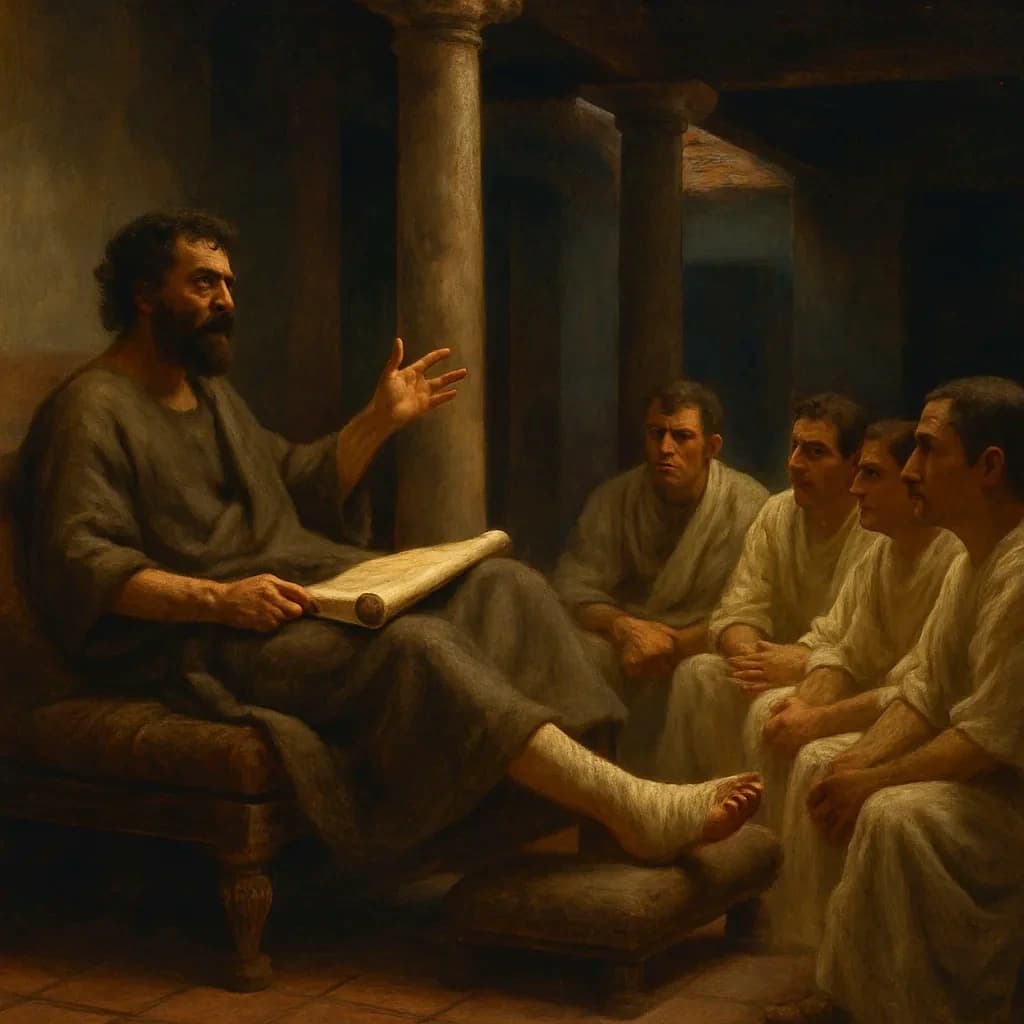
Broke His Leg, Taught Rome to Read Greek
A Greek prisoner of war spent seventeen years in a Roman household, and quietly rewired how the most powerful civilization on earth thought about everything.
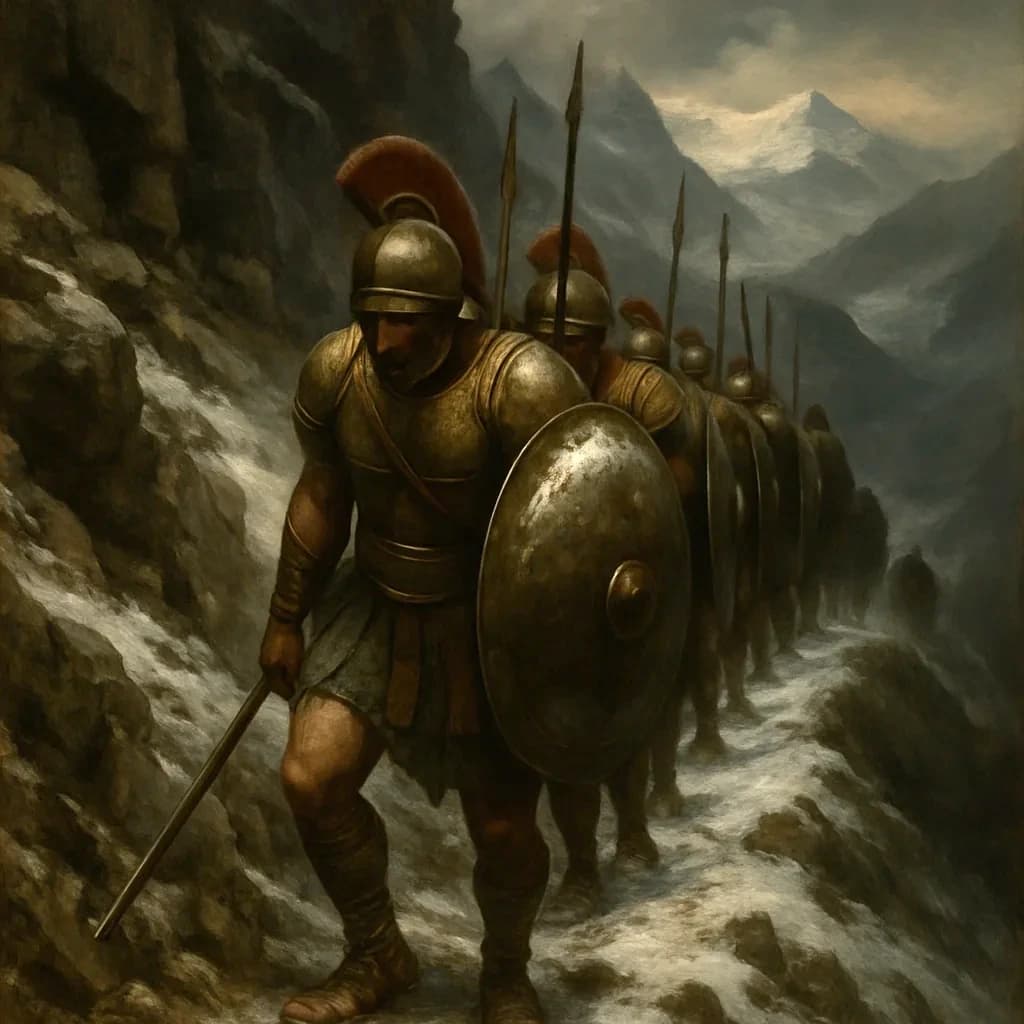
Ten Thousand Leaderless Greeks Marched Home Through an Empire
In 401 BC, ten thousand Greek mercenaries found themselves stranded in the heart of the Persian Empire with their commanders dead, and marched home anyway.
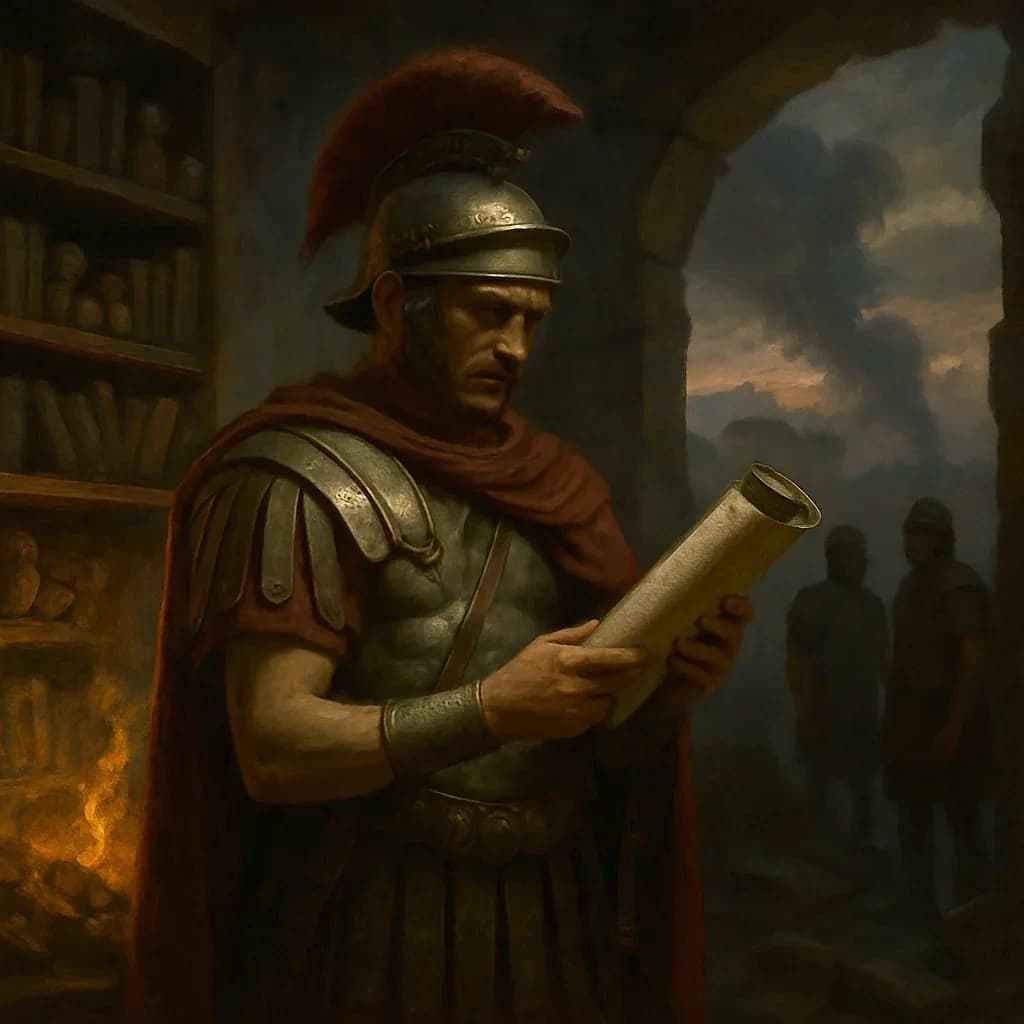
The Only Book Rome Saved from Carthage
Rome destroyed Carthage so thoroughly that almost nothing survived, except the one book the Senate decided to translate, a decision that quietly shaped Western agriculture for two thousand years.
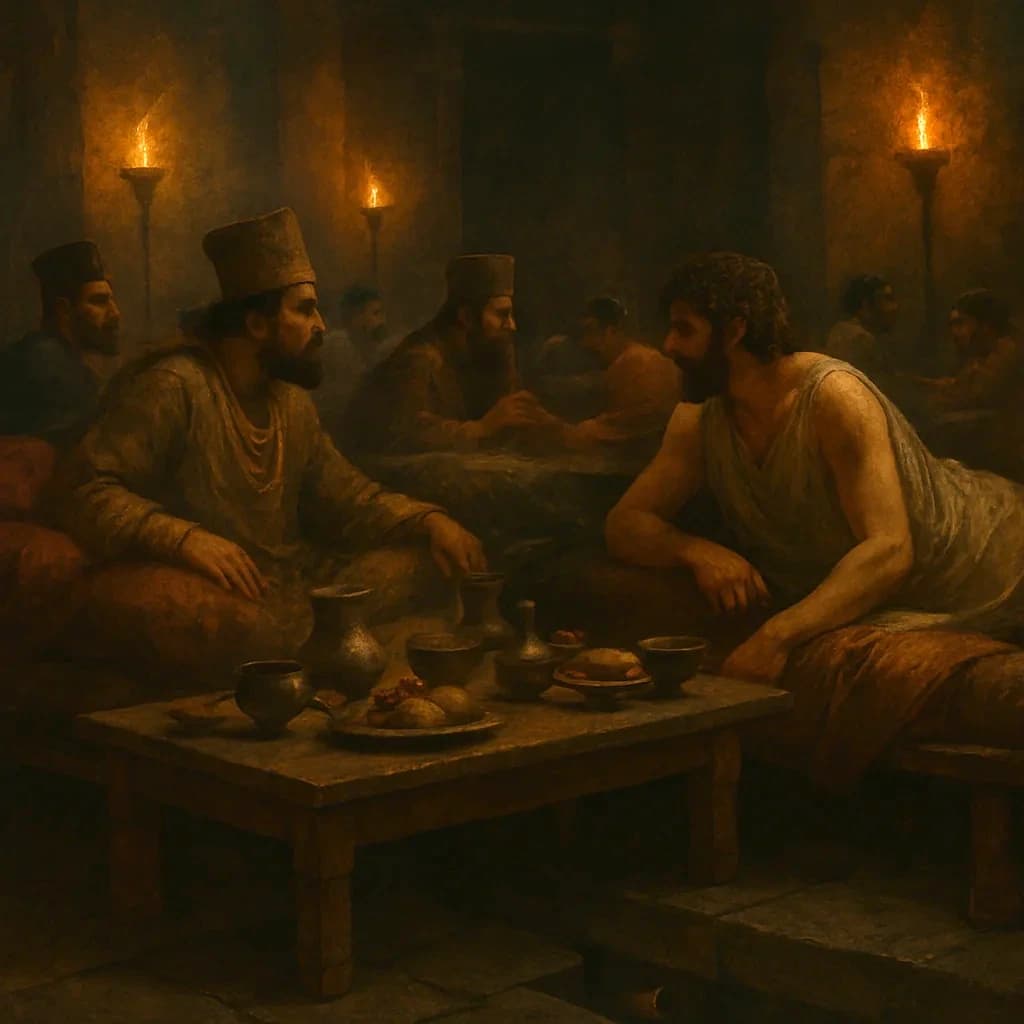
A Spy Beneath the Floor Heard Persia's Death Sentence
A Persian general threw a lavish banquet for the Greek elite of Thebes in 479 BC, and walked straight into a trap set by a man hiding under the floorboards.
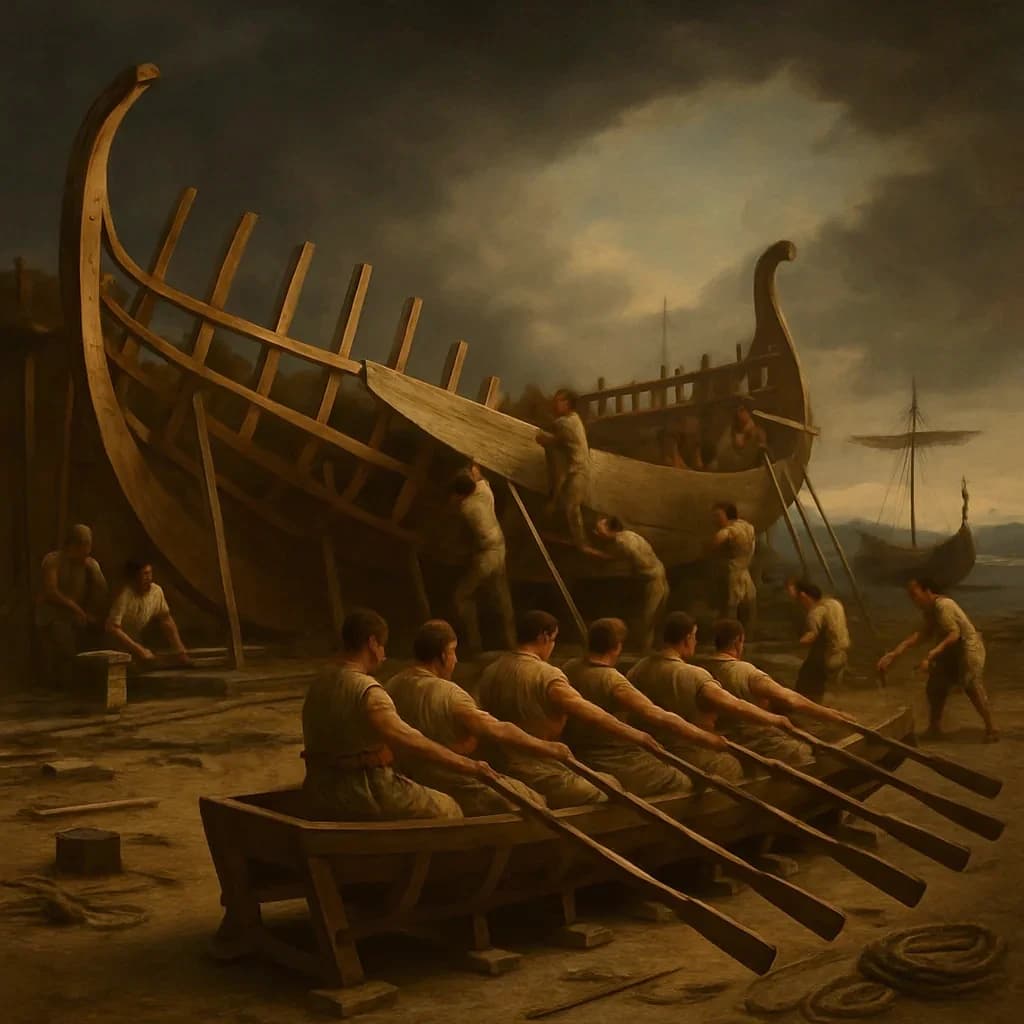
Four Days in a Carthaginian Prison, and the Birth of Rome's Navy
Rome defeated the greatest naval power in the Mediterranean with a fleet they built in sixty days, copying a warship they found washed up on a beach.
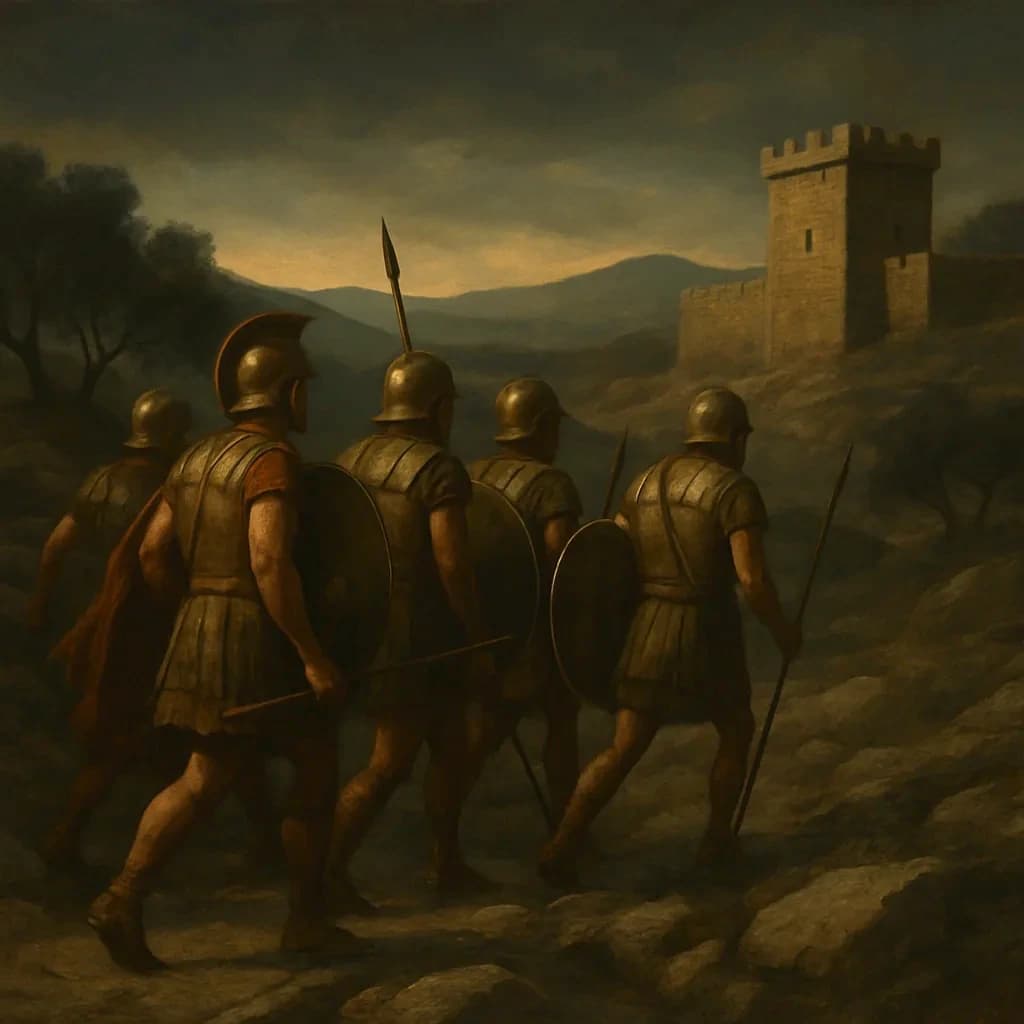
How Persian Silver Saved Athenian Democracy
A Persian satrap handed Athens' enemies enough silver to build a fleet, and in doing so saved Athenian democracy from the Spartans.
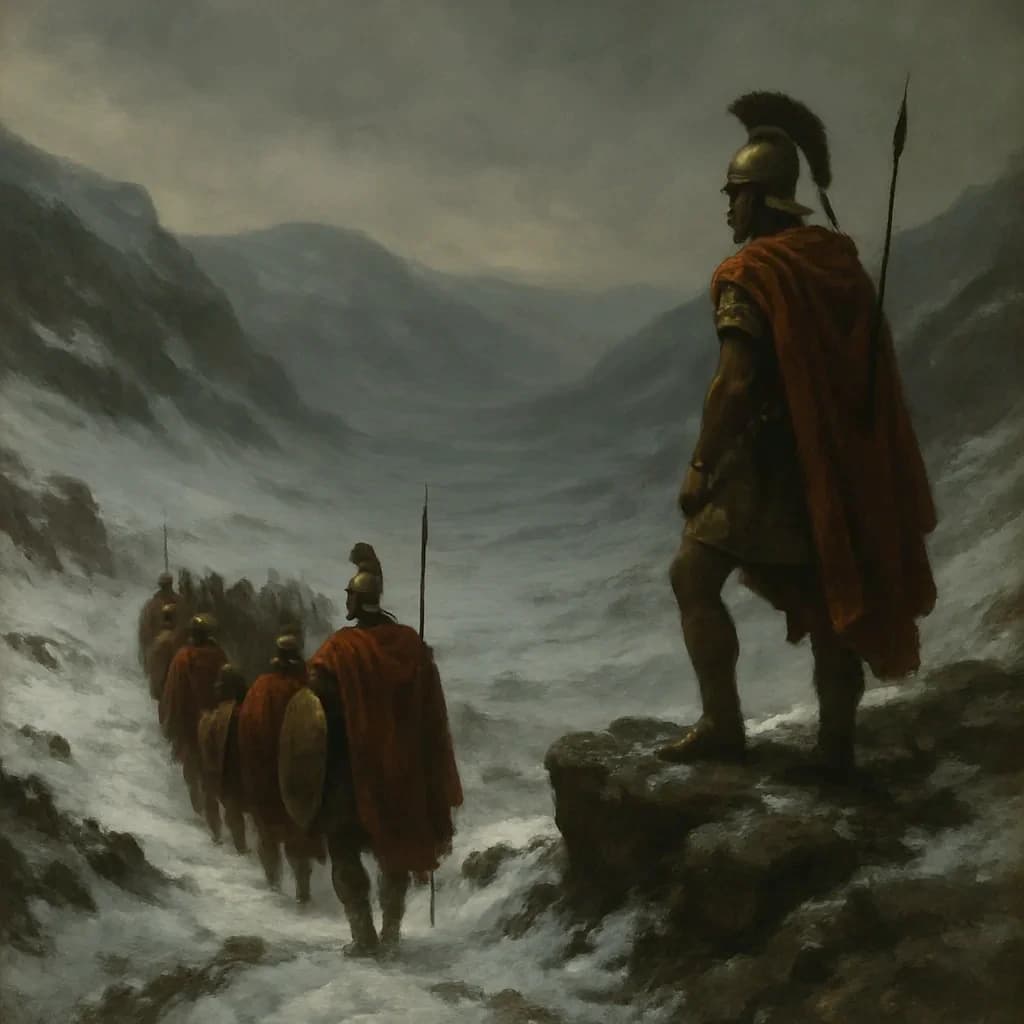
Xenophon's Retreat Became Alexander's Invasion Map
Darius III's most dangerous enemy wasn't Alexander. It was the Greek mercenary captain who had spent twenty years learning exactly how the Persian Empire worked.
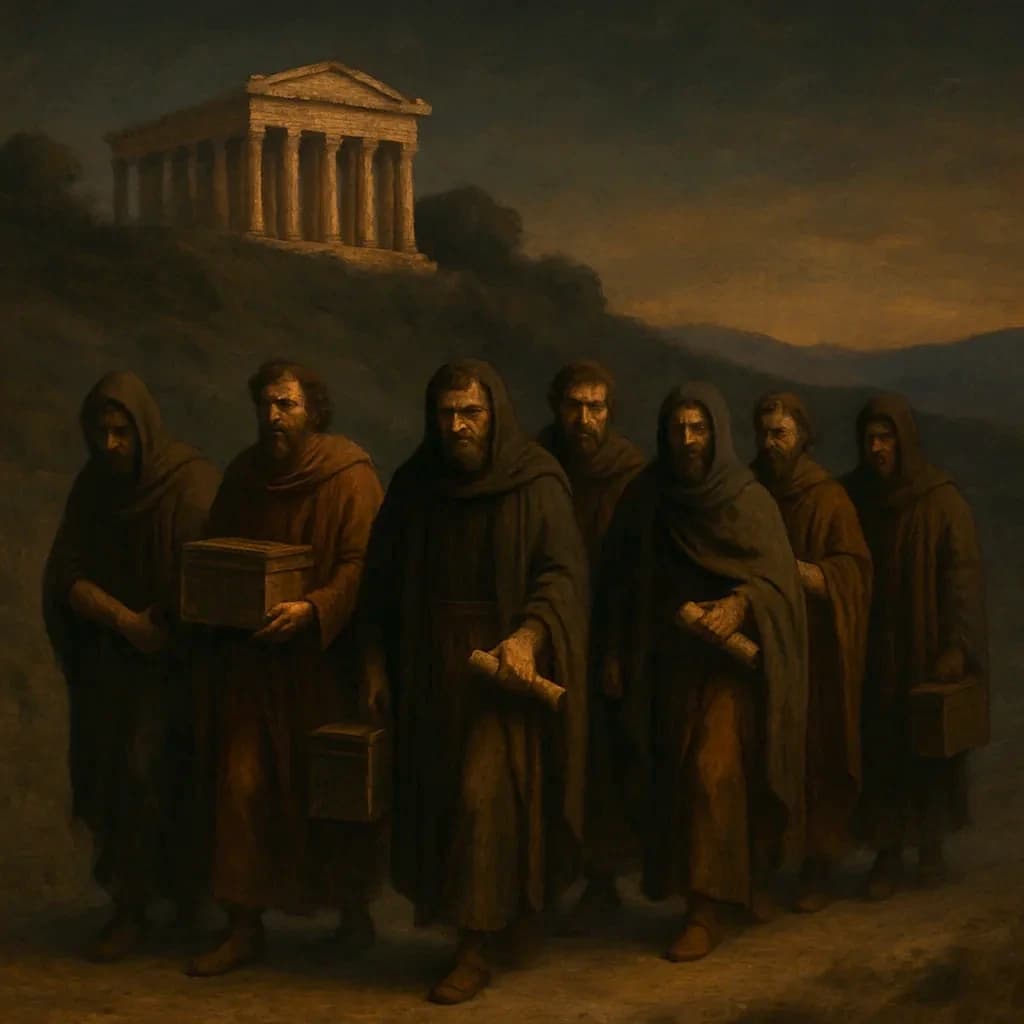
Justinian Banned Philosophy, and Persia Saved It
A single imperial decree in 529 AD shut the last ancient philosophy school and sent its scholars fleeing east, preserving the intellectual inheritance of Greece inside the Persian Empire by sheer chance.
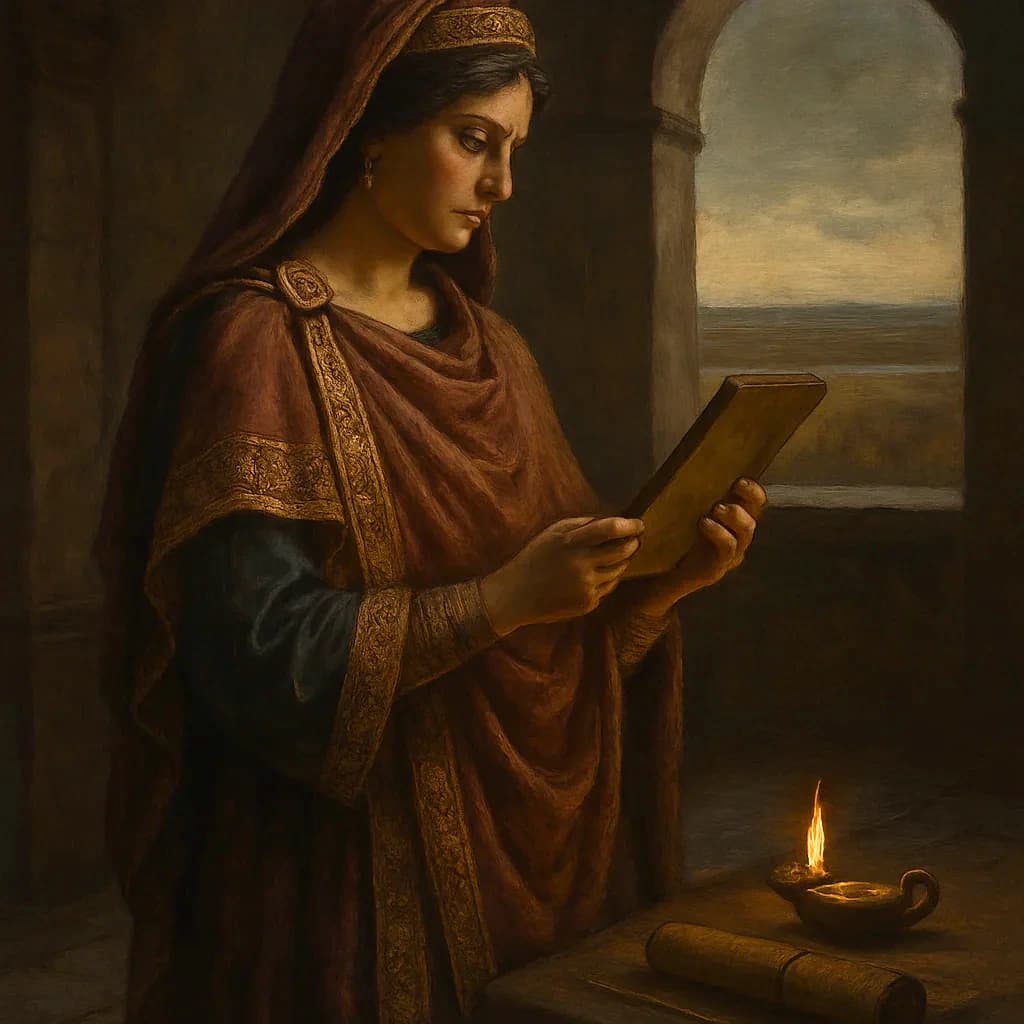
How a Mother Saved Rome's Last Emperor
Rome's last western emperor was deposed without a fight, and the one person who may have seen it coming was a woman nobody bothered to write about.
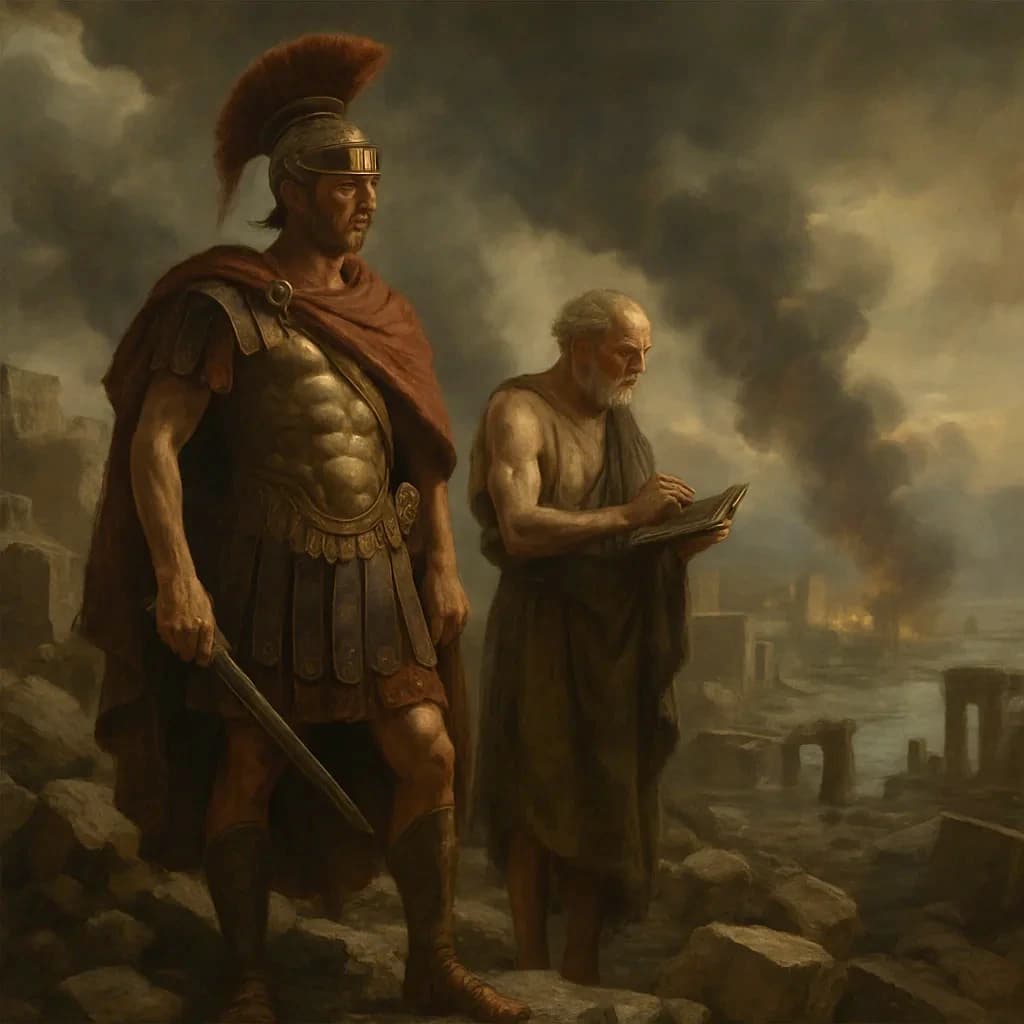
A Roman General Wept in Terror at His Own Victory
A Roman general stood at the edge of a burning city he had just destroyed, and started weeping, not with relief, but with terror.
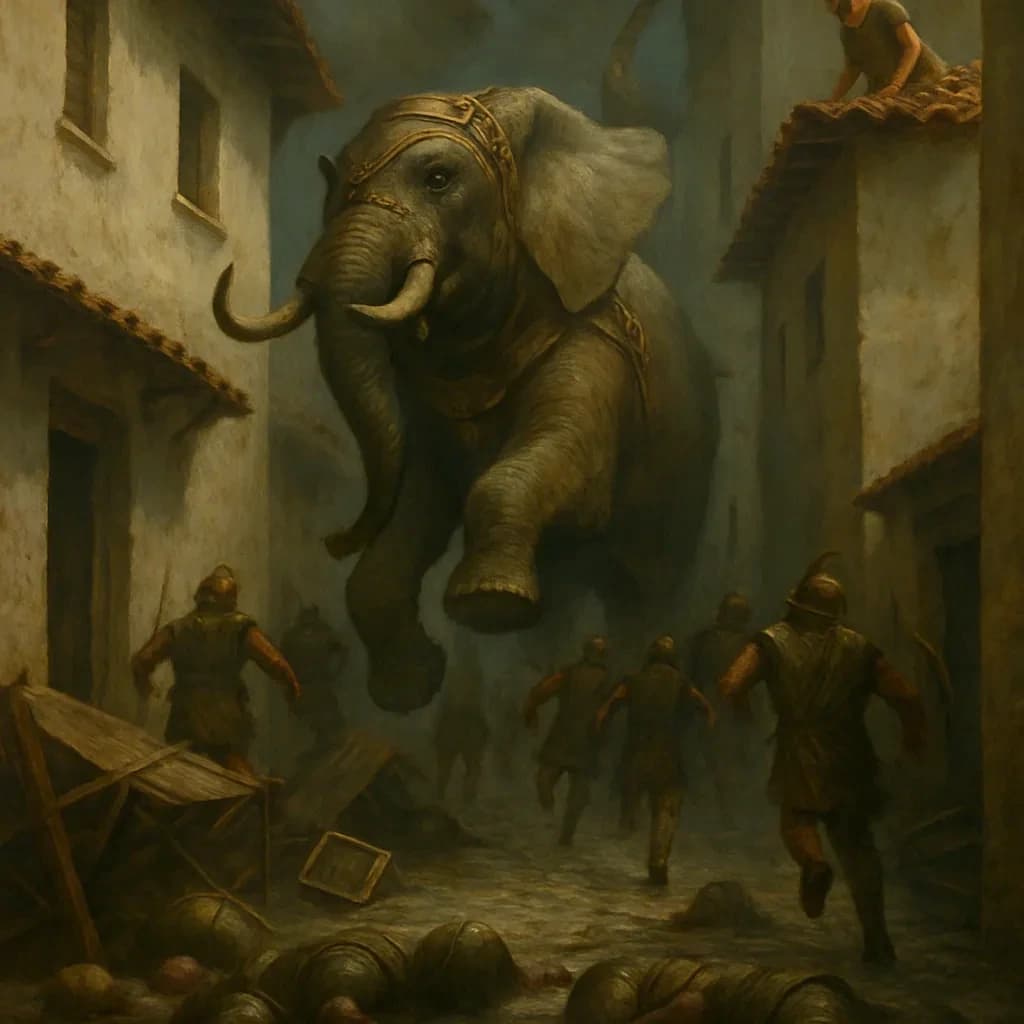
A Panicked Elephant and a Roof Tile Ended Pyrrhus
He had beaten Rome twice, but a single war elephant (panicked, untrained, and rampaging through his own lines) ended the campaign that was supposed to destroy the Republic.
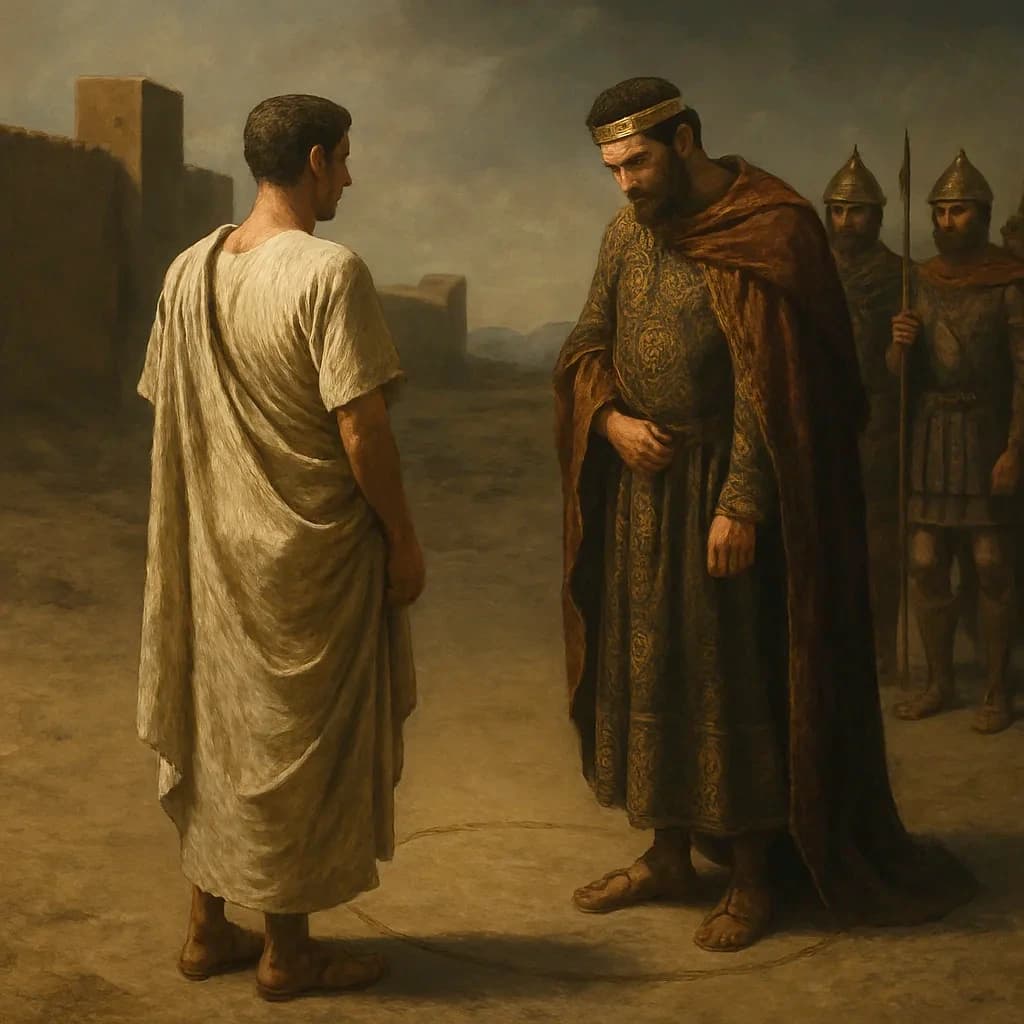
Rome Raised a Hostage Prince Into Its Own Enemy
A teenage Carthaginian hostage spent seventeen years in Rome, and went home knowing exactly how to destroy it.
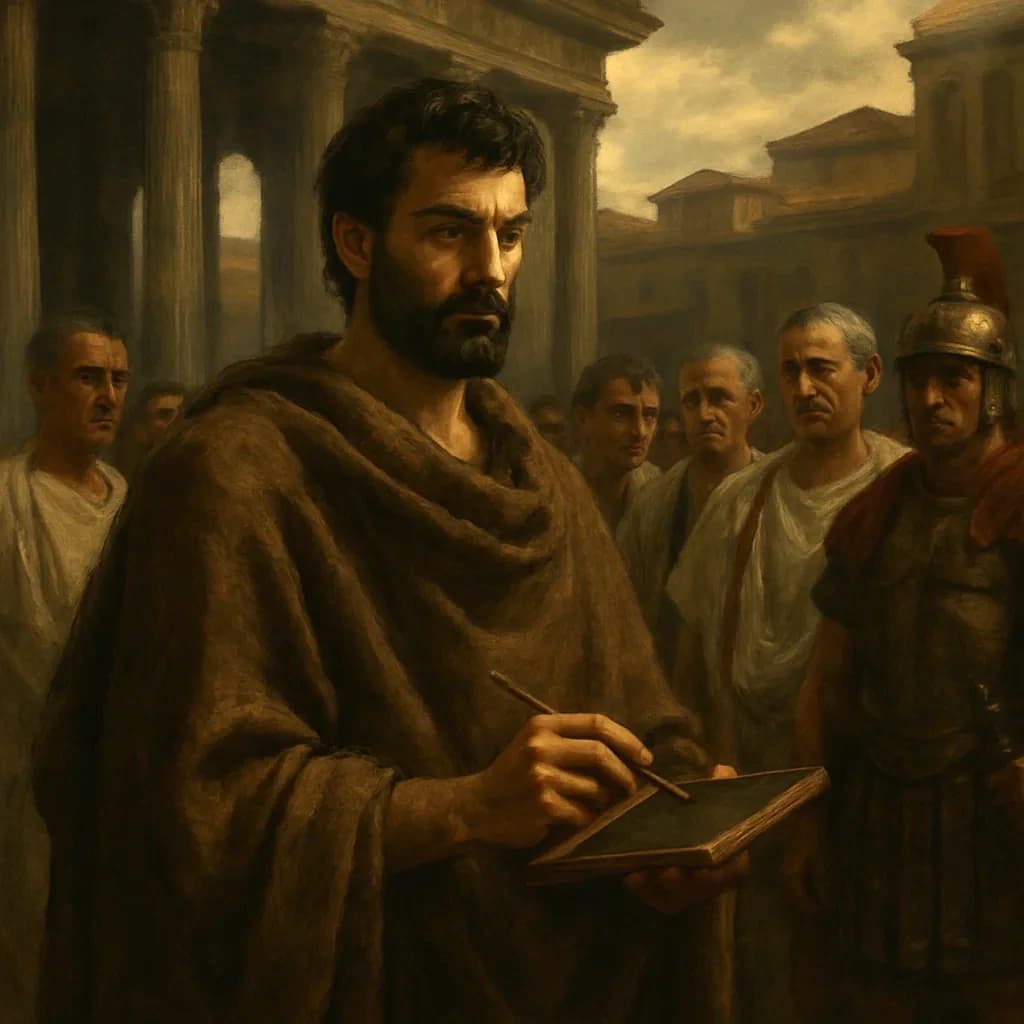
Rome Took a Greek Hostage, He Wrote Its Manual
Three years a prisoner in Rome, a teenage boy walked out knowing exactly how to destroy it.
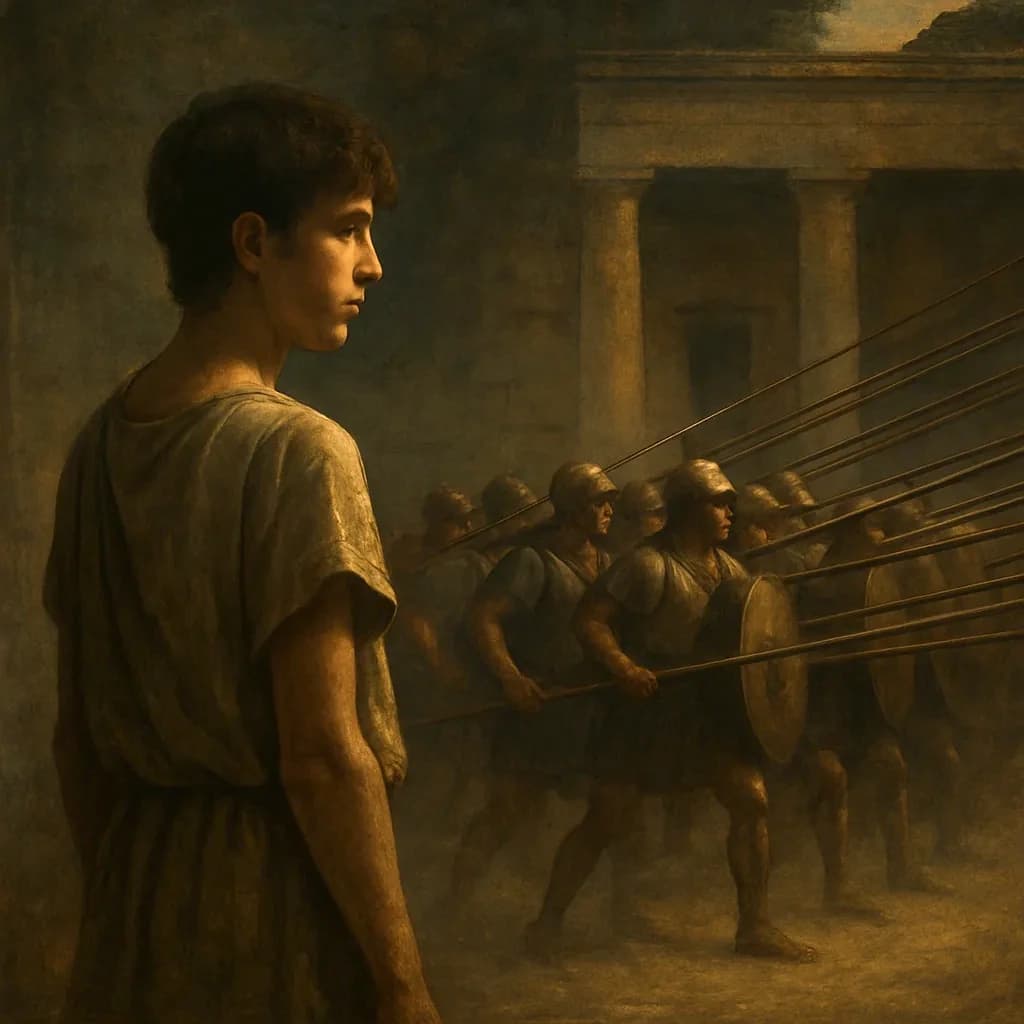
How a Hostage Prince Made Macedonia Unconquerable
A teenage boy spent three years as a captive in a foreign city, and used the time to study his captors' military tactics so thoroughly that he returned home and made his own kingdom unconquerable.
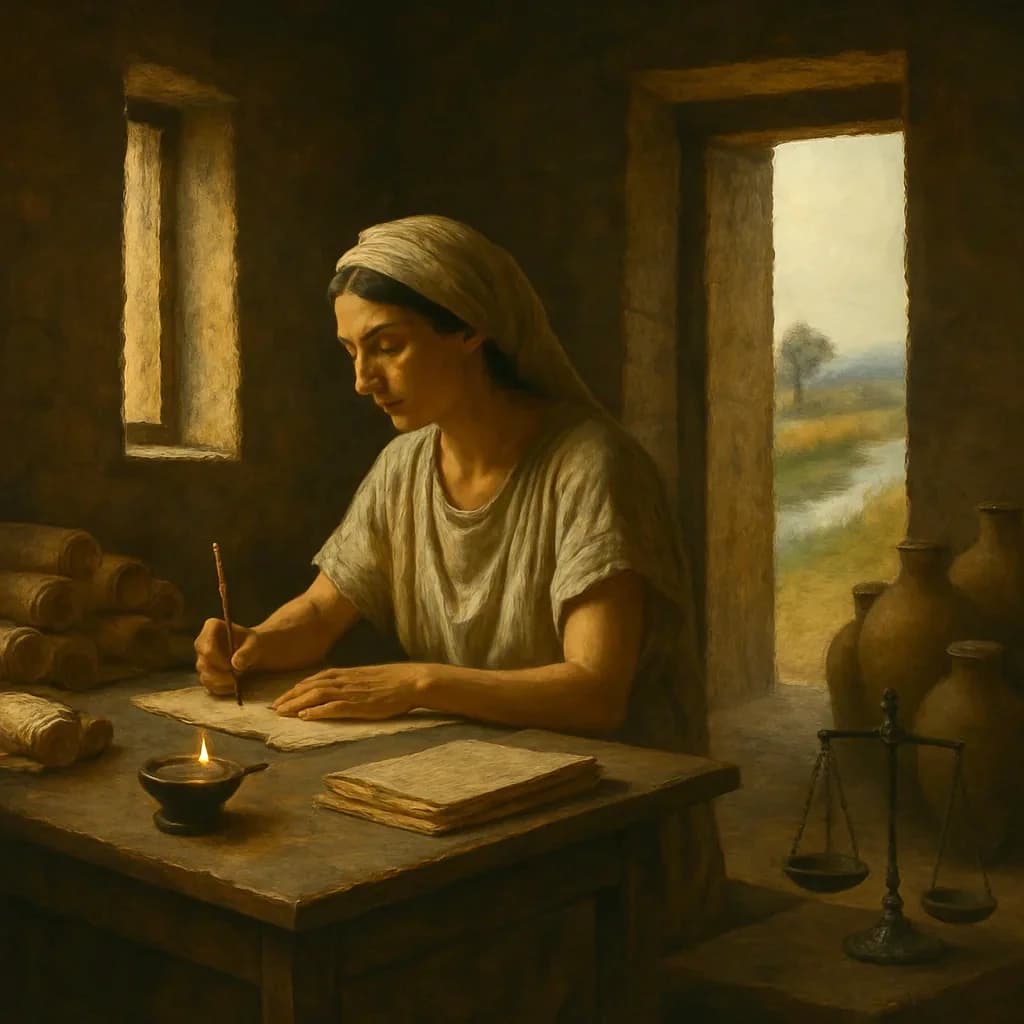
When Roman Money Became Fiction, She Ran on Grain
As the Roman Empire's economy collapsed, one woman in Roman Egypt built a workaround that modern economists still argue about.
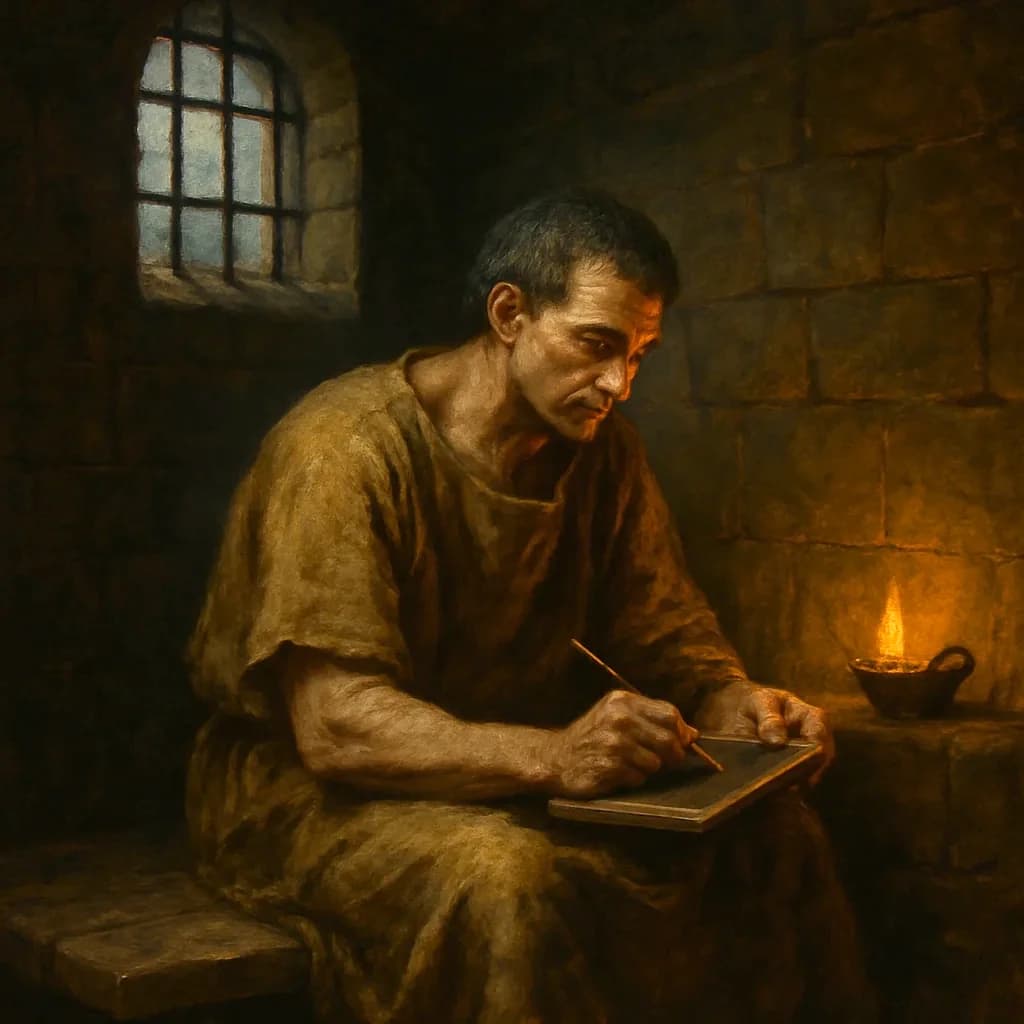
Condemned to Die, He Wrote a Medieval Bestseller
He was the most powerful ruler in the Western world, beloved by Romans and barbarians alike, and then he ordered the execution of the one man who had made his reign possible.
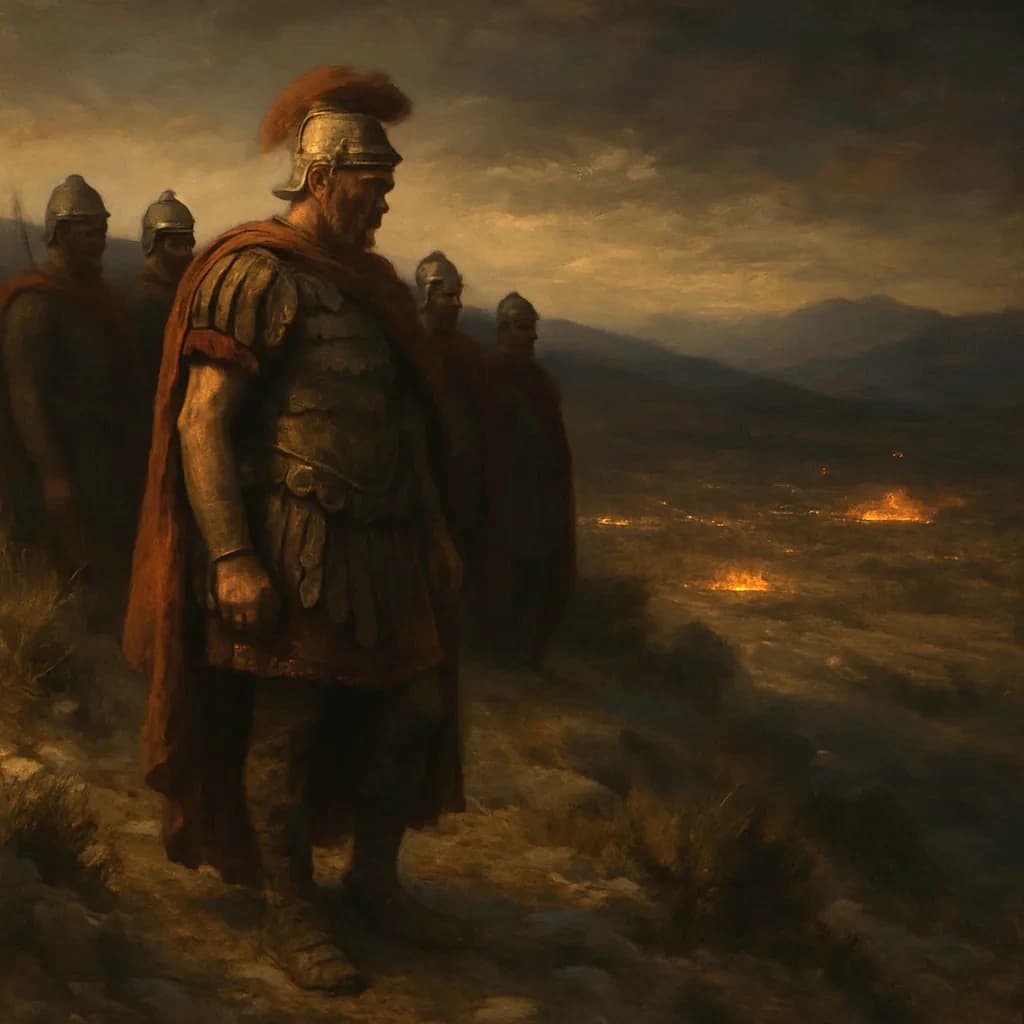
Three Days in a Roman Courtyard, and the End of the Republic
The man who murdered Julius Caesar spent his final hours not fleeing, not fighting, but writing a letter to the enemy who was about to kill him.
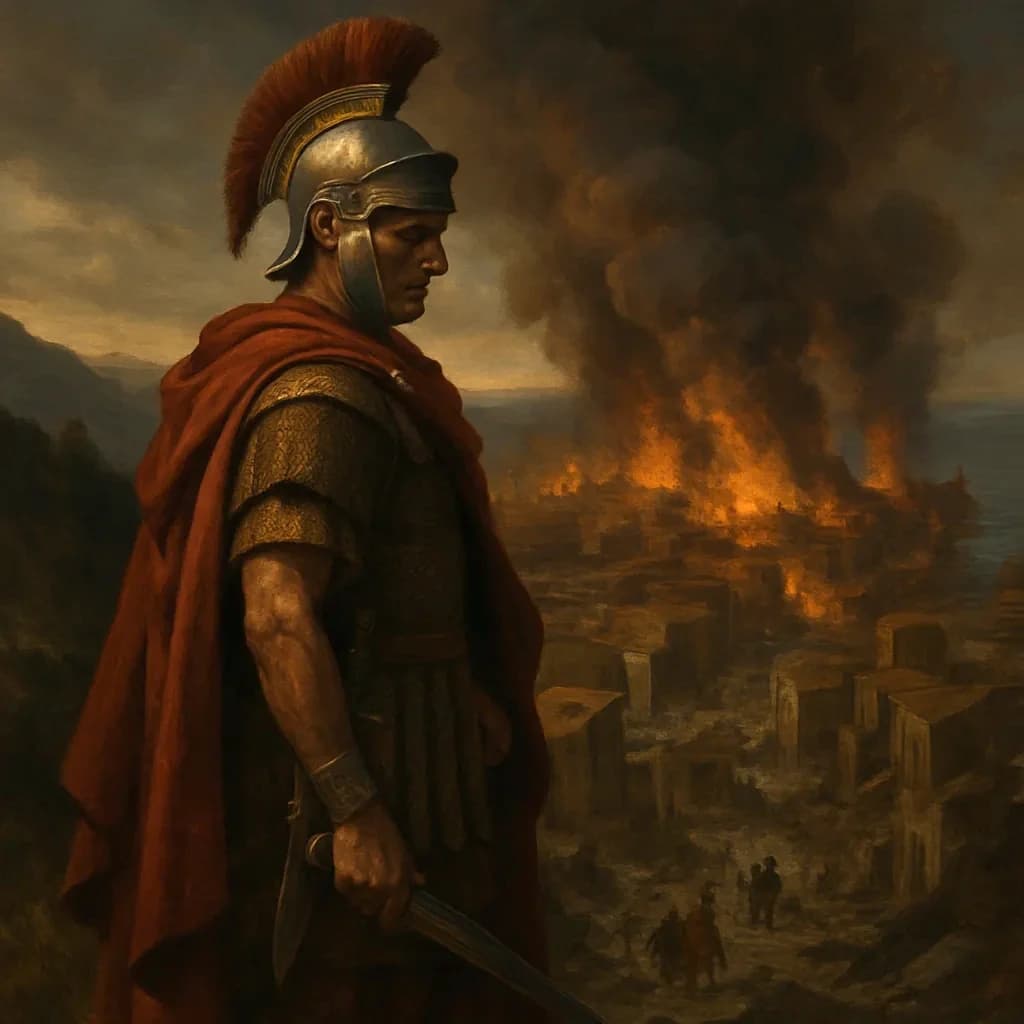
One Unlocked Gate Ended Carthage
The general who destroyed one of history's greatest cities did it not with siege engines or superior numbers, but because someone left a gate unlatched.
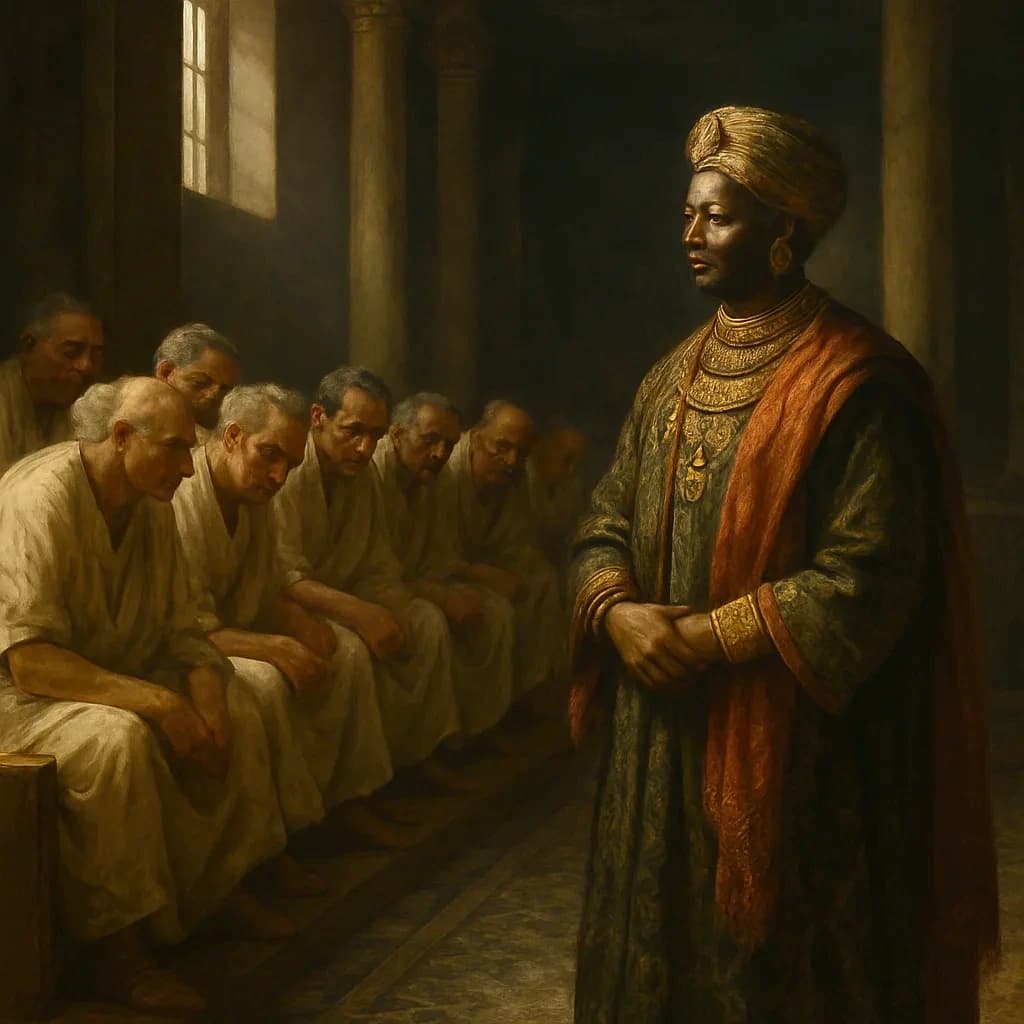
A Numidian Prince Legally Bought Permission to Destroy Carthage
A Numidian prince walked into the Roman Senate, delivered a speech, paid a bribe, and walked out having just purchased permission to destroy his own city's greatest rival, all completely legally.
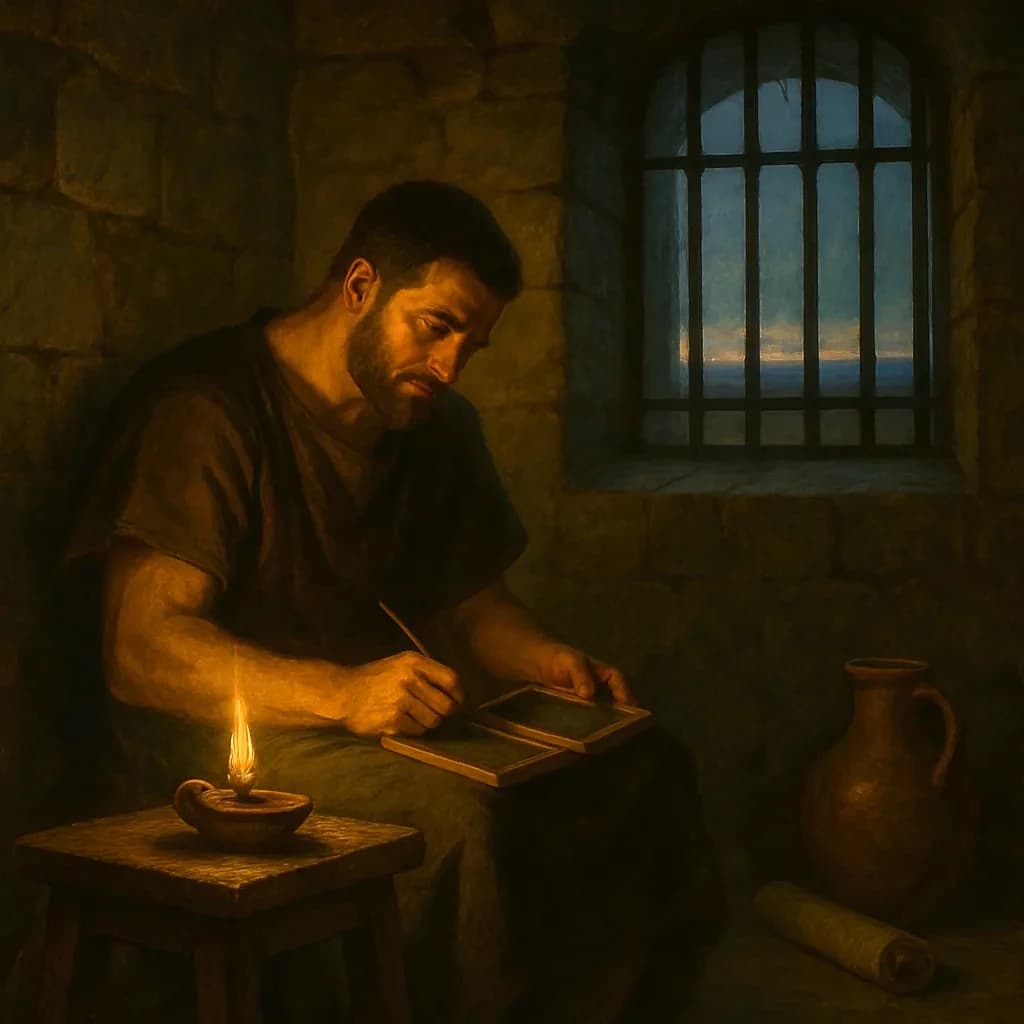
He Wrote His Masterpiece Awaiting Execution
The greatest Latin poem of the early medieval world came out of a court run by a barbarian king who could barely speak to the people he ruled.
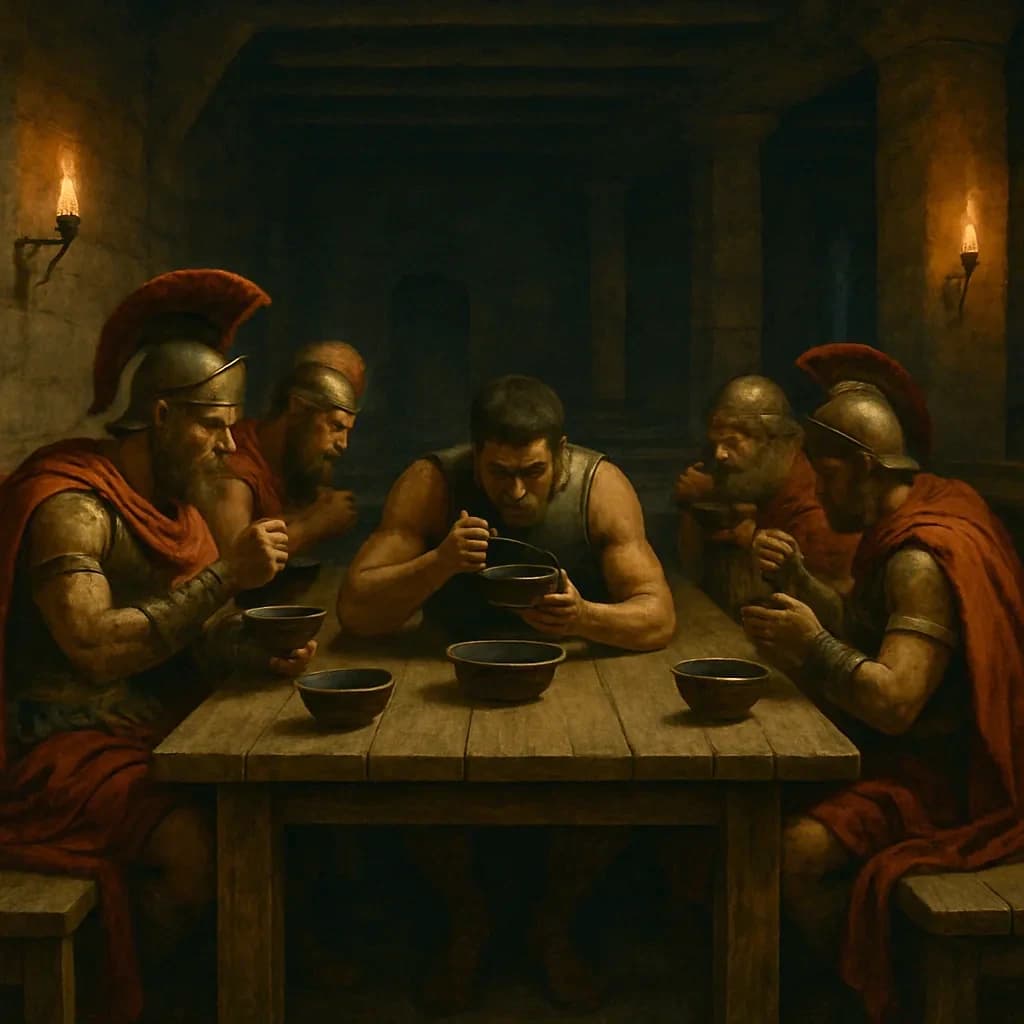
Sparta Ran Out of Spartans
Sparta's army didn't lose a war. It lost a census.
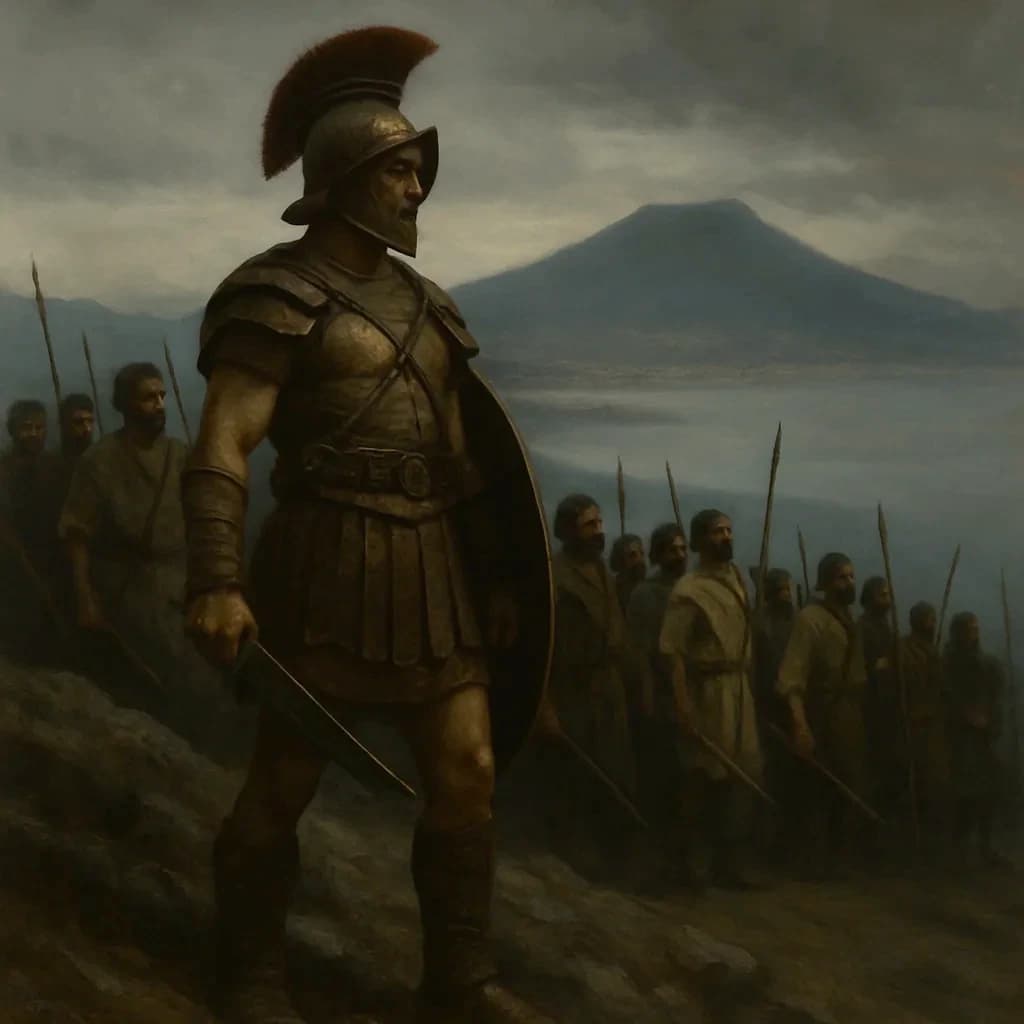
Spartacus: The Slave Rome Could Not Beat
A Thracian shepherd sold into slavery became the one man the Roman Republic genuinely could not stop.
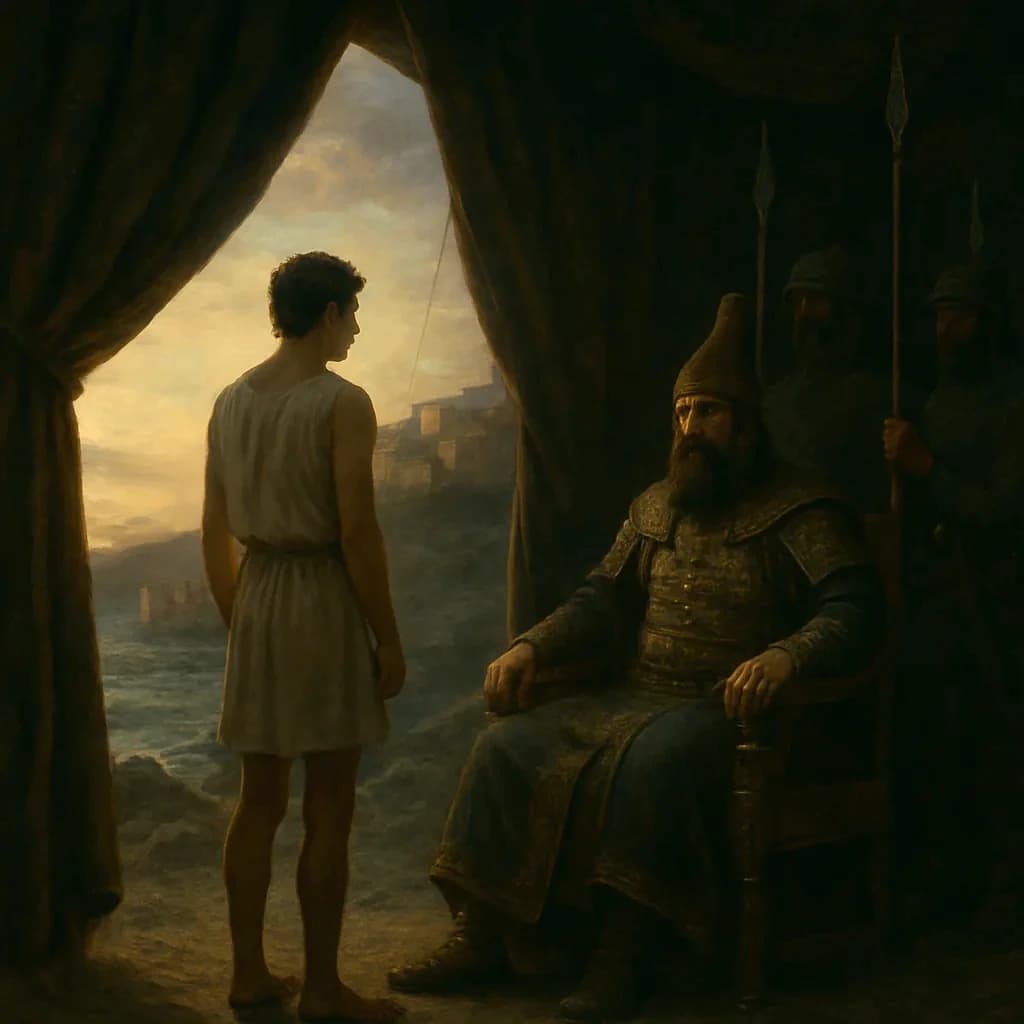
A Persian Army Demanded Tribute. Abdera Sent Its Philosopher.
When a Persian army arrived to demand tribute from the Greek city of Abdera, the citizens didn't fight back. They sent out their philosopher.
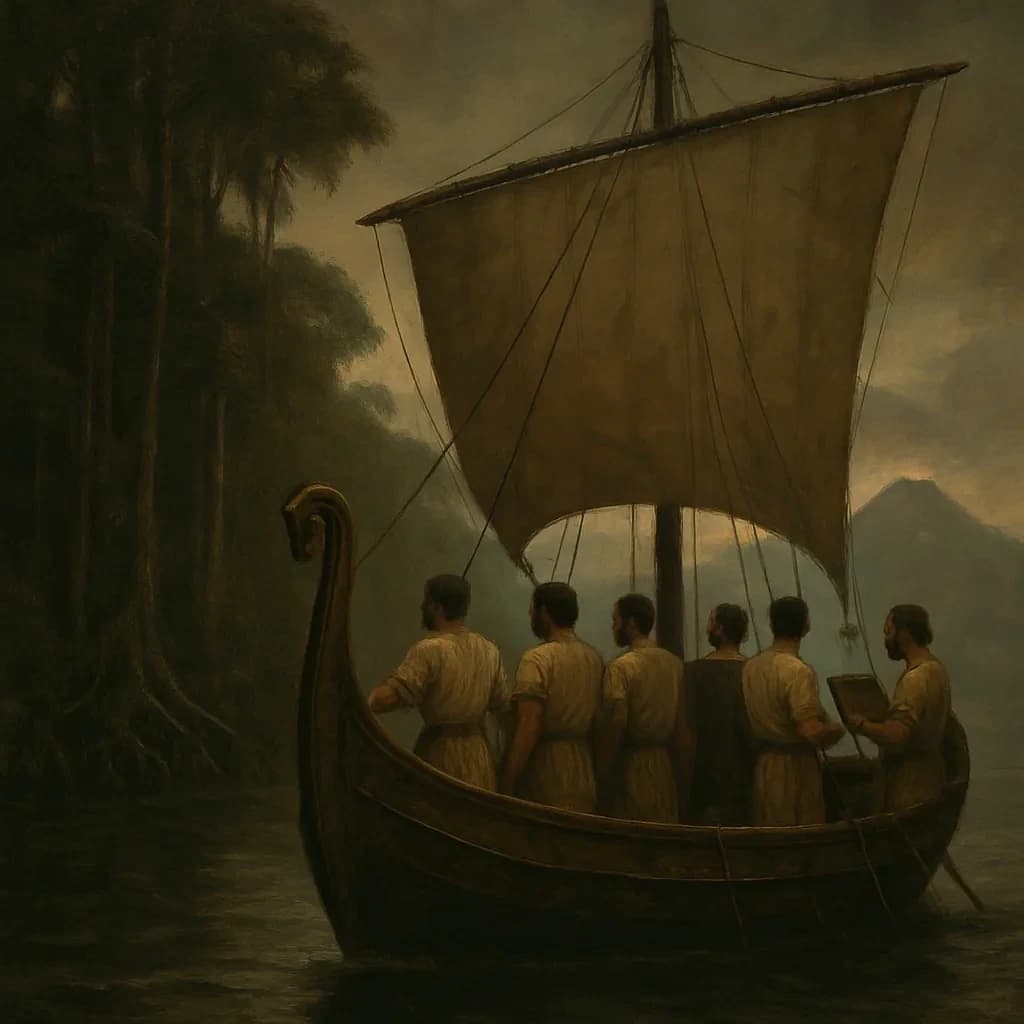
A Carthaginian Sailed Off the Map, Then Two Thousand Years of Silence
A Phoenician trader named Hanno sailed past the edge of the known world, returned with evidence of things that couldn't exist, and then nobody talked about it for two thousand years.
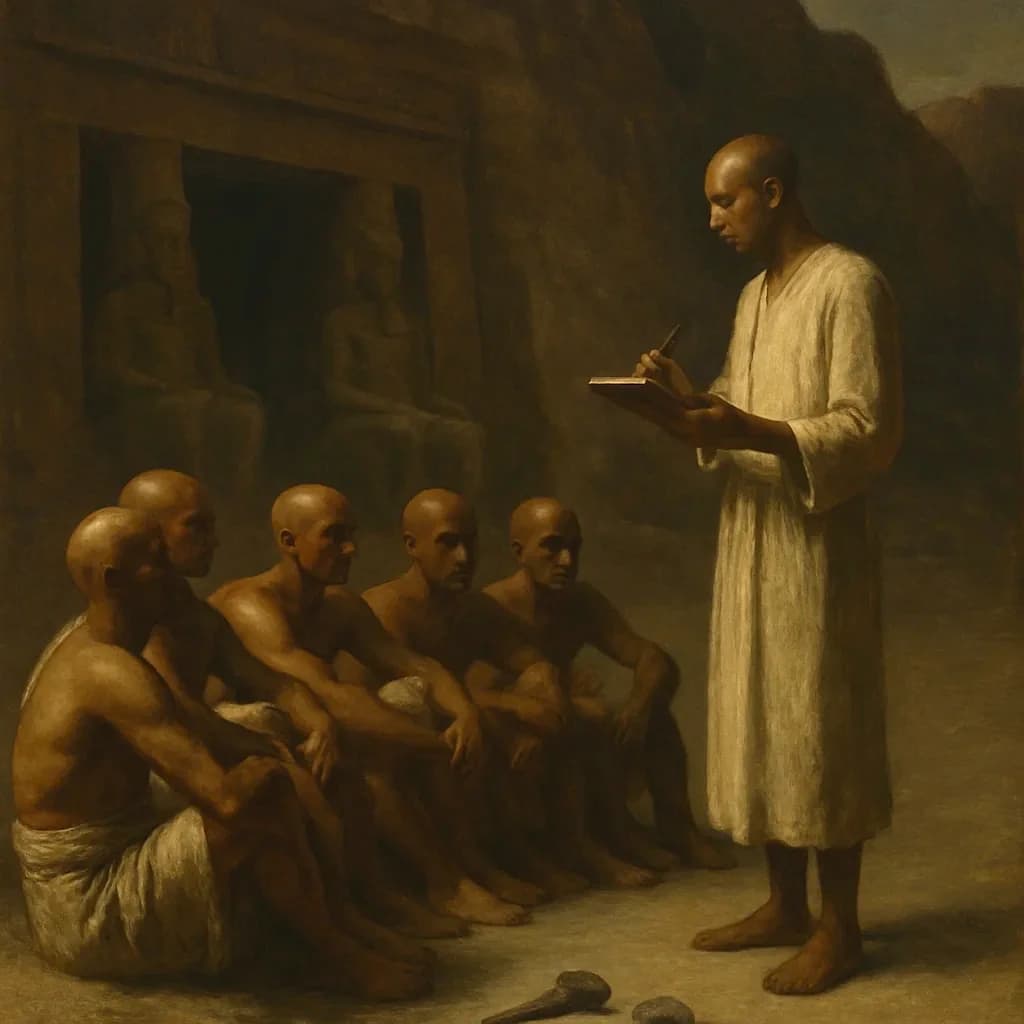
Bread, Salt, and the First Labor Strike in History
Four thousand workers downed their tools in ancient Egypt, sat down in the desert, and refused to move, not for freedom, not for revolution, but because they hadn't been paid in grain.
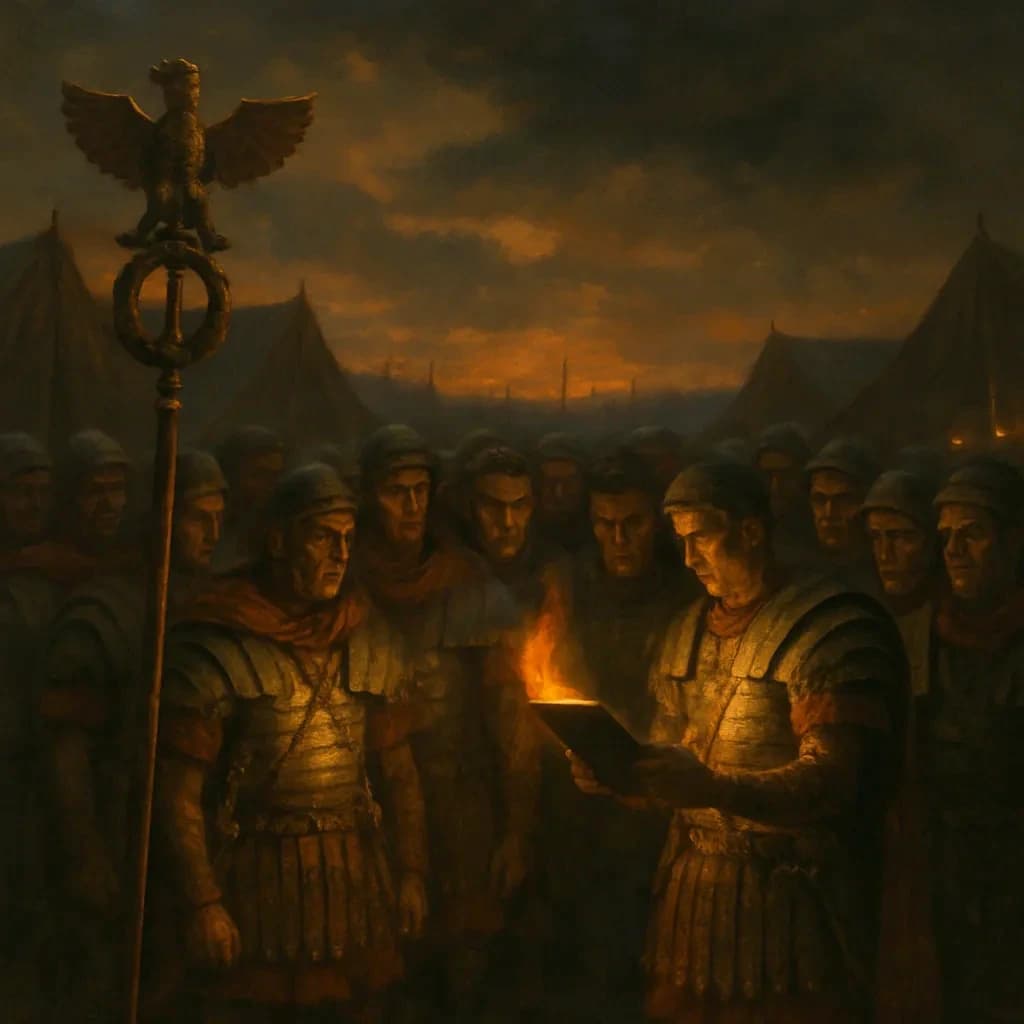
A Legionary's Letter Home Got His General Chained
A single intercepted love letter, written by a soldier to his wife, convinced the Roman army to slaughter its own general.
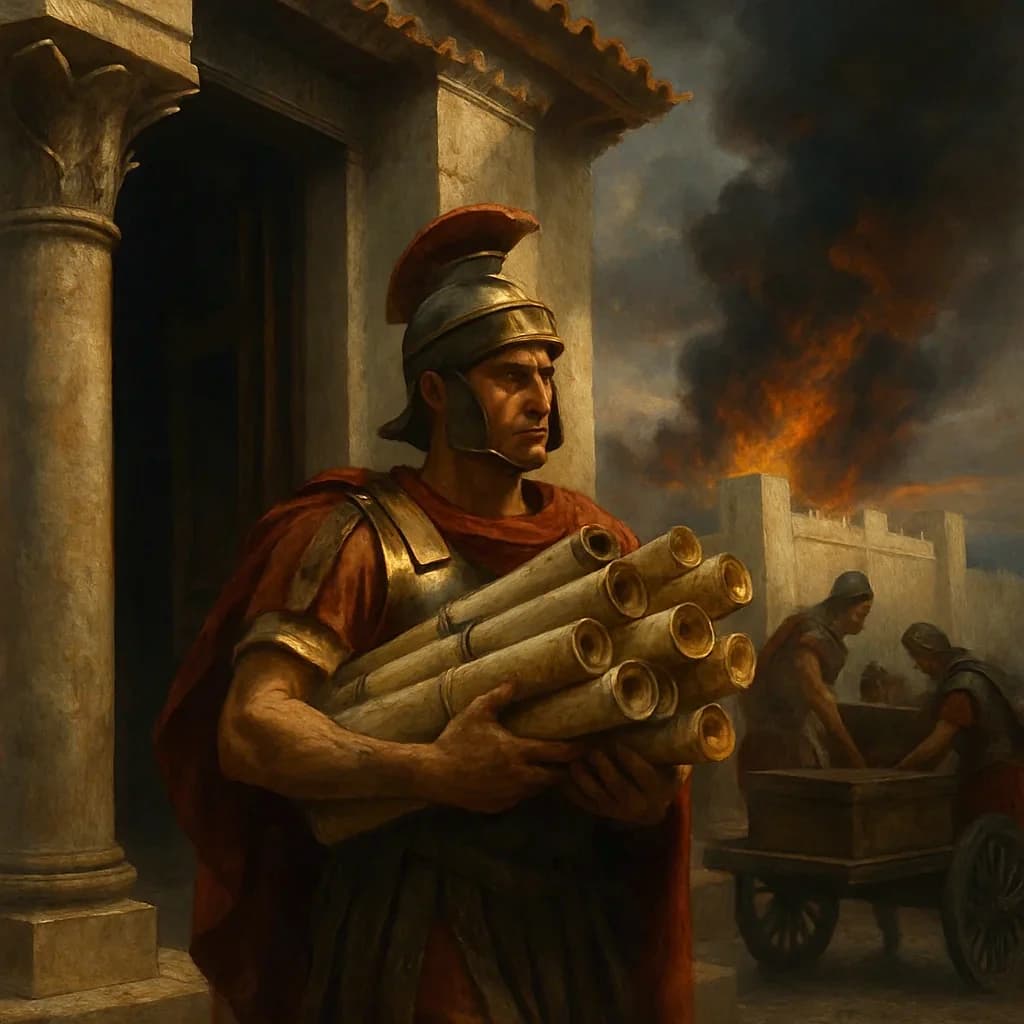
Rome Saved One Carthaginian Book and Lost the Rest
When Rome finally destroyed Carthage in 146 BC, it didn't get the city's famous library, because Carthage had already given it away.
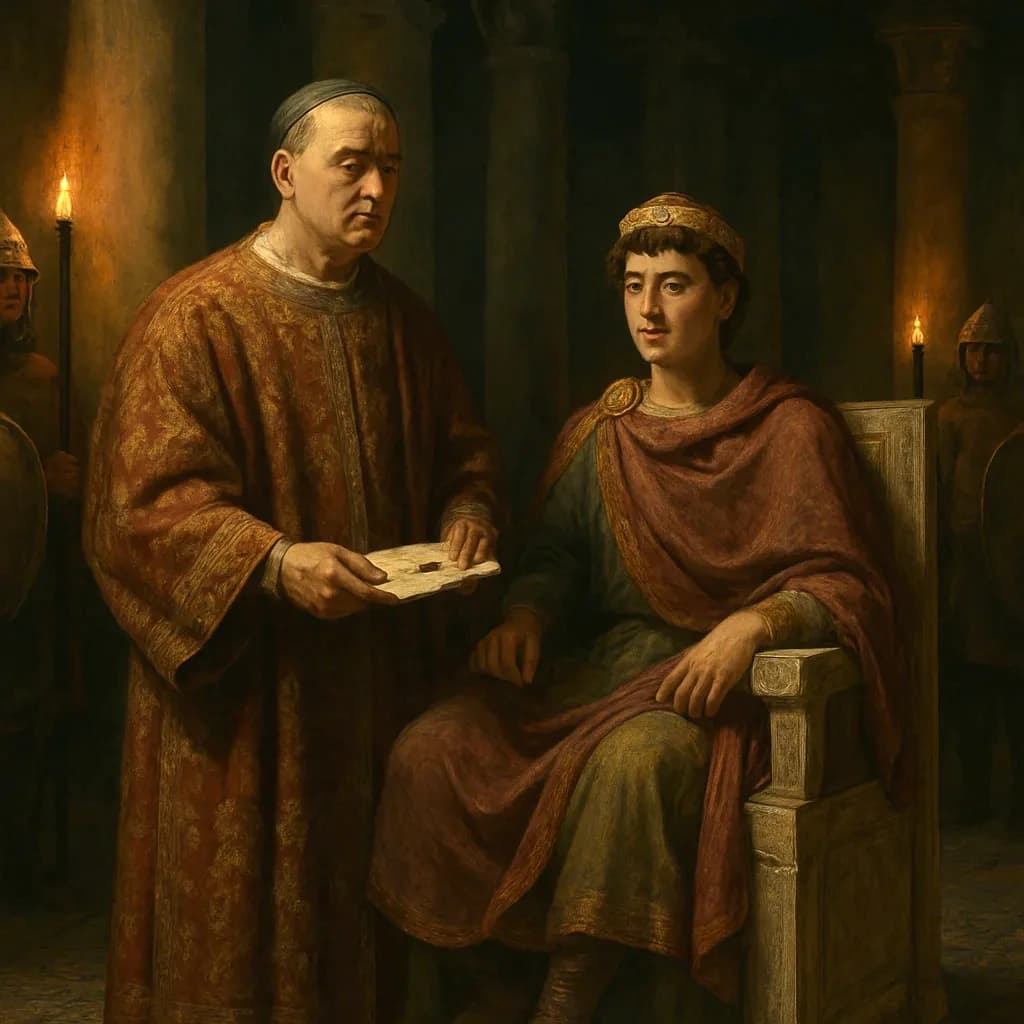
The Afternoon a Eunuch Saved the Roman West
A single castrated palace official blocked a Visigothic army at a mountain pass, and nobody remembered his name for fifteen centuries.
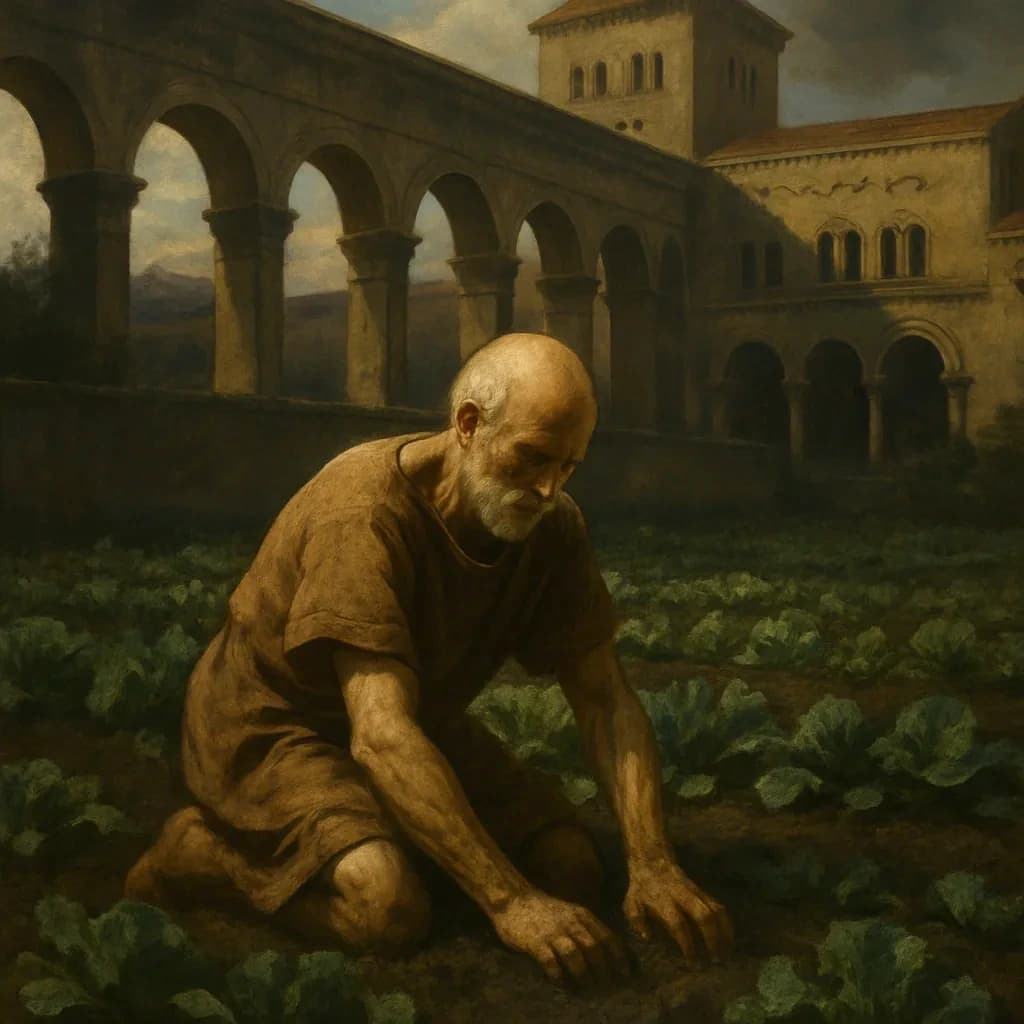
The Emperor Who Chose Cabbages Over Rome
Rome's most powerful emperor voluntarily retired, then refused to come back, and used vegetables as the reason why.
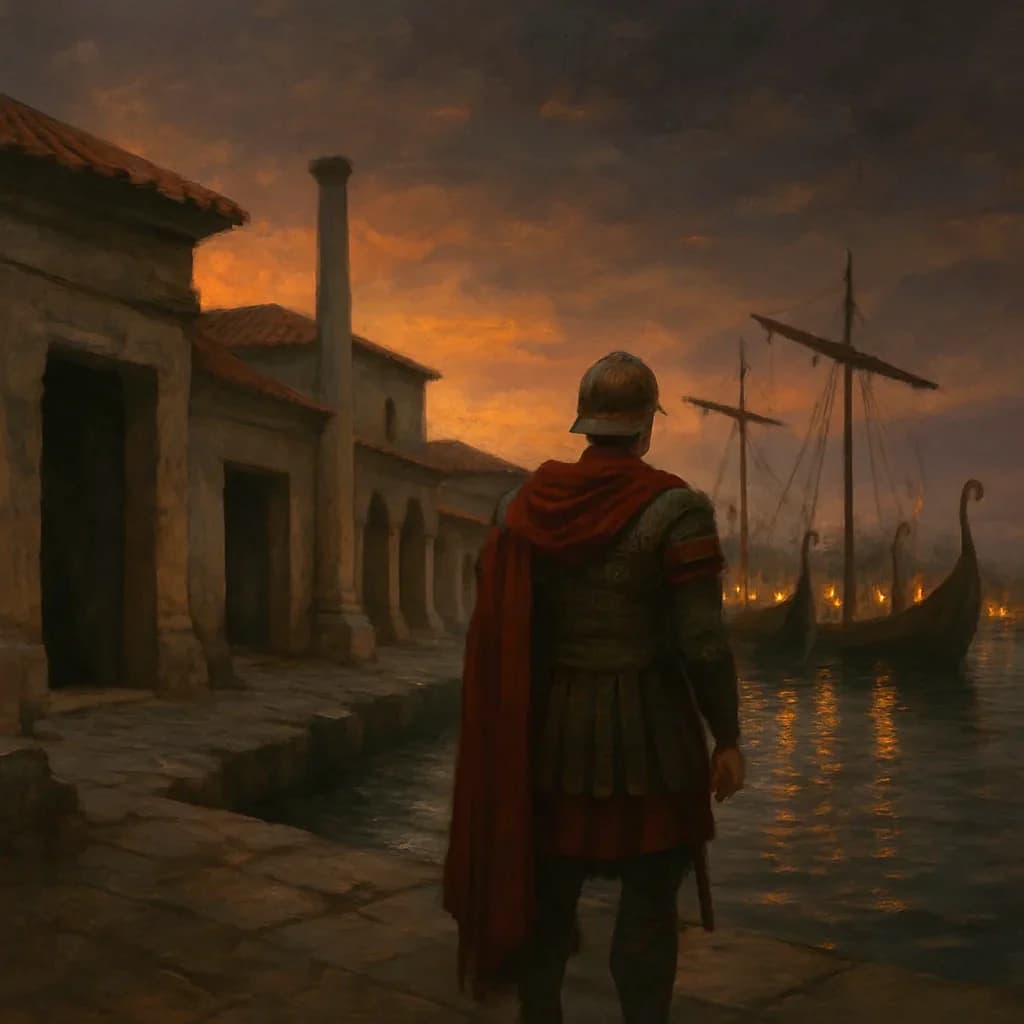
How Two Forged Letters Cost Rome Its Empire
One trade dispute on the edge of the Sahara set off a chain of events that ended the Western Roman Empire, and nobody planned any of it.
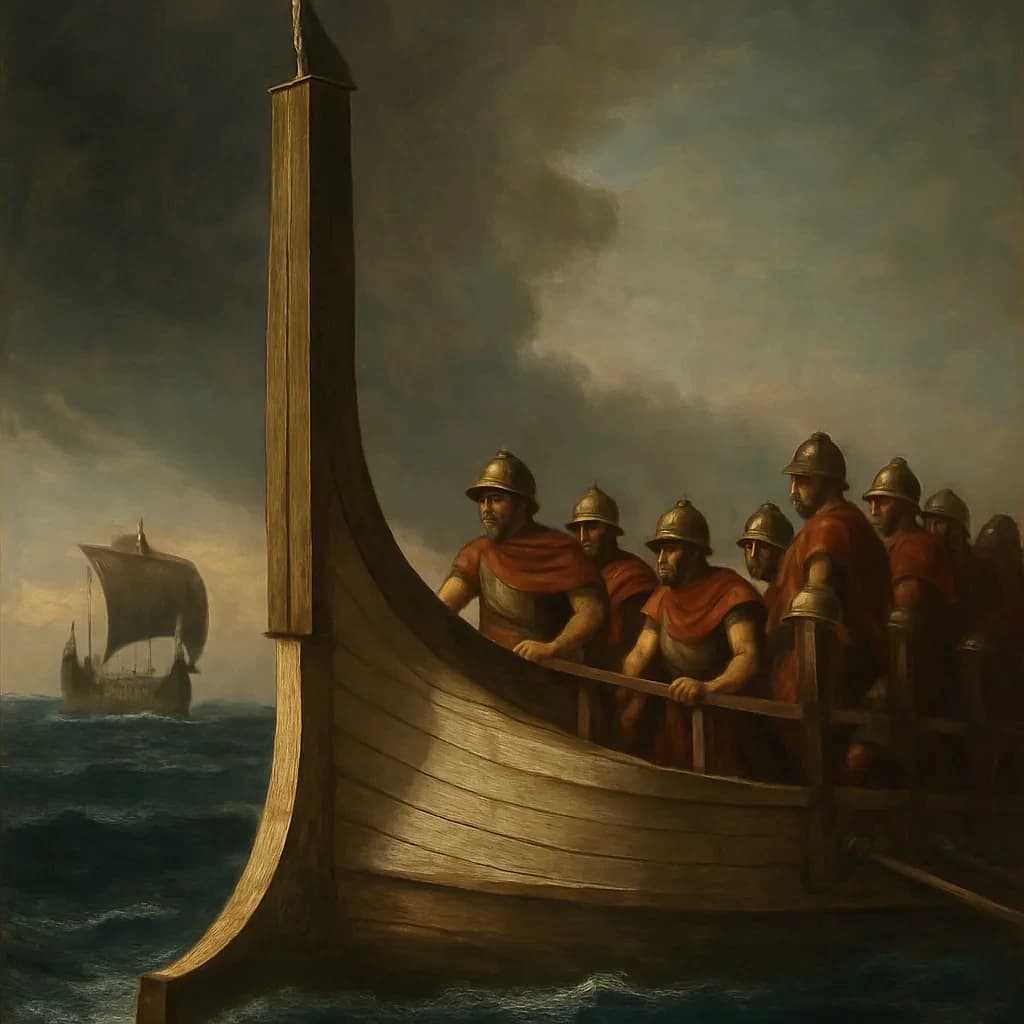
How Rome Beat Carthage's Navy With a Drawbridge
A Roman admiral with no navy experience and a fleet built in sixty days pulled off the most audacious bluff in ancient warfare, and Rome never properly remembered his name.
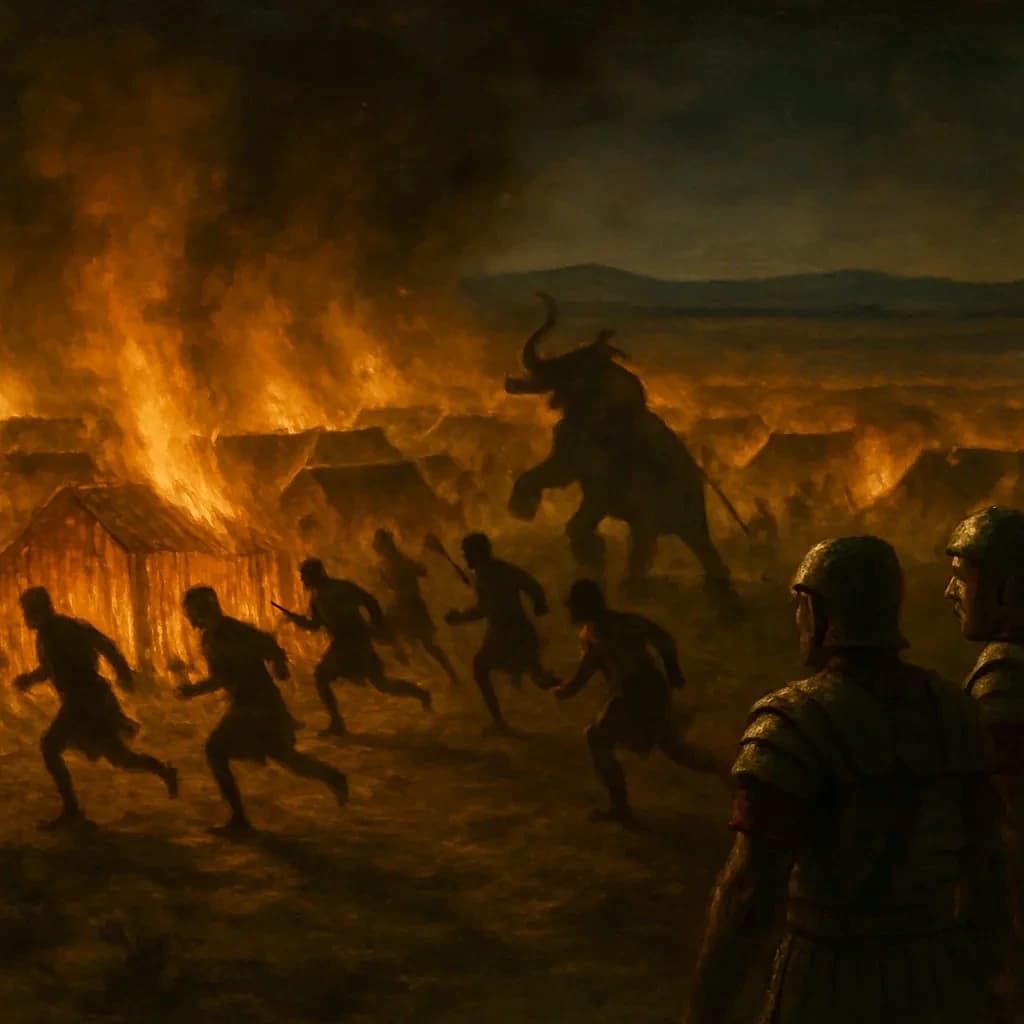
Scipio Burned Two Armies Rather Than Fight Them
A Roman general found the world's greatest city undefended, not by luck, but because Hannibal's army had eaten itself into irrelevance.
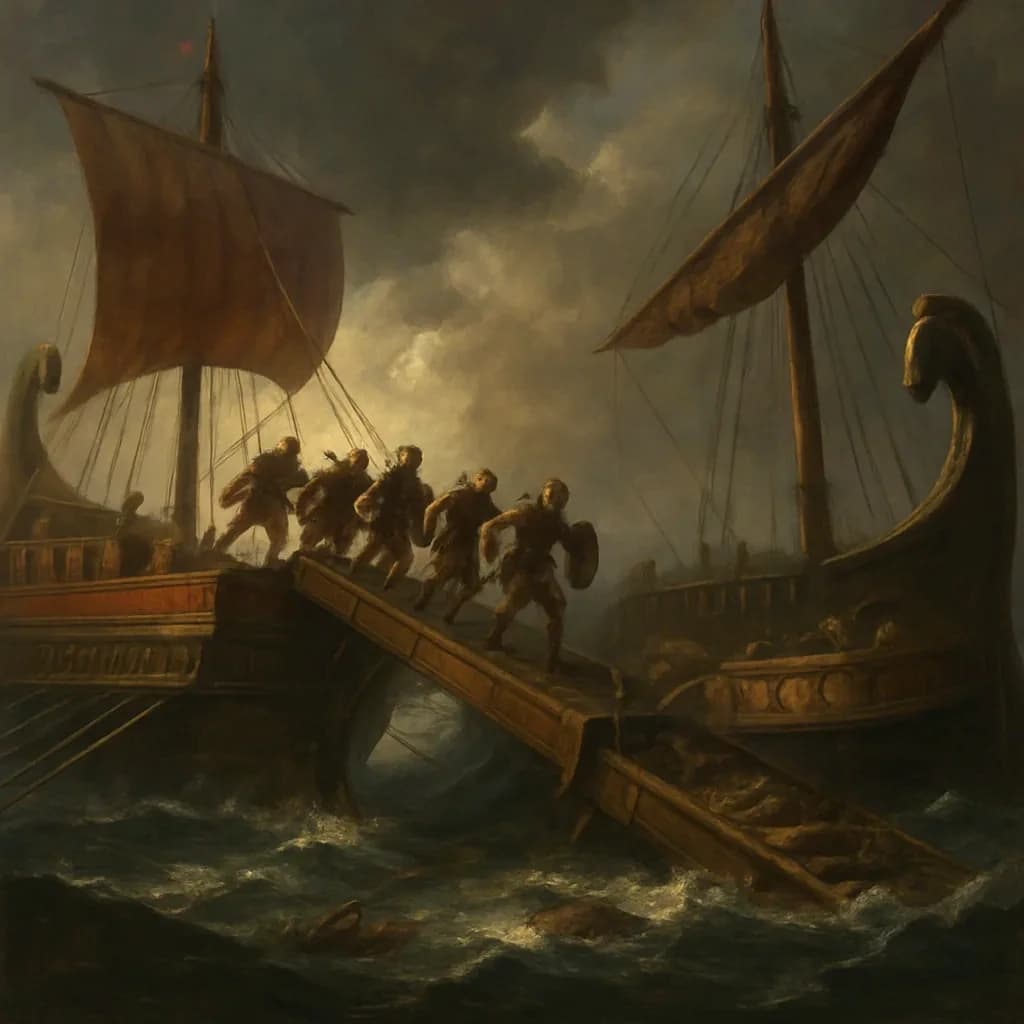
The Afternoon Rome Remembered It Had a Navy
In 260 BC, Rome had never won a naval battle. By sunset, it had just destroyed the most powerful fleet in the Mediterranean, using a gadget no one had tried before.
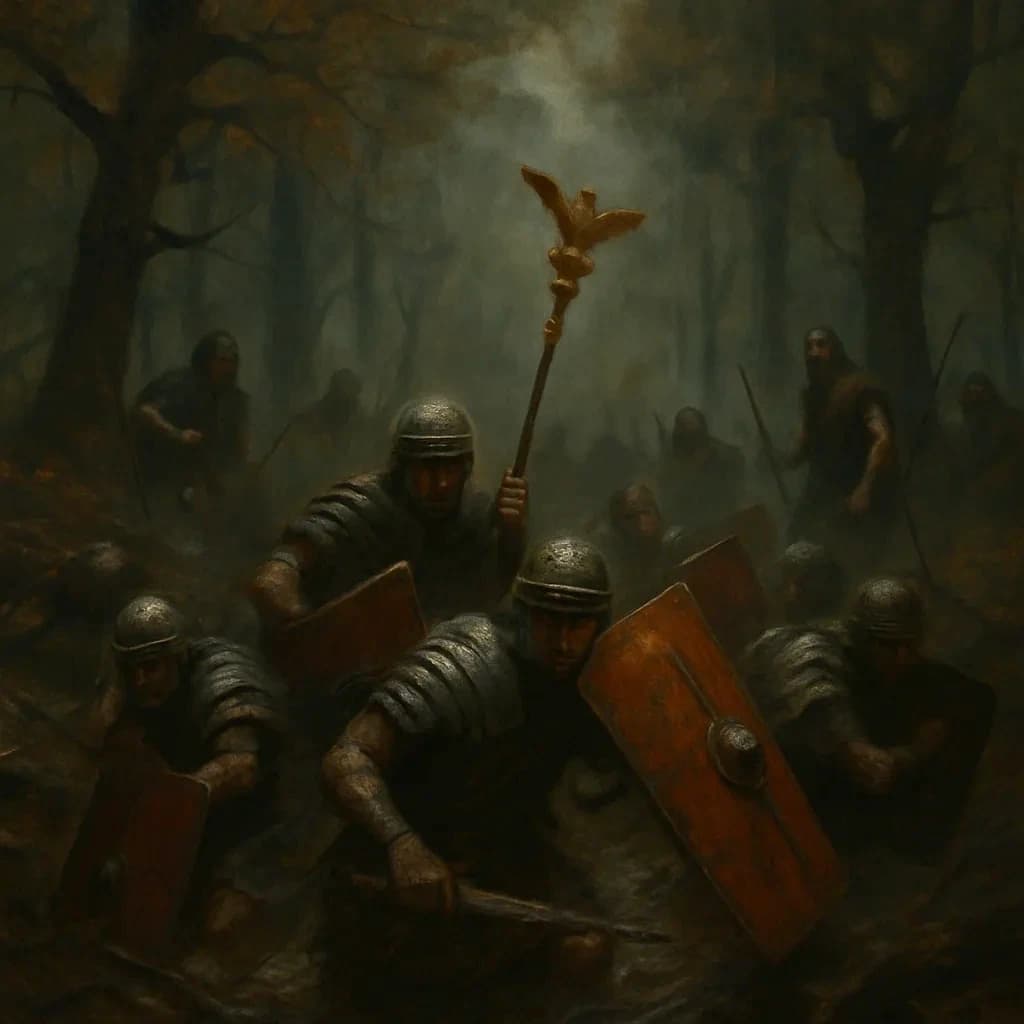
The Ambush That Stopped Rome at the Rhine
A Roman general made a single navigational error in a German forest, and it cost Augustus three legions, halted the empire's expansion forever, and drew a border that still shapes Europe today.
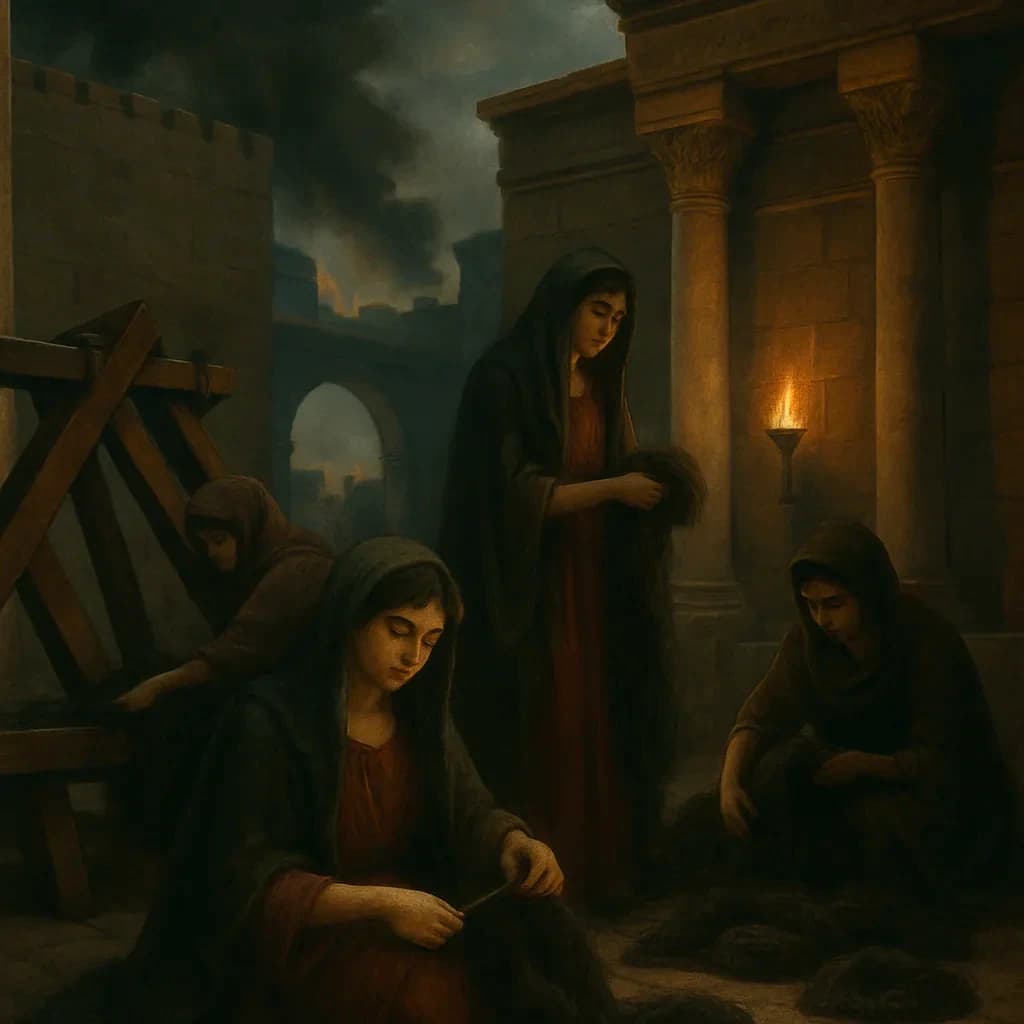
Carthage's Women Cut Off Their Hair for Bowstrings
The Third Punic War didn't end because Rome was stronger. It ended because one woman refused to let her city surrender quietly.
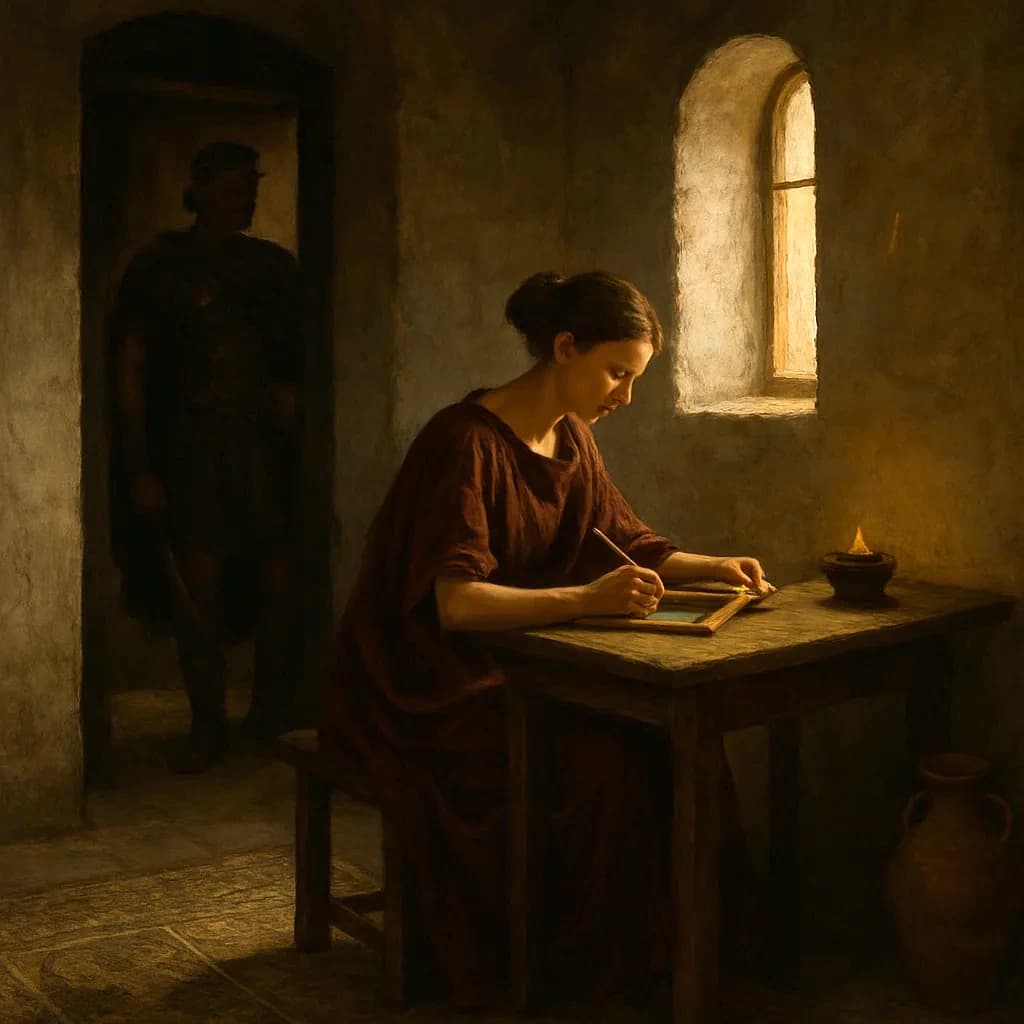
A Teenage Girl Saved Rome's Last Emperor
What no emperor, general, or senator had managed in decades, a teenage girl in a provincial Roman town pulled off: she ended a war.
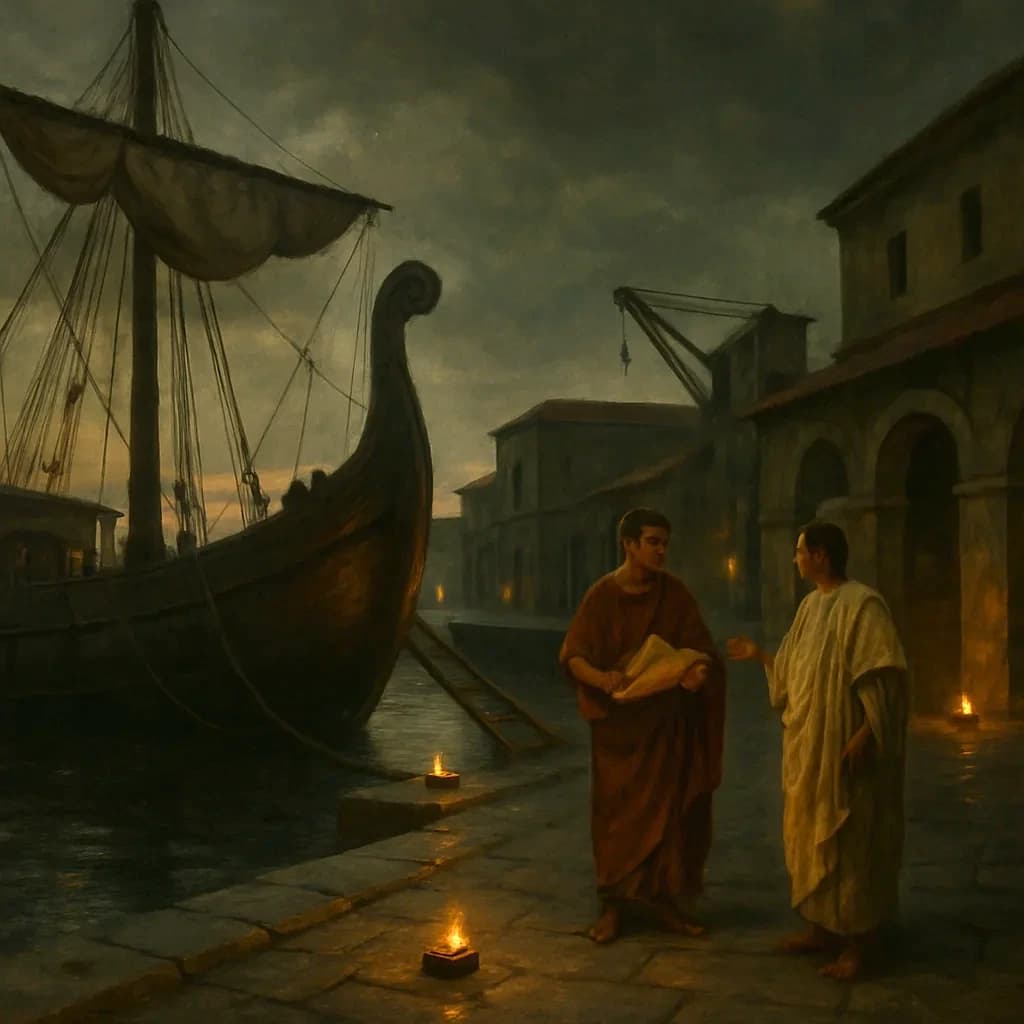
Rome's Greatest Poem Survived Because Nobody Obeyed Its Author
Rome's greatest living poet was dying on a ship in harbor, clutching a manuscript he had ordered burned, and no one could decide whether to obey him.
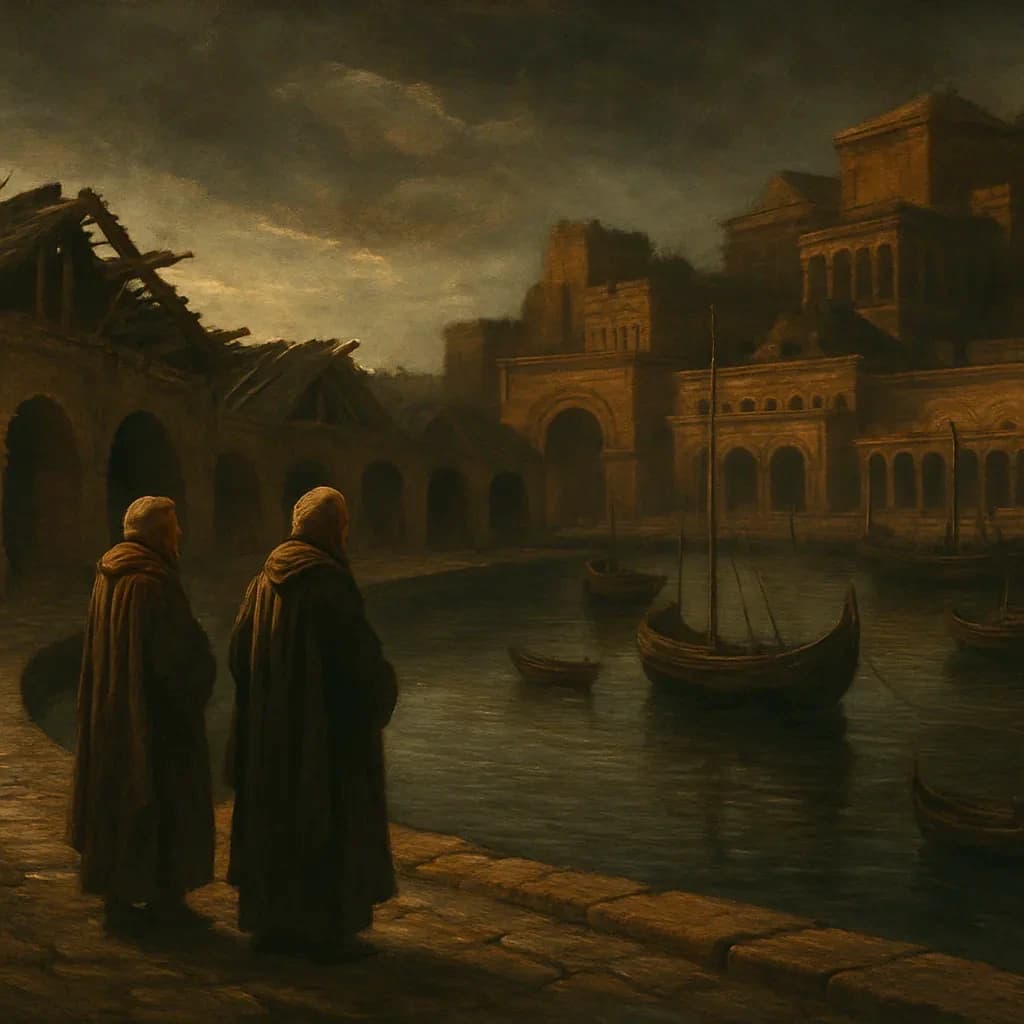
Carthage Got Rich and Forgot How to Build Warships
Rome's greatest naval rival controlled the Mediterranean for centuries, and then, in a single generation, forgot how to build warships.
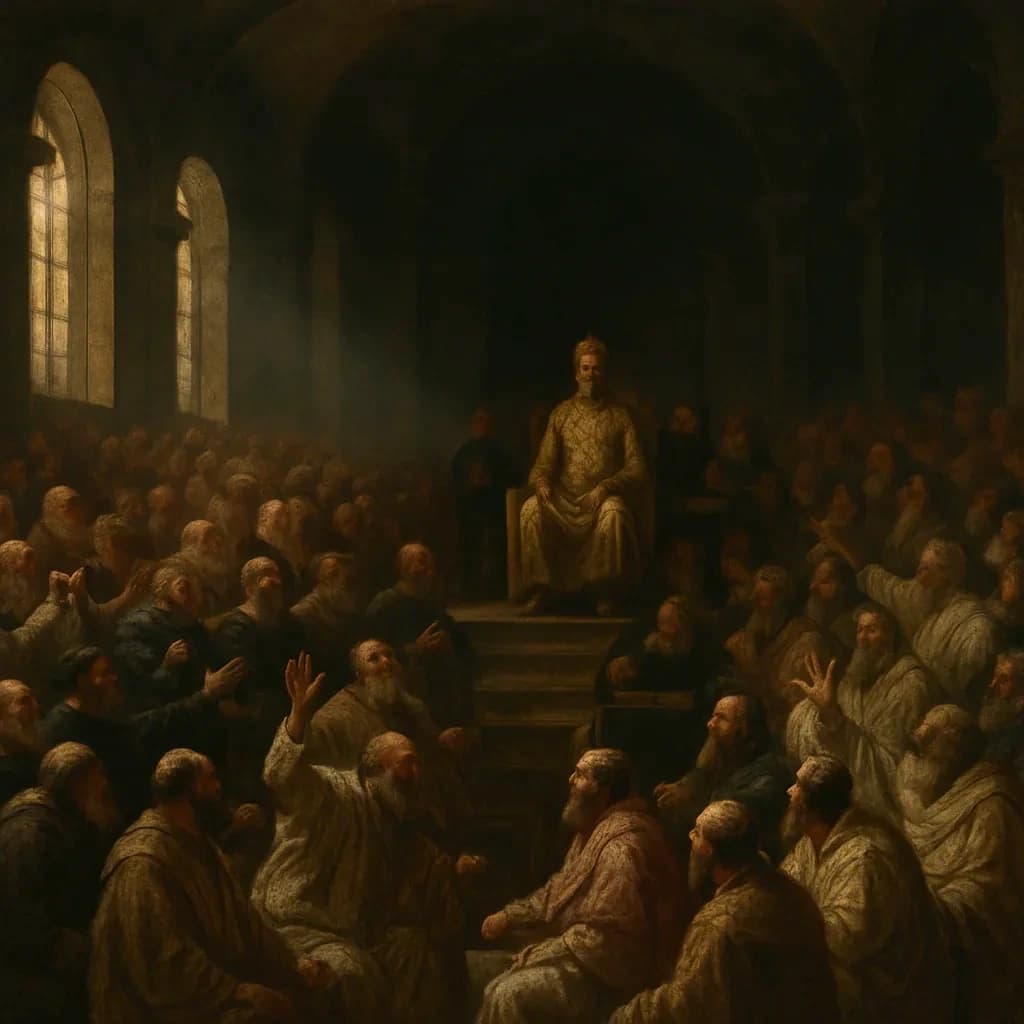
One Iota Apart: The Word That Defined God
Three hundred bishops walked into a room to argue about a single word, and drew the borders of Western civilization in the process.
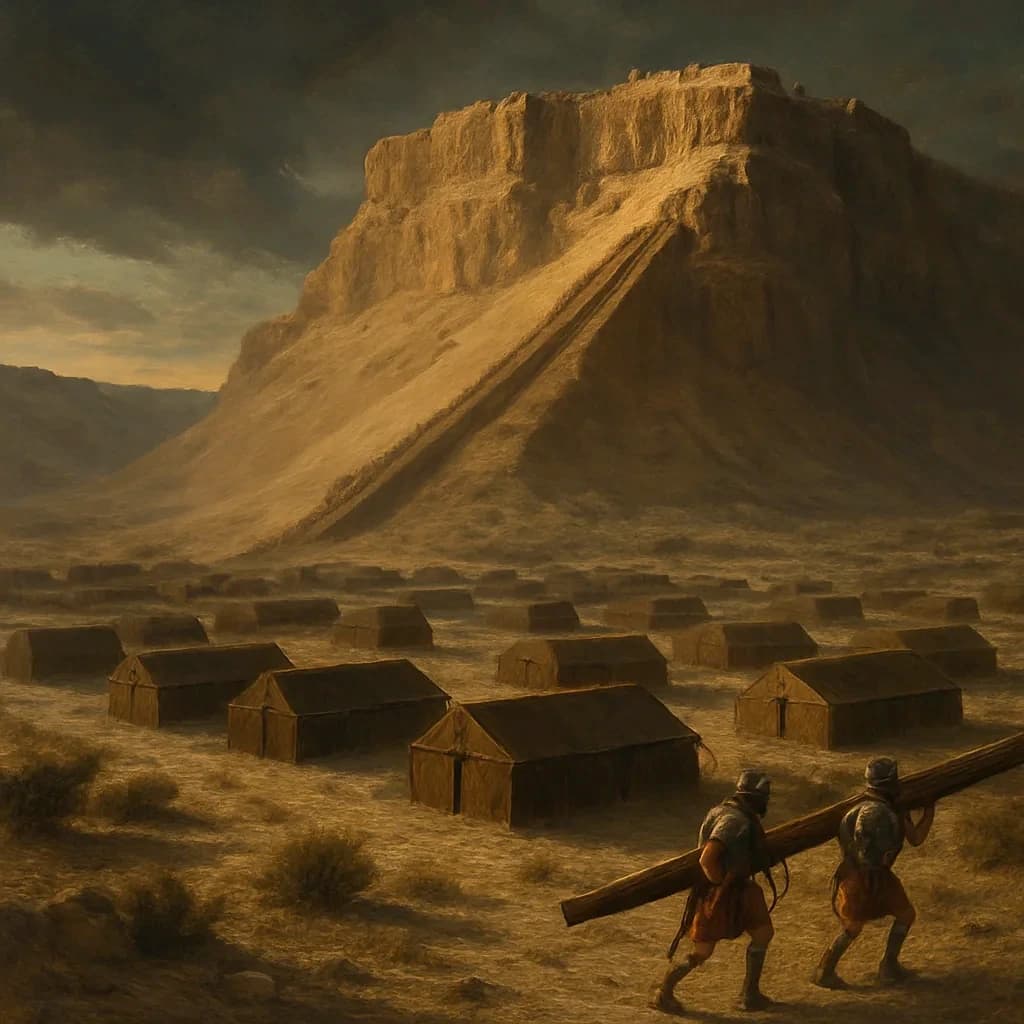
Masada: Rome's Costliest Siege Won Seven Survivors
Rome built the most expensive siege ramp in its history to capture fewer than a thousand people, and arrived to find them already dead.
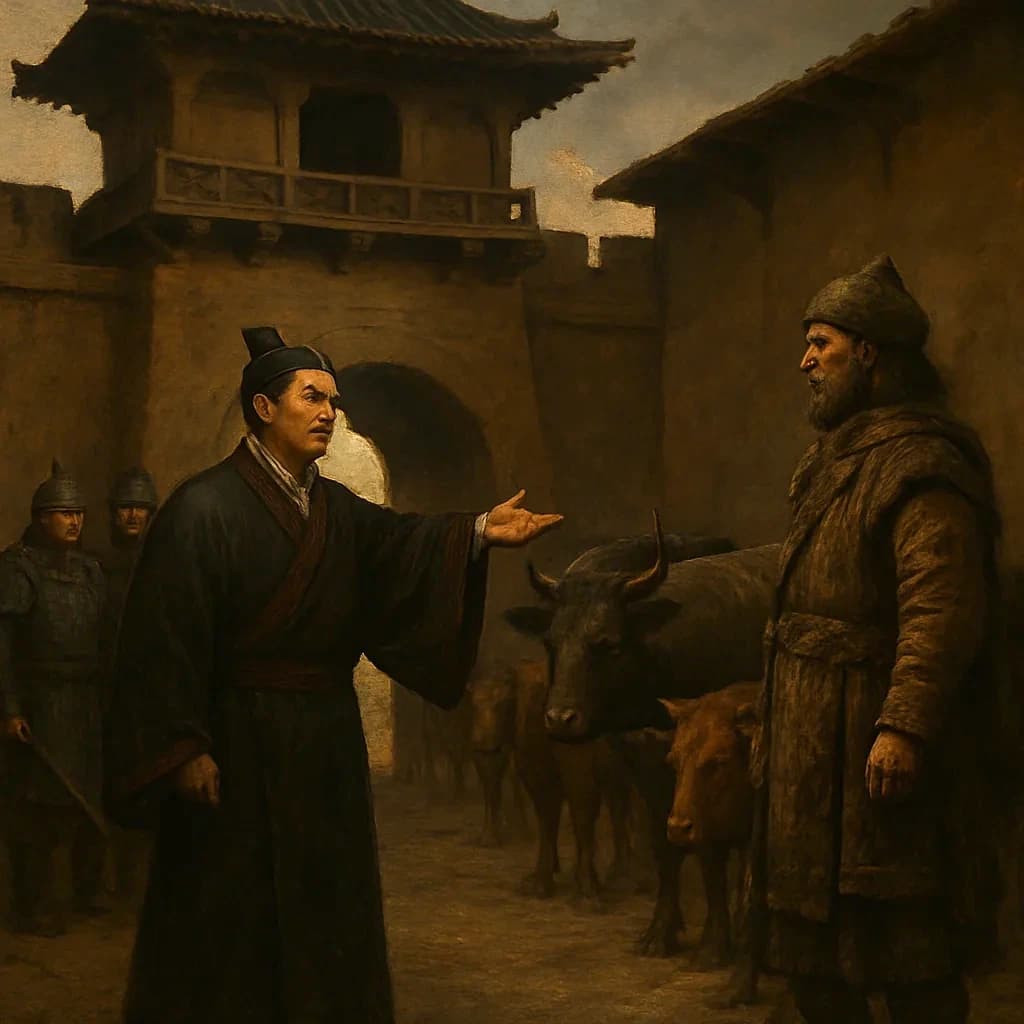
Three Hundred Cattle and the Fall of the Han
A frontier official insulted a Xiongnu chieftain over a trade dispute. Within two generations, one of history's greatest empires had begun to rot from the inside.
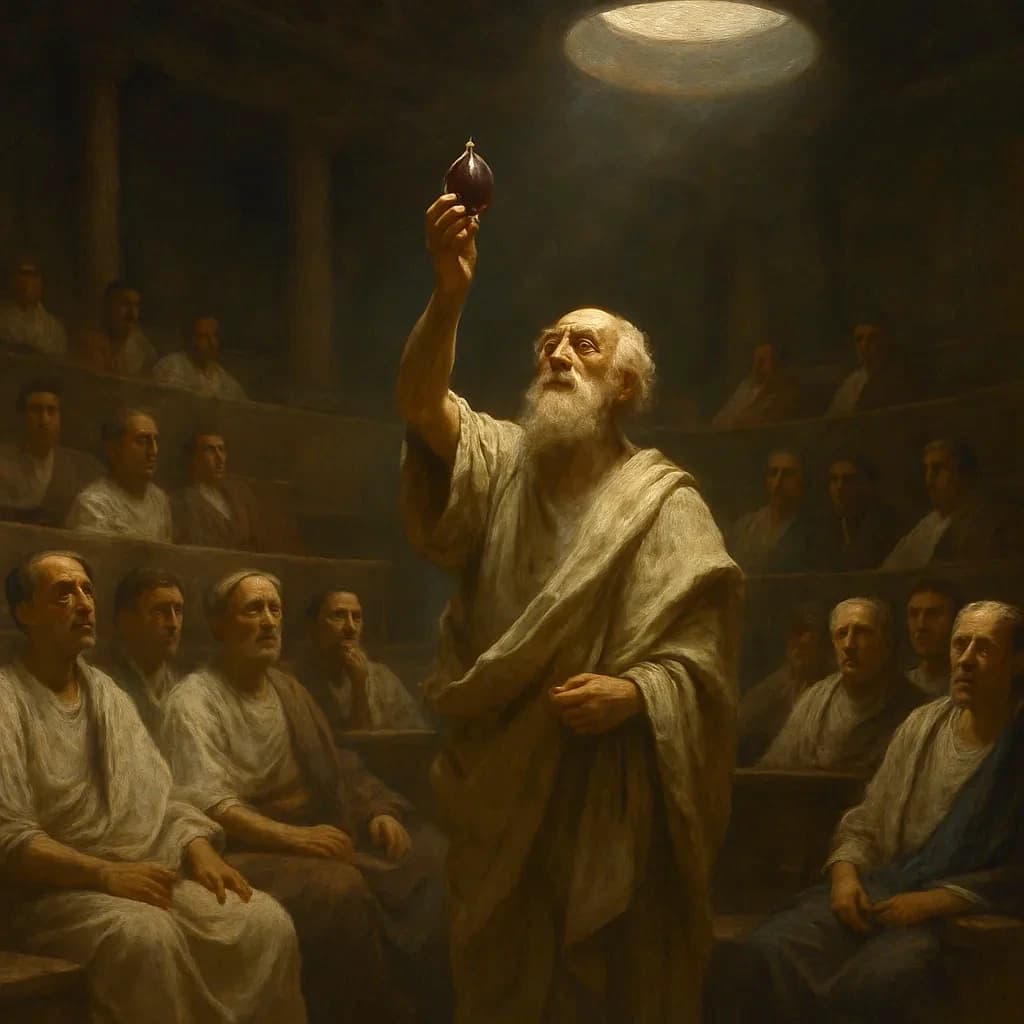
Cato Dropped a Fig and Doomed Carthage
A senator reached into his toga, pulled out a single ripe fig, and turned a routine border dispute into the destruction of a city.
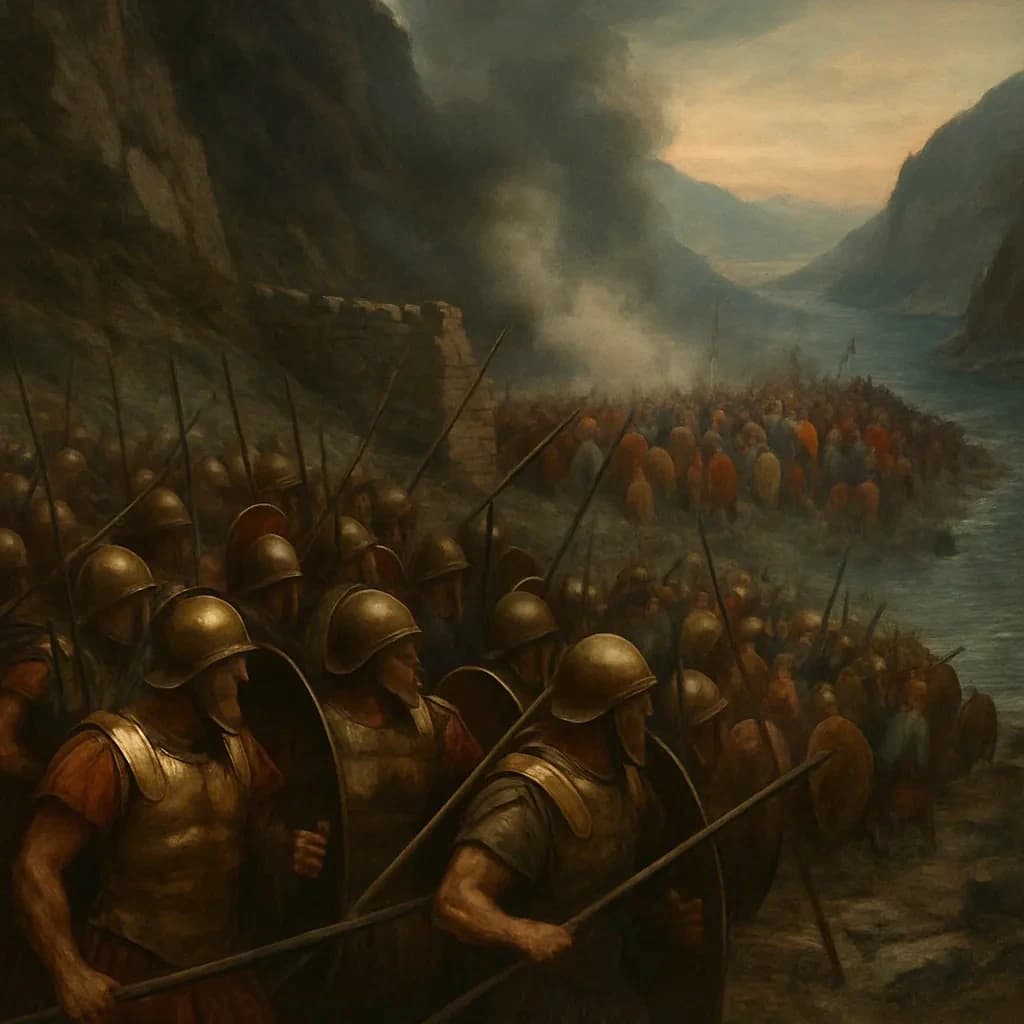
Ephialtes and the Goat Path Behind Thermopylae
Every schoolchild knows Thermopylae. Almost nobody knows the man who made it possible for the Persians to win.
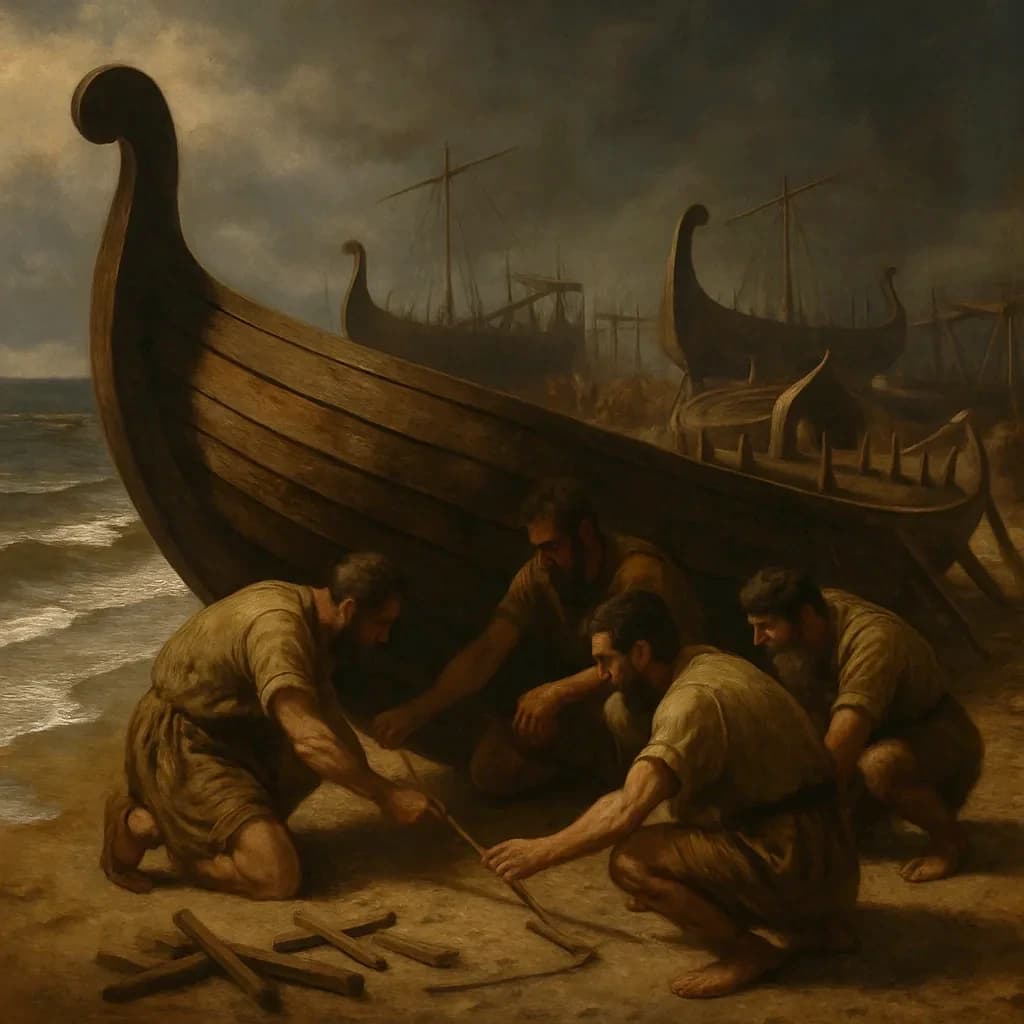
How Rome Built a Navy From One Captured Ship
Rome had never built a warship, so they captured one, copied it plank by plank, and used it to destroy the navy that had ruled the Mediterranean for centuries.
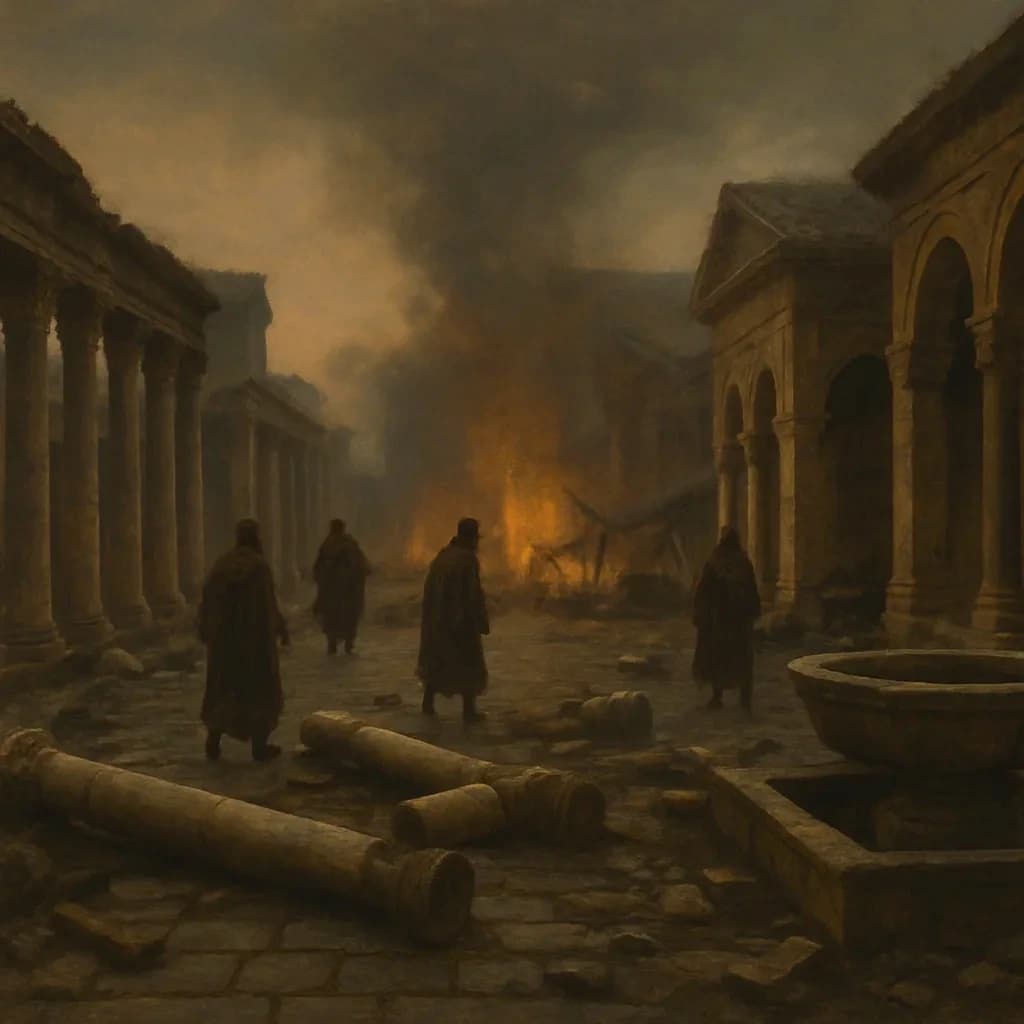
An Earthquake Under a Minute Long Rewrote Roman History
The earthquake lasted less than a minute. The death toll took decades to calculate, and the number that finally emerged rewrote what historians thought they knew about the late Roman world.
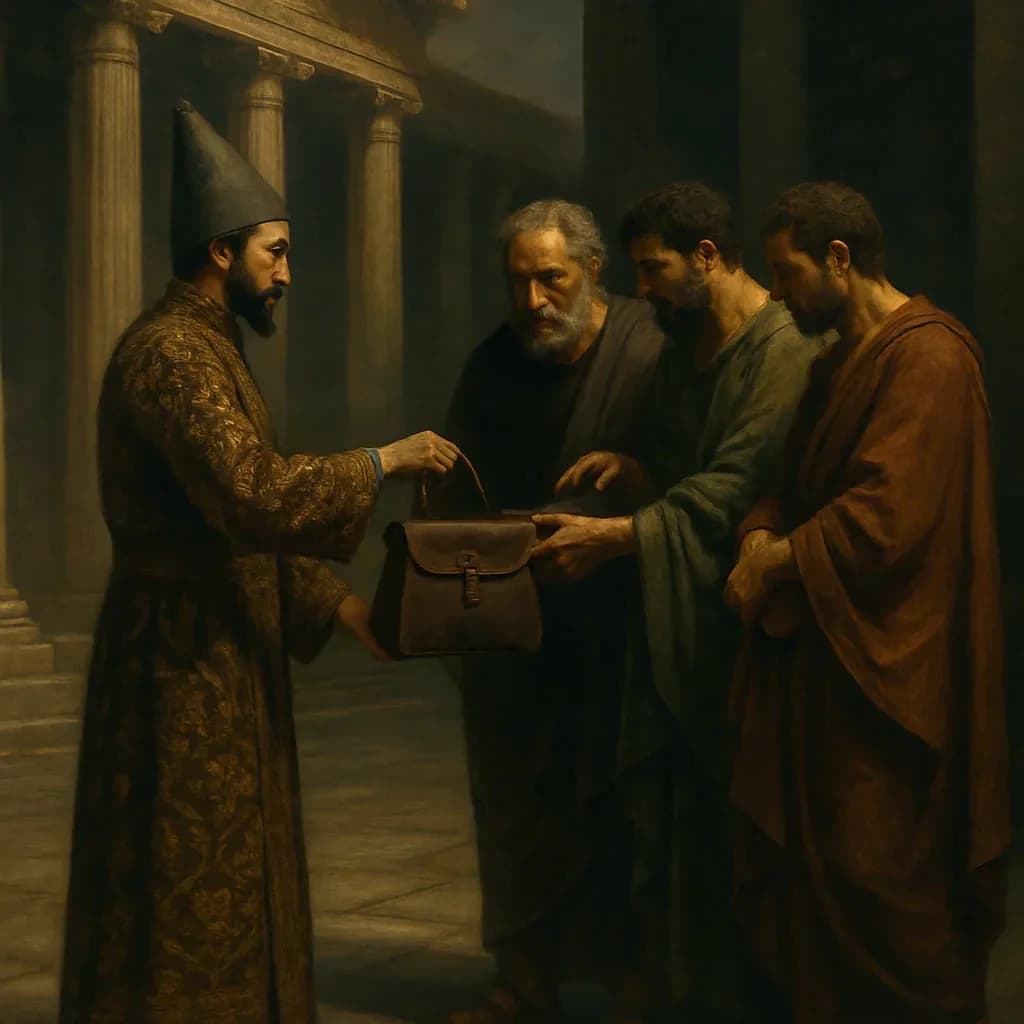
Persia Bribed Greece to Fight Itself, and Doomed Sparta
The Persian Empire spent decades trying to destroy Greece, then saved it by mistake, backing the wrong side of a civil war.
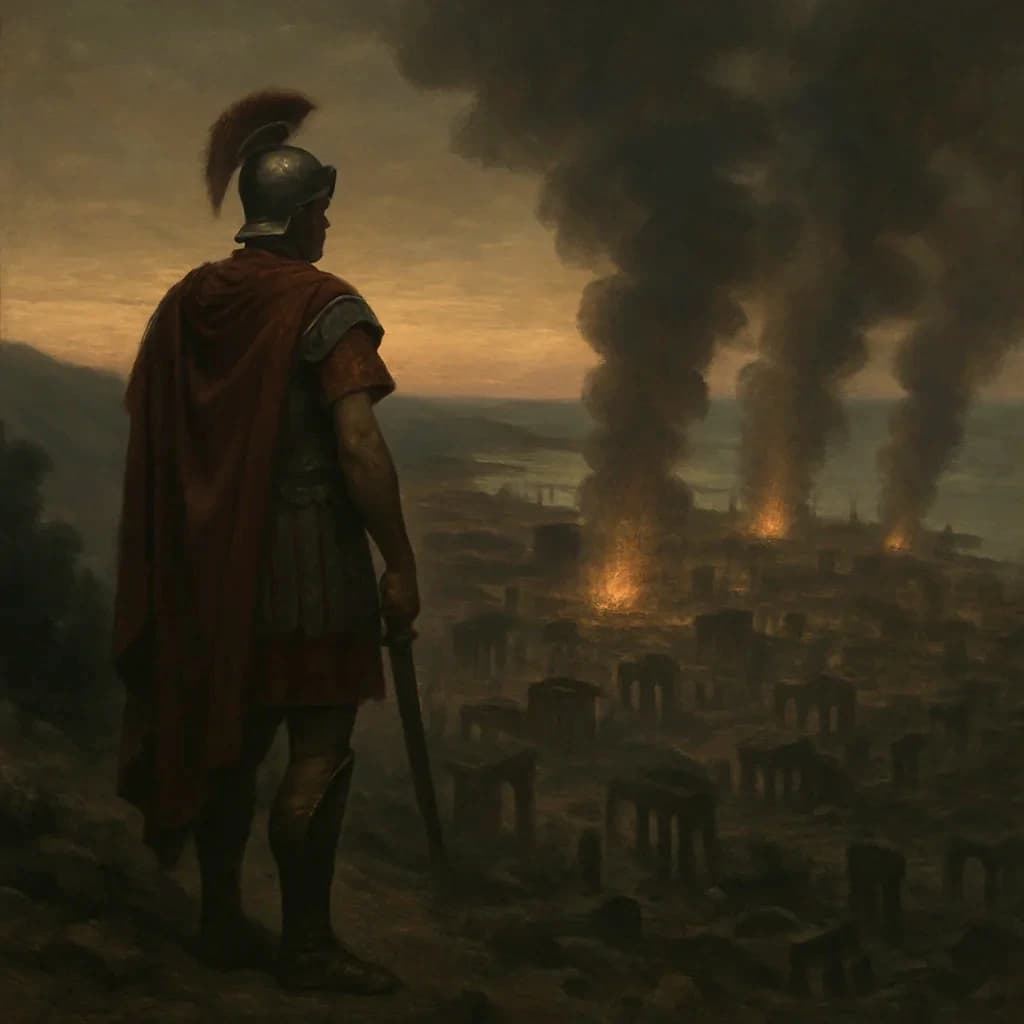
He Destroyed Carthage, Then Wept Because Rome Was Next
A Roman general sat in his camp, stared at the ruins of a city he had just destroyed, and wept, because he knew Rome was next.
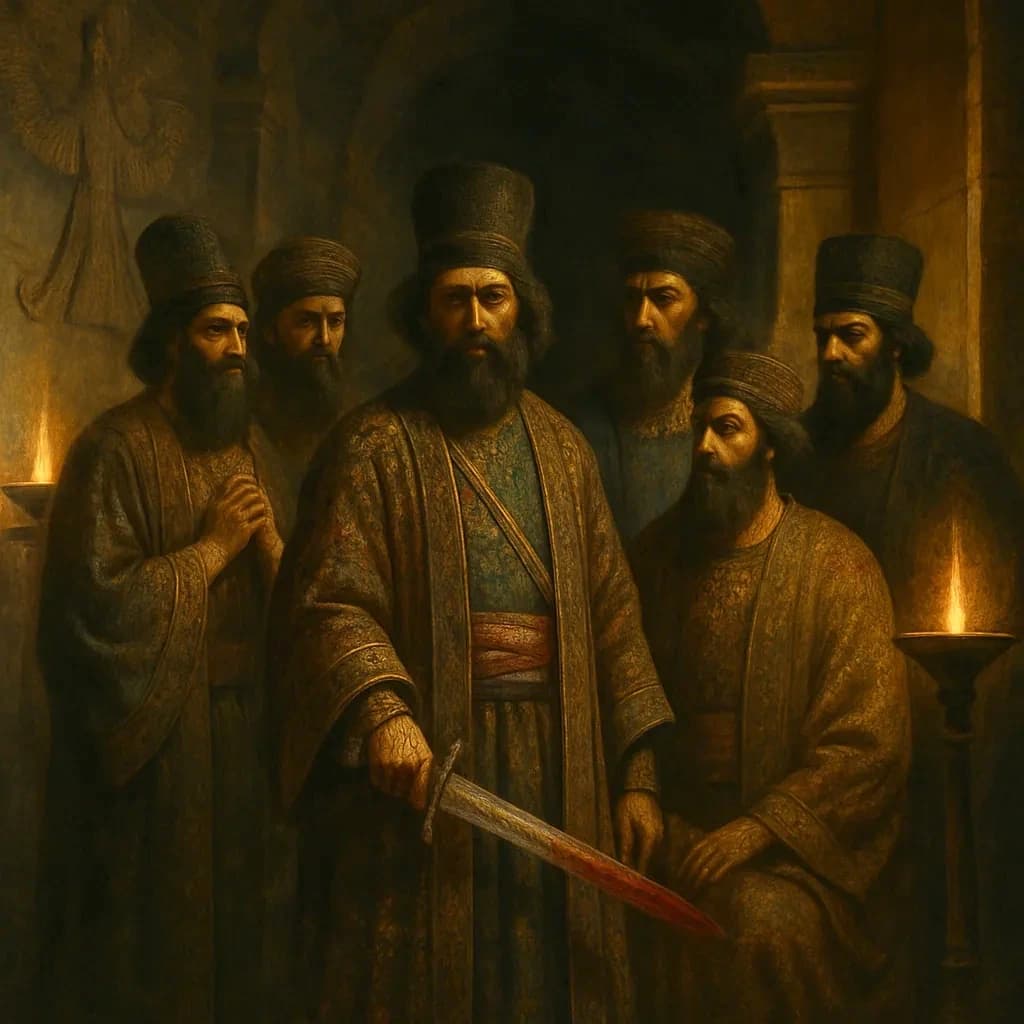
Did Darius Kill the Real Persian King?
Cambyses II conquered Egypt, lost an army in the desert, and died from a self-inflicted sword wound, all within three years, and what his empire did next is the real puzzle.
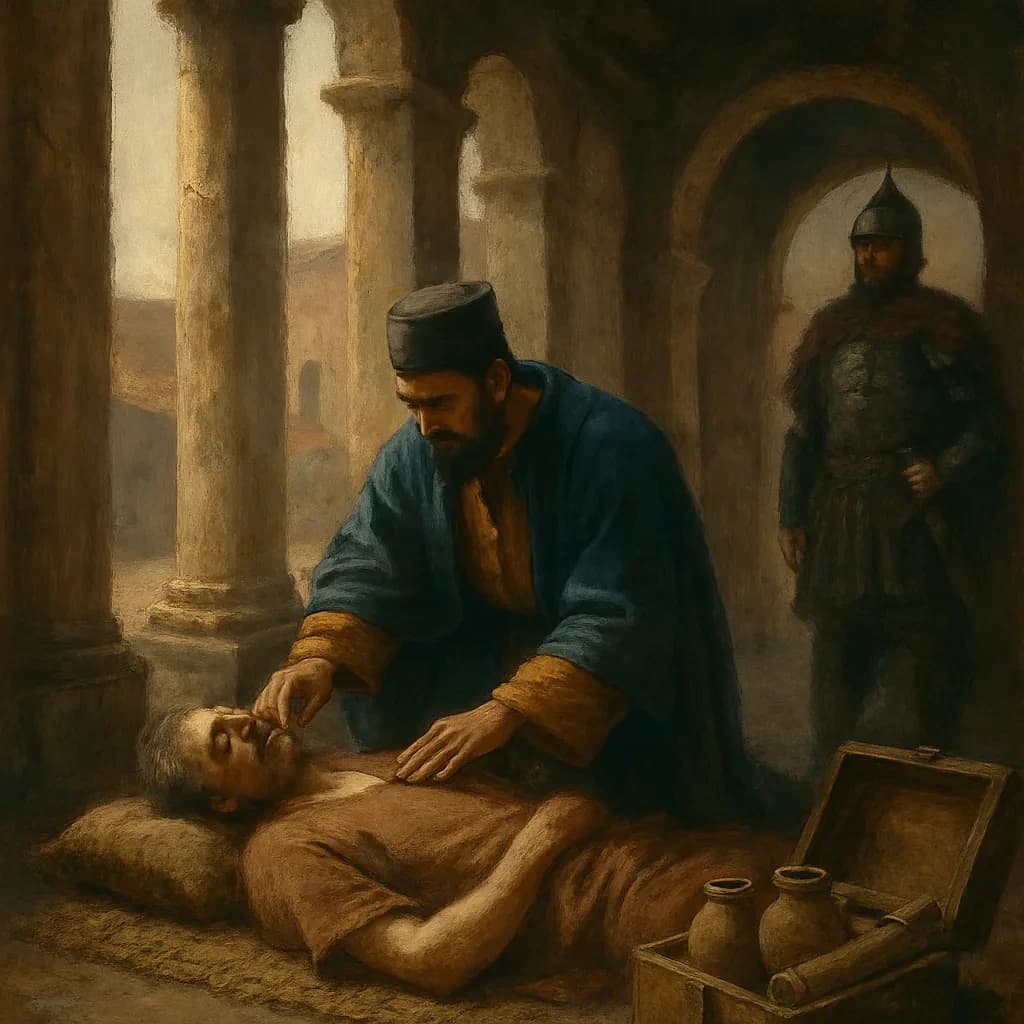
The Night Persia's Doctors Saved Rome's Enemy
When plague swept through the Eastern Roman Empire, the Persian court sent its finest physicians to help, even though the two empires were actively at war.
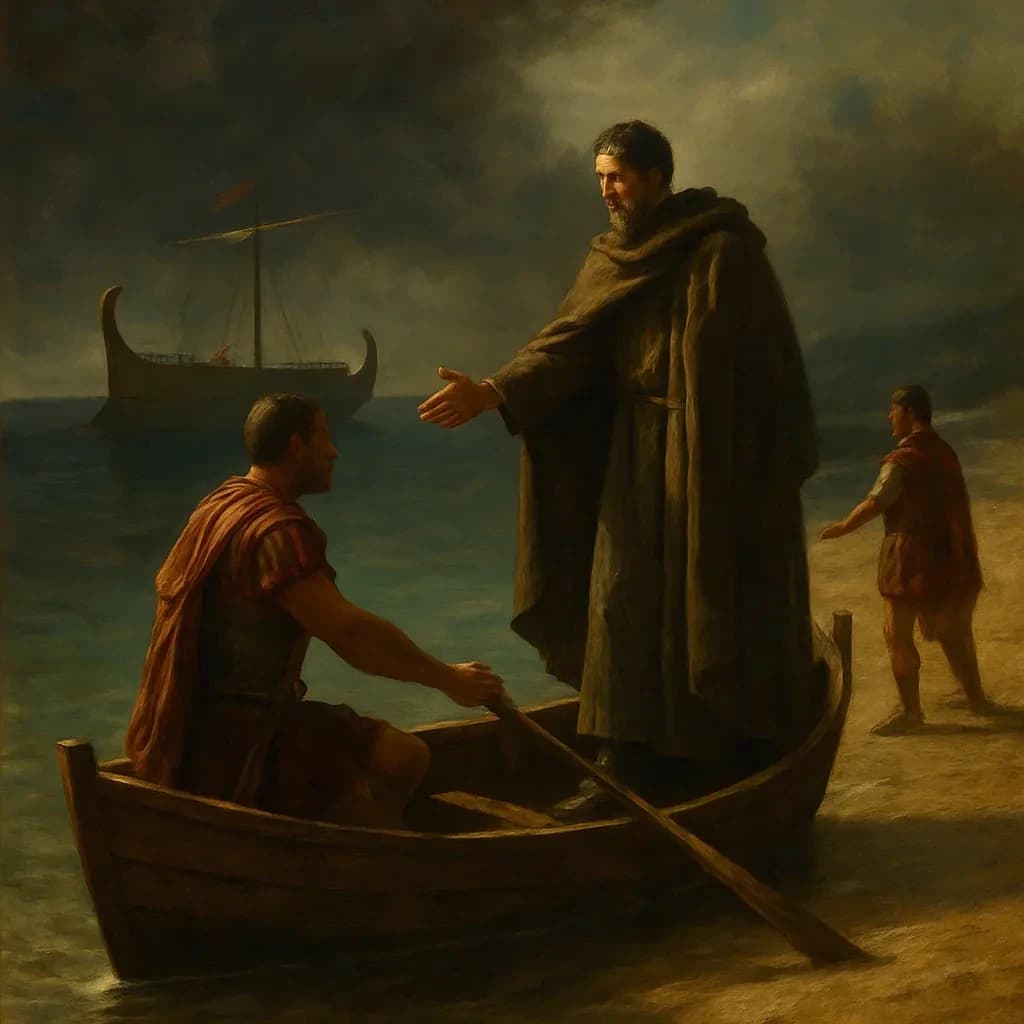
Pompey's Head: Egypt's Gift That Enraged Caesar
The man who presented Caesar with a severed head in a jar believed he was doing him a favor, and he nearly ended Rome's greatest alliance instead.
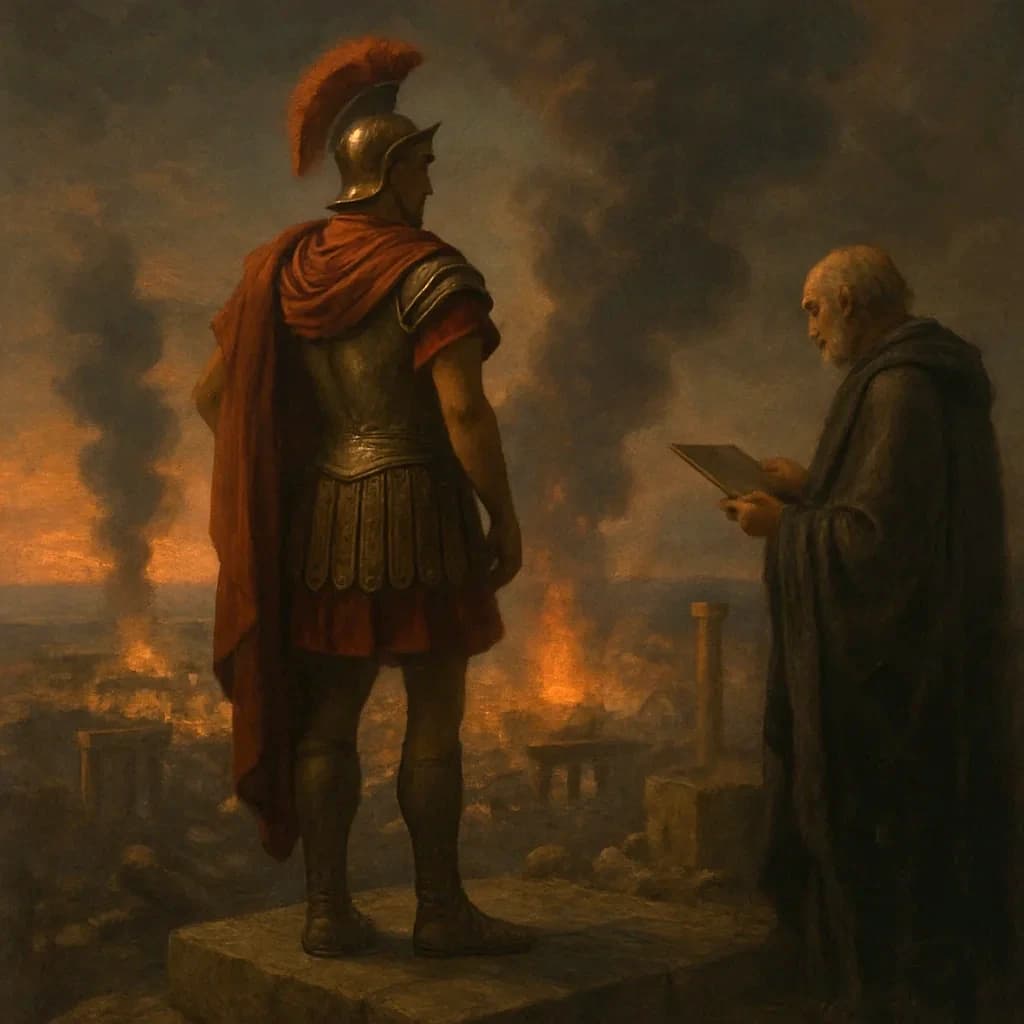
Why Scipio Wept Over the Ruins of Carthage
A Roman general wept at his own victory, and his Greek tutor said it was the most intelligent thing he'd ever done.
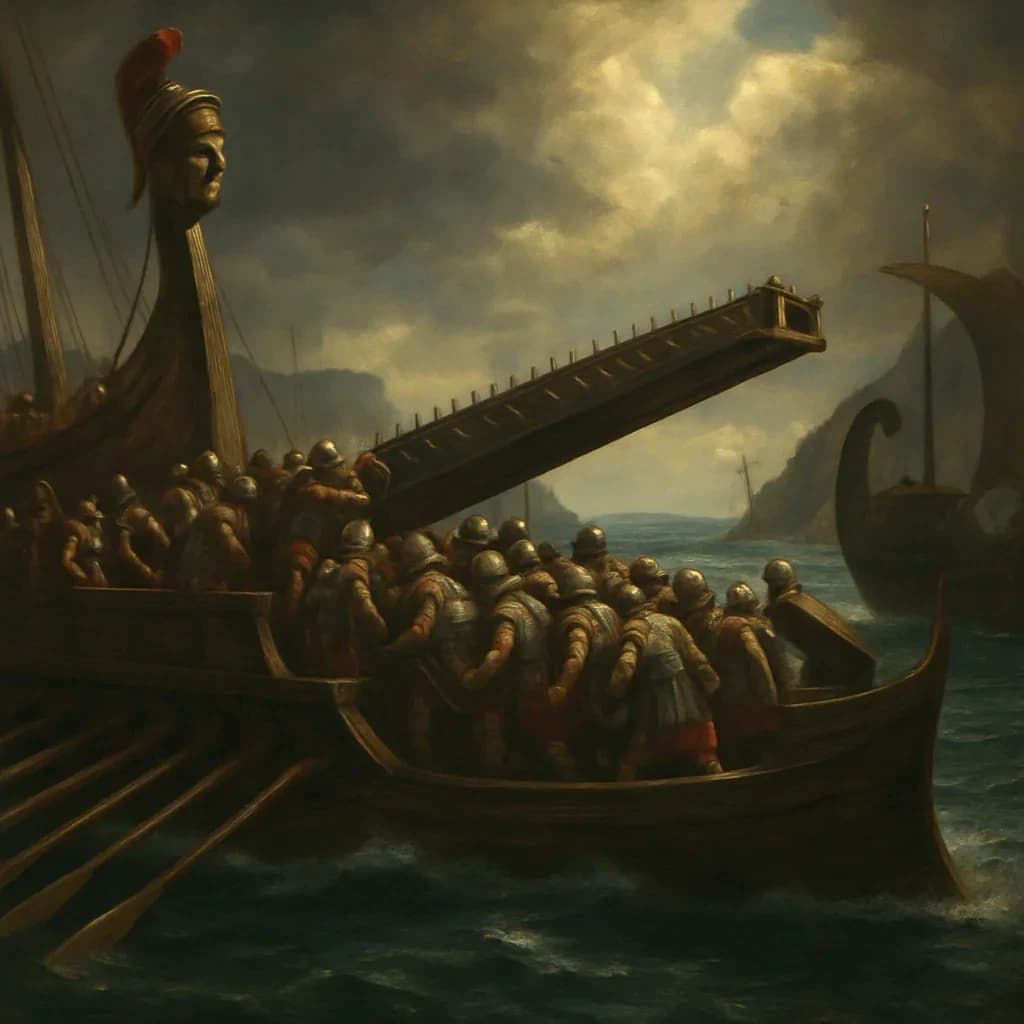
How Rome Copied a Shipwreck to Beat Carthage
Rome had never fought a naval battle, yet in 260 BC it captured a single enemy warship and decided to build 120 of them in sixty days.
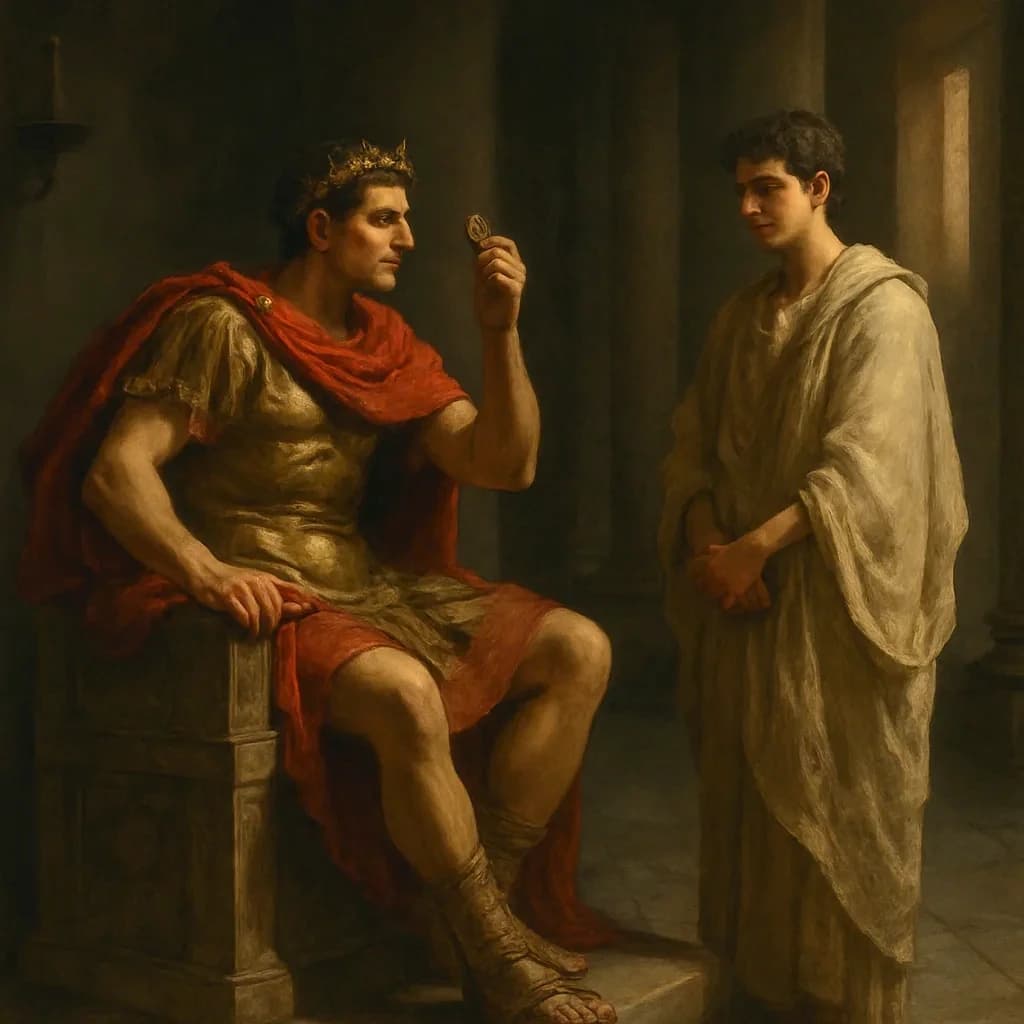
Money Does Not Smell: When Rome Taxed Urine
Broke and shameless, a Roman emperor went looking for revenue in the last place anyone expected: the city's public latrines.
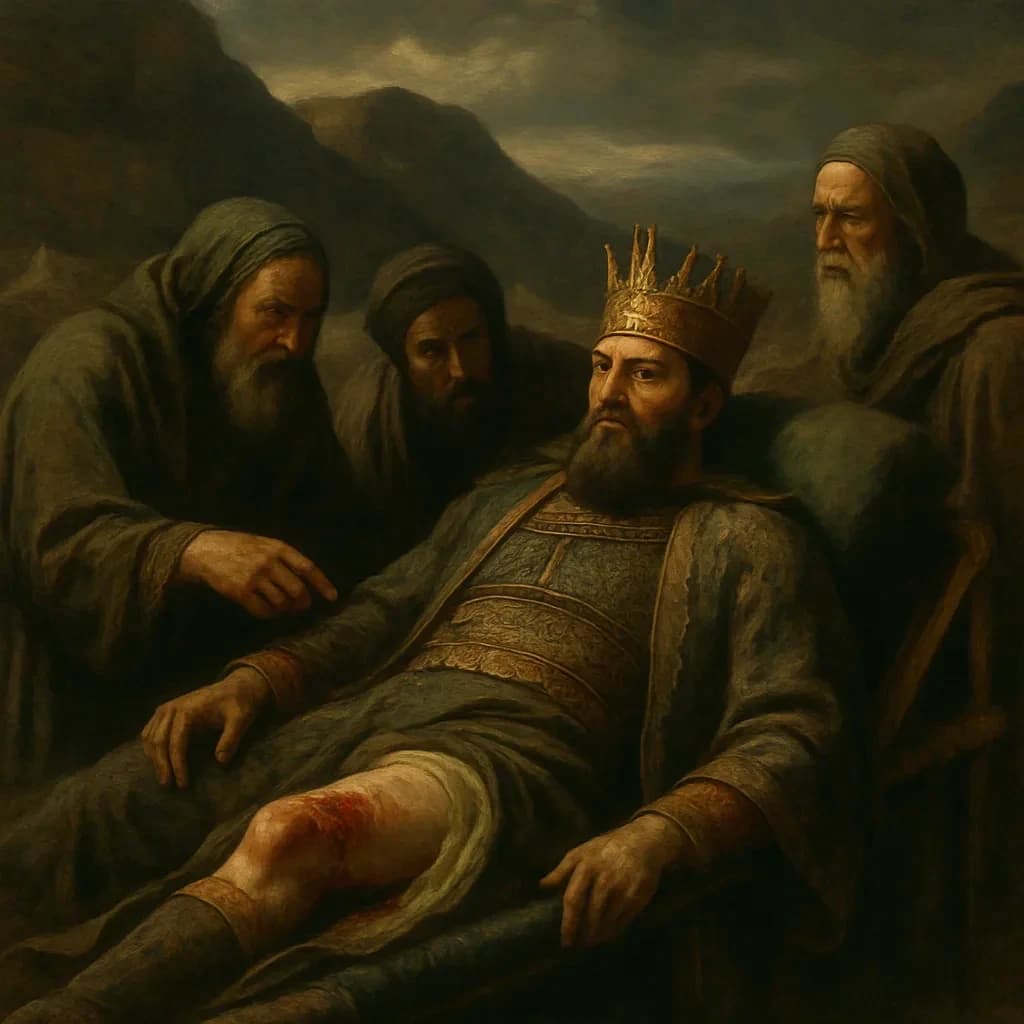
A Persian King Bled While His Doctors Were Too Scared to Speak
Cambyses II, conqueror of Egypt, died from a sword wound (inflicted by his own scabbard) while his doctors debated whether to treat him at all.
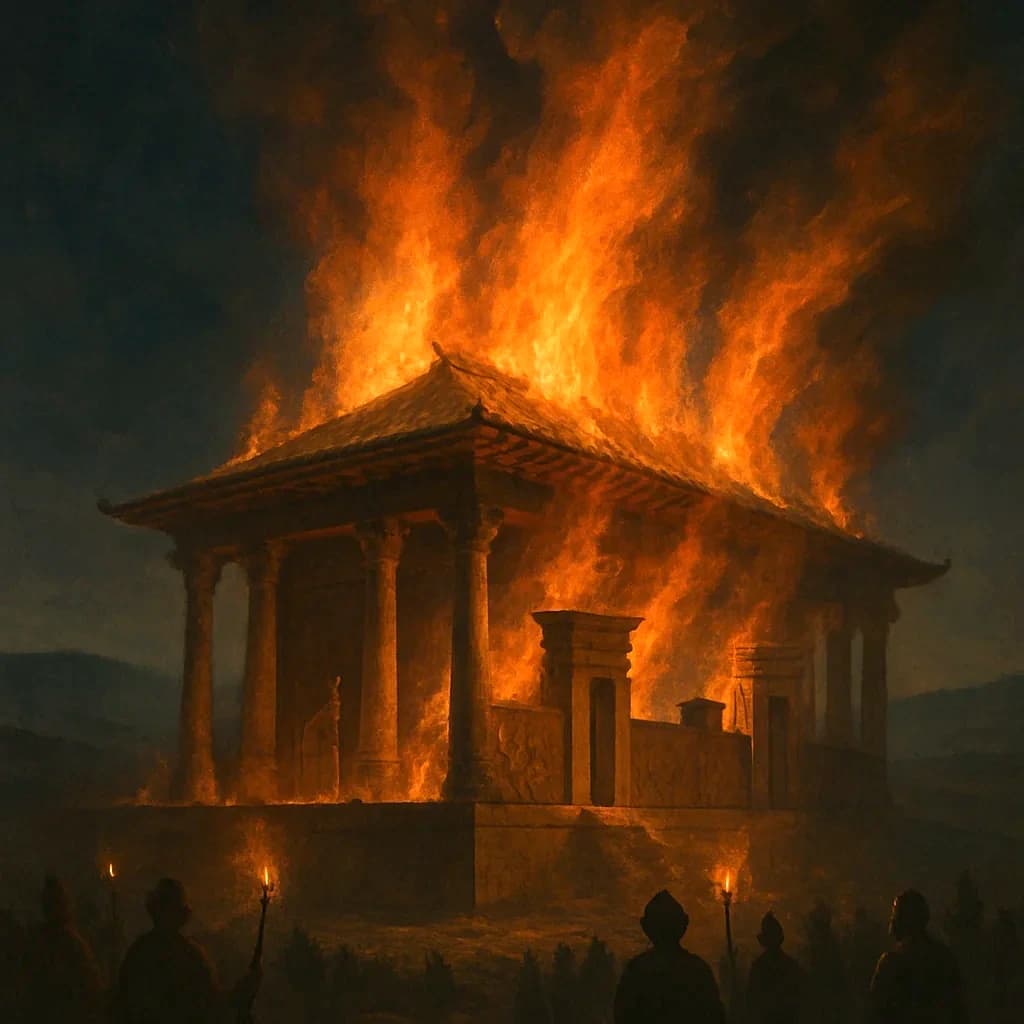
Alexander Burned Persepolis Over a Party Game
Alexander the Great burned one of the ancient world's greatest cities. The fire probably started as a party game.
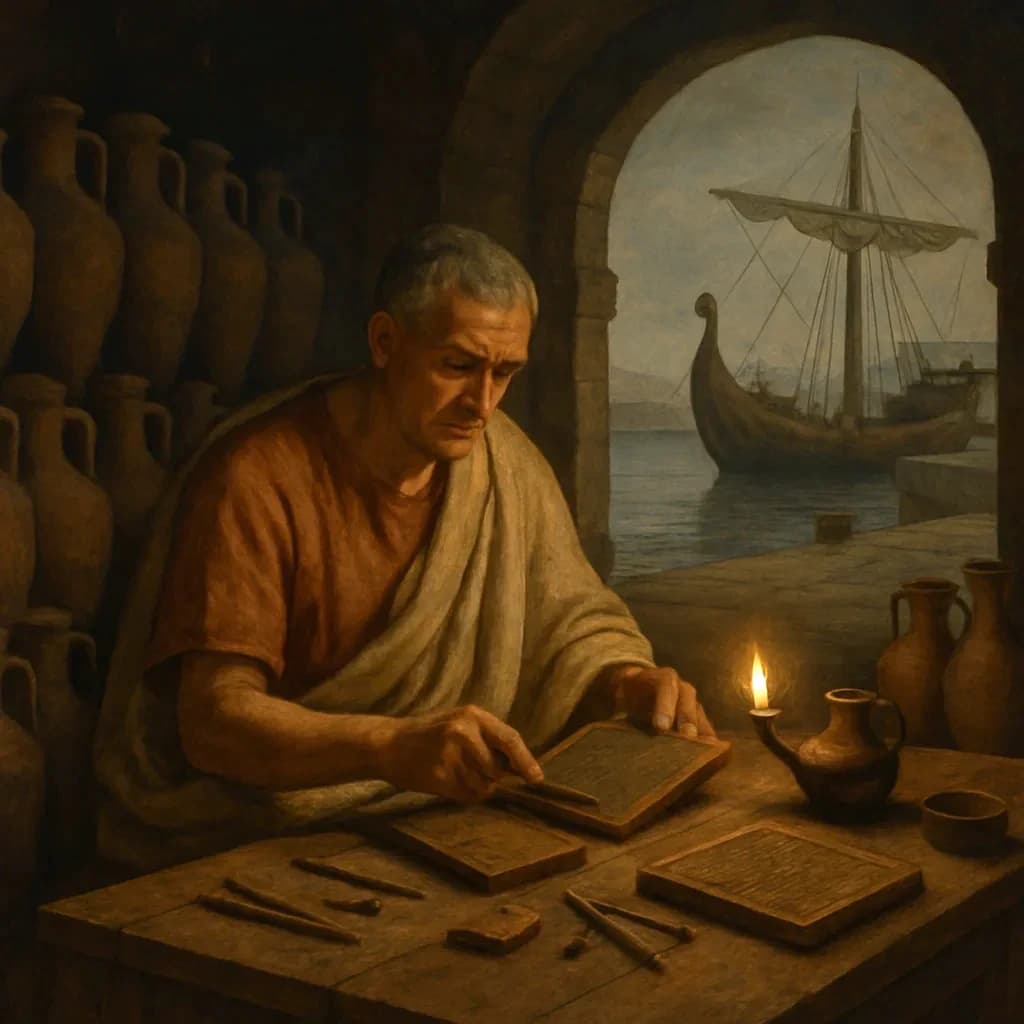
A Harbormaster's Ledger Nearly Stopped Julius Caesar
A Roman tax collector's routine audit in 49 BC turned up a discrepancy that nearly stopped Julius Caesar before he could cross the Rubicon.
The Lost Comedy Found Four Centuries Late
A dying Ottoman diplomat smuggled a manuscript out of Constantinople and, without meaning to, preserved the only complete text of an ancient Greek comedy.
A Forged Letter Sidelined Rome's Most Dangerous General
A single forged letter ended the reign of one of Rome's most powerful generals, and the man who wrote it did so on imperial orders, then spent the rest of his life pretending he hadn't.
Rome Burned Carthage's Library but Saved Its Farming Manual
Rome didn't destroy Carthage with legions alone. It destroyed it with a farming policy so clever it took a century to work.
Nicaea, 325: One Greek Word Defined Jesus
The most important theological debate in Christian history hinged on a single Greek letter, and the man who inserted it had no authority to do so.
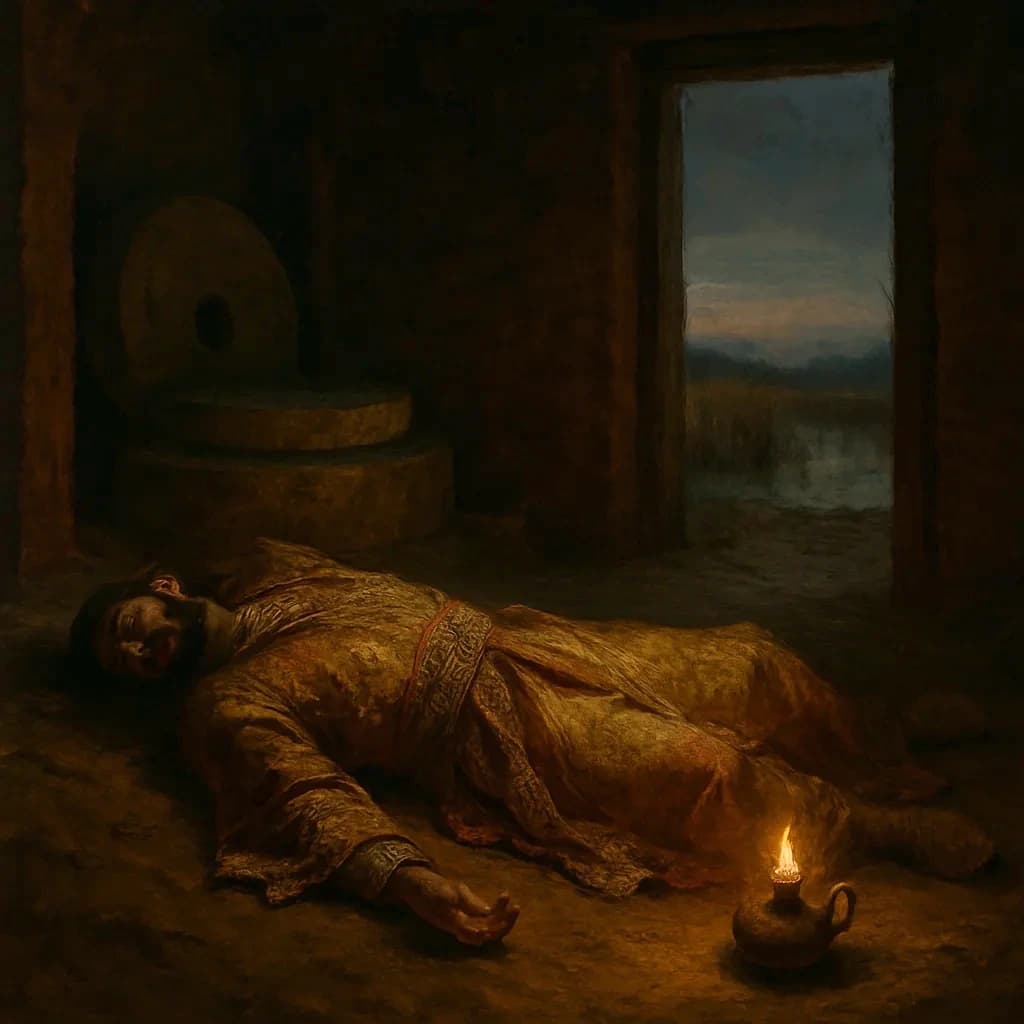
A Miller Killed Persia's Last Emperor for His Boots
The last Sasanian emperor survived every battlefield, then died in 651 AD at the hands of a miller who wanted his boots.
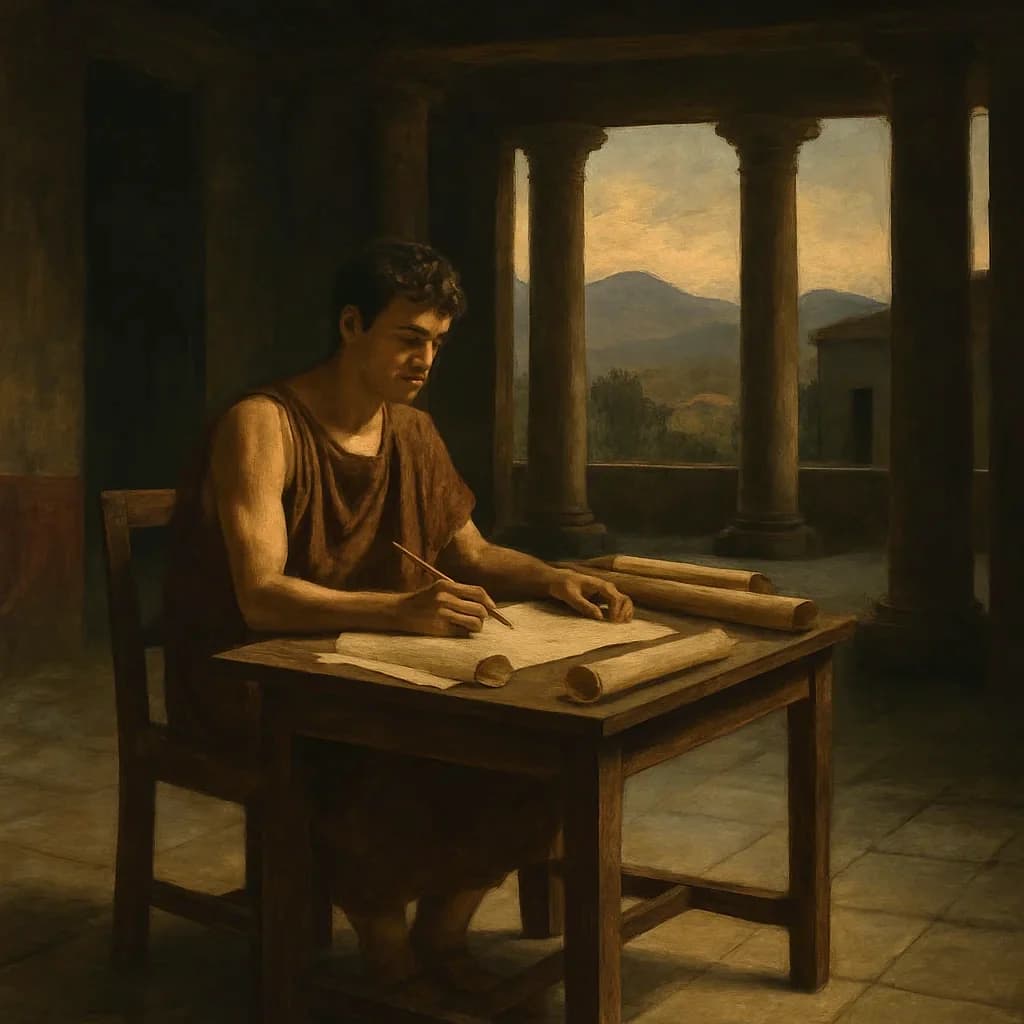
The Hostage Who Taught Rome to Build
Rome's most sophisticated architectural techniques may have arrived not through conquest, but through a teenage prisoner held against his will.
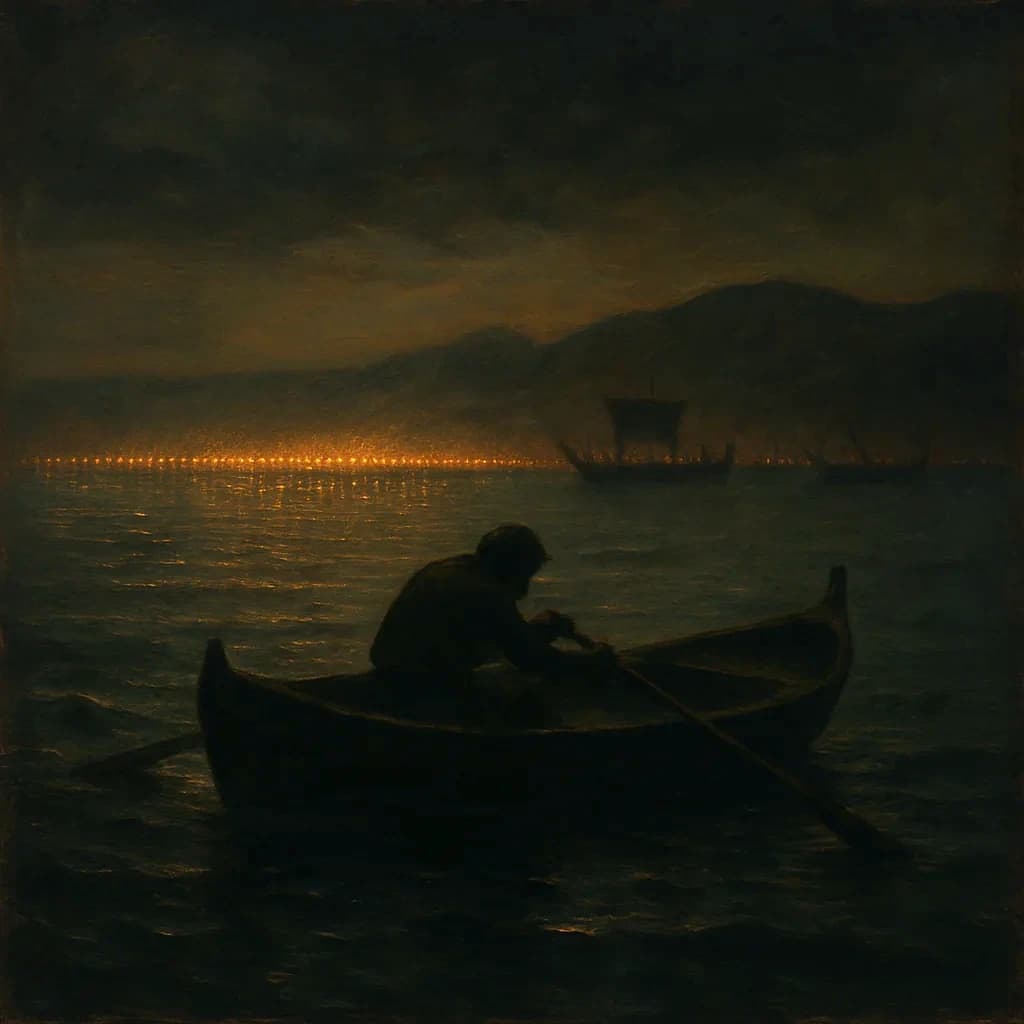
Salamis: How One Lie Forced the Greeks to Fight
Themistocles had already won the battle of Salamis, but without a single Persian deserter and his dangerous message, the Greek fleet would never have fought at all.
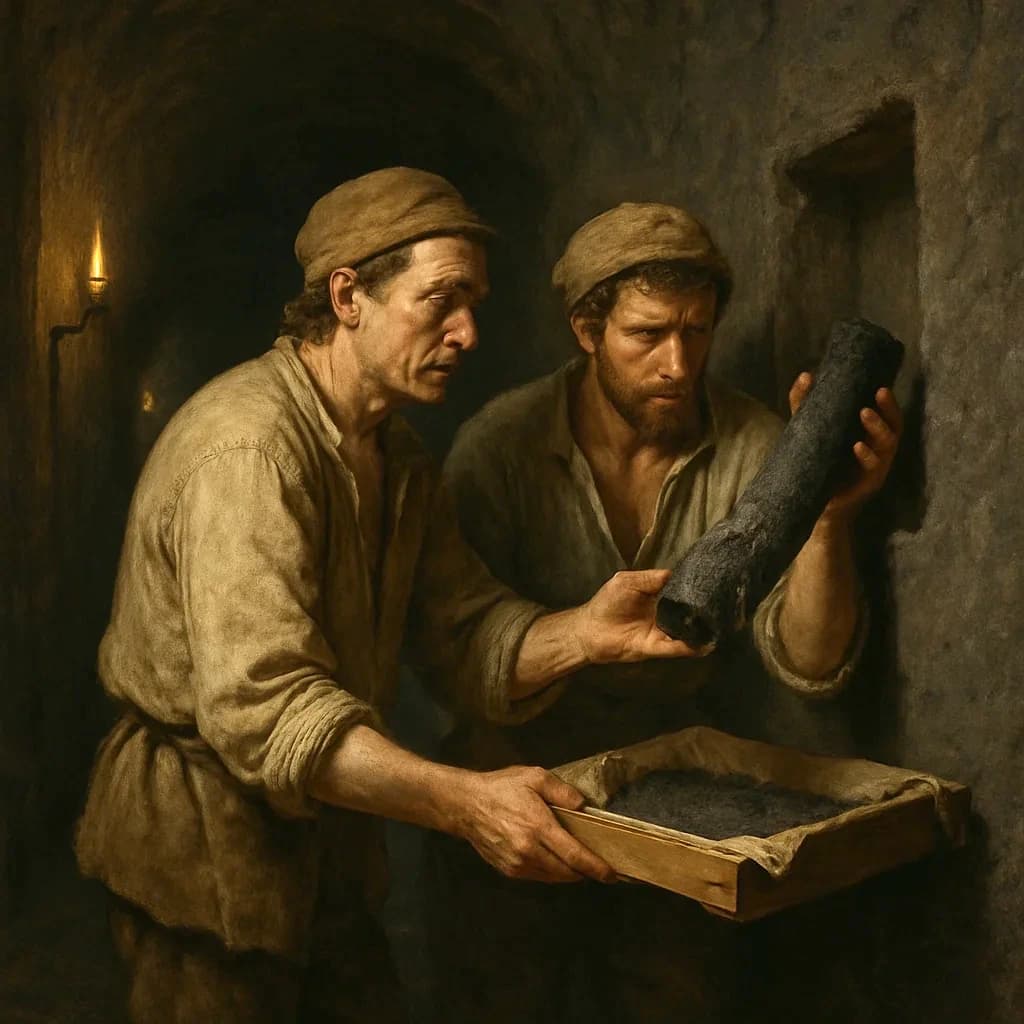
Vesuvius Charred This Library: A Student Just Read It
When Vesuvius buried the only private library to survive from the ancient world, the scrolls didn't burn. They carbonized into something almost impossible to read. Almost.
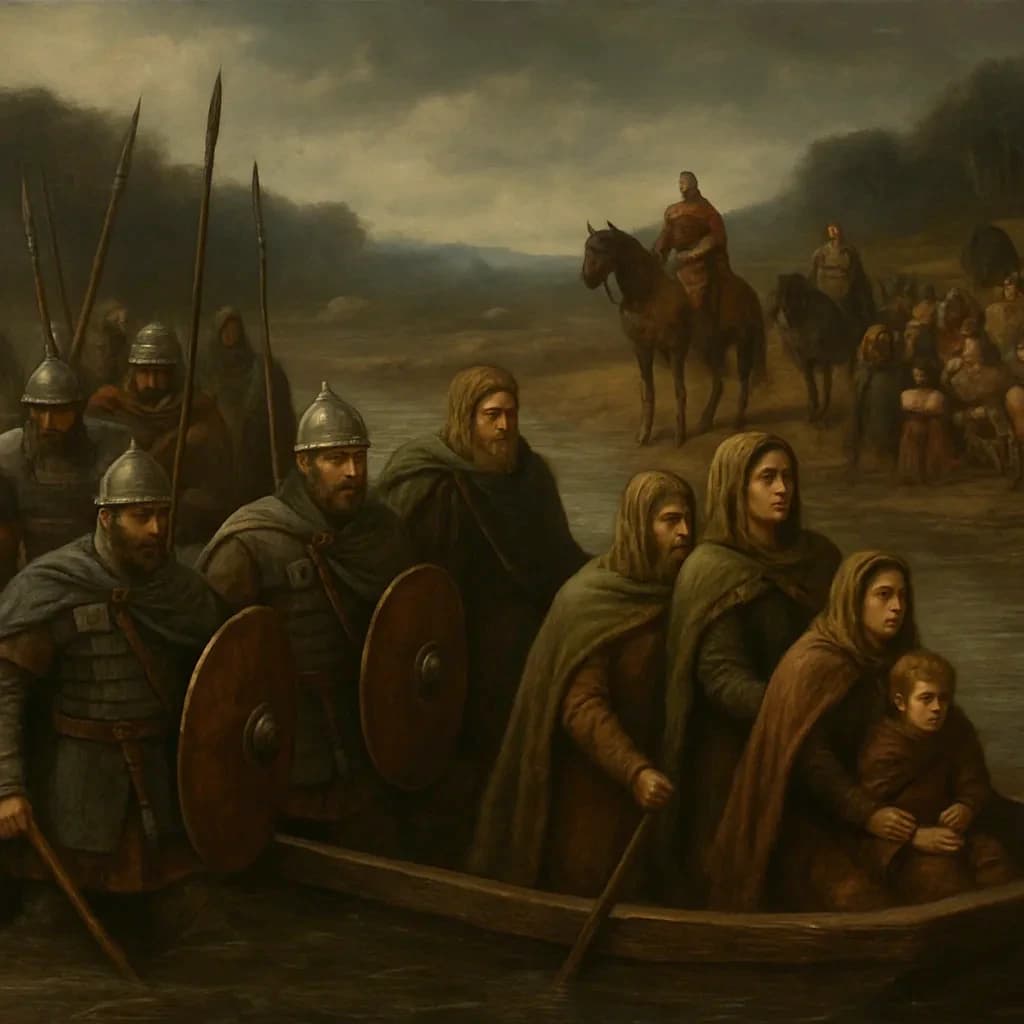
How Rome Trained the Armies That Sacked It
The Roman Empire didn't fall to outsiders. It spent two centuries carefully teaching those outsiders how to fight like Romans, then handed them the keys.
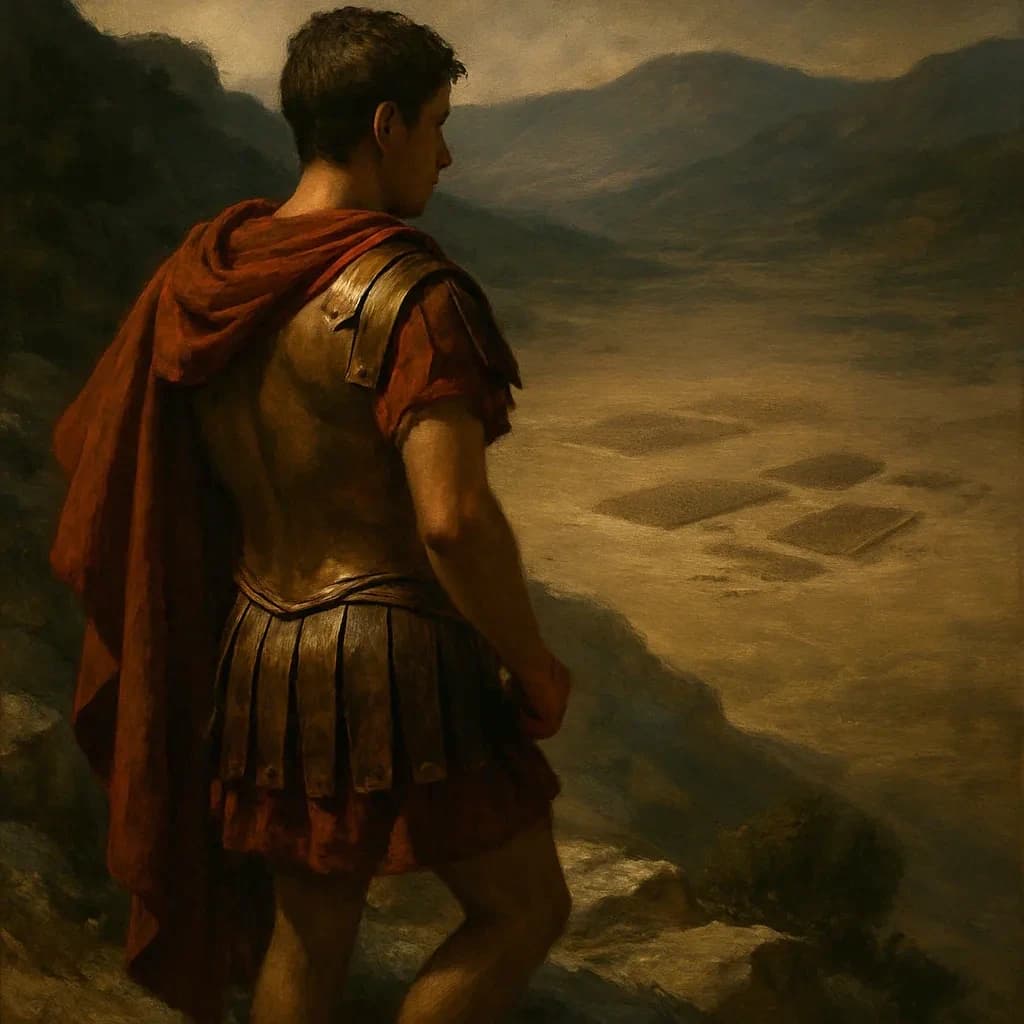
How Scipio Used Hannibal's Own Tactics to Beat Him
A Roman teenager came home from three years as a prisoner in Carthage with ideas that made Rome's legions nearly unbeatable.
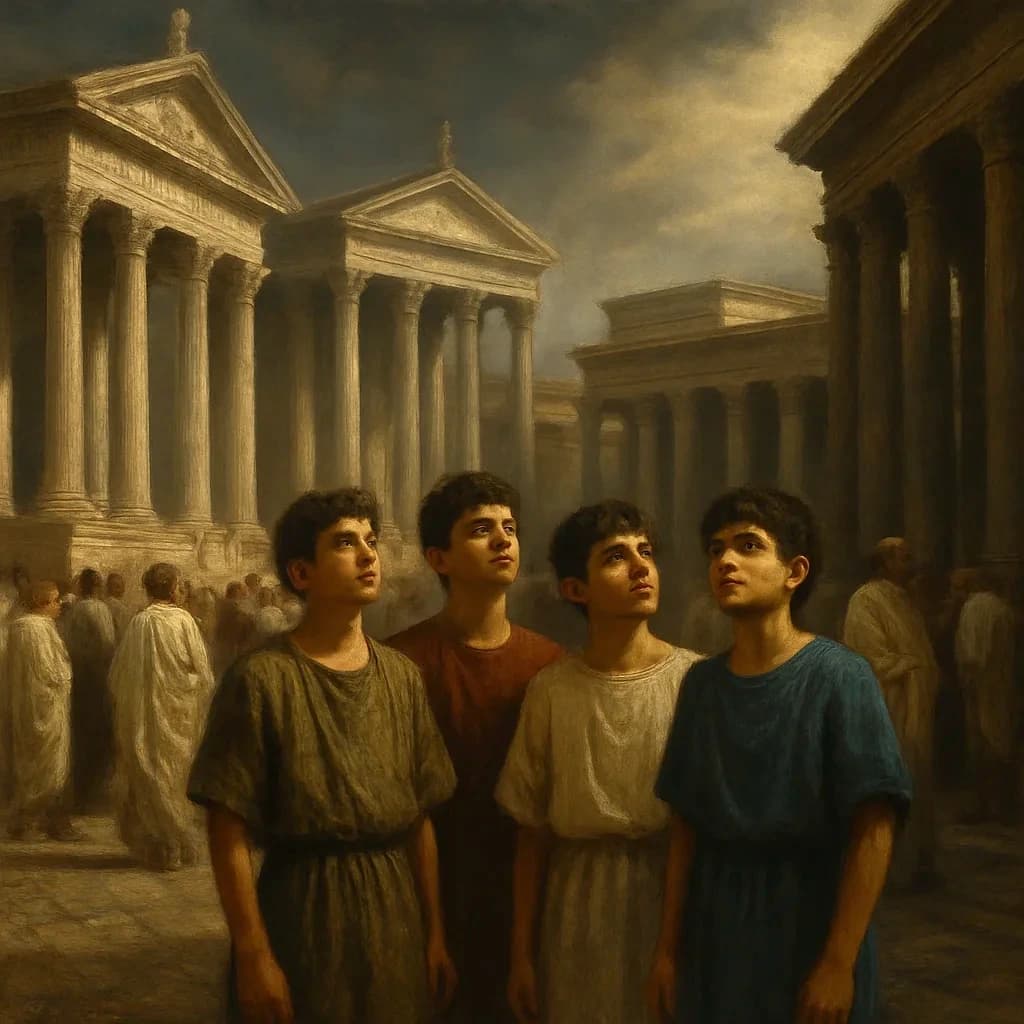
Carthage's Fiercest Defender Was Once Rome's Hostage
A teenage boy spent fourteen years as a prisoner in a foreign city, and came home having learned exactly how to destroy it.
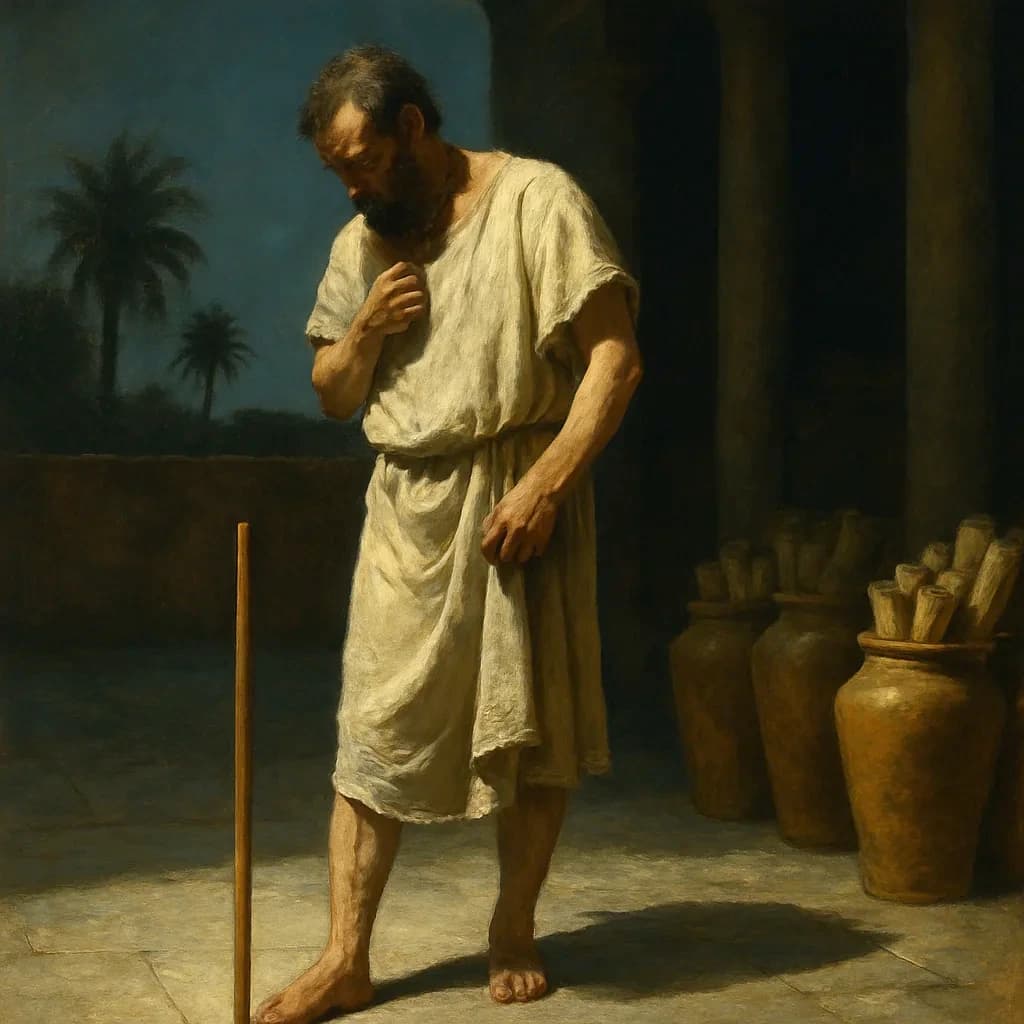
Eratosthenes Measured the Whole Earth Without Leaving His Library
Using only a stick, a shadow, and a camel, a man in Roman Egypt calculated the circumference of the Earth.
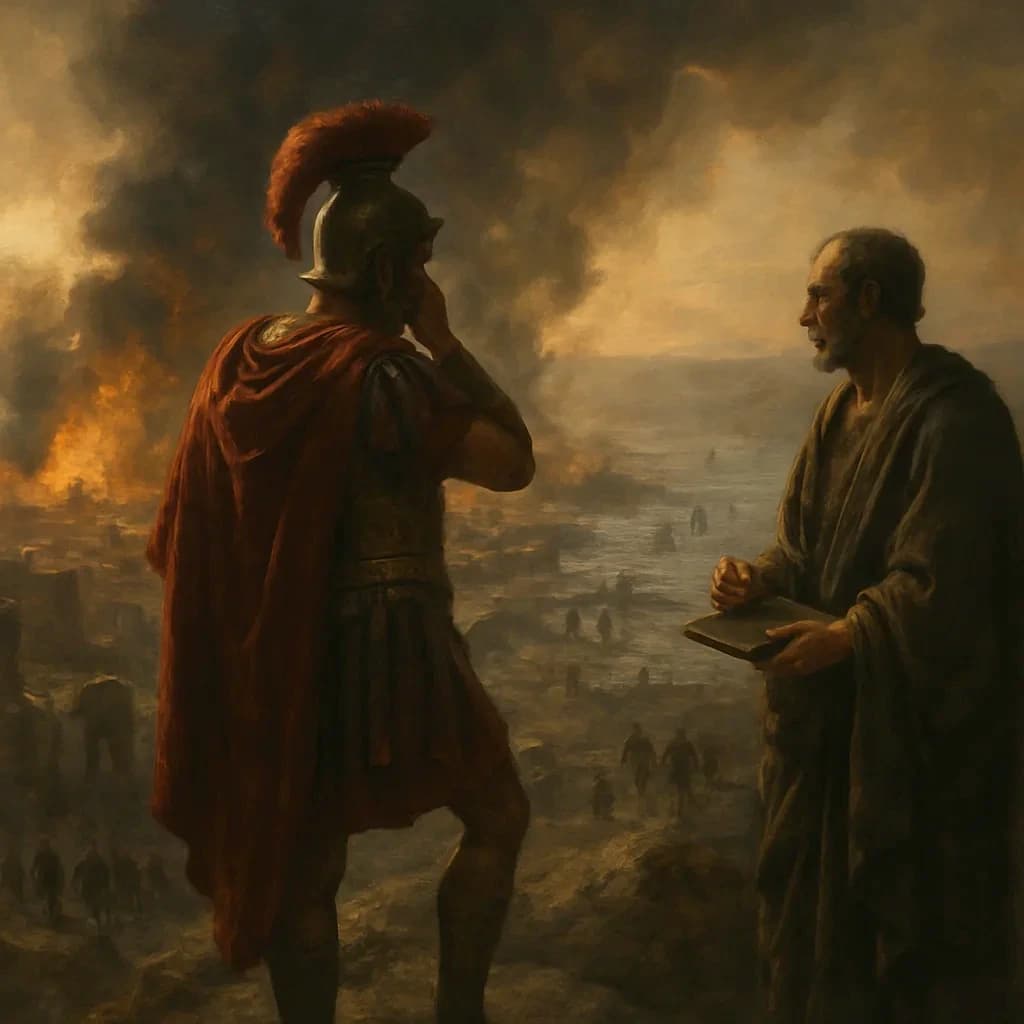
A General Wept Over Carthage, and His Words Haunted the Senate
A Roman general wept as he burned a city to the ground. And what he said next haunted the Senate for centuries.
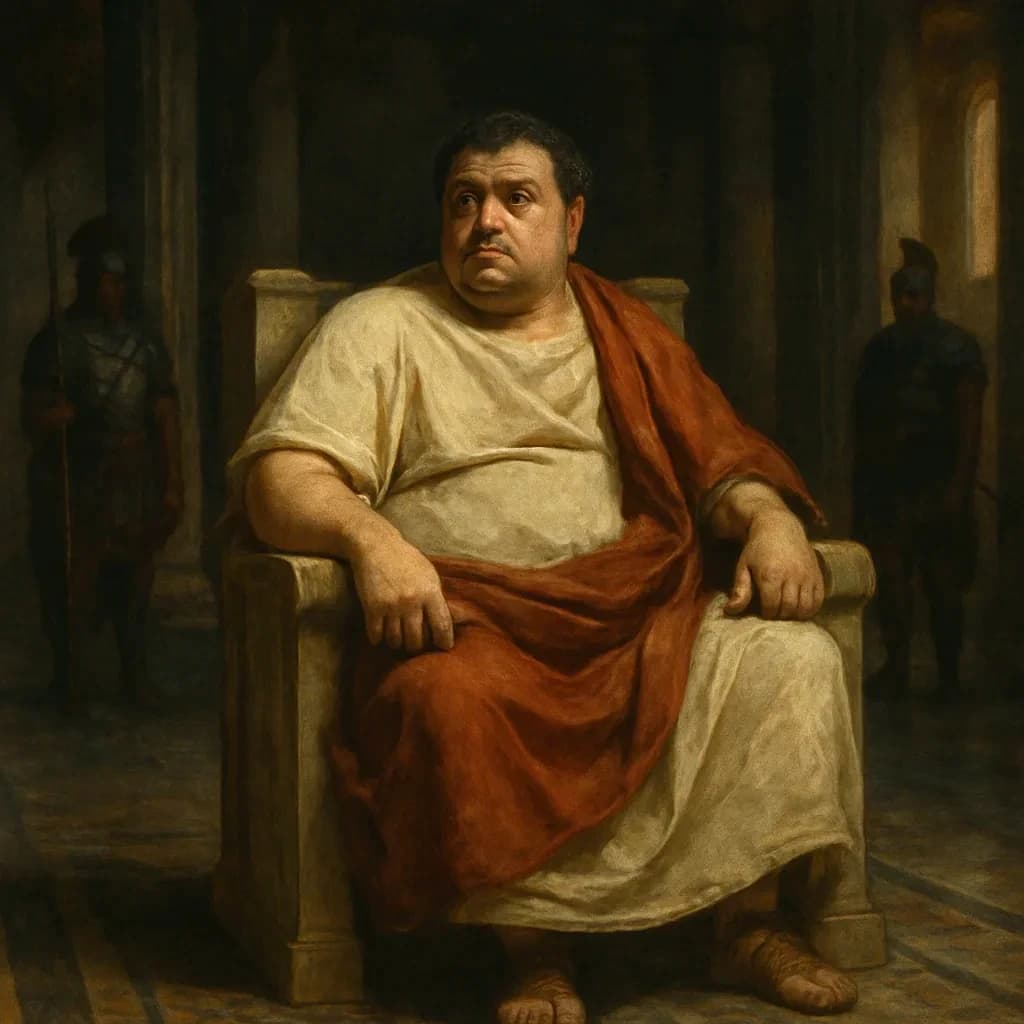
They Found the Next Emperor Hiding Behind a Curtain
A Roman emperor's speech impediment may have saved the Republic's greatest surviving institution.
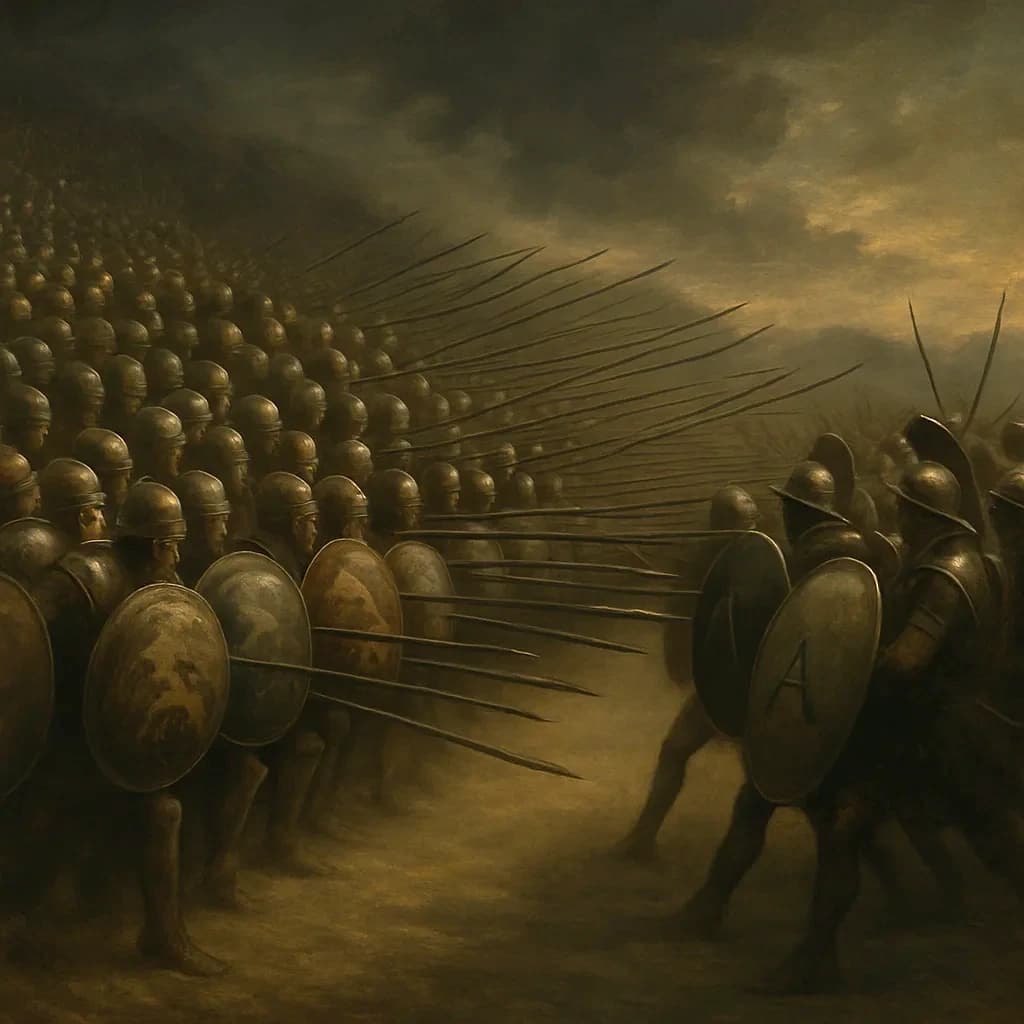
Stack the Left Flank: How Thebes Broke Sparta
The most feared military power in Greece was defeated not by a better army, but by a man who knew which door the guards left open.
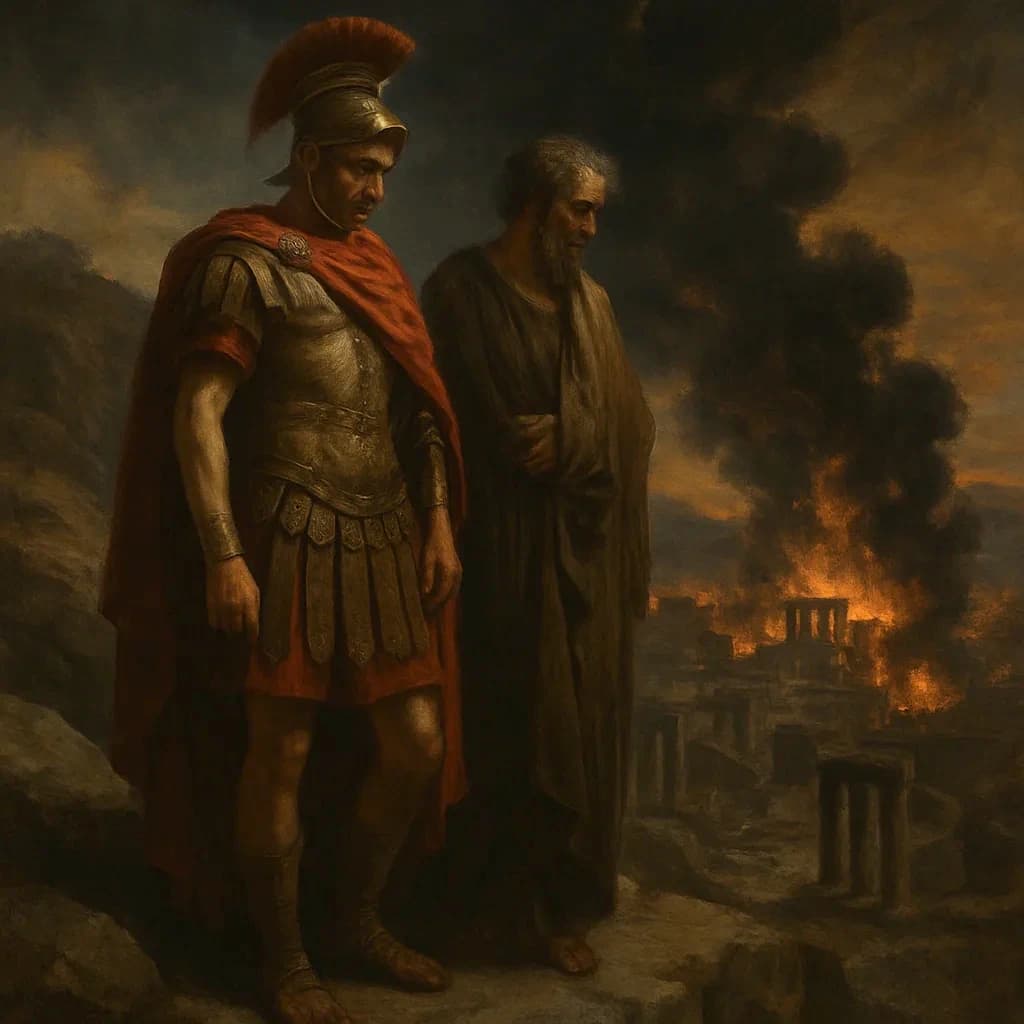
Scipio Burned Carthage, Then Wept for Rome
A Roman general stood at the smoldering ruins of his greatest victory and wept, because he knew what it meant for Rome.
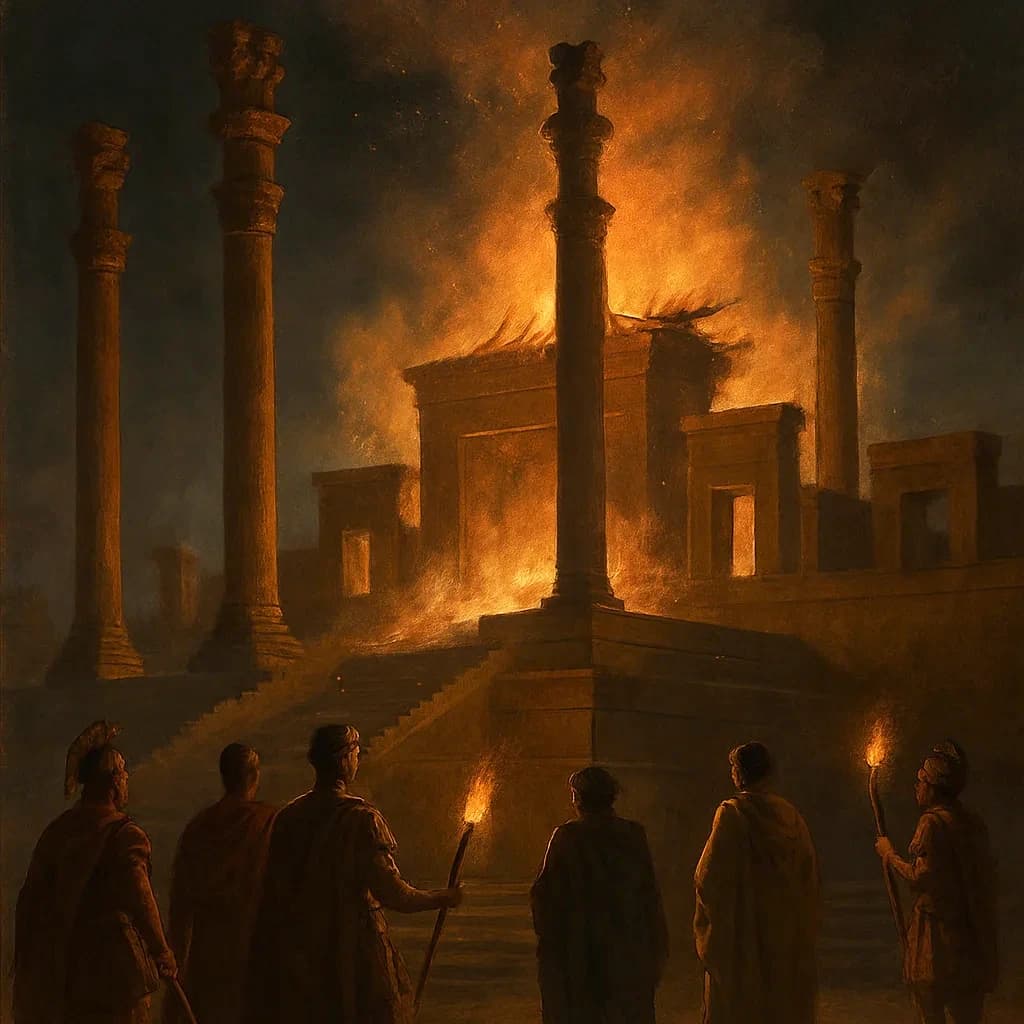
Alexander Burned Persepolis Over a Banquet Dare
Alexander the Great burned one of the ancient world's greatest palaces, and the most credible explanation is that a party got out of hand.
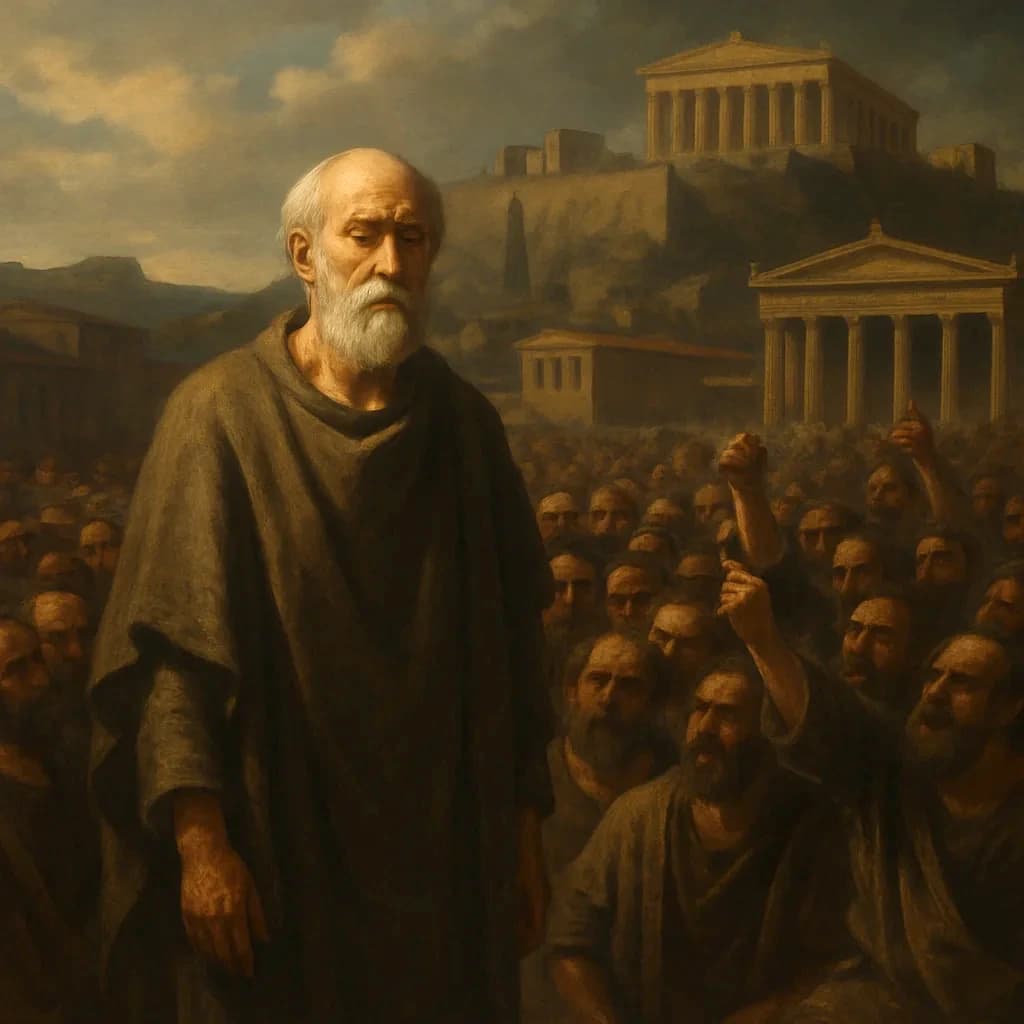
He Told Athens to Surrender, Then Ruled It
The man who destroyed Athens didn't storm the walls. He was invited in, handed the keys, and left a decade later having undone five hundred years of history, all because he was the only person in the room who spoke both Greek and Persian.
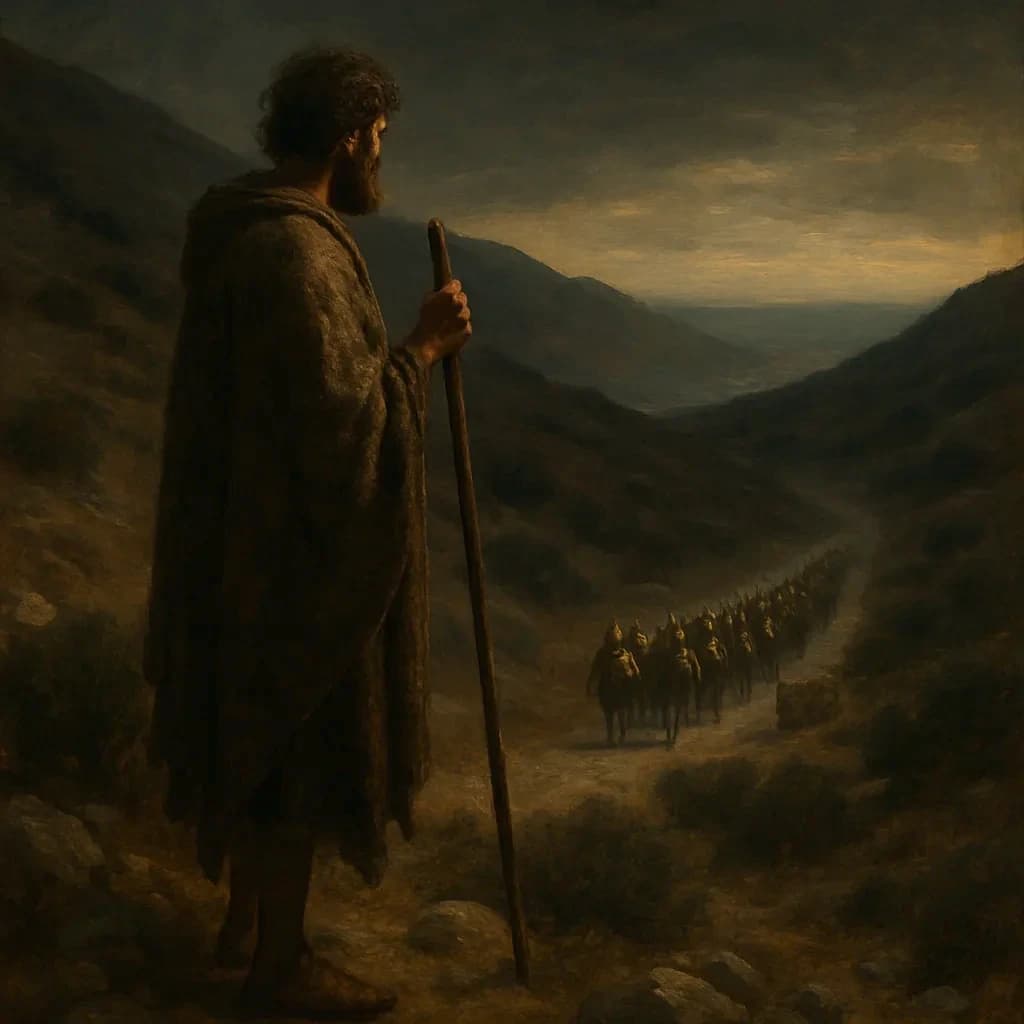
A Shepherd Counted Persia's Army From a Hillside
An illiterate Persian peasant walked into a Persian governor's court in 499 BC and accidentally gave the Greeks the numbers they needed to save Western civilization.
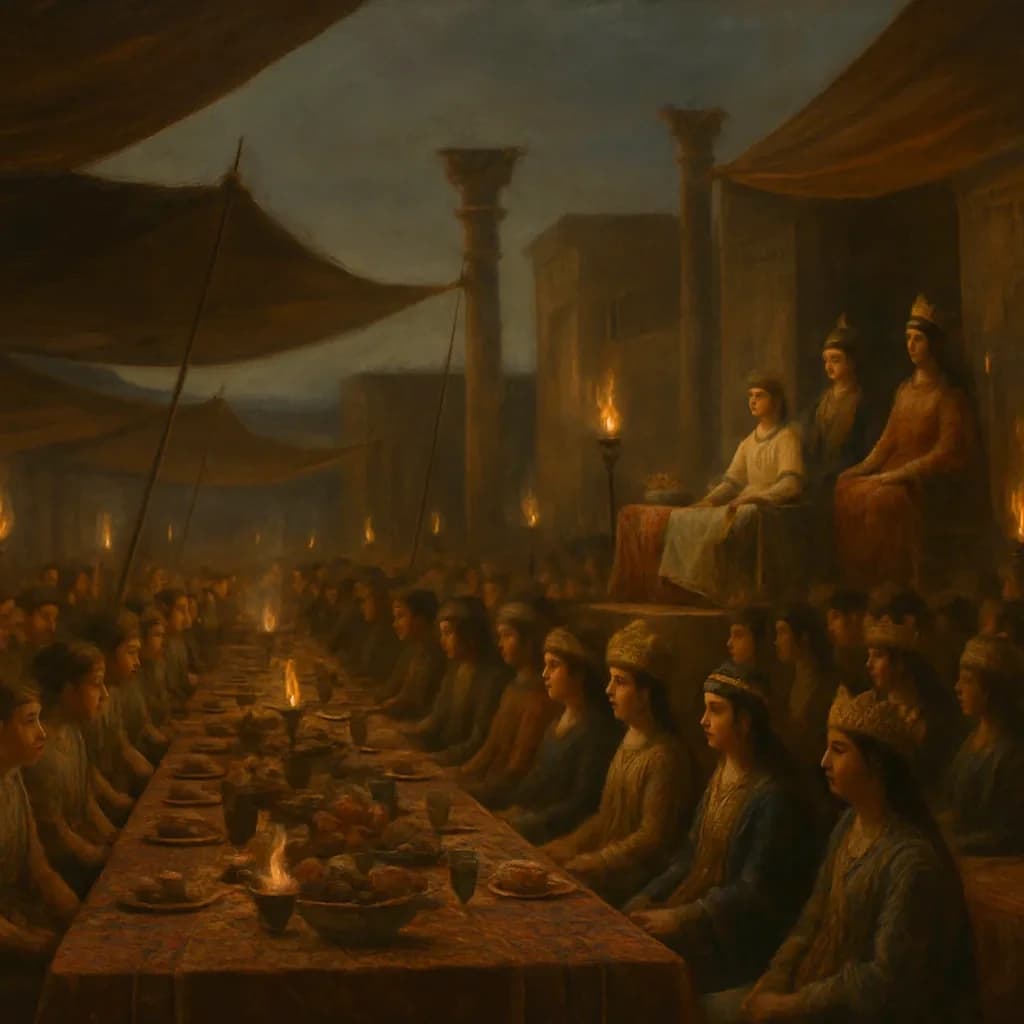
Alexander Married Off Ten Thousand Soldiers in One Ceremony
Alexander the Great ordered ten thousand of his soldiers to marry Persian women in a single ceremony, and most of them hated him for it.
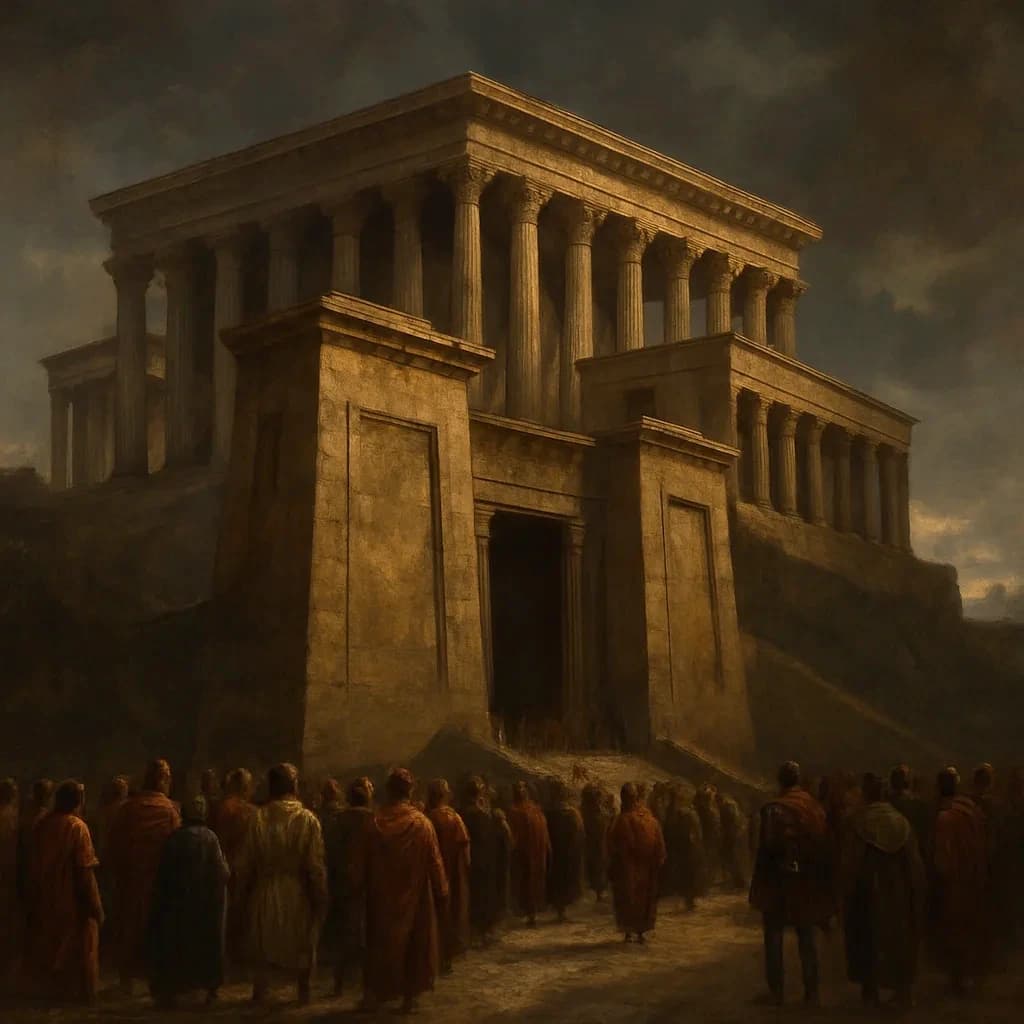
How a Drunk Soldier Doomed Egypt's Last Temple
A minor street brawl in Alexandria ended ten thousand years of Egyptian religion in 391 AD, and almost nobody noticed.
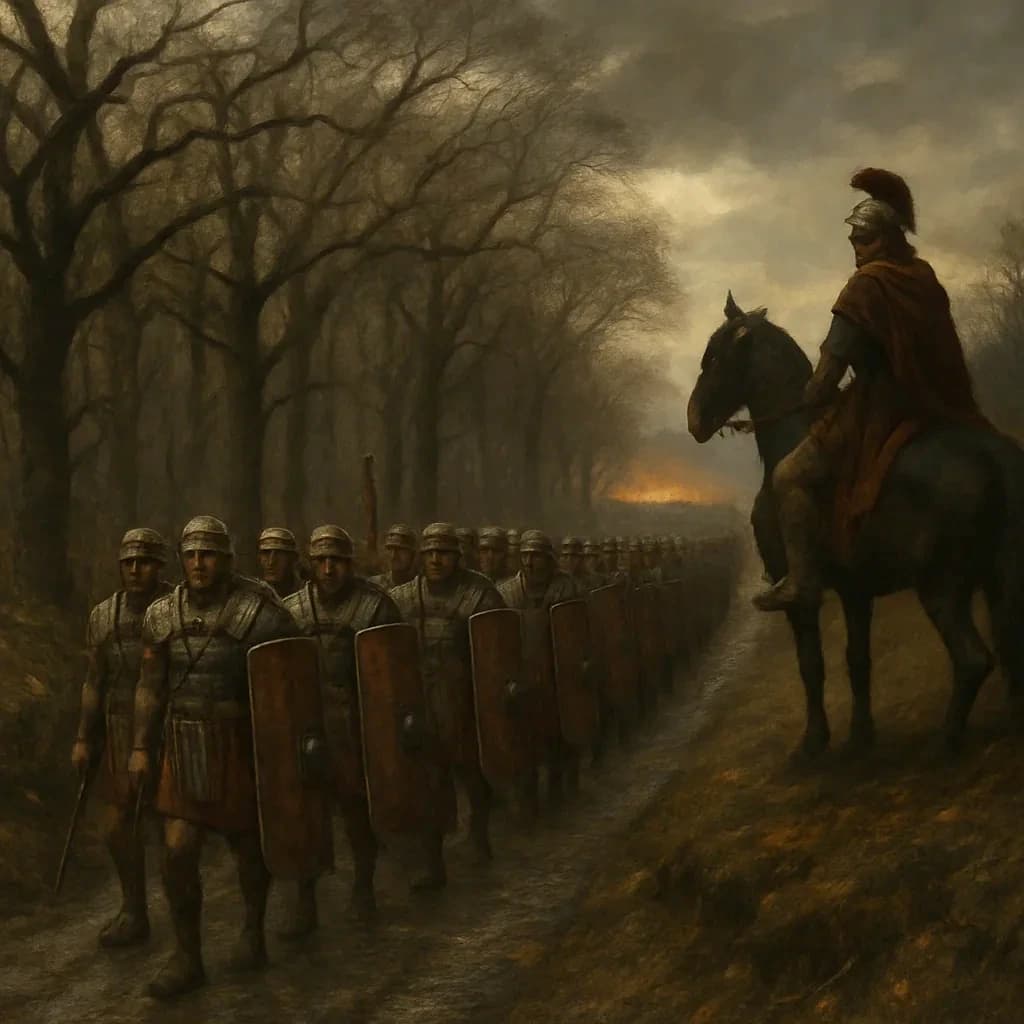
Why Rome Let London Burn to Win Britain
A Roman general stood his ground on a narrow strip of road in Britain in 60 AD, a choice that either saved the province or doomed it, and nobody agreed which until the bodies were counted.
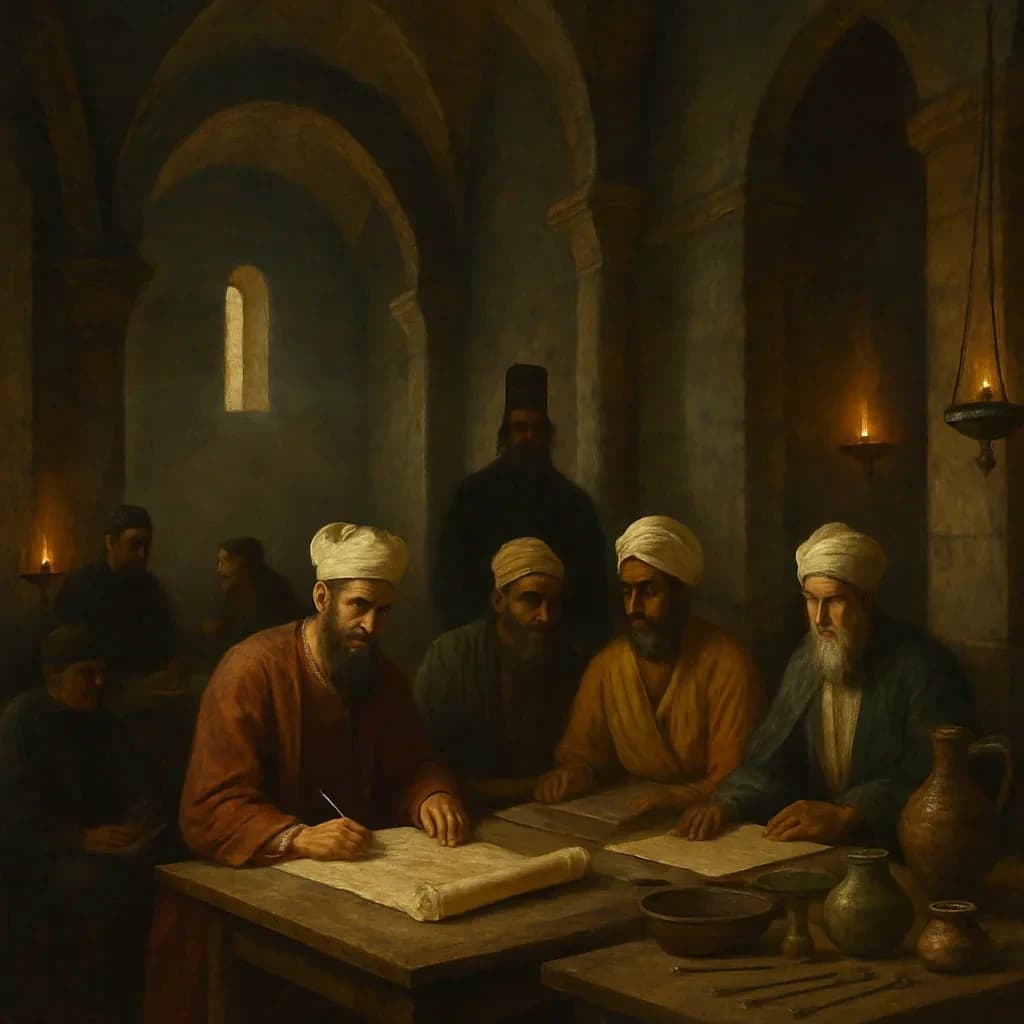
The Great Academy Baghdad Hired Away
A Persian emperor ordered the greatest library in the ancient world destroyed, not as an act of conquest, but as an act of ideology.
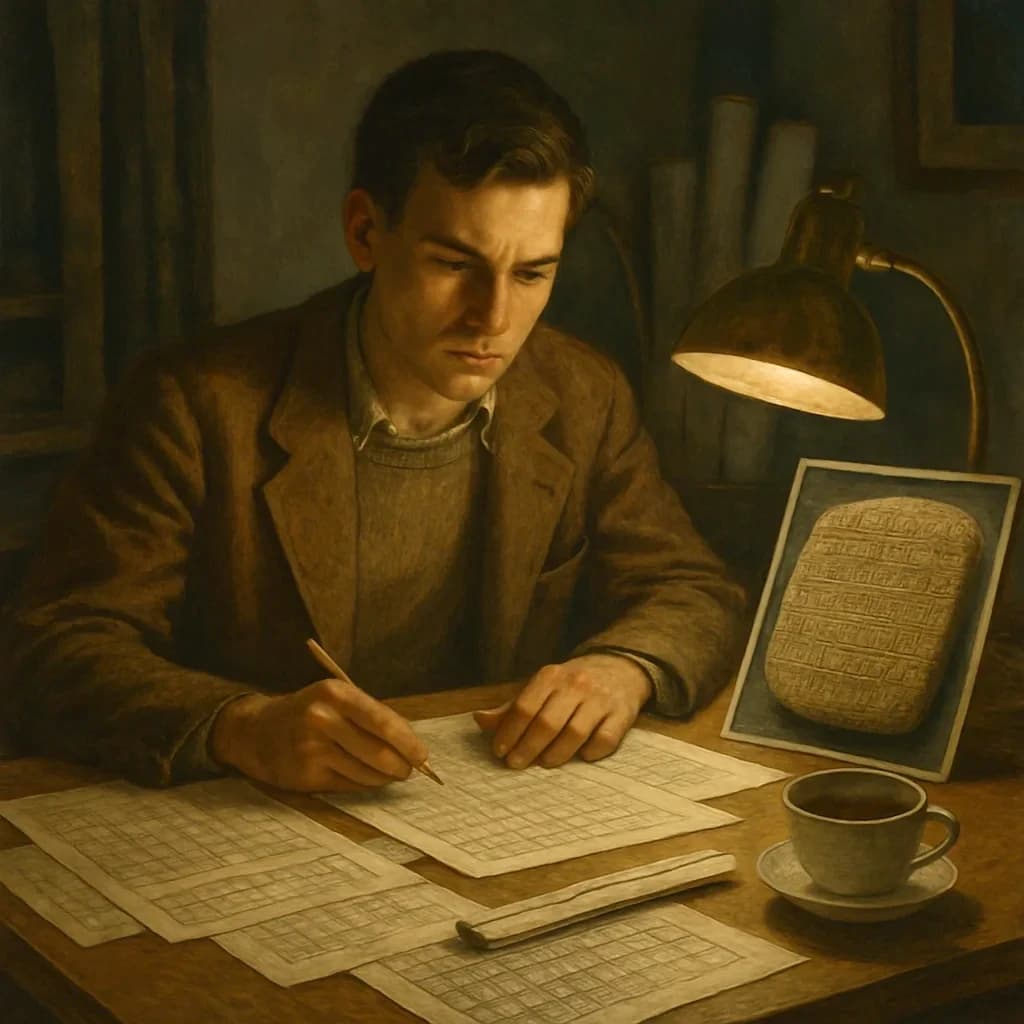
An Architect Decoded Greece's Lost Bronze Age Script
For centuries, one of the ancient world's most complete syllabaries sat in a Linear B tablet, and nobody alive could read it. Then a twenty-nine-year-old architect cracked it in an afternoon.
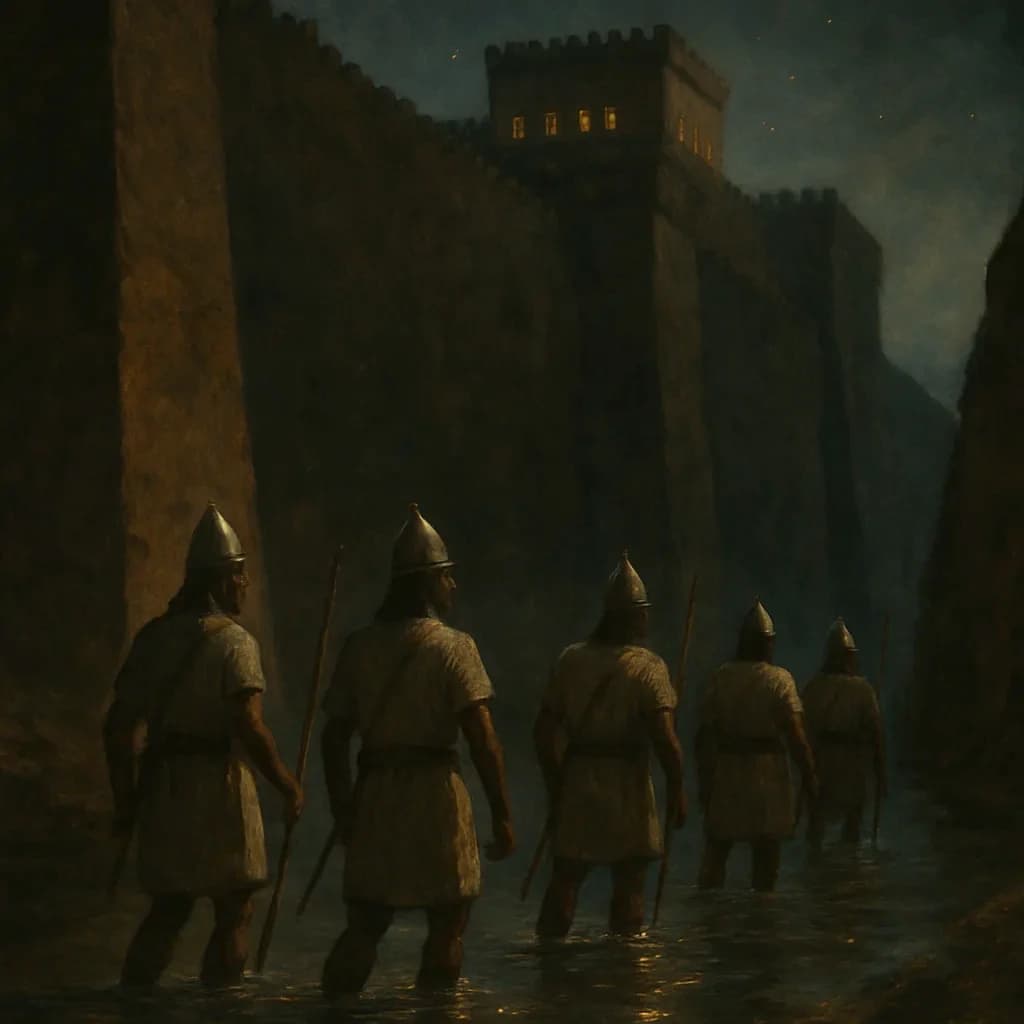
Cyrus Drained the Euphrates to Take Babylon
Babylon (the greatest fortified city in the ancient world) fell to Cyrus the Great while its defenders were at a party.
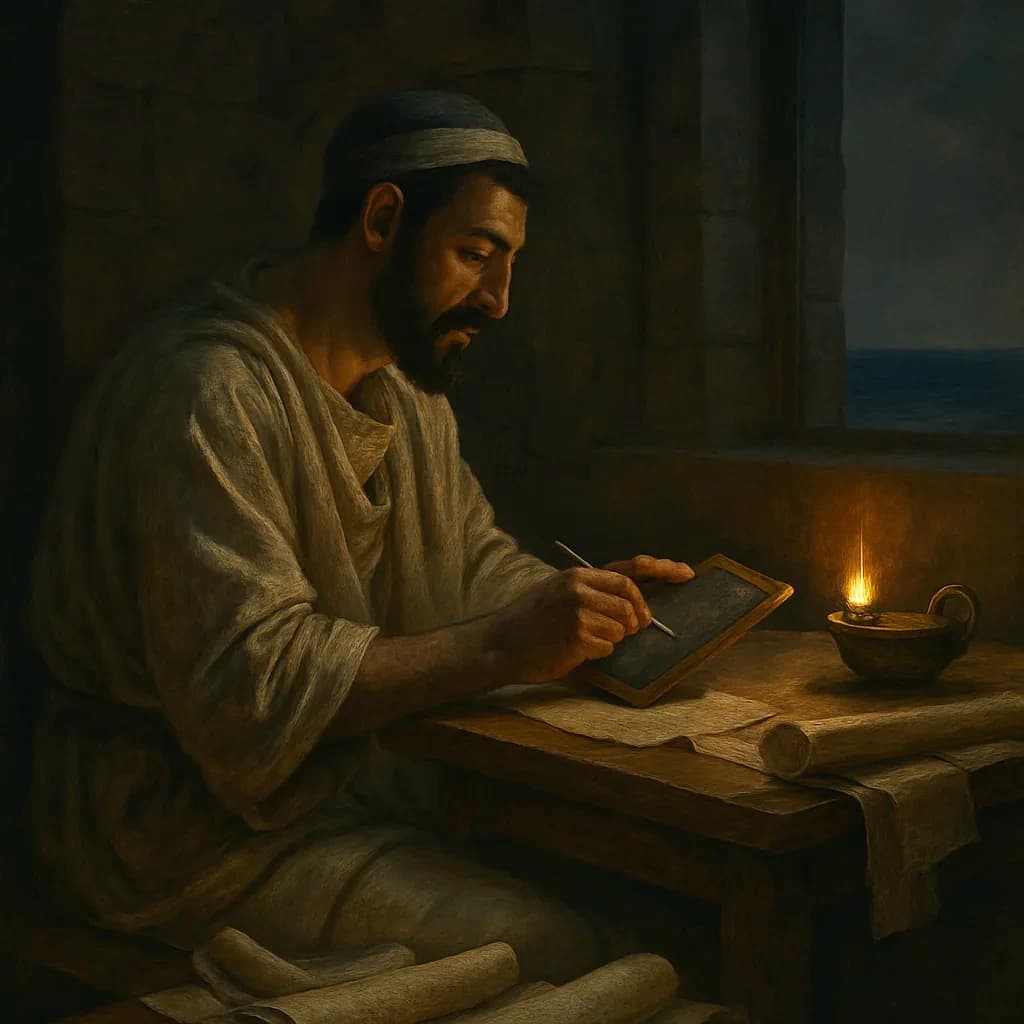
Insult His Poetry, Lose the Battle of Salamis
The Persian Empire's most dangerous intelligence chief defected to the Greeks, because a general insulted his poetry.
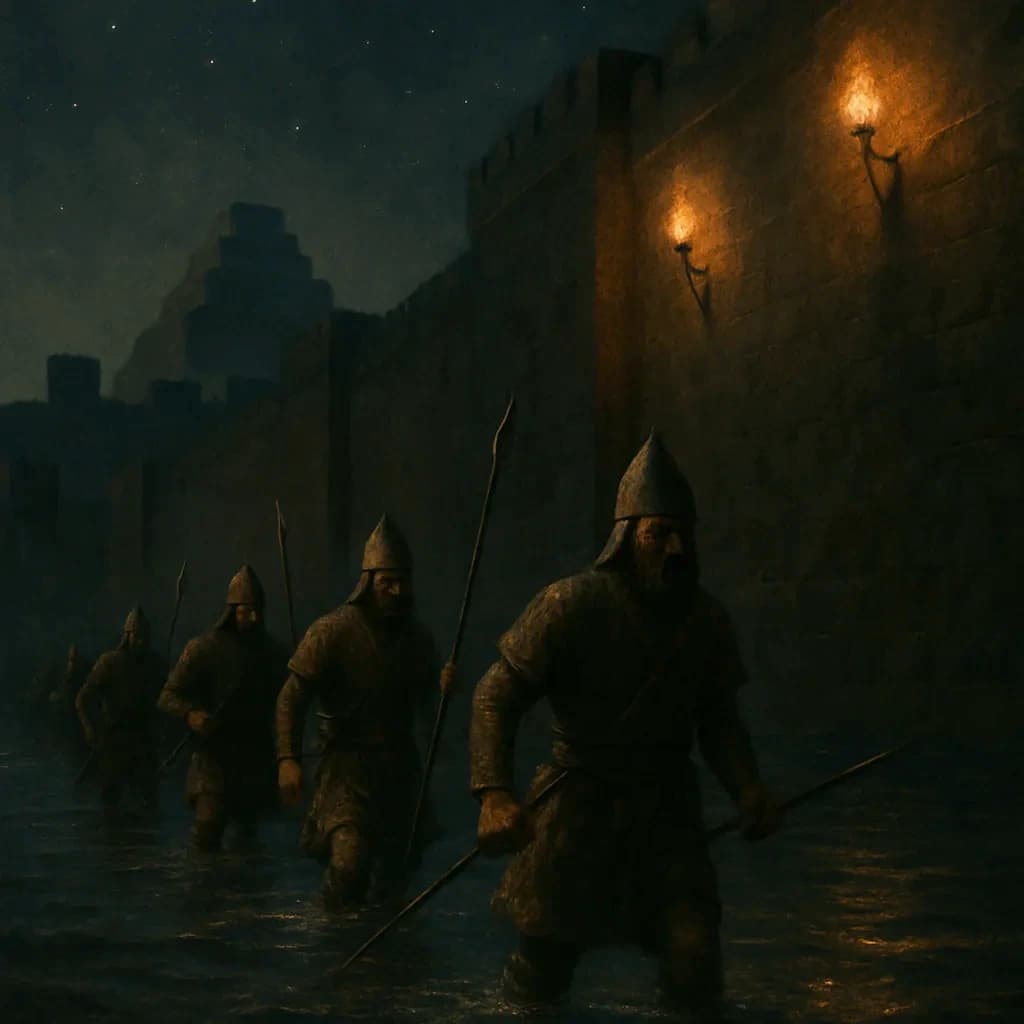
Six Inches of Water and the Fall of Babylon
The greatest city on earth fell to one of history's largest armies, not through walls breached or gates broken, but because someone thought to look at a river.
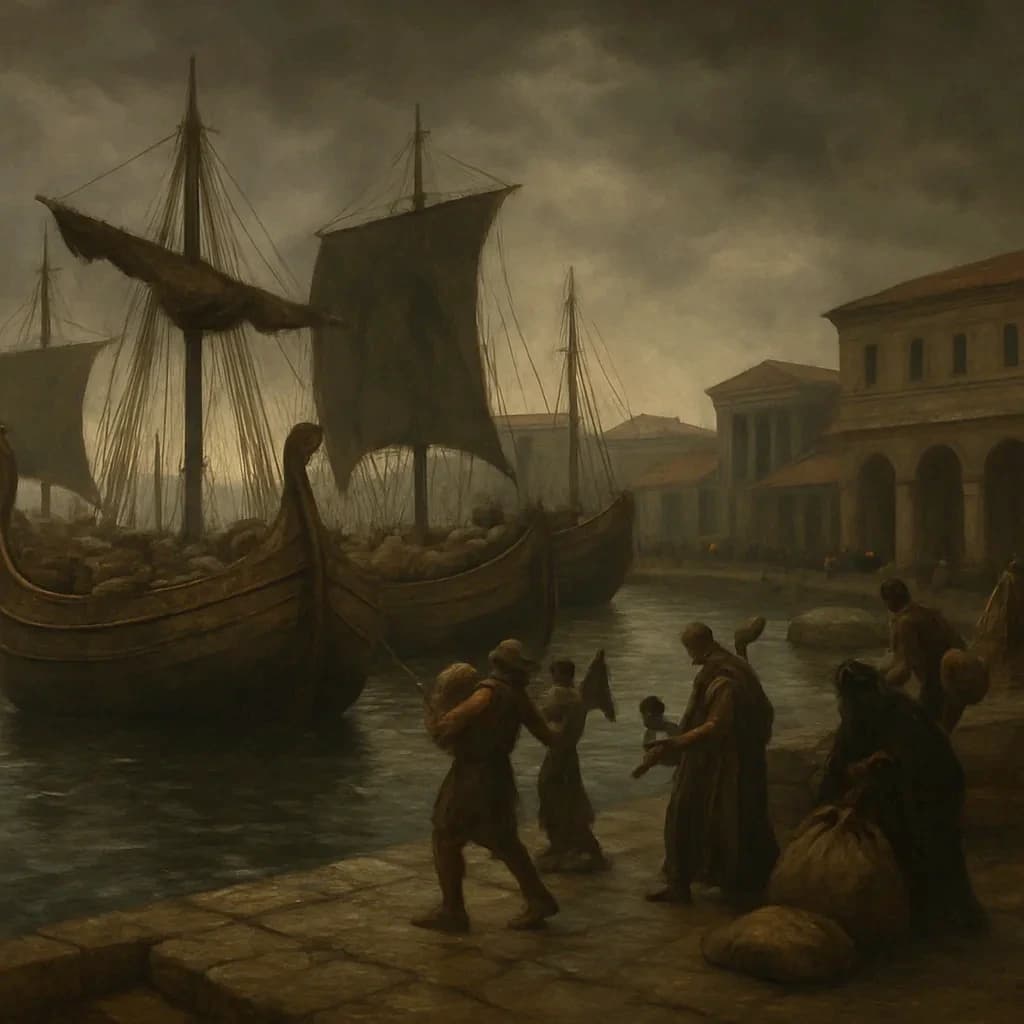
The Sack of Rome That Nobody Stopped
In 455 AD, the Vandals spent two weeks systematically looting Rome, and the man who could have stopped them stepped aside without a fight.
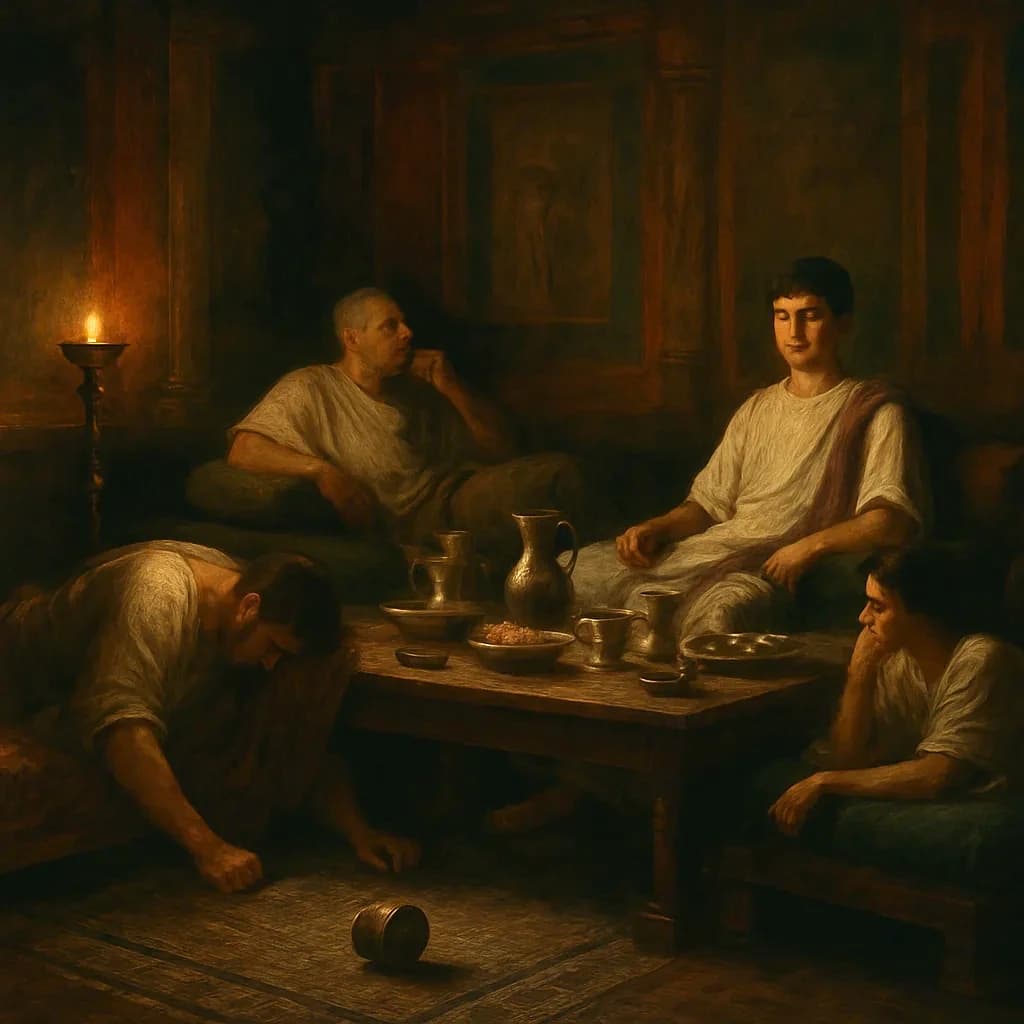
Nero Poisoned the One Rival Above Him
A Roman empress tried to murder her stepson with a sleeping draft, gave him the wrong cup, and watched him become one of Rome's most celebrated emperors.
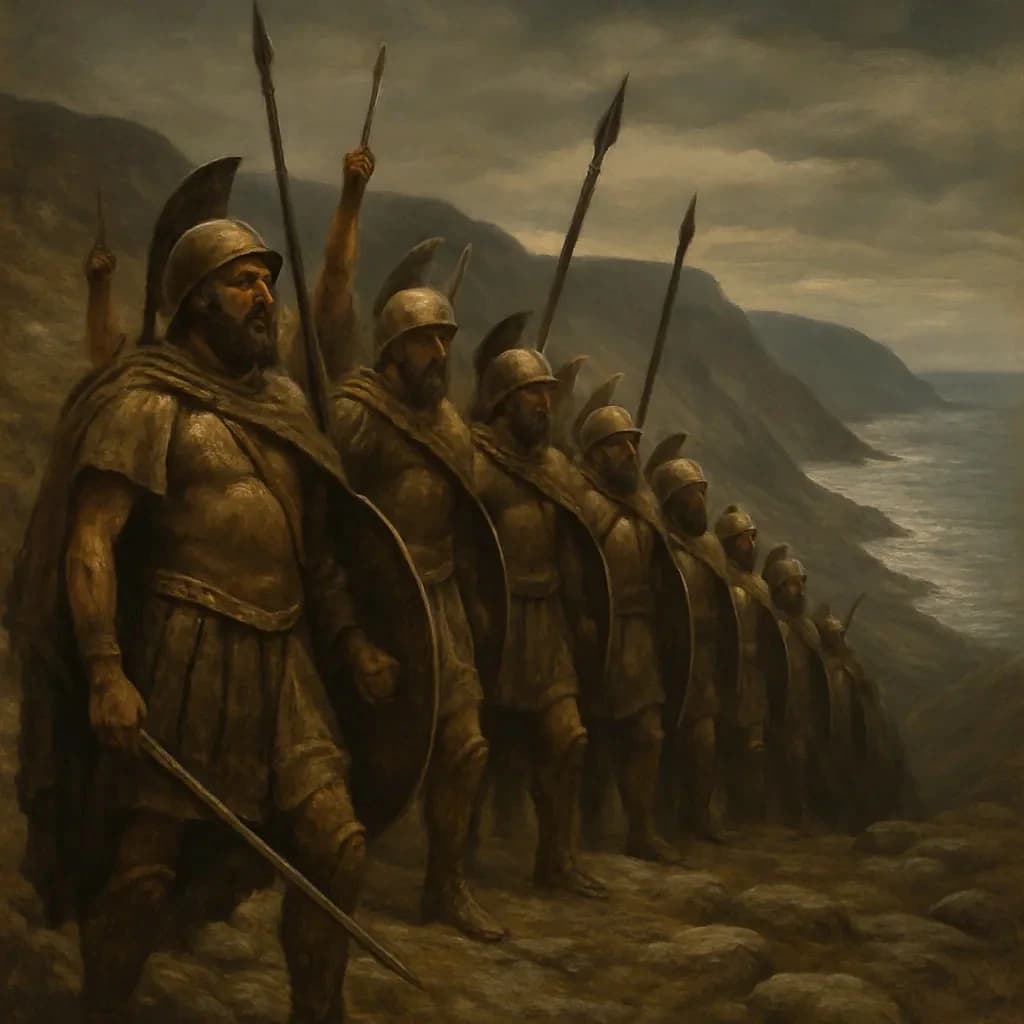
A Defeated King Wrote His Conqueror About a Haircut
A defeated Persian king sent a letter to the Spartan general who had just crushed him, not to beg for mercy, but to complain about a haircut.
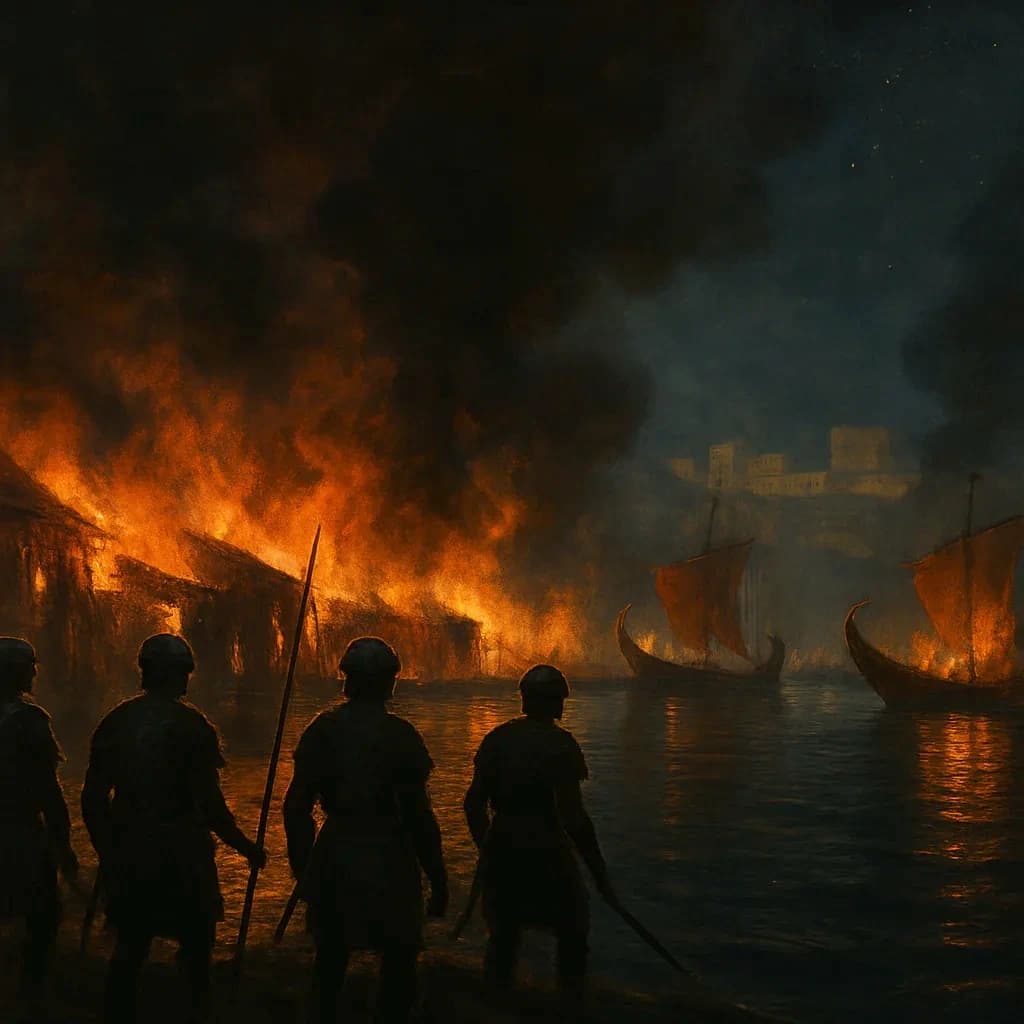
Caesar Burned a Warehouse, Not the Library of Alexandria
Cornered in Alexandria's harbor in 48 BC, Julius Caesar torched a fleet to save himself. And history has blamed him for destroying the ancient world's greatest library ever since.
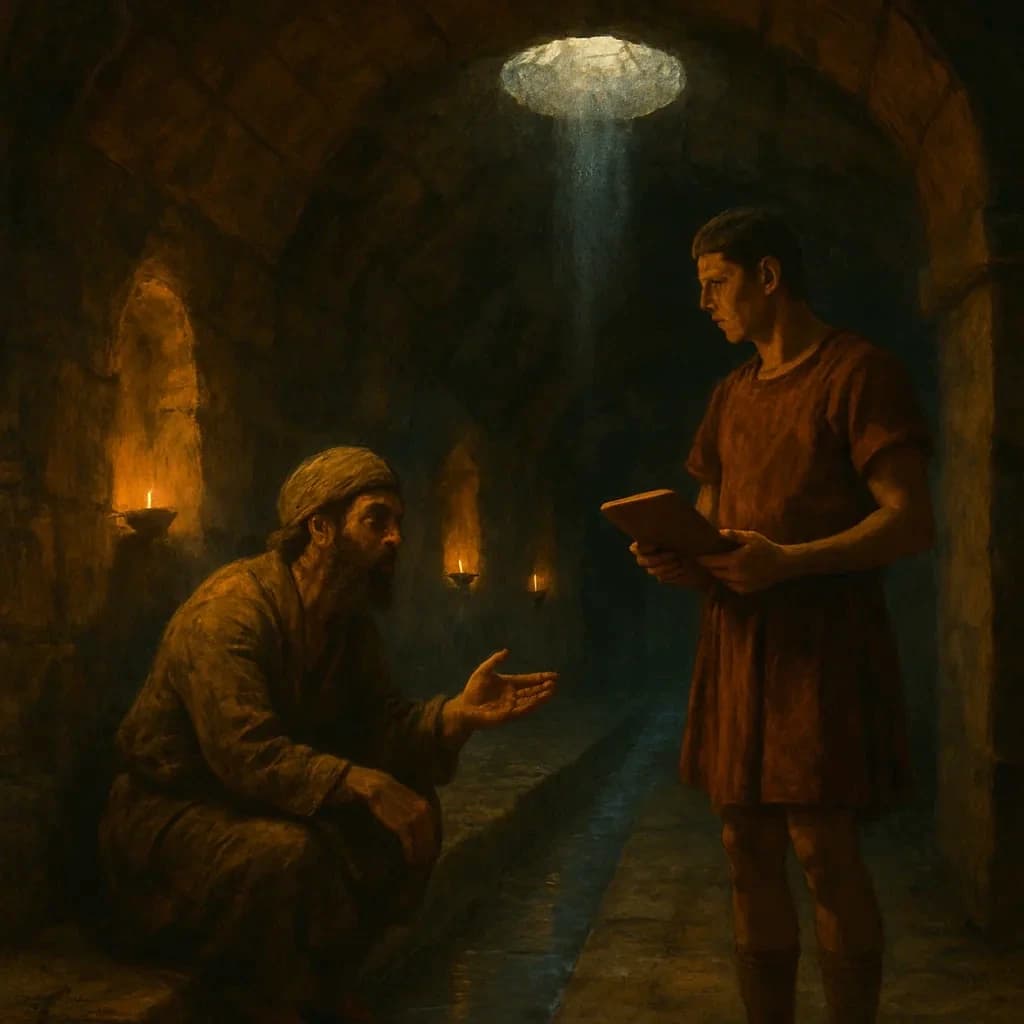
Persian Prisoners Taught Rome to Move Water Uphill
An anonymous Persian prisoner of war, held captive in Roman Syria, may have single-handedly kept the Eastern Empire's water flowing for two centuries.
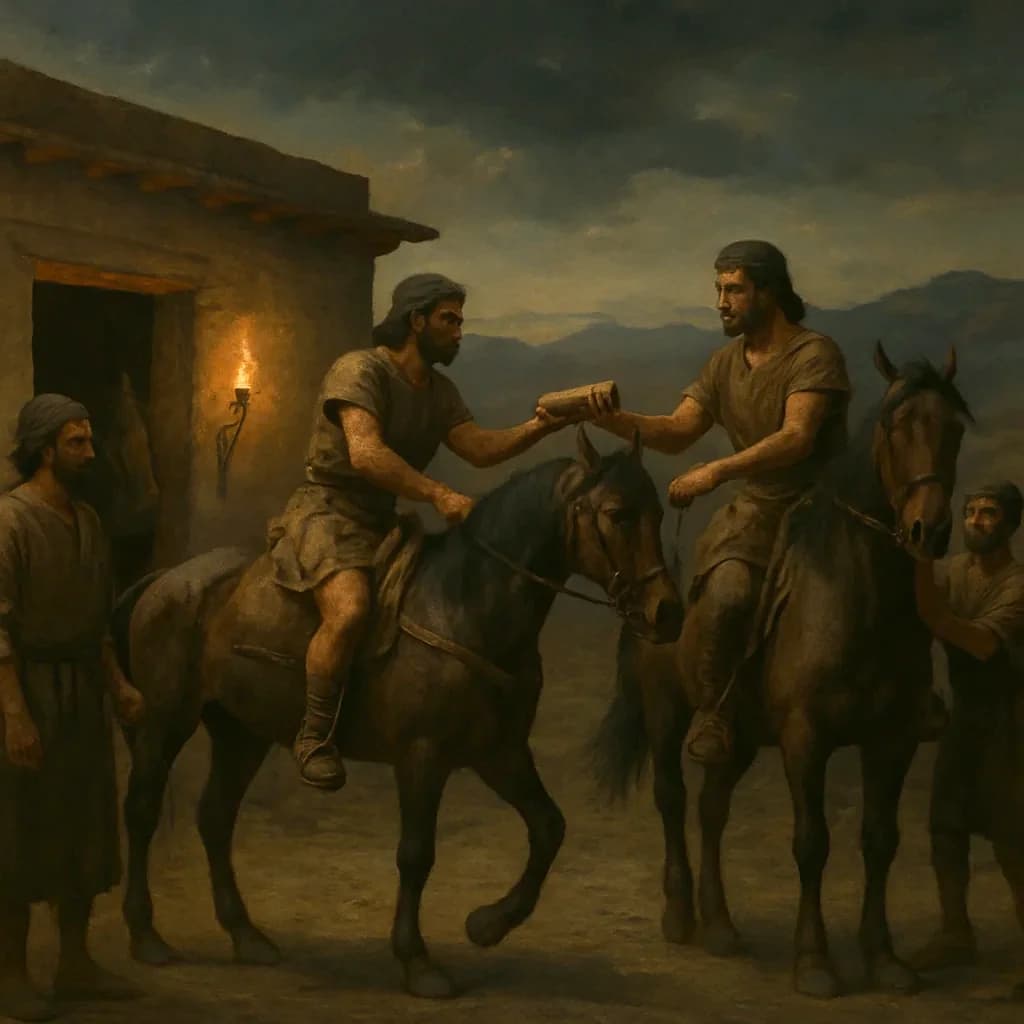
Persia's Royal Mail Beat Armies: Its Engineer Got Erased
A Persian king around 550 BC created a postal system so efficient that it wouldn't be matched for two thousand years. And the man who really built it got almost no credit.
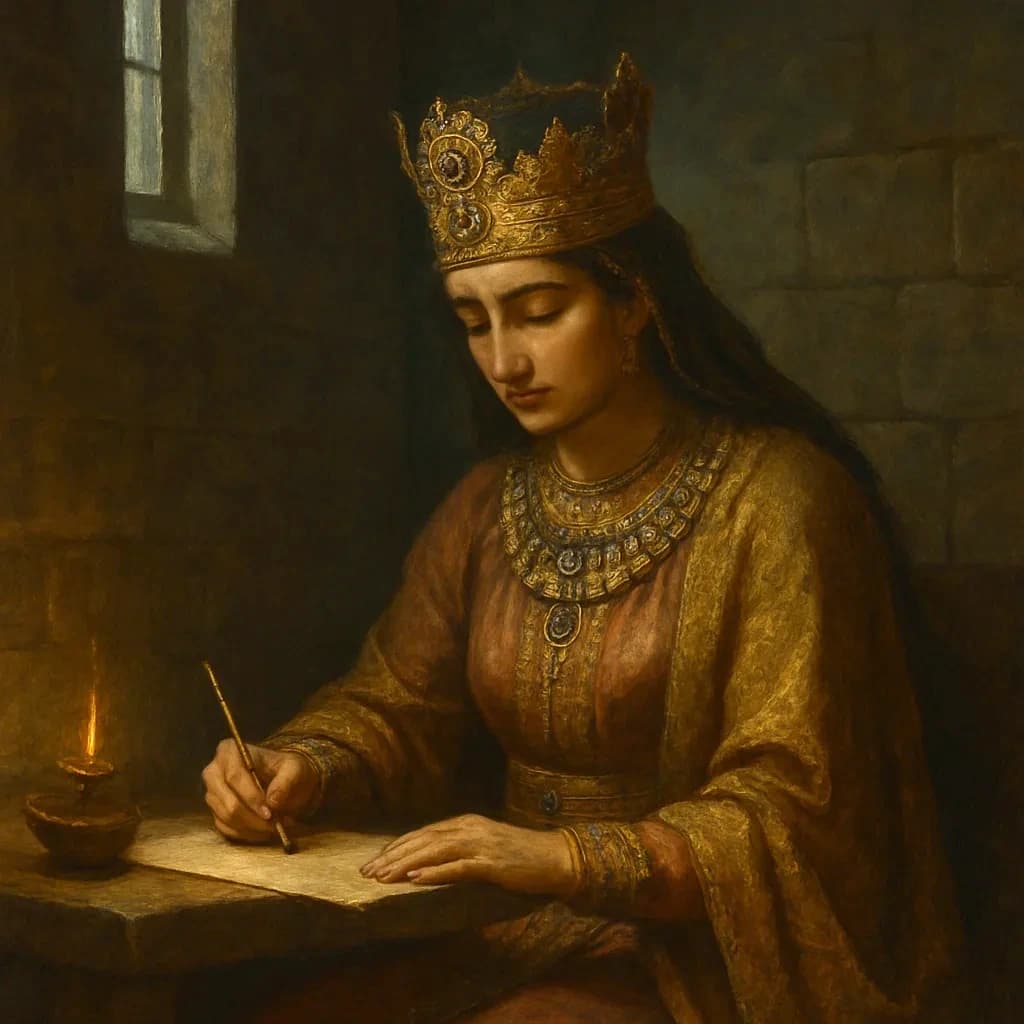
Imprisoned by Her Son, She Offered Rome an Empire
A Sasanian queen, locked away by her own son, secretly contacted the Byzantine emperor and offered him an empire, and almost pulled it off.
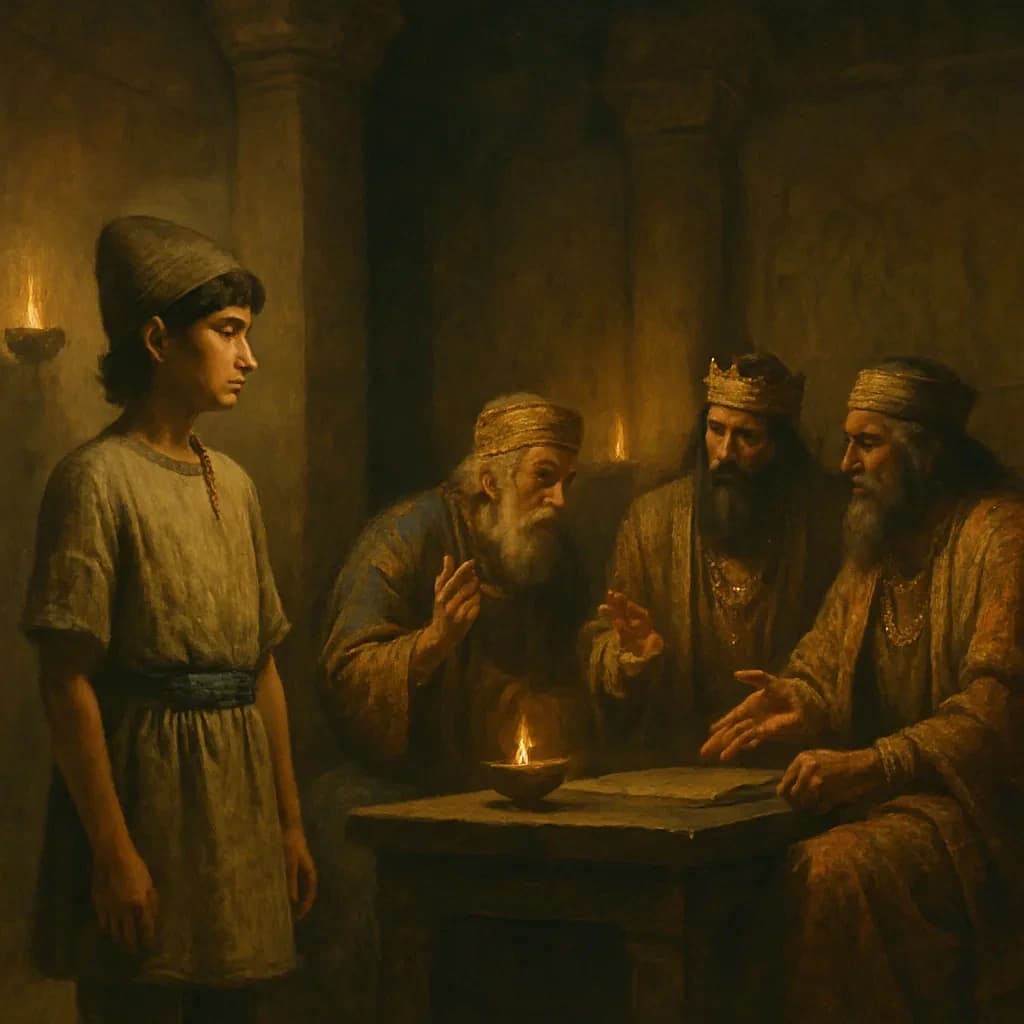
Persia's Future Conqueror Grew Up Inside His Enemy's Court
For fourteen years, the man who would destroy the Persian Empire lived inside it as a guest.
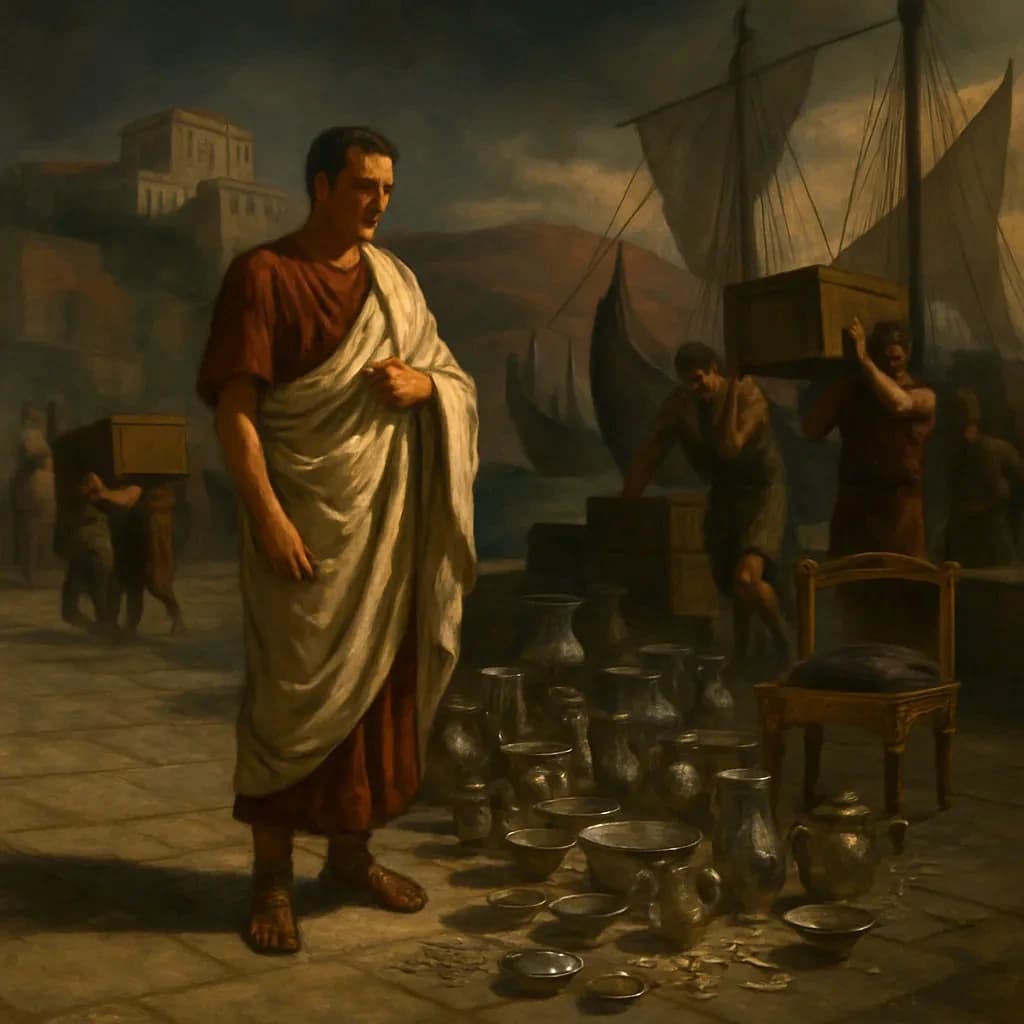
Cato Looted Cyprus to Fund the Men He Hated
A Roman emperor's obscure legal squabble over a dead man's will turned out to be the moment that ended one civilization and funded another.
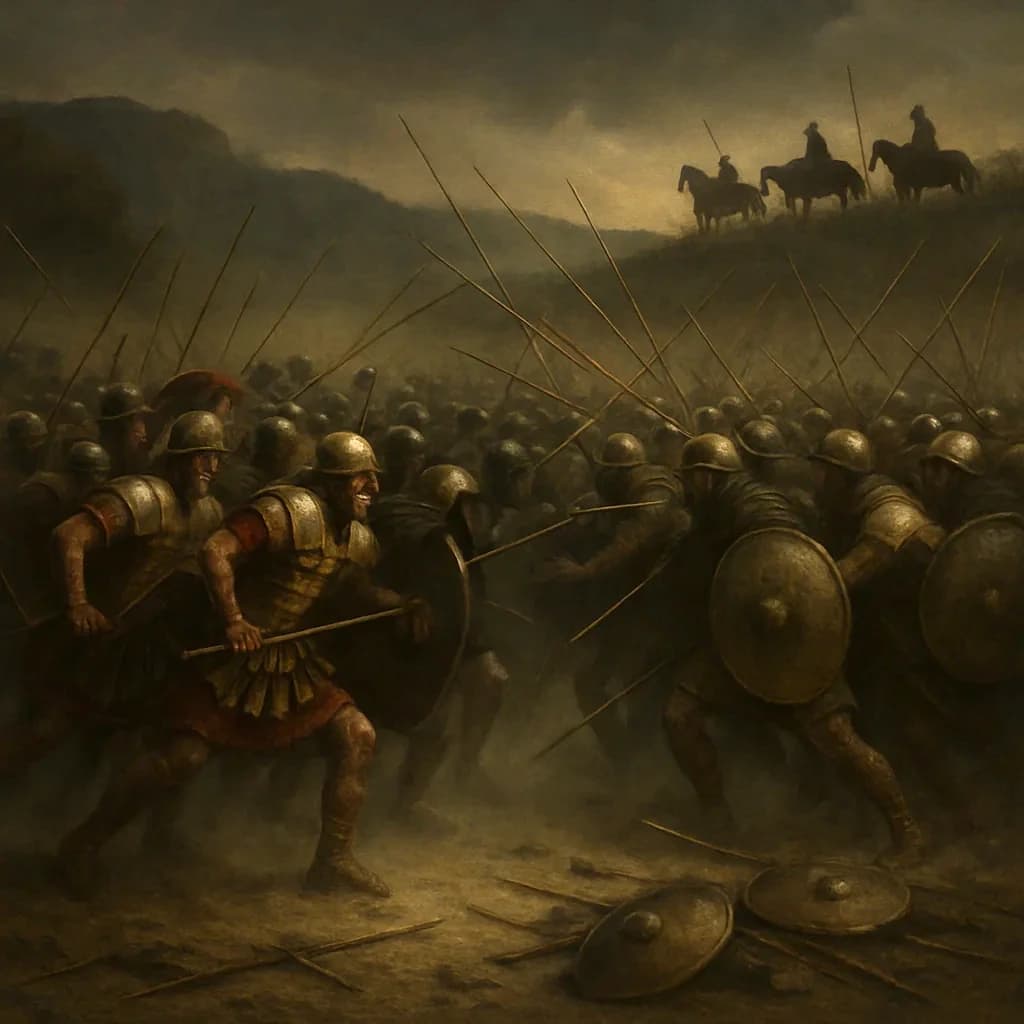
A Mercenary Switched Sides and Accidentally Saved Rome
A mercenary commander switched sides during the climax of a battle, and accidentally saved the Roman Republic.
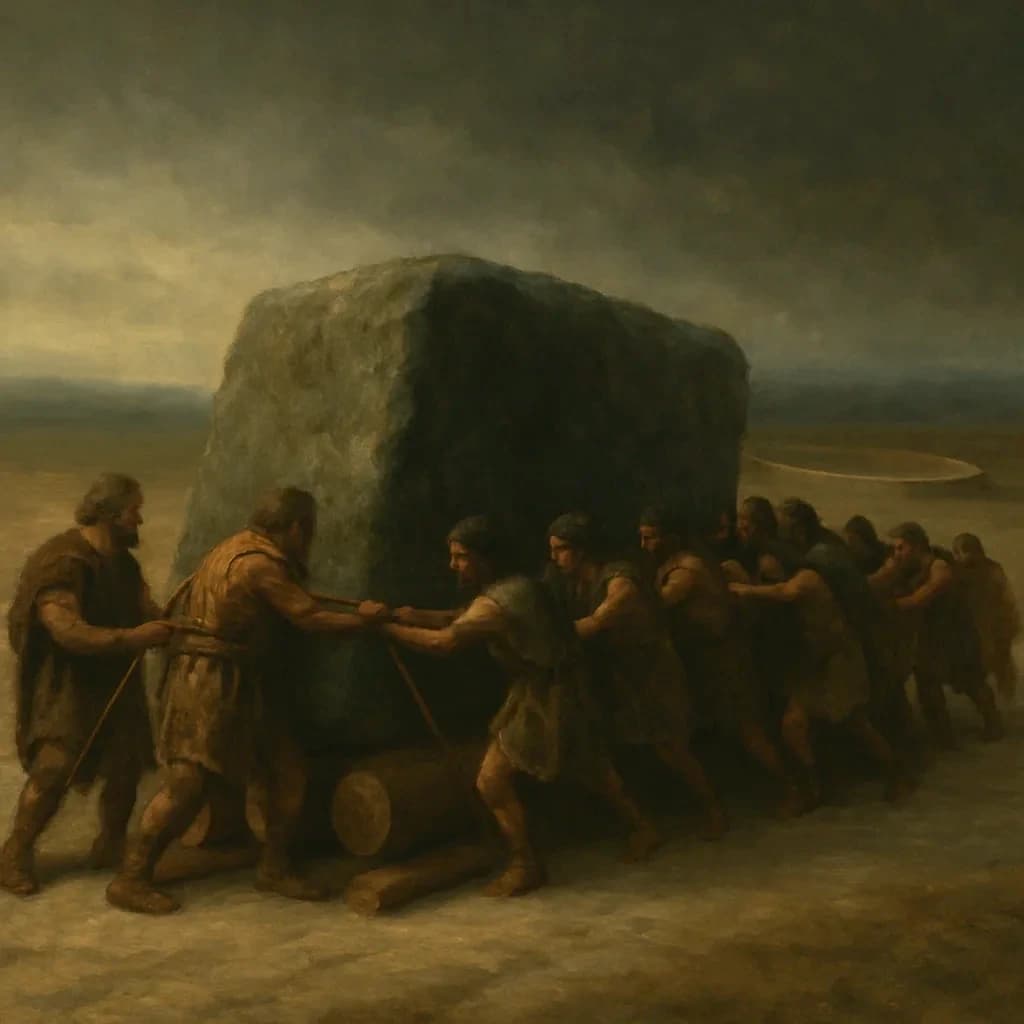
Stonehenge: 1,500 Years of Building and No Single Architect
Historians long assumed Stonehenge was the work of one civilization. It wasn't, and the gap between its first and last stones spans longer than the entire Roman Empire.
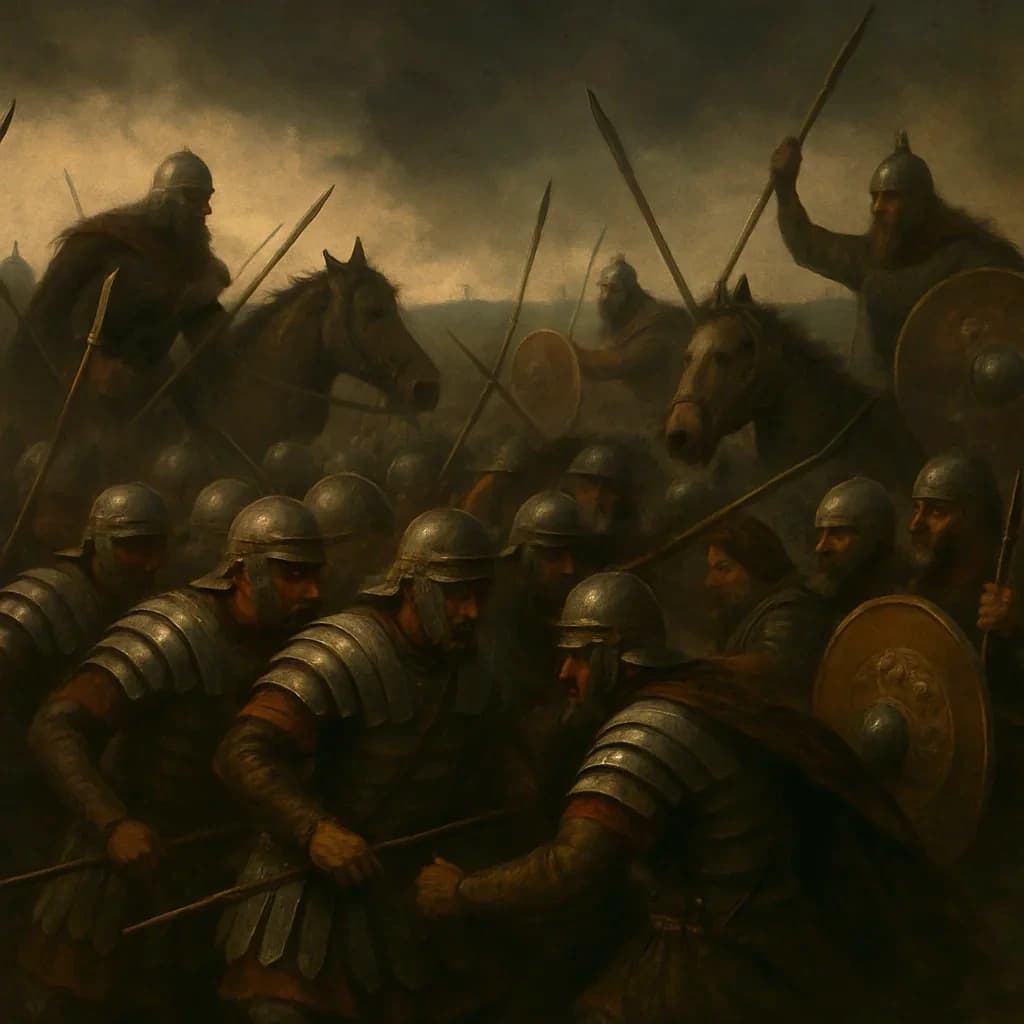
Rome Fell Because Two Generals Couldn't Share the Credit
The Roman Empire didn't fall to a superior enemy. It fell because two generals couldn't agree on who got to be there when it happened.
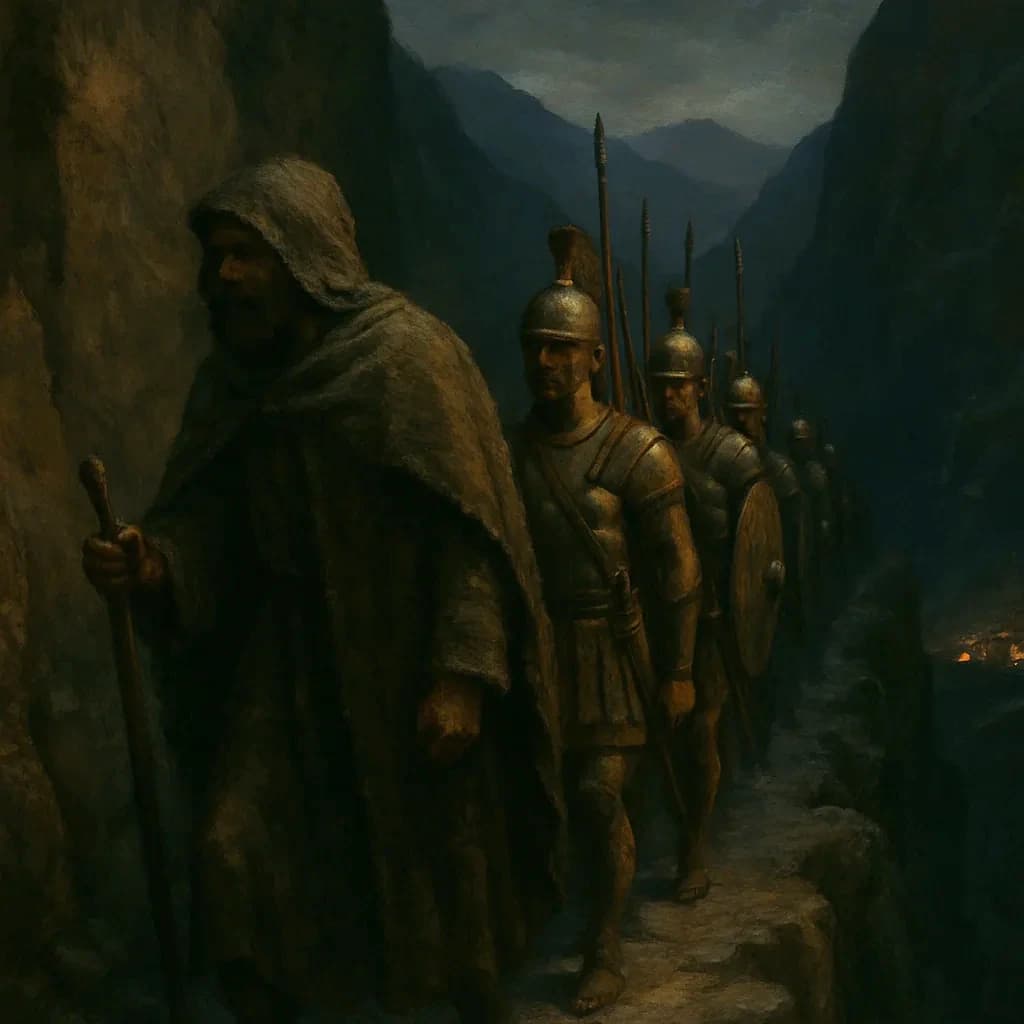
A Goatherd's Path and the Fall of Persepolis
One of history's most impregnable cities fell in 330 BC, not to a siege engine or a traitor, but to a goat track nobody thought worth mentioning.
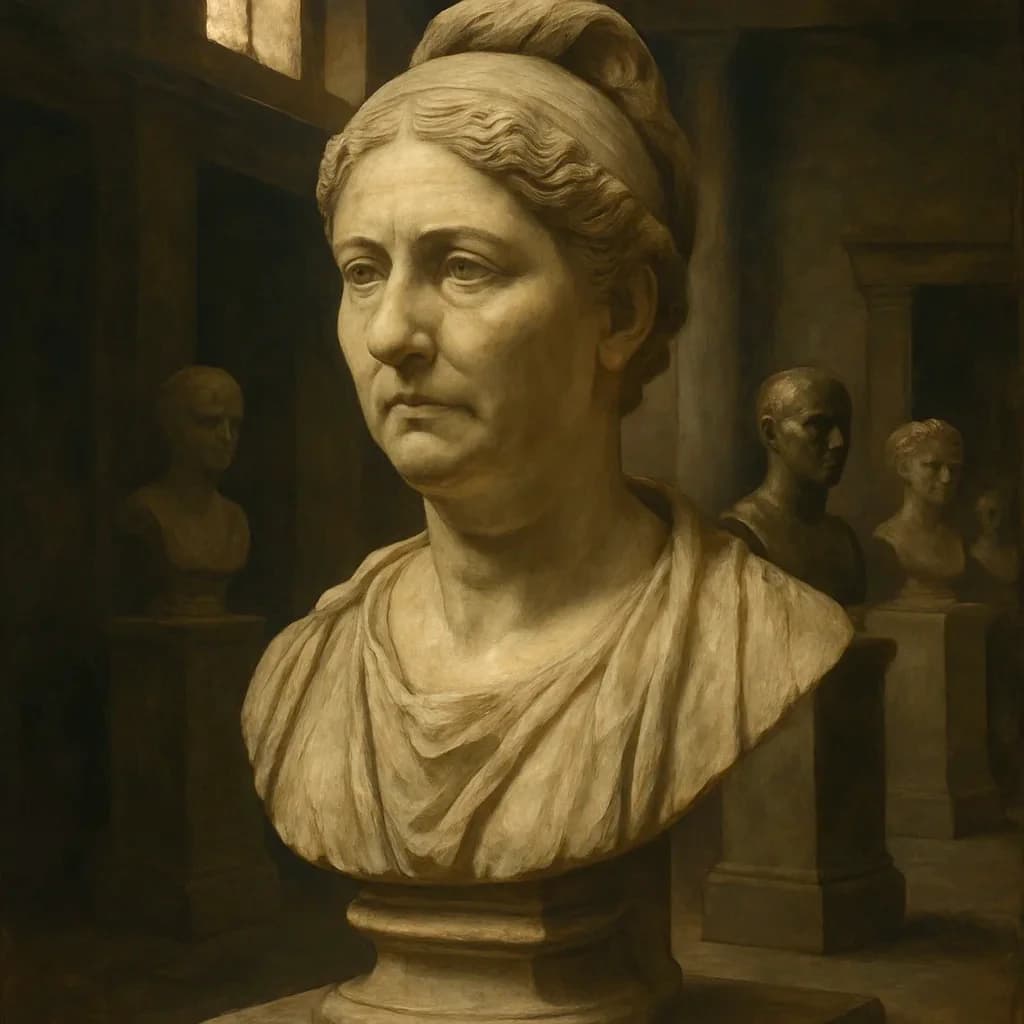
Livia Ran Rome and Left Almost No Portrait
For nearly two thousand years, no one knew what the most powerful woman in Roman history looked like, because she made sure of it.
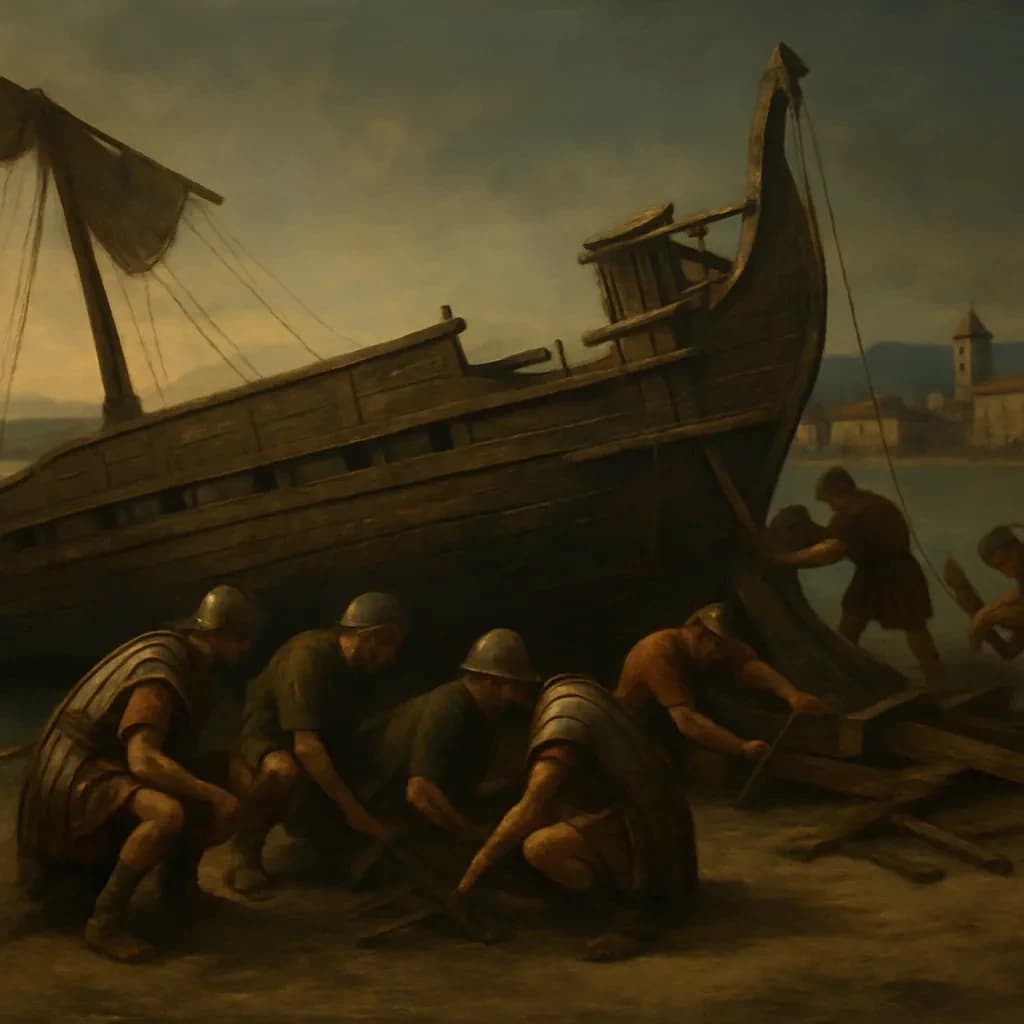
How Rome Copied a Wrecked Warship and Beat Carthage
Rome's greatest naval power didn't come from centuries of seafaring tradition. It came from a waterlogged wreck they dragged off a beach and copied in sixty days.
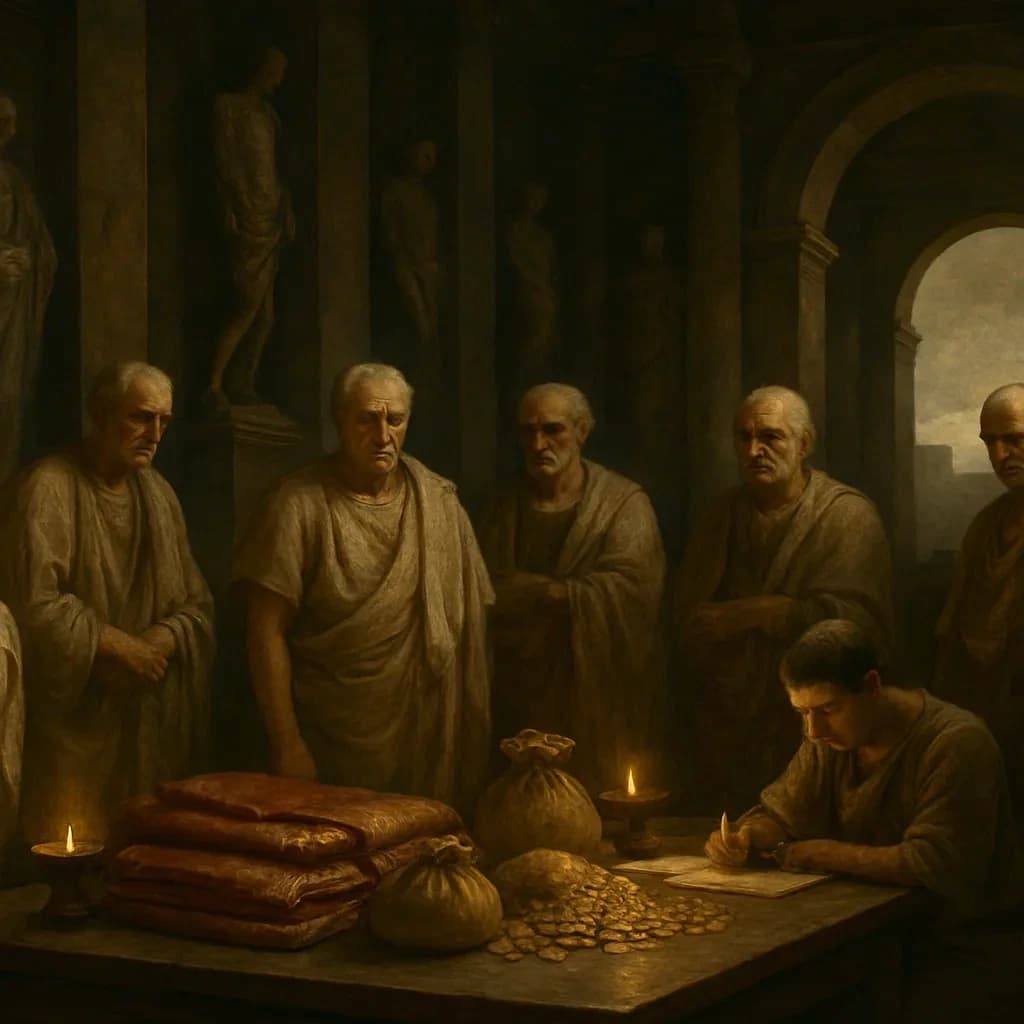
The Visigoths Took Rome by Invoice, Not by Storm
In 408 AD, the Visigoths didn't take Rome by storm. They took it by invoice.
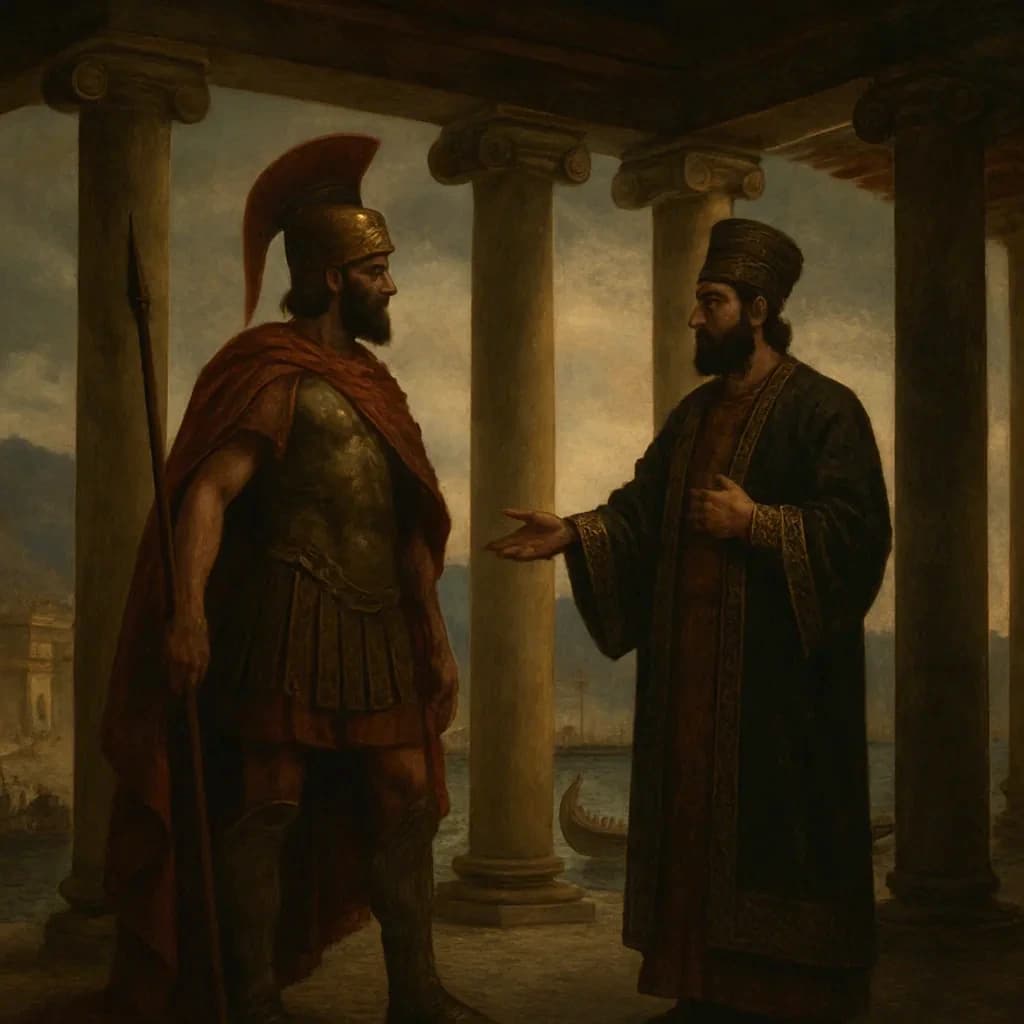
Persia Paid for Sparta to Crush Athens
Athens and Sparta were days from annihilating each other, until a Persian ambassador arrived with a bag of gold and a very simple offer.
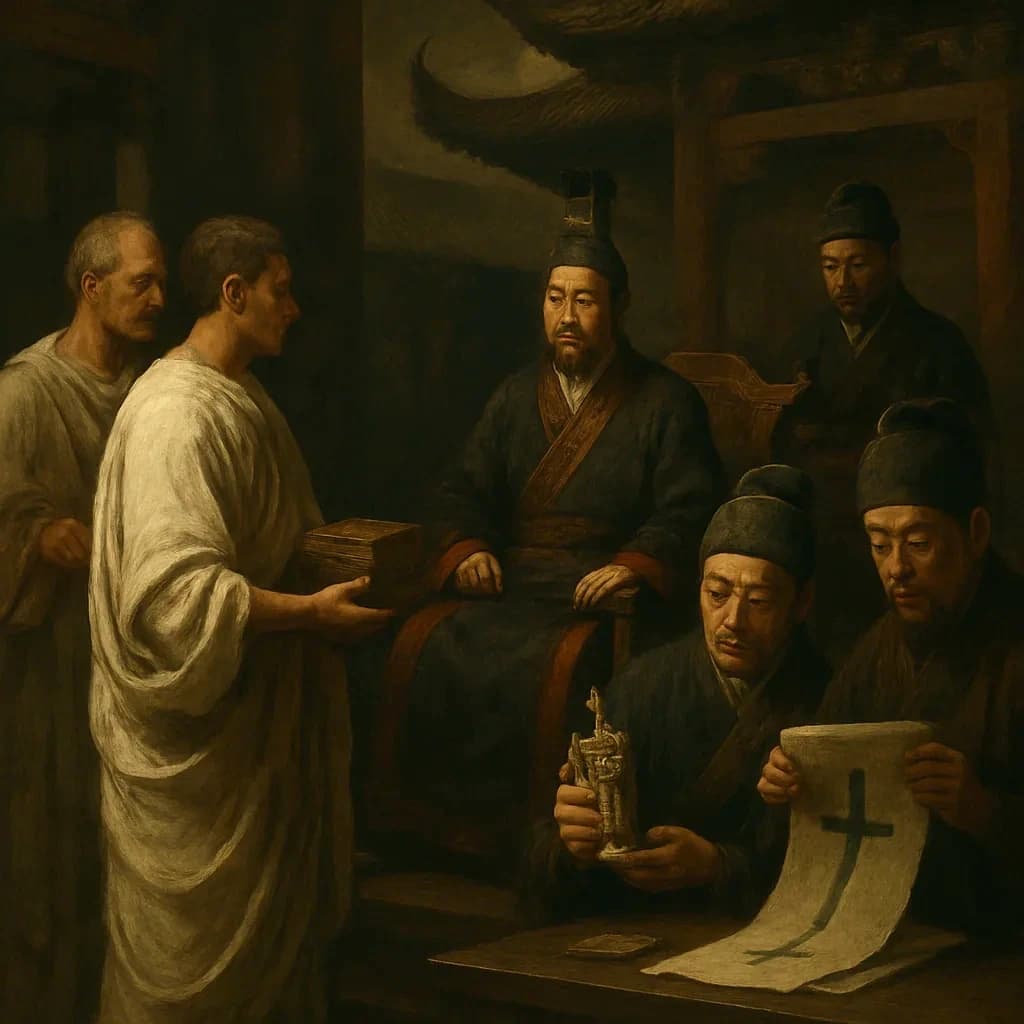
When Rome's Gods Moved to China
A Roman merchant's shipwreck in 166 CE led to the first official Roman embassy reaching the Han court, but the gifts they brought accidentally founded a new religion.
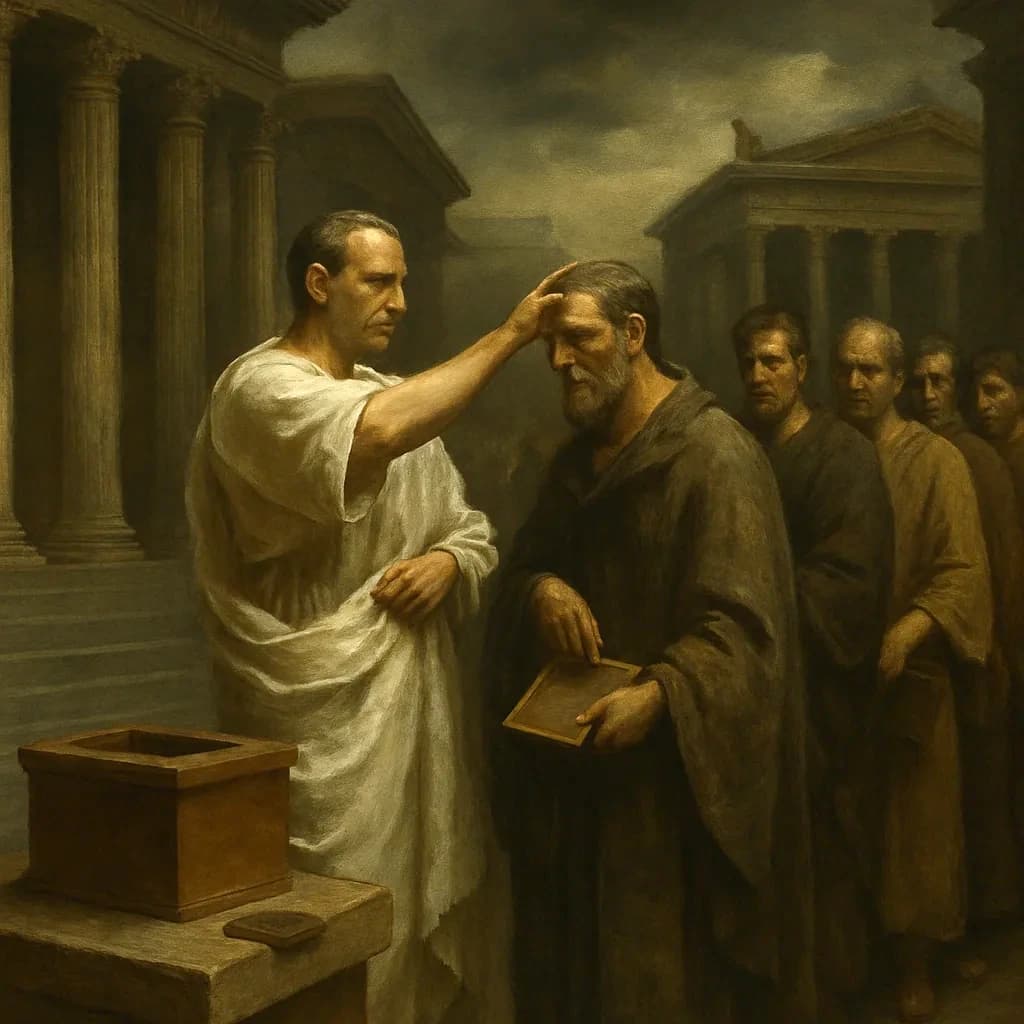
How Tasting Voters' Sweat Gave Rome the Secret Ballot
A Roman senator's bizarre habit of tasting every voter's sweat sparked the world's most enduring democratic tradition.
Rome Almost Made a Dead Horse Emperor
A dead emperor's horse nearly became consul during the most chaotic year in Roman history.
When Rome's Dogs Ate Better Than Rome's Children
In the last years of the Western Empire, emperors spent more on feeding imperial hunting hounds than on grain dole for the city's starving population.
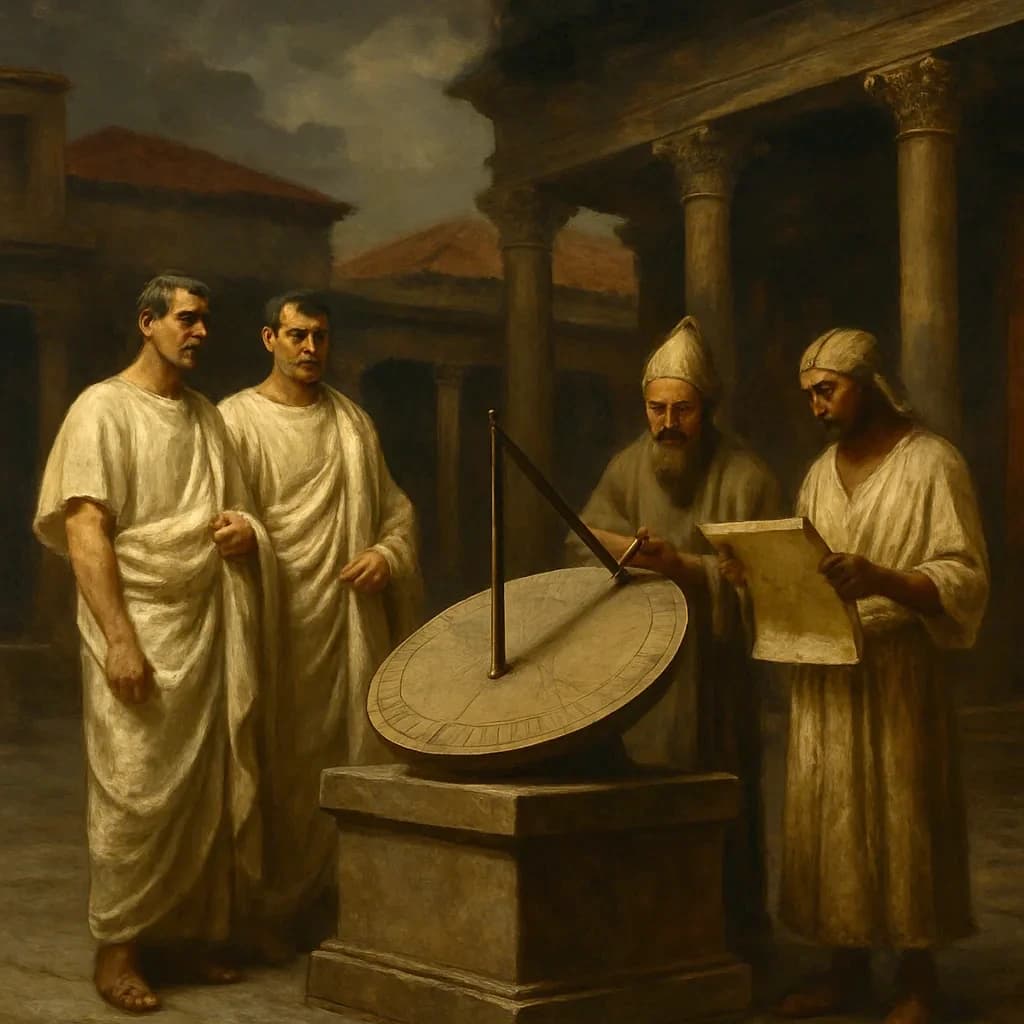
Rome's Sundial Said Noon, Egypt's Said 11:47
A single marble sundial from Rome caused more diplomatic chaos than any treaty ever signed.
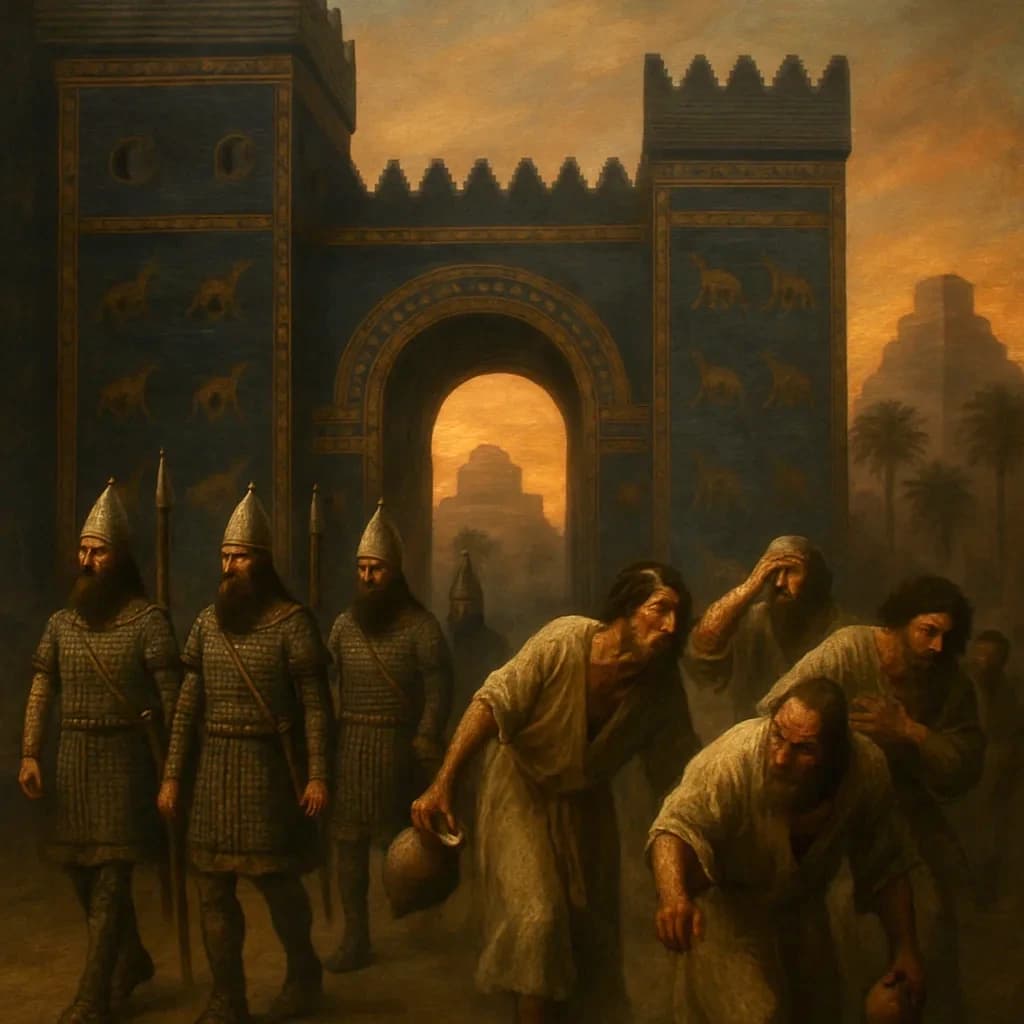
Persia Took Babylon While the City Got Drunk
The mightiest empire on Earth fell in 539 BC because someone forgot to lock the palace gates during a religious festival.
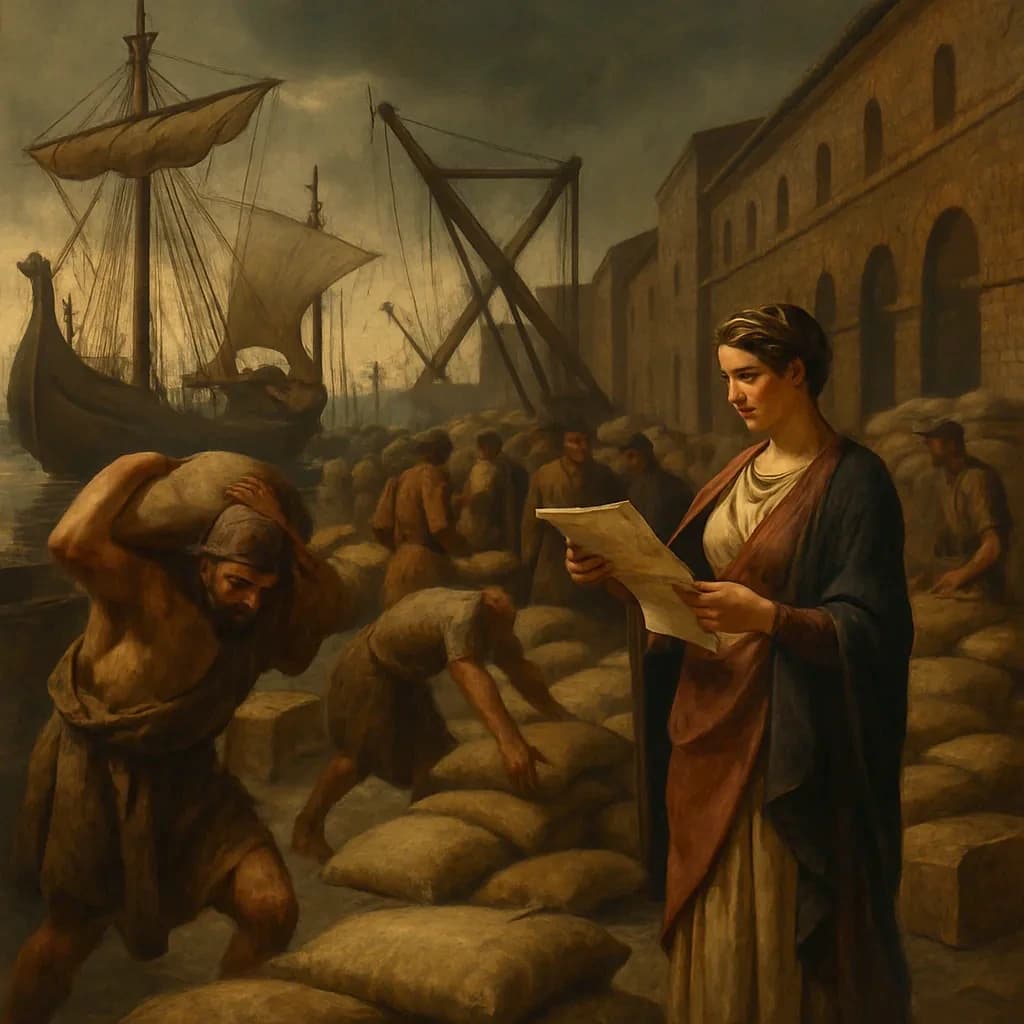
When Rome's Richest Woman Bought the Empire
She owned half the city's grain supply and could make emperors starve, but history forgot her name while remembering the men she fed.
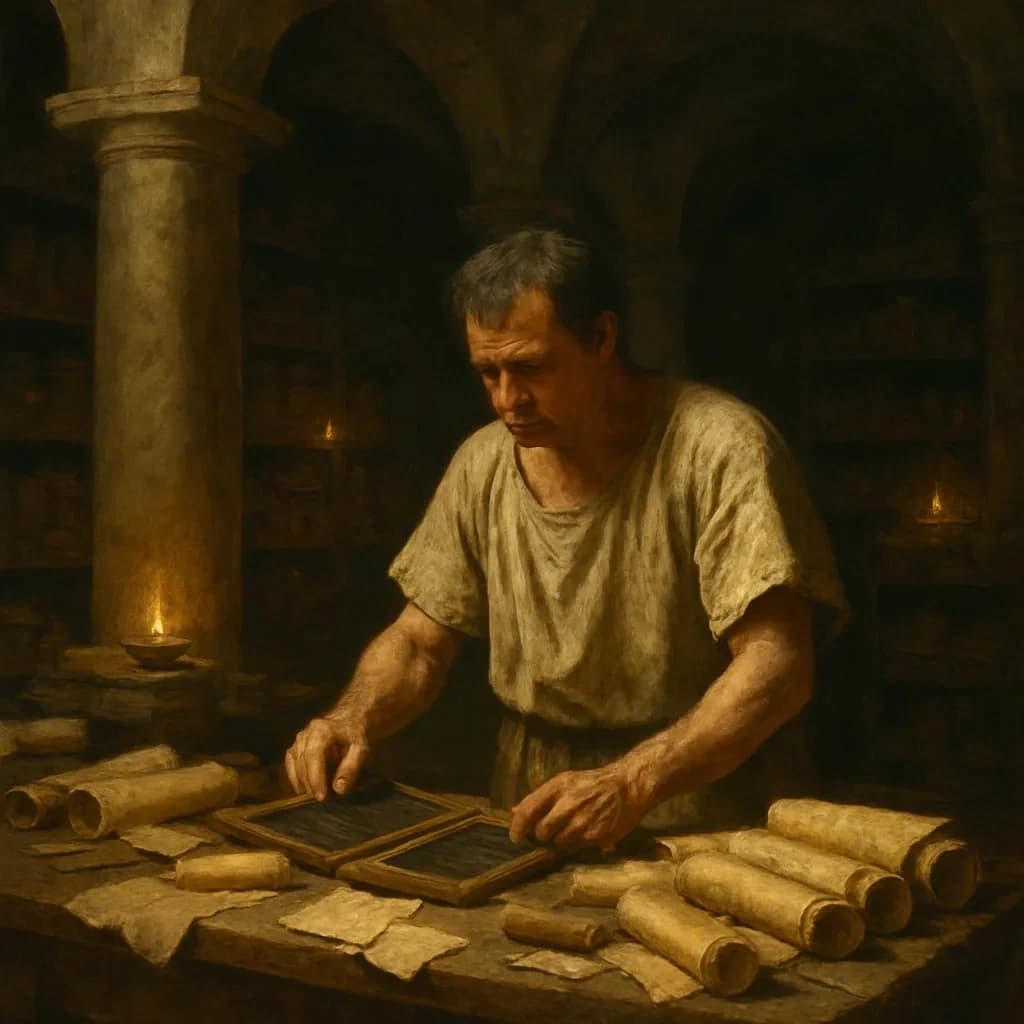
Rome's Sacred Chickens Had Been Wrong for Fifty Years
A Roman census clerk noticed something in 46 AD that would terrify the empire: the sacred chickens had been giving wrong answers for decades.
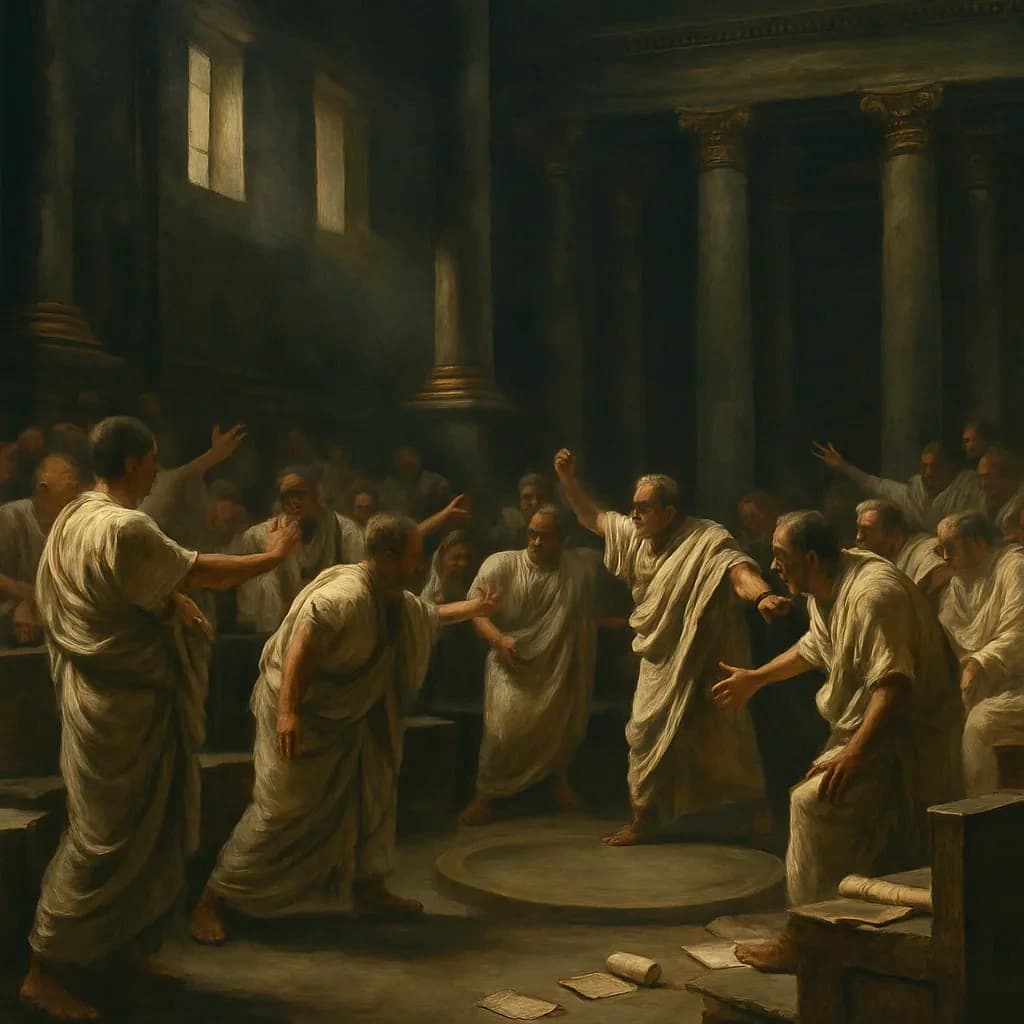
When Bread Riots Ended Democracy
The last free vote in Ancient Rome happened because nobody wanted to pay for grain subsidies.
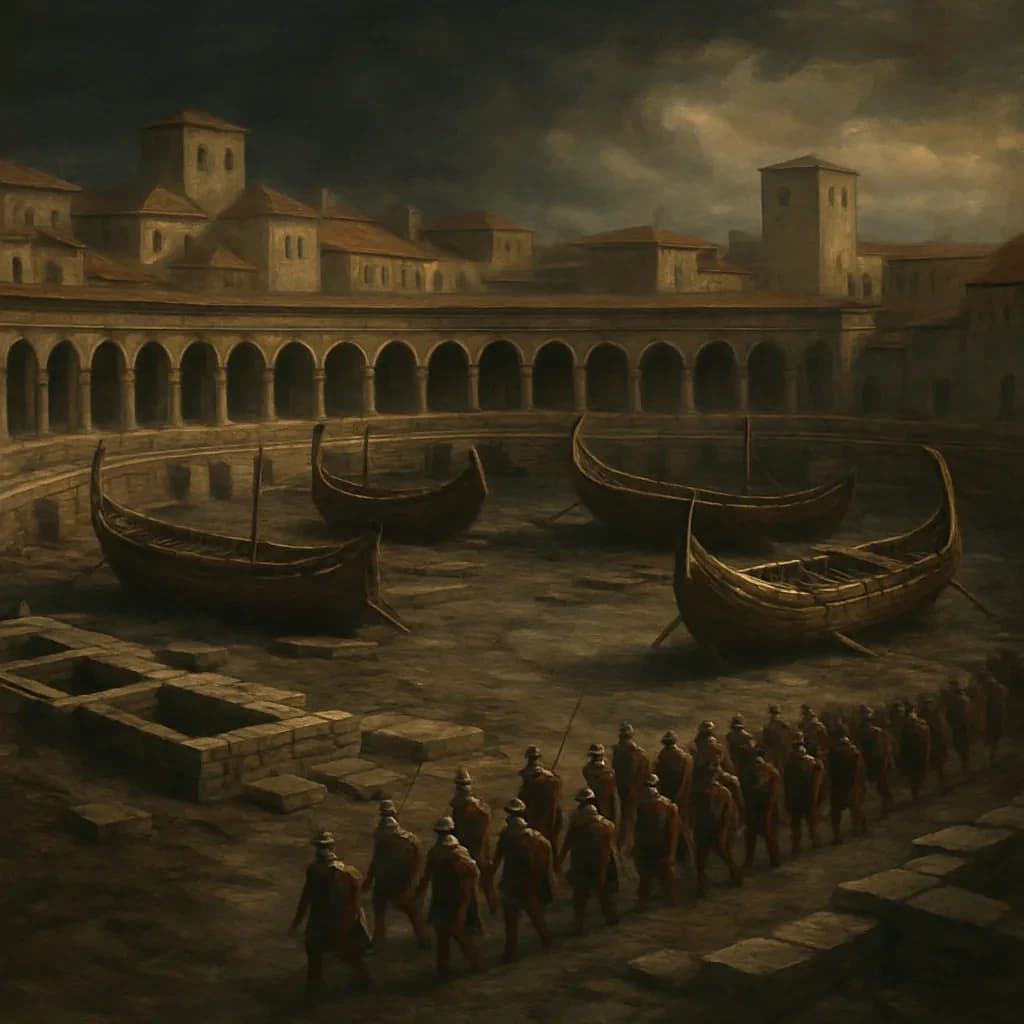
Drain Carthage's Harbor: Rome's Impossible Three Hours
A Roman engineer's impossible feat lasted exactly three hours in 146 BCE, long enough to end the ancient world's greatest maritime empire forever.
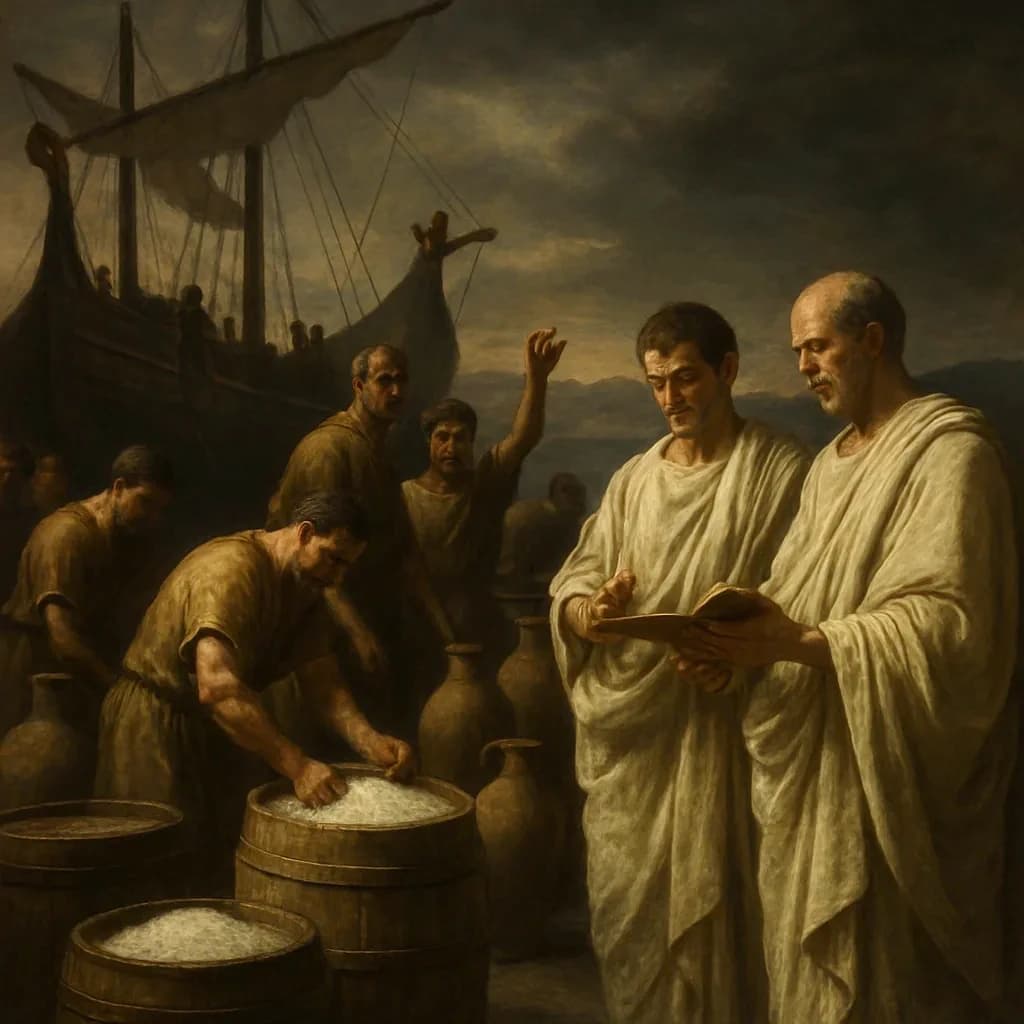
Rome Didn't Salt Carthage's Fields: It Bought Them
A single ledger entry in 146 BC, scrawled into a merchant's accounts, tipped the balance of the entire Mediterranean.
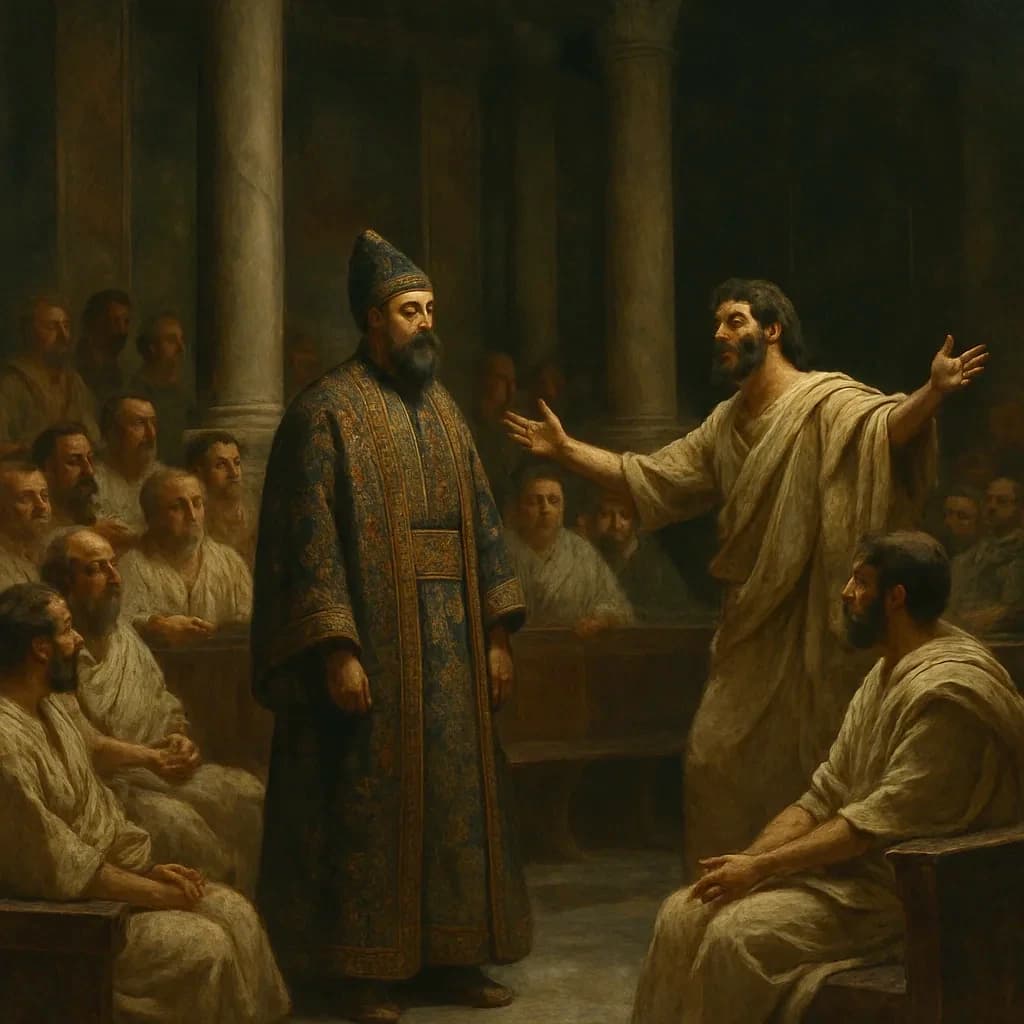
When Horses Started Talking to Rome
A Persian messenger's impossible diplomatic innovation convinced an empire that animals could reason.
When Glass Became Artillery
A single mirror reflection in 214 AD started a legend that would inspire military engineers for 1,800 years, and the weapons were never quite what anyone thought.
The Plague That Made Egypt's Pyramid Builders Stronger
A mysterious epidemic swept through ancient Egypt around 2580 BCE, but instead of killing the pharaohs, it handed them the workforce to build the impossible.
When Salt Ran Out in Han China
In 119 BC, a government clerk made an arithmetic error that accidentally created the world's first industrial monopoly, and changed how empires think about money forever.
When Rome's Legions Forgot How to March
The greatest military machine in history collapsed not from barbarian swords, but from a training manual that nobody could read anymore.
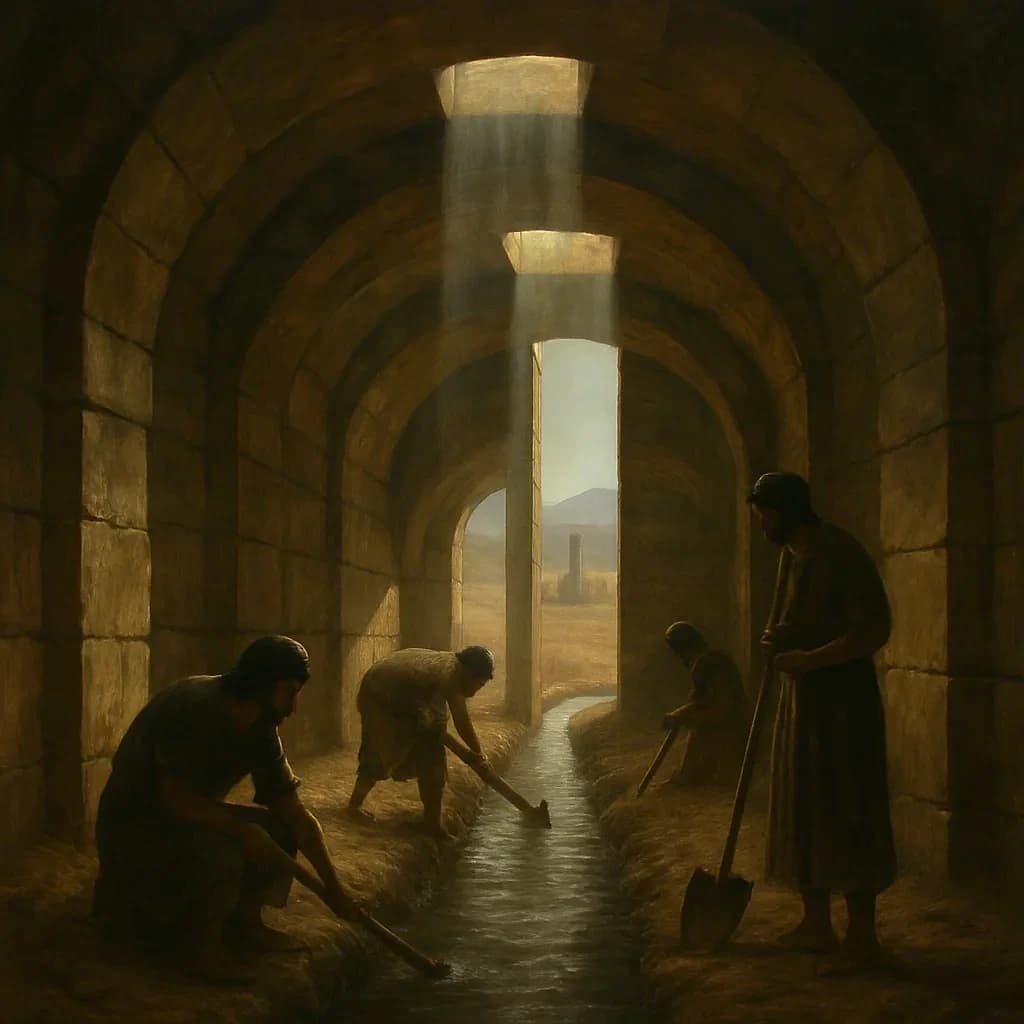
How Ancient Persia Made Water Flow Uphill
A forgotten Persian engineer's midnight calculations turned barren sand into the world's most productive farmland, then vanished from history.
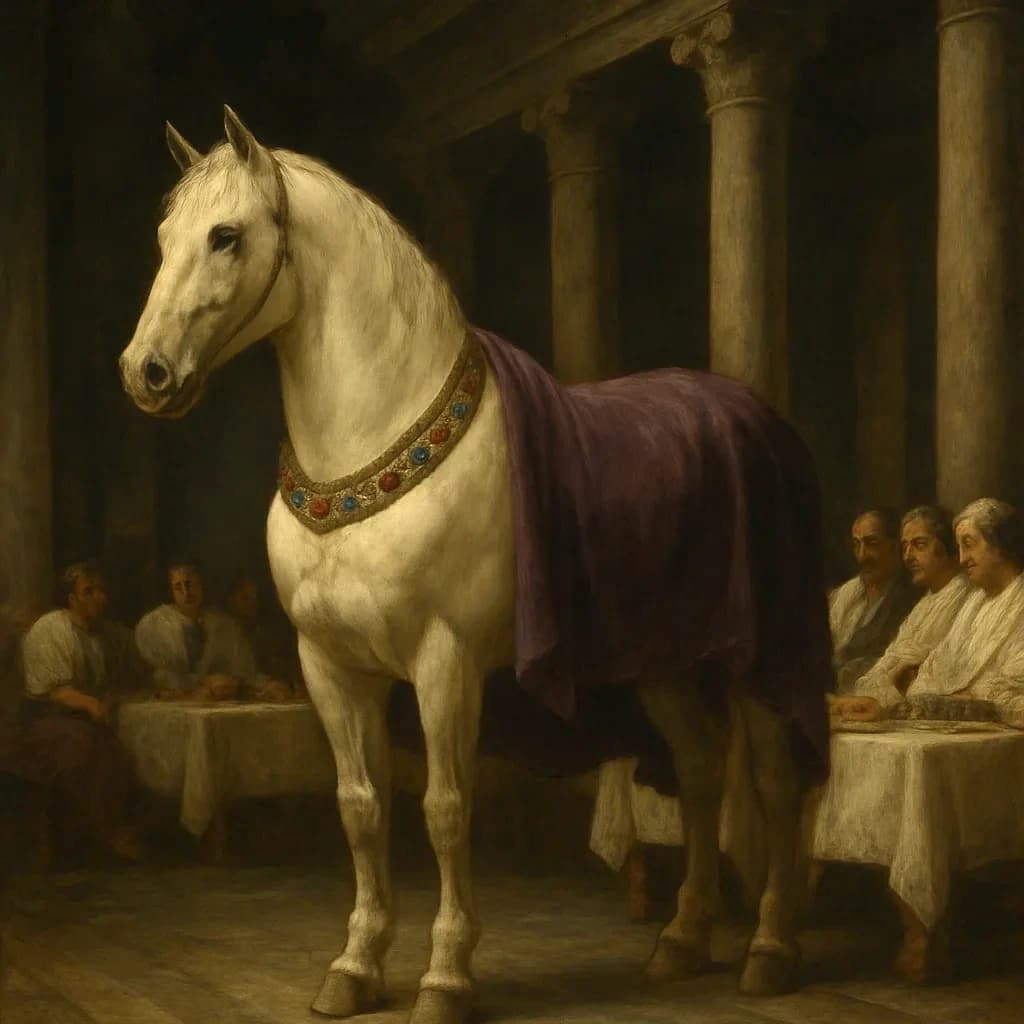
Caligula's Horse Almost Became a Roman Consul
A Roman emperor planned to hand his horse one of Rome's two highest offices, and it almost worked.
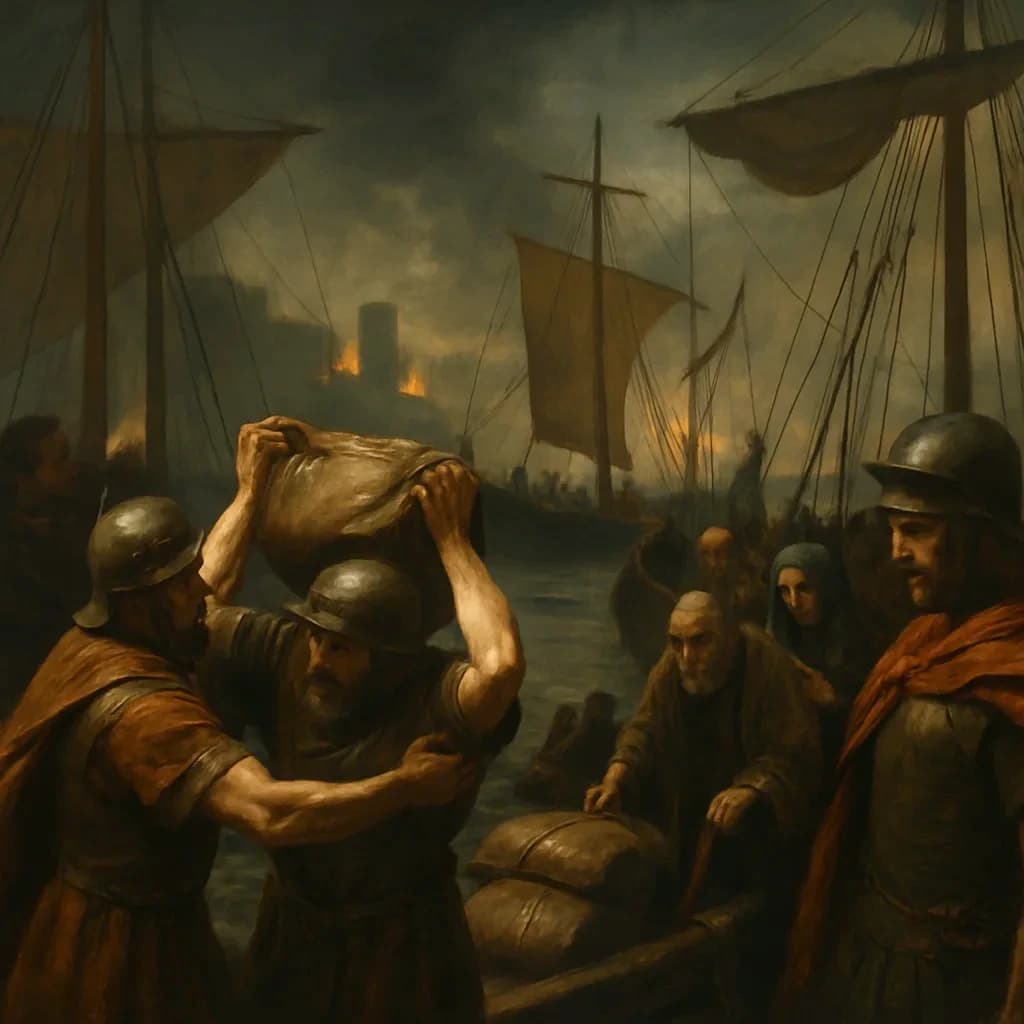
Carthage's Last Mail Carried the Secret of Naval War
As Genseric's Vandals closed on Carthage in 429 AD, the last Roman fleet sailed away carrying more than refugees. It carried a secret that would reshape the entire concept of warfare.
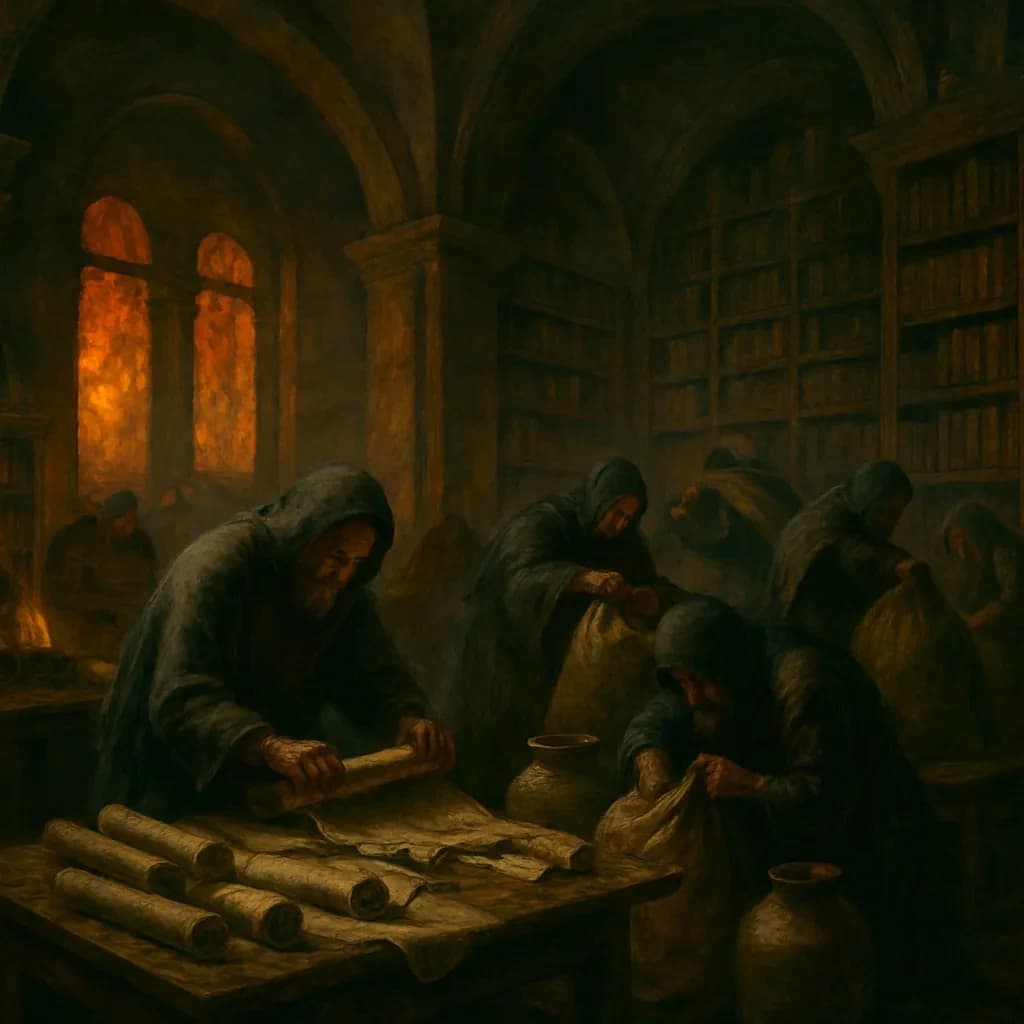
The Librarian Who Faked Alexandria's Destruction
A librarian saved thousands of ancient texts in 391 CE by convincing a mob they had already burned.
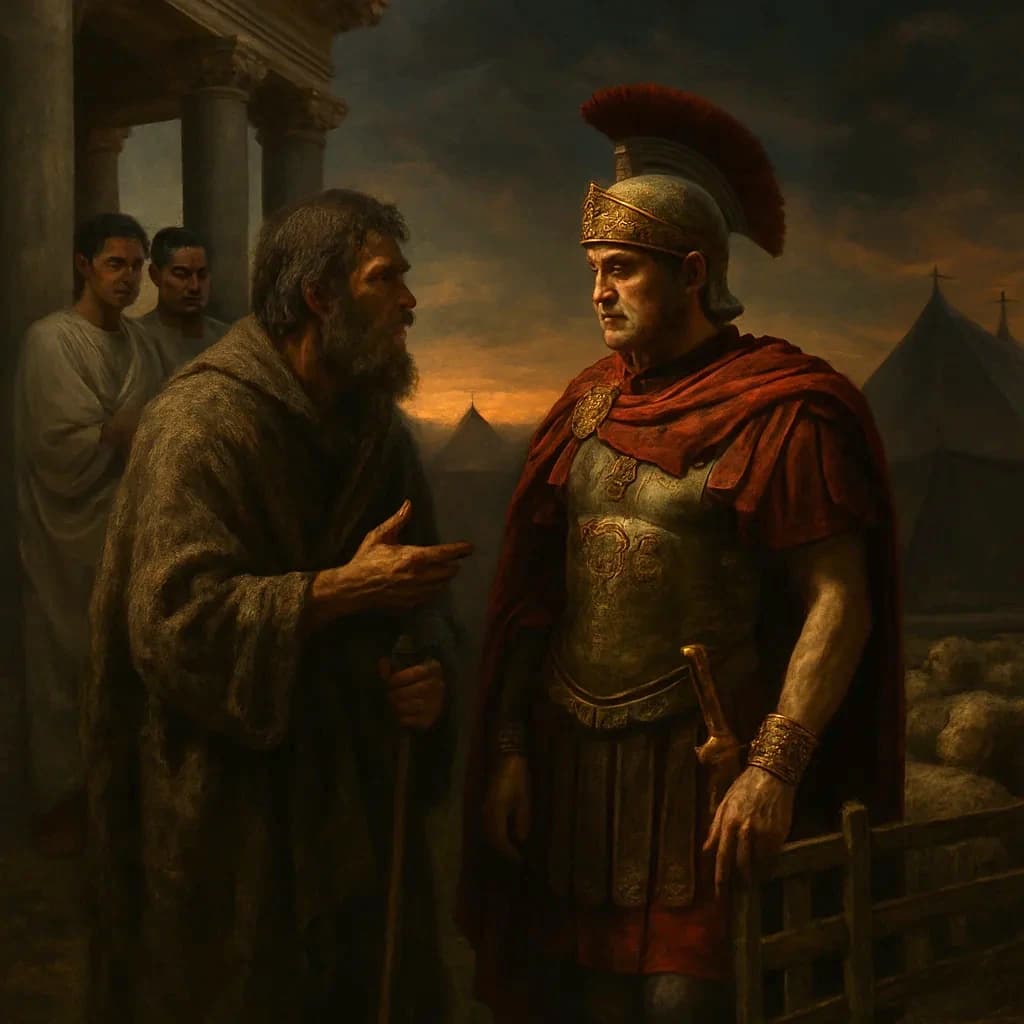
Three Sheep Brought Down Rome's Last General
A shepherd's simple complaint about missing livestock would topple the most powerful man in the Roman Empire.
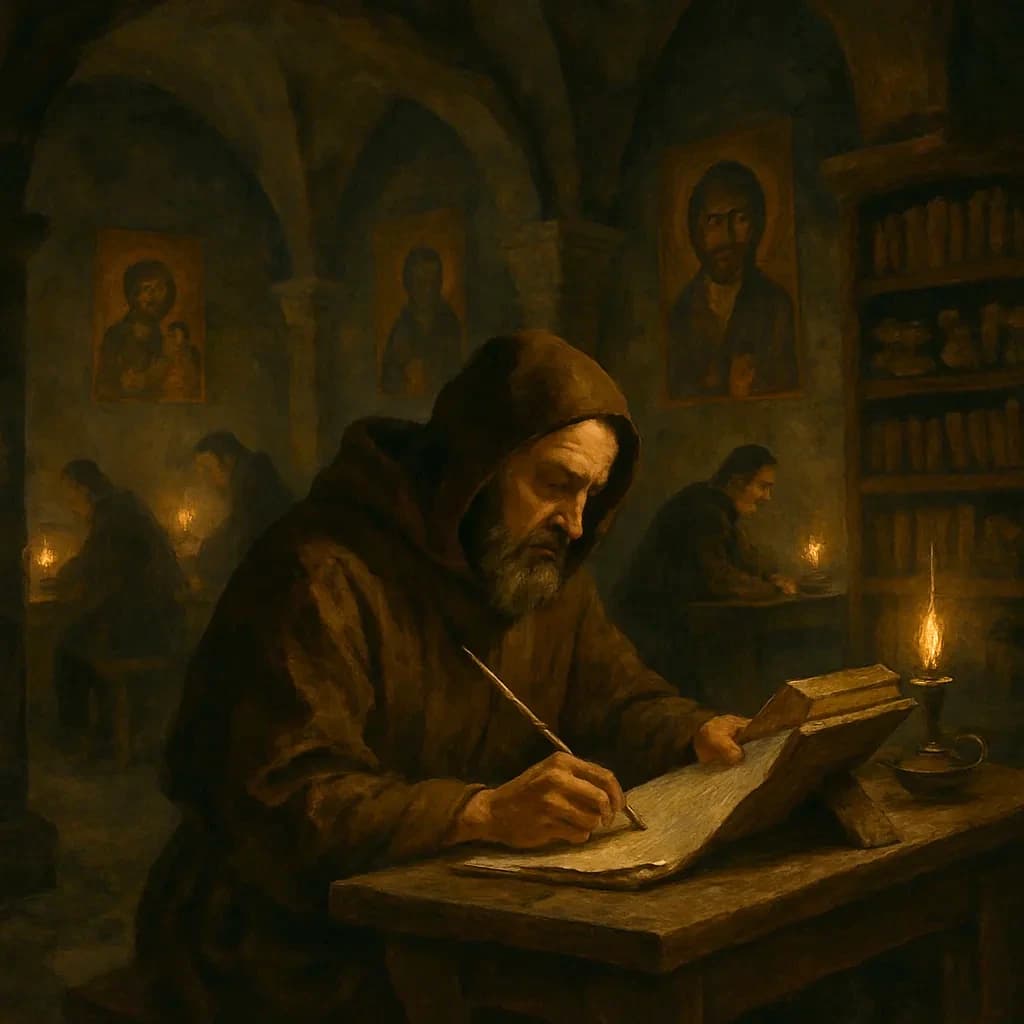
The Syrian Monk Who Outlasted the Fall of Rome
When the Roman Empire fell, one man in a Syrian monastery saved more knowledge than the rest of Europe combined.
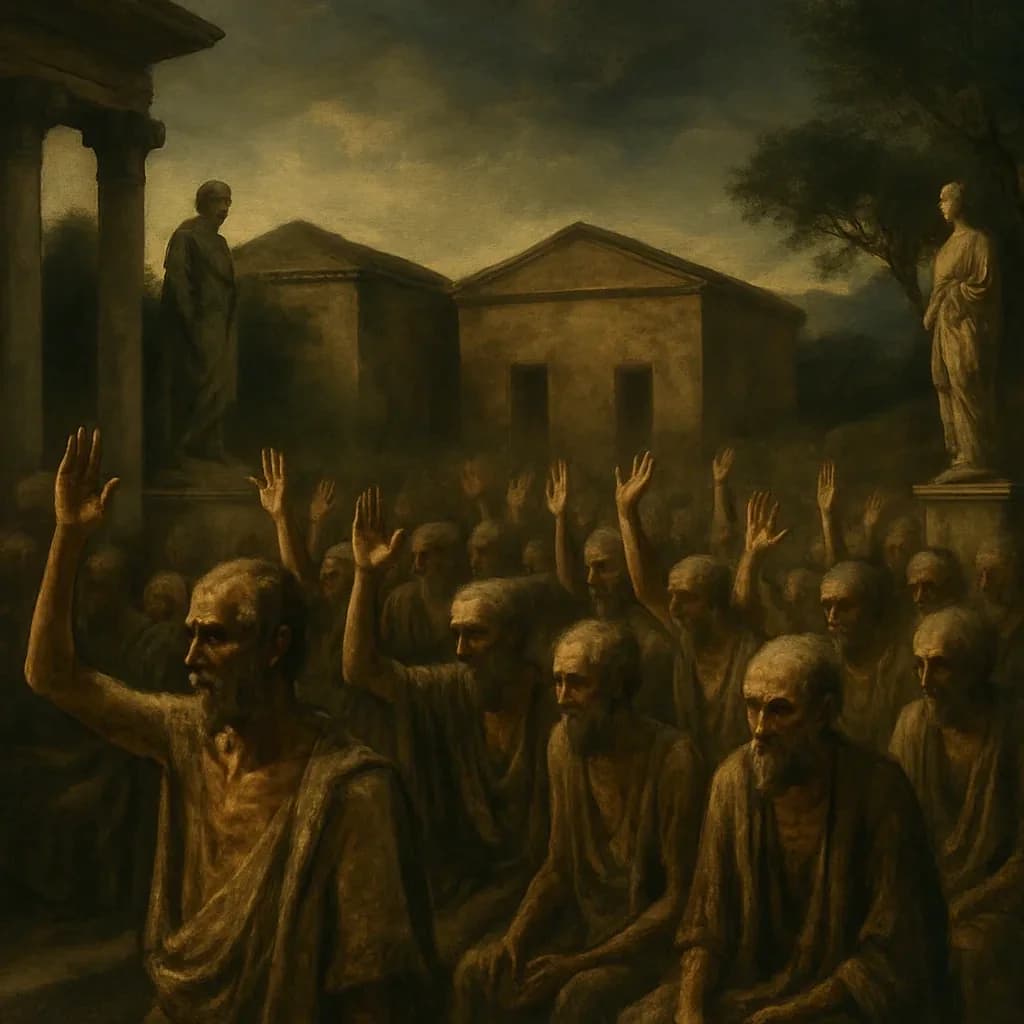
Athens Traded Its Democracy for Grain Ships
The world's first democracy voted itself out of existence in 322 BC for the promise of a regular meal.
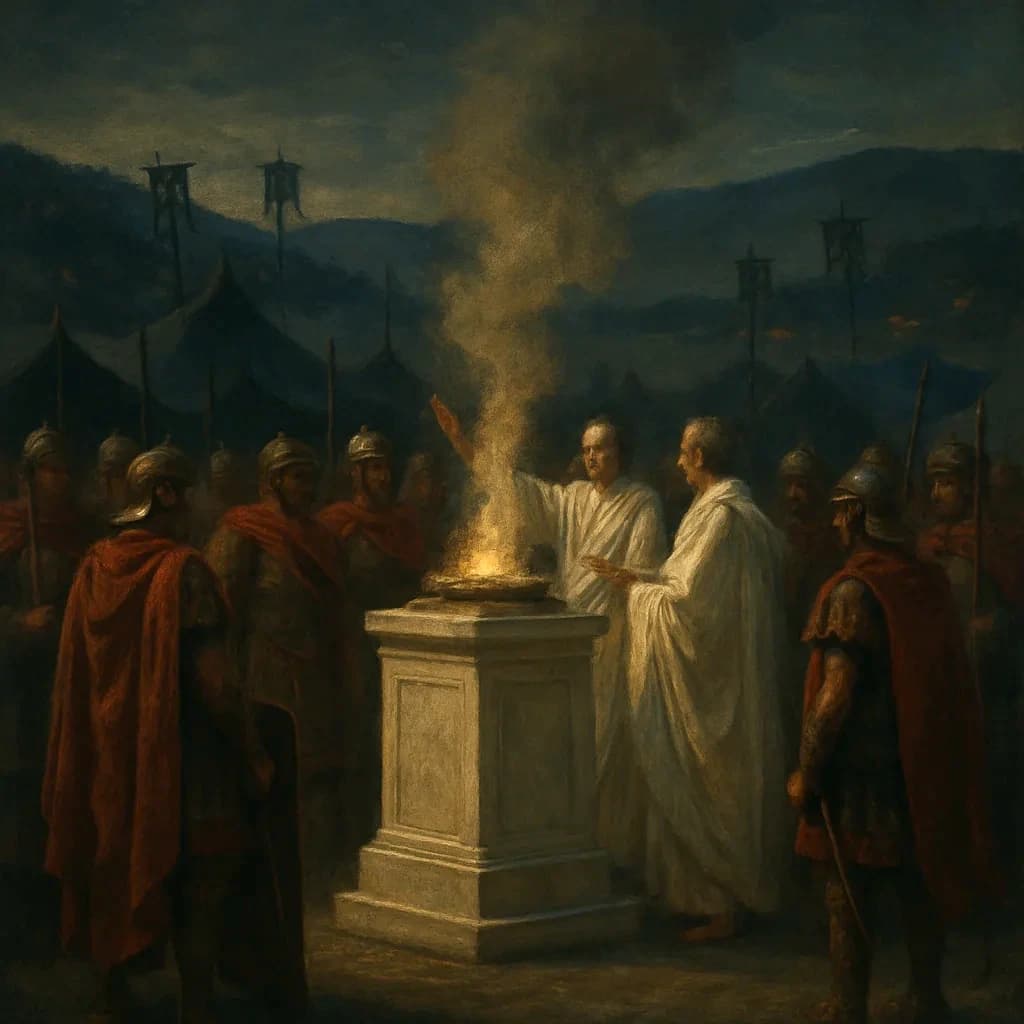
When Rome's Greatest Victory Lasted Three Days Too Long
A Roman senator's obsession with proper ceremony kept troops celebrating while barbarians regrouped for a second attack that changed everything.
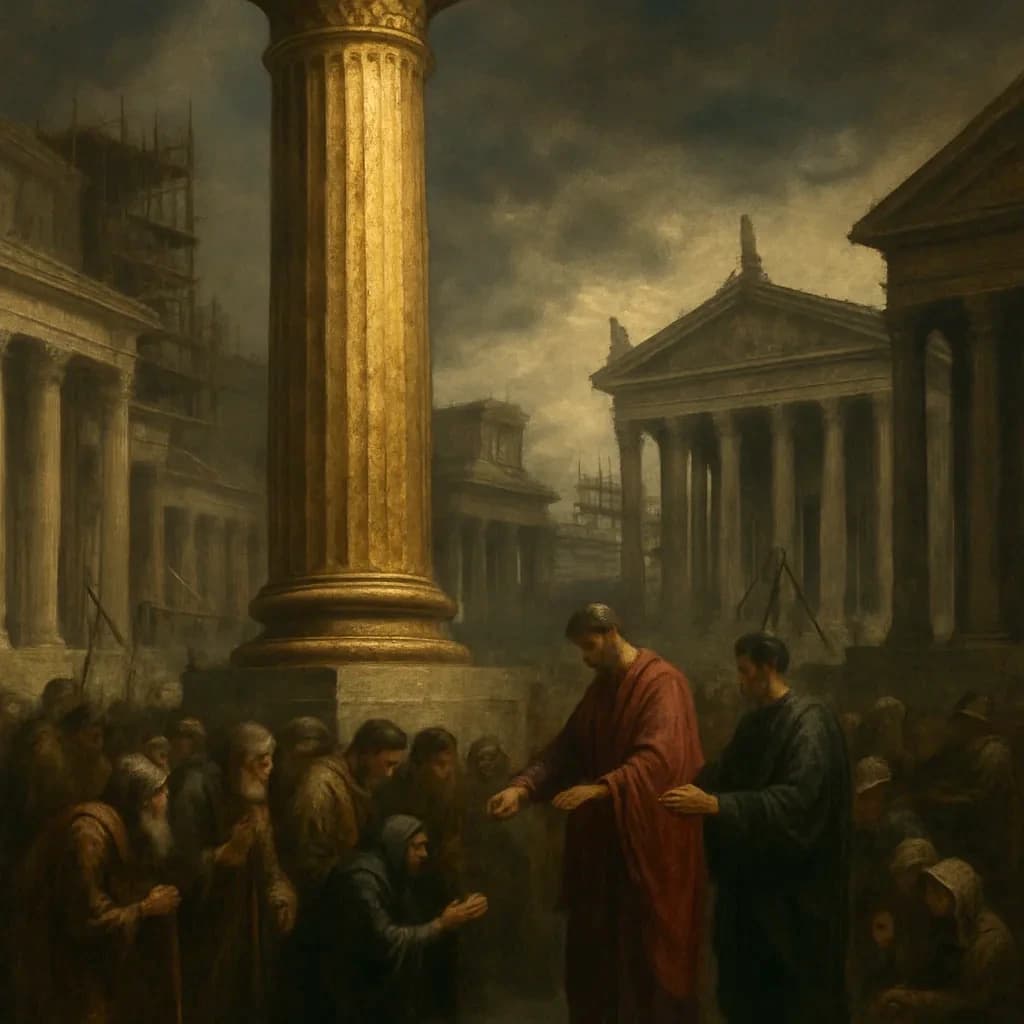
Dacia's Gold: The Gift That Bankrupted Rome
Marcus Ulpius Trajanus received the most expensive gift in Roman history, and it nearly bankrupted the empire for three centuries.
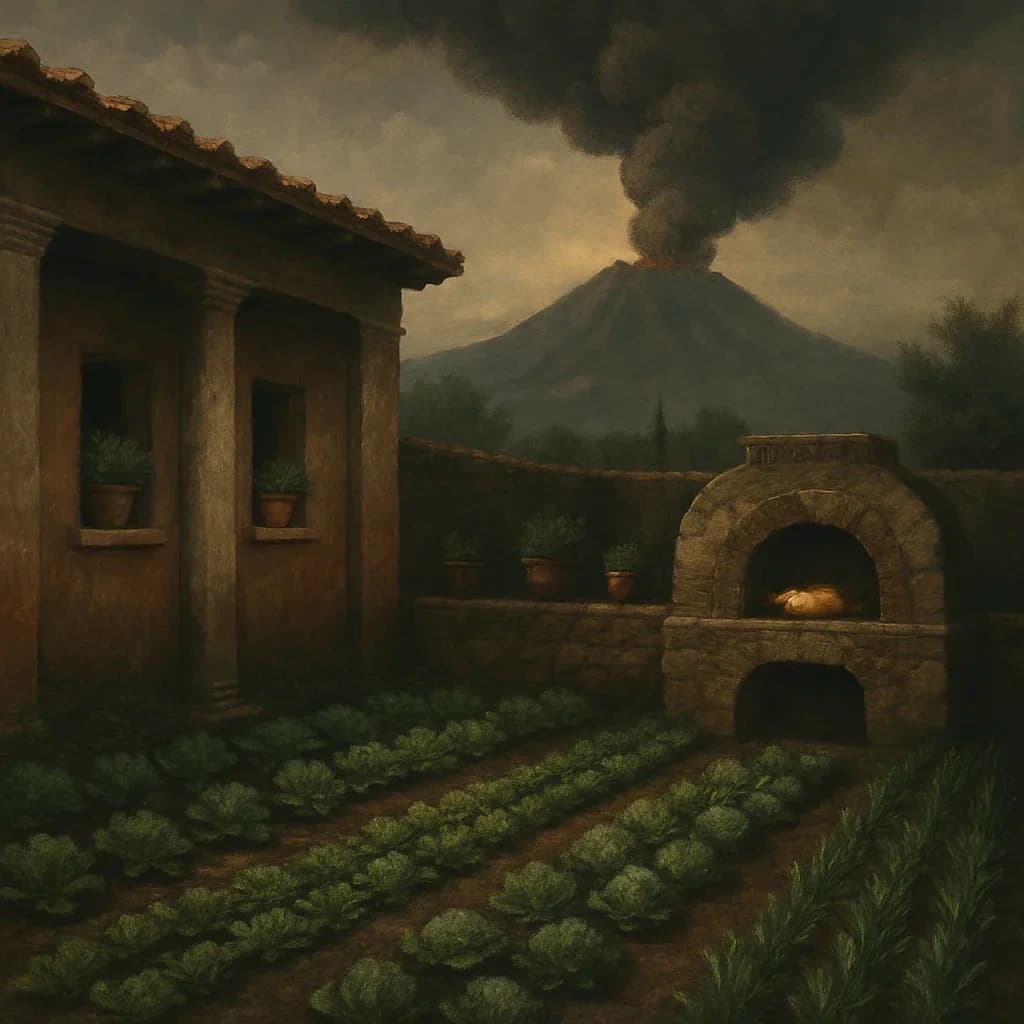
Pompeii's Ash Preserved the Ancient World's Last Grocery List
The volcanic ash that killed Pompeii preserved something no one expected to find: the last grocery list of the ancient world.
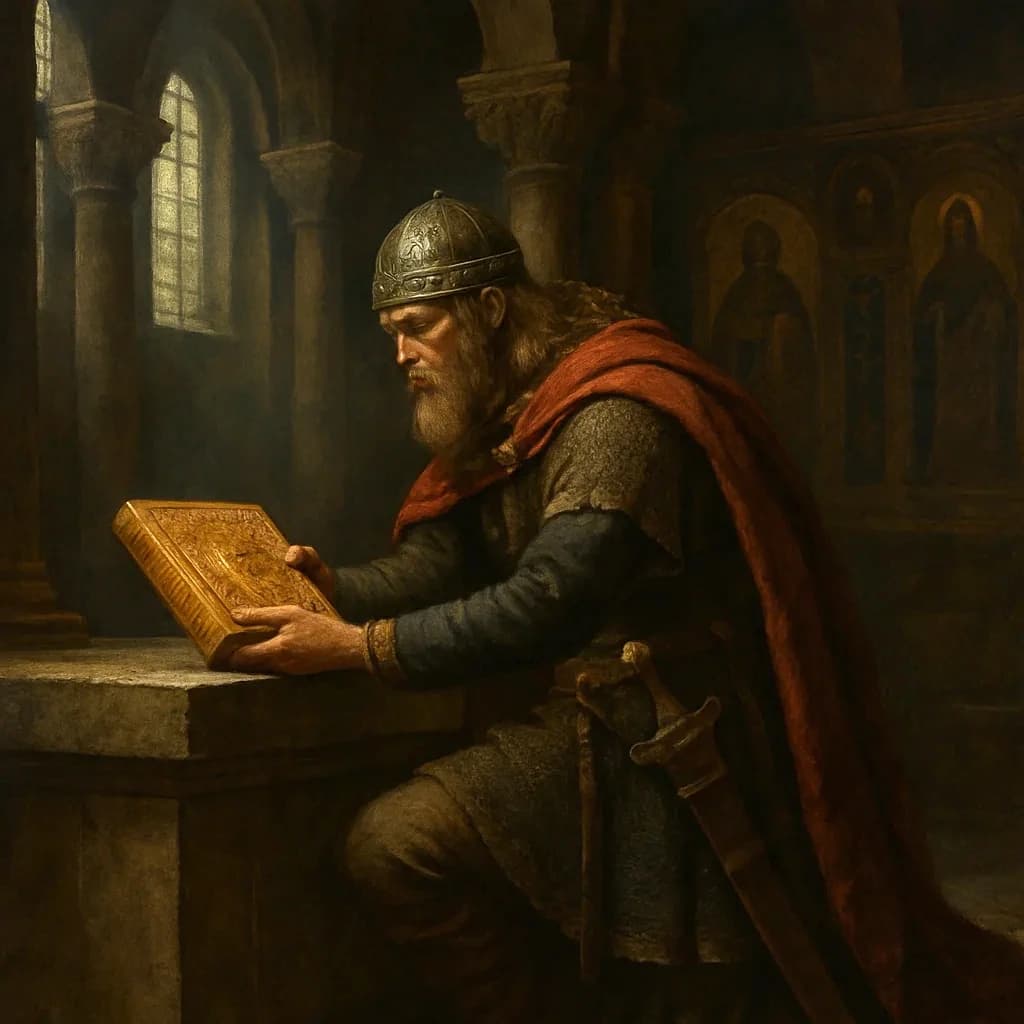
The Vandal King Who Sacked Rome and Saved Its Christmas
A barbarian king who terrorized the Roman Empire ended up preserving the holiday that would define Western civilization.
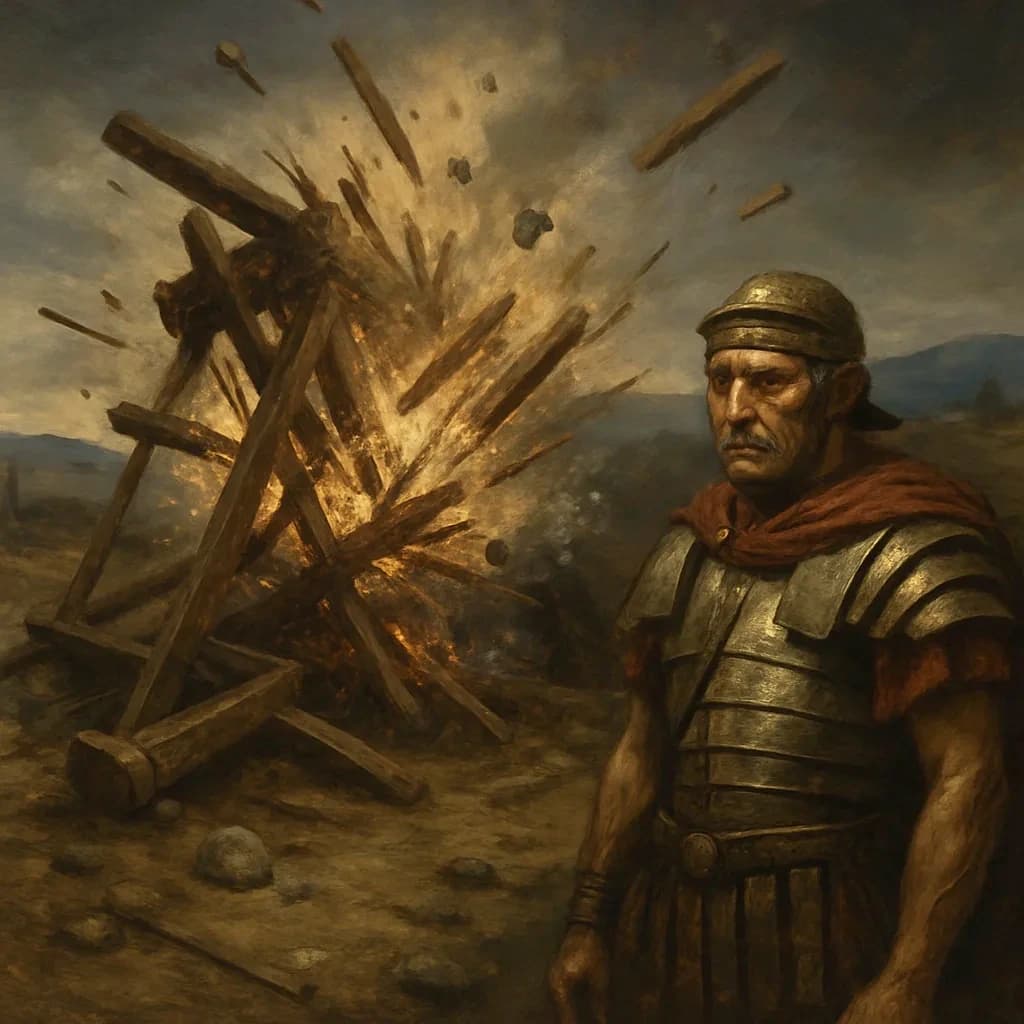
When Rome's General Died of Arithmetic
A brilliant commander's fatal miscalculation with his own siege weapons brought down the greatest military mind of his generation.
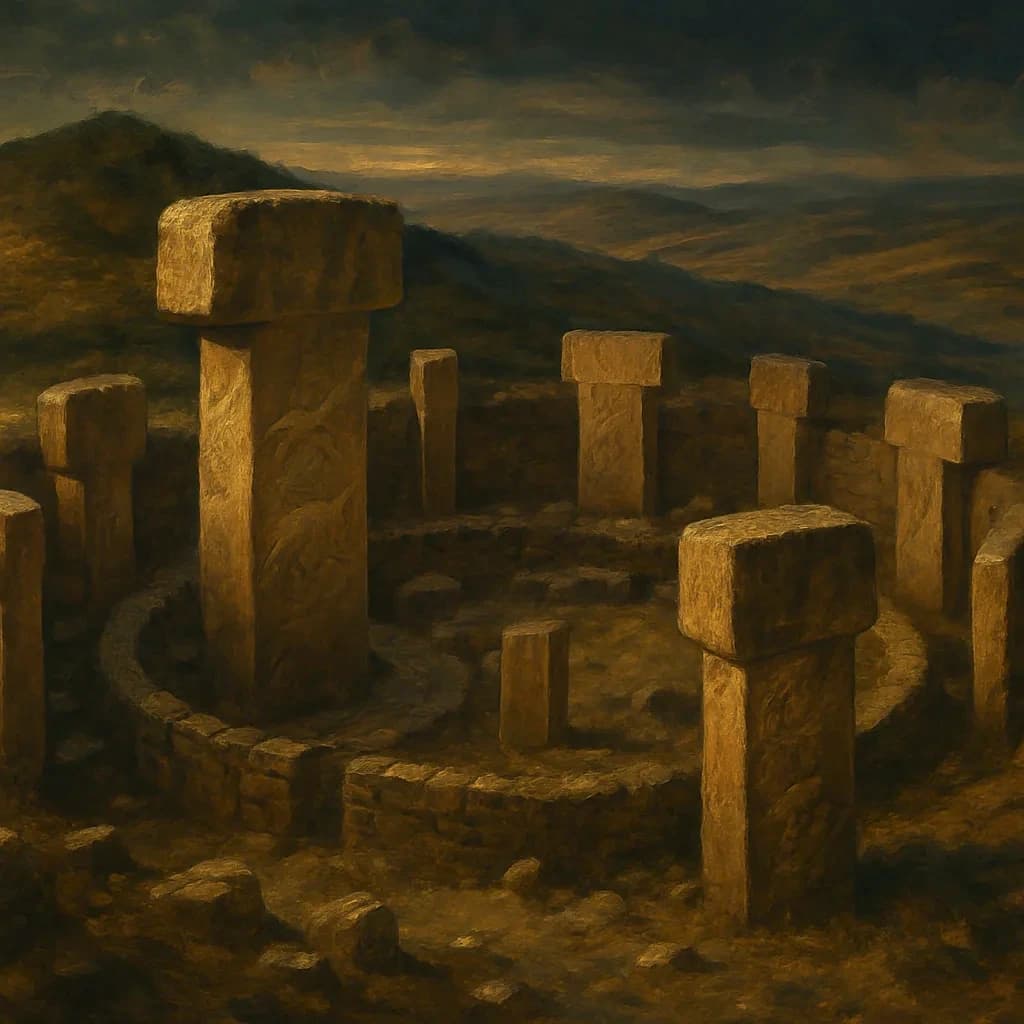
The Temple Older Than Farming
A shepherd's curiosity about some old carved rocks led archaeologists to rewrite the beginning of human civilization.
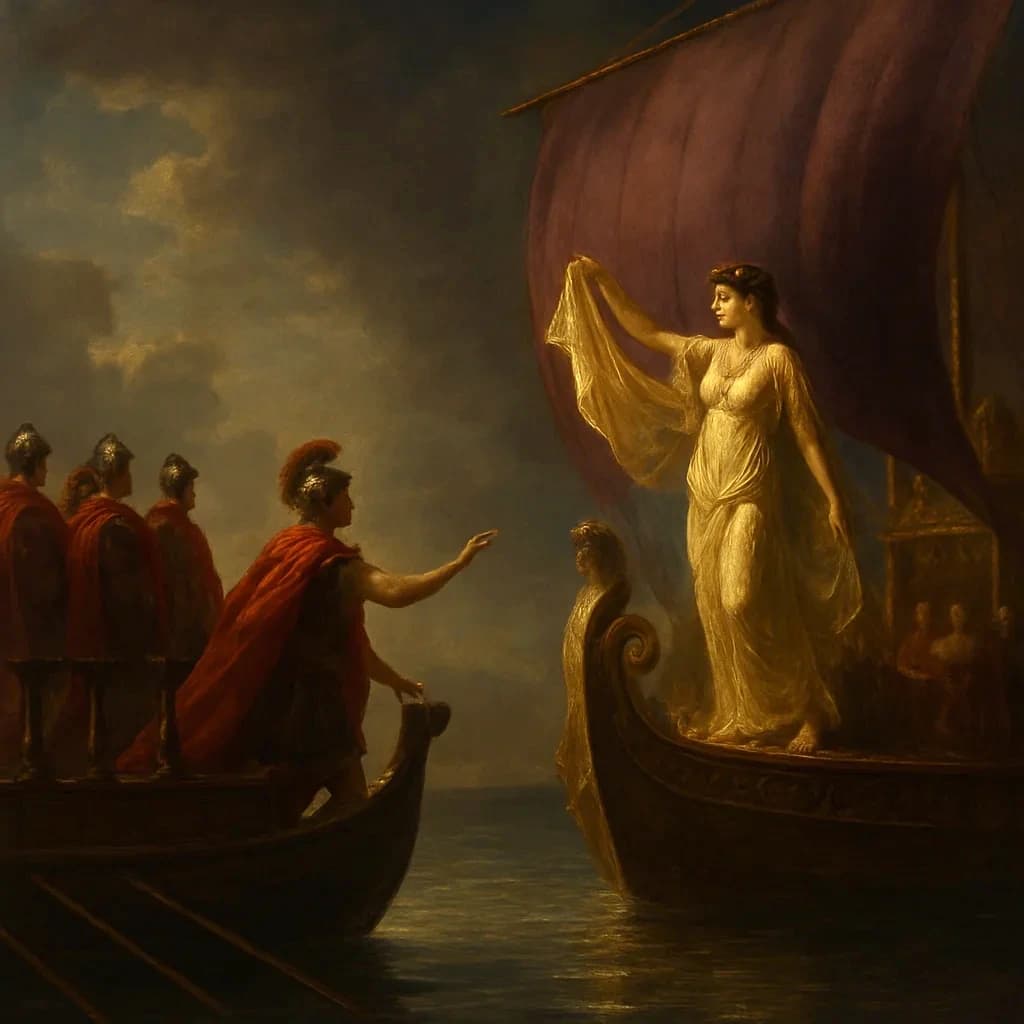
How Cleopatra's Silk Helped Bankrupt Mark Antony
One square of silk, lighter than linen, helped decide who would rule the Roman world.
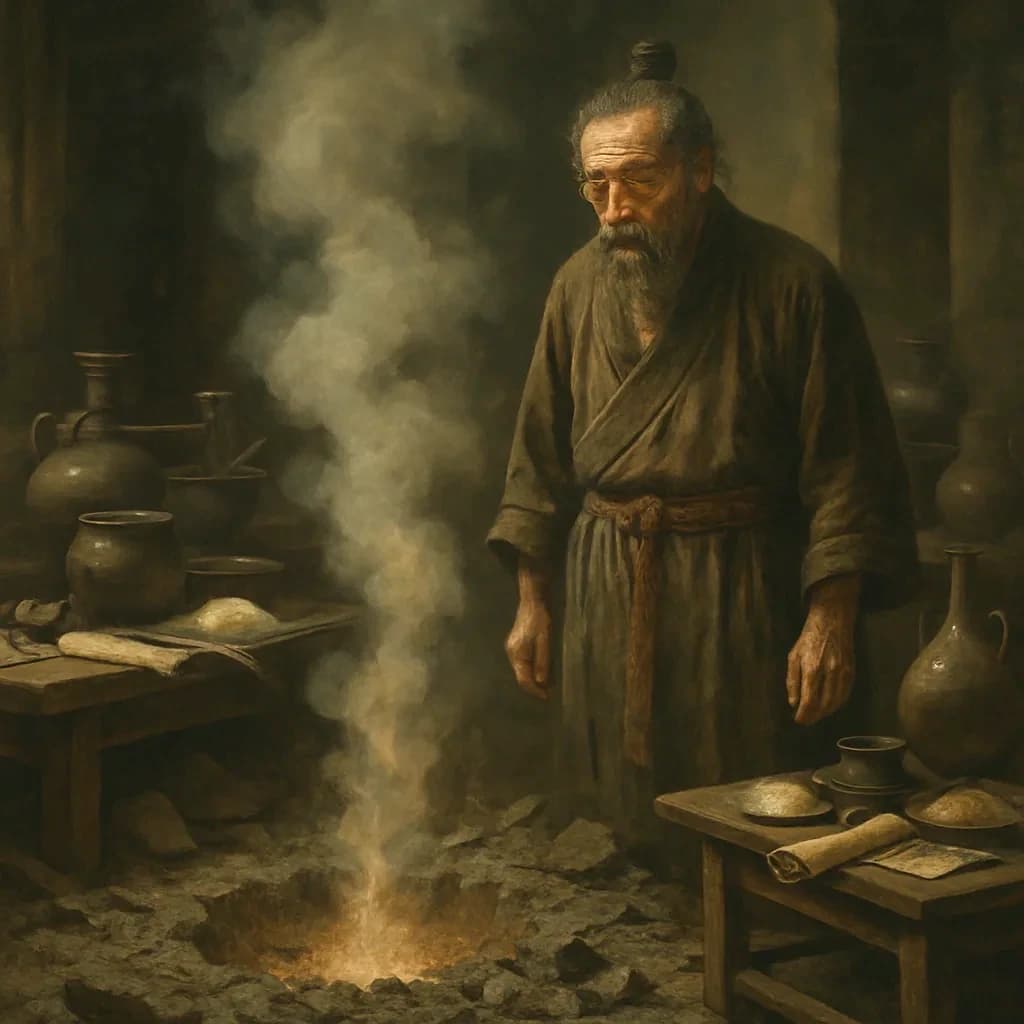
He Accidentally Invented One of History's Deadliest Weapons
A Chinese inventor's discovery accidentally created one of history's deadliest weapons, and he didn't even know what fire was for.
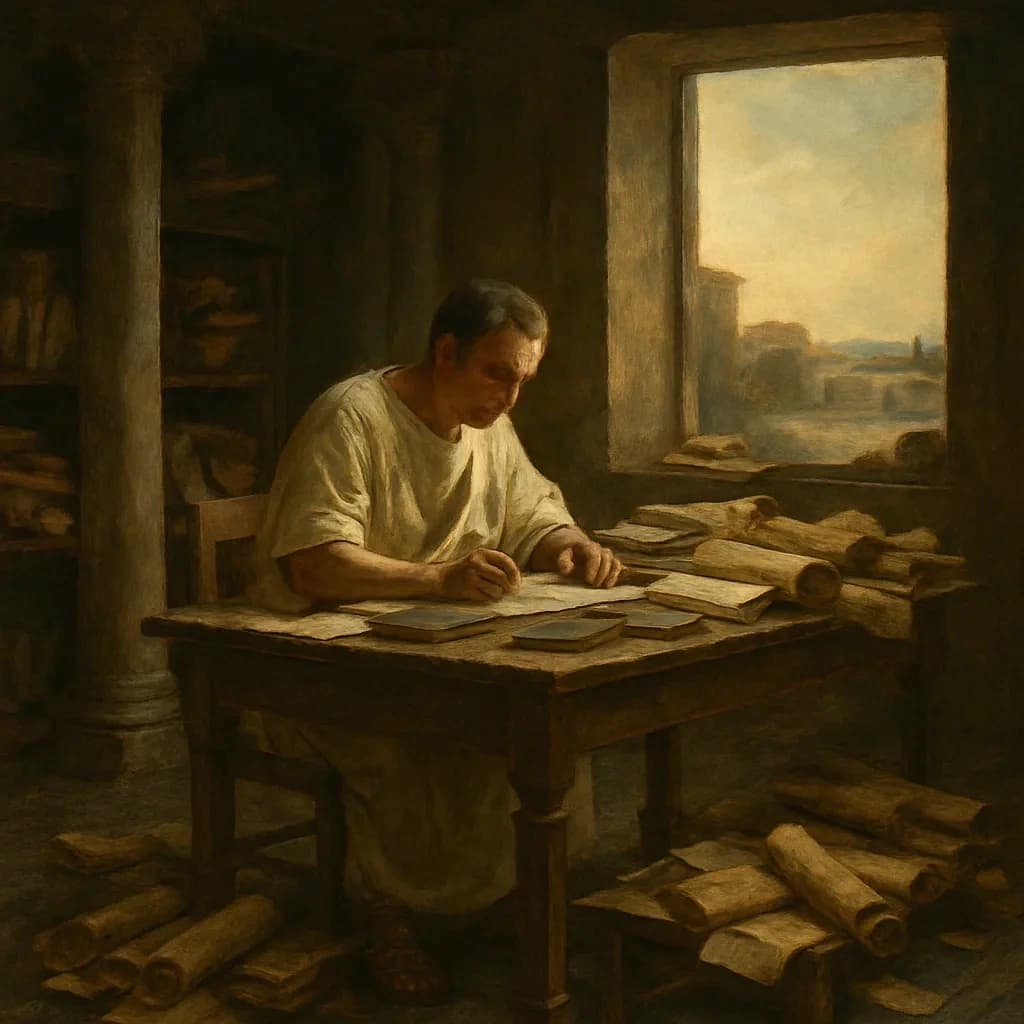
A Grain Clerk's Math Error and Rome's Collapse
One man's bookkeeping slip helped destroy the largest empire in human history.
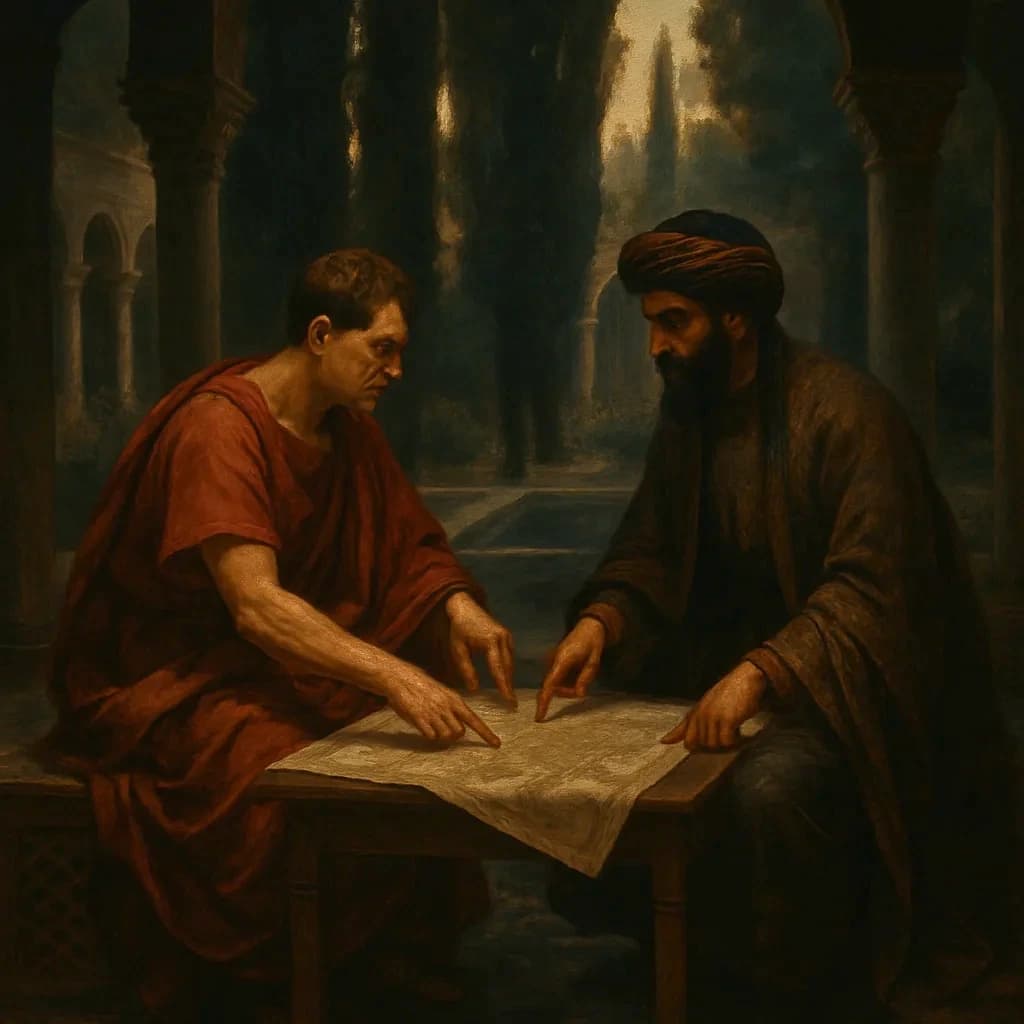
Two Tired Diplomats Drew the World's Longest-Lasting Border
Three minutes of conversation in a Persian garden changed the direction of the next thousand years.
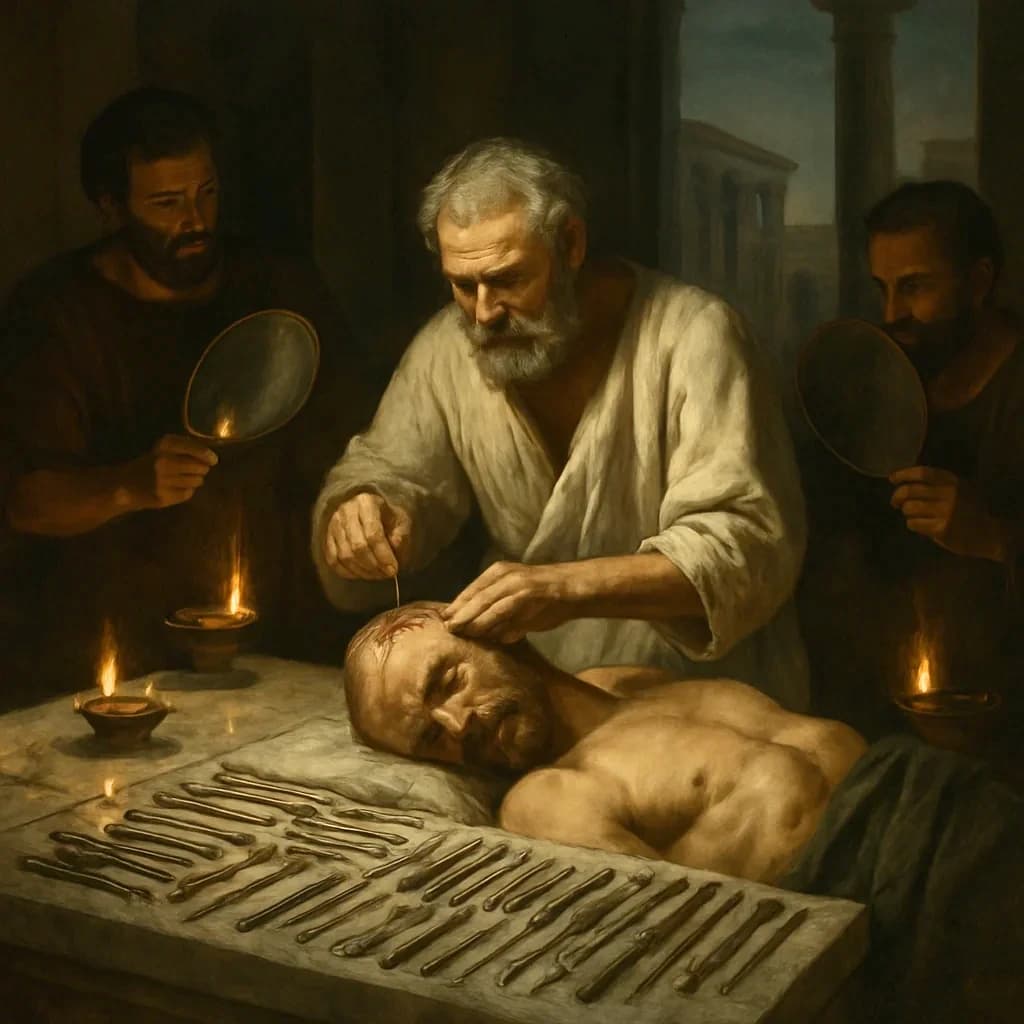
Brain Surgery in Roman Alexandria, a Thousand Years Early
A Roman doctor in Alexandria performed the first recorded brain surgery, and left behind a shopping list that would terrify any modern patient.
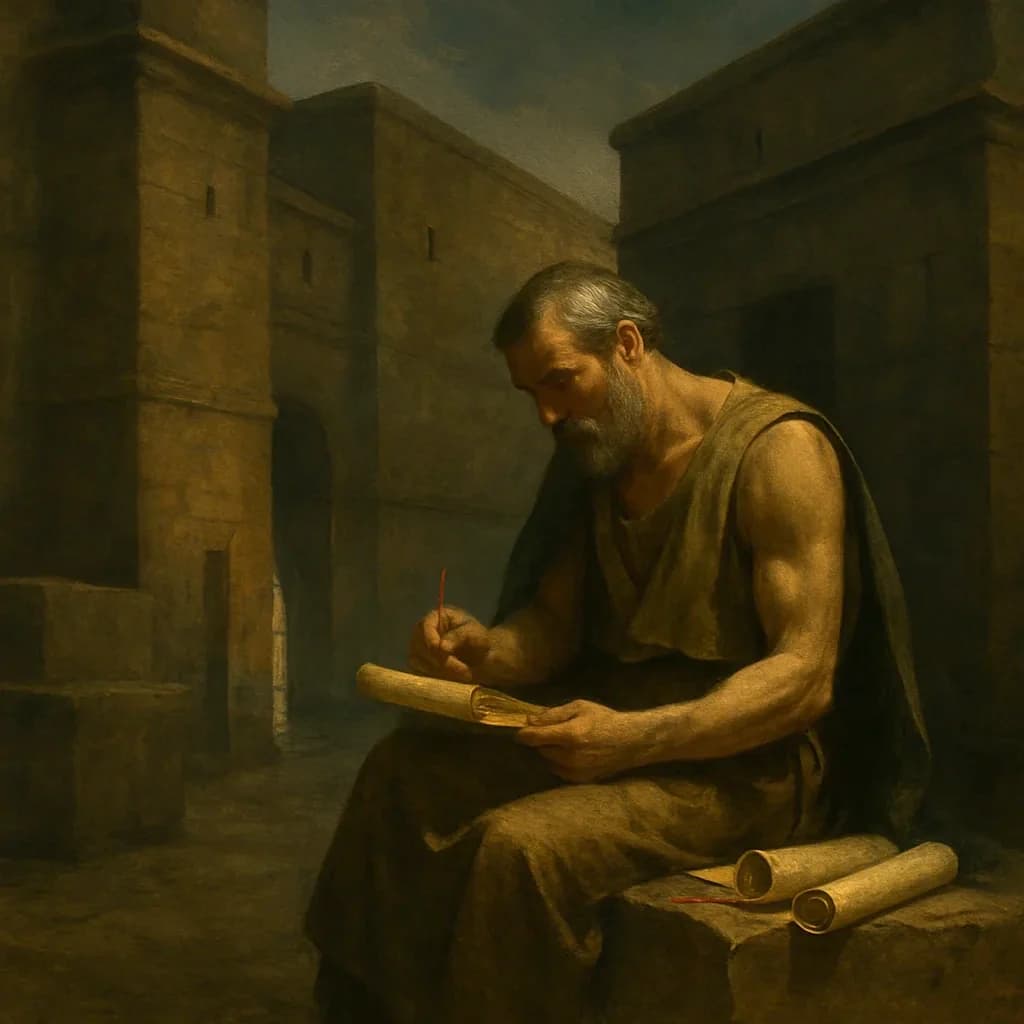
A Grain Clerk's Math Error and the Fall of Rome
A grain merchant in Alexandria made a single accounting error in 49 BCE that would ultimately destroy the Roman Republic forever.
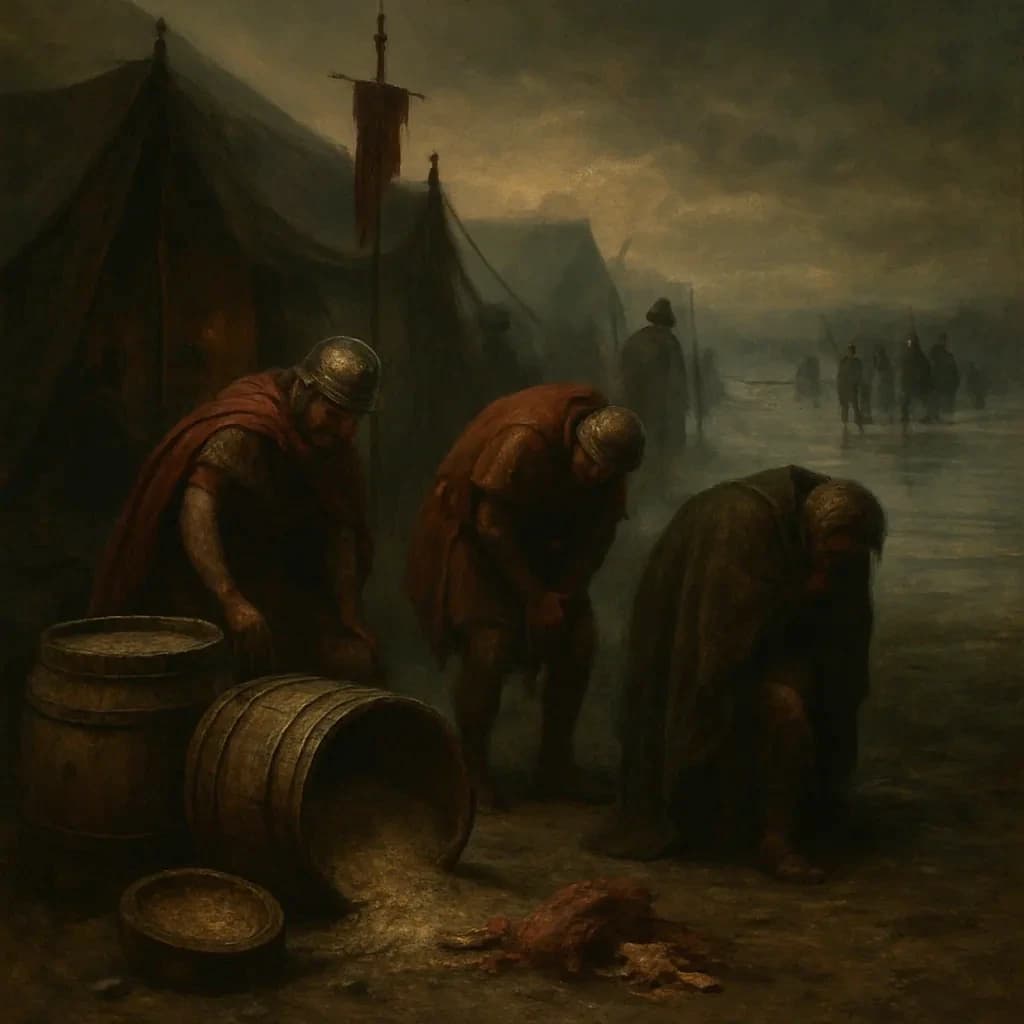
The Pork Barrel That Ended the Empire
One military contractor's cost-cutting measure brought down the greatest superpower in history.
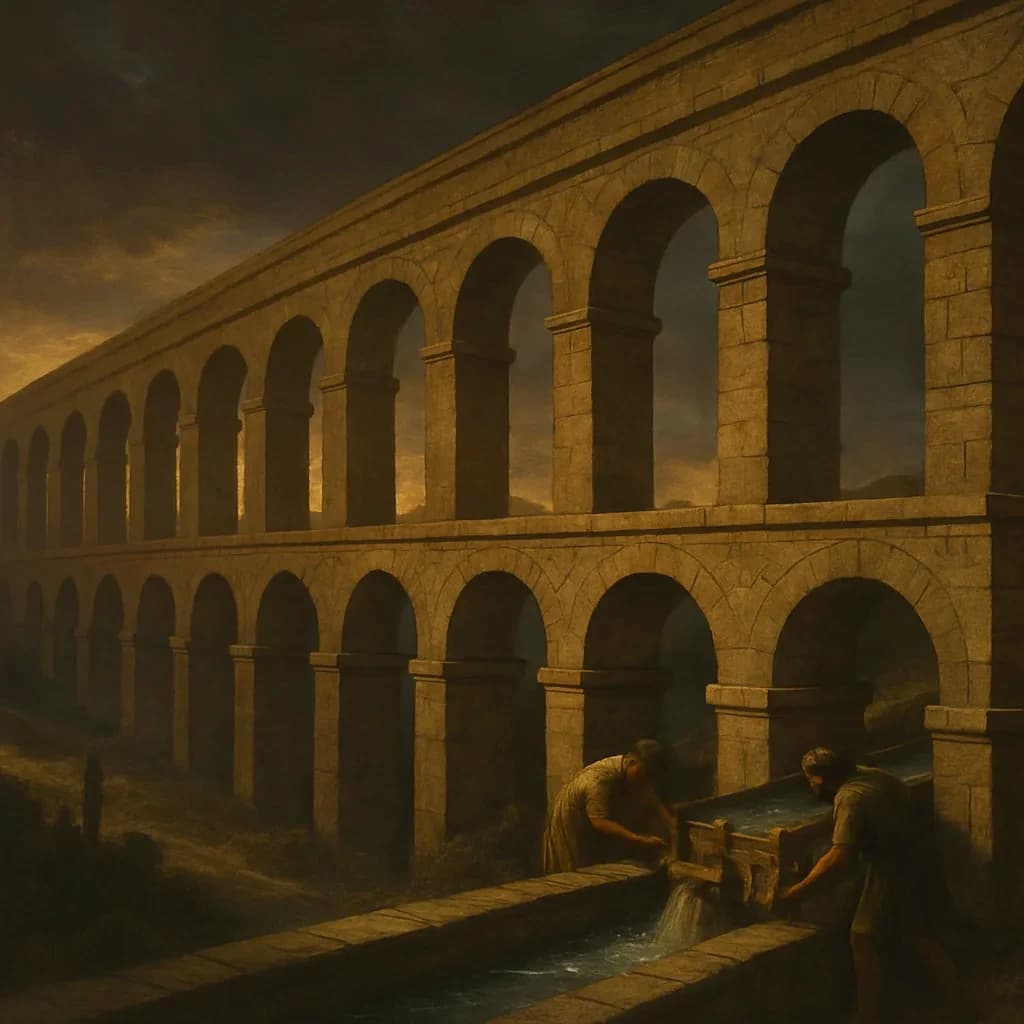
Rome's Engineers Made Water Climb Uphill
For nearly a thousand years, Rome's greatest engineers achieved what physics said was impossible.
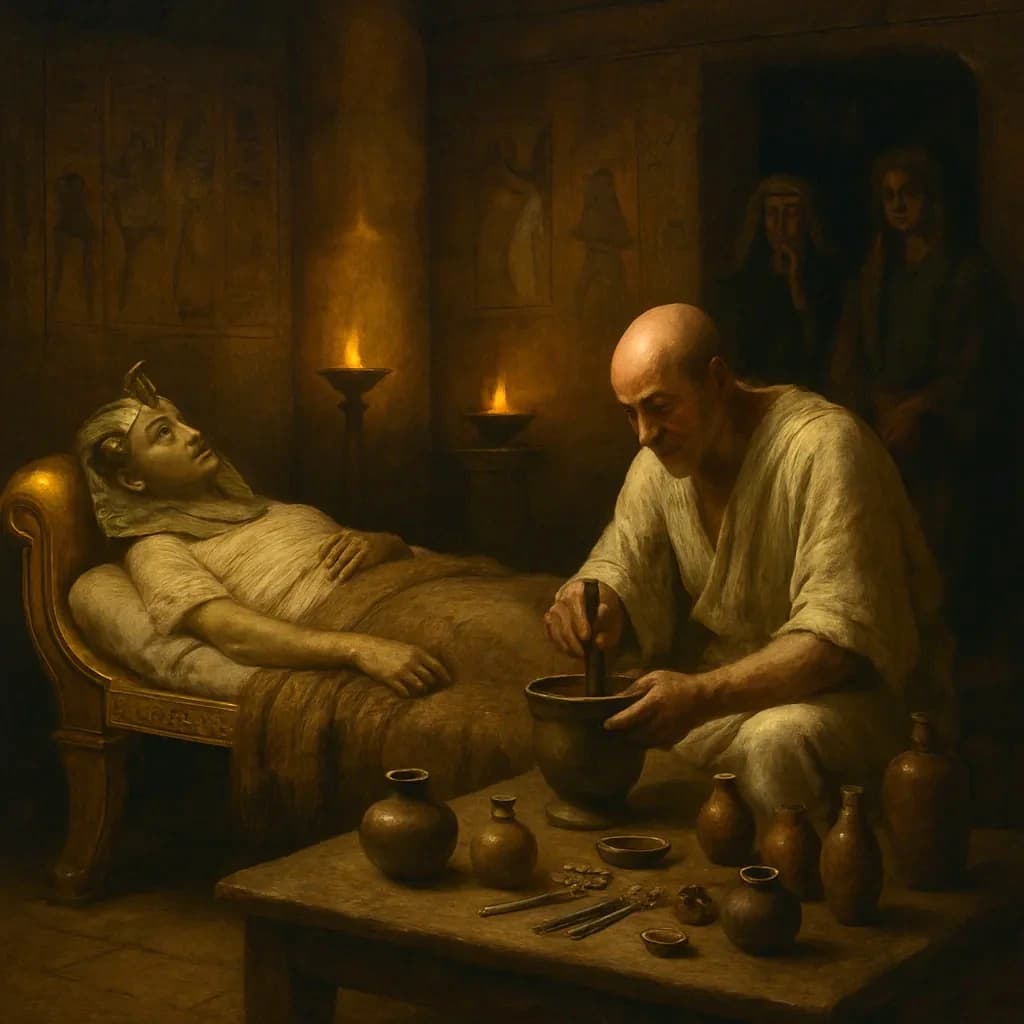
Did His Own Doctors Poison Tutankhamun's Cure?
Ancient Egypt's most famous pharaoh may have died from his medicine, not his enemies.
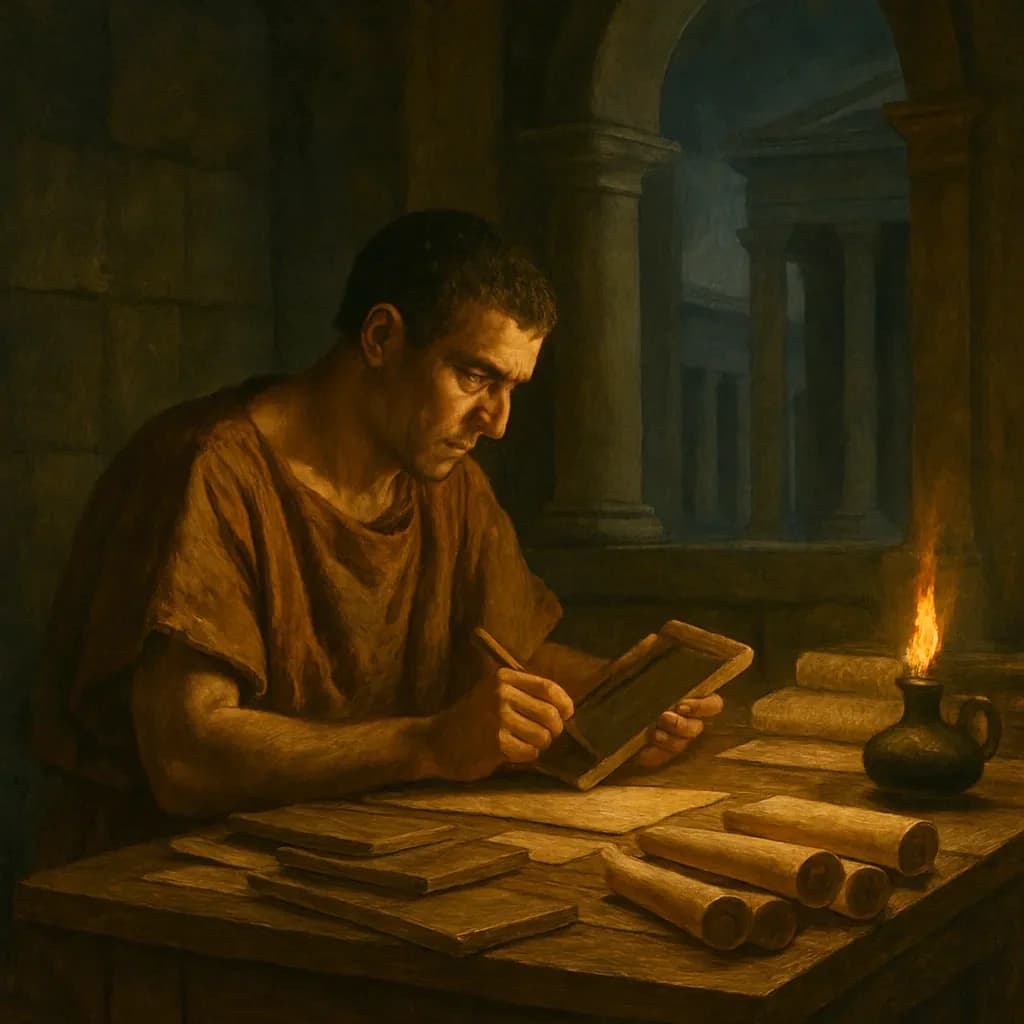
The Census Error That Doomed Three Legions
A Roman census clerk miscounted the population by three million people, accidentally triggering the empire's most catastrophic military blunder.
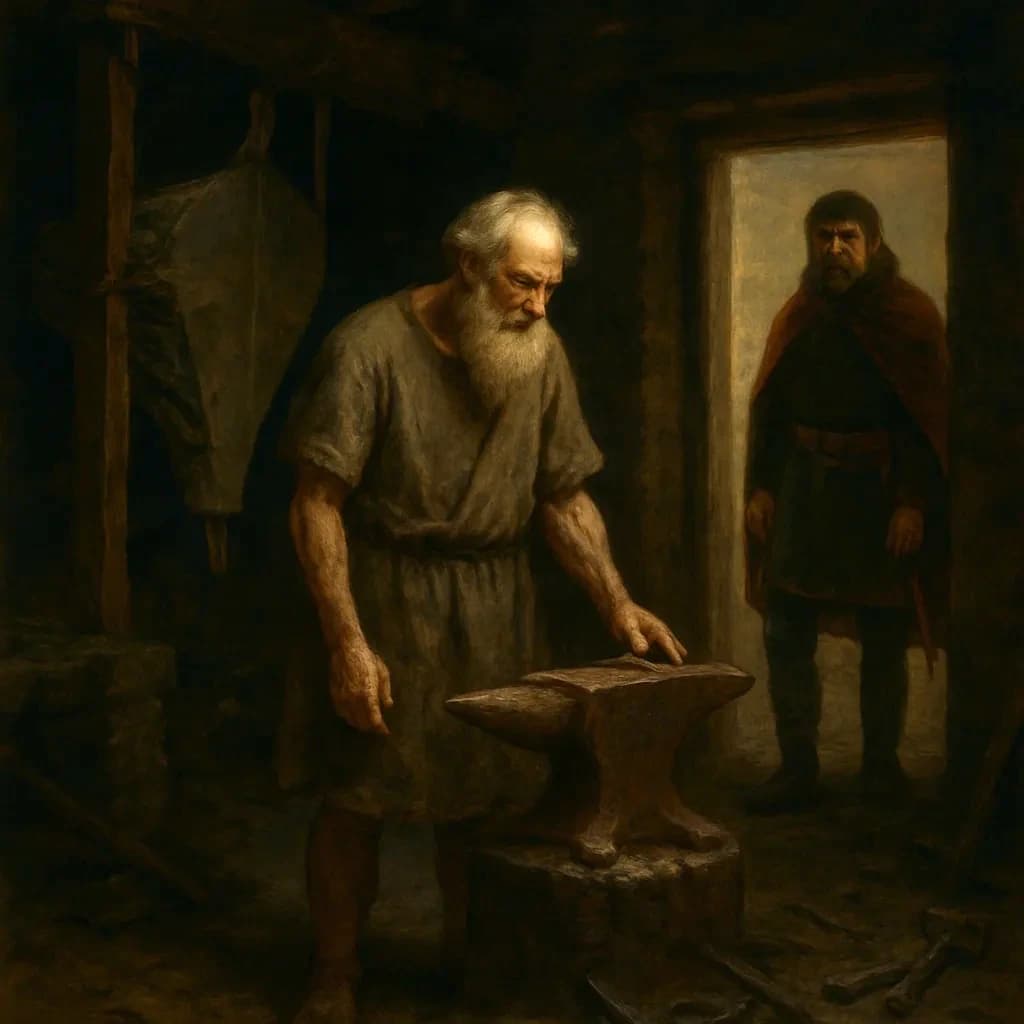
The Empire That Forgot How to Make Nails
When Cassiodorus finally found the man everyone said could fix anything, the forge had been cold for twenty years.
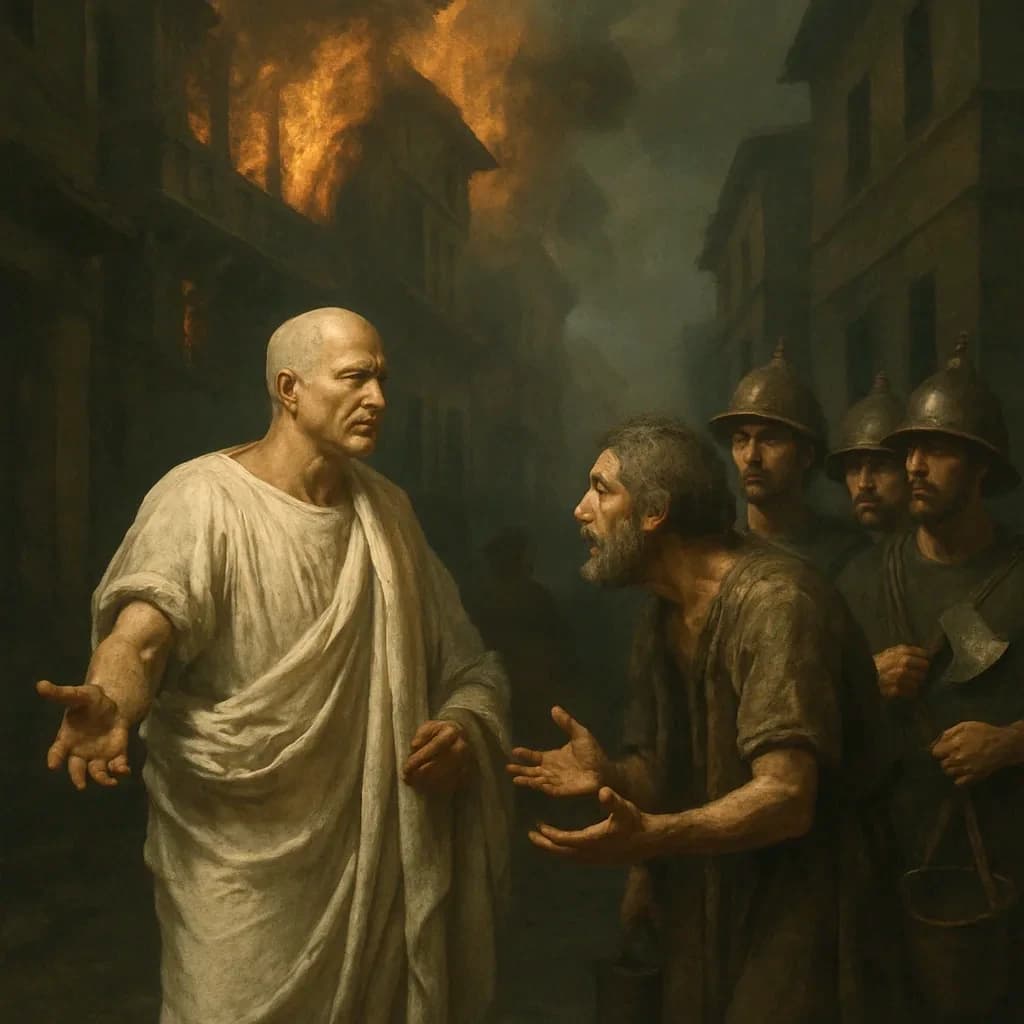
When Rome Fired Its Own Firefighters
The city that built an empire couldn't figure out how to put out fires without making them worse.
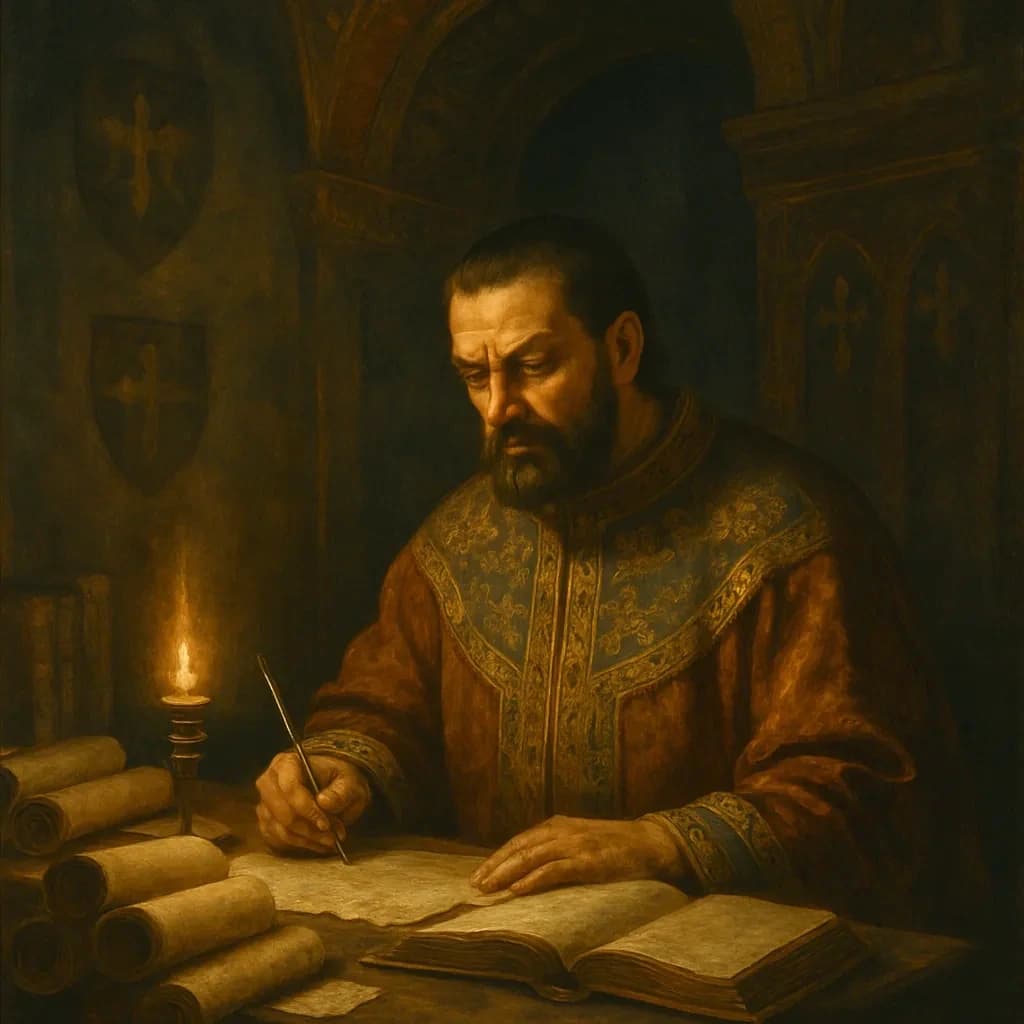
Rome Never Fell: An Accountant's Midnight Books in Ravenna
When Theodoric the Great died, his kingdom's most trusted accountant opened the royal ledgers and discovered something impossible: Rome had never actually fallen.
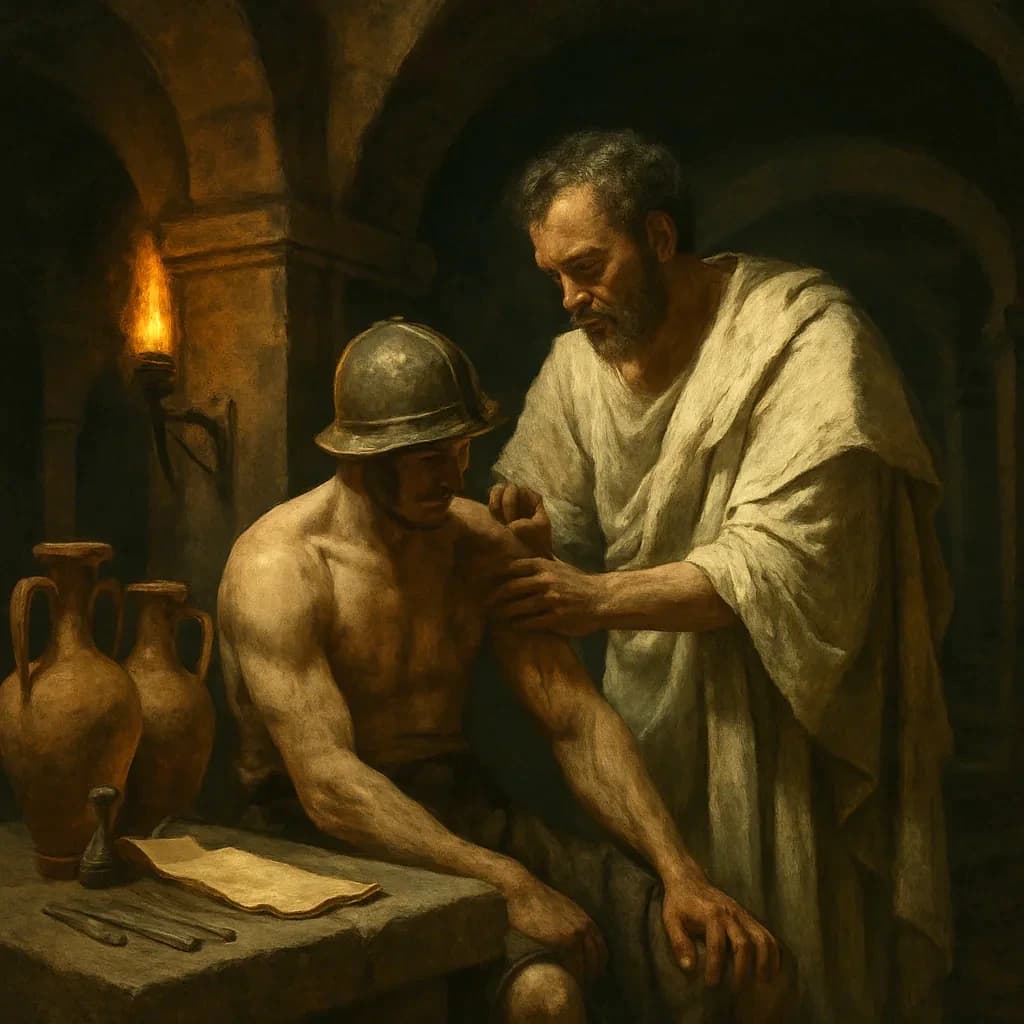
Galen: The Roman Doctor Whose Cures Lasted 1,500 Years
The Roman Empire's most respected physician never performed surgery, never set a bone, and believed that wine could cure everything from broken hearts to broken legs.
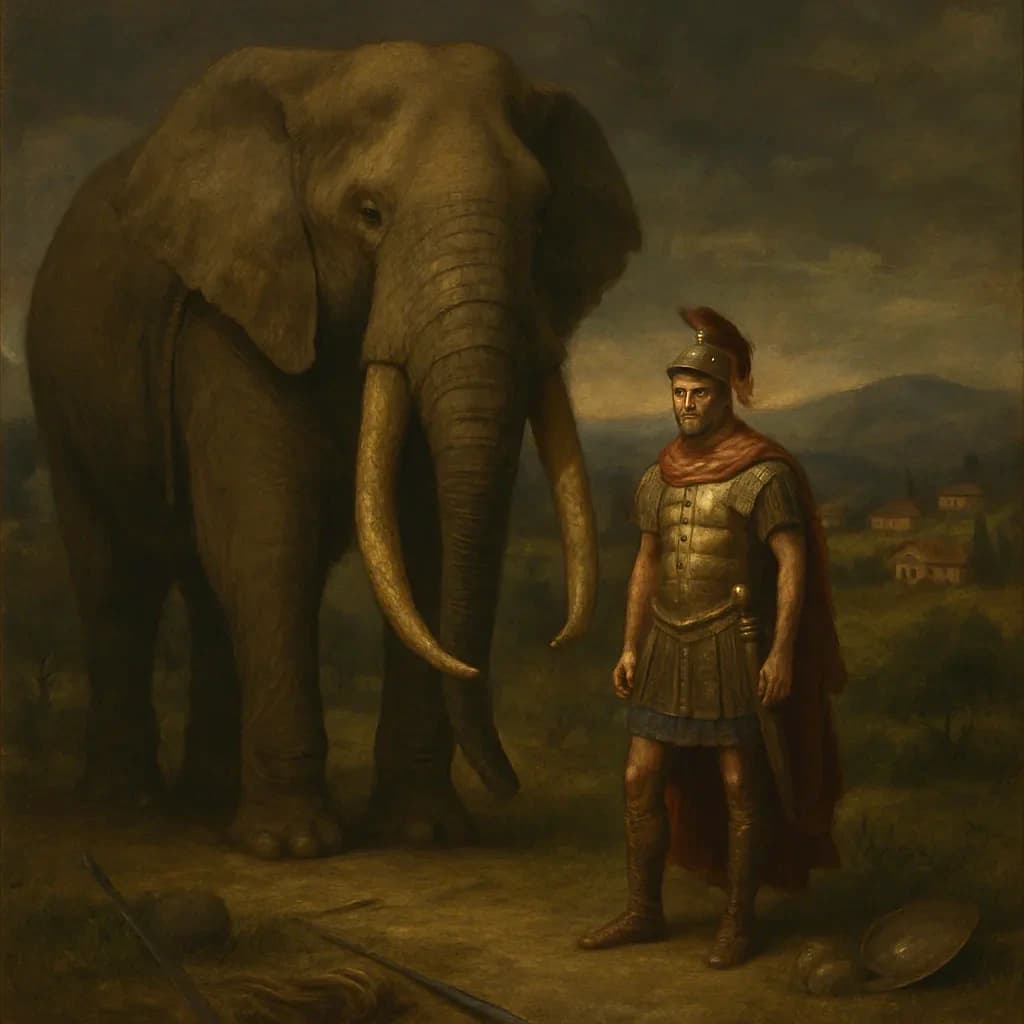
The Elephant That Crossed the Alps and Won Nothing
Hannibal's legendary war elephants survived the mountain crossing only to discover that winning the impossible battle was the easy part.
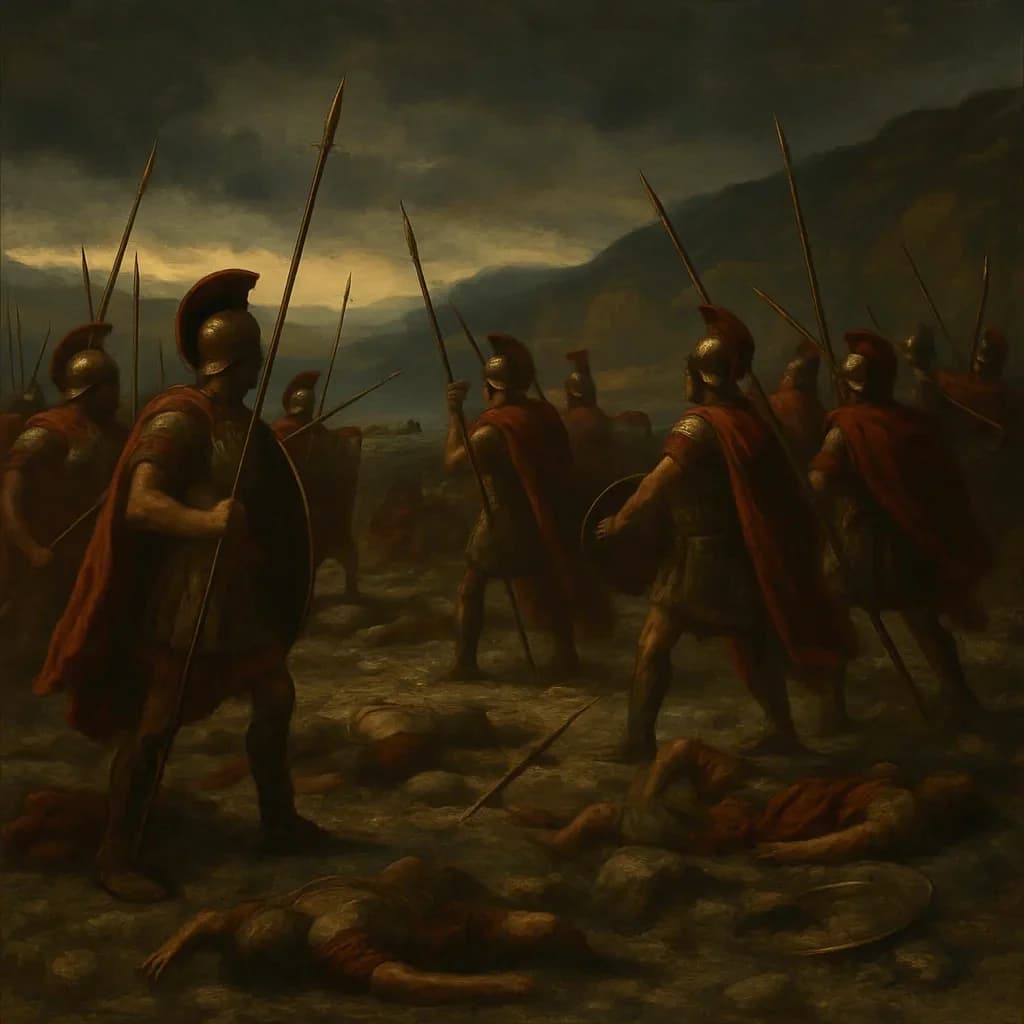
At Thermopylae, the 300 Killed Their Own Allies
A Persian scribe's ledger revealed that 300 Spartans killed more of their own allies than enemies.
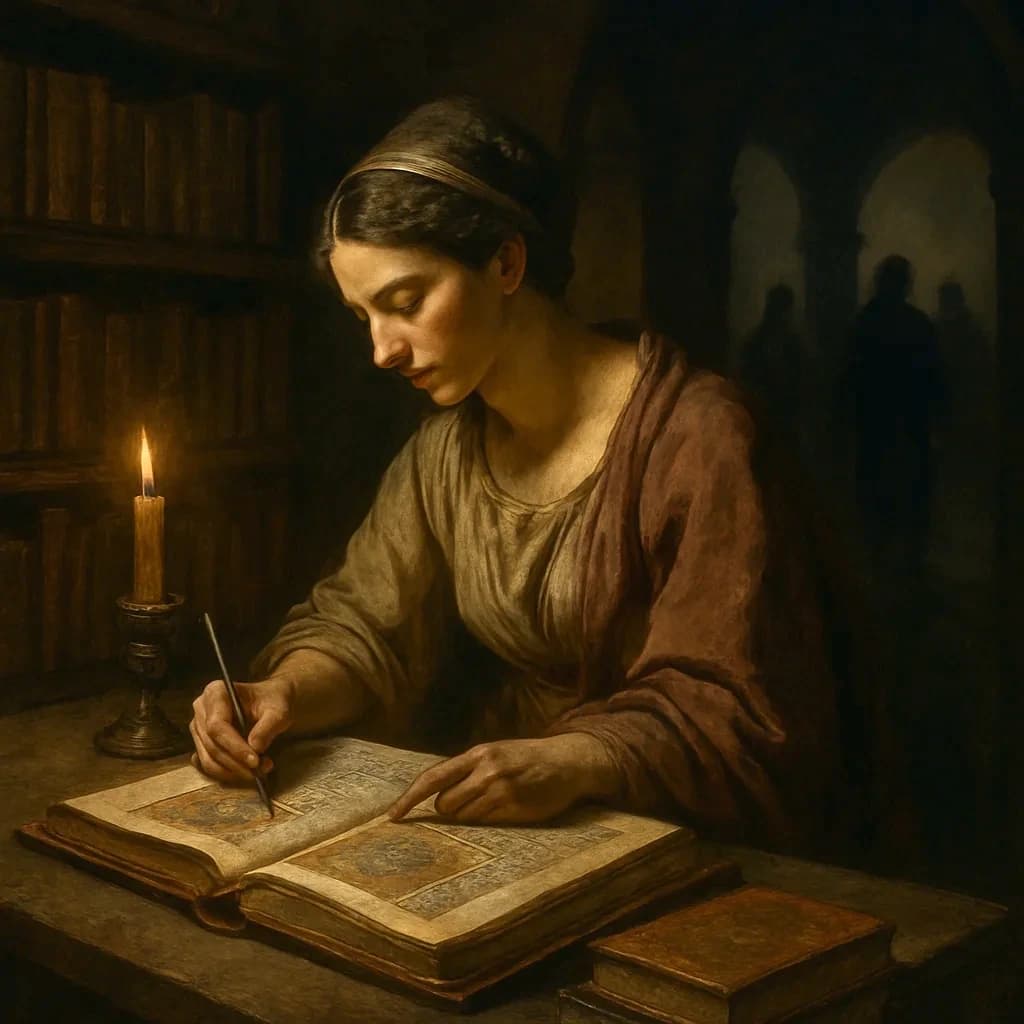
She Hid Greek Math Inside Christian Prayer Books
The last candle flickered in Alexandria's library, and a Roman mathematician kept copying equations no one would understand for another thousand years.
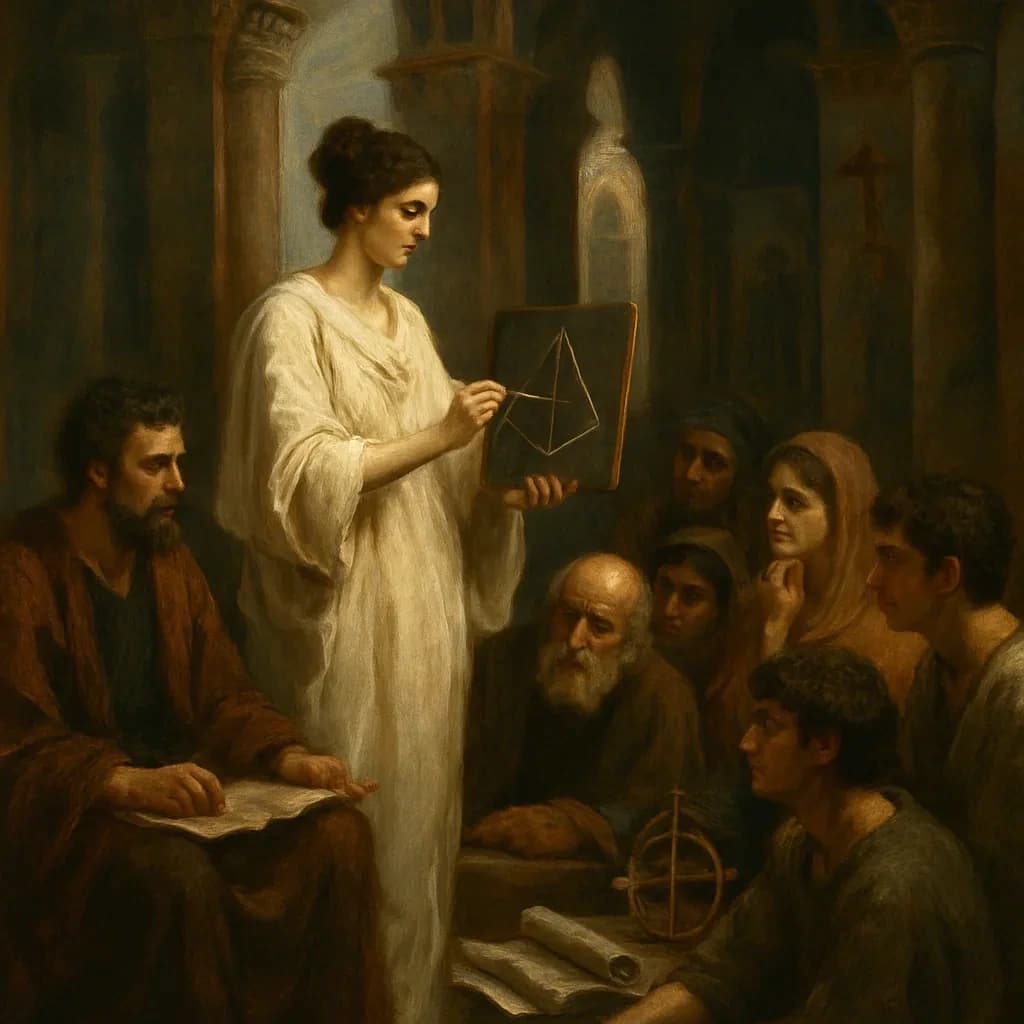
When Alexandria Murdered Its Last Mathematician
A pagan mathematician stood between Christianity and the last great library of the ancient world in 391 AD.
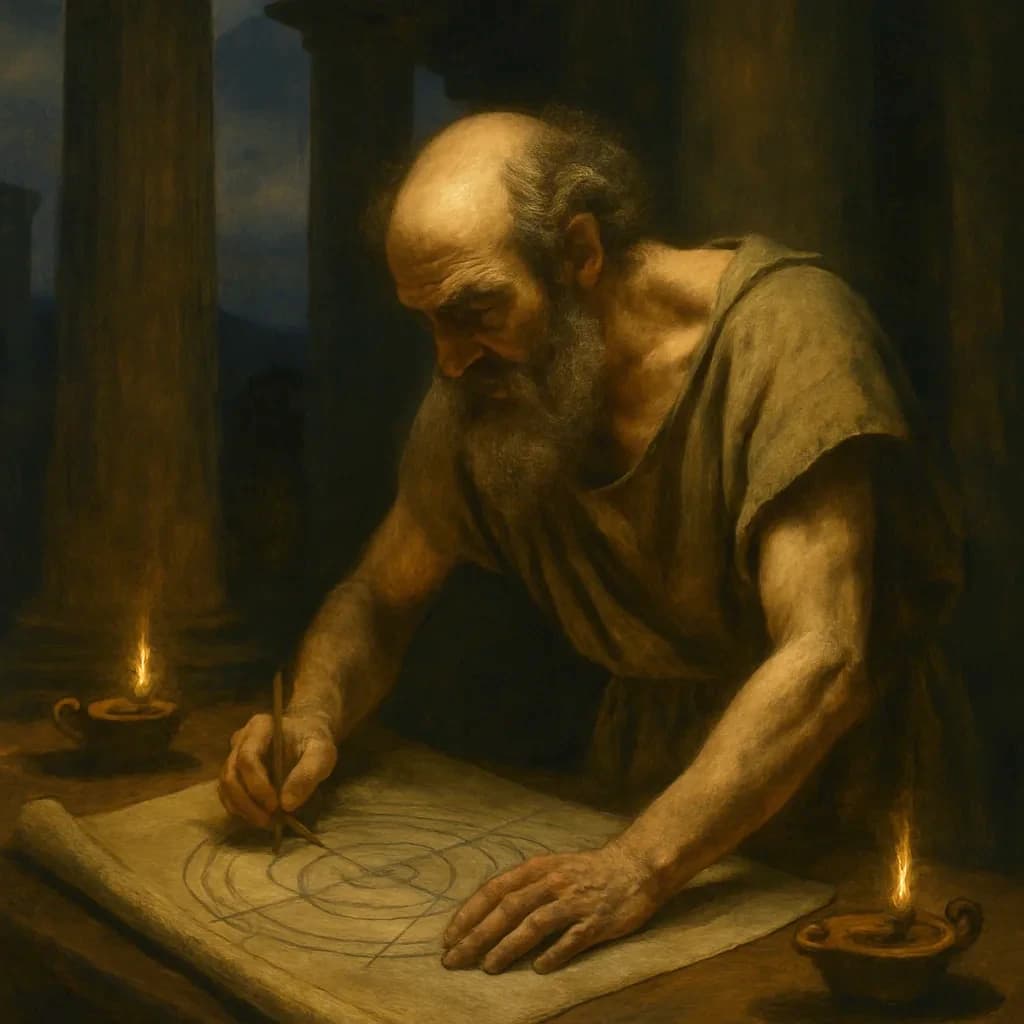
Athens Killed the Sun-Centered Universe in 270 BC
One mathematician's proof that the Earth moved around the sun got him executed, two thousand years before Galileo was even born.
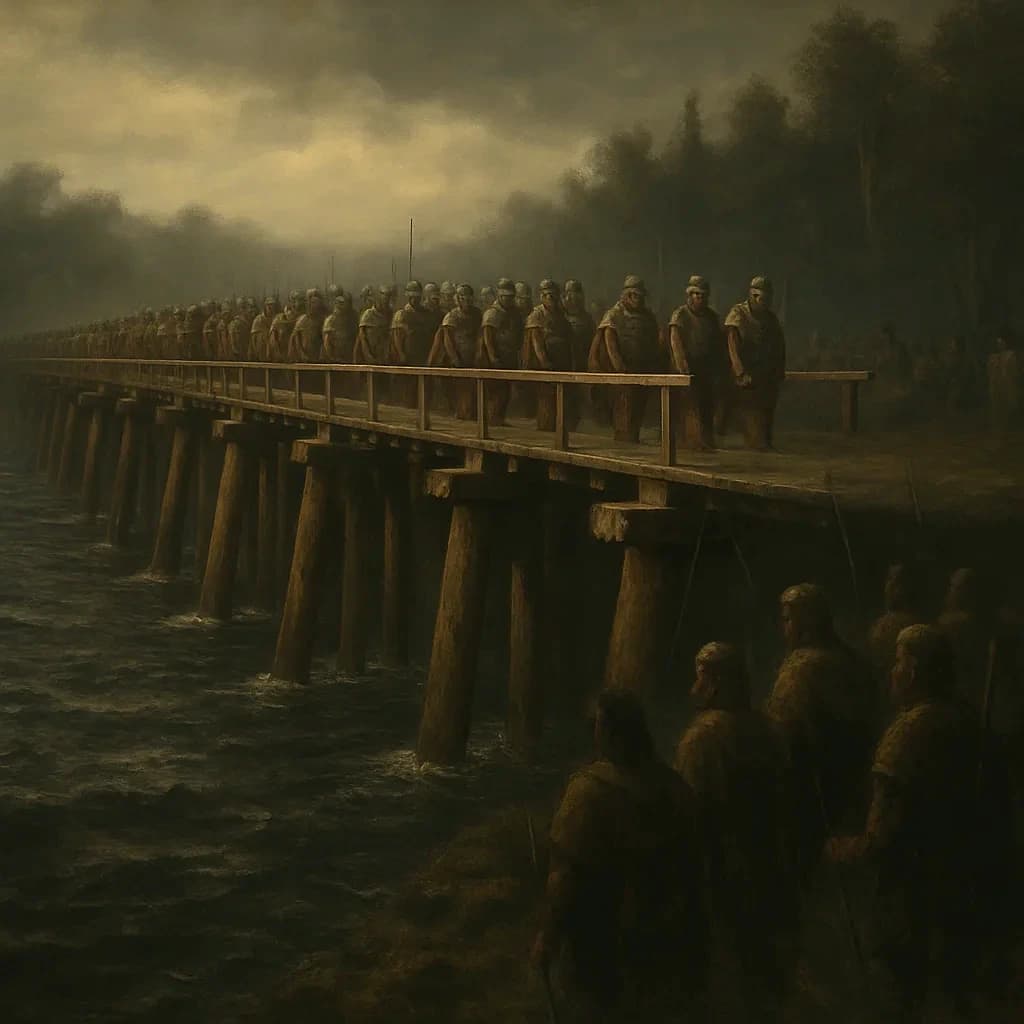
Caesar's Rhine Bridge: Ten Days to Build, Then Gone
The most expensive engineering project in European history stood empty for two centuries while entire armies marched around it.
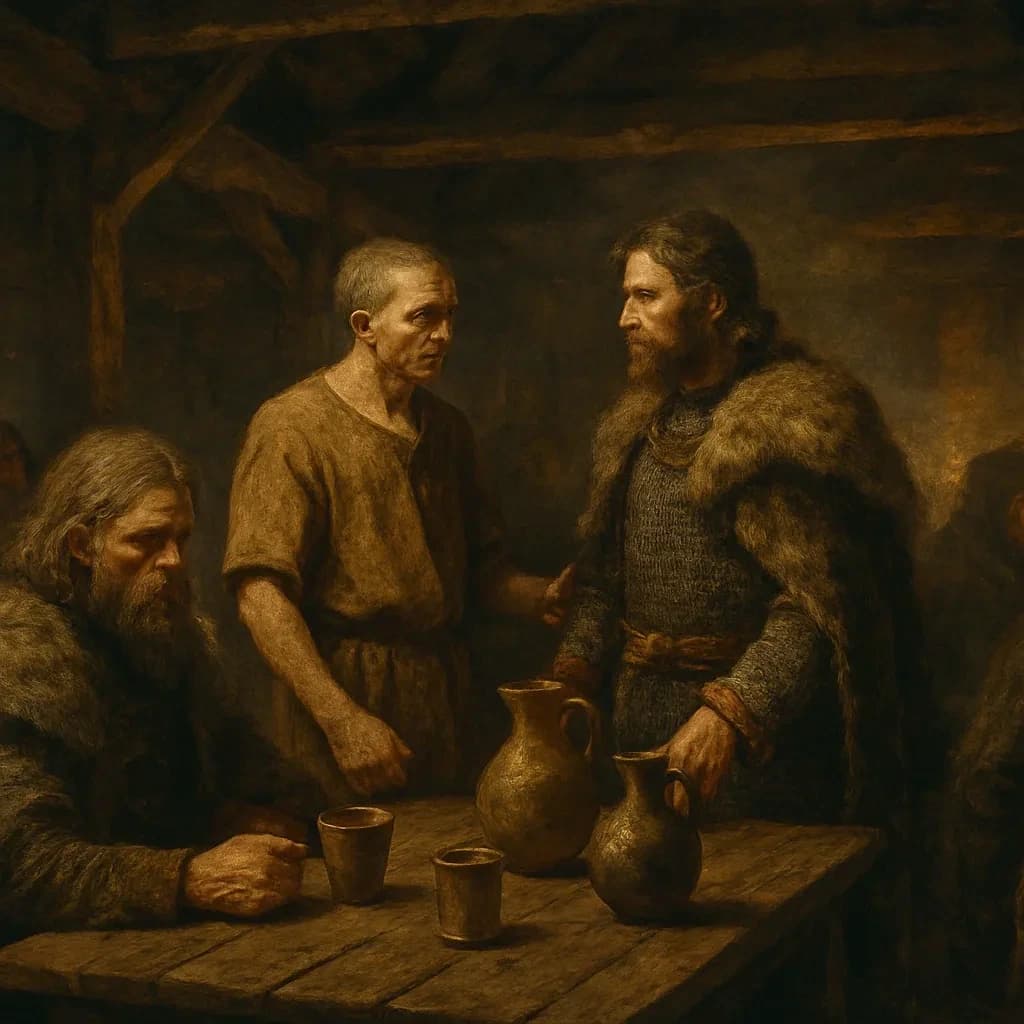
How a Forgiven Tavern Bill Built Feudal France
A tavern owner in Roman Gaul let one customer walk out without paying, and set medieval France in motion.
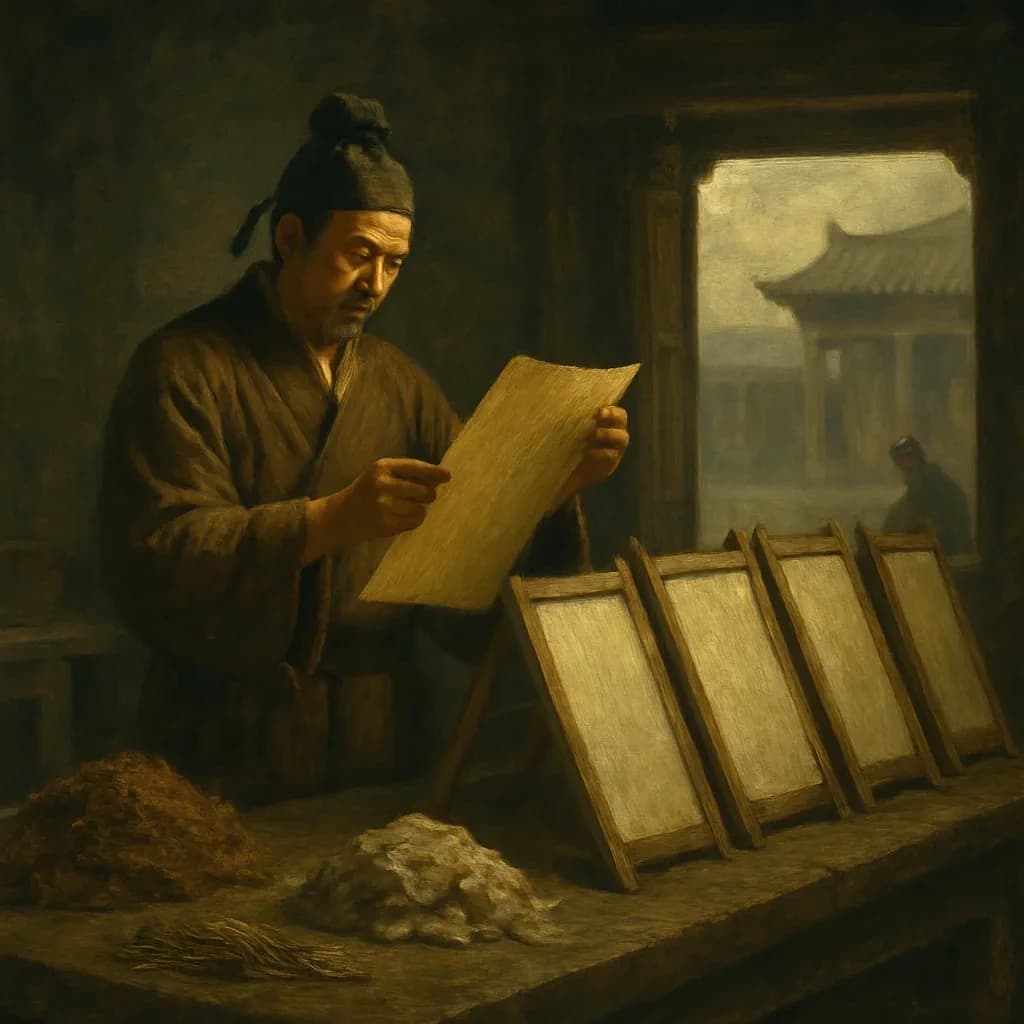
One Sheet of Mulberry Bark Changed Everything
A single sheet of mulberry bark ended the age of pyramids and started the age of ideas.
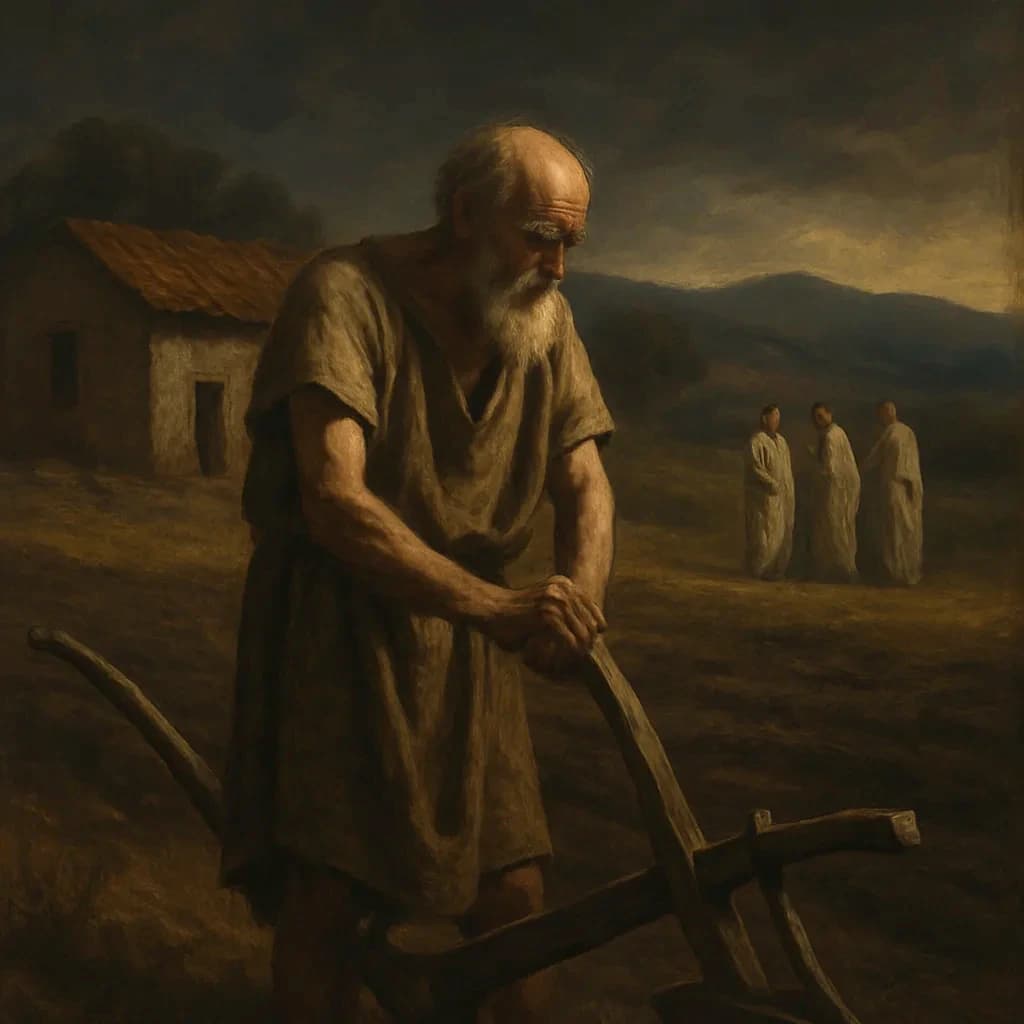
When Rome's Bravest General Refused to Fight
The greatest military mind of his generation chose exile over one more battle, and saved the Republic.
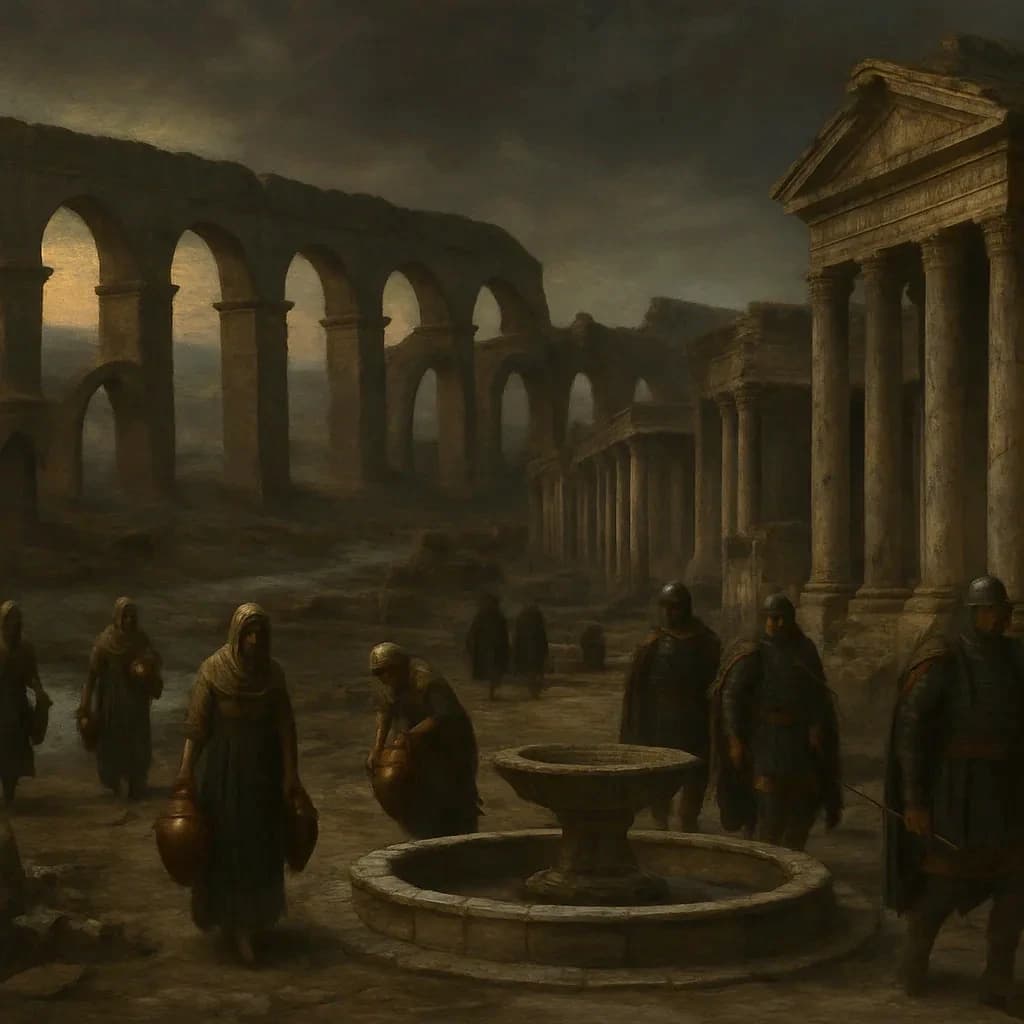
When Rome's Aqueducts Went Silent
The city that ruled the world couldn't figure out how to fix its own plumbing.
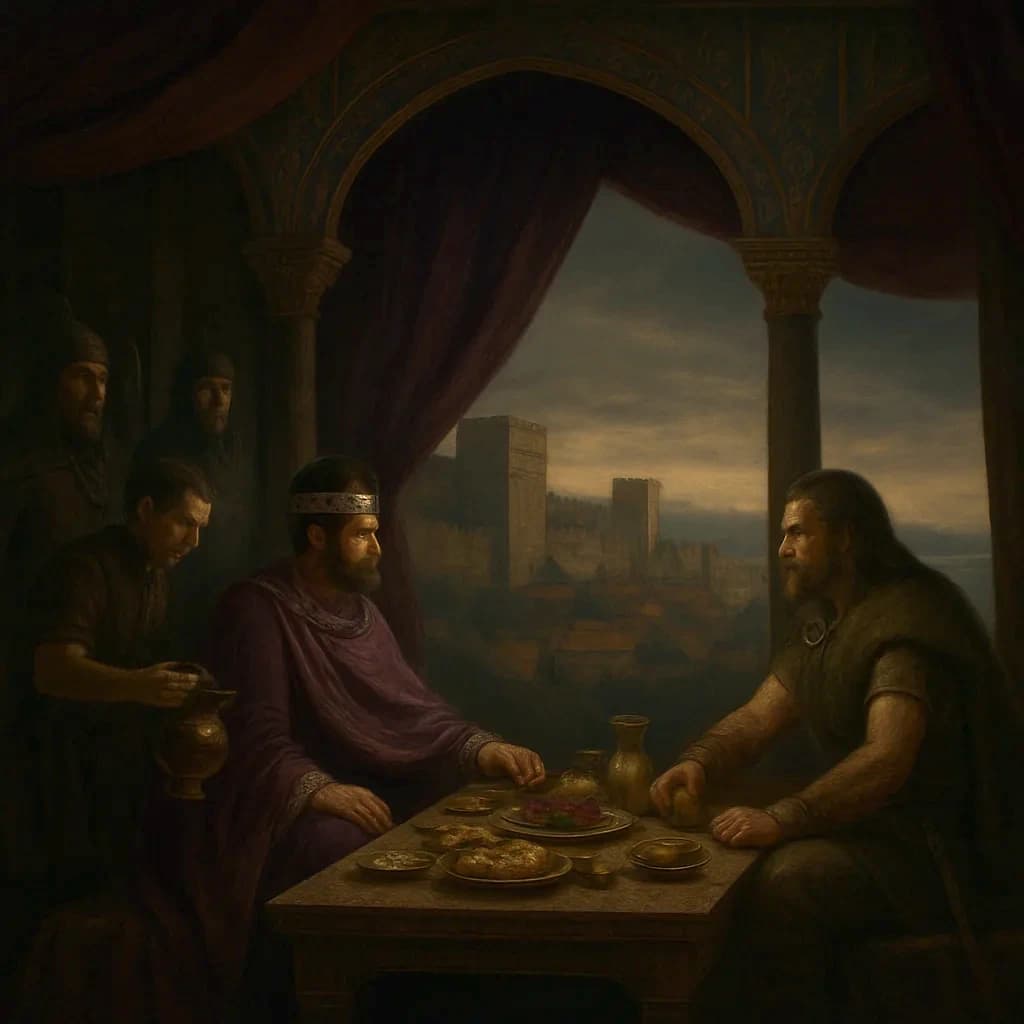
A Desperate Dinner Invitation Invented Modern Diplomacy
A Byzantine emperor's desperate dinner invitation to a barbarian king accidentally created the template for modern European diplomacy.
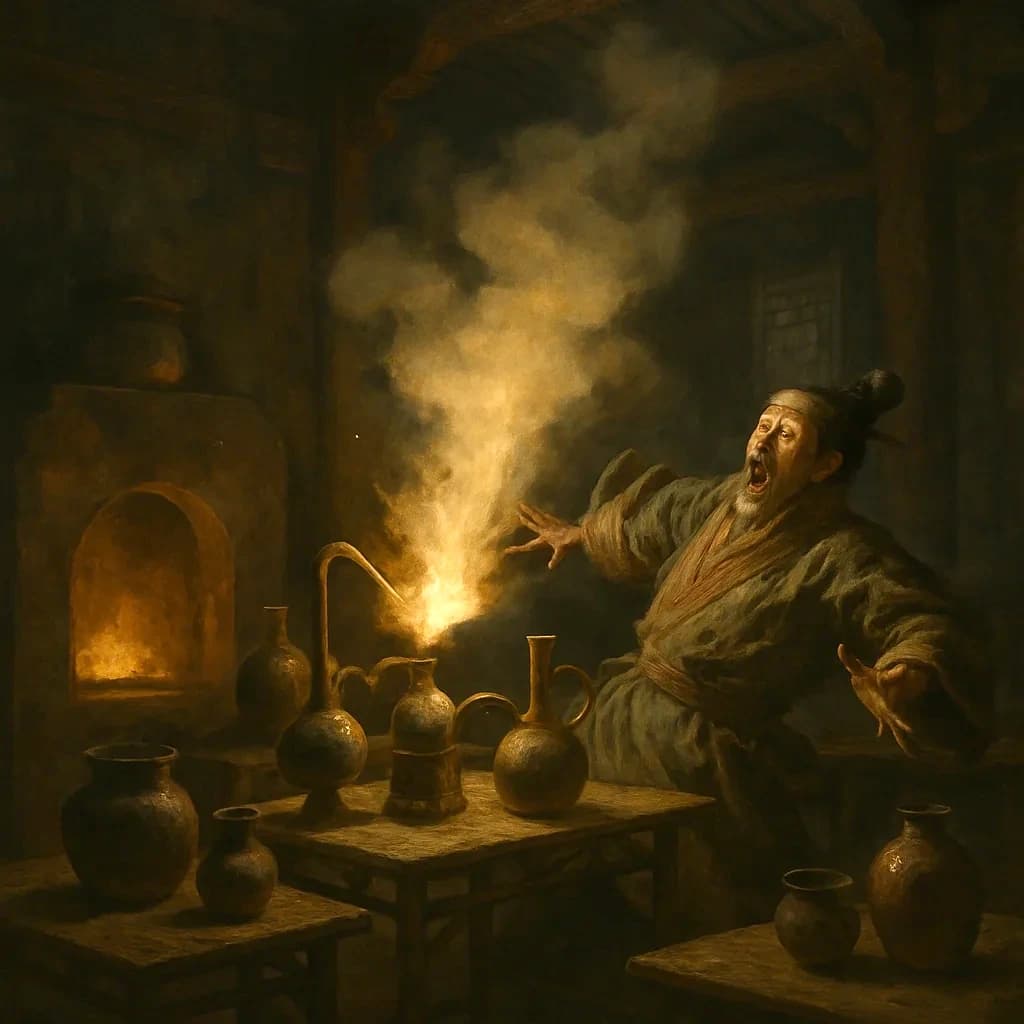
Chasing Immortality, He Brewed Gunpowder Instead
A Chinese emperor's desperate hunt for an immortality elixir produced the most destructive substance the ancient world had ever known.
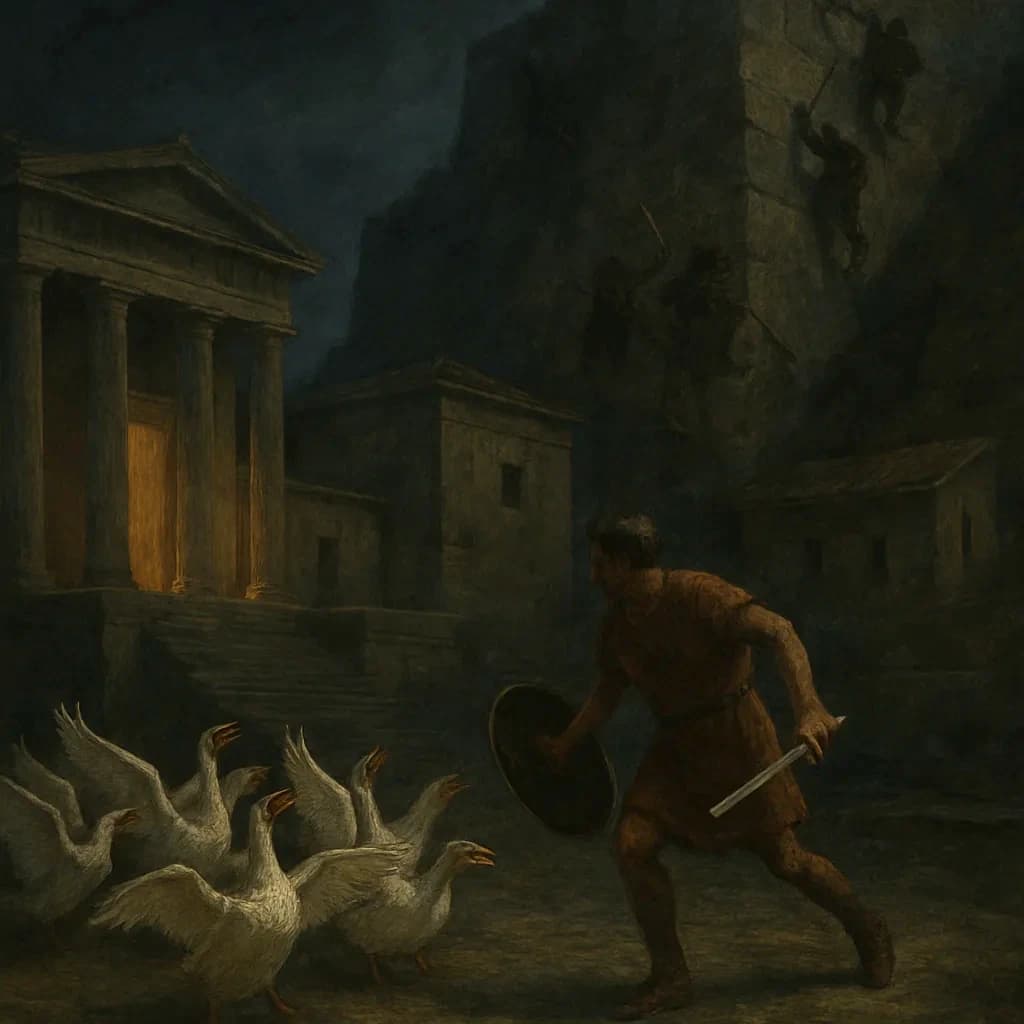
The Geese That Heard the Gauls Coming
When barbarian Gauls scaled the walls of the Capitoline Hill in 390 BC, Rome's sentries were asleep, but the sacred geese weren't.
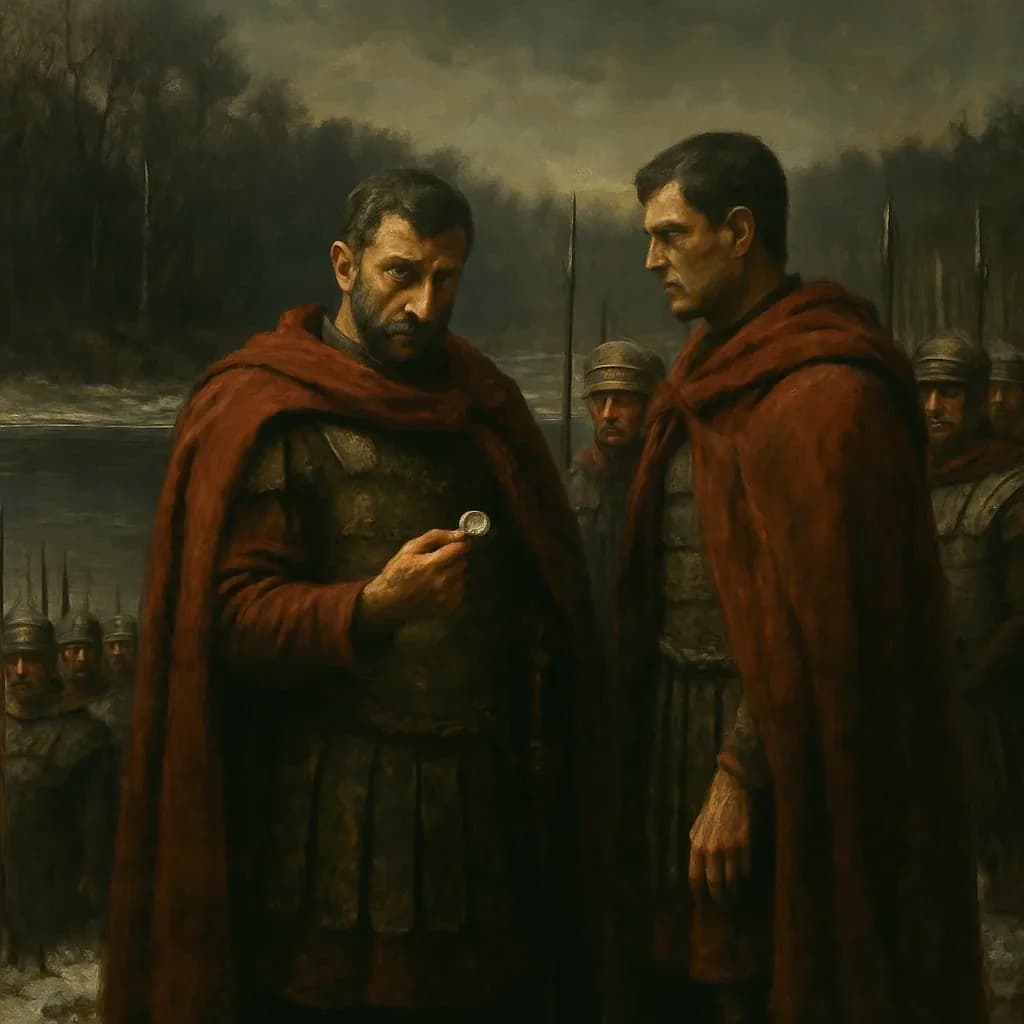
He Lost the Coin Toss and Took Rome Anyway
A single silver denarius was supposed to decide who ruled Rome in 69 AD, but the man who lost the flip ruled anyway.
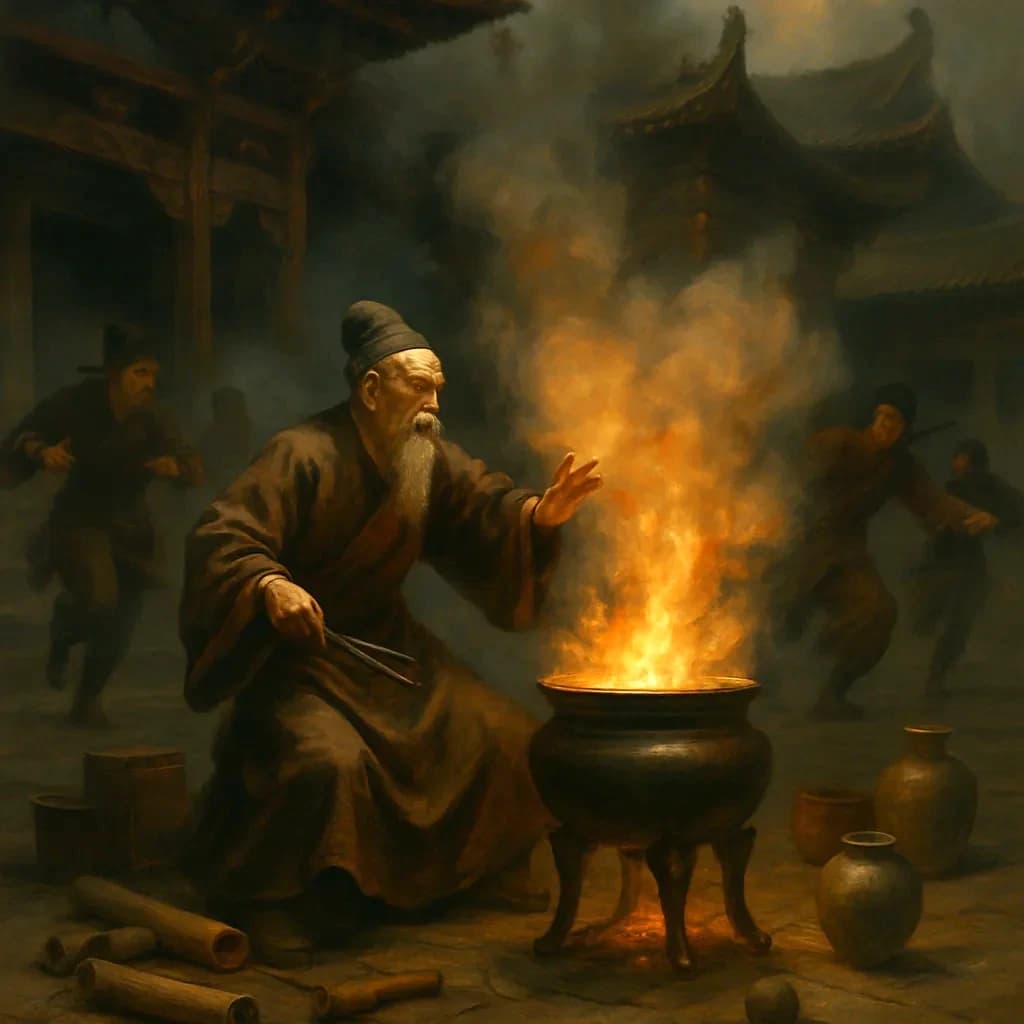
Searching for Immortality, He Invented Gunpowder
A Chinese alchemist's quest for immortality created the deadliest substance on Earth. And nobody realized it for a thousand years.
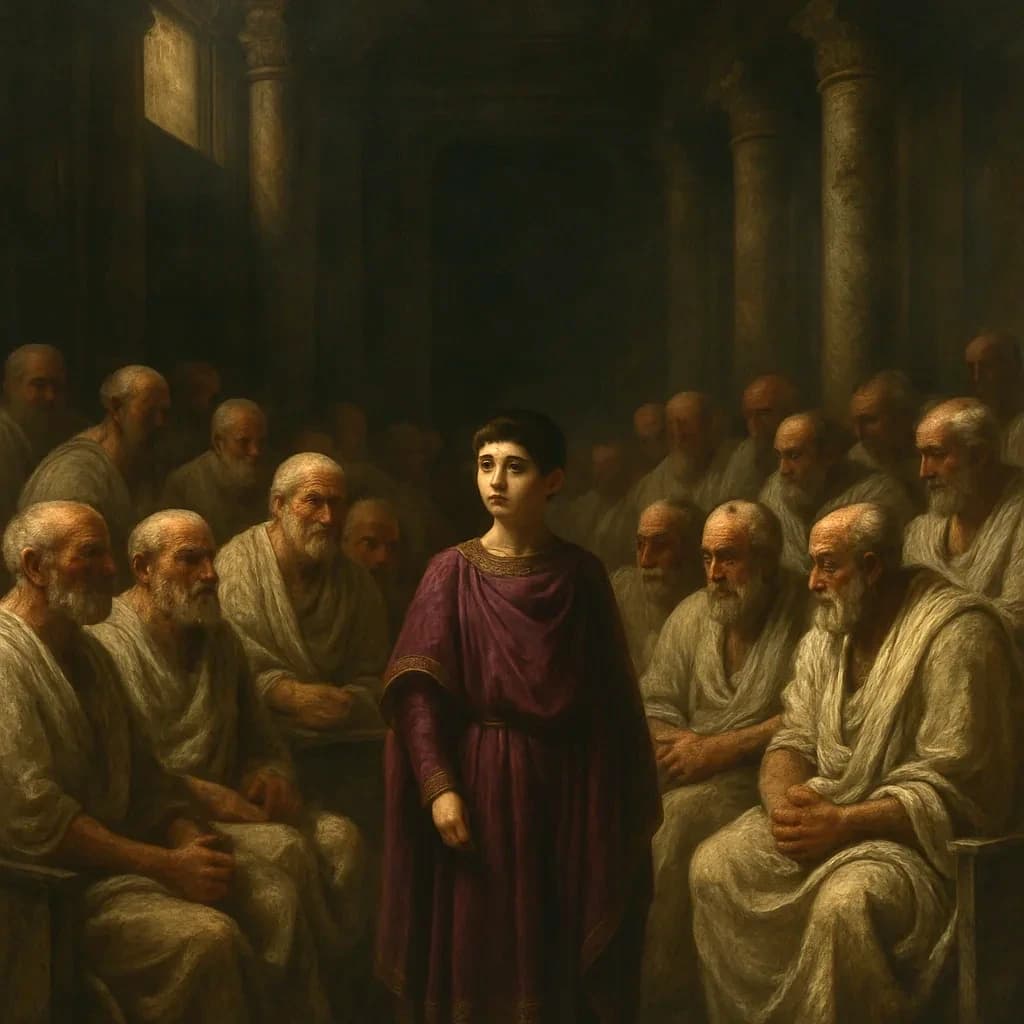
A Teenage Boy Ruled Rome for Exactly One Day
A teenage boy became ruler of the Roman Empire for exactly one day and changed the course of history forever.
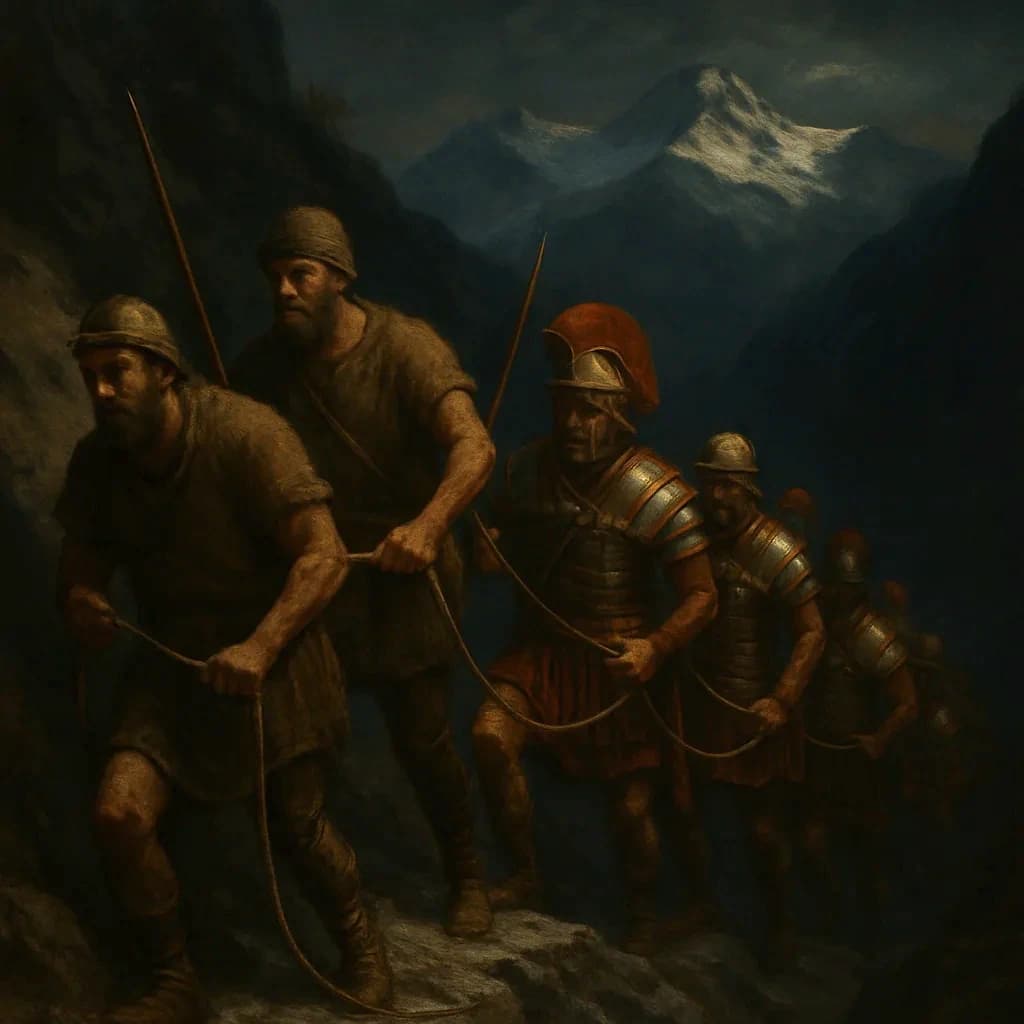
Trapped in the Alps, Aurelian Bet on His Barbarians
With Germanic tribes pouring down the mountainsides around his cornered army, Aurelian's salvation came from the men Rome despised most, a handful of barbarian soldiers in his own ranks.
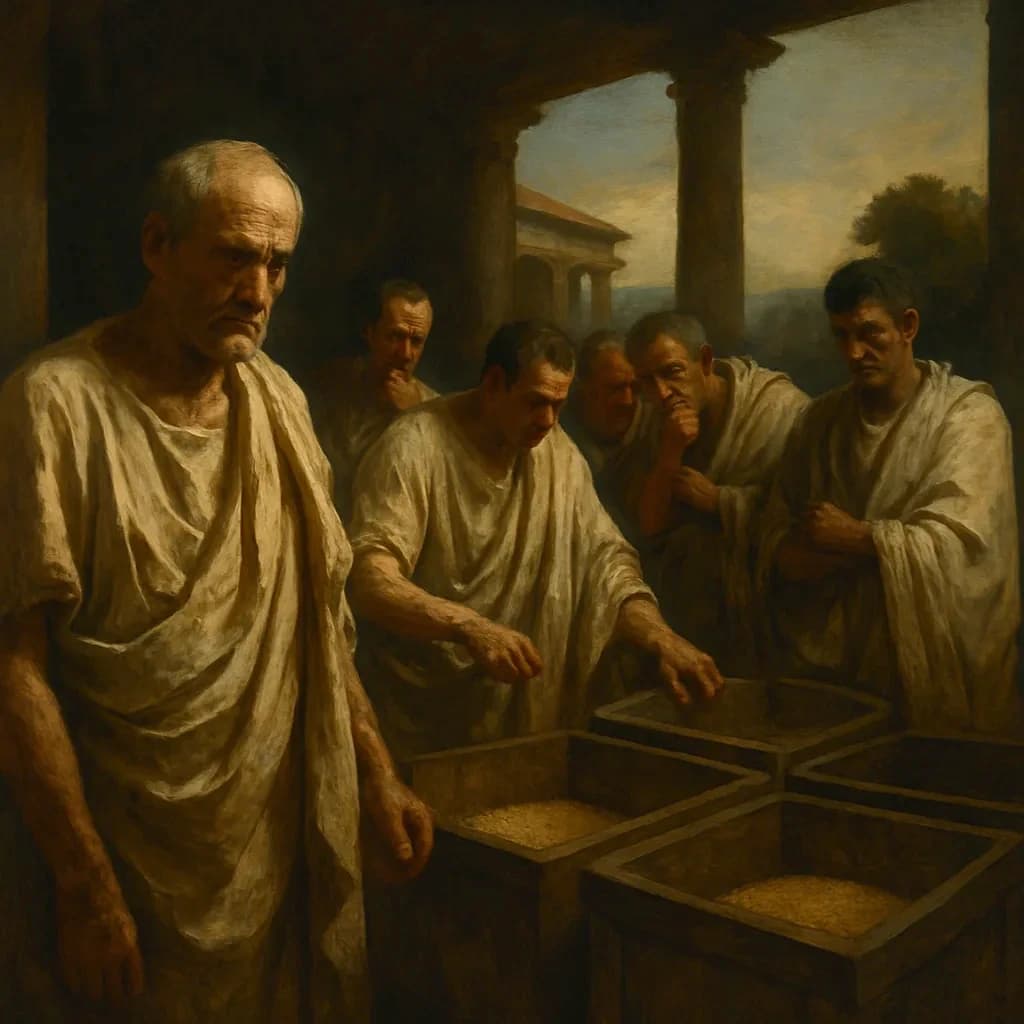
When Antarctica Saved Rome
A volcanic eruption in the middle of nowhere changed the course of European history without anyone knowing why.
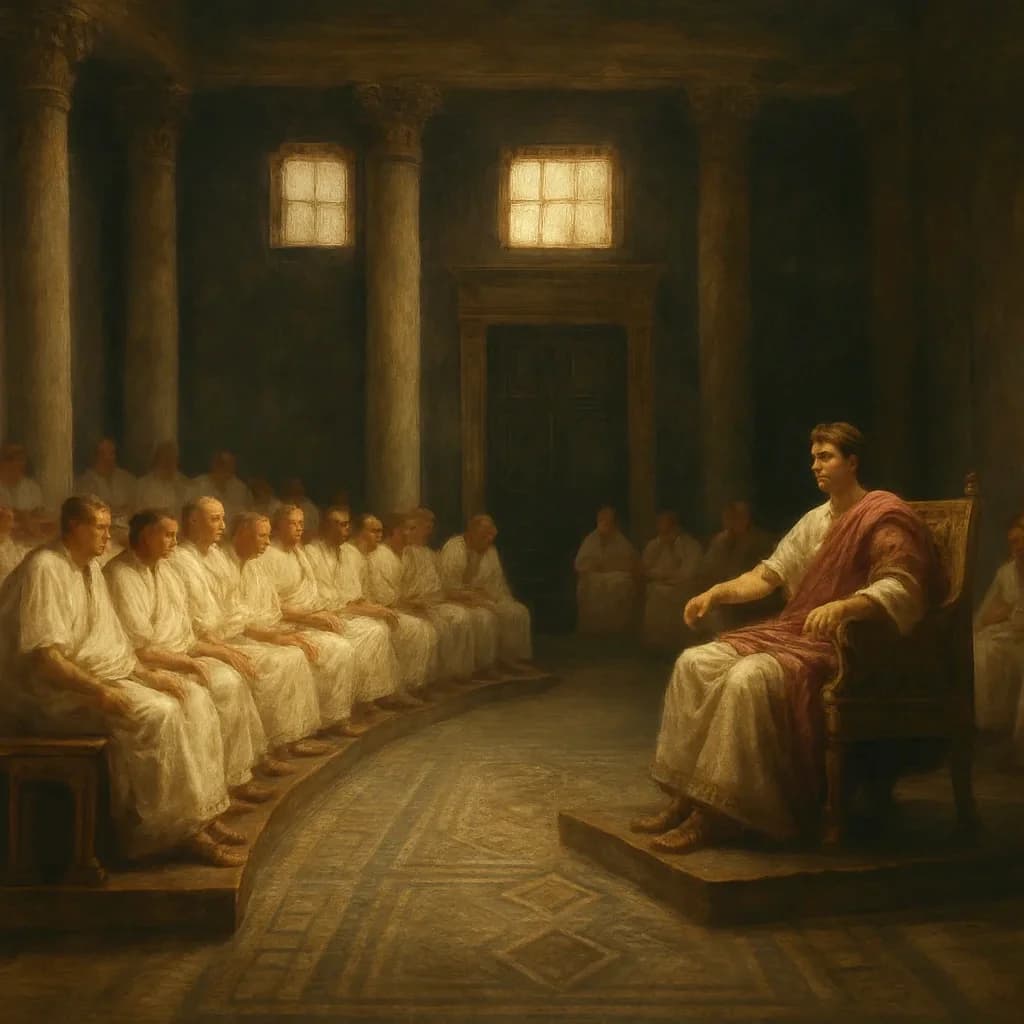
A Senator's Bad Stomach Saved Augustus Caesar
A Roman senator's urgent need to relieve himself derailed the assassination of Augustus Caesar and changed the course of history.
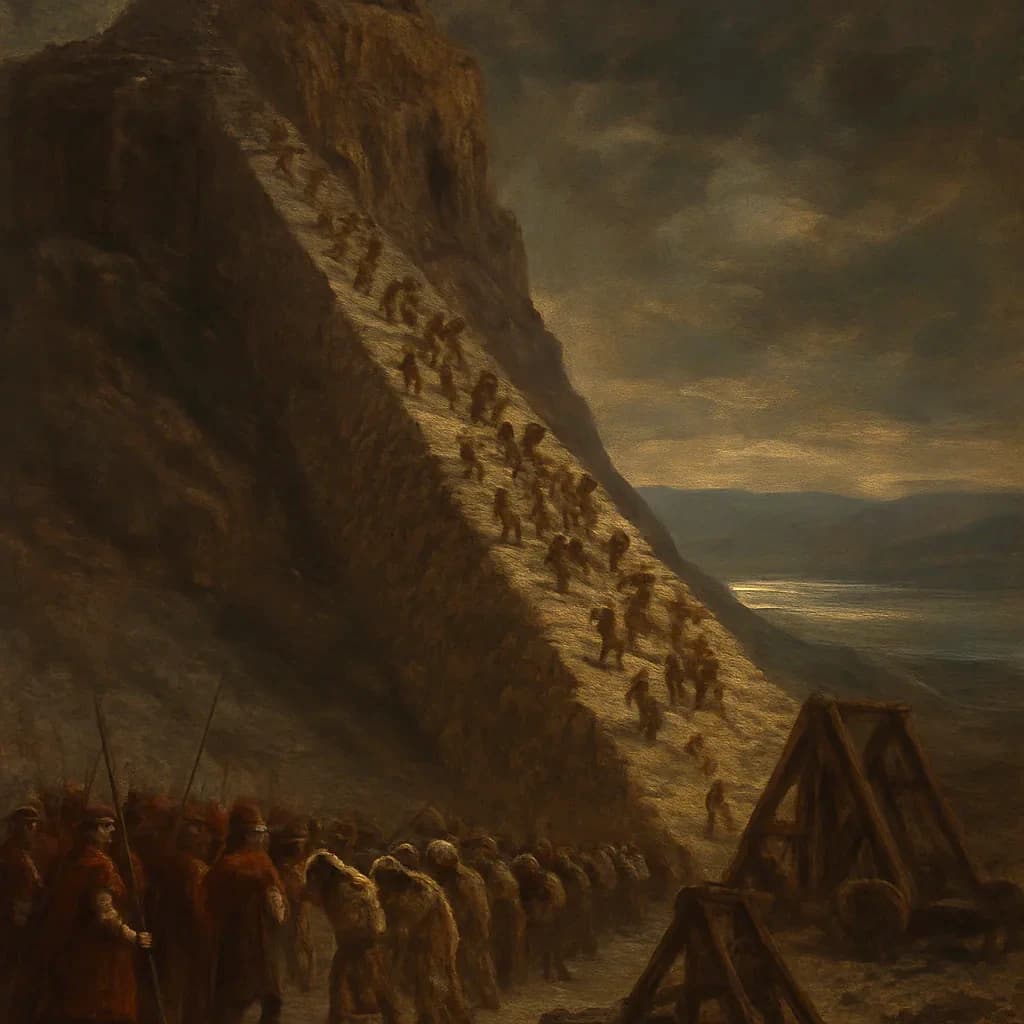
What the Romans Built in Six Days
A siege that should have lasted months ended in less than a week, thanks to an engineering miracle that Rome forgot how to build.
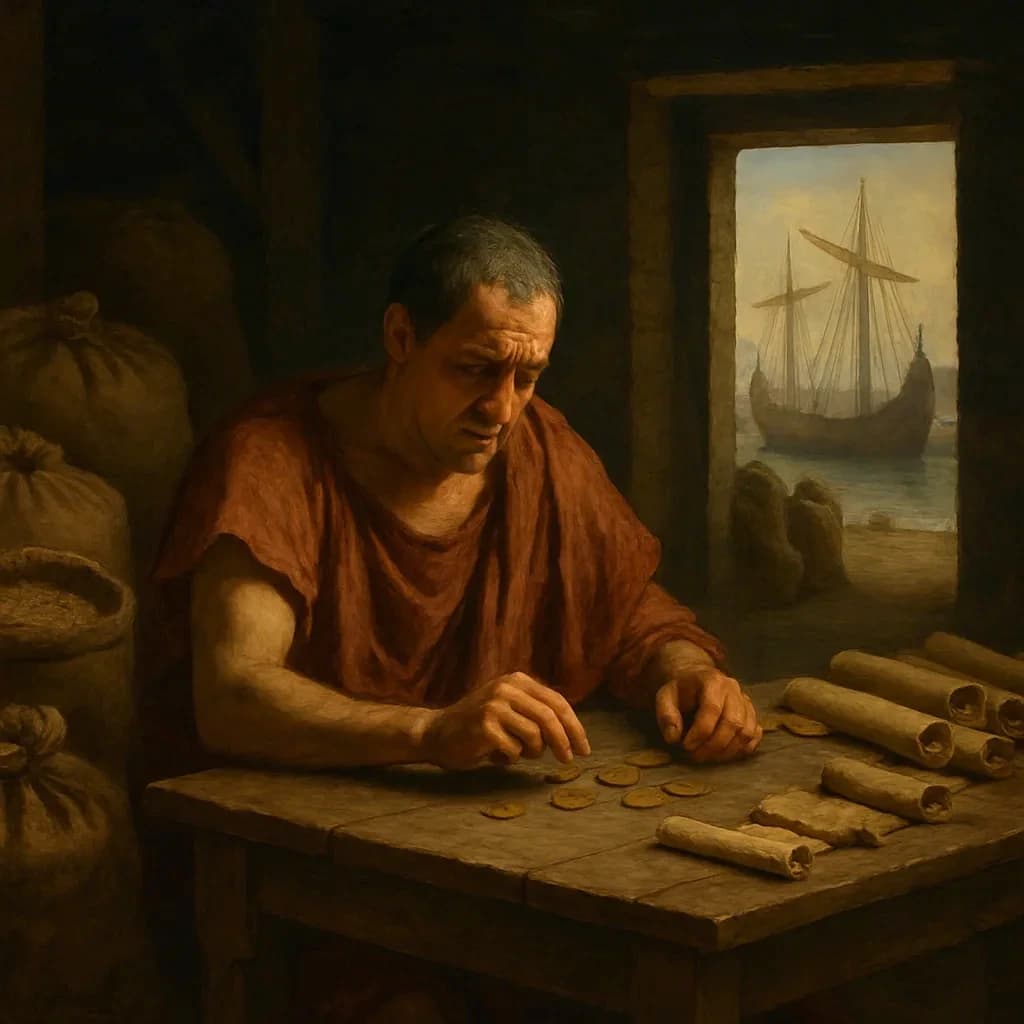
Five Missing Coins and the Fall of Carthage
A miscount worth five coins of wheat in a sweltering Sicilian ledger set off the Third Punic War.
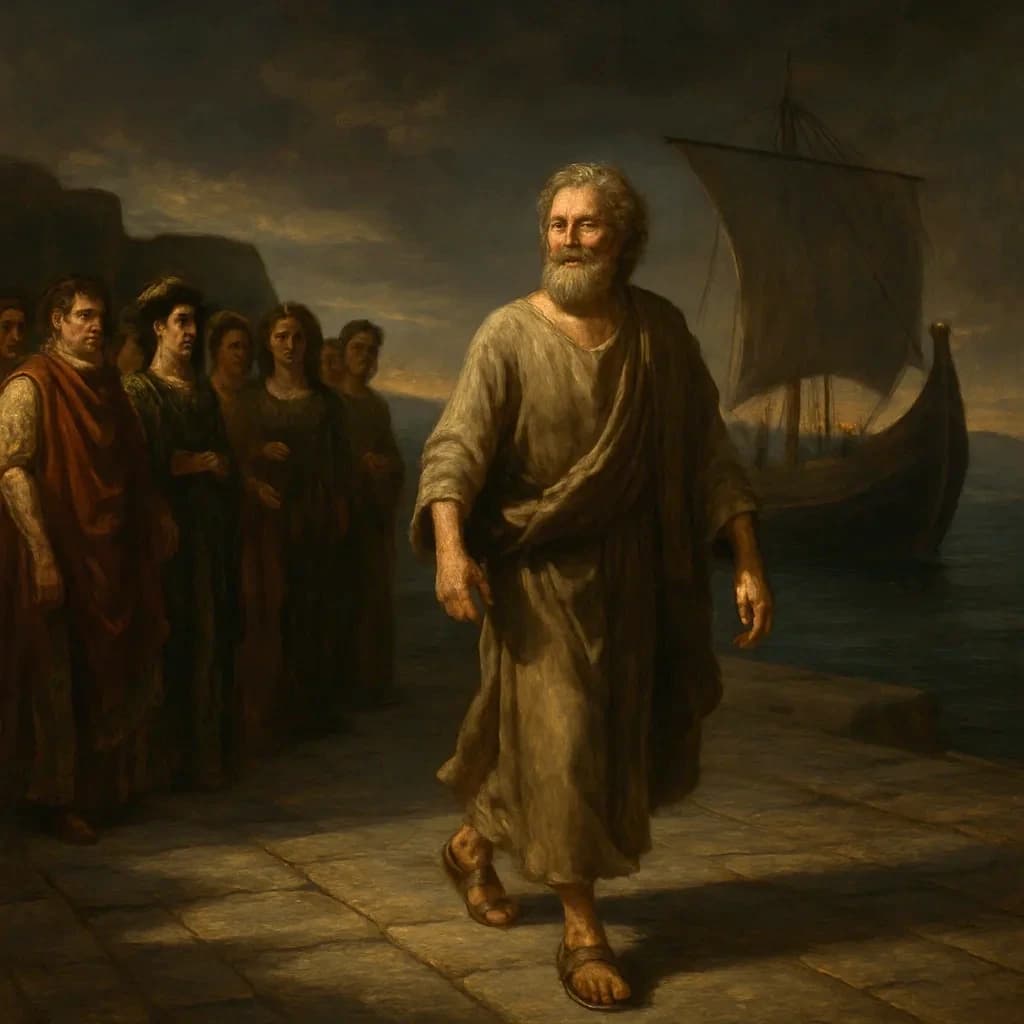
An Emperor Chased a Comet and Accidentally Founded a Philosophy
A Roman emperor chased a comet across the Black Sea and accidentally founded one of history's most enduring philosophical schools.
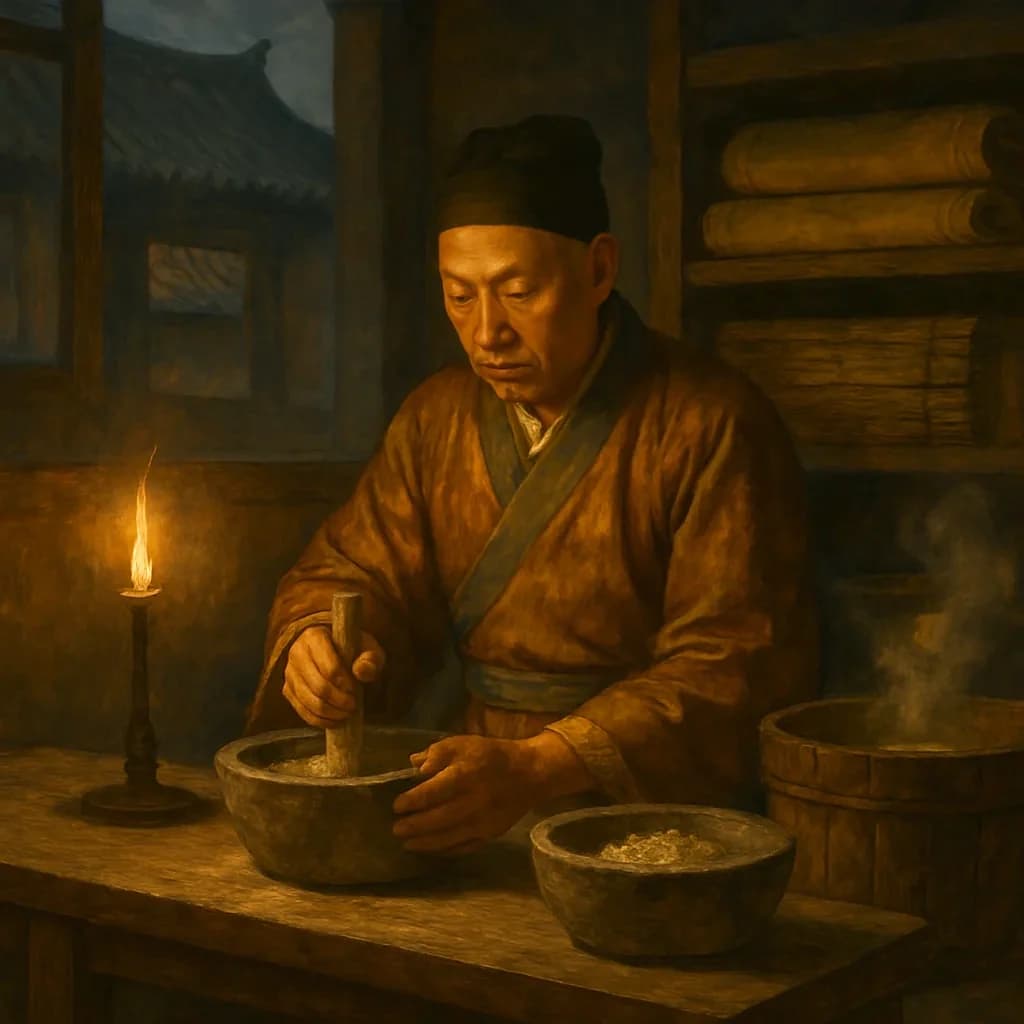
A Midnight Experiment With Tree Bark Toppled Empires
A scholar's midnight experiment with tree bark ended up toppling empires that had never heard his name.
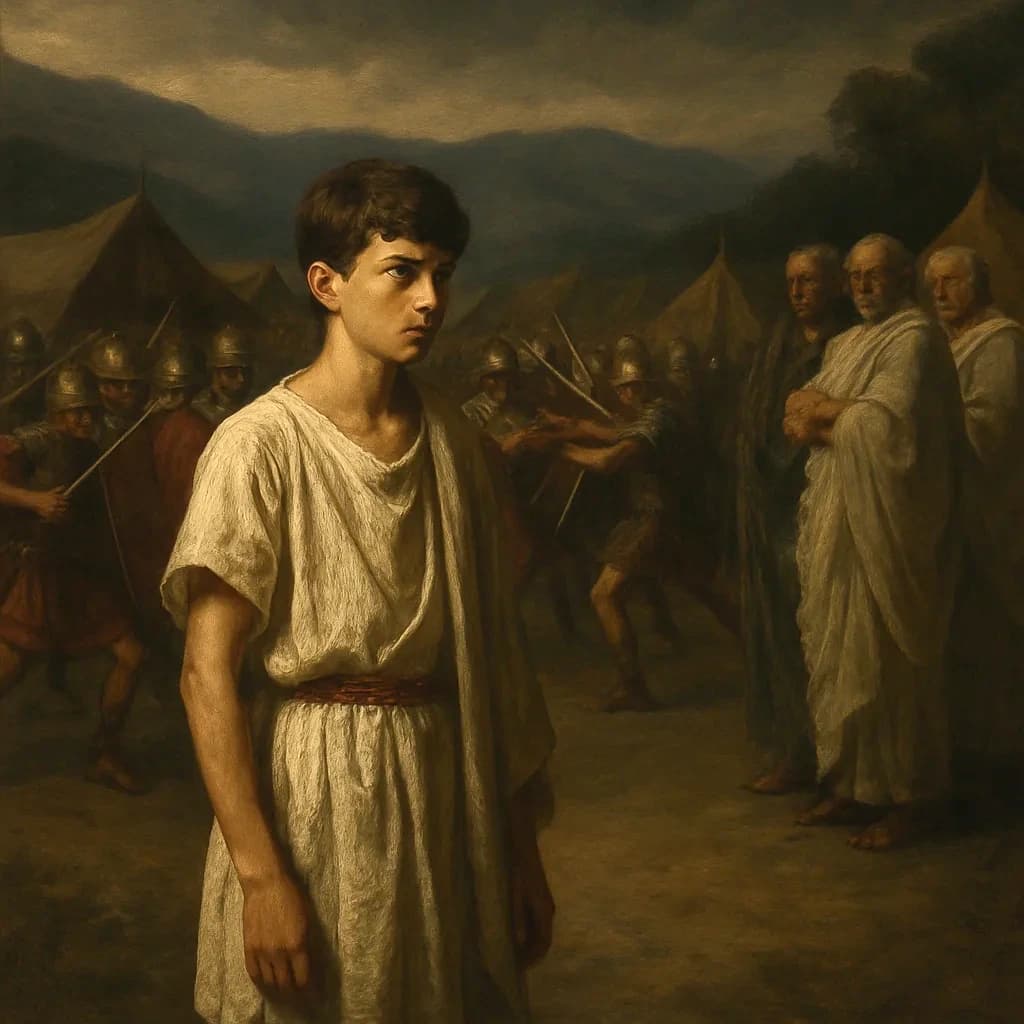
Rome's Captive Prince Used Its Own Tactics Against It
A thirteen-year-old boy spent four years as a political prisoner in Rome, then returned home to conquer half the known world.
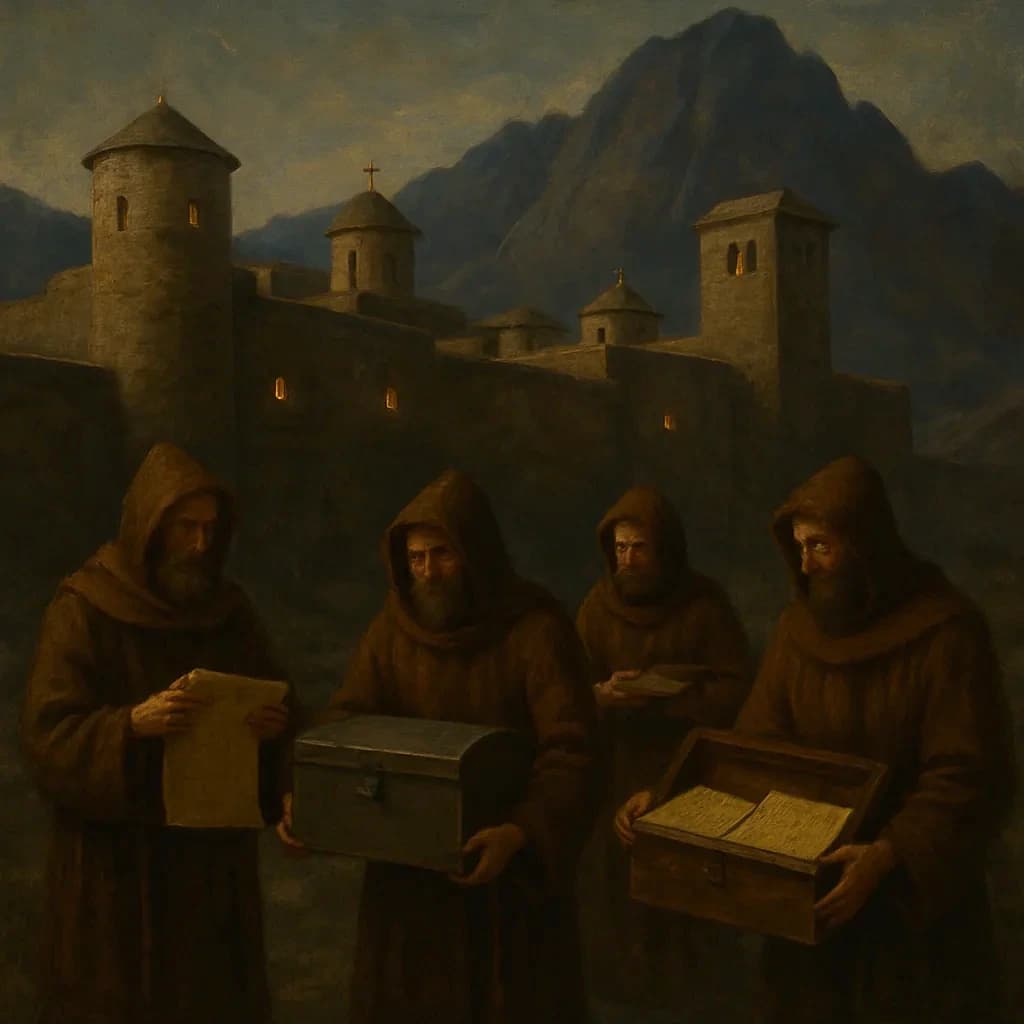
The Desert Library Rome Branded Heresy
While Rome burned and barbarians swept across Europe, a small community in Egypt quietly preserved the intellectual foundation of Western civilization.
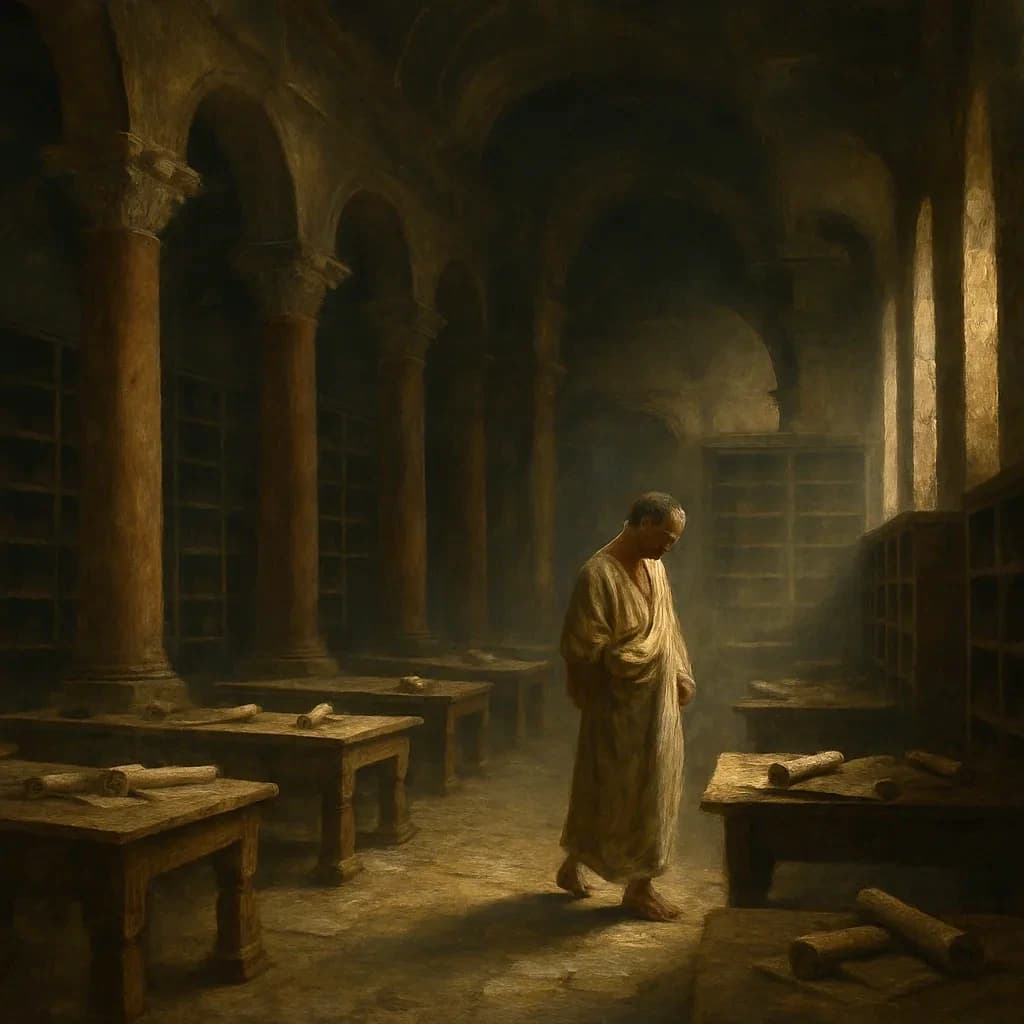
Nobody Burned the Library of Alexandria
The most famous library destruction in history never happened, and the real story is far more depressing.
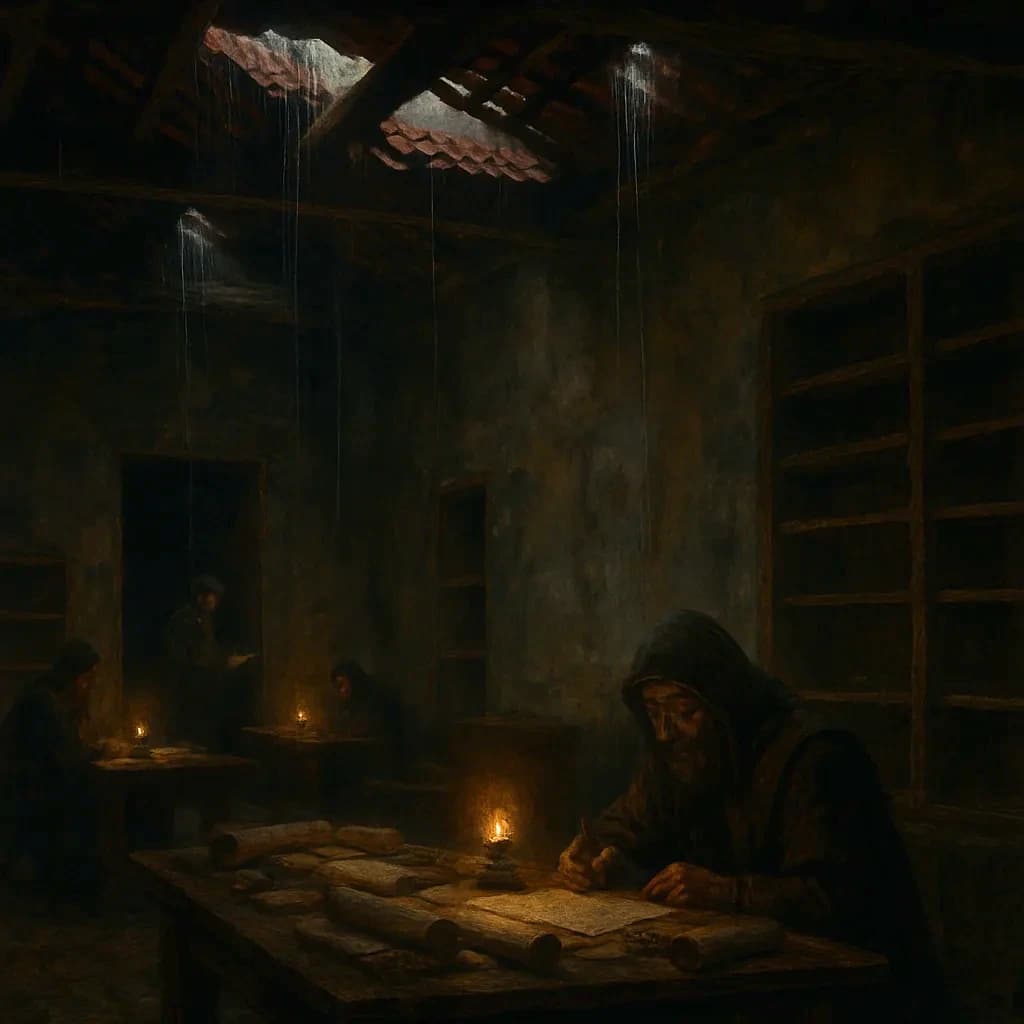
Politicians and Priests Carved Up the World's Greatest Library
Alexandria's famous library didn't burn down in one catastrophic fire. It slowly bled to death over centuries as politicians, priests, and bureaucrats took turns carving out pieces.
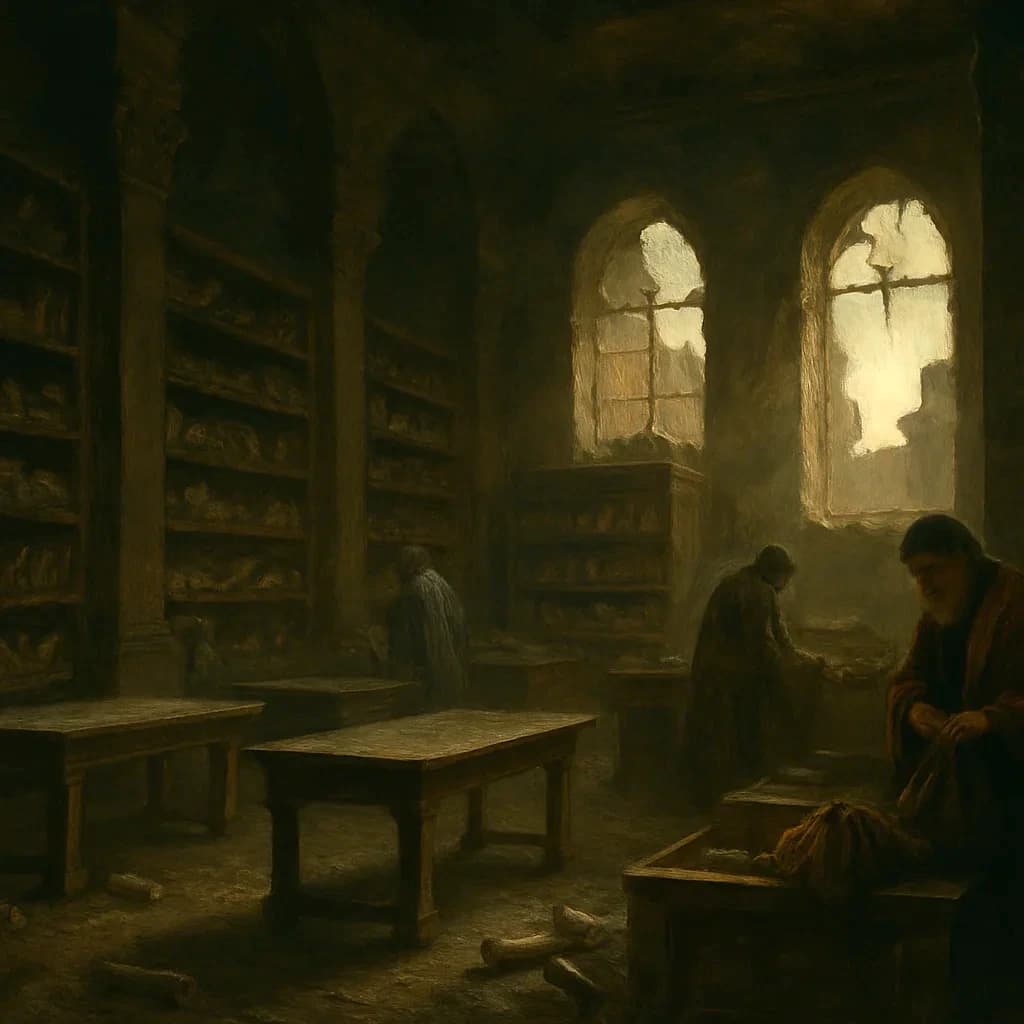
Alexandria's Library Died in Budget Meetings, Not Flames
The Library of Alexandria wasn't destroyed in one dramatic fire. It was slowly strangled over centuries by budget cuts, religious politics, and academic brain drain.
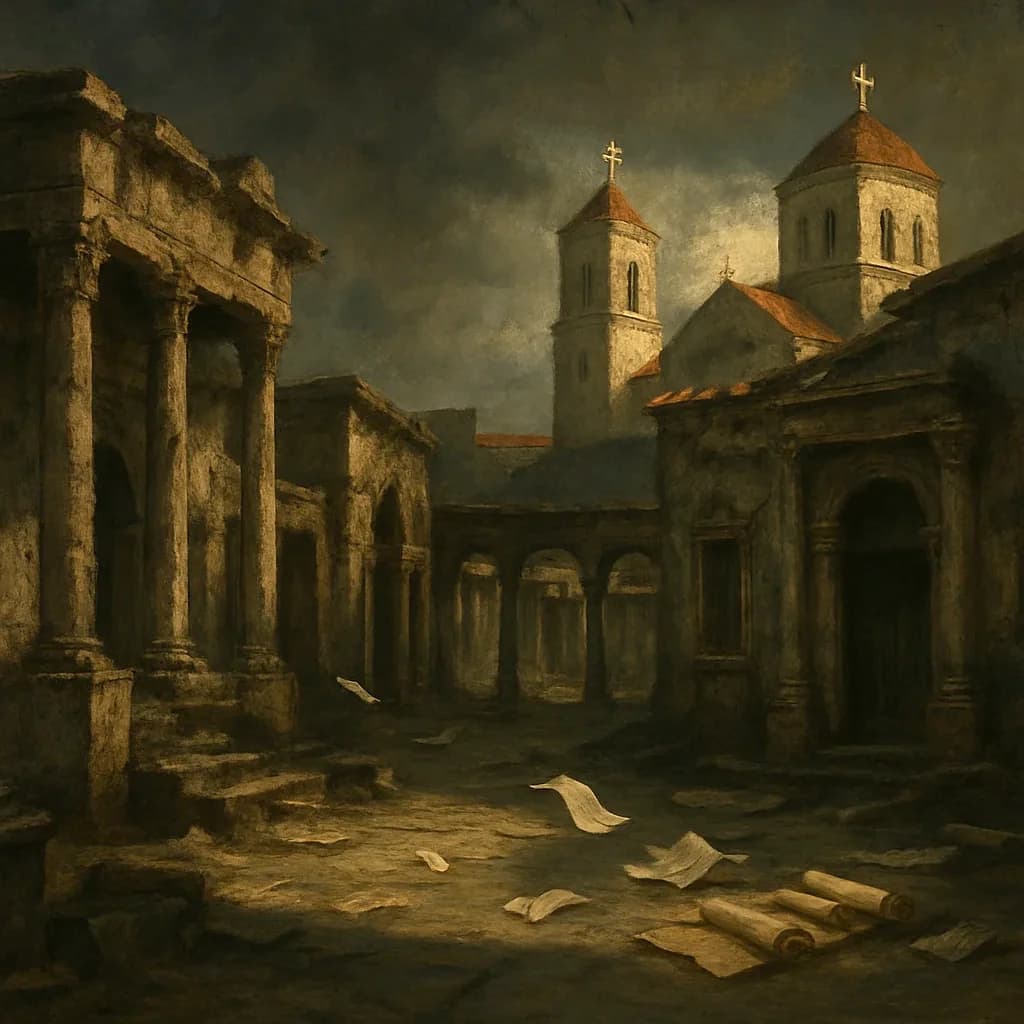
The Library of Alexandria Didn't Burn Down
History's most famous library didn't vanish in one dramatic fire. It slowly devoured its own knowledge over centuries of neglect, rivalry, and deliberate erasure.
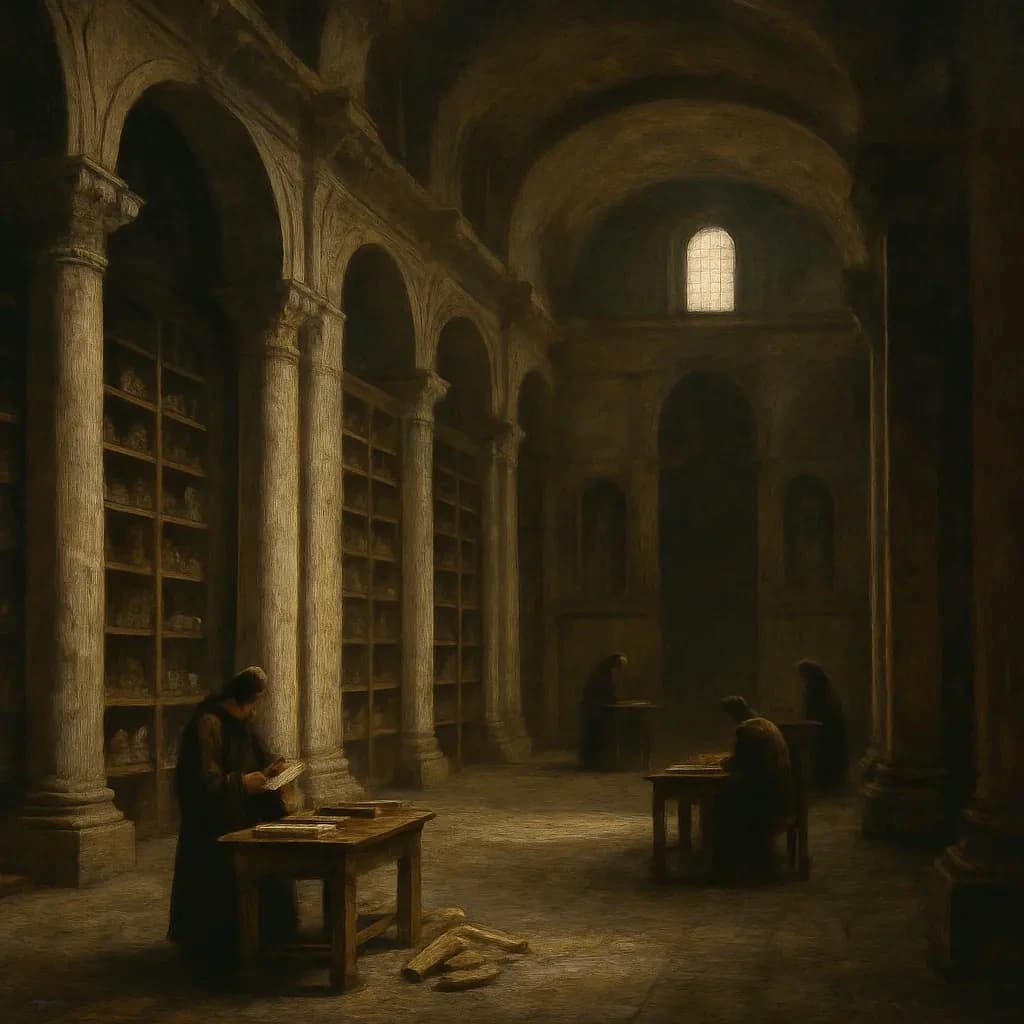
Budget Cuts Killed the Library of Alexandria
Alexandria's Great Library didn't die in one dramatic fire. It slowly bled to death over seven centuries while everyone argued about who killed it.
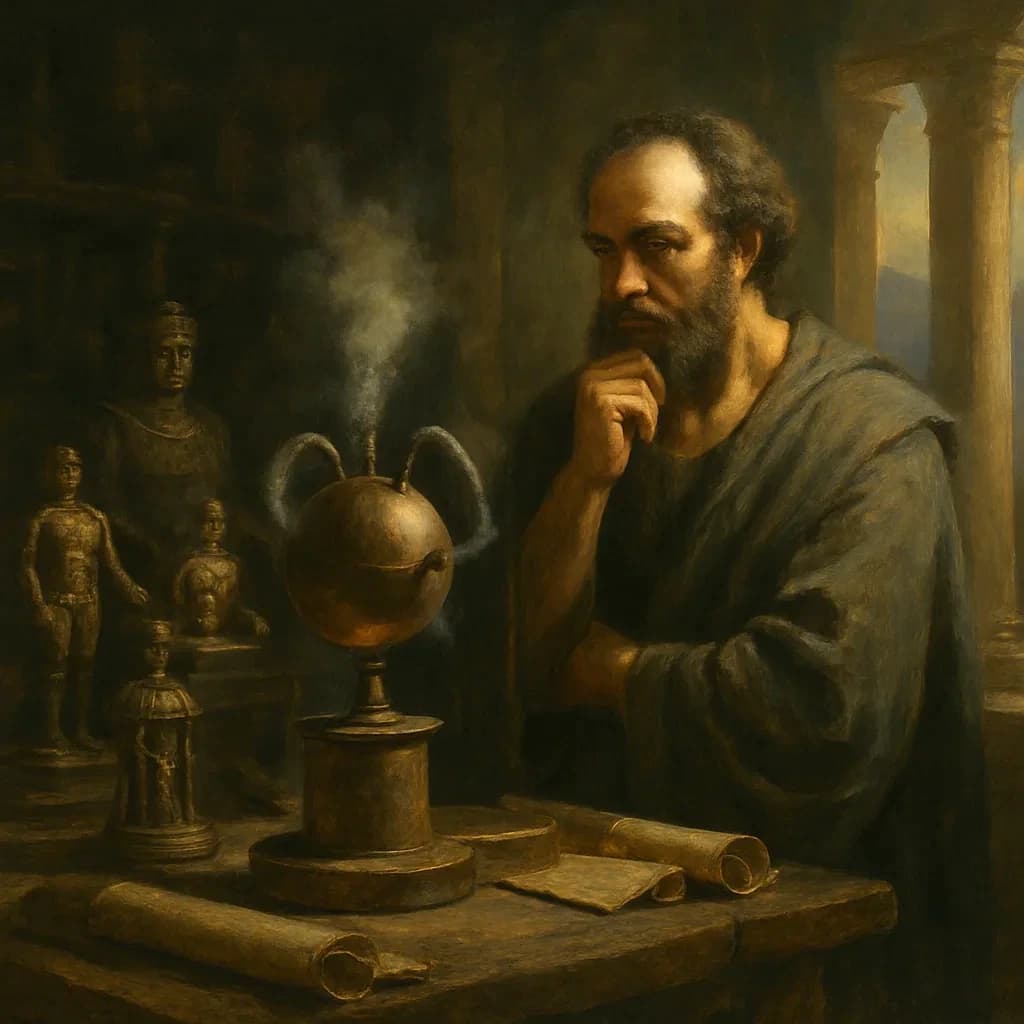
Rome Saw the First Steam Engine and Shrugged
Hero of Alexandria built a working steam engine in 100 AD, then the world ignored it for seventeen centuries.
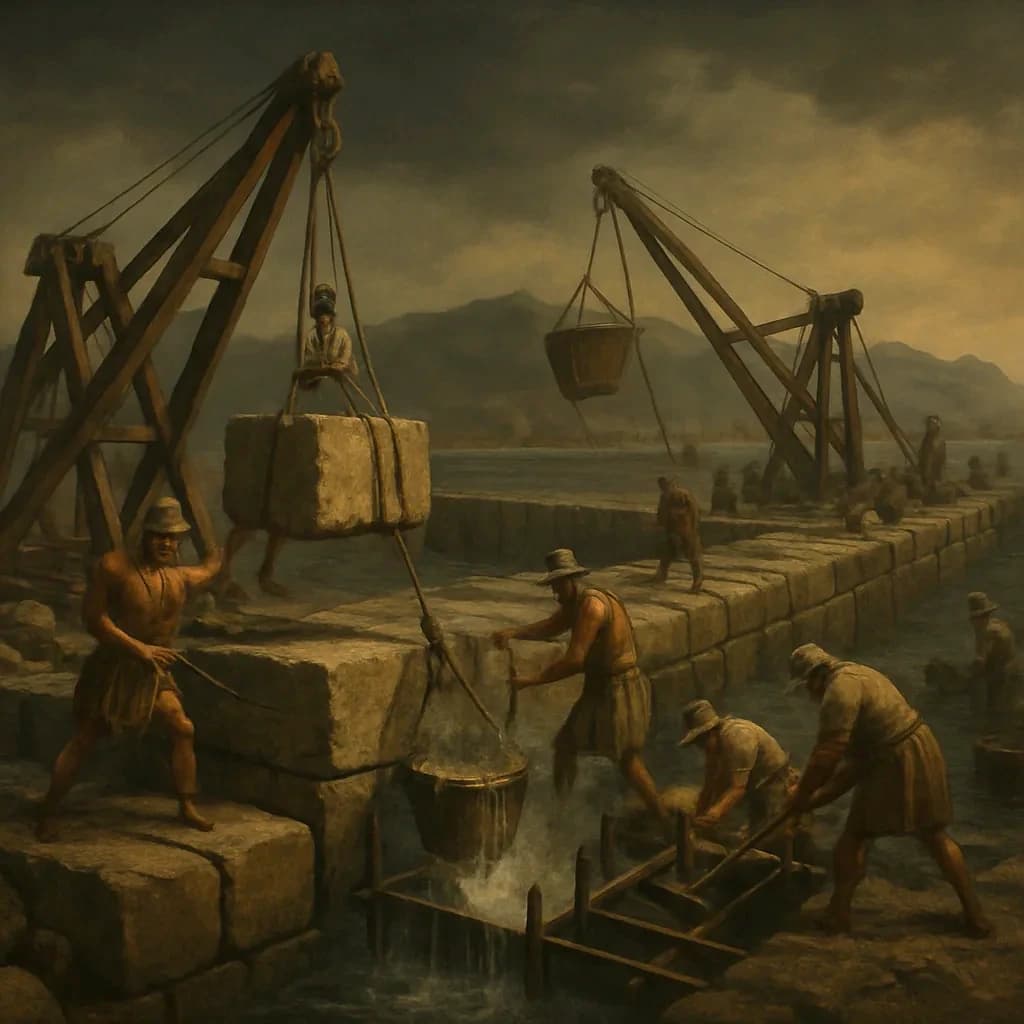
Rome Built a Navy in a Swamp
Marcus Agrippa turned a muddy coastline into the naval base that would dominate the Mediterranean for centuries.
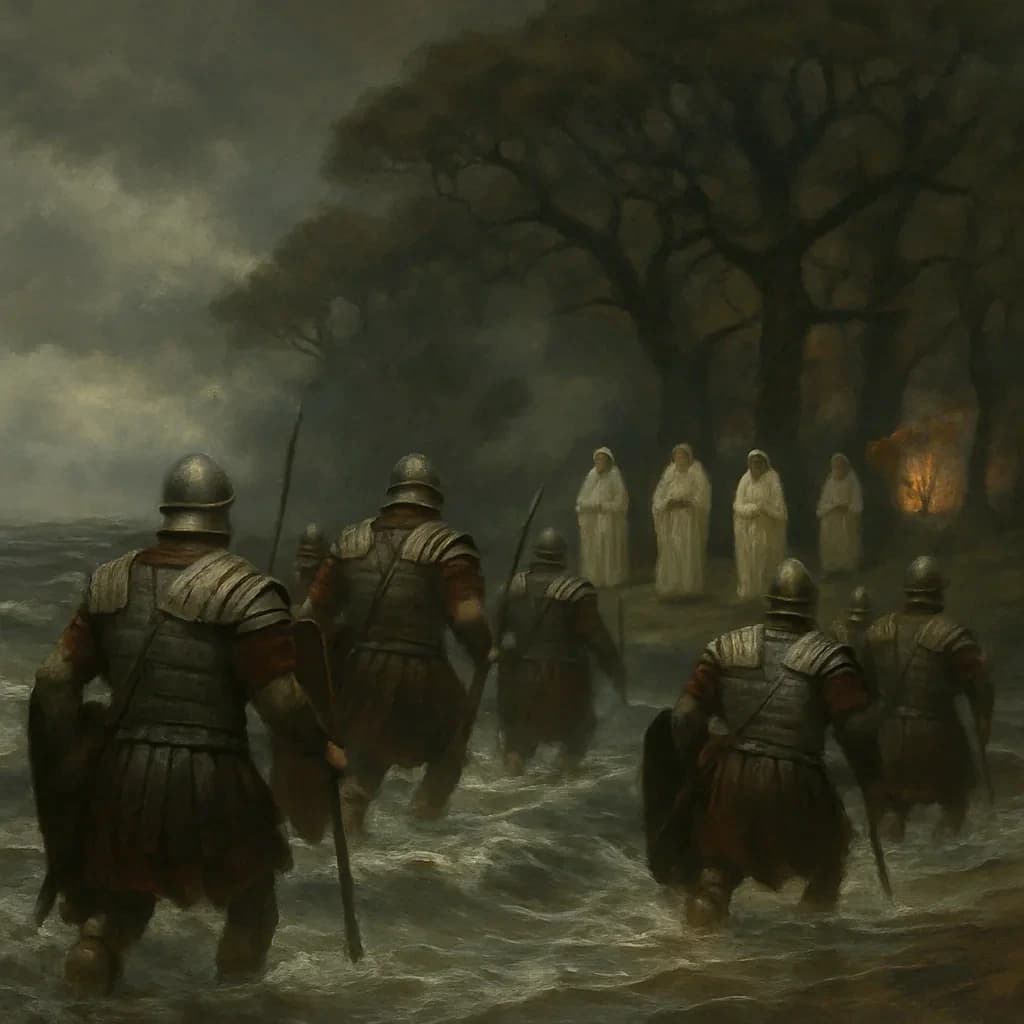
How Rome Hunted the Druids of Anglesey
Rome finally cornered the druids on their sacred island, and the slaughter that followed became the template for destroying indigenous knowledge across the empire.
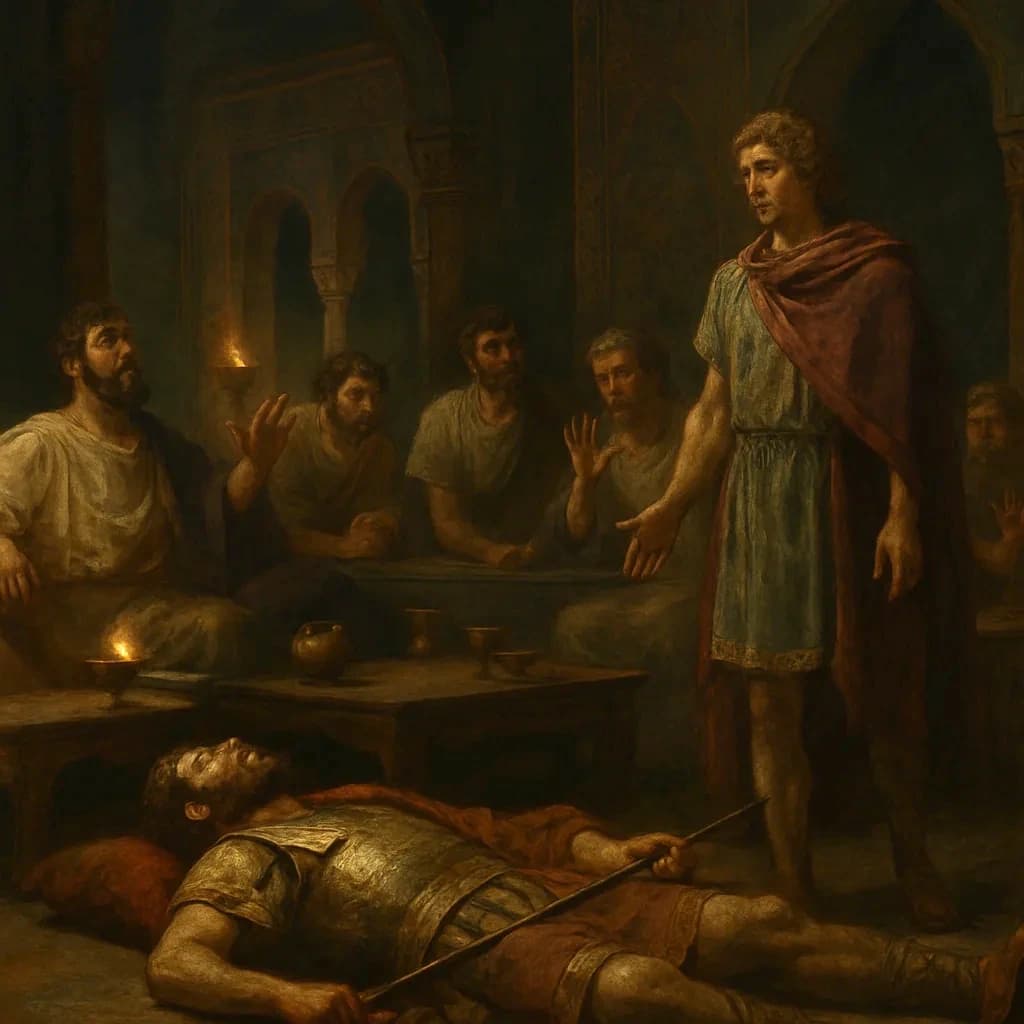
Alexander Killed the Friend Who Saved His Life
A drinking party in 328 BC nearly cost Alexander the Great his empire, not from enemy action, but from his own hand.
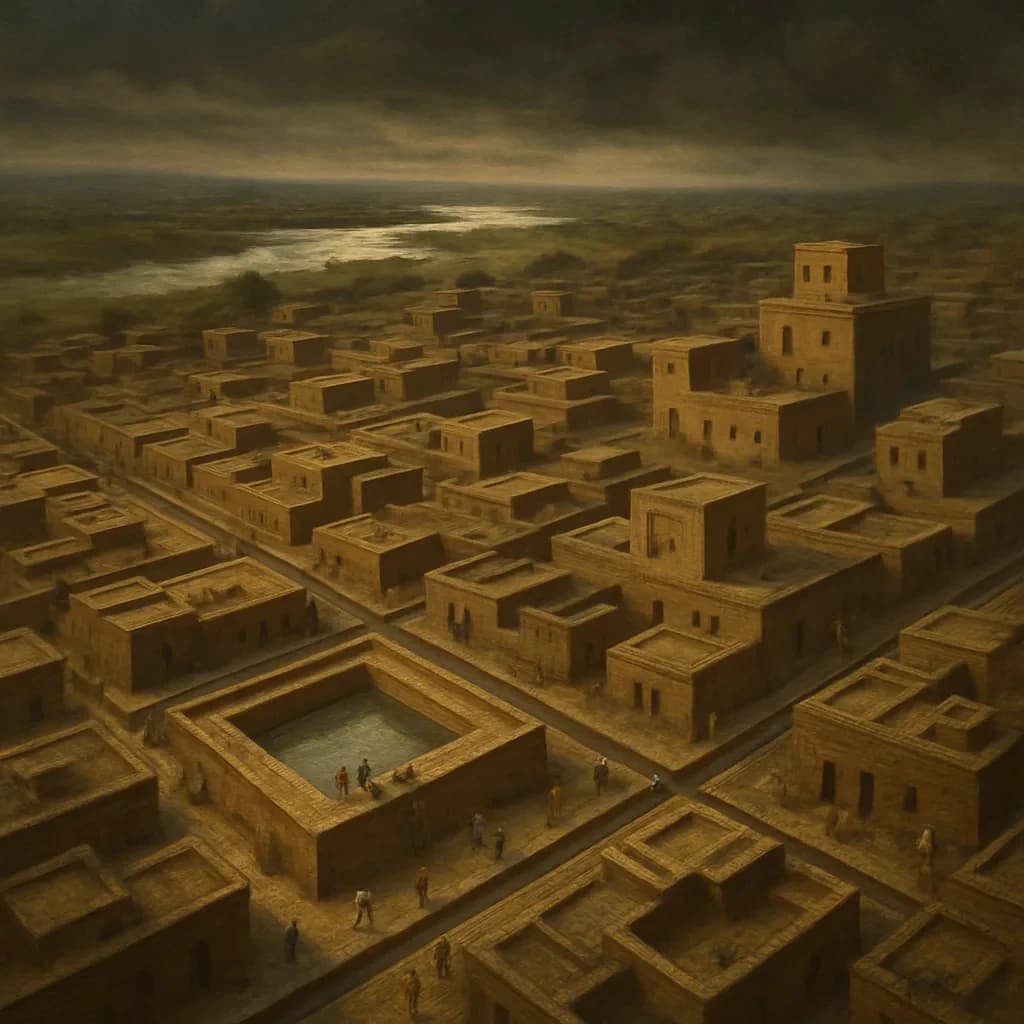
Flush Toilets in 2600 BCE, and No Kings
Harappa had flush toilets when London was a swamp, but nobody bothered to write down their names.
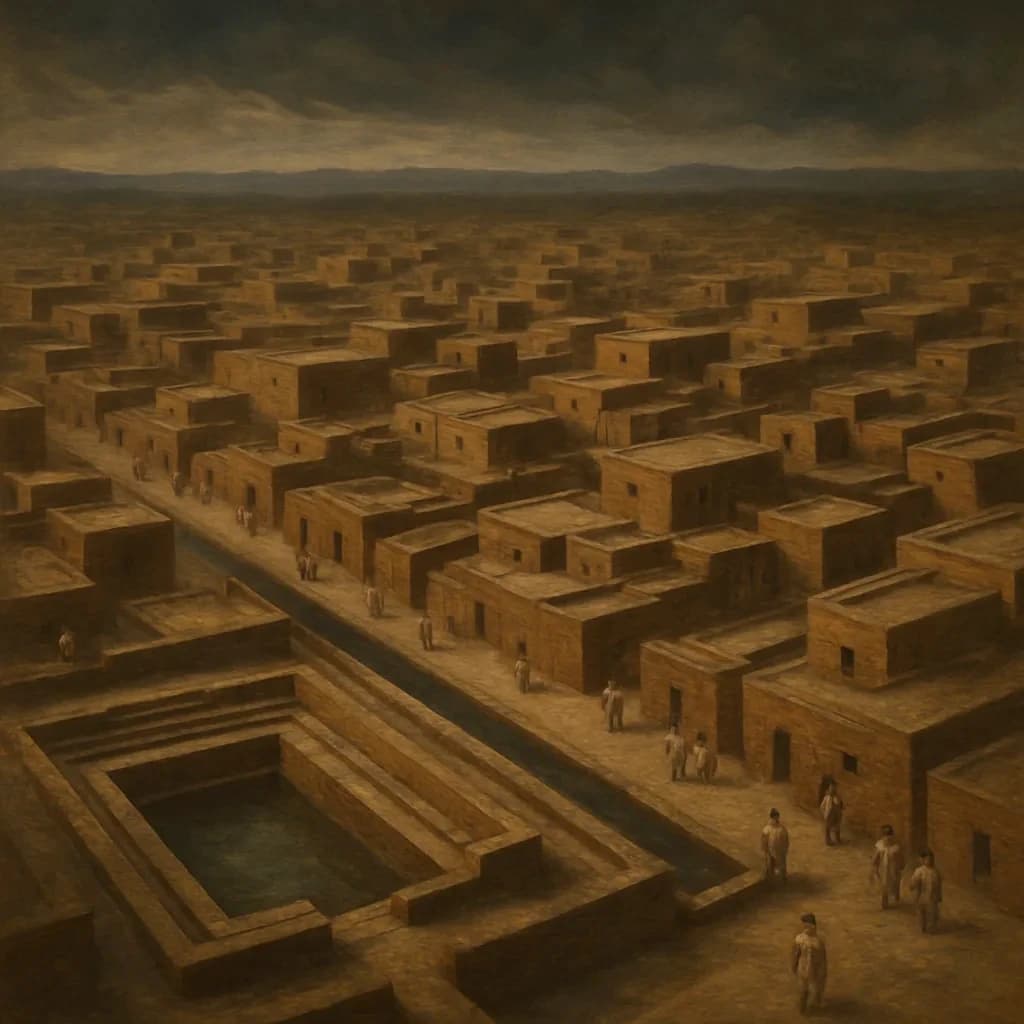
Harappa Invented the Decimal System, Then Vanished
While Europe struggled with Roman numerals, a forgotten civilization was performing advanced surgery and inventing the decimal system.
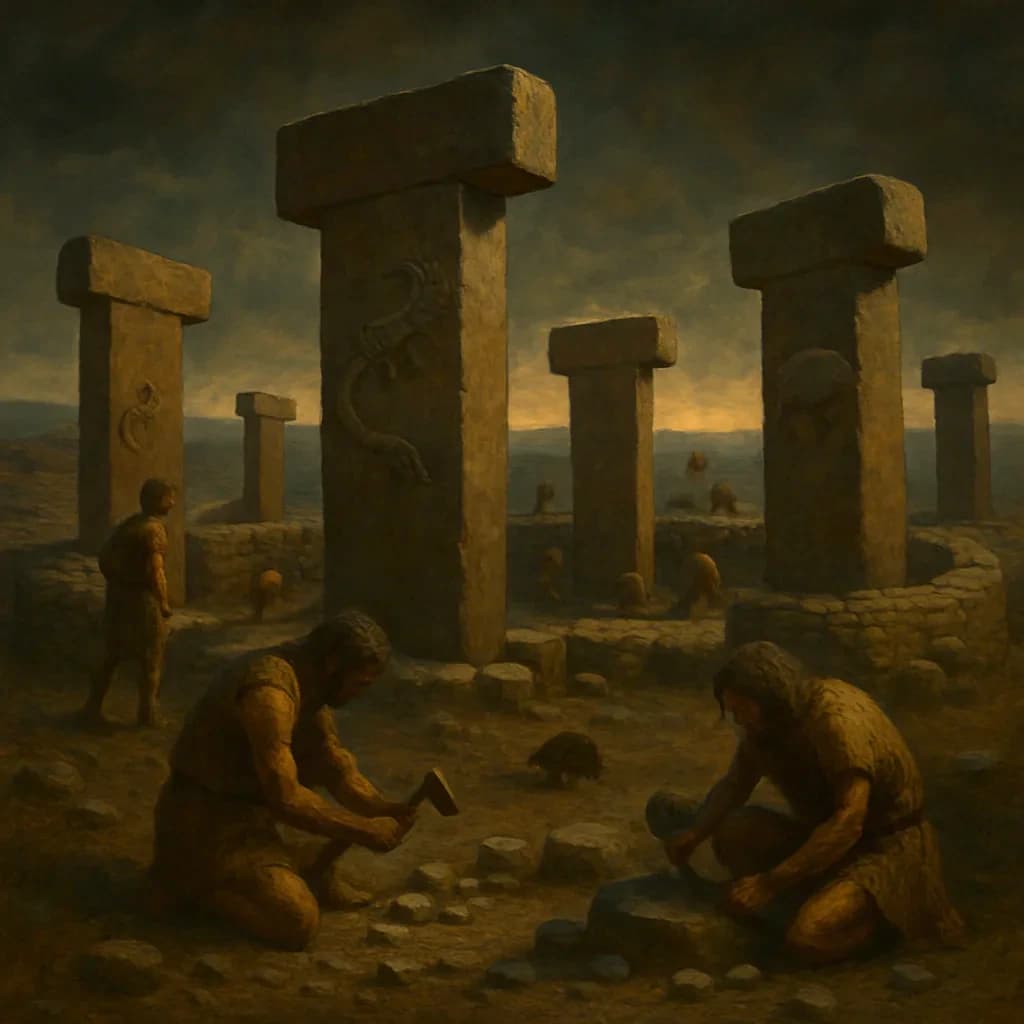
They Built an Impossible Temple, Then Buried It on Purpose
Before the pyramids existed, humans built a temple so complex it shouldn't have been possible, then buried it on purpose.
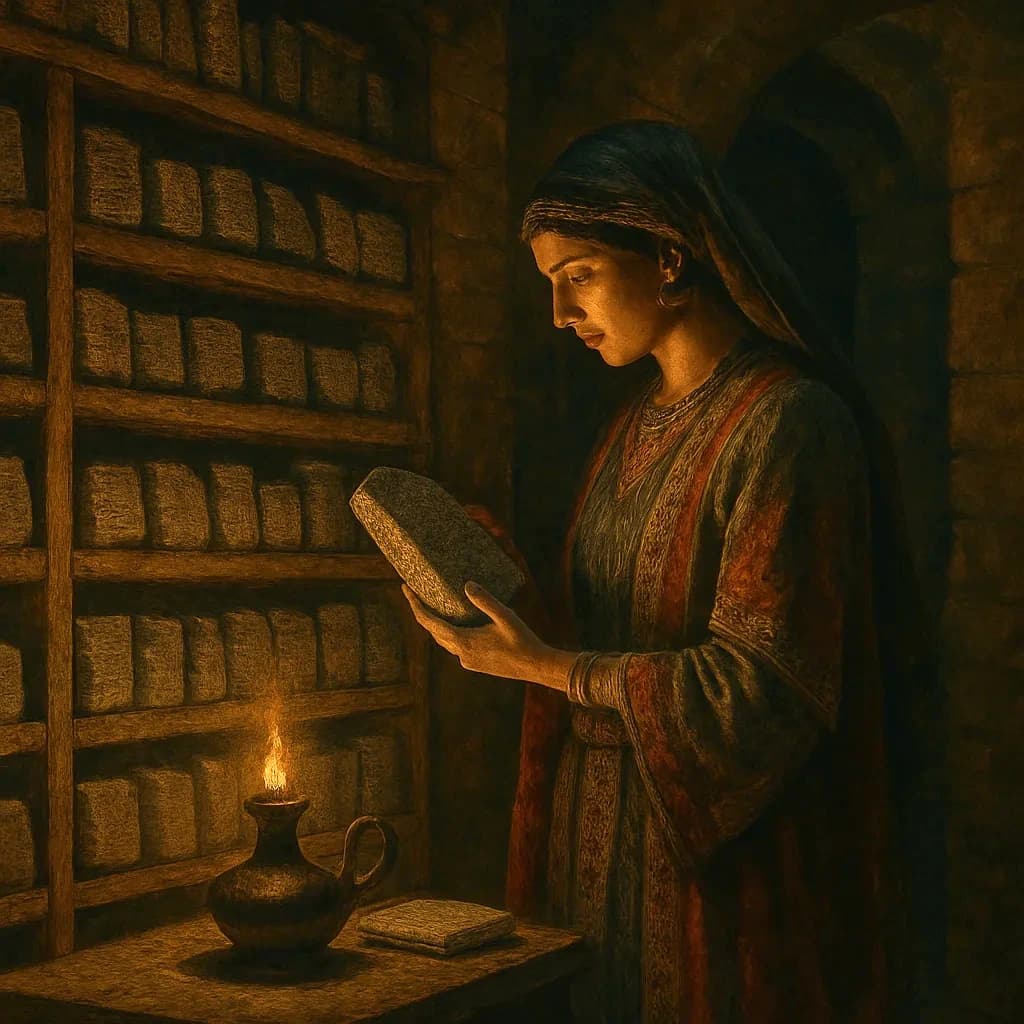
Who Really Ran the Money in History's First Cities
An entire civilization's business paperwork survived in baked clay, and it revealed a shocking truth about who really ran history's first cities.
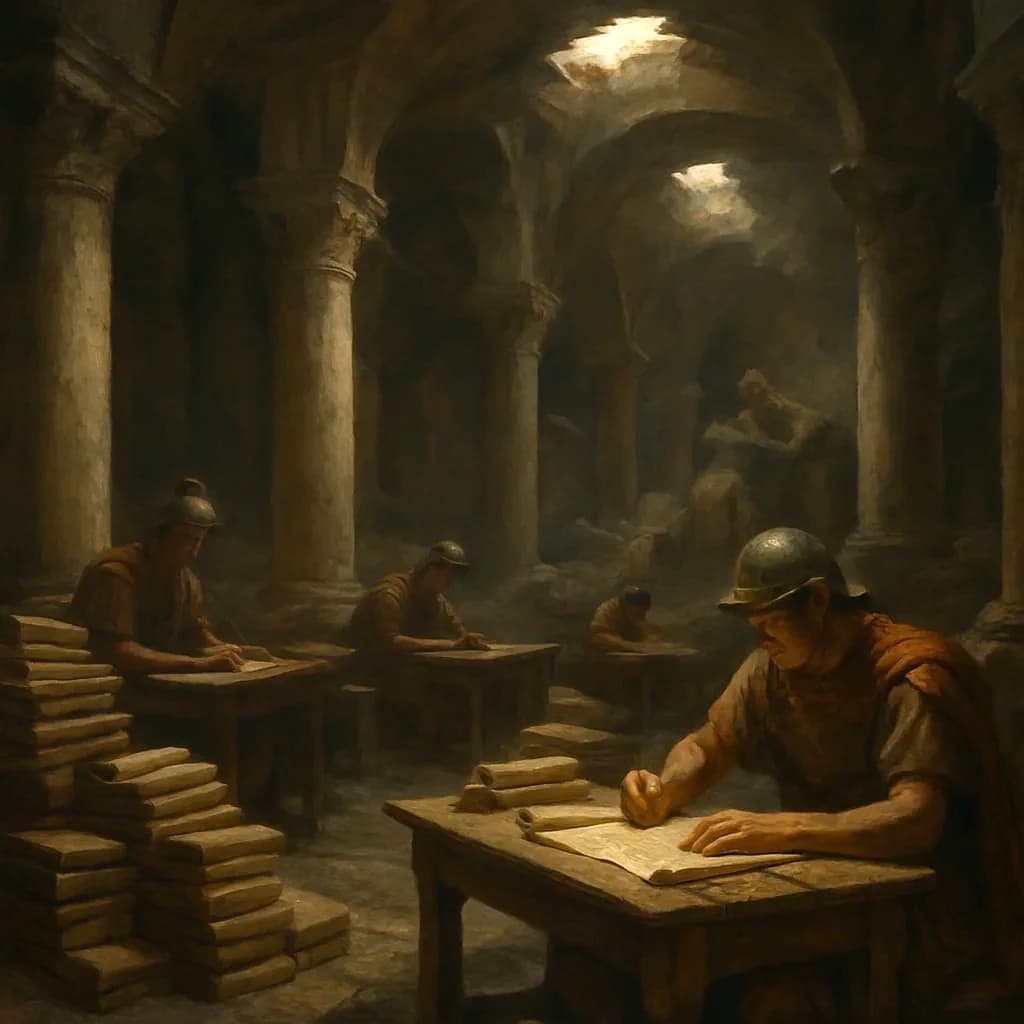
The Deserters Who Saved Civilization
When thirty thousand Roman soldiers walked away from the battlefield, they accidentally preserved everything we know about the ancient world.
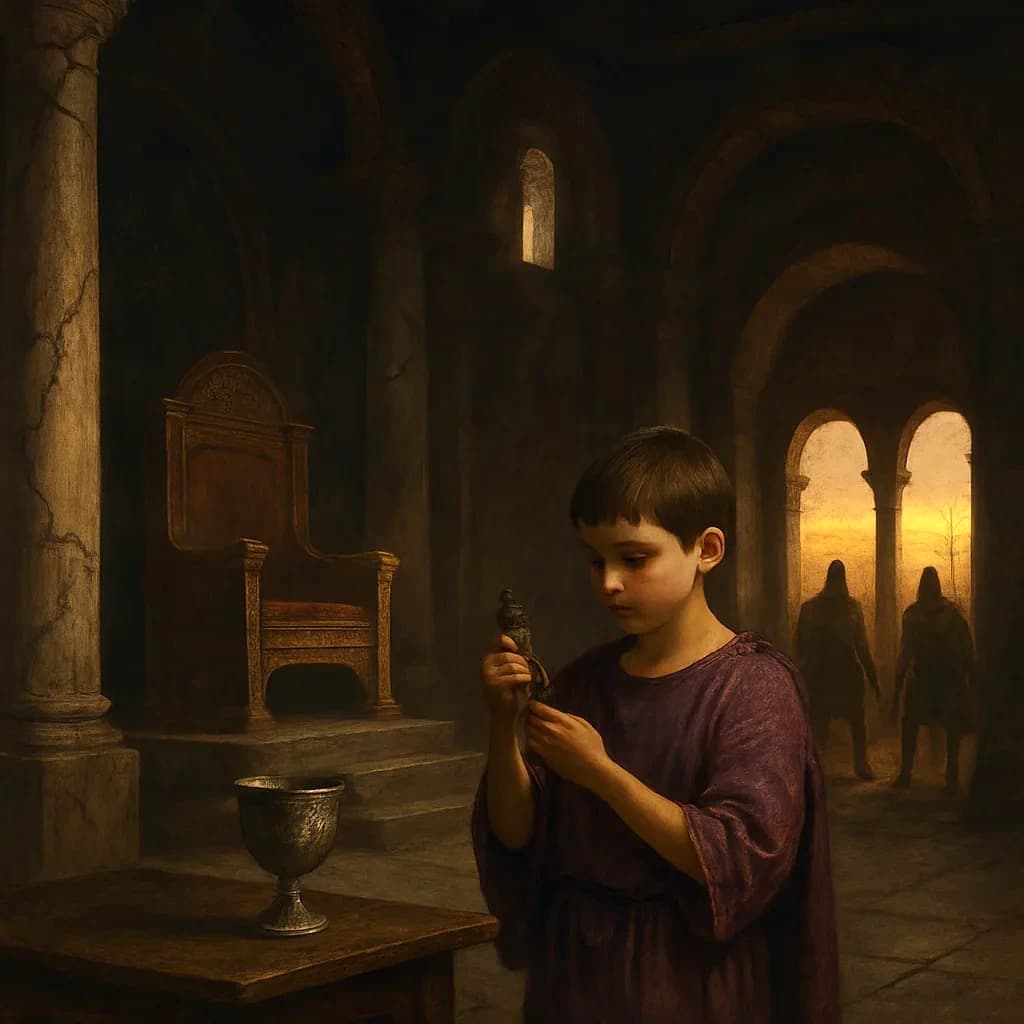
Rome's Last Emperor Watched His Father Drink the Poison
A Roman centurion's desperate gamble with a borrowed chalice changed the course of European history.
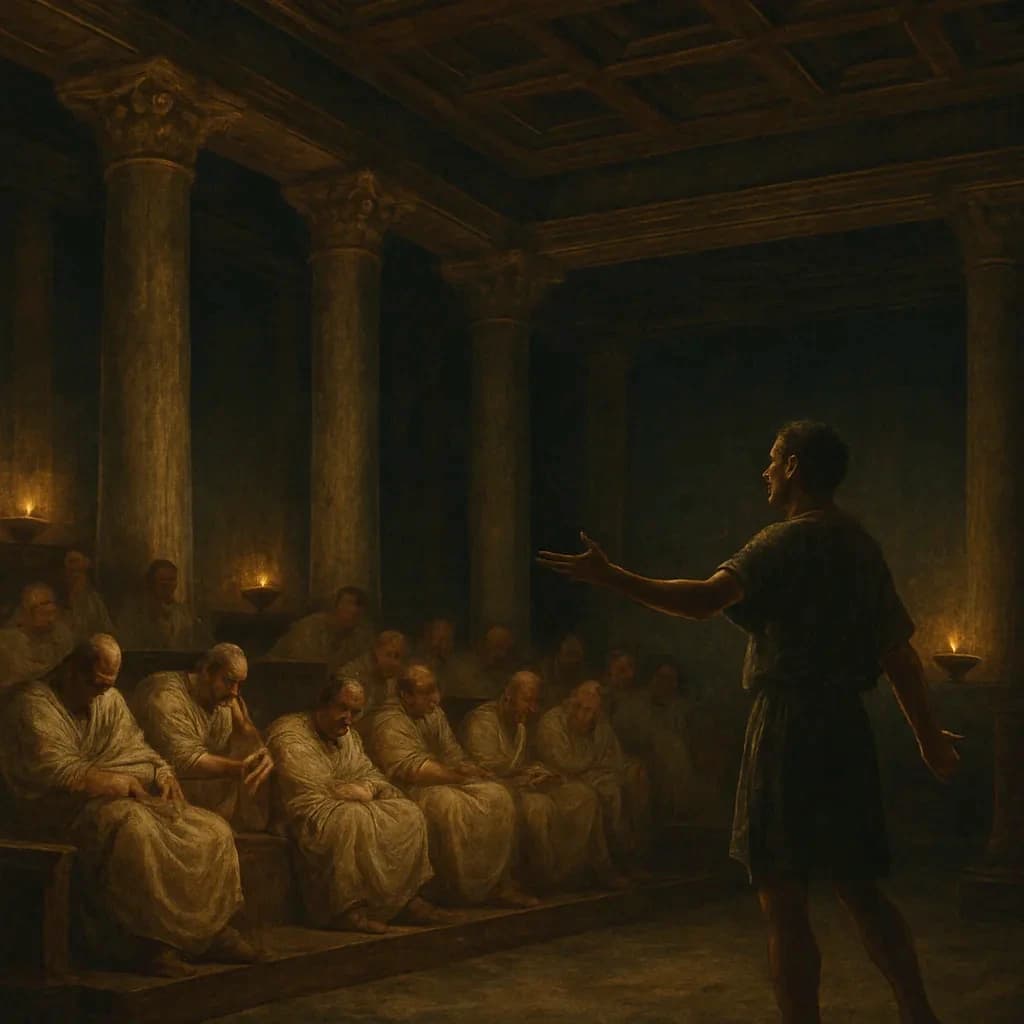
Augustus Resigned His Powers, Then Took Far More
A single vote cast after midnight by exhausted senators in 27 BC destroyed the Republic forever and handed absolute power to one man.
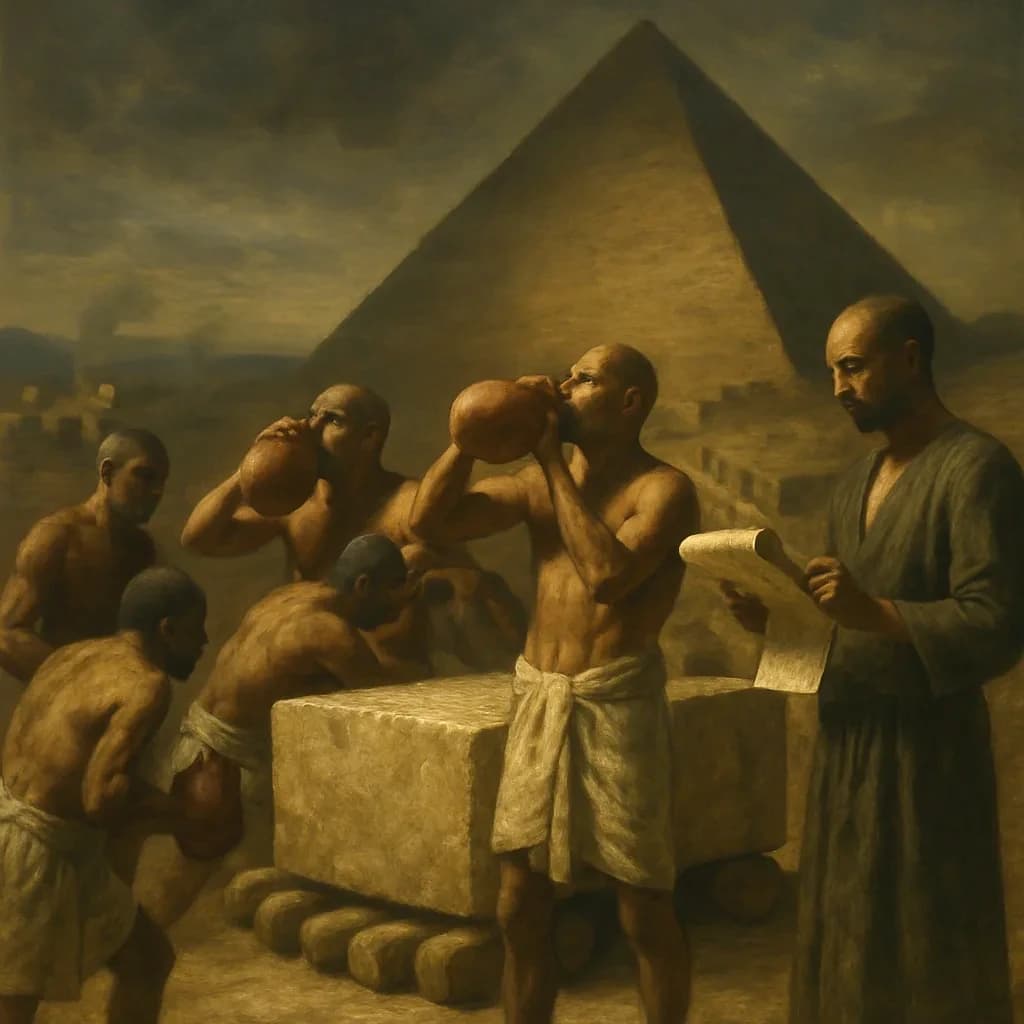
The Pyramid Builders Weren't Slaves: They Had Beer and Healthcare
The laborers who built the Great Pyramid weren't slaves. They were well-fed workers with excellent healthcare, beer rations, and their own cemetery.
Alexander the Great's Last War Was Against Death
After conquering half the known world, Alexander the Great spent his final months obsessing over the one enemy he could never defeat.
Alexander's Greatest Victory Broke His Empire Before He Died
Alexander the Great's greatest triumph broke his empire before he even died.
Marcus Aurelius Wrote Meditations While Waging a Brutal War
Marcus Aurelius wrote his most famous thoughts while commanding armies that were systematically destroying the very values he cherished.
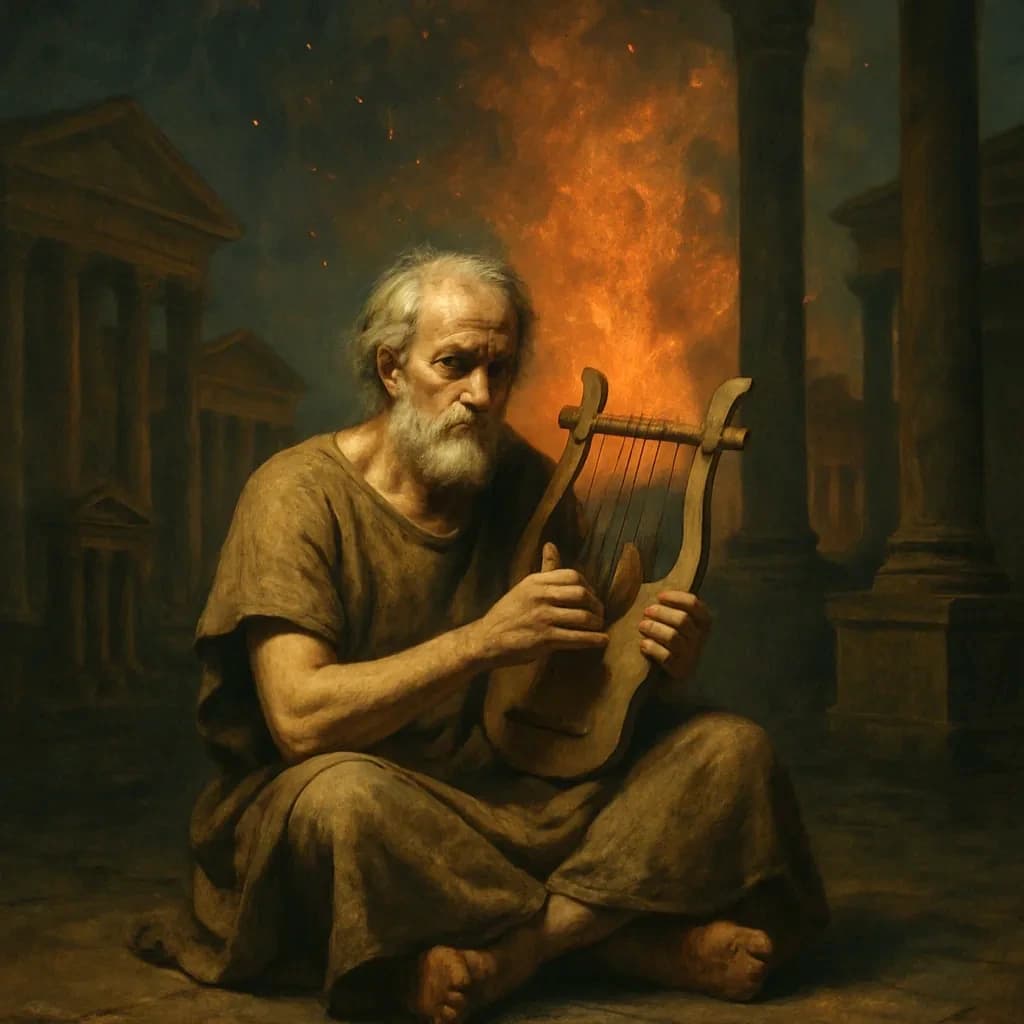
While Rome Burned, a Street Musician Kept Playing
History remembers Nero fiddling as Rome burned, but the real musician that night was someone it forgot entirely.
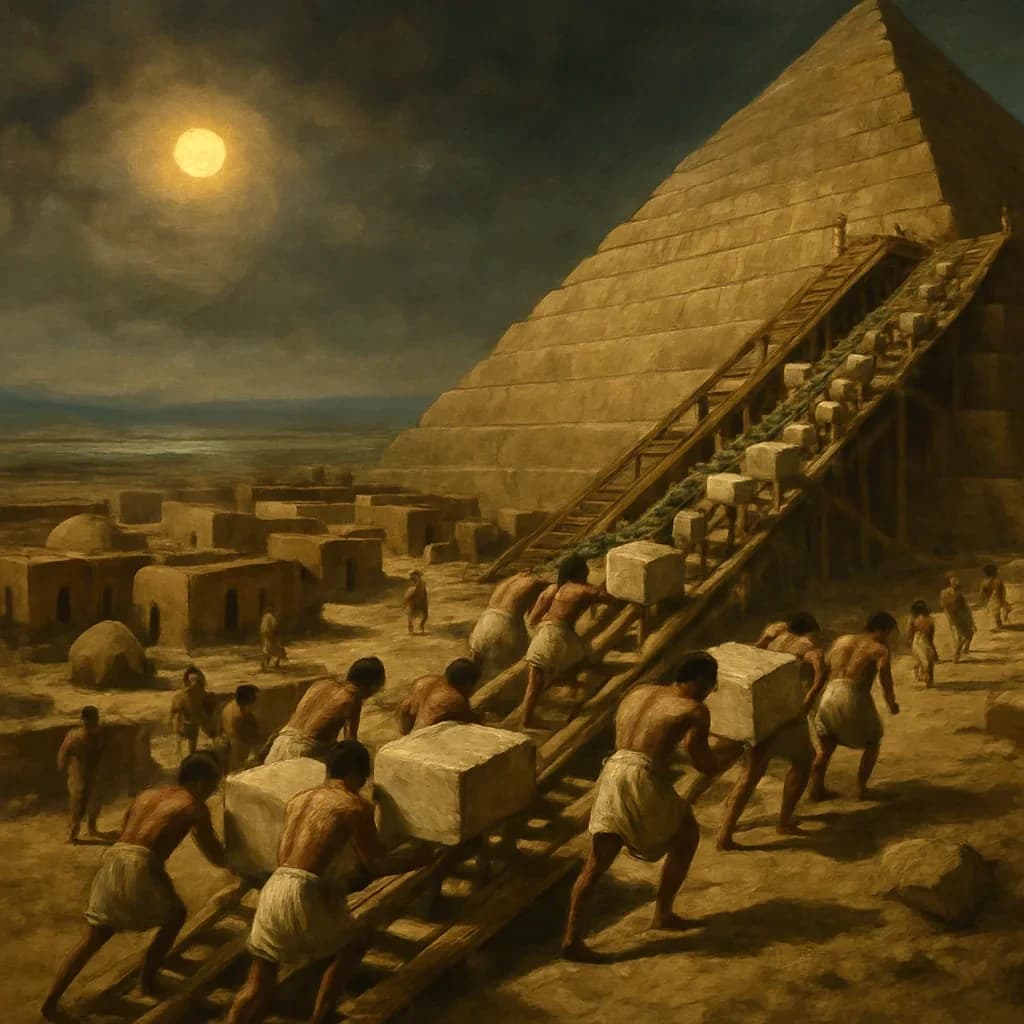
Three Meals a Day Built the Pyramids
The ancient Greek historian was wrong about slaves building the pyramids, and what really built them might be even more remarkable.
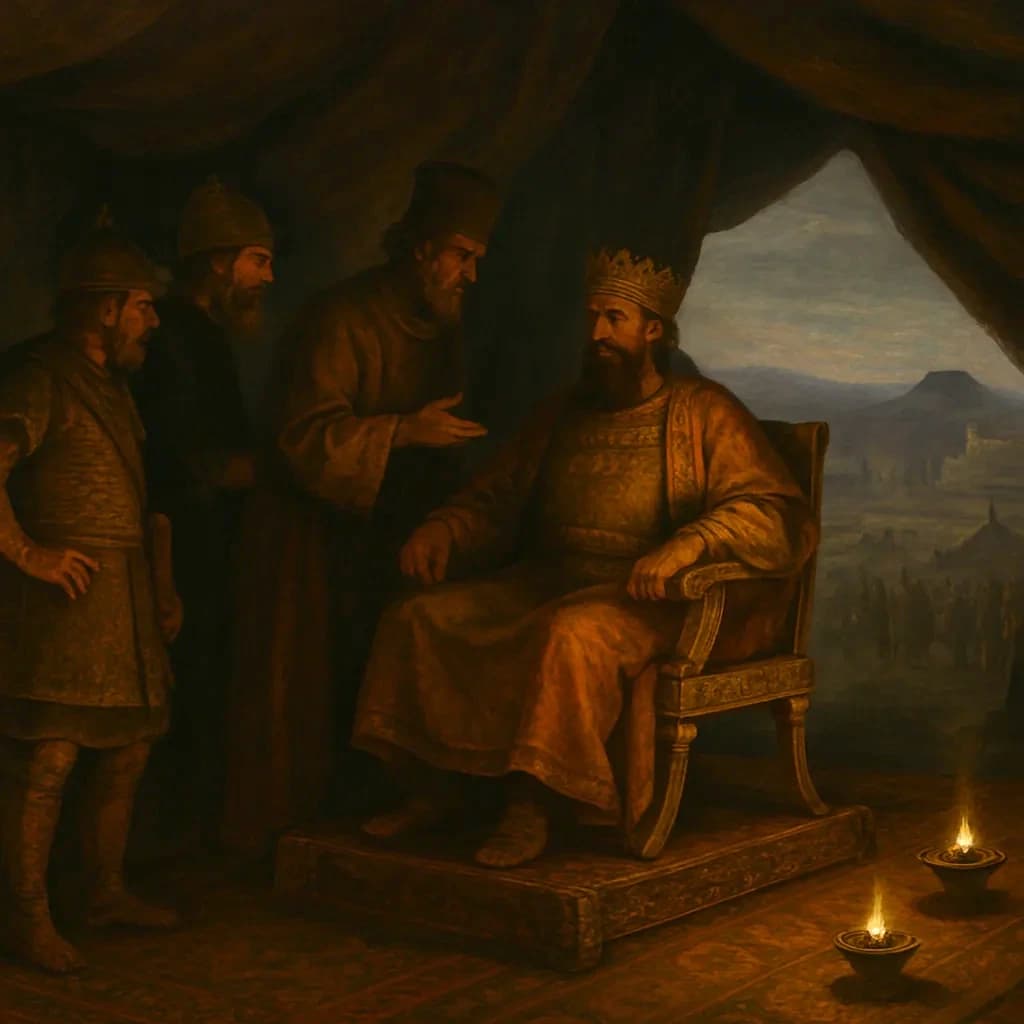
Cyrus Cut His Own Cheek to Win Babylon
A single miscalculation by Cyrus the Great's barber changed the course of ancient history, and nobody realized it for three days.
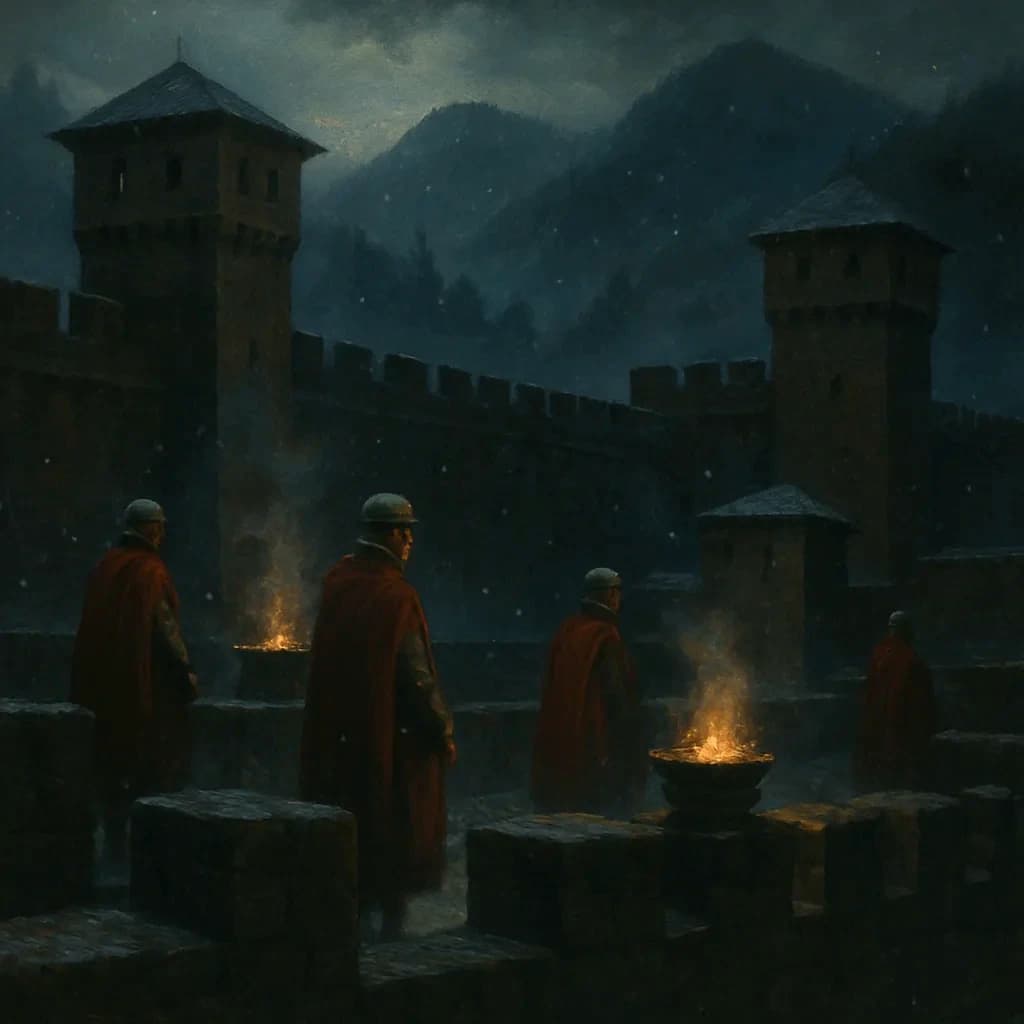
How a Dead Courier Created Romania
A Roman courier died in a roadside ditch, and the orders he never delivered gave birth to Romania.
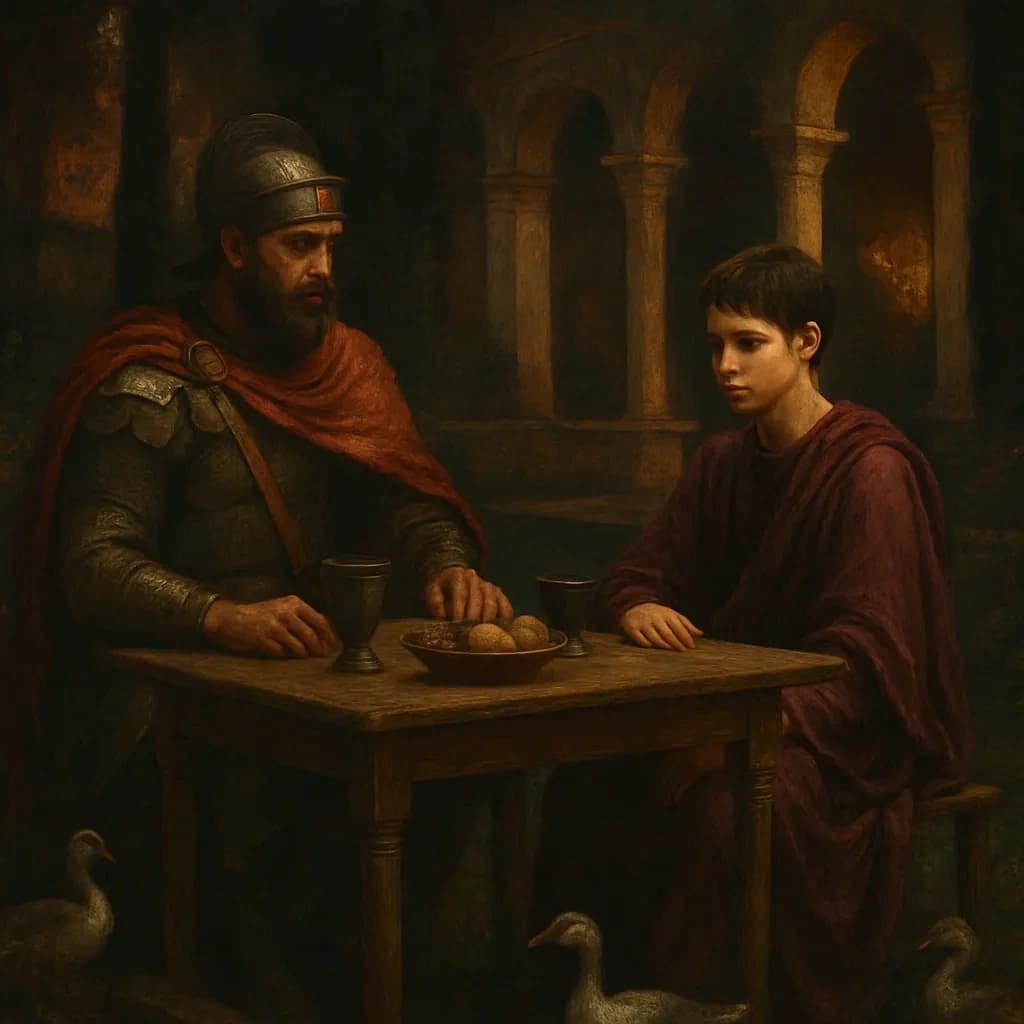
The Last Roman Emperor Was Asked to Retire at Dinner
The last Roman Emperor of 476 CE wasn't killed in battle or assassinated. He was politely asked to retire over dinner.
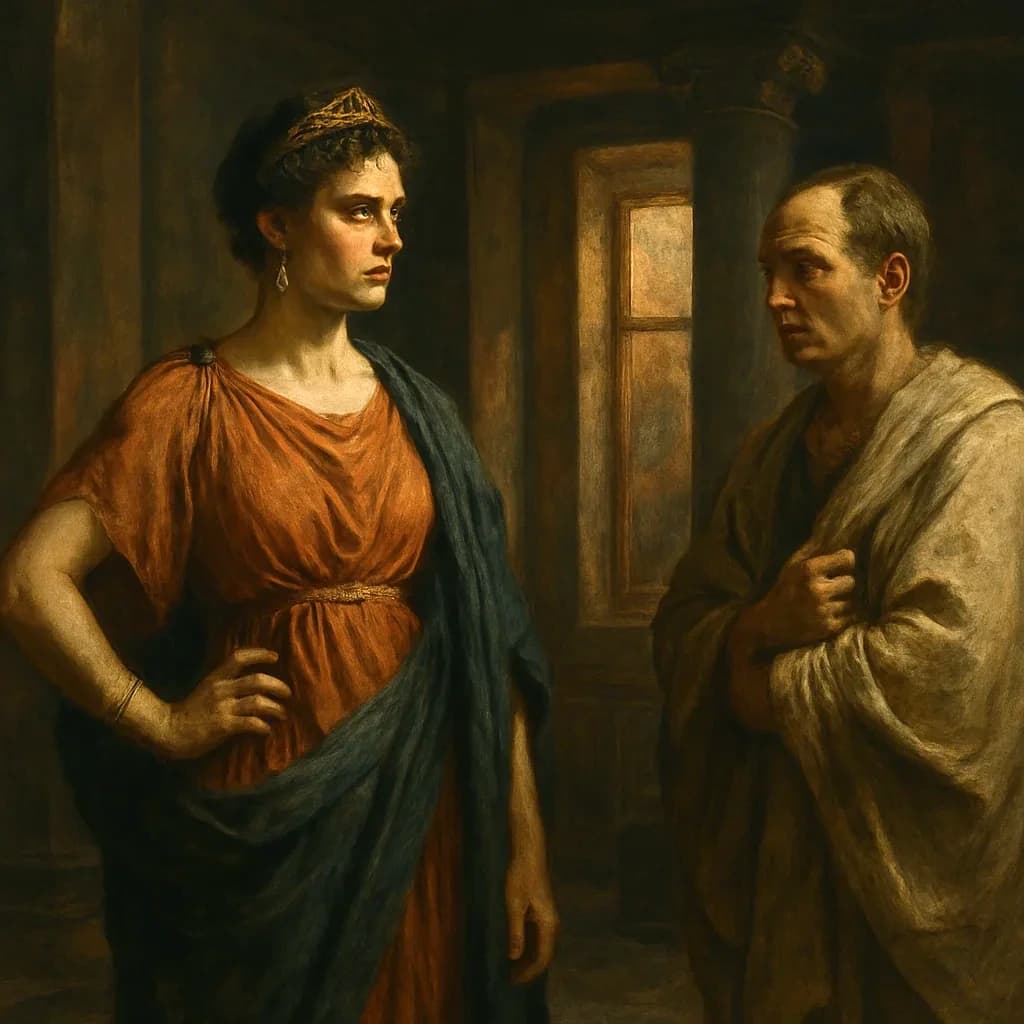
Nero Wanted a Quiet Divorce. She Said No.
One woman's refusal to marry, in 62 AD, nearly prevented the most devastating fire in Roman history.
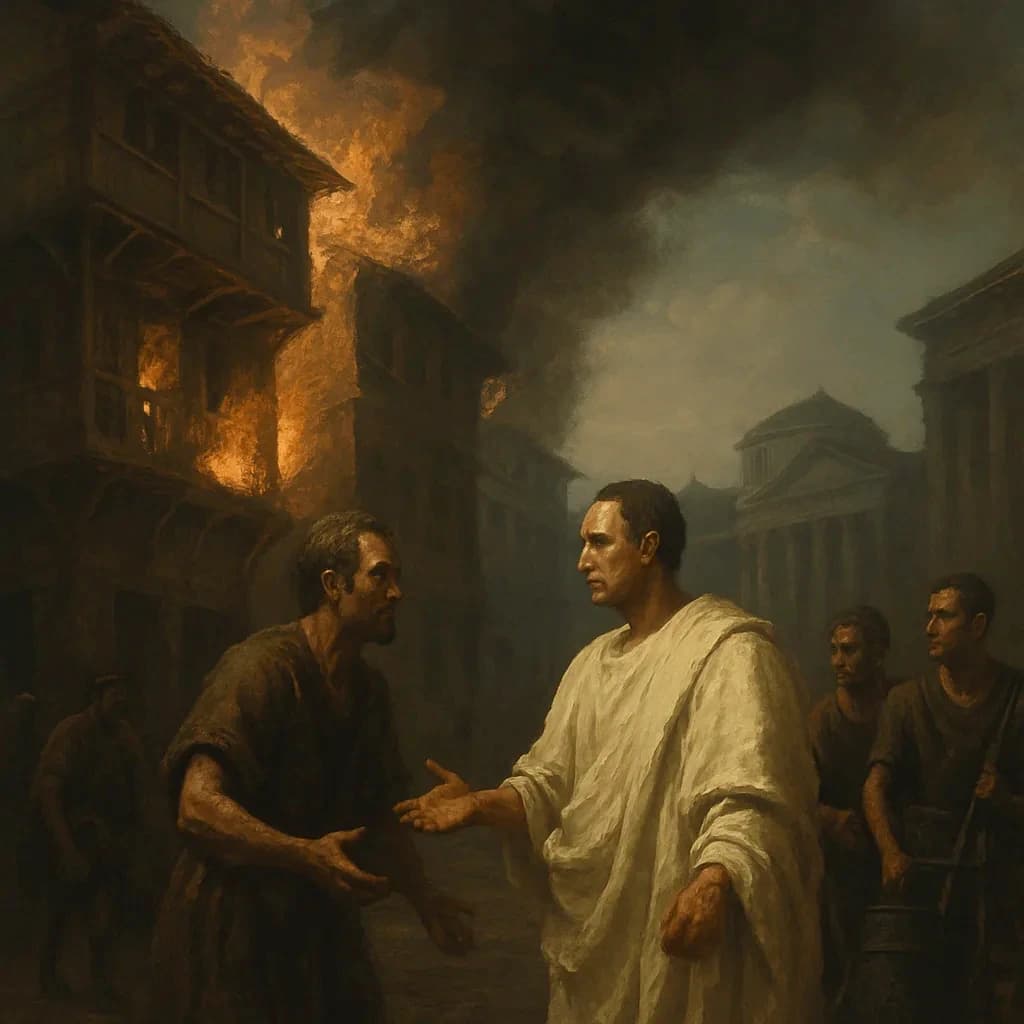
Rome's Richest Man Bought Buildings As They Burned
Marcus Crassus invented the world's first fire department, and turned every burning building in Rome into his personal real estate opportunity.
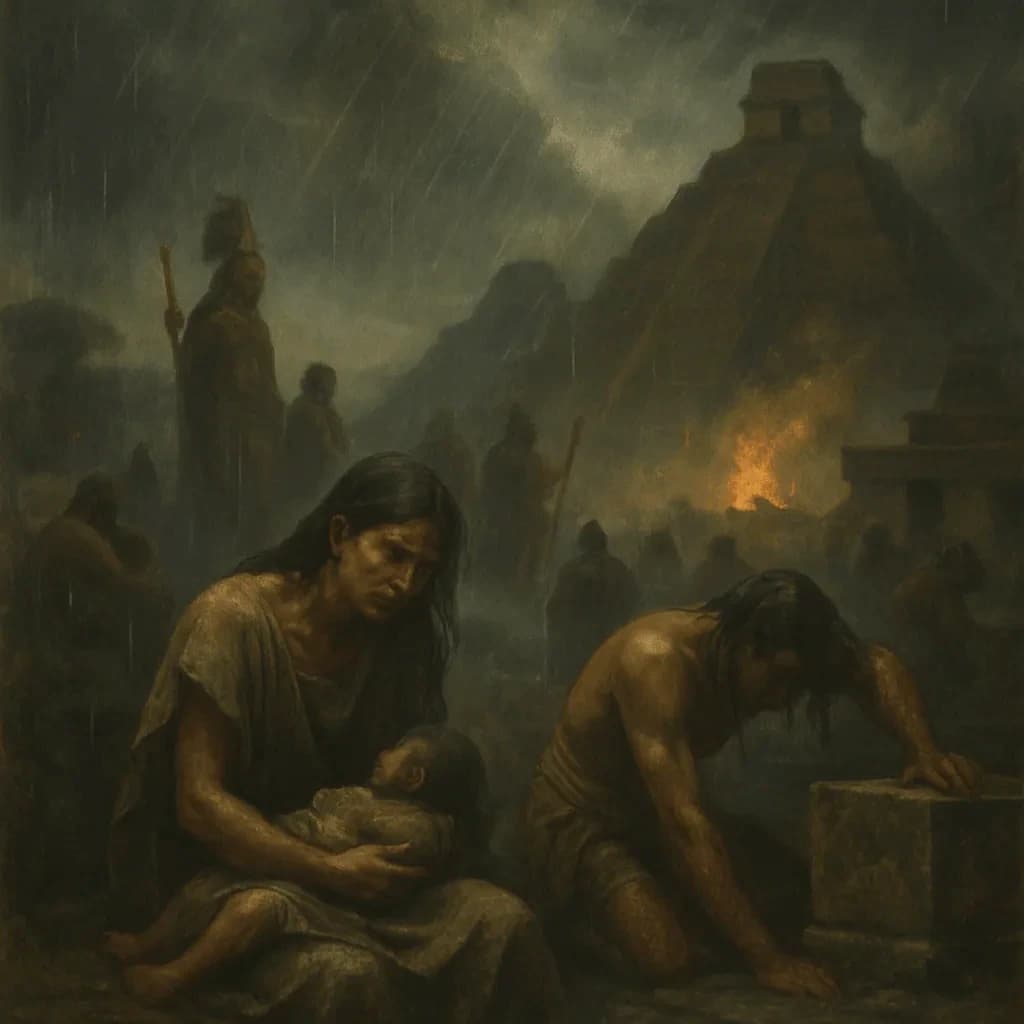
Thirteen Months of Rain and the End of the Maya
A volcano somewhere on Earth dimmed the sun in 536 AD. And halfway around the world, Maya kings watched their divine authority crumble with the failed harvests.
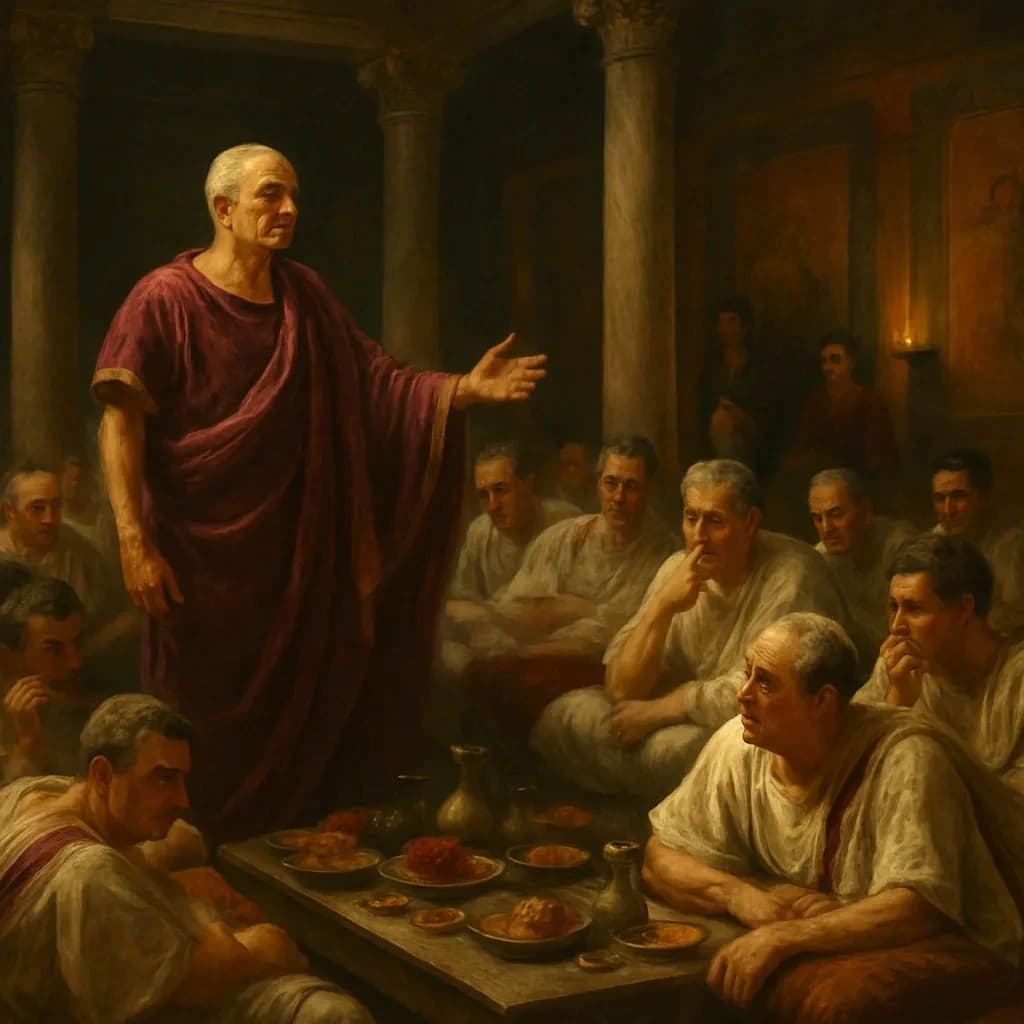
Twelve Hours as Emperor of Rome
A man was declared emperor of Rome at breakfast in 69 AD and murdered before dinner.
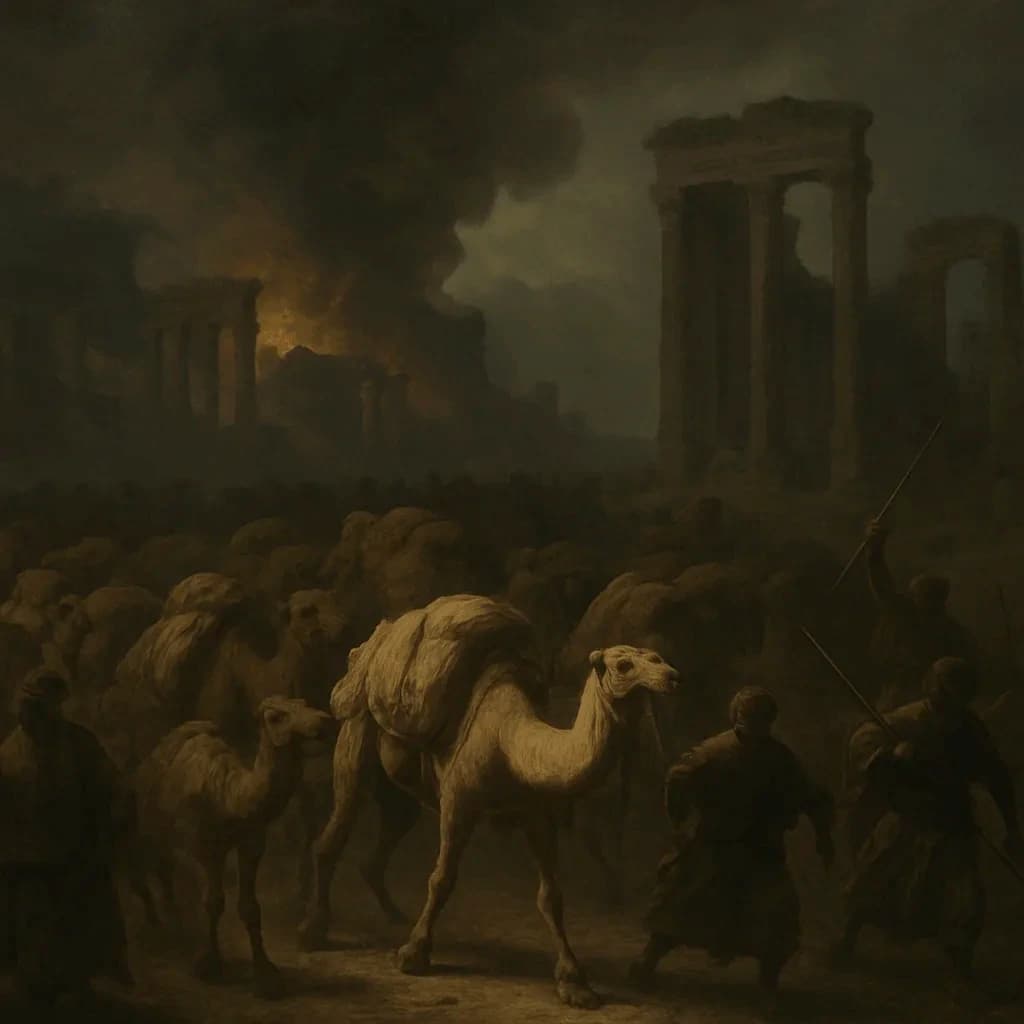
Sixty Stolen Camels and the Fall of Palmyra
A desert queen's empire fell not to Roman legions, but to a Bedouin with a very long memory for stolen camels.
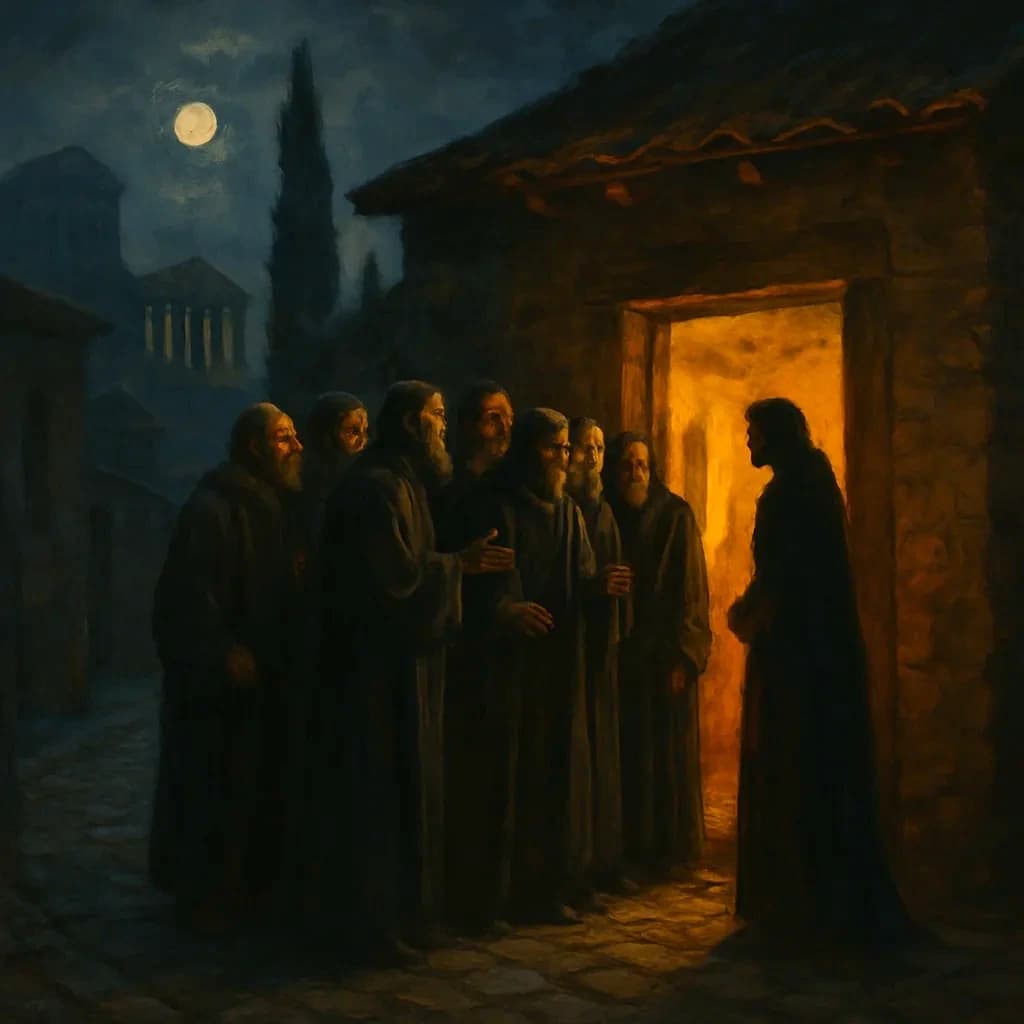
A Sack of Grain Saves Plato
The last seven philosophers of Plato's Academy fled Athens carrying irreplaceable manuscripts, but they almost starved before a woman nobody remembered bothered to feed them.
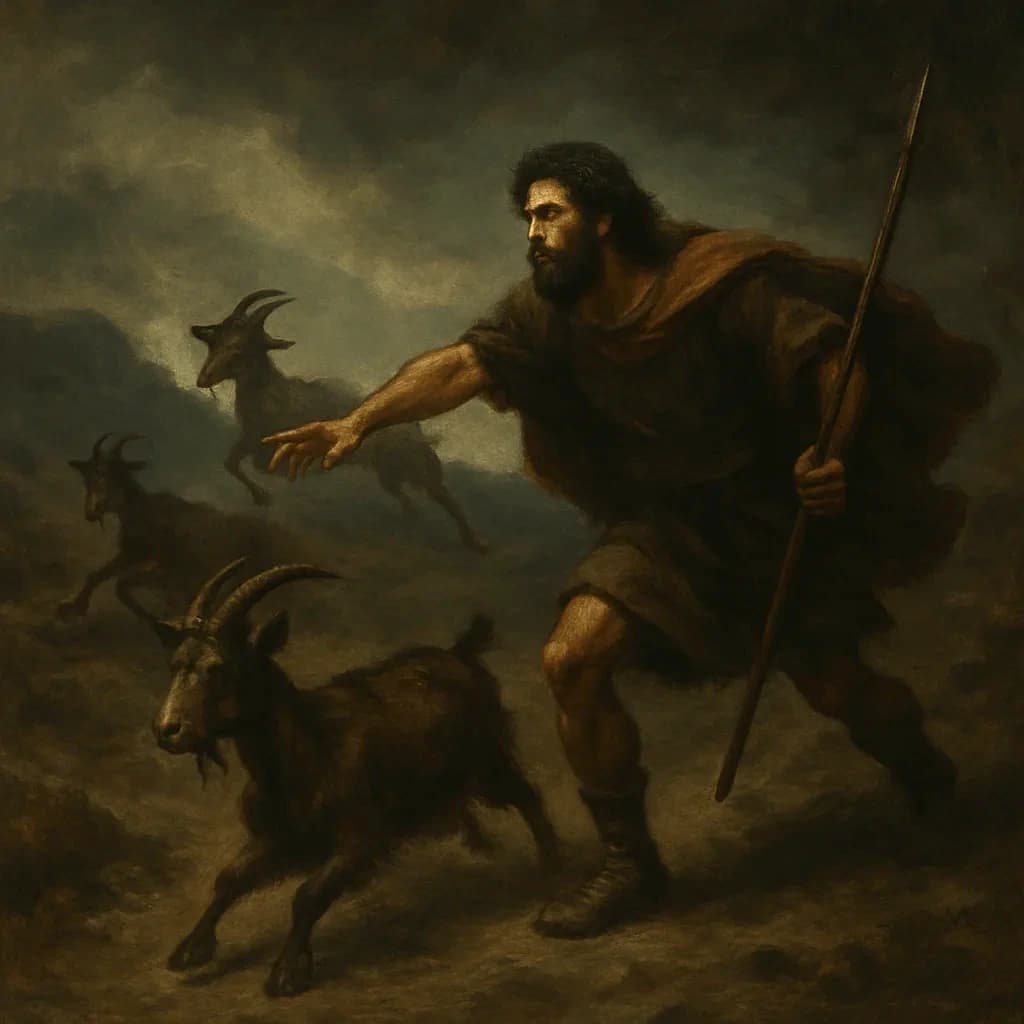
Two Boys Survived a Massacre. One Erased a Civilization's Gods
Two Roman boys survived a massacre by sheer luck, then one of them quietly erased an entire civilization's gods.
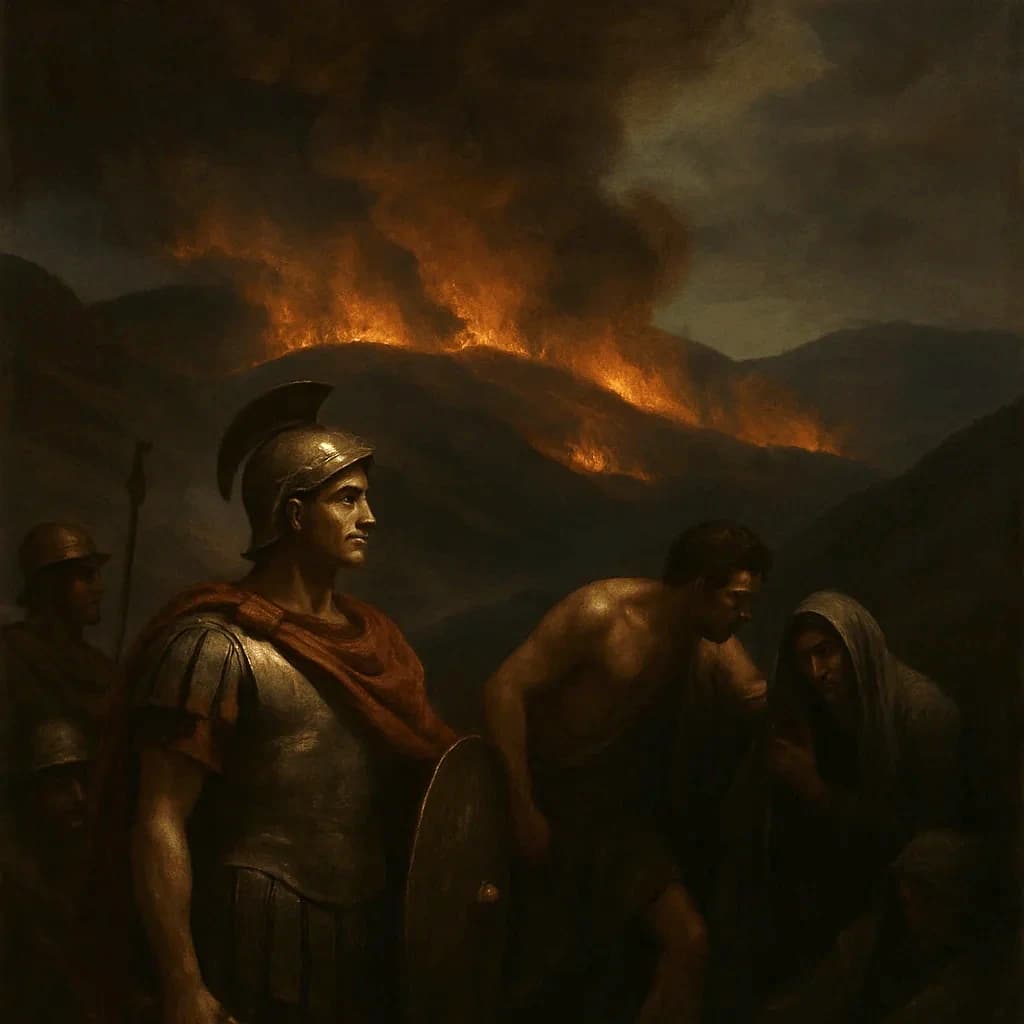
A Beekeeper Mistook Rome's Future Emperor for Pirates
A beekeeper who mistook Rome's future emperor for pirates nearly prevented the Roman Empire from existing.
Read the full stories in the app.
A new story from forgotten history, every day.
Download on the App Store