
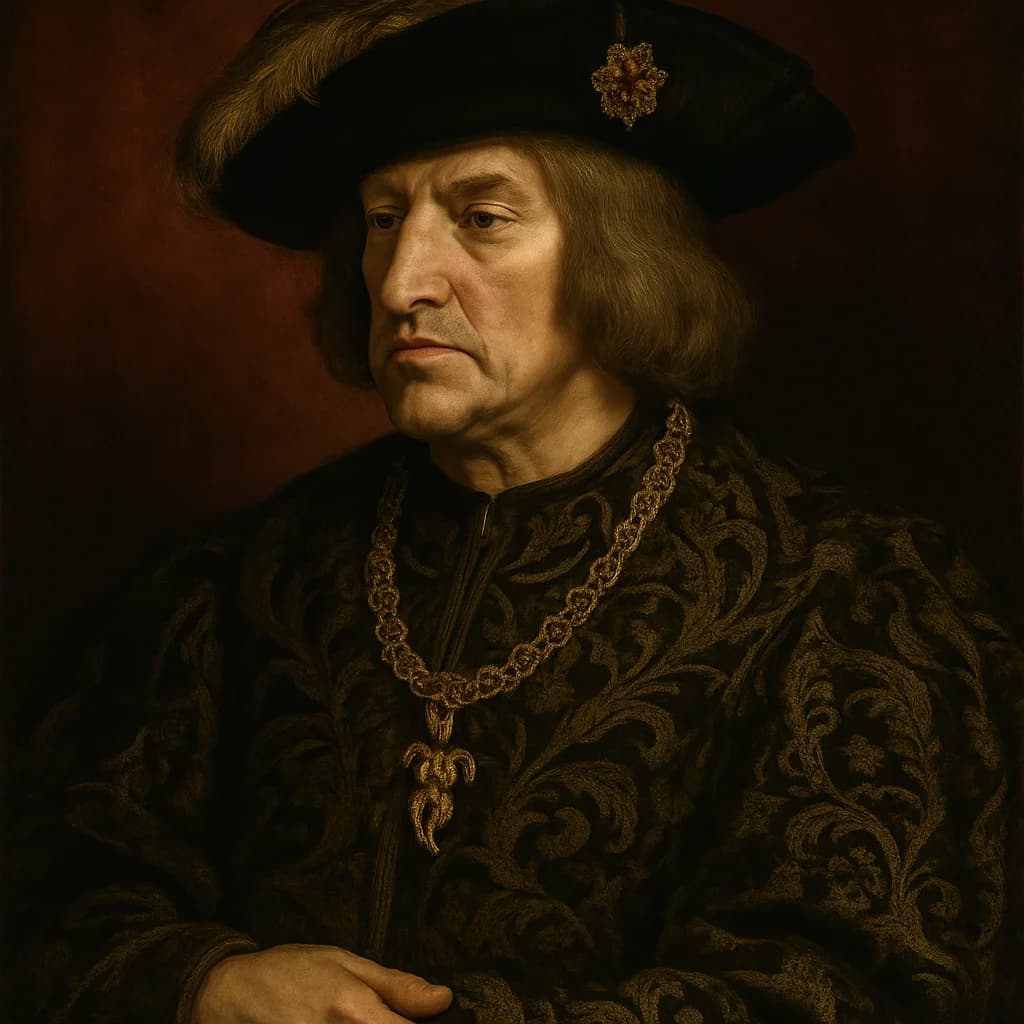
Maximilian I
The Holy Roman Emperor who pawned his own crown jewels to a banker, and somehow convinced Europe this made him more imperial, not less.
Maximilian I turned financial desperation into an art form, then marketed that art so brilliantly that historians still call him 'the Last Knight' instead of 'the First Royal Debtor.' By 1519, he owed Jacob Fugger alone over 300,000 florins, roughly equivalent to the annual revenue of a small kingdom. Yet instead of hiding his poverty, Maximilian weaponized it.
He pioneered what we'd now recognize as political theater on a continental scale. When he couldn't afford actual military campaigns, he commissioned elaborate prints showing himself conquering cities he'd never seen. When real armor became too expensive, he posed for portraits in fantastical, impossible suits that existed only on paper. The 'Last Knight' persona wasn't nostalgic romanticism. It was damage control with a marketing budget.
The Fugger relationship reveals Maximilian's true genius: he understood that owing someone money made you their partner, not their servant. He didn't just borrow from Jacob Fugger; he made Fugger complicit in imperial success. Every loan became leverage, every debt a reason for the banker to ensure Habsburg survival. When Maximilian needed Fugger's cash to secure his grandson Charles's election as Holy Roman Emperor, it wasn't begging. It was offering Fugger a chance to own the future.
His death in 1519 triggered the most expensive political auction in European history, with Fugger money ultimately buying Charles V the imperial crown. Maximilian had transformed insolvency into inheritance, ensuring his family's dominance precisely because he'd made their survival everyone else's financial interest.
Maximilian commissioned over 700 woodcut prints to document military victories that existed entirely in his imagination, creating the first known example of state-sponsored alternative facts.
Why untold: His revolutionary understanding of debt as political leverage gets overshadowed by romantic myths about knightly honor and imperial grandeur.
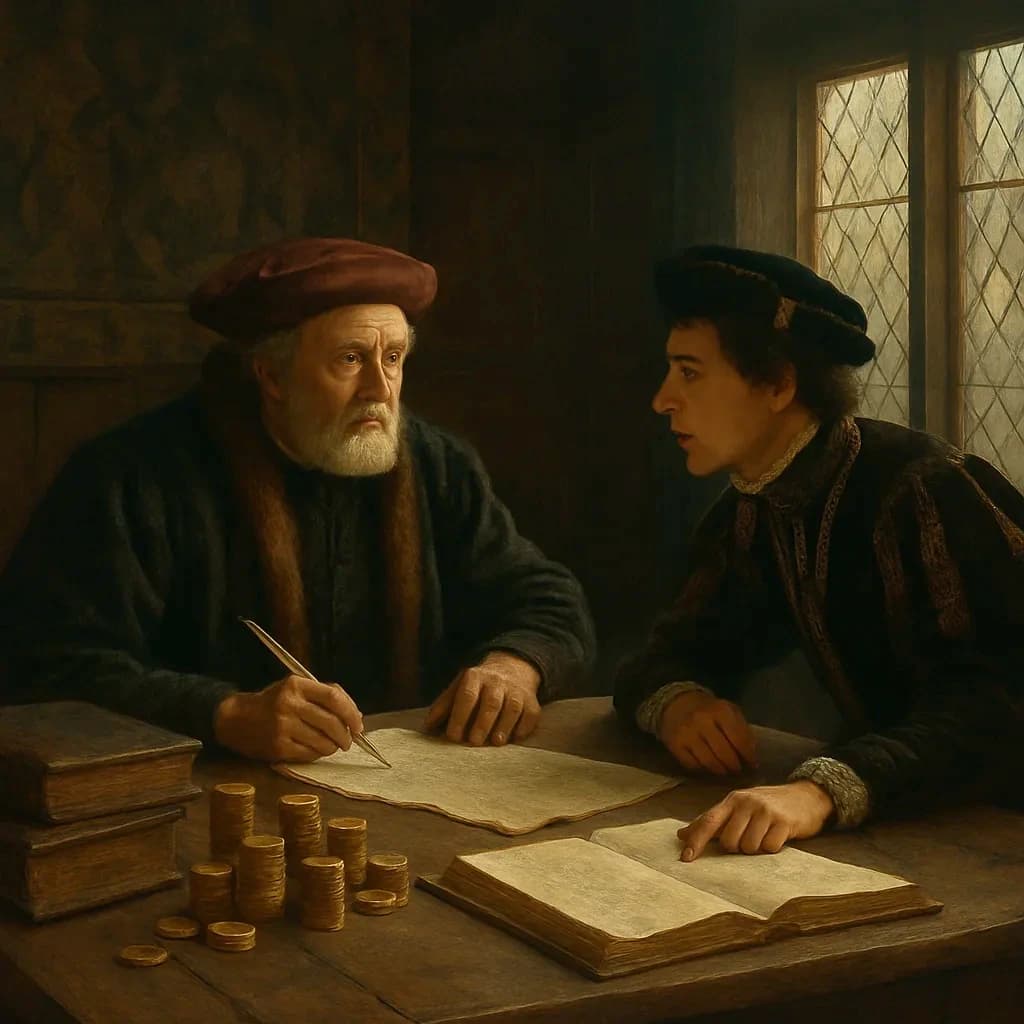
The Banker Who Bought an Emperor His Crown
A single unpaid debt to a German cloth merchant, settled in 1520, decided who would rule Europe for the next two centuries.
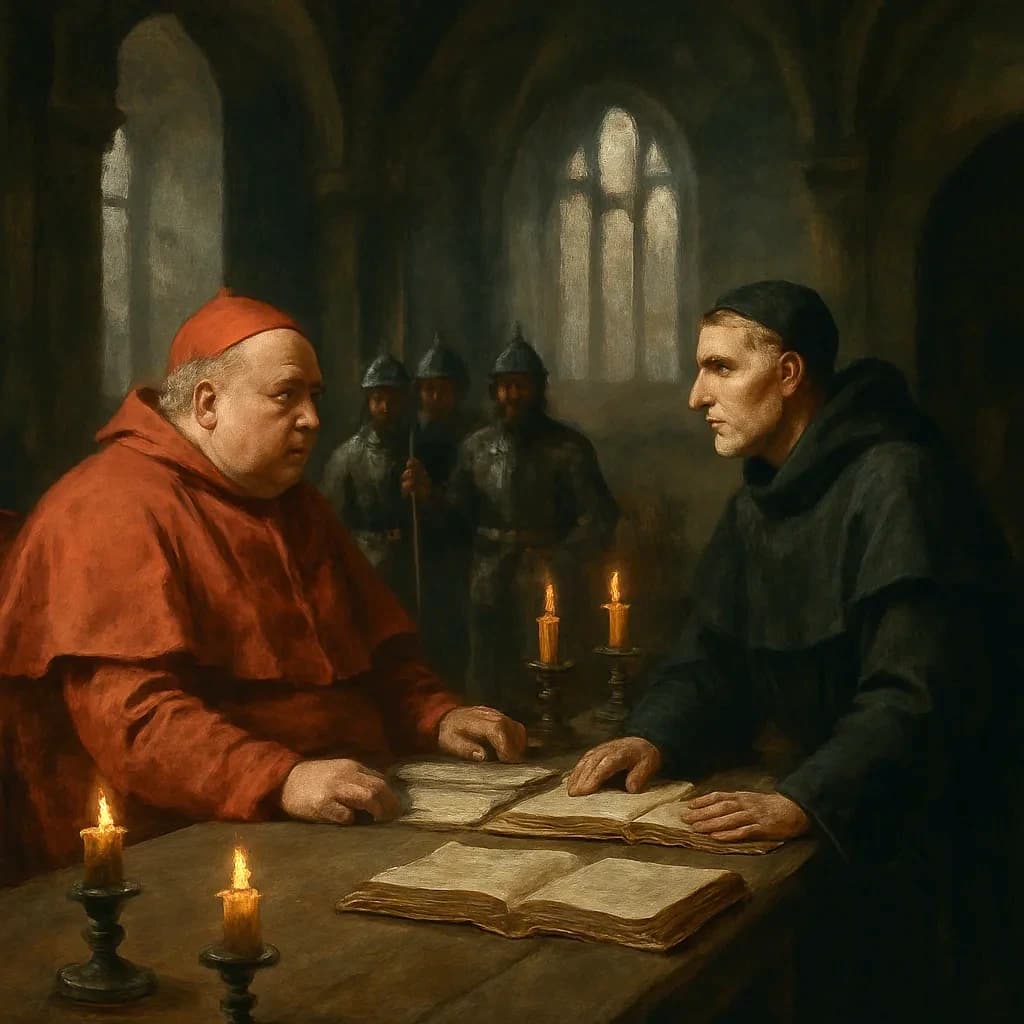
A Cattle Raid Bought Luther the Time to Survive
Martin Luther's revolution almost ended in a courtroom before it began, stopped not by theology, but by a border war over stolen livestock.
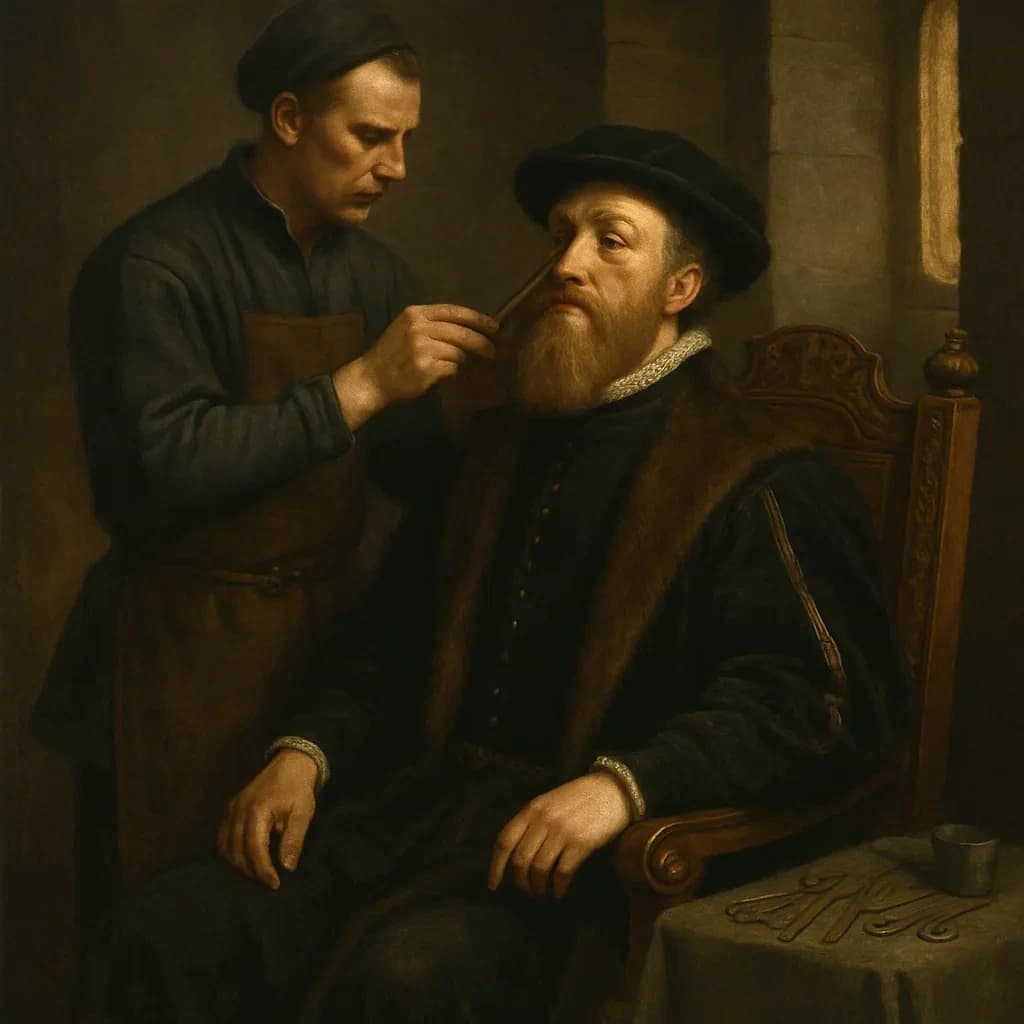
A Barber Heard Six Emperors' Secrets and Said Nothing
For sixty years, one German barber knew the secrets of every Habsburg emperor, and somehow never lost his head.
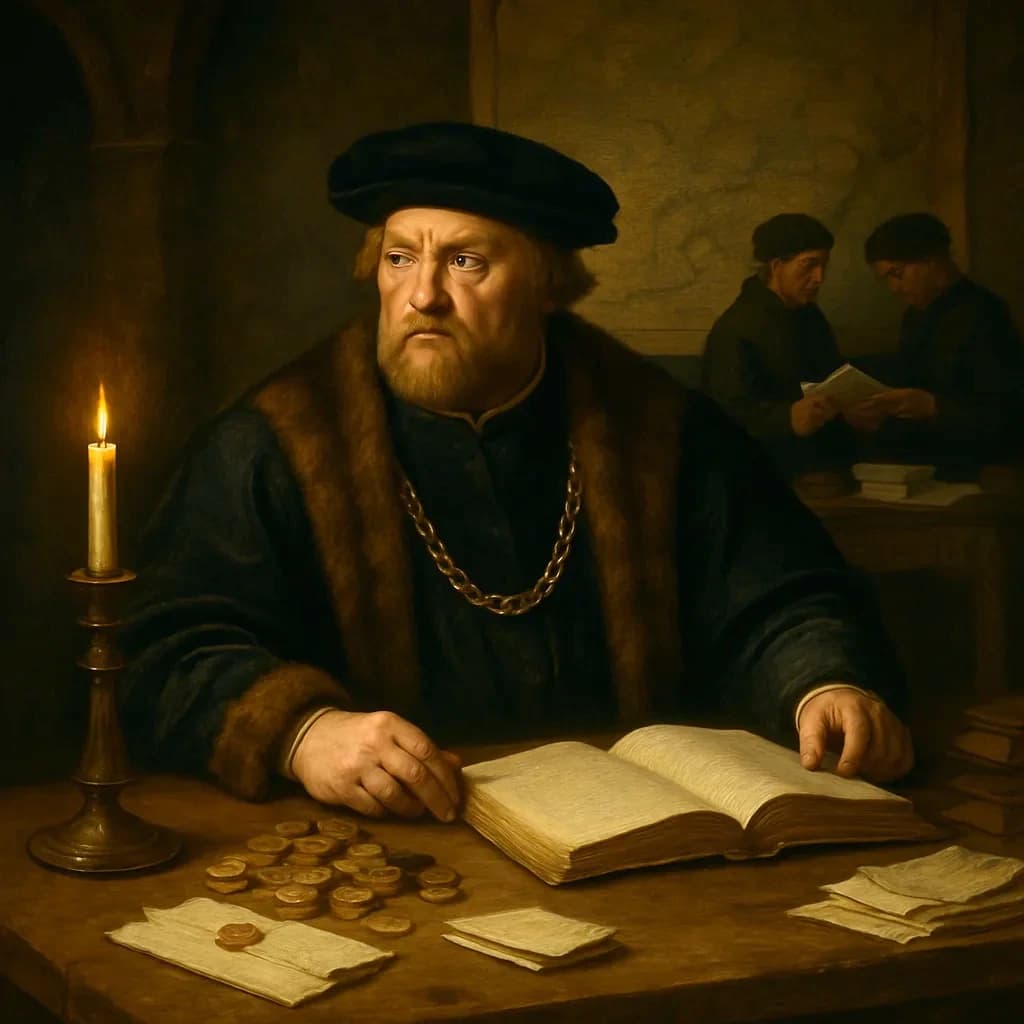
The Banker Who Bought a Holy Roman Emperor
The most powerful office in Christendom was auctioned off like a used horse, and the man who won it did so entirely with borrowed money.
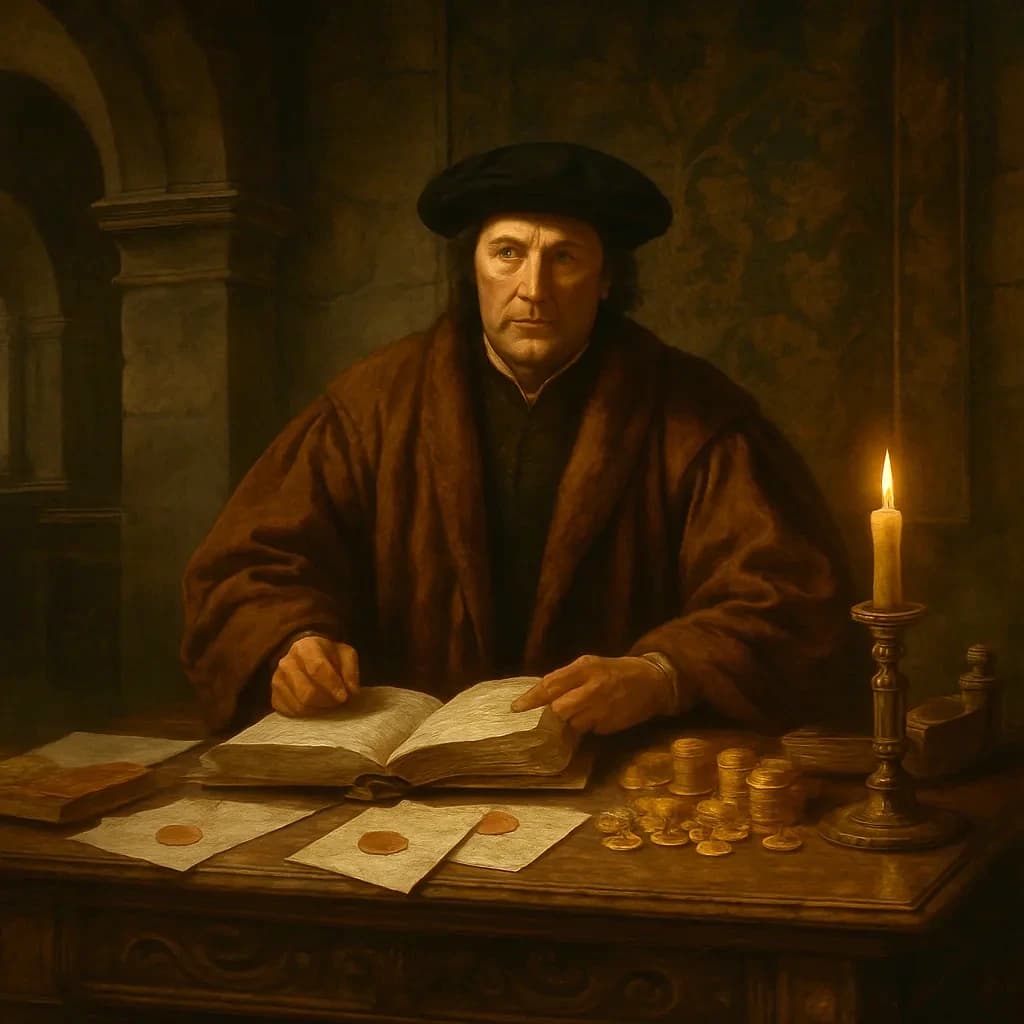
The Banker Who Bought an Emperor's Crown
While kings begged for loans, one man in Augsburg casually bought and sold the fate of entire empires.
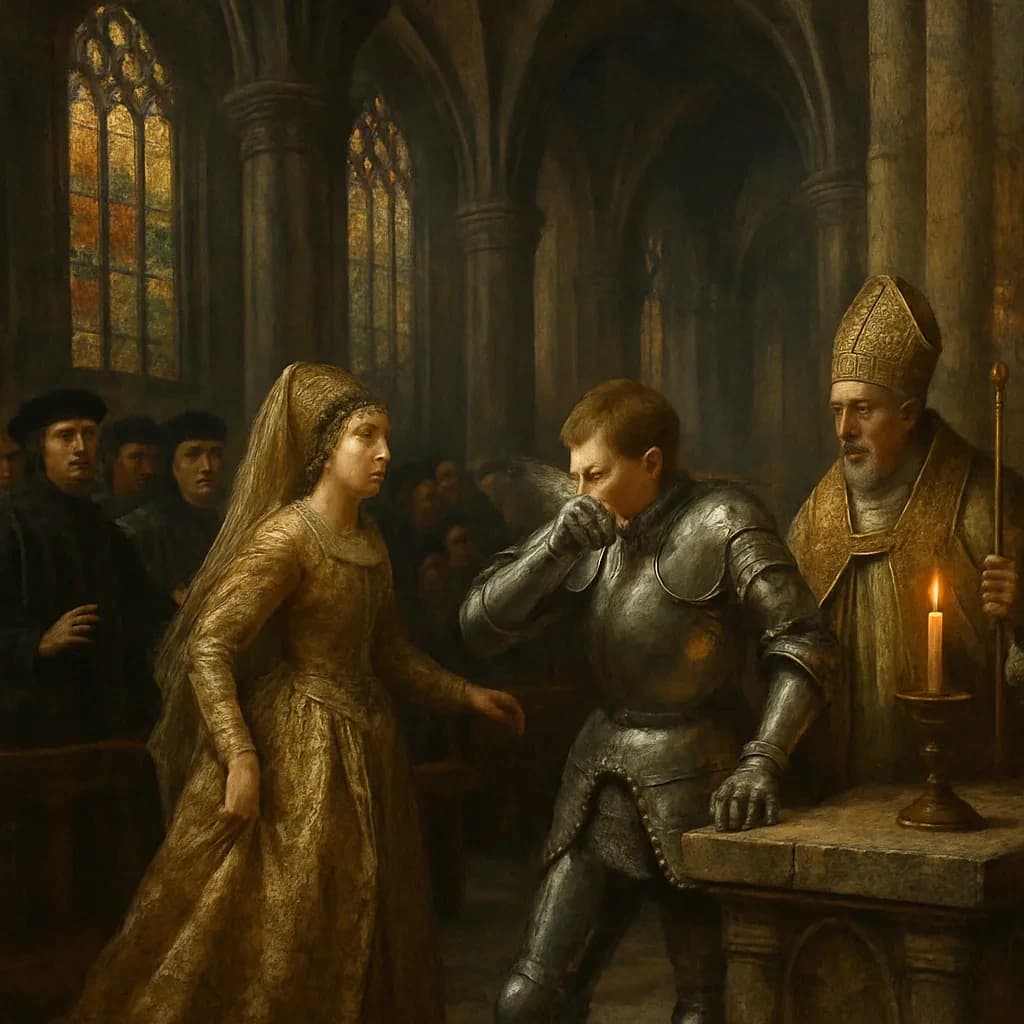
One Sneeze Unraveled a Habsburg Wedding
A single sneeze in a cathedral changed the balance of power between two empires for three centuries.
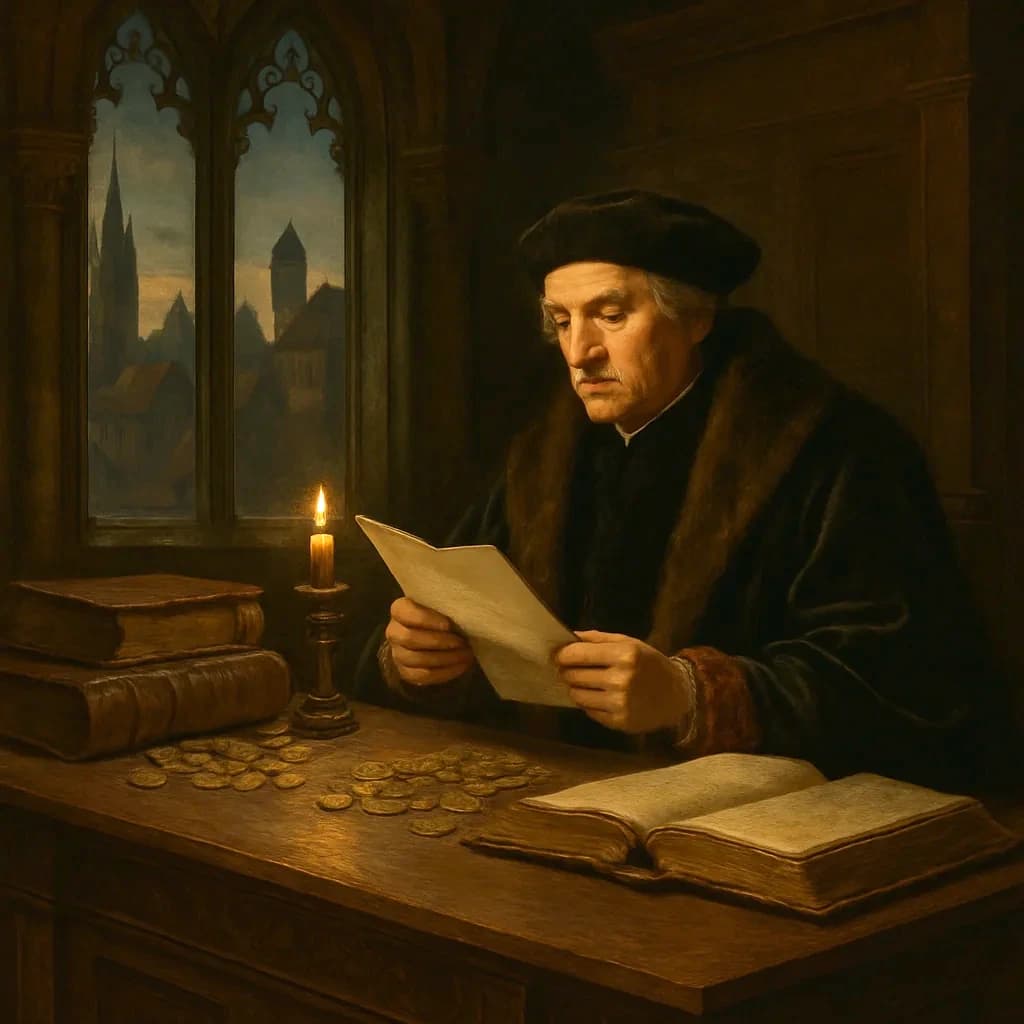
The Merchant Who Owned More Than Nations
Jacob Fugger's personal wealth dwarfed entire kingdoms. And he made sure emperors knew exactly who owed him.
- Larry Silver, Marketing Maximilian: The Visual Ideology of a Holy Roman Emperor (2008)
- Mark Häberlein, The Fuggers of Augsburg: Pursuing Wealth and Honor in Renaissance Germany (2012)
- Jan-Dirk Müller, Gedechtnus: Literatur und Hofgesellschaft um Maximilian I (1982)