
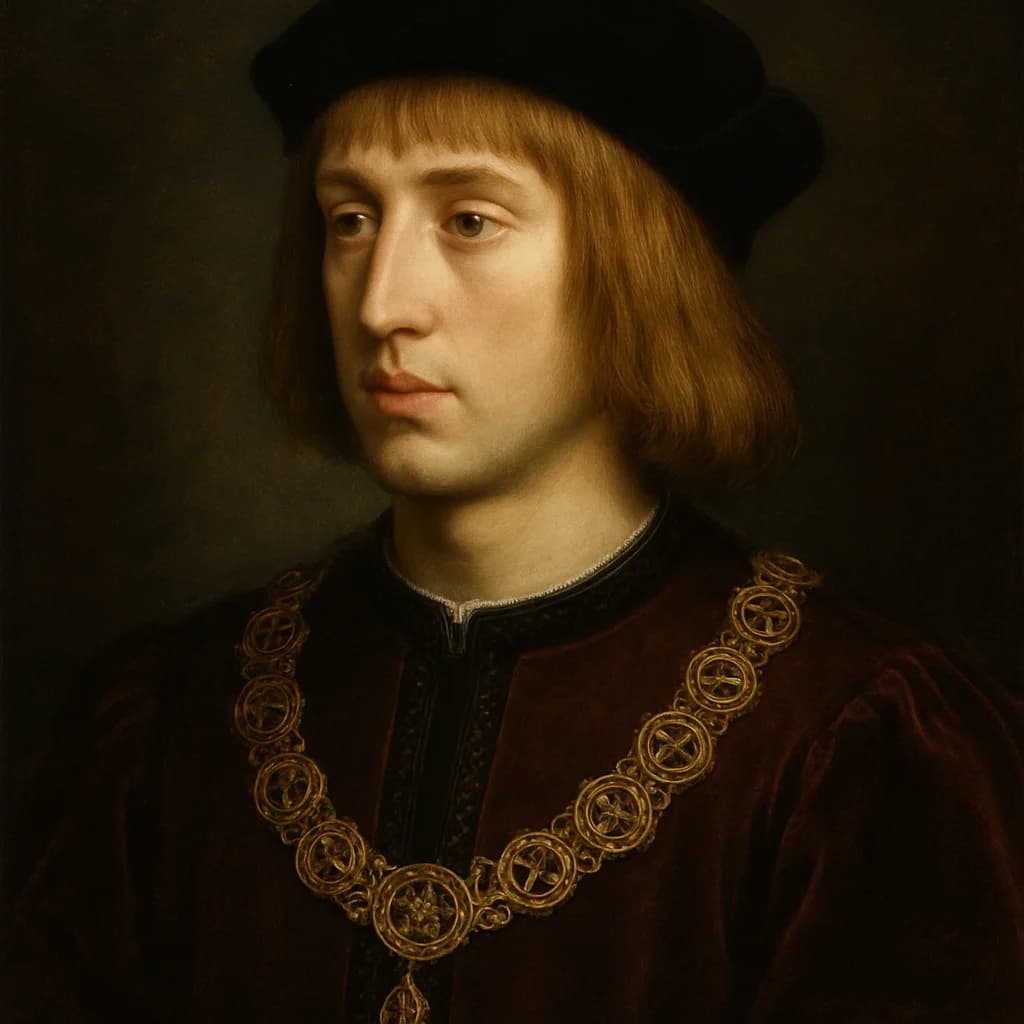
Philip the Handsome
The most beautiful man in Europe died at twenty-eight from a tennis match, accidentally creating the Spanish Empire in the process.
Philip the Handsome earned his nickname honestly: contemporary accounts describe a golden-haired Adonis who could stop conversations simply by entering a room. But his devastating good looks masked a political naivety that would reshape two continents. Born in Bruges in 1478, he inherited the vast Burgundian Netherlands at fifteen and immediately became Europe's most eligible bachelor.
His marriage to Juana of Castile in 1496 was supposed to be a minor diplomatic alliance between the Habsburg and Spanish royal houses. Instead, it became the foundation of the largest empire in human history. Philip had no interest in Spanish politics. He spoke no Spanish, despised the climate, and spent most of his brief marriage trying to get back to his beloved Flanders. When a series of deaths made Juana heir to Castile, Philip found himself reluctantly co-ruling half of Spain with a wife whose passionate devotion to him was becoming increasingly unhinged.
The tennis match that killed him remains one of history's most consequential sporting events. In September 1506, after a vigorous game in Burgos, Philip drank a large quantity of cold water. Within days, he was dead, likely from typhoid fever, though some whispered poison. His death transformed his widow Juana into the "Mad Queen" who refused to bury him, carrying his coffin across Spain for three years while insisting he would resurrect.
More importantly, Philip's death left their six-year-old son Charles as heir to both Spanish and Habsburg lands. This boy would become Charles V, ruler of an empire spanning from Peru to the Philippines. Philip's greatest legacy wasn't his beauty or his brief reign. It was dying young enough to accidentally create the first global superpower.
Philip's death from drinking cold water after exercise was so shocking that his father-in-law Ferdinand of Aragon immediately suspected the French had poisoned him, nearly triggering a European war.
Why untold: His premature death overshadowed his crucial role in creating the Habsburg-Spanish union that would dominate world politics for two centuries.
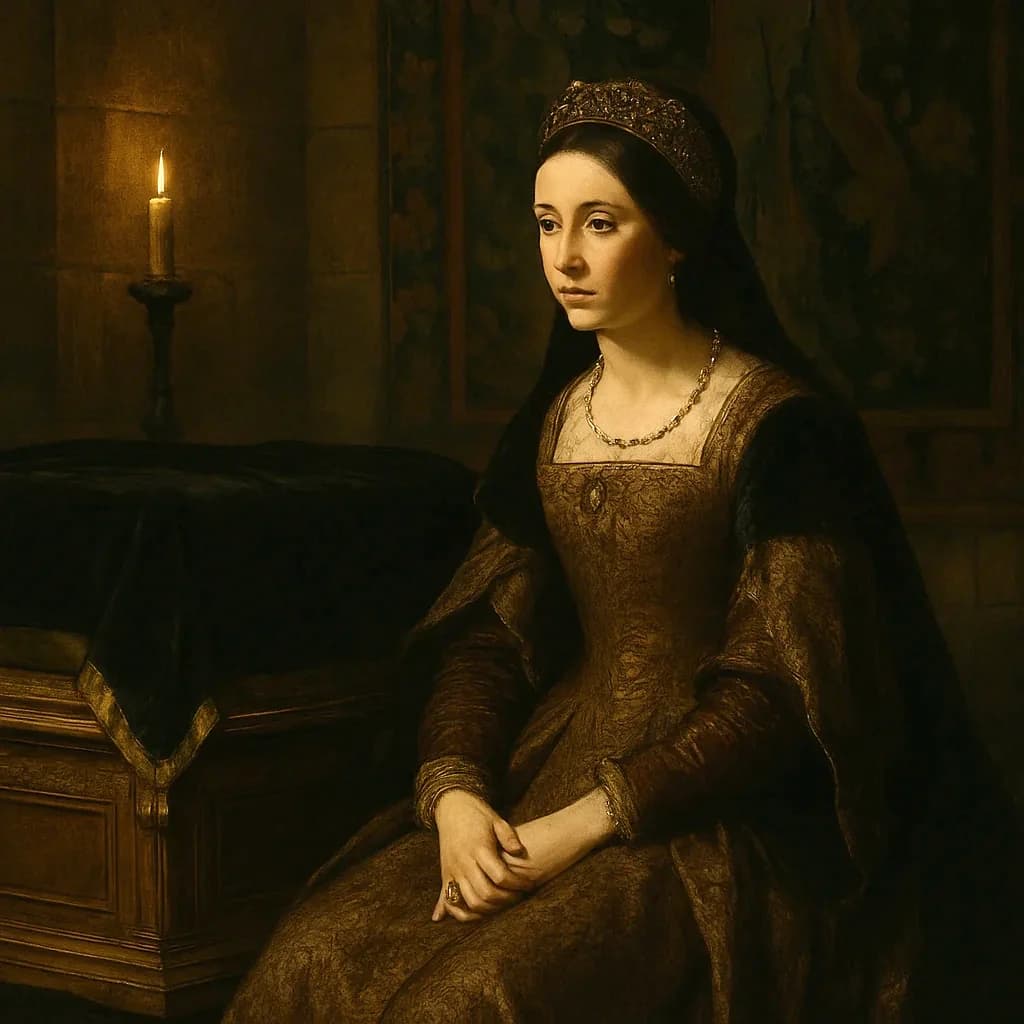
Four Days on a Sickbed, and the Fate of the Reconquista
A medieval queen refused to die on schedule, and in doing so, accidentally united two of history's most powerful crowns.
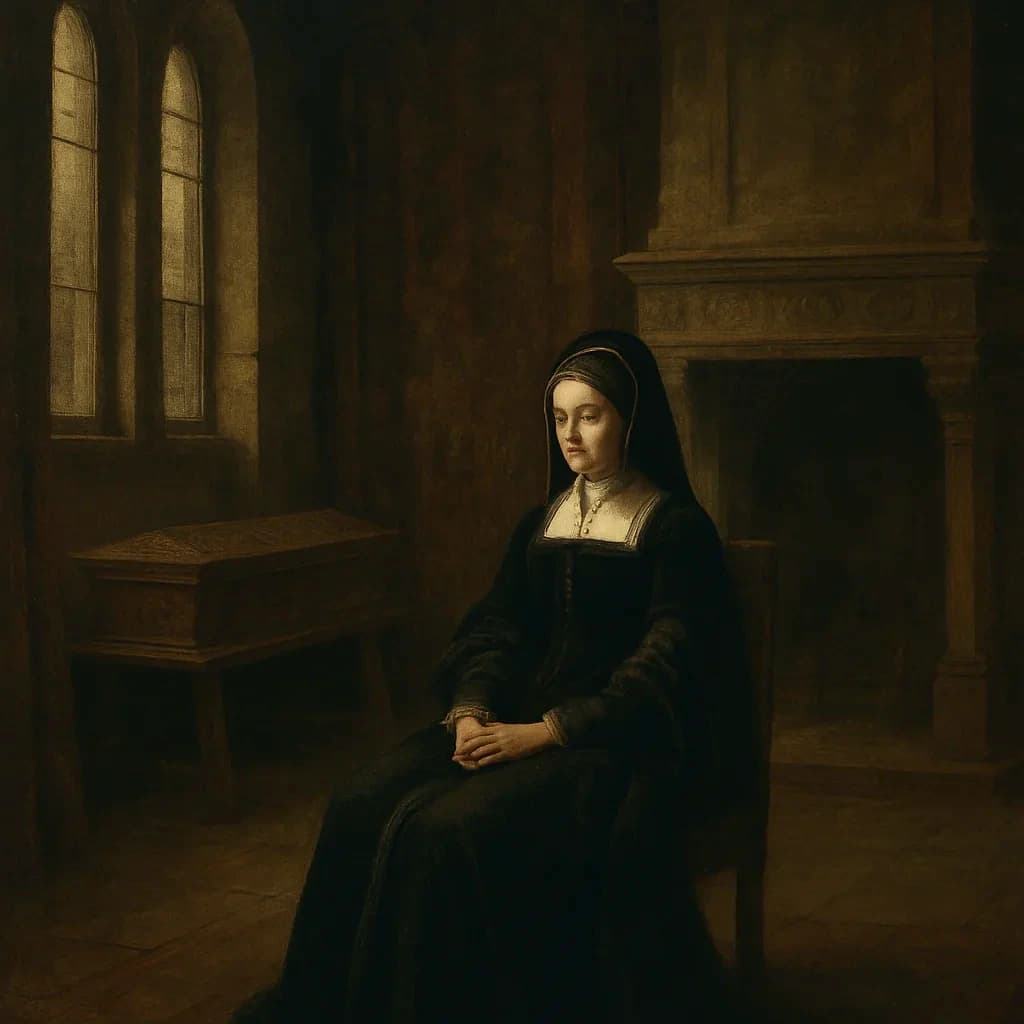
The Queen Locked in a Tower for 46 Years
When her husband died, Juana of Castile refused to let them bury him, and for nearly fifty years, she kept his corpse close.
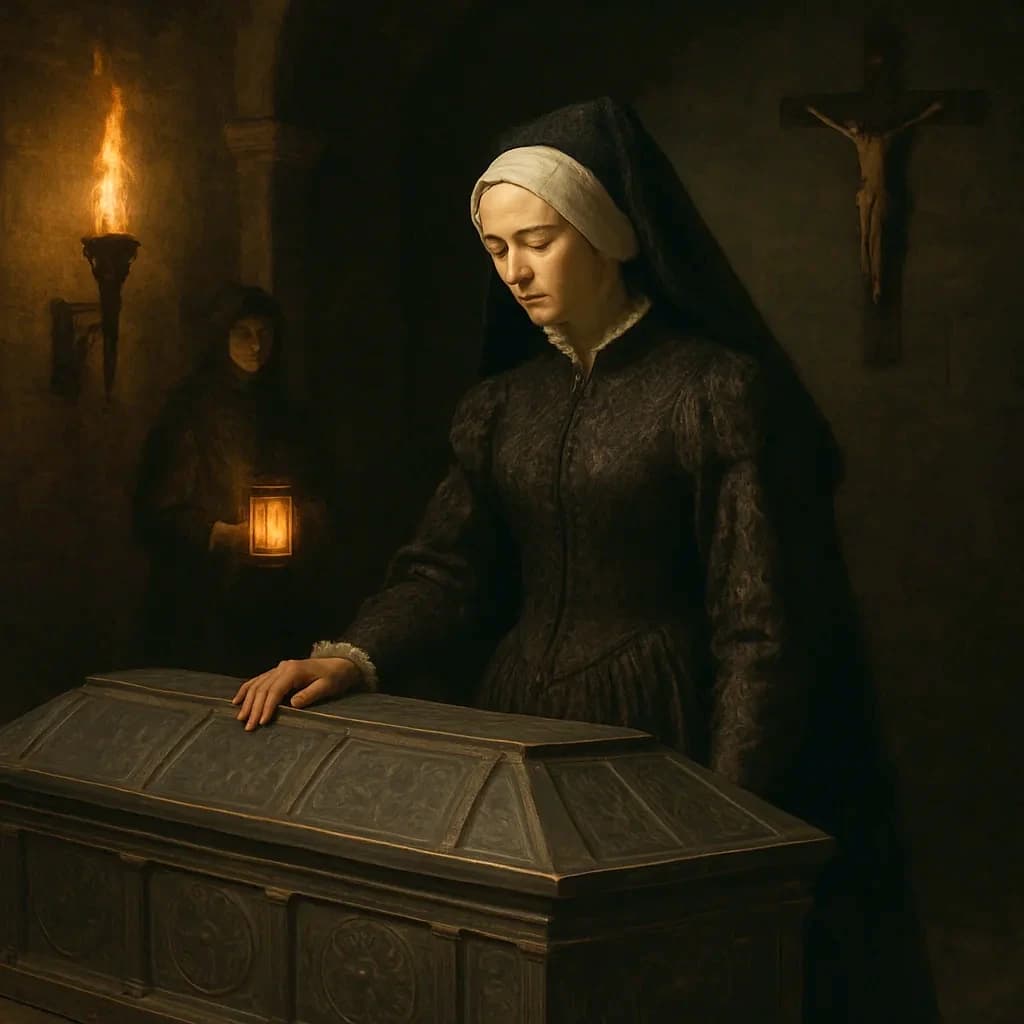
They Called Her Mad to Steal Her Throne
For eleven years, an empress ruled one of history's most powerful empires while her husband sat in a box.
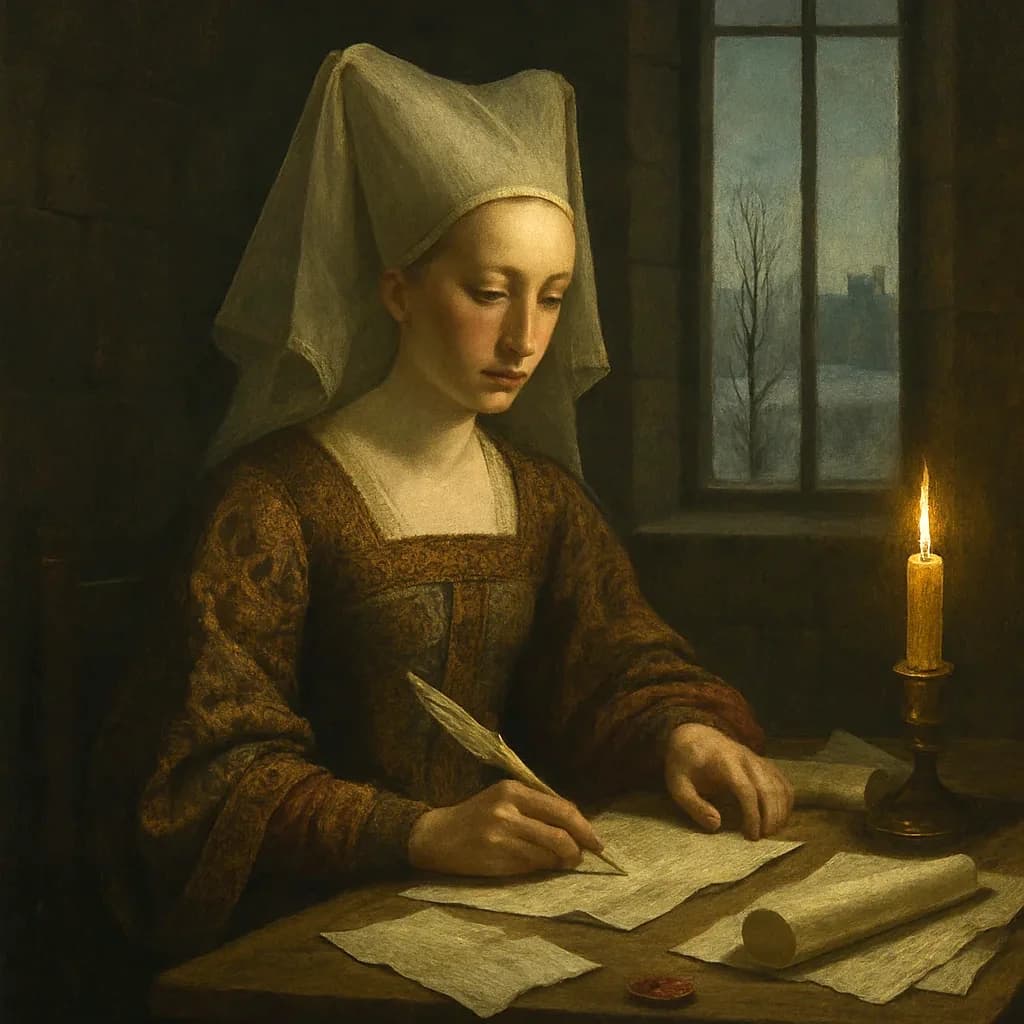
How a Widow's Letter Created the Habsburg Empire
Besieged on all sides, a grieving duchess sat down in 1477 and wrote to a man she'd never met, and rerouted the entire history of Western Europe.
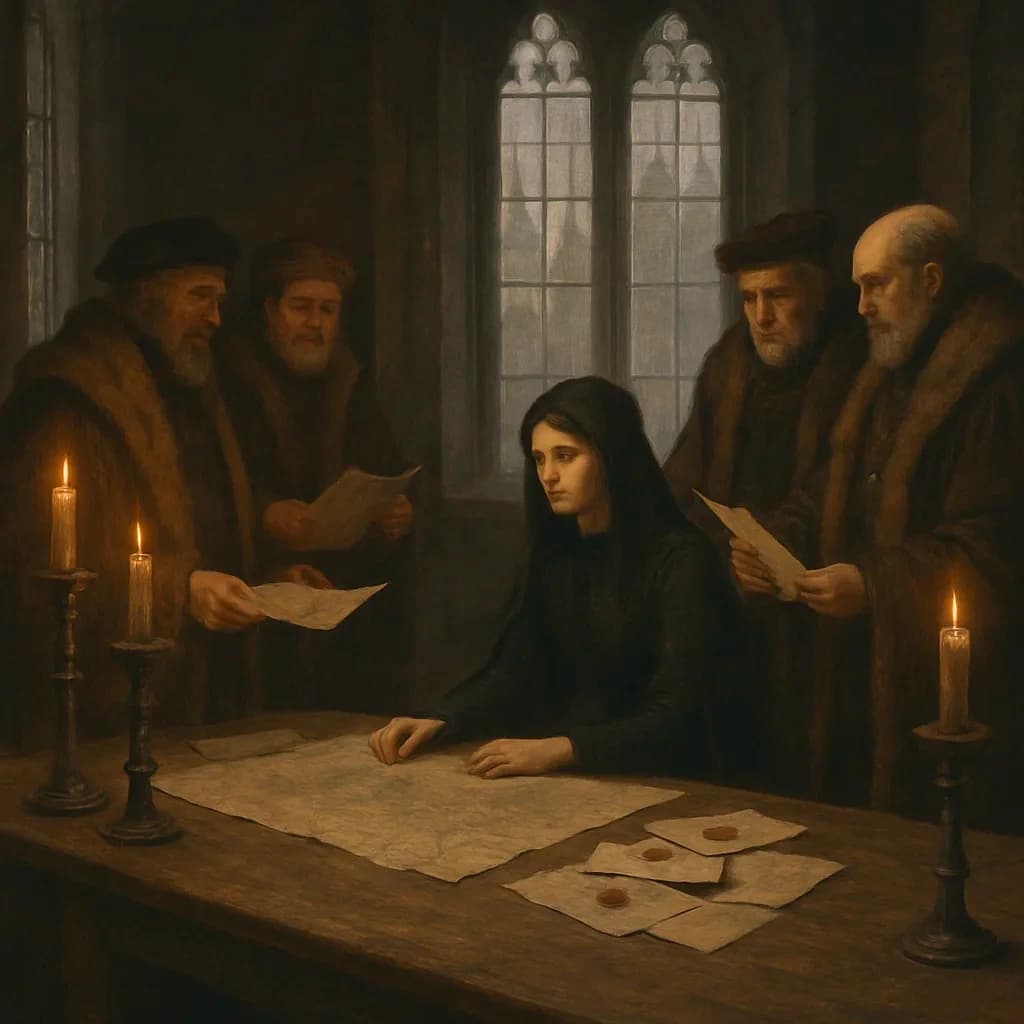
One Battle Left Europe's Richest Duchy to a 19-Year-Old
A single battle in 1477 orphaned the richest duchy in Europe. And the man who swooped in to claim the prize wasn't even supposed to be there.
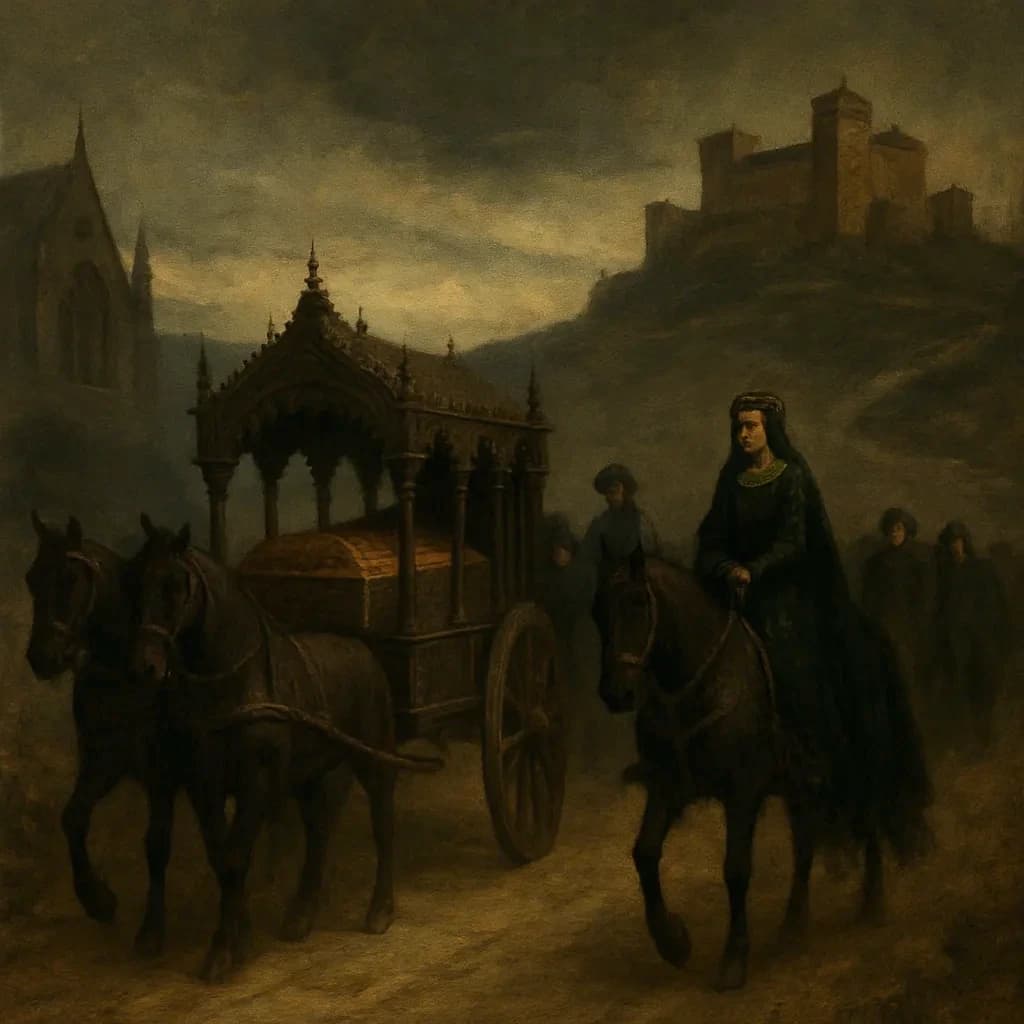
The Queen Who Forgot She Was Dead
Juana of Castile refused to bury her husband for three years, traveling across Spain with his coffin, and her madness accidentally saved an empire.
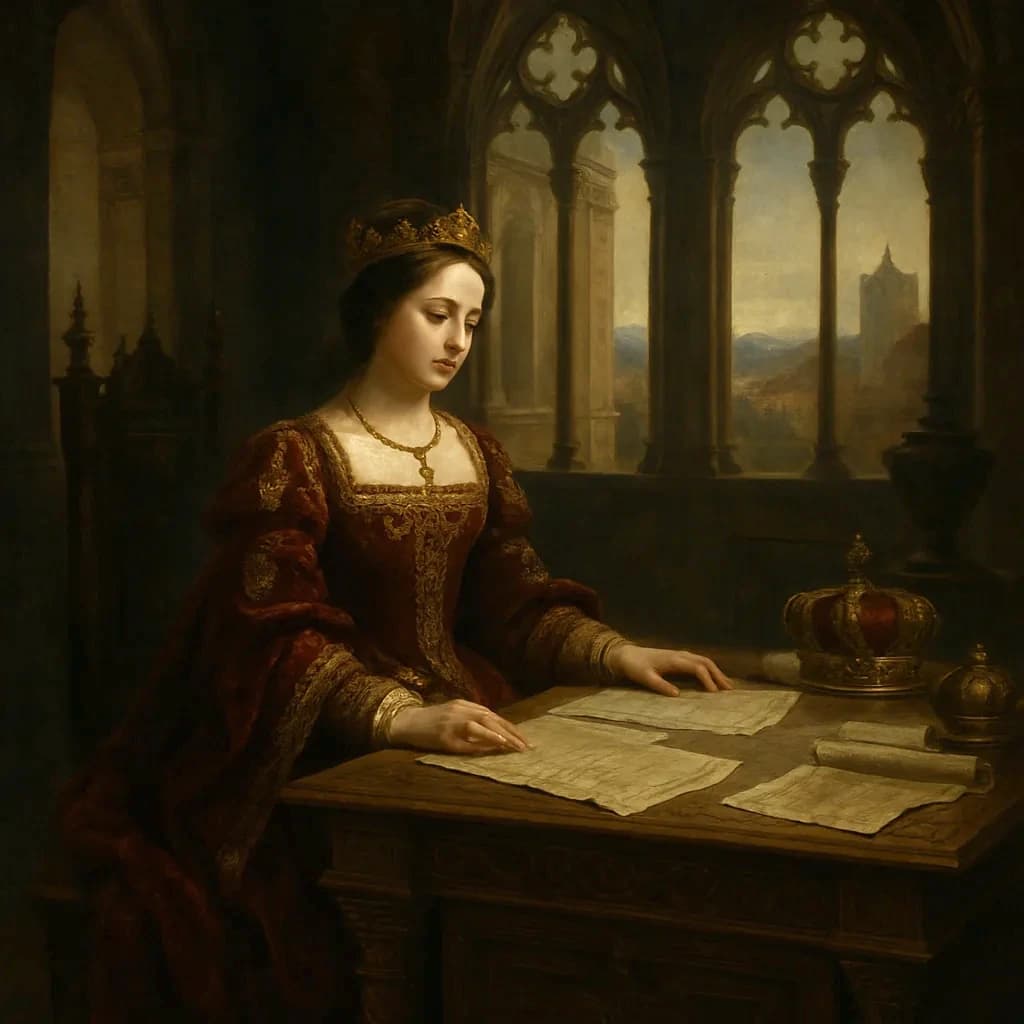
How Spain's Paperwork Invented East and West
A sixteen-year-old girl inherited half of Spain in 1504, and the bureaucratic split that followed invented the modern idea of East versus West.
- Hugh Thomas, Rivers of Gold: The Rise of the Spanish Empire (2003)
- William D. Phillips Jr., Juana the Mad: Sovereignty and Dynasty in Renaissance Europe (2002)
- Geoffrey Parker, Emperor: A New Life of Charles V (2019)