
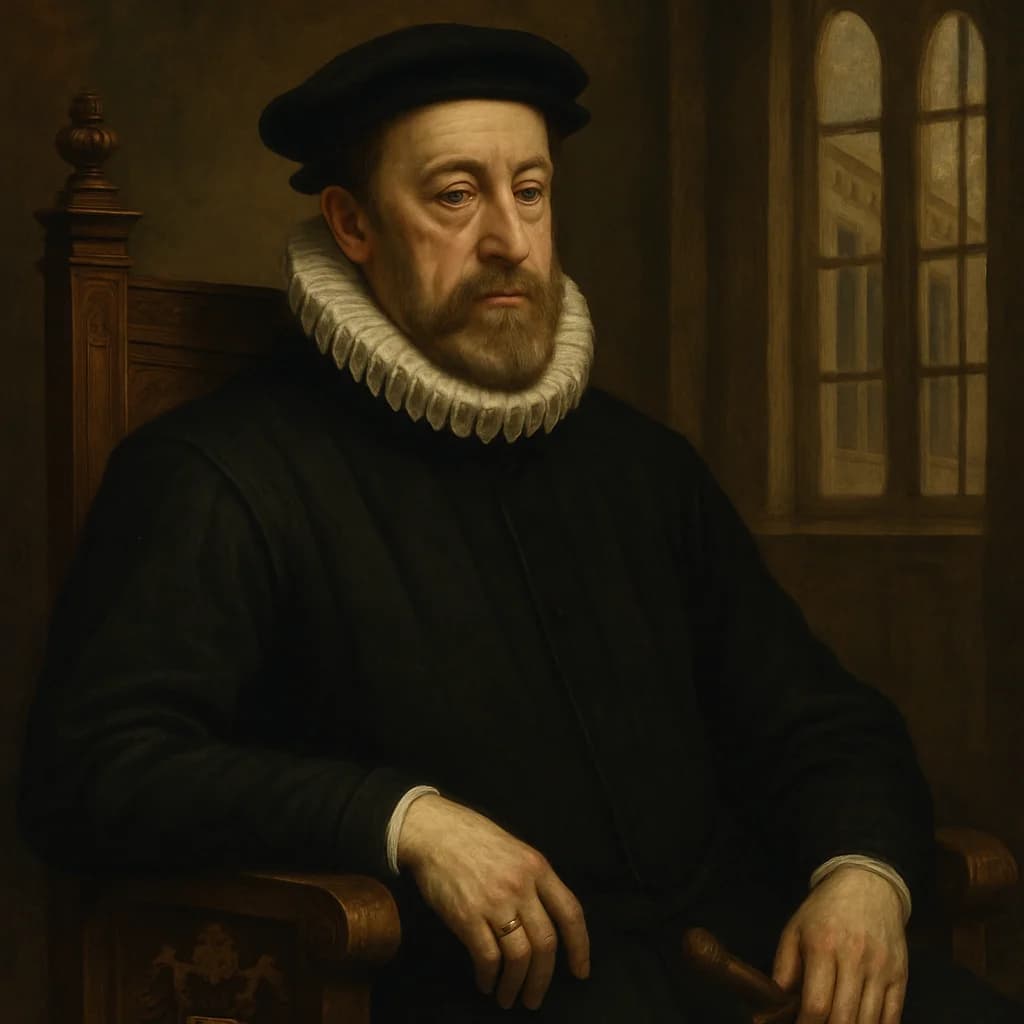
Ferdinand I
The man who inherited the largest empire in European history spent most of his reign trying to give it away.
Ferdinand I received the Habsburg crown in 1558 not through ambition, but through his brother Charles V's spectacular nervous breakdown. Charles had ruled an empire spanning from Peru to the Philippines, and the stress had literally driven him to abdicate and retreat to a monastery. Ferdinand inherited the impossible task of holding together an empire that was already fracturing along religious, linguistic, and geographic lines.
What made Ferdinand unusual wasn't his military prowess or political genius. It was his radical pragmatism. While other rulers clung to absolute power, Ferdinand systematically delegated authority to local nobles and regional assemblies. He allowed Protestant princes to keep their territories in exchange for nominal loyalty. He negotiated truces with the Ottoman Empire when other Christian rulers demanded holy war. His contemporaries called him weak; historians now recognize him as one of Europe's first federalist leaders.
The irony was profound: Ferdinand saved the Habsburg dynasty by refusing to act like a Habsburg. Where Charles had micromanaged every corner of his empire, Ferdinand established a loose confederation held together by personal relationships rather than centralized control. He learned Hungarian and Czech, married into local nobility, and spent more time in Prague than Vienna. When nobles rebelled, he negotiated. When cities demanded autonomy, he granted it.
By his death in 1564, Ferdinand had transformed the Habsburg lands from a collection of conquered territories into something resembling a voluntary union. His funeral drew only three uninvited guests because he had specifically requested a modest ceremony, a final rejection of the imperial grandeur that had destroyed his brother's sanity.
Ferdinand I was fluent in six languages and personally translated diplomatic correspondence to avoid the political complications of using interpreters.
Why untold: His pragmatic federalism contradicts the narrative of Habsburg absolutism that dominates historical accounts of the period.
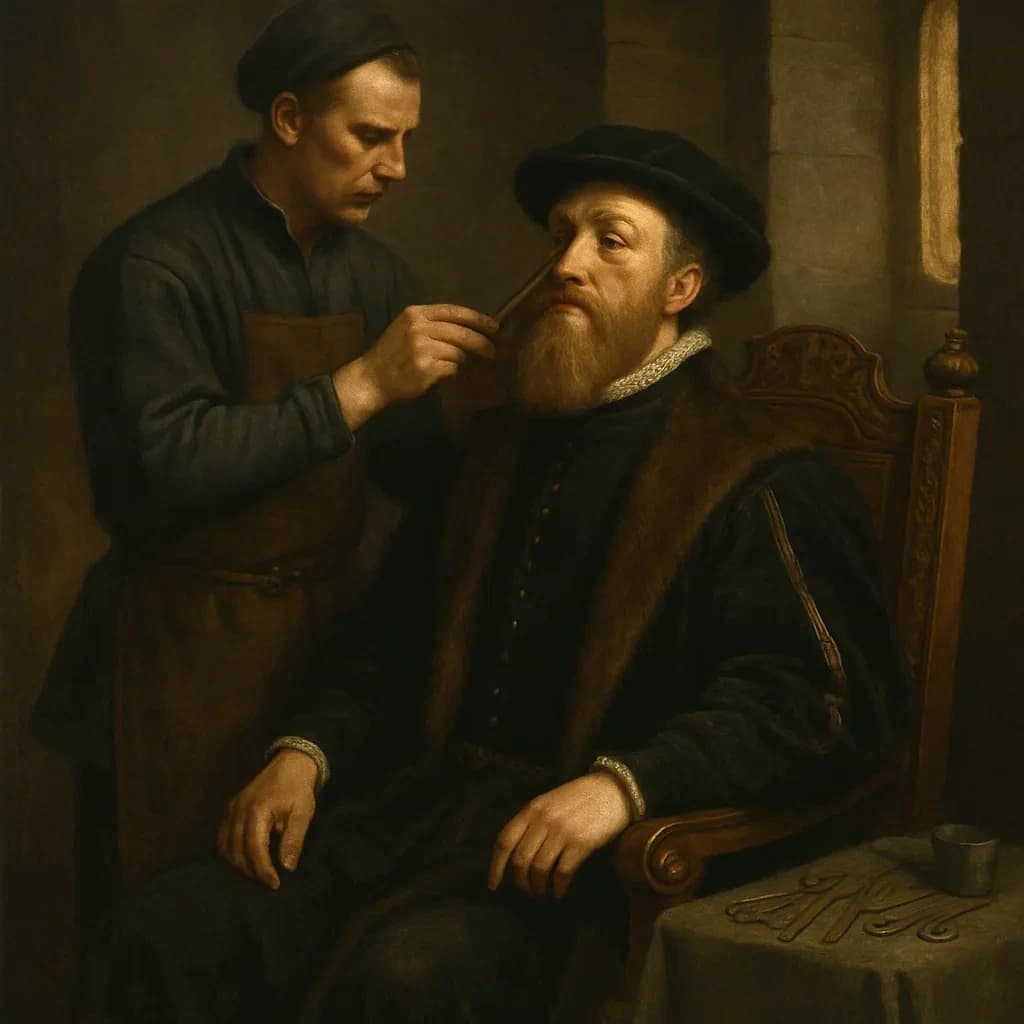
A Barber Heard Six Emperors' Secrets and Said Nothing
For sixty years, one German barber knew the secrets of every Habsburg emperor, and somehow never lost his head.
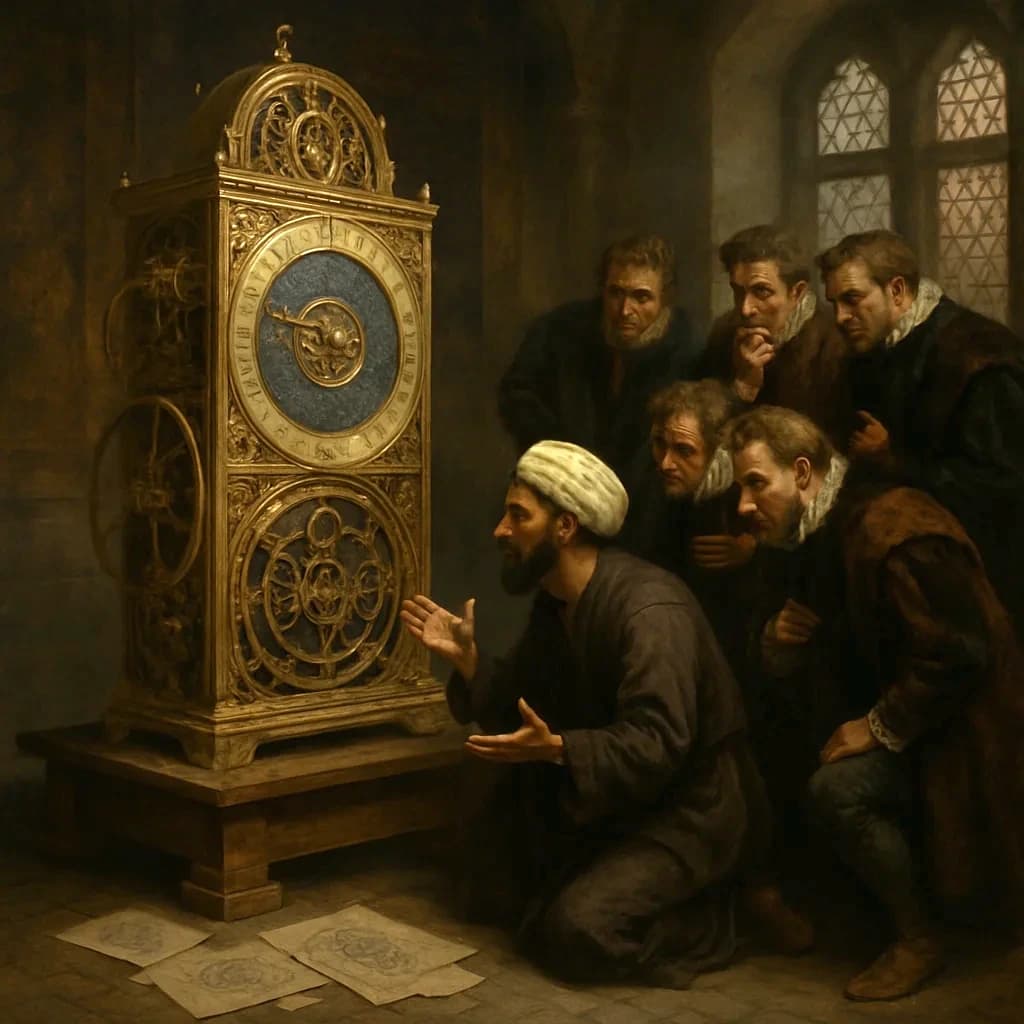
A Sultan's Gift Nearly Started a War Because Nobody Could Move It
An Ottoman sultan's gift to a Holy Roman Emperor nearly sparked a war, not because of politics, but because nobody had planned how to move it.
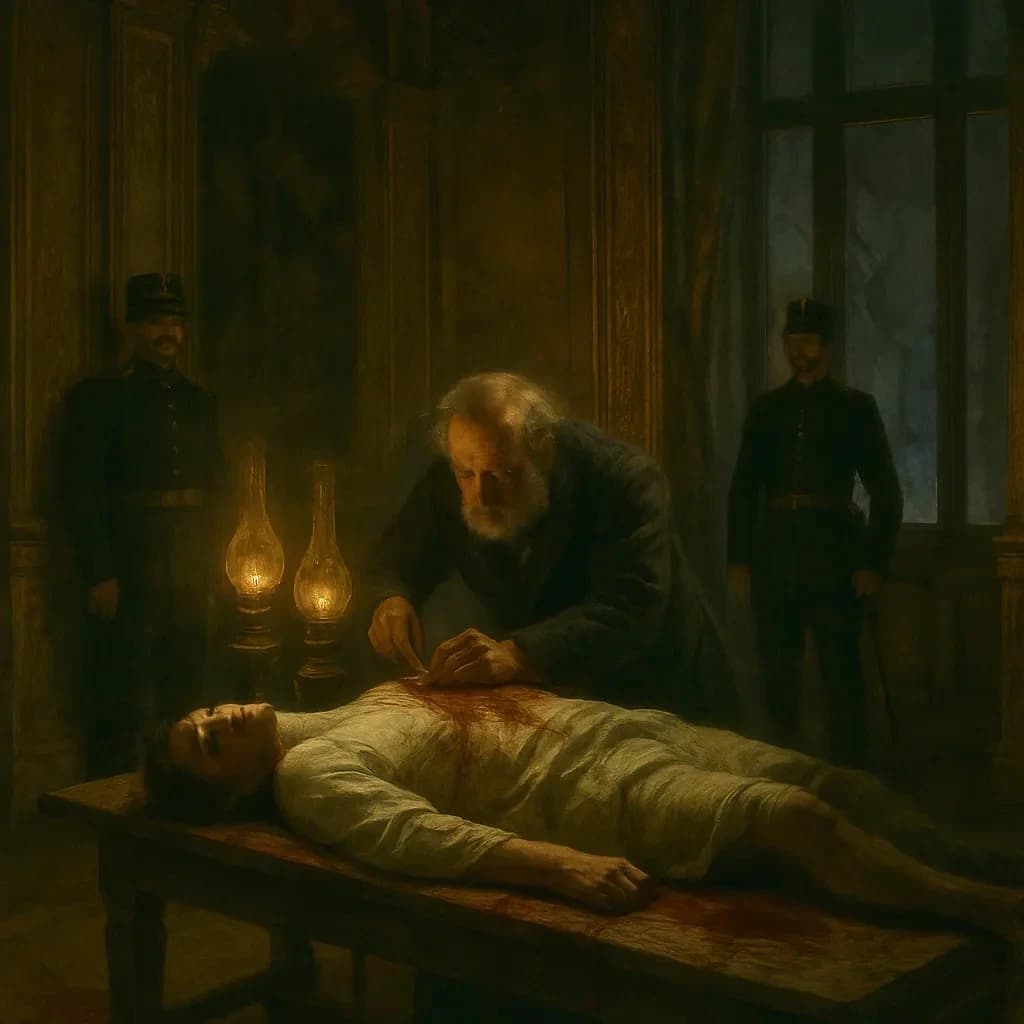
Saving the Habsburg Heir While Vienna Burned
On a night when Vienna was burning, the only man who could save the Habsburg dynasty lay bleeding from a failed kidney stone surgery.
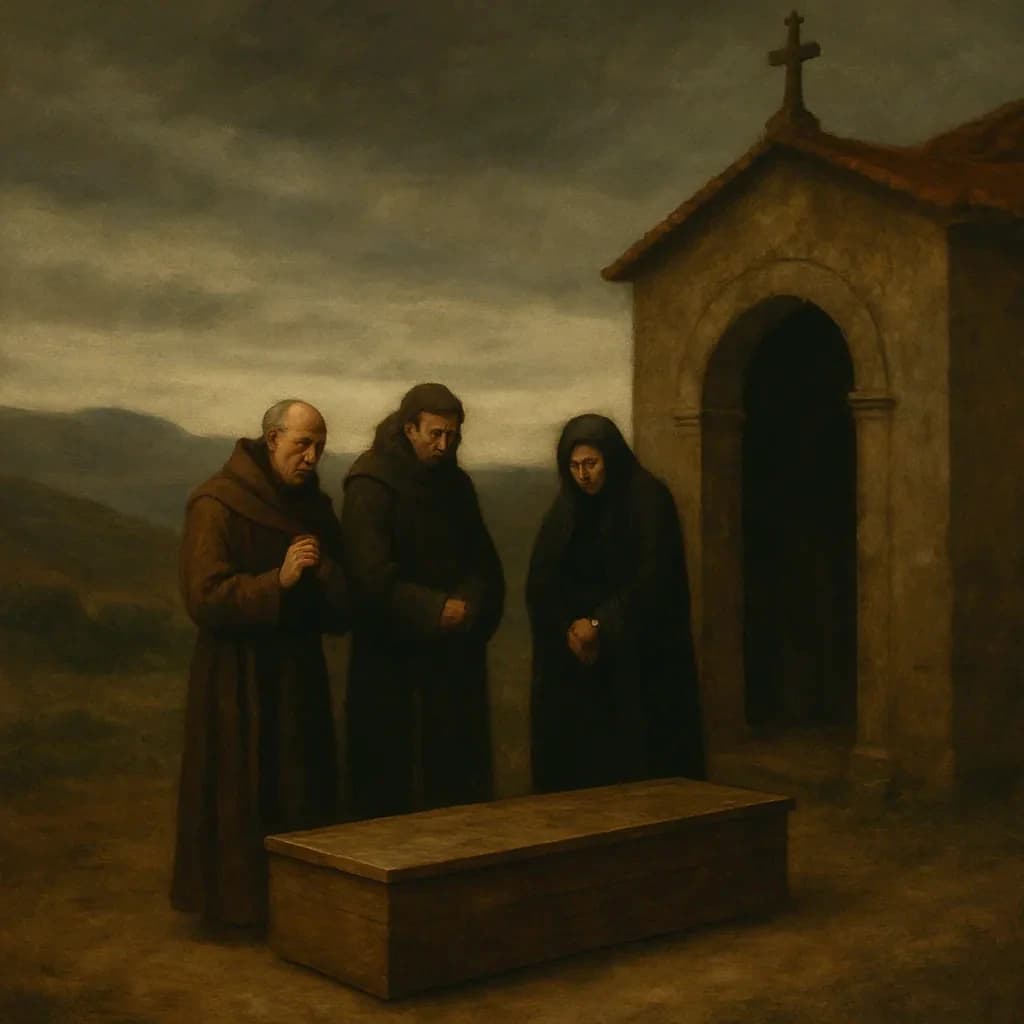
Europe's Most Powerful Emperor Was Buried by Three Strangers
When the most powerful man in Europe died, only three people came to his funeral, and they weren't invited.
- Paula Sutter Fichtner, Ferdinand I of Austria: The Politics of Dynasticism in the Age of the Reformation (1982)
- Andrew Wheatcroft, The Habsburgs: Embodying Empire (1995)
- R.J.W. Evans, The Making of the Habsburg Monarchy 1550-1700 (1979)