
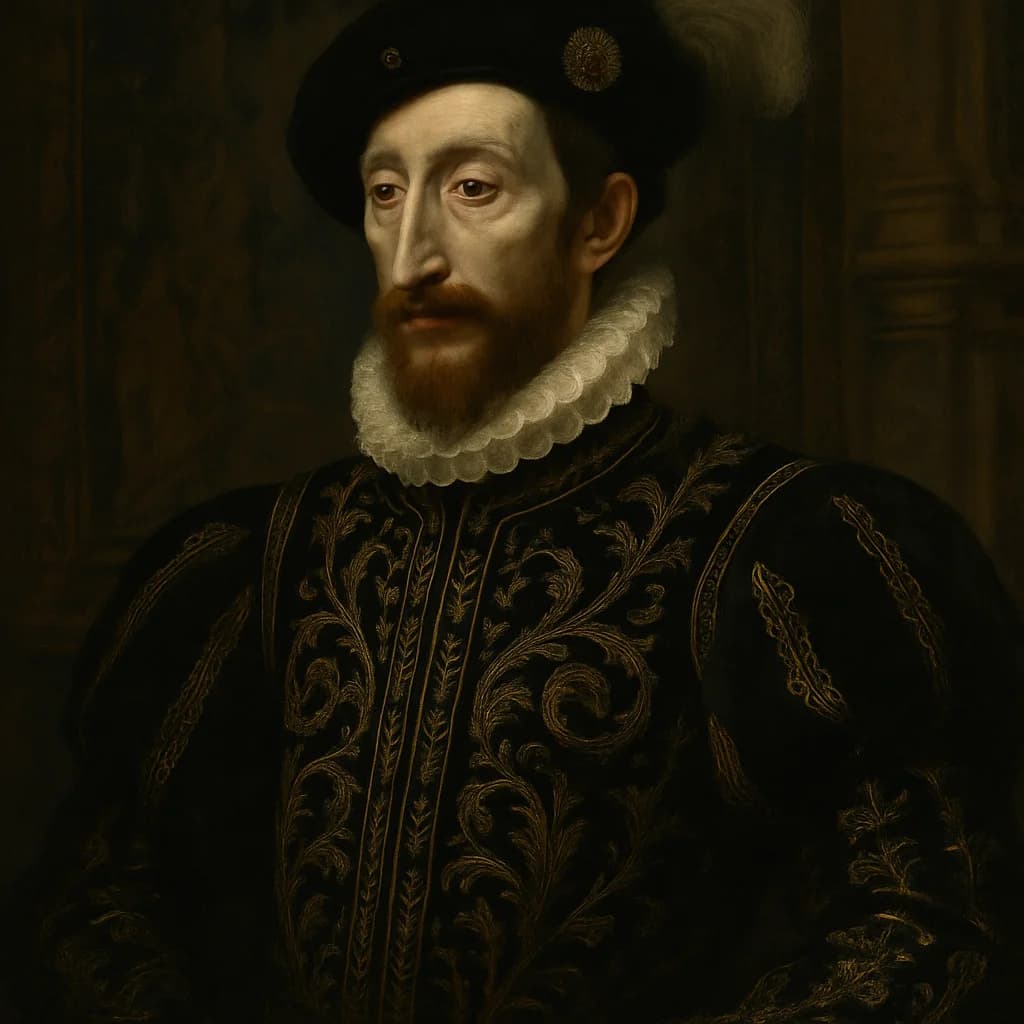
Francis I
The king who bankrupted France trying to outspend a banker died from an infection that accidentally saved Europe from syphilis.
Francis I spent his entire reign in a financial death spiral, borrowing astronomical sums from Jacob Fugger and other bankers to fund a lifestyle so extravagant it made Versailles look modest. While peasants starved, he imported Italian artists, built châteaux that served no purpose except showing off, and threw parties that cost more than most kingdoms' annual budgets. The Fuggers alone held French debt equivalent to several years of royal revenue, making Francis less a sovereign than a very expensive client.
But Francis's real obsession wasn't art or architecture. It was beating Charles V, the Holy Roman Emperor, at everything. When Charles got elected Emperor partly through Fugger financing, Francis declared he'd outshine him or die trying. He launched ruinously expensive wars in Italy, captured Milan briefly, then lost it along with most of his army's treasury. At the Battle of Pavia in 1525, Francis was captured and held for ransom, forcing France to mortgage its future to foreign bankers just to get their king back.
The final irony came in 1547, when Francis died from what most historians believe was syphilis, the disease he'd probably contracted during his legendary debauchery. But his rotting, infected corpse became an accidental public health campaign. Courtiers who witnessed his agonizing death spread such vivid descriptions of syphilis's final stages that sexual behavior across European courts changed practically overnight. Nobles who'd previously considered multiple mistresses a mark of sophistication suddenly embraced relative monogamy.
Francis had spent thirty-two years trying to make France the envy of Europe through borrowed magnificence. Instead, his diseased death accomplished what no royal decree could: it terrified an entire continent into avoiding the plague that was killing kings and commoners alike.
Francis I once challenged Holy Roman Emperor Charles V to single combat to settle their territorial disputes, a proposal that would have decided the fate of half of Europe through a one-on-one duel.
Why untold: His financial incompetence and humiliating death from syphilis contradict the carefully maintained image of Renaissance magnificence that French royal propaganda promoted for centuries.
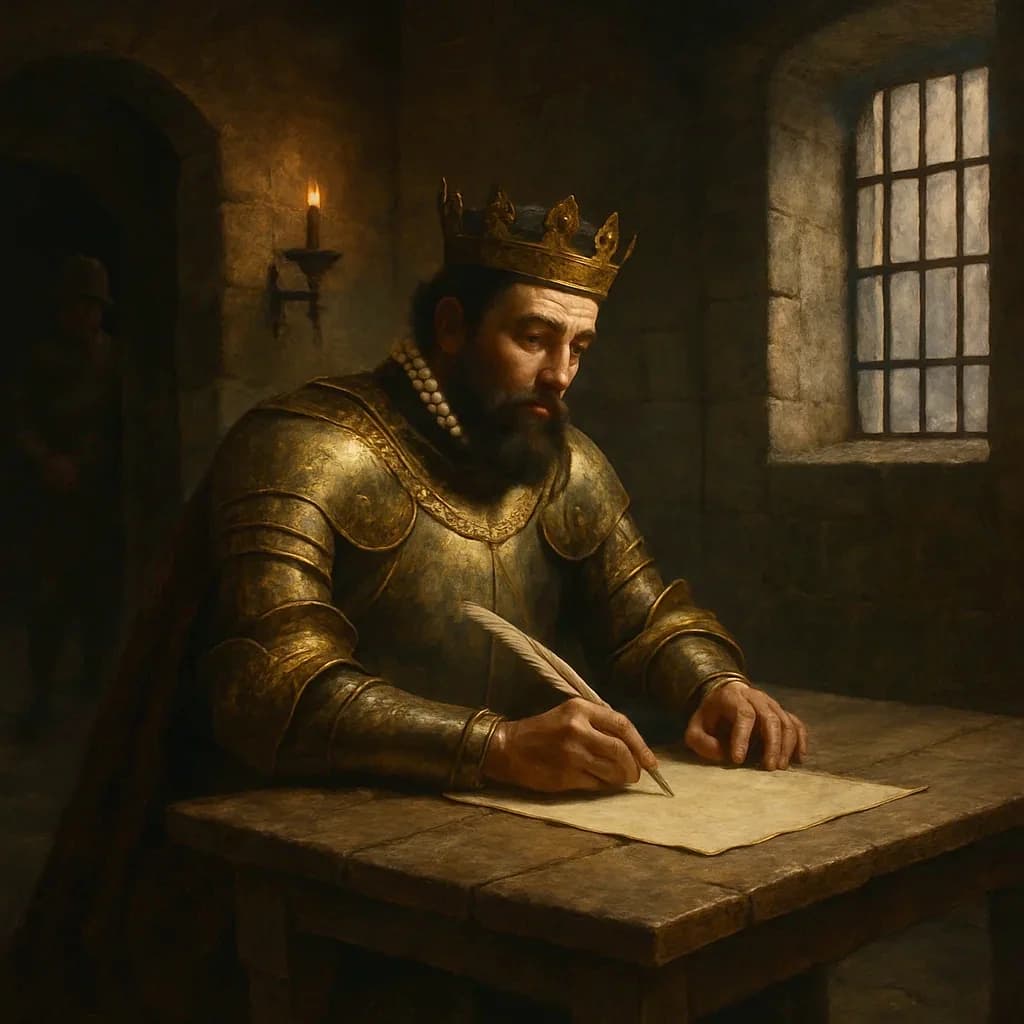
A Captured King's Letter That Redefined Surrender
A French king sat in a Spanish dungeon in 1525 and wrote a single sentence to his mother that quietly rewrote the rules of warfare forever.

The Banker Who Bought an Emperor His Crown
A single unpaid debt to a German cloth merchant, settled in 1520, decided who would rule Europe for the next two centuries.
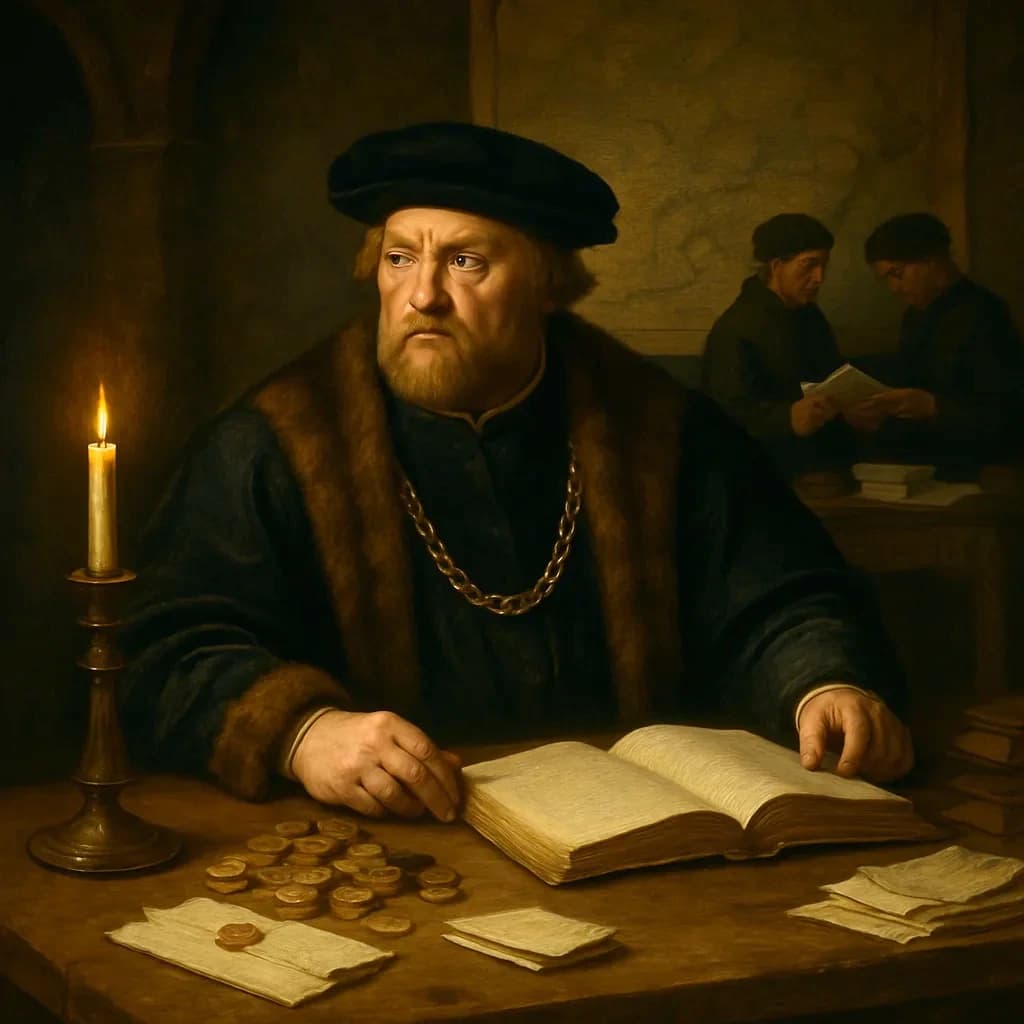
The Banker Who Bought a Holy Roman Emperor
The most powerful office in Christendom was auctioned off like a used horse, and the man who won it did so entirely with borrowed money.
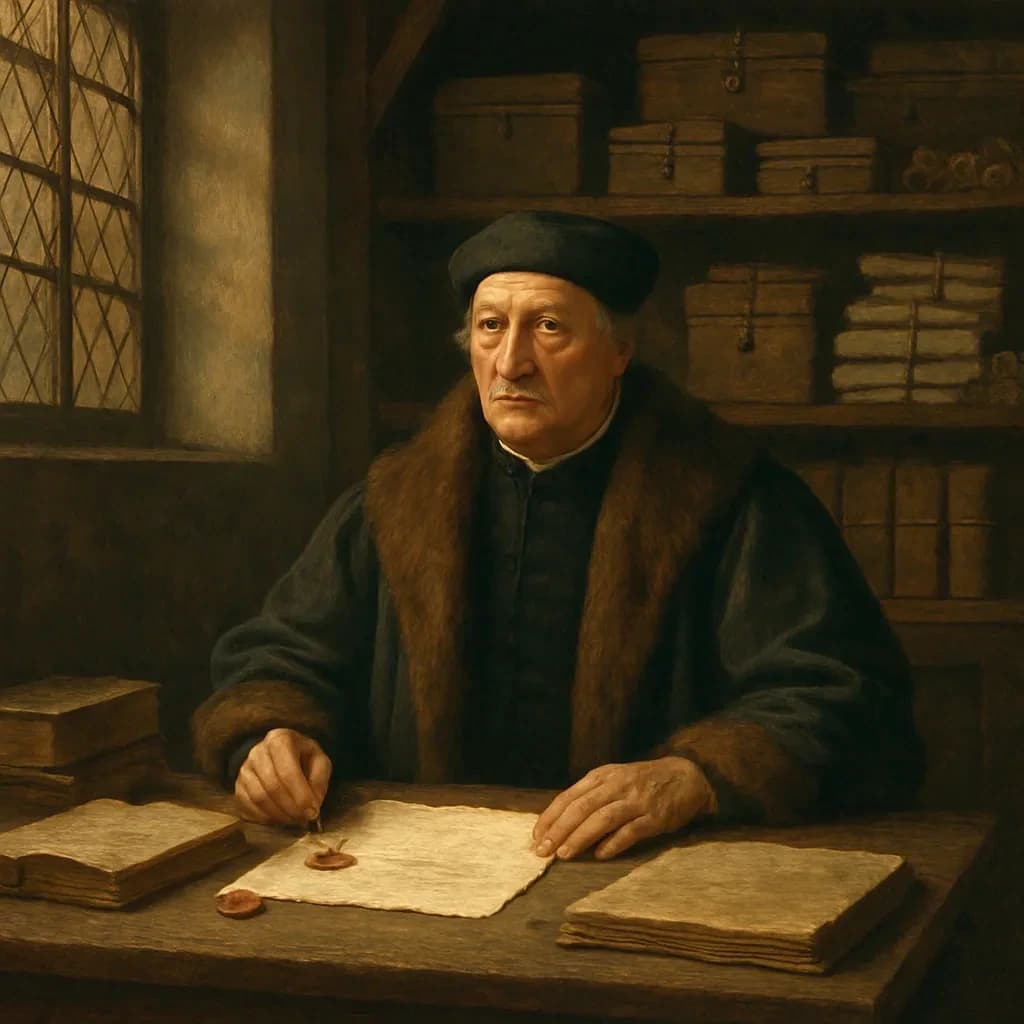
A German Banker Single-Handedly Bought the Holy Roman Empire
In 1519, a German banker single-handedly bought the Holy Roman Empire, and made sure everyone knew it.

A Beard Nearly Wrecked Europe's Most Scandalous Alliance
A Turkish diplomatic ritual collided with one Frenchman's facial hair in 1533, and the most important alliance in European history almost died in a waiting room.
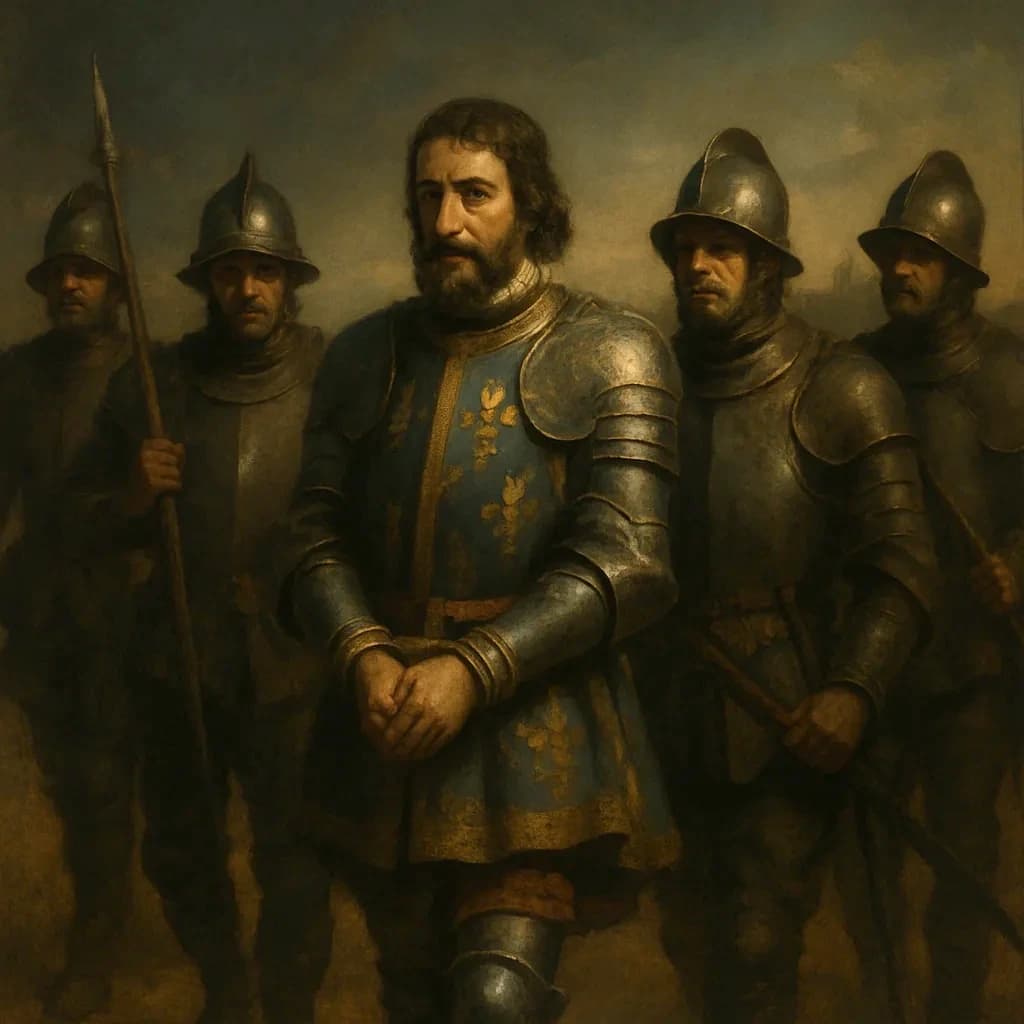
A French King's Ransom Saved Martin Luther
A French king spent four years as a prisoner in Madrid, and the ransom deal he signed to escape gave Martin Luther's movement the money it needed to survive.
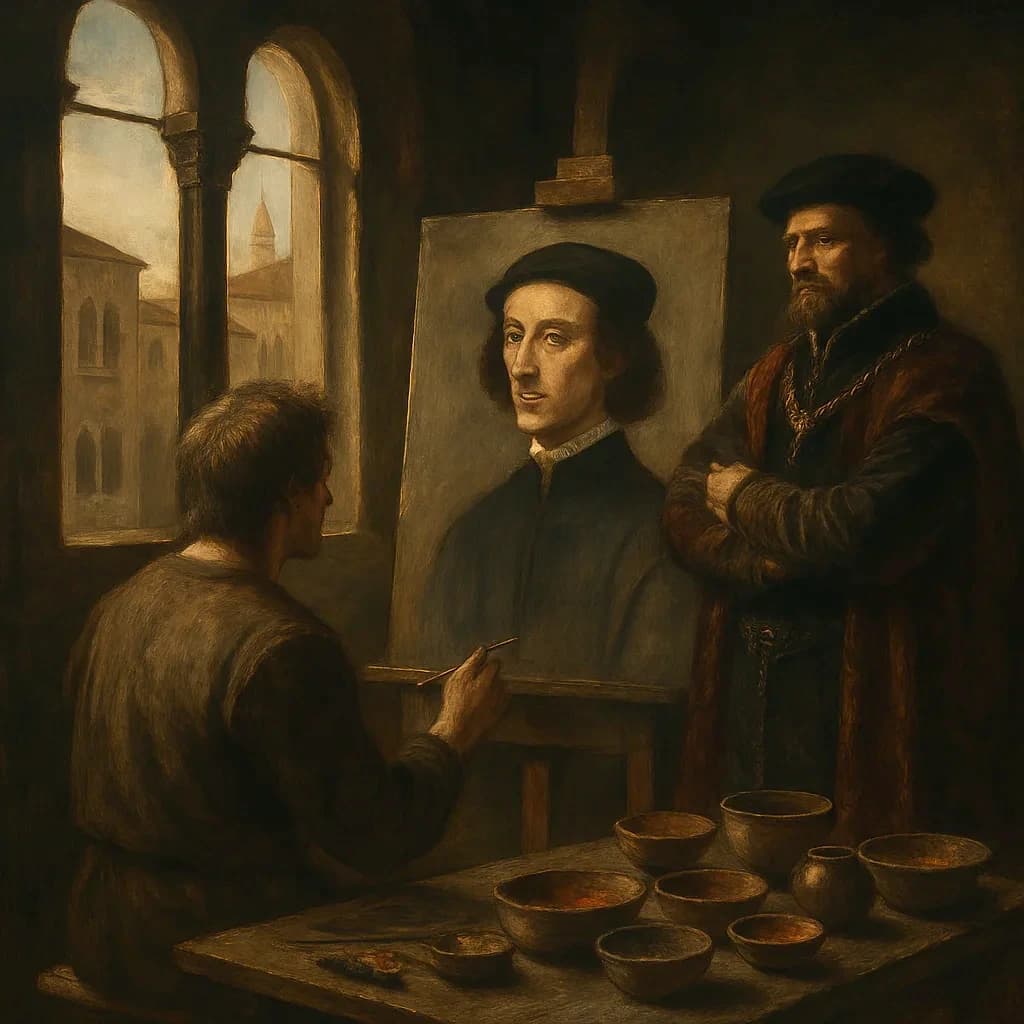
How a Painting Helped Spain Win Half the World
A minor artistic dispute between a German merchant and a Venetian painter accidentally set off the chain of events that handed Spain control of half the known world.
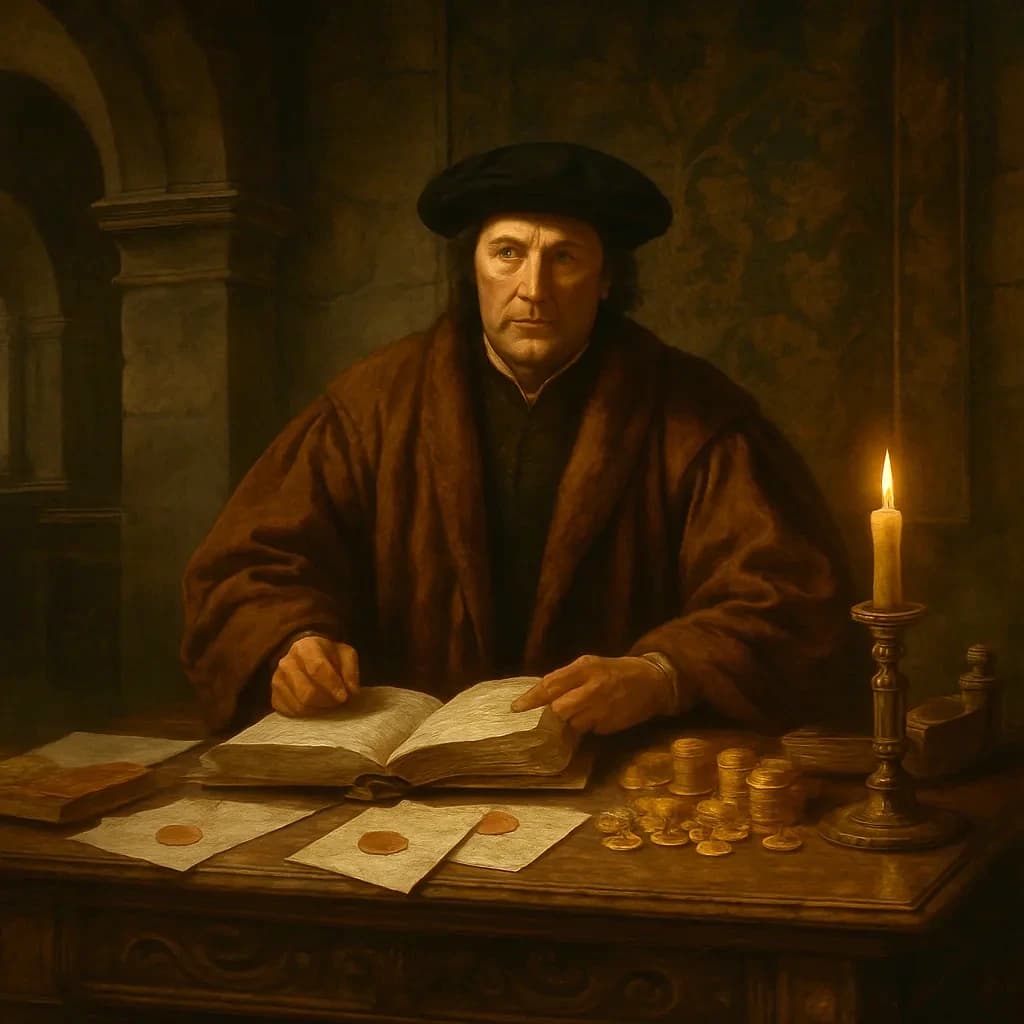
The Banker Who Bought an Emperor's Crown
While kings begged for loans, one man in Augsburg casually bought and sold the fate of entire empires.
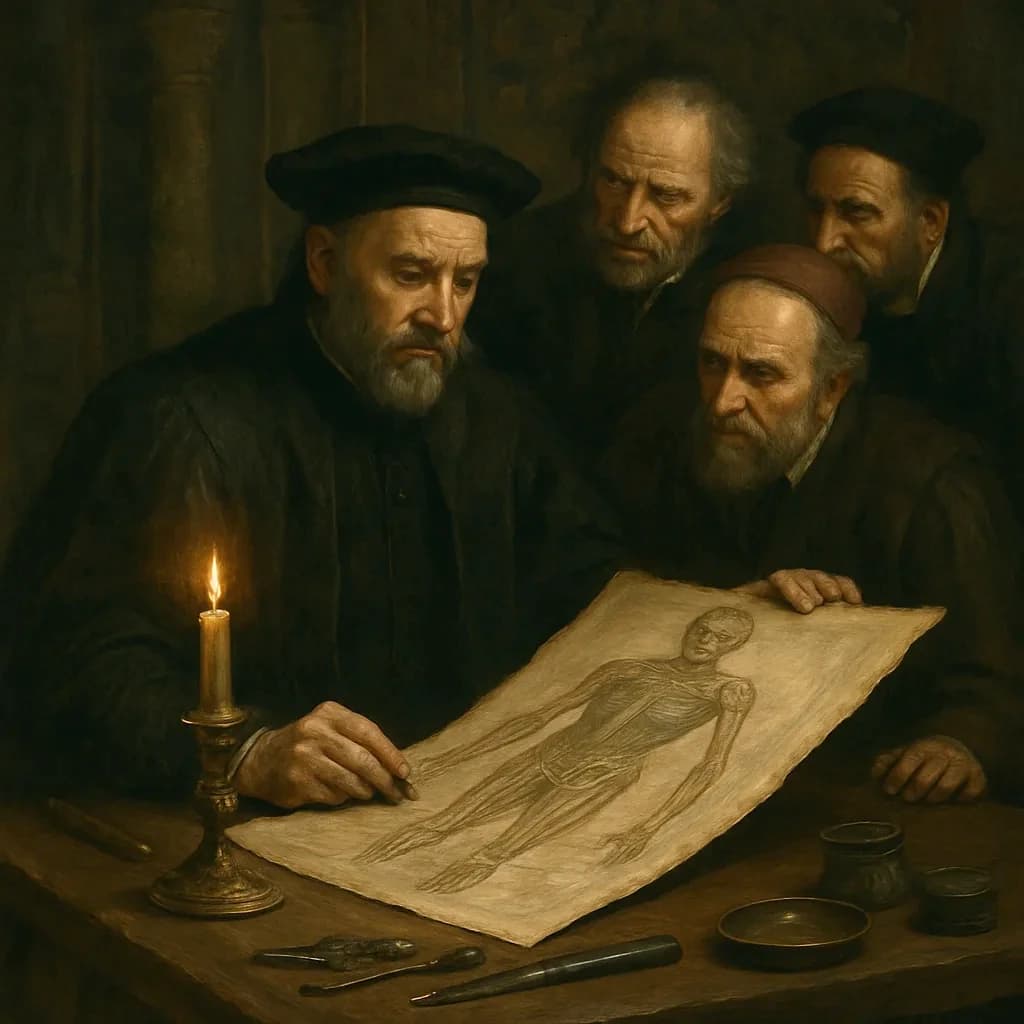
A King's Autopsy That Scared Europe Straight
A dead syphilitic king's infected body launched the most effective public health campaign in European history.
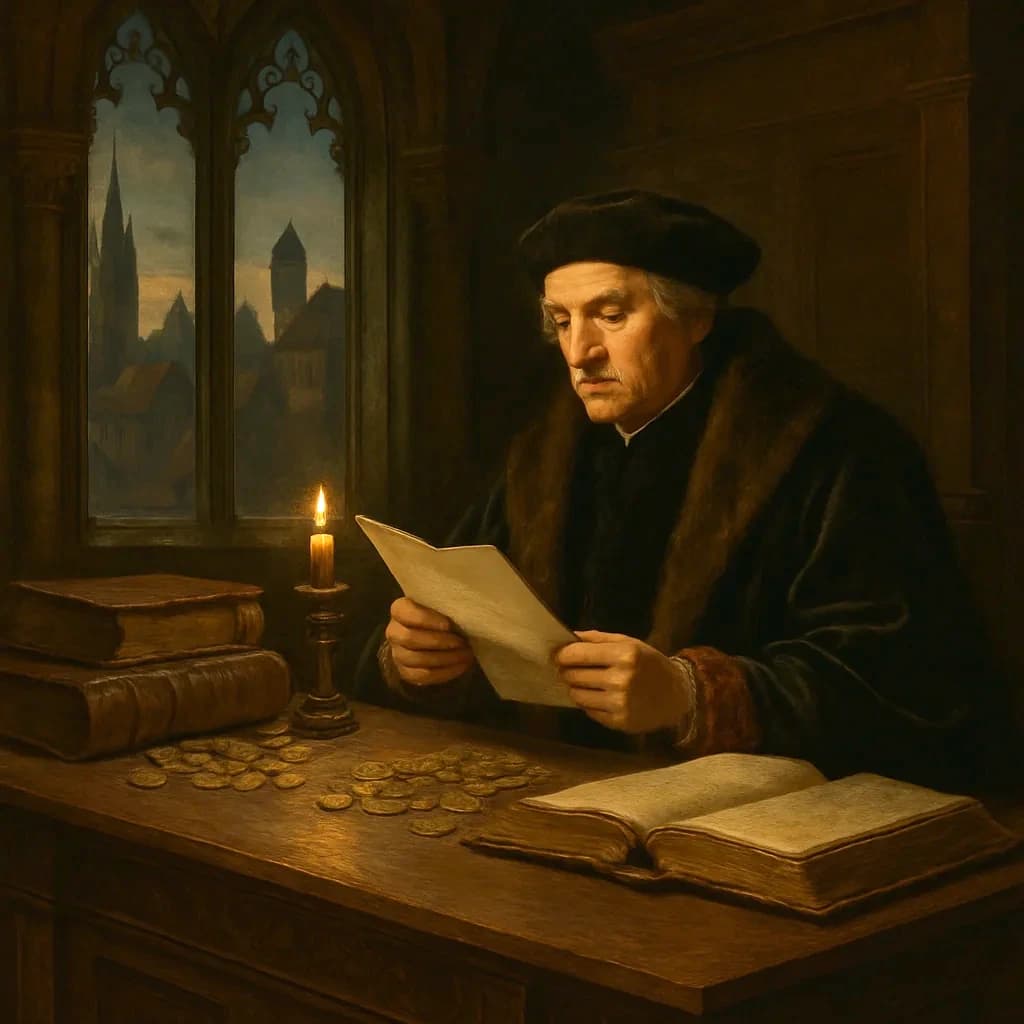
The Merchant Who Owned More Than Nations
Jacob Fugger's personal wealth dwarfed entire kingdoms. And he made sure emperors knew exactly who owed him.
- R.J. Knecht, Renaissance Warrior and Patron: The Reign of Francis I (Cambridge University Press, 1994)
- Mark Greengrass, France in the Age of Henri IV: The Struggle for Stability (Longman, 1995)
- Claude Debru, Essays on the History of Medicine (Springer, 2013)