
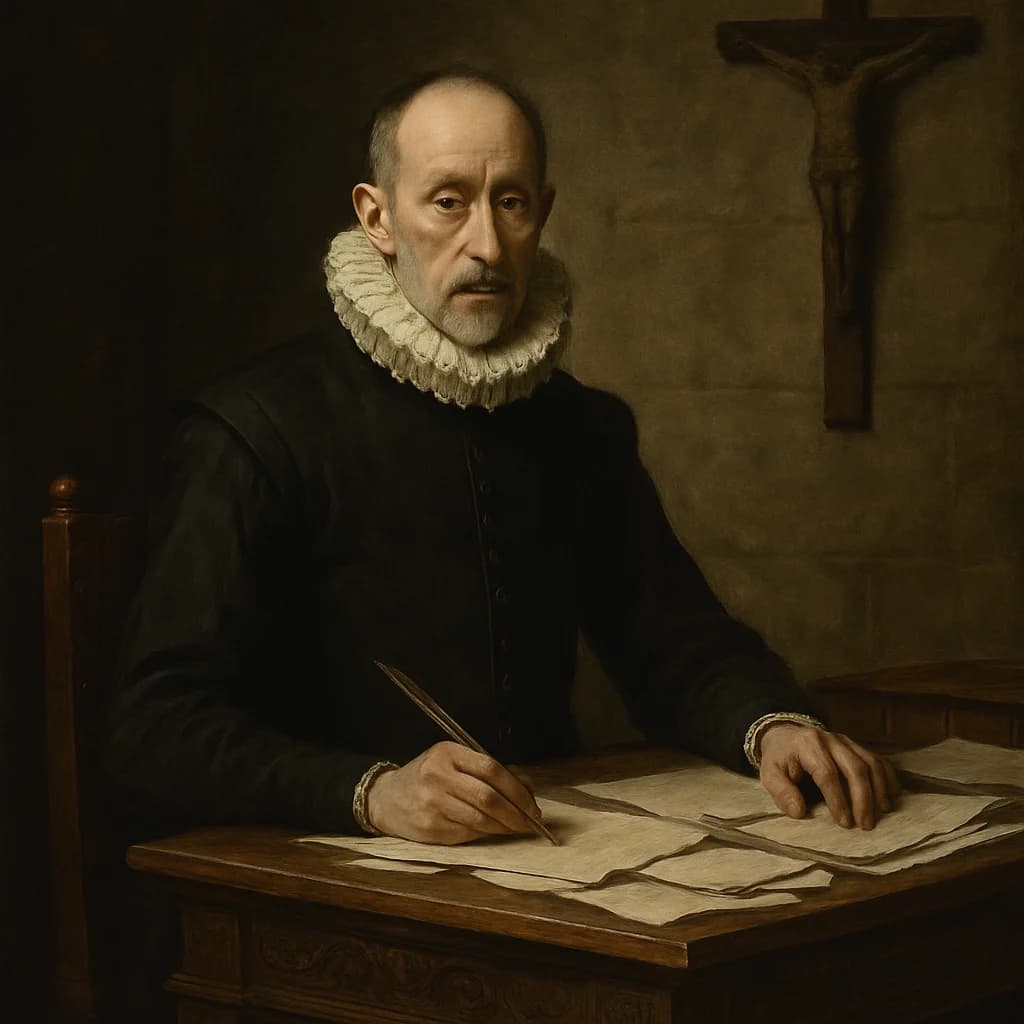
Philip II of Spain
The man who ruled half the known world died alone, covered in his own filth, after spending months cataloging his collection of holy relics.
Philip II inherited an empire so vast that the sun never set on it, yet he governed this global colossus from a single room. For forty-three years, he ruled Spain, Portugal, the Netherlands, chunks of Italy, and most of the Americas without leaving the Iberian Peninsula. His method was paper, mountains of it. Every decision, from colonial tax rates to military appointments, crossed his desk in the Escorial, his massive monastery-palace outside Madrid.
The irony was exquisite. While Protestant pamphleteers flooded Europe with subversive literature, Philip buried himself in bureaucratic correspondence, writing meticulous notes in the margins of reports from Mexico City to Manila. He micromanaged an empire spanning four continents through an avalanche of documents that took months to cross oceans. When Dutch rebels seized printing presses to spread anti-Spanish propaganda, Philip responded with more paperwork.
His obsession with control extended beyond politics. He collected 7,422 holy relics, including what he believed were 144 complete heads of saints and eleven entire holy bodies. He spent his final months, paralyzed by gout and infections, personally cataloging each bone fragment and tooth while his empire crumbled. The Dutch had declared independence. English privateers were pillaging Spanish treasure fleets. His multiple bankruptcies had made "Spanish credit" an oxymoron across European banking houses.
Yet Philip died convinced he had served God faithfully. His last act was to position himself so he could see the high altar of his palace church. The most powerful man on earth expired watching a religious service, surrounded by enough paperwork to fill a cathedral and enough debt to sink his navy, which the English had already done at Gravelines in 1588.
Philip II personally read and annotated over 40 documents every single day for four decades, creating an archive of over 40,000 official papers that still exists in the Escorial's library.
Why untold: His image as a fanatical warmonger overshadows the reality that he was primarily a desk-bound bureaucrat who rarely left his palace.
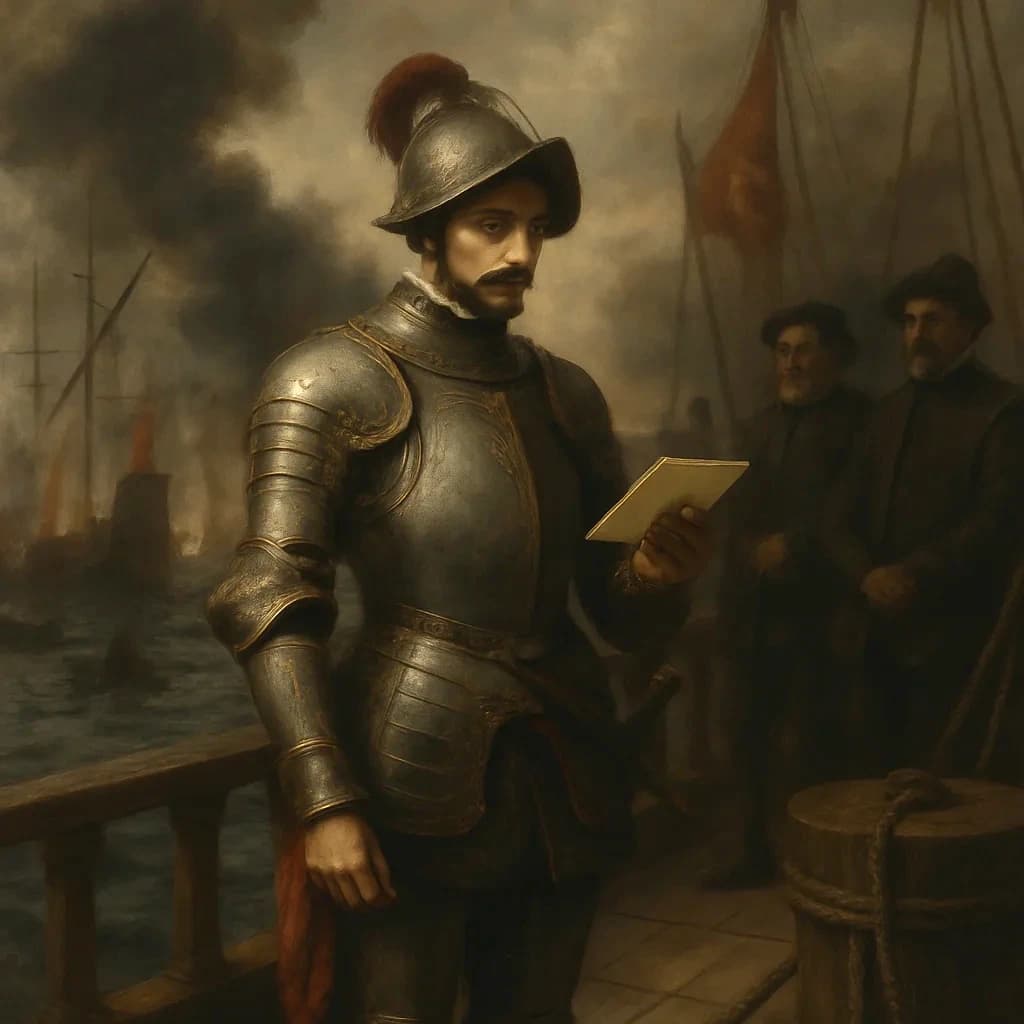
A Debt Repaid in Severed Ears
When Spain's most celebrated admiral won his greatest victory, the king gave him a title. The admiral asked for something stranger.
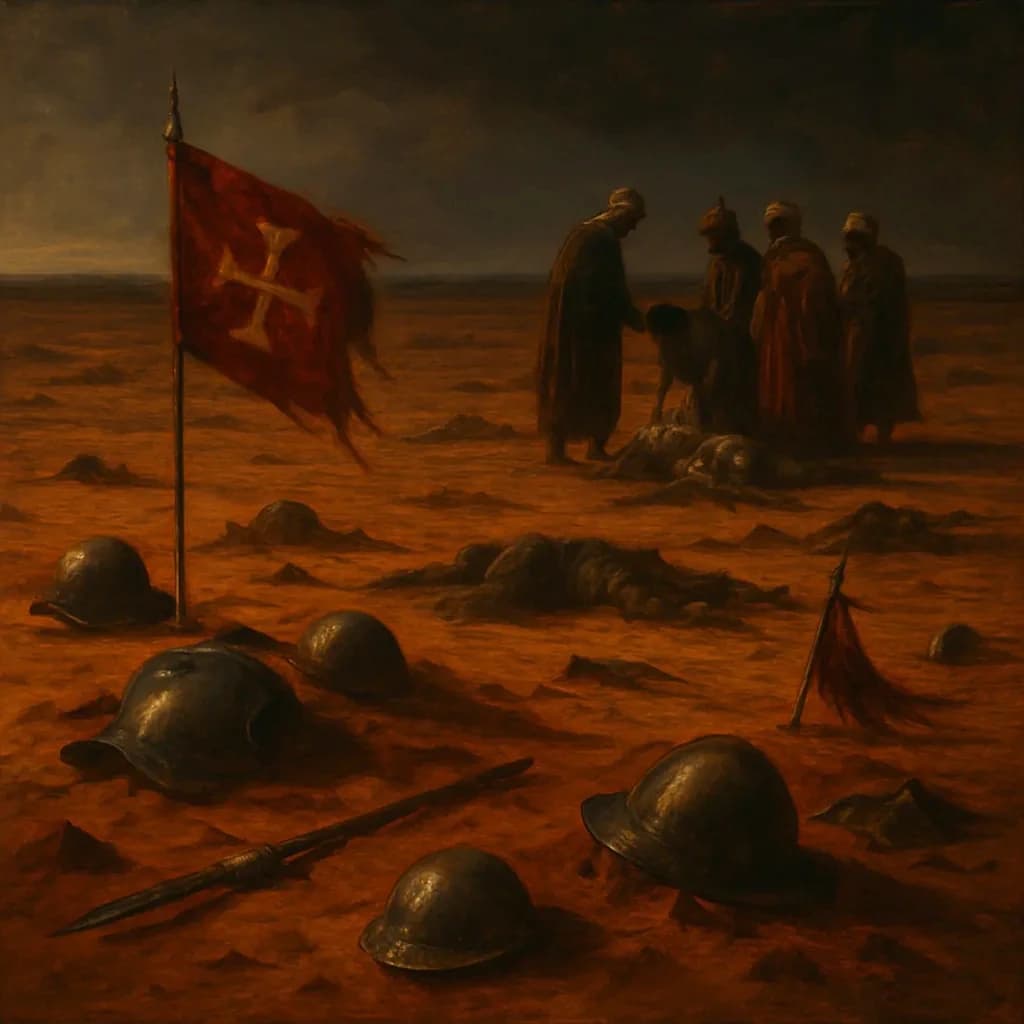
Portugal's King Vanished, and Four Men Claimed to Be Him
A Portuguese king rode into Africa in 1578 with sixty thousand soldiers and came back as nobody, and what happened to his body afterward is stranger than the battle itself.
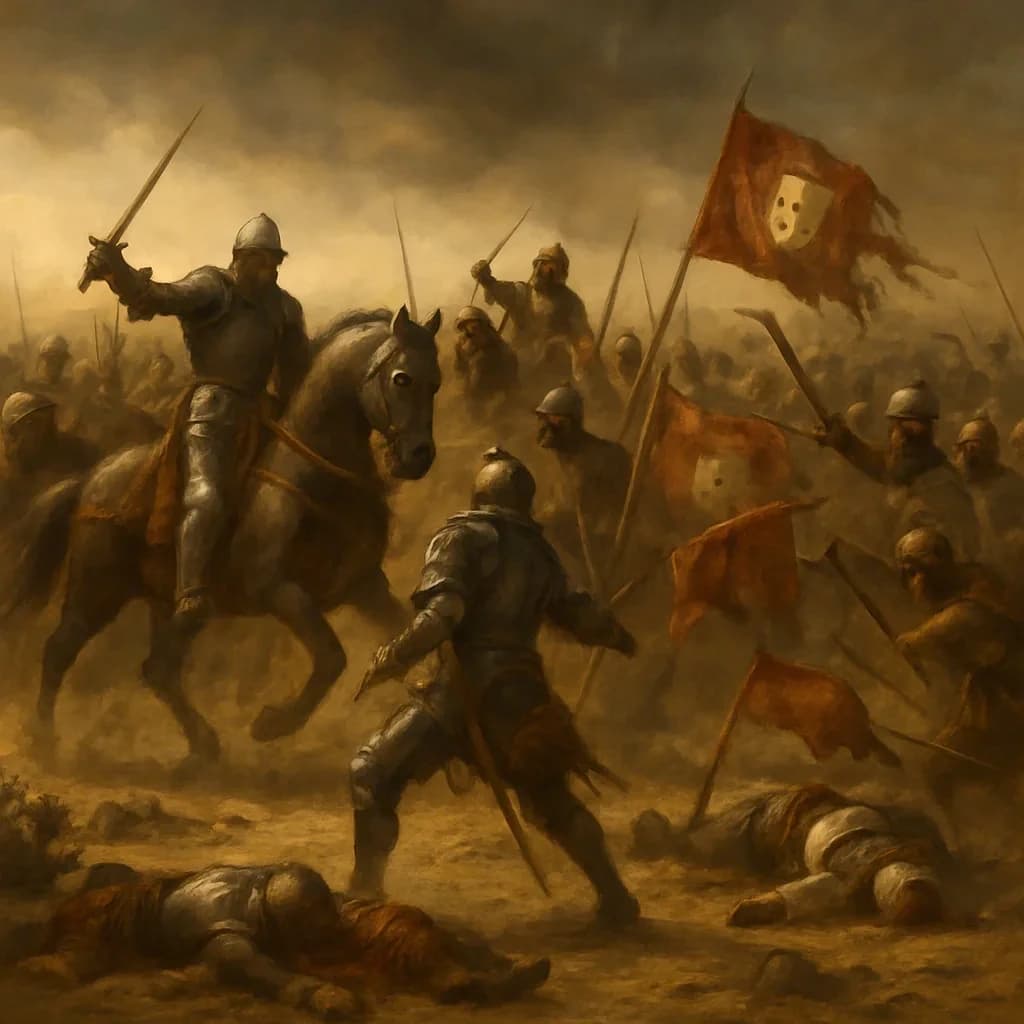
Portugal's King Lost His Whole Empire in Two Hours
A twenty-four-year-old king rode out on a crusade nobody wanted, against an enemy nobody could beat, and managed to lose an entire country in an afternoon.
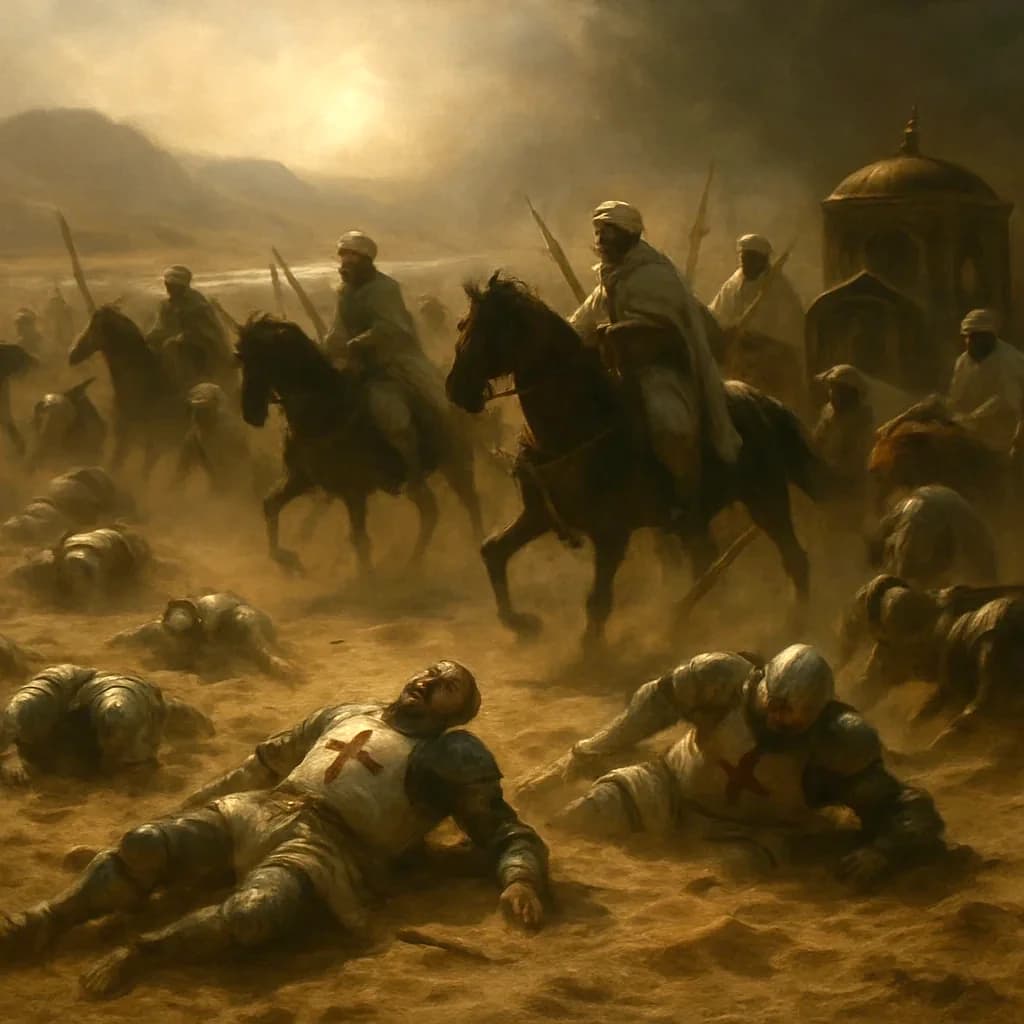
Three Kings Dead in an Afternoon: Portugal's Lost Empire
A young king rode into the Sahara with thirty thousand men and a translator who couldn't stop him, and only the translator came back.
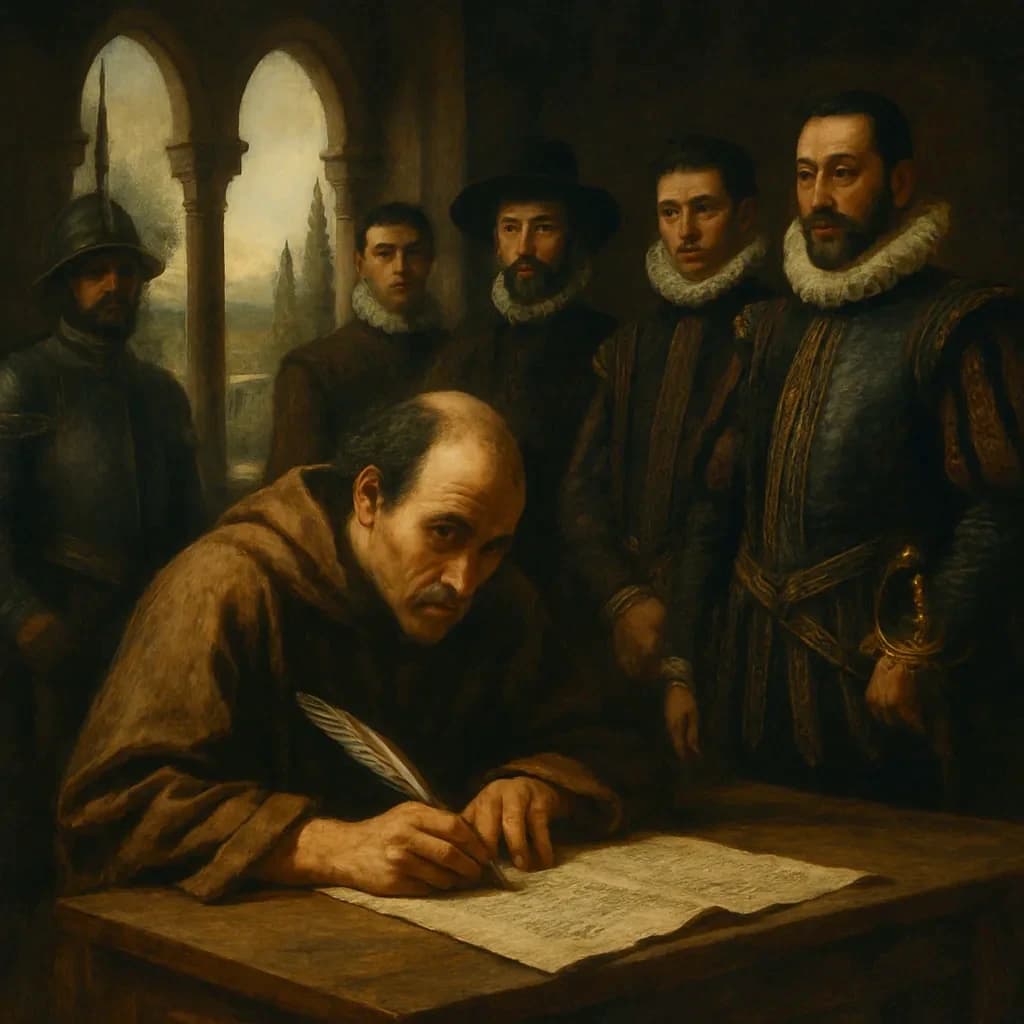
Spain Mistook Horse Blankets for a Declaration of War
A royal stable groom's translation mistake in 1598 nearly triggered a war between Spain and the Ottoman Empire.
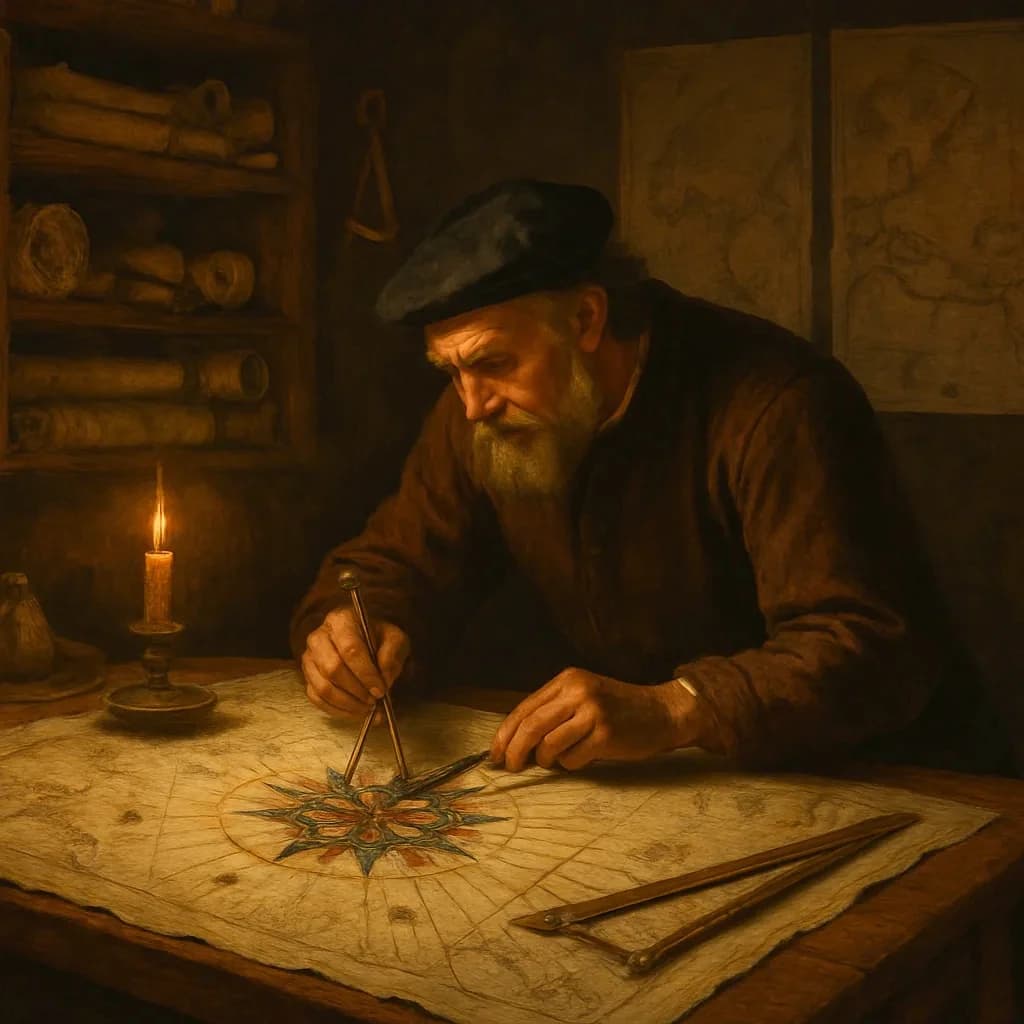
Three Degrees: How a Map Error Cost Portugal Its Crown
A single miscalculation on a medieval map transformed Portugal from Europe's maritime powerhouse into Spain's dependent province.
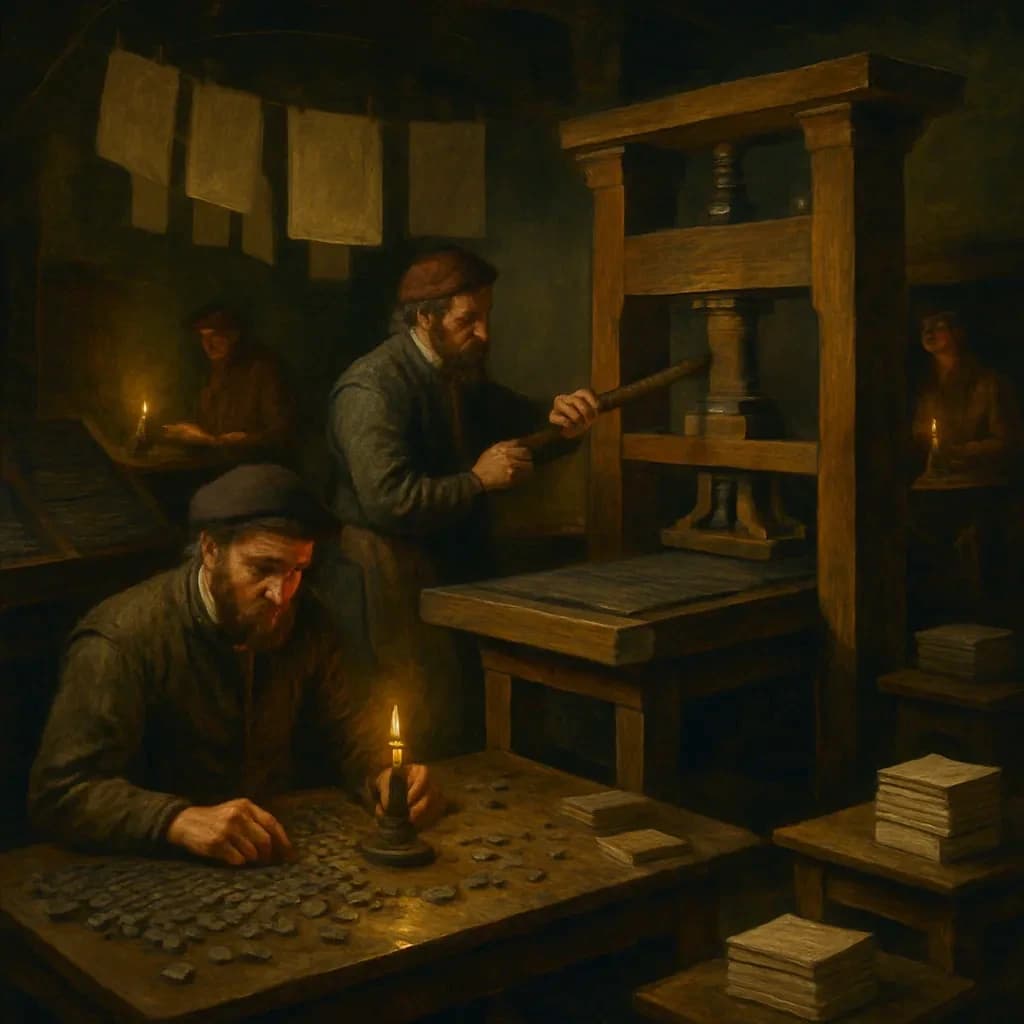
The Printer Who Sold Revolt in Sixteen Pages
A single printing press in 1550s Geneva launched more revolts than any army ever could.
- Geoffrey Parker, 'Philip II' (1978)
- Henry Kamen, 'Philip of Spain' (1997)
- María José Rodríguez-Salgado, 'The Changing Face of Empire: Charles V, Philip II and Habsburg Authority' (1988)