
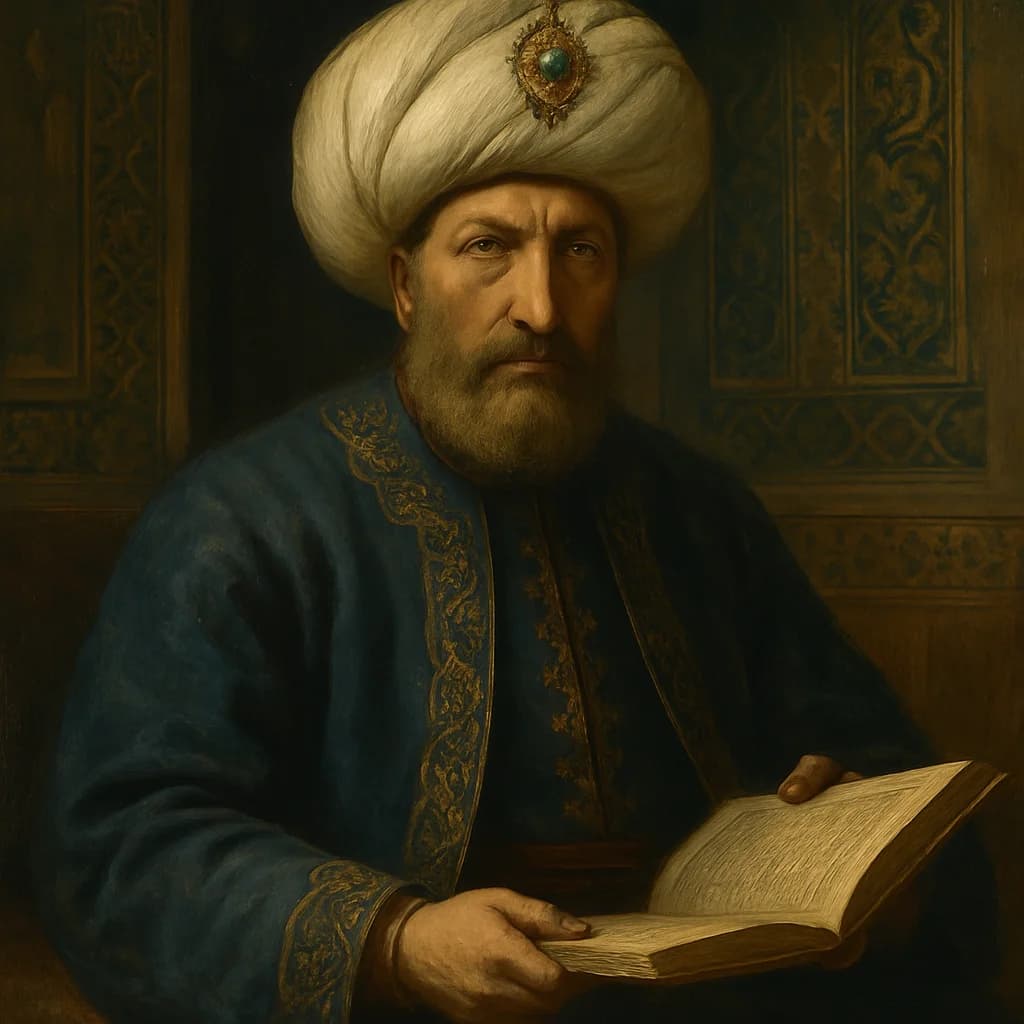
Selim I
The Ottoman sultan who conquered more territory in eight years than Alexander the Great managed in thirteen died clutching a book of Persian poetry.
Selim I earned his nickname "the Grim" not through cruelty, but through an almost pathological efficiency that terrified even his own court. Between 1512 and 1520, he doubled the Ottoman Empire's size, but what's remarkable isn't the conquest. It's how he did it. While European kings exhausted their treasuries on Italian wars, Selim revolutionized warfare through logistics. He created the first standardized military supply system, pre-positioning food and ammunition along campaign routes like a medieval Amazon.
The man who broke the Mamluk Empire's five-hundred-year grip on Egypt was also obsessed with scholarship. Selim spoke six languages fluently and maintained a personal library of over 40,000 manuscripts. When he conquered Cairo in 1517, his first act wasn't to loot the treasury. It was to pack up the city's entire collection of Islamic legal texts and ship them to Constantinople. He understood that controlling Islamic law meant controlling Islamic legitimacy.
But Selim's most consequential decision happened almost by accident. After defeating the Mamluks, he found himself custodian of Mecca and Medina, making him the first Ottoman sultan to claim the title of Caliph, spiritual leader of all Muslims. This wasn't planned imperial strategy; it was bureaucratic inheritance. Yet this moment quietly shifted the center of Islamic power from the Arab world to Turkey for the next four centuries.
He died at forty-nine, possibly poisoned, while reading Hafez. His physicians found him in his tent outside Belgrade, a volume of Persian ghazals open on his chest. The man who had just finished reshaping the Middle East spent his final hours lost in love poetry.
Selim I executed his own brothers and nephews to secure his throne, but spared his father's life and allowed him to retire peacefully, the only Ottoman succession that didn't end in patricide.
Why untold: His administrative genius gets overshadowed by his military reputation, and his scholarly interests contradict the "Grim" stereotype.
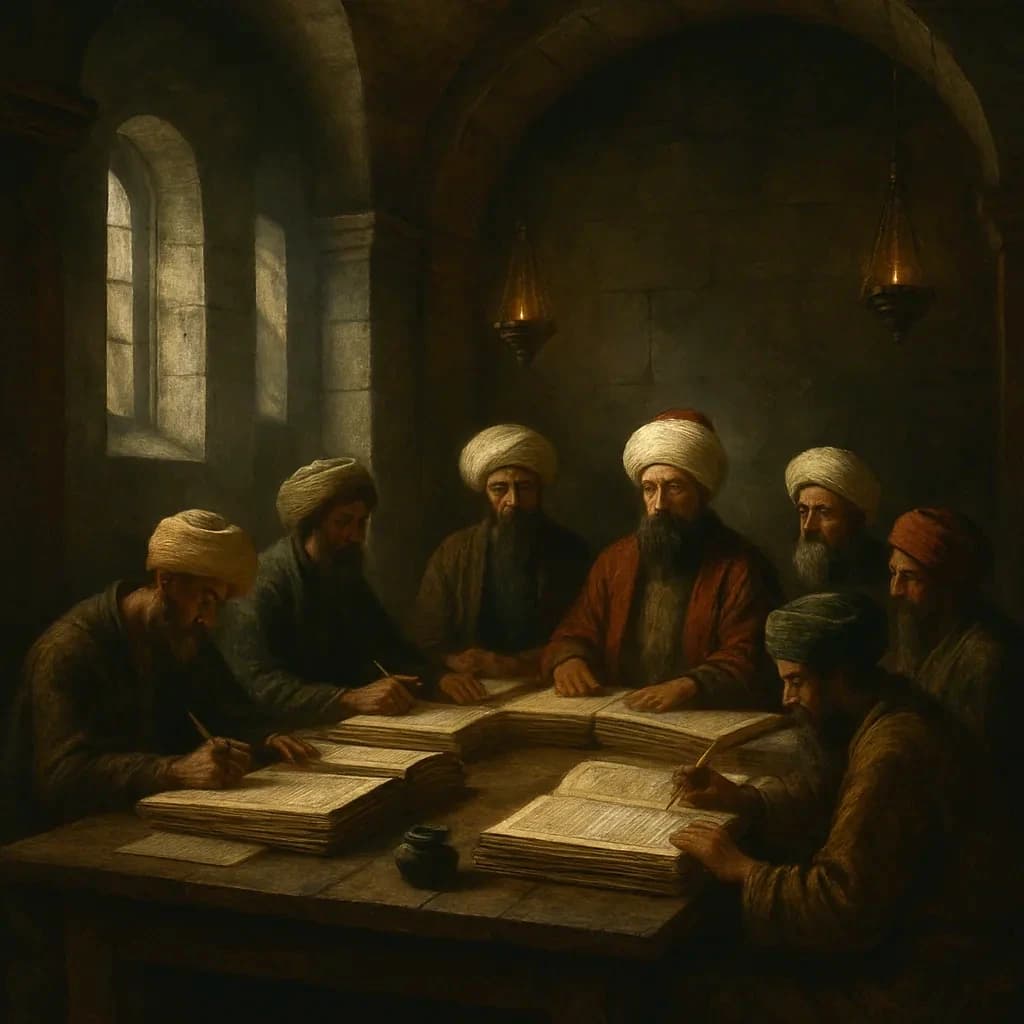
The Ledgers Selim's Scribes Couldn't Read
A single accounting dispute between a sultan and his treasurer in 1517 preserved the financial records of an entire civilization.
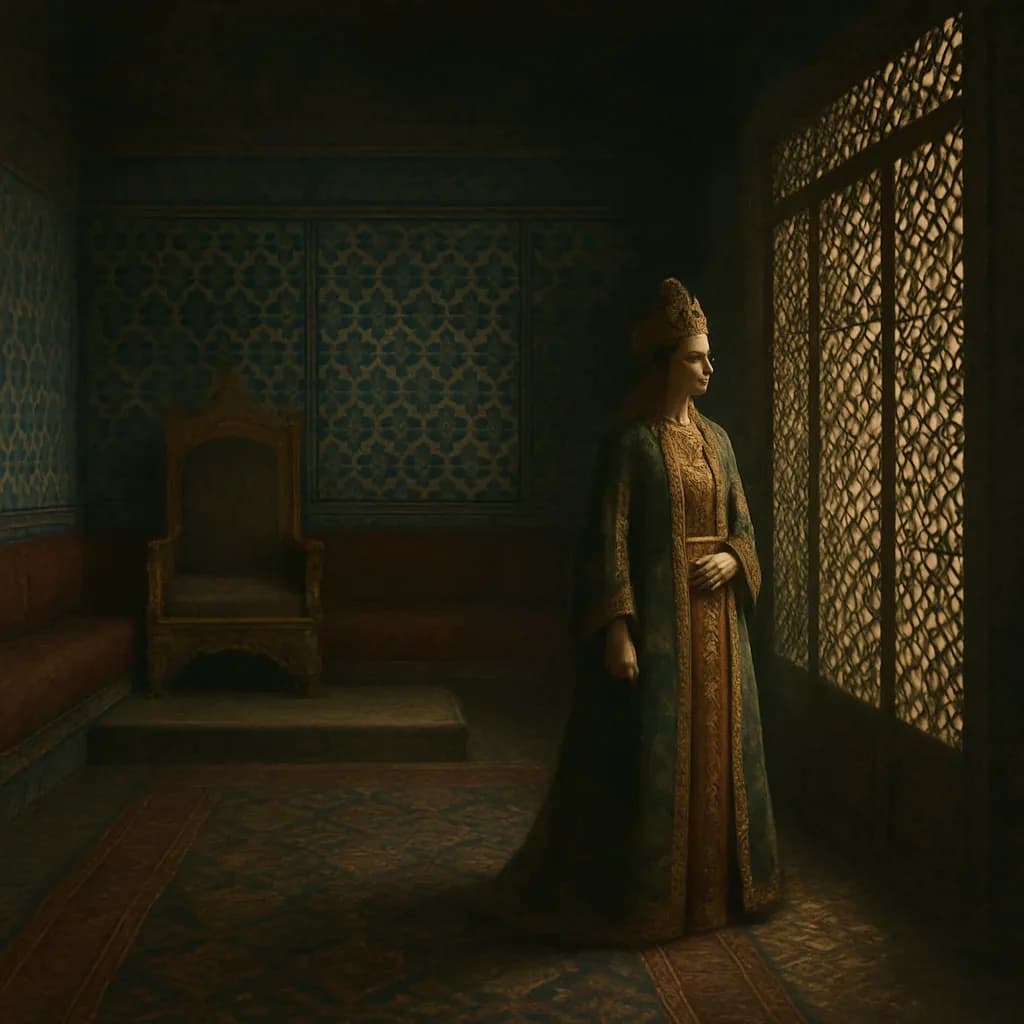
Suleiman's Mother Ran the Empire From Behind a Curtain
A Greek girl who grew up in the Ottoman palace went on to reshape the empire's relationship with Europe, and nobody wrote her name down correctly for four hundred years.
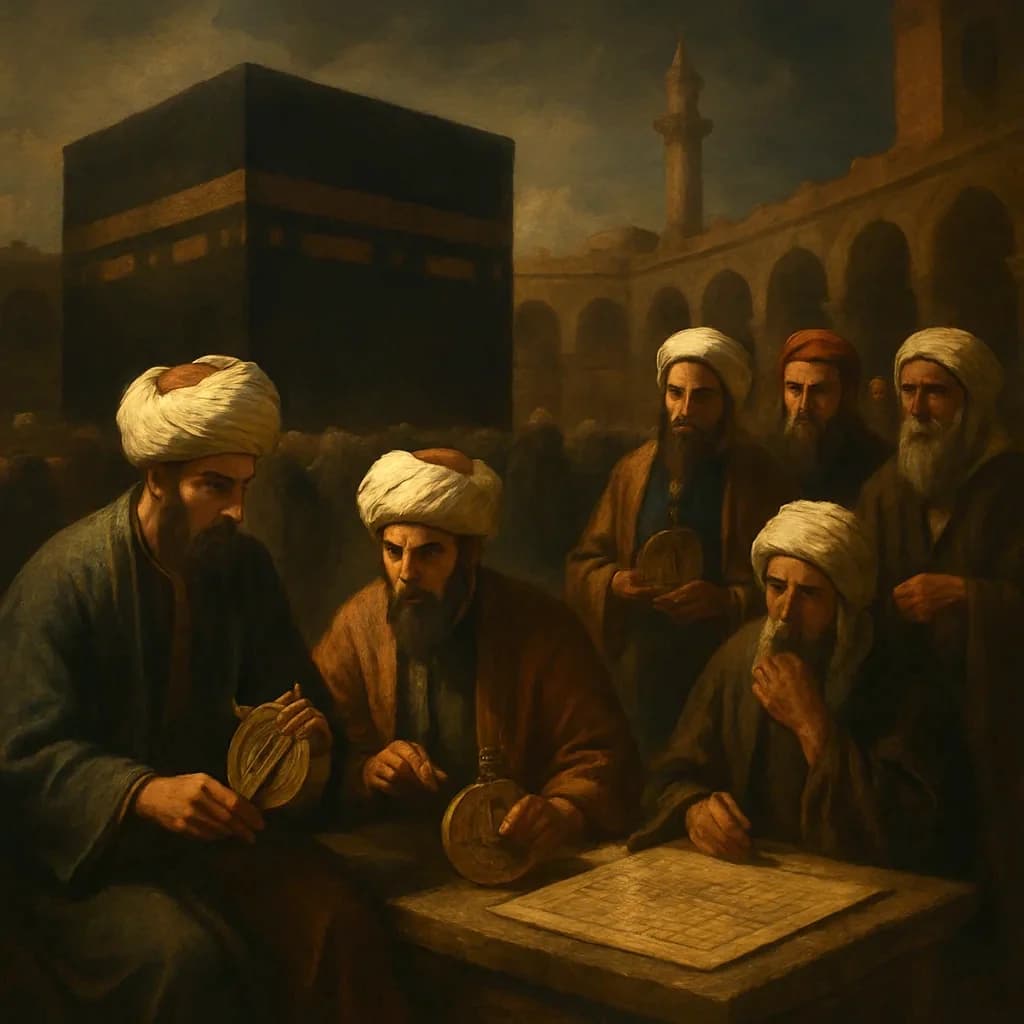
Conquering Mecca Broke Islam's Daily Prayers
When the Ottoman Empire seized the Islamic world's holiest city in 1517, it took control of Islam's most sacred ritual, and broke it.
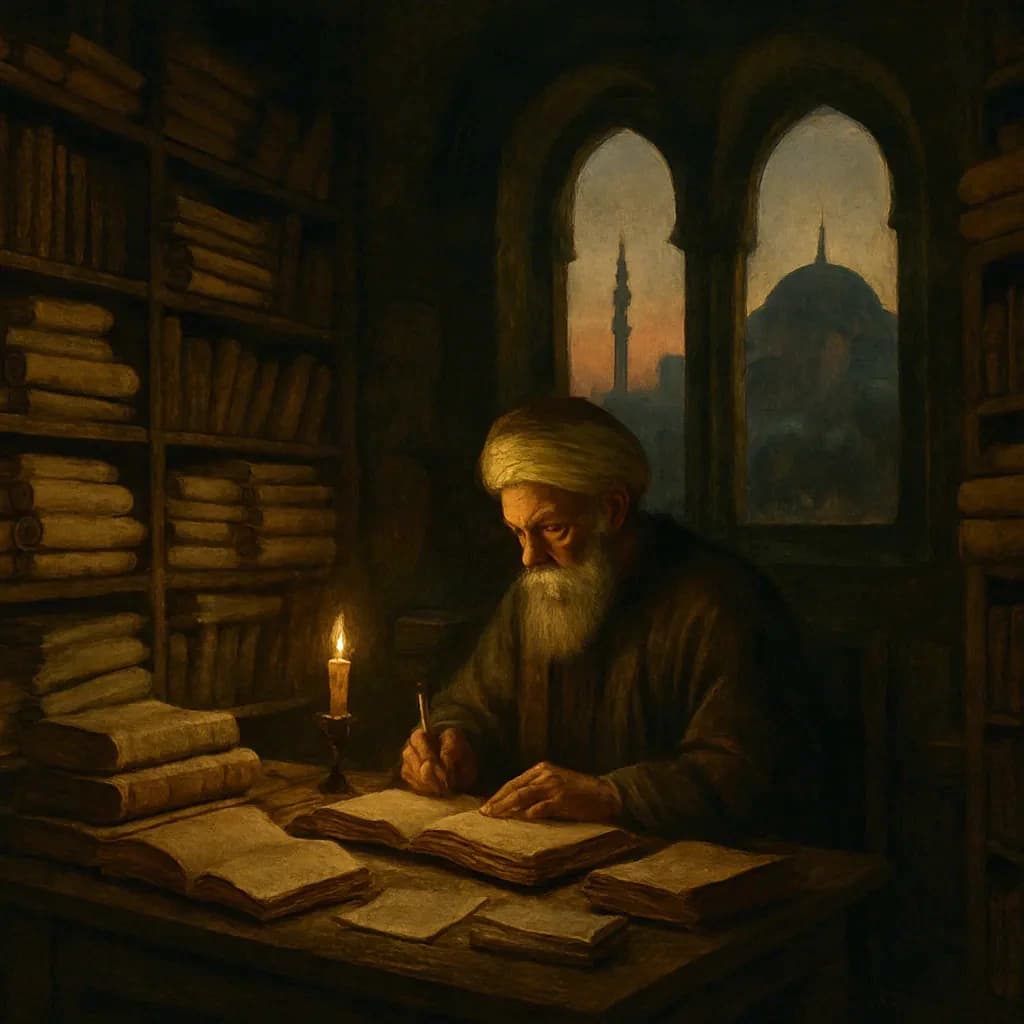
He Saved the Books Everyone Else Was Burning
While Europe fought the Renaissance wars of religion, one man in Constantinople was quietly preserving the lost knowledge of thirty civilizations.
- Caroline Finkel, Osman's Dream: The History of the Ottoman Empire
- H.A.R. Gibb and Harold Bowen, Islamic Society and the West, Volume 1
- Suraiya Faroqhi, The Ottoman Empire and the World Around It