
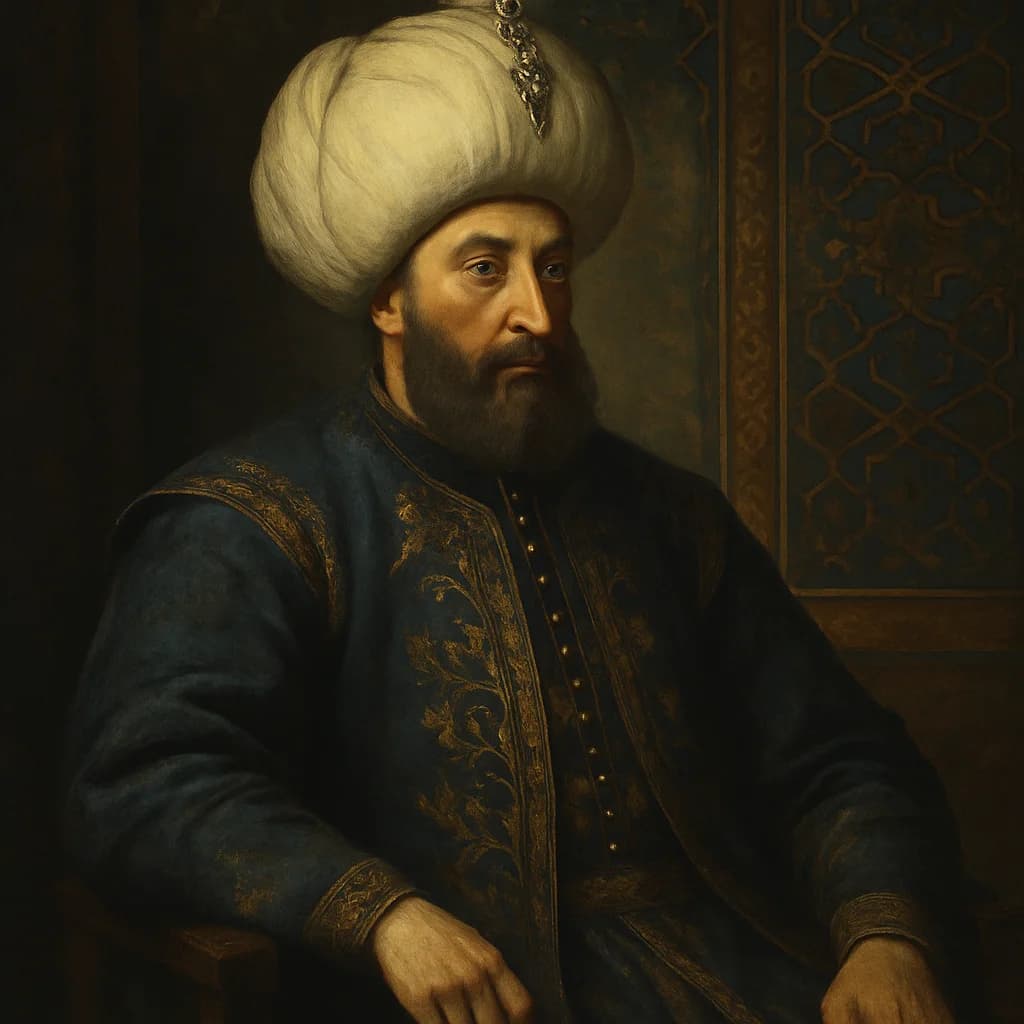
Suleiman the Magnificent
The sultan who revolutionized warfare spent his final campaign obsessed with a minor Hungarian fortress because of a poem.
Suleiman's reign began with a father's paranoia and a silk bowstring. When Selim I died suddenly in 1520, he left behind twenty-seven half-brothers who might claim the throne, and explicit instructions for their quiet elimination. The twenty-five-year-old Suleiman dutifully had them strangled, then spent the next forty-six years proving he was nothing like his father.
While European kings bankrupted themselves fighting endless wars, Suleiman turned conquest into an art form. He standardized military engineering, making siege warfare so predictable that his engineers could tell him exactly how many days any fortress would require to fall. Rhodes: forty-five days. Belgrade: twenty-eight. But his true innovation wasn't military. It was legal. Between campaigns, he personally rewrote the empire's entire legal code, earning the title 'Kanuni' (the Lawgiver) that his own people preferred to 'Magnificent.'
Yet this methodical genius died chasing a romantic obsession. In 1566, at age seventy-one, Suleiman launched his thirteenth Hungarian campaign to capture Szigetvár, a fortress so insignificant that most of his generals couldn't understand why they were there. The reason was a Persian poem about Alexander the Great that Suleiman had been reading for months, convinced it contained prophecies about his own destiny. He died in his tent during the siege, his body hidden from the army for weeks while his grand vizier desperately tried to capture the fortress that had consumed the sultan's final thoughts.
The Ottomans took Szigetvár three days after Suleiman's death, exactly as his engineers had predicted. But the delay proved fatal. Winter forced the army to retreat, and the momentum that might have taken them to Vienna died with their sultan in a Hungarian marsh.
Suleiman wrote poetry under the pen name 'Muhibbi' (the Lover) and was considered one of the finest Ottoman poets of his era, with over 3,000 verses surviving.
Why untold: Western histories focus on his military campaigns while overlooking his legal reforms and intellectual pursuits that actually defined his legacy in the Ottoman Empire.
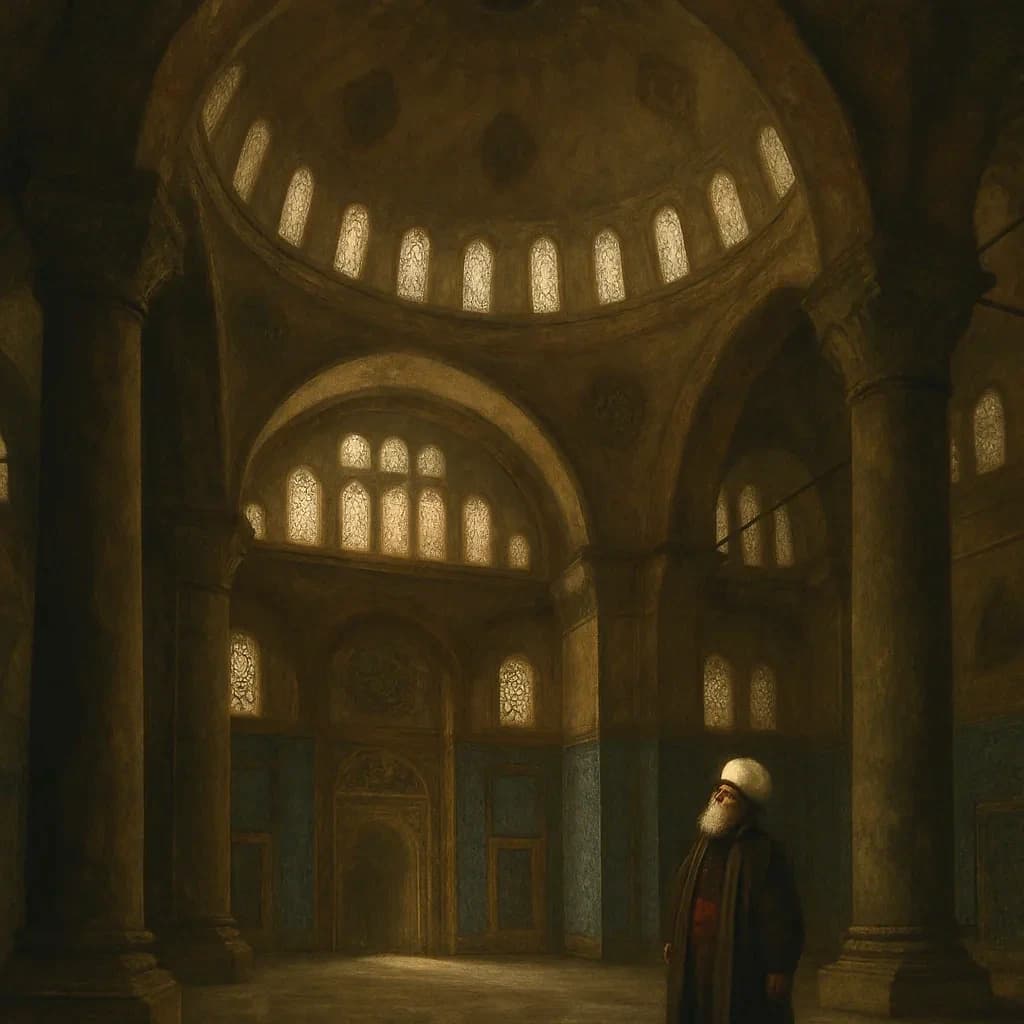
The Architect Who Built His Own Tomb
Sinan designed over three hundred buildings across the Ottoman Empire, and spent his last decades quietly preparing the one nobody would remember.
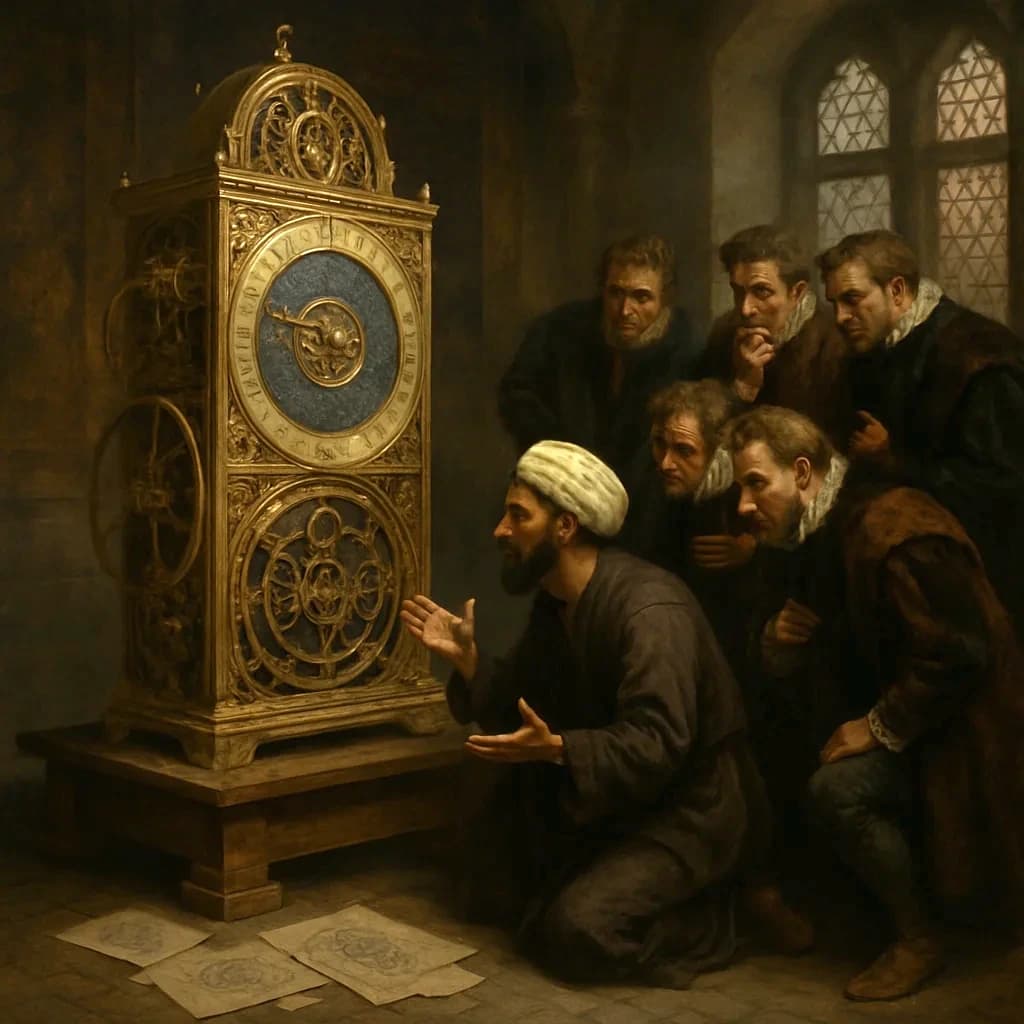
A Sultan's Gift Nearly Started a War Because Nobody Could Move It
An Ottoman sultan's gift to a Holy Roman Emperor nearly sparked a war, not because of politics, but because nobody had planned how to move it.
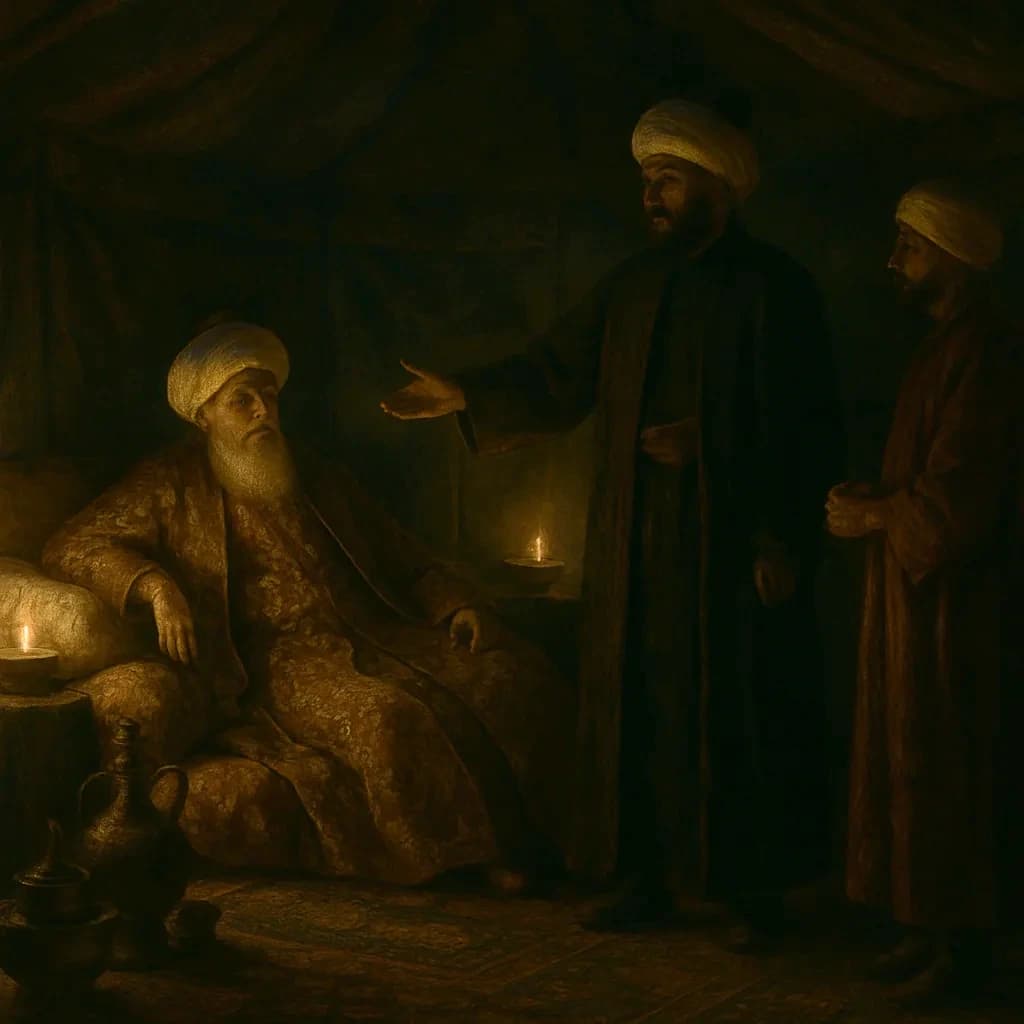
Suleiman Died Mid-Siege, and the Army Never Knew for Days
A dying grand vizier held the keys to the most powerful empire in the world, and refused to give them up for seventy-two hours.
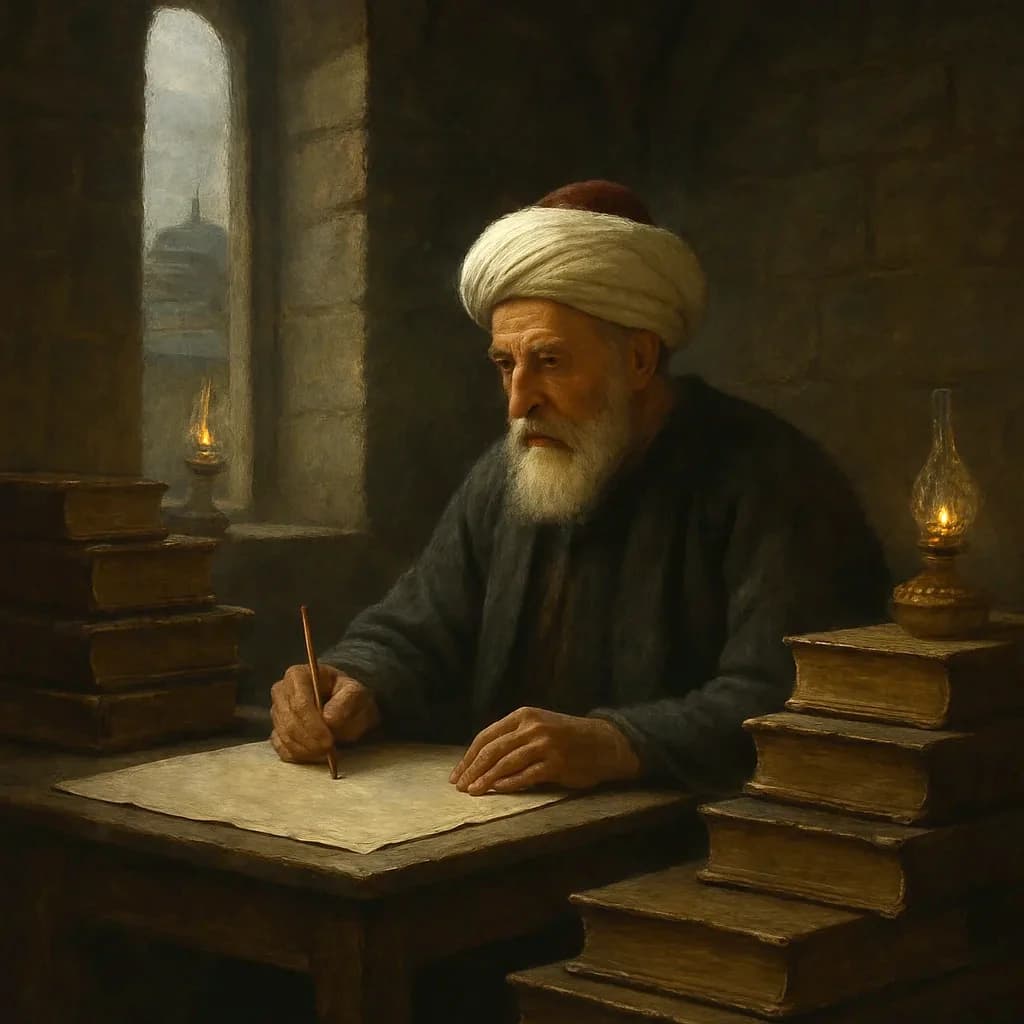
A Delirious Clerk's Scribble Handed Suleiman His Greatest Legal Weapon
A minor Ottoman official, delirious with fever, scribbled something that accidentally handed Suleiman the Magnificent his greatest legal weapon.
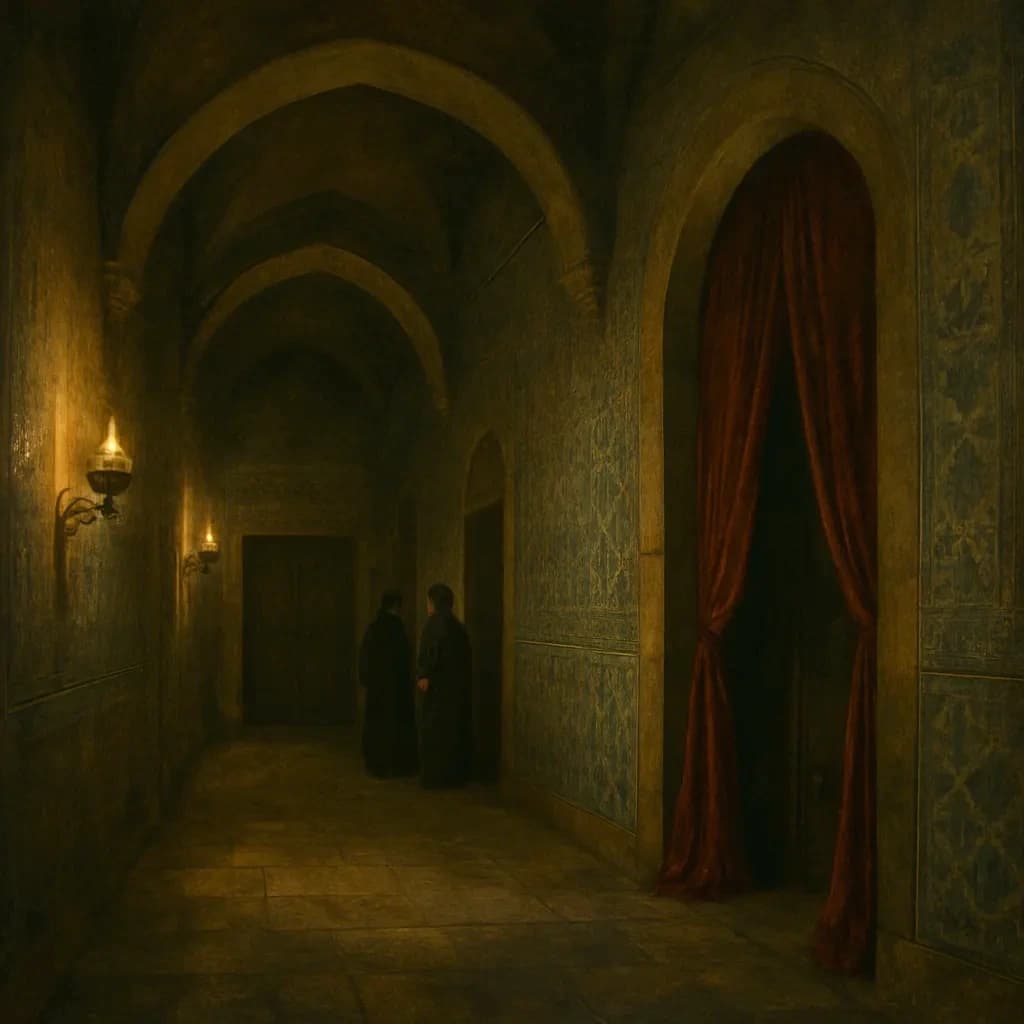
Suleiman Had His Closest Friend Strangled at Dinner
An Ottoman grand vizier was strangled on a Tuesday morning because he'd been too honest in a letter, and his death changed the course of an entire century.
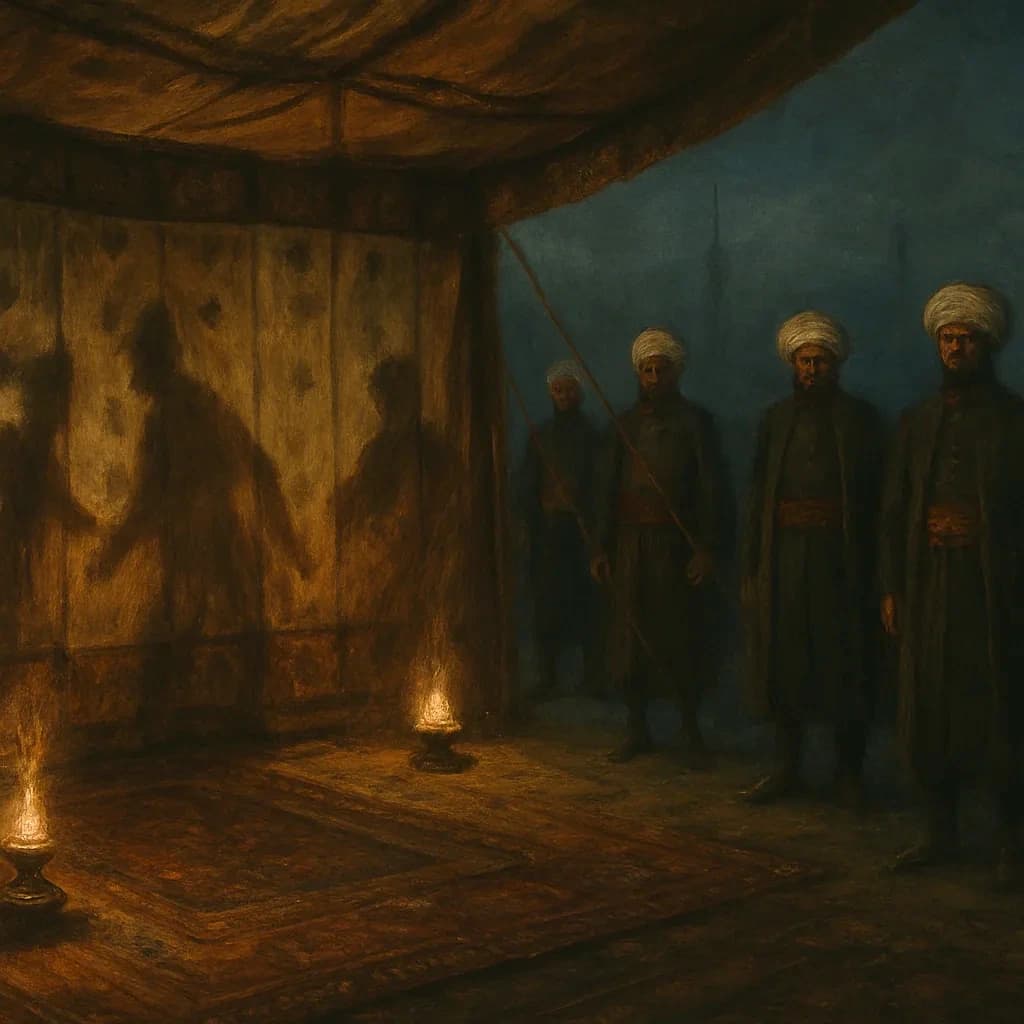
Three Days in a Sickroom, and the Fate of the Ottoman Succession
The most powerful empire on earth once hung on whether a sick man's doctor told the truth.
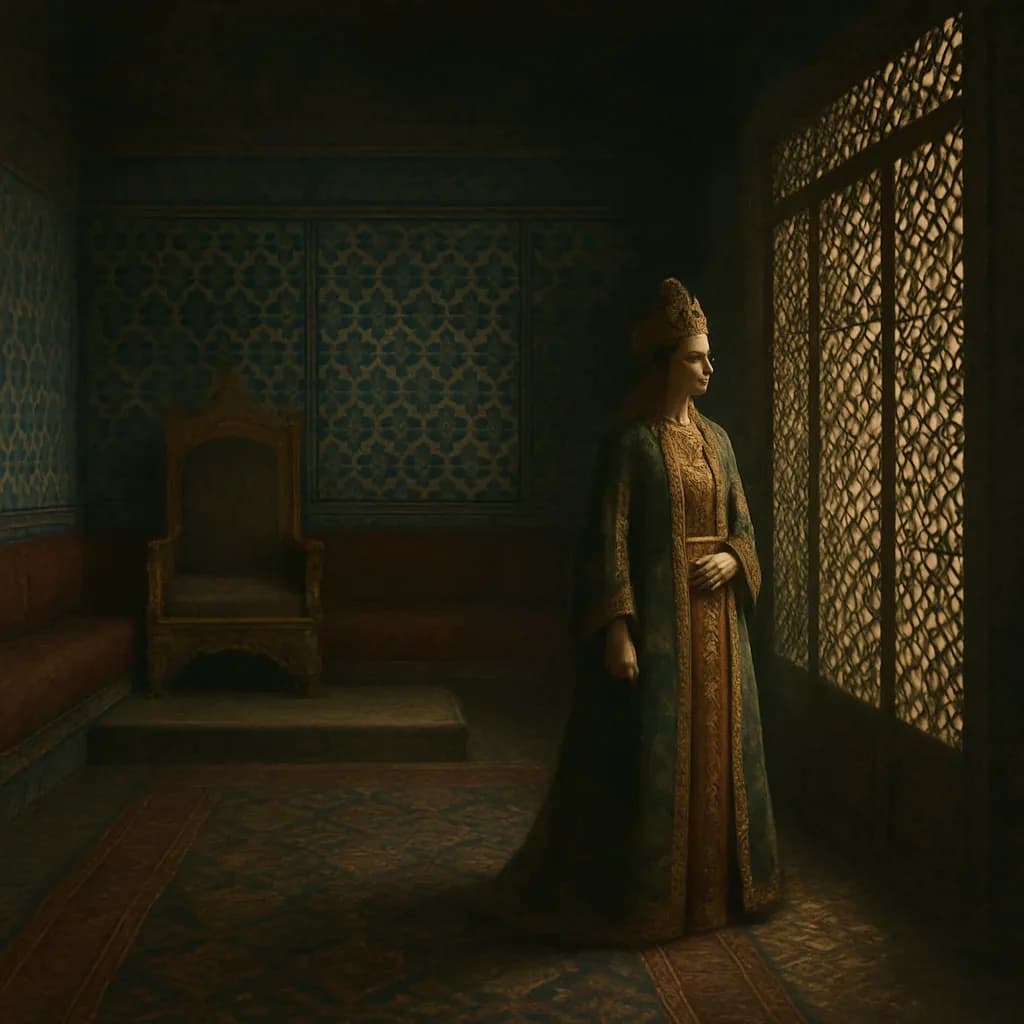
Suleiman's Mother Ran the Empire From Behind a Curtain
A Greek girl who grew up in the Ottoman palace went on to reshape the empire's relationship with Europe, and nobody wrote her name down correctly for four hundred years.
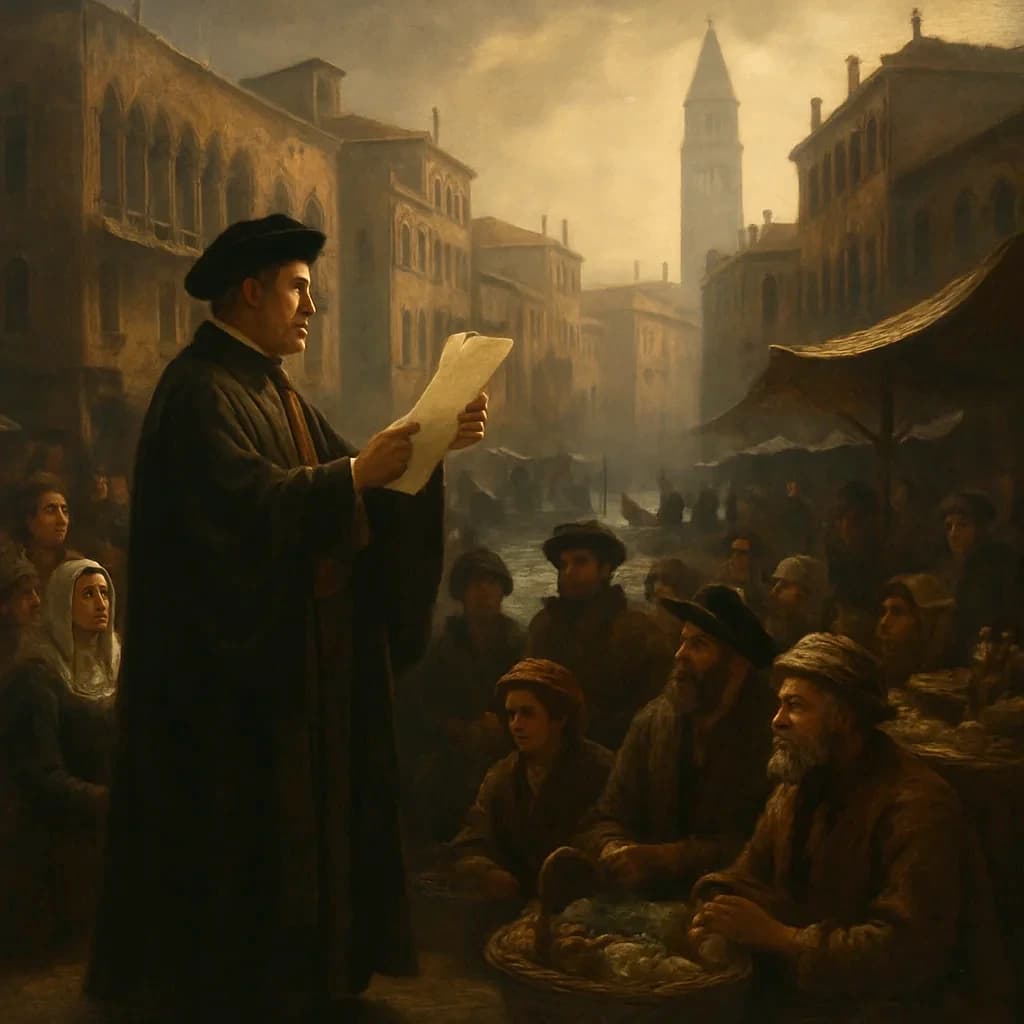
Venice Built the First Newspaper, Then Killed It
The world's first regularly published news sheet appeared in Renaissance Venice in 1566, ran for exactly thirty-seven days, and was then suppressed by the very government that created it.
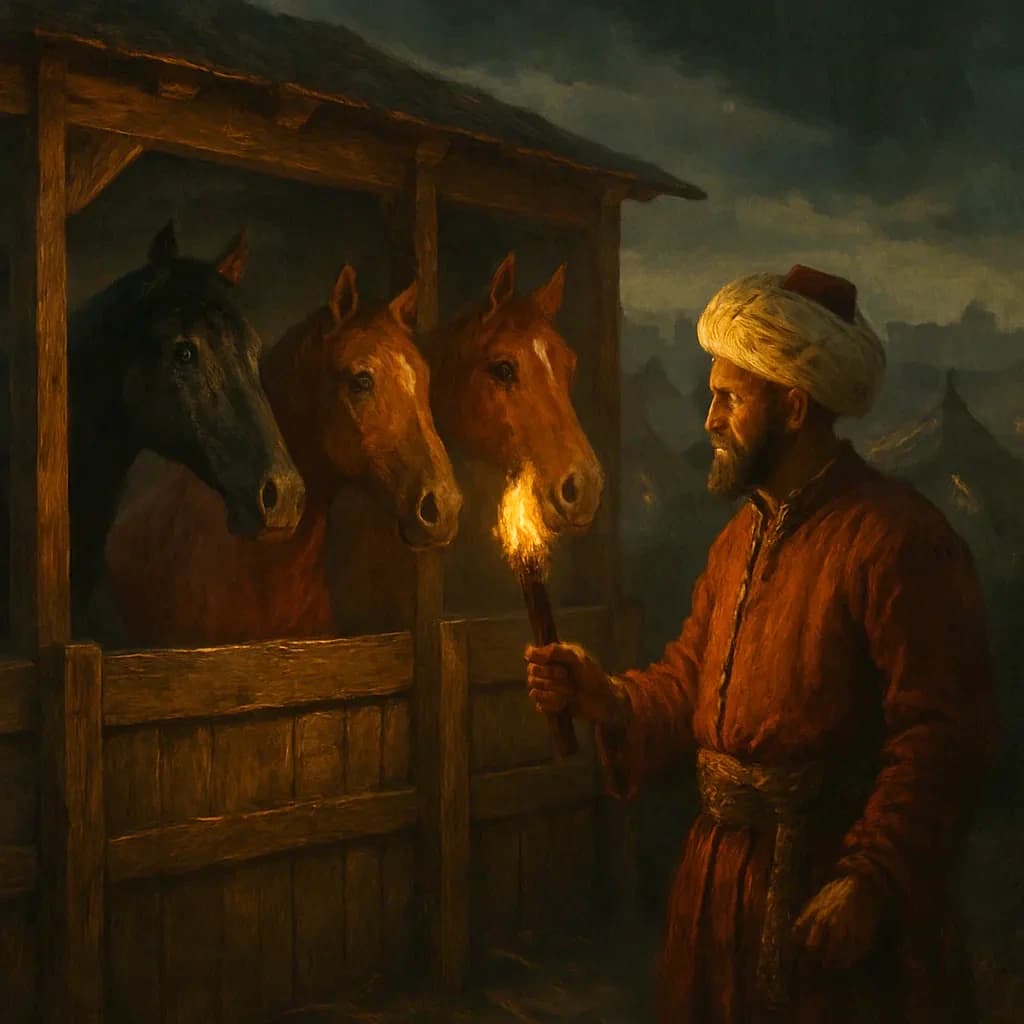
One Horse Decided Whether Vienna Would Fall
A stable master's choice of which horses to saddle in 1529 redrew the map of Europe forever.
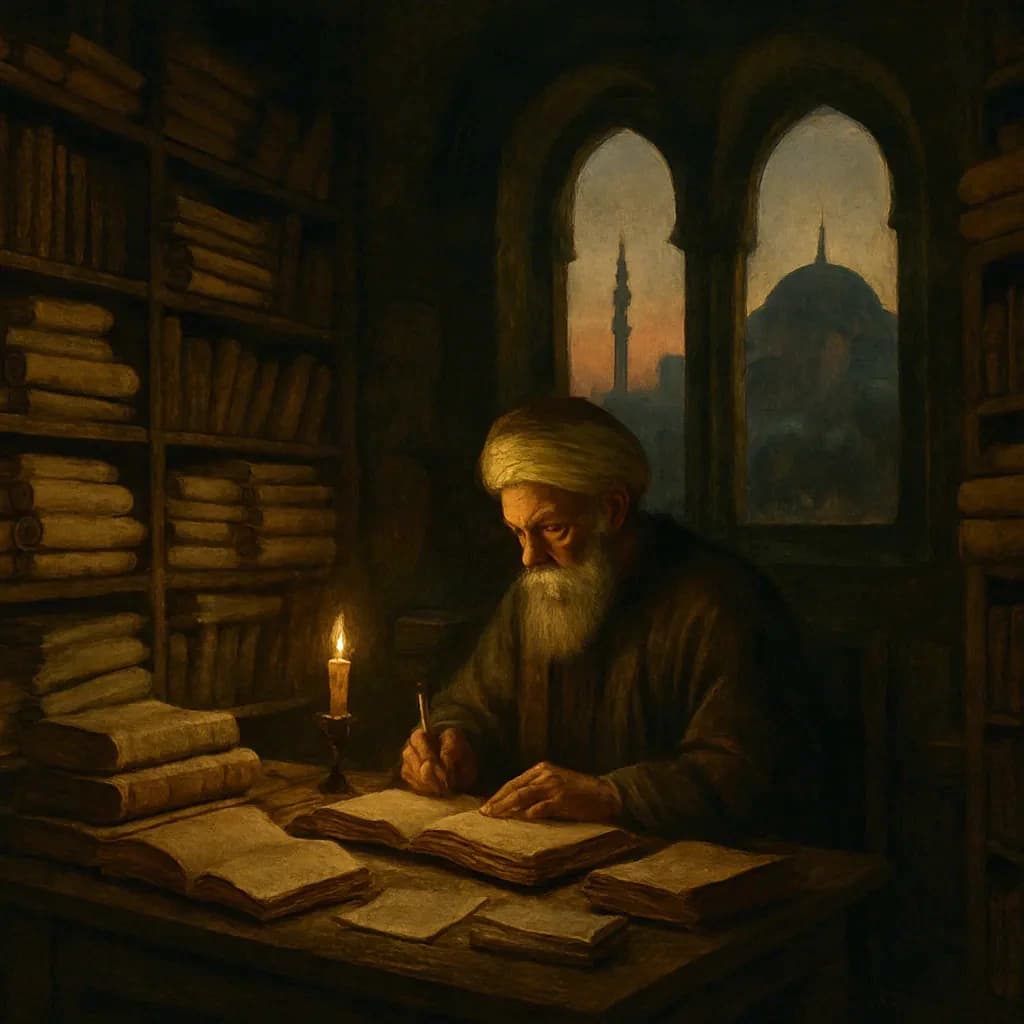
He Saved the Books Everyone Else Was Burning
While Europe fought the Renaissance wars of religion, one man in Constantinople was quietly preserving the lost knowledge of thirty civilizations.
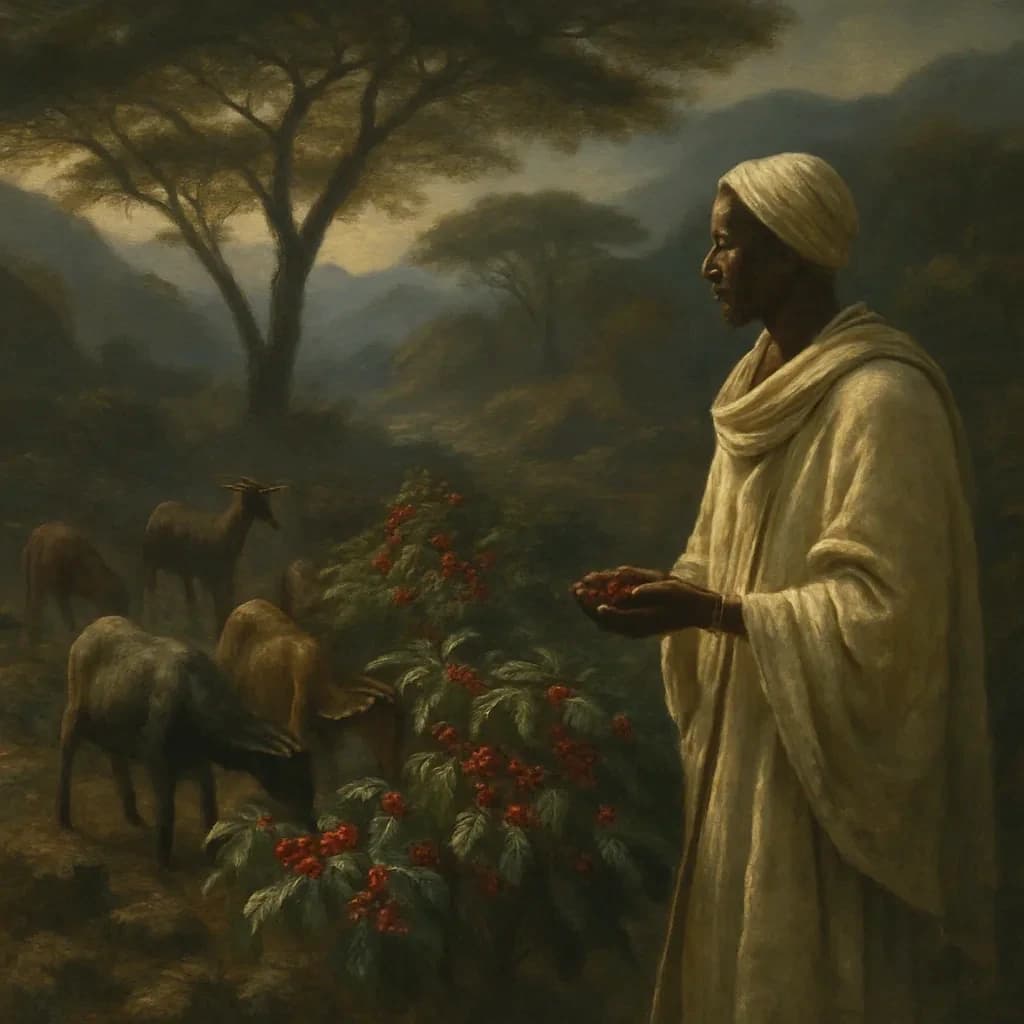
How Coffee Powered Three Empires
A simple brewing mistake in 7th century Arabia produced the fuel of empire.
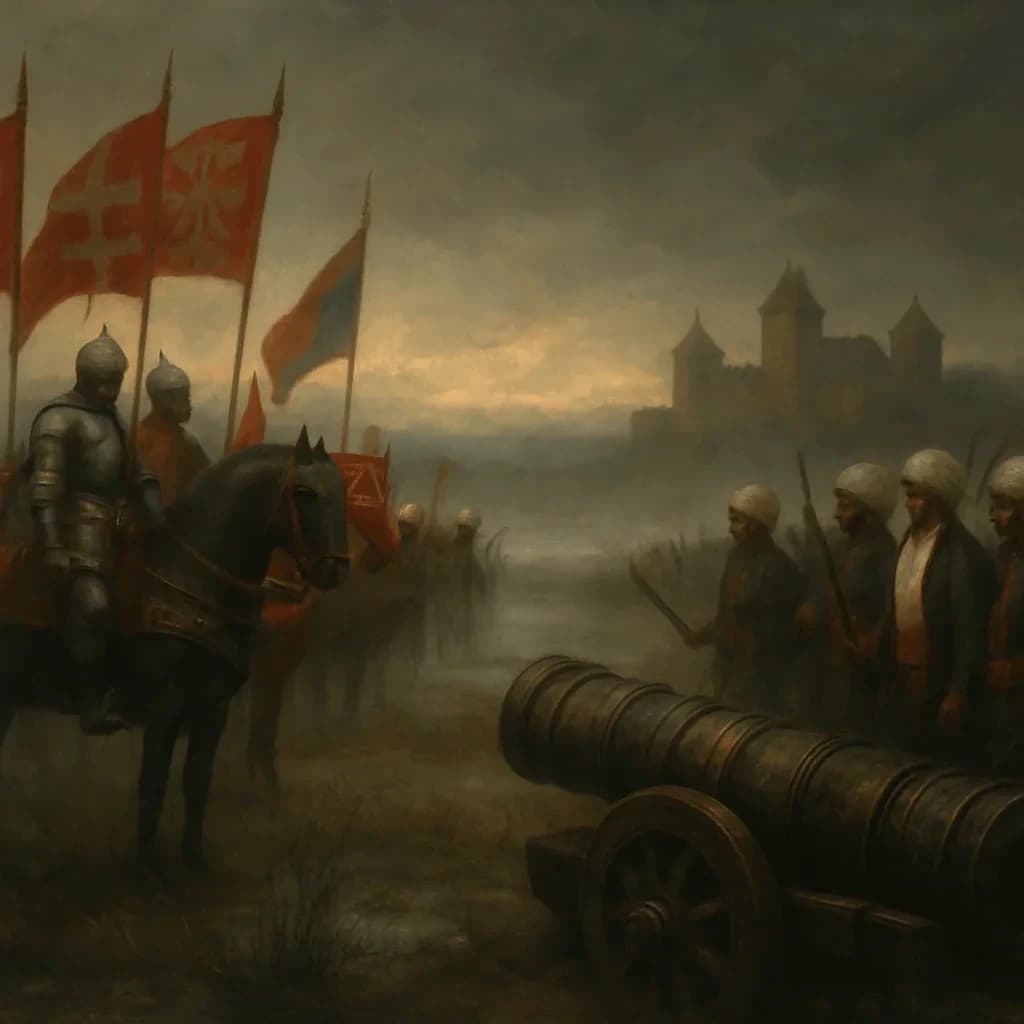
How a Drowned King Redrew Europe
A fifteen-year-old king's battlefield death in 1526 changed the map of Europe forever.
- Clot, André. Suleiman the Magnificent. London: Saqi Books, 2005.
- Finkel, Caroline. Osman's Dream: The History of the Ottoman Empire. New York: Basic Books, 2006.
- Imber, Colin. The Ottoman Empire, 1300-1650: The Structure of Power. London: Palgrave Macmillan, 2002.