
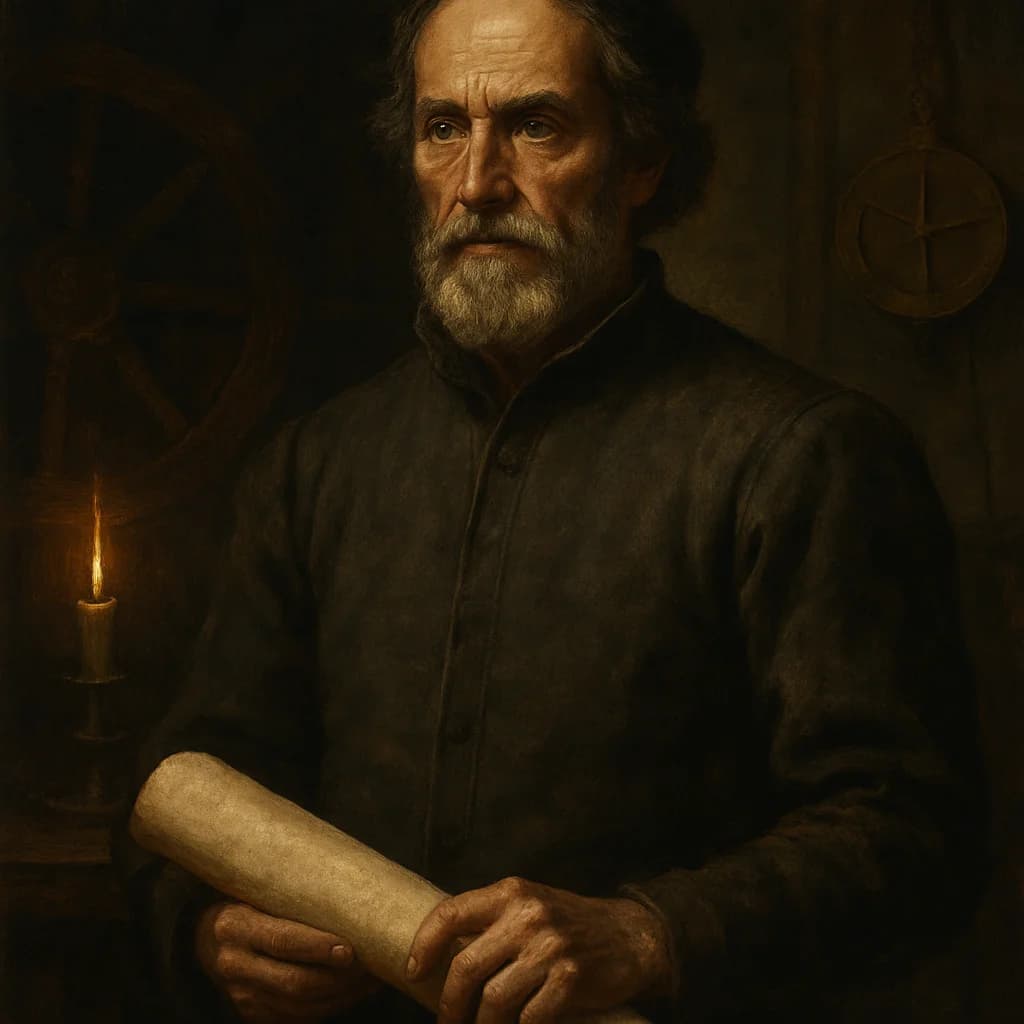
Christopher Columbus
The man who 'discovered' America died convinced he had found the suburbs of Beijing.
Christopher Columbus spent his final years hunched over maps, frantically calculating distances and muttering about Chinese provinces. Even after four voyages to what we now call the Caribbean, he remained absolutely certain he had reached the outer islands of Asia. This wasn't mere stubbornness. It was the logical conclusion of a man who had built his entire worldview on a foundation of spectacular mathematical errors.
The Genoese navigator had convinced Queen Isabella to fund his expedition based on a catastrophic miscalculation. Using a mix of ancient Greek geography, medieval Islamic scholarship, and wishful thinking, Columbus estimated the distance from Spain to Asia at roughly 3,000 miles, less than half the actual distance. He cherry-picked sources that supported his theory, including a ninth-century monk's map that showed Asia stretching impossibly far eastward, and Pierre d'Ailly's calculations that dramatically underestimated Earth's circumference. When Portuguese experts rejected his proposal as mathematically impossible, Columbus simply shopped it elsewhere.
What makes Columbus's delusion particularly fascinating is how systematically he defended it. When he encountered indigenous peoples in 1492, he immediately dubbed them 'Indians,' not as a casual label, but as a precise geographical designation. He was certain he had reached the Indian Ocean archipelago described by Marco Polo. When the natives didn't speak Chinese or possess the spices and gold he expected, Columbus didn't question his location. He questioned the natives. He spent months sailing around Cuba, desperately searching for the Chinese mainland he knew had to be nearby.
Even his final letter, written in 1505 from his deathbed in Valladolid, refers to his discoveries as 'the Indies.' Columbus died as he had lived, absolutely convinced that careful calculation and divine providence had guided him to Asia, never realizing he had stumbled onto an entirely different continent.
Columbus required his crew to swear a legal oath that Cuba was part of the Asian mainland, threatening to cut out the tongue of anyone who later claimed otherwise.
Why untold: His mathematical delusions are overshadowed by modern debates about his treatment of indigenous peoples and claims of 'discovery.'
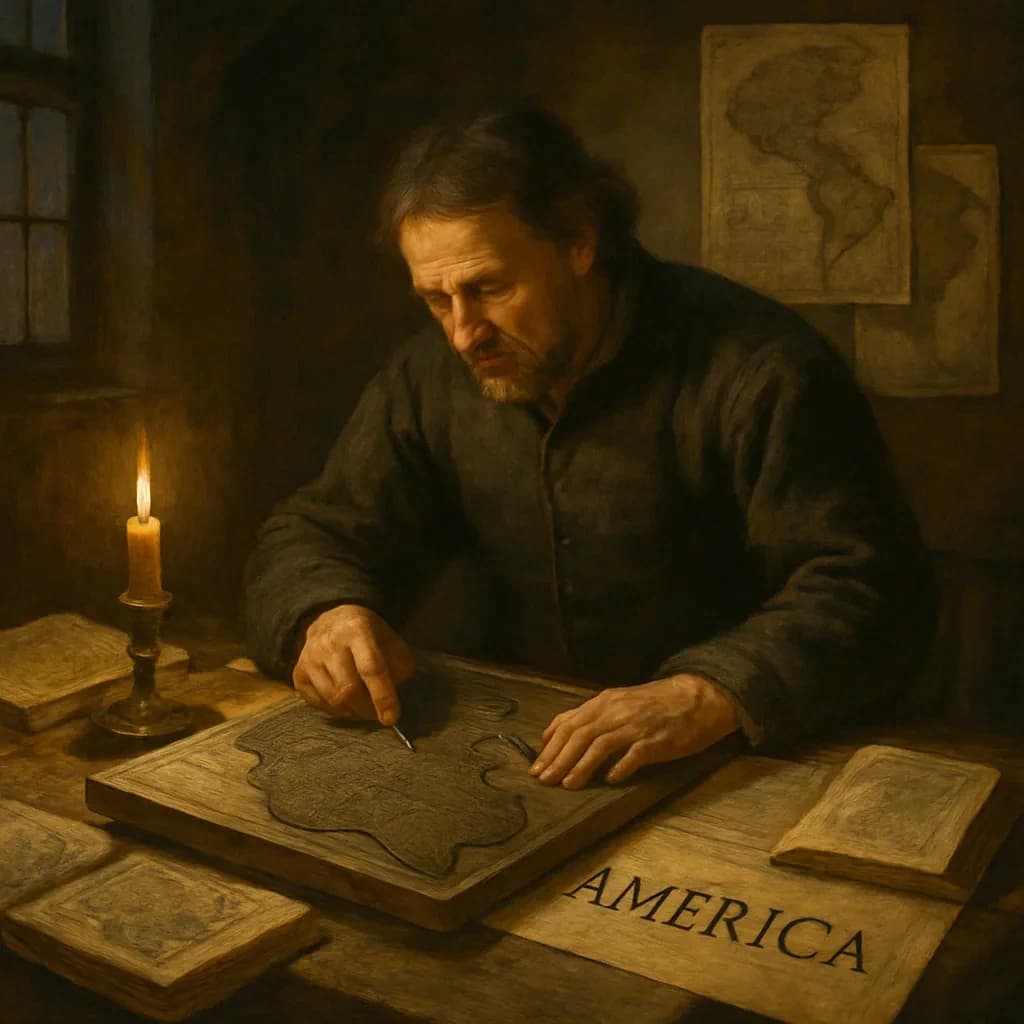
He Named America, Then Tried to Take It Back
A German mapmaker named a continent after the wrong man in 1507, and the man who actually discovered it spent his final years watching someone else's name get carved into the world.
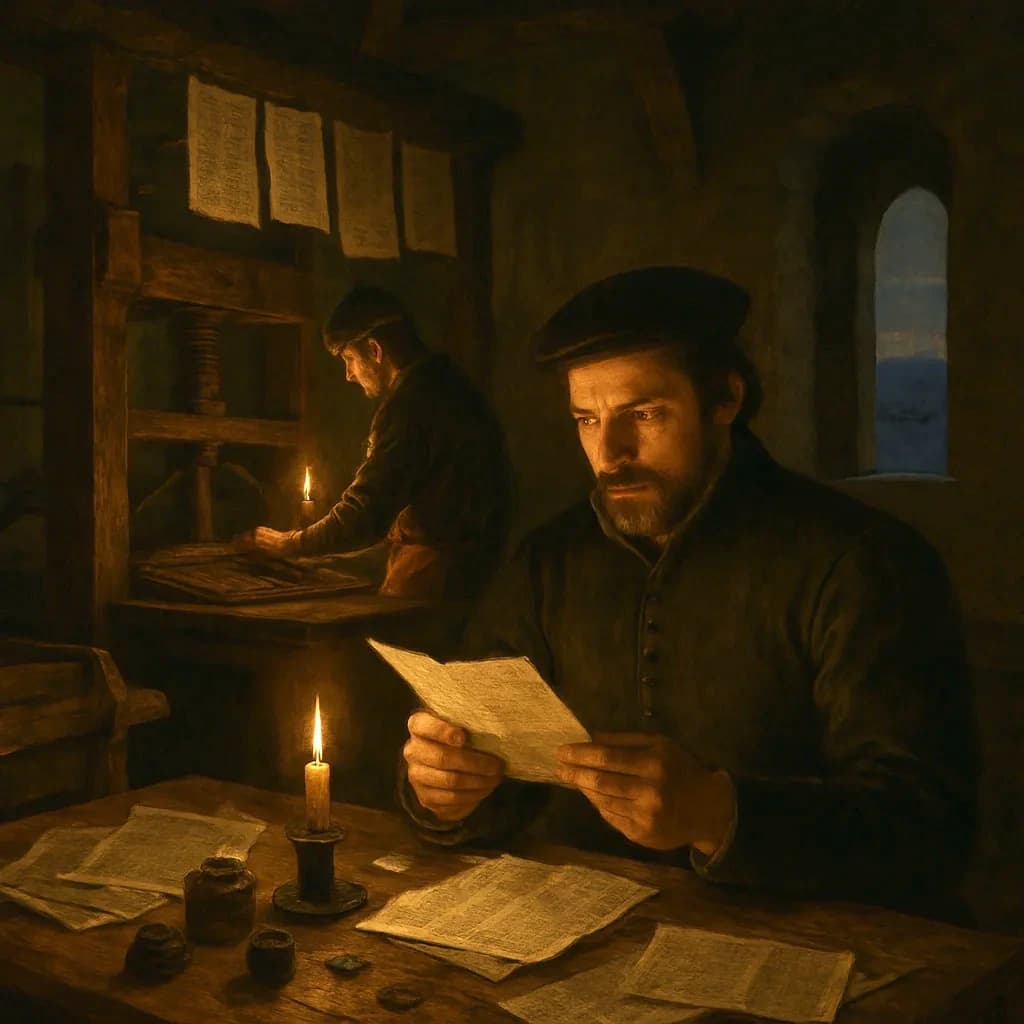
Columbus's Letter Convinced Europe It Had Reached Asia
A single letter, written in haste by a sailor who had never actually measured anything, convinced Europe it had found Asia, and the mistake held for decades.
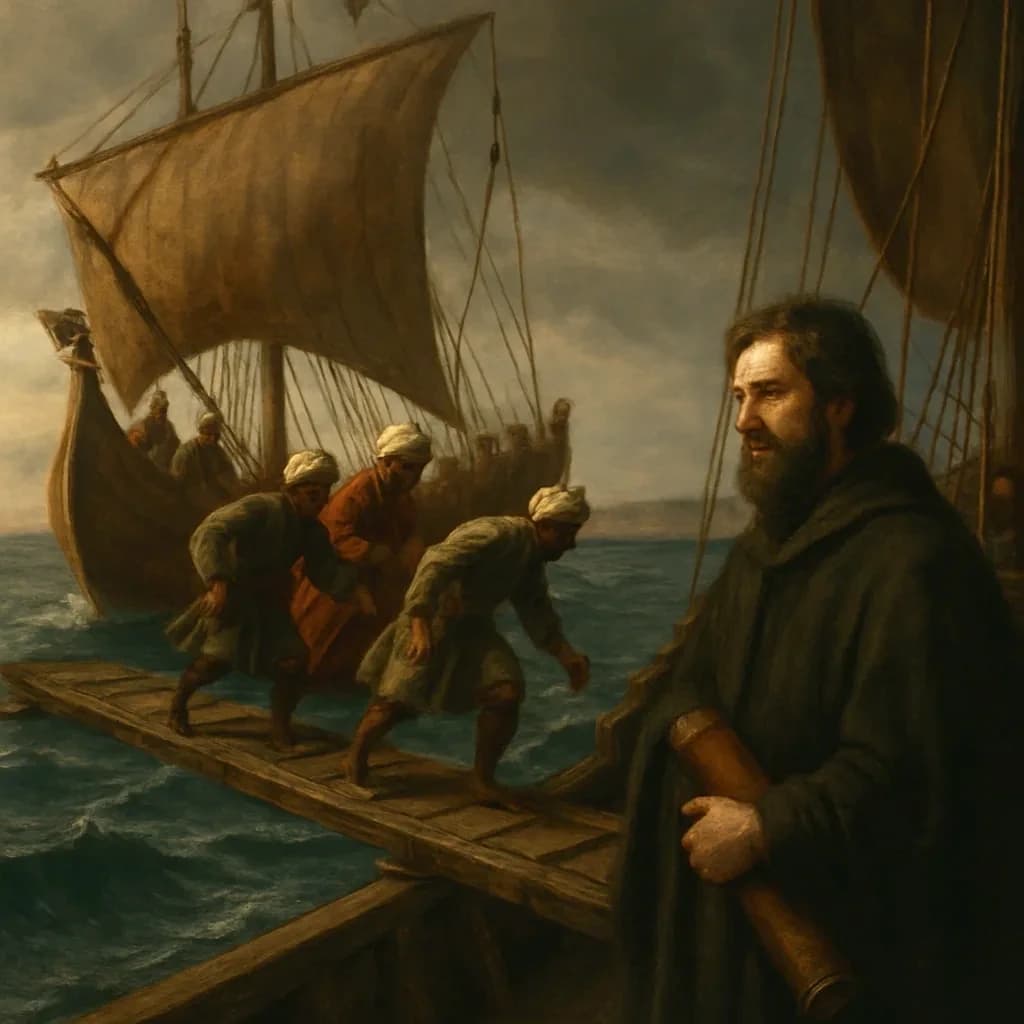
Pirates Wanted His Maps, Not His Gold
When a Tunisian corsair fleet seized a Spanish cartographer in 1493, the ransom they demanded wasn't money.
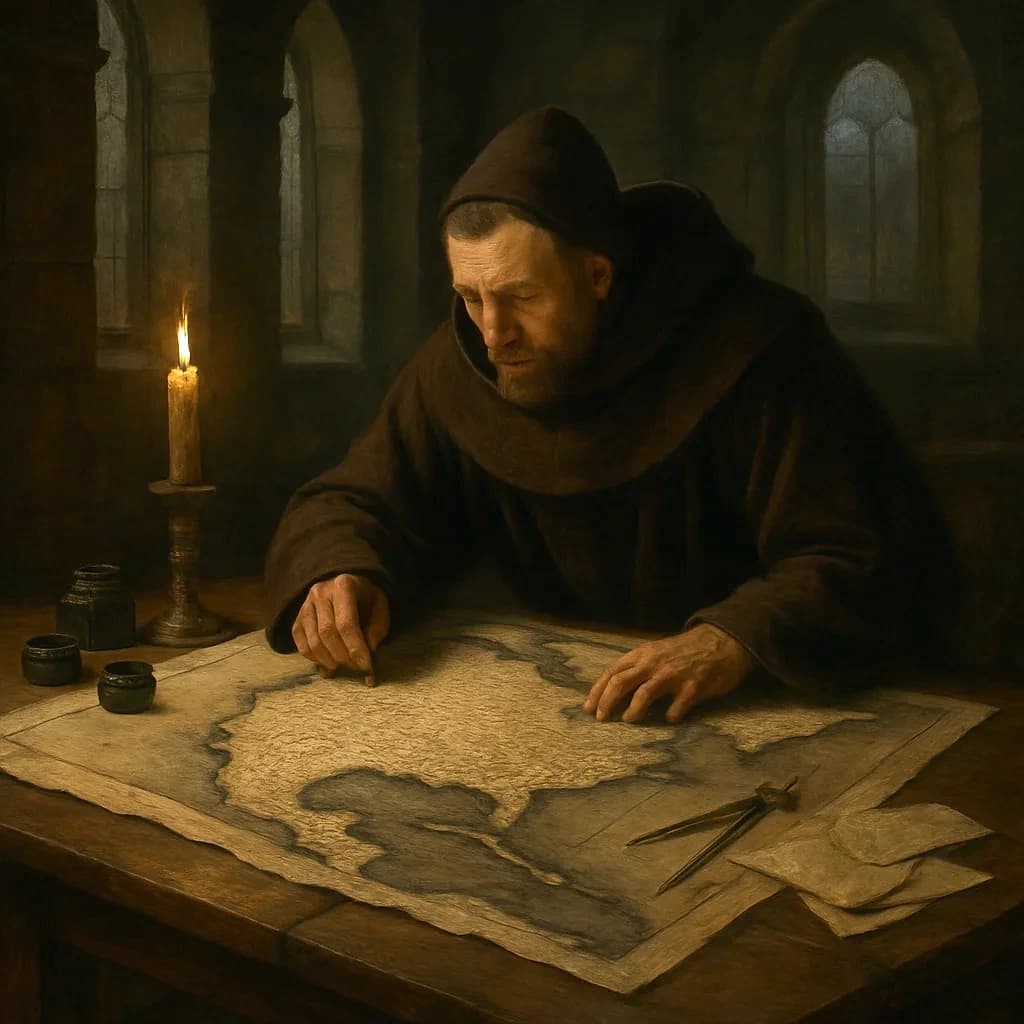
How America Got the Wrong Man's Name
A German mapmaker christened the New World in 1507 after the wrong man, and the one who deserved the credit spent his final years watching someone else's name get written into history.
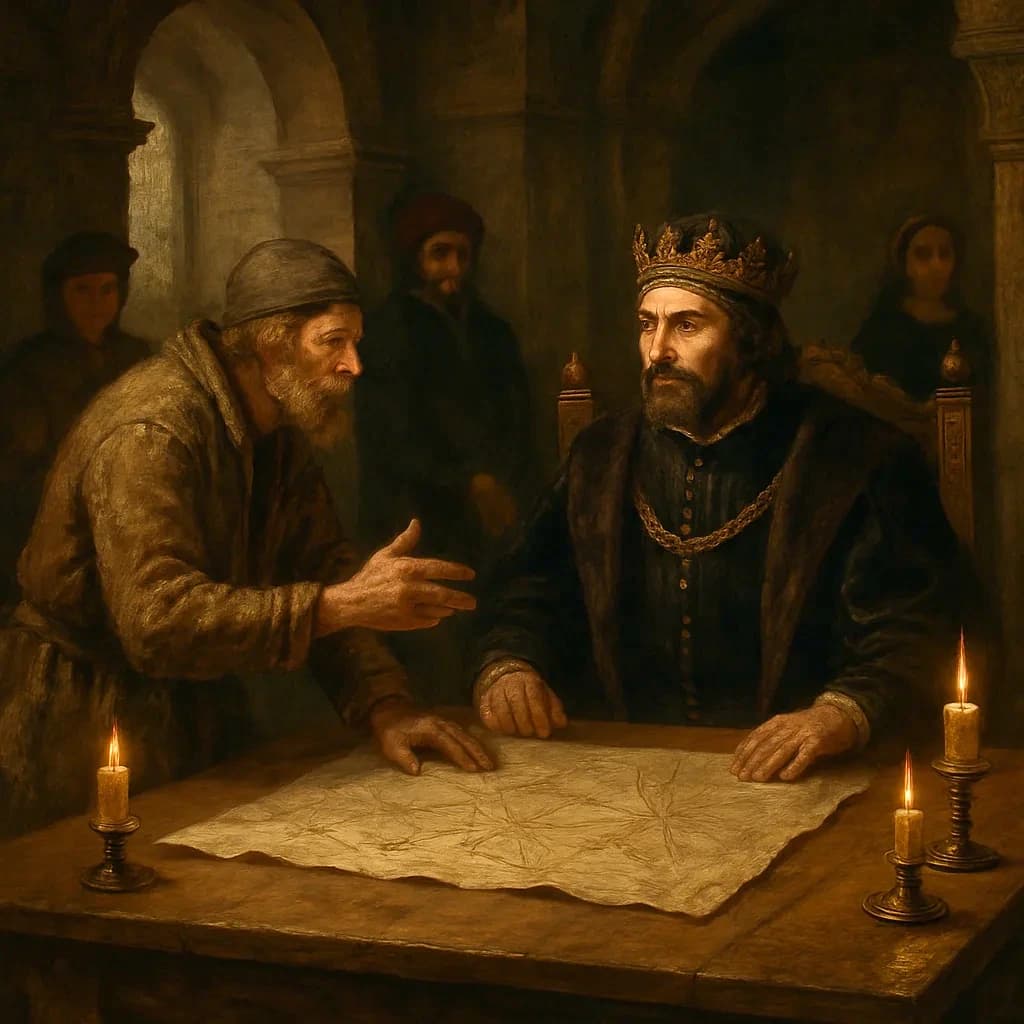
Portugal Rounded Africa and Let Columbus Walk to Spain
A sailor walked into a royal court dripping wet, spread a map on the table, and accidentally ended Portugal's reason for existing.
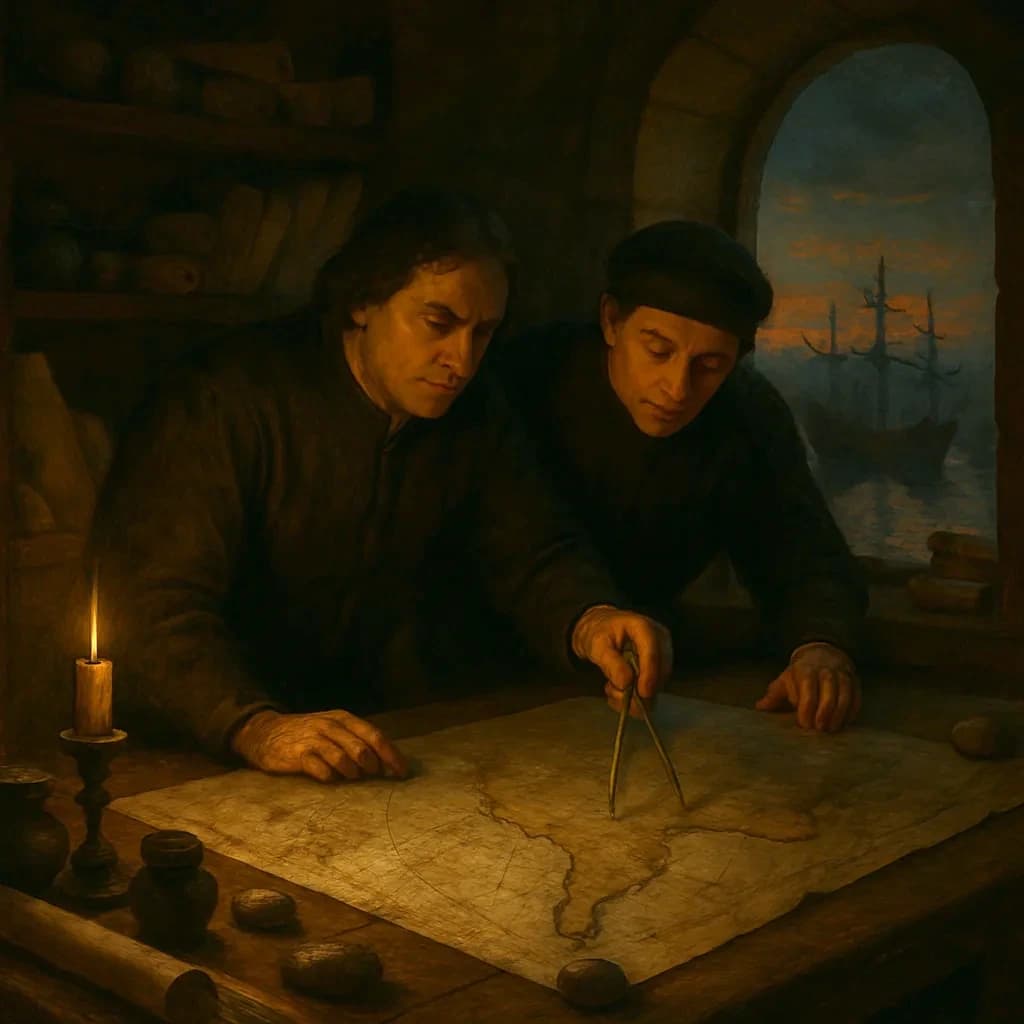
Columbus Sailed West on a Faulty Map
A Portuguese sailor in the 1480s told the king of Portugal exactly where to find the sea route to India, and was ignored. He then offered the same intelligence to Spain. Spain also said no. Then he died, and both empires spent the next decade trying to find what he already knew.
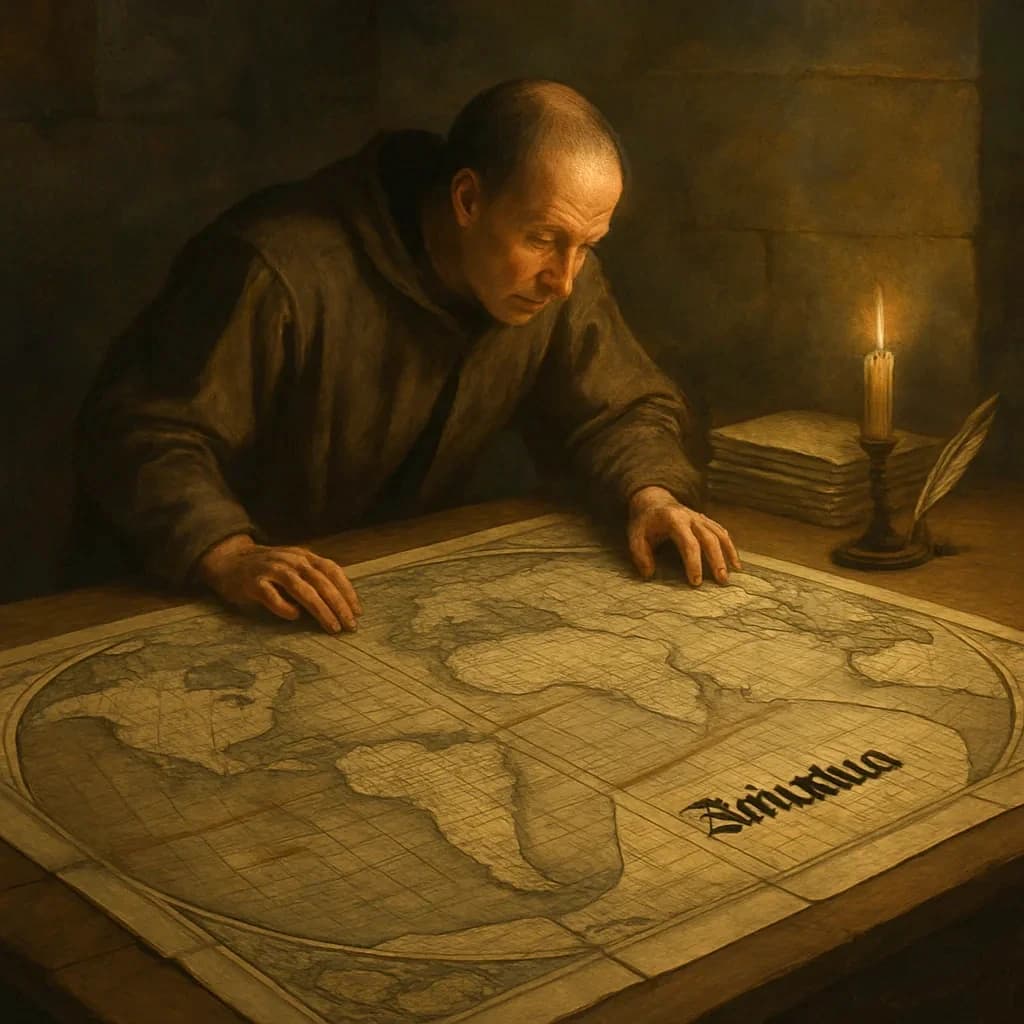
He Named America, Then Tried to Erase It
A German printer published a map that showed the entire New World, and quietly credited the wrong man for discovering it, setting in motion an argument that has never fully ended.
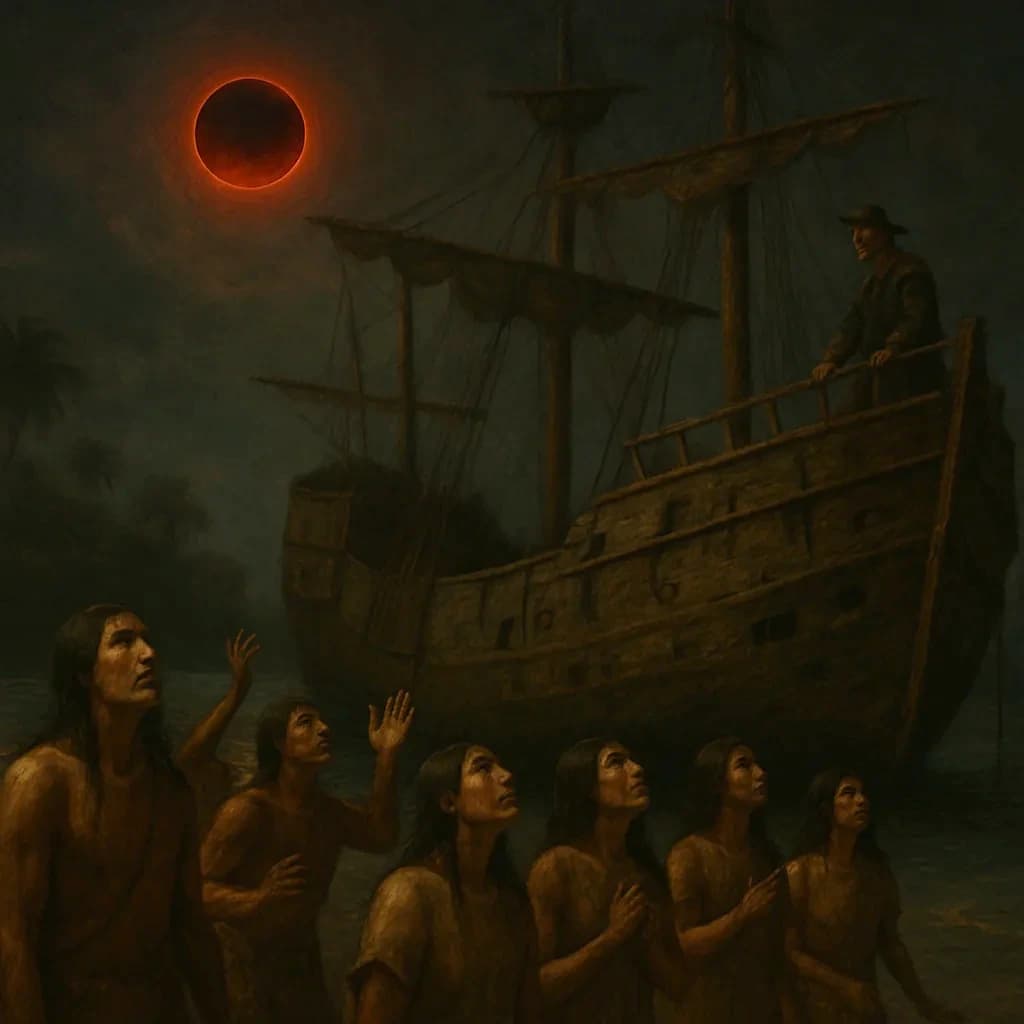
Columbus Bet His Life on a Lunar Eclipse
Stranded, starving, and about to be abandoned by the Jamaican villagers keeping him alive in 1504, Christopher Columbus predicted the end of the world.
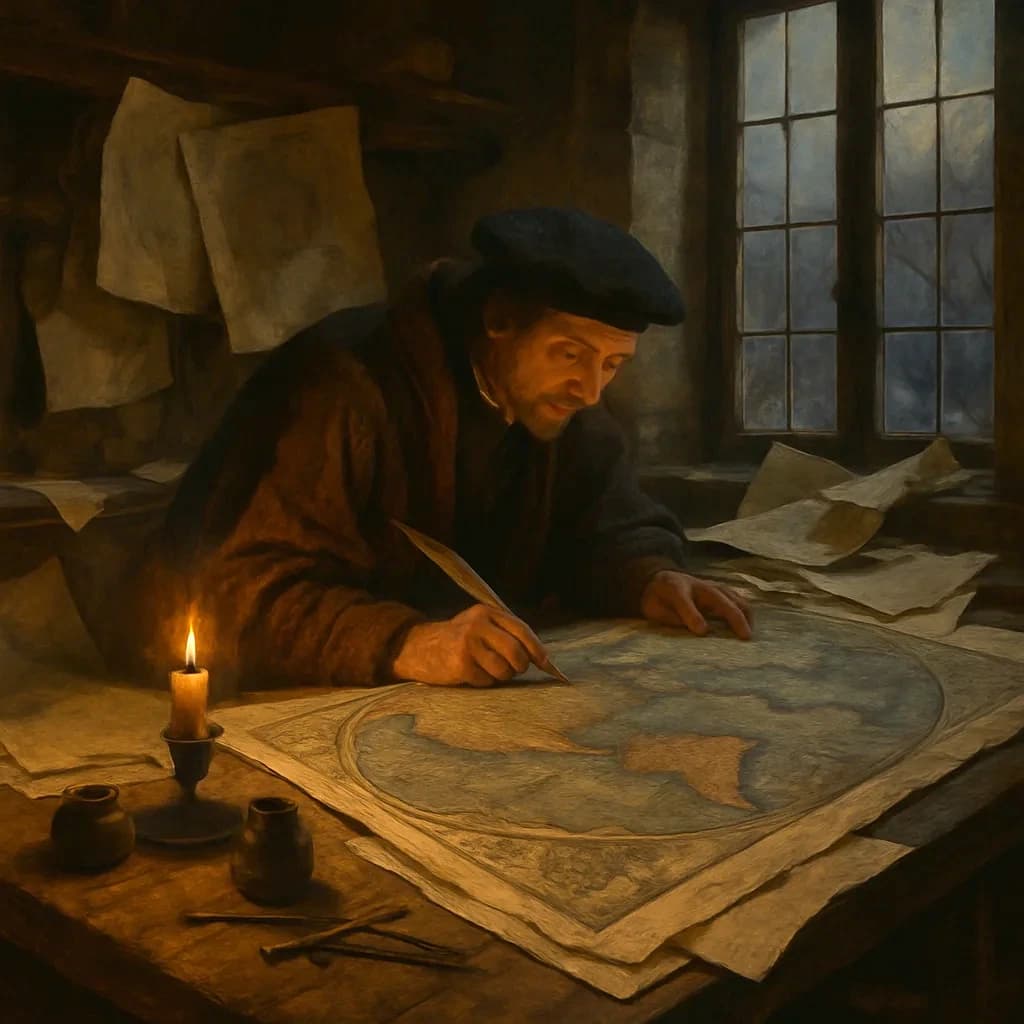
How a Forged Pamphlet Named America
A German mapmaker in 1507 named the entire western hemisphere after a man who didn't discover it. And the reason has nothing to do with credit, jealousy, or politics.
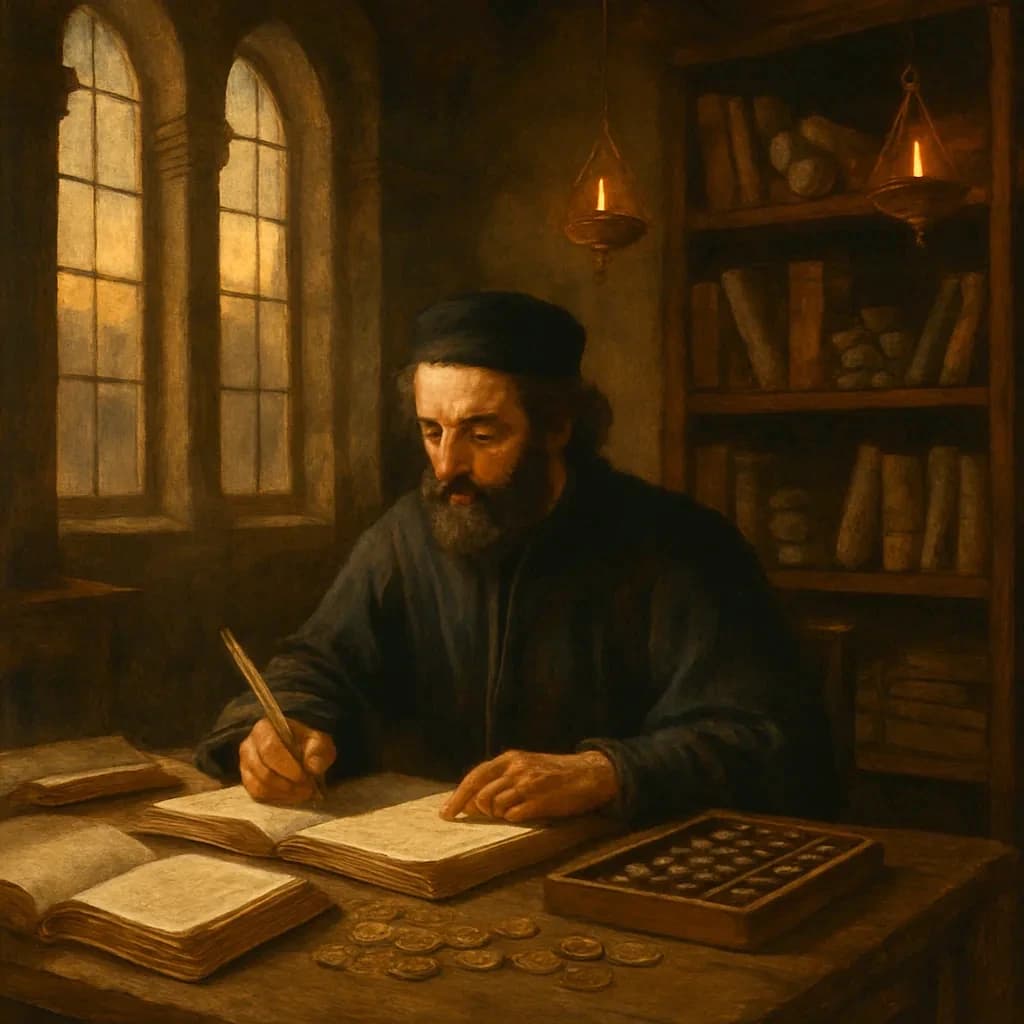
One Misplaced Digit Sent Europe Across the Oceans
A Florentine bookkeeper scratched down a number in 1345 that would determine who controlled half the known world for the next three centuries.
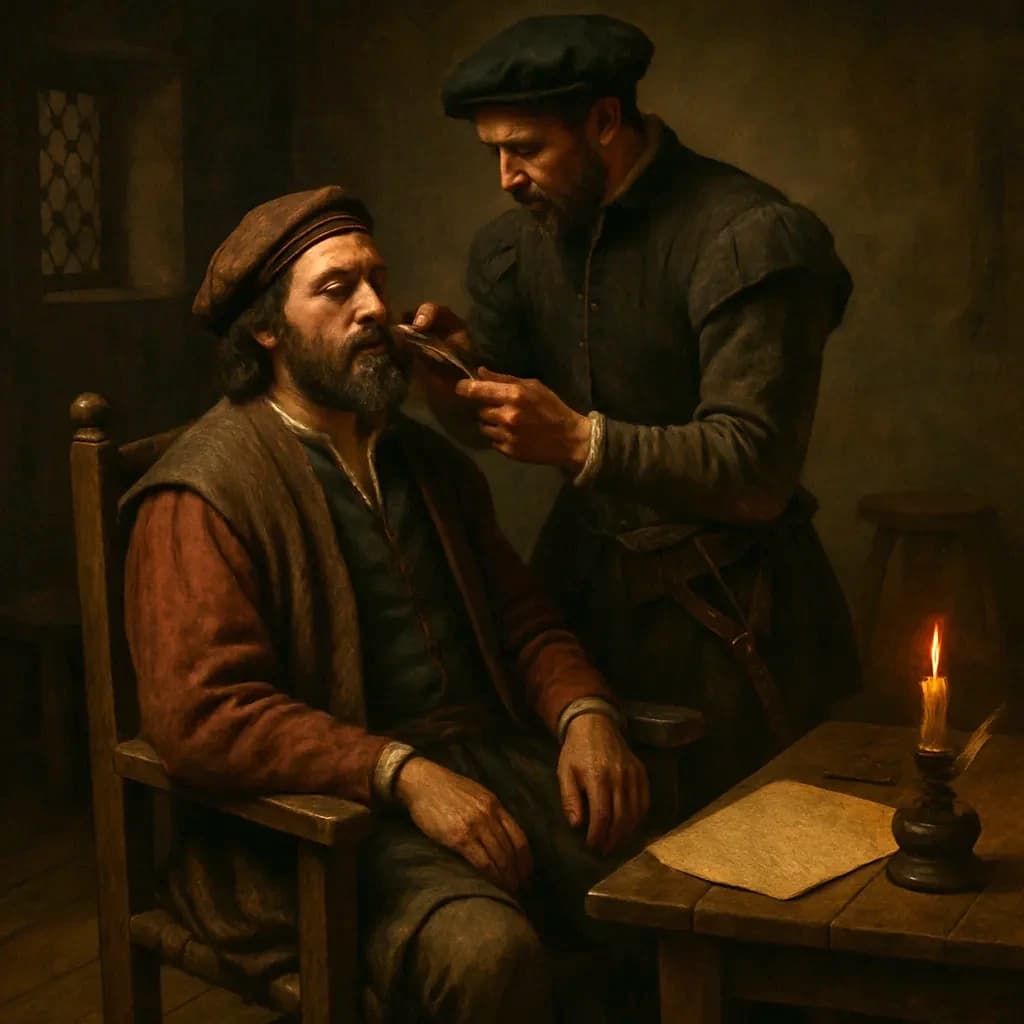
How an Unpaid Haircut Named America
A single unpaid haircut in Seville determined which European power would dominate the Americas for three centuries.
One Misplaced Period Rerouted the Spice Trade
A scribe's tiny mark changed the direction of world history more than any battle ever fought.

He Named America, Then Tried to Erase It
Martin Waldseemüller made the map that put America on the world in 1507, then spent the rest of his life trying to unmake it.
Did a Dying Sailor Hand Columbus His Map?
Europe's most skilled navigator turned down Columbus's invitation to sail west in 1492, because his compass pointed to a continent that didn't exist.
When Aristotle's Ghost Haunted Columbus
A 2,000-year-old mathematical error convinced Columbus that China was just around the corner from Spain.

Genoa's Bankers Quietly Owned the New World
A bank clerk's routine ledger review revealed that someone had quietly stolen half the known world.
A German Mapmaker Accidentally Named America
In 1507, a German mapmaker put a new continent on his world map based entirely on a letter from a Florentine navigator, and accidentally gave America its name.
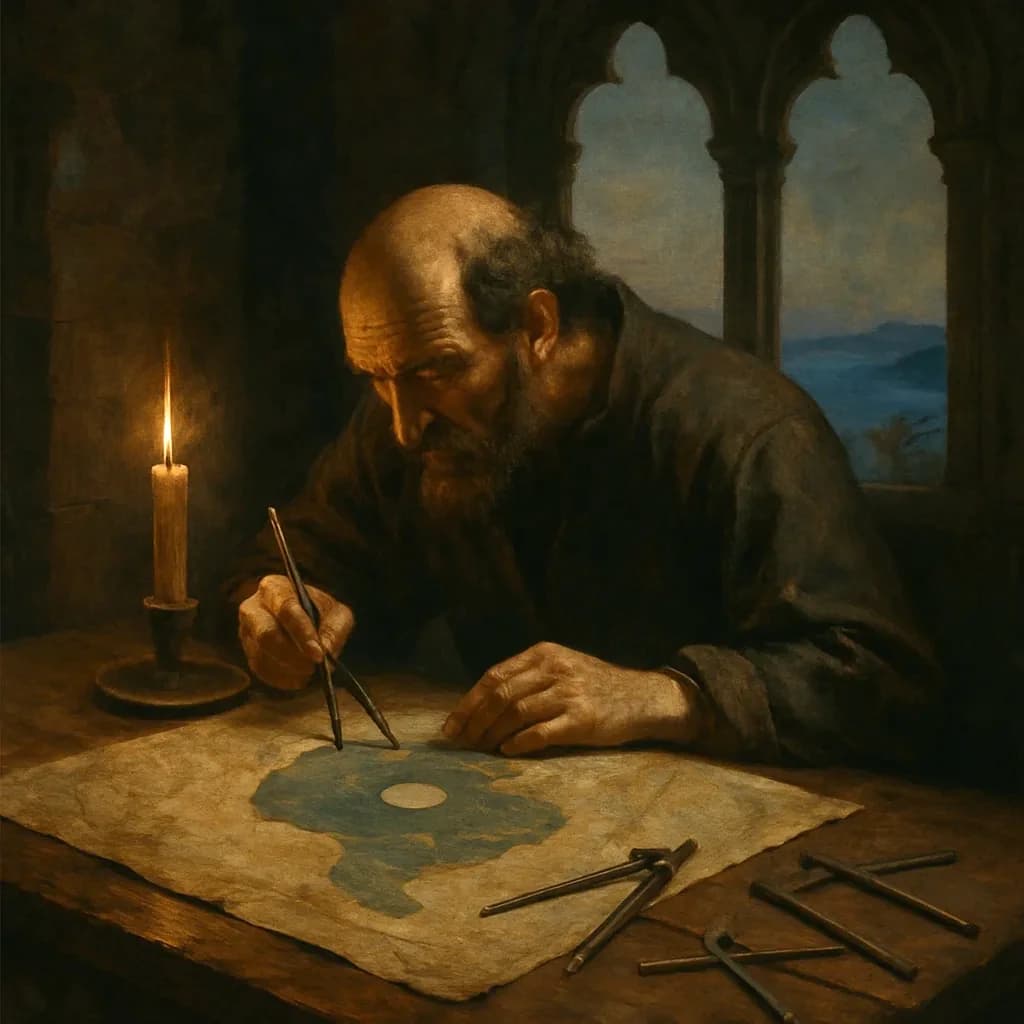
A Merchant's Accounting Error Put a Myth on the Map
A medieval merchant's accounting error accidentally created one of history's most persistent geographical myths.

A Spice Shortage Sent Columbus West
A single cooking mistake in a monastery kitchen led to the conquest of the Americas.
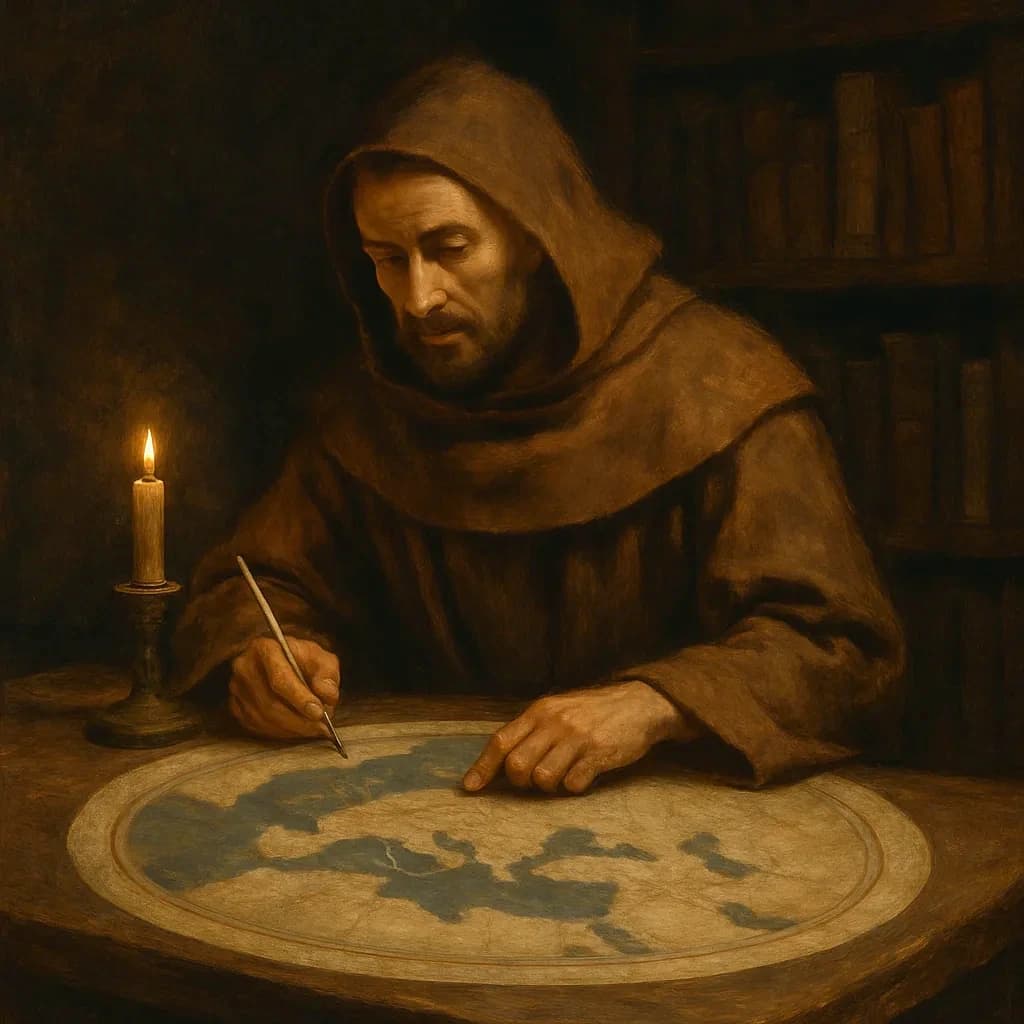
Off by 9,000 Miles: The Map That Sent Columbus West
A Venetian monk's handwritten map convinced Columbus that Asia was only 3,000 miles away, half the actual distance.
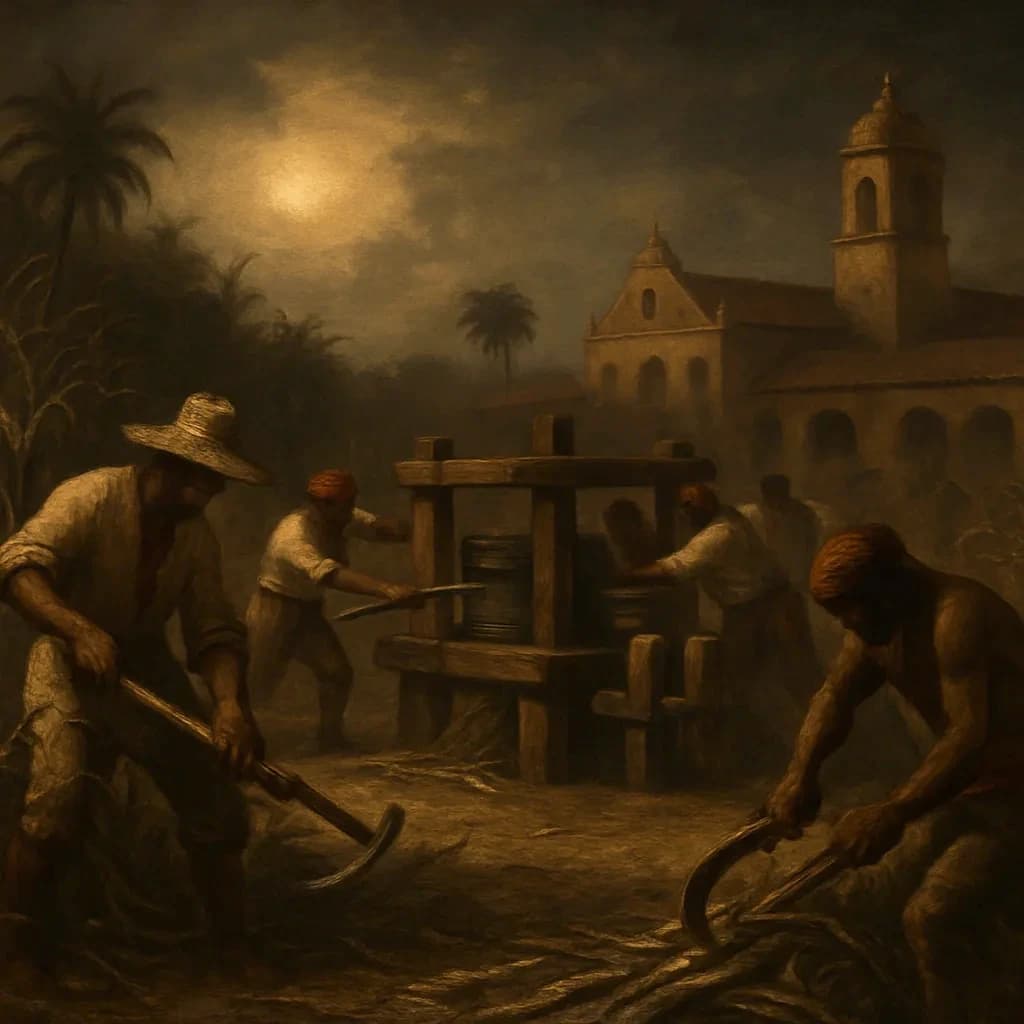
The Sugar Bowl That Enslaved a Continent
Columbus brought sugar cane to the Caribbean in 1493, thinking he'd found a nice little cash crop.
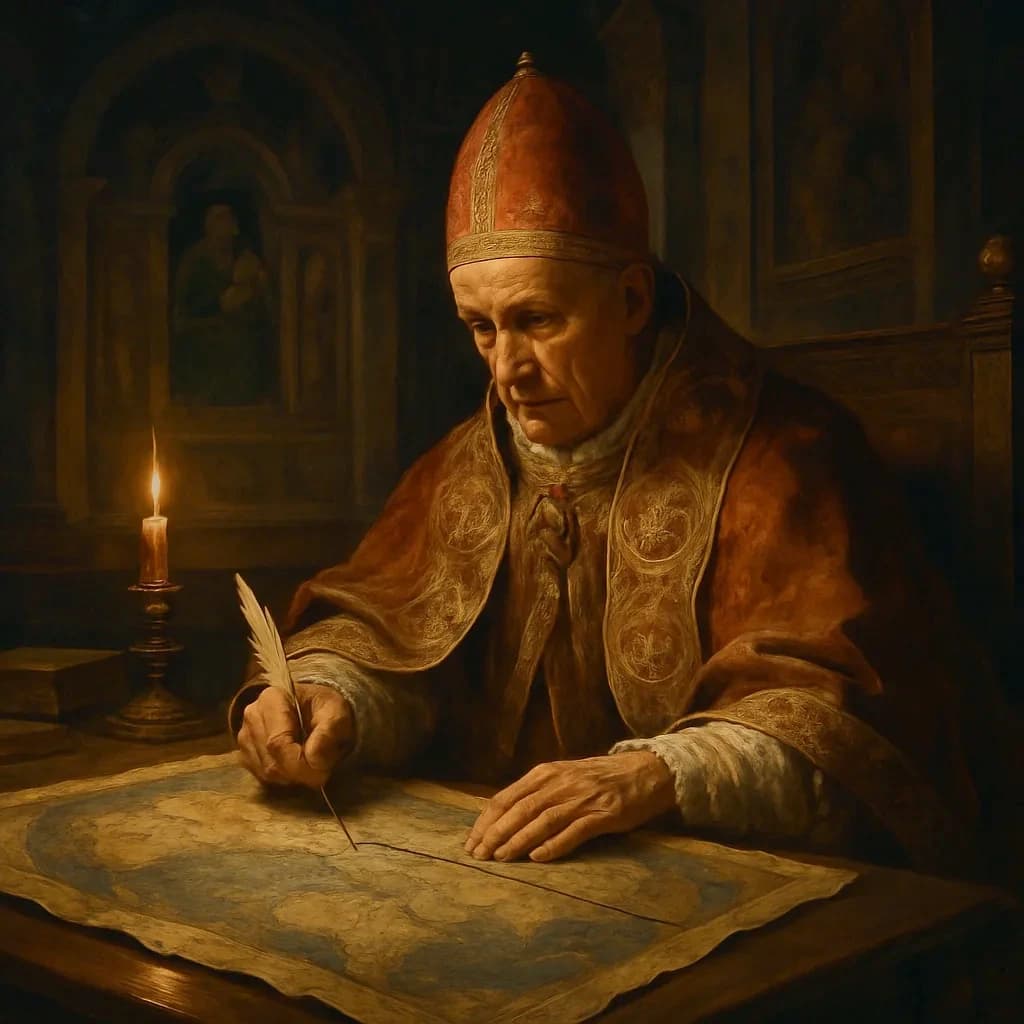
The Pope Who Split the World in Half
A single papal bull in 1494 sliced the entire planet between two Catholic monarchs, but the Pope forgot about one rather large continent.
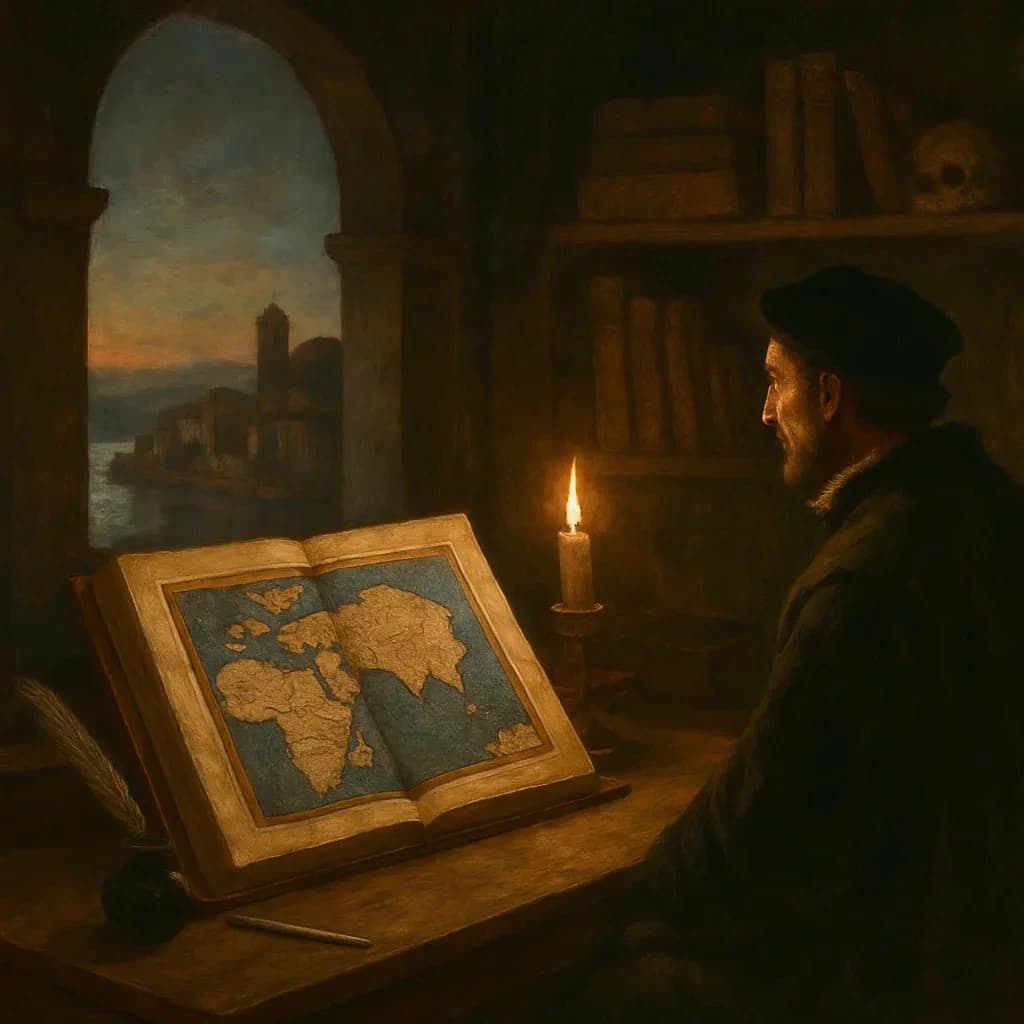
Ptolemy Shrank the World, and Columbus Believed Him
A Greek scholar's copy error in 150 CE convinced Europeans that Asia was close enough to sail to. It wasn't.
- Samuel Eliot Morison, Admiral of the Ocean Sea: A Life of Christopher Columbus (1942)
- Felipe Fernández-Armesto, Columbus (1991)
- Valerie I.J. Flint, The Imaginative Landscape of Christopher Columbus (1992)