
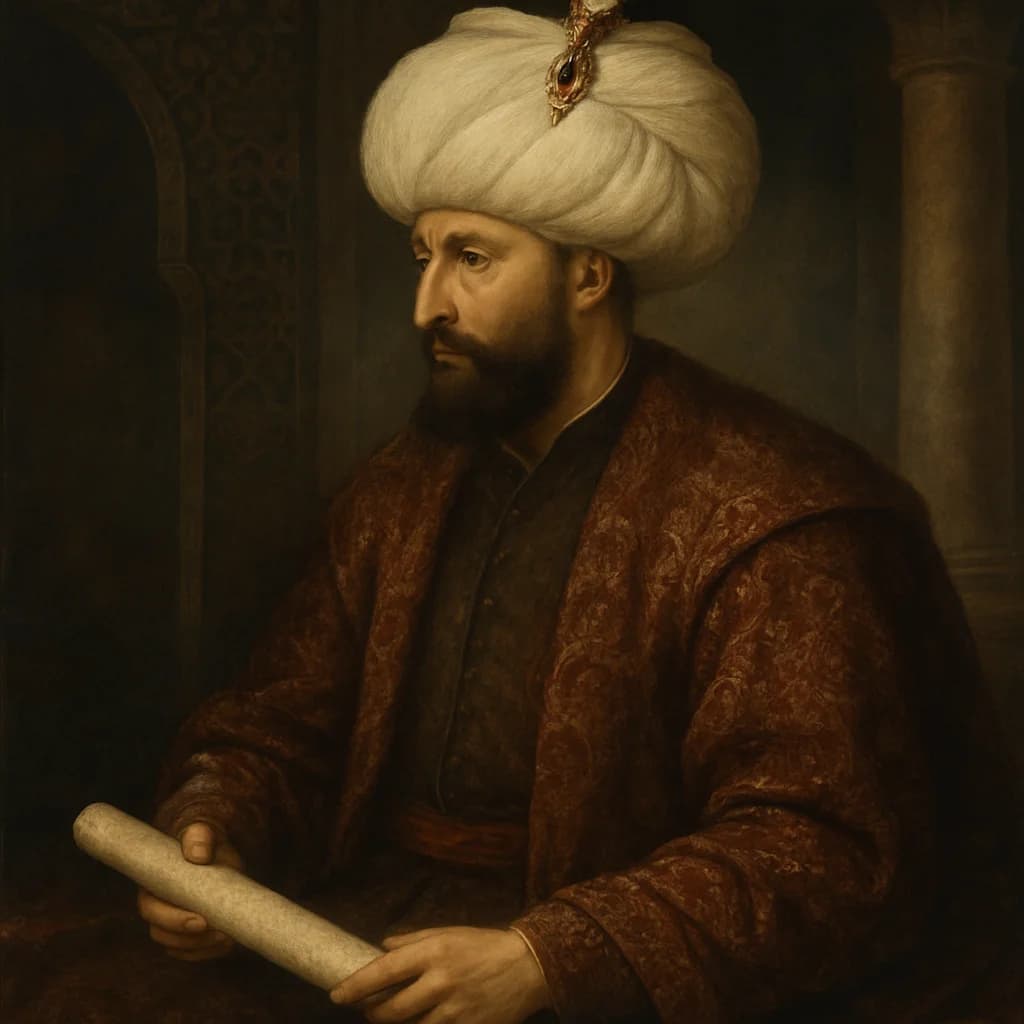
Mehmed II
The conqueror of Constantinople spent his teenage years writing poetry in Persian and arguing with Aristotelian philosophers.
Mehmed II was nineteen when he took the throne for the second time in 1451, having already been sultan once at age twelve before his father Murad II reclaimed power. Most rulers that young focused on staying alive. Mehmed focused on impossible geometry: specifically, how to move seventy ships over land and around the massive chain blocking the Golden Horn. His solution involved building a mile-long greased wooden track over the hills of Galata, then dragging an entire fleet across it in a single night. When Constantinople's defenders woke up, Ottoman warships floated in what had been their impregnable harbor.
But mathematics was just one obsession. Mehmed spoke six languages fluently and collected manuscripts with the fervor of a Renaissance prince. After conquering Constantinople, his first act wasn't celebration. It was ordering the preservation of Byzantine texts. He hired Italian humanists, commissioned translations of classical works, and turned his court into a philosophical salon where Christian scholars debated Islamic theologians. Giovanni Argyropoulos, one of the era's great Greek scholars, found more intellectual freedom under the Muslim sultan than he had under Christian rulers.
The sultan who destroyed the last remnant of Rome also tried to recreate its glory. He commissioned Gentile Bellini to paint his portrait, collected ancient coins with Caesar's image, and claimed the title of Caesar himself. When he walked through the ruins of the Great Palace, he reportedly quoted Persian poetry about the impermanence of earthly kingdoms. His gardeners received strict orders: plant roses in the throne room of the Byzantine emperors.
Mehmed died at forty-nine in 1481, possibly poisoned, while planning the conquest of Rhodes. His funeral procession included Italian architects, Greek philosophers, and Persian poets, the intellectual empire he'd built alongside his territorial one.
Mehmed II personally translated parts of the Iliad into Turkish and wrote his own poetry under the pen name 'Avni,' which means 'helper.'
Why untold: Western histories focus on his military conquests while ignoring his role as a Renaissance patron who preserved more classical texts than most European rulers.
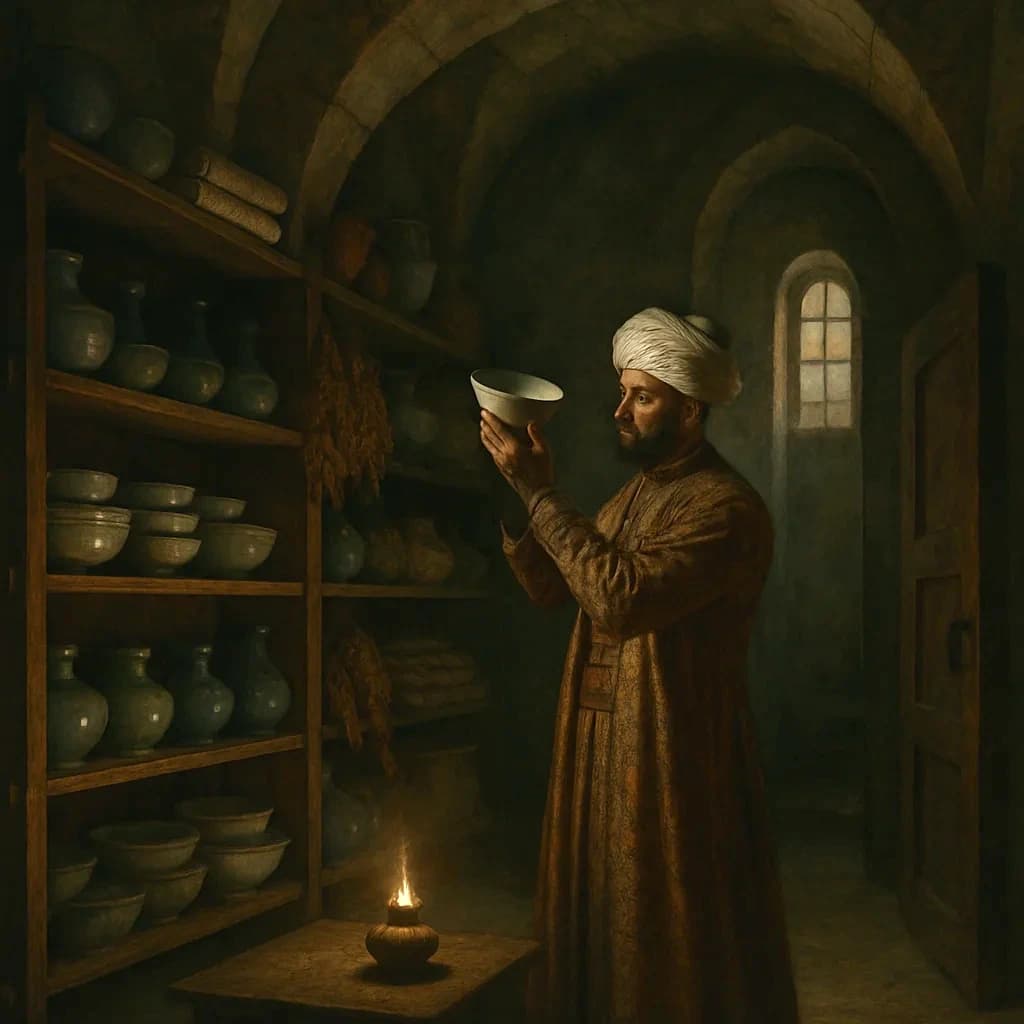
A Sultan's Treasury Rewrote Medieval Global Trade
Historians ignored an Ottoman sultan's private treasury for centuries, and when they finally looked, it rewrote what we know about medieval global trade.
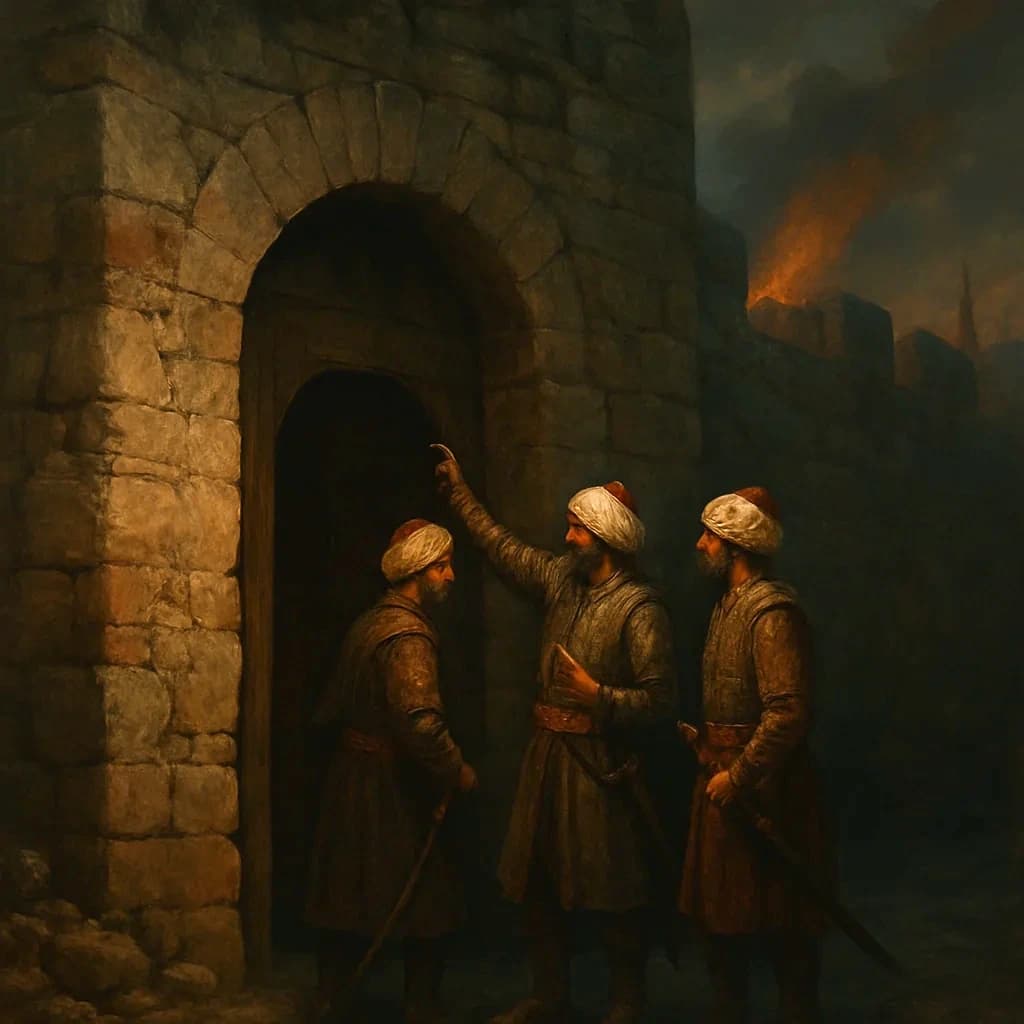
How One Unbolted Gate Doomed Constantinople
Not cannons, not cavalry: a single small door that someone forgot to bolt decided the fall of Constantinople.
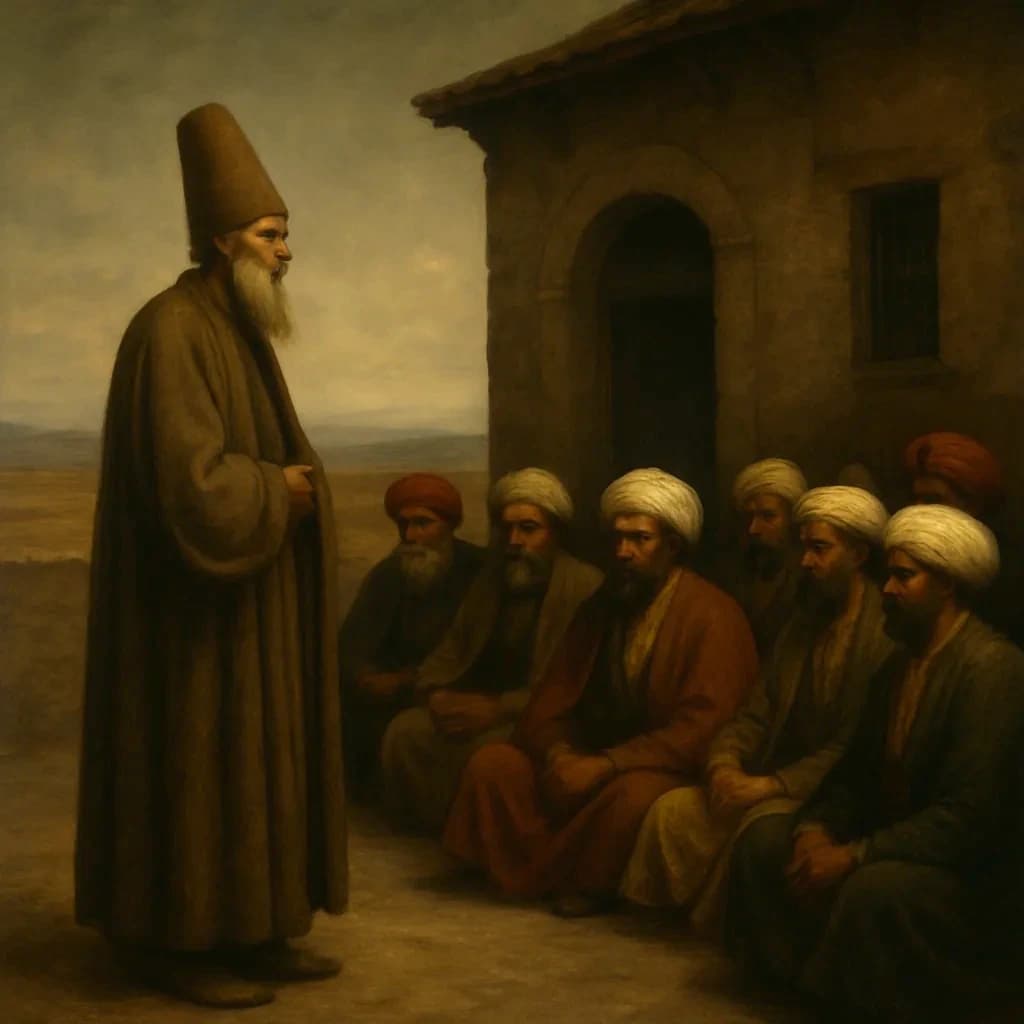
A Sufi Mystic Chose the Next Ottoman Sultan
The world's greatest battle erupted in 1402, and a wandering holy man's choice of side would decide whether Istanbul ever fell.
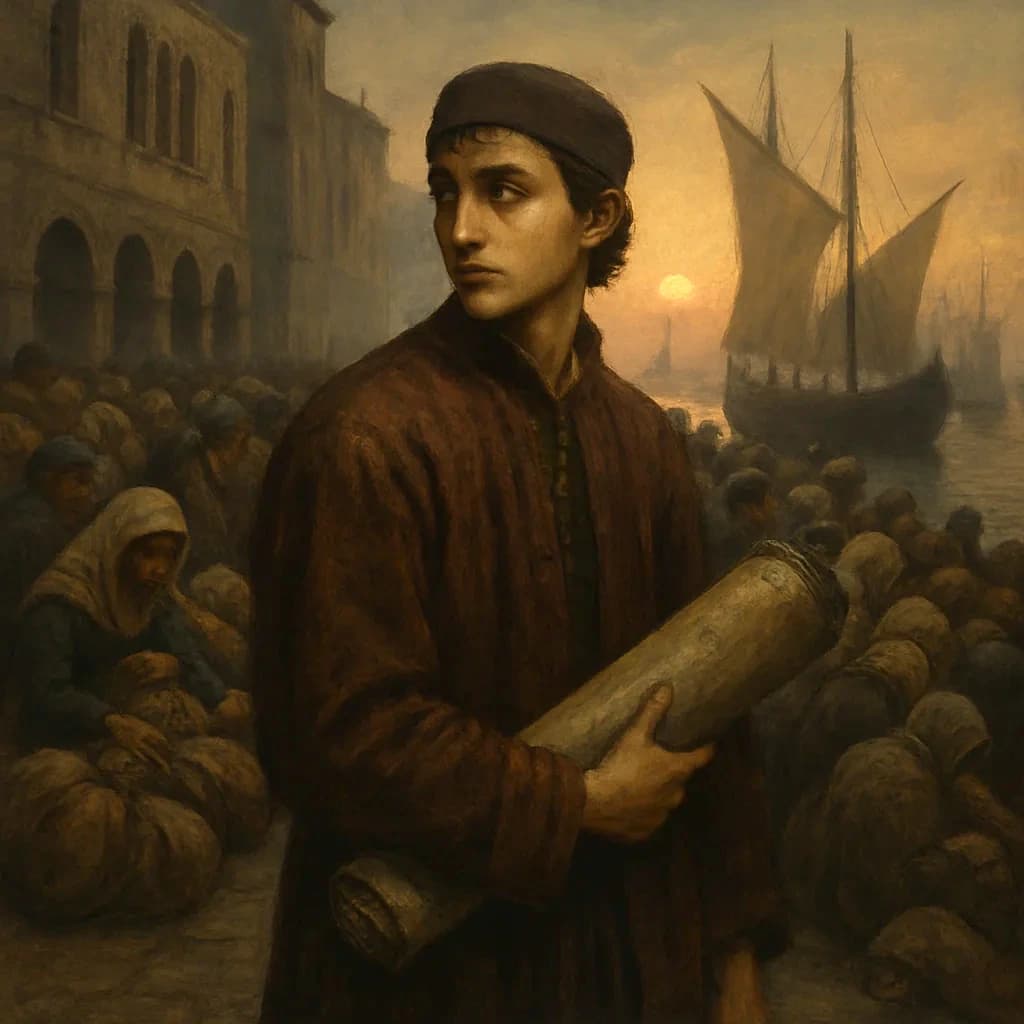
He Fled Constantinople Carrying Drawings, Not Gold
One young Greek artist fled Constantinople as it fell in 1453, carrying something more dangerous than gold.
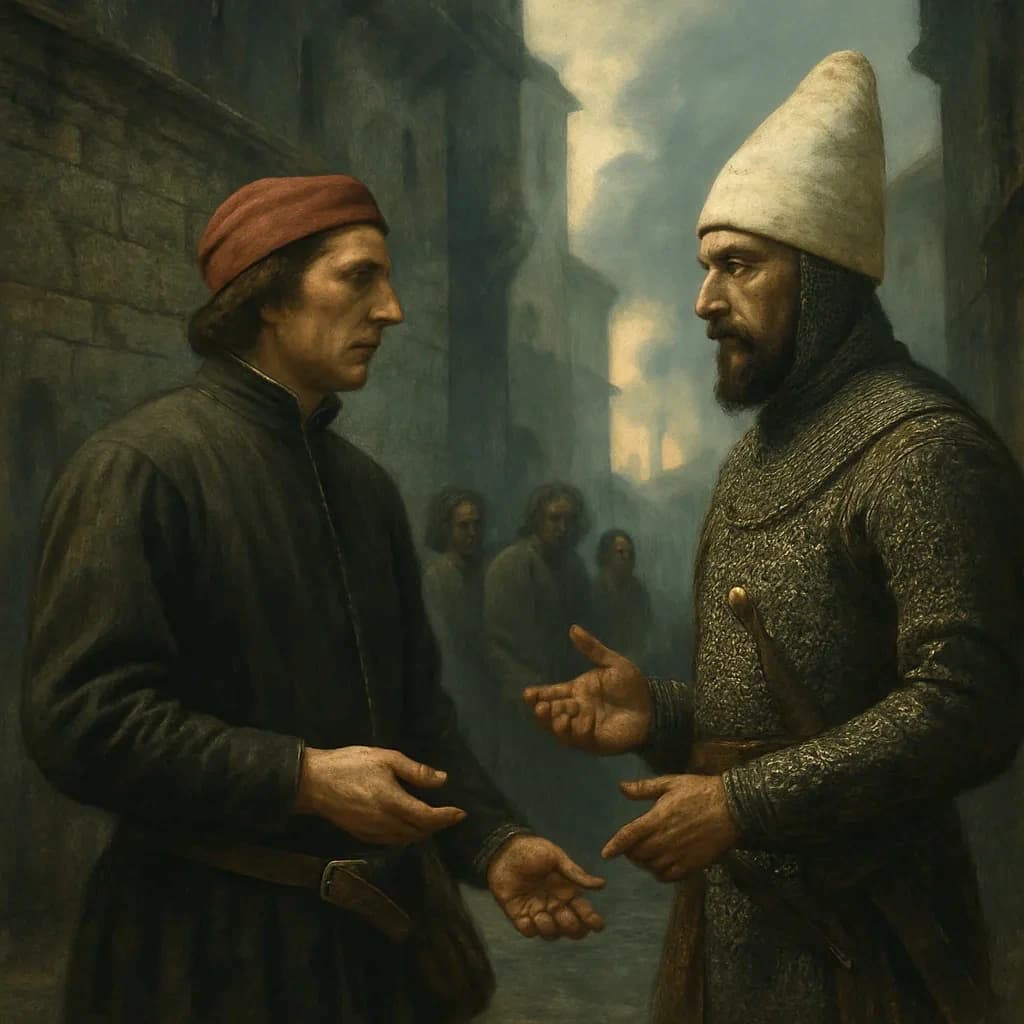
A Ship Captain Bought Back Constantinople's Prisoners
When Constantinople fell in 1453, the man who negotiated the ransom of an entire population was no general and no king, but a Venetian ship captain who happened to know how to haggle.
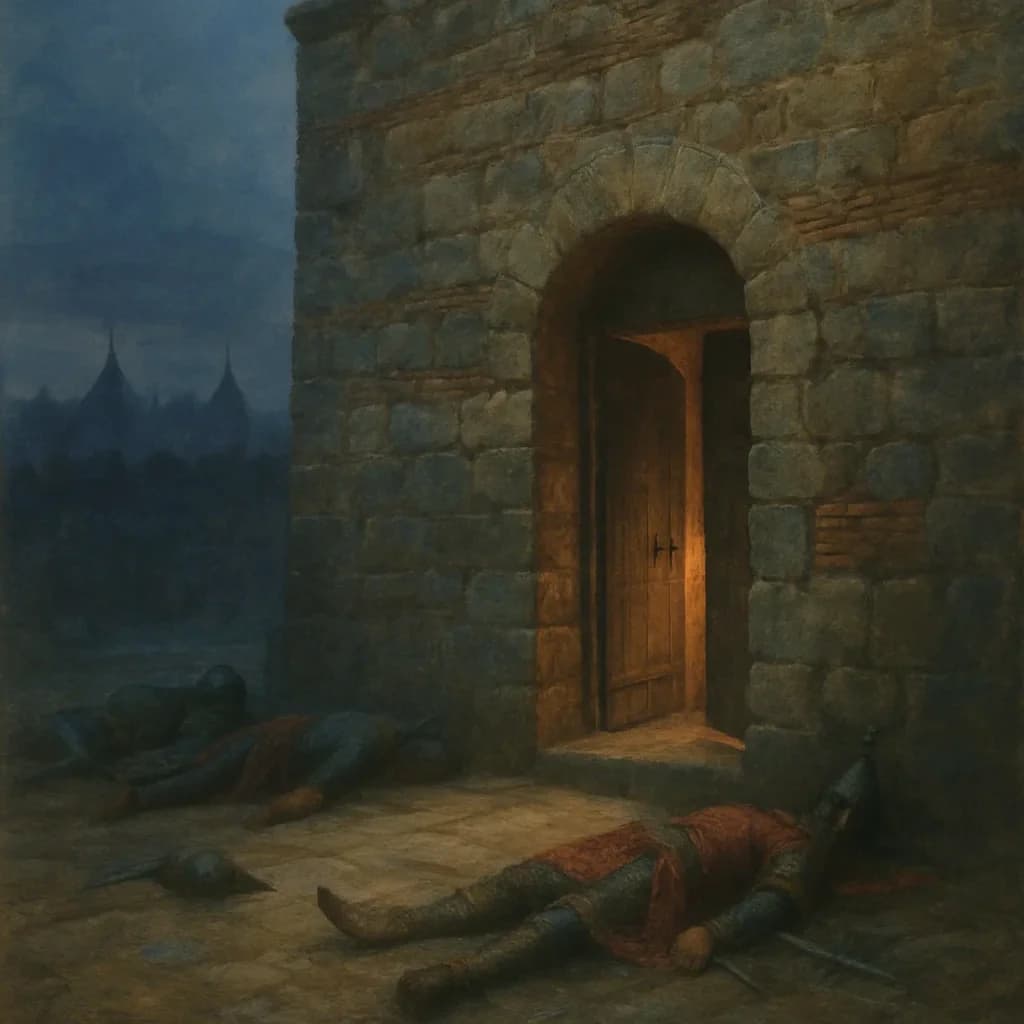
One Unlocked Door Ended a Thousand-Year City
Constantinople fell in 1453 because someone left a small door unlocked, and that person was probably killed before anyone thought to ask why.
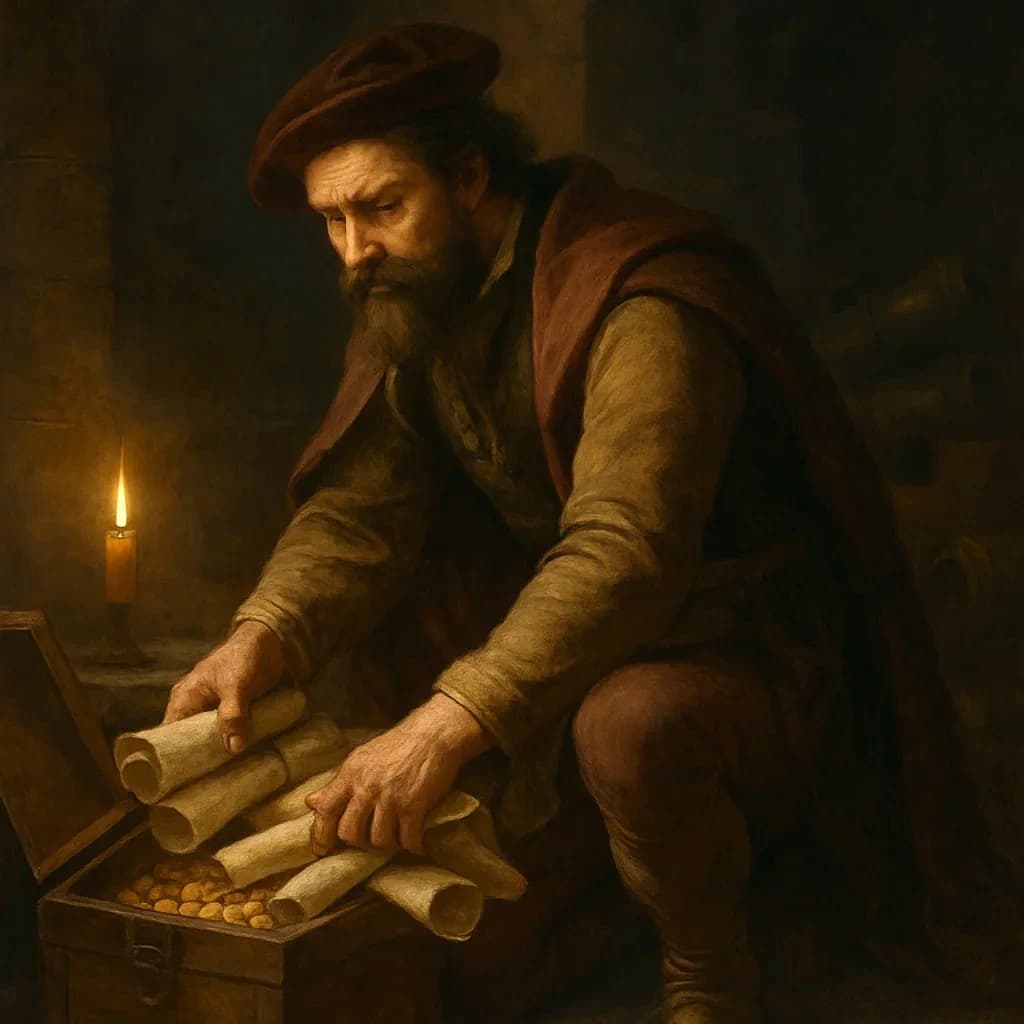
How a Forgotten Password Opened Constantinople
A drunk Hungarian engineer forgot to change one word in April 1453, and handed Constantinople to the Ottomans.
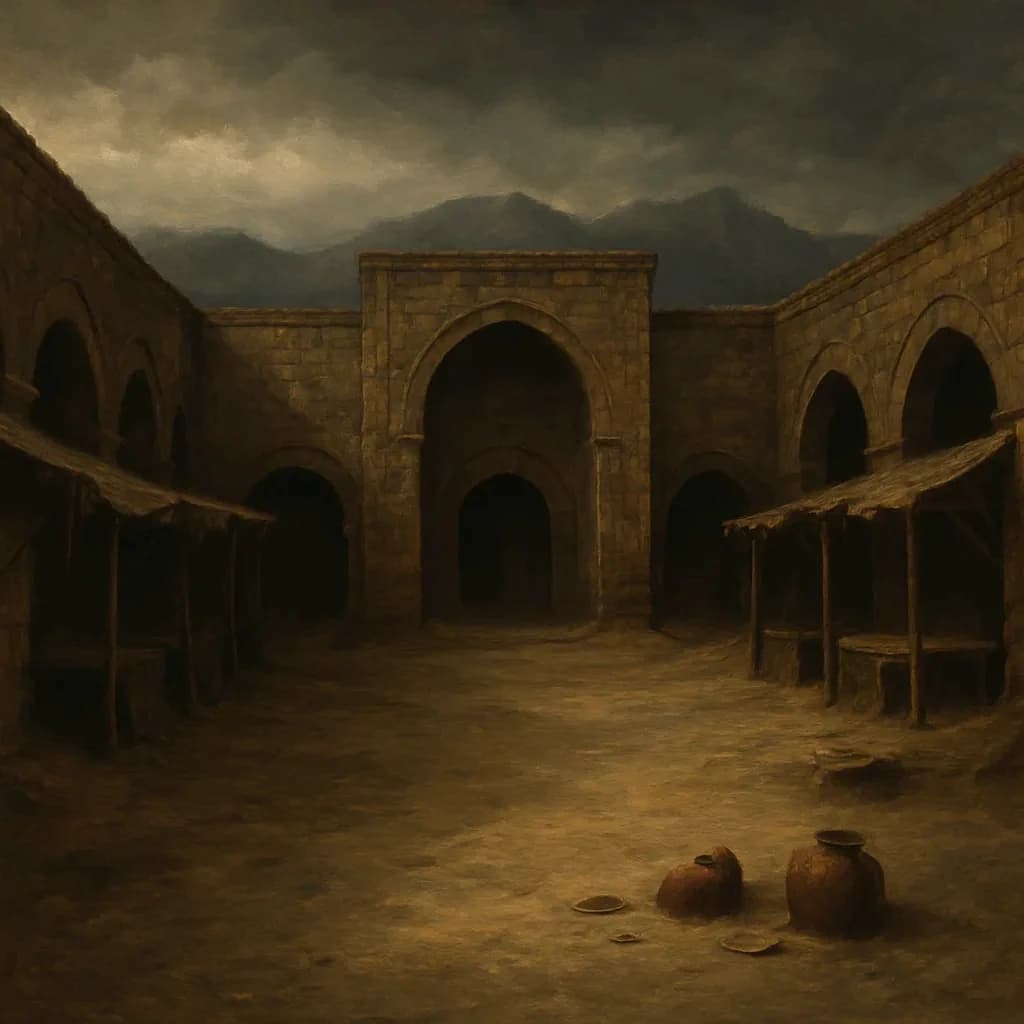
How the Fall of Constantinople Killed the Silk Road
When the last caravan reached Constantinople, nobody realized an entire world had just vanished forever.
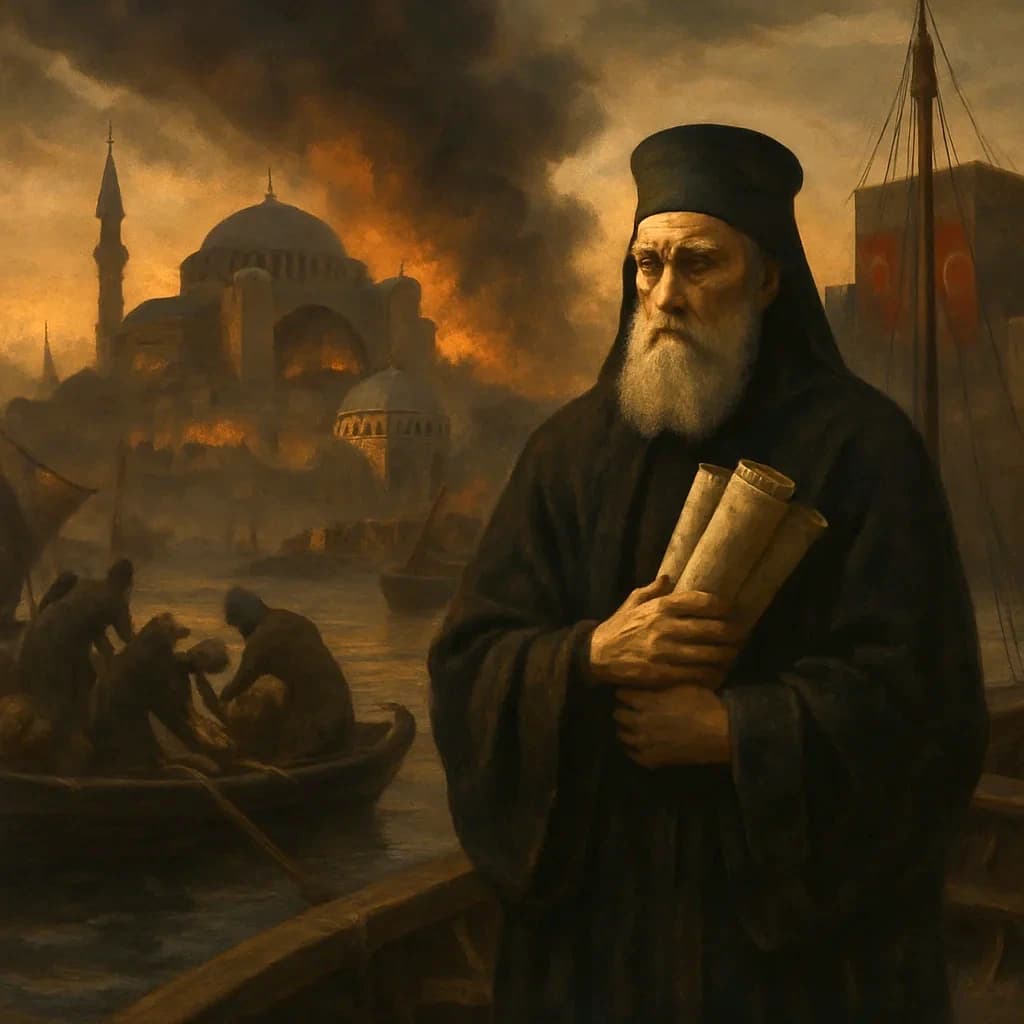
One Cardinal Chose Which Ancient Books Would Survive
A single scholar faced a decision in 1453 that would determine whether the Renaissance happened, or died stillborn in the ashes of Constantinople.
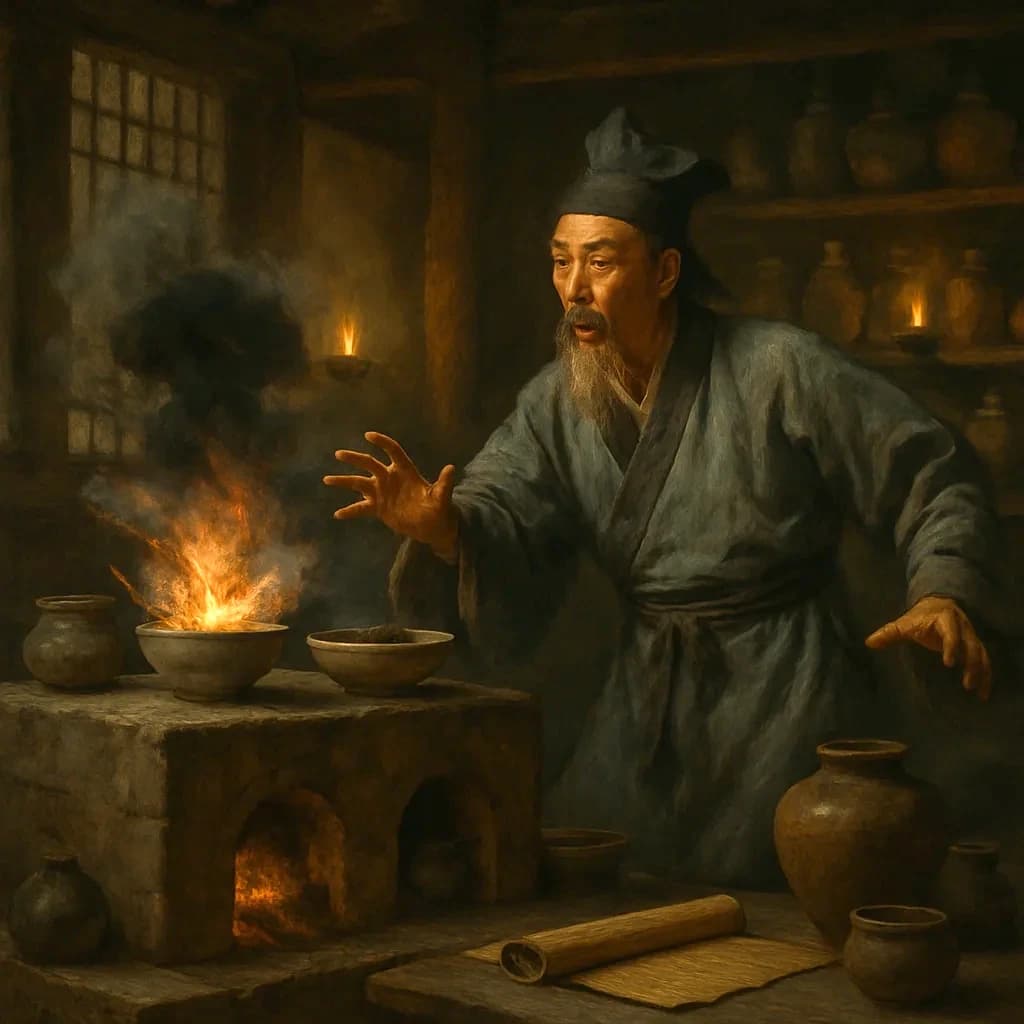
How a Botched Immortality Potion Toppled Castle Walls
A Chinese alchemist's failed bid for immortality handed European soldiers the power to bring down any castle wall.
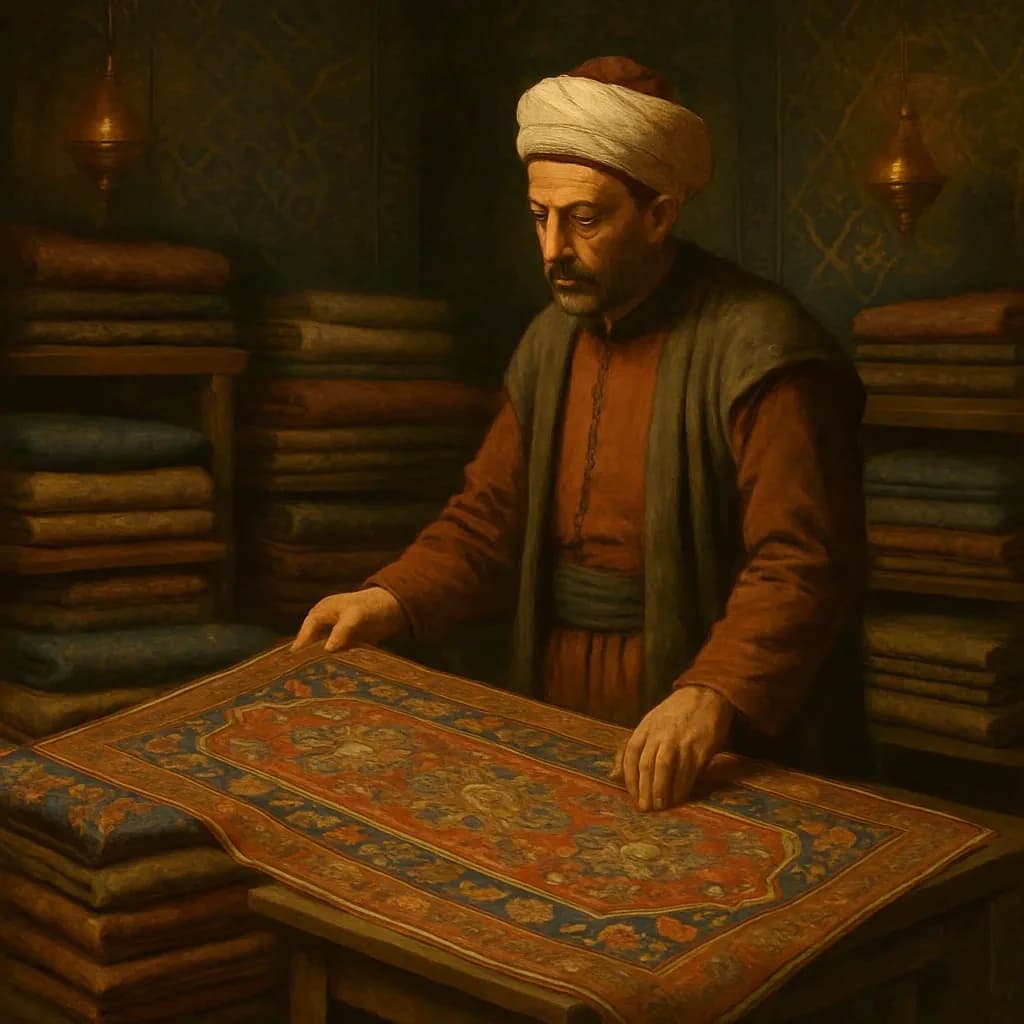
When the Sultan's Carpet Collector Conquered Half the World
A minor court official's obsession with rugs accidentally built the Ottoman Empire's most profitable trade network.
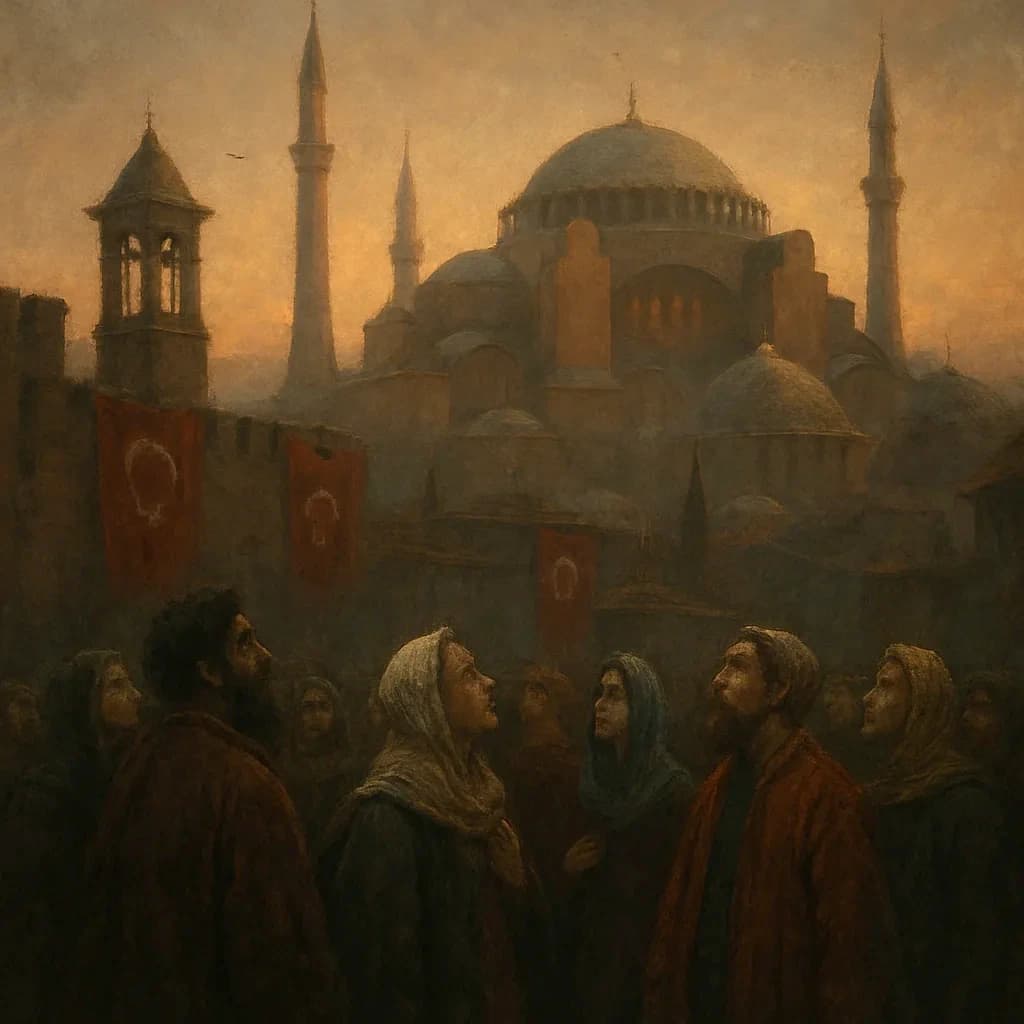
Melt the Bells: How Mehmed Erased Byzantium
A single decree about church bells brought down an empire that had survived for over a thousand years.
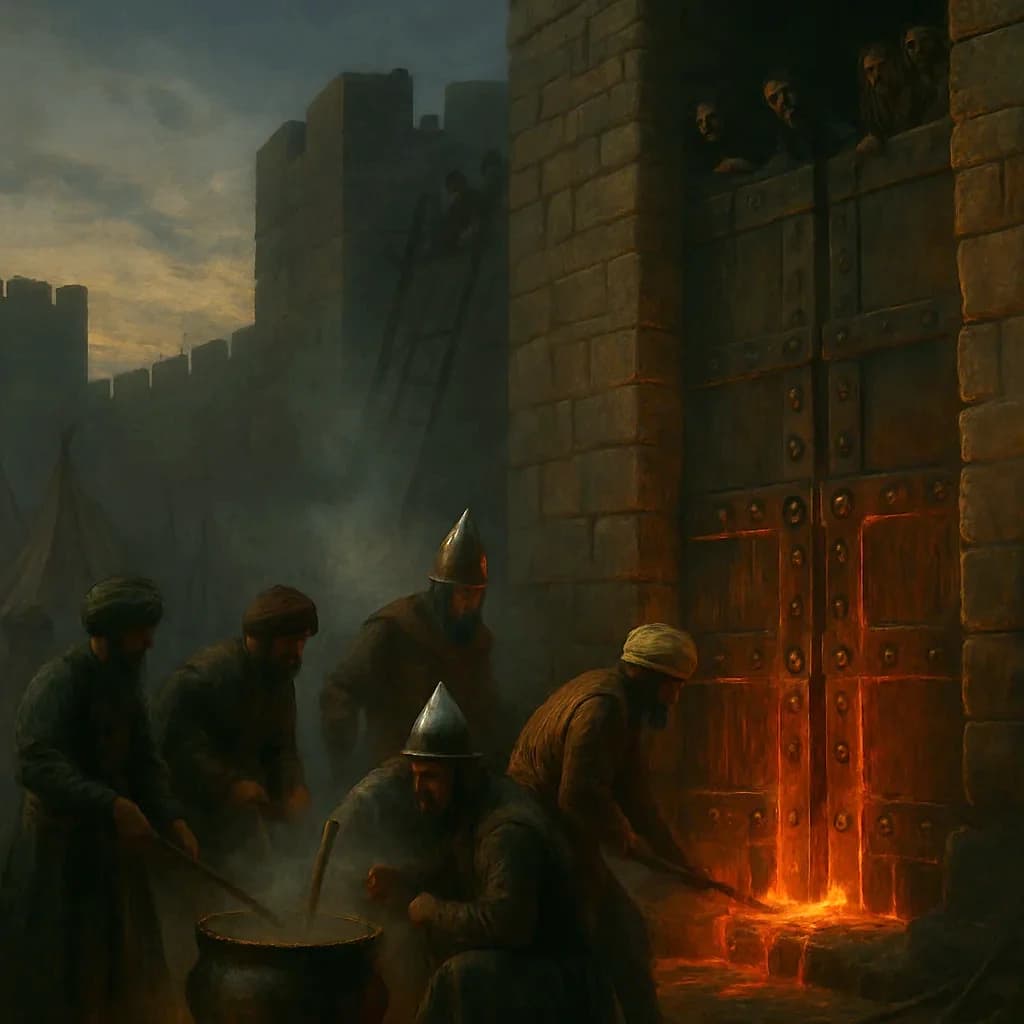
A Spilled Bowl of Honey Doomed Constantinople
A kitchen accident in 1453 handed Ottoman engineers the means to breach the unbreachable walls of Constantinople.
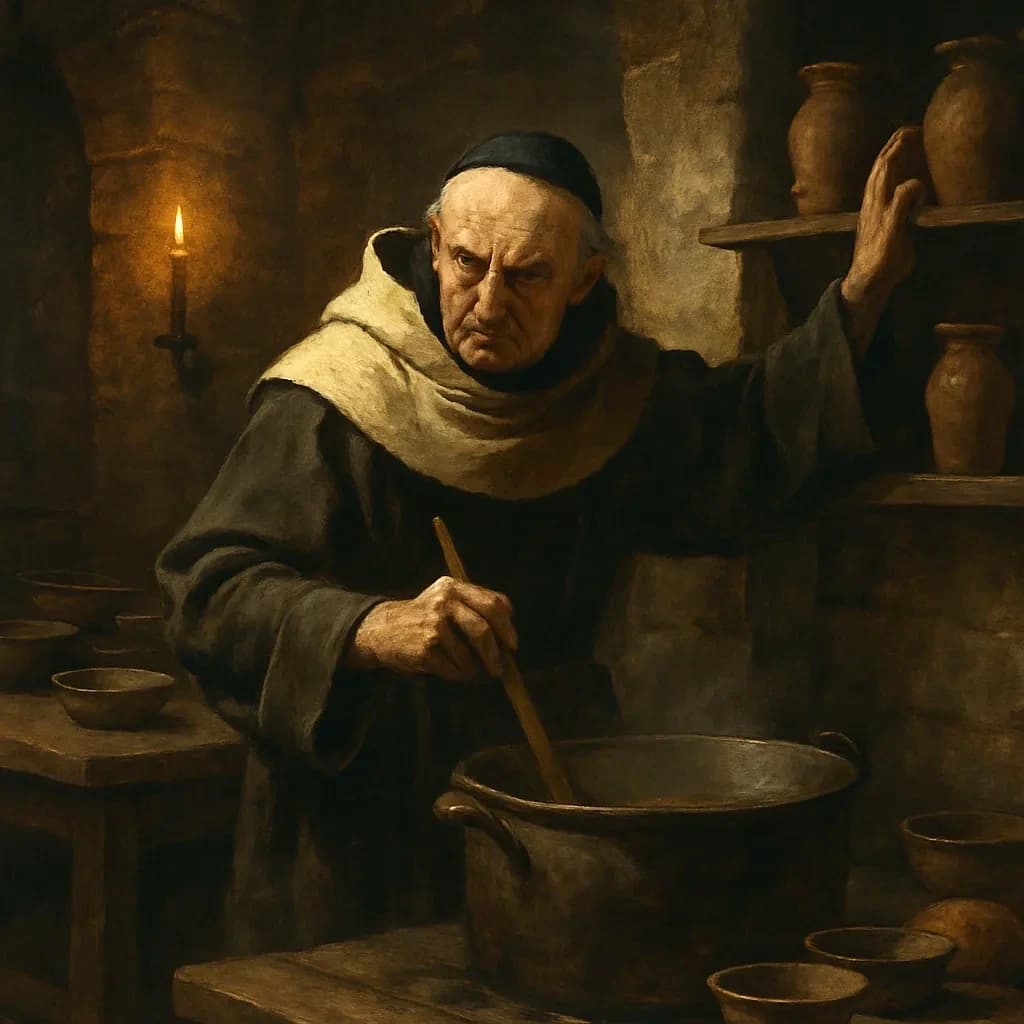
A Spice Shortage Sent Columbus West
A single cooking mistake in a monastery kitchen led to the conquest of the Americas.
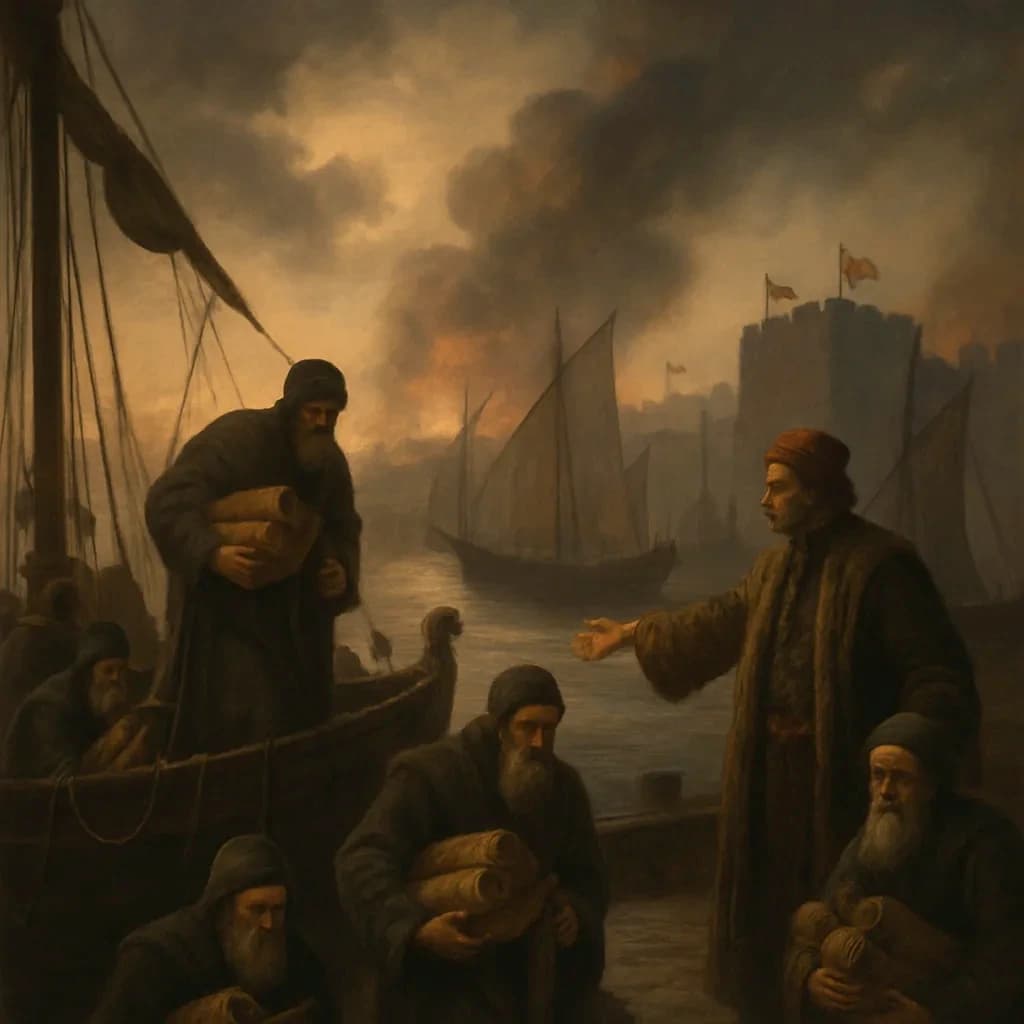
When Venice Saved the World by Going Bankrupt
The most catastrophic financial collapse in history accidentally preserved everything we know about ancient Greece and Rome.
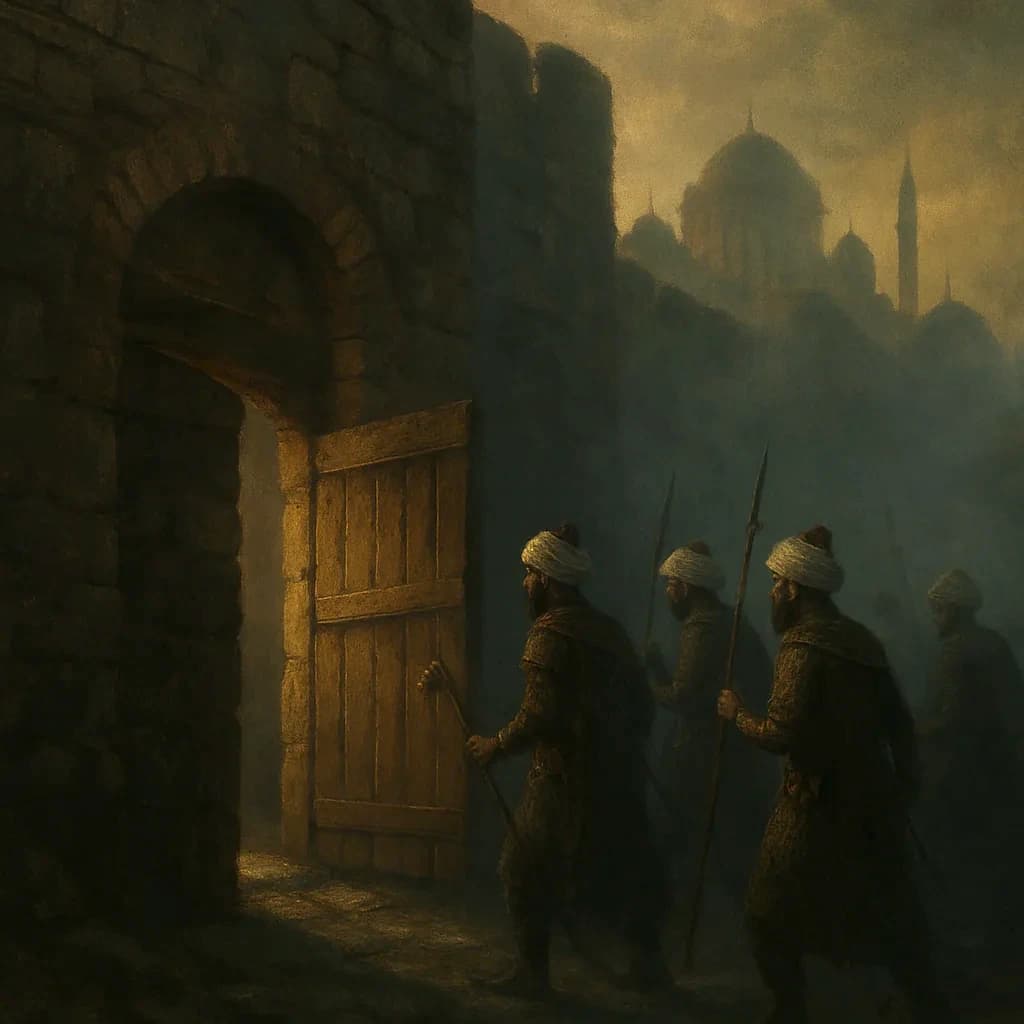
One Unlocked Gate Ended a Thousand-Year Empire
A Genoese trader opened a forgotten gate in 1453 and handed Constantinople to the Turks.
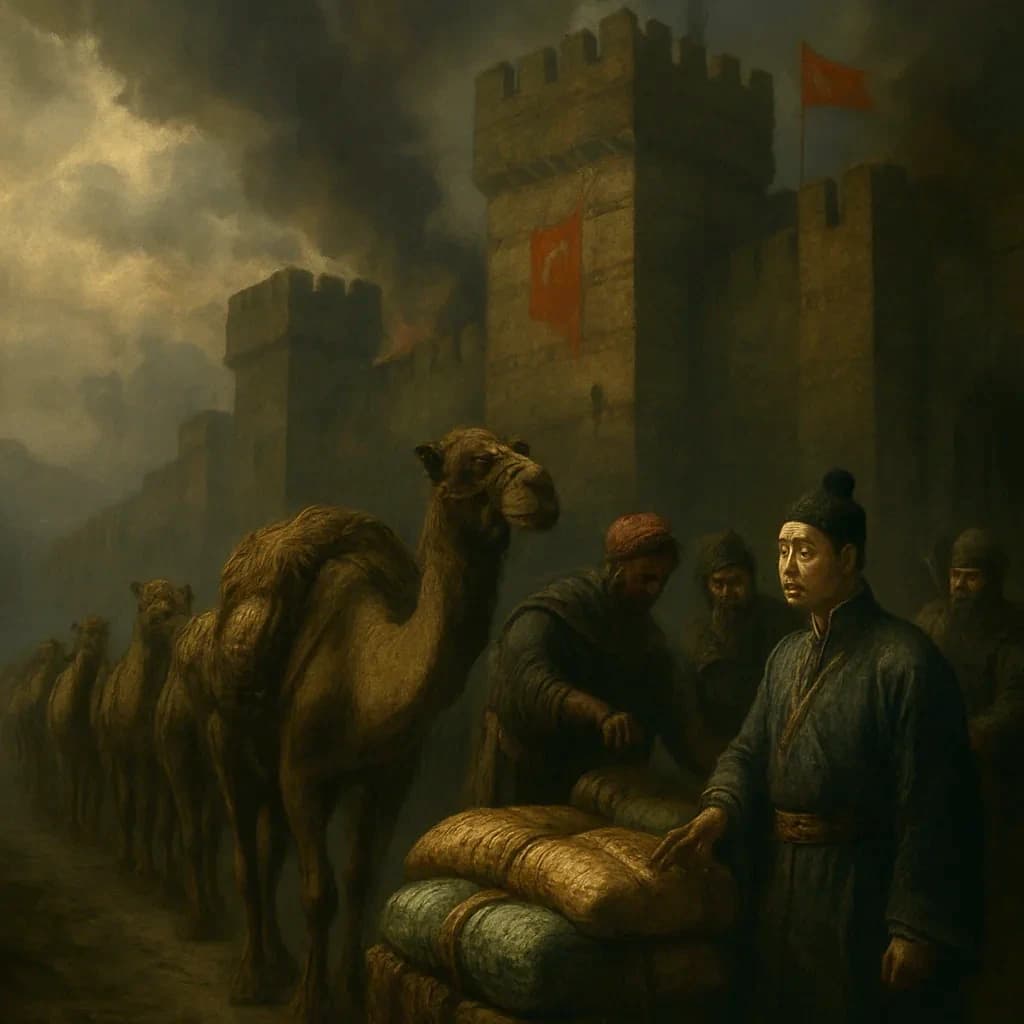
He Reached Constantinople as the City Fell
Li Wei staked his family's fortune on one last caravan to Constantinople, arriving in 1453 just as the city fell to the Ottomans.
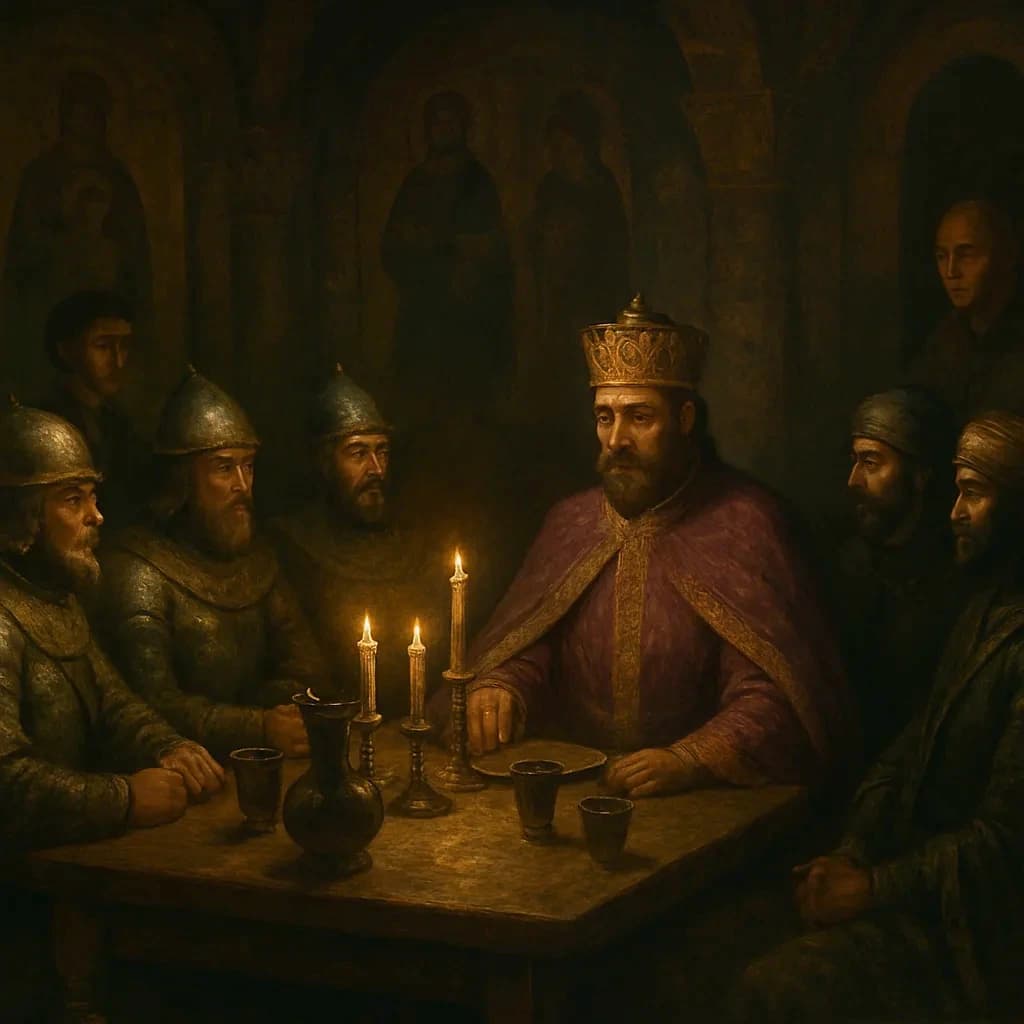
Rome's Last Emperor Threw a Farewell Dinner
A single meal in 1453 Constantinople sealed the fate of an empire that had survived since Caesar.
- Franz Babinger, Mehmed the Conqueror and His Time (Princeton University Press, 1978)
- Halil Inalcik, The Ottoman Empire: The Classical Age 1300-1600 (Phoenix Press, 2000)
- Steven Runciman, The Fall of Constantinople 1453 (Cambridge University Press, 1965)