
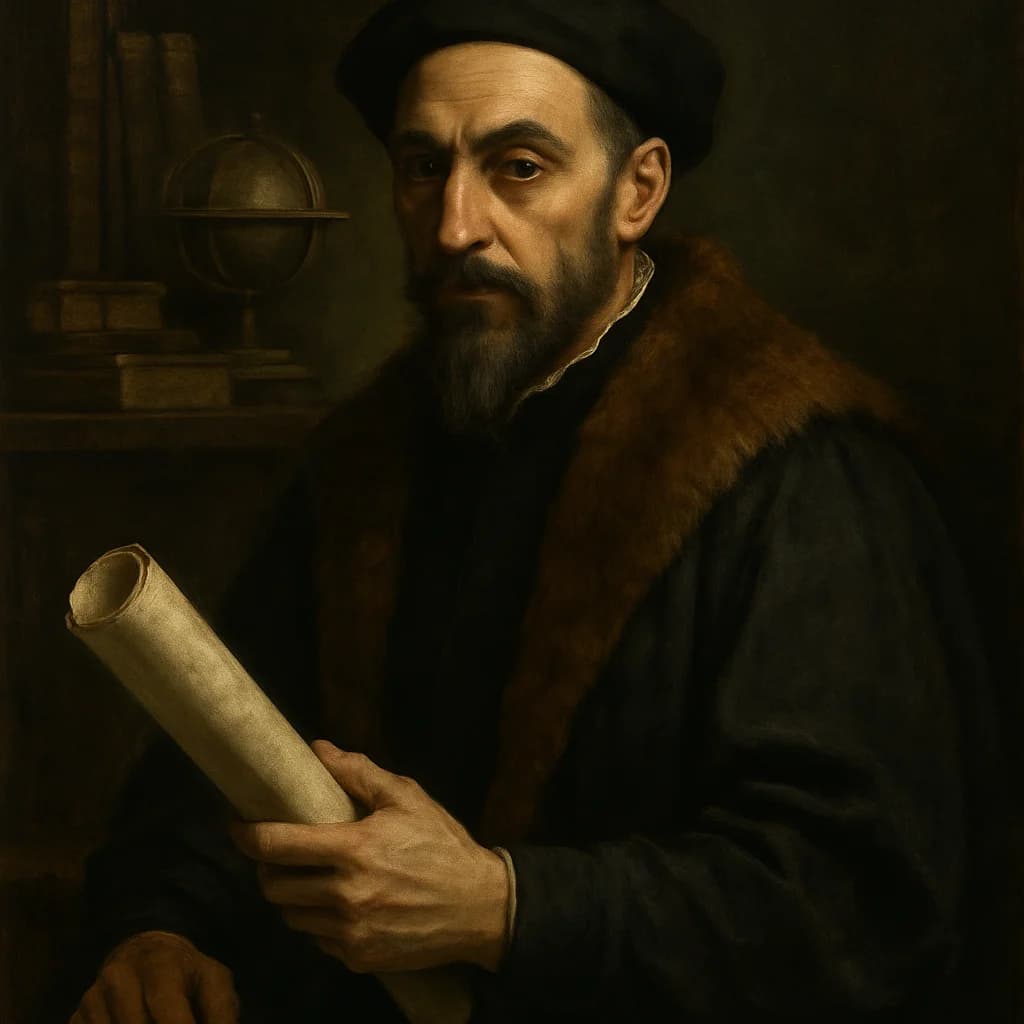
Amerigo Vespucci
The man who gave America its name may never have set foot on American soil.
Amerigo Vespucci was a mediocre businessman who stumbled into immortality through the power of good marketing and geographical confusion. Born into a prosperous Florentine family in 1454, he spent his early career managing the Medici bank's operations in Seville, a job he was spectacularly bad at. When the bank finally cut him loose in 1496, he reinvented himself as an explorer, joining Spanish and Portuguese expeditions to the New World.
But Vespucci's real genius wasn't navigation. It was narrative. While Columbus stubbornly insisted he'd reached Asia, Vespucci wrote vivid letters describing a completely new continent. He didn't just report geographical facts; he crafted stories. His accounts of naked cannibals and exotic customs became bestsellers across Europe, reprinted dozens of times. The letters were so popular that when German mapmaker Martin Waldseemüller needed to name the new landmass in 1507, Vespucci's name came to mind first.
The irony runs deeper than mistaken credit. Vespucci's most famous voyage (the one that supposedly proved South America was a separate continent) probably never happened. Scholars now believe he fabricated key details, combining real observations from minor coastal expeditions with secondhand accounts and pure invention. His 1504 letter describing this phantom journey became the foundation for naming an entire hemisphere.
Vespucci died in 1512, working as Spain's chief navigator, still trying to solve the puzzle of how to reach Asia by sailing west. He never knew his name would outlive Columbus, never imagined that continents would bear his signature. History's greatest naming accident came from a man who understood that sometimes the story matters more than the truth.
Vespucci claimed in one letter that he had discovered a continent inhabited by people who lived 150 years and had no private property, a description so fantastical that it reads more like early science fiction than exploration report.
Why untold: His role as a skilled self-promoter who may have fabricated key voyages is overshadowed by the simple fact that continents bear his name.
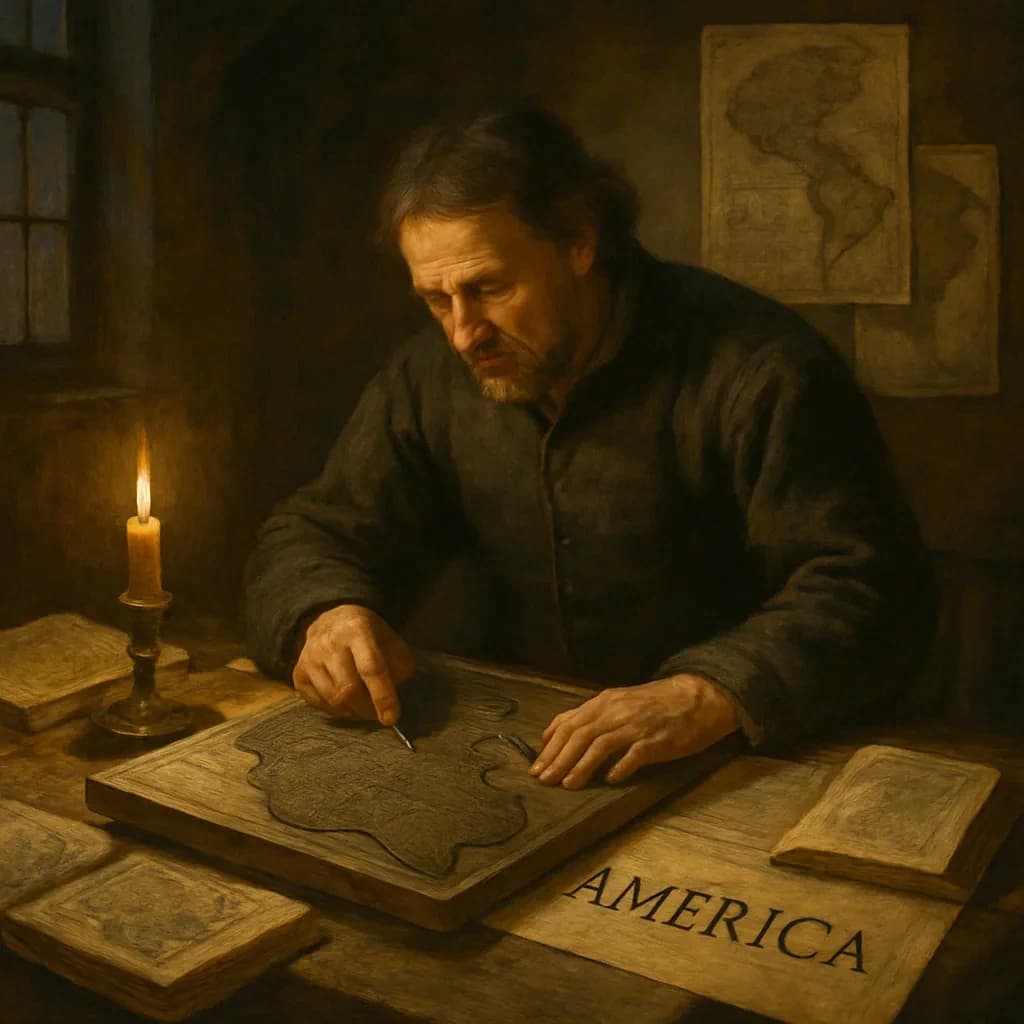
He Named America, Then Tried to Take It Back
A German mapmaker named a continent after the wrong man in 1507, and the man who actually discovered it spent his final years watching someone else's name get carved into the world.
Columbus's Letter Convinced Europe It Had Reached Asia
A single letter, written in haste by a sailor who had never actually measured anything, convinced Europe it had found Asia, and the mistake held for decades.
He Named America, Then Tried to Take It Back
A German mapmaker printed one name across a new continent, came to regret it, and spent the rest of his life erasing it, but the name had already escaped him.
Naming America: The Map Made in a Landlocked City
A Flemish artist who never left Europe may have done more to shape the Americas than any conquistador.
The Mapmaker Who Tried to Un-Name America
A German mapmaker in a small Alsatian town gave the New World its name, and spent the rest of his life trying to take it back.
Three Days in a Florentine Bedroom, and the Lie That Named a Continent
A dying woman's deathbed confession in Florence may have been the real reason America got its name, and it had nothing to do with Amerigo Vespucci's voyages.
A Jailed Merchant's Letter Accidentally Named the Americas
A jailed Florentine merchant wrote a letter from his cell that accidentally gave the Americas their name. And he had nothing to do with discovering them.
How America Got the Wrong Man's Name
A German mapmaker christened the New World in 1507 after the wrong man, and the one who deserved the credit spent his final years watching someone else's name get written into history.
The Mapmaker Who Named America, Then Erased It
The man who named America never crossed the Atlantic. He just happened to own the right printing press at the right moment.
How One Forged Letter Named America
One afternoon in 1507, a German monk decided what to call the new world, and got it completely wrong for reasons no one talks about.
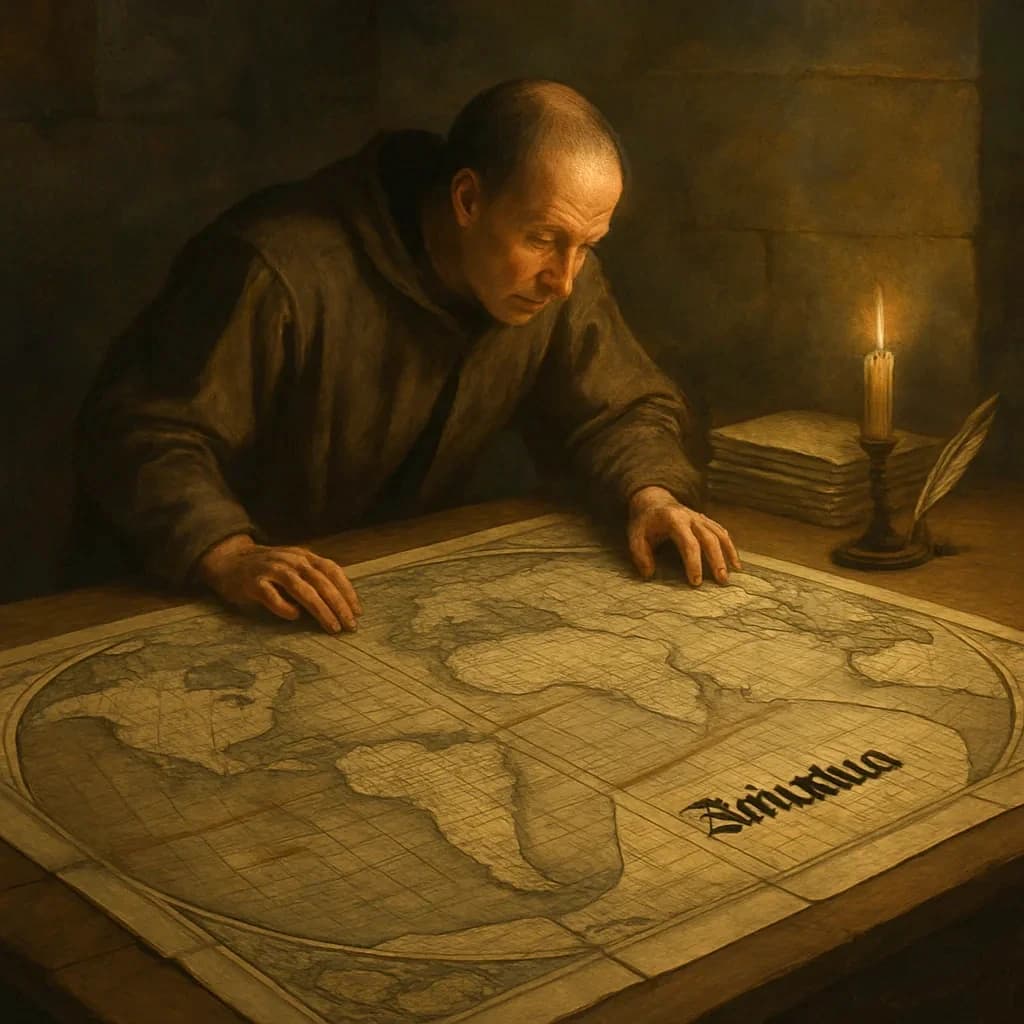
He Named America, Then Tried to Erase It
A German printer published a map that showed the entire New World, and quietly credited the wrong man for discovering it, setting in motion an argument that has never fully ended.
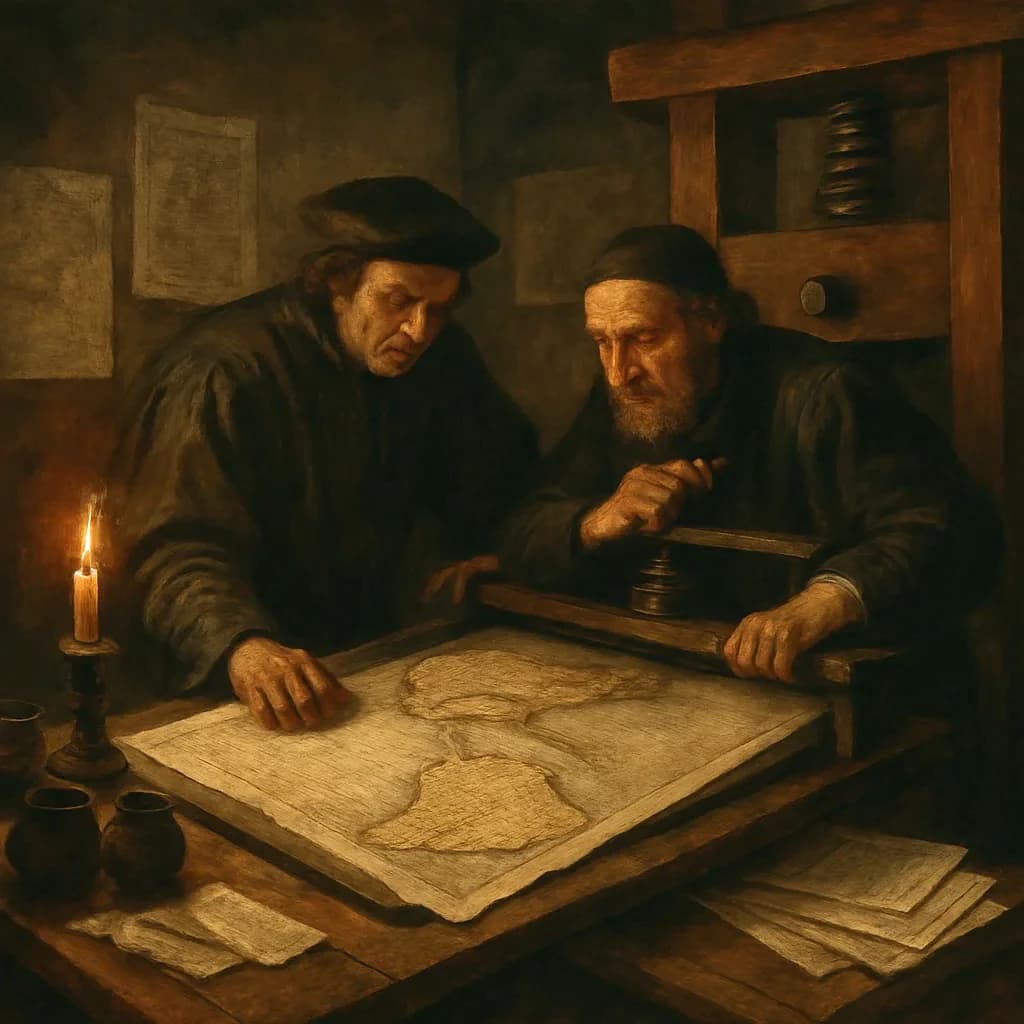
A 1507 Map of a Coast No One Had Sailed
A German mapmaker drew the coast of South America in 1507 with startling accuracy, decades before anyone had sailed it.
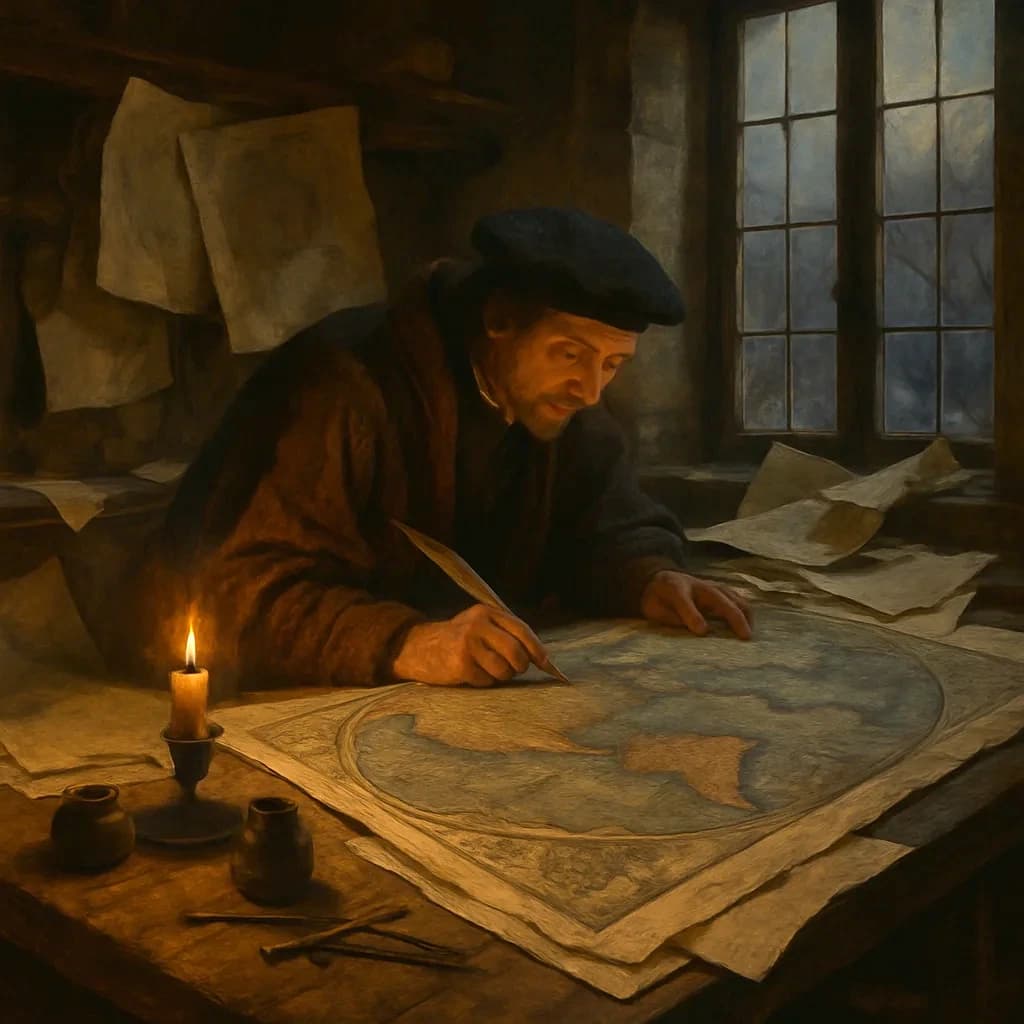
How a Forged Pamphlet Named America
A German mapmaker in 1507 named the entire western hemisphere after a man who didn't discover it. And the reason has nothing to do with credit, jealousy, or politics.
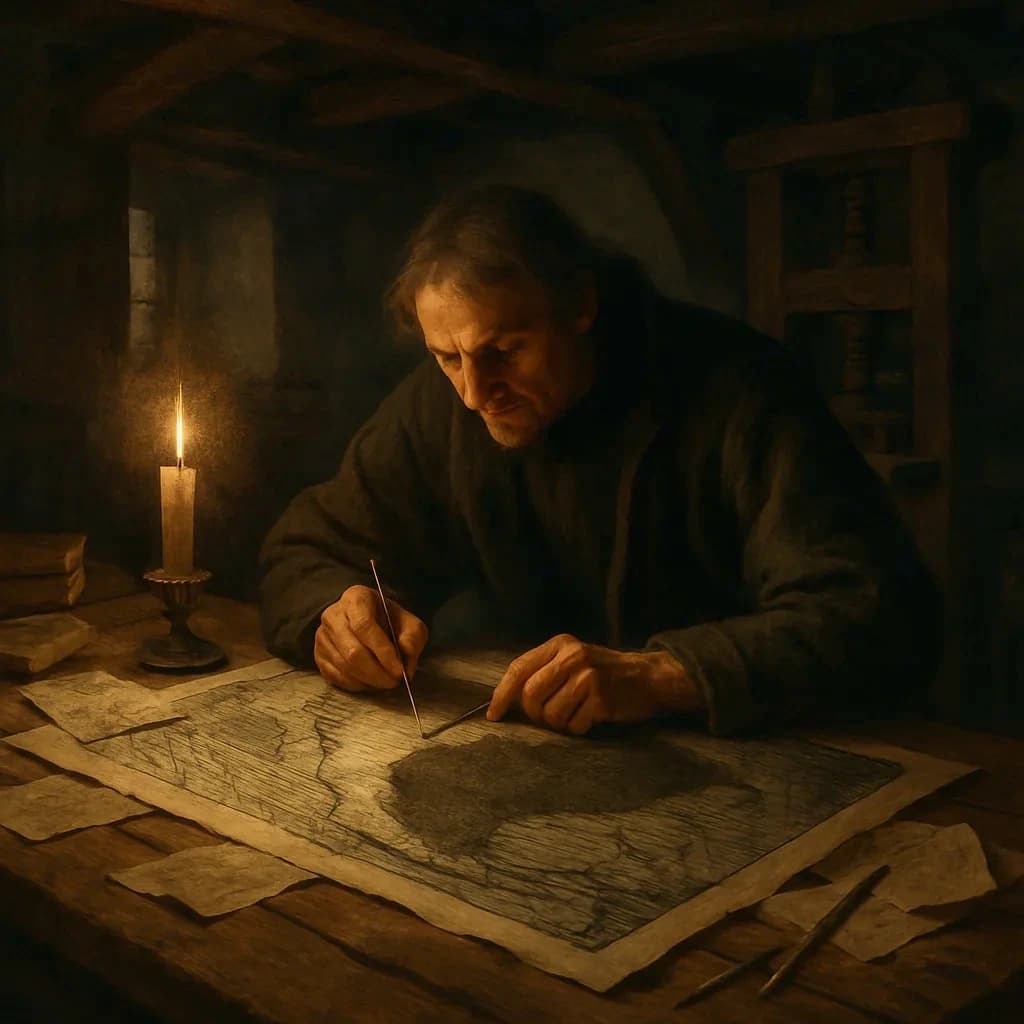
Four Days in a Florentine Jail, and the Map That Named the World
A minor Florentine clerk spent four days in prison for debt, and used the time to write a letter that gave America its name.
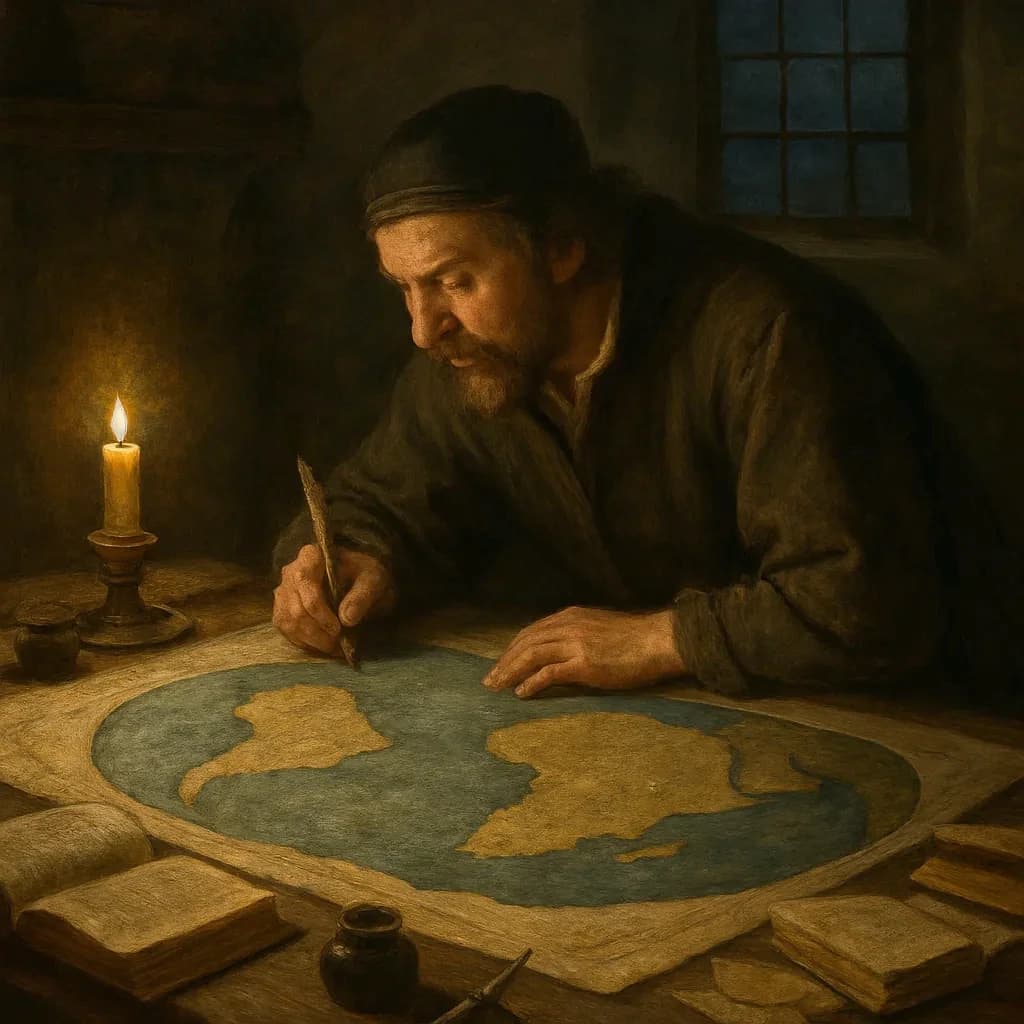
He Named America, Then Spent a Decade Erasing It
A map drawn in 1507 gave the New World a name, but the man who made it spent his final years desperately trying to take it back.
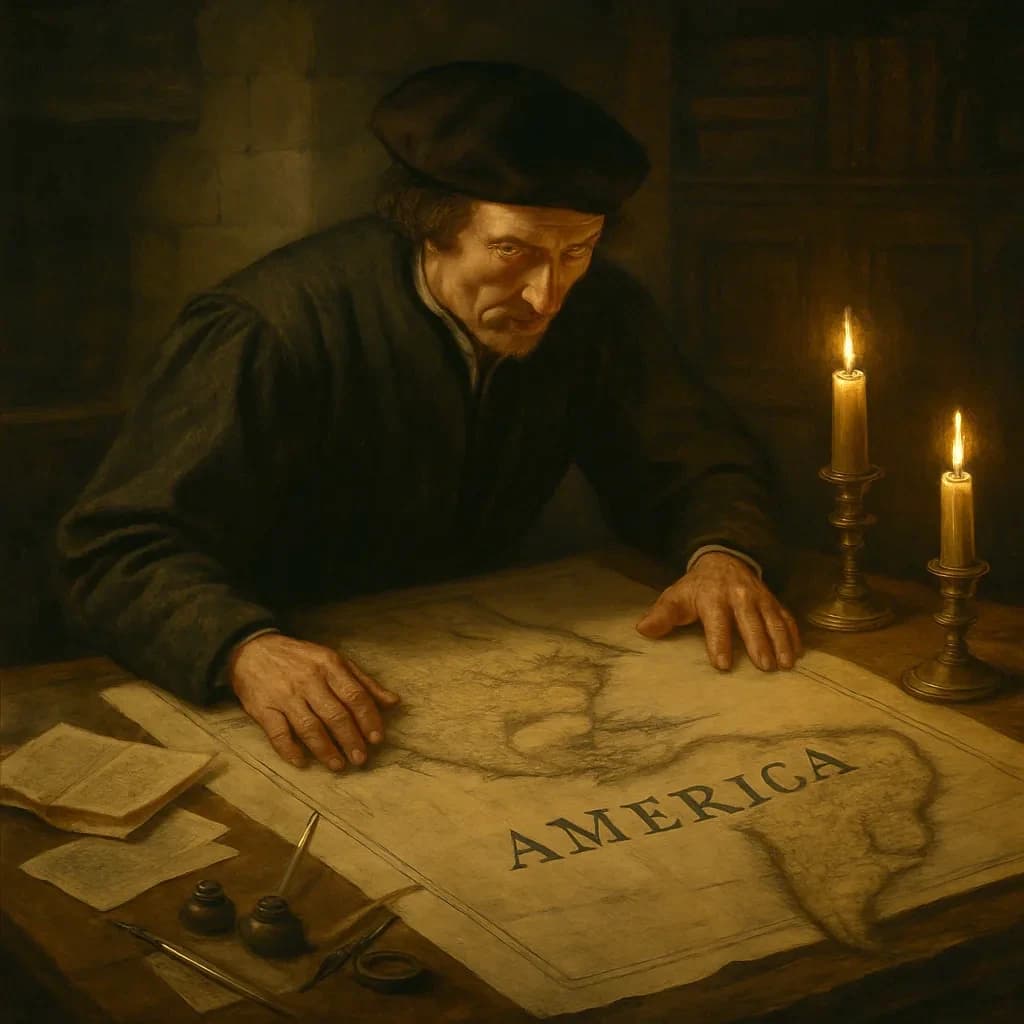
He Named America, Then Tried to Undo It
A German mapmaker named an entire continent in 1507, then spent the rest of his life trying to take it back.
How an Unpaid Haircut Named America
A single unpaid haircut in Seville determined which European power would dominate the Americas for three centuries.
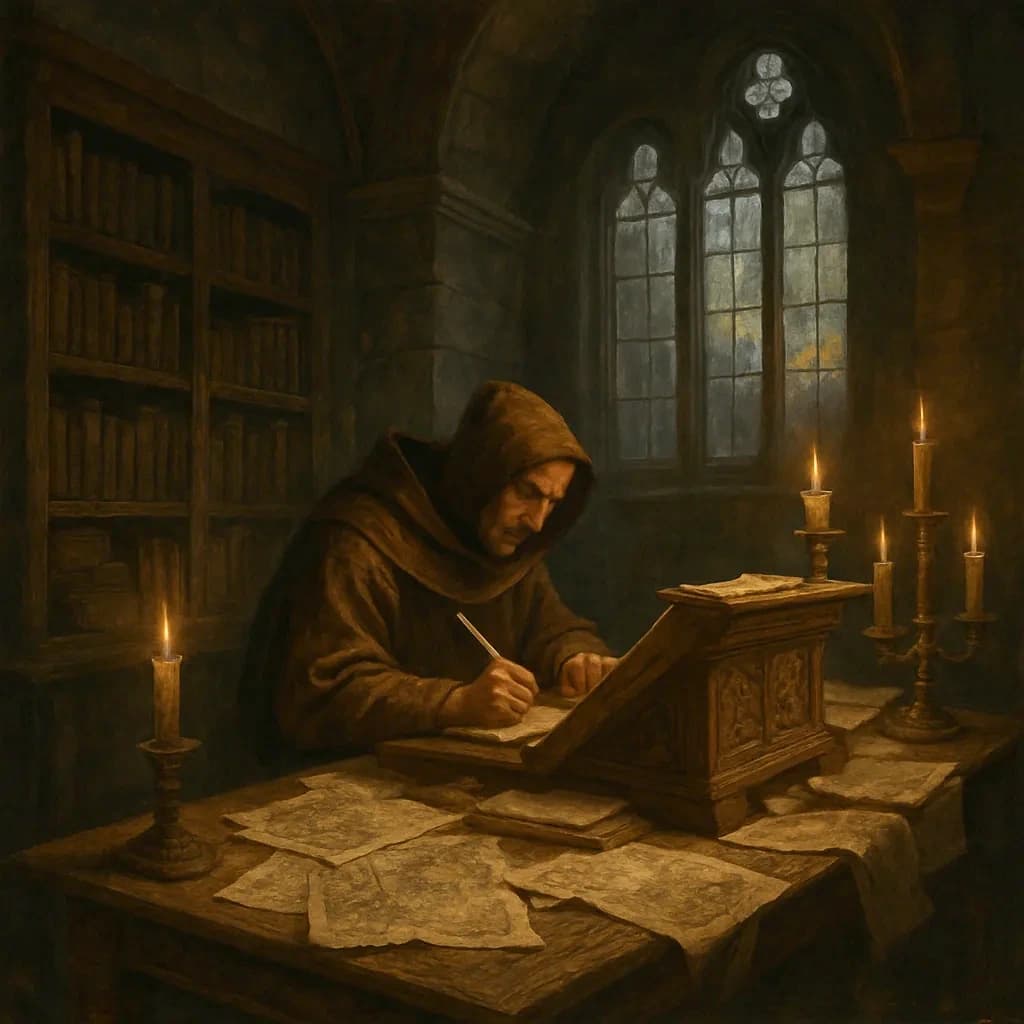
He Named America, Then Tried to Erase It
Martin Waldseemüller made the map that put America on the world in 1507, then spent the rest of his life trying to unmake it.
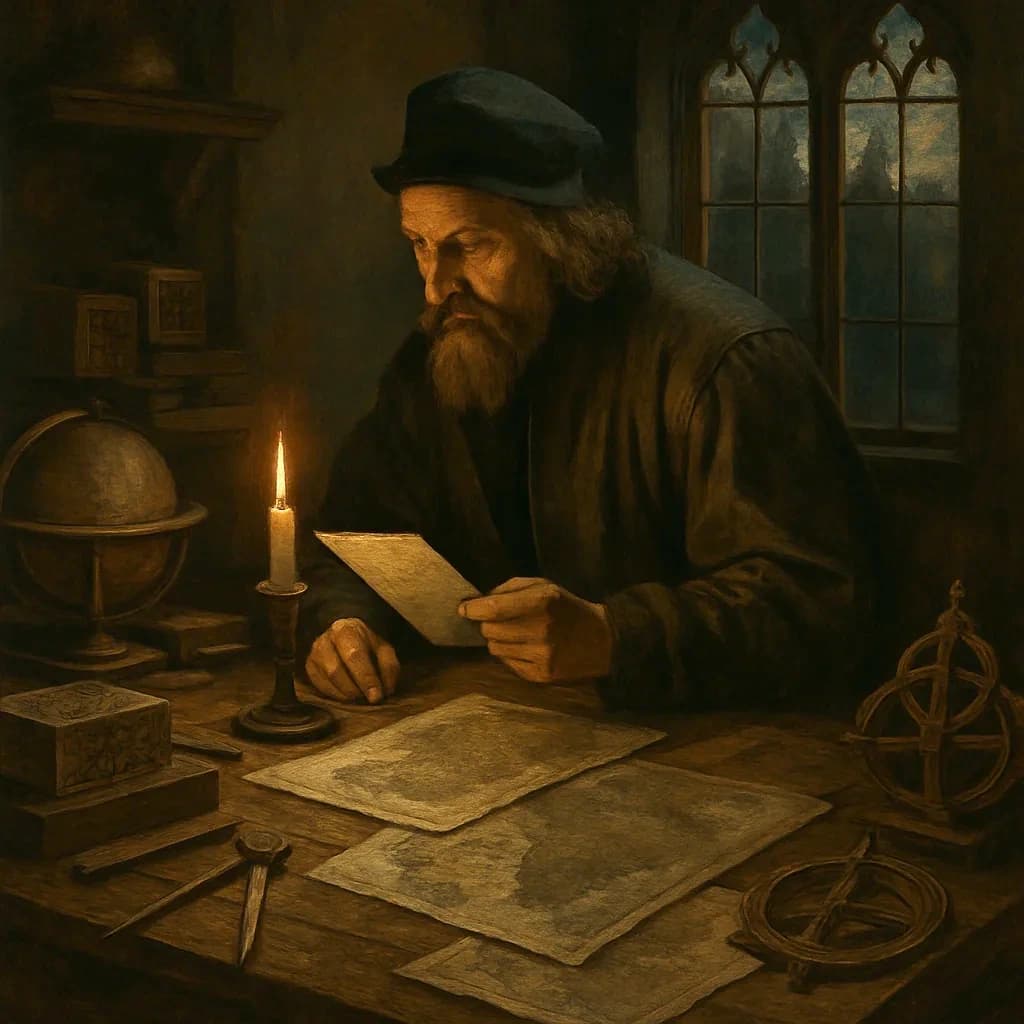
A German Mapmaker Accidentally Named America
In 1507, a German mapmaker put a new continent on his world map based entirely on a letter from a Florentine navigator, and accidentally gave America its name.
- Felipe Fernández-Armesto, Amerigo: The Man Who Gave His Name to America (2007)
- Stefan Zweig, Amerigo: A Comedy of Errors in History (1944)
- Letters of Amerigo Vespucci, translated in Various Collections