
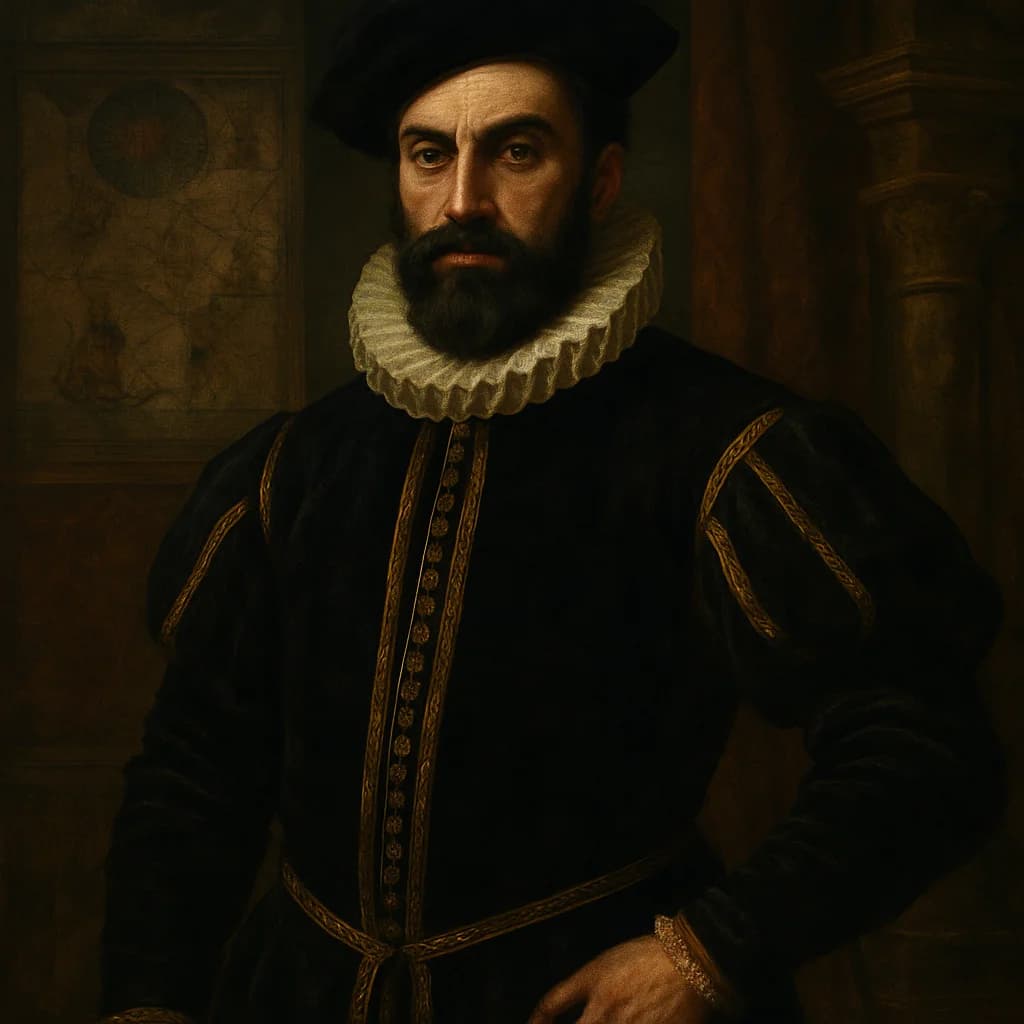
Vasco da Gama
The man who found India by accident became history's most reluctant mass murderer.
Vasco da Gama never wanted to be an explorer. Born into a minor noble family in Sines, Portugal, he was perfectly content managing his father's estates and dodging royal court politics. When King Manuel I chose him in 1497 to lead Portugal's first direct voyage to India, da Gama accepted reluctantly. The previous four commanders had either died or declined the suicide mission.
What followed was less heroic discovery than systematic brutality. Da Gama's first voyage around Africa's Cape of Good Hope was indeed groundbreaking, but his methods in the Indian Ocean were medieval. He routinely tortured Arab pilots for navigational secrets, burned entire ships of Muslim pilgrims alive, and bombarded the peaceful port of Calicut simply because local merchants preferred dealing with established Arab traders over unknown Portuguese newcomers.
The irony was profound: while European chroniclers celebrated his 'discovery' of the sea route to India, da Gama relied entirely on established Arab and Indian navigational knowledge. Local pilots had been sailing these waters for centuries using sophisticated monsoon patterns and celestial navigation. Da Gama simply muscled his way into an existing network, then claimed credit for finding what was never lost.
His second voyage in 1502 was pure vengeance. Still smarting from his lukewarm reception in Calicut, da Gama returned with twenty warships and a simple strategy: terror. He systematically attacked any vessel flying non-Portuguese colors, creating such chaos in the Indian Ocean that spice prices in Europe tripled overnight. The 'Age of Exploration' had begun, but it looked suspiciously like organized piracy with royal backing.
Da Gama once captured a ship of 400 Muslim pilgrims returning from Mecca, locked them in the hold, and set the entire vessel ablaze, then forced the survivors' families to watch from shore.
Why untold: Portuguese and later European historians systematically sanitized his brutality to maintain the narrative of noble exploration and Christian triumph.
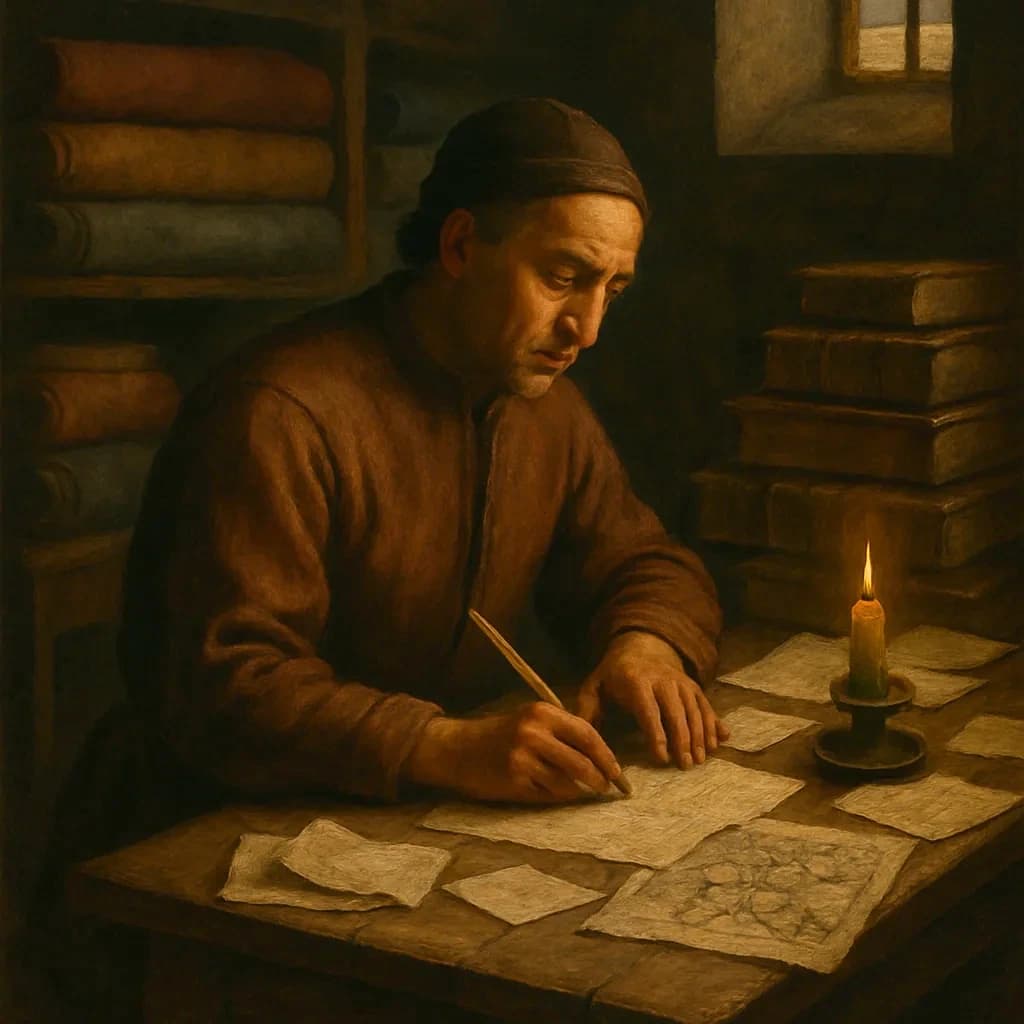
A Cloth Trader Who Never Left Home Redrew the World
A Florentine cloth trader who never left home redrew the known world, and killed the career of every professional cartographer who came after him.
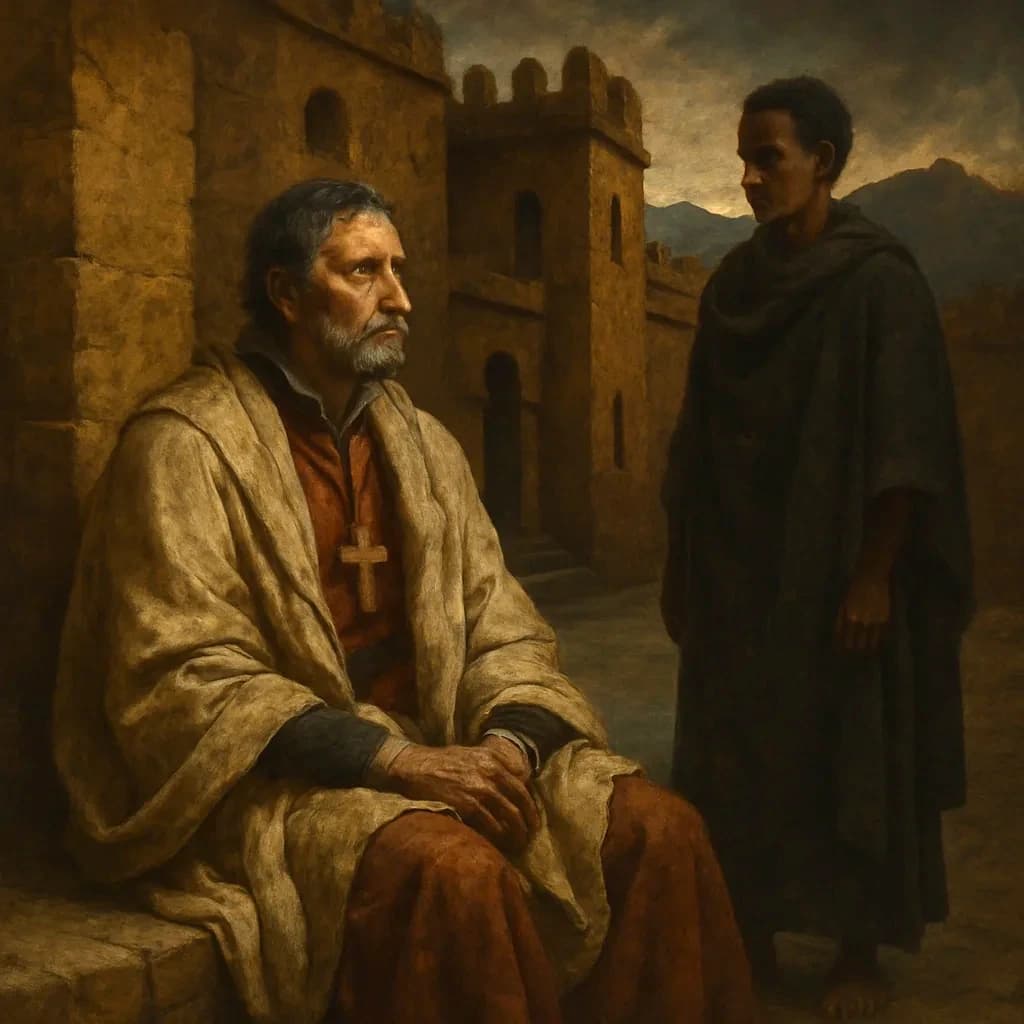
The Spy Sent to Find Mali's Gold Was Never Heard From Again
In 1487, a Portuguese spy walked into the court of the Mali Empire with orders to find the source of Africa's gold, and nobody ever heard from him again.
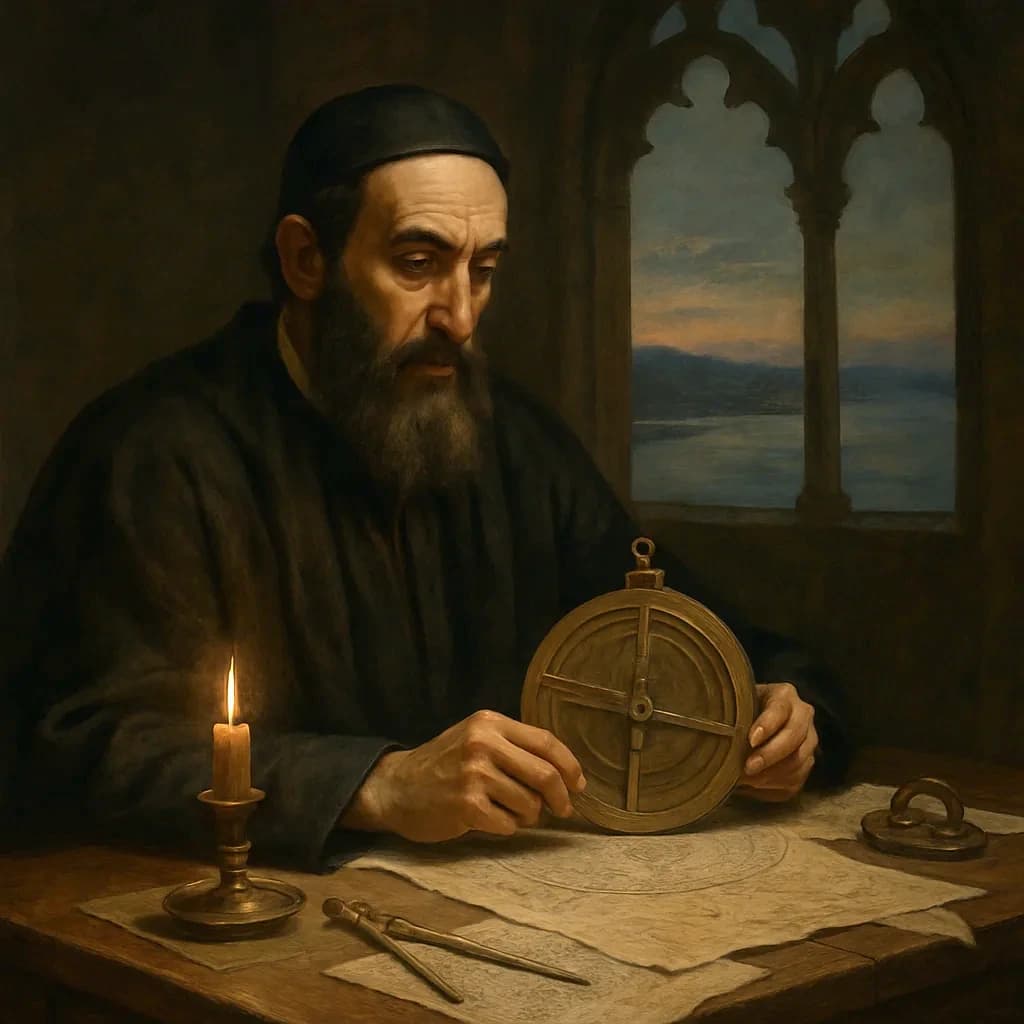
His Tables Sent Da Gama to India
A Jewish scholar, expelled from Spain, handed Portugal the exact information it needed to monopolize the Indian Ocean, and nobody wrote his name down.
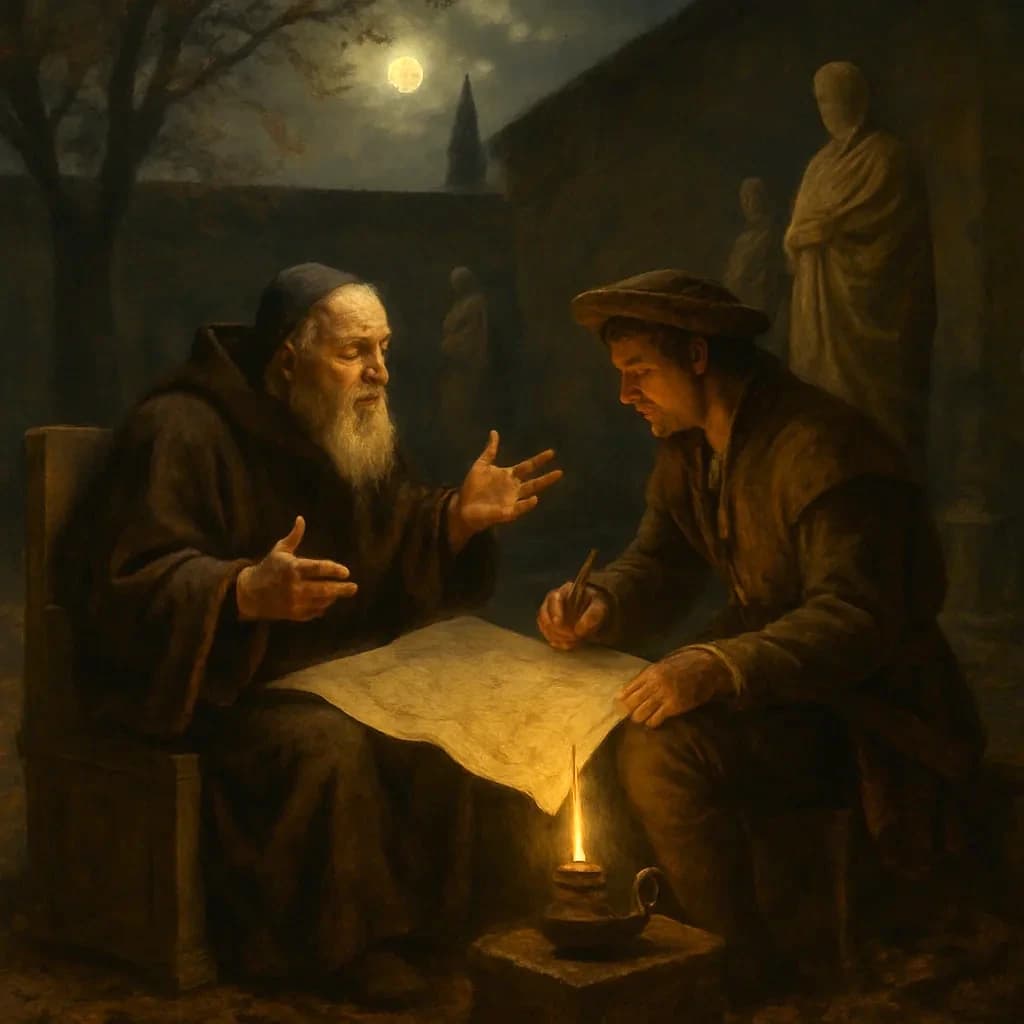
A Dying Scholar Handed Portugal the Route to India
A single dinner conversation in 1494, between a dying scholar and a Portuguese spy, quietly redirected European exploration for the next century.
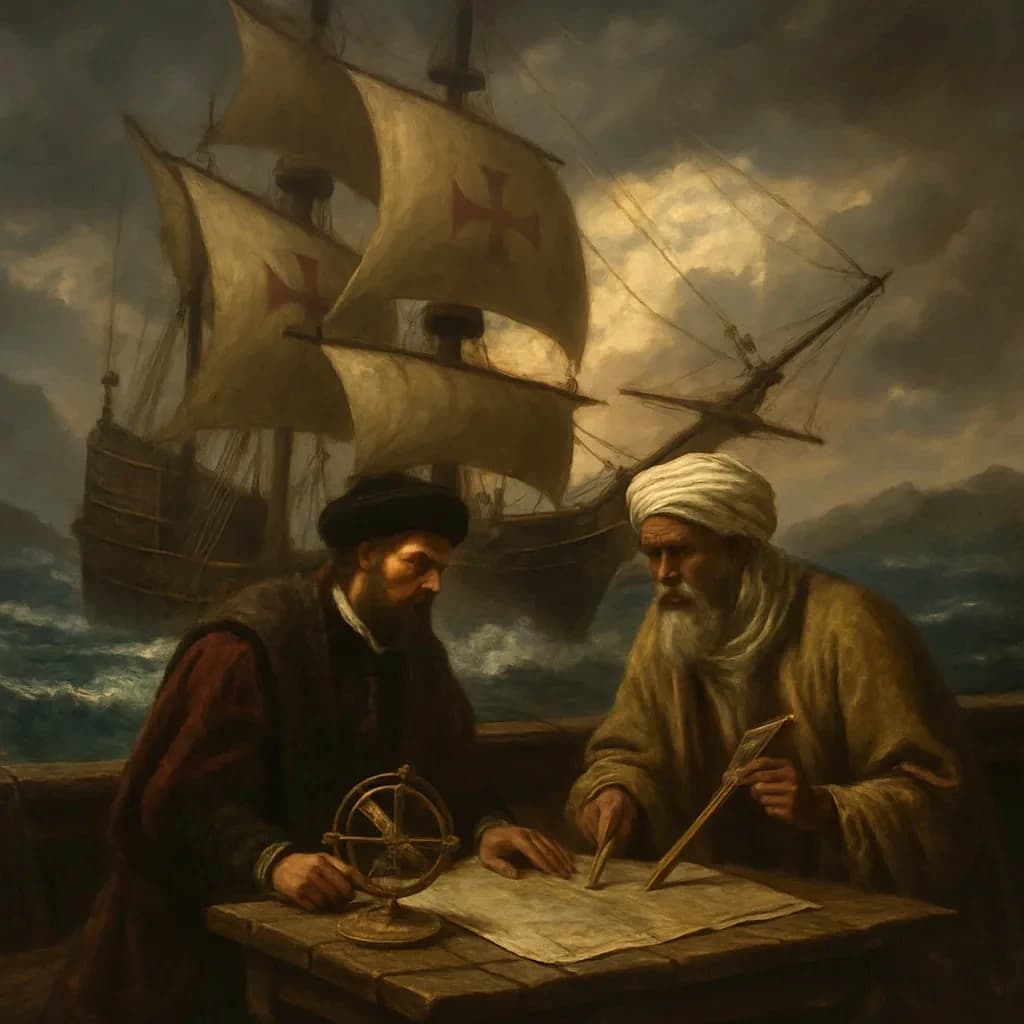
The Navigator the Vatican Erased
When Europe's most brilliant navigator lost his instruments in a storm, he discovered something that would change how Christianity understood the world.
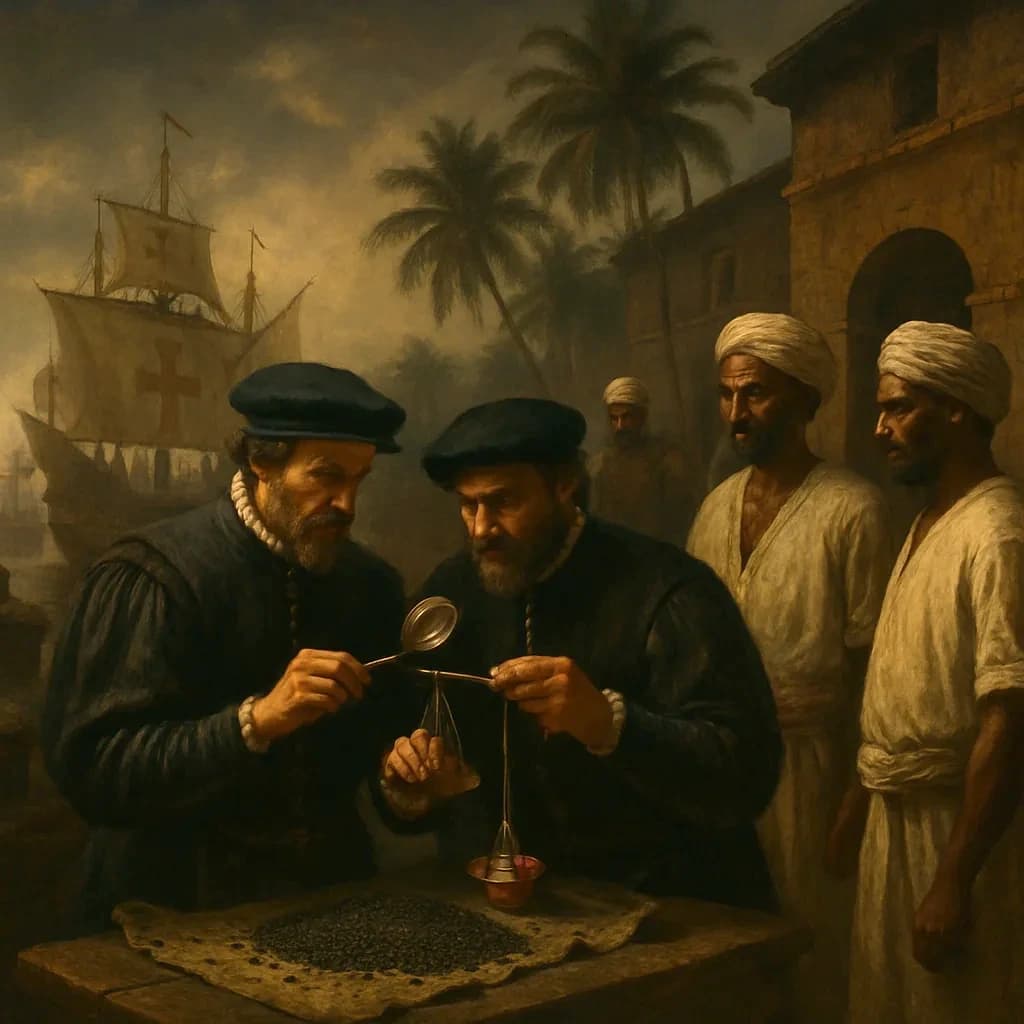
Pepper: The Spice Worth Its Weight in Silver
A single peppercorn could buy a sheep, and the search for black pepper reshaped three continents.
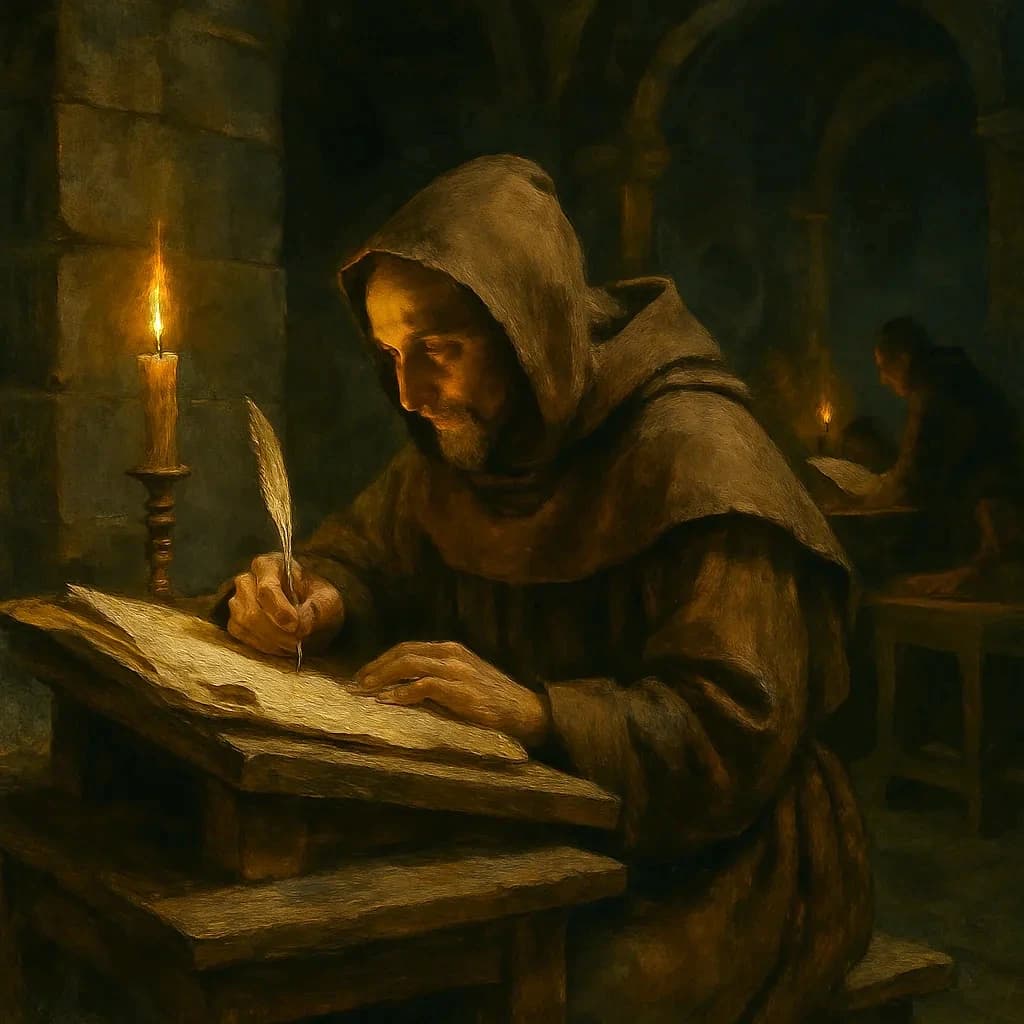
One Misplaced Period Rerouted the Spice Trade
A scribe's tiny mark changed the direction of world history more than any battle ever fought.
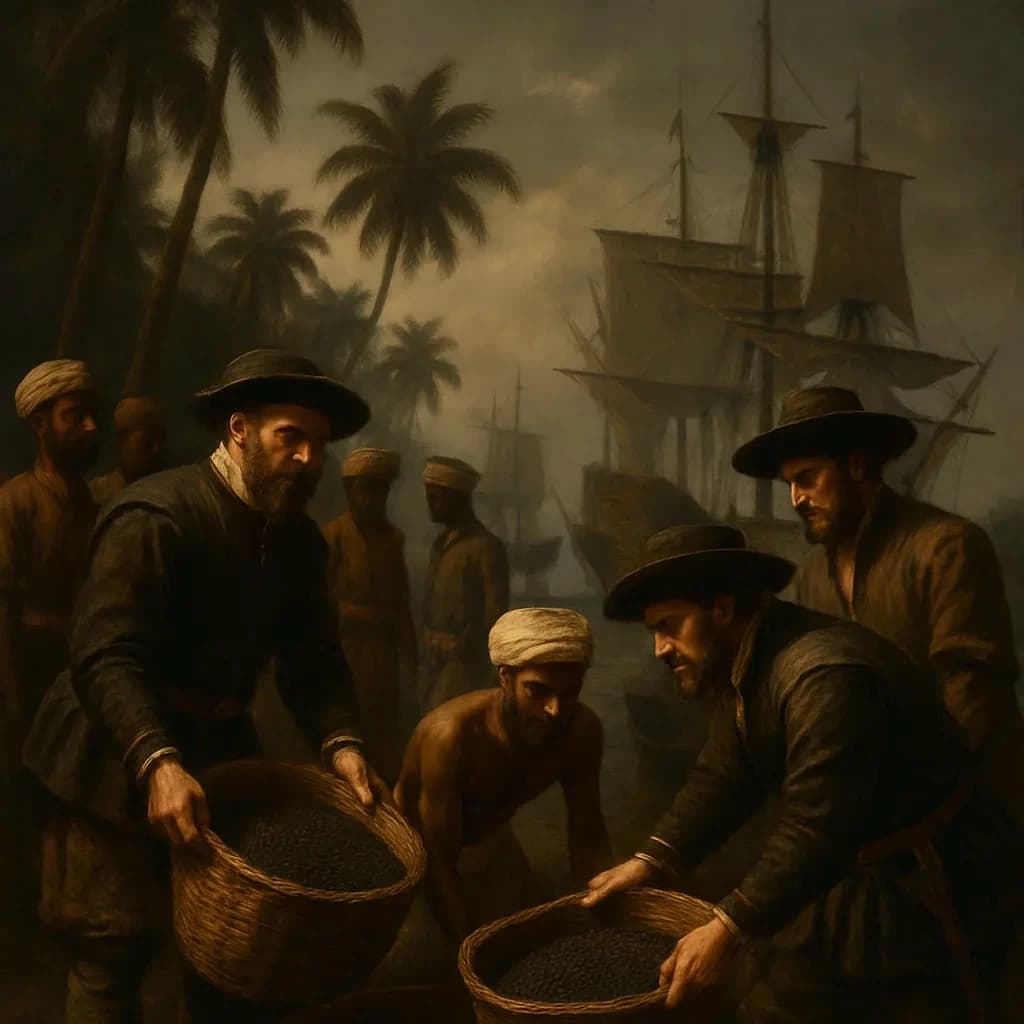
Pepper: The Spice Worth More Than Silver
A single cooking spice triggered Europe's most expensive war and changed the balance of power between East and West forever.
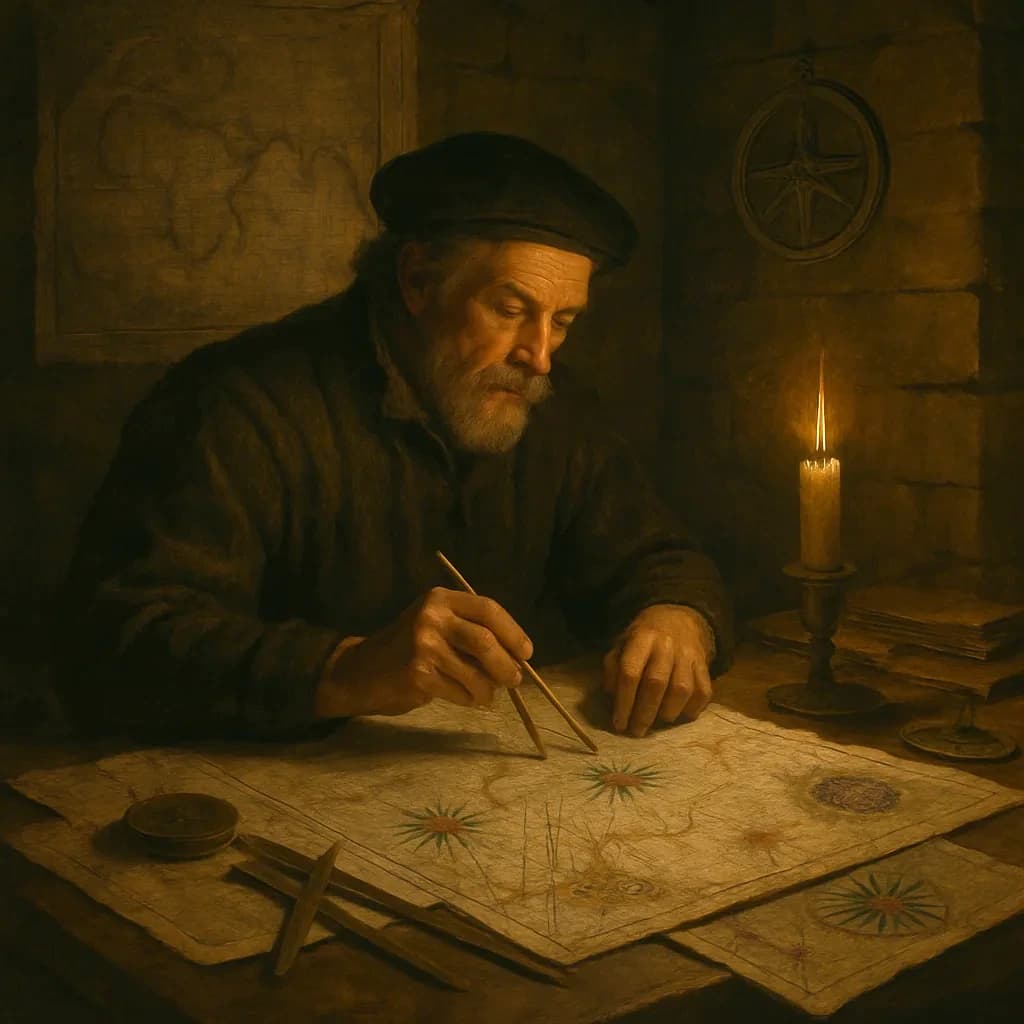
He Mapped India So Well It Bankrupted Venice
One Portuguese mapmaker's obsession with precision quietly destroyed the most profitable trade route in human history.
- Sanjay Subrahmanyam, 'The Career and Legend of Vasco da Gama' (1997)
- Nigel Cliff, 'Holy War: How Vasco da Gama's Epic Voyages Turned the Tide in a Centuries-Old Clash of Civilizations' (2011)
- K.M. Mathew, 'History of the Portuguese Navigation in India (1497-1600)' (1988)