
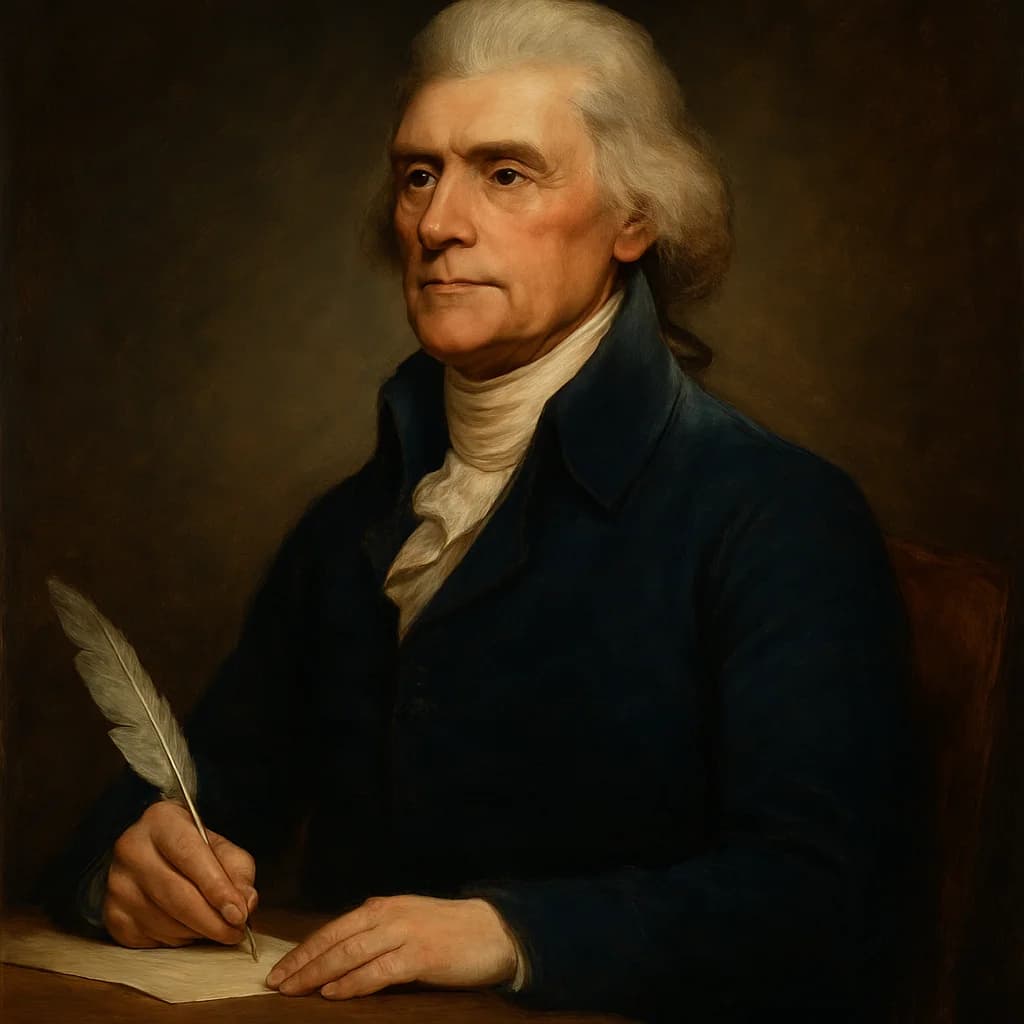
Thomas Jefferson
The man who wrote that all men are created equal spent his presidency terrified of a place where enslaved people had actually made it true.
Thomas Jefferson penned the most beautiful words about human freedom in American history, then spent decades ensuring that certain humans would never read them. While he proclaimed liberty as an inalienable right, he simultaneously worked to suppress news of the Haitian Revolution, fearing that enslaved Americans might get dangerous ideas about applying his own principles.
The contradiction consumed him. Jefferson owned over 600 people during his lifetime, yet genuinely believed slavery was morally wrong, a "fire bell in the night" that would doom the republic. He drafted plans for gradual emancipation, then shelved them. He fathered children with Sally Hemings, an enslaved woman who was likely his deceased wife's half-sister, then never acknowledged them publicly. He wrote passionate letters about the corrupting effects of slavery on white masters, then calculated the precise dollar value of enslaved children before they could walk.
When Haiti's former slaves defeated Napoleon's army and declared independence in 1804, Jefferson faced his worst nightmare: proof that his words about equality weren't just for white men. He refused to recognize Haiti diplomatically, imposed a trade embargo, and banned Haitian newspapers from American ports. The revolution that should have vindicated his philosophy instead sent him scrambling to contain it.
Jefferson died on July 4, 1826, exactly fifty years after the Declaration of Independence. In his final years, he watched helplessly as his debts mounted and his enslaved workforce became his most valuable asset. The man who had proclaimed that the tree of liberty must be refreshed with the blood of tyrants discovered that his own freedom depended entirely on others' bondage. His last act of emancipation freed exactly five people, all members of the Hemings family.
Jefferson calculated that an enslaved woman would produce a 4% annual profit through her children's labor, writing to a fellow planter that "I consider a woman who brings a child every two years as more profitable than the best man of the farm."
Why untold: American mythology prefers the contradiction-free founder who wrote beautiful words about freedom rather than the tortured slaveholder who spent decades trying to prevent those words from being taken literally.

Jefferson Told Lewis and Clark to Look for Living Mastodons
The third president did not believe extinction was possible, and he sent an expedition west partly to prove it.
A Failed Sheep Farmer Nearly Stopped America Moving West
A failed sheep farmer with a grudge and a cheap printing press nearly prevented the United States from ever expanding west.
Maps of Cities America Hadn't Built Yet
A customs inspector in Königsberg opened a suspicious leather case in 1789 and found something that wasn't supposed to exist for another century.
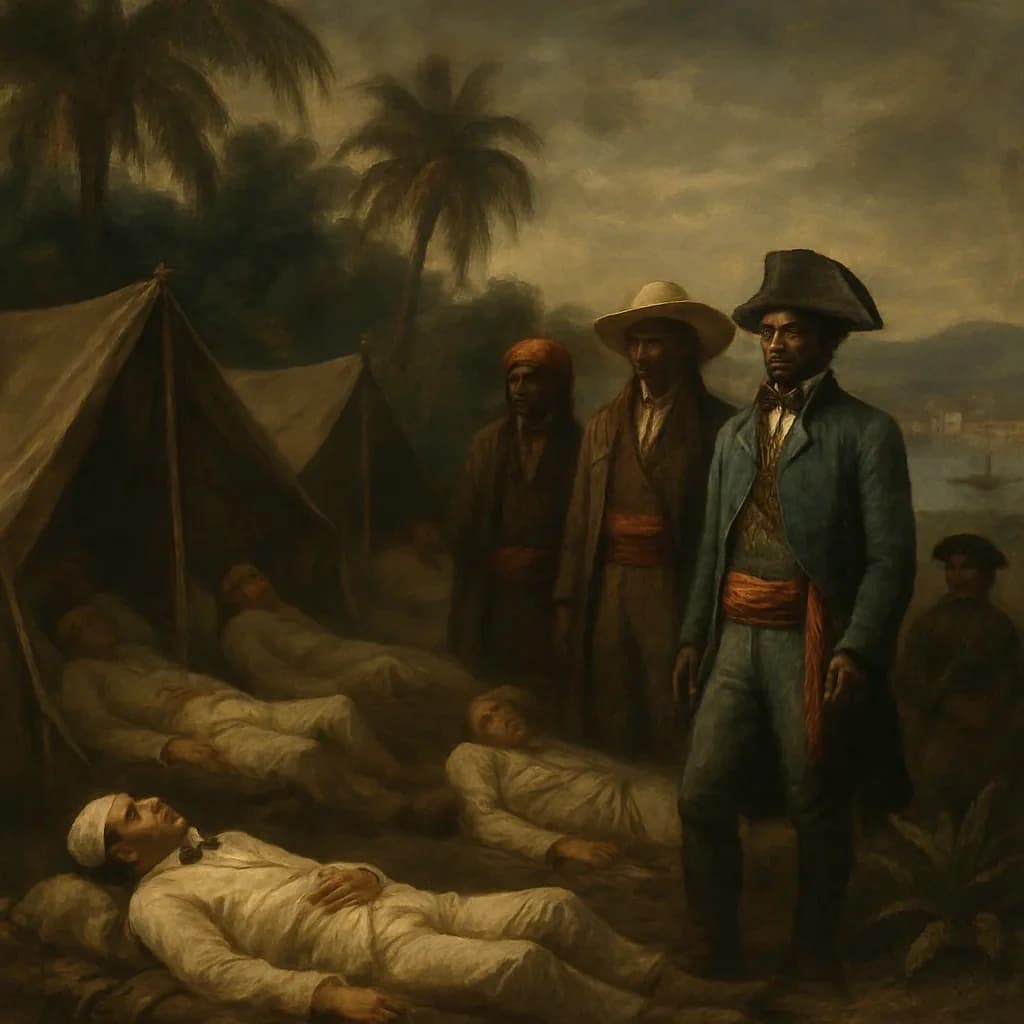
Yellow Fever Beat France's Army and Changed Three Empires
Yellow fever killed more French soldiers in Haiti than all the battles combined, and changed the course of three empires.
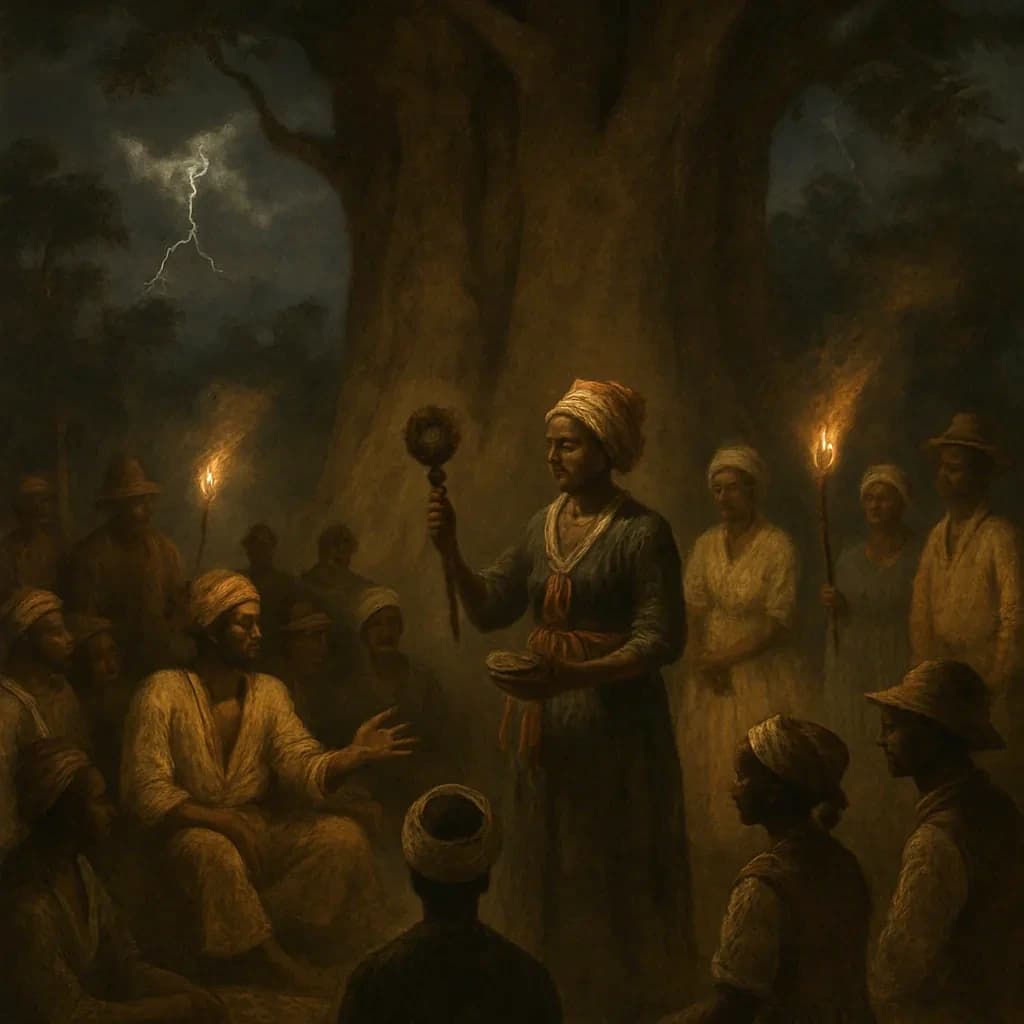
How Serving Chicken Helped Spark the Haitian Revolution
A cook decided the beef looked spoiled and served chicken instead, and that swap at a Saint-Domingue dinner party helped trigger the revolution that would terrify every slaveholding nation on earth.
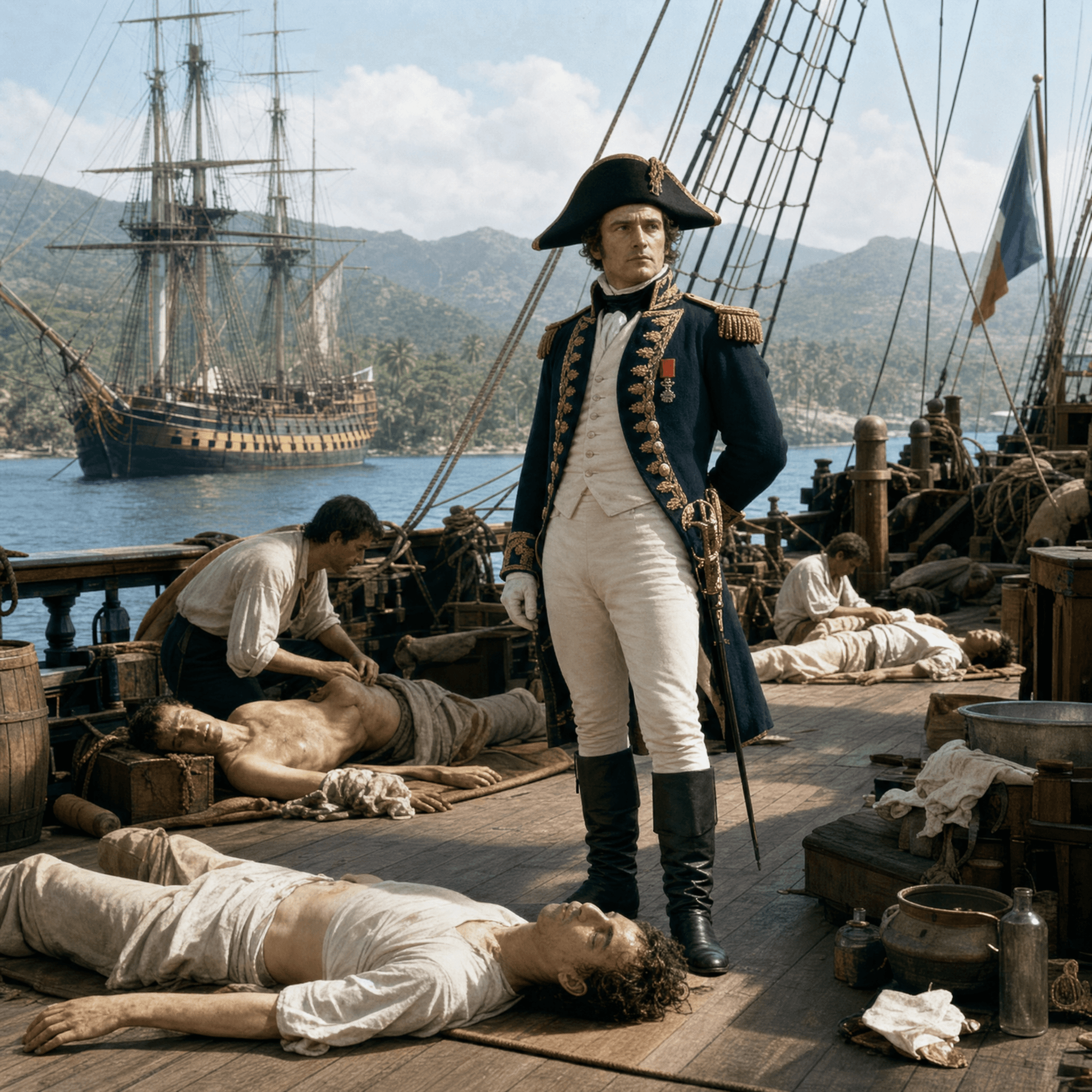
The Fever Ship That Freed Haiti
A single naval captain's decision to ignore quarantine may have saved the Haitian Revolution and terrified every slave owner in the Americas.
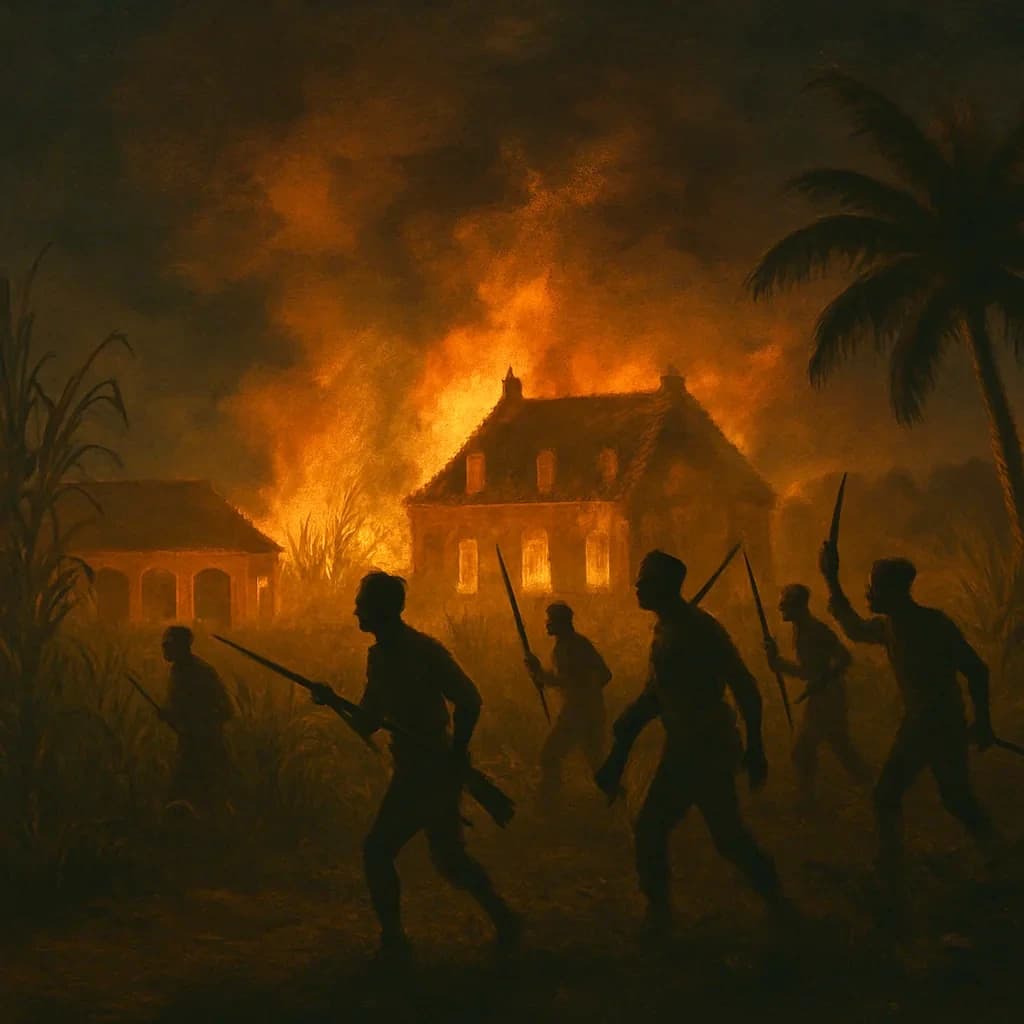
Haiti's Slaves Won a War the World Called Impossible
A slave uprising in Haiti sent shock waves through every plantation from Virginia to Brazil, and changed how the world thought about human bondage forever.
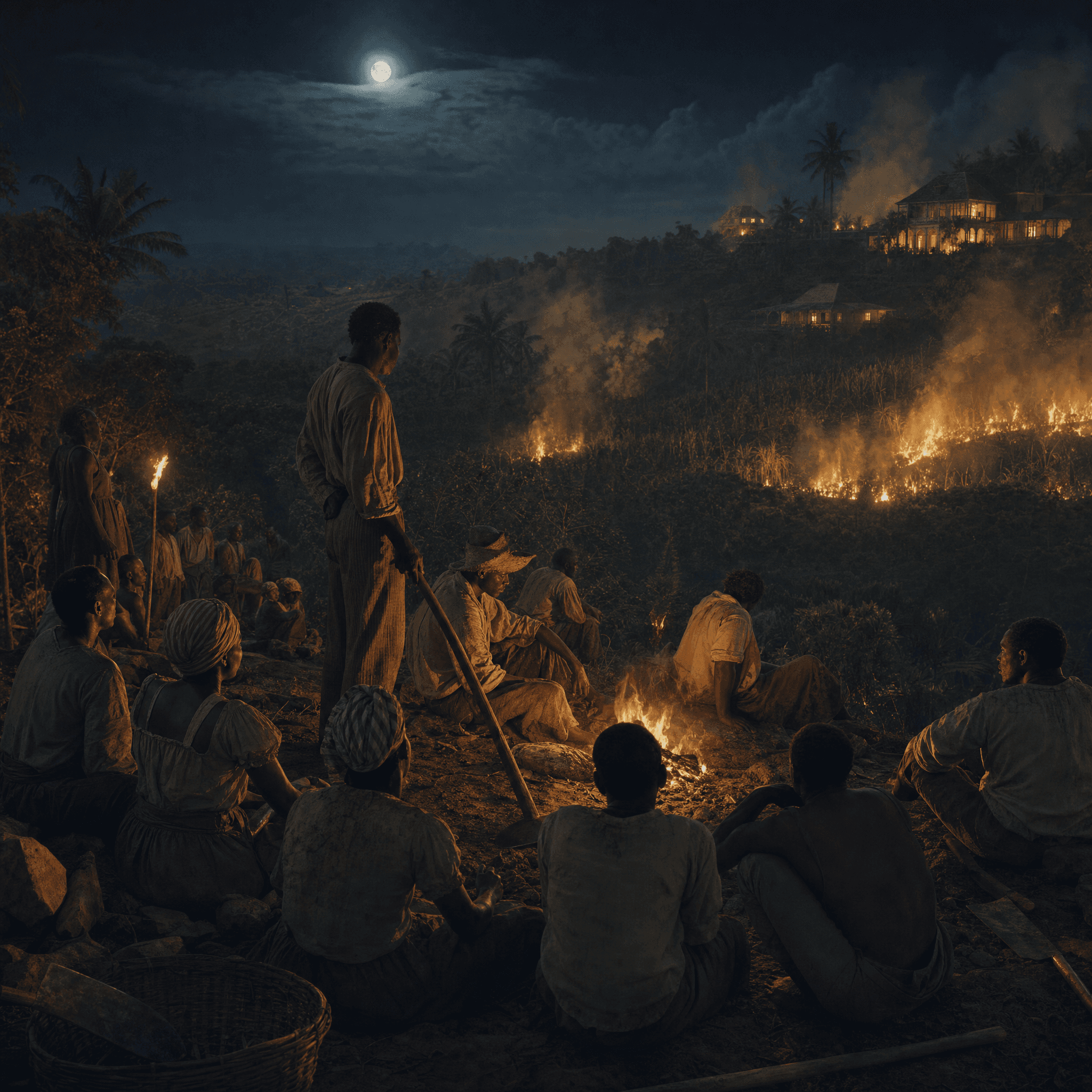
Every Slaveholder From Virginia to Brazil Was Having Nightmares
While Europe debated abolition in drawing rooms, a small Caribbean island was fighting the world's first successful slave revolution, and every slaveholder from Virginia to Brazil was having nightmares.
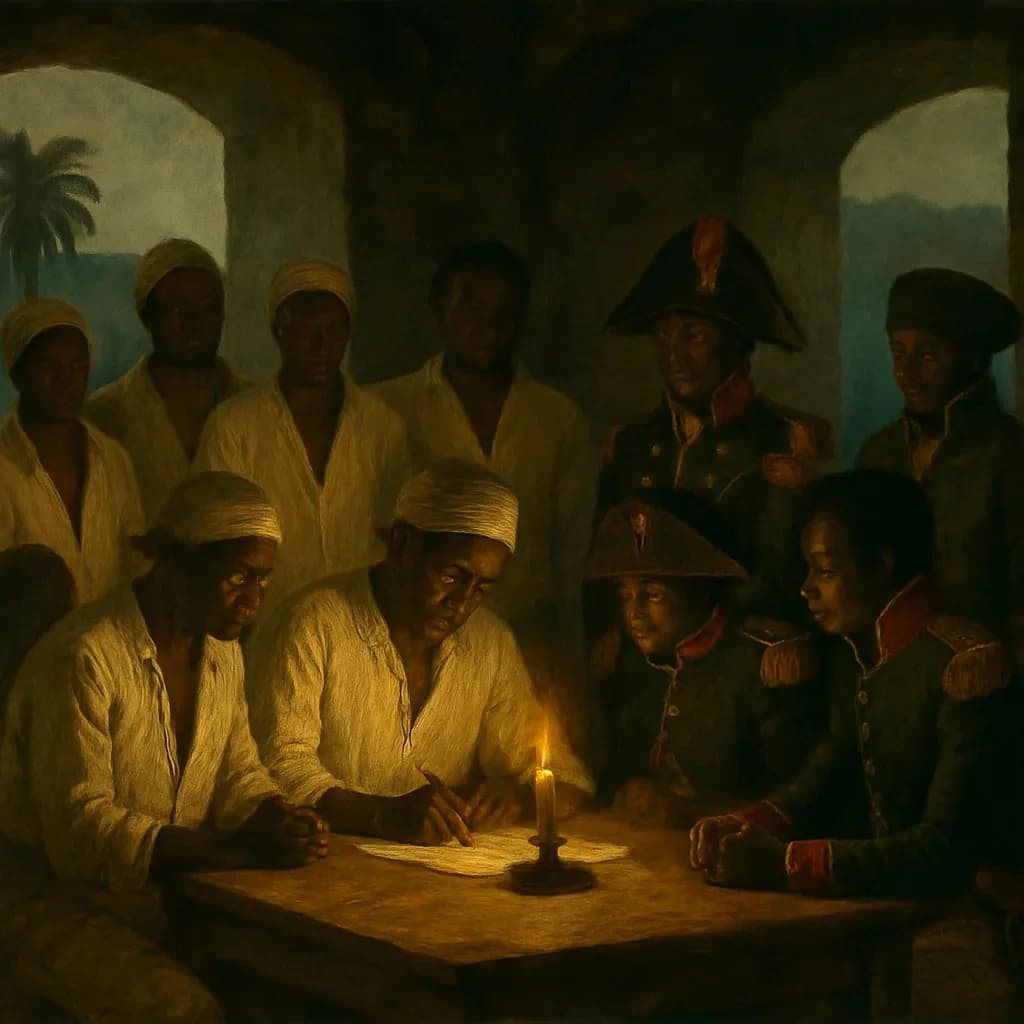
Haiti's Constitution: Any Slave Who Landed Was Free
The world's first successful slave revolution produced a document so radical that Thomas Jefferson ordered it banned from American soil.
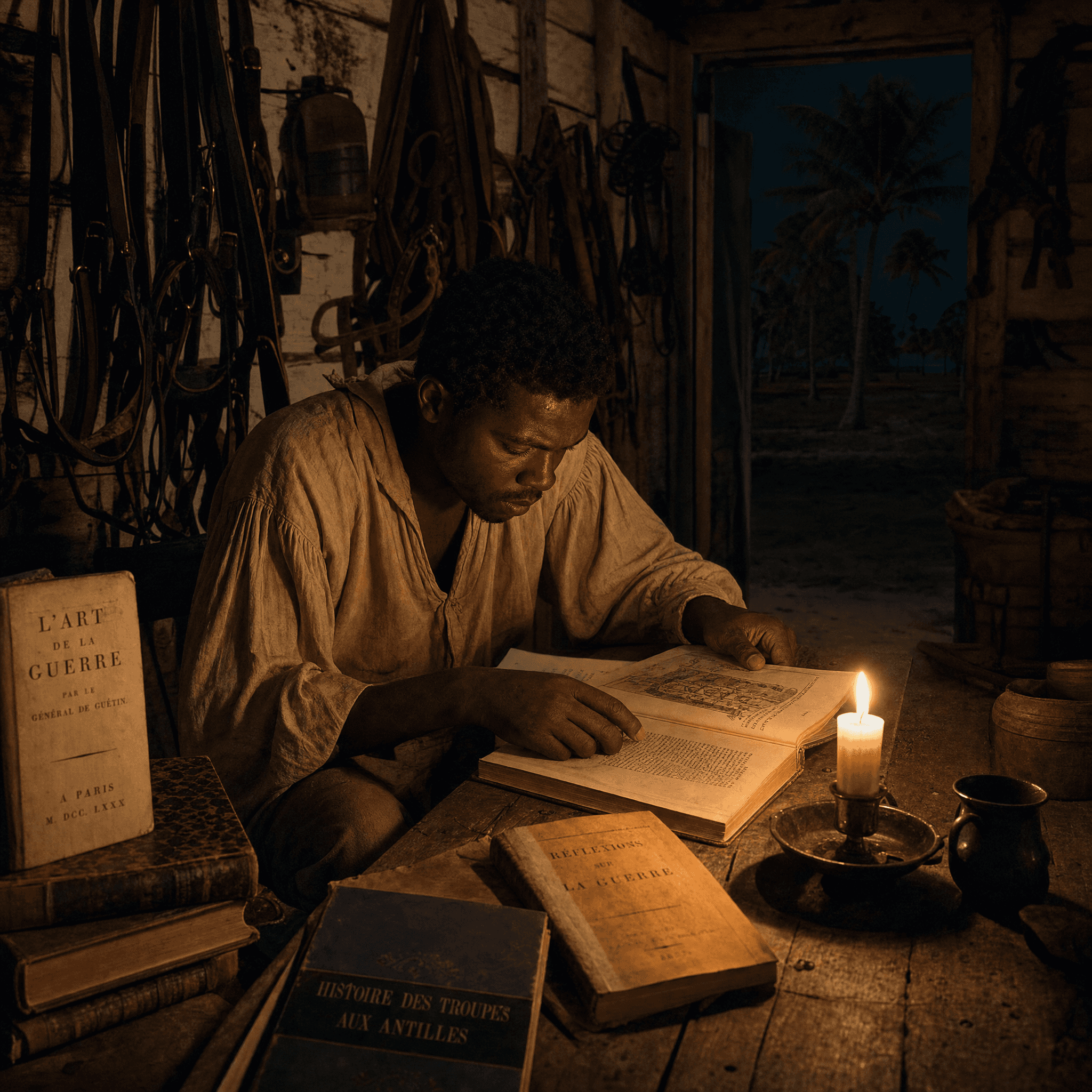
When Toussaint Learned to Read
A coachman on a sugar plantation quietly taught himself French and Latin, then proceeded to terrify every slave-owning nation on earth.
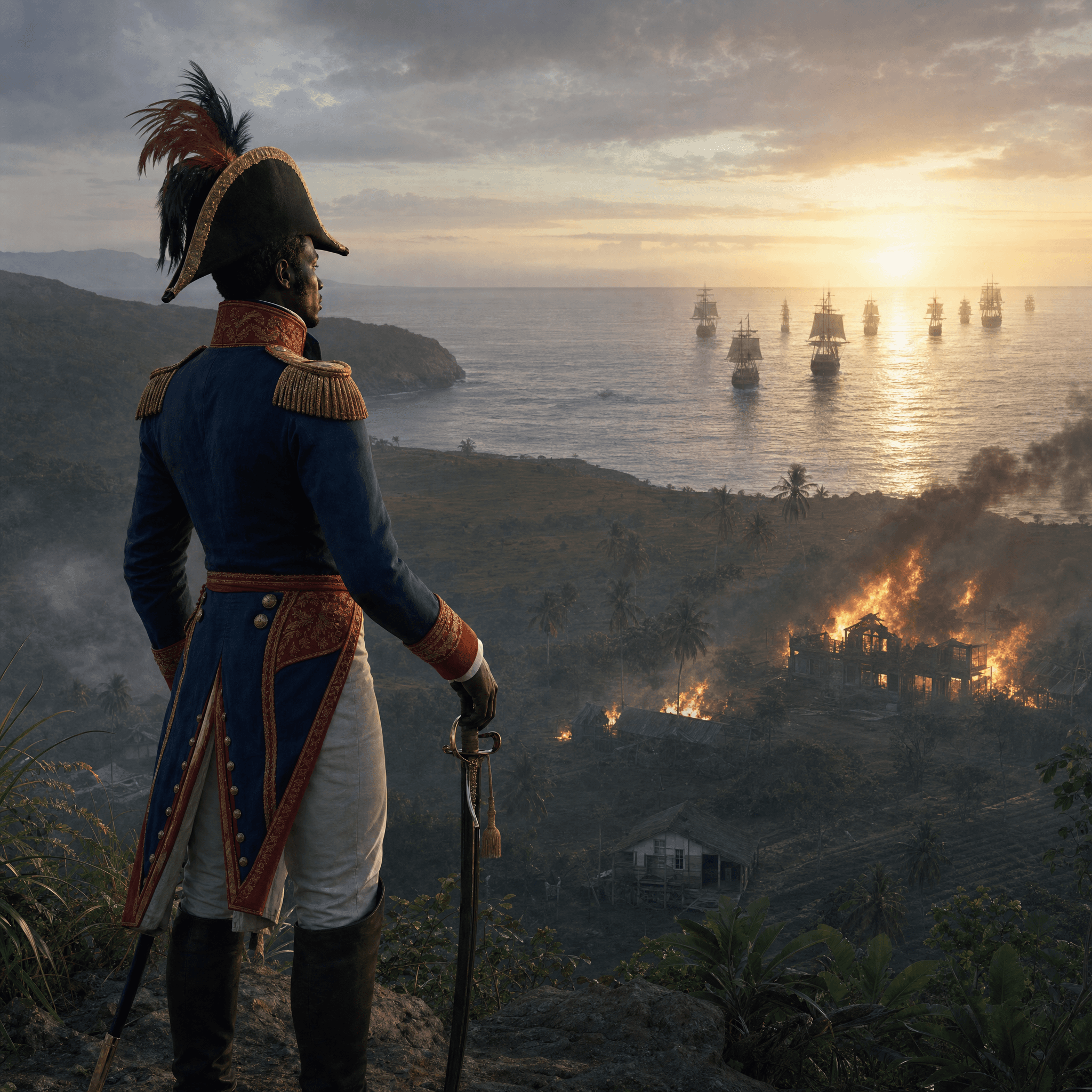
Haiti's Revolution Scared Napoleon Into Selling Louisiana
In 1804, a slave rebellion in Haiti created a nation so dangerous that Napoleon sold Louisiana to America rather than risk another revolution spreading to New Orleans.
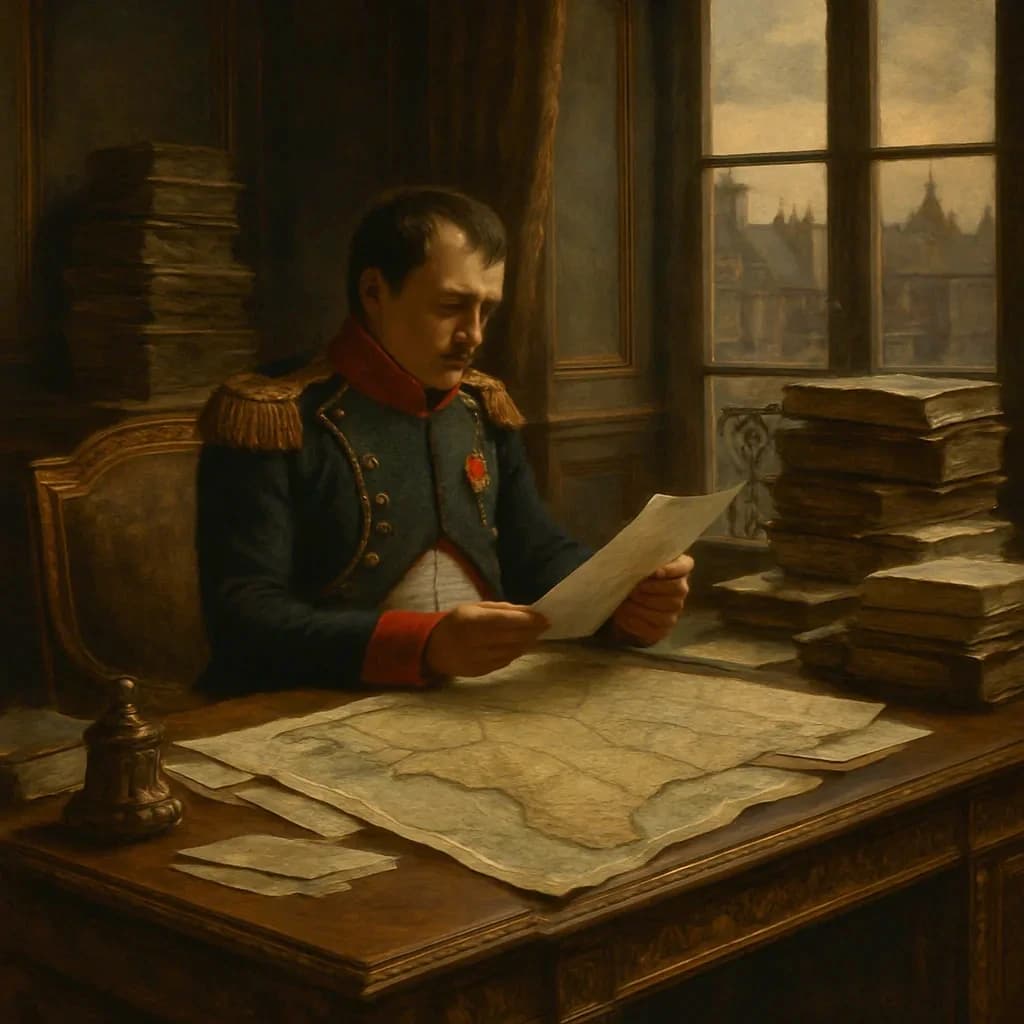
One Unpaid Tobacco Debt Cost France a Continent
A single unpaid loan to an American tobacco farmer in 1781 would eventually cost France an entire continent.
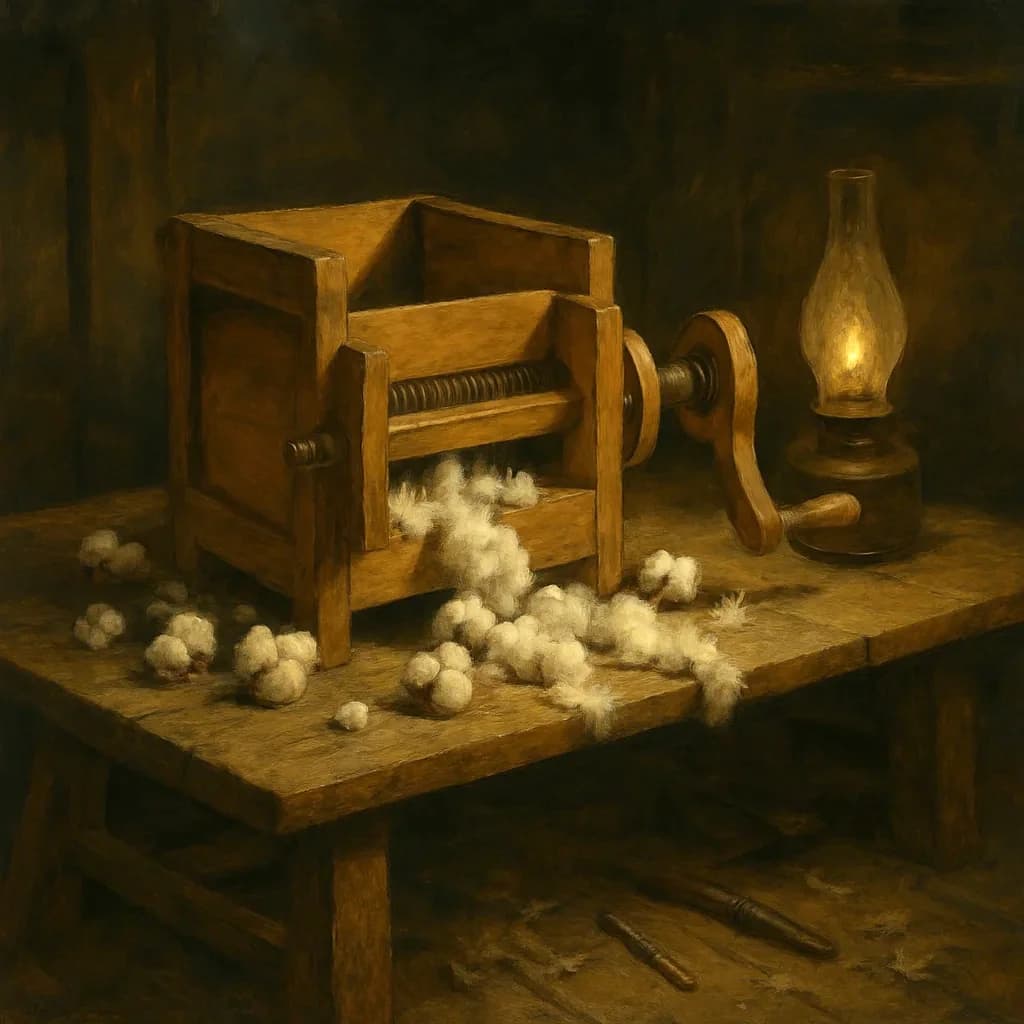
Eli Whitney's Cotton Gin Made Slavery Bigger, Not Smaller
Eli Whitney's labor-saving invention was supposed to make slavery obsolete. Instead, it made four million people more valuable than ever.
A Merchant's Forgotten Loan Helped Trigger a Revolution
A London merchant's forgotten loan to Virginia planters quietly grew into one of the largest debts in colonial history, and helped trigger a revolution.
Napoleon Sold Half a Continent for Four Cents an Acre
Napoleon's most consequential decision wasn't made on a battlefield. It happened at breakfast in 1803.
- Annette Gordon-Reed, The Hemingses of Monticello: An American Family (2008)
- Peter Onuf, The Mind of Thomas Jefferson (2007)
- Tim Matthewson, A Proslavery Foreign Policy: Haitian-American Relations during the Early Republic (1996)