
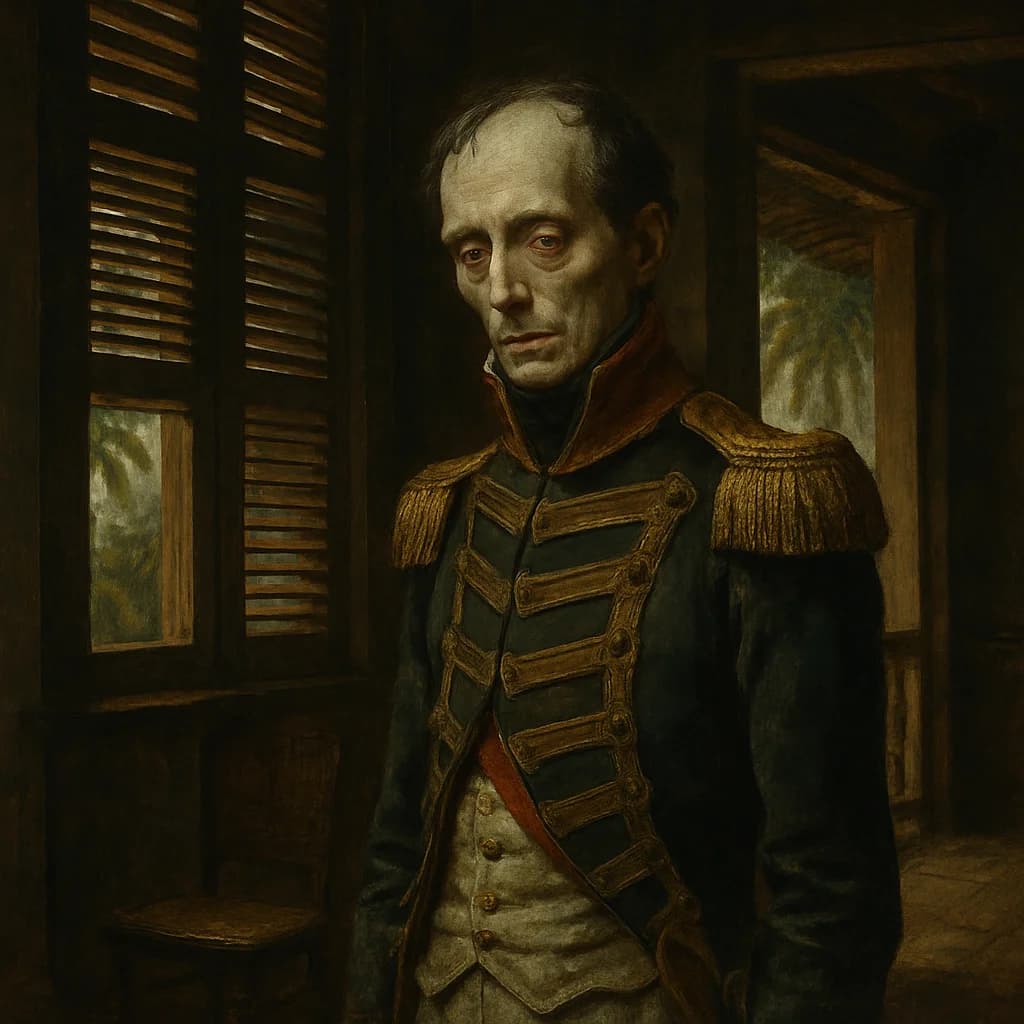
Charles Leclerc
The brother-in-law of Napoleon Bonaparte died in a slave shack in Haiti, forgotten by the empire that sent him to restore slavery.
Charles Leclerc arrived in Saint-Domingue in 1802 with the largest expeditionary force France had ever assembled: 40,000 men, 86 warships, and secret orders that would have made his liberal reputation a lie. Napoleon had chosen his sister Pauline's husband carefully: a proven general who had shown sympathy for republican ideals, someone who could convince the former slaves that France came in peace. Leclerc even brought his wife and young son, a calculated gesture to show this wasn't a military conquest but a family reunion.
The deception worked, initially. Toussaint Louverture, the former slave who had become the colony's governor, welcomed Leclerc with ceremonies and banquets. But Leclerc carried sealed instructions that revealed Napoleon's true intentions: restore slavery, deport all Black officers above the rank of captain, and reduce the population to "useful Africans" who would never again threaten French rule. When these orders leaked, the island exploded into total war.
What killed Leclerc wasn't battle. It was yellow fever, the same disease that would claim 29,000 of his soldiers within a year. As his army dissolved around him, Leclerc grew increasingly desperate and brutal, burning entire villages and importing hunting dogs from Cuba to track down rebels. His final letters to Napoleon dripped with panic and racism, demanding the extermination of all Black men over twelve years old.
He died in a commandeered plantation house in November 1802, his body ravaged by fever, his mission in ruins. The man who had arrived as a liberator became the architect of atrocities that only strengthened Haitian resolve. Within two years, his widow Pauline would be back in Paris salons, while the colony he failed to subdue became the world's first free Black republic.
Leclerc's own letters reveal that he planned to ship thousands of mixed-race children to France as slaves, including many who were the offspring of French colonists.
Why untold: His role as Napoleon's brother-in-law overshadowed his transformation from republican general to architect of genocide, making him a footnote to Bonaparte family history rather than a key figure in the Haitian Revolution.
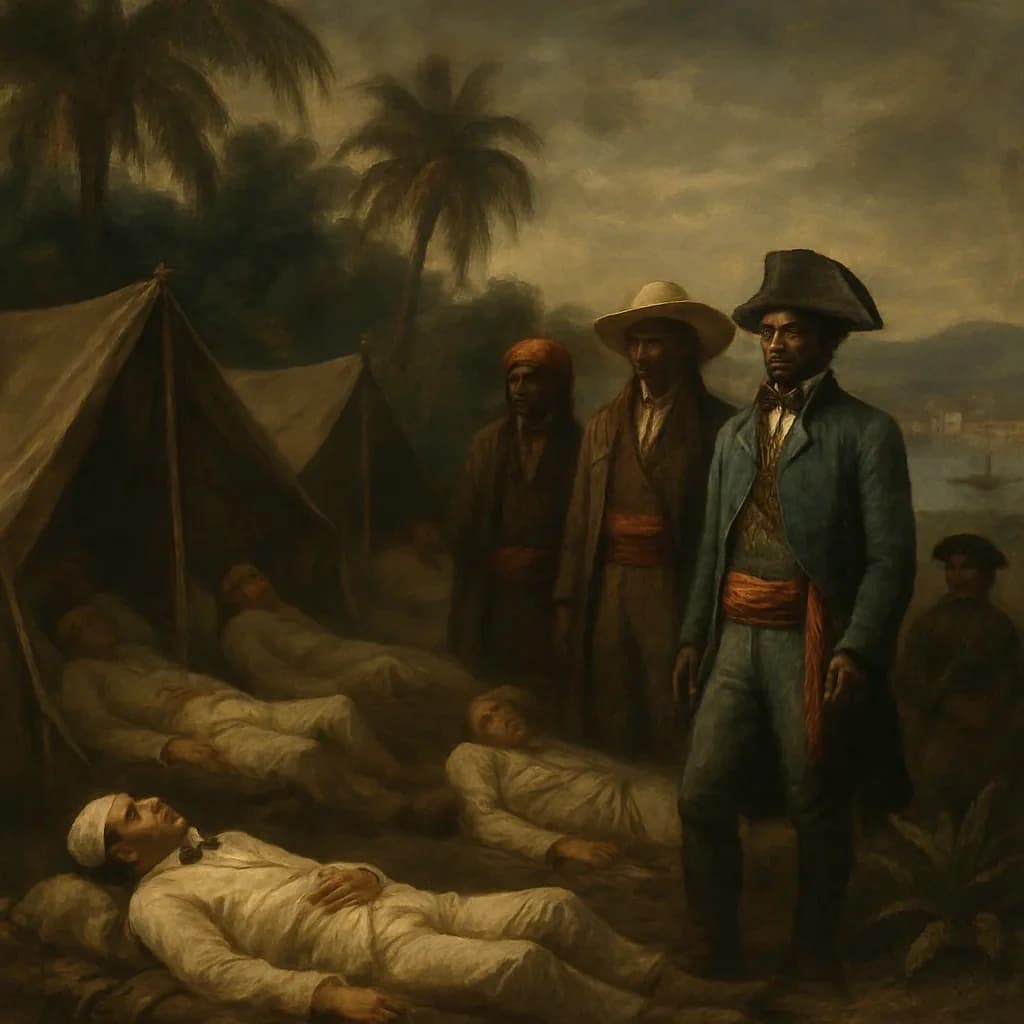
Yellow Fever Beat France's Army and Changed Three Empires
Yellow fever killed more French soldiers in Haiti than all the battles combined, and changed the course of three empires.
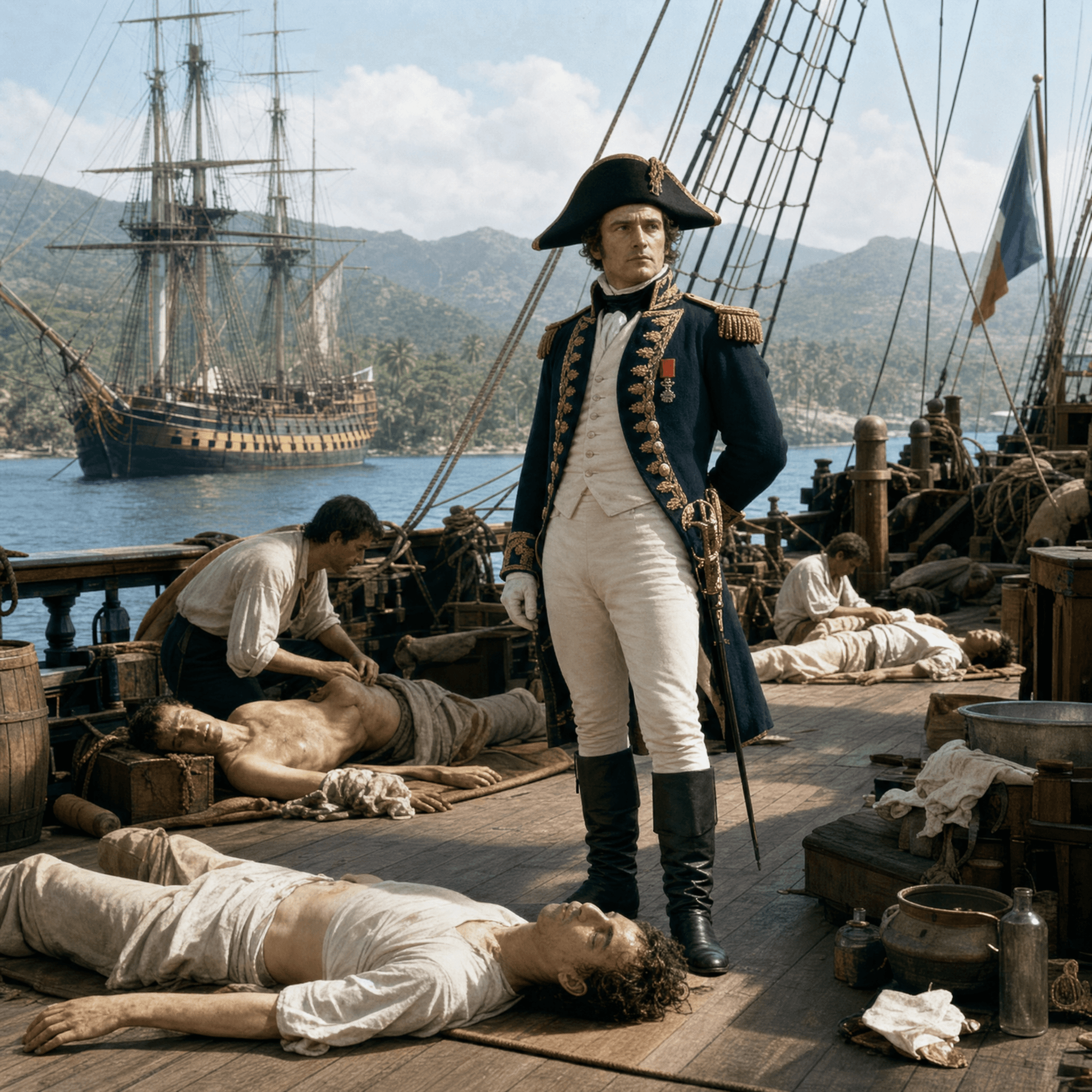
The Fever Ship That Freed Haiti
A single naval captain's decision to ignore quarantine may have saved the Haitian Revolution and terrified every slave owner in the Americas.
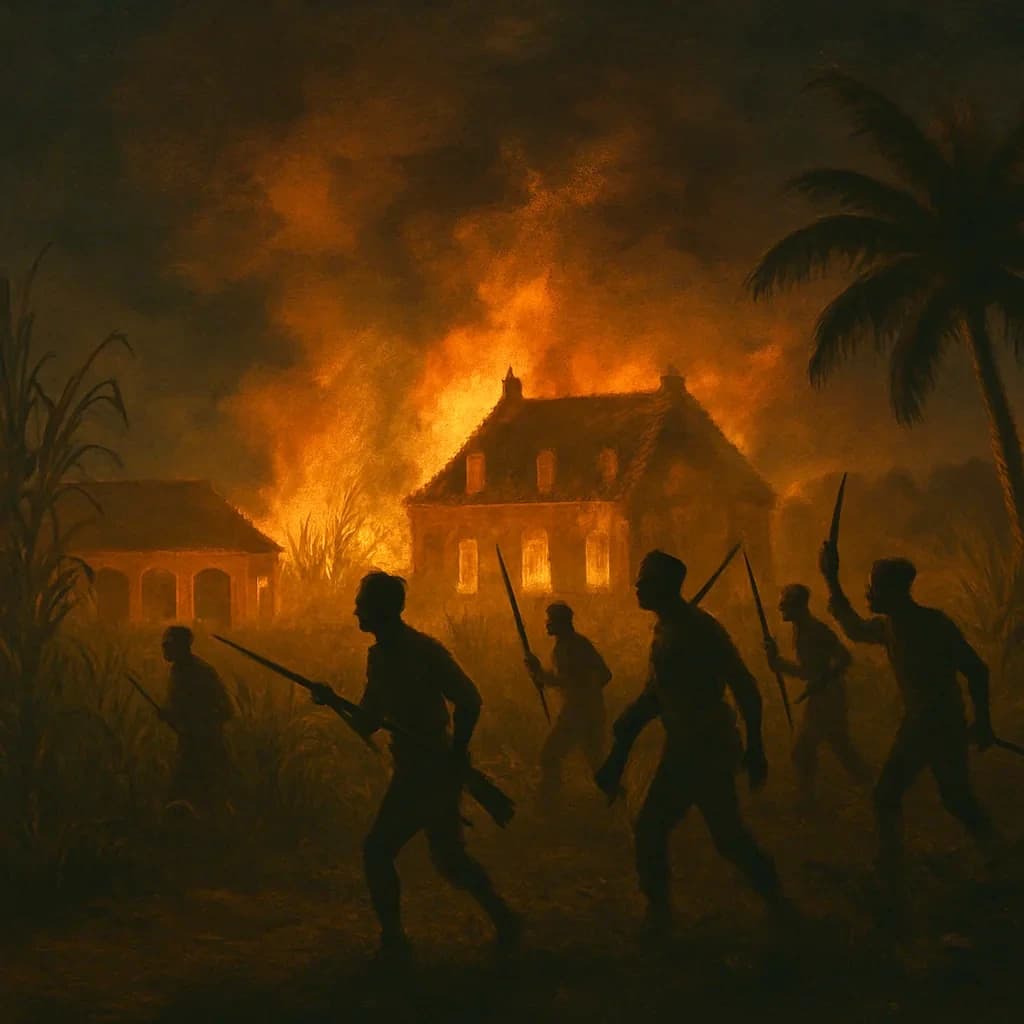
Haiti's Slaves Won a War the World Called Impossible
A slave uprising in Haiti sent shock waves through every plantation from Virginia to Brazil, and changed how the world thought about human bondage forever.
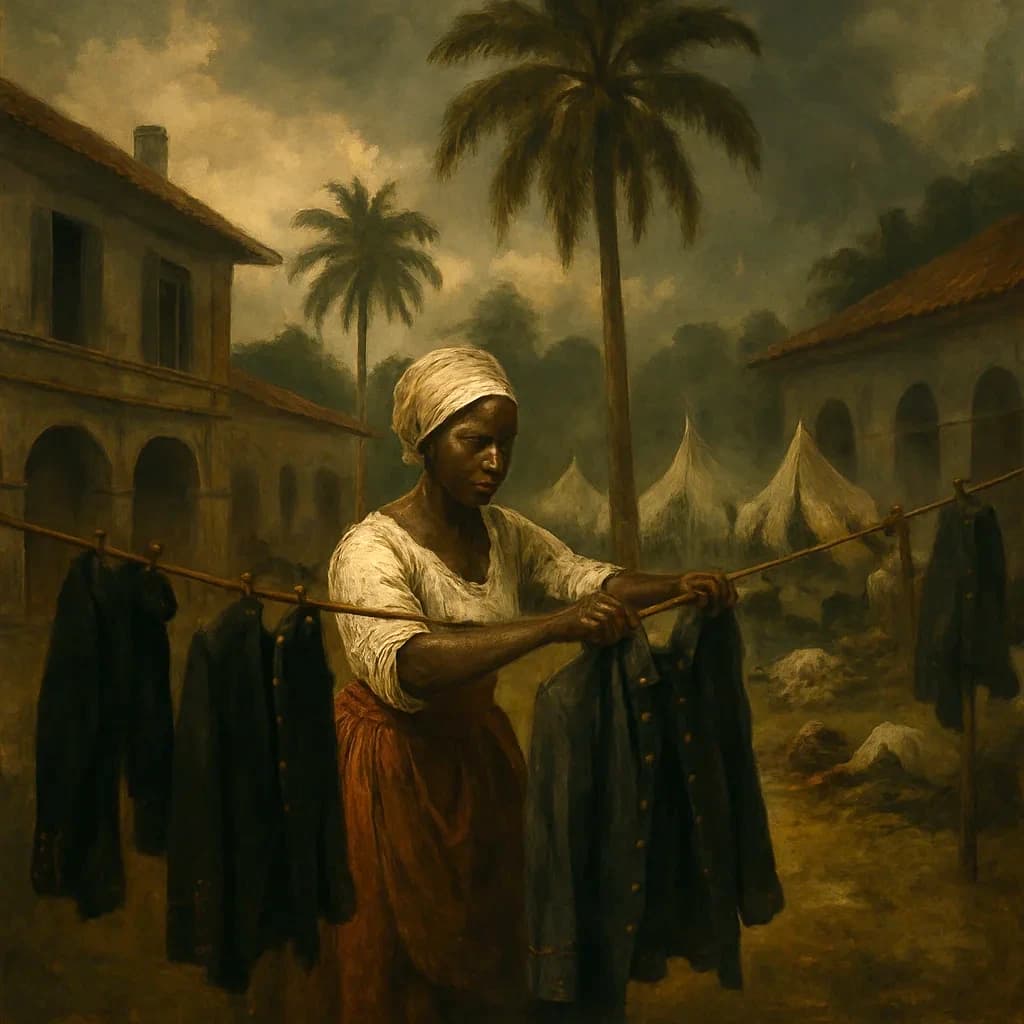
How Yellow Fever Won Haiti Its Freedom
A French laundress grabbed the wrong cloth and helped create the conditions for Haiti's independence.

Haiti's Revolution Scared Napoleon Into Selling Louisiana
In 1804, a slave rebellion in Haiti created a nation so dangerous that Napoleon sold Louisiana to America rather than risk another revolution spreading to New Orleans.
- Philippe R. Girard, The Slaves Who Defeated Napoleon: Toussaint Louverture and the Haitian War of Independence
- Laurent Dubois, Avengers of the New World: The Story of the Haitian Revolution
- C.L.R. James, The Black Jacobins: Toussaint L'Ouverture and the San Domingo Revolution