
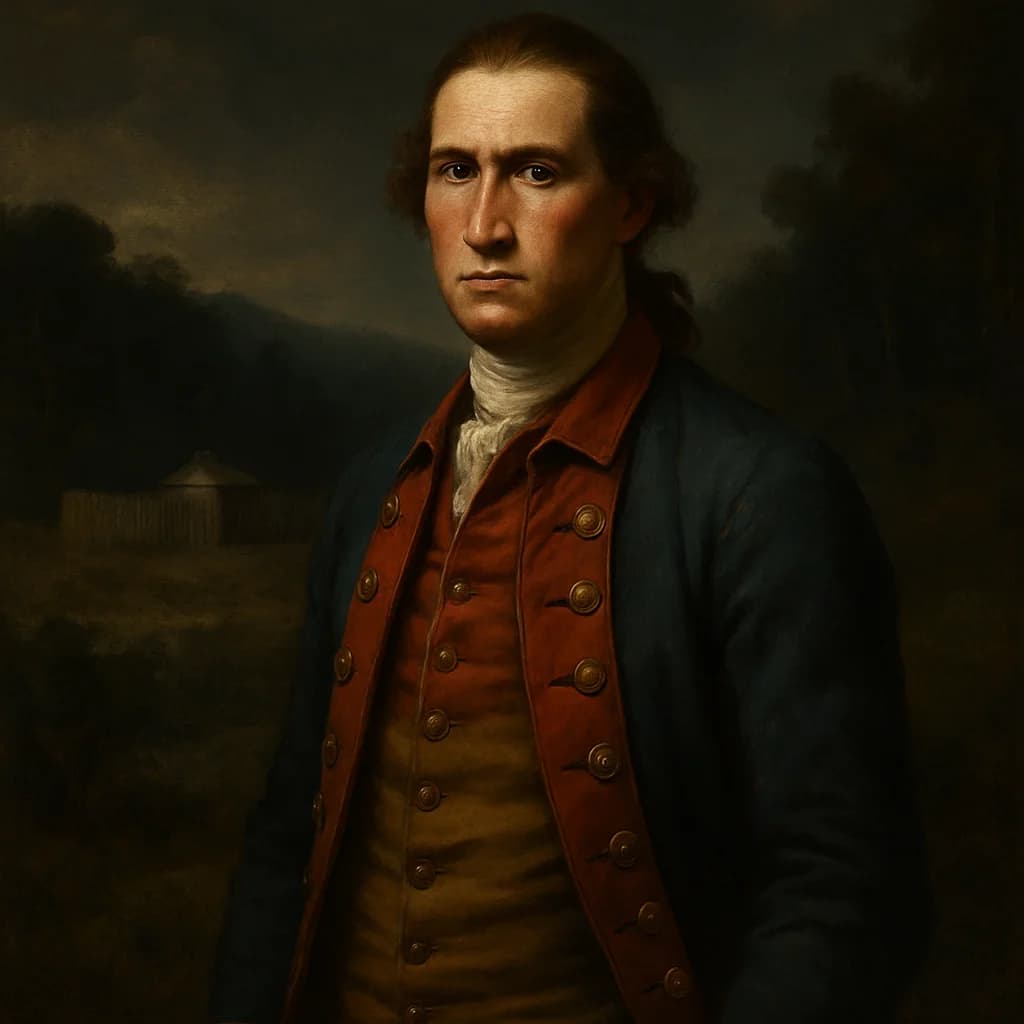
George Washington
The future Father of his Country once faced court-martial for accidentally starting the Seven Years' War.
At twenty-two, George Washington was already six feet three inches of unbridled ambition wrapped in a Virginia planter's coat. In May 1754, he led a ragtag company of colonial militia into the Ohio wilderness with orders to evict French forces from what Virginia claimed as its territory. What happened next would reshape three continents.
Washington's men surprised a French diplomatic party at dawn, killing ten soldiers including the French ambassador Joseph Coulon de Villiers de Jumonville. The young Virginian later admitted he couldn't read the diplomatic papers found on Jumonville's body. They were in French. This wasn't a battle; it was a massacre of diplomats under a flag of truce. Voltaire would later write that this single volley "set the world on fire."
The French and Indian War erupted from Washington's mistake, eventually consuming Europe, India, the Philippines, and the Caribbean. Seven years and countless lives later, Britain had won a global empire but bankrupted itself in the process. The crushing debt forced Parliament to tax the American colonies, sparking the very revolution Washington would later lead. When British forces surrounded Washington's hastily built Fort Necessity weeks after Jumonville's death, they forced him to sign a surrender document in French (again, a language he couldn't read). In it, he unknowingly confessed to assassinating Jumonville.
The irony cuts deep: the man who would become the symbol of American independence accidentally triggered the chain of events that made independence necessary. His early military disasters created the financial crisis that drove Britain to tax the colonies, which drove the colonies to rebellion, which drove them to need a general. By 1775, Washington had learned enough about warfare (and about the weight of consequence) to lead that rebellion to victory.
Washington's teeth were not made of wood but carved from hippopotamus ivory, human teeth, and gold. His dental problems were so severe that by his inauguration, he had only one natural tooth remaining.
Why untold: The heroic narrative of the Founding Fathers obscures the messy reality that Washington's early military blunders helped create the very crisis he later solved.
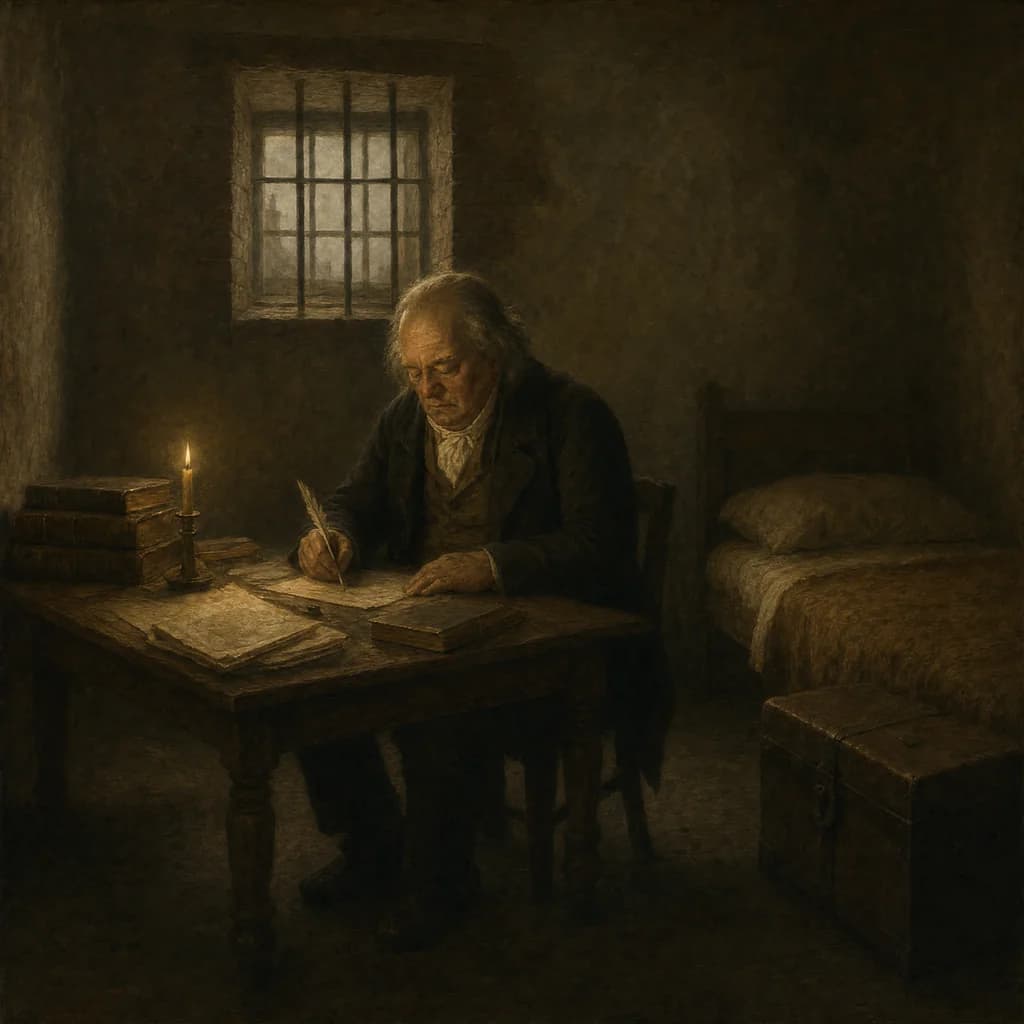
The Financier of the Revolution Landed in Debtors' Prison
His personal signature was worth more than the government's, and it paid for the march to Yorktown. Fifteen years later he was locked in a Philadelphia cell for debt.
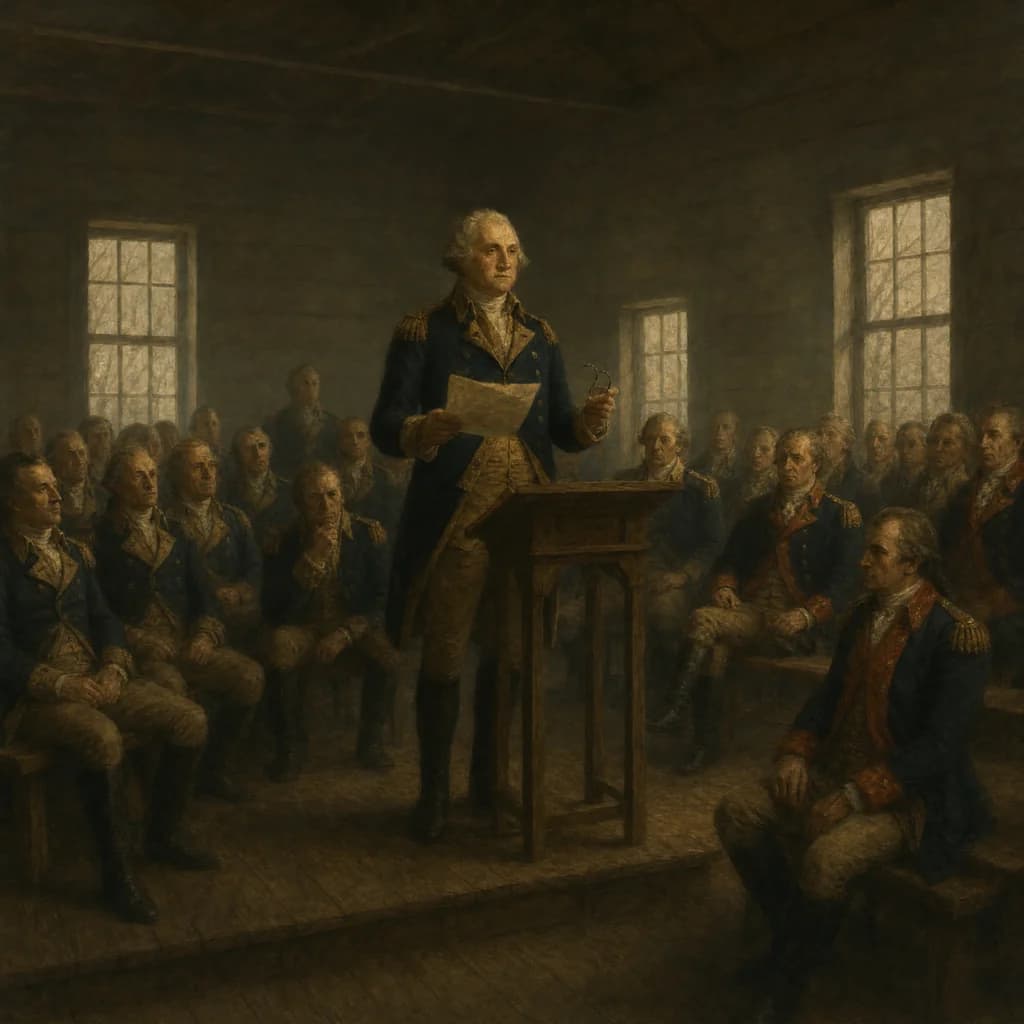
Washington Stopped a Military Coup by Putting On Glasses
Unpaid Continental officers were talking about marching on Congress. Washington walked into their meeting uninvited and reached into his pocket.
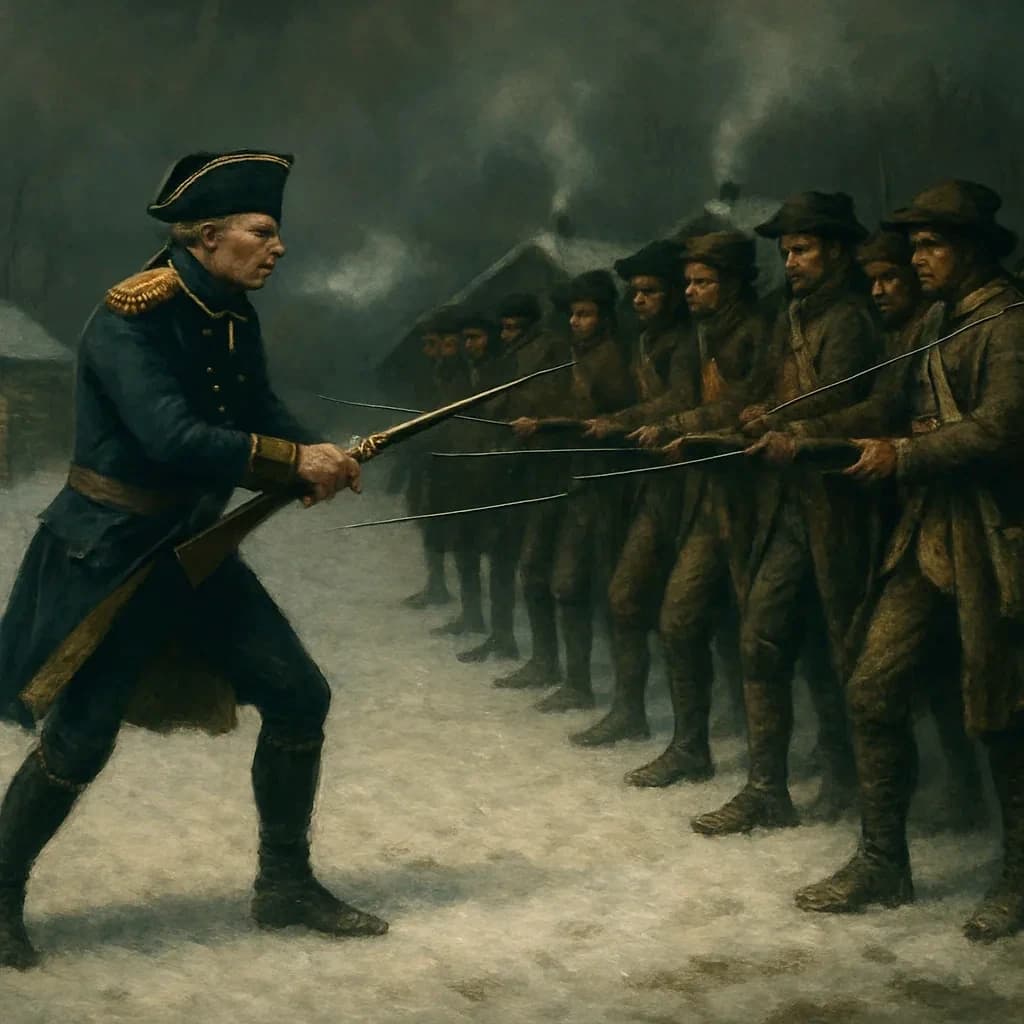
Von Steuben Faked His Way into Valley Forge
A German aristocrat who had never commanded troops in battle rode into Valley Forge in the worst winter of the war, and left having built the only fighting force that could win it.
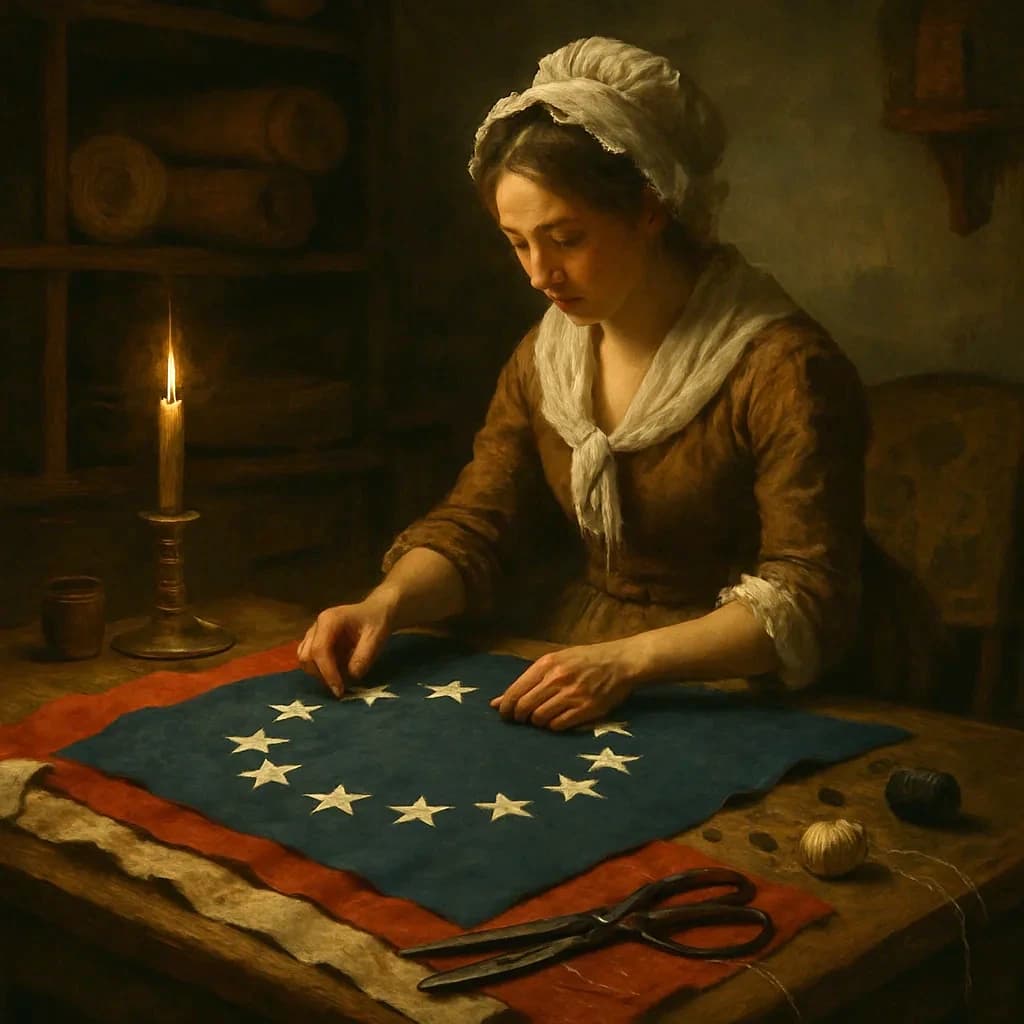
The Five-Pointed Star That United America
While politicians argued over the Constitution, a Philadelphia seamstress quietly created the symbol that would unite thirteen quarreling states.
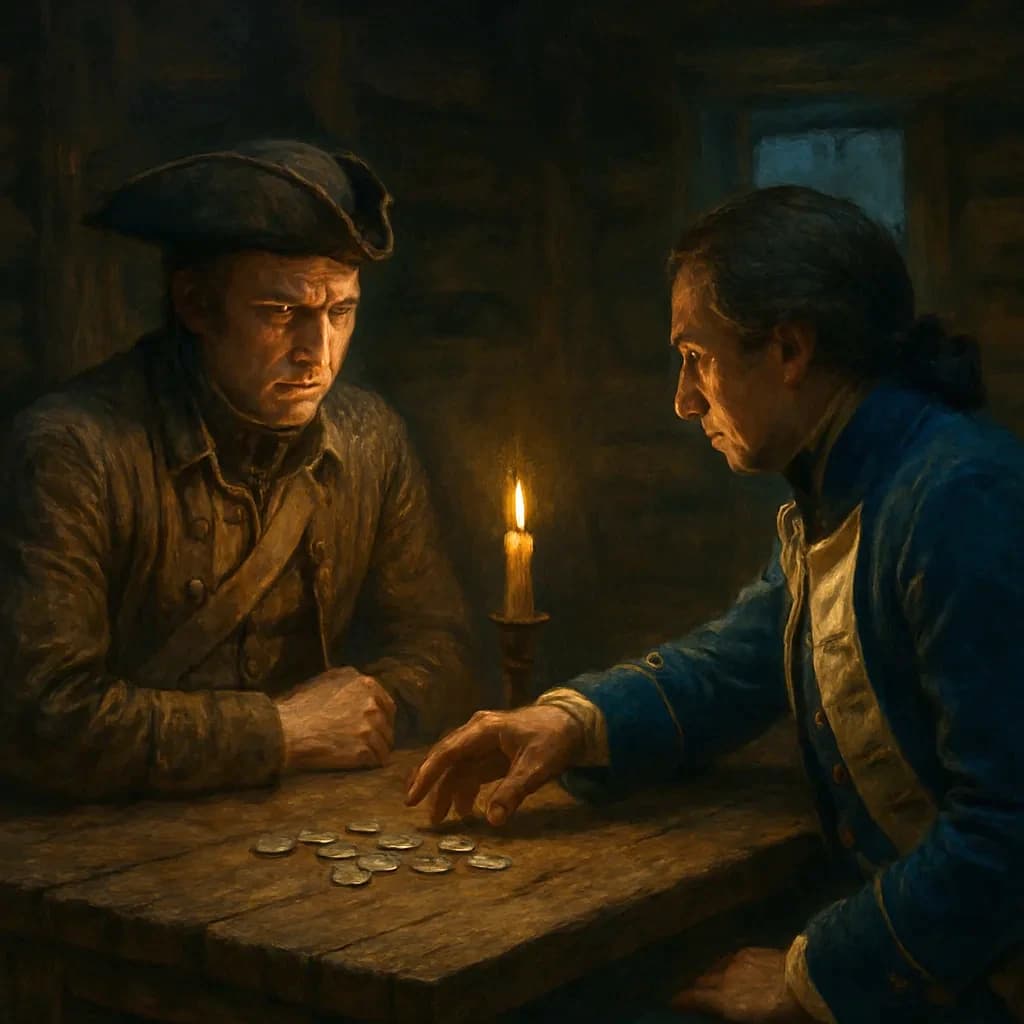
A Petty Argument Over Twelve Coins Started the First Global War
A customs official's petty argument over pocket change in 1754 accidentally triggered the first global war.
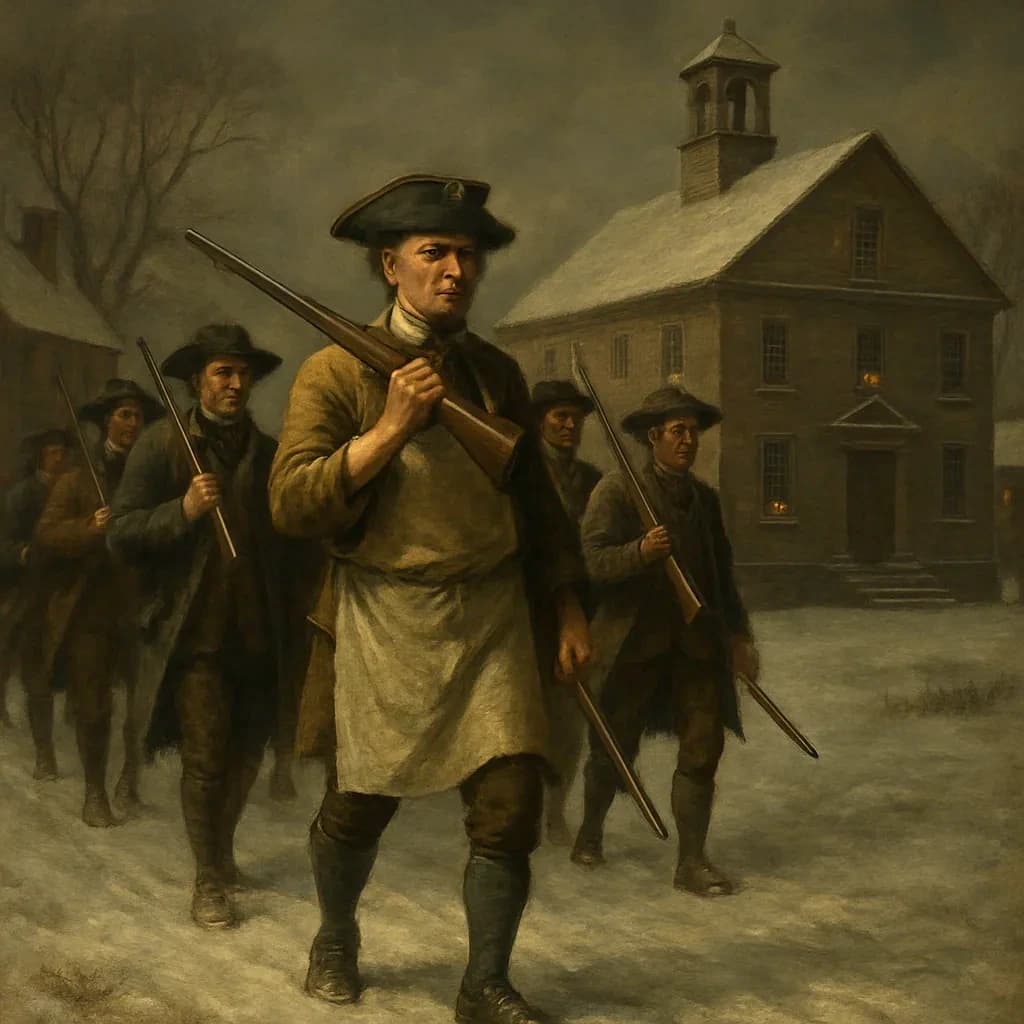
The Bartender Who Took On the Government
A tavernkeeper closed his bar, picked up his musket, and forced America to rethink its entire government.
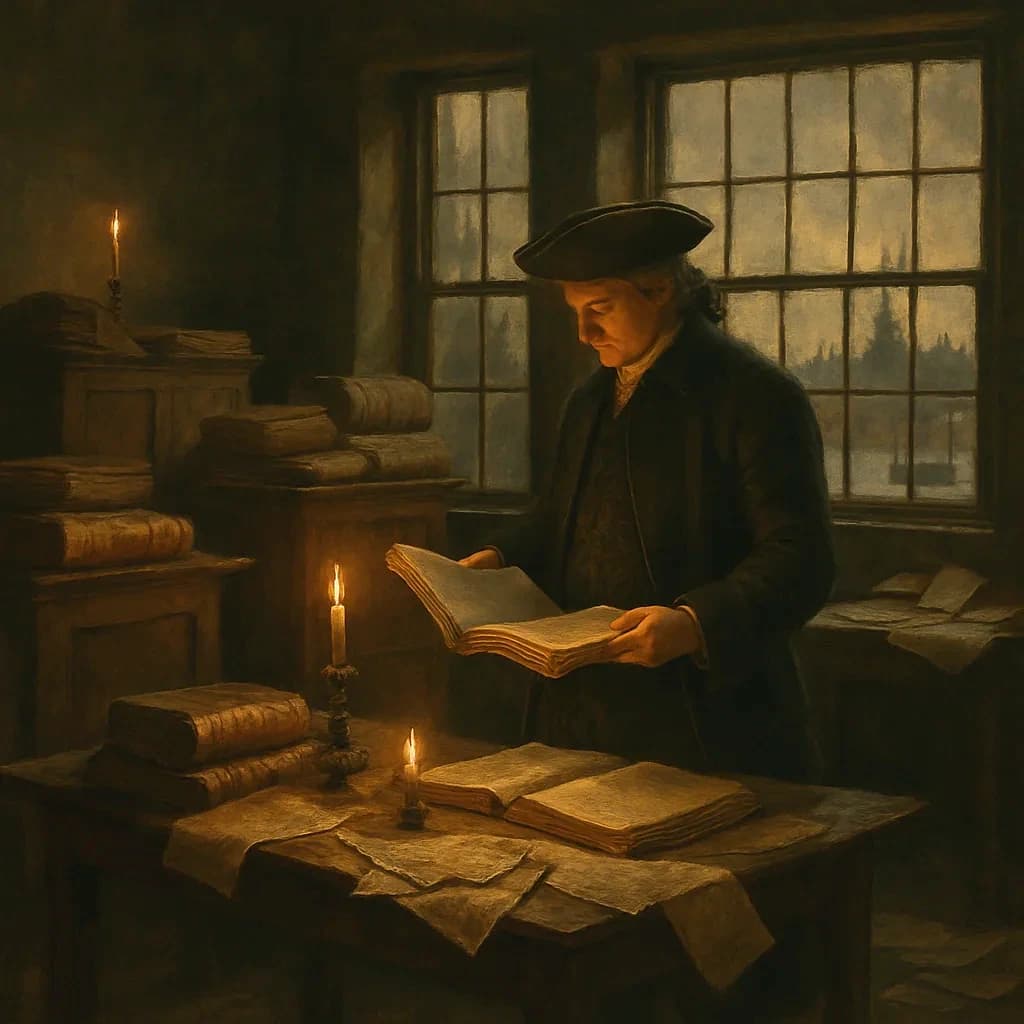
A Merchant's Forgotten Loan Helped Trigger a Revolution
A London merchant's forgotten loan to Virginia planters quietly grew into one of the largest debts in colonial history, and helped trigger a revolution.
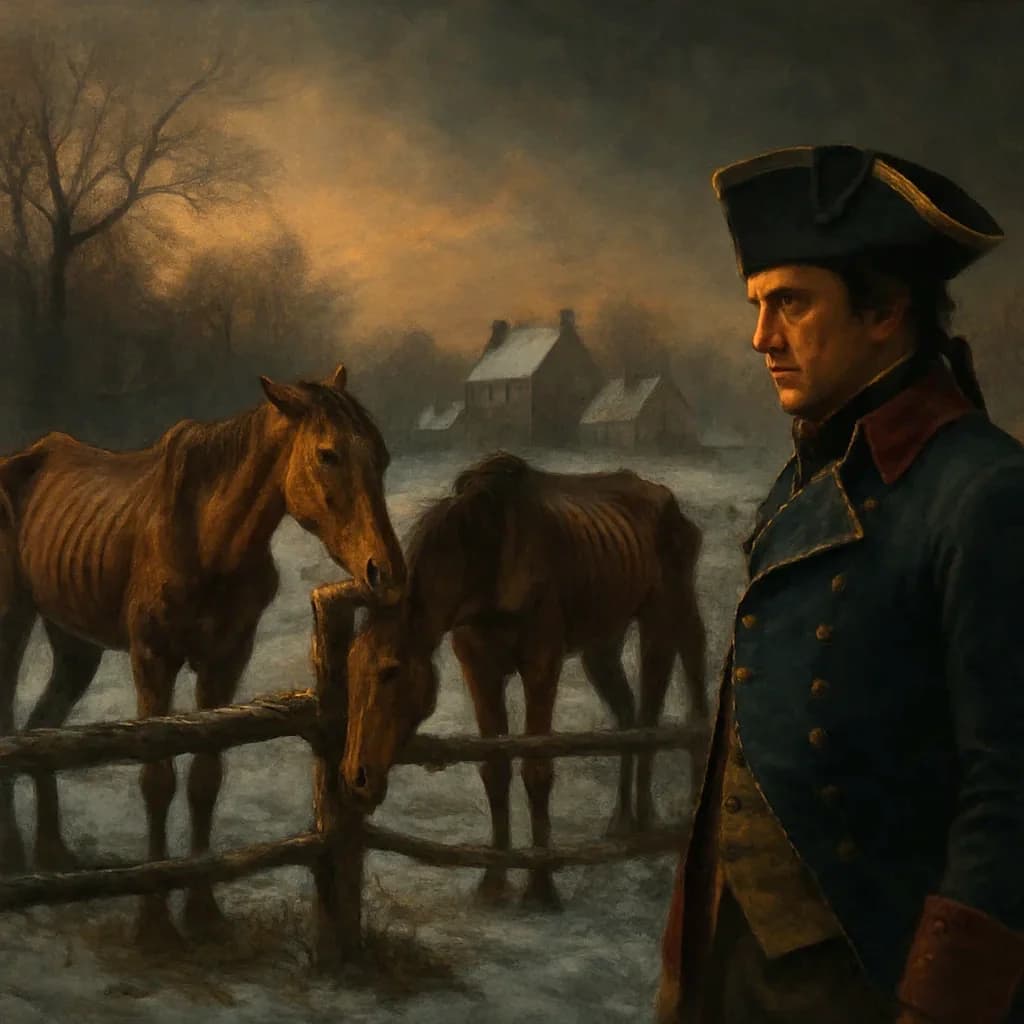
When Starving Horses Doomed the Hessians at Trenton
A single cavalry charge in 1776 may have cost Britain the American colonies, not because it succeeded, but because it failed.
- Fred Anderson, Crucible of War: The Seven Years' War and the Fate of Empire in British North America
- David A. Clary, George Washington's First War: His Early Military Adventures
- Ron Chernow, Washington: A Life