
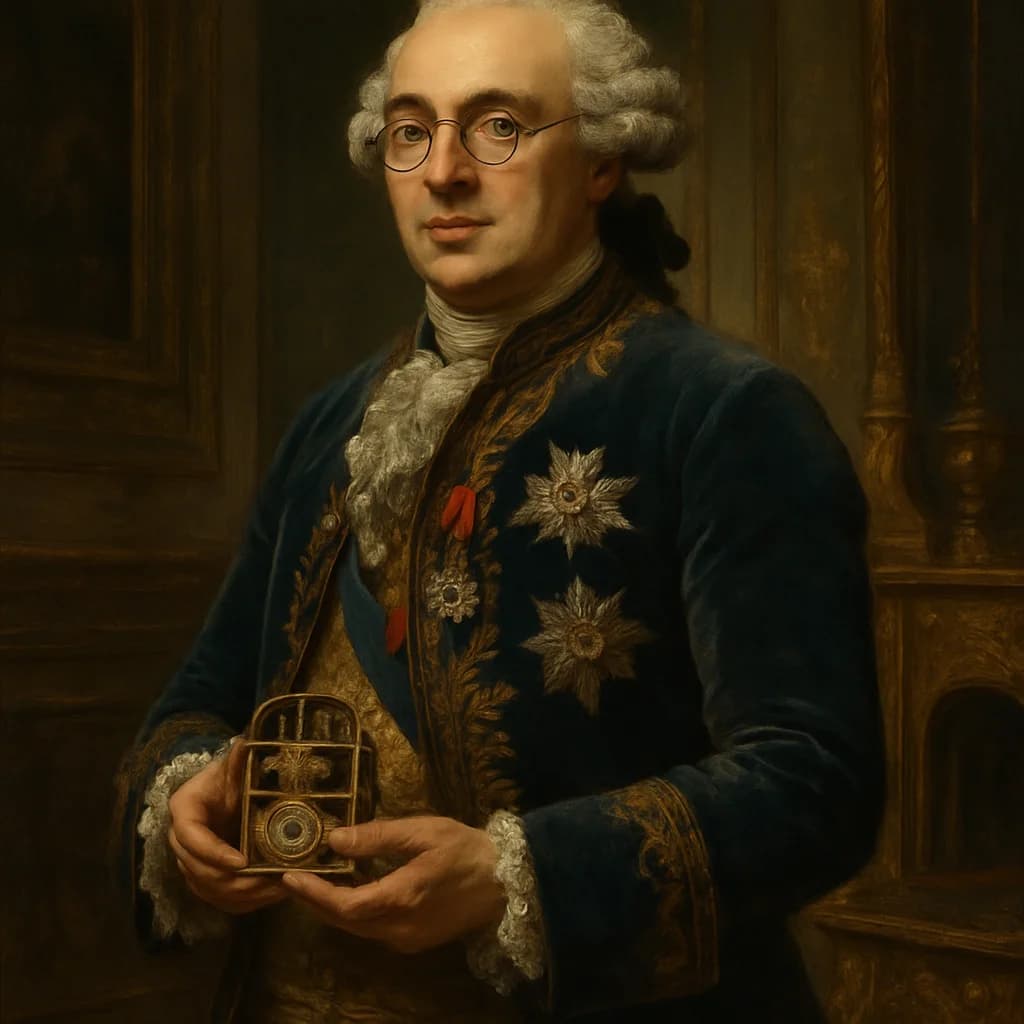
Louis XVI
The king who wanted to be a locksmith accidentally locked himself out of his own kingdom.
Louis XVI spent his mornings in the palace forge, hands blackened with soot, crafting intricate locks with the precision of a master artisan. While his ministers waited with urgent dispatches about mounting debt and colonial rebellions, the King of France was absorbed in the delicate mechanics of tumblers and springs. He could dismantle and rebuild the most complex timepieces, but couldn't grasp why his subjects were starving.
This wasn't royal eccentricity. It was escape. Louis had never wanted the throne. When his older brother died in 1761, the shy, nearsighted dauphin became heir to the most powerful monarchy in Europe. He preferred his workshop to the Hall of Mirrors, preferring problems that could be solved with the right tool and steady hands. His diary entries from the early 1780s read like a craftsman's log: "Worked on the astronomical clock mechanism" appears more often than mentions of governing.
The irony was devastating. A king obsessed with precision presided over a kingdom falling apart from negligence. While Louis perfected his locksmithing, France's debt spiraled from costly American adventures he'd approved but never understood. His finance ministers (Turgot, Necker, Calonne) came and went like broken clockwork, each proposing reforms that required political skills Louis had never developed. He could build machines of impossible complexity but couldn't navigate the simple politics of taxation.
When revolution finally came, Louis faced it with the same methodical confusion he brought to everything else. He genuinely couldn't understand why his subjects were angry. Hadn't he tried to be a good king? The man who could unlock any mechanism in his workshop couldn't find the key to saving his own reign.
Louis XVI personally installed the locks on his family's chambers at Versailles, and during his imprisonment, revolutionaries found detailed technical drawings for lock mechanisms hidden among his personal papers.
Why untold: His reign is remembered for political failures and revolution, overshadowing his genuine passion for mechanical arts and craftsmanship that consumed more of his attention than governing.
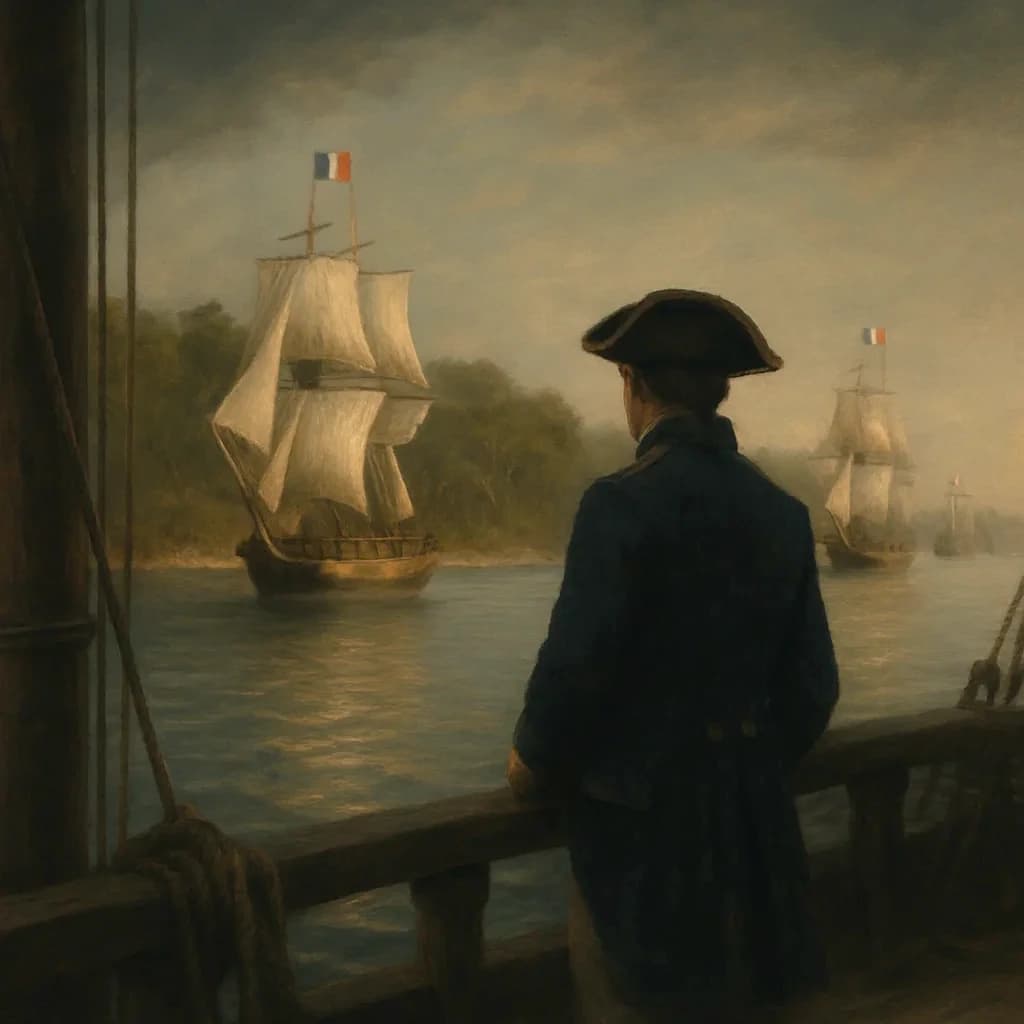
Four Days from a French Australia
With no orders and no backup, a single British officer made a decision in 1788 that shaped an entire continent, and his name never made it into the history books.
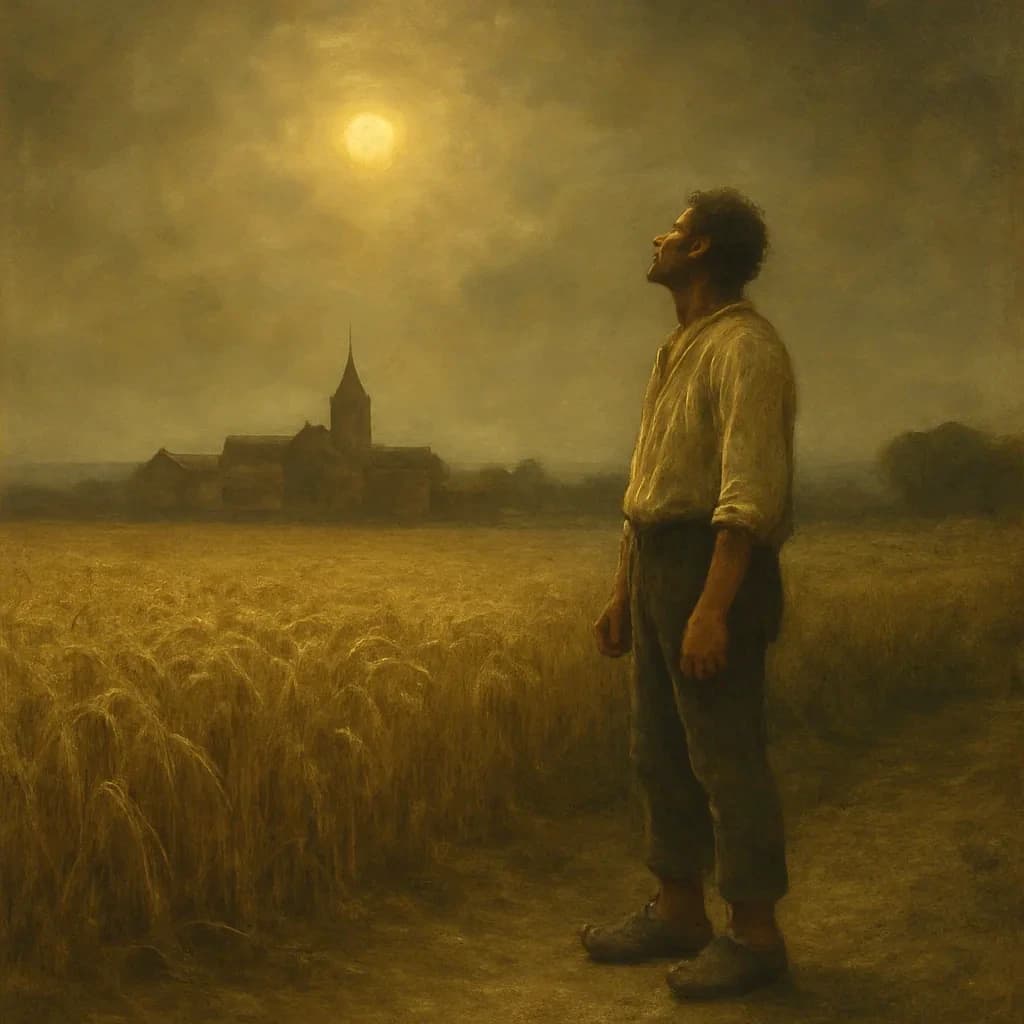
How an Icelandic Volcano Helped Start the French Revolution
An Icelandic volcano erupted for eight months straight in 1783, and the famine it caused in France may have done more to start the Revolution than any pamphlet.
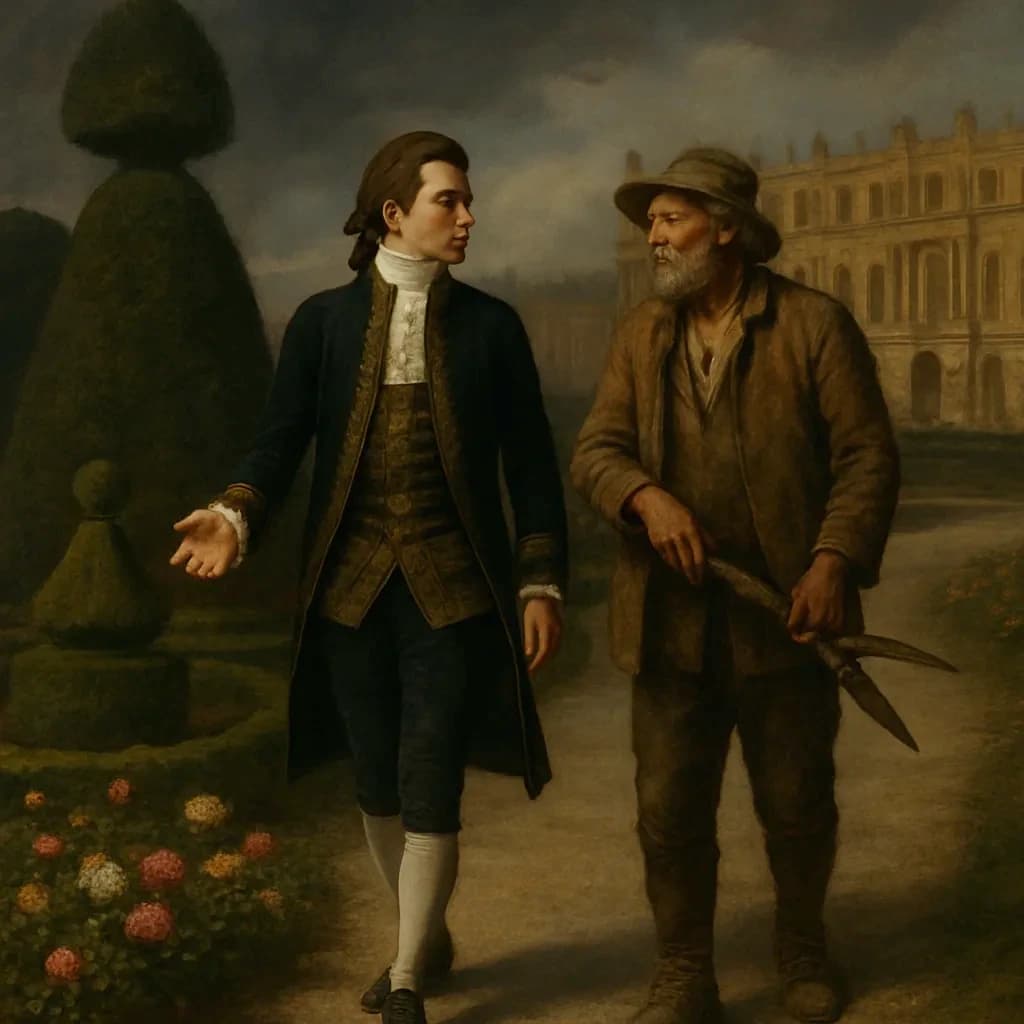
A Versailles Gardener Talked the King Into Inoculation
A man who tended roses decided the fate of a continent in 1774, and nobody thought to write down his name.
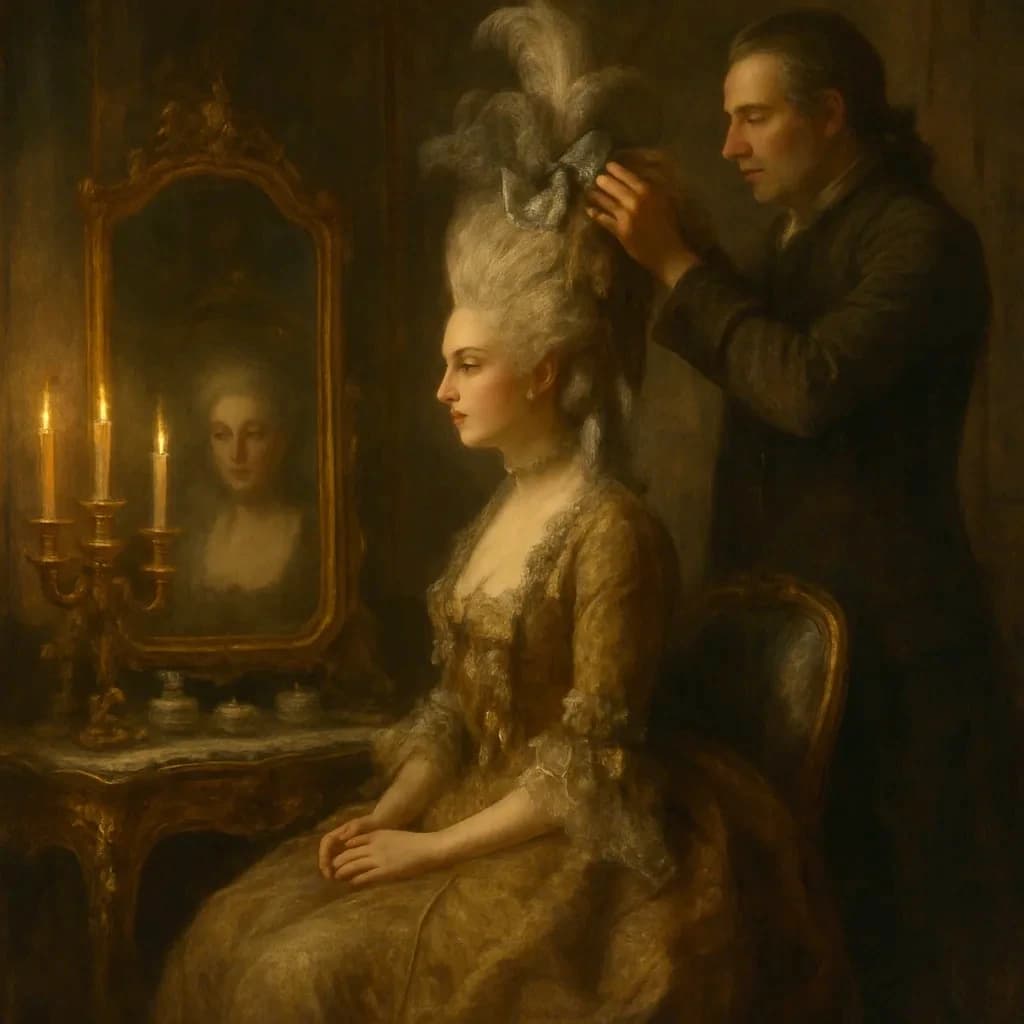
Marie Antoinette's Hairdresser Ran Her Escape Plan
A Parisian wigmaker named Léonard Autié held more influence over the French court than most ministers in 1789, and then the world he'd built dissolved in a single afternoon.
How a Moroccan Trade Dispute Helped Topple Louis XVI
A Moroccan sultan's unpaid loan to a French merchant ended up helping fund the French Revolution, and nobody planned any of it.
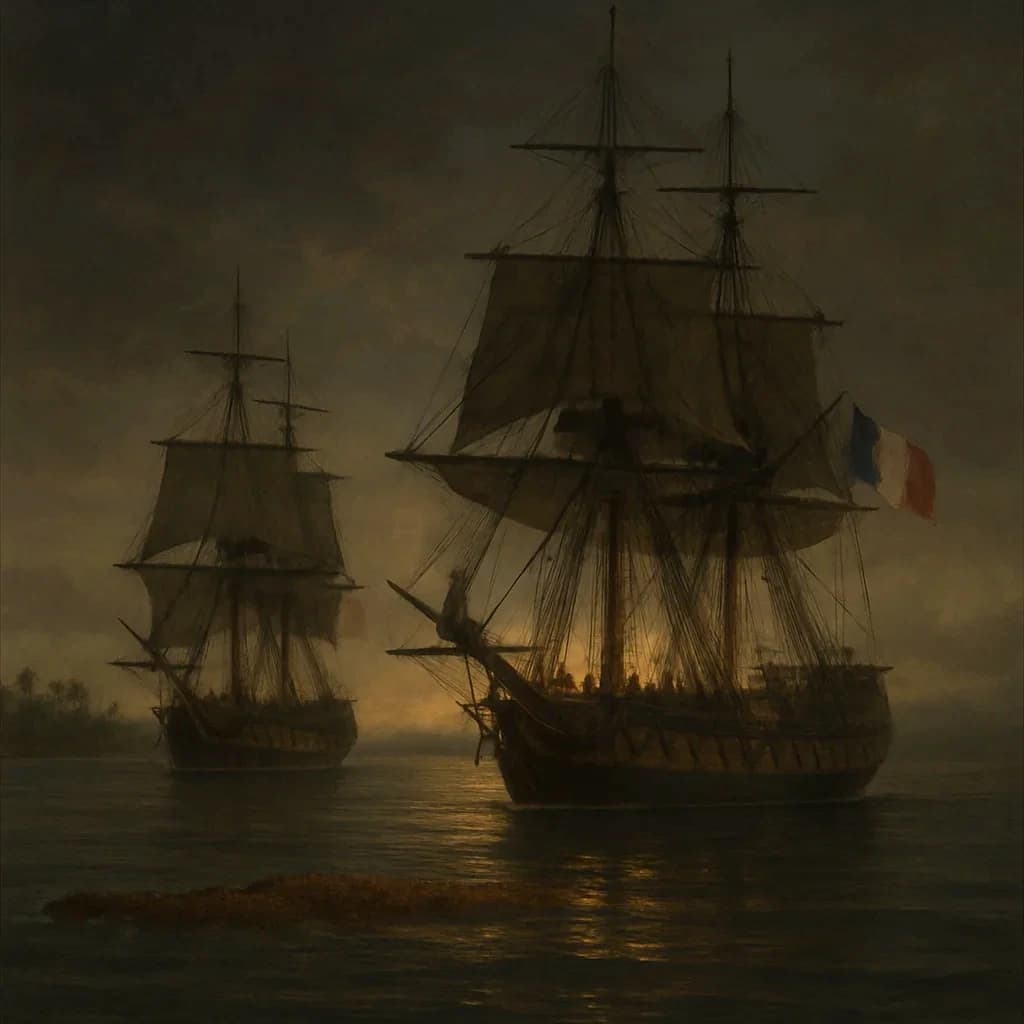
Lapérouse Vanished in the Pacific for Forty Years
A French expedition to the Pacific vanished without a trace in 1788, and the man who could have prevented it was busy drawing maps of a coastline that didn't exist.
How Studying the Dead Saved France from Famine
A pioneering French chef changed how we eat by studying how we die.
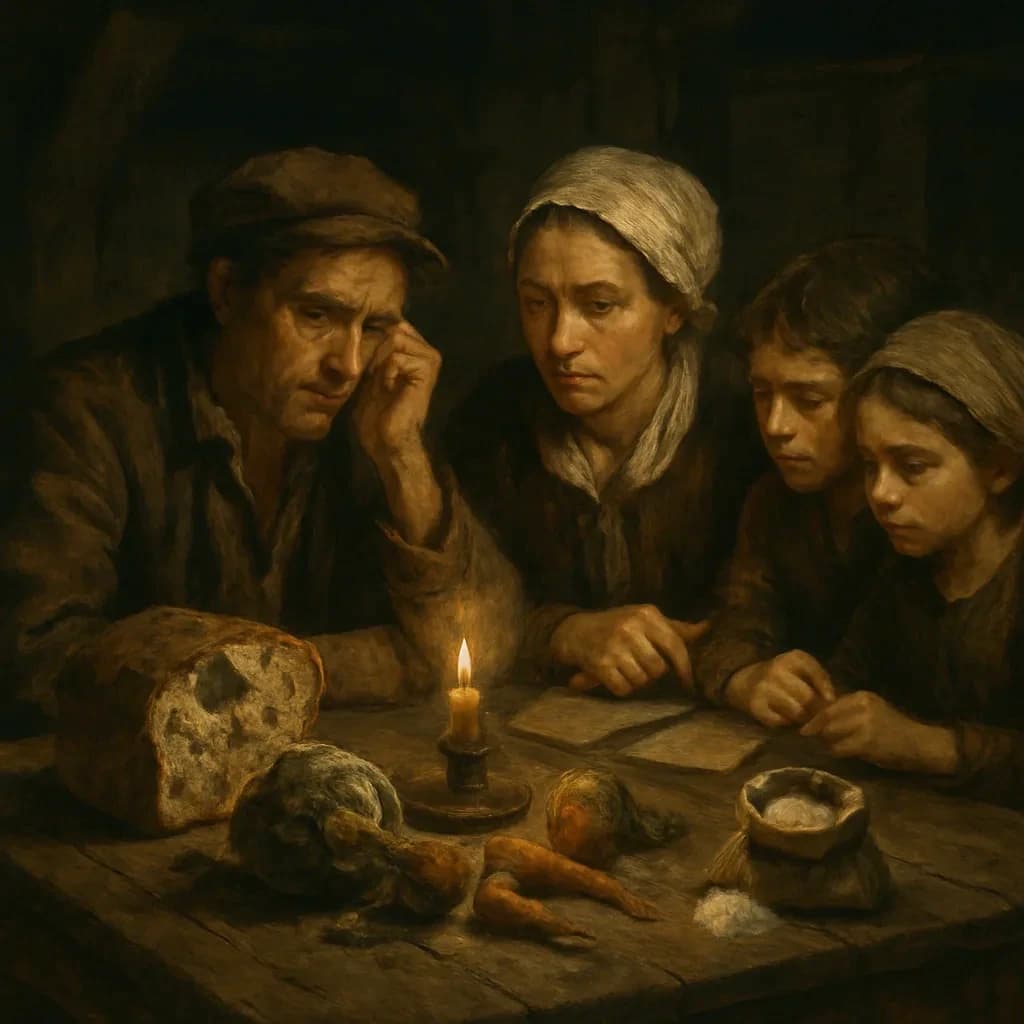
How France Taxed Salt Into a Revolution
A single tax on salt helped fund the monarchy for centuries, until peasants couldn't afford to preserve their food and revolution became inevitable.
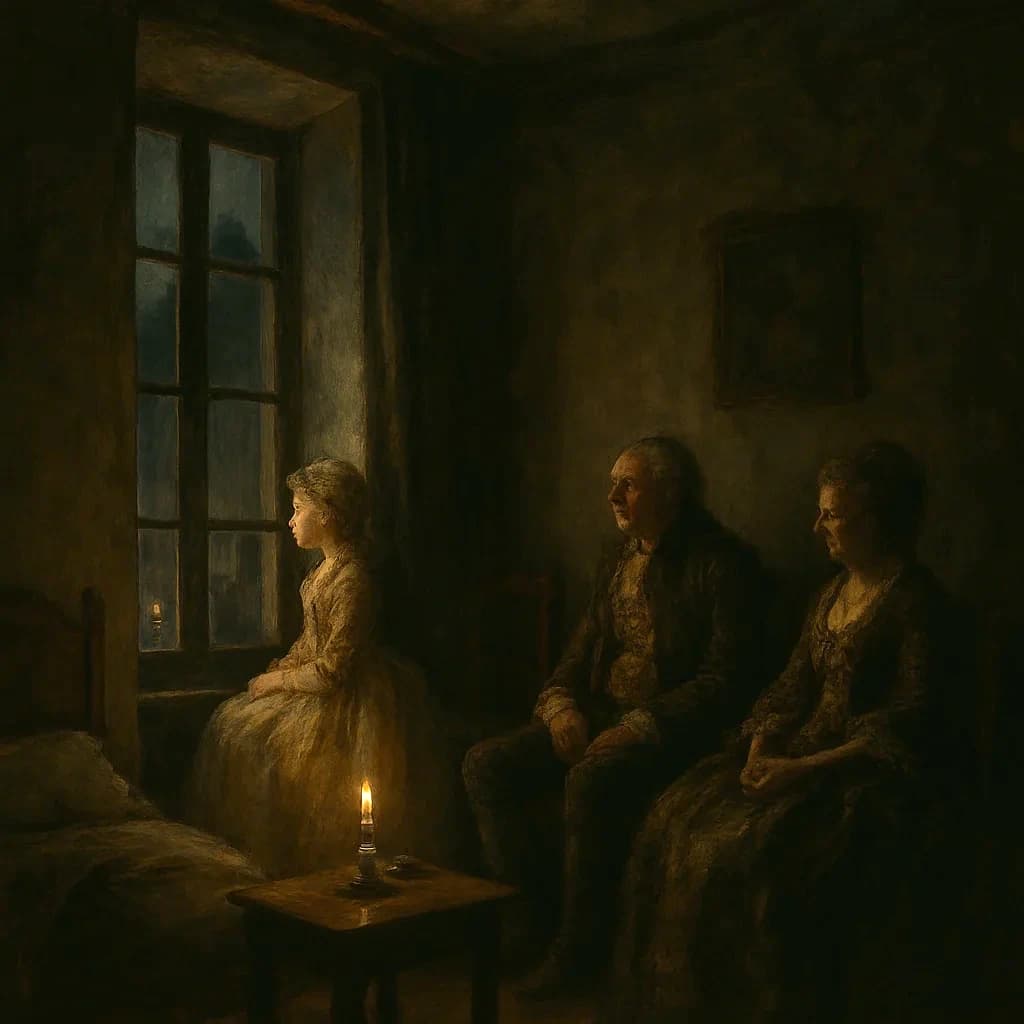
Versailles Falls: A Princess Hides in Room 39
Not as an empress but as a fugitive, the most powerful woman in Europe spent her final night in a single rented Parisian hotel room.
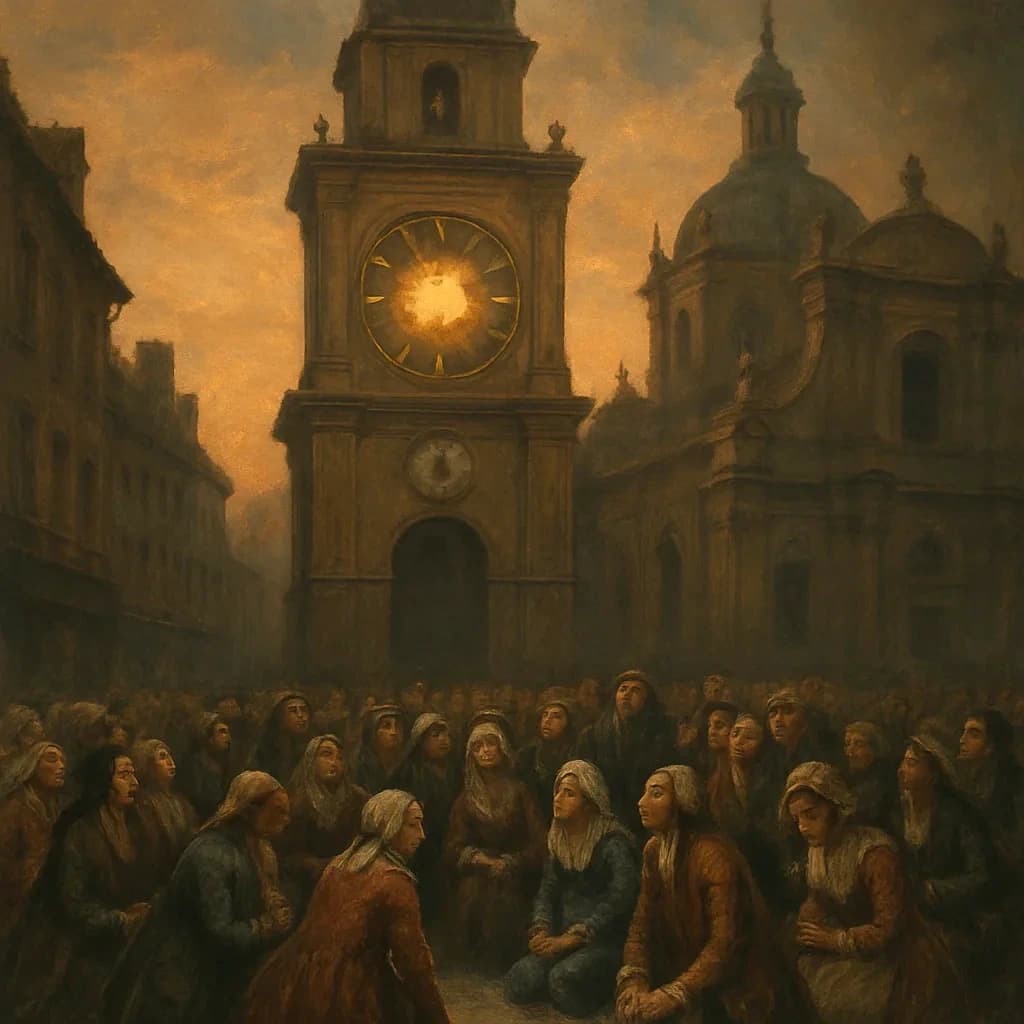
How a Broken Clock Nearly Killed the French Revolution
A small-town clockmaker's mistake in 1788 convinced an entire nation that God was angry, and nearly prevented a revolution.
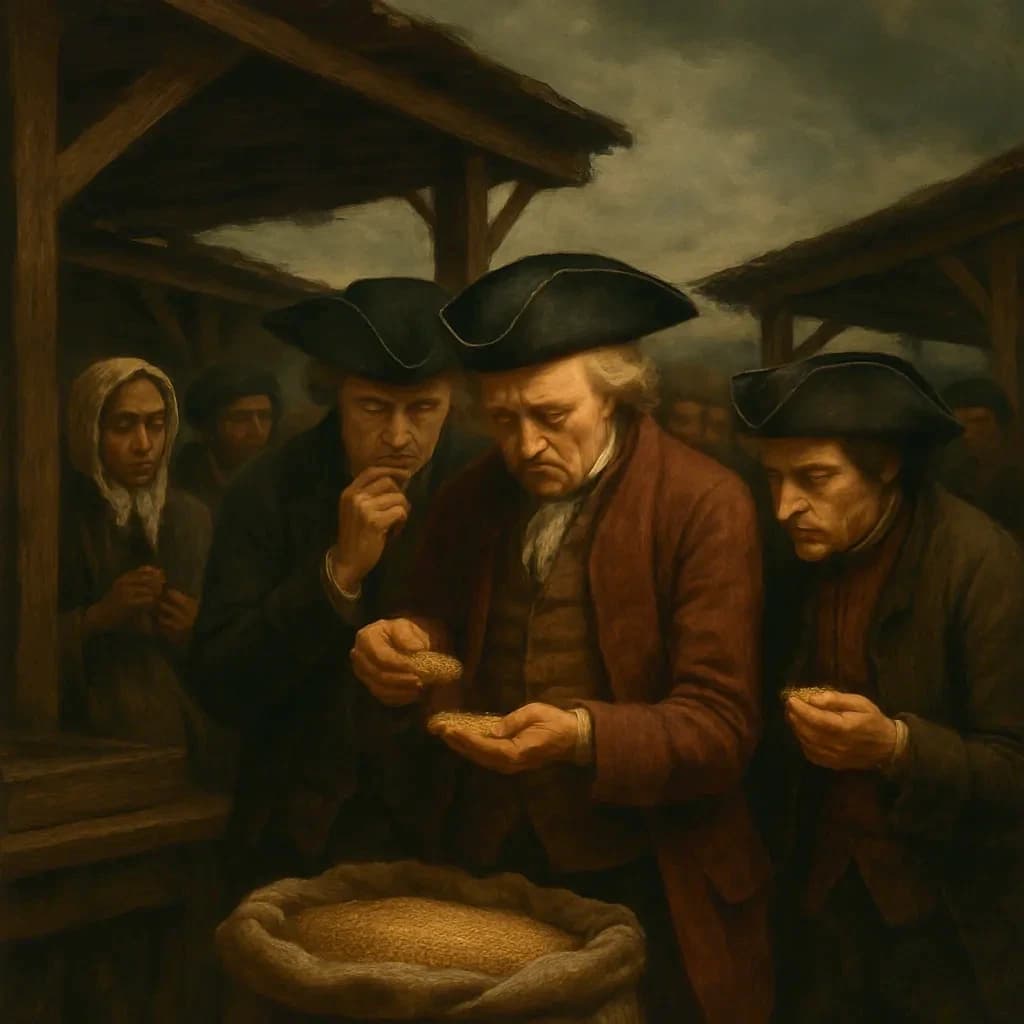
When Bread Made Empires Tremble
In the summer of 1788, France's entire foreign policy hung on the price of a loaf of bread.
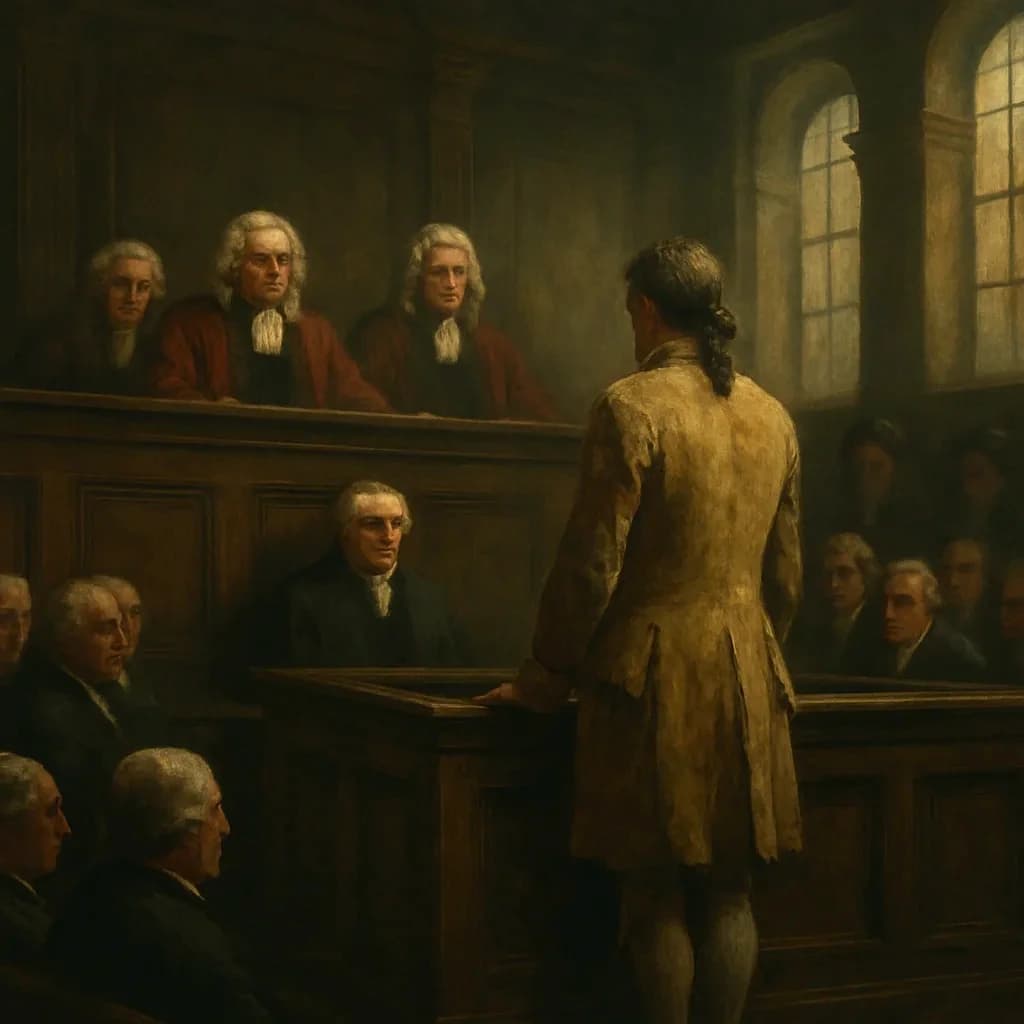
England Executed Marie Antoinette's Dancing Master
When the Queen of England's own dancing master was dragged from the palace to the executioner's block, France discovered that revolution could be choreographed.
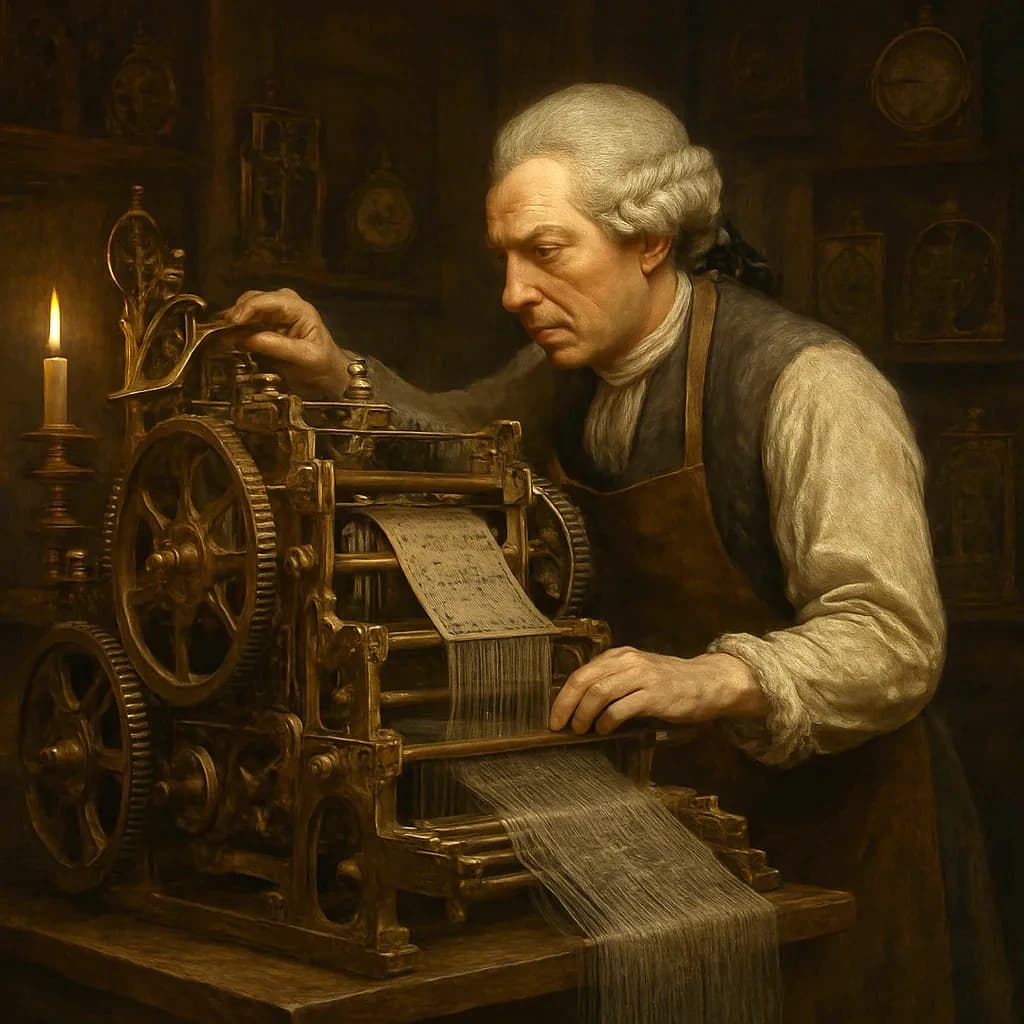
Six Weeks to Weave Faster Than Twenty Men
Handed six weeks in 1784 to build a machine that would save the monarchy, a French clockmaker invented the modern world instead.
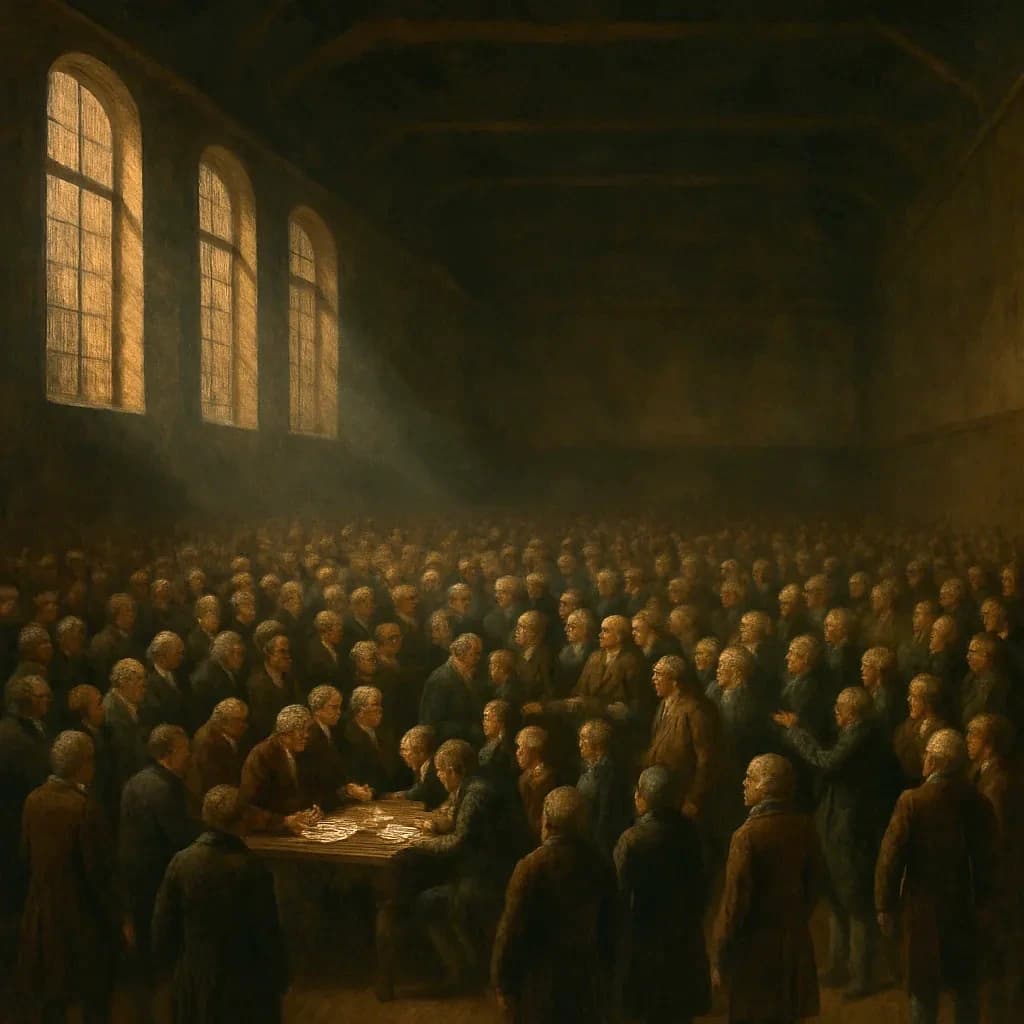
How a Locked Door Started the French Revolution
Locked out of their own meeting hall, the Third Estate crowded into a tennis court and laid the foundation of modern democracy.
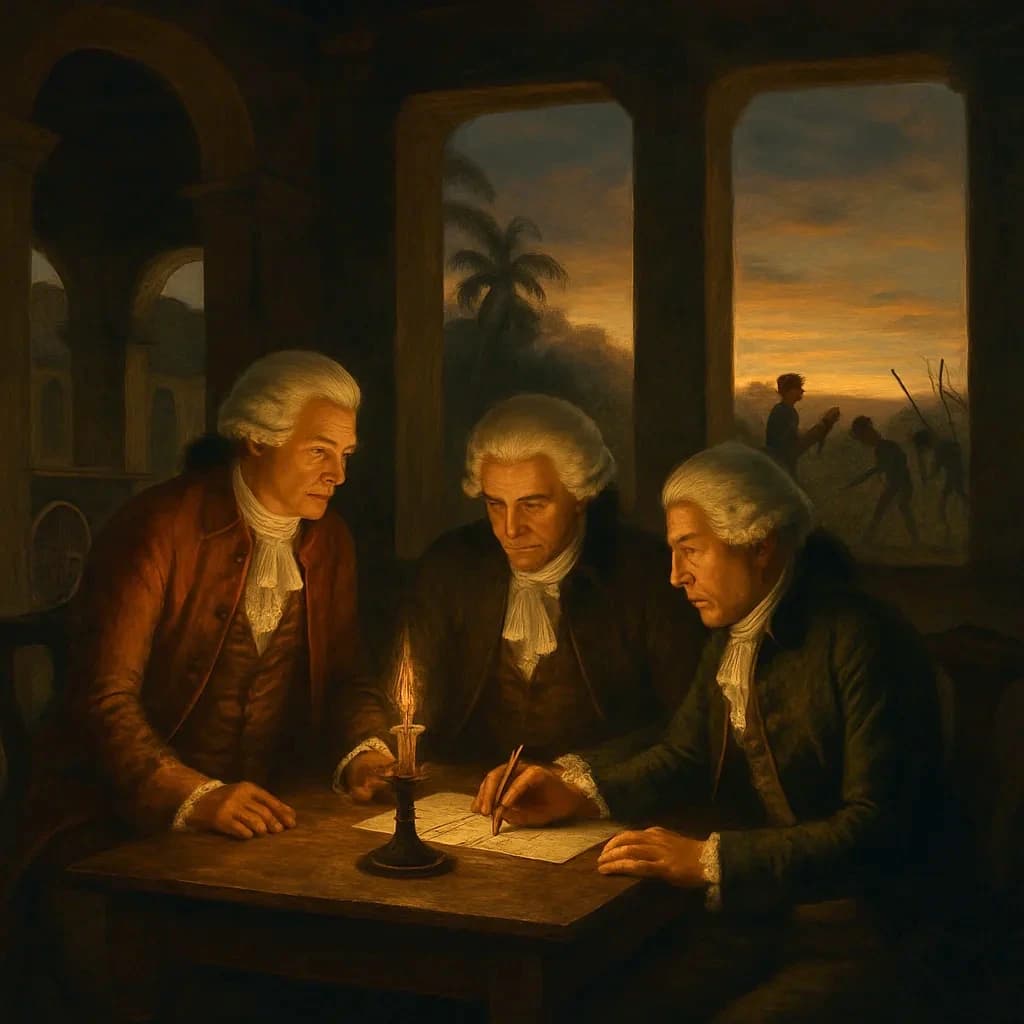
The Planters' Own Petition Sparked History's Greatest Slave Rebellion
A group of French planters wrote one letter to their king, and accidentally created the most successful slave rebellion in human history.
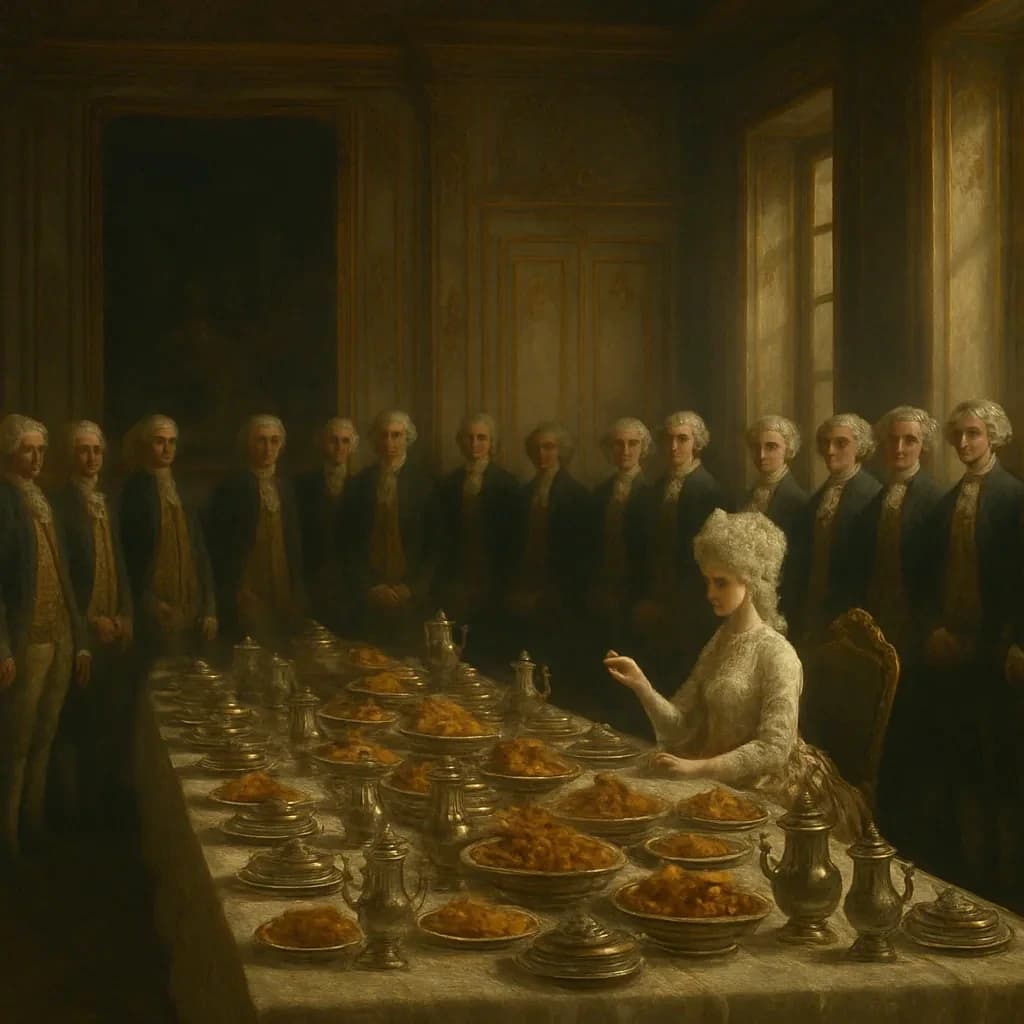
498 Cooks for One Breakfast She Wouldn't Eat
While Paris starved in 1789, Marie Antoinette's breakfast cost more than most French families earned in a year.
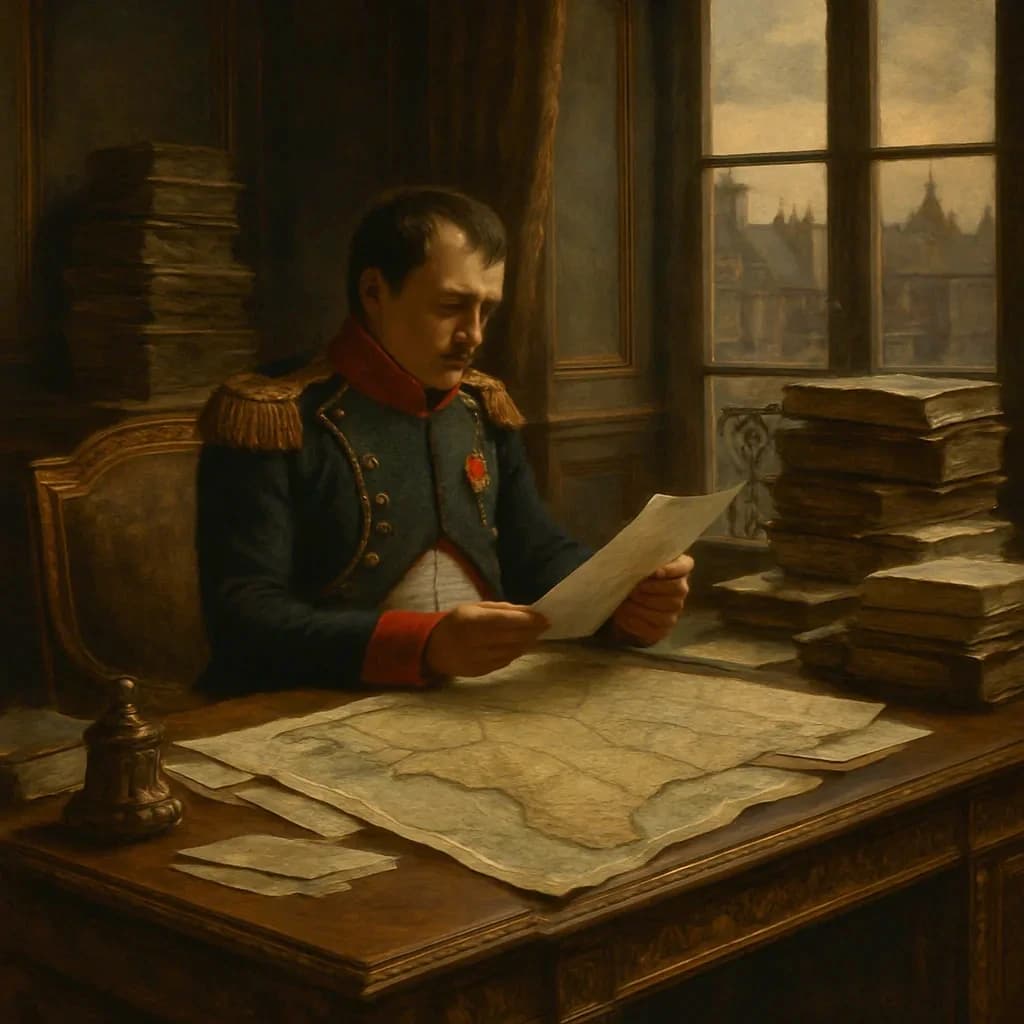
One Unpaid Tobacco Debt Cost France a Continent
A single unpaid loan to an American tobacco farmer in 1781 would eventually cost France an entire continent.
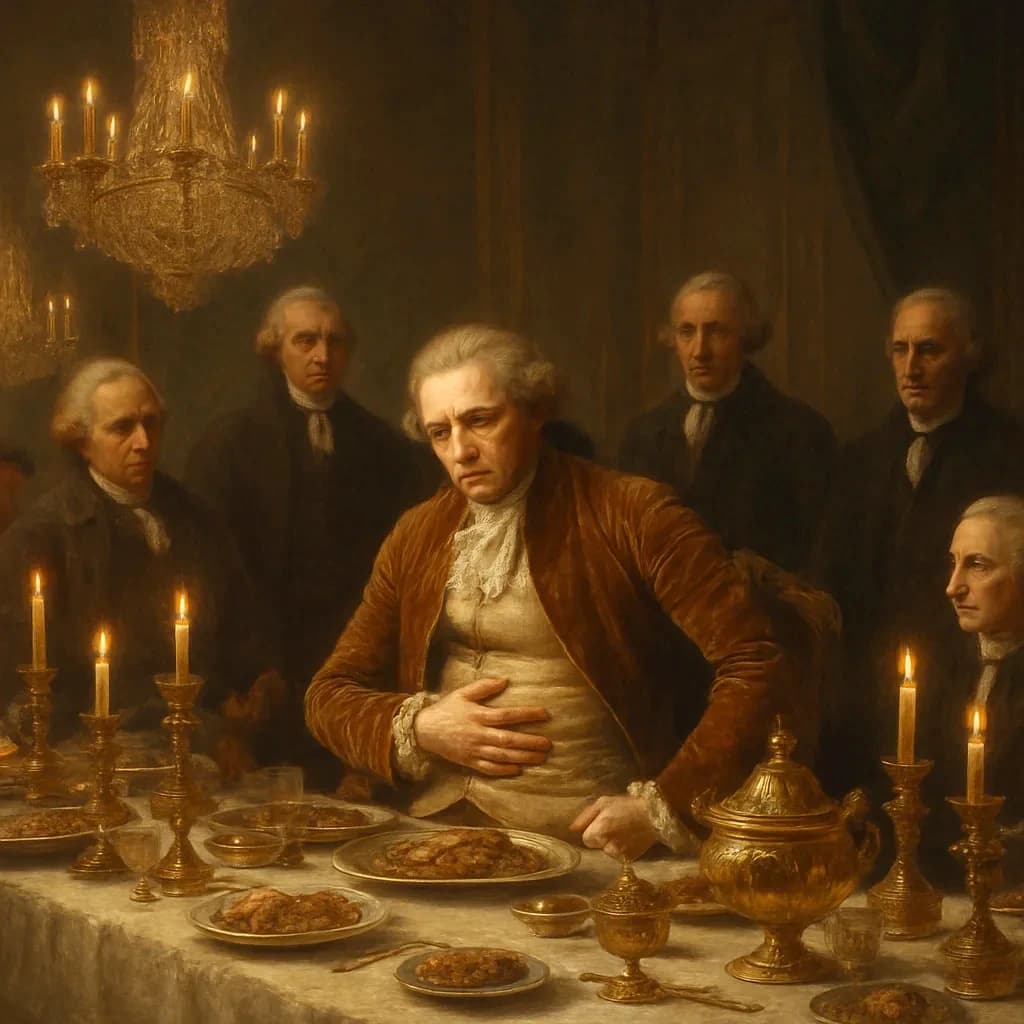
Arsenic at the King's Reconciliation Dinner
A master chef's secret ingredient destroyed the oldest monarchy in Europe.
- Simon Schama, 'Citizens: A Chronicle of the French Revolution'
- Antonia Fraser, 'Marie Antoinette: The Journey'
- William Doyle, 'The Oxford History of the French Revolution'