
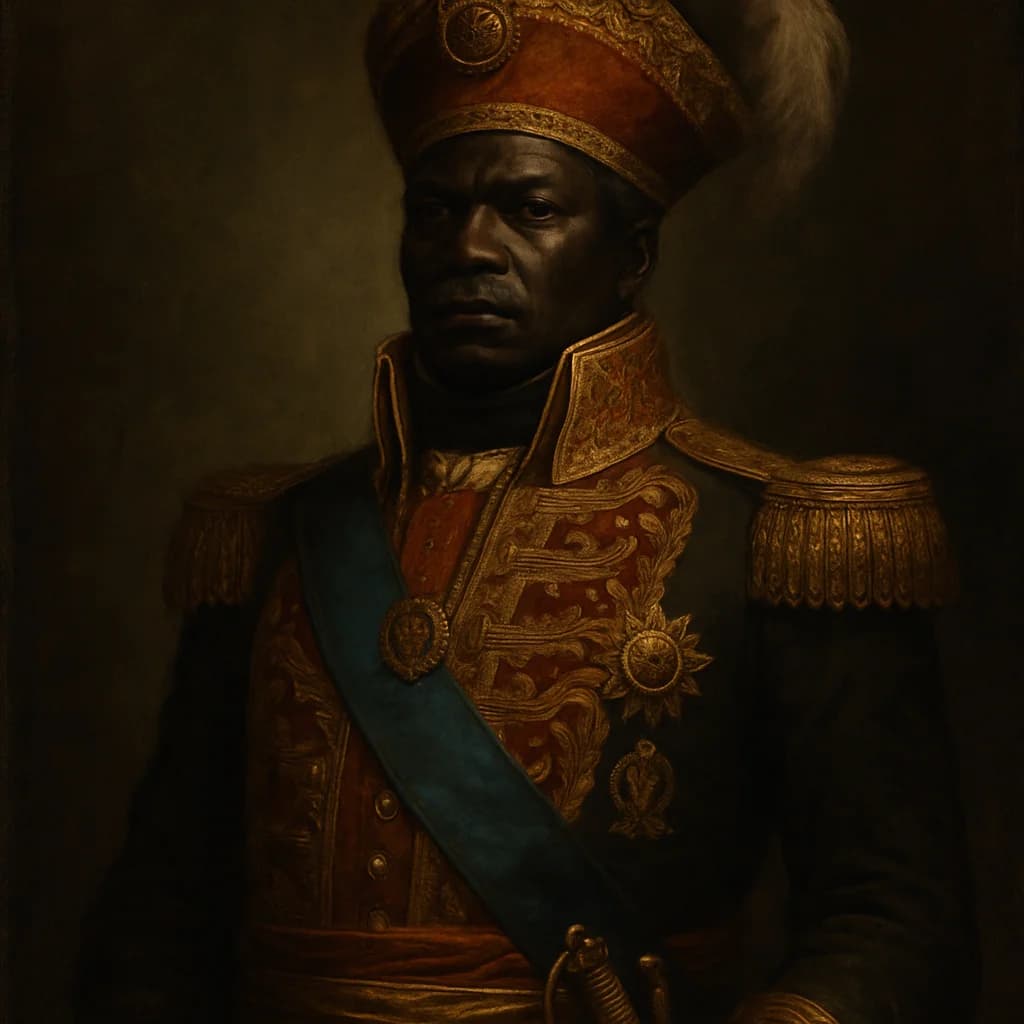
Jean-Jacques Dessalines
The man who freed Haiti spent his first decade as emperor systematically murdering every white person he could find, including the French children born on the island.
Jean-Jacques Dessalines had been a slave for forty years when the revolution began. He couldn't read, couldn't write, and bore the scars of countless whippings across his back. But he possessed something his more educated generals lacked: an absolute understanding that this war could only end one way.
While Toussaint Louverture negotiated with Napoleon and dreamed of gradual emancipation, Dessalines saw the future clearly. There would be no halfway measures, no shared power, no gentle transition. Either slavery died completely, or the revolution would fail. When the French captured Toussaint through treachery in 1802, Dessalines didn't mourn. He declared war on the very concept of whiteness in Haiti.
After independence in 1804, Emperor Jacques I issued a decree that remains one of history's most chilling documents. Every French colonist who had remained during the revolution was to be executed. Men, women, children. It didn't matter. Dessalines personally supervised the killings, walking through Cap-Haïtien as his soldiers methodically worked through their lists. Polish soldiers who had defected to help the revolution were spared. Germans were spared. But anyone carrying French blood died. In three months, nearly every white person on the island was dead.
The world recoiled in horror, but Dessalines understood what others refused to see. Haiti's revolution wasn't just political. It was existential. As long as any former master remained alive, as long as any white authority figured survived, the old order could return. He was creating something unprecedented: a nation where the very idea of racial hierarchy had been burned away. Two years later, when a mulatto conspiracy tried to restore the old color-based caste system, Dessalines died with seventeen stab wounds. His last words were reportedly about the constitution he'd written, the one that declared all Haitians, regardless of color, to be 'black.'
Dessalines legally changed the name of Haiti from Saint-Domingue and banned white people from ever owning land there, a law that remained in effect until 1918.
Why untold: His systematic genocide of white colonists is too uncomfortable for most histories that prefer to focus on the noble aspects of anti-slavery movements.
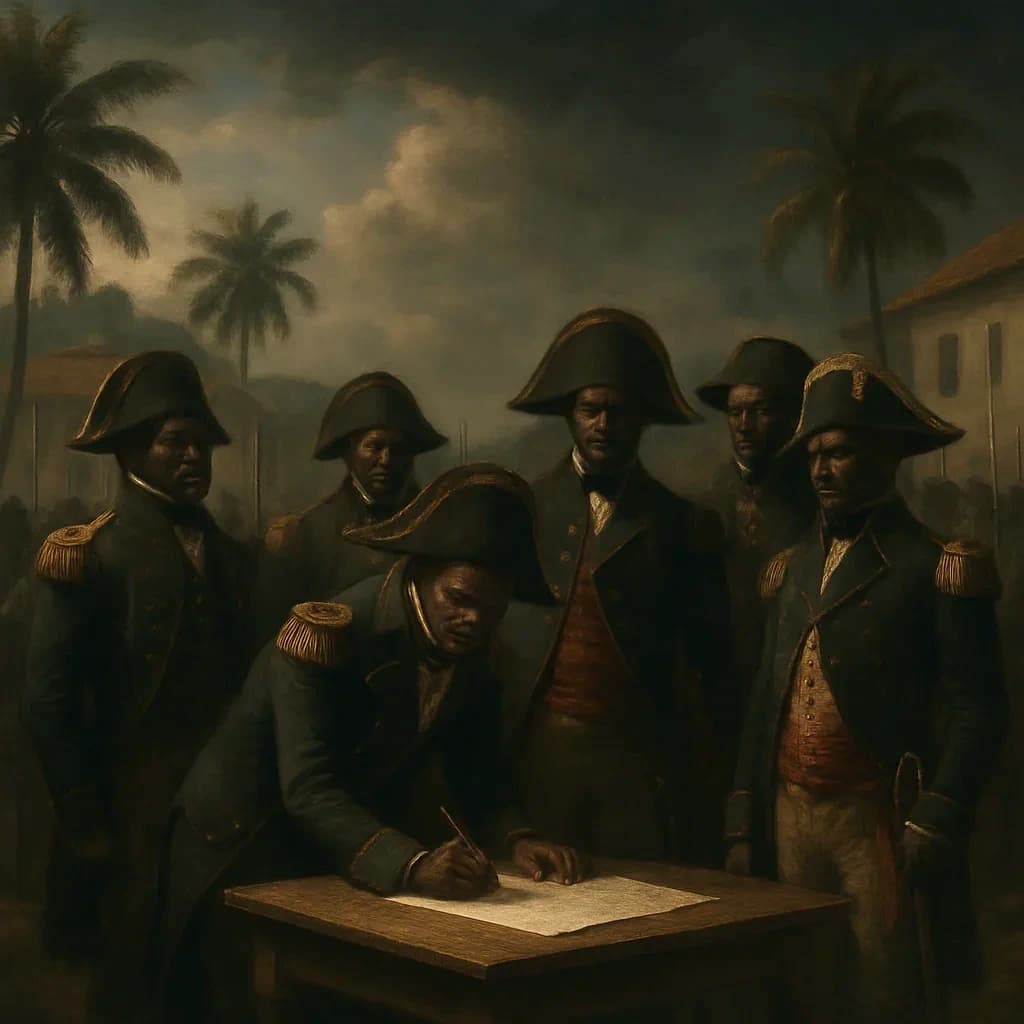
Article 12: How Haiti Made Every Citizen Legally Black
The newly free people of Haiti voted on their first constitution in 1804, then quietly inserted a clause that made their revolution unlike any other in human history.
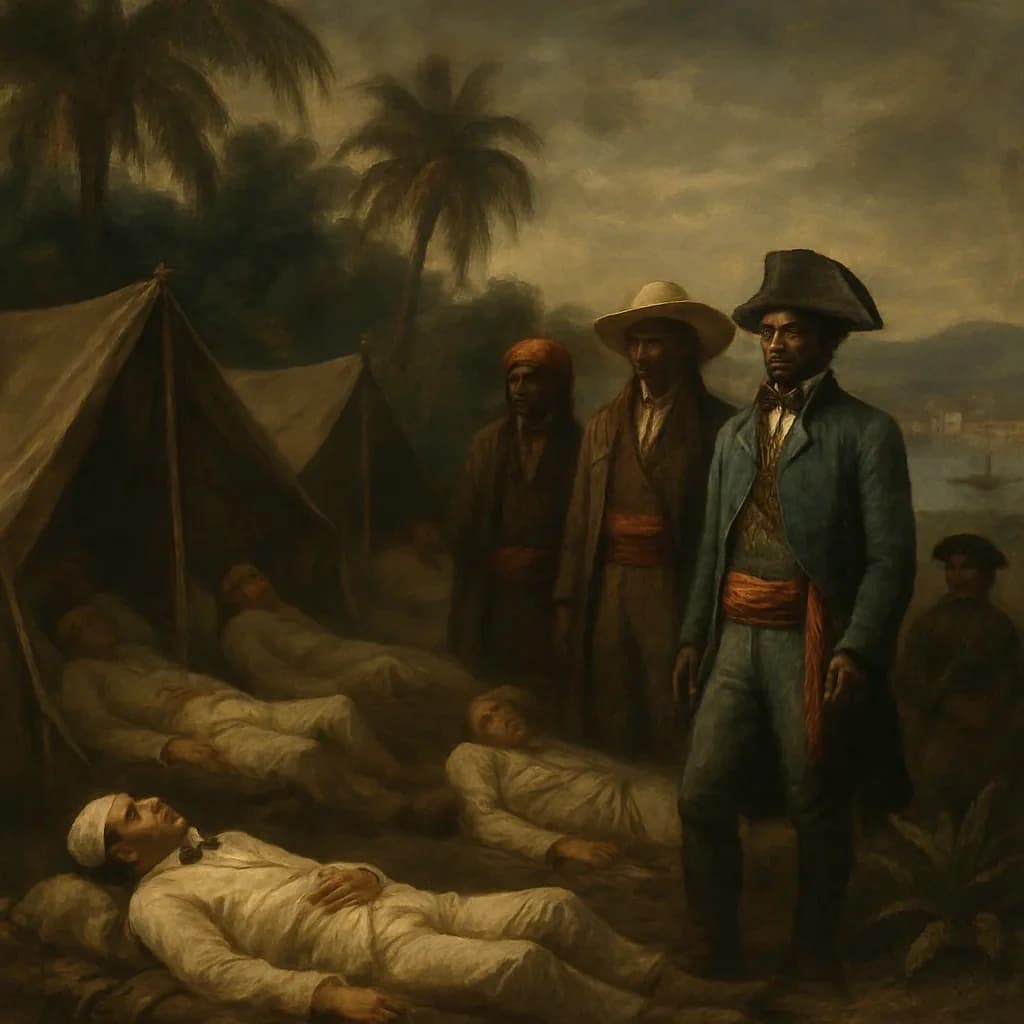
Yellow Fever Beat France's Army and Changed Three Empires
Yellow fever killed more French soldiers in Haiti than all the battles combined, and changed the course of three empires.
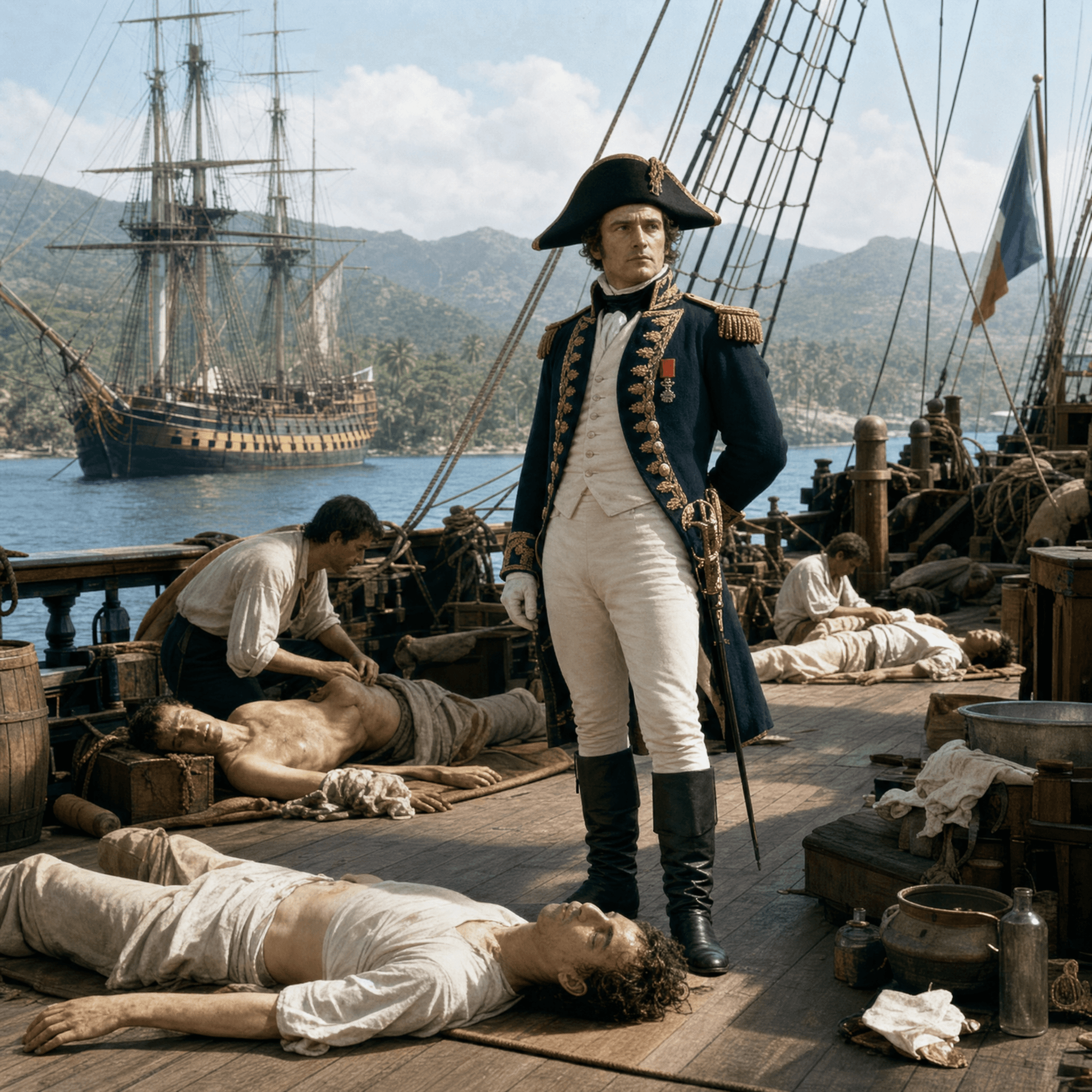
The Fever Ship That Freed Haiti
A single naval captain's decision to ignore quarantine may have saved the Haitian Revolution and terrified every slave owner in the Americas.
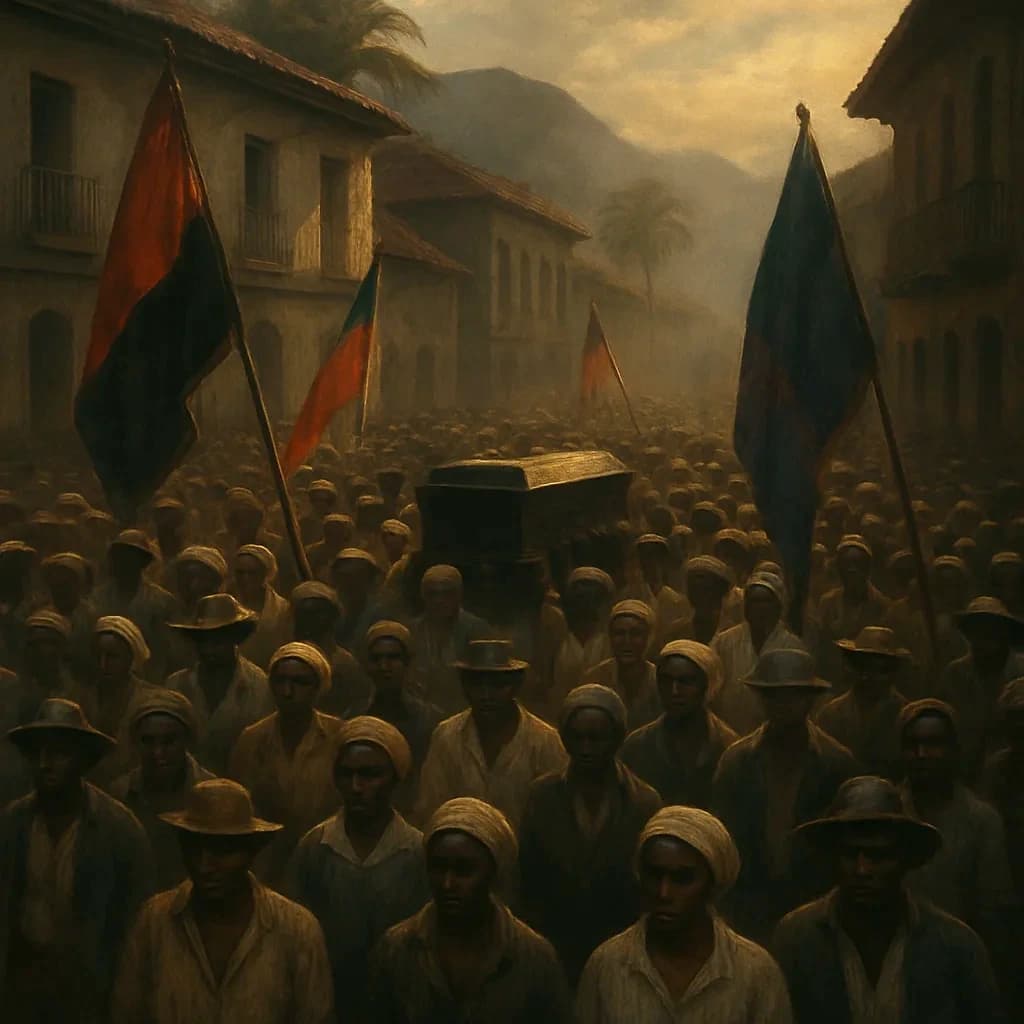
When Haiti's Empress Died, Slaveholders Panicked
The most powerful woman in the Caribbean died, and her funeral procession became something no one expected: the beginning of the end for an entire economic system.
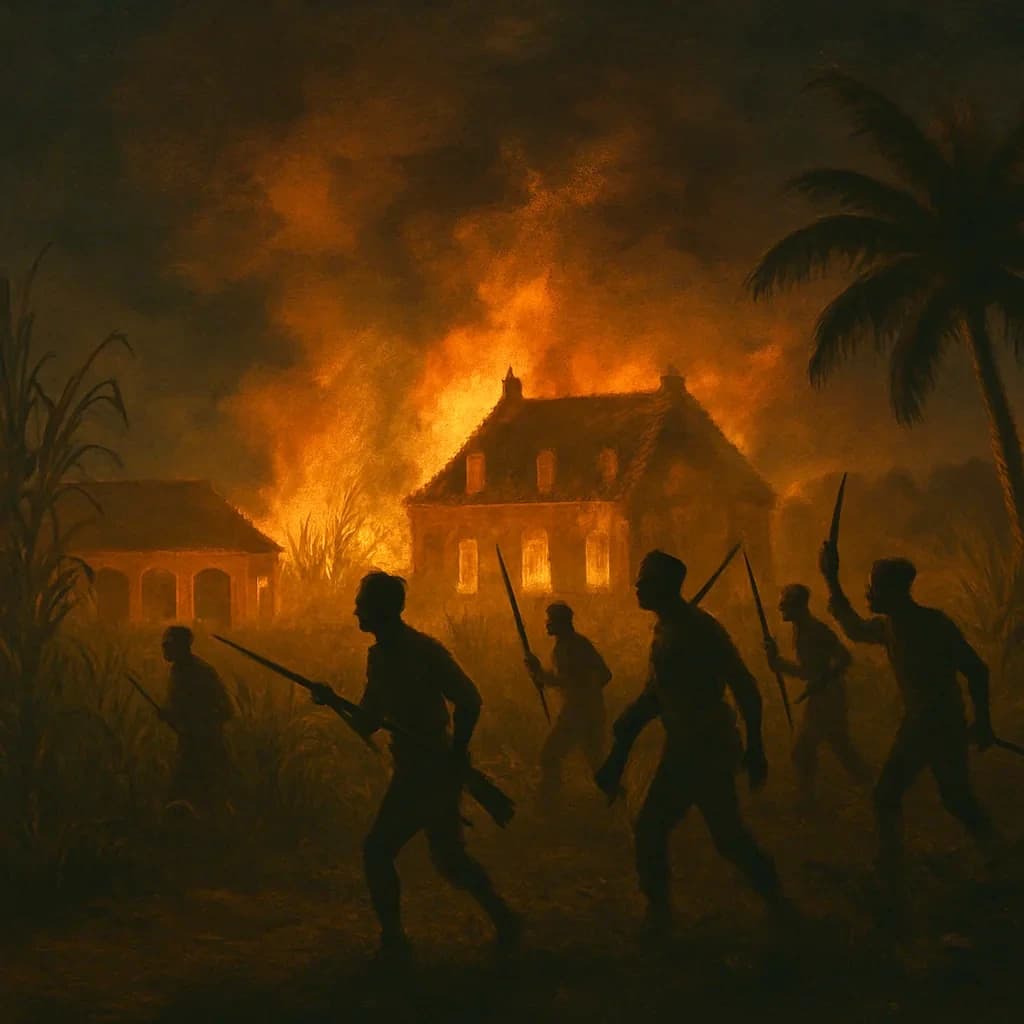
Haiti's Slaves Won a War the World Called Impossible
A slave uprising in Haiti sent shock waves through every plantation from Virginia to Brazil, and changed how the world thought about human bondage forever.
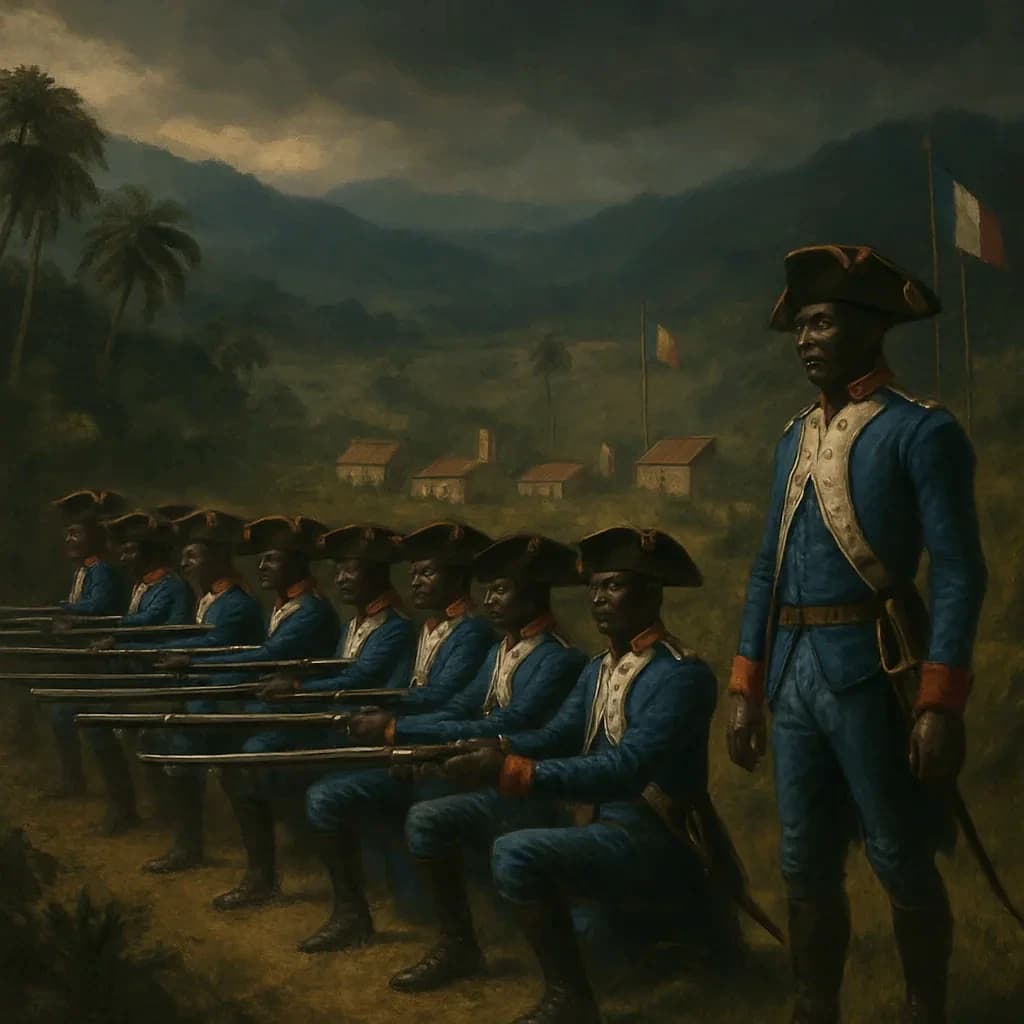
When Slaves Became Generals
A sugar colony's kitchen workers became the most feared military commanders in the Caribbean, and every plantation owner in the Americas couldn't sleep at night.
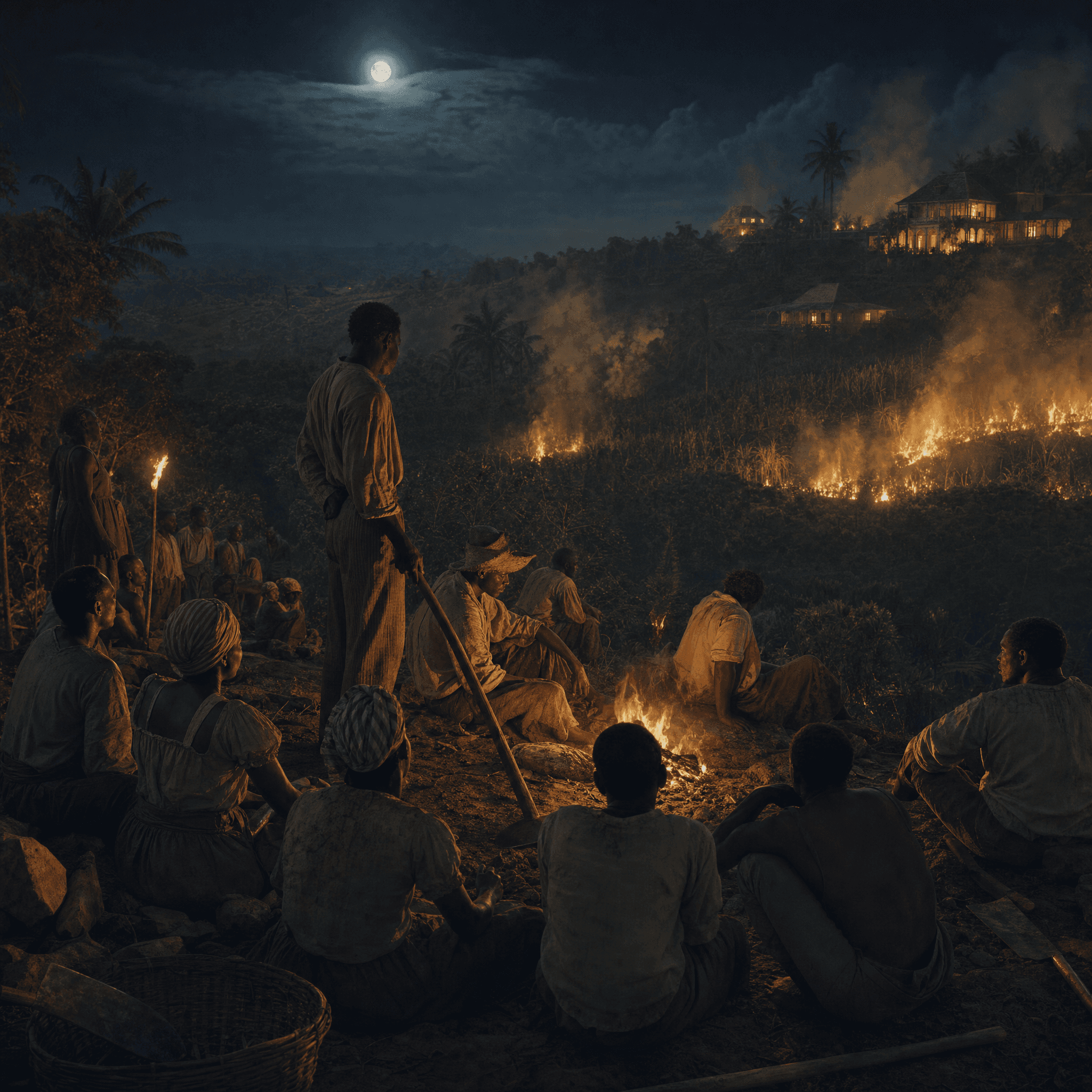
Every Slaveholder From Virginia to Brazil Was Having Nightmares
While Europe debated abolition in drawing rooms, a small Caribbean island was fighting the world's first successful slave revolution, and every slaveholder from Virginia to Brazil was having nightmares.
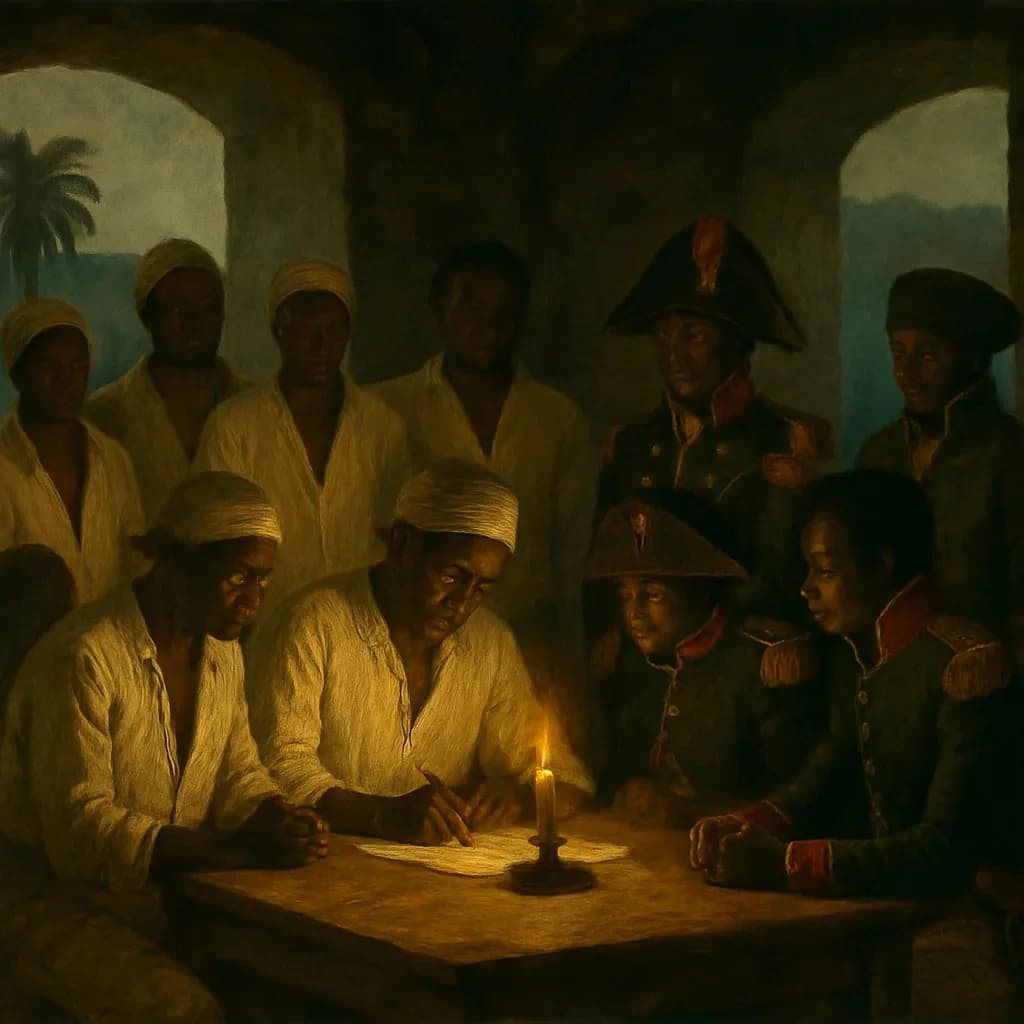
Haiti's Constitution: Any Slave Who Landed Was Free
The world's first successful slave revolution produced a document so radical that Thomas Jefferson ordered it banned from American soil.
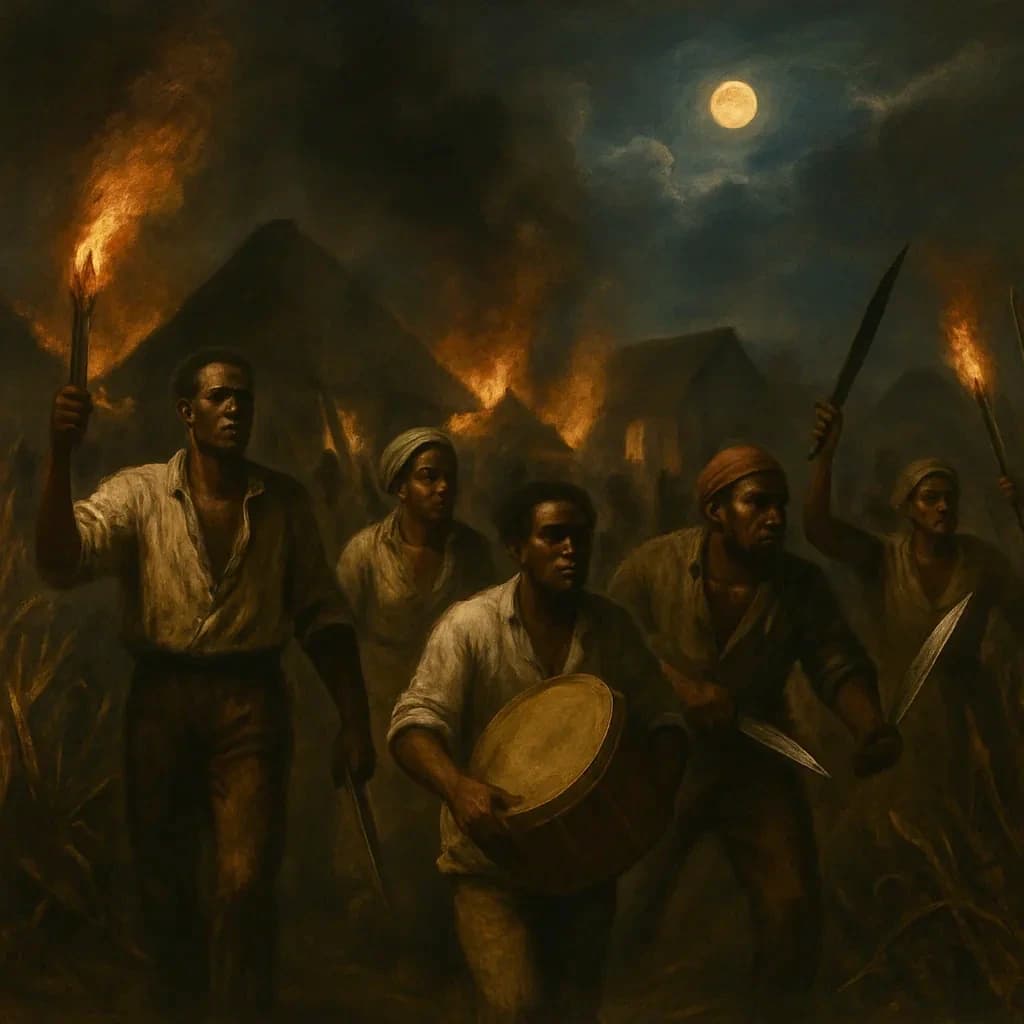
The Midnight Haircut That Freed an Empire
A slave's razor and thirty seconds of courage ended three centuries of colonial rule in Haiti, and sent shockwaves through every plantation from Virginia to Brazil.
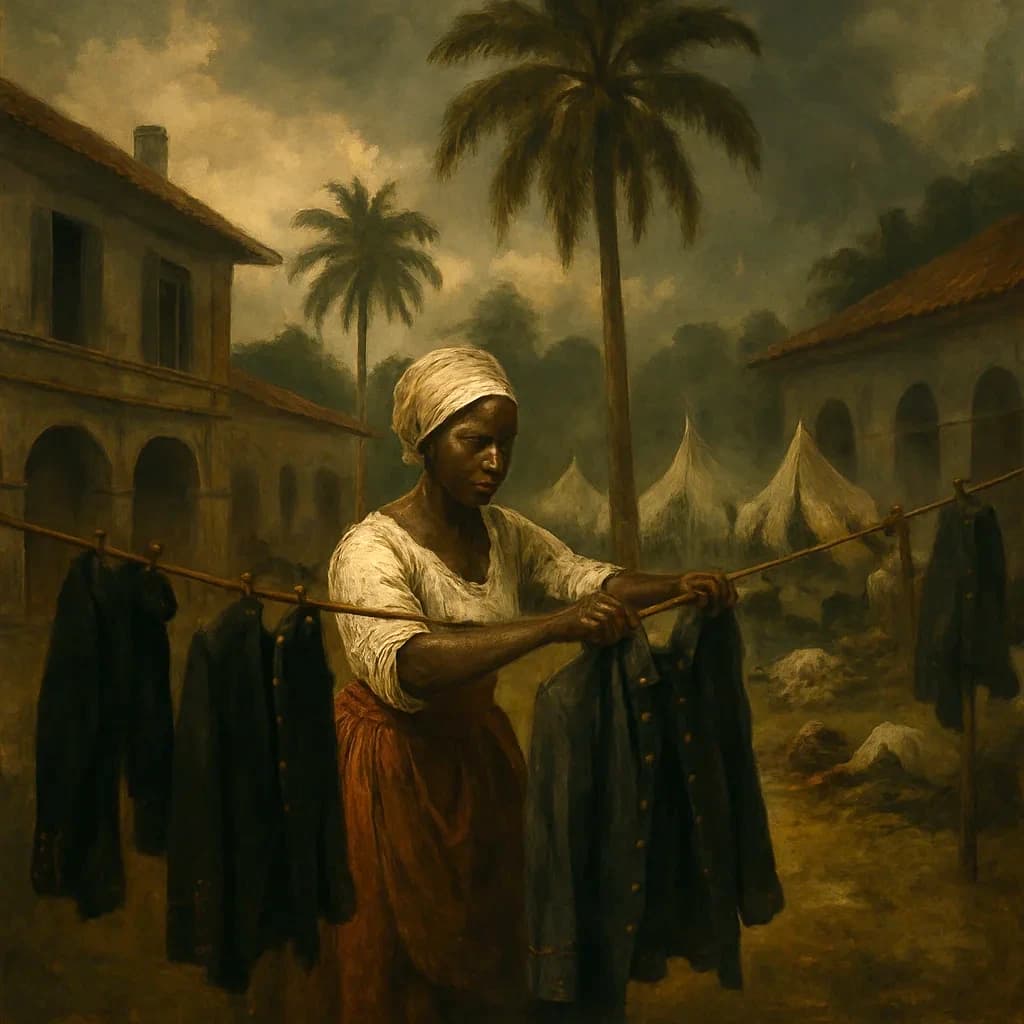
How Yellow Fever Won Haiti Its Freedom
A French laundress grabbed the wrong cloth and helped create the conditions for Haiti's independence.
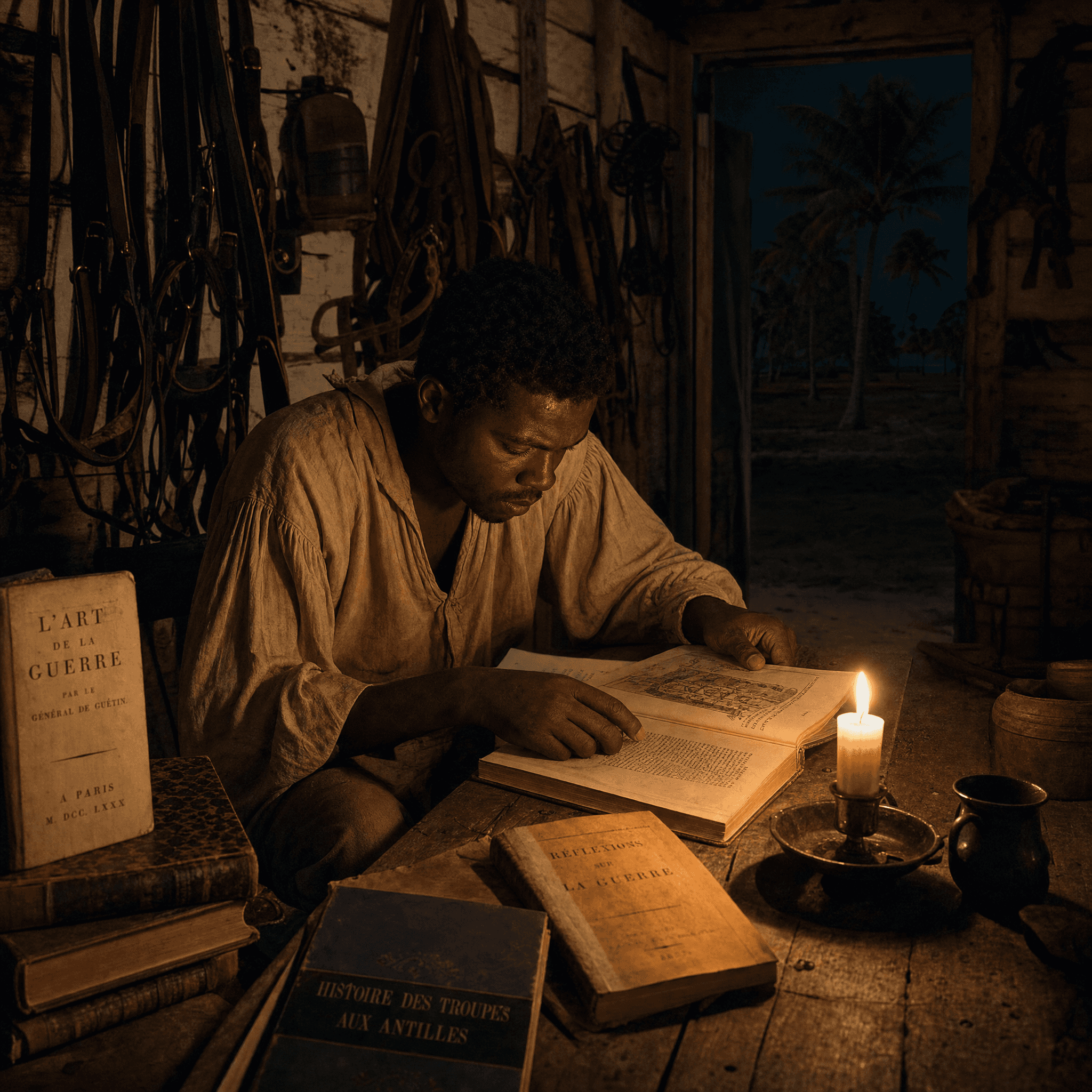
When Toussaint Learned to Read
A coachman on a sugar plantation quietly taught himself French and Latin, then proceeded to terrify every slave-owning nation on earth.
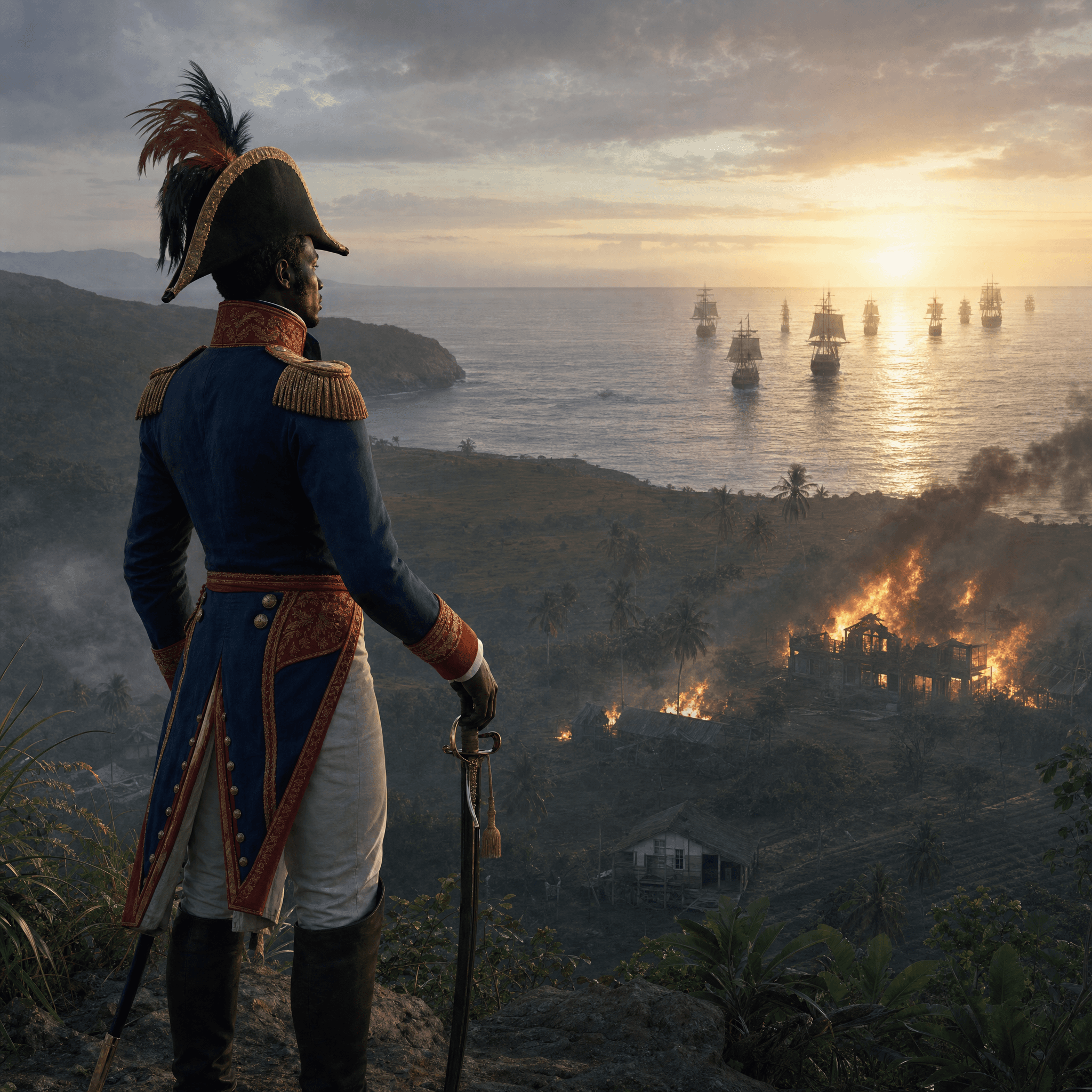
Haiti's Revolution Scared Napoleon Into Selling Louisiana
In 1804, a slave rebellion in Haiti created a nation so dangerous that Napoleon sold Louisiana to America rather than risk another revolution spreading to New Orleans.
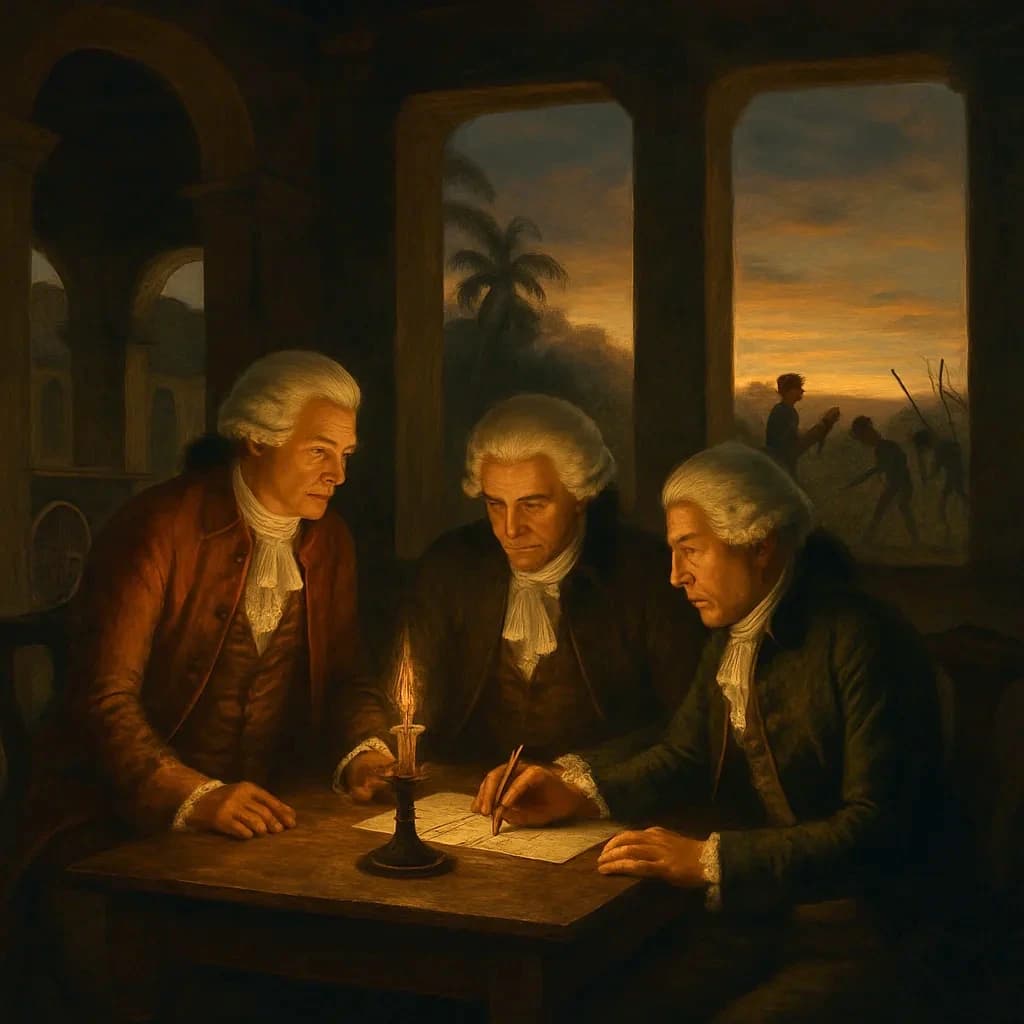
The Planters' Own Petition Sparked History's Greatest Slave Rebellion
A group of French planters wrote one letter to their king, and accidentally created the most successful slave rebellion in human history.
- Laurent Dubois, 'Haiti: The Aftershocks of History' (2012)
- C.L.R. James, 'The Black Jacobins: Toussaint L'Ouverture and the San Domingo Revolution' (1963)
- Philippe Girard, 'The Slaves Who Defeated Napoleon: Toussaint Louverture and the Haitian War of Independence' (2011)