
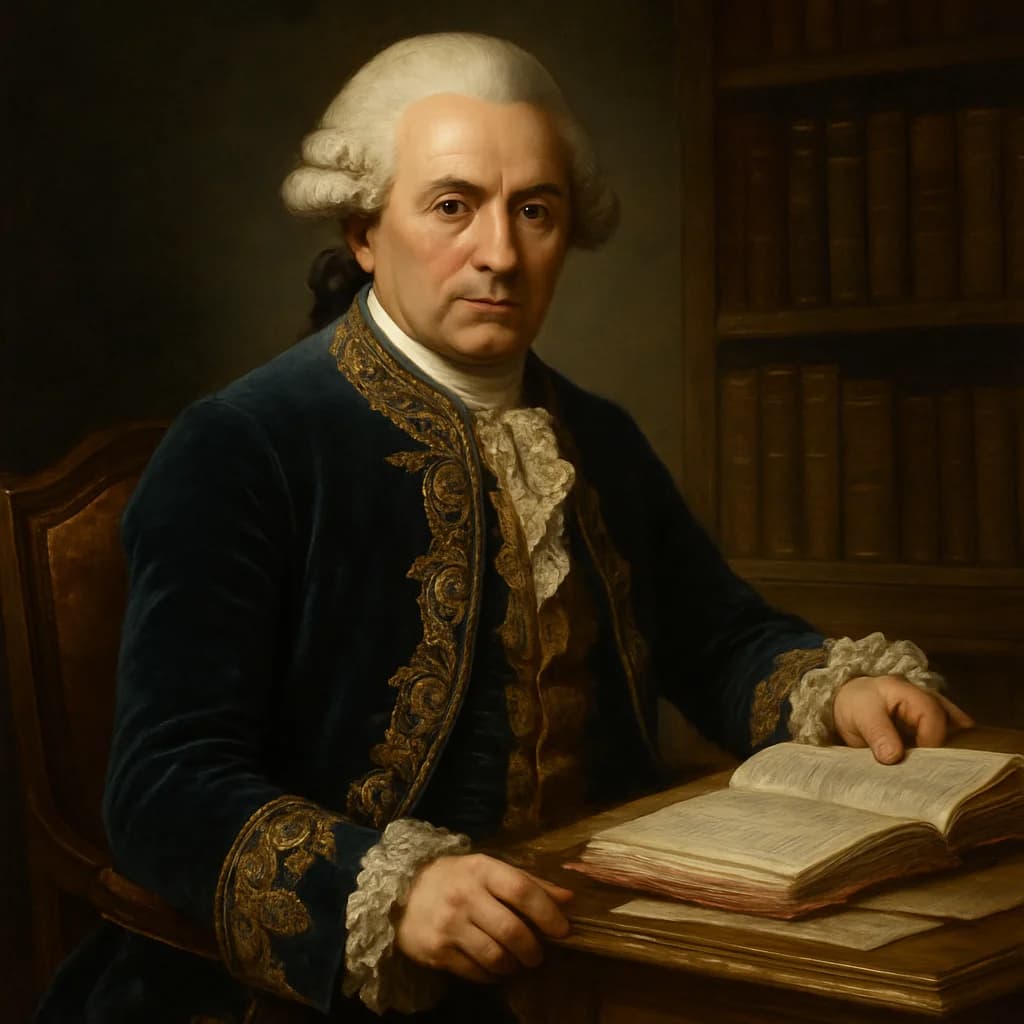
Jacques Necker
The Swiss banker who became France's financial savior twice published the kingdom's budget publicly, the first government in European history to do so.
Jacques Necker arrived in Paris as a Protestant foreigner in a Catholic kingdom, carrying nothing but his reputation as a brilliant banker. By 1777, this Geneva-born financier had done the impossible: he'd balanced France's books without raising taxes. His secret weapon wasn't accounting tricks or austerity. It was transparency.
In 1781, Necker published the *Compte Rendu au Roi*, a detailed breakdown of royal finances that became an instant bestseller. Parisians lined up at bookstalls to read about their government's spending habits like it was a scandalous novel. For the first time in French history, subjects could see exactly where their tax money went, and they were horrified. The royal household alone consumed 36 million livres annually while the kingdom teetered toward bankruptcy.
Louis XVI fired him for this radical act of openness, but when the financial crisis deepened into revolution, the king begged Necker to return. The Swiss banker's second appointment in 1788 triggered wild celebrations in Paris. Crowds unhitched horses from his carriage and pulled it through the streets themselves. But Necker's transparency had unleashed forces he couldn't control. His public budgets had taught the French to think of royal spending as their business, not the king's private affair.
When Louis XVI dismissed him again in July 1789, Parisians saw it as proof the monarchy would never reform. Two days later, they stormed the Bastille. The man who'd tried to save the kingdom through honesty had accidentally taught his subjects that their government belonged to them.
Necker's daughter Germaine de Staël became one of Europe's most influential writers and Napoleon's most persistent critic, forcing the emperor to exile her from Paris.
Why untold: His role is overshadowed by more dramatic revolutionary figures, though his financial transparency fundamentally changed how people viewed government accountability.
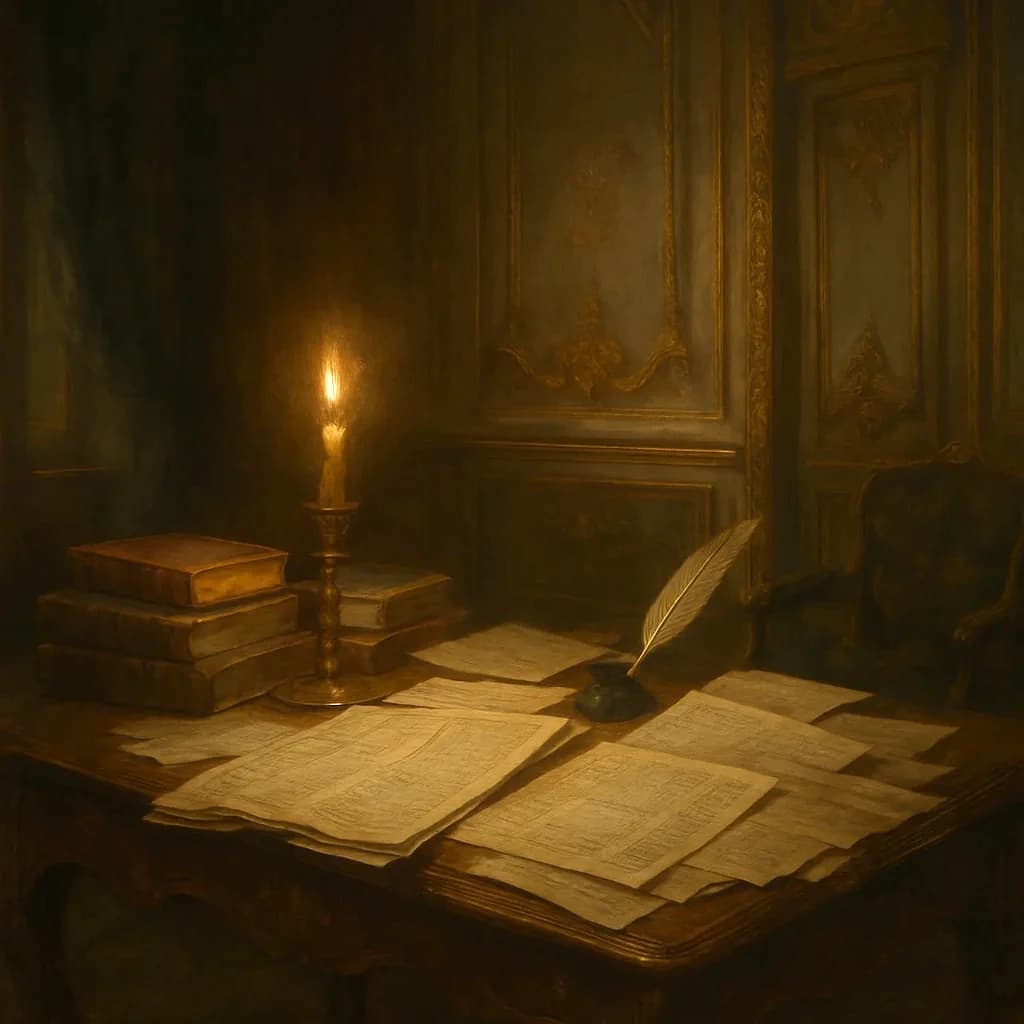
How One Accountant's Ledger Helped Topple France's King
King Louis XV's royal stables consumed more grain than most French towns, and in 1788 one accountant finally decided to do the math that would topple a throne.

A Clockmaker Fooled Franklin and Accidentally Sparked the French Revolution
A Parisian clockmaker convinced Benjamin Franklin he could predict earthquakes in 1784, and accidentally triggered the French Revolution.
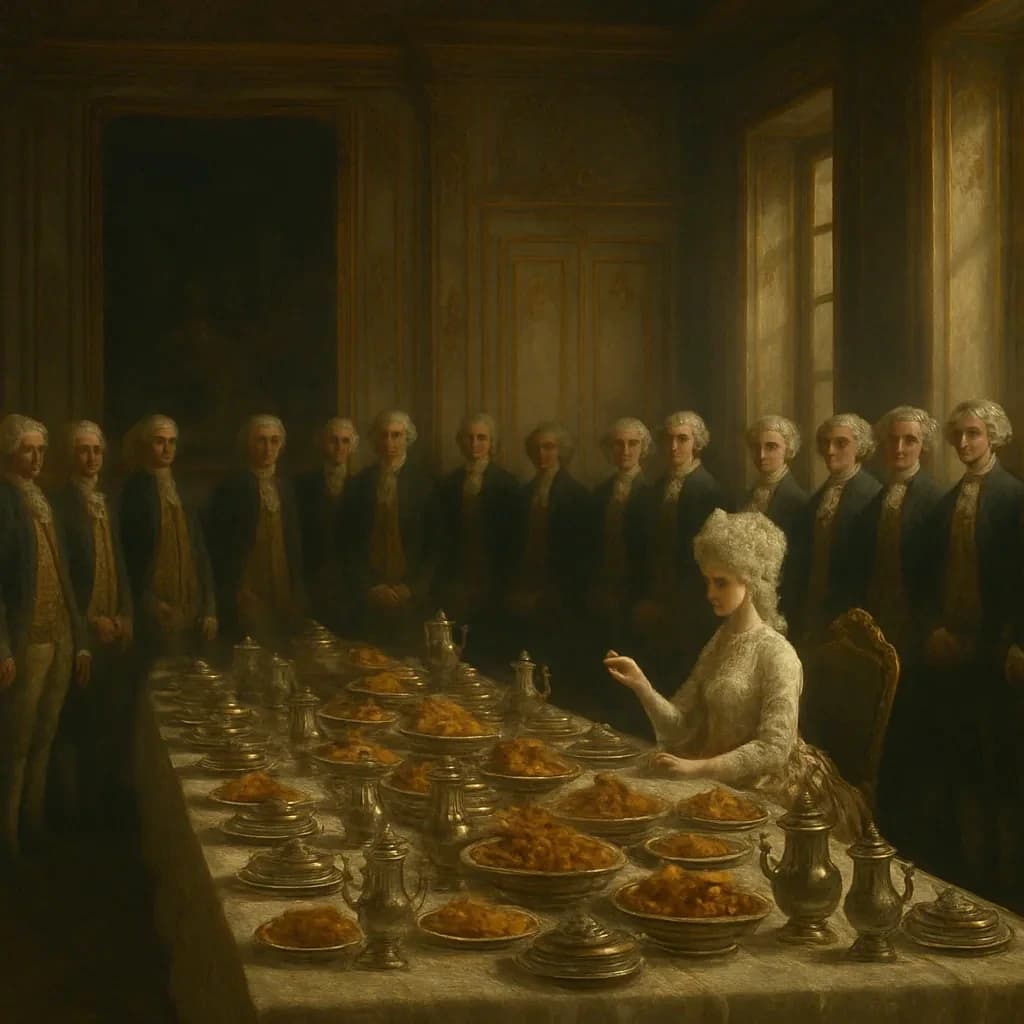
498 Cooks for One Breakfast She Wouldn't Eat
While Paris starved in 1789, Marie Antoinette's breakfast cost more than most French families earned in a year.
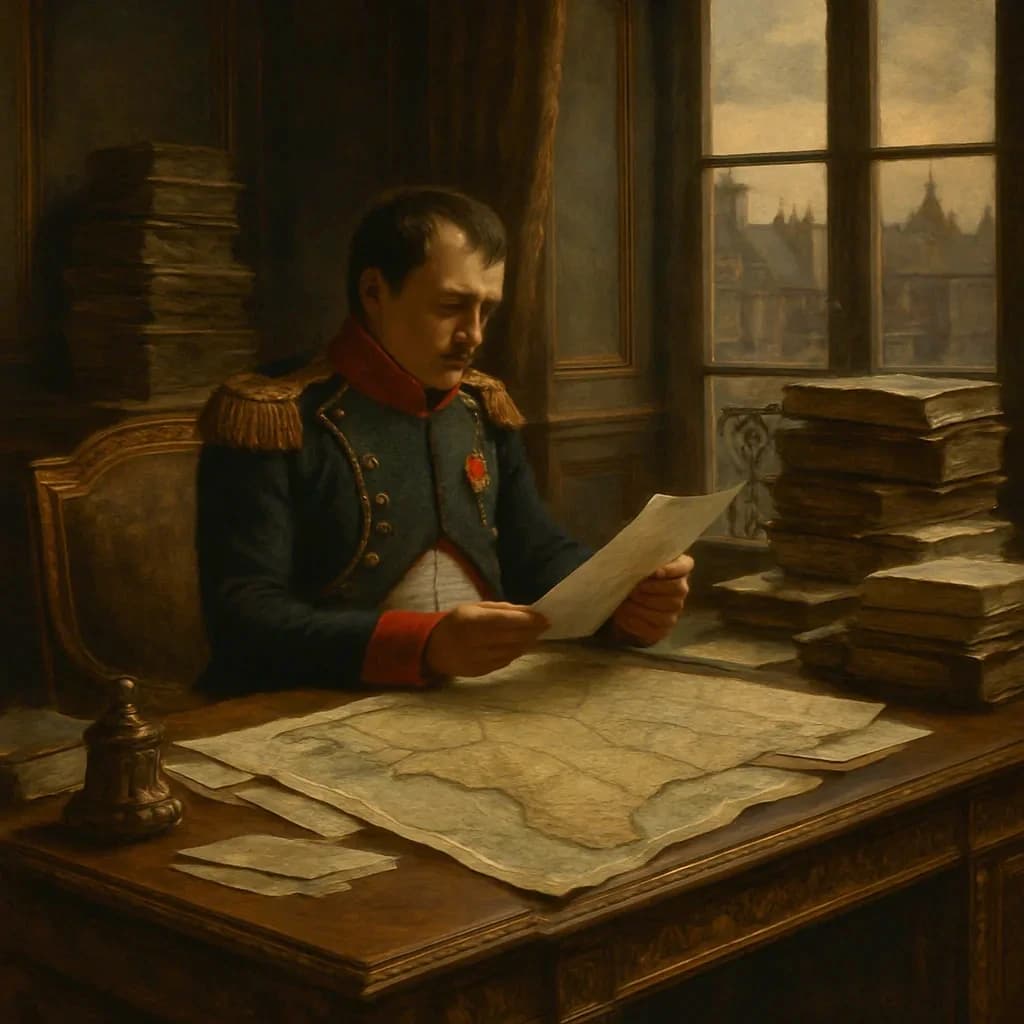
One Unpaid Tobacco Debt Cost France a Continent
A single unpaid loan to an American tobacco farmer in 1781 would eventually cost France an entire continent.
- Simon Schama, Citizens: A Chronicle of the French Revolution
- Jean Egret, Necker: Ministre de Louis XVI
- William Doyle, The Oxford History of the French Revolution