
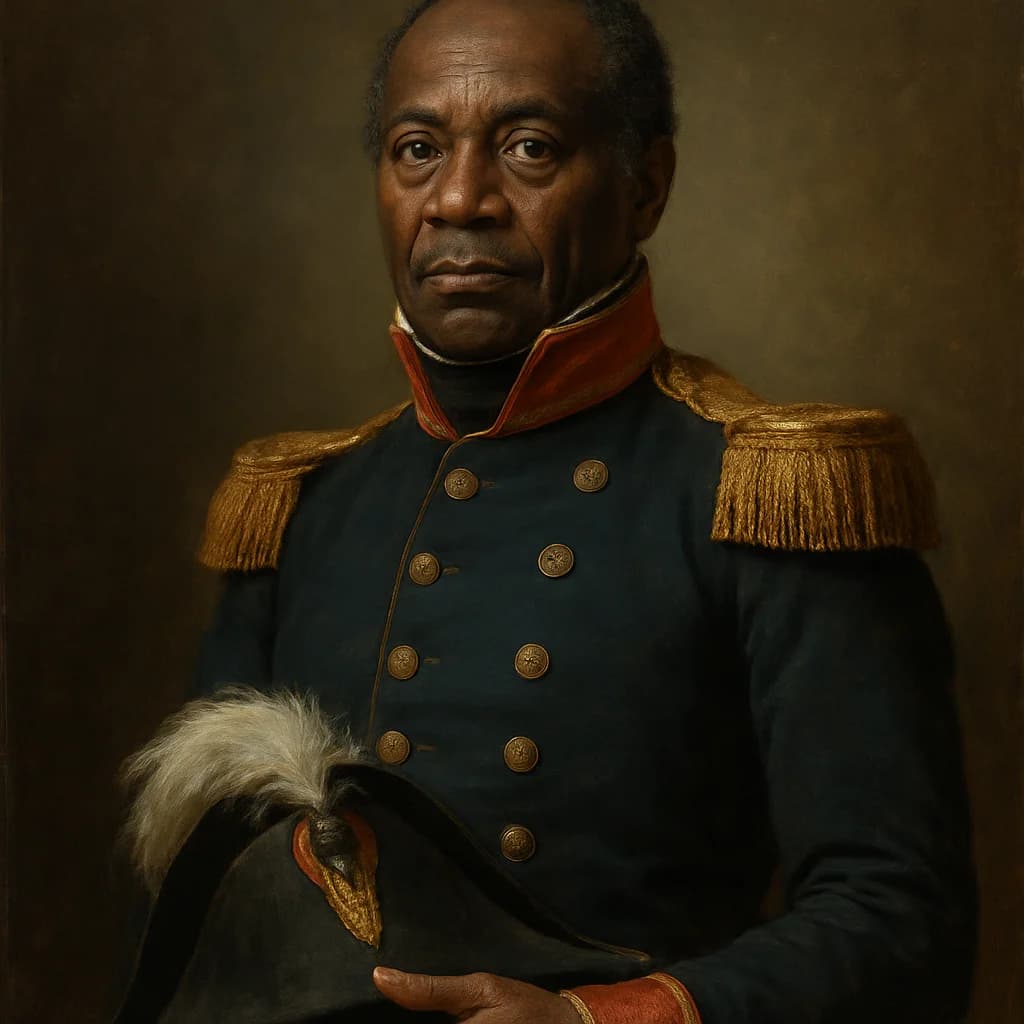
Toussaint Louverture
The coachman who quietly learned Latin in his spare time became the only man Napoleon Bonaparte truly feared.
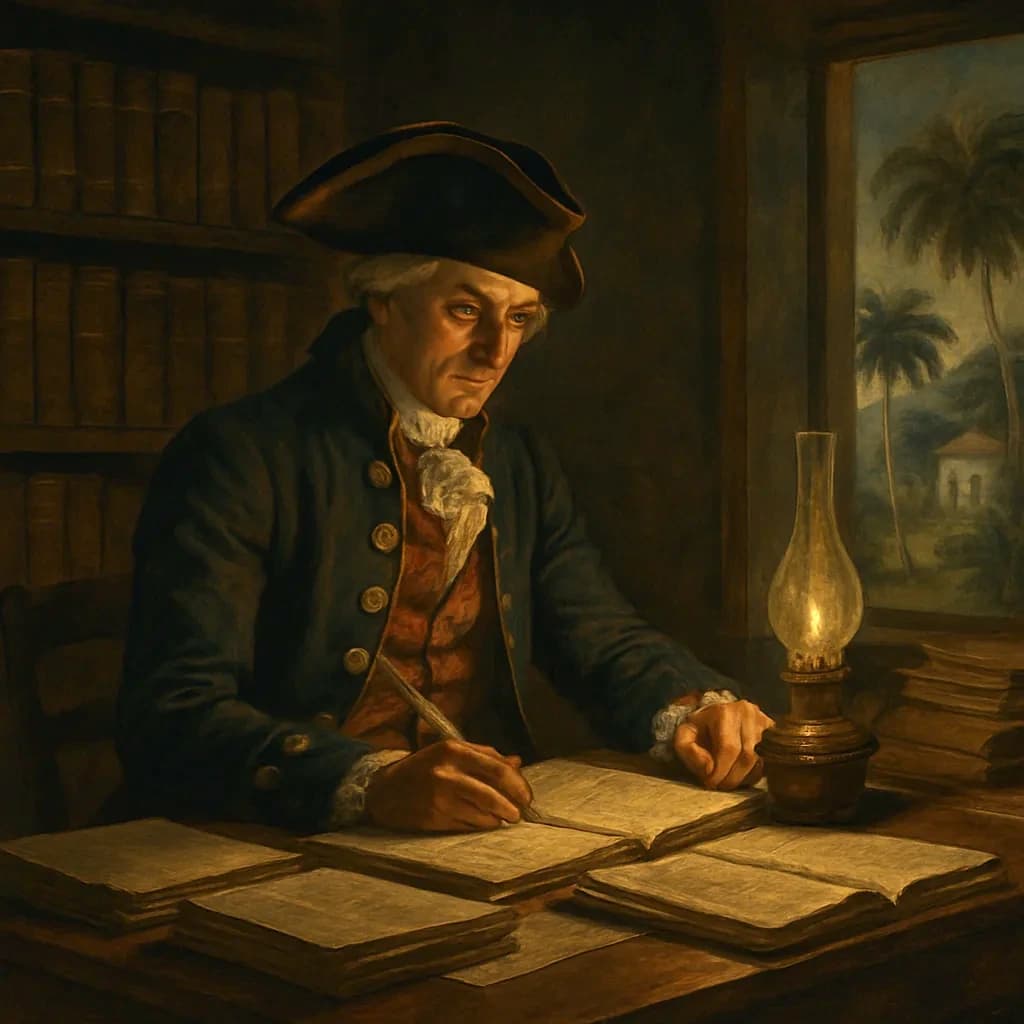
François-Dominique Toussaint spent his first forty years as the perfect slave: literate when literacy was forbidden, trusted with his master's horses and correspondence, keeper of plantation secrets. While other enslaved people toiled in the cane fields of Saint-Domingue, Toussaint drove carriages and managed livestock, his owners never suspecting that their reliable coachman was teaching himself French, Latin, and military strategy from stolen books. He read Caesar's Gallic Wars by candlelight and memorized the speeches of Cicero.
When the slave rebellion erupted in 1791, Toussaint was fifty years old, ancient by plantation standards. He joined the revolution not as a field hand drunk on sudden freedom, but as a calculating strategist who had spent decades studying European warfare and politics. While other rebel leaders fought with machetes and passion, Toussaint transformed ragtag slave armies into disciplined military units that could outmaneuver professional European troops. He played French, Spanish, and British forces against each other with such skill that seasoned diplomats found themselves outfoxed by a man they dismissed as an illiterate ex-slave.
By 1801, Toussaint had effectively made himself emperor of the richest colony in the Americas without ever declaring independence from France, a constitutional sleight of hand that drove Napoleon to distraction. He established schools, rebuilt the economy, and created a constitution that granted citizenship to all races while technically maintaining French sovereignty. The man who had once memorized his master's travel routes now controlled the Caribbean's most strategic ports.
Napoleon's solution was characteristically brutal: kidnap Toussaint under a flag of truce and let him rot in a freezing French prison. Toussaint died in 1803, but his revolution lived on. Within a year, his generals had declared Haiti's independence, and Napoleon, facing the prospect of endless colonial wars, sold Louisiana to America for a fraction of its worth rather than risk another Toussaint.
Toussaint was so trusted by his plantation owners that they gave him a pass to travel freely around the island, which he used to secretly coordinate the largest slave rebellion in history.
Why untold: European and American histories minimized his intellectual achievements to maintain the fiction that enslaved people were incapable of sophisticated political thought.
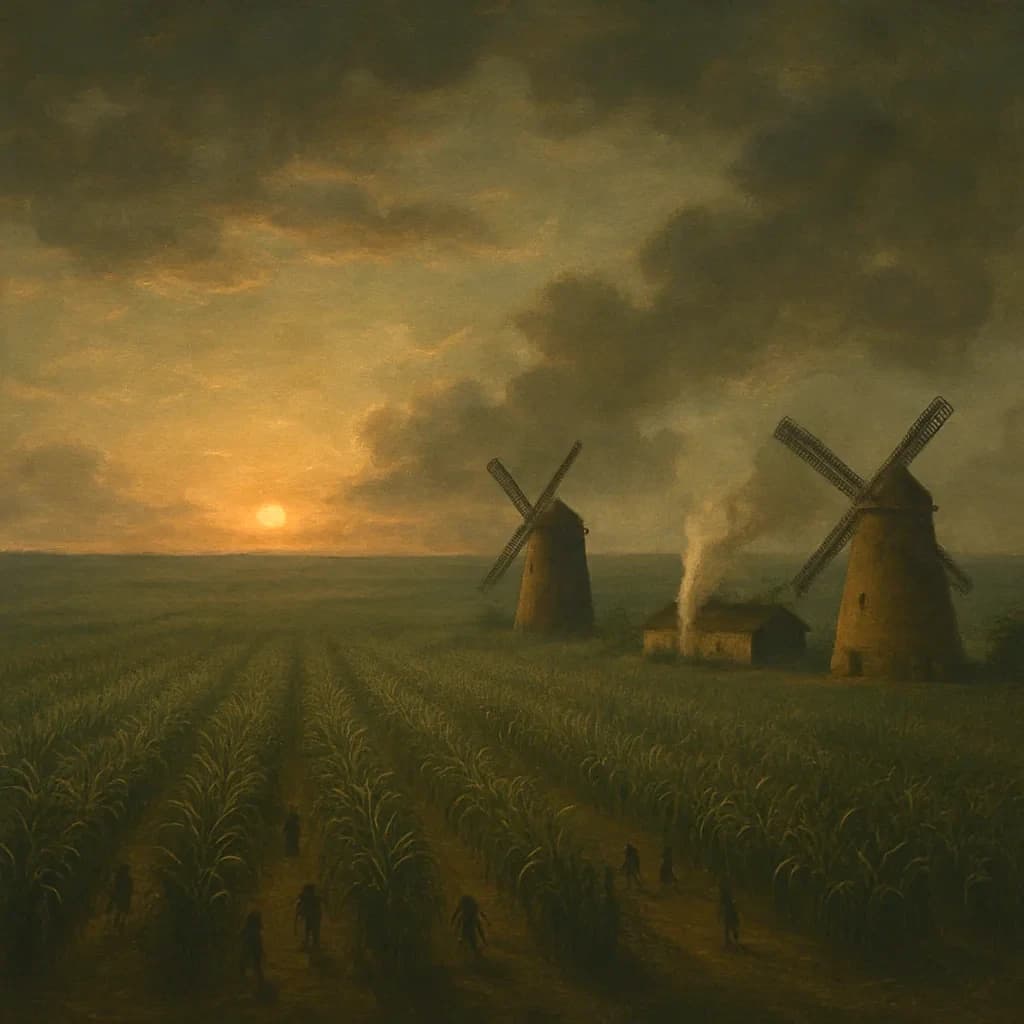
When Sugar Killed More Than Gunpowder
A handful of Caribbean islands produced more wealth than all the gold of the Americas, and consumed more human lives than any war in history.
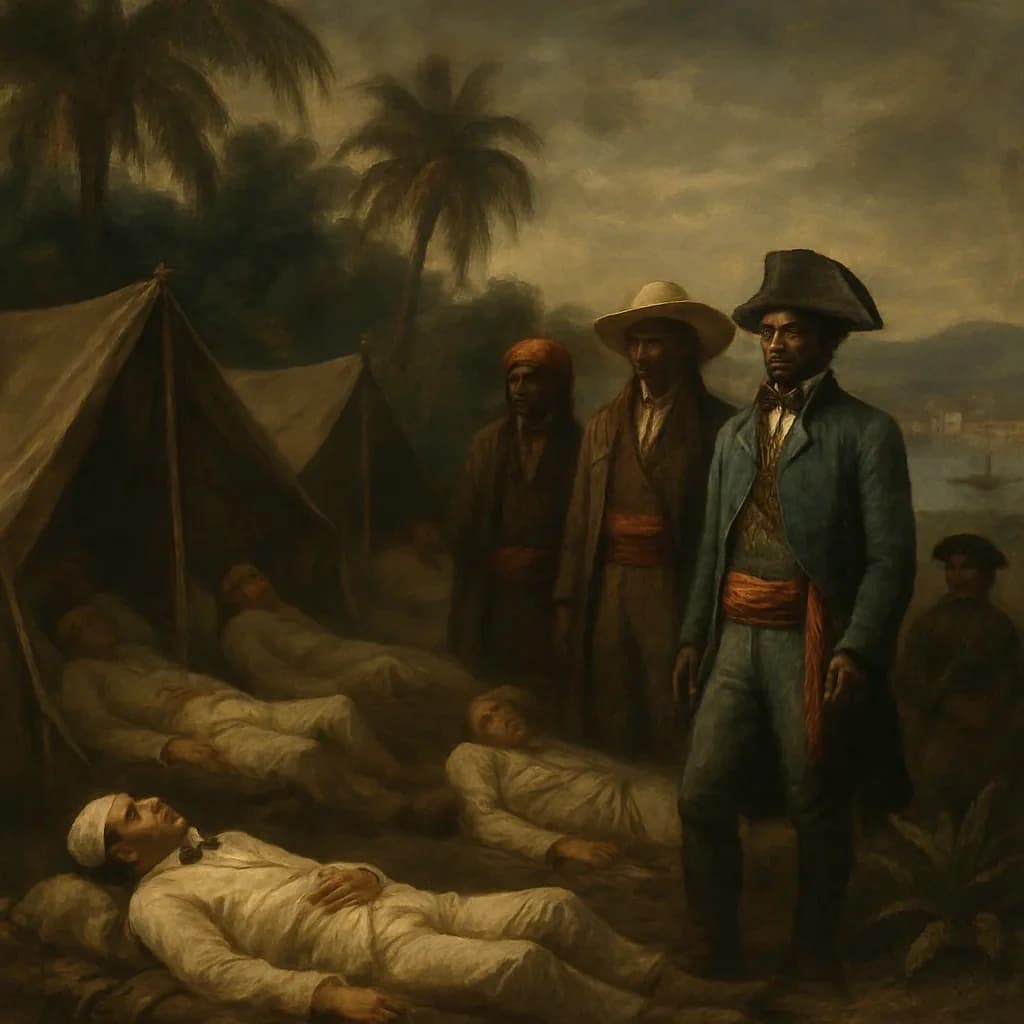
Yellow Fever Beat France's Army and Changed Three Empires
Yellow fever killed more French soldiers in Haiti than all the battles combined, and changed the course of three empires.
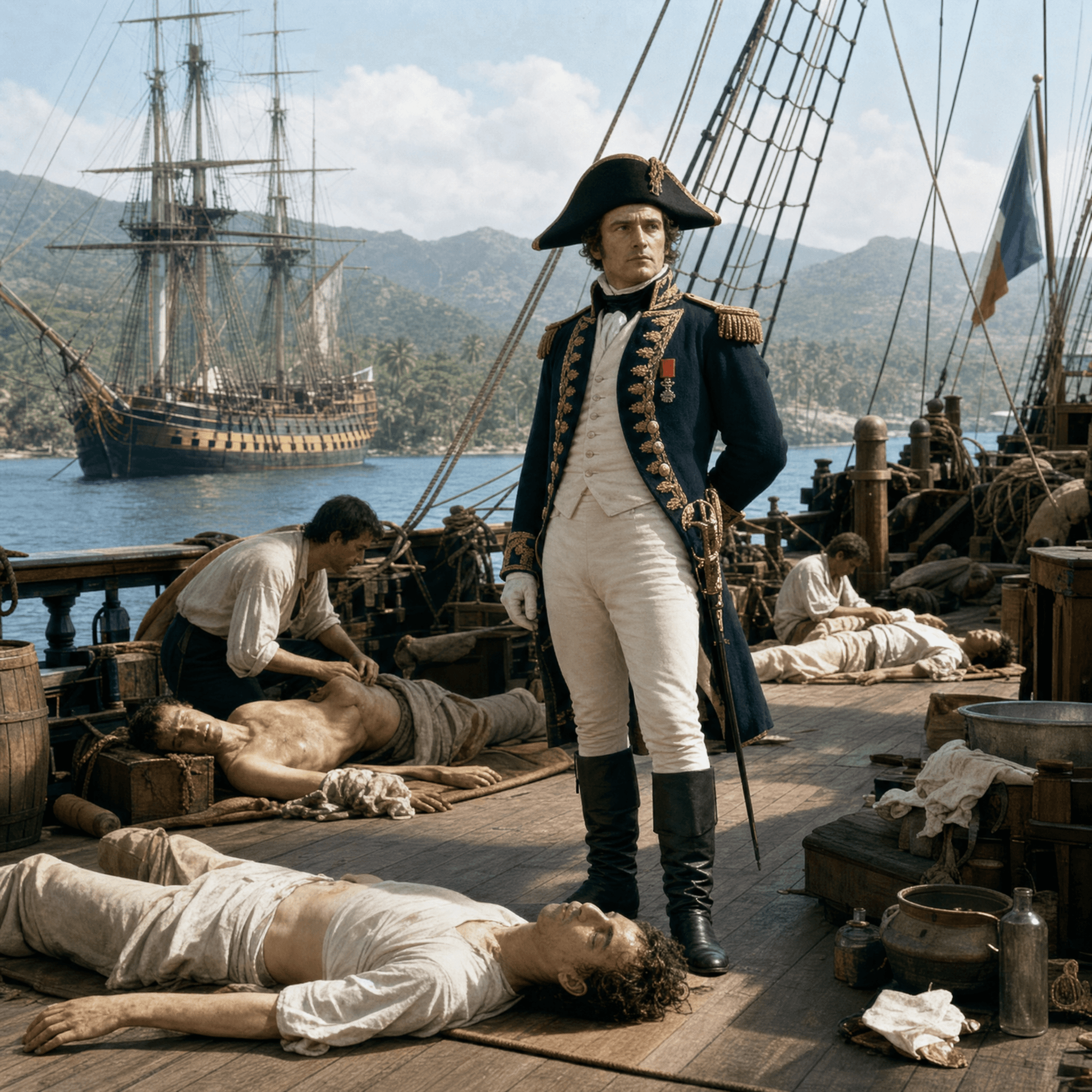
The Fever Ship That Freed Haiti
A single naval captain's decision to ignore quarantine may have saved the Haitian Revolution and terrified every slave owner in the Americas.
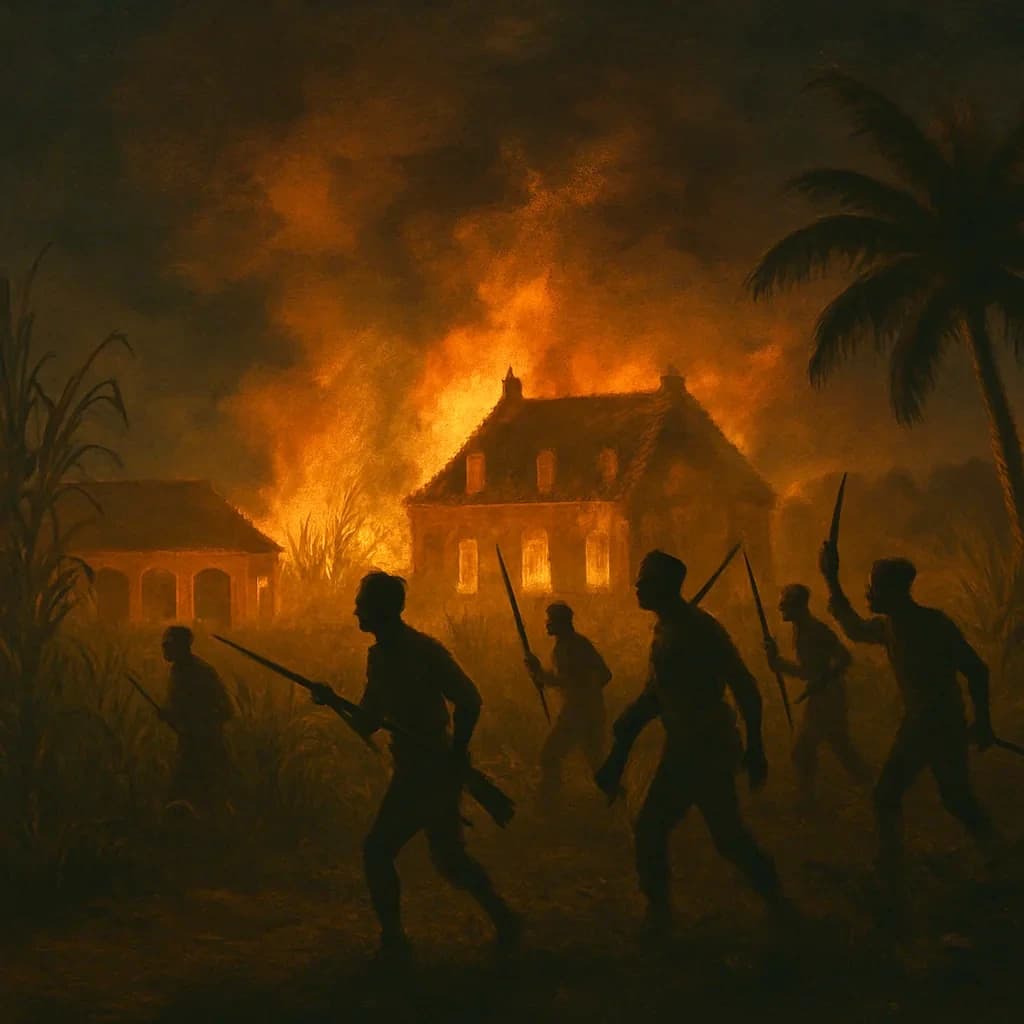
Haiti's Slaves Won a War the World Called Impossible
A slave uprising in Haiti sent shock waves through every plantation from Virginia to Brazil, and changed how the world thought about human bondage forever.
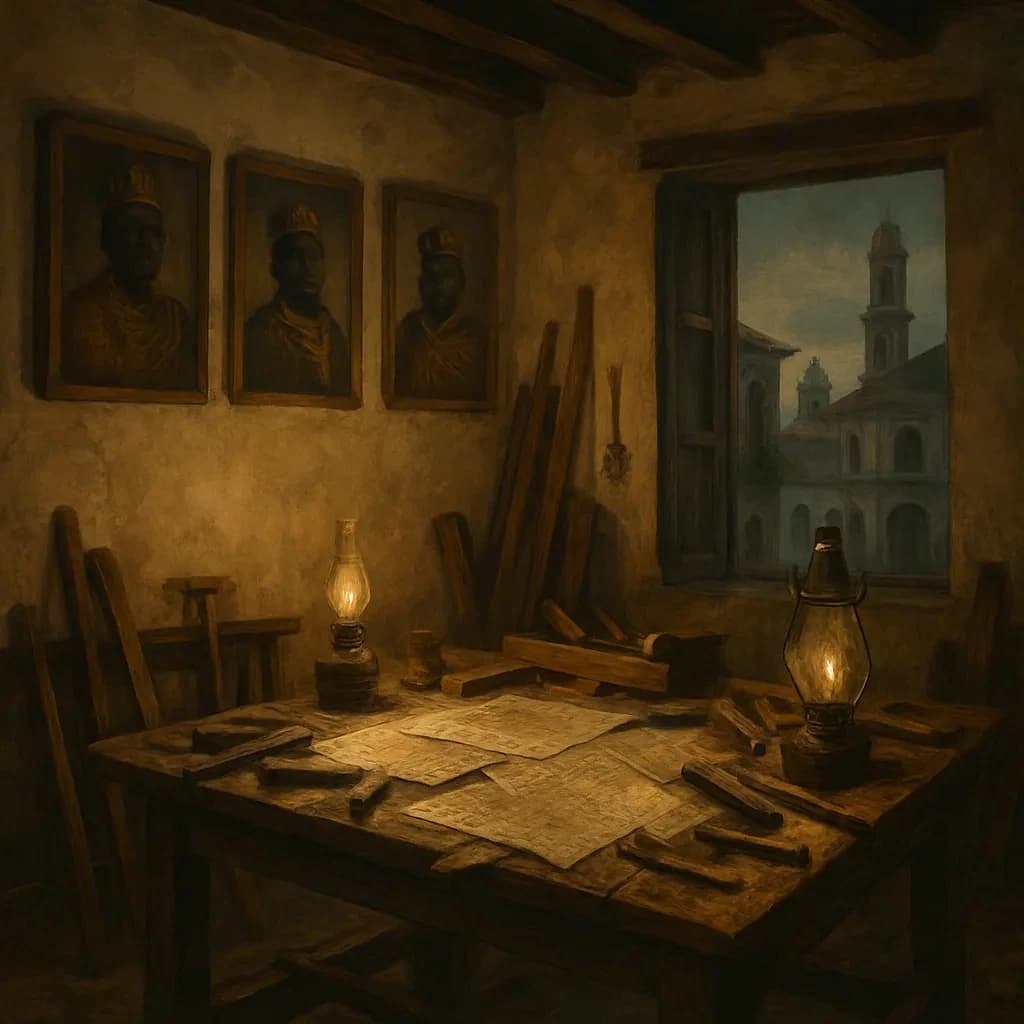
The Havana Carpenter Who Plotted a Caribbean Revolution
A free black carpenter in Havana almost sparked the revolution that would have made Haiti look like a dress rehearsal.
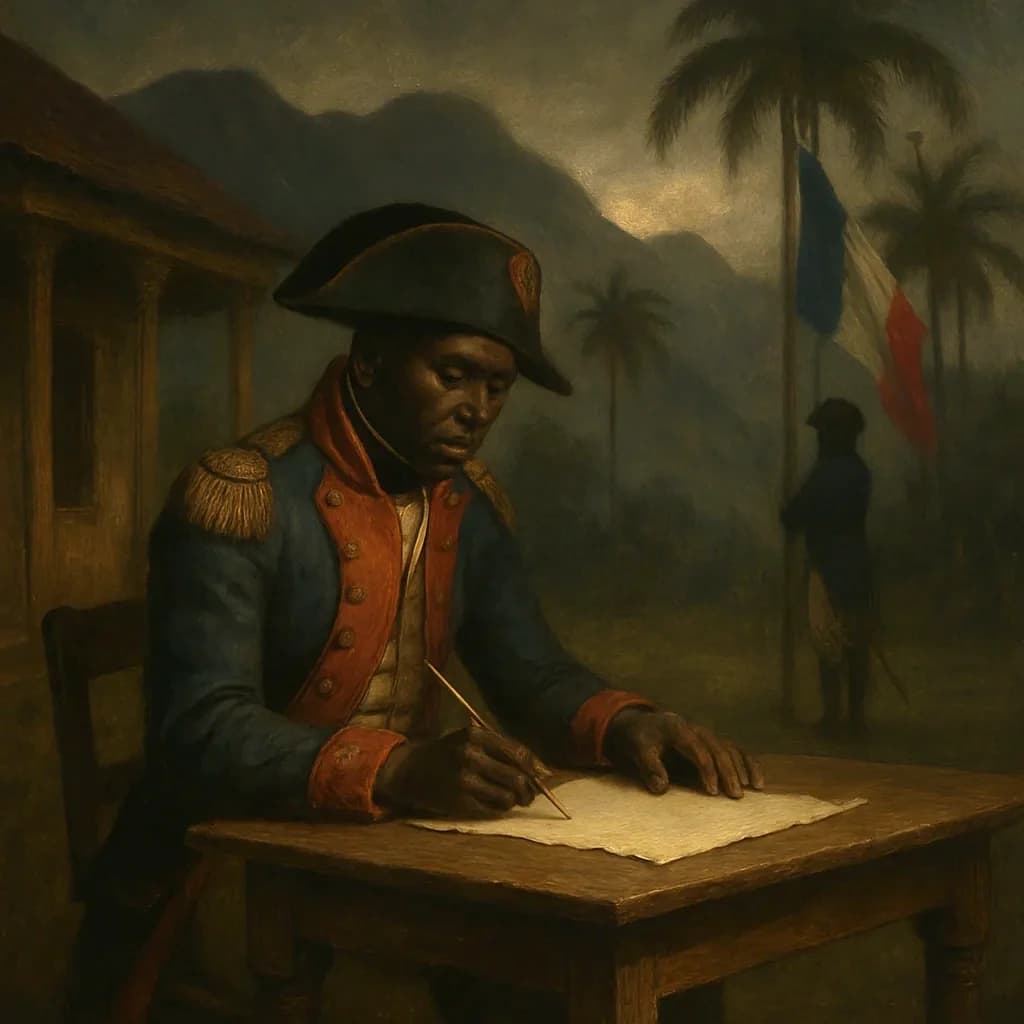
Three Days as the World's First Black Republic
A freed slave declared independence from France in 1794, founded his own republic, and held off Napoleon's army, then vanished from every history book.
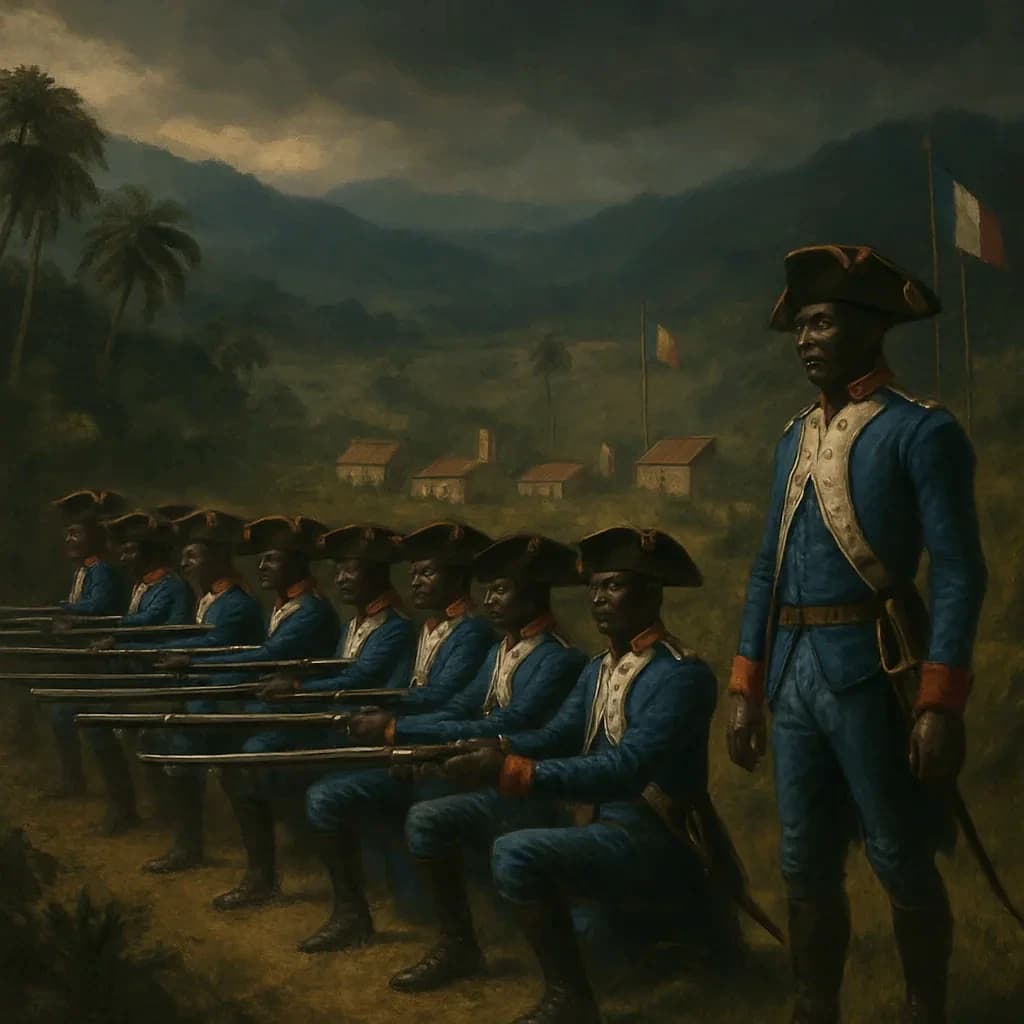
When Slaves Became Generals
A sugar colony's kitchen workers became the most feared military commanders in the Caribbean, and every plantation owner in the Americas couldn't sleep at night.
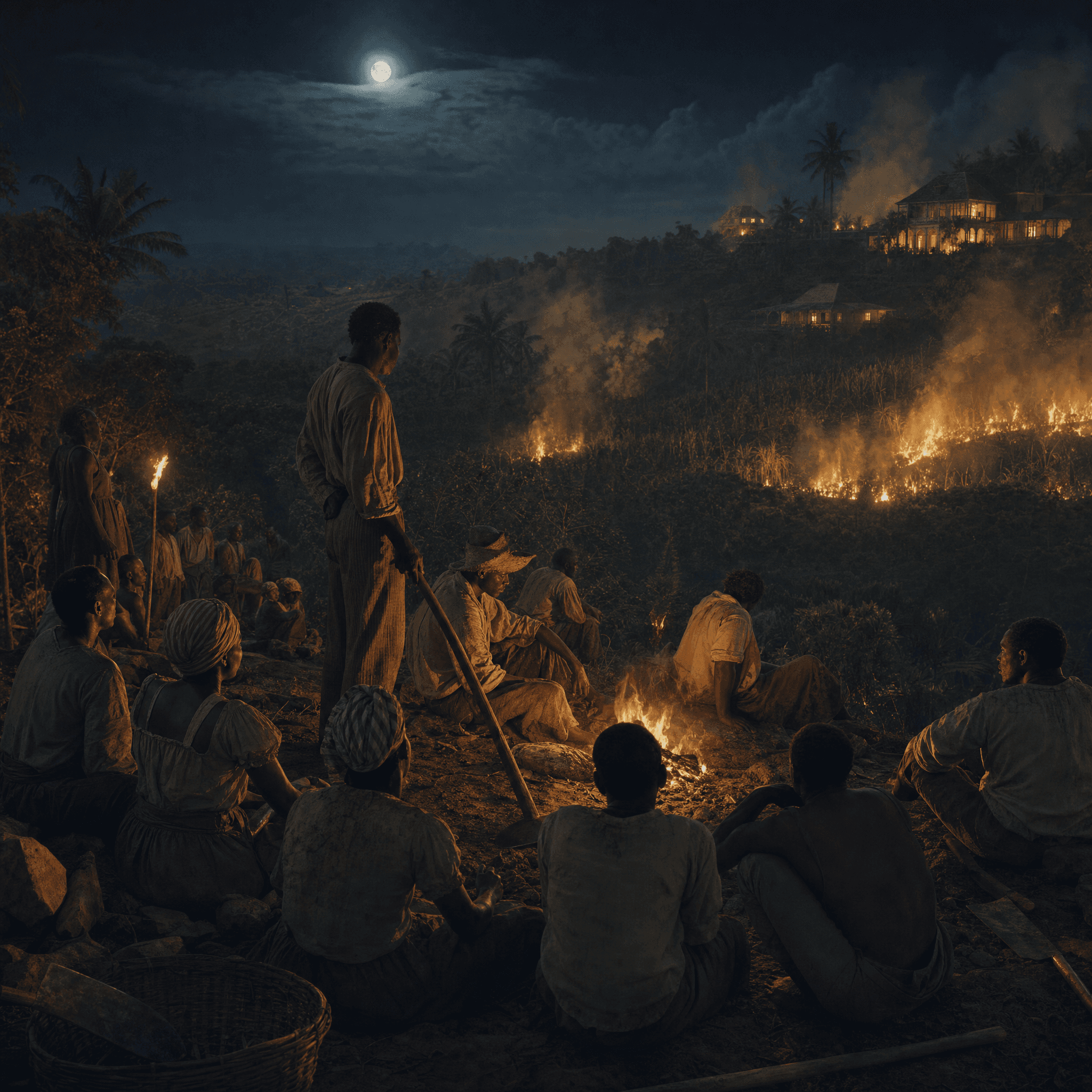
Every Slaveholder From Virginia to Brazil Was Having Nightmares
While Europe debated abolition in drawing rooms, a small Caribbean island was fighting the world's first successful slave revolution, and every slaveholder from Virginia to Brazil was having nightmares.
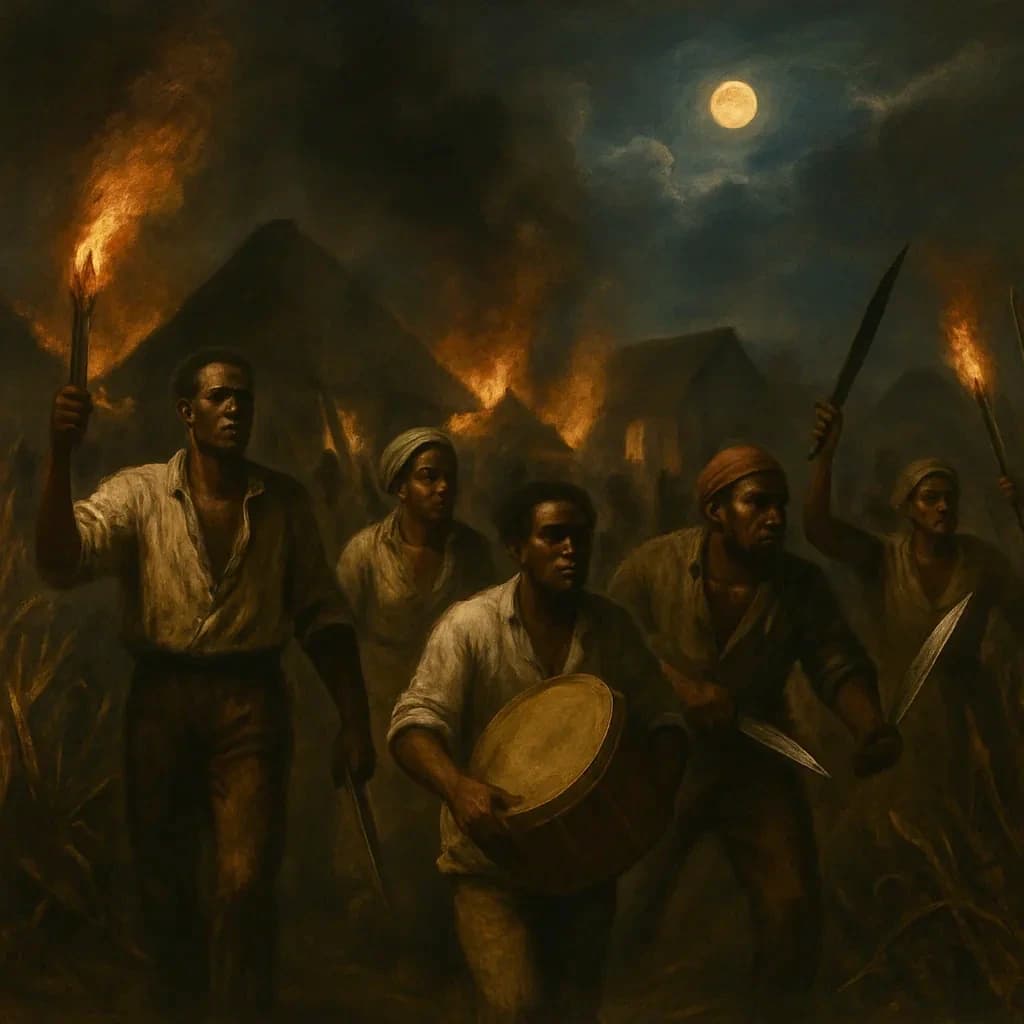
The Midnight Haircut That Freed an Empire
A slave's razor and thirty seconds of courage ended three centuries of colonial rule in Haiti, and sent shockwaves through every plantation from Virginia to Brazil.
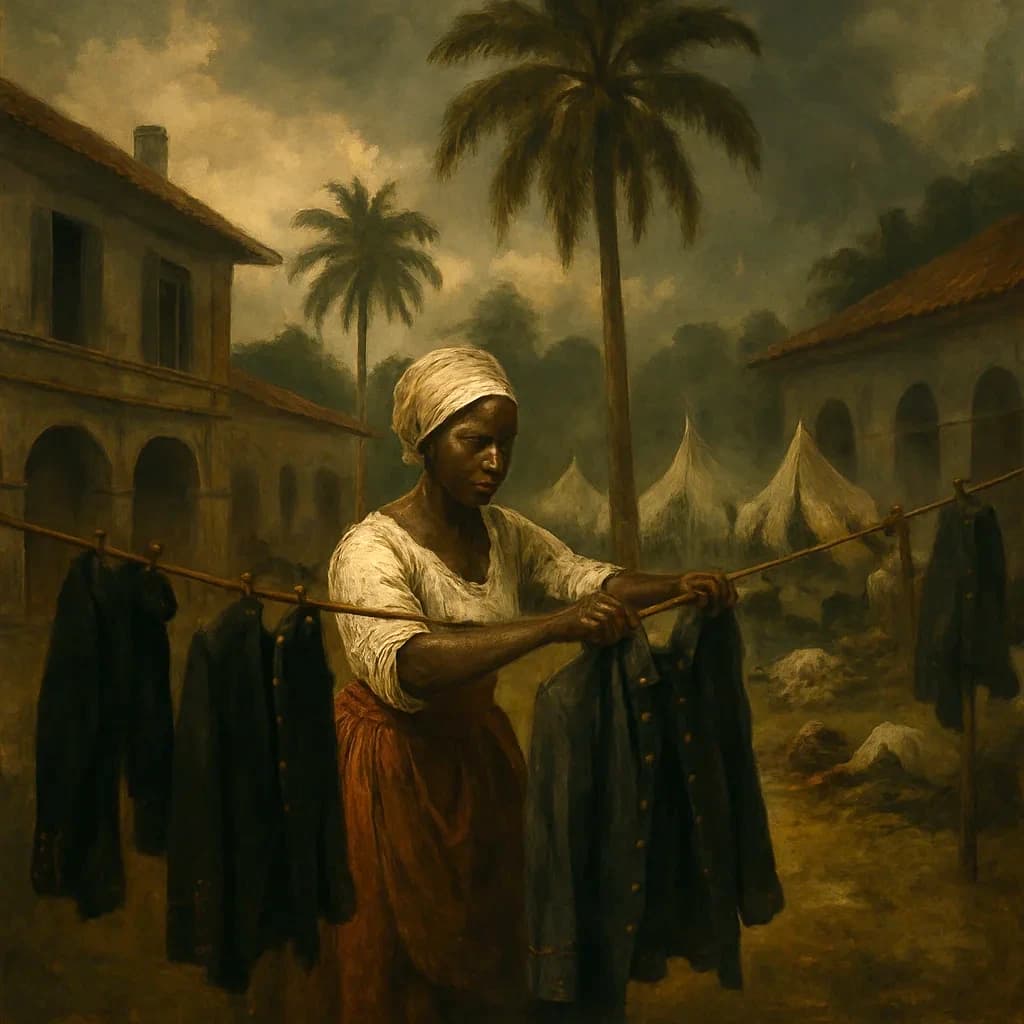
How Yellow Fever Won Haiti Its Freedom
A French laundress grabbed the wrong cloth and helped create the conditions for Haiti's independence.
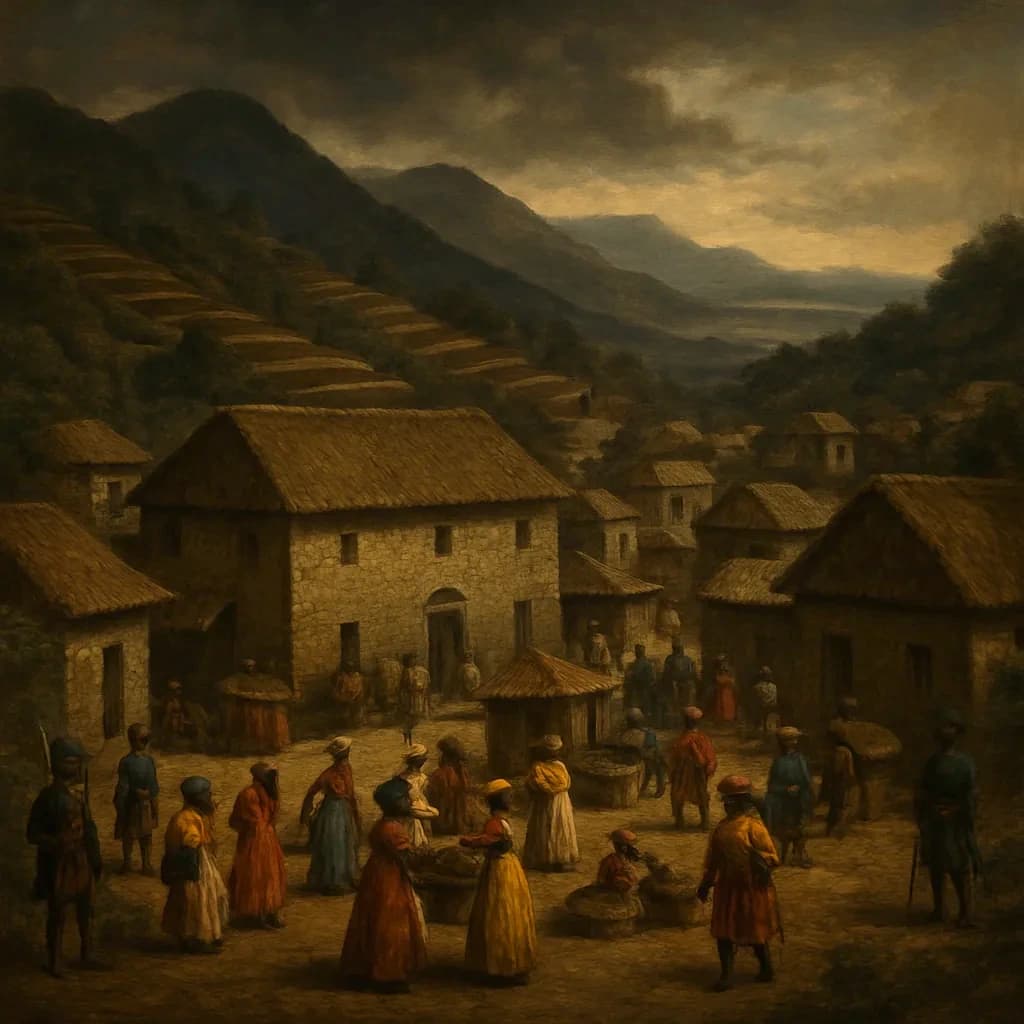
Saint-Domingue's Mountains: Where Escaped Slaves Got Rich and Ruled
On one Caribbean island, escaped slaves owned property, earned wages, and chose their masters, and every European power tried to destroy it.
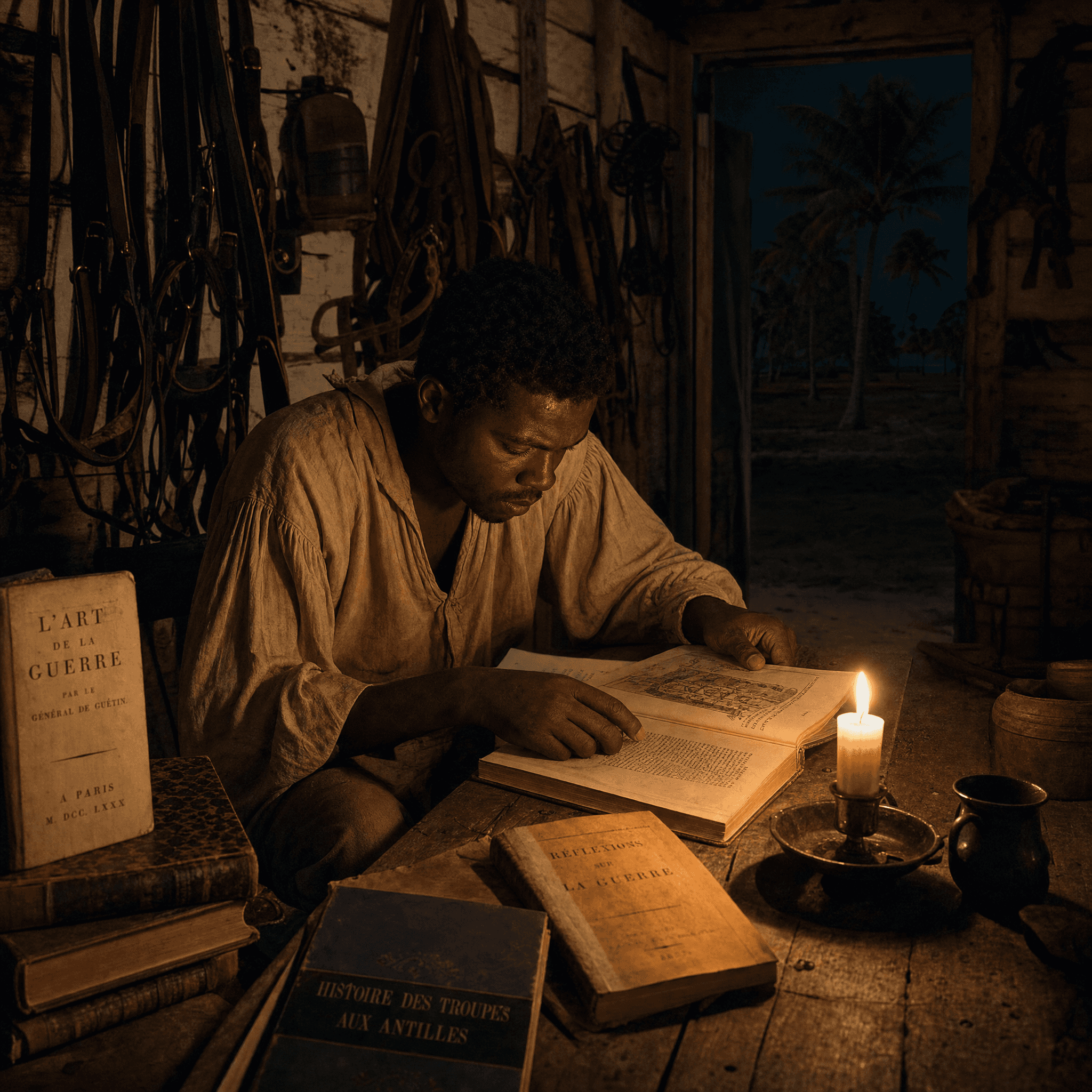
When Toussaint Learned to Read
A coachman on a sugar plantation quietly taught himself French and Latin, then proceeded to terrify every slave-owning nation on earth.
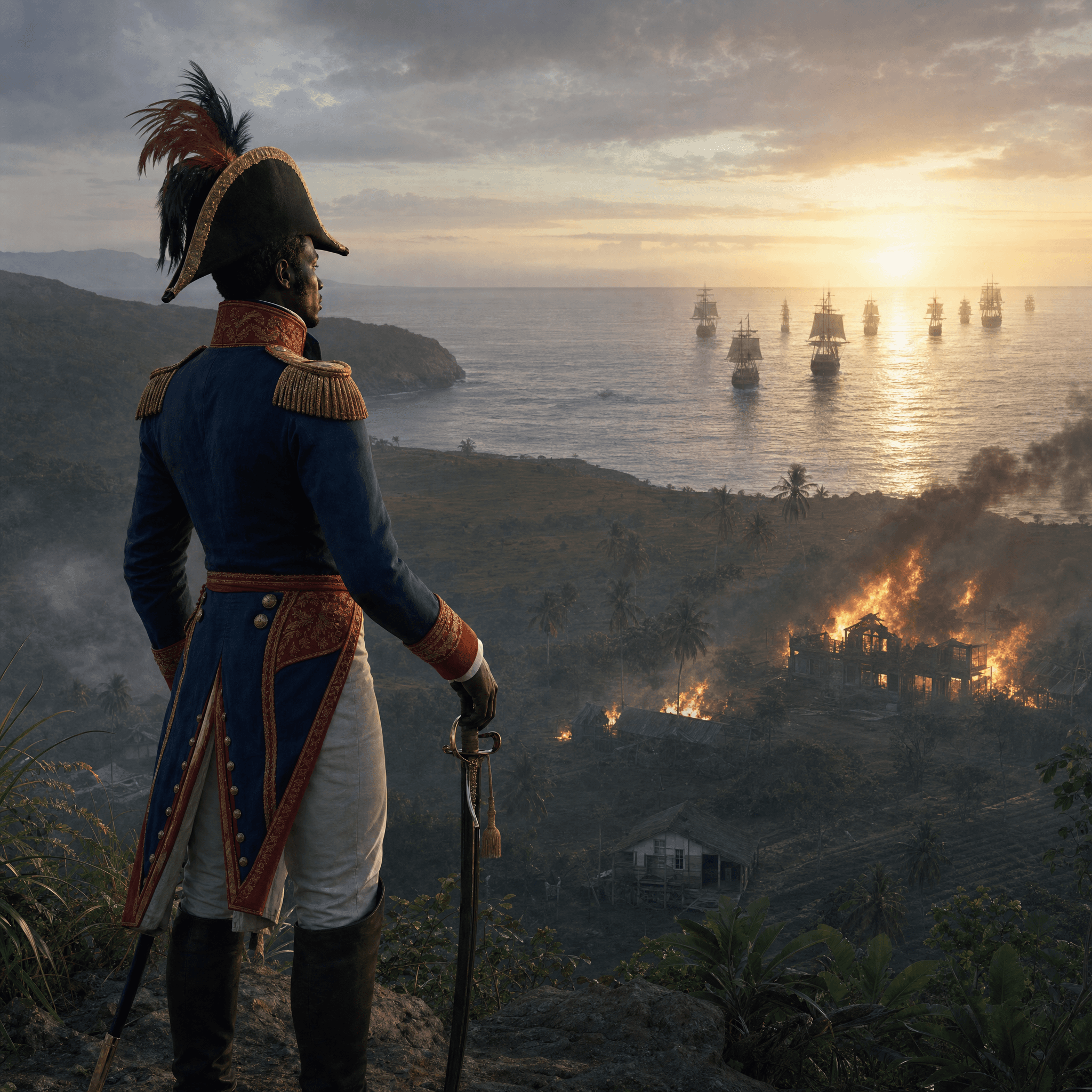
Haiti's Revolution Scared Napoleon Into Selling Louisiana
In 1804, a slave rebellion in Haiti created a nation so dangerous that Napoleon sold Louisiana to America rather than risk another revolution spreading to New Orleans.
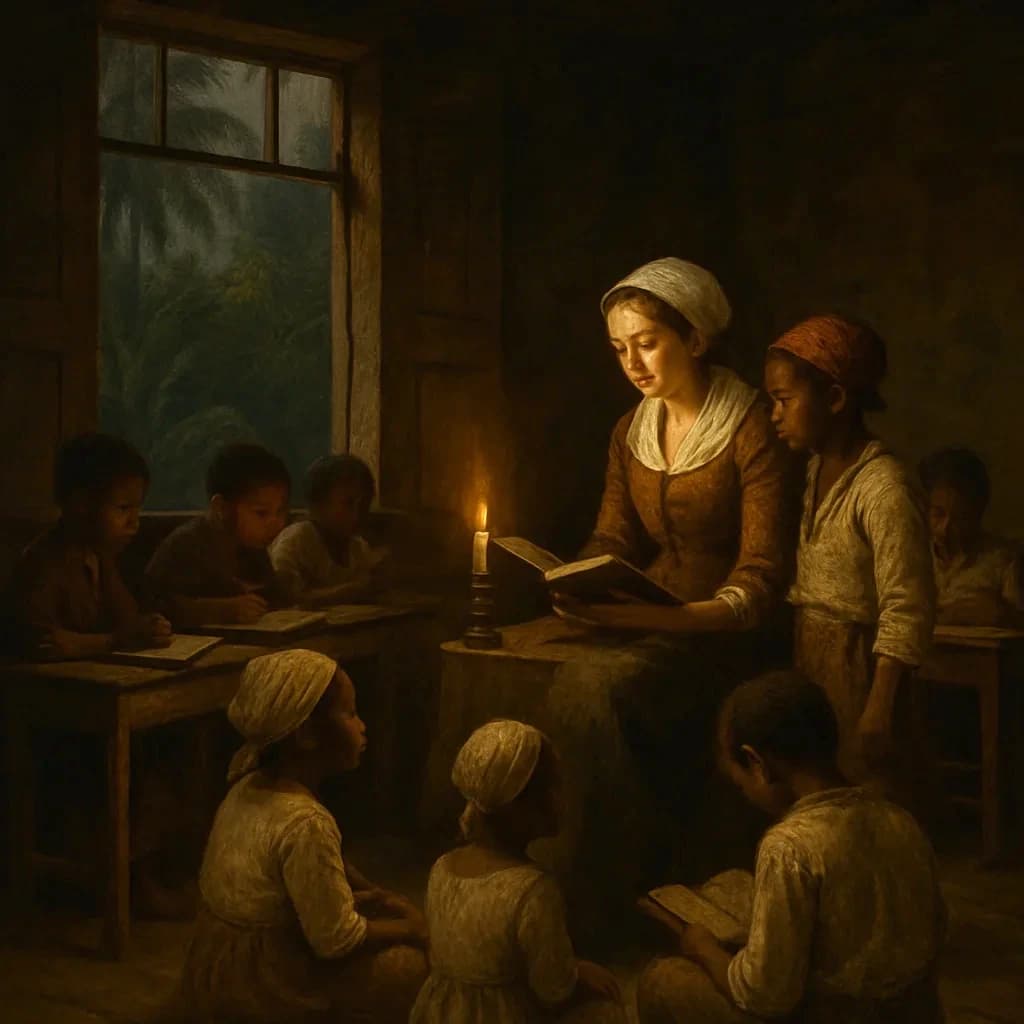
She Taught Enslaved Children to Read in Secret
When news of Haiti's slave rebellion reached plantation owners from Virginia to Brazil, they didn't fear the weapons or the numbers. They feared the governess.
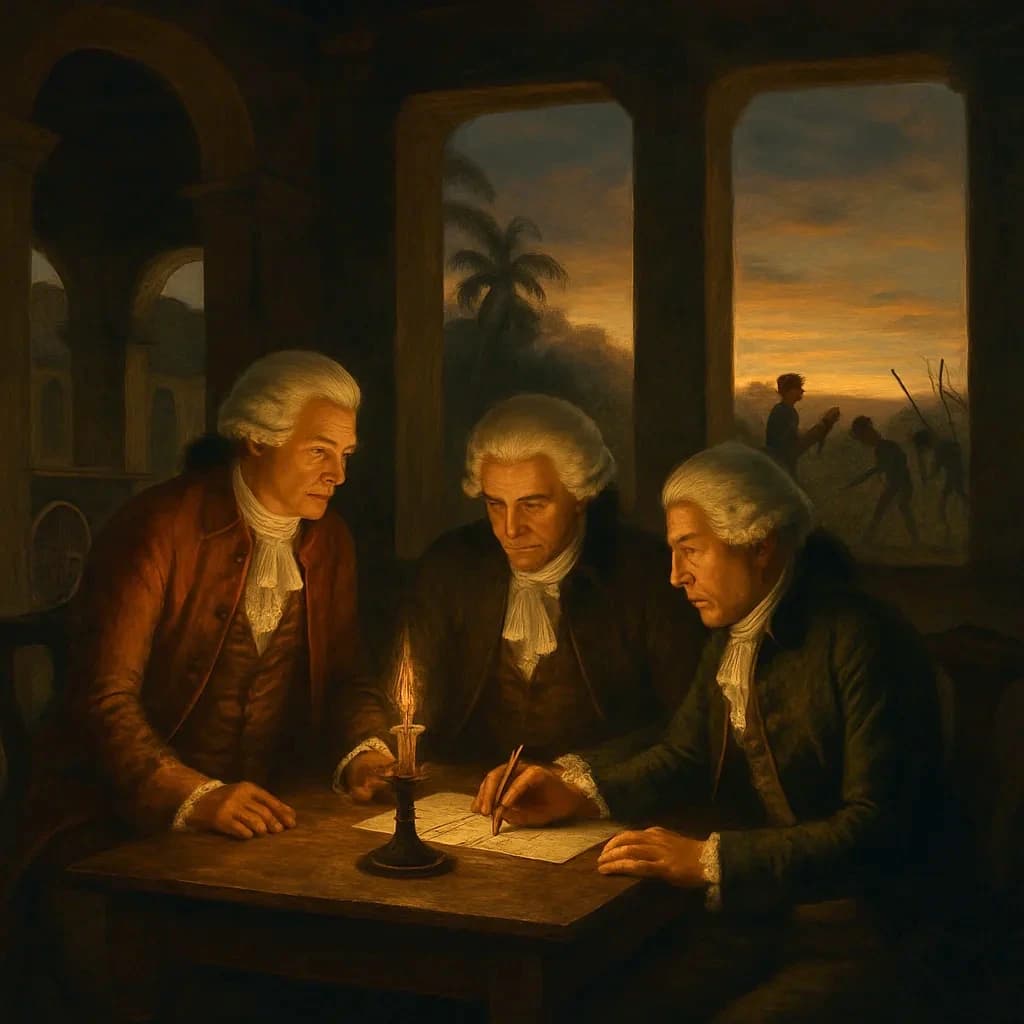
The Planters' Own Petition Sparked History's Greatest Slave Rebellion
A group of French planters wrote one letter to their king, and accidentally created the most successful slave rebellion in human history.
A Tobacco Inspector Proved Slavery Was Theft
A minor colonial official's meticulous records handed the largest slave rebellion in history its legal framework.
- Madison Smartt Bell, Toussaint Louverture: A Biography (2007)
- C.L.R. James, The Black Jacobins: Toussaint L'Ouverture and the San Domingo Revolution (1938)
- Philippe Girard, Toussaint Louverture: A Revolutionary Life (2016)