
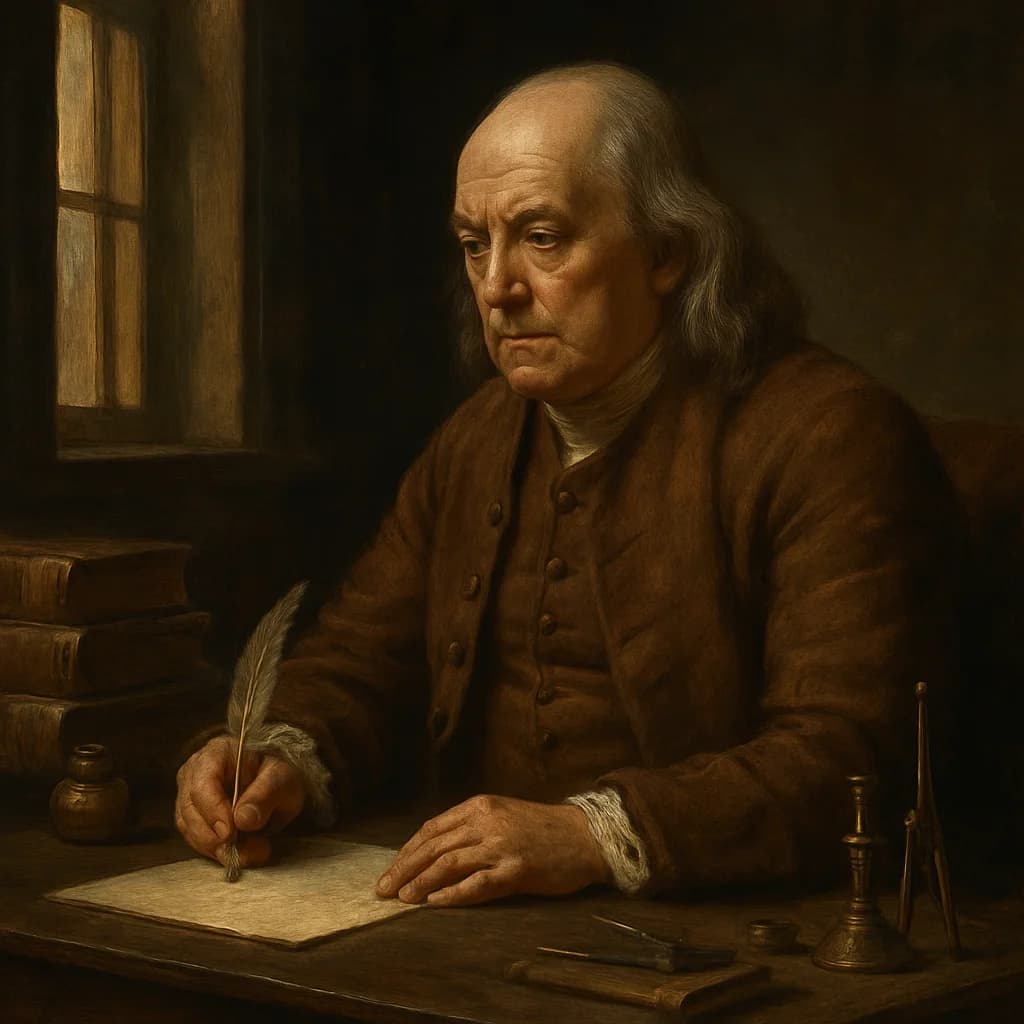
Benjamin Franklin
The man who helped birth America spent his final years convinced he could cheat death itself through careful meal planning and controlled breathing exercises.
Benjamin Franklin's last scientific obsession wasn't electricity or optics. It was immortality. At eighty, while most founders were settling into elder statesman roles, Franklin was conducting elaborate experiments on himself, convinced that proper diet and what he called "air baths" could extend human life indefinitely. He'd strip naked each morning and stand by an open window for thirty minutes, breathing deeply, then consume exactly measured portions of food he believed contained life-extending properties.
This wasn't mere eccentricity. Franklin had always approached his own body like a laboratory. In his twenties, he'd tried surviving on bread and water for weeks to prove vegetarianism superior. In his forties, he'd documented every aspect of his daily routine in pursuit of moral perfection, creating a chart with thirteen virtues that he'd grade himself on weekly. By his seventies, living in France as American ambassador, he was dosing himself with experimental medicines and subjecting visiting scientists to lectures on longevity.
The irony cuts deep: Franklin, who'd helped create a nation founded on the idea that all men are mortal and power should transfer peacefully, spent his final decade convinced he alone might transcend human limits. He filled notebooks with theories about cellular regeneration and drew up plans for preserving his consciousness after death. When gout finally confined him to bed, he designed an elaborate pulley system to continue his exercises, refusing to accept that even America's most practical genius couldn't engineer his way out of mortality.
Franklin died at eighty-four, his last words reportedly about the position of his bed relative to the window, still, to the end, trying to optimize his air intake for maximum longevity.
Franklin invented bifocals not because his eyesight was failing, but because he was tired of switching between two pairs of glasses while conducting experiments that required both close-up precision and distance observation.
Why untold: His scientific celebrity and political achievements overshadowed the deeply personal, almost desperate quality of his later experiments with extending human life.
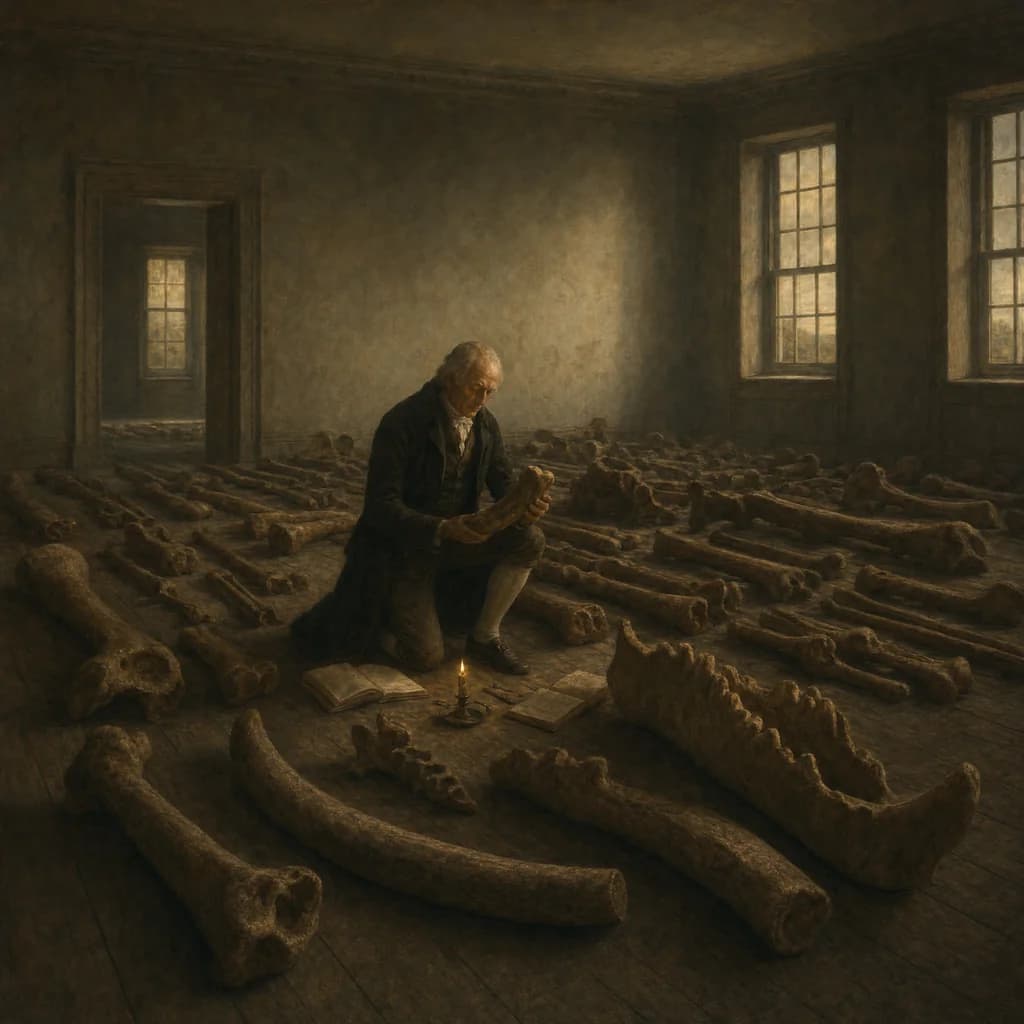
Jefferson Told Lewis and Clark to Look for Living Mastodons
The third president did not believe extinction was possible, and he sent an expedition west partly to prove it.
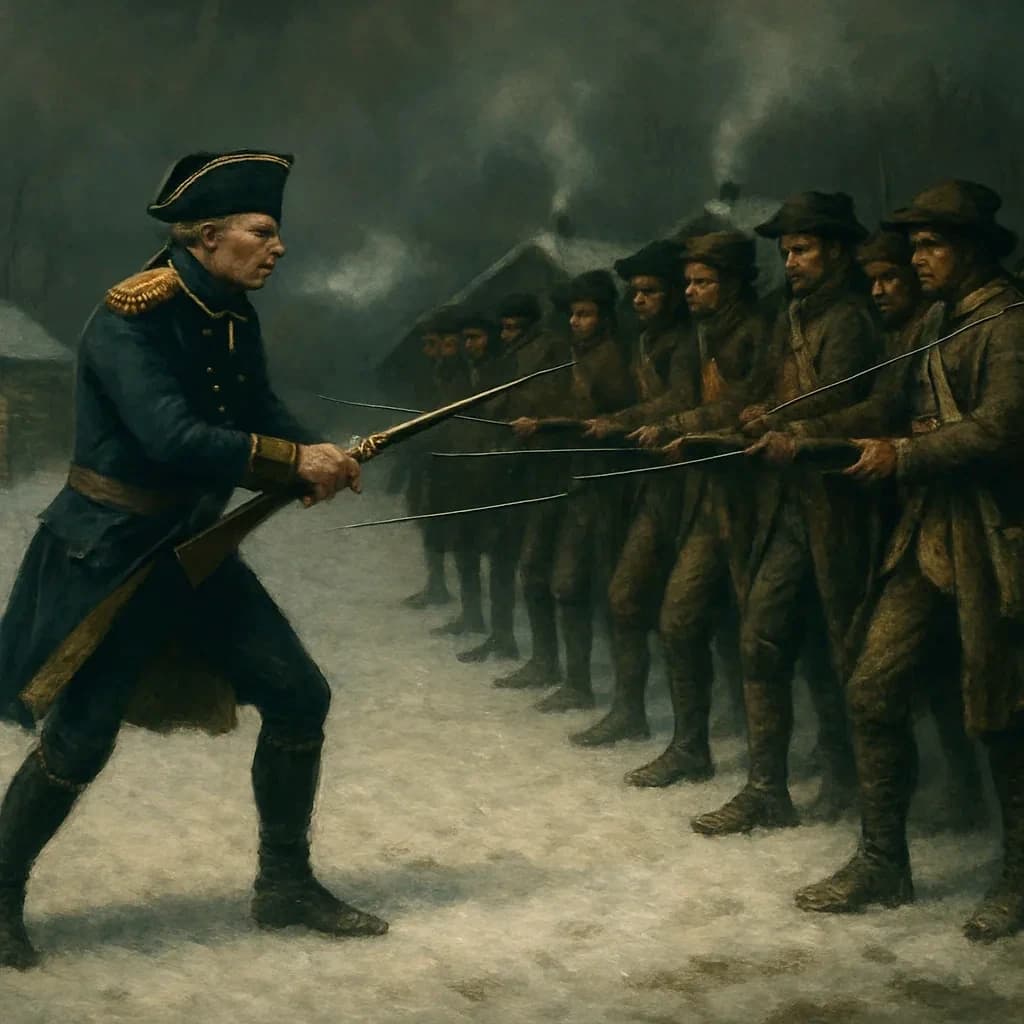
Von Steuben Faked His Way into Valley Forge
A German aristocrat who had never commanded troops in battle rode into Valley Forge in the worst winter of the war, and left having built the only fighting force that could win it.
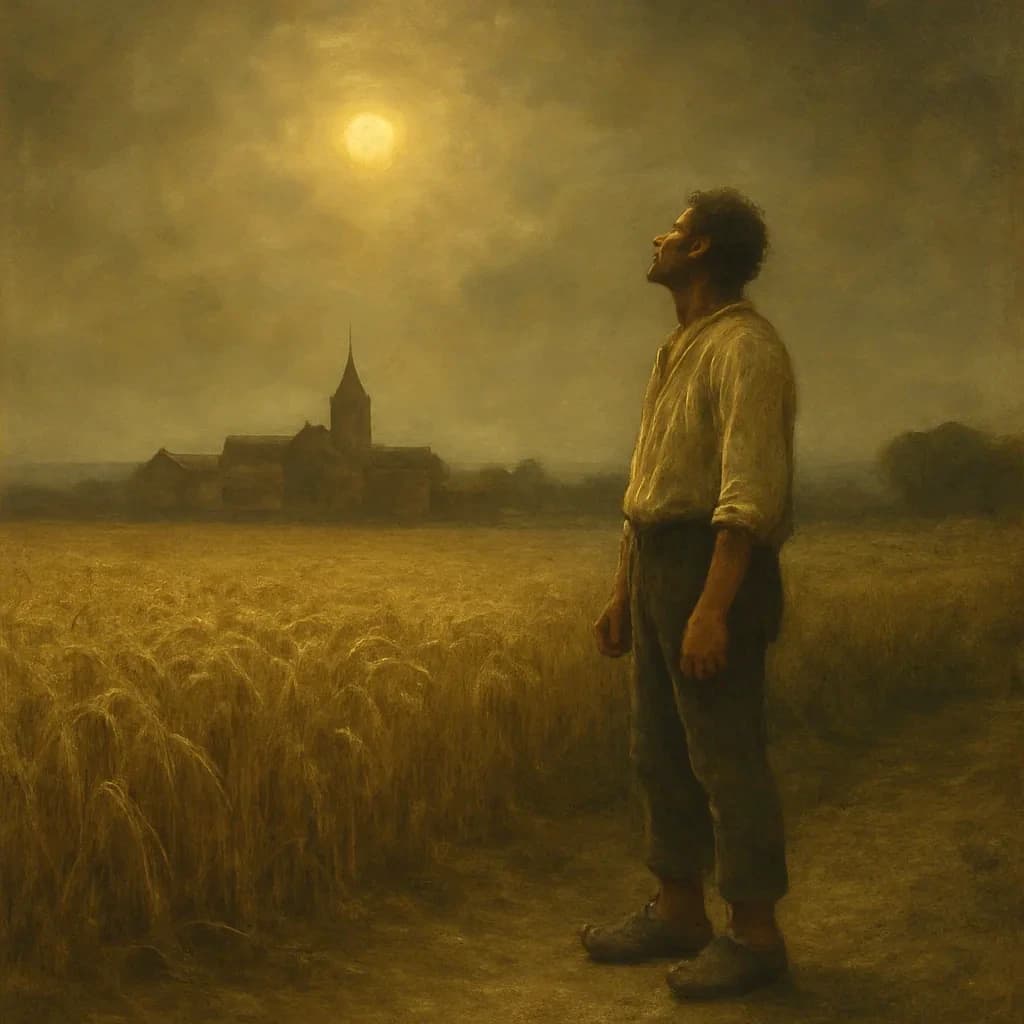
How an Icelandic Volcano Helped Start the French Revolution
An Icelandic volcano erupted for eight months straight in 1783, and the famine it caused in France may have done more to start the Revolution than any pamphlet.
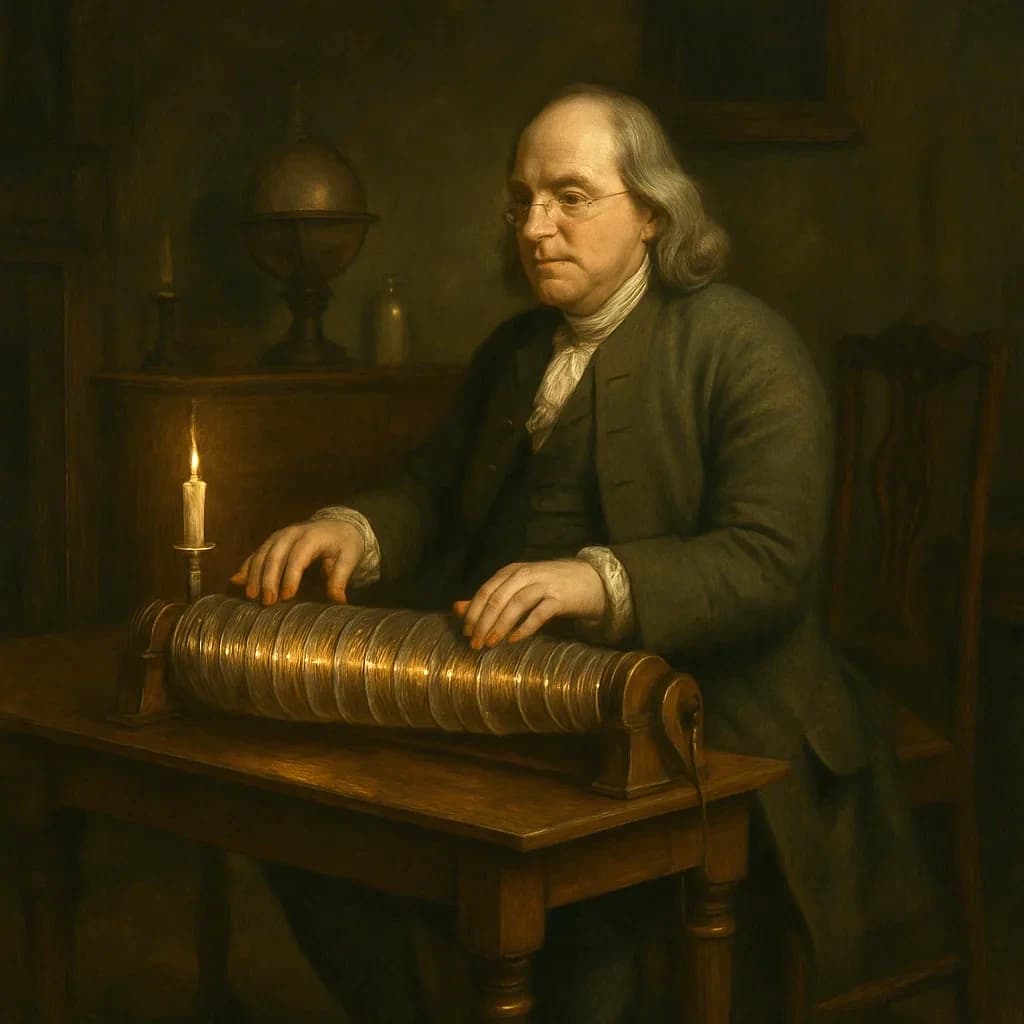
When Glass Learned to Sing
A failed opera singer's kitchen accident in 1761 would change how we hear music forever.
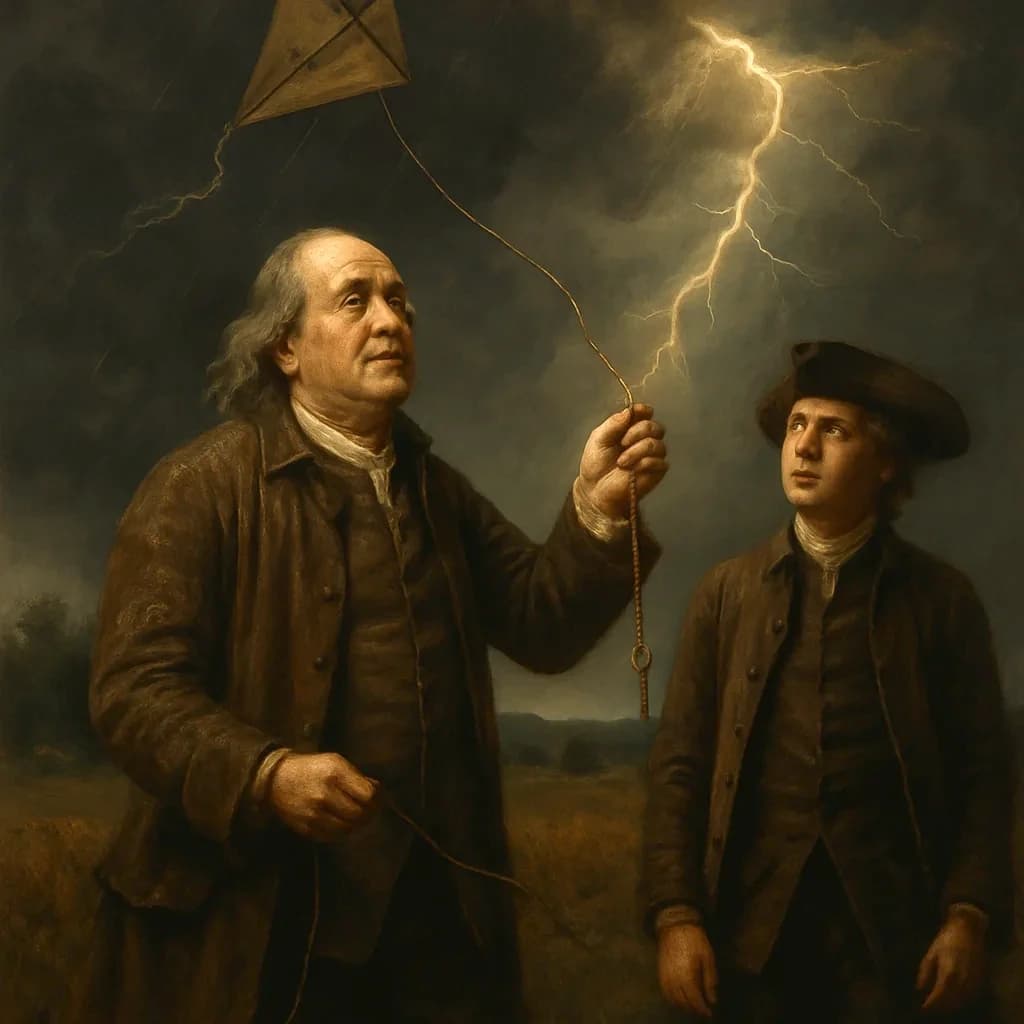
When Lightning Made Men into Gods
A single flash of inspiration in a Pennsylvania field convinced Ben Franklin that humans could steal fire from Zeus himself.
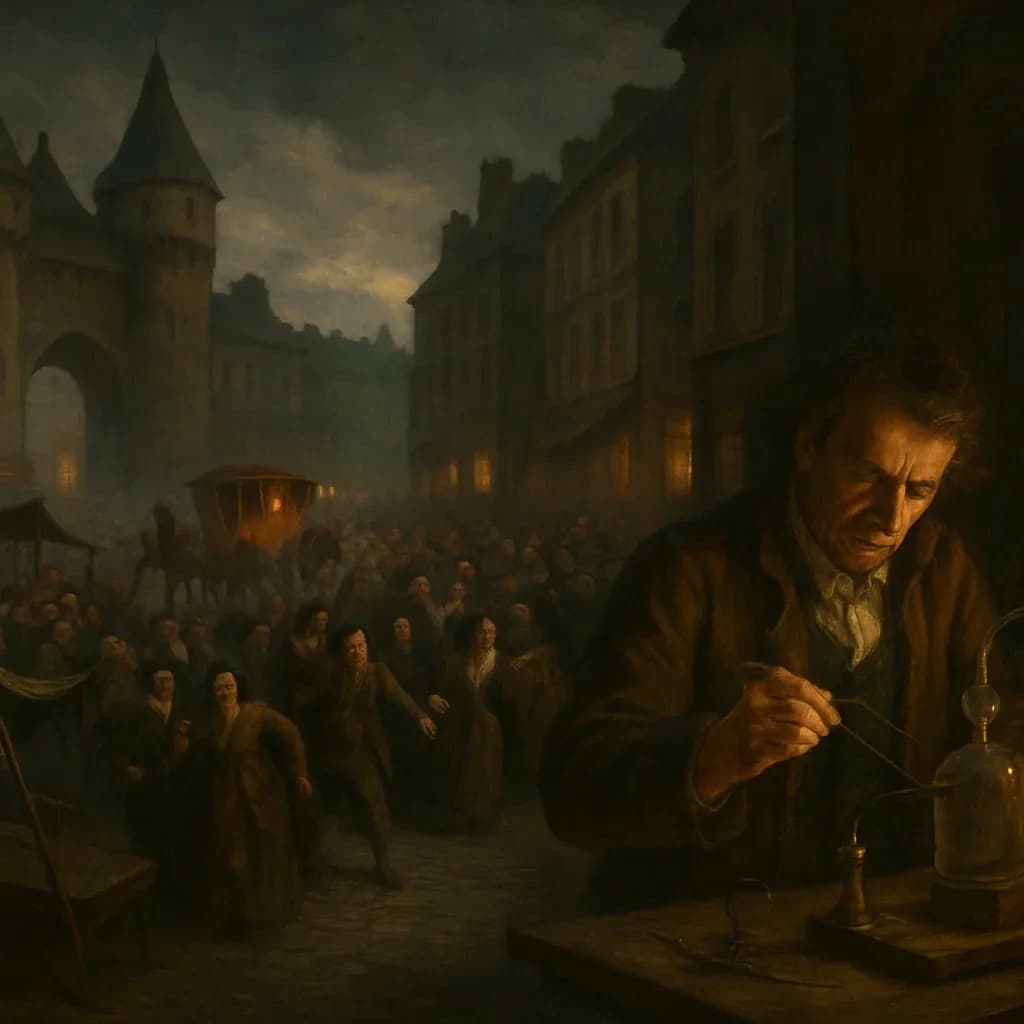
A Clockmaker Fooled Franklin and Accidentally Sparked the French Revolution
A Parisian clockmaker convinced Benjamin Franklin he could predict earthquakes in 1784, and accidentally triggered the French Revolution.
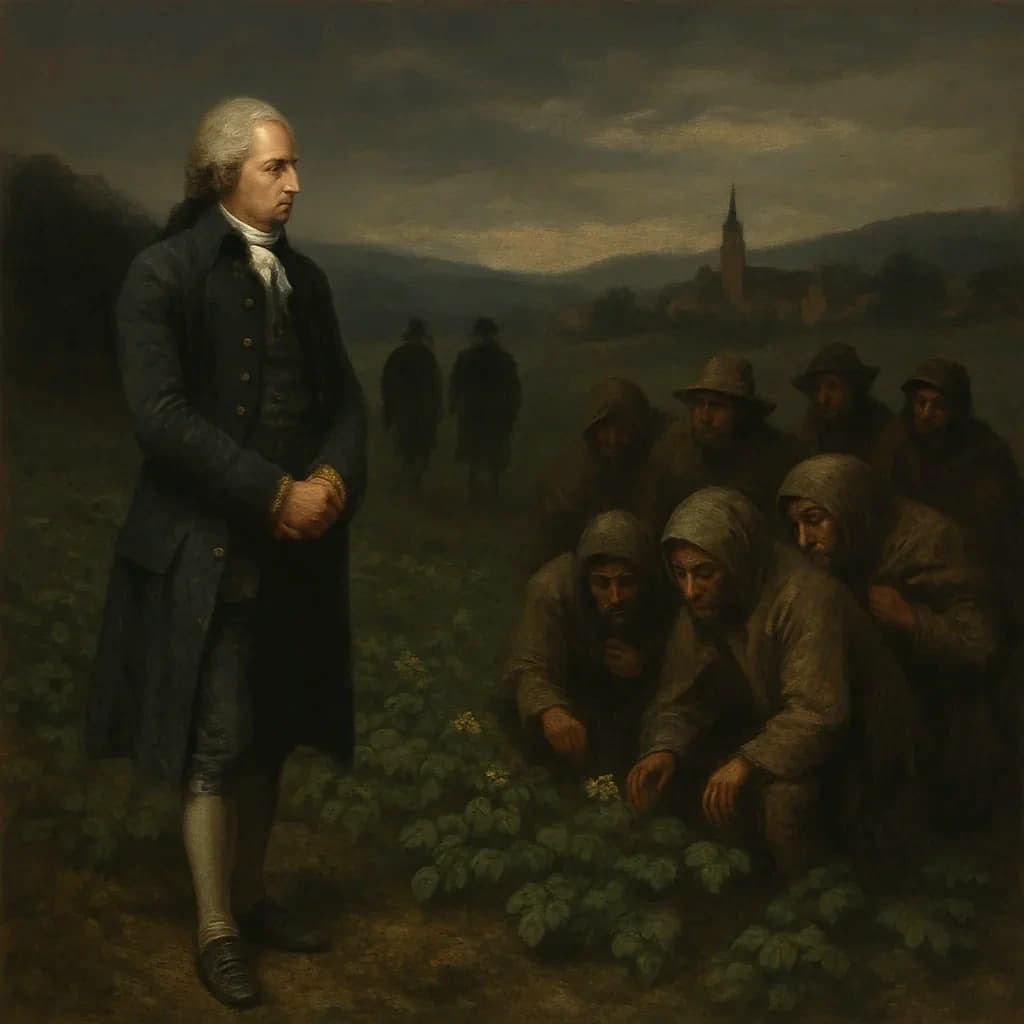
The Prisoner Who Tricked France Into Eating Potatoes
While Europe burned around him, one French gardener quietly grew vegetables that would feed a continent, and accidentally invent modern agriculture.
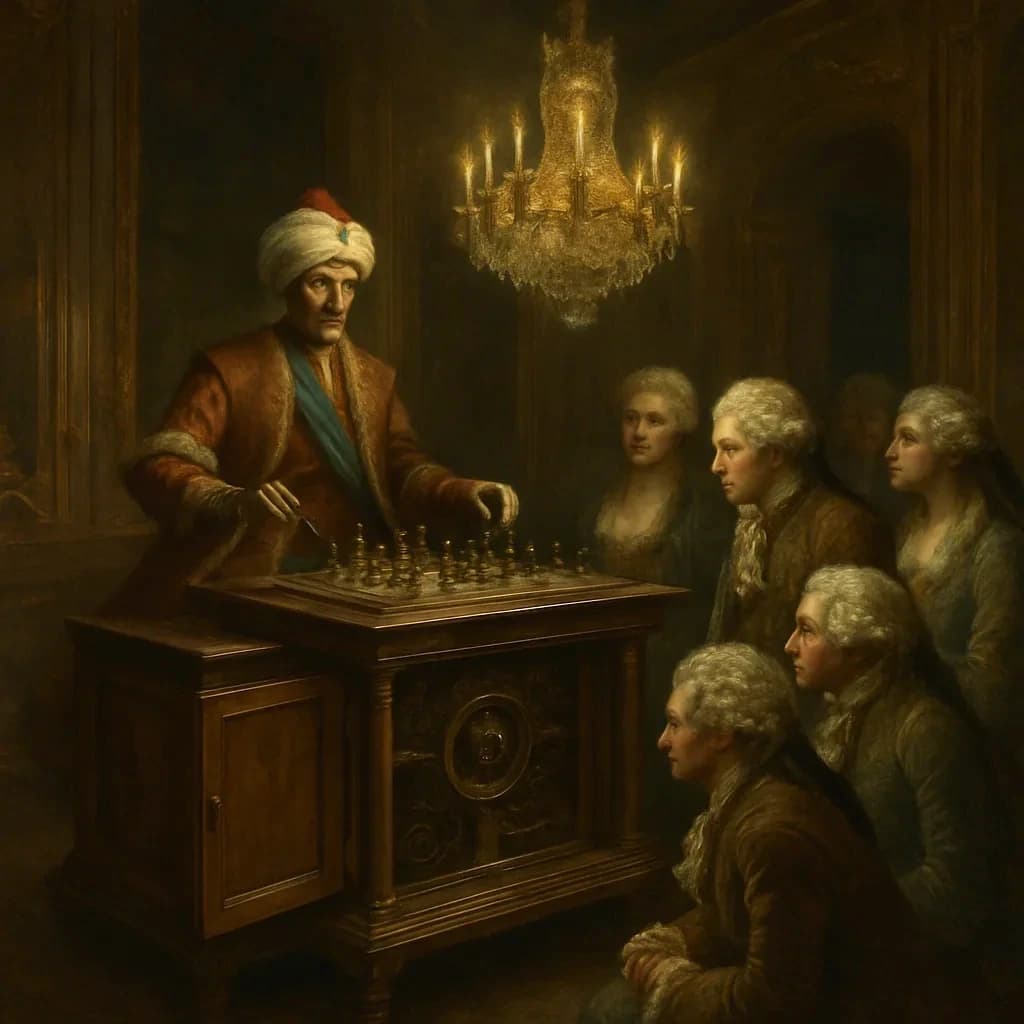
Napoleon Lost to a Chess Machine Hiding a Man
A mechanical chess-playing automaton began touring Europe's royal courts in 1770, and launched the computer age.
- Walter Isaacson, Benjamin Franklin: An American Life (2003)
- J.A. Leo Lemay, The Life of Benjamin Franklin, Volume 3: Soldier, Scientist, and Politician (2009)
- Stacy Schiff, A Great Improvisation: Franklin, France, and the Birth of America (2005)