
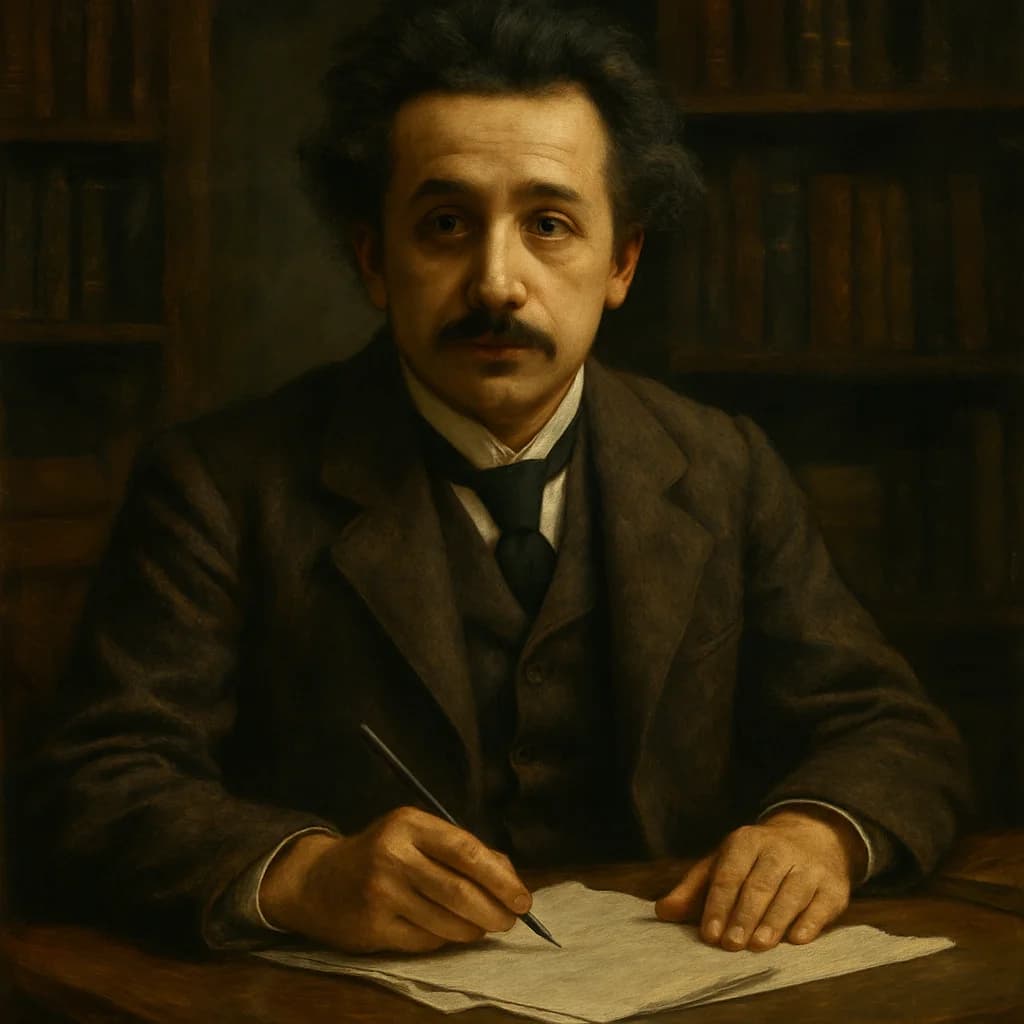
Albert Einstein
Einstein's wife Mileva solved his equations while he got the Nobel Prize, but that wasn't even his strangest marriage arrangement.
Albert Einstein spent his honeymoon in 1903 working on physics problems with his new wife Mileva Marić, a brilliant mathematician who had scored higher than him in several university courses. She wasn't just helping. Contemporary letters suggest she was deriving key equations for what would become special relativity. Yet when the papers were published, only Albert's name appeared.
But Einstein's domestic arrangements grew even more peculiar. After divorcing Mileva in 1919, he married his cousin Elsa, then promptly began a decades-long affair with Elsa's daughter from her first marriage. When that relationship cooled, Einstein kept a little black book of women he called his "board of directors," rotating through affairs while Elsa pretended not to notice. His secretary later revealed he received love letters from admirers worldwide, many of which he answered personally.
The man who unlocked the secrets of space and time was utterly baffled by human relationships. He once wrote to a friend that marriage was "an attempt to make something lasting out of an incident." When Elsa died in 1936, Einstein refused to remarry, declaring himself "not suited for close relationships." Instead, he lived his final decades in Princeton with his stepdaughter Margot, his secretary Helen Dukas, and a succession of cats, including one that suffered from depression, which Einstein tried to cure by telling it philosophical jokes.
Einstein died in 1955, but not before removing his own brain during the autopsy wasn't authorized. The pathologist, Dr. Thomas Harvey, simply took it home in a jar, keeping it in his basement for decades and occasionally mailing pieces to researchers. Einstein's final wish was to be cremated with no grave marker. He feared becoming a site of pilgrimage. His brain had other plans.
Einstein's brain was stolen by the pathologist who performed his autopsy and kept in jars for 43 years, with pieces occasionally mailed to researchers who requested samples.
Why untold: History prefers the mythical lone genius narrative over the messier reality of collaborative science and chaotic personal lives.
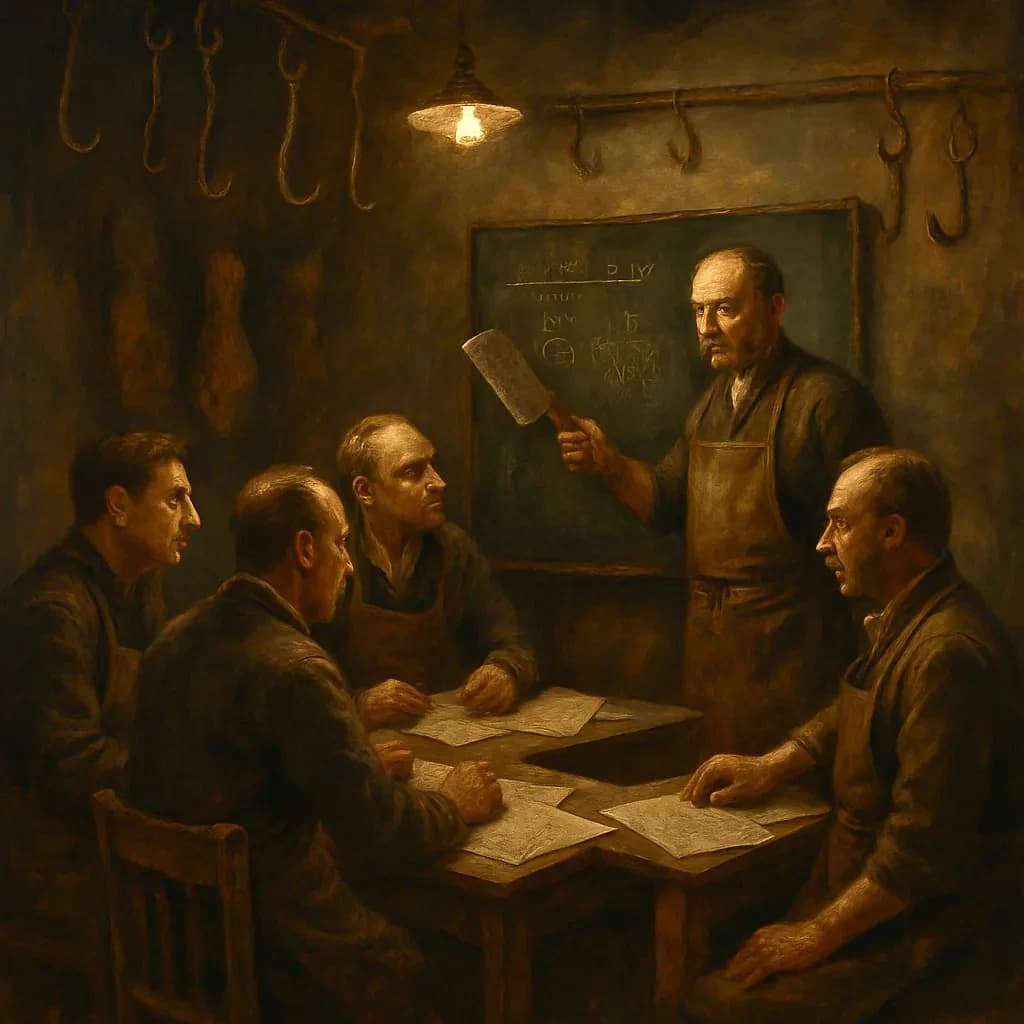
Berlin's Butchers Versus Einstein and "Jewish Math"
A group of German meat sellers convinced themselves in 1932 that Einstein's theory of relativity was a Jewish conspiracy against honest arithmetic.
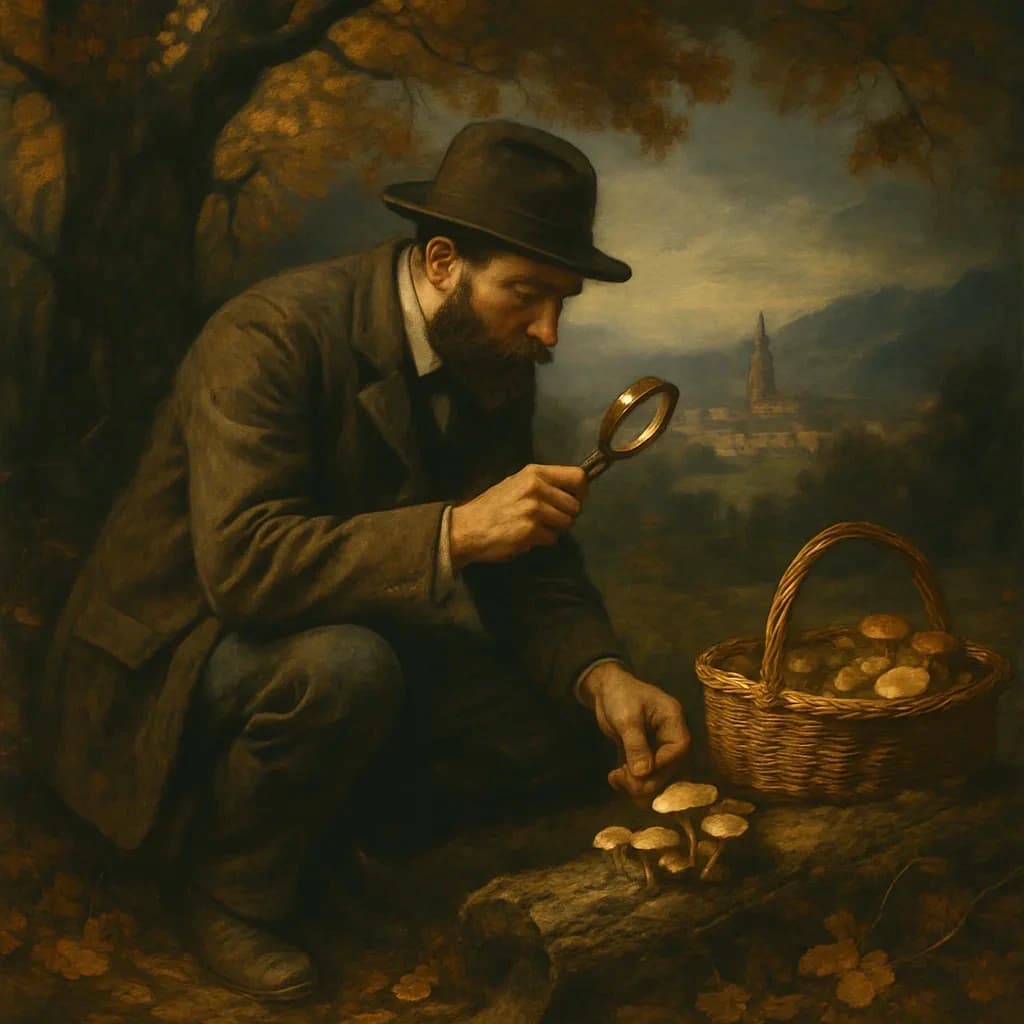
How Mushrooms Led Einstein to E=mc²
A reclusive Swiss patent clerk spent his lunch breaks gathering wild mushrooms, and there found the equation that would split the atom.
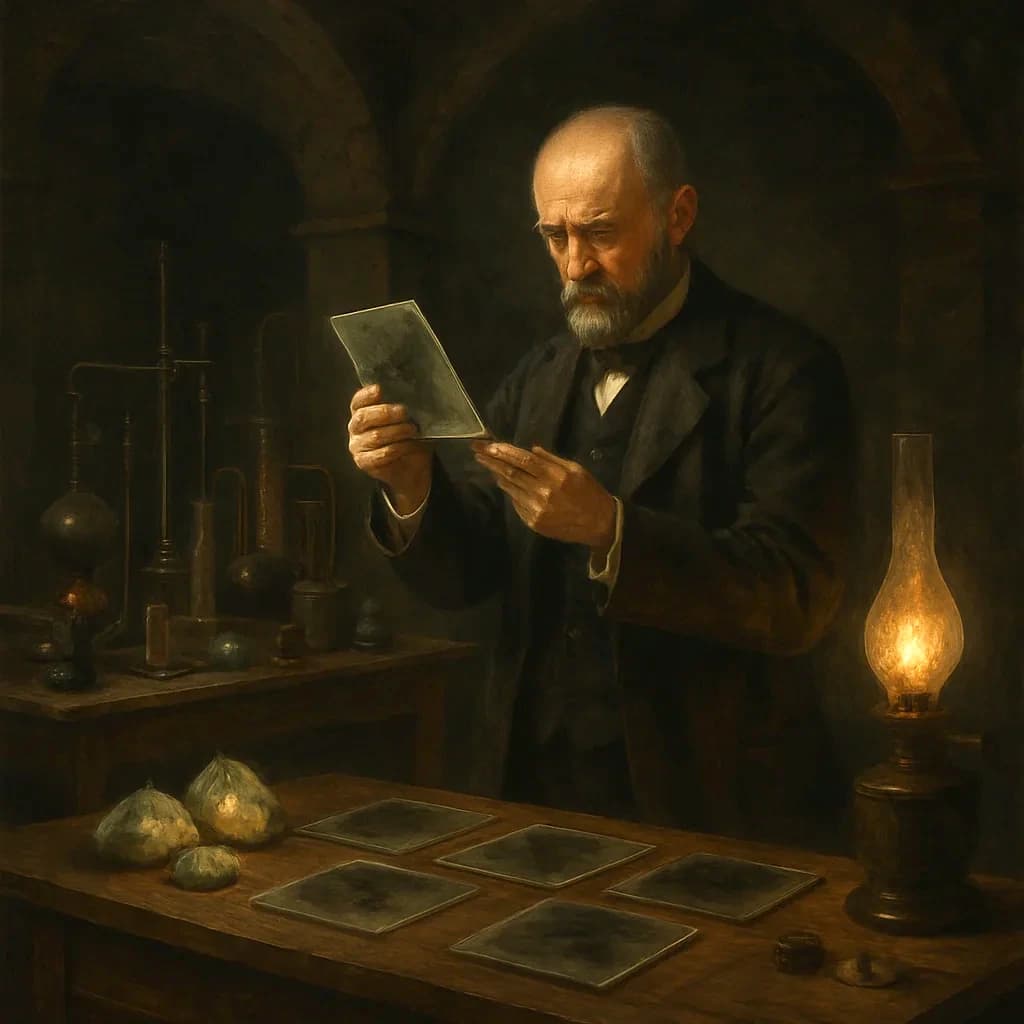
A Paris Lab Accident Produced History's Most Dangerous Discovery
In 1895, a laboratory accident in Paris created the most dangerous discovery in human history, and the scientist had no idea what he'd done.
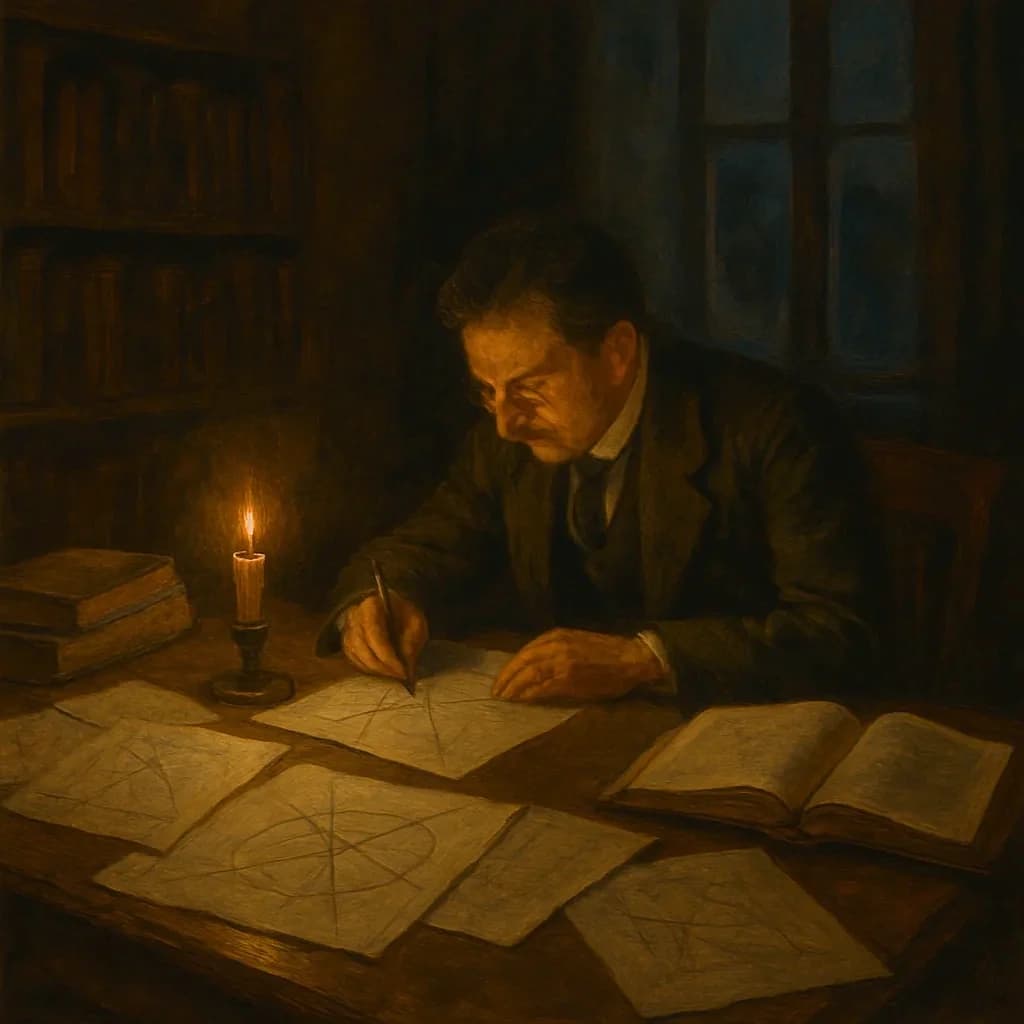
How a Mathematician's Insomnia Gave Einstein Spacetime
A Polish mathematician's insomnia drove him to a discovery that would reshape how we understand the universe, and hand Einstein the final piece of his greatest puzzle.
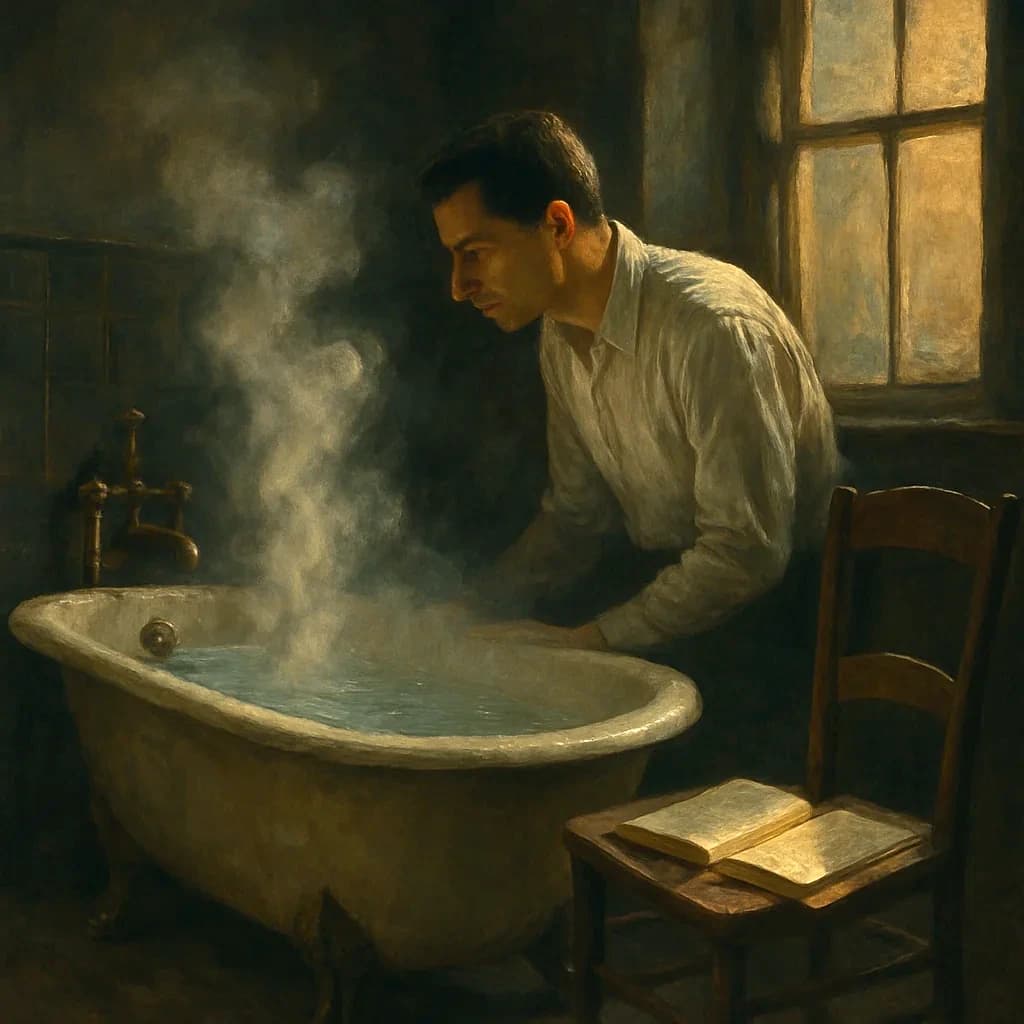
A Mathematician's Hobby Stood Between the World and Nuclear War
A Hungarian mathematician's unusual hobby became the difference between nuclear war and nuclear peace.
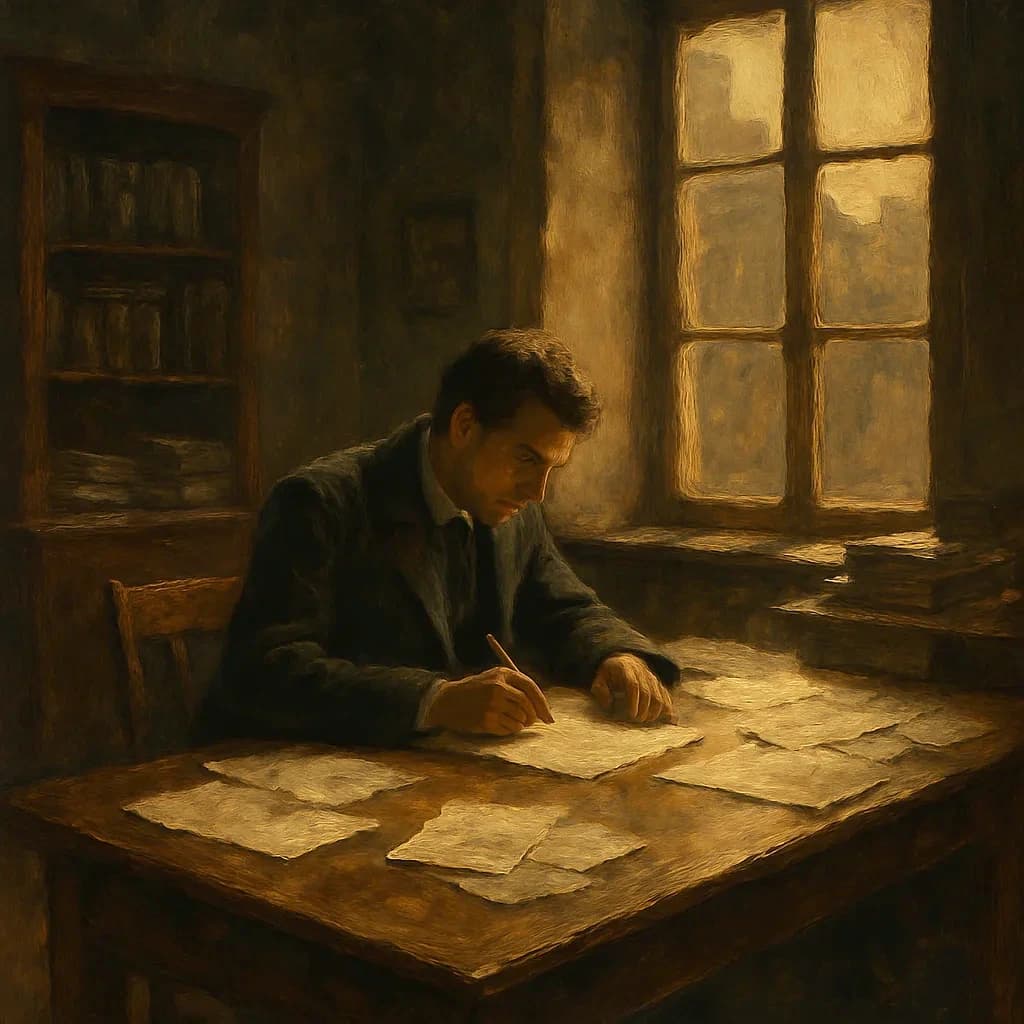
Einstein Called E=mc² His Greatest Mistake
A patent clerk in Bern scribbled one equation at the tail end of an ignored paper, and forty years later it killed 200,000 people in Japan.
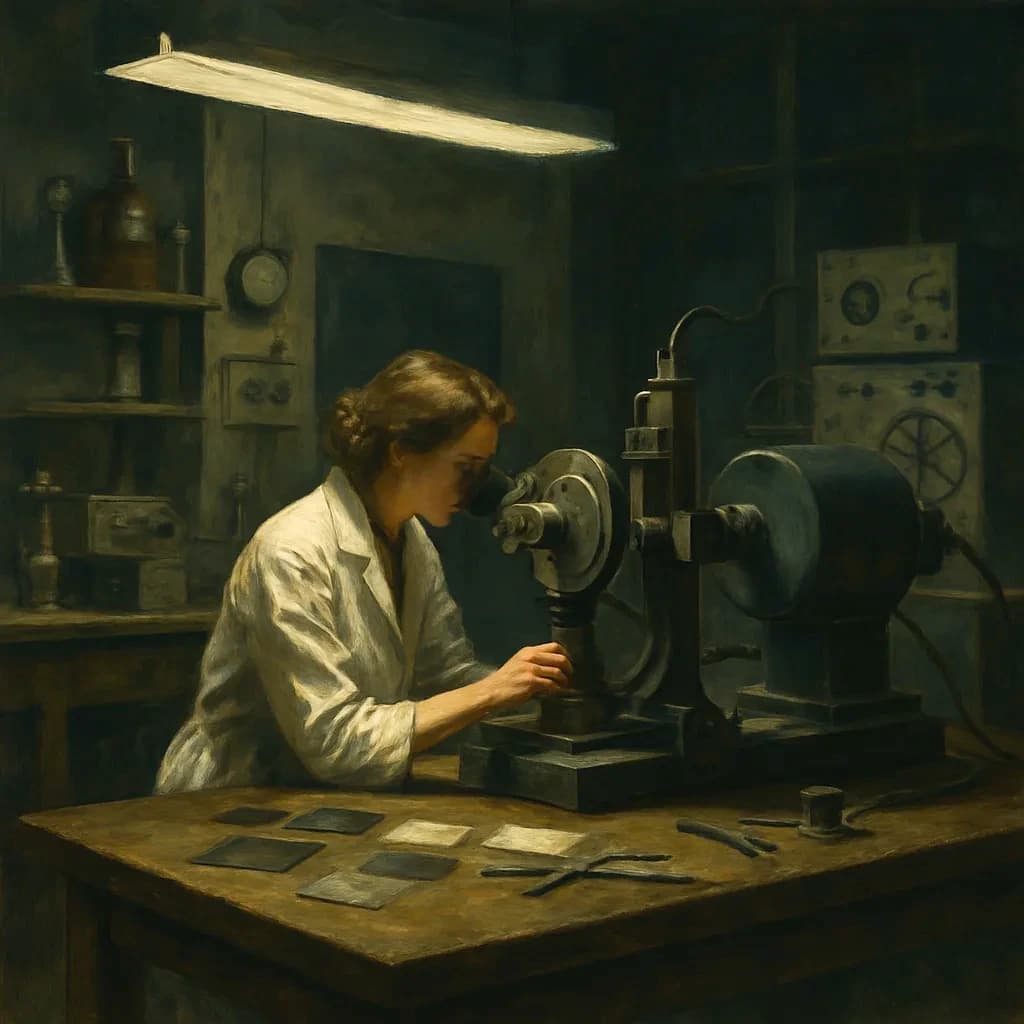
The Laboratory Where Women Had No Names
In Marie Curie's shadow, a generation of brilliant women scientists worked without credit, their discoveries published under male colleagues' names, until one of them broke the silence.
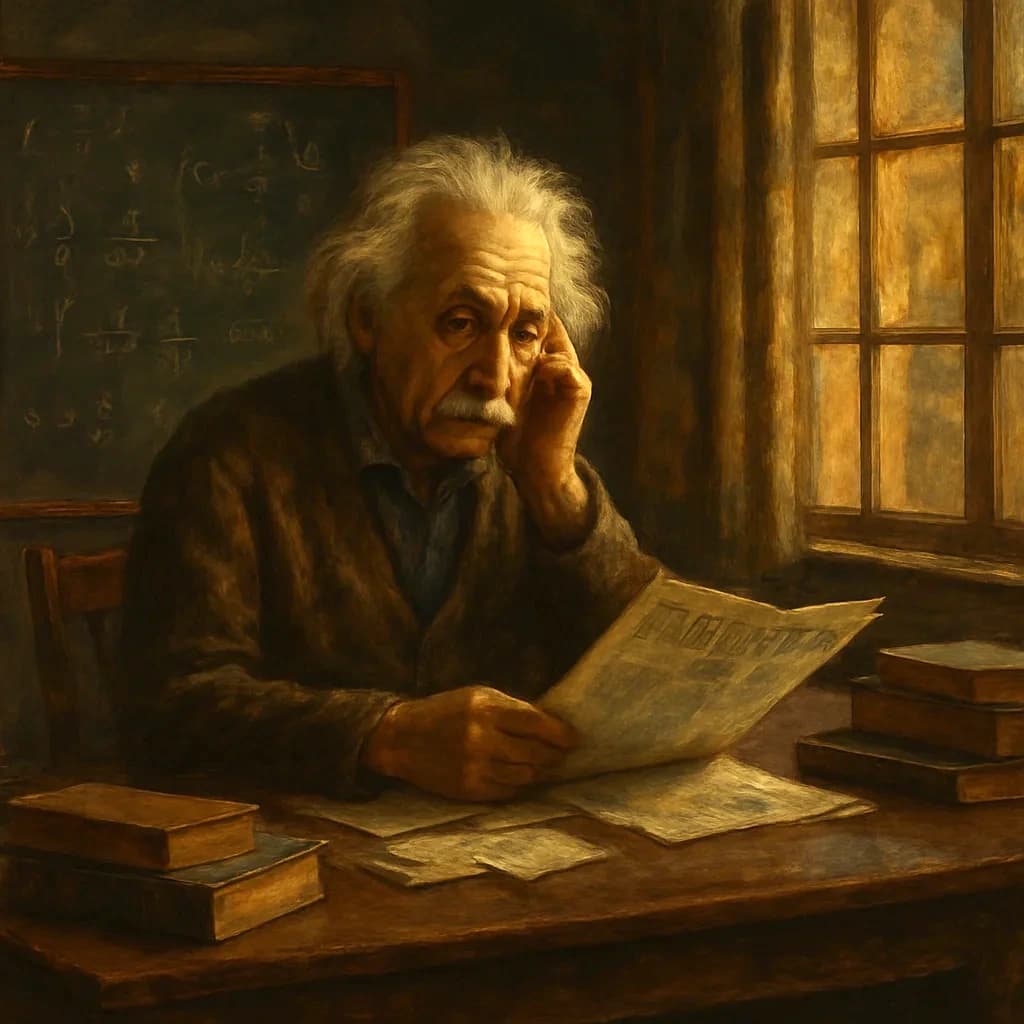
A Twenty-Year Math Proof Helped Build the Atomic Bomb
A brilliant mathematician spent twenty years solving the world's hardest puzzle, then discovered his answer would help build the atomic bomb.
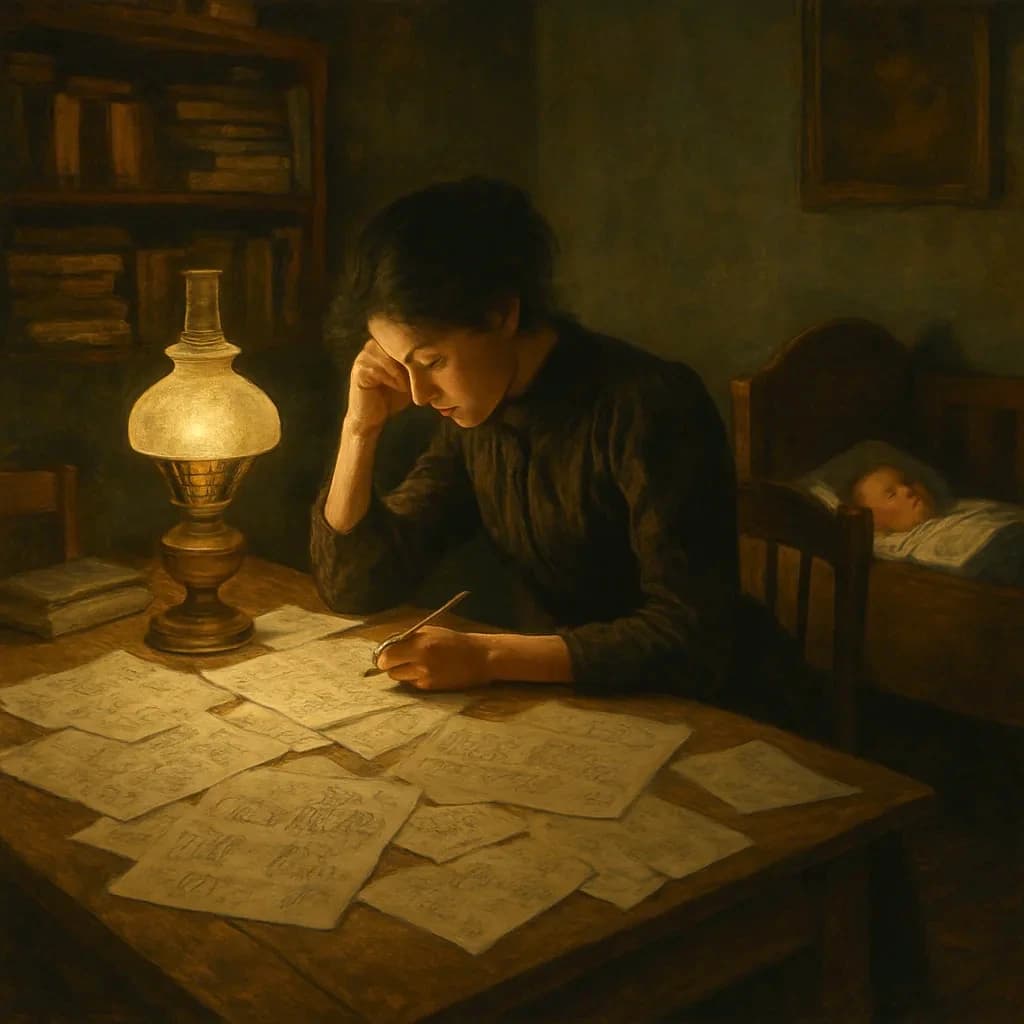
Einstein's First Wife Did the Math at Midnight
Albert Einstein couldn't sleep, and when he did, he dreamed of riding light beams, but his first wife was solving the equations.
- Einstein: His Life and Universe by Walter Isaacson
- The Einstein Papers Project, Princeton University Press
- Possessing Genius: The Bizarre Odyssey of Einstein's Brain by Carolyn Abraham