
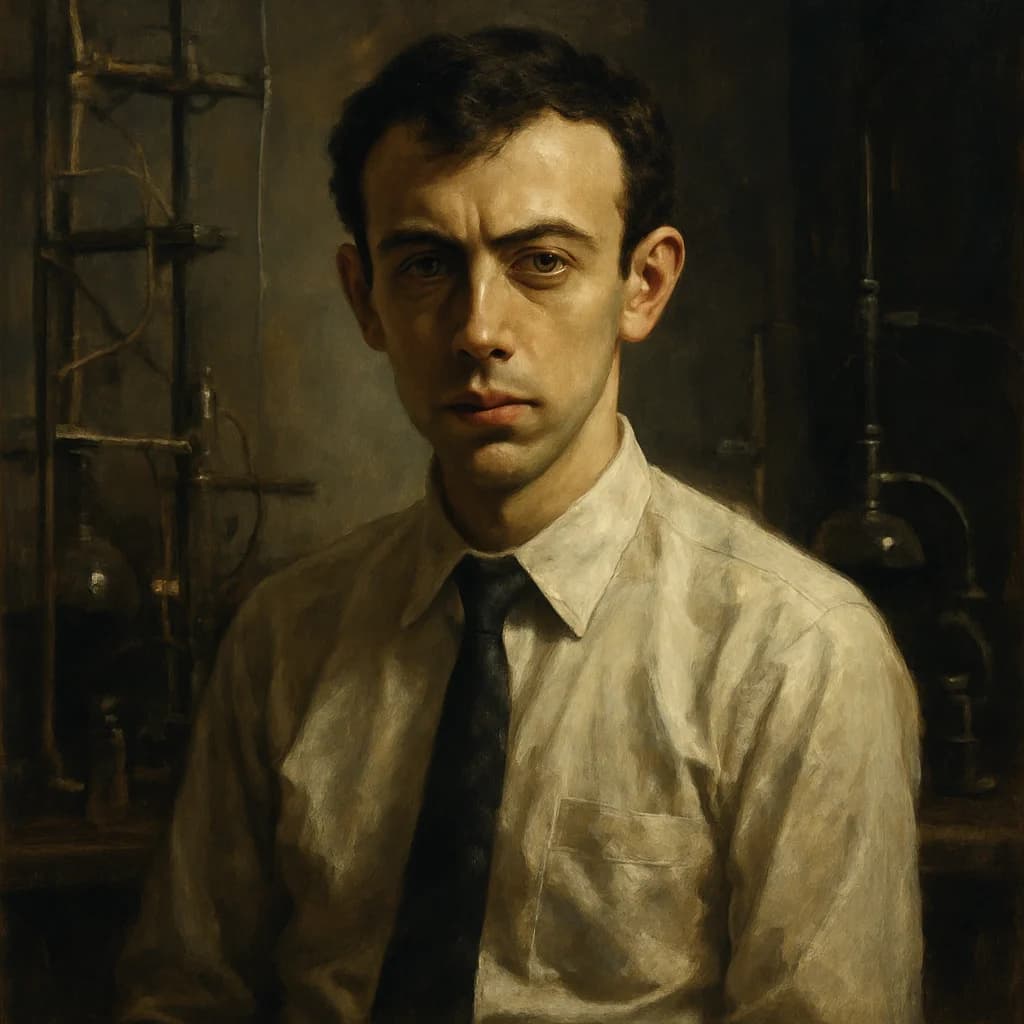
James Watson
The man who discovered DNA's structure spent his later years convinced that some races were genetically inferior, and wouldn't stop saying so.
James Watson was twenty-four when he walked into Rosalind Franklin's lab and saw Photo 51, the X-ray crystallography image that would make him famous. What he didn't know was that Maurice Wilkins had shown him the photo without Franklin's permission, effectively stealing the key evidence that would unlock DNA's double helix structure. Watson and Francis Crick published their model in Nature just weeks later, barely acknowledging Franklin's contribution. She died four years before the trio won their Nobel Prize in 1968.
But Watson's real story began after the accolades ended. In 1968, he published "The Double Helix," a tell-all memoir that painted Franklin as "Rosy", a difficult, unattractive woman who couldn't see what was right in front of her. The book became a bestseller, cementing Watson's version of events in popular memory while Franklin remained voiceless, six feet underground. Harvard University, where Watson taught, was so embarrassed by the book's sexist tone they tried to stop its publication.
The pattern would repeat for decades. Watson built a media career on provocative statements, but his comments grew increasingly toxic. In 2007, he told a British newspaper that he was "inherently gloomy about the prospect of Africa" because Africans were less intelligent than whites. Cold Spring Harbor Laboratory, which he'd directed for nearly four decades, suspended him immediately. In 2019, at age ninety, he doubled down, claiming that genetics supported racial intelligence differences. The laboratory stripped him of his remaining titles, and auction houses began selling his Nobel Prize medal.
Watson had spent sixty years dining out on a discovery built largely on stolen work, only to reveal that his greatest achievement was also his most honest moment, unraveling himself, strand by strand.
Watson's 2007 Nobel Prize medal sold at auction for $4.1 million after his racist comments destroyed his scientific reputation, though the buyer later returned it to him as a gesture.
Why untold: Scientific hagiography typically ends Nobel Prize stories at the moment of triumph, avoiding the uncomfortable decades that followed.
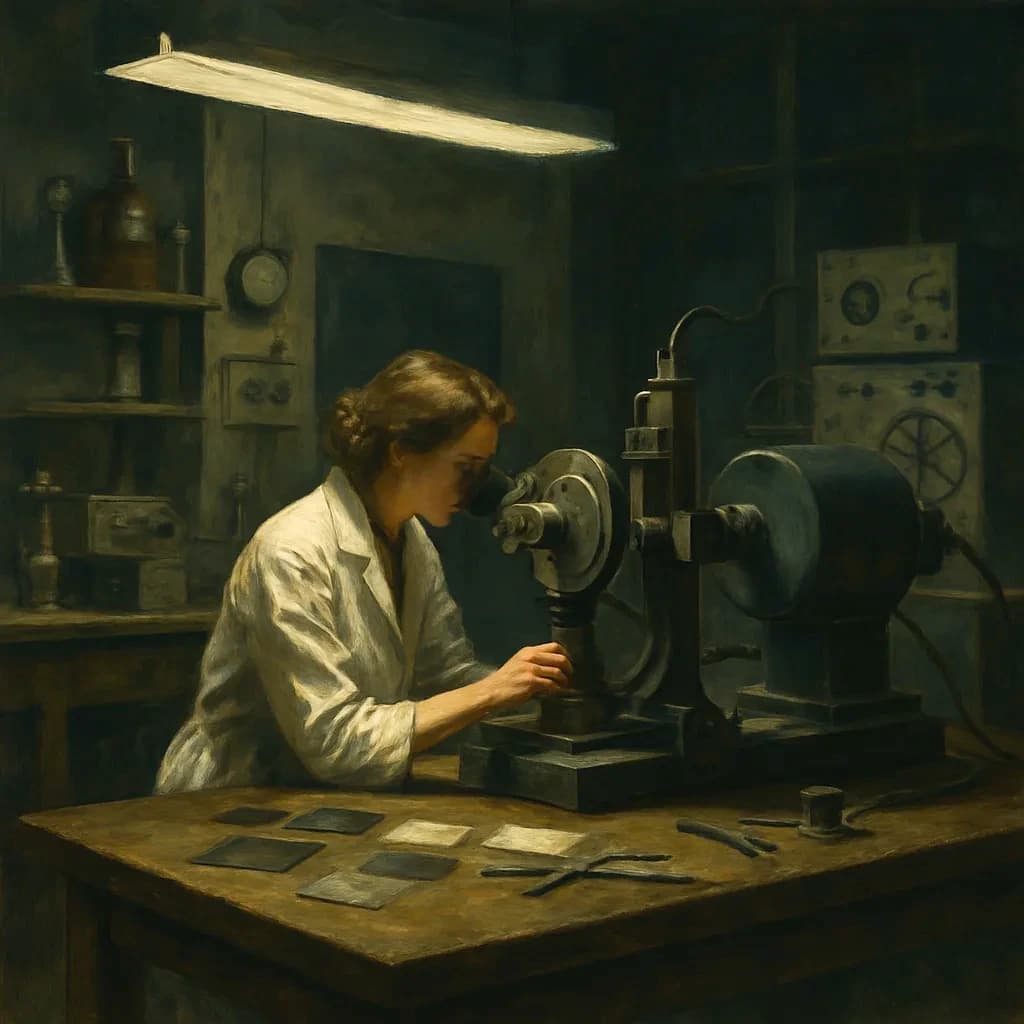
The Laboratory Where Women Had No Names
In Marie Curie's shadow, a generation of brilliant women scientists worked without credit, their discoveries published under male colleagues' names, until one of them broke the silence.
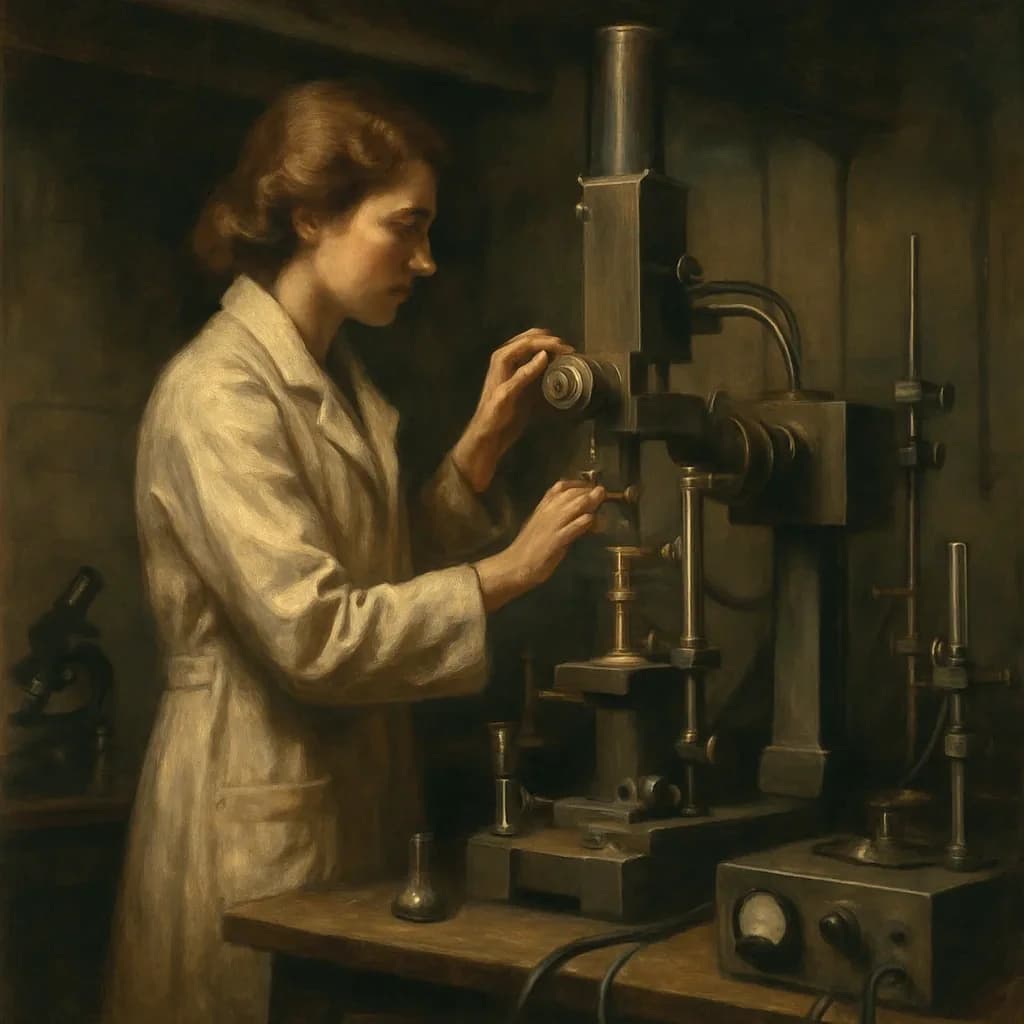
Photo 51 Cracked DNA. She Never Got the Credit.
She discovered the structure of DNA, but a single photograph stolen from her lab gave two men a Nobel Prize.
- Watson, James D. The Double Helix: A Personal Account of the Discovery of the Structure of DNA. 1968.
- Maddox, Brenda. Rosalind Franklin: The Dark Lady of DNA. 2002.
- Hunt, Tim. "James Watson's Nobel Prize medal sells for $4.1m at auction." The Guardian, December 5, 2014.