
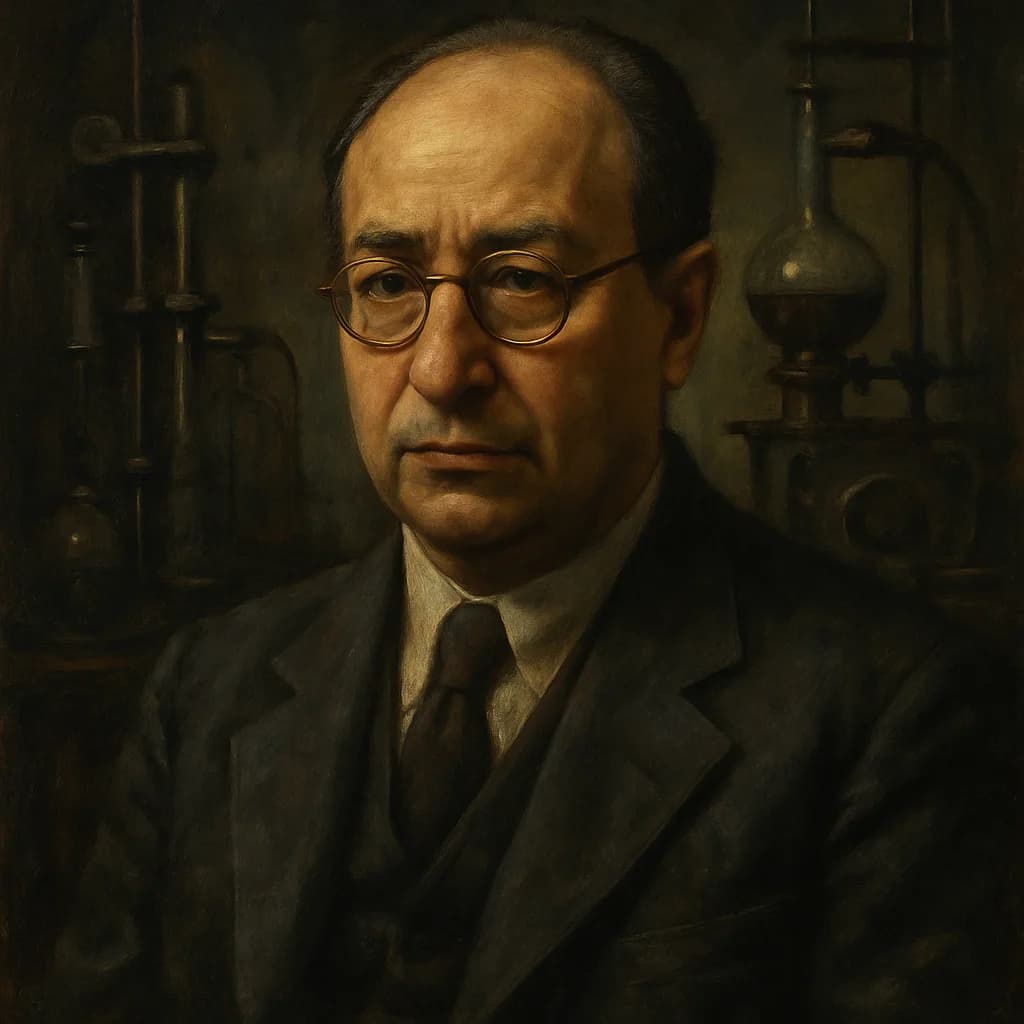
Leo Szilard
The man who conceived the atomic bomb in 1933 spent the rest of his life trying to prevent anyone from building it.
Leo Szilard was crossing a London street in September 1933 when the idea struck him like lightning. He'd just left a meeting where physicist Ernest Rutherford had dismissed the possibility of nuclear chain reactions as "moonshine." Standing at the traffic light on Southampton Row, Szilard suddenly understood how splitting atoms could trigger an explosive cascade. He was so terrified by his own insight that he immediately tried to classify it as a military secret.
For six years, Szilard desperately attempted to keep his discovery buried. He filed patents under military secrecy, refused to publish his research, and pleaded with fellow physicists to stop their nuclear experiments. When German scientists split uranium in 1938, Szilard knew the race was on. Reluctantly, he convinced Einstein to write the famous letter to Roosevelt that launched the Manhattan Project. But even as he worked at Chicago's Metallurgical Laboratory, building the world's first nuclear reactor, Szilard was simultaneously organizing scientists to oppose using the bomb on Japan.
After Hiroshima, Szilard abandoned physics entirely. The man who had unlocked the atom's power became obsessed with preventing nuclear war. He founded the first political lobbying group for scientists, drafted arms control treaties, and even wrote science fiction stories warning of atomic apocalypse. His 1961 novel "The Voice of the Dolphins" predicted the Cuban Missile Crisis with eerie accuracy.
Szilard died of a heart attack in 1964, still fighting the monster he'd accidentally created on a London sidewalk thirty years earlier. His final project was developing a "hot line" between American and Soviet scientists, a direct communication channel that might prevent accidental nuclear war through simple human conversation.
Szilard kept his life savings in a suitcase, ready to flee at a moment's notice, because he believed nuclear war was inevitable and wanted to survive to help rebuild civilization.
Why untold: Physics textbooks celebrate his scientific breakthrough but ignore his decades-long crusade to contain his own discovery.
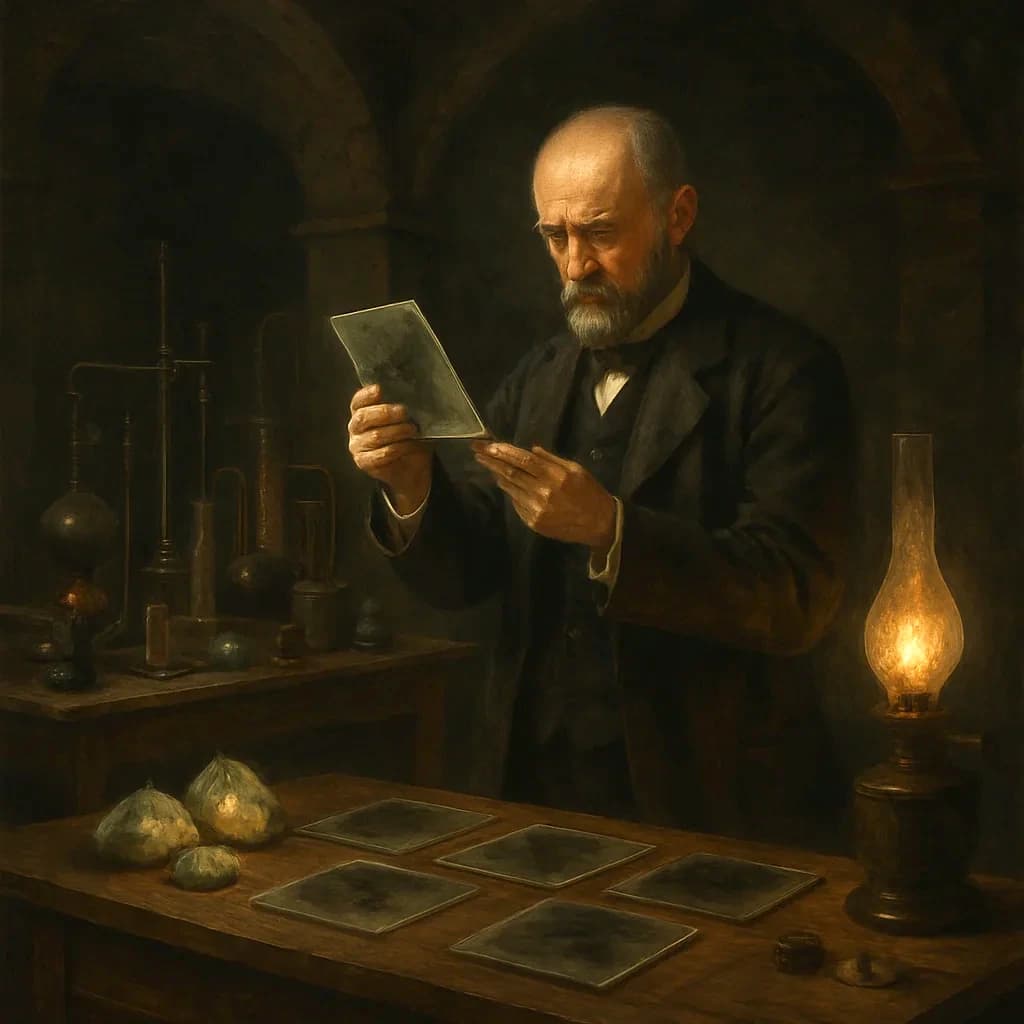
A Paris Lab Accident Produced History's Most Dangerous Discovery
In 1895, a laboratory accident in Paris created the most dangerous discovery in human history, and the scientist had no idea what he'd done.
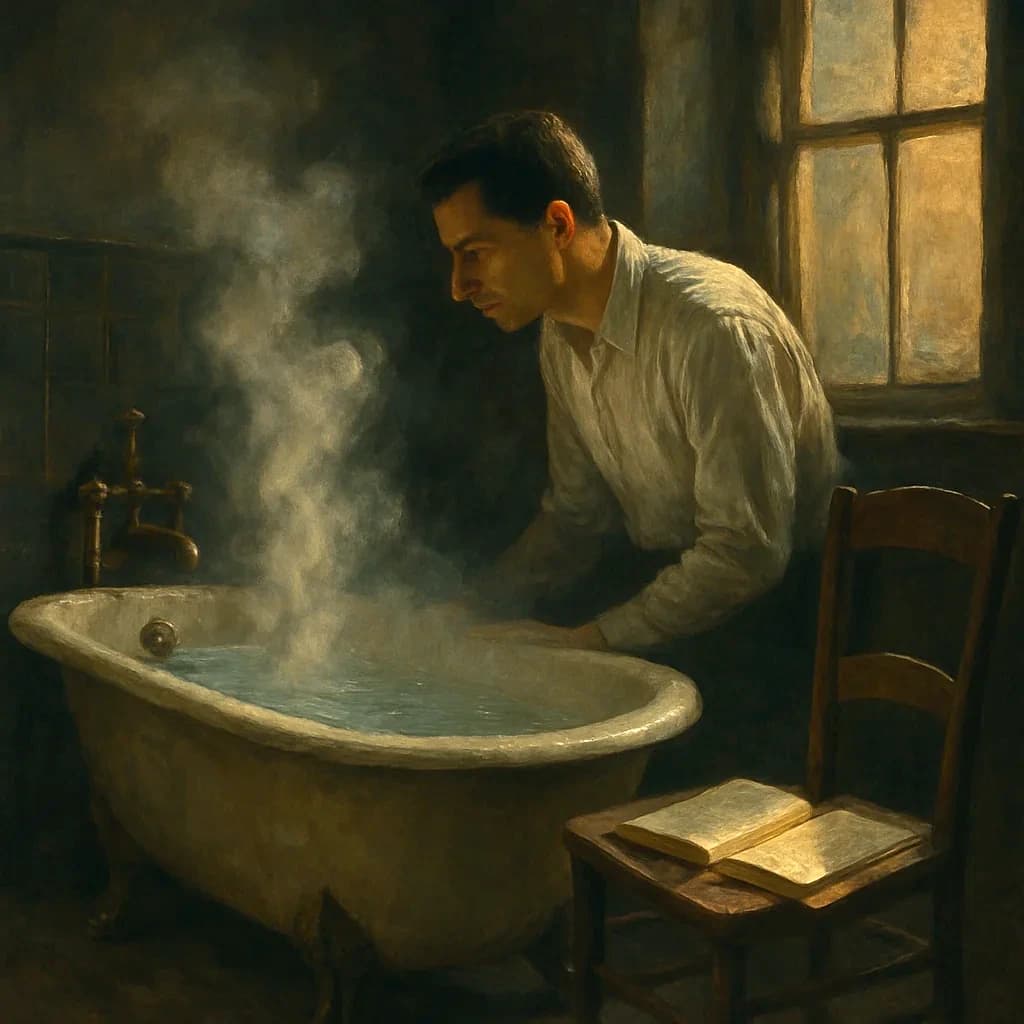
A Mathematician's Hobby Stood Between the World and Nuclear War
A Hungarian mathematician's unusual hobby became the difference between nuclear war and nuclear peace.
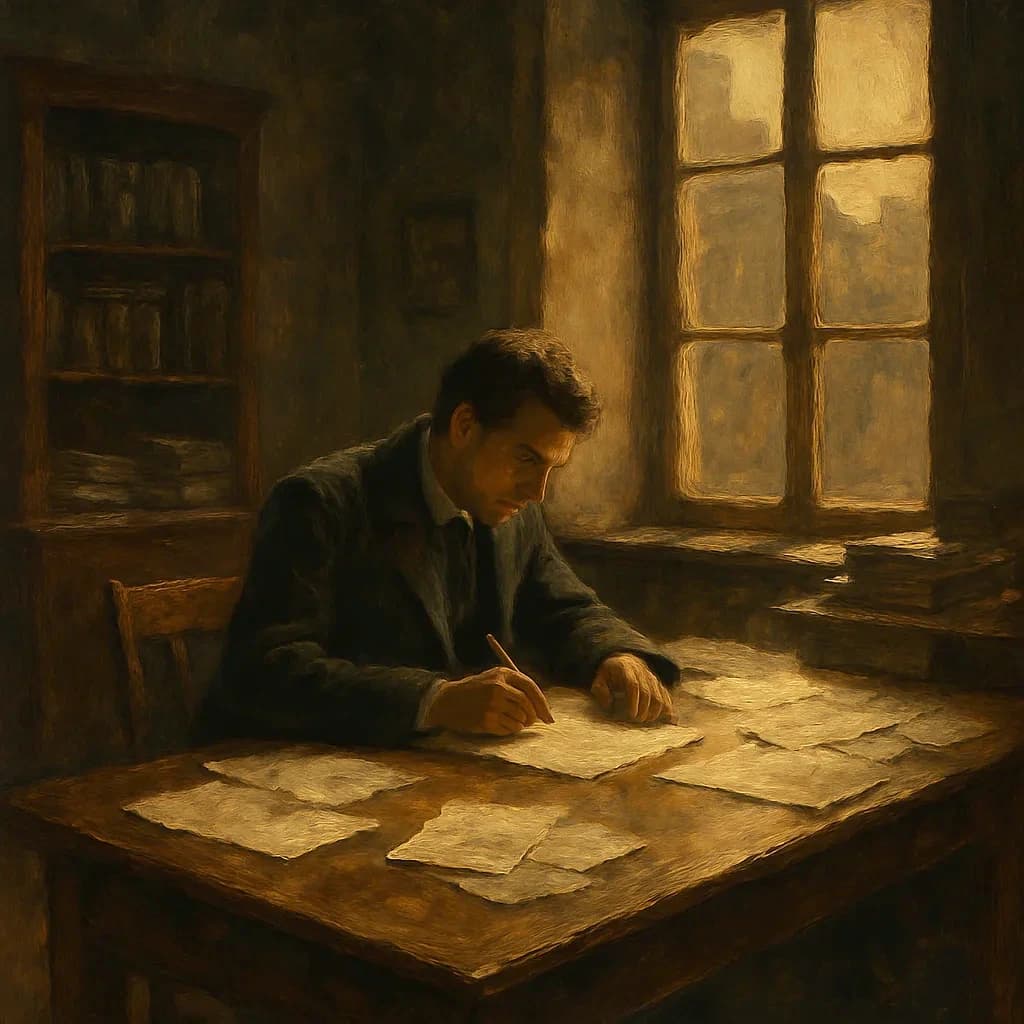
Einstein Called E=mc² His Greatest Mistake
A patent clerk in Bern scribbled one equation at the tail end of an ignored paper, and forty years later it killed 200,000 people in Japan.
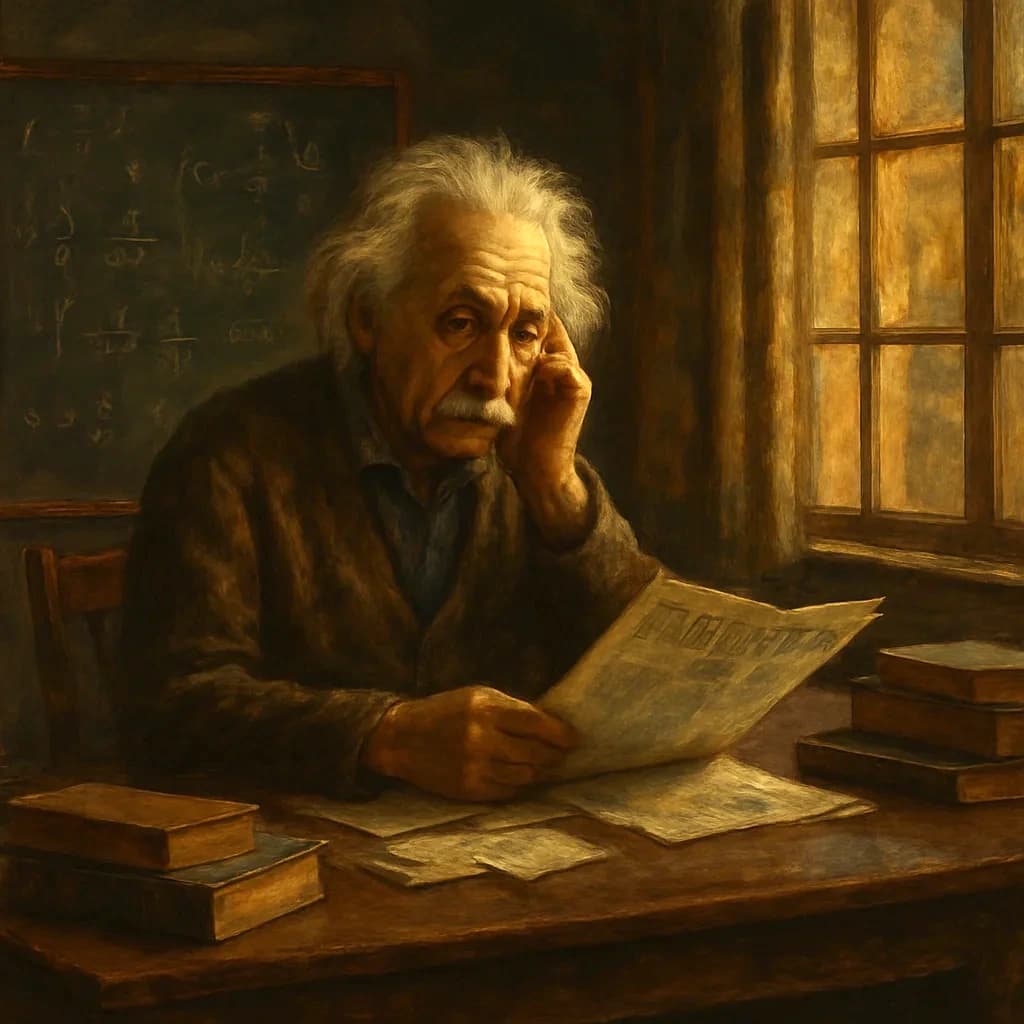
A Twenty-Year Math Proof Helped Build the Atomic Bomb
A brilliant mathematician spent twenty years solving the world's hardest puzzle, then discovered his answer would help build the atomic bomb.
- William Lanouette, 'Genius in the Shadows: A Biography of Leo Szilard' (1992)
- Leo Szilard, 'The Voice of the Dolphins and Other Stories' (1961)
- Richard Rhodes, 'The Making of the Atomic Bomb' (1986)