
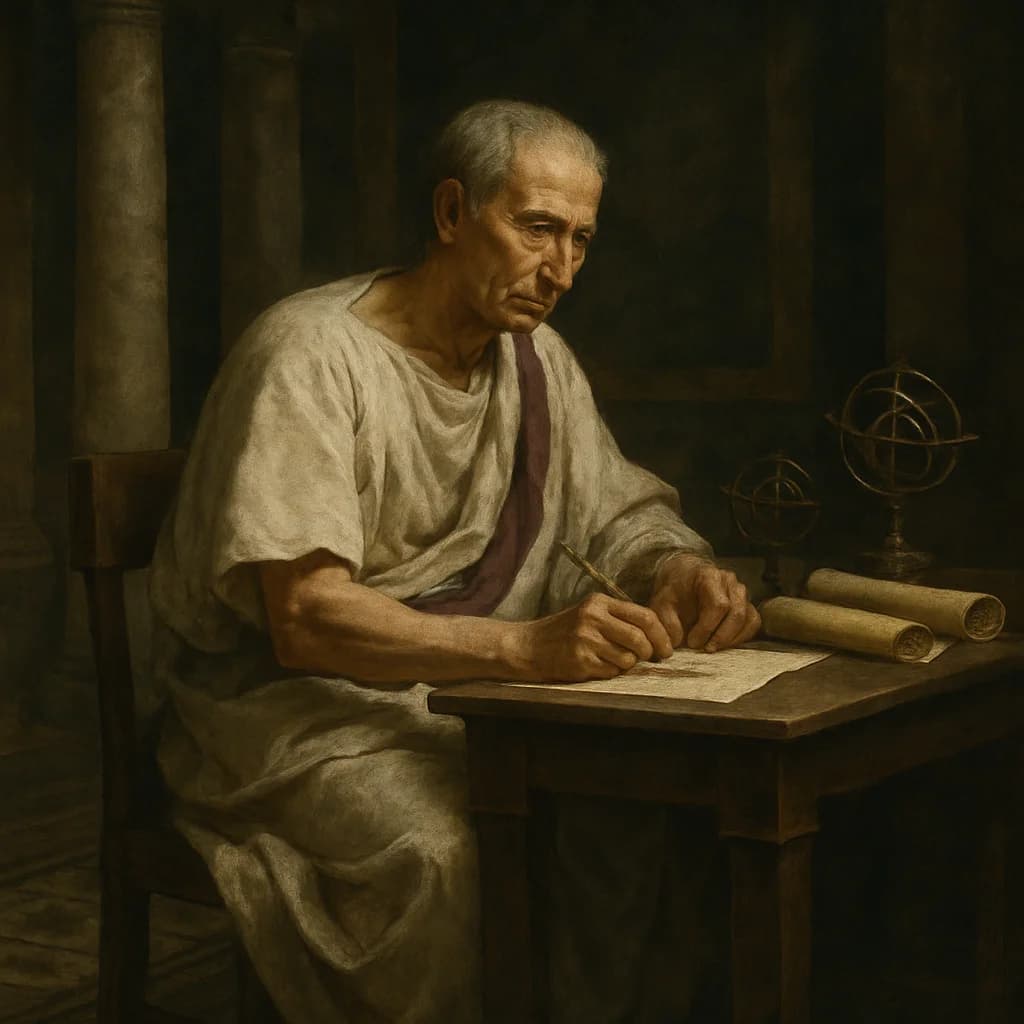
Julius Caesar
The man who conquered Gaul and crossed the Rubicon was also Rome's most prolific writer, and we've lost almost everything he wrote.
Julius Caesar penned more words than he spoke in the Senate. Beyond his famous Commentaries on the Gallic Wars, he wrote poetry, plays, a treatise on grammar, a collection of jokes, and detailed astronomical observations that helped him reform the Roman calendar. His contemporaries praised his prose style as much as his military genius. Cicero, no fan of Caesar's politics, admitted his writing was "pure and elegant." We've lost it all: every poem, every play, every grammatical insight that might have revealed the mind behind the ambition.
The calendar reform alone shows Caesar's intellectual appetite. In 46 BC, he enlisted Alexandria's finest astronomers to fix Rome's hopelessly broken lunar calendar, which had drifted so far from reality that harvest festivals fell in spring. Caesar added ninety days to that year (Romans called it "the year of confusion"), then imposed a solar calendar so accurate it needed only minor tweaking 1,600 years later. He personally oversaw the mathematical calculations, working late into the night with Greek scholars while managing a civil war.
But Caesar's most revealing writings might have been his letters. Like Cicero, he maintained extensive correspondence with intellectuals across the Mediterranean. He debated philosophy with Brutus, discussed poetry with Catullus, and exchanged scientific observations with scholars in Alexandria. These letters, had they survived, would have shown us a Caesar far more complex than the ambitious general of popular imagination, a man genuinely curious about how the world worked, who saw conquest and governance as intellectual challenges as much as political ones.
The irony cuts deep. We remember Caesar for crossing one river, but we've forgotten the libraries' worth of knowledge that flowed from his pen.
Caesar wrote a treatise called "On Analogy" about Latin grammar while crossing the Alps during his Gallic campaigns, composing it entirely from memory during the march.
Why untold: Medieval scribes prioritized preserving Caesar's military accounts over his literary works, seeing him as a general rather than an intellectual.
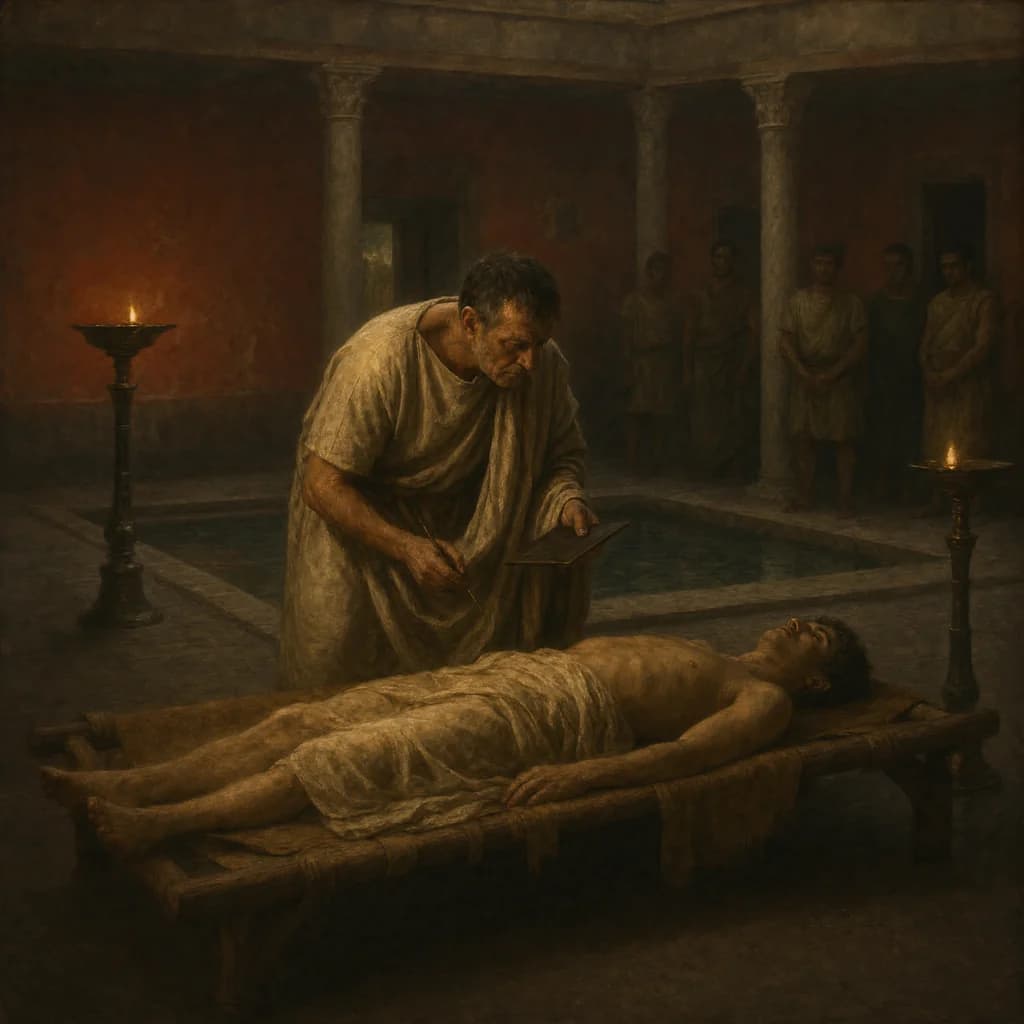
Only One of Caesar's Twenty-Three Wounds Killed Him
The physician called to examine Julius Caesar's body counted twenty-three wounds and concluded that only one of them had actually killed him.
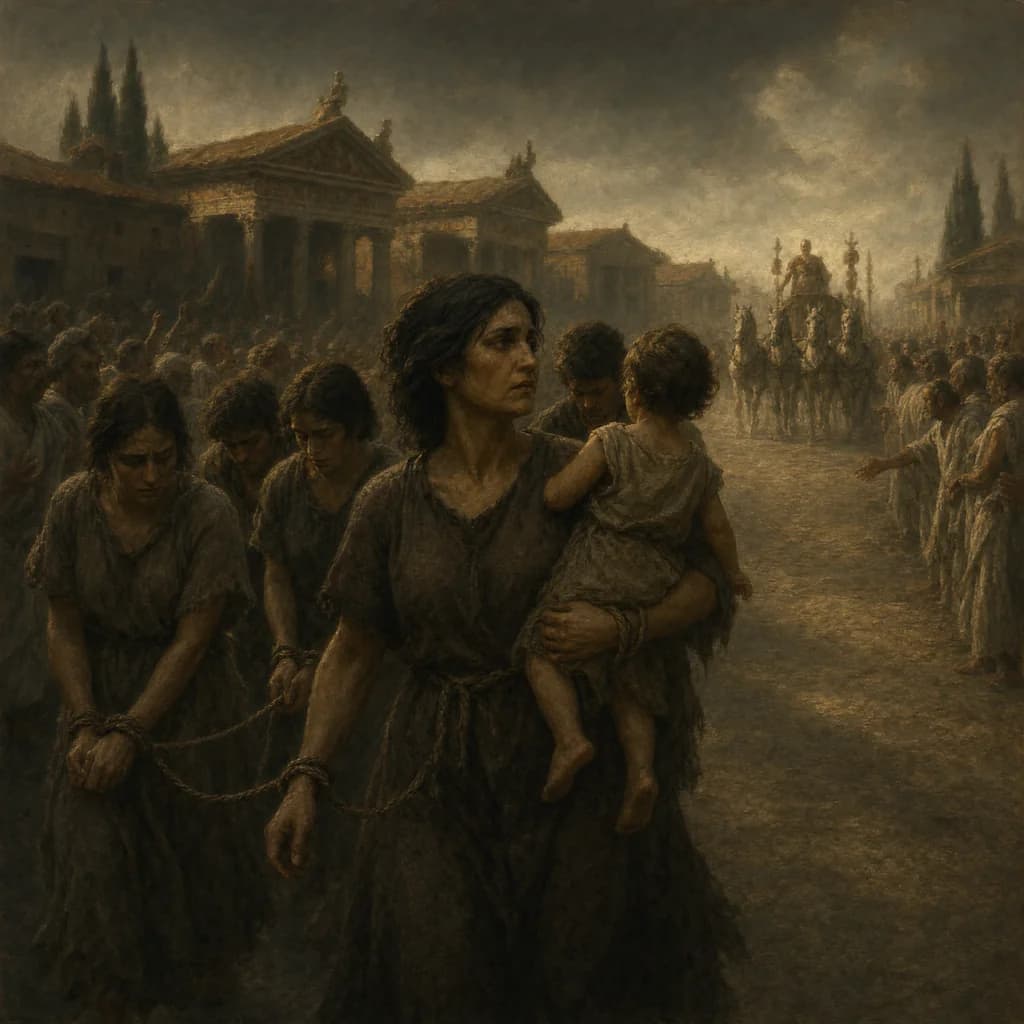
Rome's First Conqueror of Parthia Was Once Its Prisoner
He entered Rome the first time as a captive in someone else's triumph, and fifty-one years later he came back riding in his own.
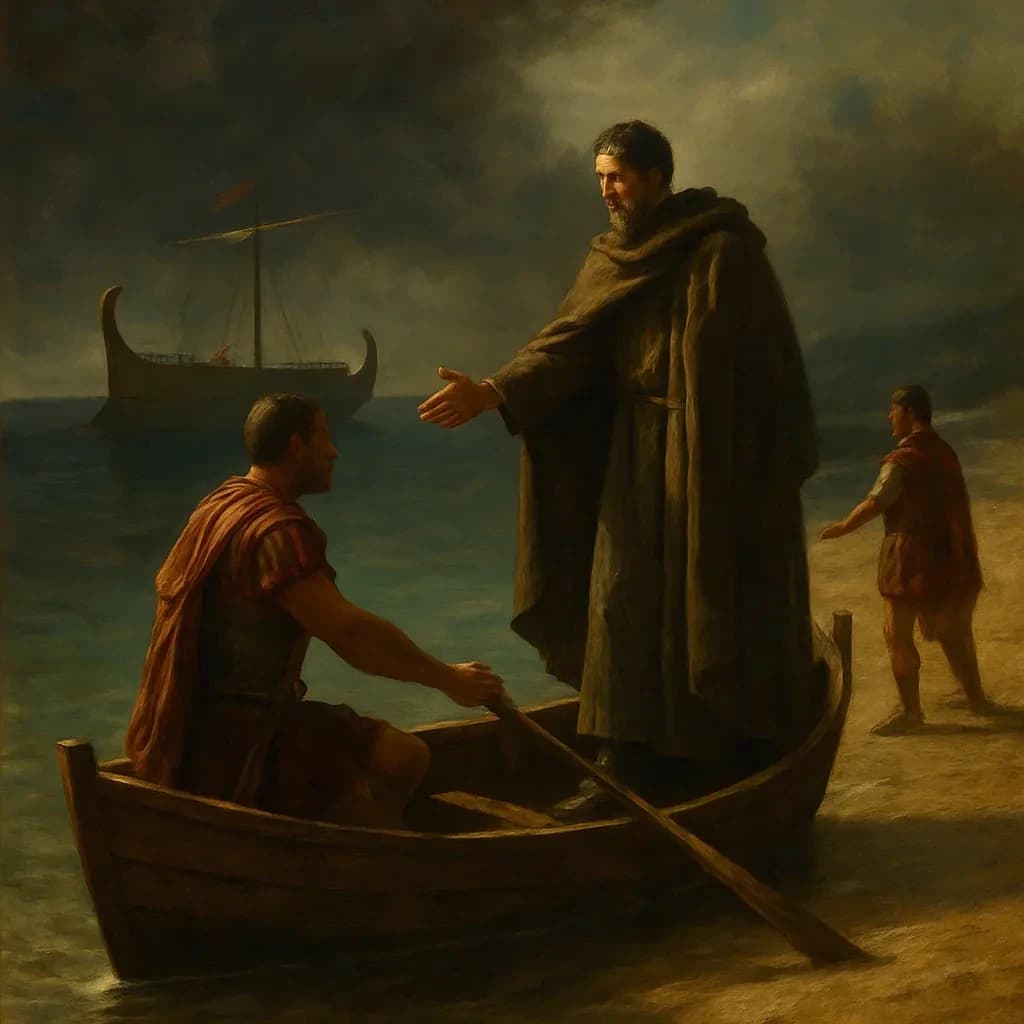
Pompey's Head: Egypt's Gift That Enraged Caesar
The man who presented Caesar with a severed head in a jar believed he was doing him a favor, and he nearly ended Rome's greatest alliance instead.
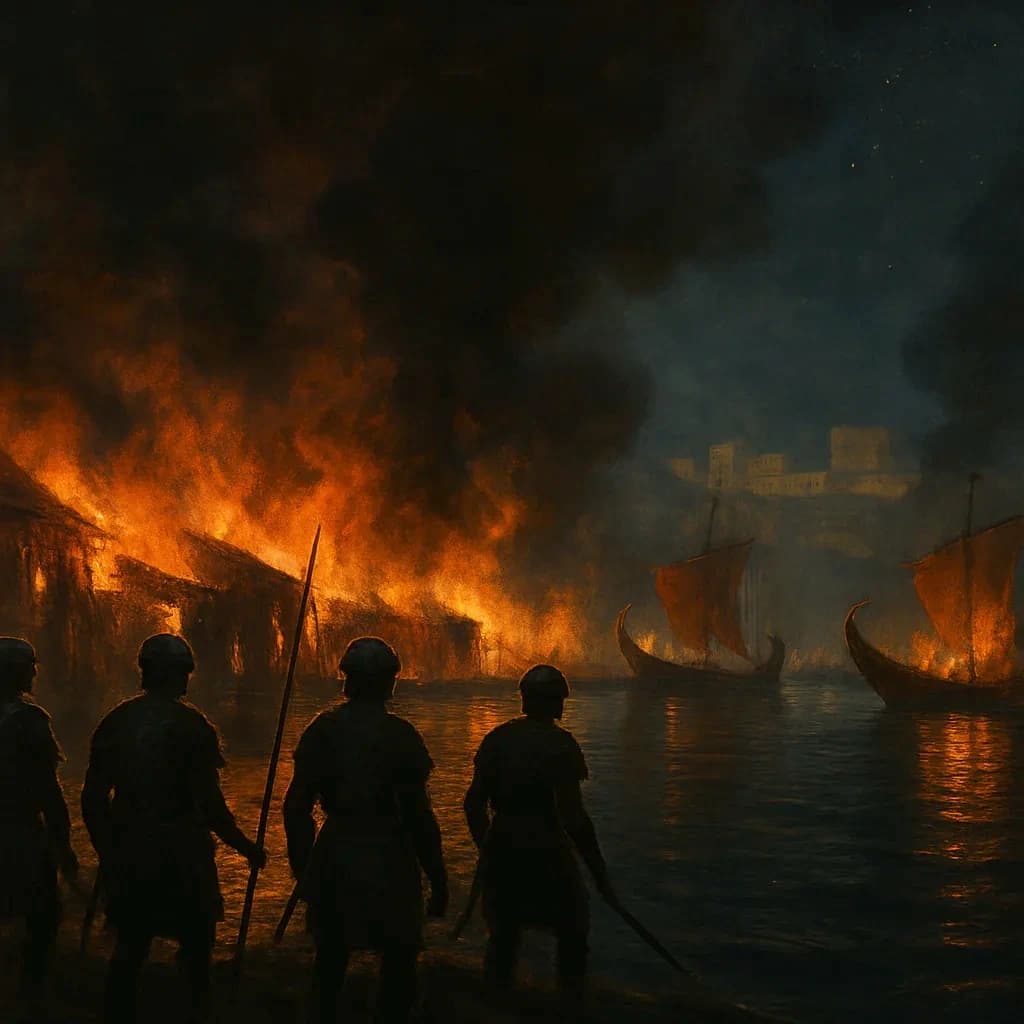
Caesar Burned a Warehouse, Not the Library of Alexandria
Cornered in Alexandria's harbor in 48 BC, Julius Caesar torched a fleet to save himself. And history has blamed him for destroying the ancient world's greatest library ever since.
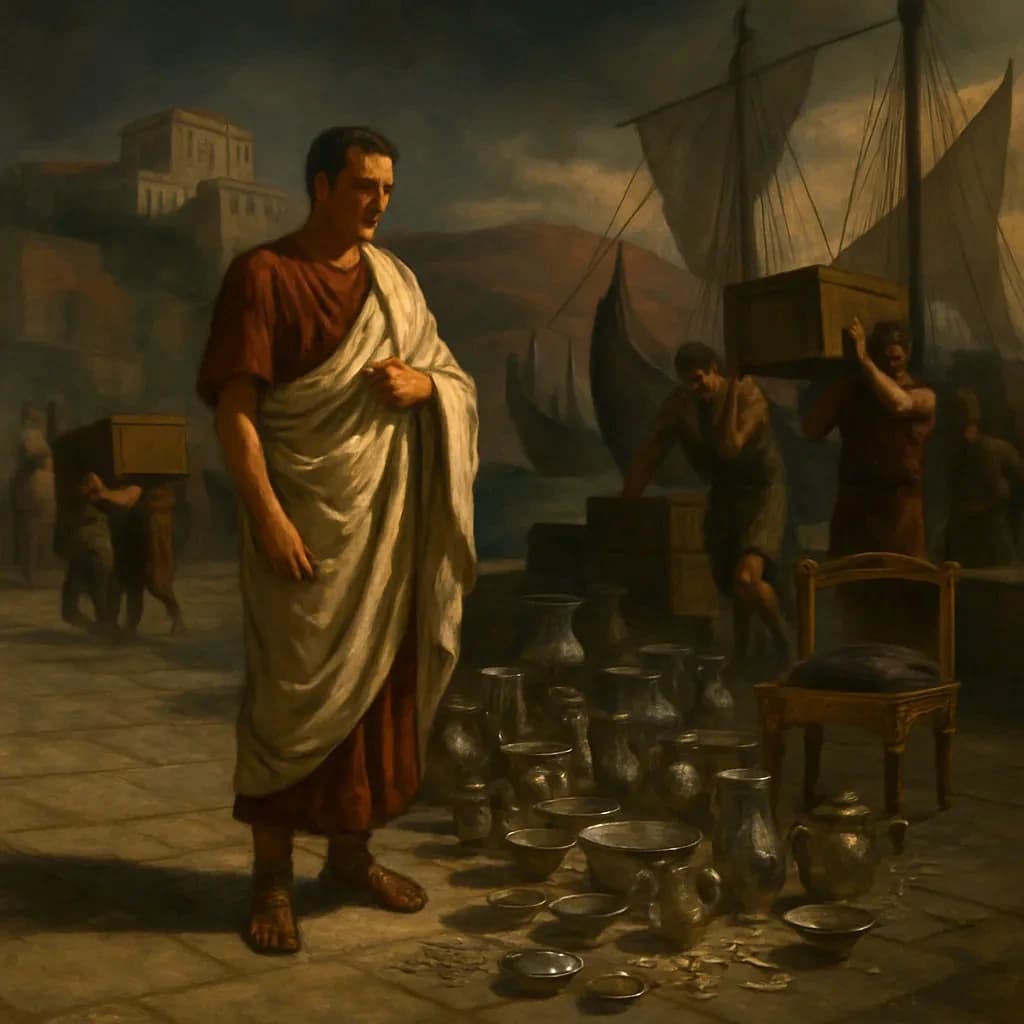
Cato Looted Cyprus to Fund the Men He Hated
A Roman emperor's obscure legal squabble over a dead man's will turned out to be the moment that ended one civilization and funded another.
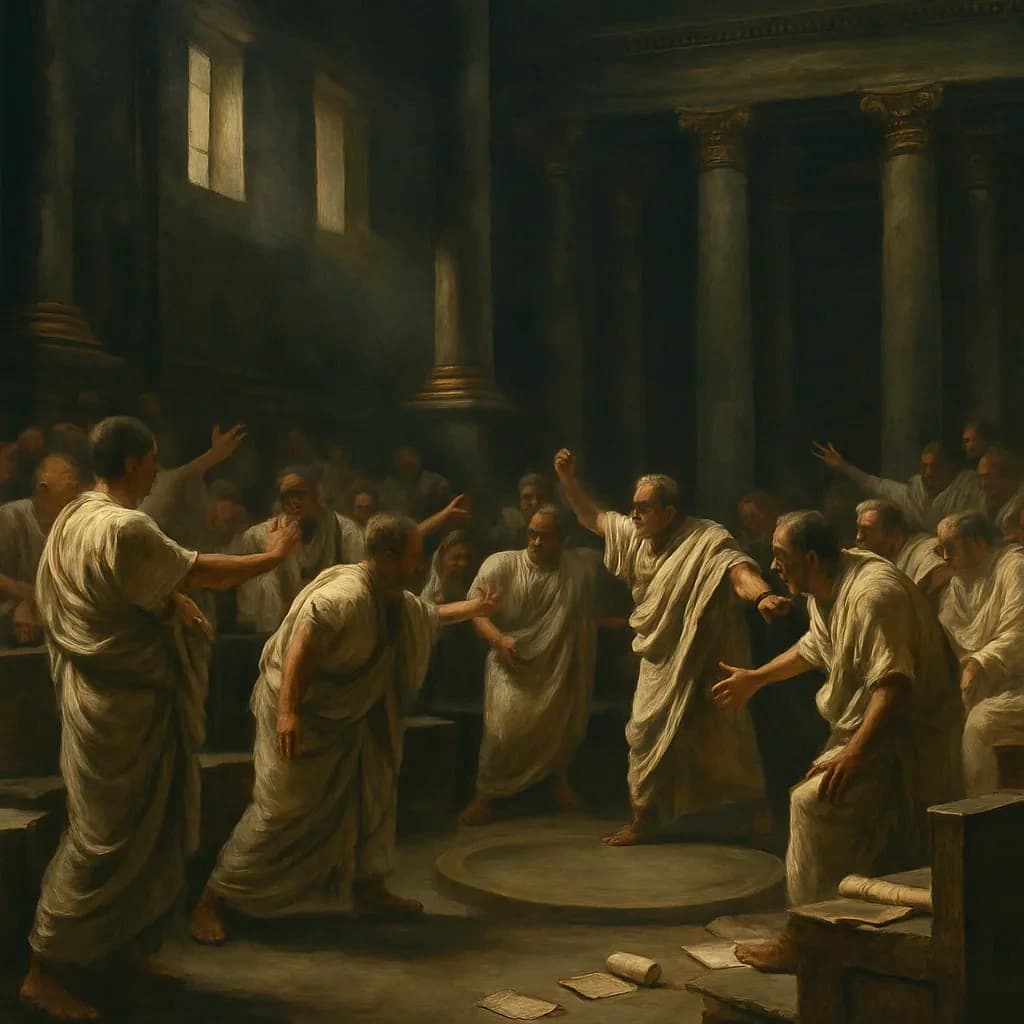
When Bread Riots Ended Democracy
The last free vote in Ancient Rome happened because nobody wanted to pay for grain subsidies.
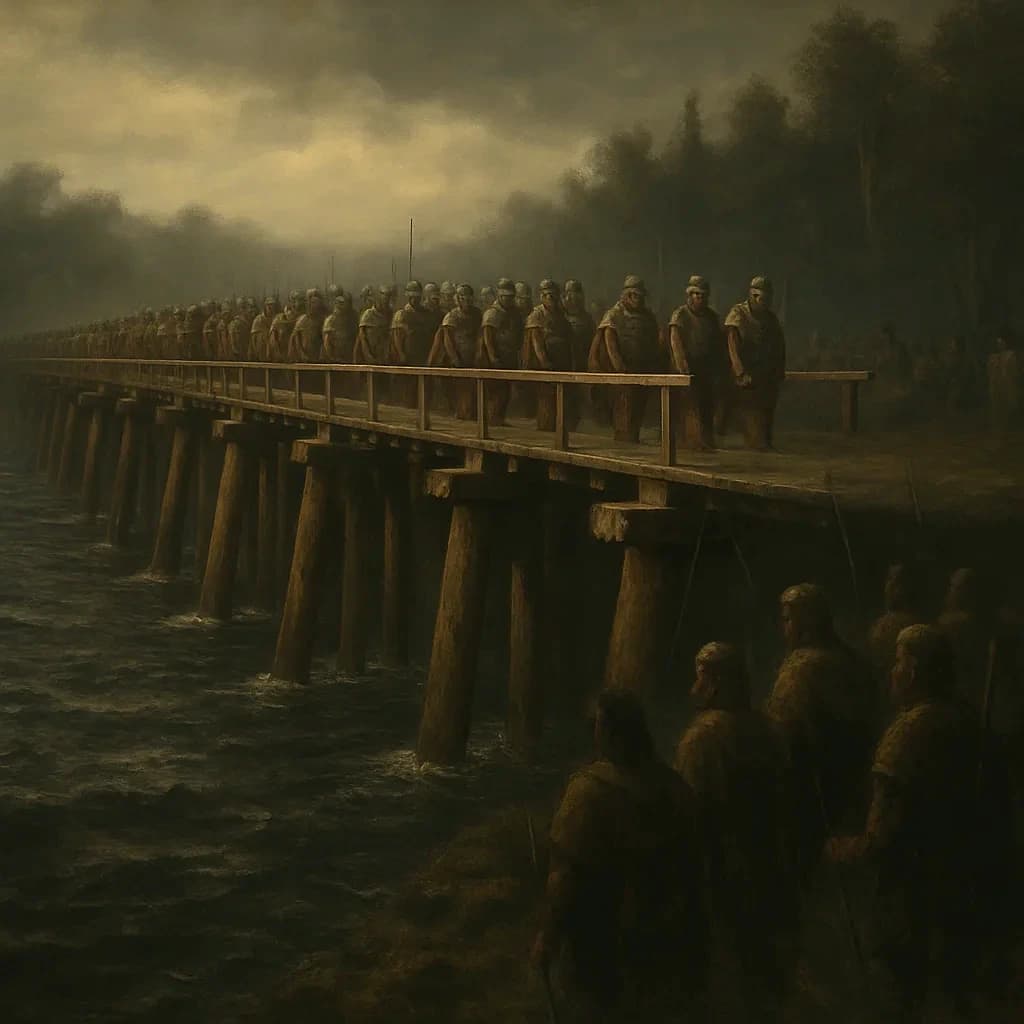
Caesar's Rhine Bridge: Ten Days to Build, Then Gone
The most expensive engineering project in European history stood empty for two centuries while entire armies marched around it.
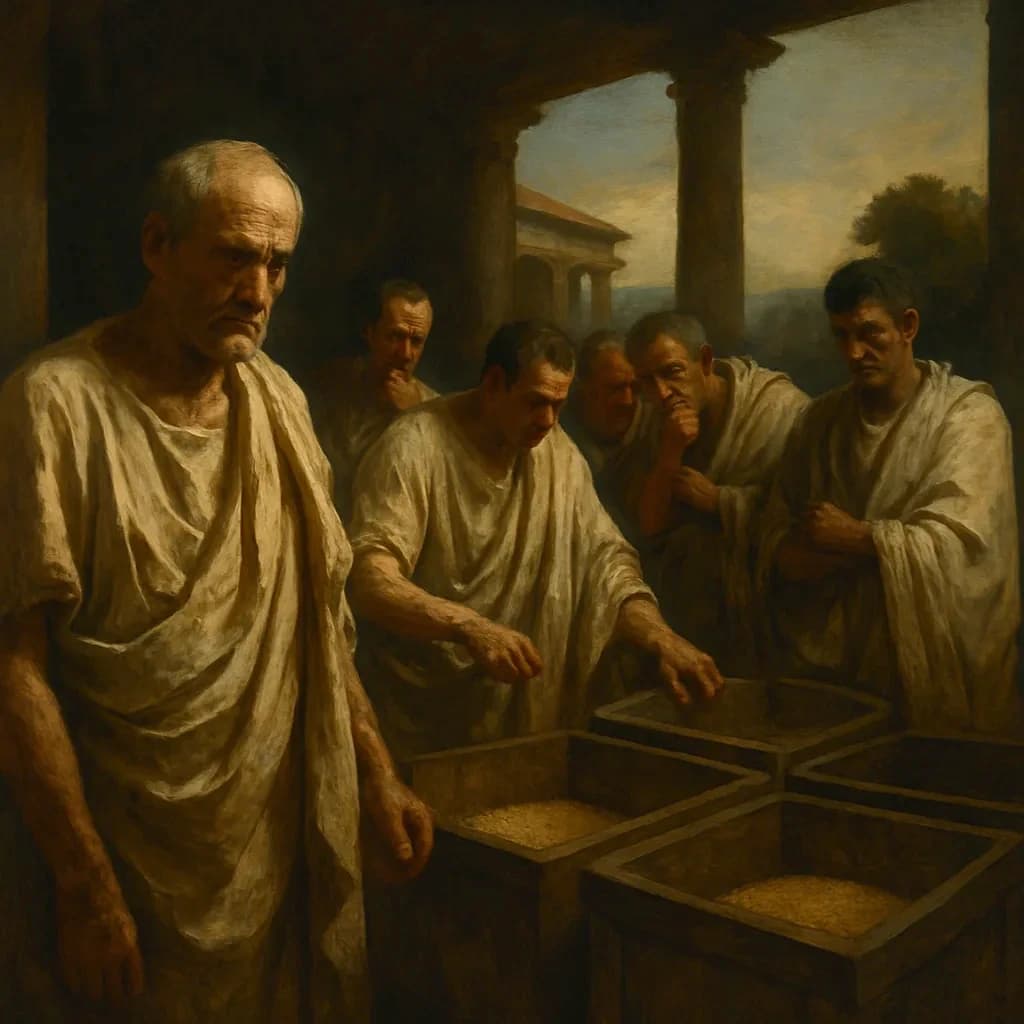
When Antarctica Saved Rome
A volcanic eruption in the middle of nowhere changed the course of European history without anyone knowing why.
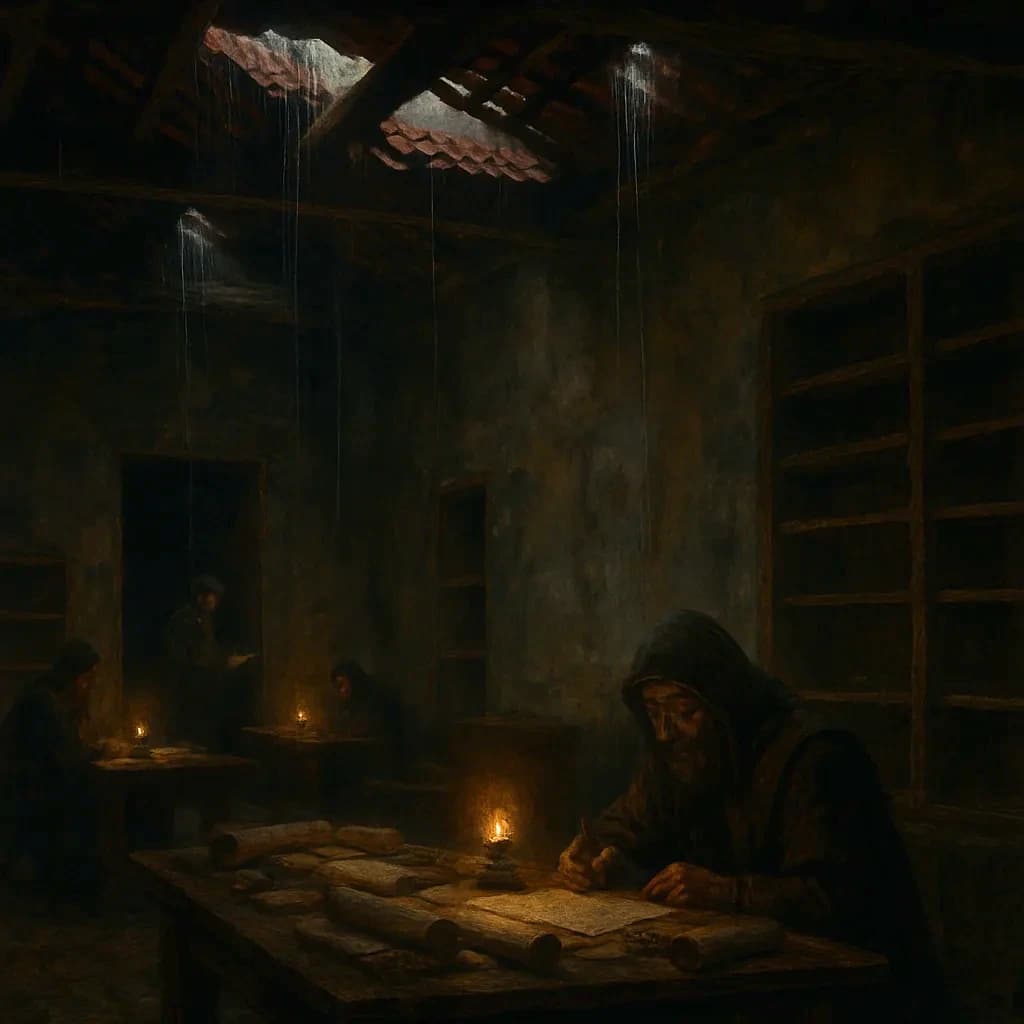
Politicians and Priests Carved Up the World's Greatest Library
Alexandria's famous library didn't burn down in one catastrophic fire. It slowly bled to death over centuries as politicians, priests, and bureaucrats took turns carving out pieces.
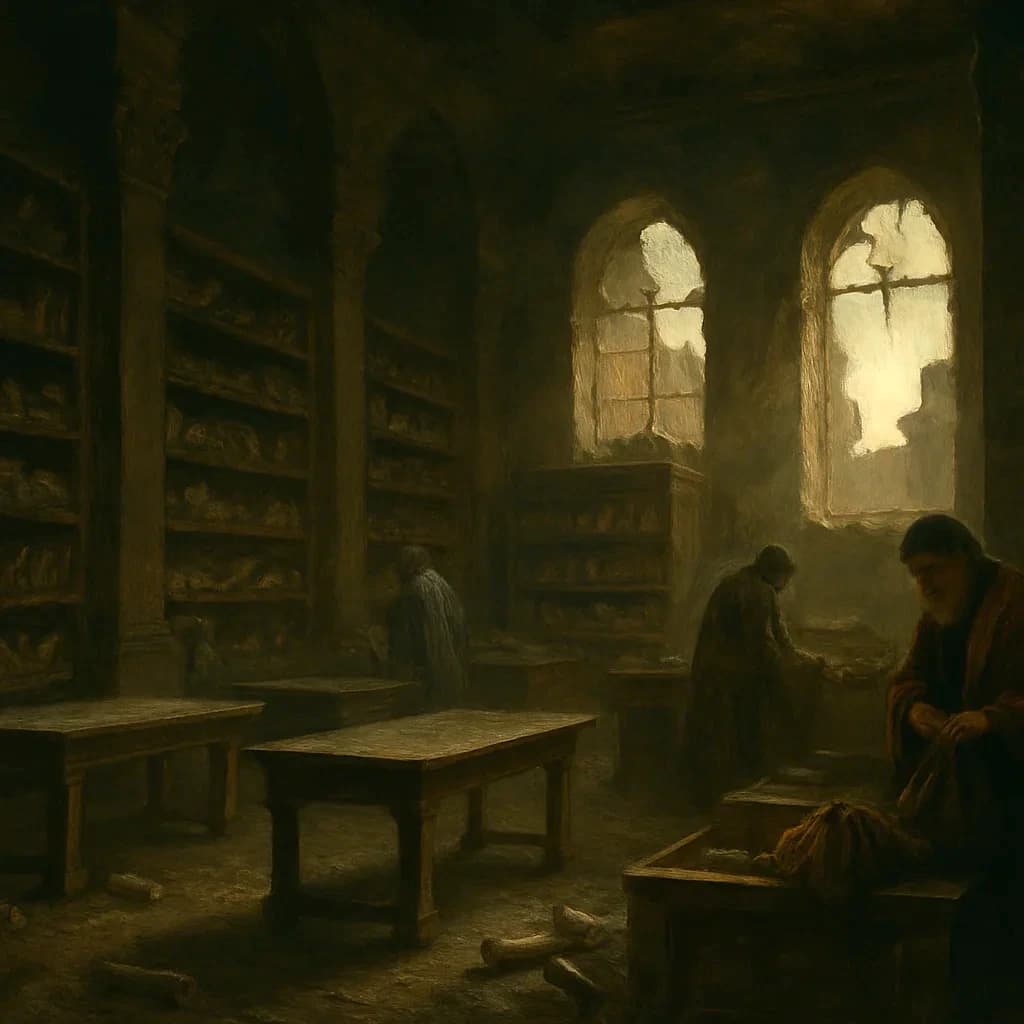
Alexandria's Library Died in Budget Meetings, Not Flames
The Library of Alexandria wasn't destroyed in one dramatic fire. It was slowly strangled over centuries by budget cuts, religious politics, and academic brain drain.
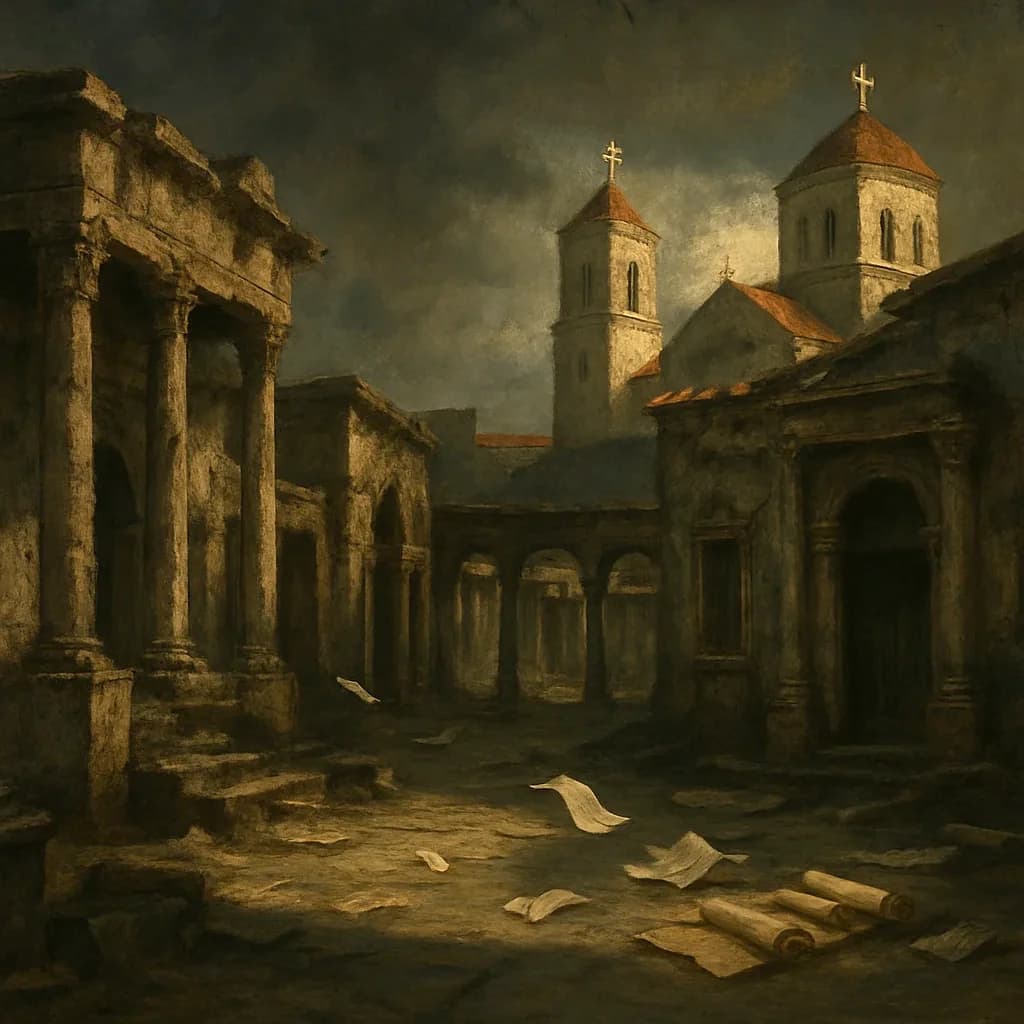
The Library of Alexandria Didn't Burn Down
History's most famous library didn't vanish in one dramatic fire. It slowly devoured its own knowledge over centuries of neglect, rivalry, and deliberate erasure.
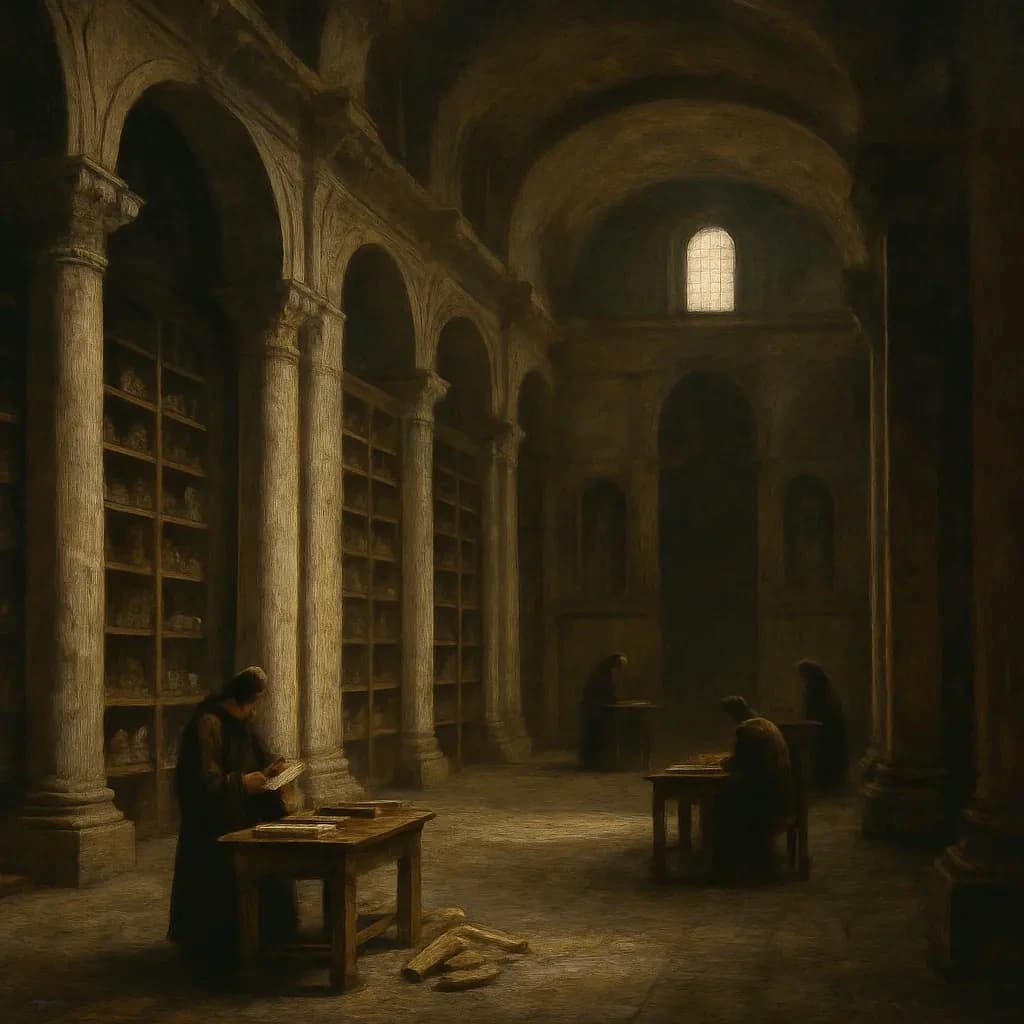
Budget Cuts Killed the Library of Alexandria
Alexandria's Great Library didn't die in one dramatic fire. It slowly bled to death over seven centuries while everyone argued about who killed it.
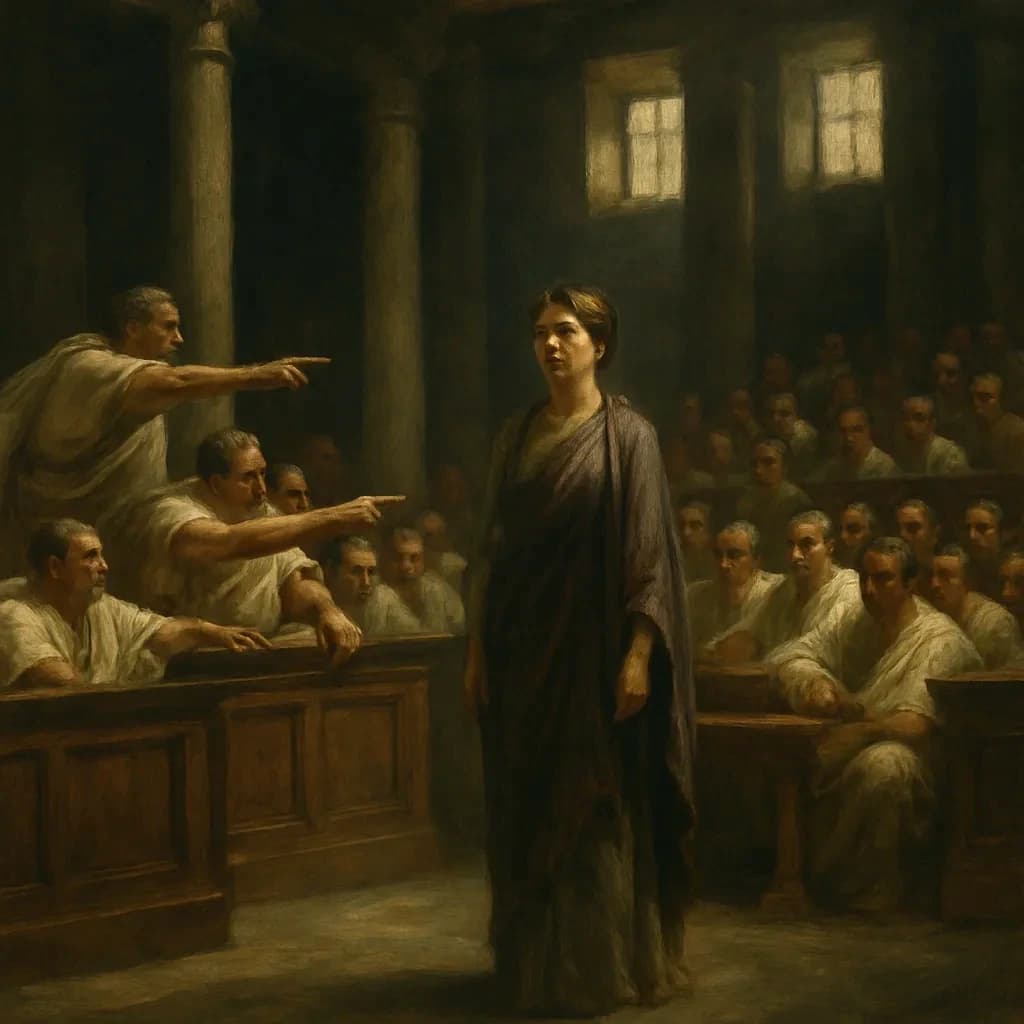
When Caesar's Wife Divorced Rome
A single Roman woman's divorce trial nearly brought down the Republic, and her husband wasn't even Caesar.
- Suetonius, The Lives of the Twelve Caesars, translated by J.C. Rolfe
- Mary Beard, SPQR: A History of Ancient Rome
- Plutarch, Lives: Caesar, translated by Rex Warner