
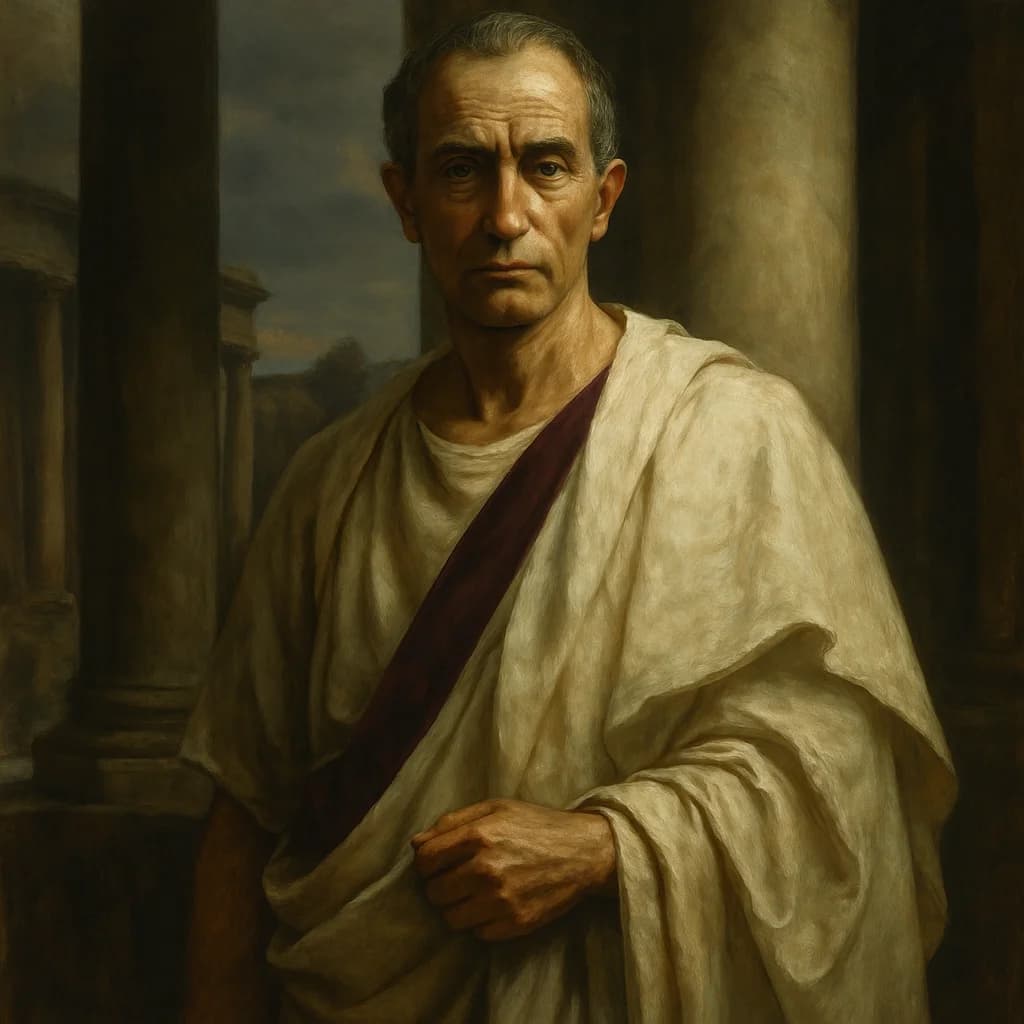
Marcus Tullius Cicero
The greatest orator in Roman history talked his way into power, then talked his way to his death, and his severed hands were nailed to the very podium where he'd once commanded the world.
Marcus Tullius Cicero wasn't born to rule Rome. He was a provincial lawyer's son from a backwater town who climbed to the consulship through words alone: no armies, no inherited wealth, just the devastating precision of his speeches. In 63 BCE, when he was Rome's chief magistrate, a conspiracy led by the disgraced patrician Catiline threatened to burn the city and slaughter the Senate. Cicero's four speeches against Catiline didn't just expose the plot; they turned public opinion so completely that Catiline fled Rome like a common criminal.
But Cicero's real genius wasn't oratory. It was intelligence gathering. He cultivated a network of informants that would make a modern spy agency jealous. Slave girls reported pillow talk from senators' bedrooms. Freedmen whispered about their patrons' midnight meetings. When Catiline's conspirators tried to recruit Gallic ambassadors, Cicero already had agents watching. He knew about the letter exchanges, the secret oaths, even the exact night they planned to murder him in his bed.
Years later, after Caesar's assassination, Cicero made a fatal miscalculation. He thought he could control the young Octavian the way he'd once controlled the Senate. Instead, he unleashed fourteen speeches against Mark Antony (the Philippics) that were literary masterpieces and political suicide. When Antony gained power, he didn't just order Cicero's death. He demanded the orator's head and hands be displayed in the Forum, and had his wife Fulvia stab Cicero's tongue with her hairpins.
The man who saved the Republic with words died because he couldn't stop talking. His final letters, written as assassins closed in, show him still crafting perfect sentences even as his world collapsed.
Cicero invented the word 'humanitas' and first used 'quality,' 'individual,' and 'moral' in their modern sense. He literally created the vocabulary of Western civilization.
Why untold: His political achievements are overshadowed by his literary fame, making him seem like a scholar rather than the master spy and power broker who actually shaped Roman history.
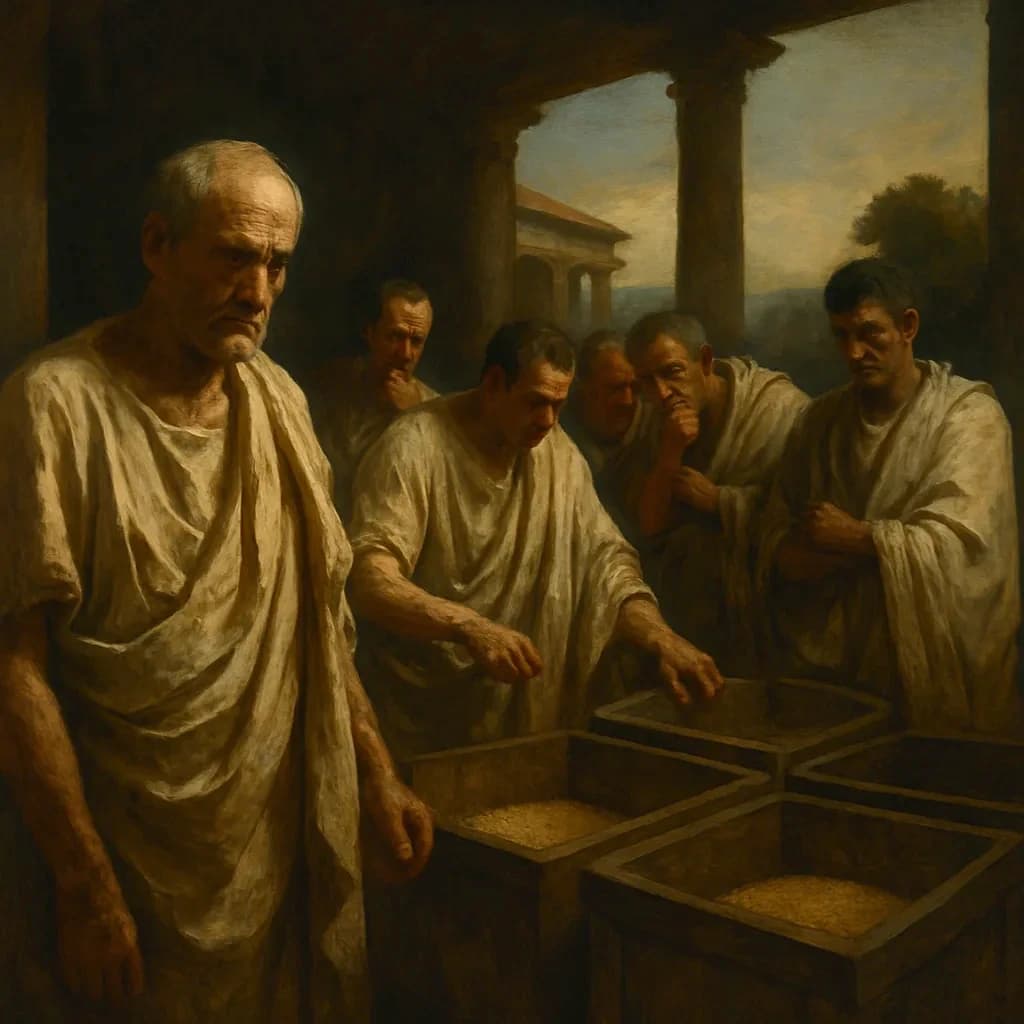
When Antarctica Saved Rome
A volcanic eruption in the middle of nowhere changed the course of European history without anyone knowing why.
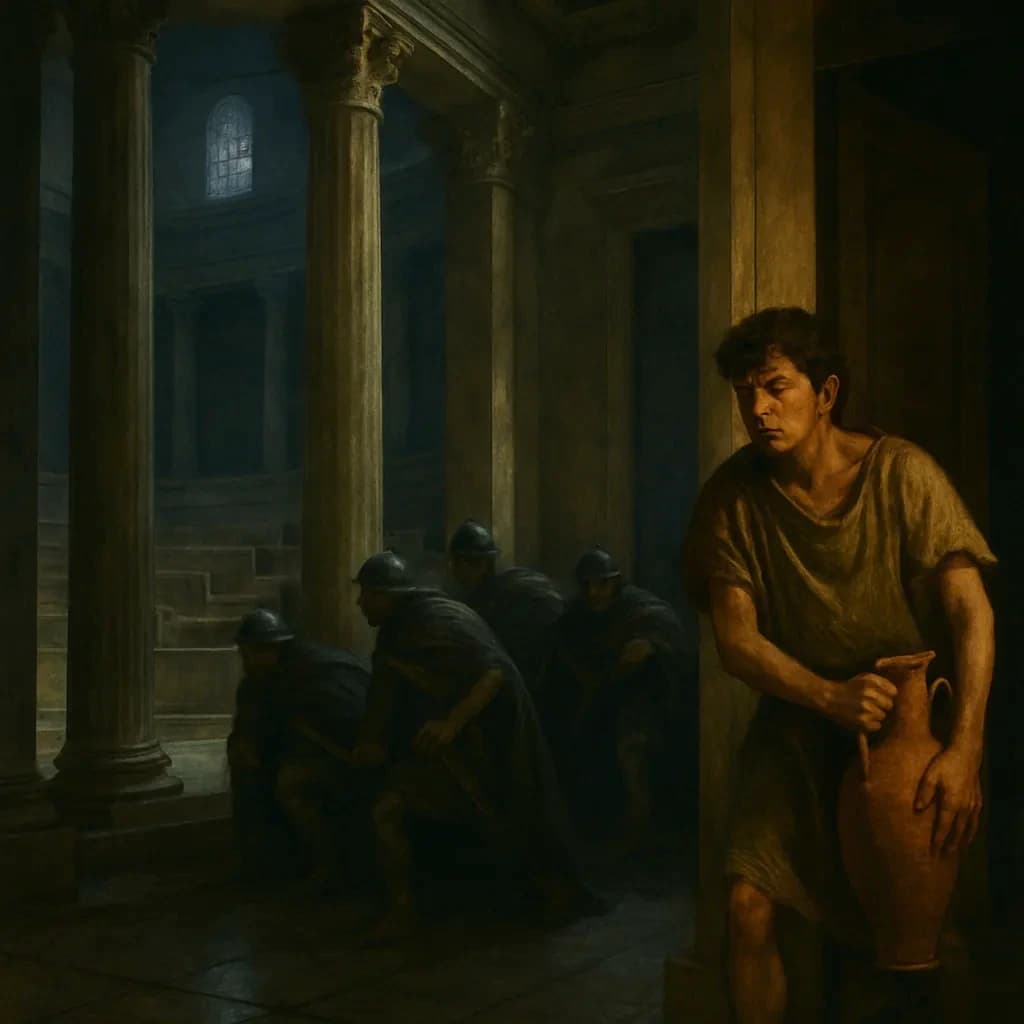
When the Roman Senate Forgot to Lock the Door
One unlocked door during the most dangerous night in Roman history turned a slave into the man who saved the Republic.
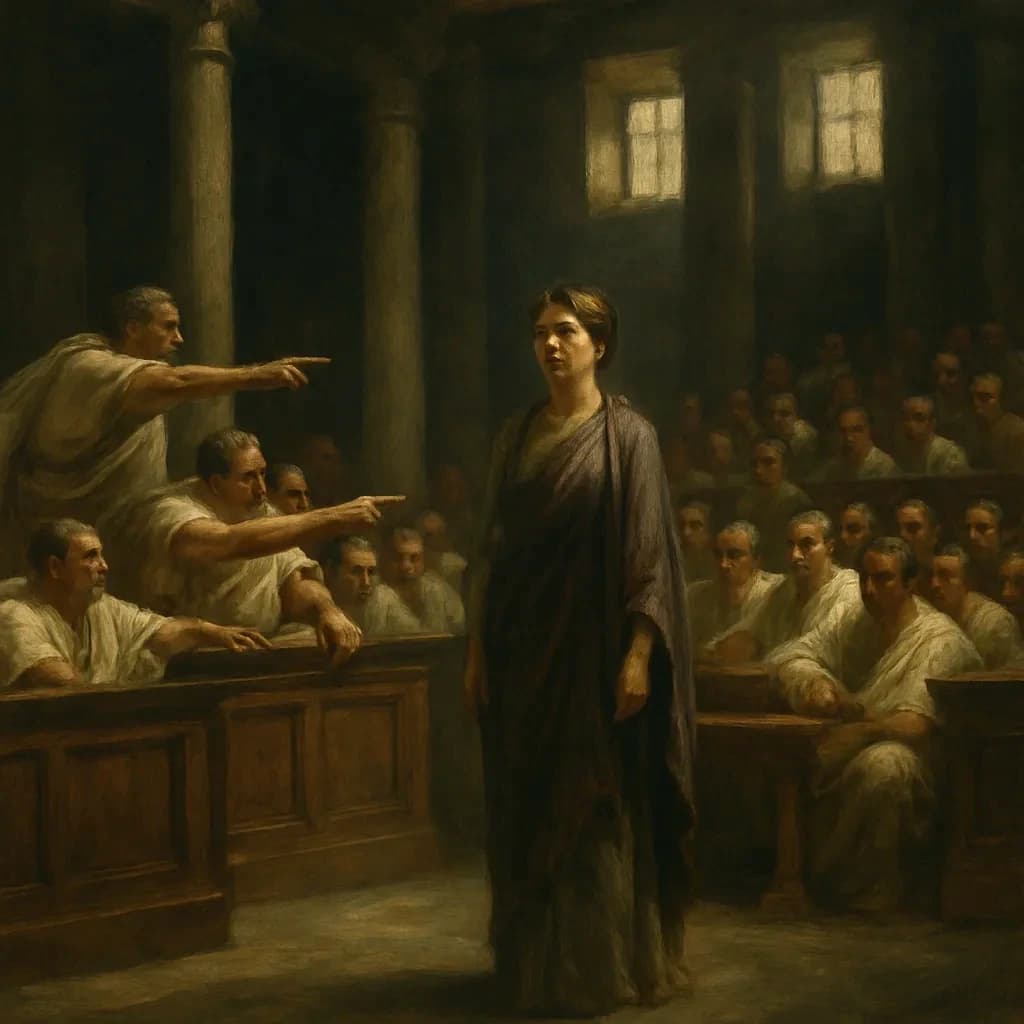
When Caesar's Wife Divorced Rome
A single Roman woman's divorce trial nearly brought down the Republic, and her husband wasn't even Caesar.
- Anthony Everitt, Cicero: The Life and Times of Rome's Greatest Politician (Random House, 2001)
- Mary Beard, SPQR: A History of Ancient Rome (W.W. Norton, 2015)
- Catherine Steel, Reading Cicero: Genre and Performance in Late Republican Rome (Duckworth, 2005)