
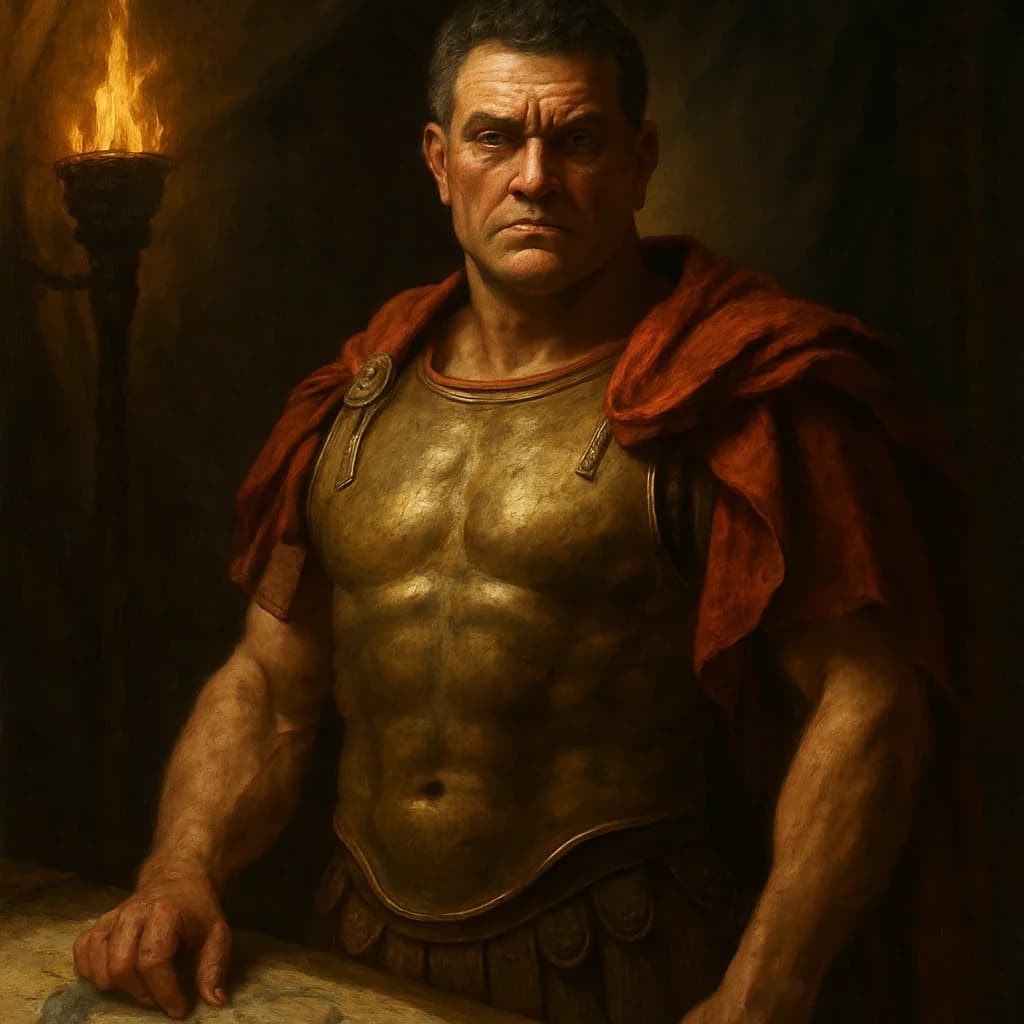
Mark Antony
He wasn't Cleopatra's tragic lover. He was Rome's most dangerous populist, and the Senate knew it long before she did.
The love affair is what history remembers. The political genius is what history buried. Marcus Antonius (born around 83 BC into a family that managed to be simultaneously aristocratic and financially catastrophic) understood something about Roman crowds that Julius Caesar himself had to learn slowly: they didn't want to be lectured. They wanted to be ignited.
Before Cleopatra, before Egypt, before any of the operatic final act, Antony was Caesar's enforcer in the most literal sense. In 47 BC, when Rome was tearing itself apart over debt cancellation riots, Caesar sent Antony to restore order. He did it by having soldiers massacre the protesters in the Forum, hundreds killed on the sacred stones of Roman civic life. Caesar was appalled enough to briefly sideline him. But when the Ides of March arrived in 44 BC and Caesar lay dead, it was Antony who walked into that Senate chamber the next day, shook hands with the assassins, and then delivered the funeral oration that turned the entire city against them within forty-eight hours. He didn't use the speech to mourn. He used it as a detonator.
What's almost never discussed is how close Antony came to winning the whole empire outright, not through Cleopatra's money or Egyptian grain, but through the loyalty of Caesar's veterans, who loved him with a ferocity that unnerved Octavian for years. Antony had fought beside these men in Gaul. He drank with them. He once, famously, paid a soldier's gambling debt out of his own pocket and then borrowed the money back the next week. That kind of theatre was deliberate and it worked. The legions along the eastern frontier were his men in a way they were never Octavian's.
The eastern strategy wasn't romantic drift. It was a calculated bet that the wealth of the Orient could outfinance Rome's western tax base. He was wrong, but barely. At Actium in 31 BC, the margin wasn't ideology or love. It was ship rot, a malaria outbreak in his fleet, and a admiral named Agrippa who understood naval warfare in ways Antony's generals simply didn't.
Antony claimed direct descent from Hercules and leaned into the resemblance so aggressively (wearing the lion-skin iconography, adopting Herculean poses in public) that it became a deliberate political brand, not mere vanity.
Why untold: The Cleopatra narrative, amplified by Augustan propaganda designed to reframe a Roman civil war as an Eastern seduction, replaced the more unsettling story of a genuine Roman political rival who nearly won.
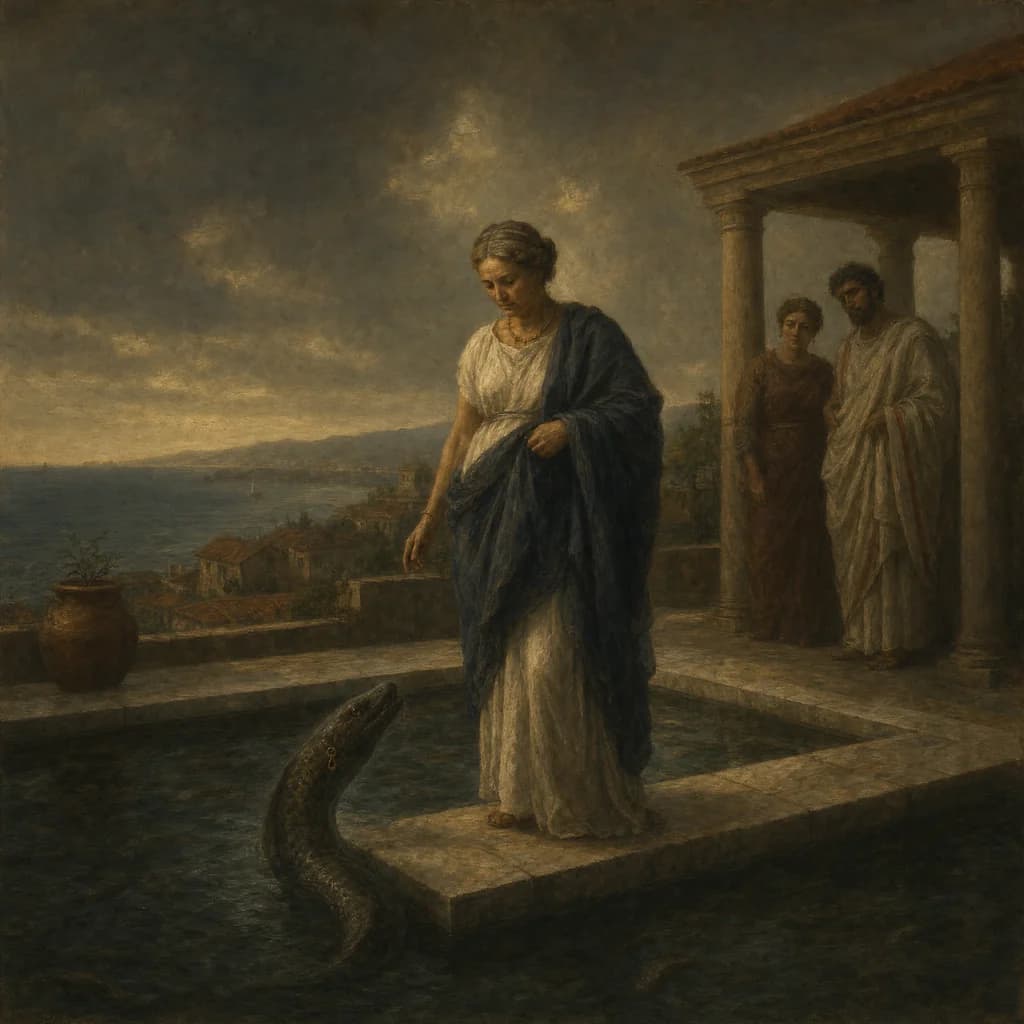
Mark Antony's Daughter Destroyed the Man Running Rome
She kept a pet moray eel that she had fitted with earrings, and she wrote the letter that destroyed the second most powerful man in the Roman Empire.
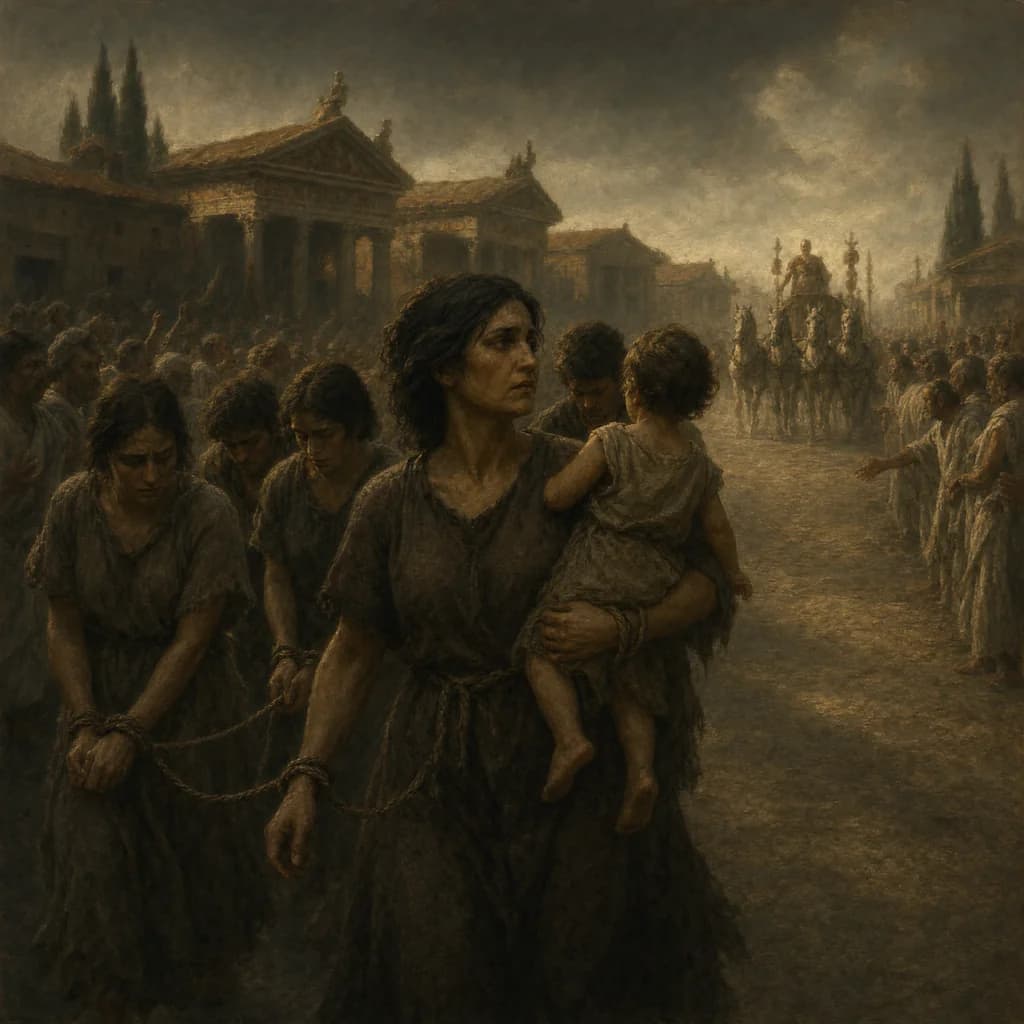
Rome's First Conqueror of Parthia Was Once Its Prisoner
He entered Rome the first time as a captive in someone else's triumph, and fifty-one years later he came back riding in his own.
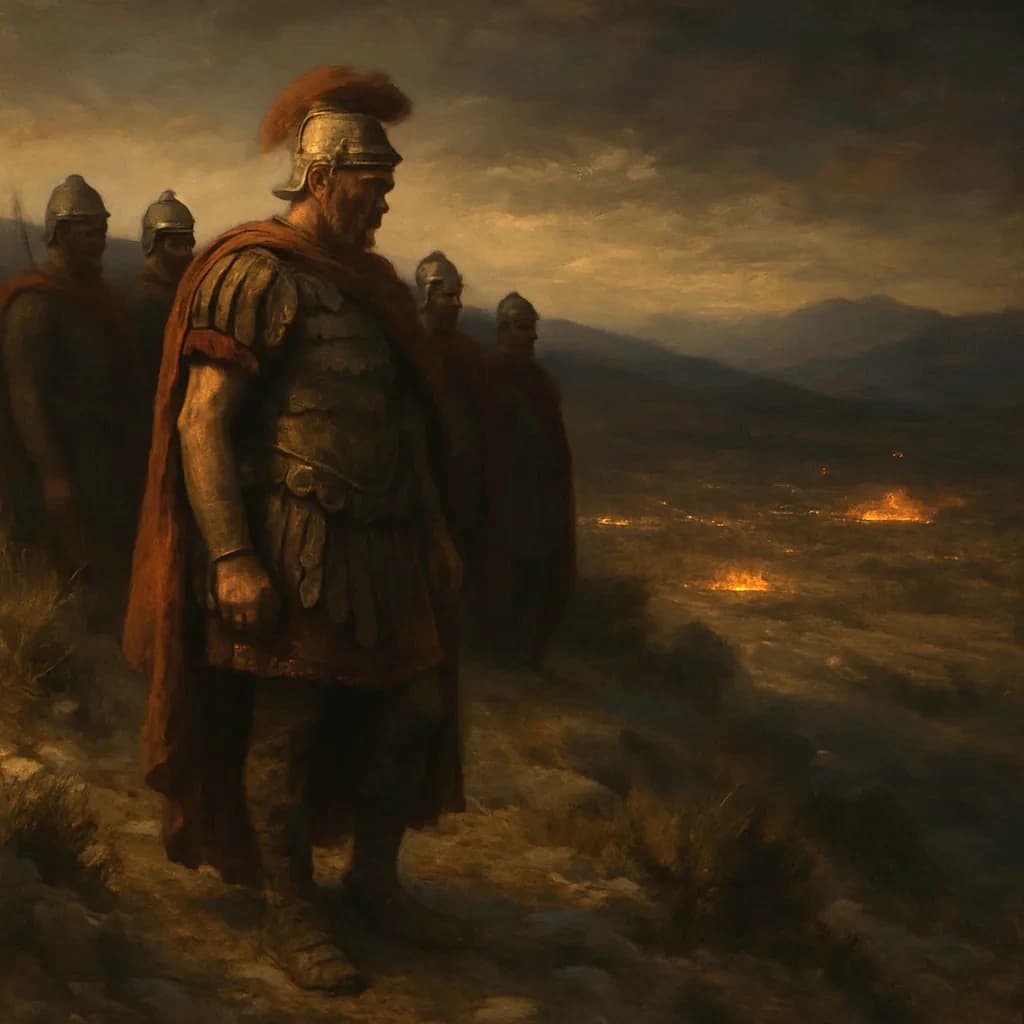
Three Days in a Roman Courtyard, and the End of the Republic
The man who murdered Julius Caesar spent his final hours not fleeing, not fighting, but writing a letter to the enemy who was about to kill him.
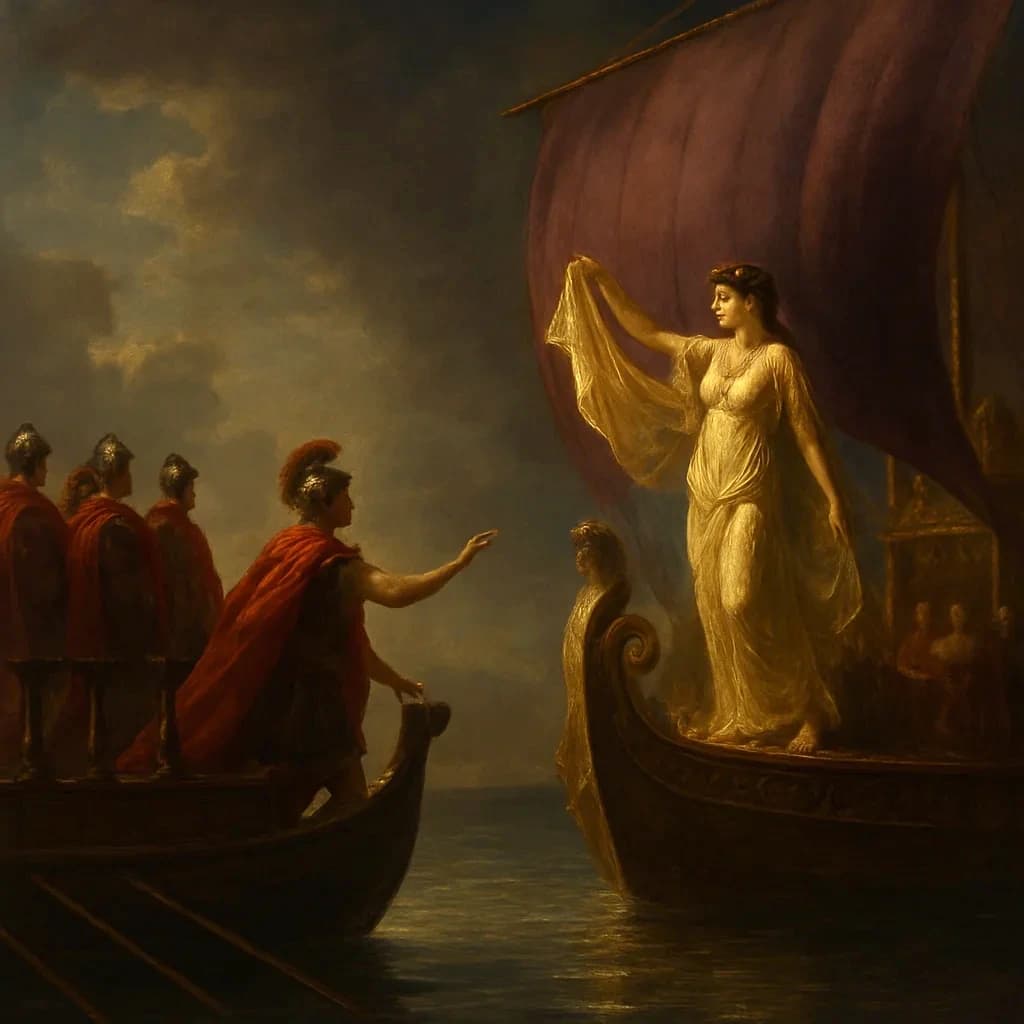
How Cleopatra's Silk Helped Bankrupt Mark Antony
One square of silk, lighter than linen, helped decide who would rule the Roman world.
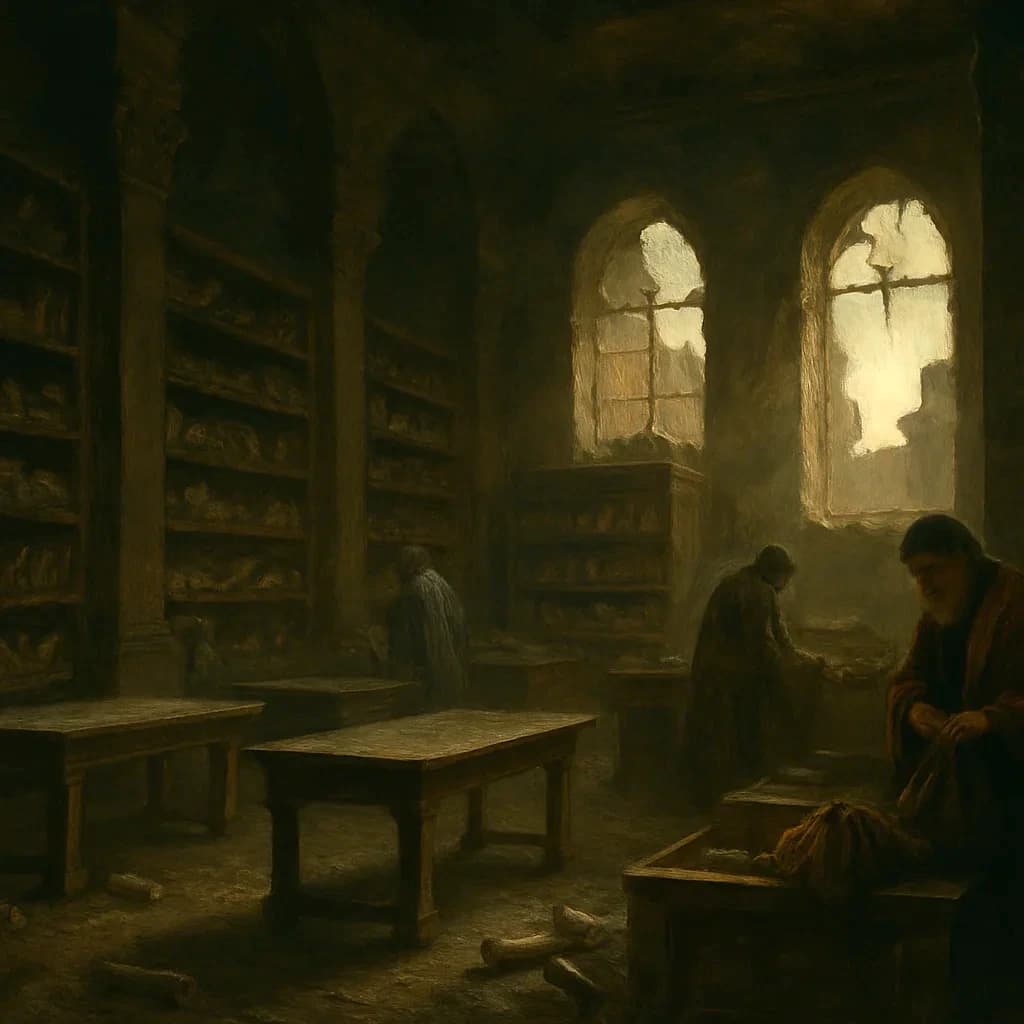
Alexandria's Library Died in Budget Meetings, Not Flames
The Library of Alexandria wasn't destroyed in one dramatic fire. It was slowly strangled over centuries by budget cuts, religious politics, and academic brain drain.
- Plutarch, 'Life of Antony,' in Parallel Lives, c. 75 AD
- Adrian Goldsworthy, Antony and Cleopatra (Yale University Press, 2010)
- Josiah Osgood, Caesar's Legacy: Civil War and the Emergence of the Roman Empire (Cambridge University Press, 2006)