
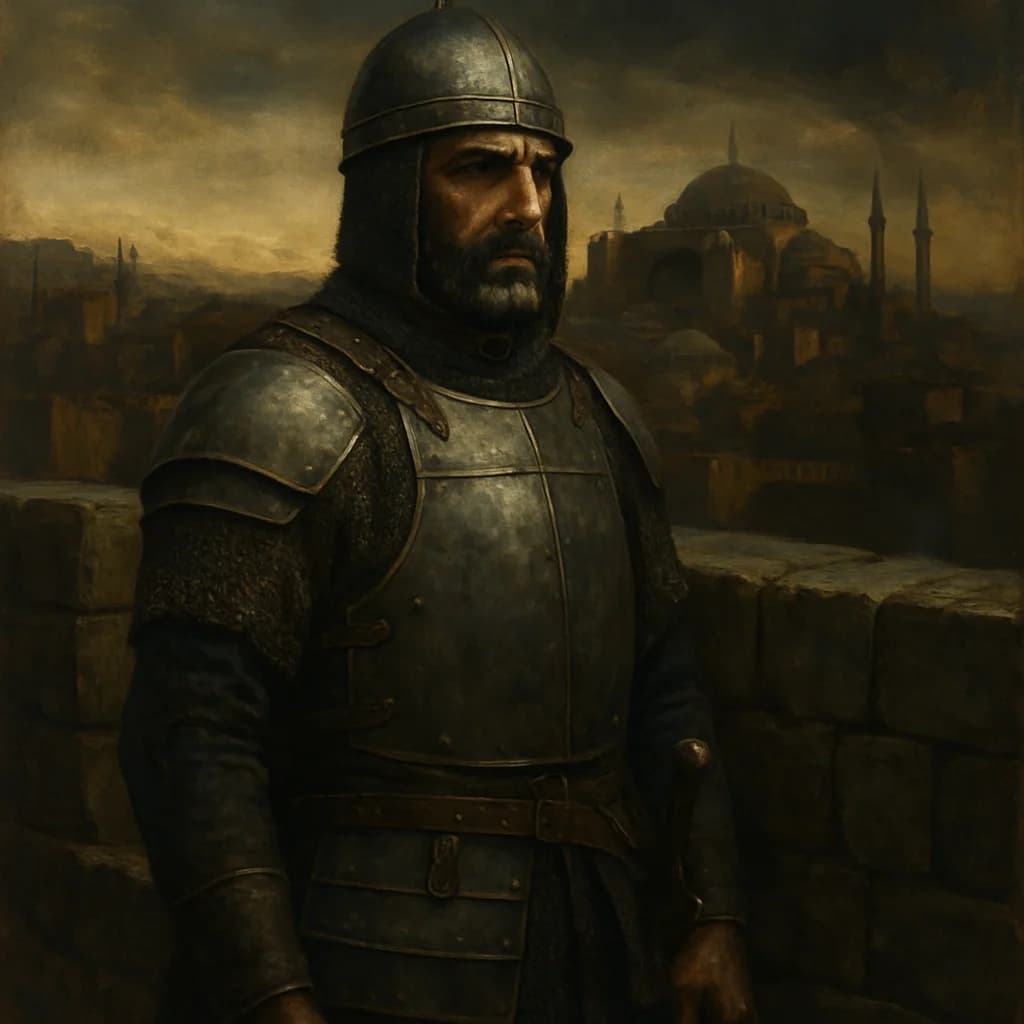
Constantine XI
The last Byzantine Emperor spent his final morning disguising himself as a common soldier because he knew that dying as royalty would doom his city's survivors.
Constantine XI Palaiologos woke up on May 29, 1453, stripped off his imperial regalia, and put on the armor of an ordinary foot soldier. No purple boots, no golden eagle emblems, just plain steel and leather that would make him indistinguishable from any other defender when the Ottoman cannons finally breached the Theodosian Walls.
This wasn't cowardice. It was calculation. Constantine understood that if his body were found bearing imperial symbols, Mehmed II would parade his corpse through the streets as a trophy, demoralizing every remaining Christian in the region. Better to disappear entirely than give the Sultan that victory. His courtiers begged him to flee on the Genoese ships still anchored in the Golden Horn, but Constantine had already run the numbers. The empire was bankrupt, reduced to little more than Constantinople's walls and a few surrounding villages. His treasury was so empty he'd been melting down church ornaments to pay his 7,000 remaining defenders.
What's remarkable is how close he came to pulling off an impossible defense. Despite being outnumbered ten to one, his forces held the massive walls for fifty-three days against Mehmed's cannons, the same walls that had protected the city for over a thousand years. Constantine personally led sorties, worked alongside masons repairing breaches, and somehow maintained morale even as his allies abandoned him one by one. The Genoese fought brilliantly until their leader Giovanni Giustiniani was wounded and withdrew his men at the crucial moment.
When Constantine's body was finally identified three days later (recognized only by the purple silk stockings he'd kept hidden beneath his soldier's armor), Mehmed ordered it buried with full honors. Even the conqueror understood he'd killed something irreplaceable.
Constantine XI was so broke that he pawned the crown jewels to Venetian merchants, who refused to return them even as the city fell, keeping them as payment for unpaid loans.
Why untold: His strategic brilliance gets overshadowed by the dramatic narrative of the fall itself, reducing him to a tragic footnote rather than a master tactician who nearly pulled off the impossible.
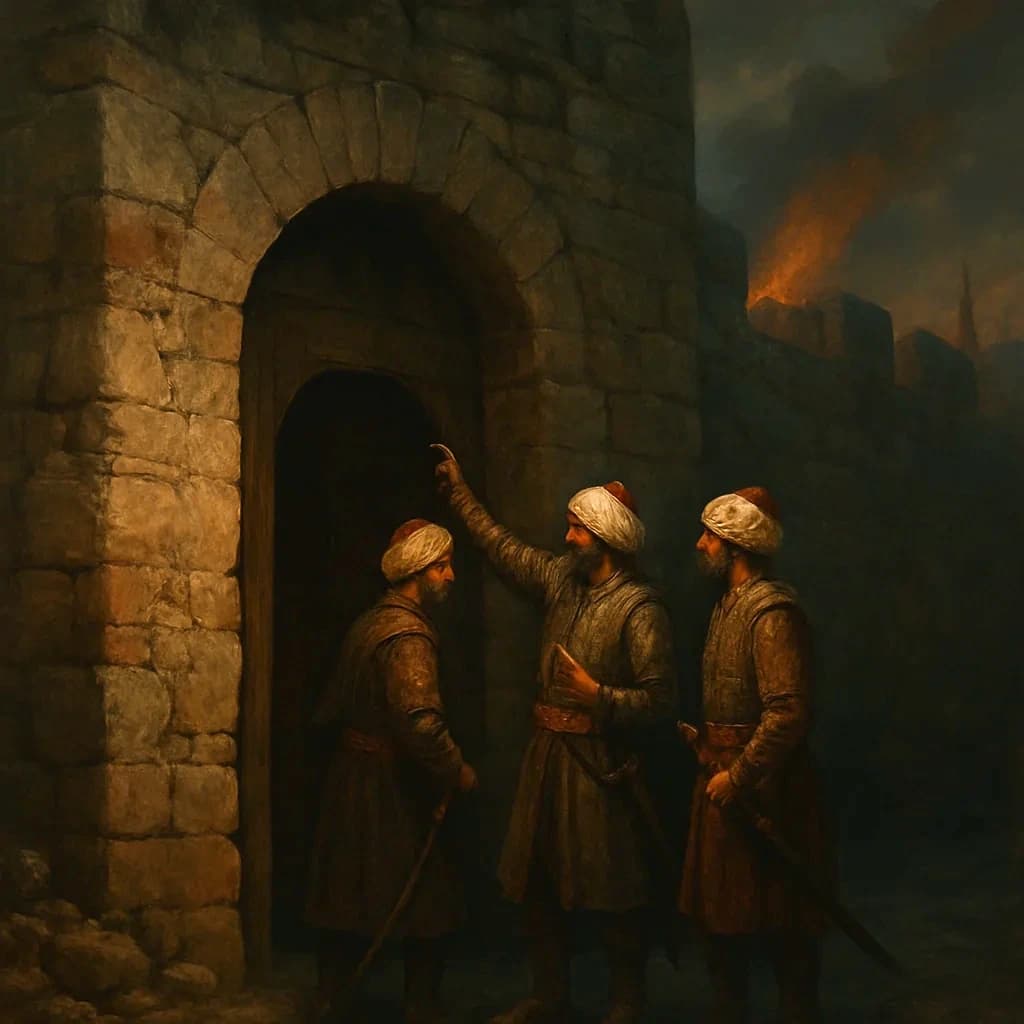
How One Unbolted Gate Doomed Constantinople
Not cannons, not cavalry: a single small door that someone forgot to bolt decided the fall of Constantinople.
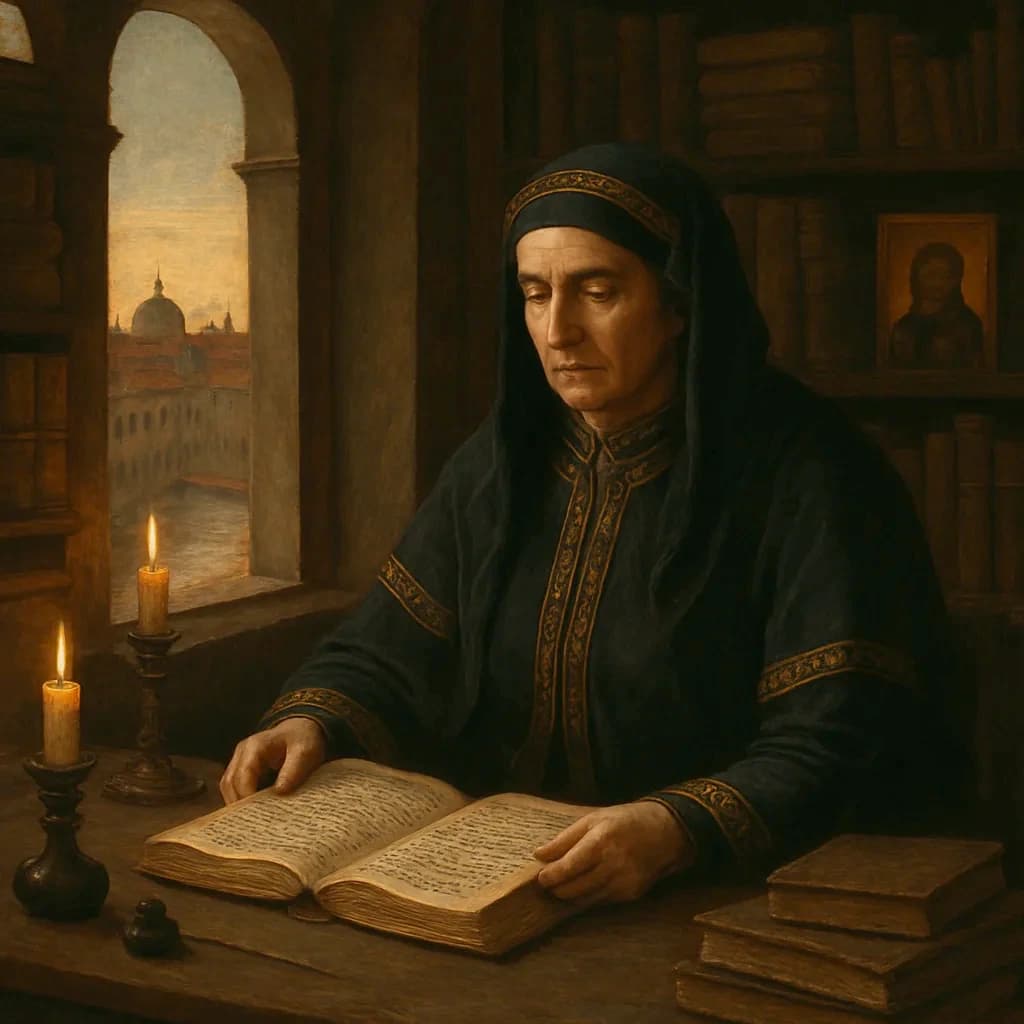
The Richest Man in Byzantium Wouldn't Pay to Save It
The fall of Constantinople has been told a thousand ways, almost never through the woman who owned the cows.
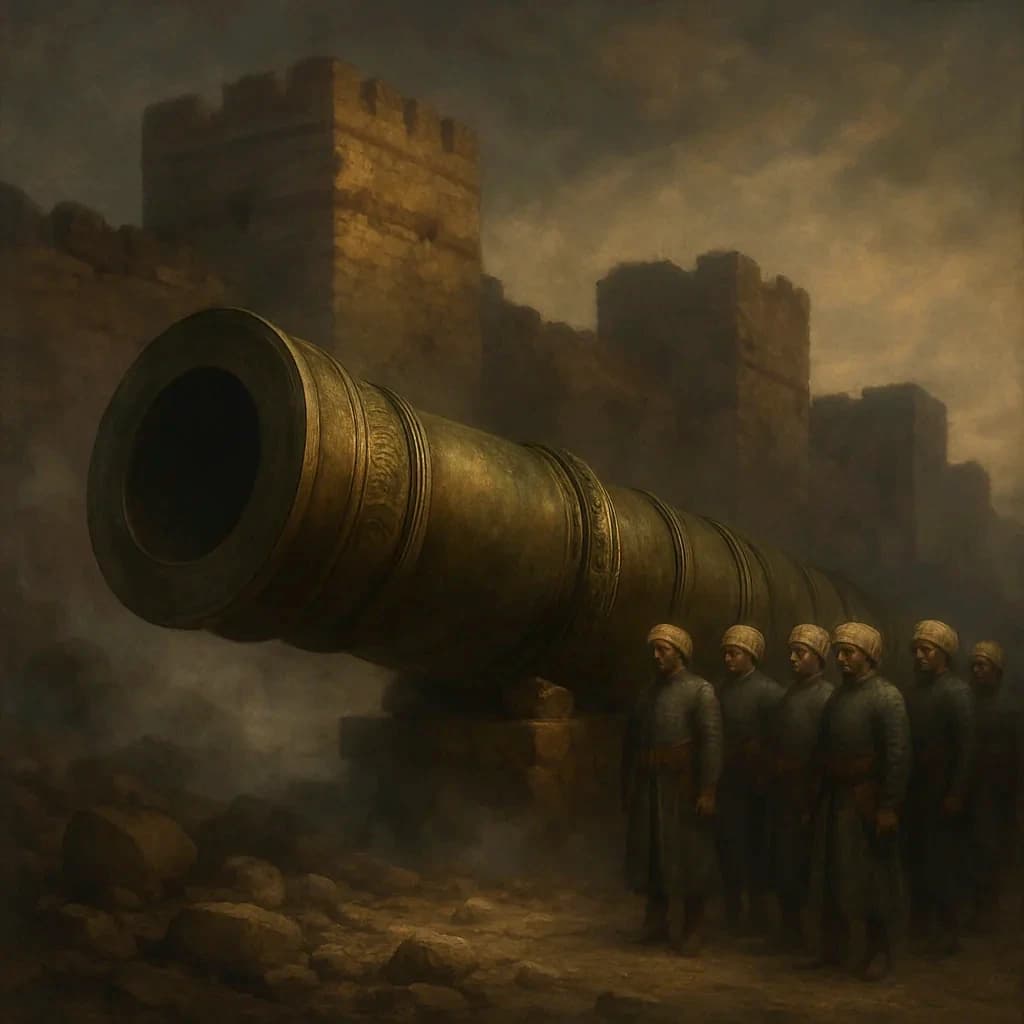
Byzantium Couldn't Afford the Cannon That Killed It
A Hungarian cannon-maker offered his guns to the Byzantine emperor first in 1453, and was turned away for lack of funds.
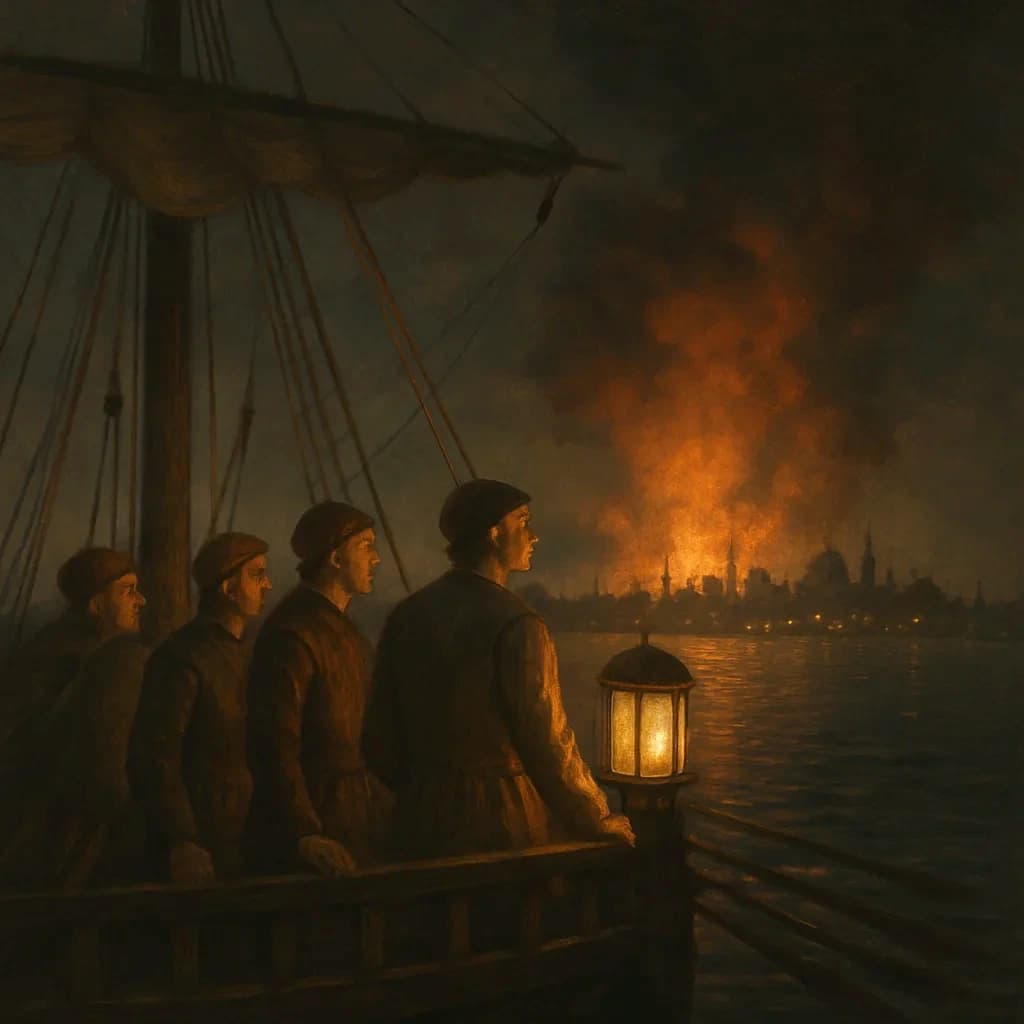
A Genoese Fleet Missed Saving Constantinople by Hours
A Genoese ship packed with weapons and soldiers set sail in 1453 to save Constantinople, and missed the city's fall by approximately eighteen hours.
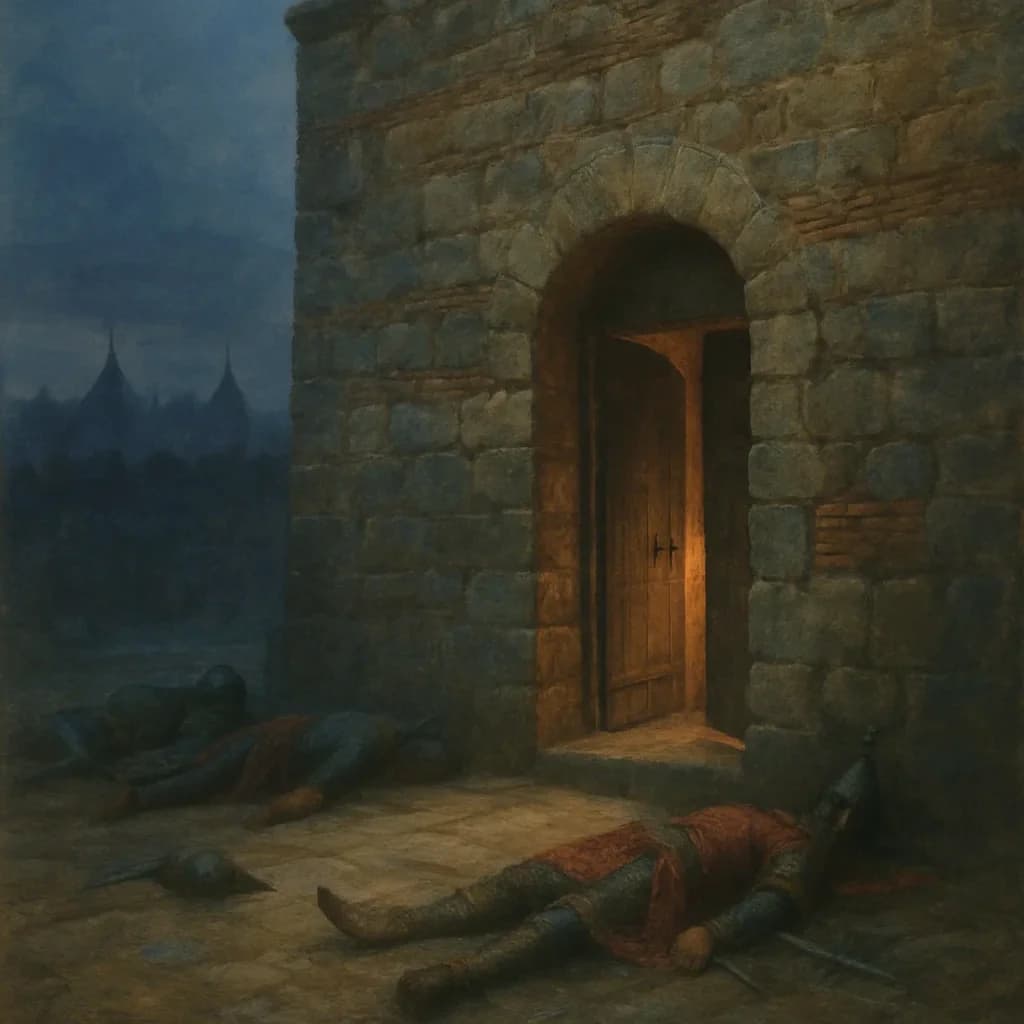
One Unlocked Door Ended a Thousand-Year City
Constantinople fell in 1453 because someone left a small door unlocked, and that person was probably killed before anyone thought to ask why.
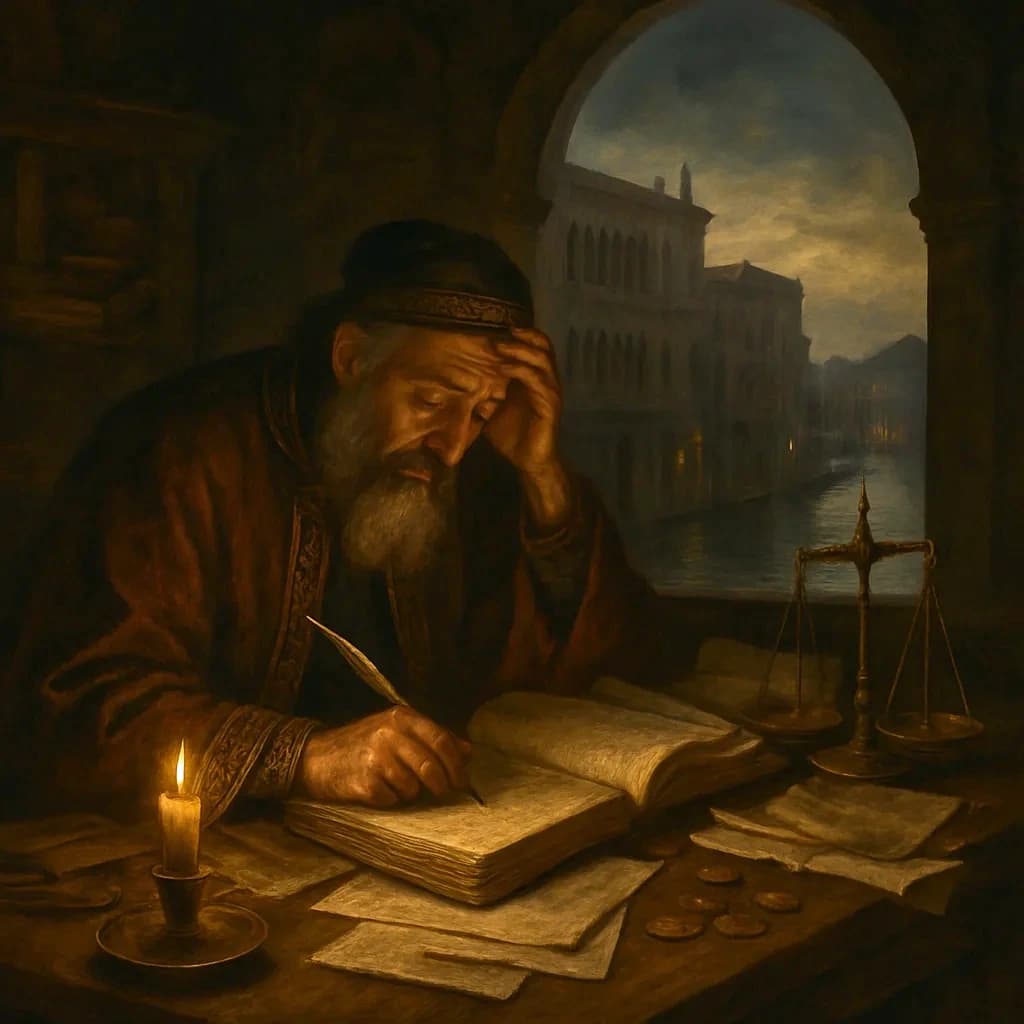
How a Bookkeeping Slip Helped Lose Constantinople
A Venetian merchant's miscalculation in his ledger book accidentally triggered the collapse of the Byzantine Empire.
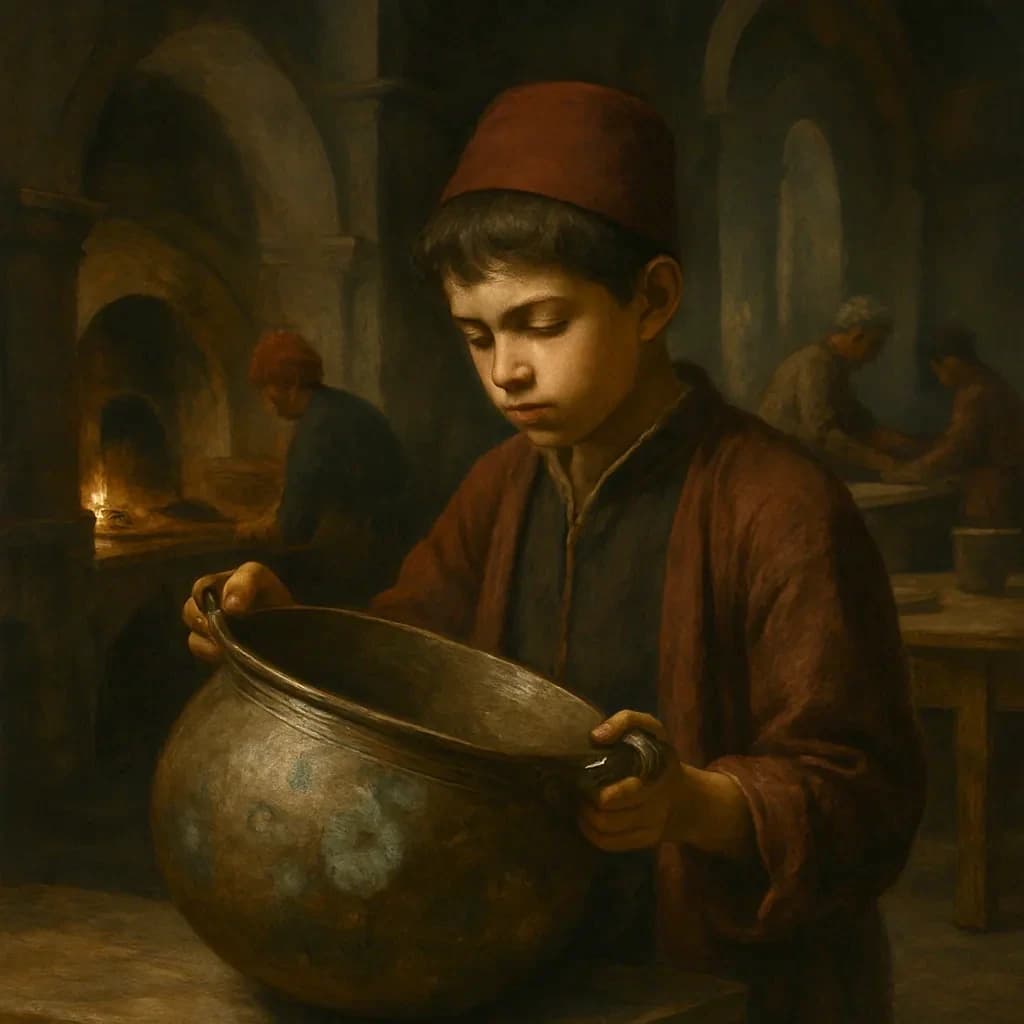
How a Kitchen Boy's Dirty Pot Cracked Constantinople
A twelve-year-old servant in the Ottoman palace held the key to conquering Constantinople in 1453, and he had no idea.
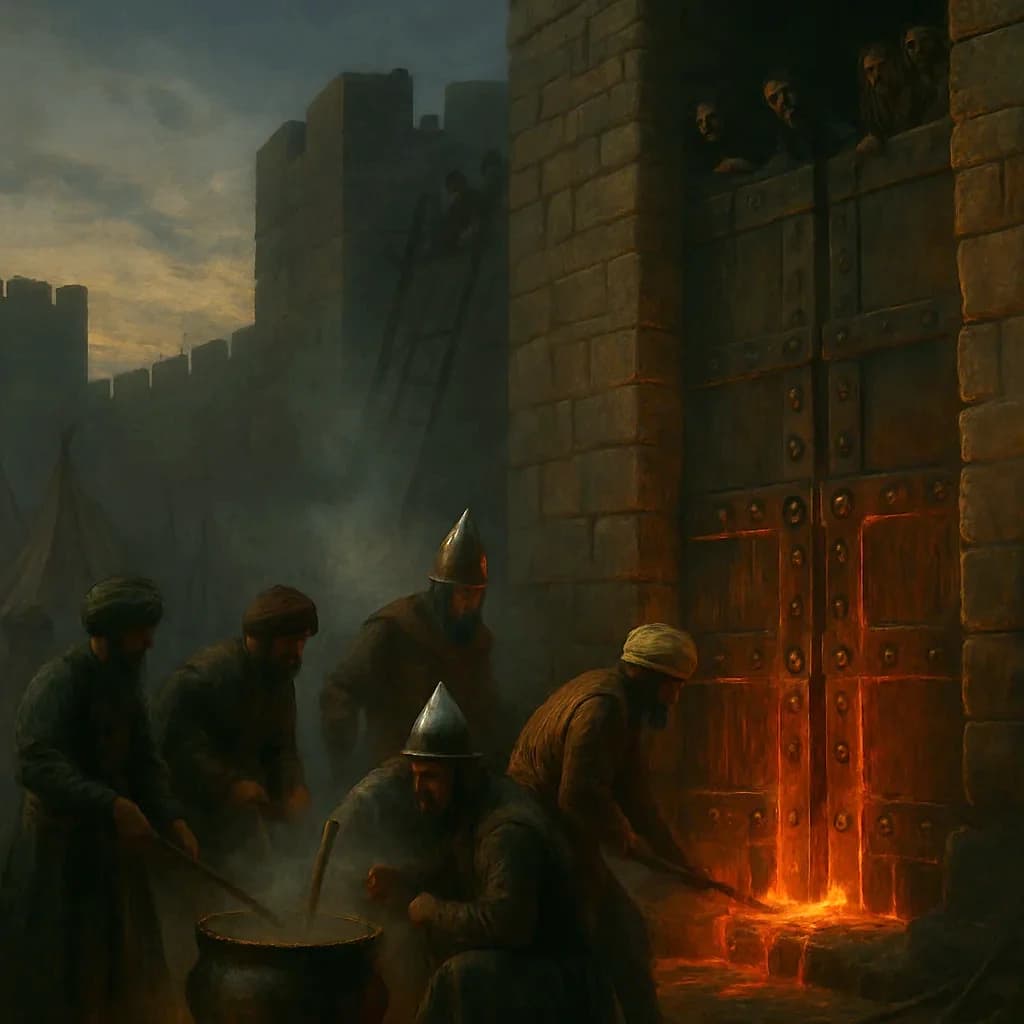
A Spilled Bowl of Honey Doomed Constantinople
A kitchen accident in 1453 handed Ottoman engineers the means to breach the unbreachable walls of Constantinople.
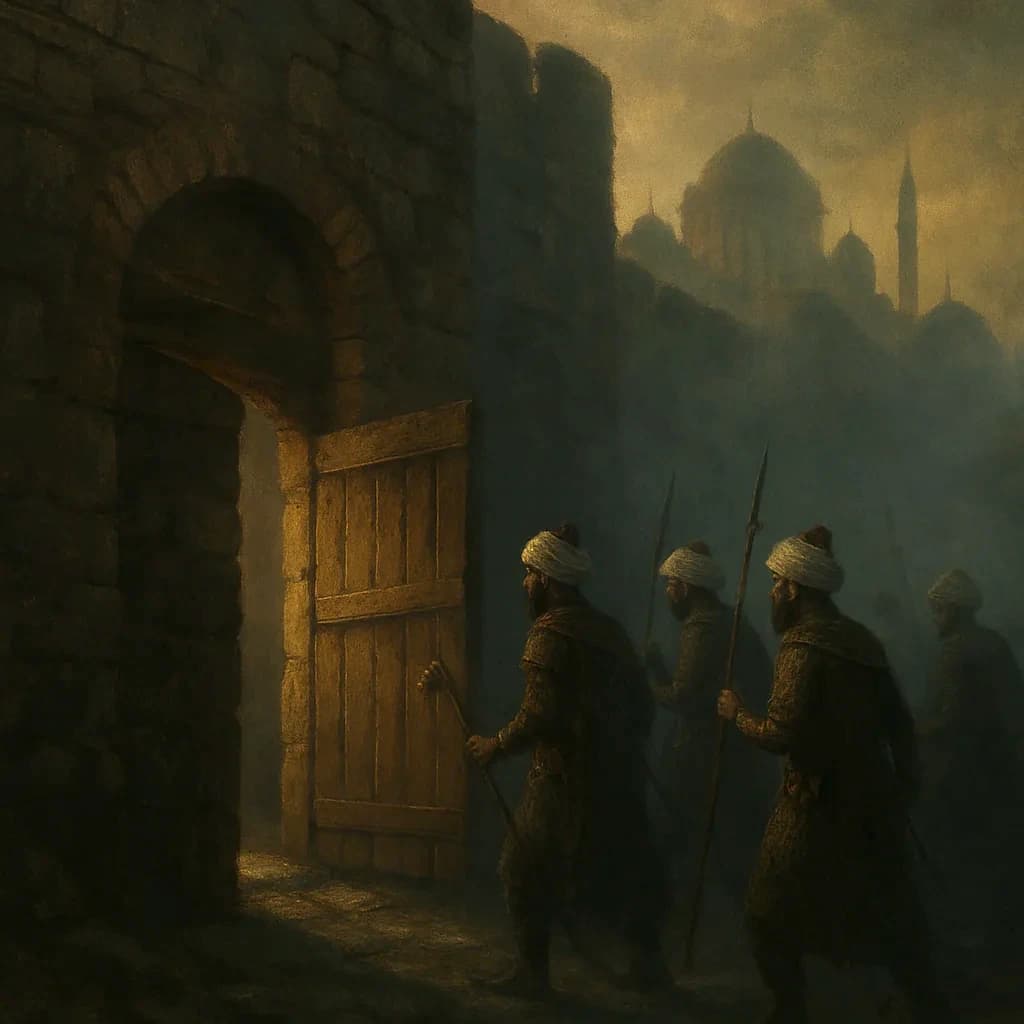
One Unlocked Gate Ended a Thousand-Year Empire
A Genoese trader opened a forgotten gate in 1453 and handed Constantinople to the Turks.
- Steven Runciman, The Fall of Constantinople 1453
- Roger Crowley, 1453: The Holy War for Constantinople and the Clash of Islam and the West
- Marios Philippides and Walter K. Hanak, The Siege and the Fall of Constantinople in 1453