
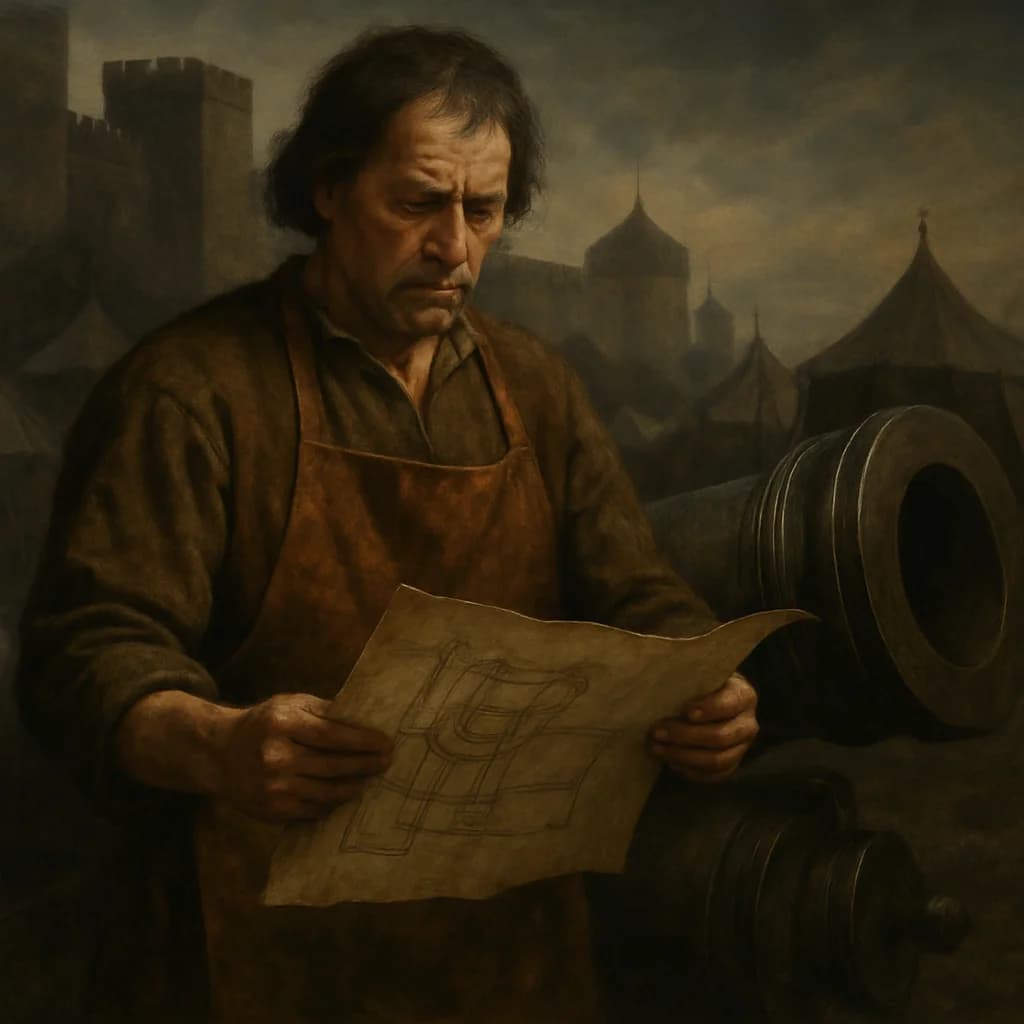
Orban
The Hungarian engineer who designed the most devastating weapon in medieval warfare ended up on the wrong side of the siege he helped make possible.
Orban never intended to destroy an empire. He was simply a brilliant metallurgist with a practical problem: he needed a patron who could afford his revolutionary cannon designs. In early 1453, he approached Byzantine Emperor Constantine XI with blueprints for artillery that could shatter any wall. The emperor examined the plans, recognized their genius, then delivered devastating news: Byzantium was broke.
Within weeks, Orban was knocking on different doors. Sultan Mehmed II not only met his price but doubled it, then provided unlimited bronze, sulfur, and charcoal. The Hungarian set up his foundry outside Constantinople and began forging the largest cannon the world had ever seen. His masterpiece stretched twenty-seven feet long and could hurl 1,200-pound stone balls with enough force to punch through the legendary Theodosian Walls.
But Orban's cannons came with a fatal flaw: they overheated catastrophically. During the siege, his great gun exploded, killing him instantly along with several Ottoman gunners. The irony was perfect: the man who had made the siege possible died just as his weapons were breaching the walls he might have defended. His surviving cannons continued their work without him, reducing millennia-old fortifications to rubble.
Mehmed II won Constantinople partly because he understood something the Byzantines had forgotten: in the 15th century, money mattered more than loyalty. Orban wasn't a traitor; he was a craftsman who followed the gold. His story reveals how technological innovation and economic pragmatism, not just military strategy, toppled the last remnant of Rome.
Orban's great cannon was so powerful it could be heard from thirteen miles away, but so unstable that it could only be fired seven times per day without cracking.
Why untold: Military historians focus on strategy and tactics rather than the economic realities that drove technological mercenaries between competing powers.
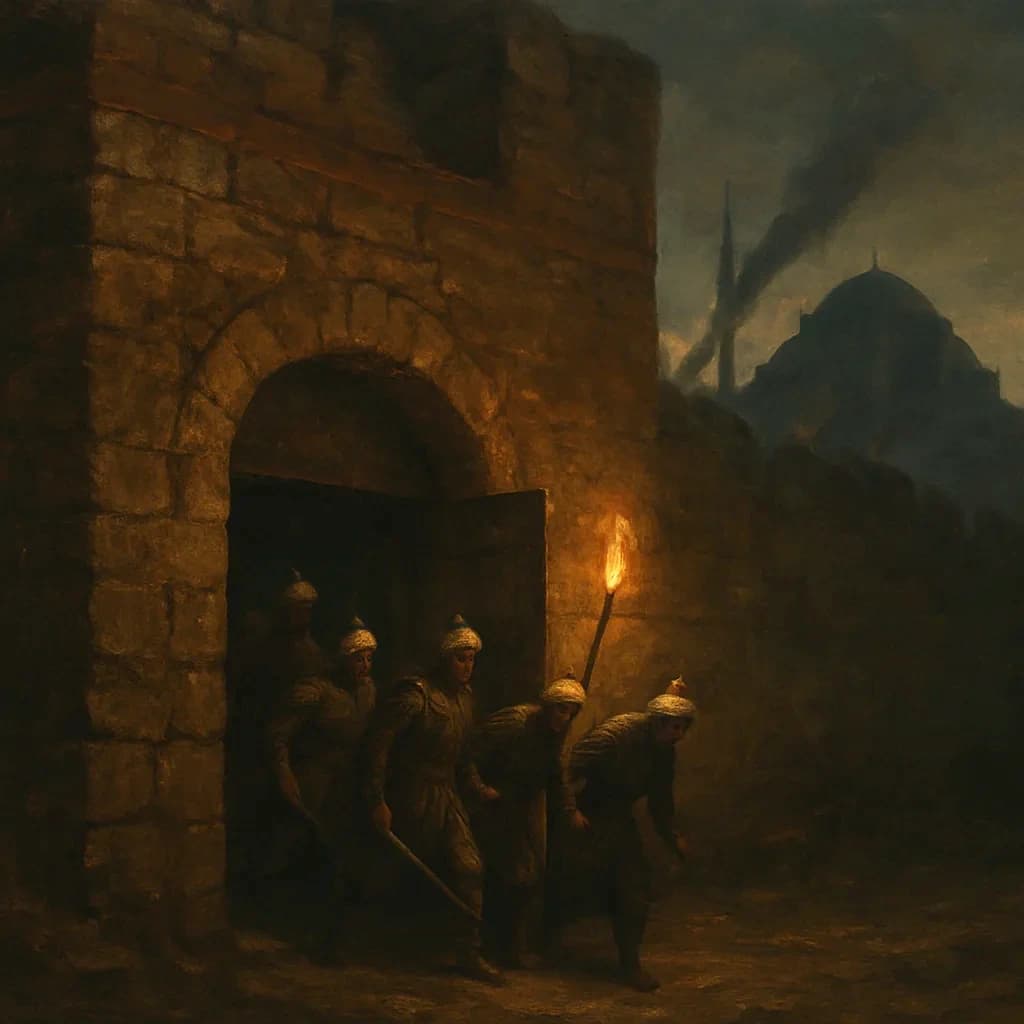
Constantinople, 1453: The Side Gate Nobody Locked
A single unlocked gate (not a cannon, not a traitor) may have decided the fate of the Byzantine Empire in 1453.
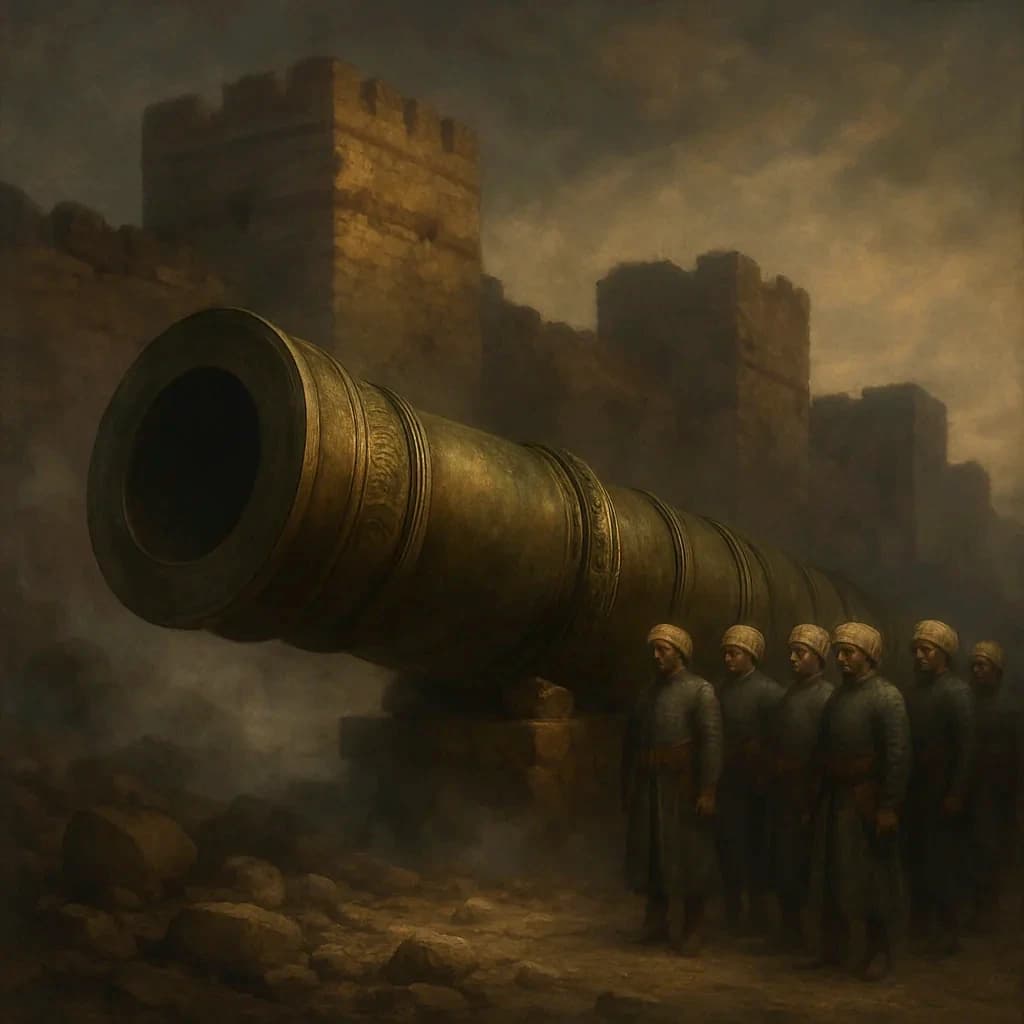
Byzantium Couldn't Afford the Cannon That Killed It
A Hungarian cannon-maker offered his guns to the Byzantine emperor first in 1453, and was turned away for lack of funds.
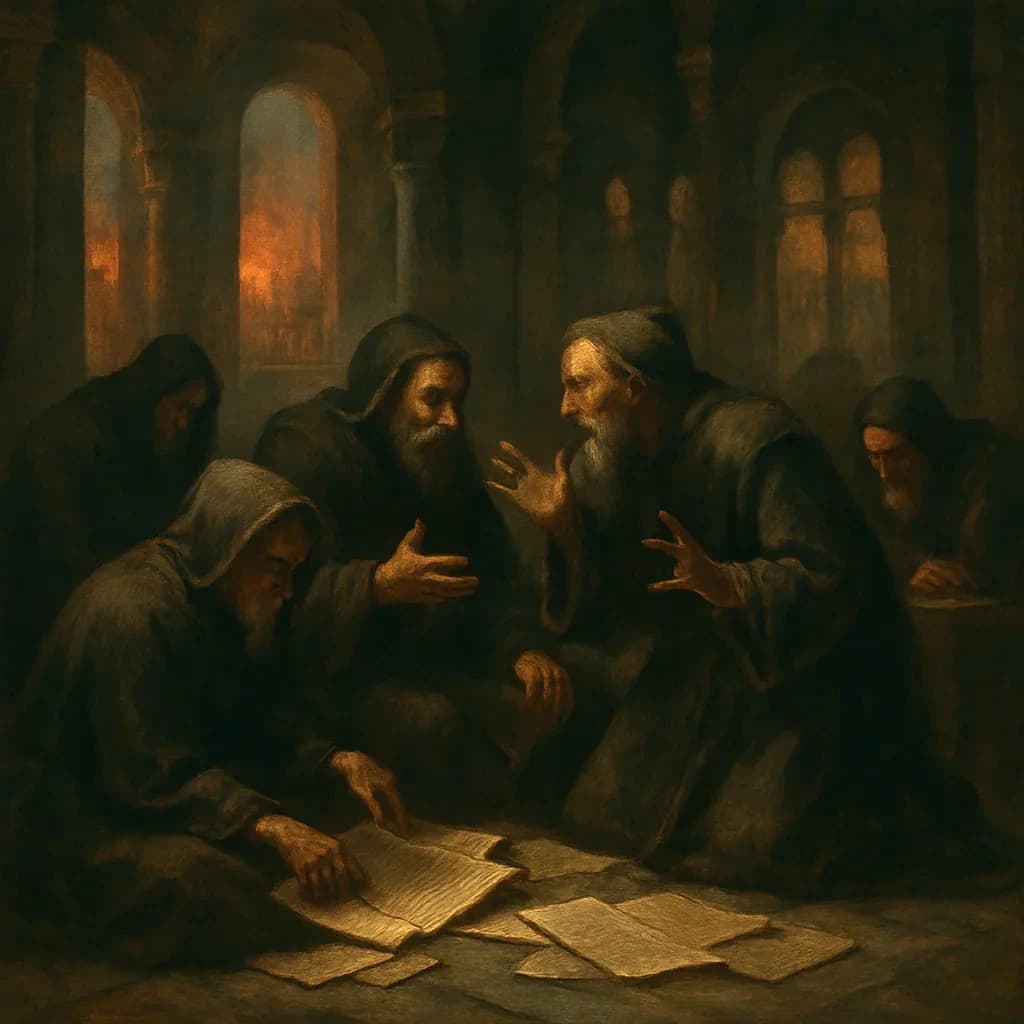
When Byzantium Forgot Its Password
The capital of the Eastern Roman Empire fell because nobody could remember what to call their emperor.
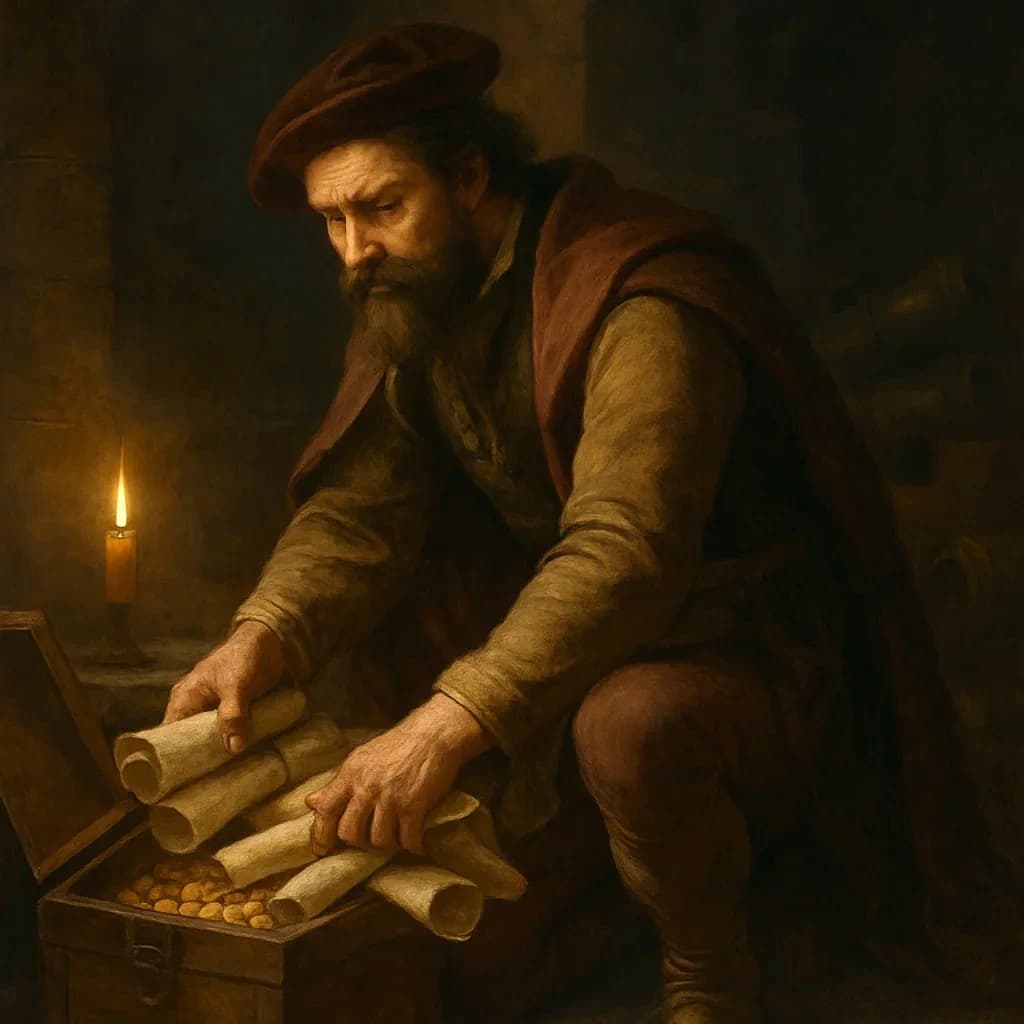
How a Forgotten Password Opened Constantinople
A drunk Hungarian engineer forgot to change one word in April 1453, and handed Constantinople to the Ottomans.
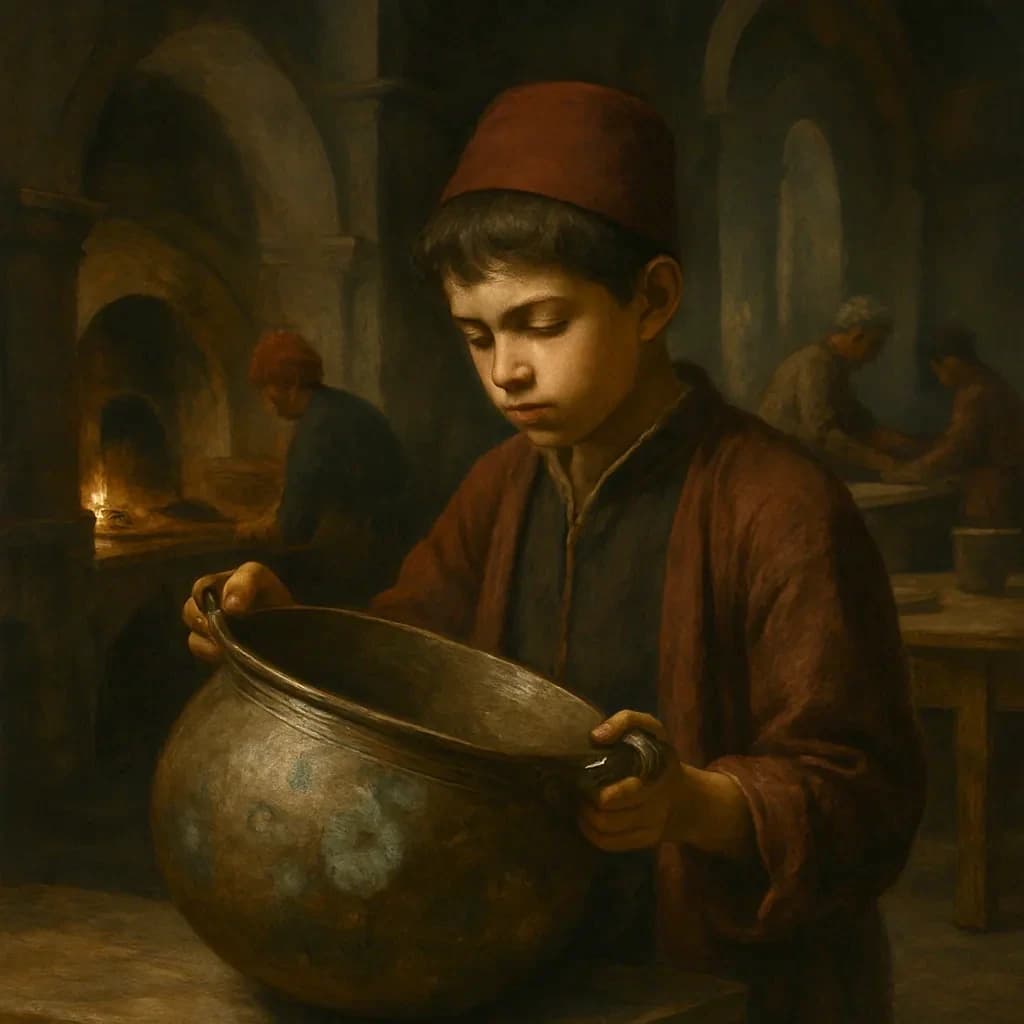
How a Kitchen Boy's Dirty Pot Cracked Constantinople
A twelve-year-old servant in the Ottoman palace held the key to conquering Constantinople in 1453, and he had no idea.
- Runciman, Steven. The Fall of Constantinople 1453. Cambridge University Press, 1965.
- Crowley, Roger. 1453: The Holy War for Constantinople and the Clash of Islam and the West. Hyperion, 2005.
- Nicolle, David. Constantinople 1453: The End of Byzantium. Osprey Publishing, 2000.