
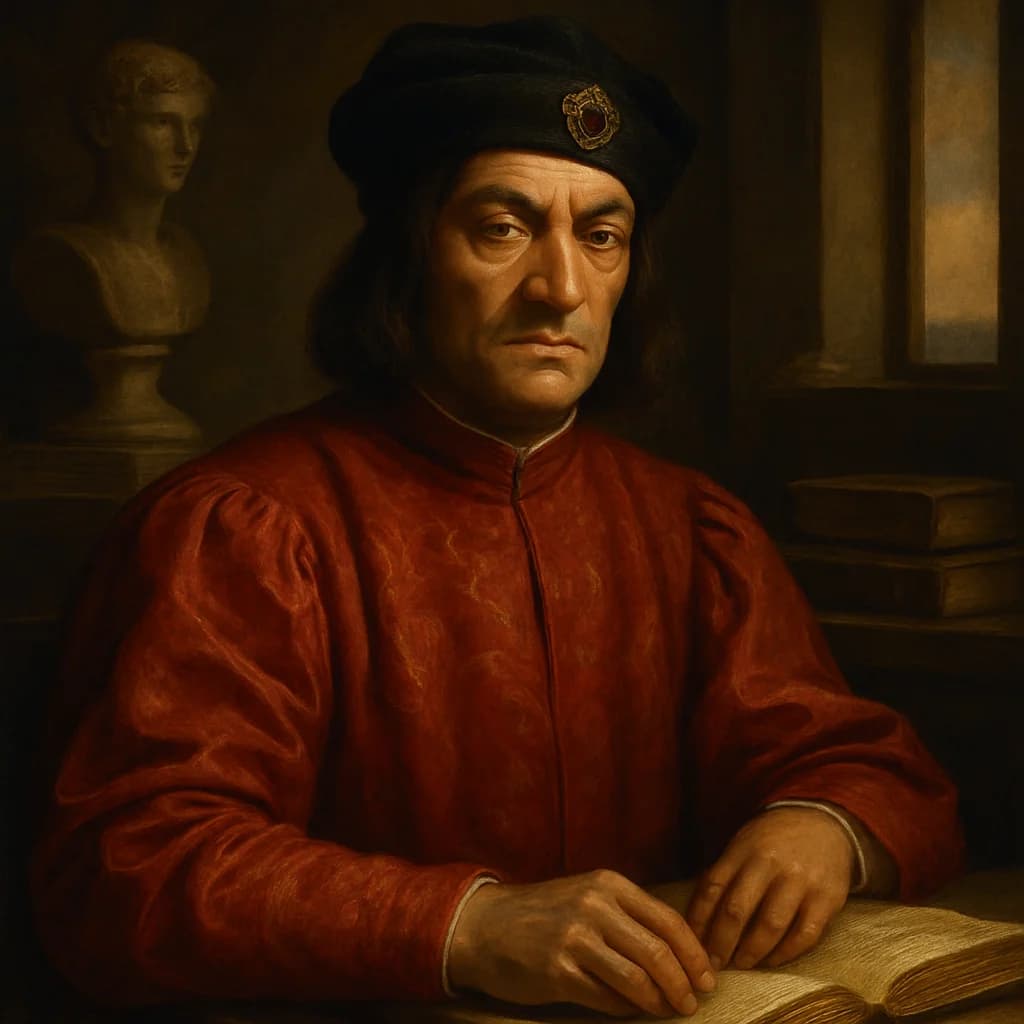
Lorenzo de' Medici
The man who saved civilization spent his mornings bleeding from mysterious wounds and his evenings writing poetry about death.
Lorenzo de' Medici lived with pain as his constant companion. By his twenties, gout had already begun devouring his joints, and a rare genetic disorder called fibrodysplasia progressively turned his muscles into bone. He walked with a limp, his face was asymmetrical, and his voice came out as a harsh rasp. Yet this was the man who charmed popes, seduced the most sophisticated women in Europe, and convinced the greatest artists of the Renaissance to call Florence home.
The physical agony shaped everything about Lorenzo's approach to power. Unlike his grandfather Cosimo, who ruled through careful accounting and political maneuvering, Lorenzo understood that his time was limited. When the Pazzi conspiracy nearly killed him in 1478 (his brother Giuliano bled out beside him during Easter mass), Lorenzo didn't retreat into safety. Instead, he walked alone and unarmed into the camp of the Neapolitan army besieging Florence. The enemy commander, expecting a crippled banker, found himself face-to-face with someone who spoke of death like an old friend. Lorenzo secured peace in three days.
But Lorenzo's real genius wasn't diplomacy. It was his systematic transformation of patronage from charity into investment. While other nobles collected art like trophies, Lorenzo created what amounted to the world's first creative residency program. He housed artists in his gardens, provided them with classical texts to study, and most crucially, introduced them to each other. Michelangelo lived at Lorenzo's table as a teenager, arguing philosophy with Pico della Mirandola and learning from ancient Roman sculptures. Lorenzo didn't just fund the Renaissance. He engineered its intellectual ecosystem.
When Lorenzo died at thirty-seven, his body finally succumbing to the diseases that had tormented him since childhood, the artist community he'd cultivated scattered across Europe, carrying Florentine innovations to every royal court. His greatest creation wasn't any single work of art, but the idea that genius could be cultivated, connected, and unleashed upon the world.
Lorenzo wrote over 200 poems, many of them explicit carnival songs about sex and drinking that shocked even Renaissance standards of bawdiness.
Why untold: History remembers him as 'the Magnificent' for his wealth and power, obscuring that his real innovation was creating the first systematic program for nurturing artistic talent.
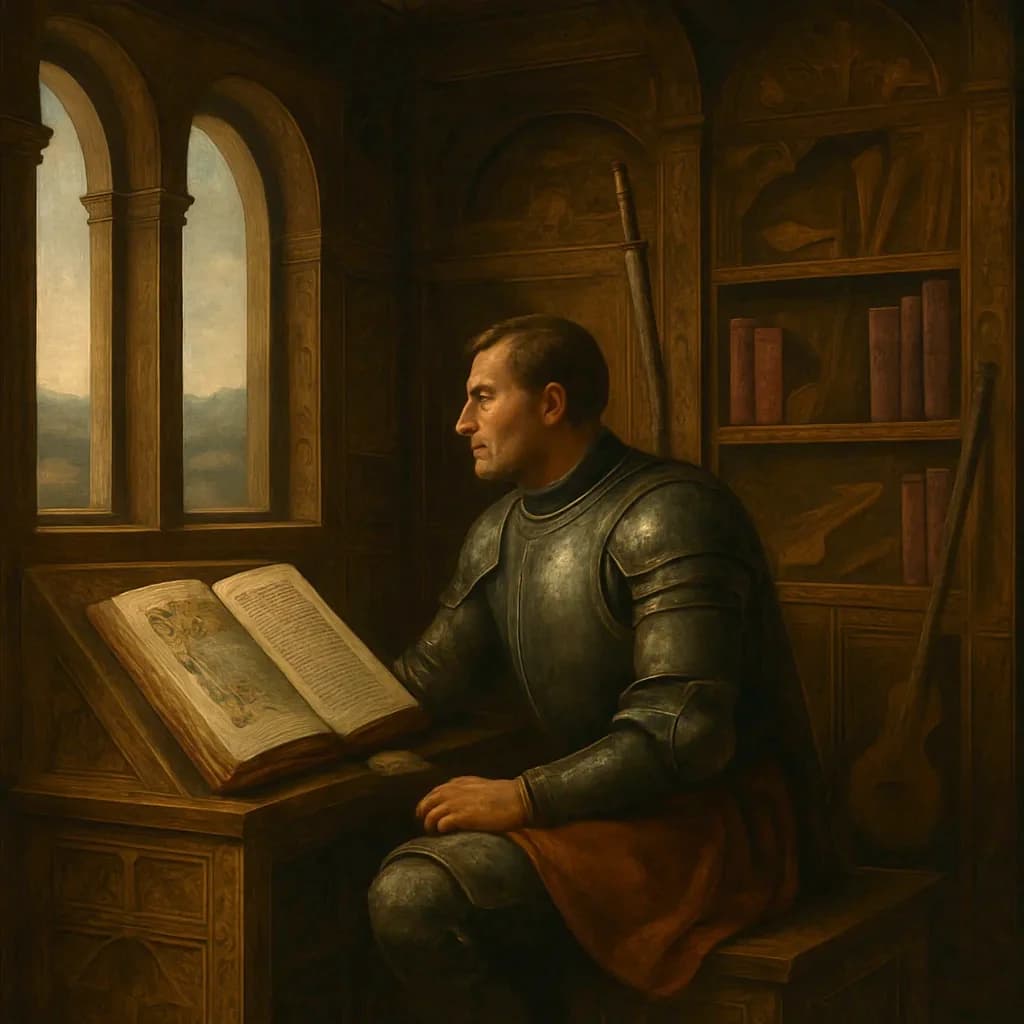
He Fought Wars to Buy Books
Federico da Montefeltro was the most celebrated soldier in Renaissance Italy. Then he became something stranger.
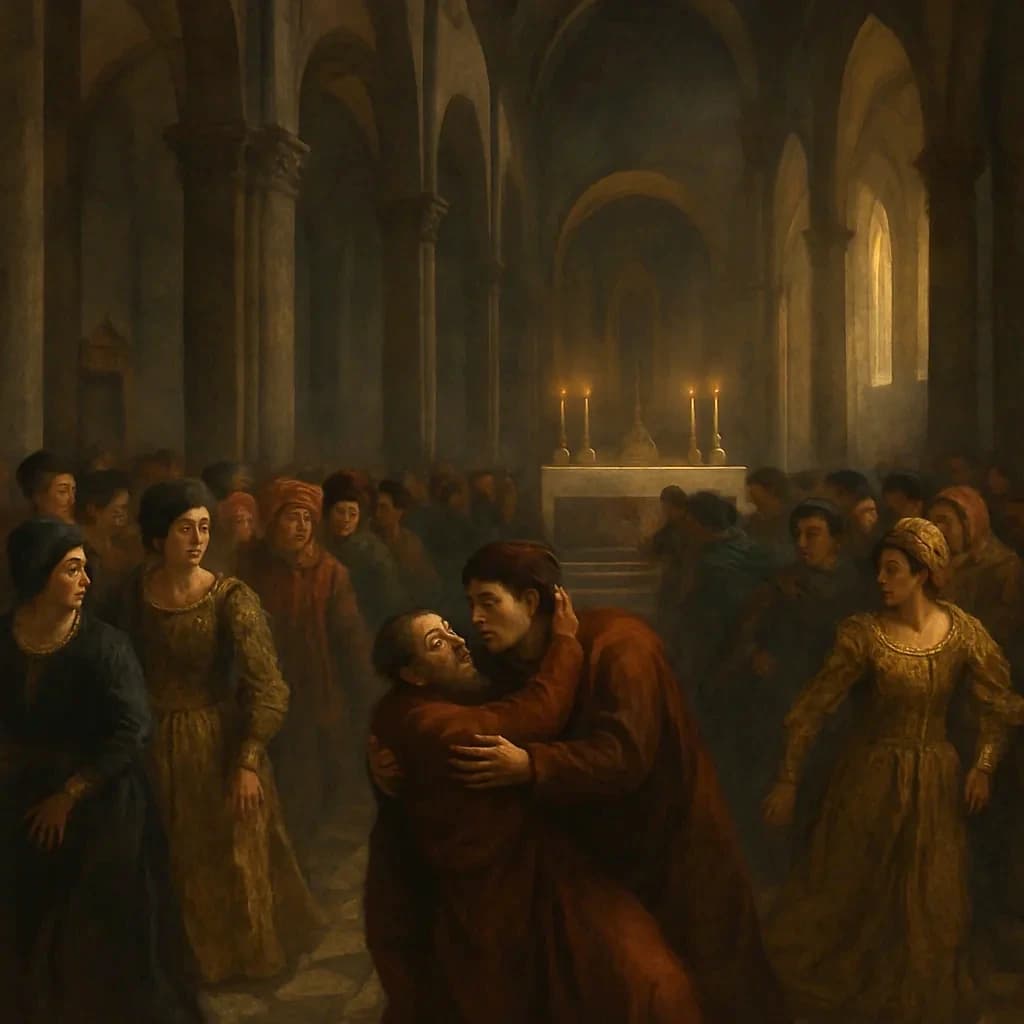
Murder at Easter Mass: The Plot to Erase the Medici
A botched assassination inside a Florence cathedral in 1478 nearly triggered a war that would have erased the Renaissance, and it was stopped not by armies, but by a fifteen-year-old boy and a rope.
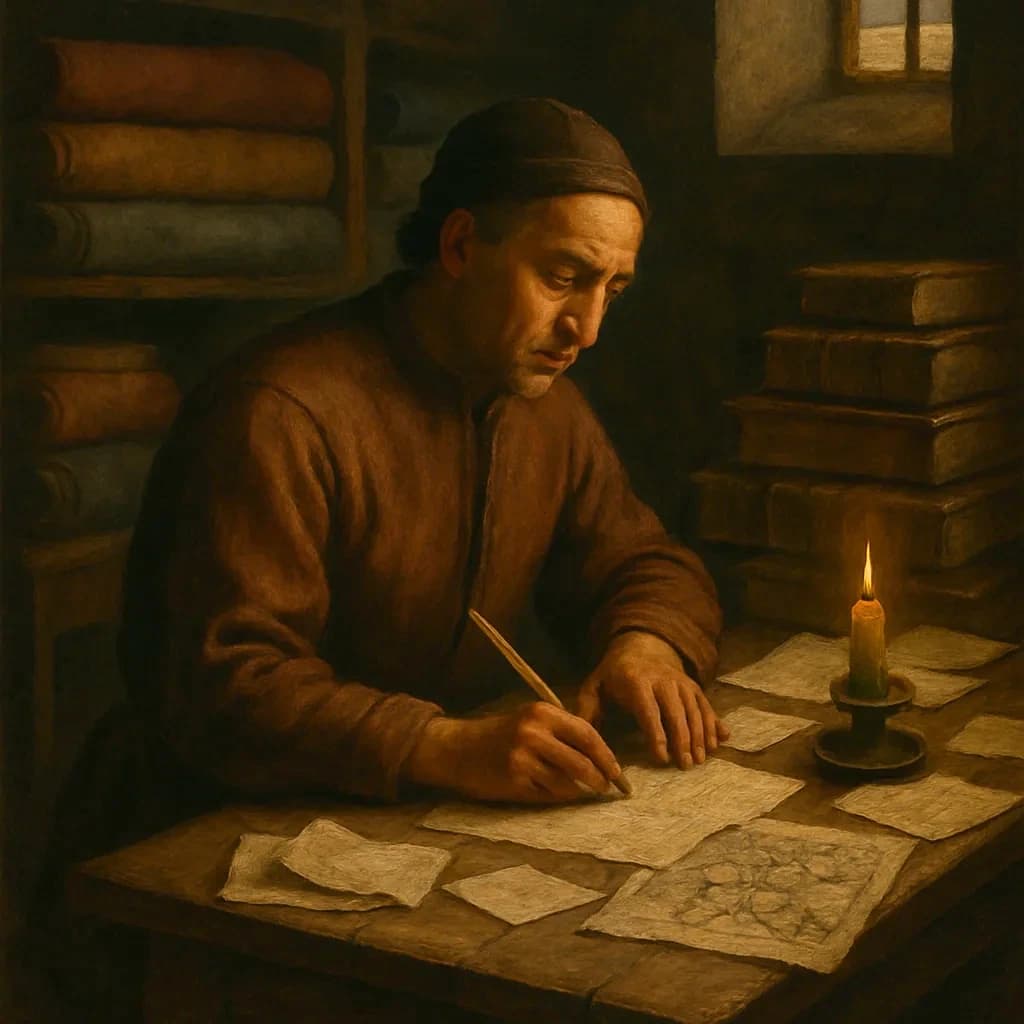
A Cloth Trader Who Never Left Home Redrew the World
A Florentine cloth trader who never left home redrew the known world, and killed the career of every professional cartographer who came after him.
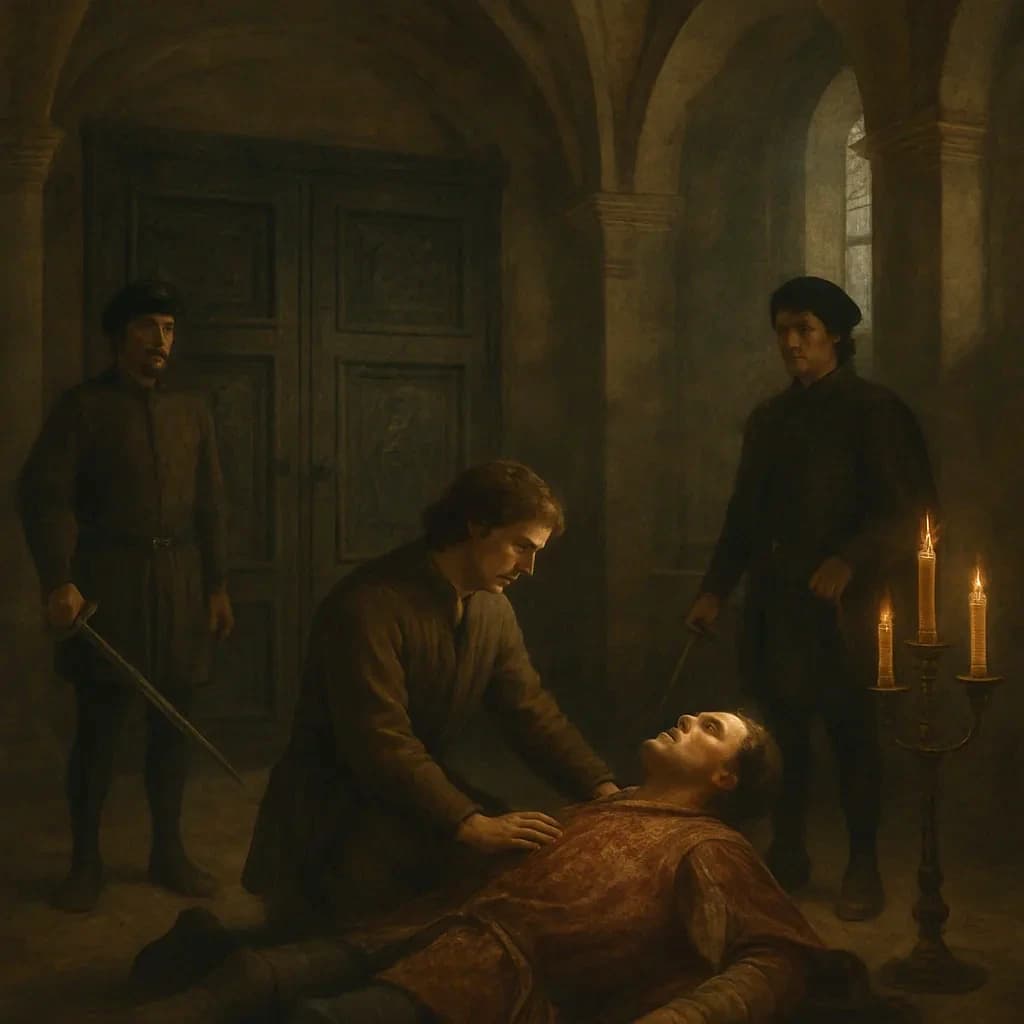
The Teenager Who Saved Lorenzo de' Medici
The Medici survived the Pazzi Conspiracy not because of guards or walls, but because of a single teenager who had no reason to help them.
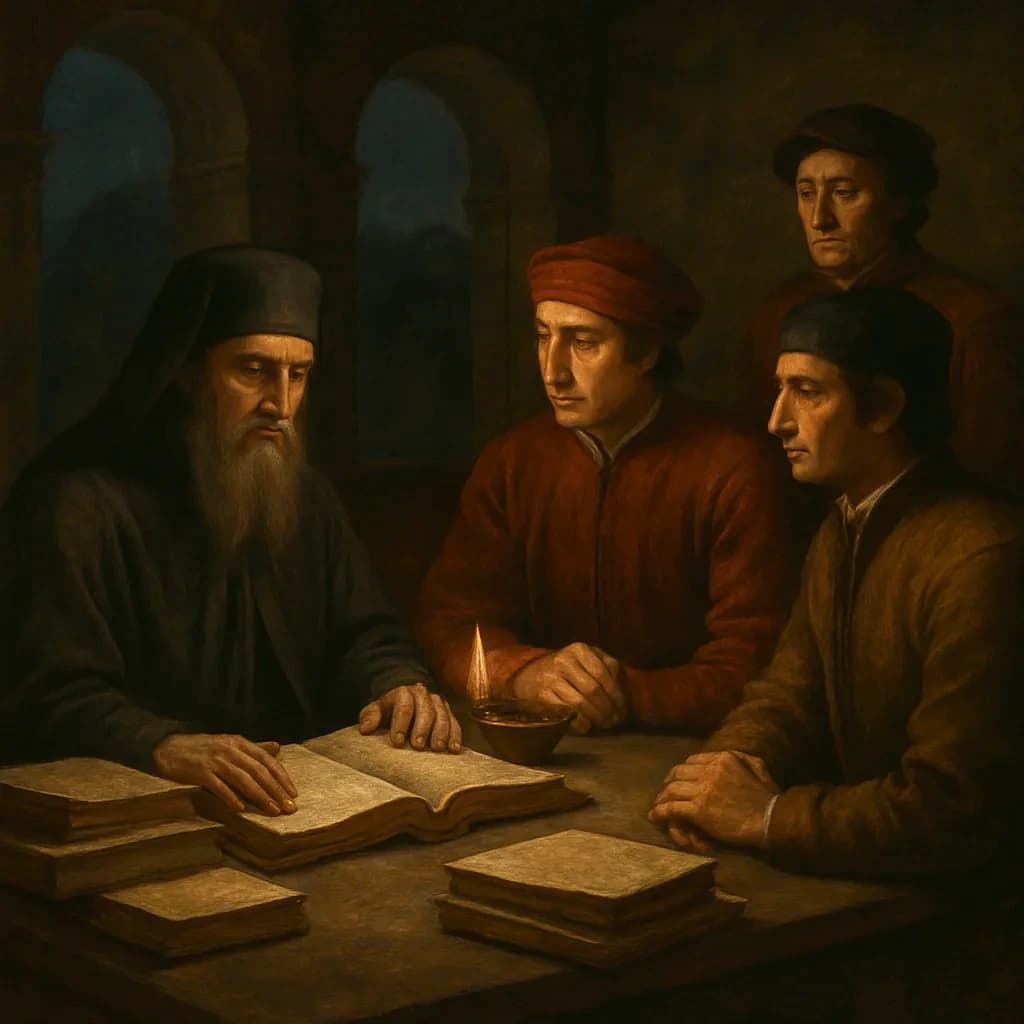
Greece Didn't Perish: It Moved to Florence
A Greek scholar reached Florence carrying no gold and no weapons, only what was packed inside his own head.
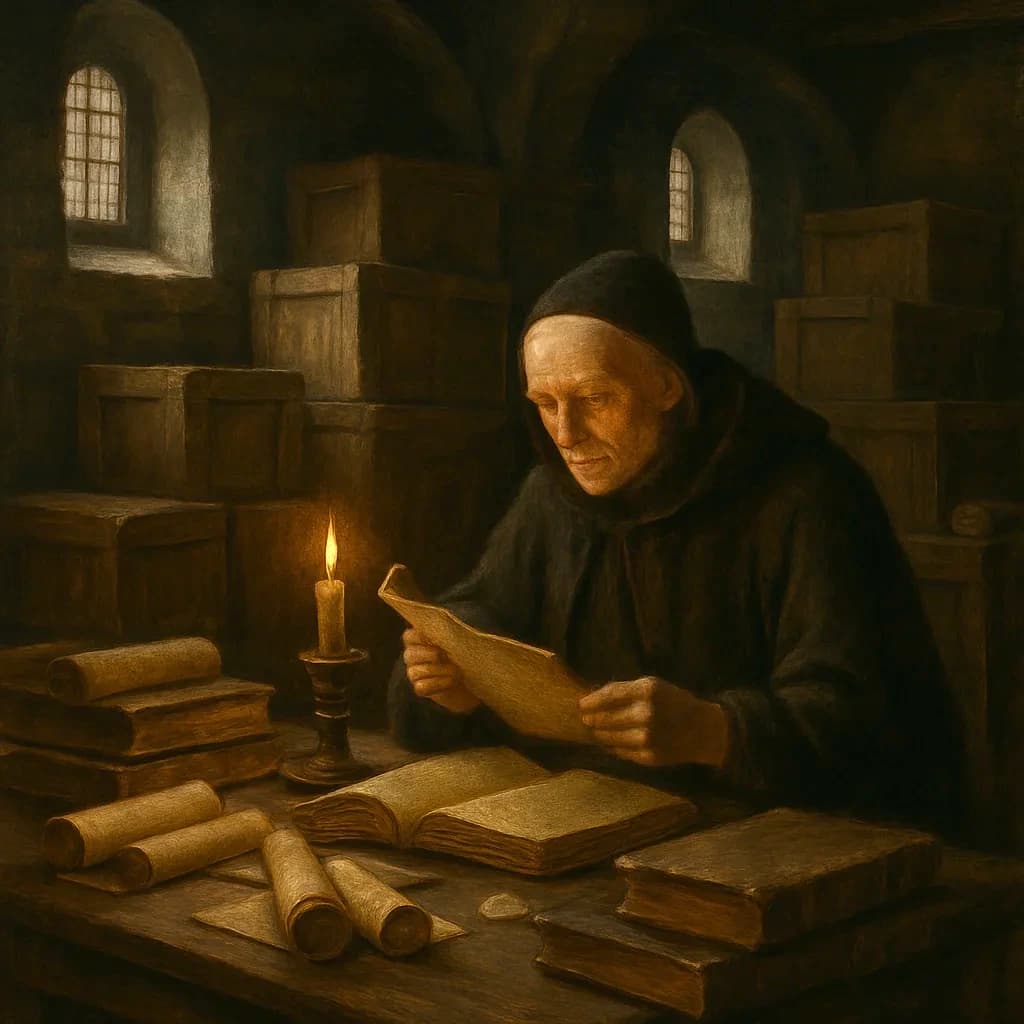
A Merchant Skipped Town and Left Behind Lost Plato
A silk merchant's ledger nearly bankrupted the most powerful banking family in Europe, and their desperate gamble ended up funding the rebirth of human knowledge.
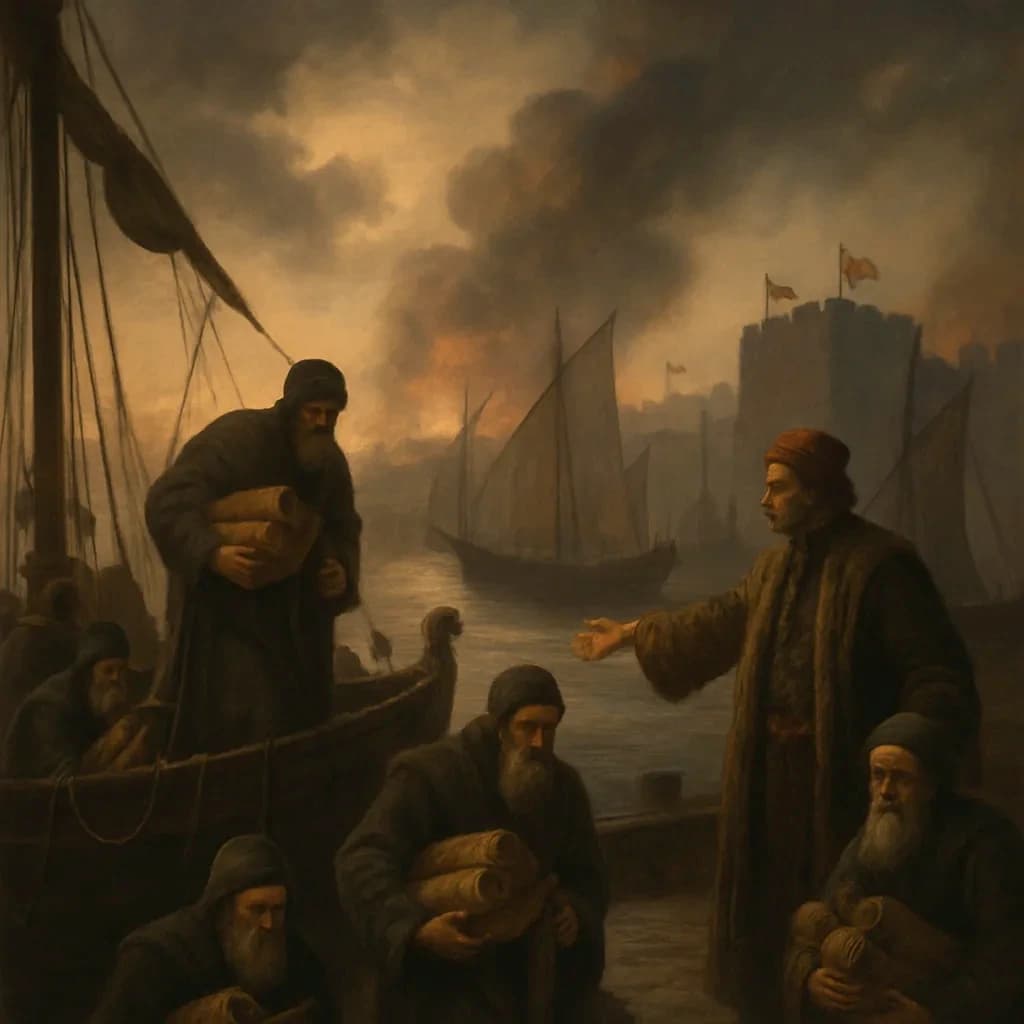
When Venice Saved the World by Going Bankrupt
The most catastrophic financial collapse in history accidentally preserved everything we know about ancient Greece and Rome.
- Abulafia, David. The Italian Renaissance: Culture and Society in Italy. Cambridge University Press, 2014.
- Martines, Lauro. April Blood: Florence and the Plot Against the Medici. Oxford University Press, 2003.
- Clarke, Paula C. The Soderini and the Medici: Power and Patronage in Fifteenth-Century Florence. Oxford University Press, 1991.