
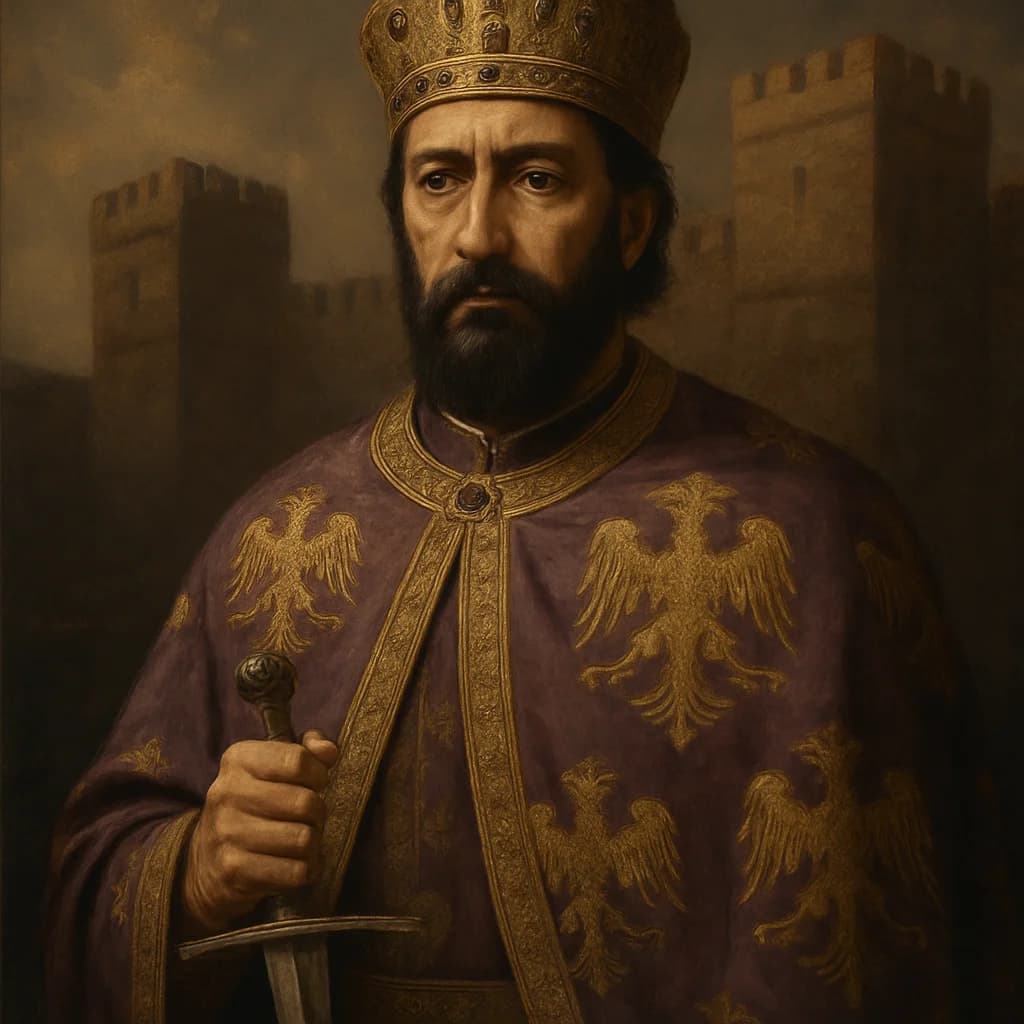
Constantine XI Palaiologos
The last Byzantine Emperor chose to die fighting rather than flee, then vanished so completely that his body was never found among the 4,000 corpses in Constantinople's ruins.
Constantine XI Palaiologos inherited an empire that existed mostly on maps. When he became emperor in 1449, Byzantium controlled little more than Constantinople itself and a few surrounding villages, a thousand-year-old giant reduced to a city-state surrounded by Ottoman territory. The crown that once ruled from Britain to Mesopotamia now governed roughly the same area as modern-day San Francisco.
What makes Constantine extraordinary isn't his military prowess or political genius. It's his decision to stay. As Mehmed II's cannons pounded Constantinople's ancient walls in 1453, Constantine received multiple offers of safe passage. Genoese ships waited in the harbor. The Pope promised sanctuary. His own advisors begged him to preserve the imperial bloodline by escaping to rally support in the West. Instead, Constantine removed his imperial regalia, picked up a sword, and told his remaining soldiers: "It is better to die than to live."
On the morning of May 29, 1453, Constantine fought as an ordinary soldier at the Romanos Gate. Witnesses saw him charging Ottoman troops, but when the city fell, his body disappeared. Some accounts claim he was beheaded and his head sent to Mehmed as a trophy. Others suggest he was trampled beyond recognition in the chaos. The truth remains unknown. The last emperor of Rome simply vanished into the carnage of his capital's final battle.
This anonymity was perhaps fitting. Constantine had spent his entire reign as a forgotten figure, ruling a forgotten empire that most of Europe considered already dead. Yet his choice to die with his city rather than preserve his life ensured that the thousand-year-old Roman Empire ended not with a whimper, but with a sword in hand.
Constantine XI was actually the second choice for emperor. His brother John VIII had died childless, and Constantine was proclaimed emperor while governing the Morea (southern Greece), making his journey to claim the throne one of the last imperial progresses in Byzantine history.
Why untold: His story is overshadowed by the fall of Constantinople itself, reducing him to a footnote in the Ottoman Empire's rise rather than the tragic protagonist of Rome's end.
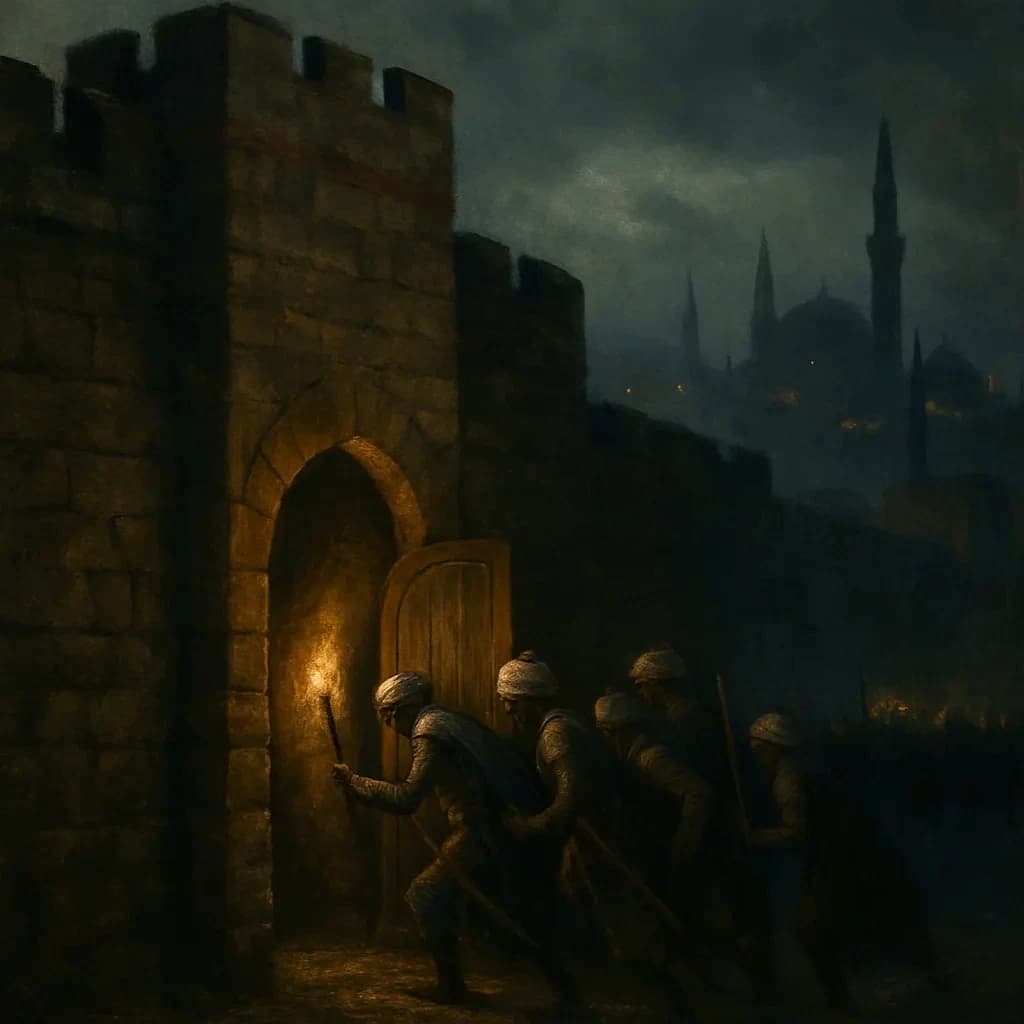
An Unlocked Gate Ended the Roman Empire
Constantinople fell not because the Ottomans broke through, but because someone left a small door open.
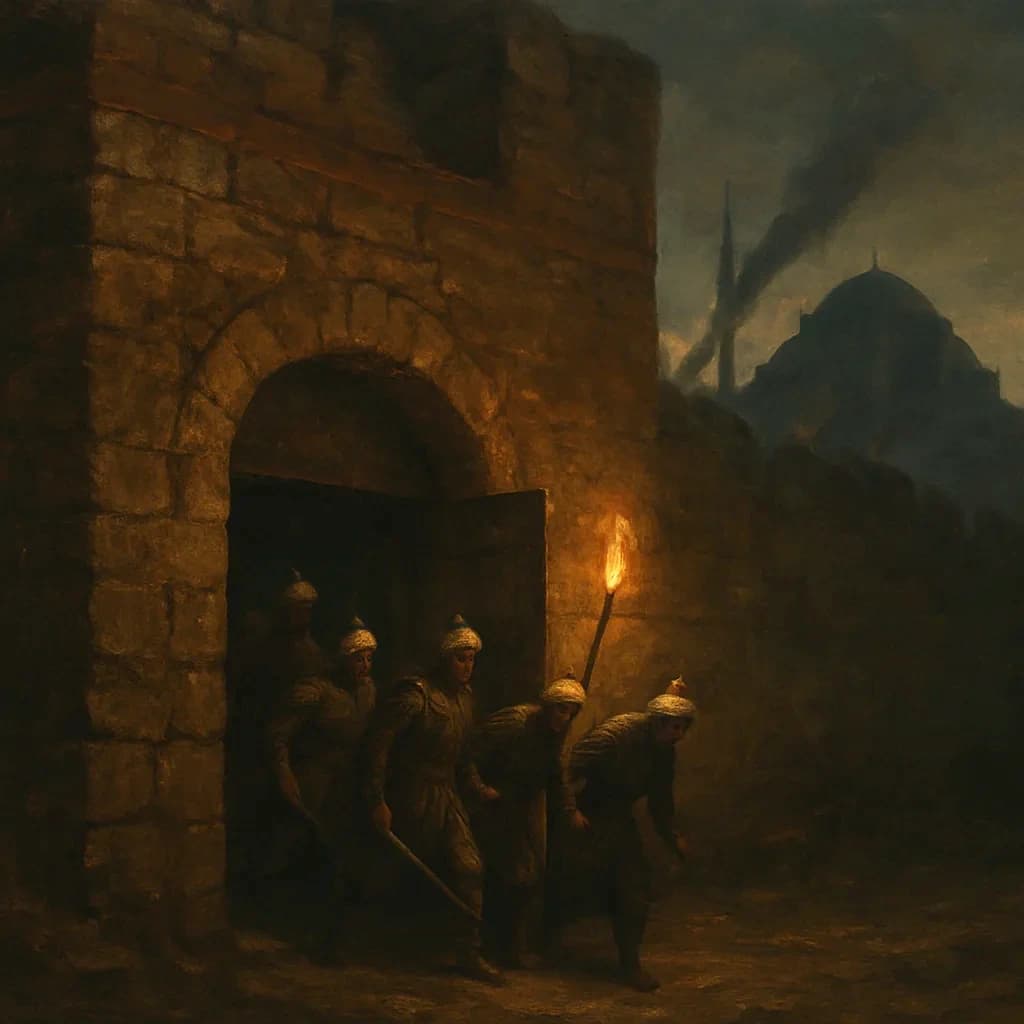
Constantinople, 1453: The Side Gate Nobody Locked
A single unlocked gate (not a cannon, not a traitor) may have decided the fate of the Byzantine Empire in 1453.
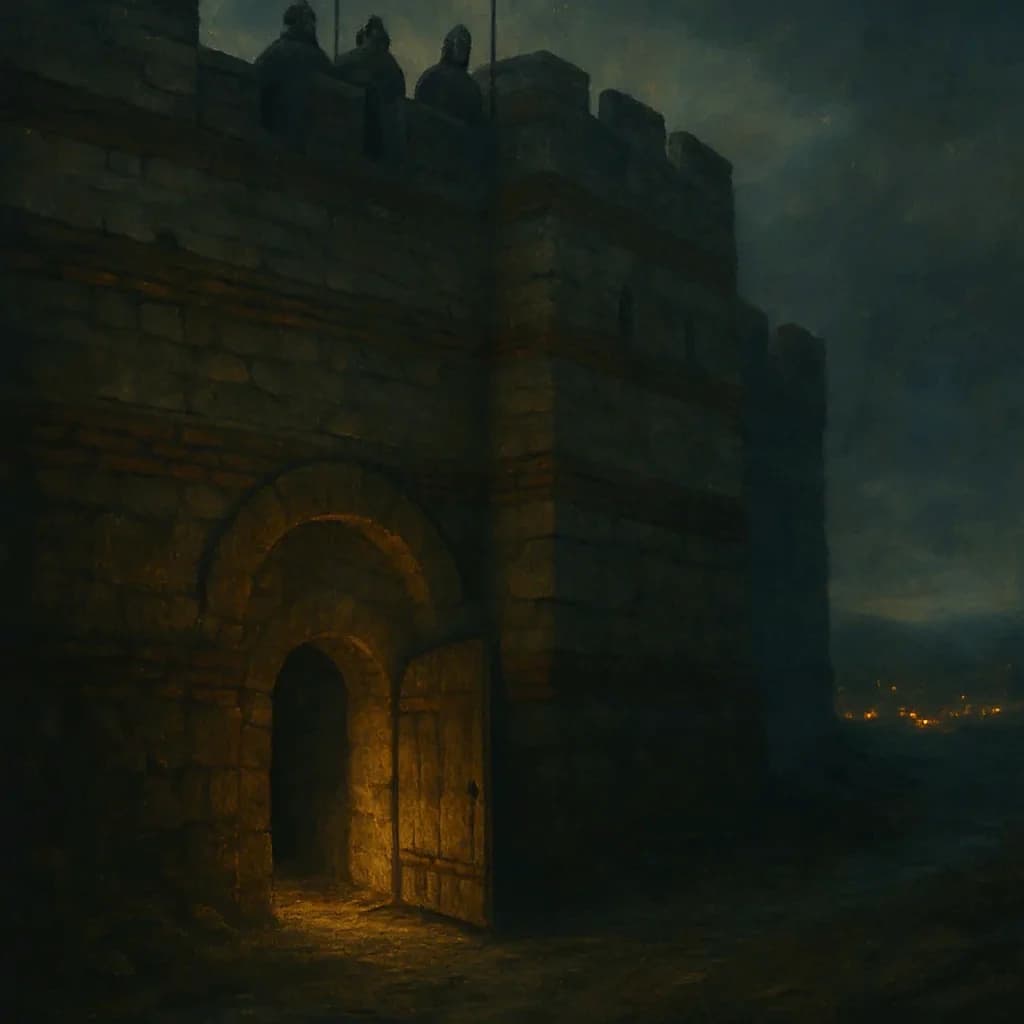
The Unlocked Gate That Ended a Thousand-Year Empire
A single gate left unlocked ended a thousand-year empire in 1453, but the man who found it wasn't a general, a spy, or a traitor.
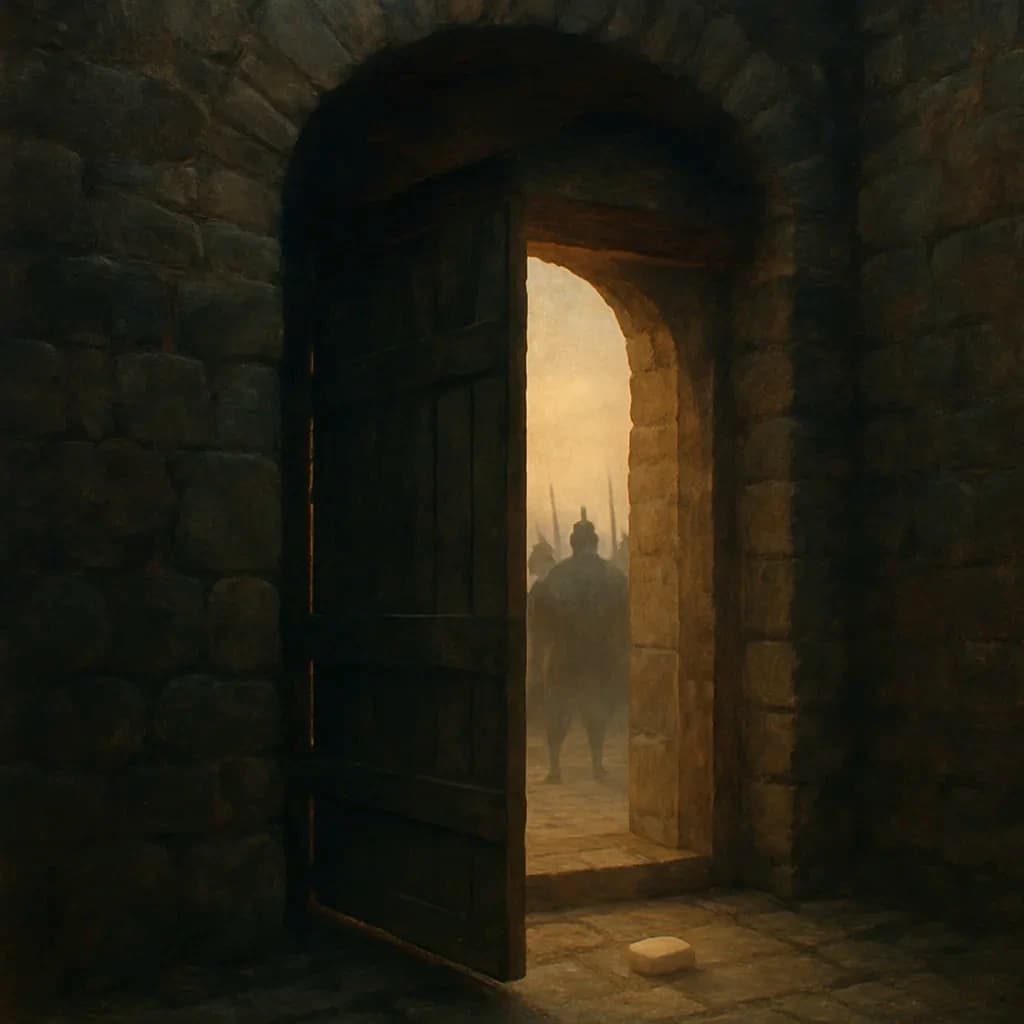
How a Dropped Bar of Soap May Have Doomed Constantinople
A single bar of soap, hoarded through the siege of 1453, may have sealed the fate of the last Roman emperor.
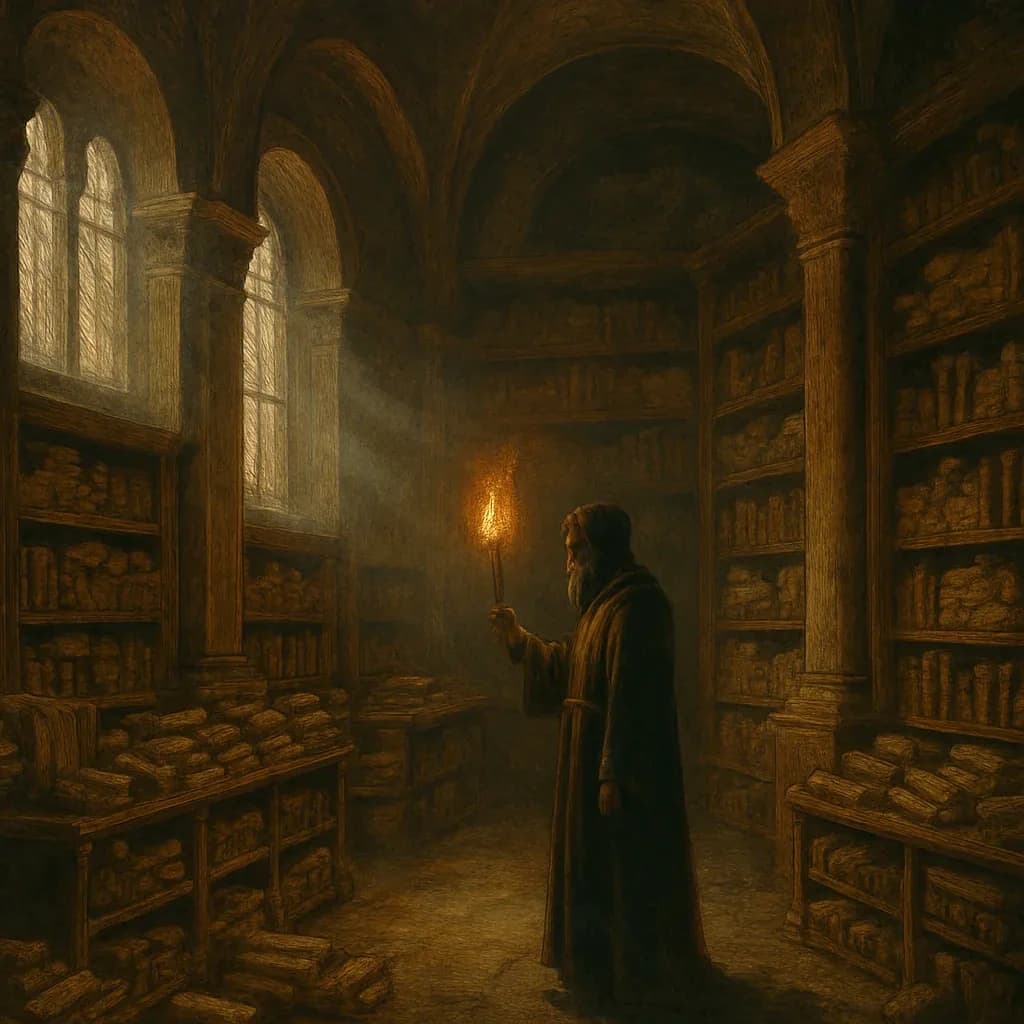
Burn the Library Before Constantinople Falls
A Byzantine general's strangest order: burn every book in the city before the enemy arrives.
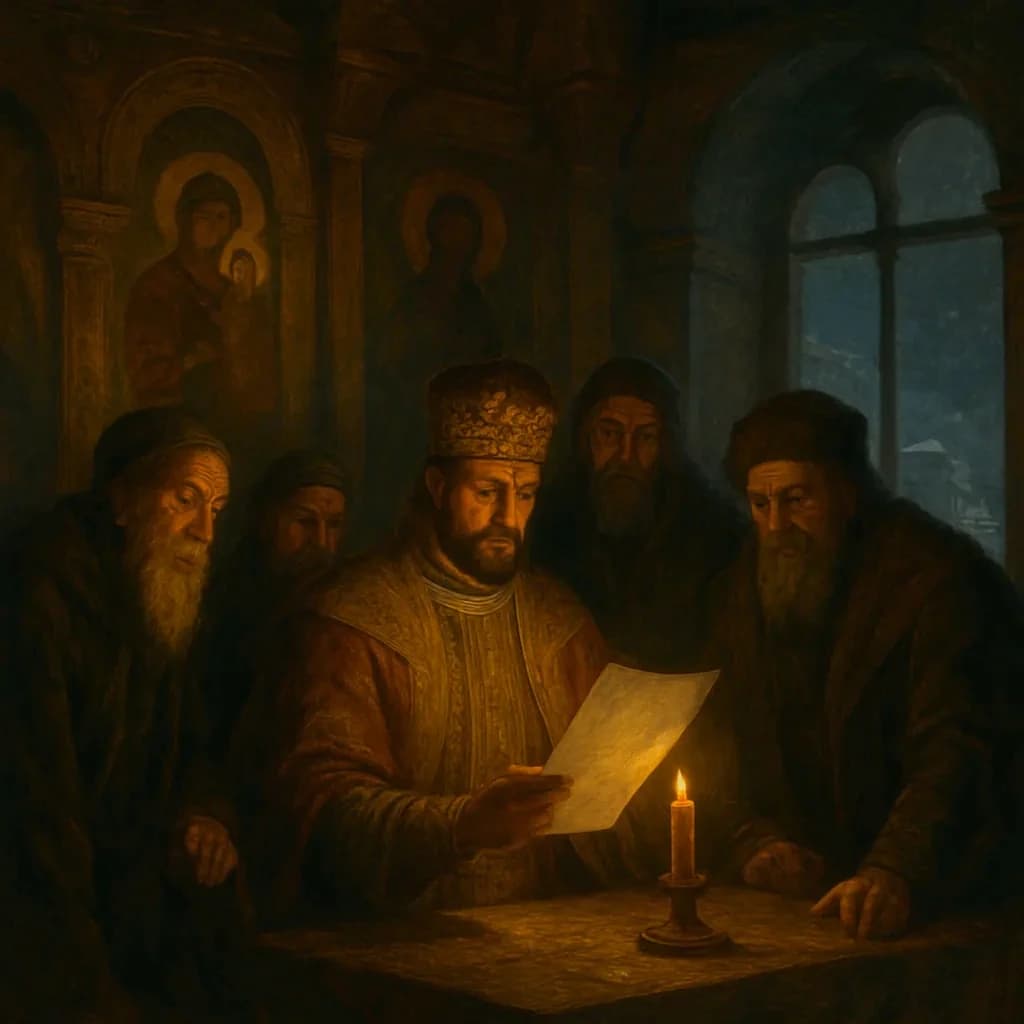
Ships or Sheep: One Word That Doomed Constantinople
A single mistranslated word in a Greek manuscript helped destroy the world's most powerful empire.
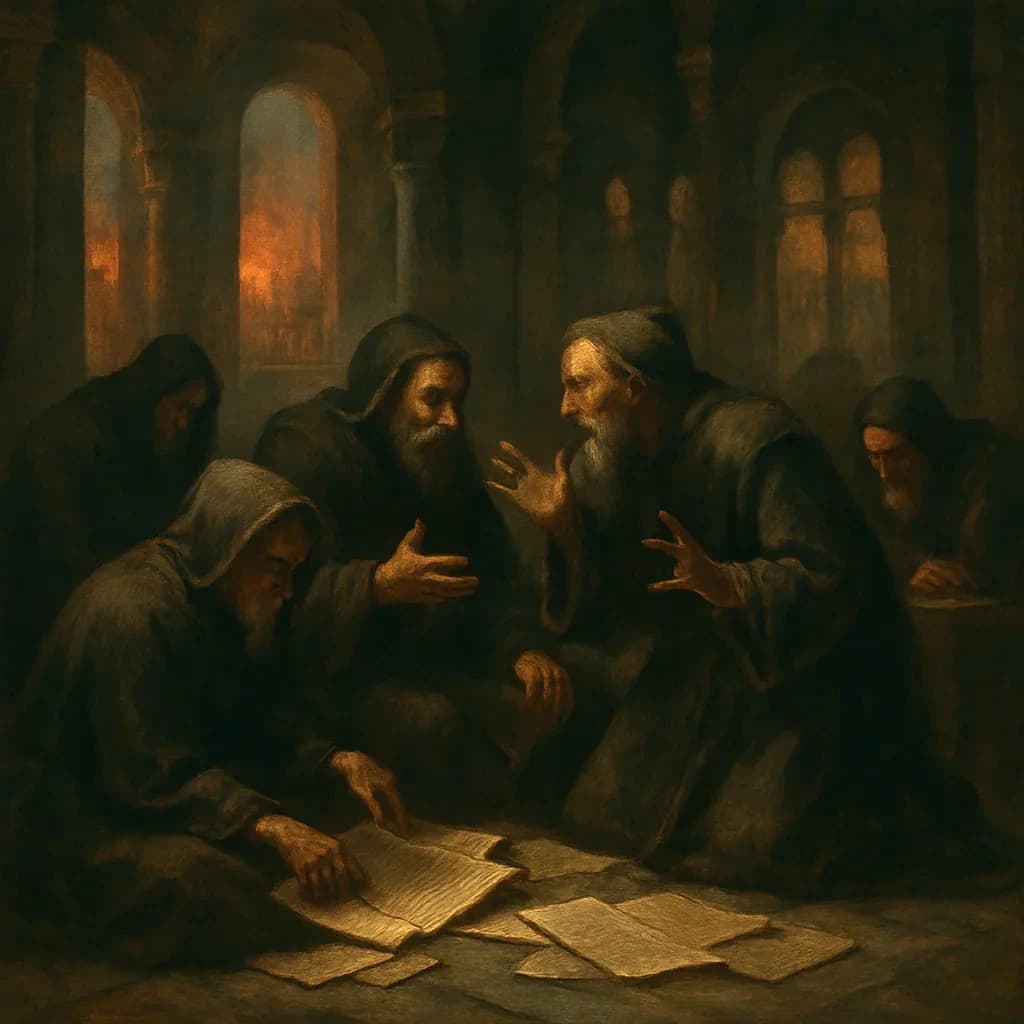
When Byzantium Forgot Its Password
The capital of the Eastern Roman Empire fell because nobody could remember what to call their emperor.
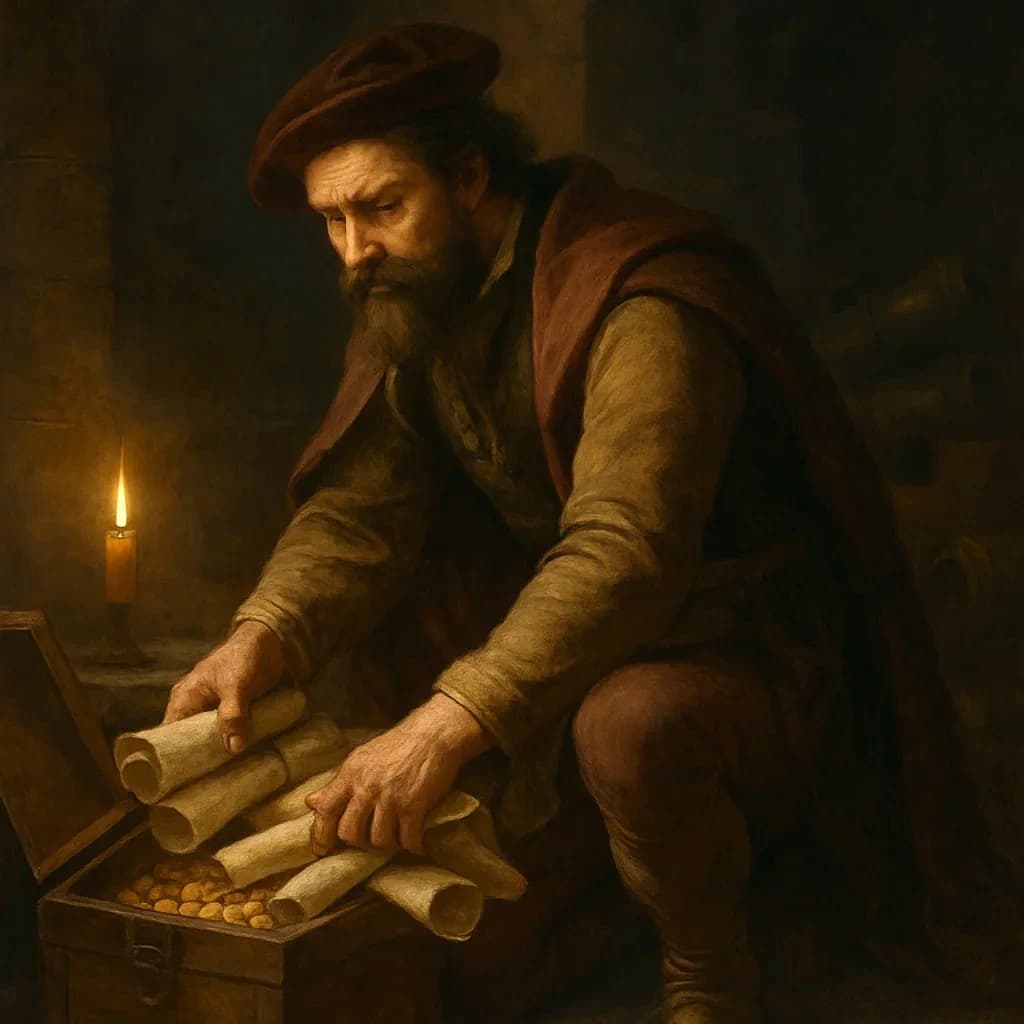
How a Forgotten Password Opened Constantinople
A drunk Hungarian engineer forgot to change one word in April 1453, and handed Constantinople to the Ottomans.
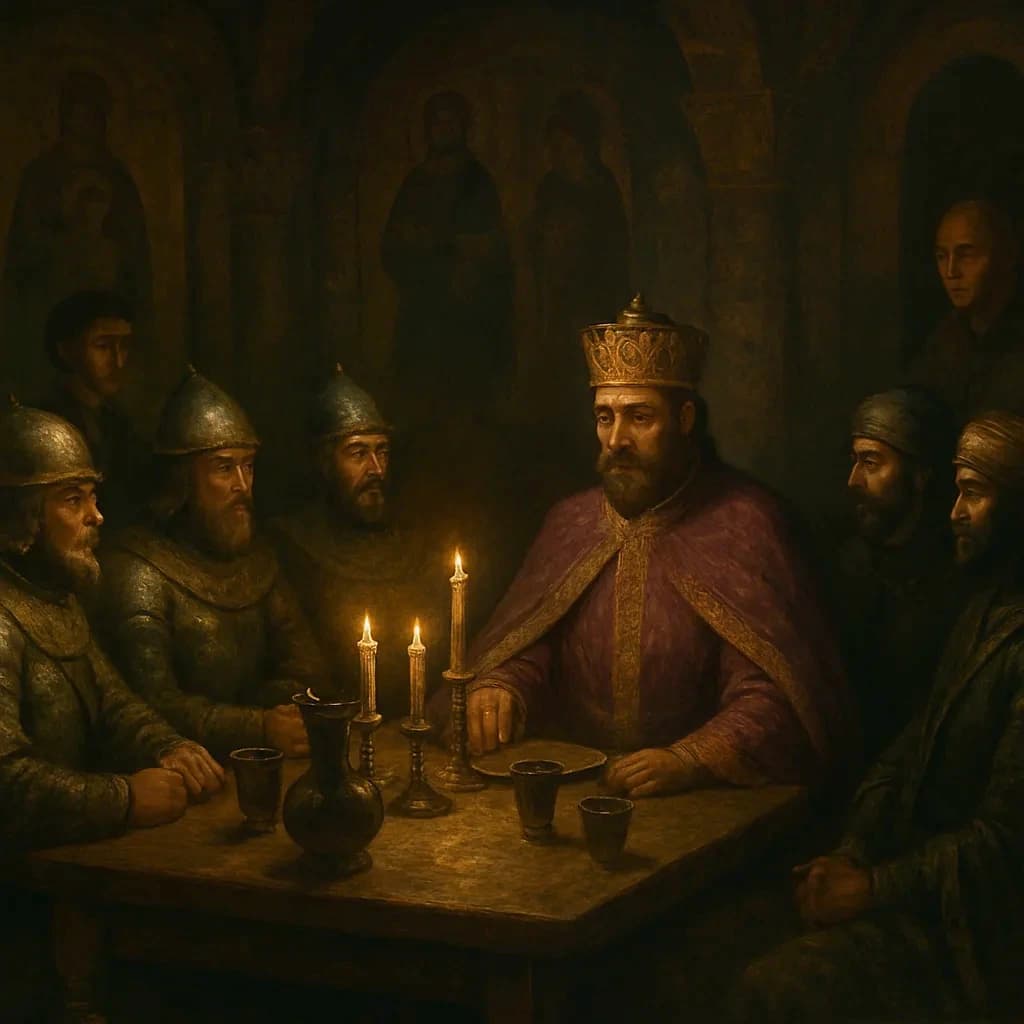
Rome's Last Emperor Threw a Farewell Dinner
A single meal in 1453 Constantinople sealed the fate of an empire that had survived since Caesar.
- Steven Runciman, The Fall of Constantinople 1453 (1965)
- Marios Philippides, Constantine XI Palaiologos (1453): The Last Emperor of Byzantium (2019)
- Roger Crowley, 1453: The Holy War for Constantinople and the Clash of Islam and the West (2005)