
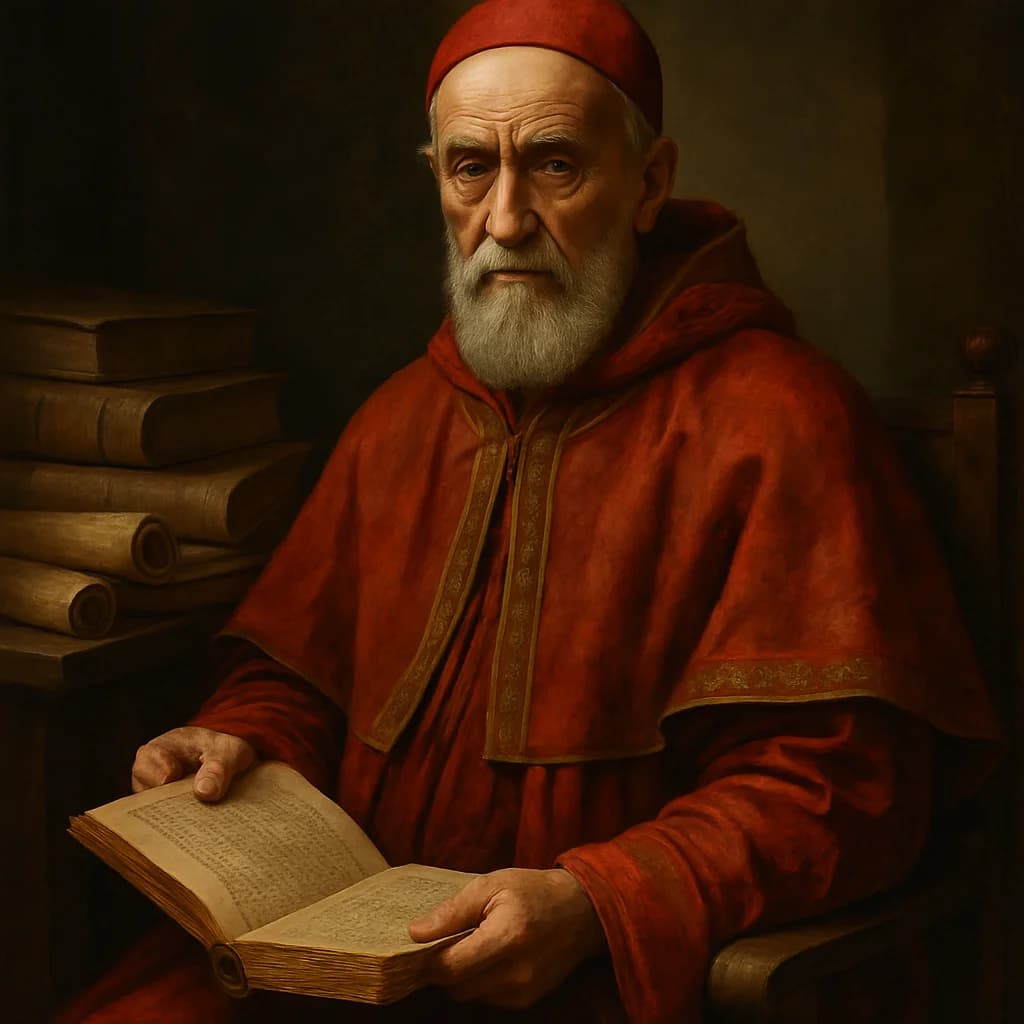
Cardinal Bessarion
The man who saved Western civilization spent his final years being investigated for heresy by the very Church he'd devoted his life to serving.
Johannes Bessarion arrived in Florence in 1438 as part of a Byzantine delegation trying to reunite the Eastern and Western churches. He was supposed to return home to Constantinople. Instead, he became a Roman Cardinal and changed the course of human knowledge forever.
Born around 1403 in Trebizond, Bessarion had mastered both Greek philosophy and Christian theology by age thirty. When Constantinople fell in 1453, he faced an impossible choice: return to his conquered homeland and likely death, or remain in the West as an exile. He chose exile, and turned it into the greatest rescue operation in intellectual history. Bessarion didn't just flee with books; he systematically acquired every Greek manuscript he could find, creating the largest collection of ancient texts outside Constantinople itself.
But here's what makes his story extraordinary: Bessarion wasn't just collecting. He was translating, copying, and distributing these works throughout Europe at his own expense. His palace in Rome became a factory of knowledge transfer, where Greek scholars worked alongside Western humanists to bridge two civilizations. When he died in 1472, he bequeathed his entire collection (over 750 manuscripts) to Venice, creating what would become the foundation of the Marciana Library.
The cruel irony? Despite saving Christian philosophy from Islamic conquest, Bessarion spent his final decade defending himself against accusations that his Greek Orthodox background made him a crypto-heretic. The same theological flexibility that allowed him to bridge East and West made Rome's hardliners suspicious. He died still fighting these charges, never knowing that his manuscripts would spark the Renaissance and shape Western thought for centuries.
Bessarion's personal library was so valuable that when he donated it to Venice, the city granted him honorary citizenship, the first foreigner ever to receive this honor.
Why untold: His role is overshadowed by the more famous humanists he enabled, and religious histories minimize his Orthodox background.
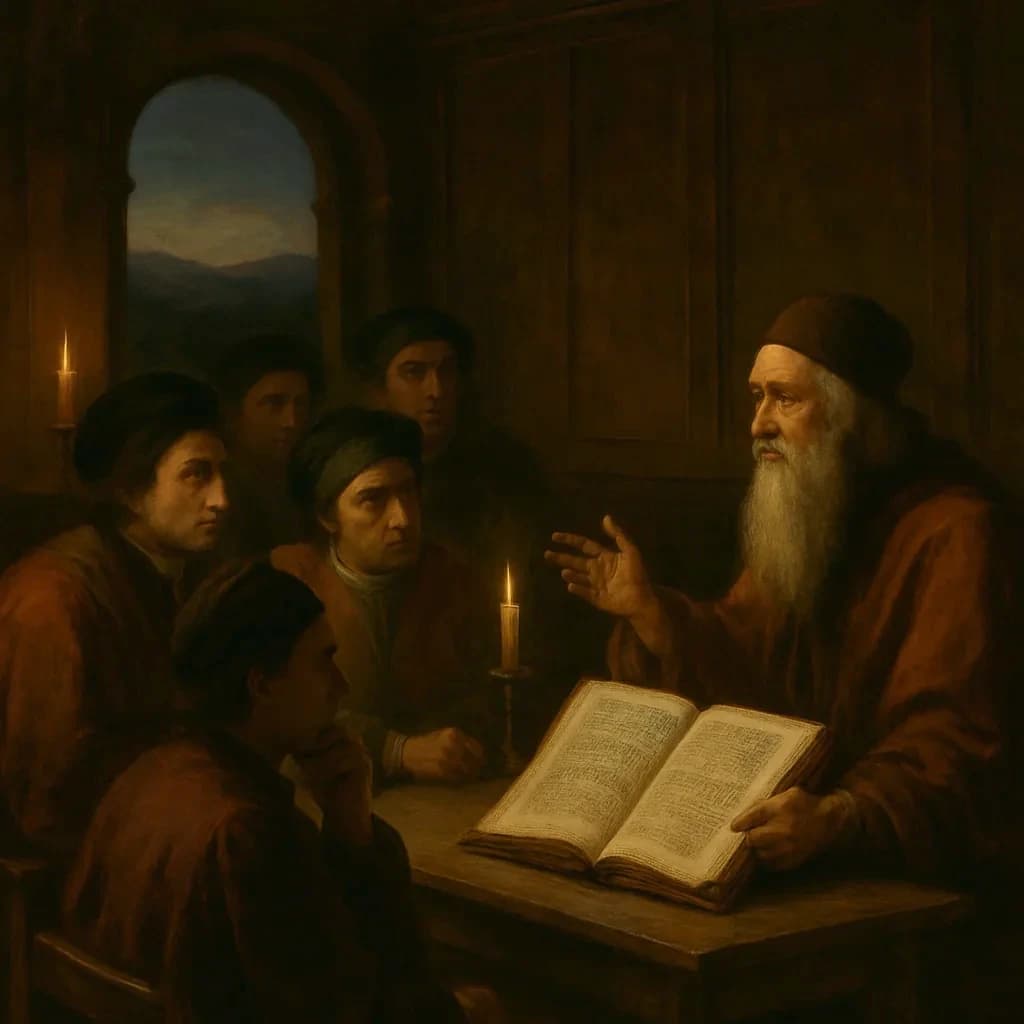
He Brought Plato Back to Europe After a Thousand Years
A single meeting between a disgraced Byzantine scholar and a Florentine banker in 1438 didn't just save Greek philosophy. It laid the intellectual architecture of the Renaissance.
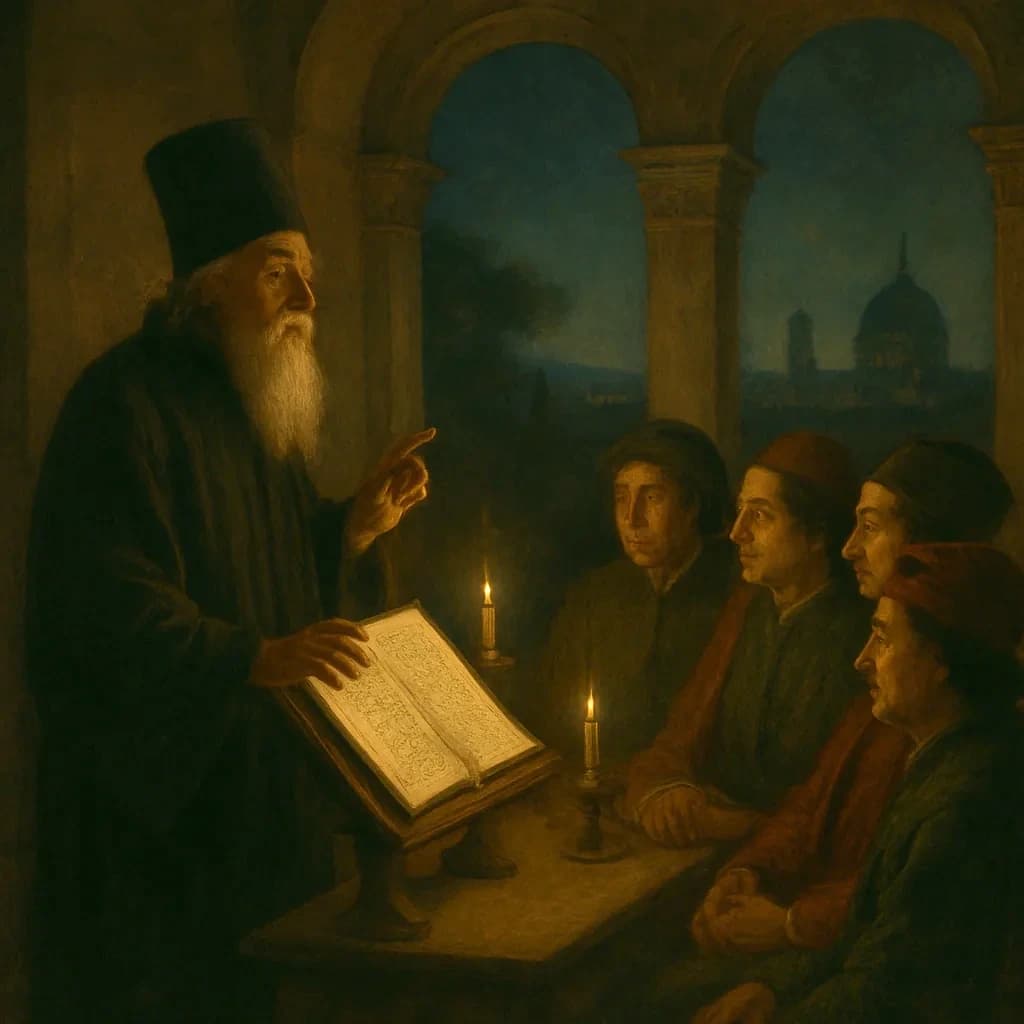
How a Byzantine Monk Gave Florence Plato Again
A Byzantine monk carried the entire intellectual inheritance of the ancient world out of a collapsing empire, and nobody noticed because he looked like a gardener.
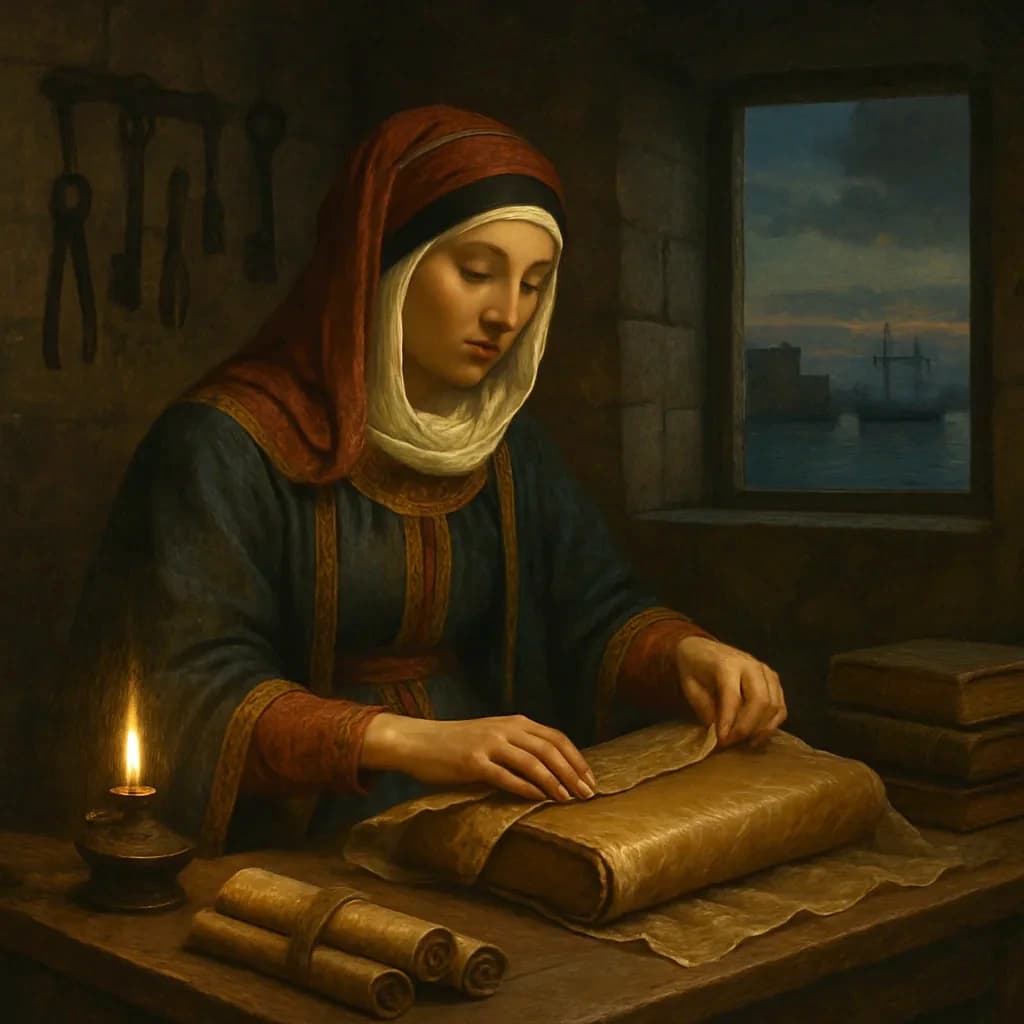
A Nameless Teenage Girl Saved the Classical Tradition
A teenage girl's ability to read Greek saved the entire Western classical tradition, and nobody ever wrote her name down.
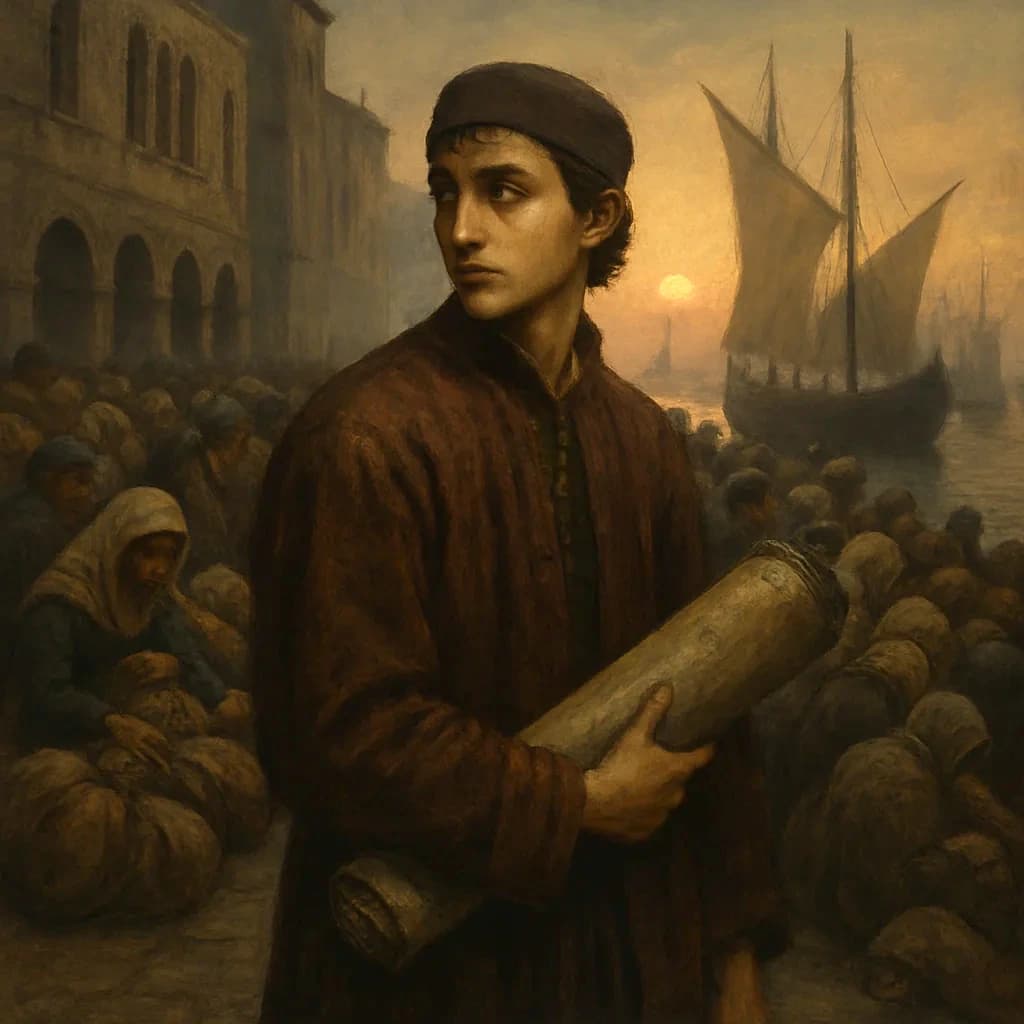
He Fled Constantinople Carrying Drawings, Not Gold
One young Greek artist fled Constantinople as it fell in 1453, carrying something more dangerous than gold.
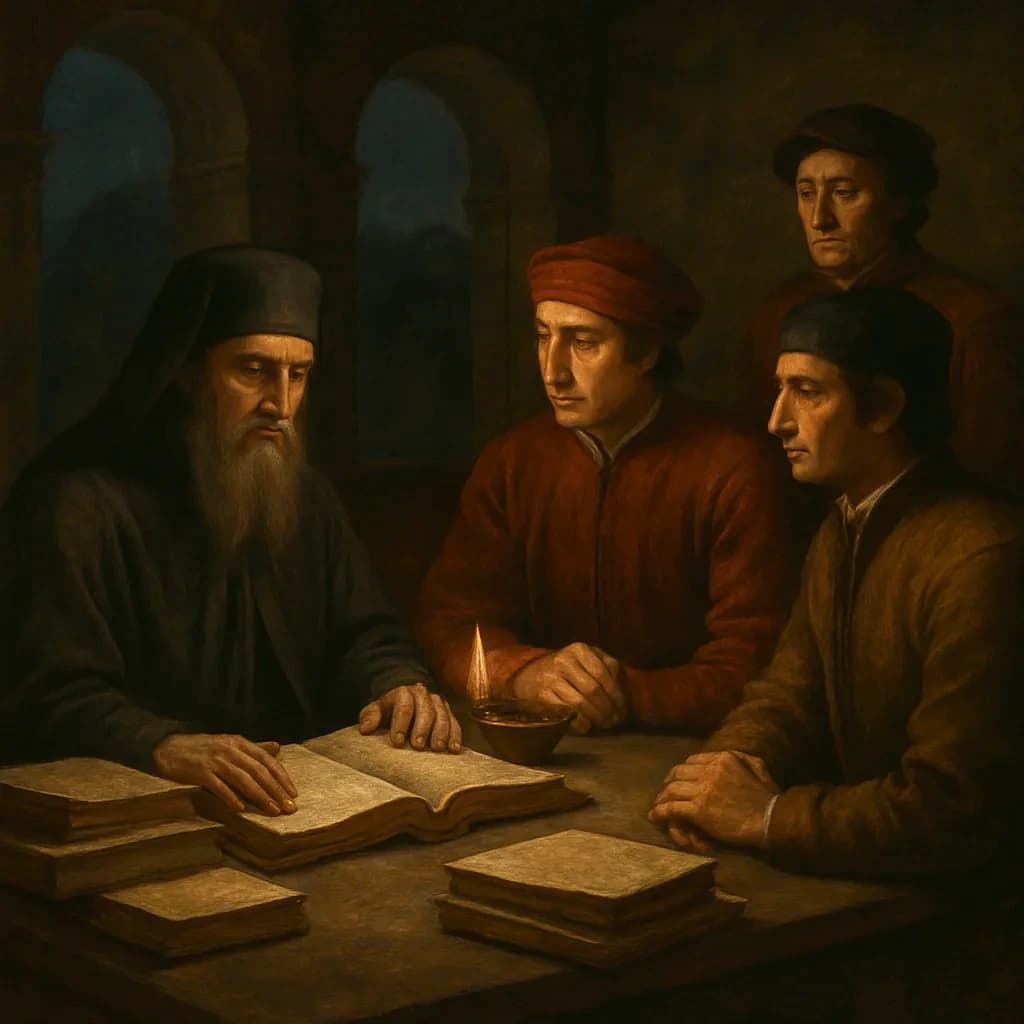
Greece Didn't Perish: It Moved to Florence
A Greek scholar reached Florence carrying no gold and no weapons, only what was packed inside his own head.
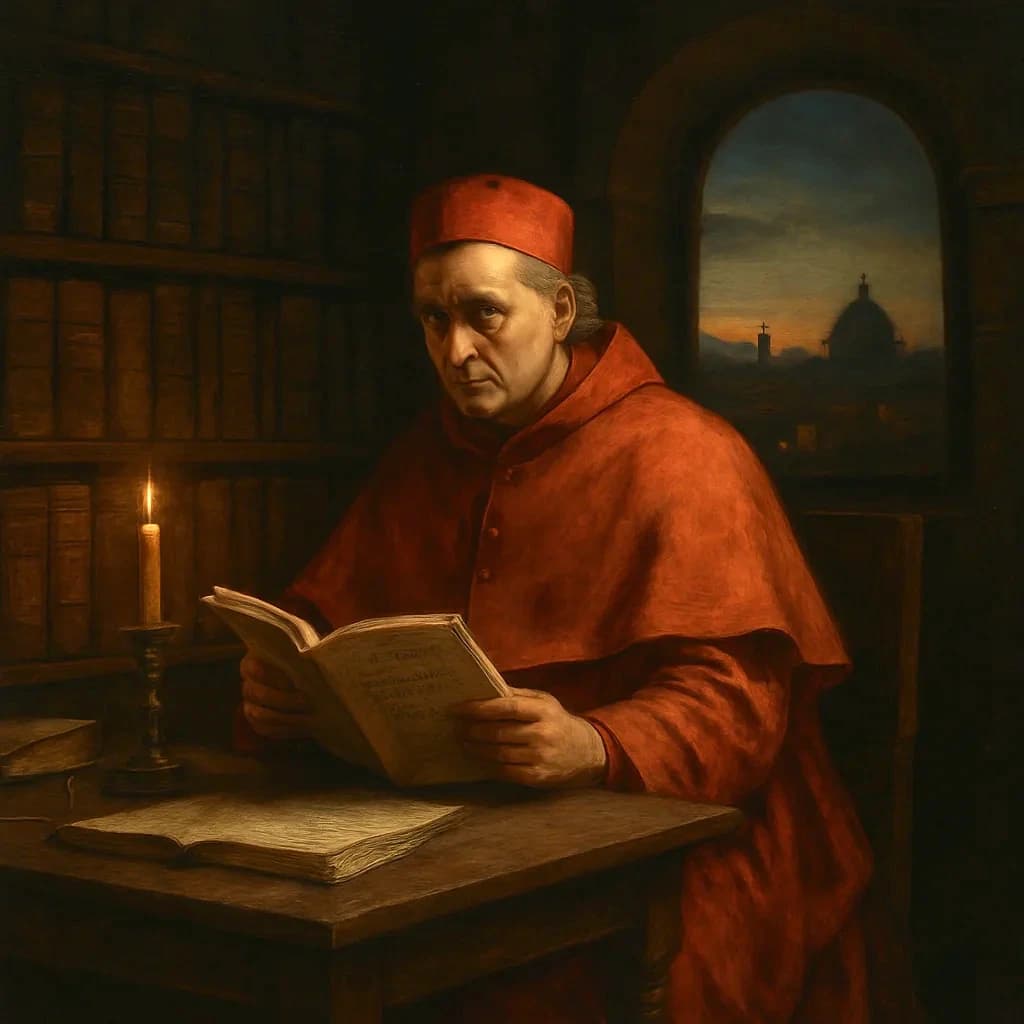
Bessarion's 482 Books That Built the Renaissance
A Turkish sultan captured the most important library in the Western world, and a Greek cardinal spent the rest of his life buying it back, one manuscript at a time.
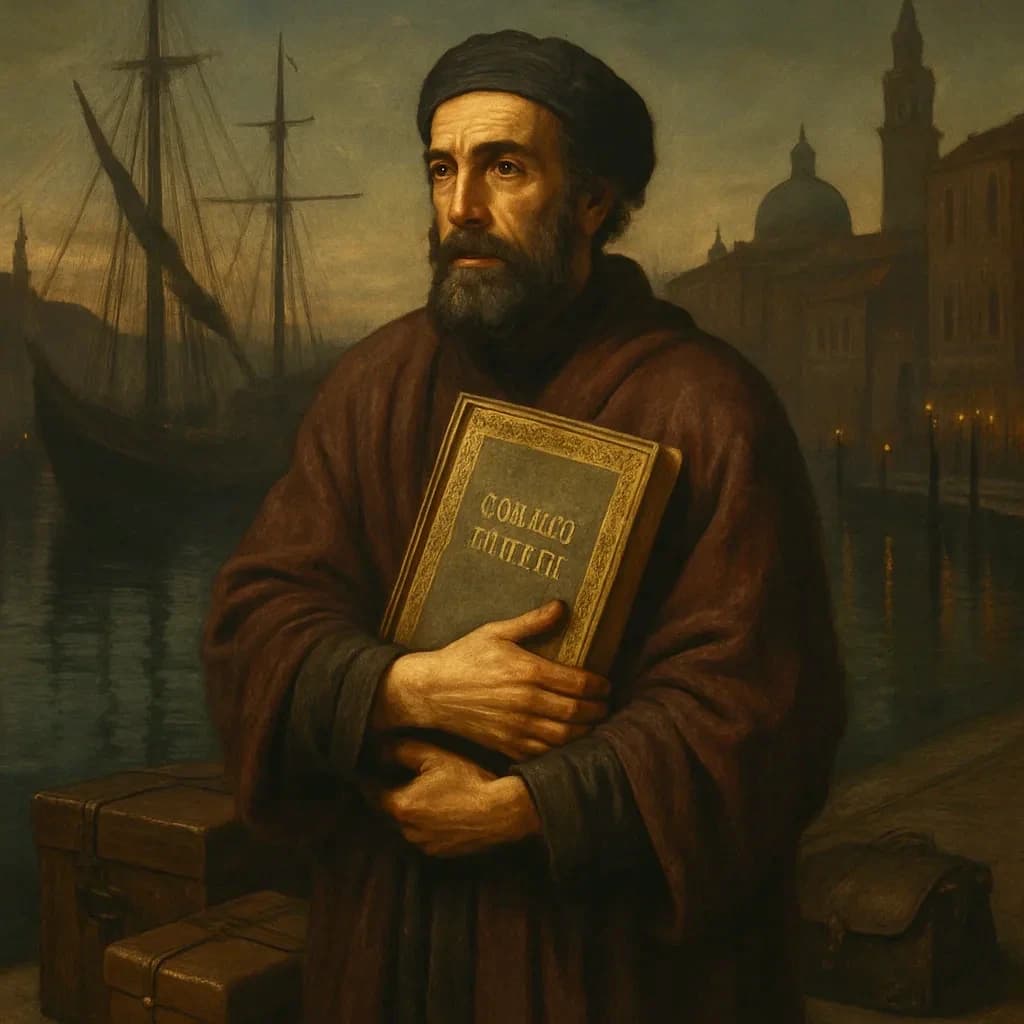
The Manuscripts Byzantine Refugees Smuggled Out of Constantinople
As Constantinople fell in 1453, a Byzantine scholar carried something out of the dying city that would quietly reshape Western civilization: not gold, not relics, but a stack of ancient Greek manuscripts nobody in Europe knew existed.
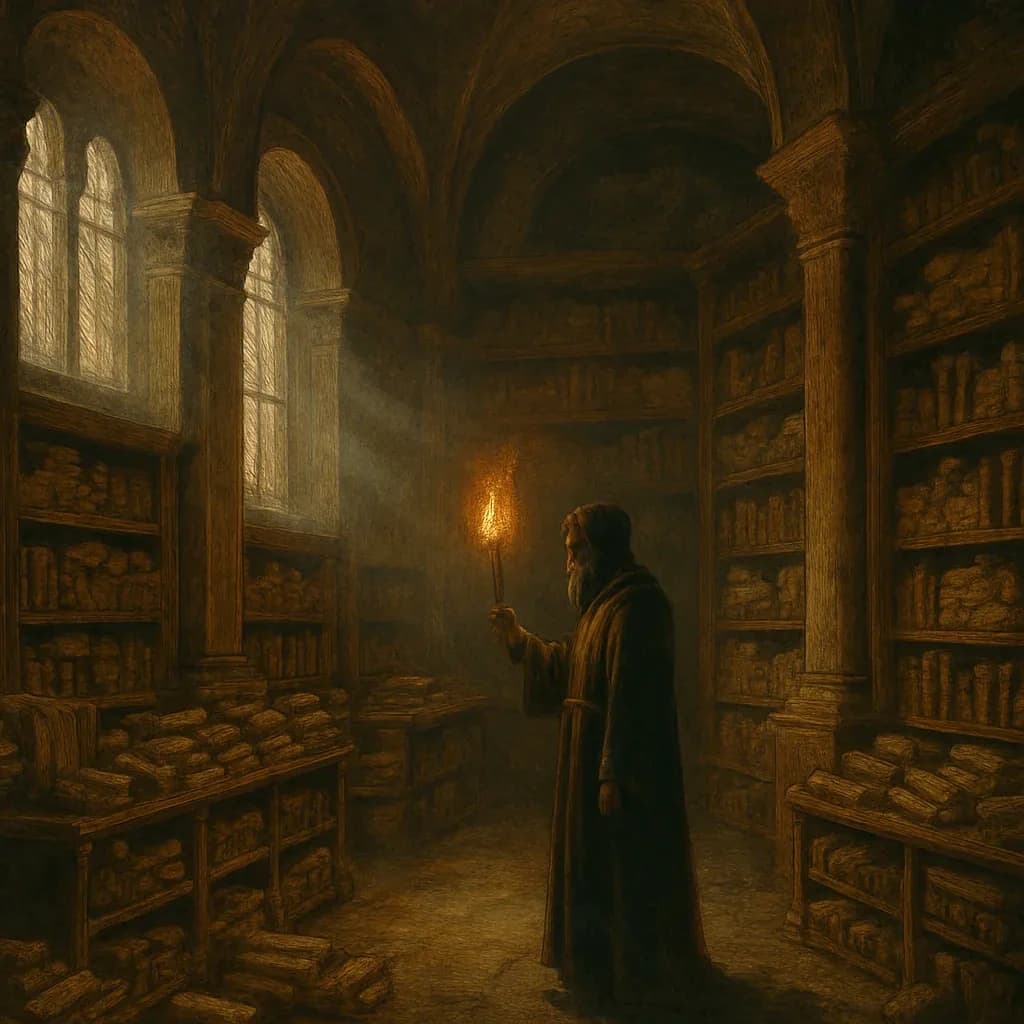
Burn the Library Before Constantinople Falls
A Byzantine general's strangest order: burn every book in the city before the enemy arrives.
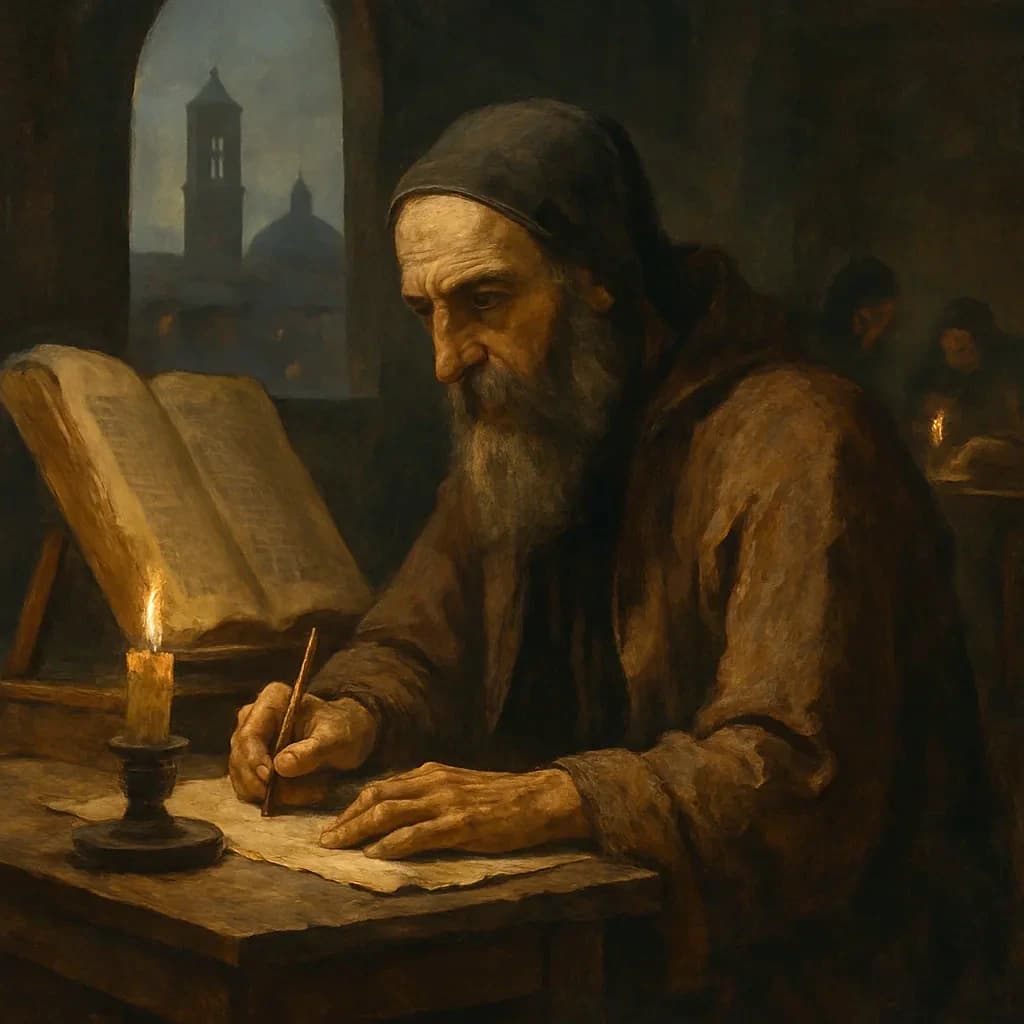
A Dying Scholar's Greek Bible Helped Break Rome
A dying Byzantine scholar smuggled one last book to the West in 1453, and helped trigger the Protestant Reformation.
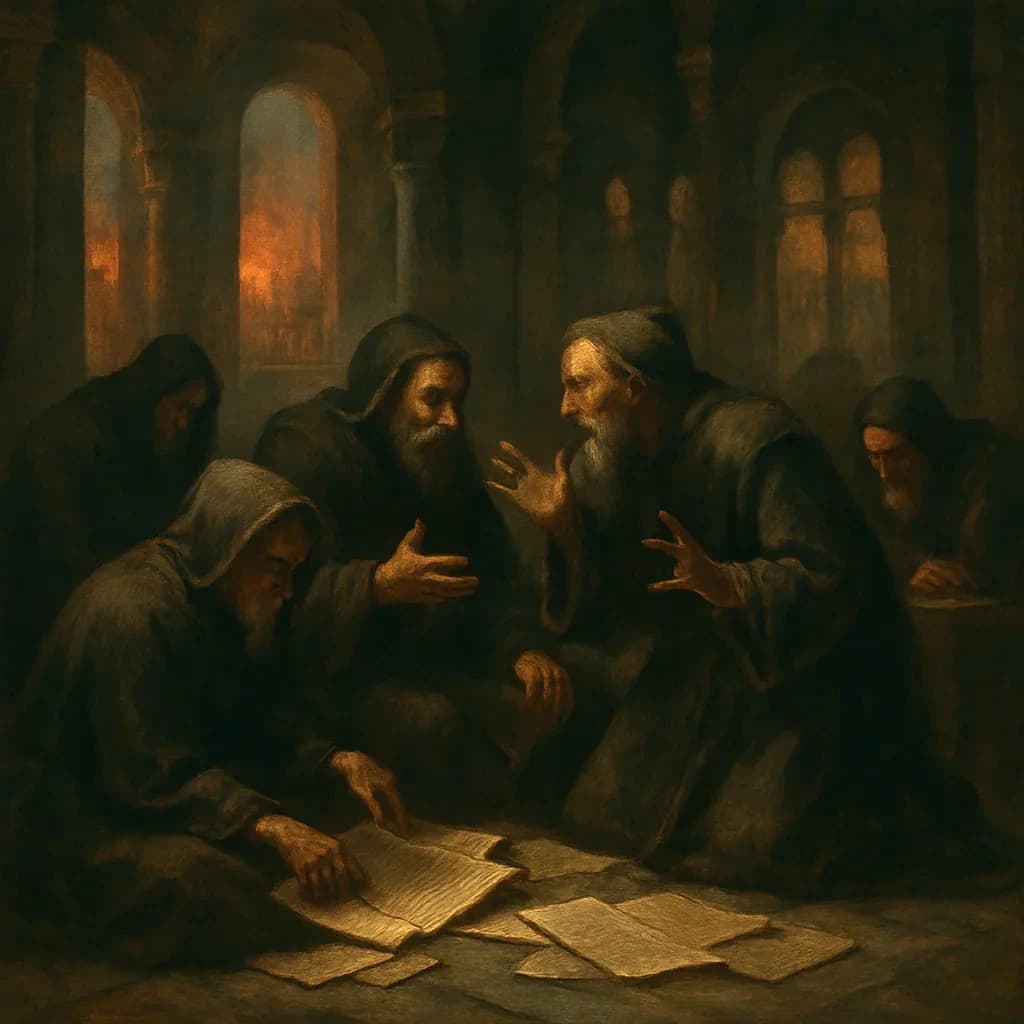
When Byzantium Forgot Its Password
The capital of the Eastern Roman Empire fell because nobody could remember what to call their emperor.
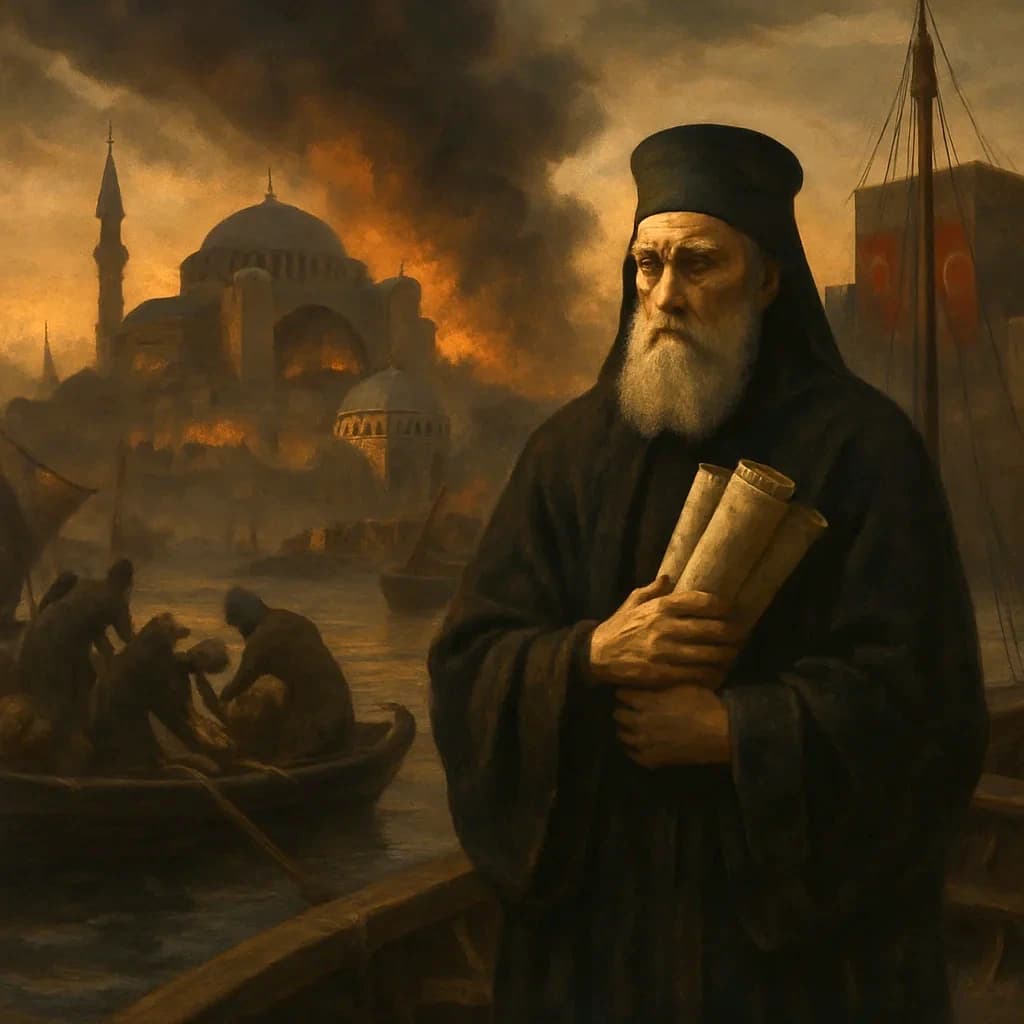
One Cardinal Chose Which Ancient Books Would Survive
A single scholar faced a decision in 1453 that would determine whether the Renaissance happened, or died stillborn in the ashes of Constantinople.
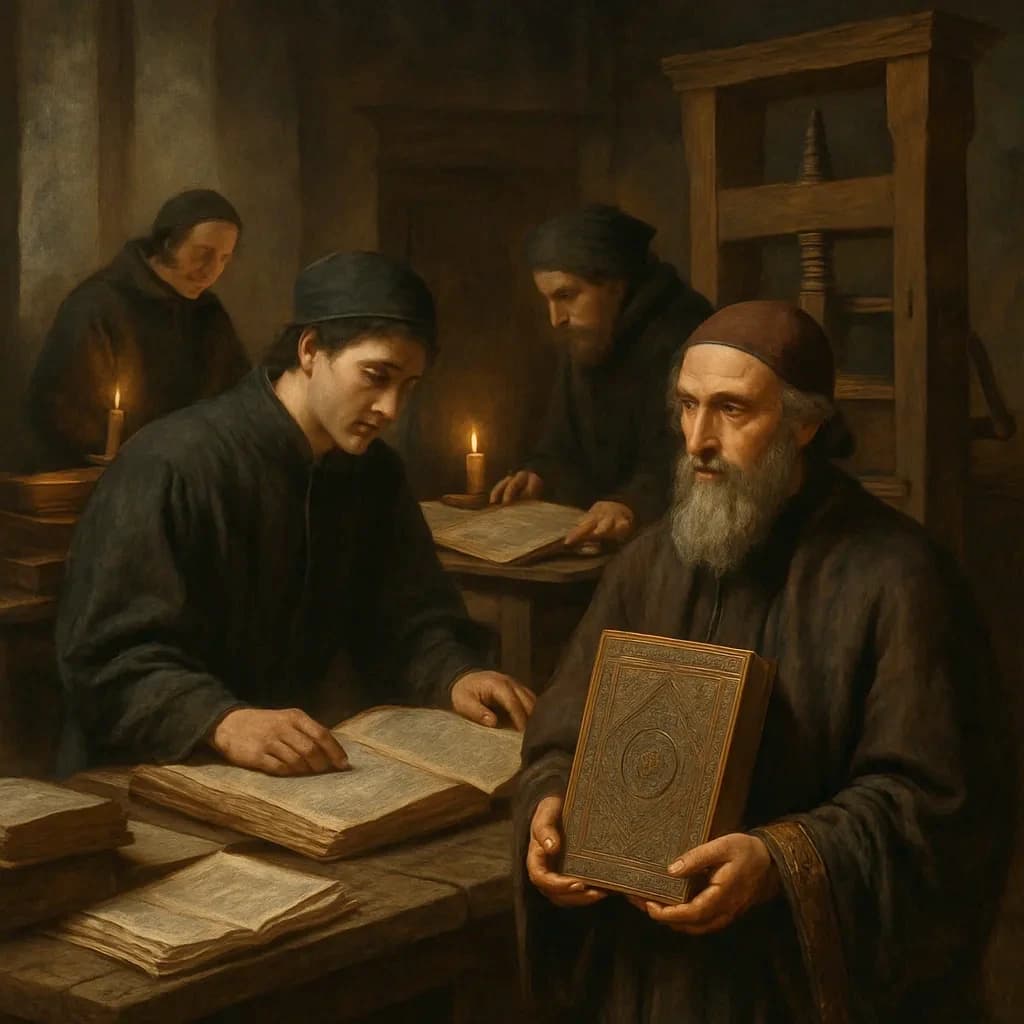
Galen's Greek Original: The Book That Made Medicine Worse
A Greek scholar fled the fall of Constantinople in 1453 carrying the most important book in Europe, and nobody could read what it actually said.
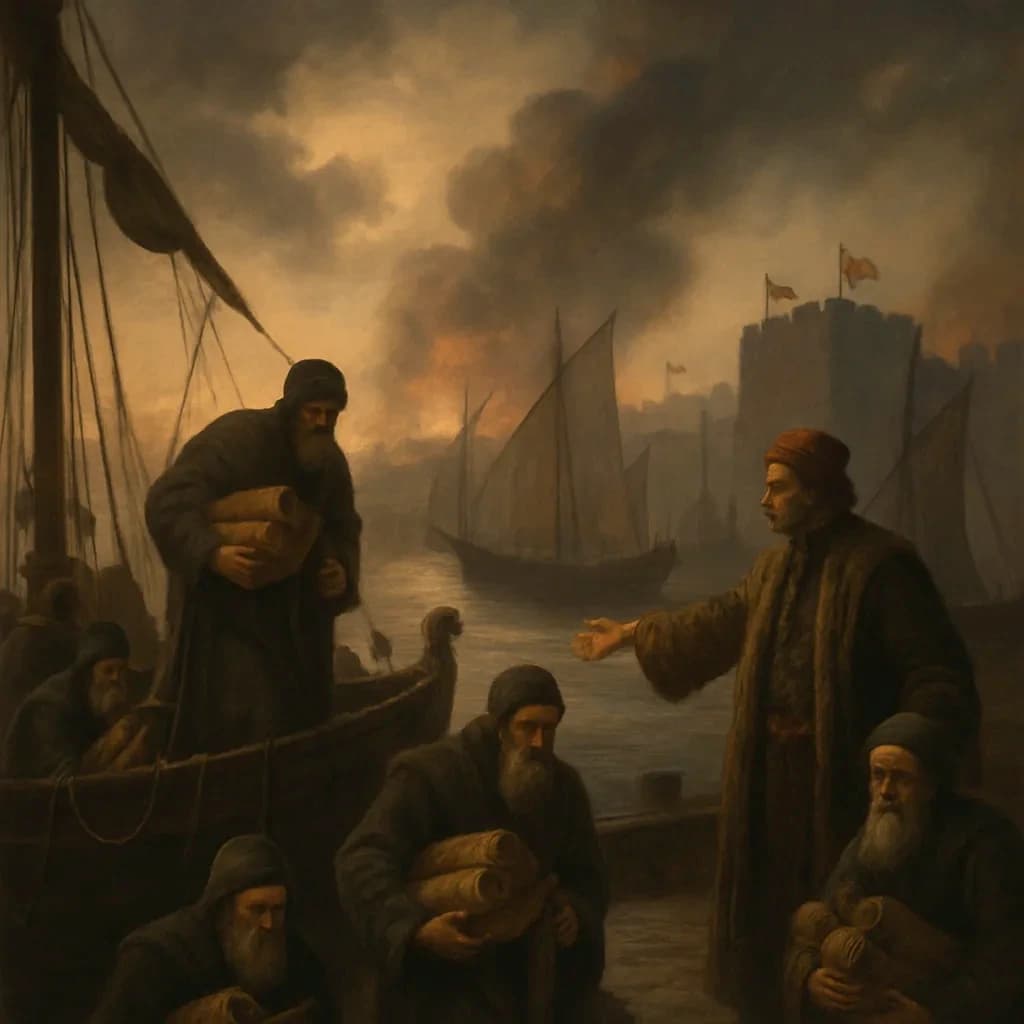
When Venice Saved the World by Going Bankrupt
The most catastrophic financial collapse in history accidentally preserved everything we know about ancient Greece and Rome.
- Monfasani, John. 'Byzantine Scholars in Renaissance Italy: Cardinal Bessarion and Other Emigrés.' Ashgate Variorum, 1995.
- Harris, Jonathan. 'Greek Emigres in the West, 1400-1520.' Camberley: Porphyrogenitus, 1995.
- Labowsky, Lotte. 'Bessarion's Library and the Biblioteca Marciana.' Sussidi Eruditi, Rome: Edizioni di Storia e Letteratura, 1979.