
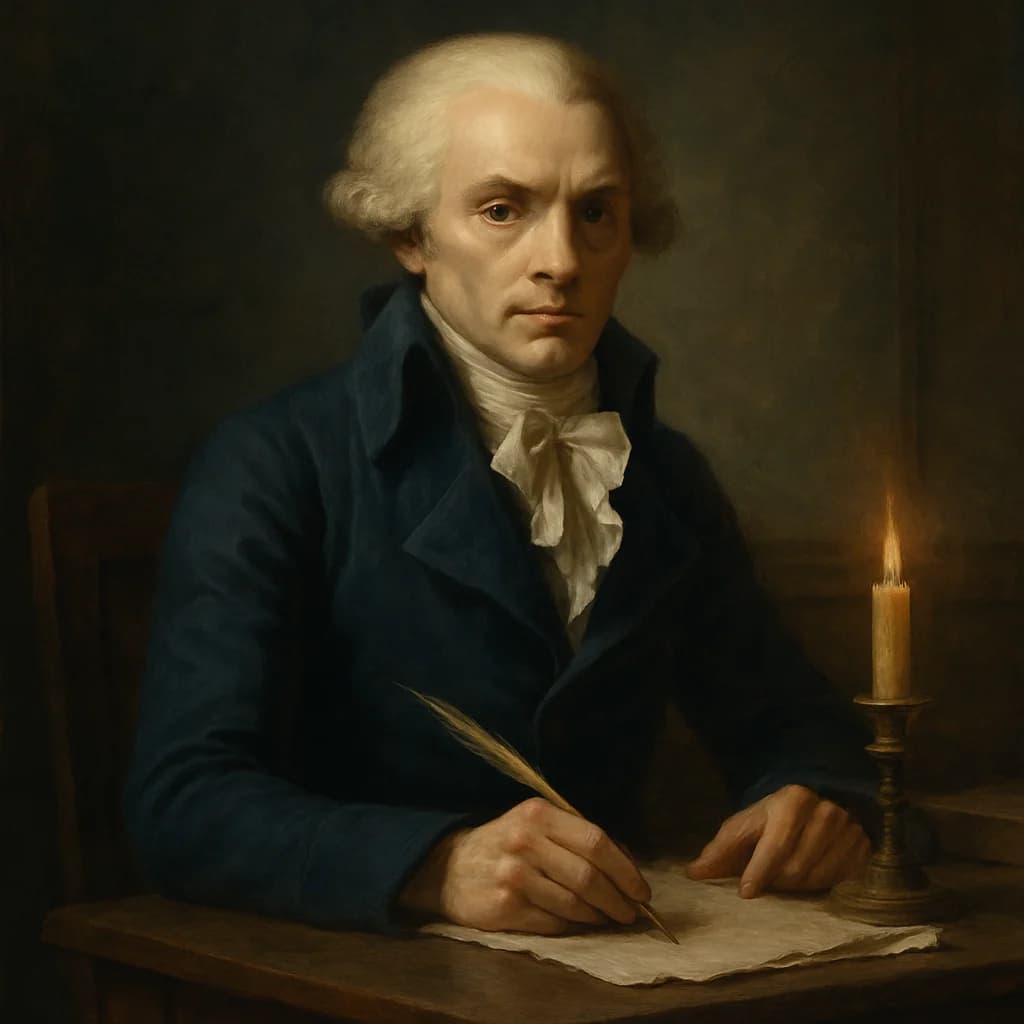
Maximilien Robespierre
The man who sent thousands to the guillotine was so squeamish he once fainted at an execution.
Maximilien Robespierre earned his law degree at twenty-three and immediately refused his first case (defending a man accused of theft) because he couldn't bear the thought of sending anyone to prison. This wasn't moral posturing. The future architect of the Terror genuinely believed in the sanctity of human life. He opposed the death penalty so fervently that when he was elected to represent Arras, his constituents nicknamed him "the defender of the poor."
The transformation began with a single traumatic experience in 1791. As a judge, Robespierre was required to sign a death warrant. He spent three sleepless nights agonizing over the signature, then resigned rather than participate in what he called "legal murder." Yet within two years, he would orchestrate the execution of over 16,000 people.
The key lies in his obsession with virtue, not the gentle kind, but virtue as a weapon. Robespierre genuinely believed that eliminating "corrupt" people would create a perfect society. He kept meticulous lists of who qualified as virtuous, cross-referencing their actions against his interpretation of Rousseau's philosophy. He never drank alcohol, never married, never owned property beyond his modest rooms on the Rue Saint-Honoré. His landlord's daughter described him as "the most polite boarder we ever had," a man who said please and thank you even as he signed execution orders.
In his final speech to the National Convention, Robespierre still insisted he had "never shed a drop of blood." Technically, he was right. He never personally operated a guillotine, never drew a sword, never fired a shot. He simply signed papers with the same careful penmanship he'd once used to defend the innocent.
Robespierre's pet dog was named Brount, and he would interrupt political meetings to feed it from his own plate, claiming that pure souls (including animals) deserved equal consideration.
Why untold: His genuine moral convictions have been overshadowed by his role as a symbol of revolutionary excess, making it easier to dismiss him as a monster rather than examine how idealism can become fanaticism.
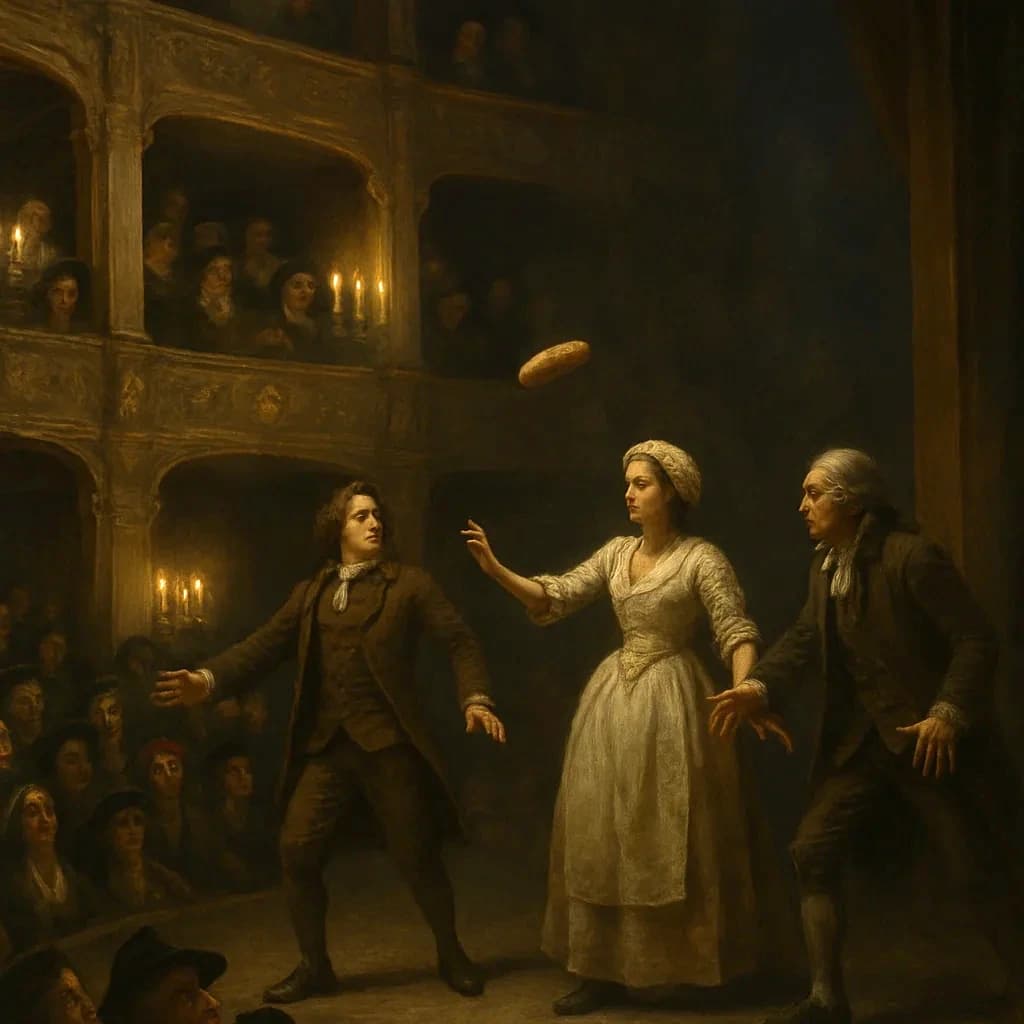
When Bread Flew Through the Air in Paris, 1793
A single loaf of bread, thrown in anger at a theater performance, would reshape how an entire revolution understood itself.
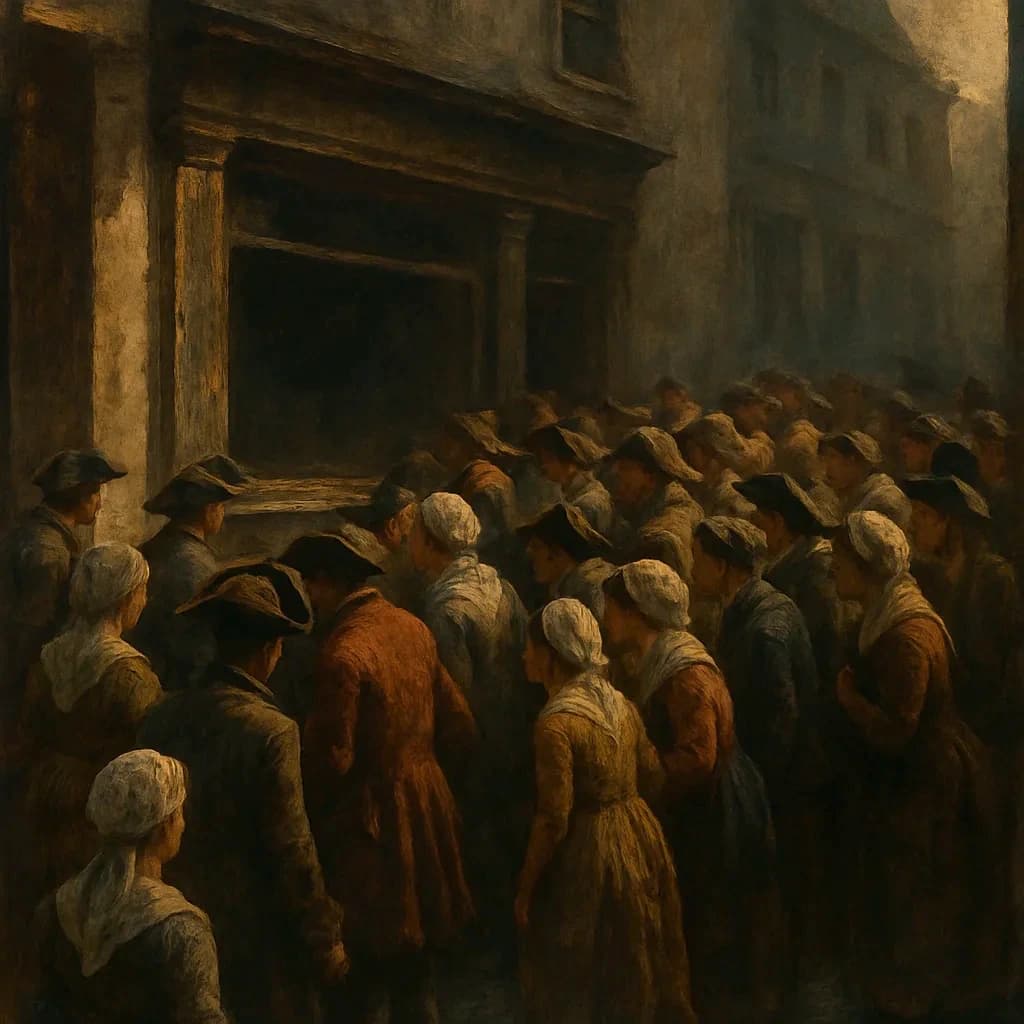
When Bread Became Bullets
A Parisian baker's morning routine accidentally triggered the deadliest day of the French Revolution.
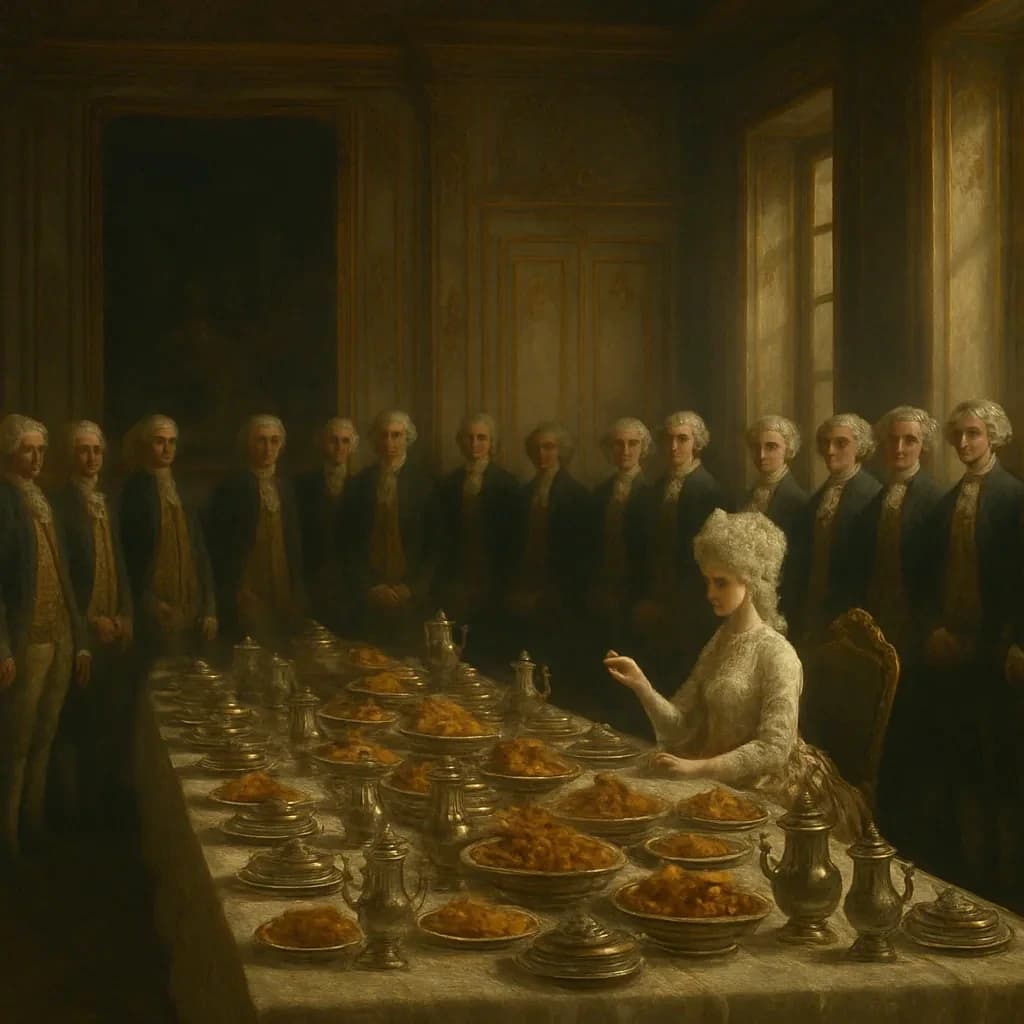
498 Cooks for One Breakfast She Wouldn't Eat
While Paris starved in 1789, Marie Antoinette's breakfast cost more than most French families earned in a year.
- Ruth Scurr, Fatal Purity: Robespierre and the French Revolution (2006)
- Peter McPhee, Robespierre: A Revolutionary Life (2012)
- Simon Schama, Citizens: A Chronicle of the French Revolution (1989)