
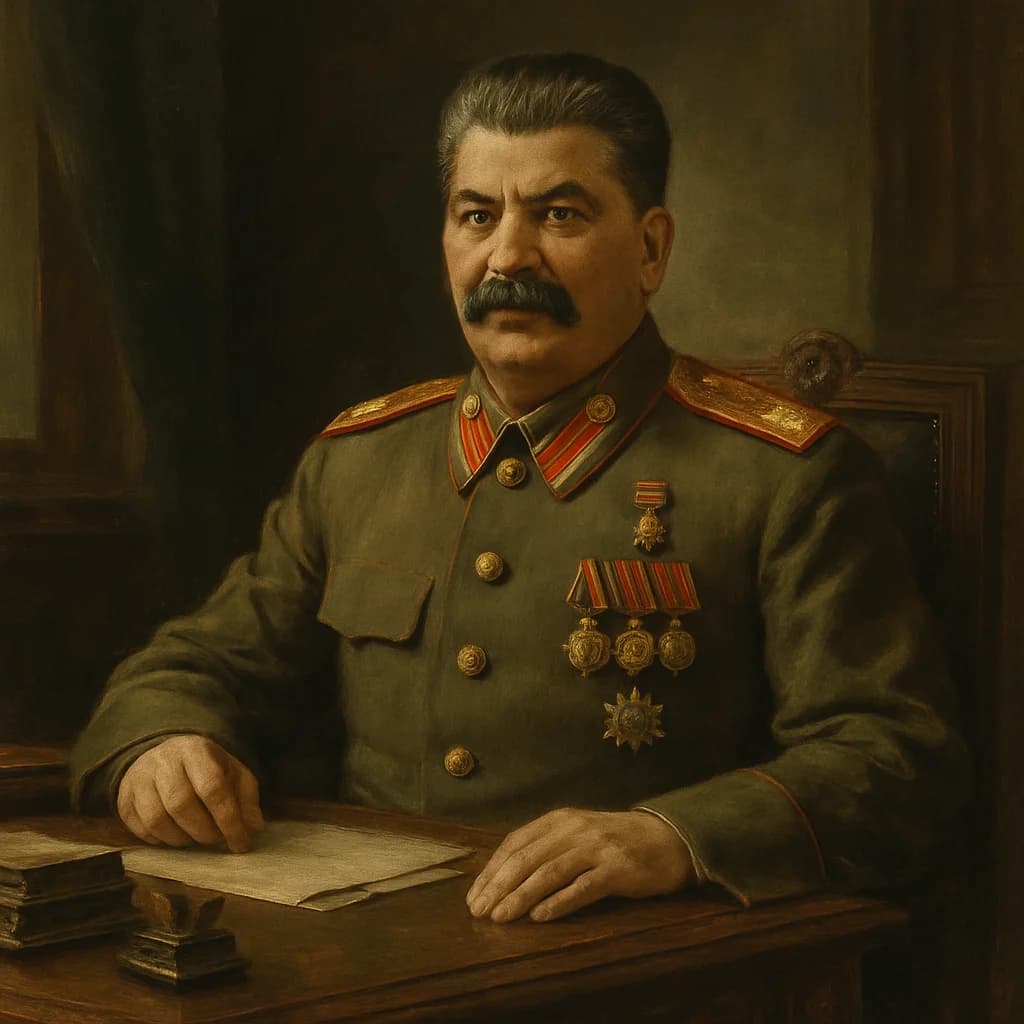
Joseph Stalin
The man who killed more people than Hitler spent his final hours alone on a urine-soaked carpet because his guards were too terrified to disturb him.
Joseph Stalin built his power on a simple principle: make everyone afraid, including those closest to you. Born Ioseb Jughashvili in 1878 Georgia, he reinvented himself so thoroughly that even his birthday became state propaganda: December 21st was easier to celebrate than his actual birth date in December 1878. The seminary student turned bank robber understood that fear was more reliable than loyalty, and he spent thirty years perfecting the art of strategic paranoia.
What made Stalin uniquely dangerous wasn't his cruelty. History had plenty of cruel rulers. It was his bureaucratic genius for systematizing terror. He created a machine that could process millions of deaths through paperwork, quotas, and administrative efficiency. The Holodomor wasn't spontaneous brutality; it was engineered famine, complete with export statistics and grain requisition targets. Even his inner circle lived in constant dread, knowing that today's comrade could be tomorrow's enemy of the people.
But Stalin's greatest fear was abandonment, and in the end, that's exactly what killed him. On March 1, 1953, he suffered a stroke in his study, but his guards had been so conditioned to never disturb him that they left him lying there for hours. When they finally found him the next day, the man who had made paranoia into a science died alone, exactly as he had lived, surrounded by people too afraid to get close.
The irony was perfect: Stalin's system worked so well that it killed its creator. His guards followed orders to the letter, even when those orders meant letting their leader die on the floor.
Stalin's death was delayed by nearly 24 hours because his staff was so terrified of his wrath that they assumed he was sleeping late and refused to check on him until the next evening.
Why untold: His reputation as a strategic mastermind overshadows the self-destructive paranoia that ultimately made him vulnerable to the very system he created.
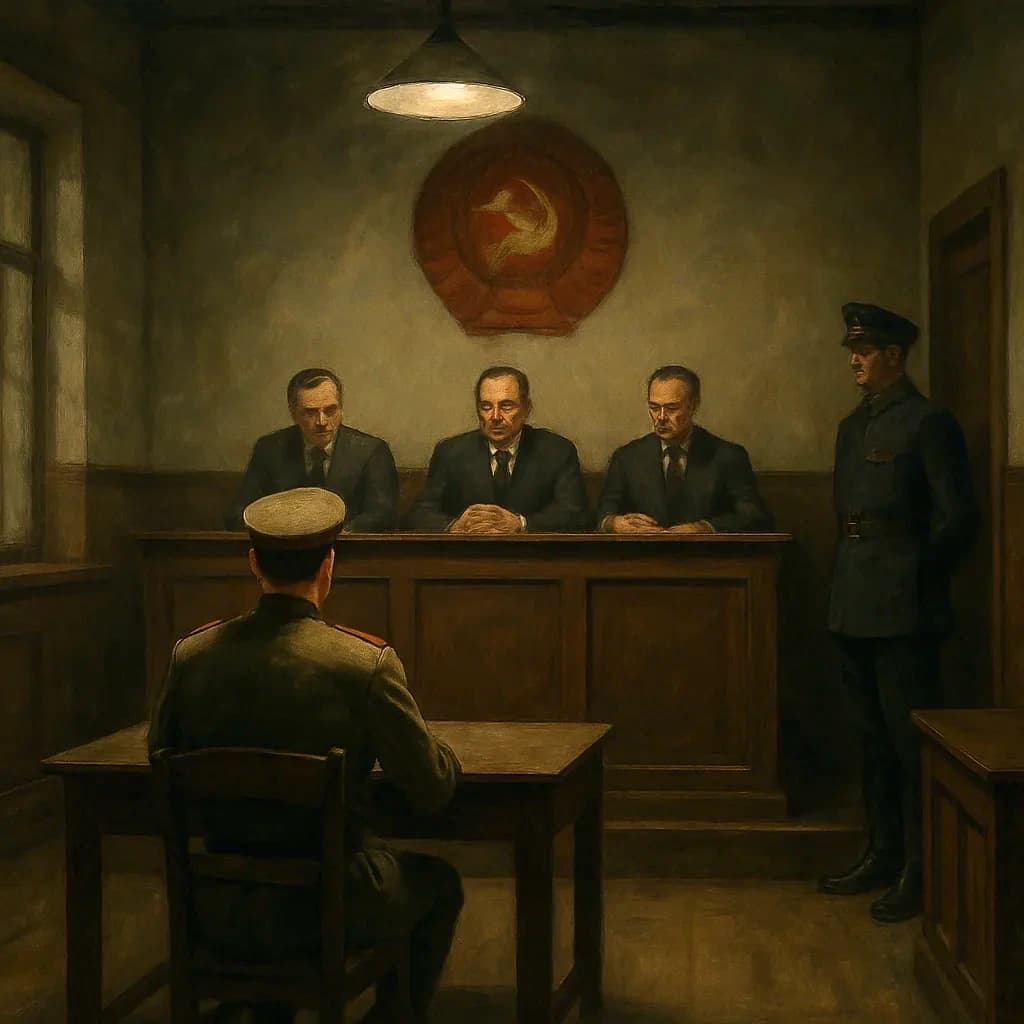
A Forged Letter Gutted Stalin's Army Before Hitler Could
A single forged document destroyed one of history's most capable military forces, and the man who wrote it never fired a shot.
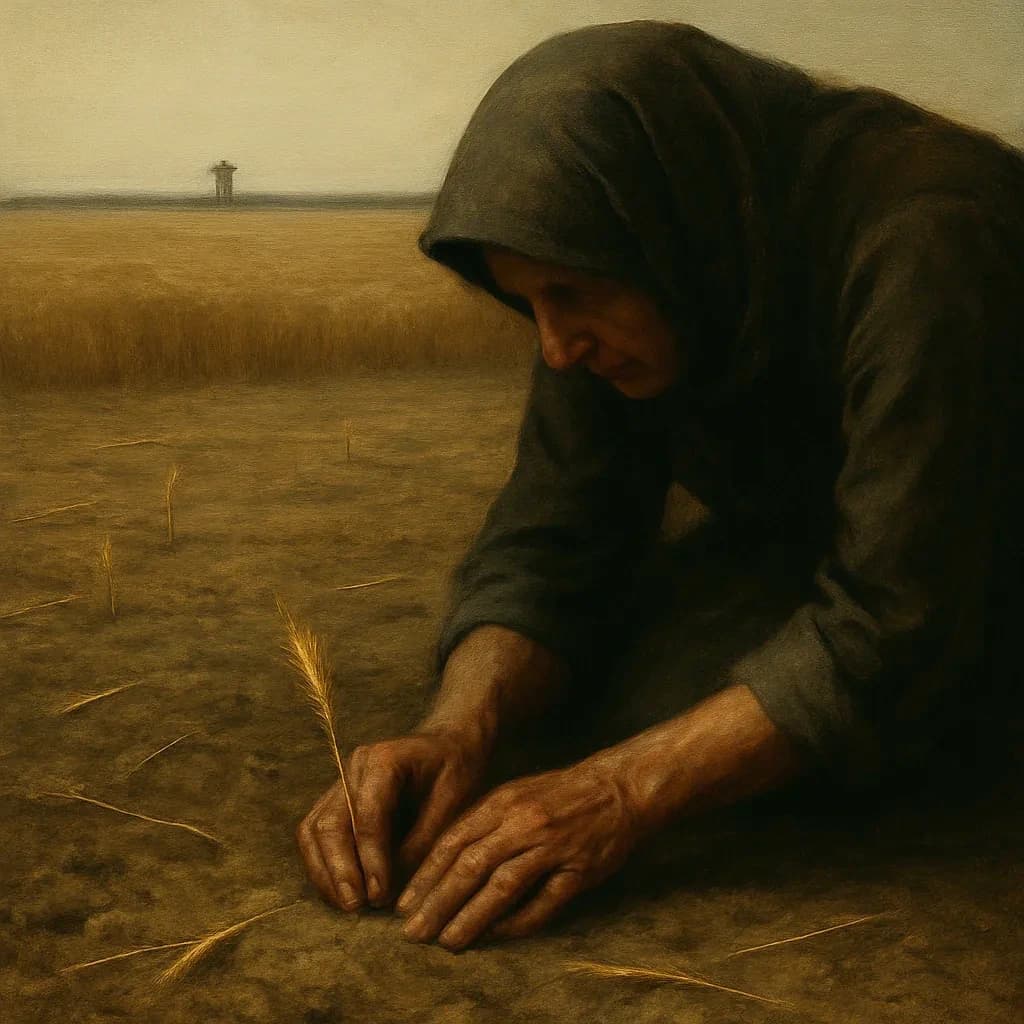
Dropping One Ear of Wheat Became a Death Sentence
In 1932, a Soviet law made dropping a single ear of wheat a capital offense. It didn't feed anyone, but it killed millions.
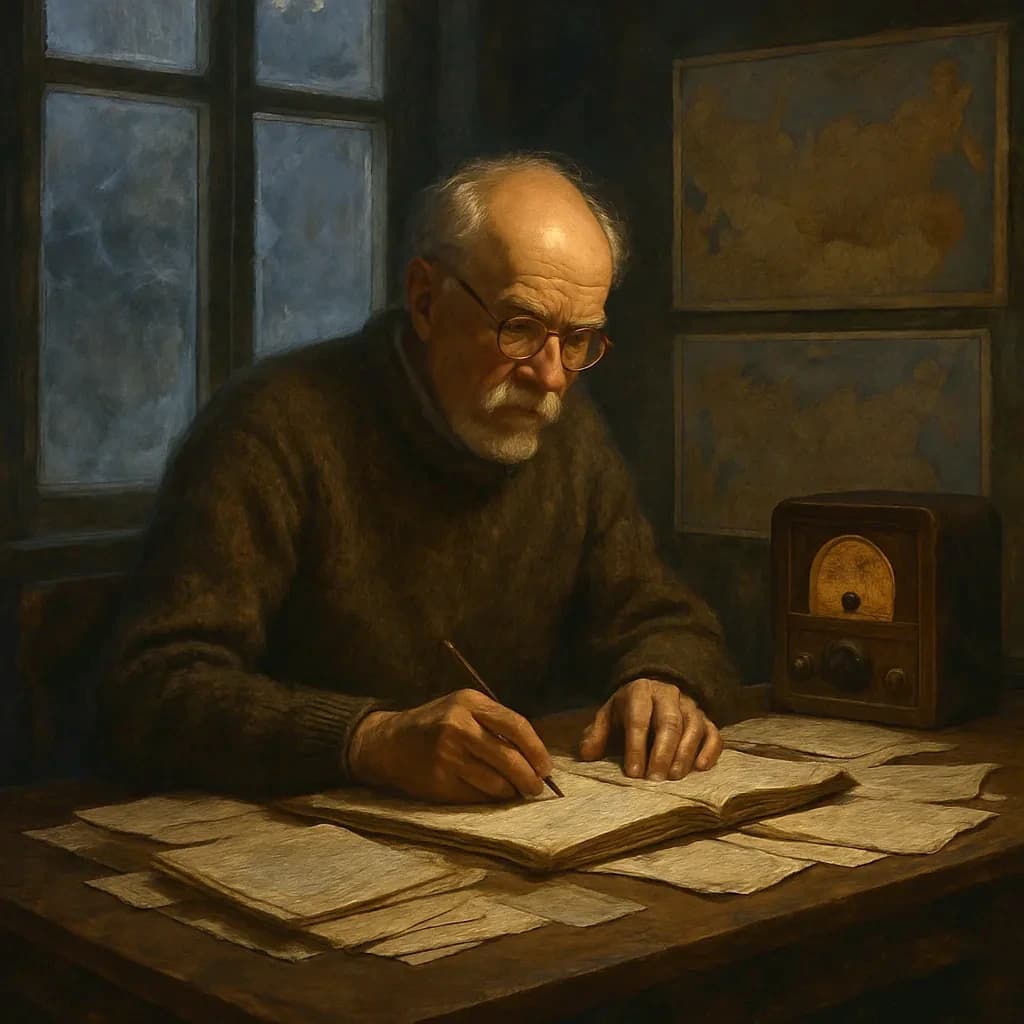
A Linguist's Extinct Dialect Saved Finland from Soviet Invasion
A Finnish linguist's obsession with an extinct Siberian dialect accidentally saved his country from Soviet invasion.
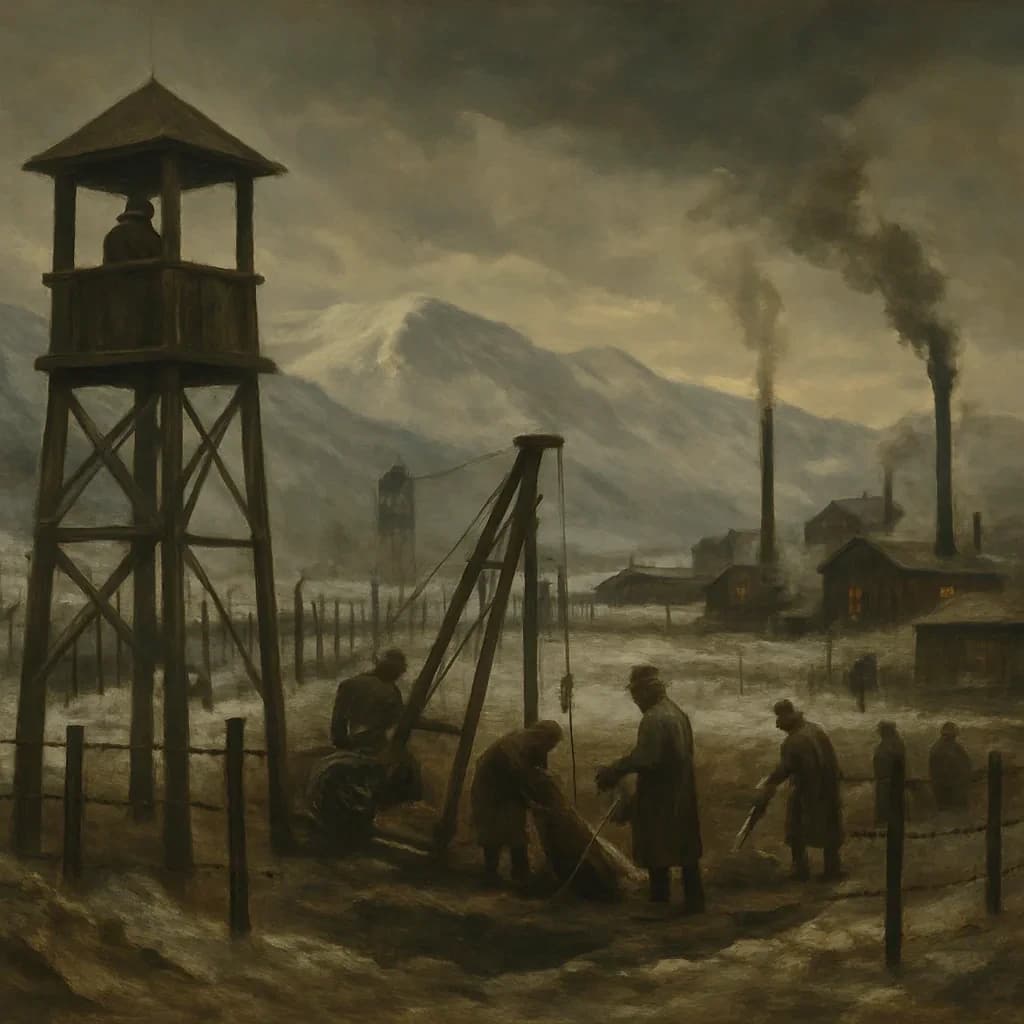
Stalin's Buried Uranium and Japan's Doomed Atomic Bomb
A frozen wasteland in Russia held the key to ending World War II in the Pacific, and nobody in Tokyo knew it existed.
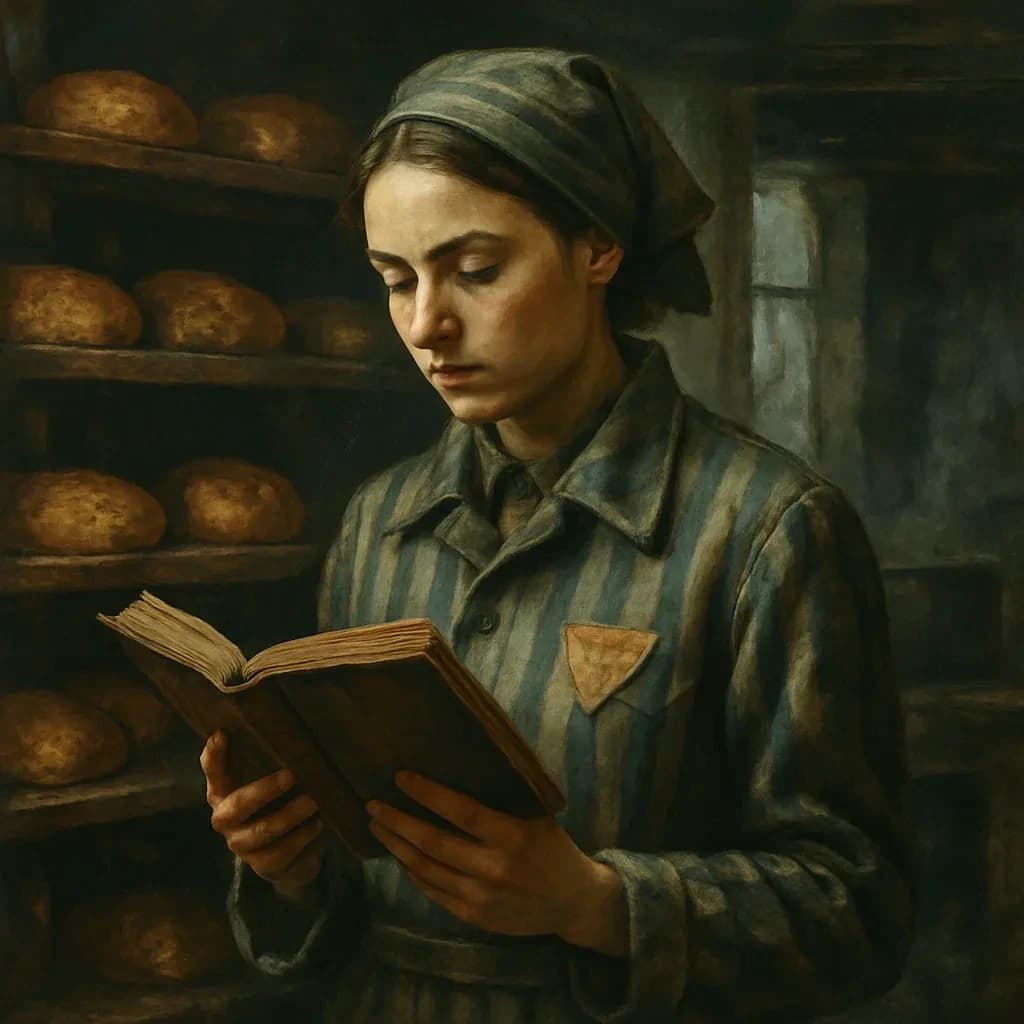
She Swallowed the Recipe That Fed Millions
A 22-year-old camp cook tore one page from a German cookbook in 1943, then swallowed it, and ended up solving Stalin's food crisis.
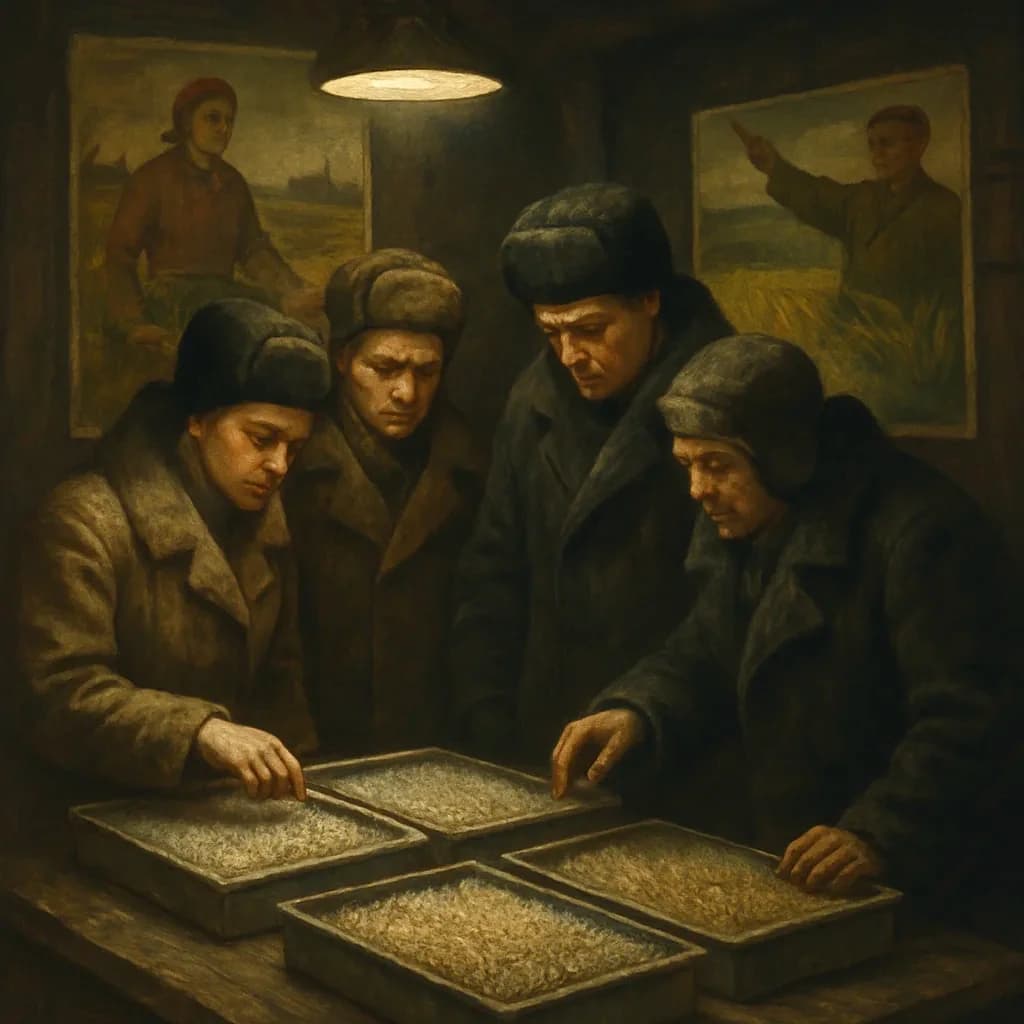
The Fake Science Stalin Wanted to Believe
A grain inspector named Trofim Lysenko claimed in 1928 that he could triple wheat yields by freezing seeds, and Stalin believed him.
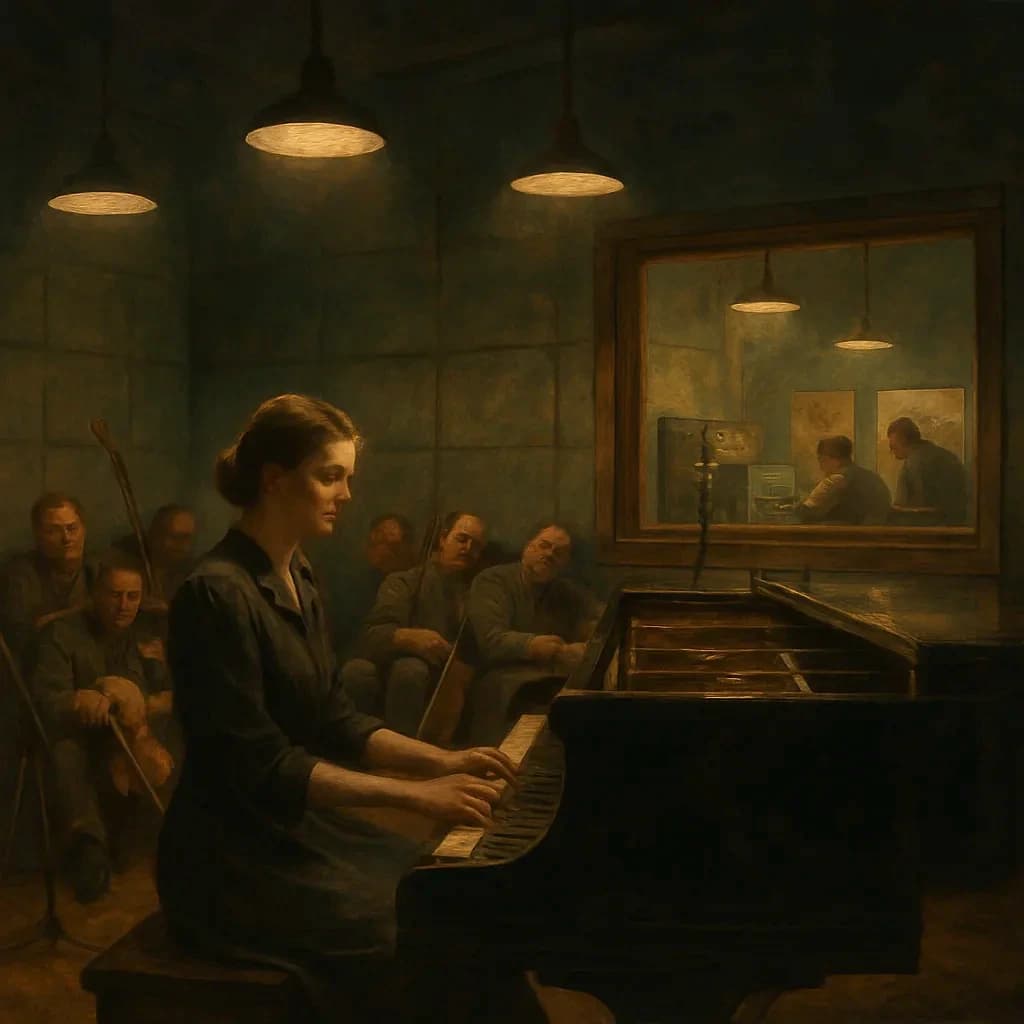
Stalin Phoned at 3 AM Demanding a Private Recording
When Stalin called for a private recording at 3 AM, no one mentioned the pianist was trembling so badly she could barely hold the phone.
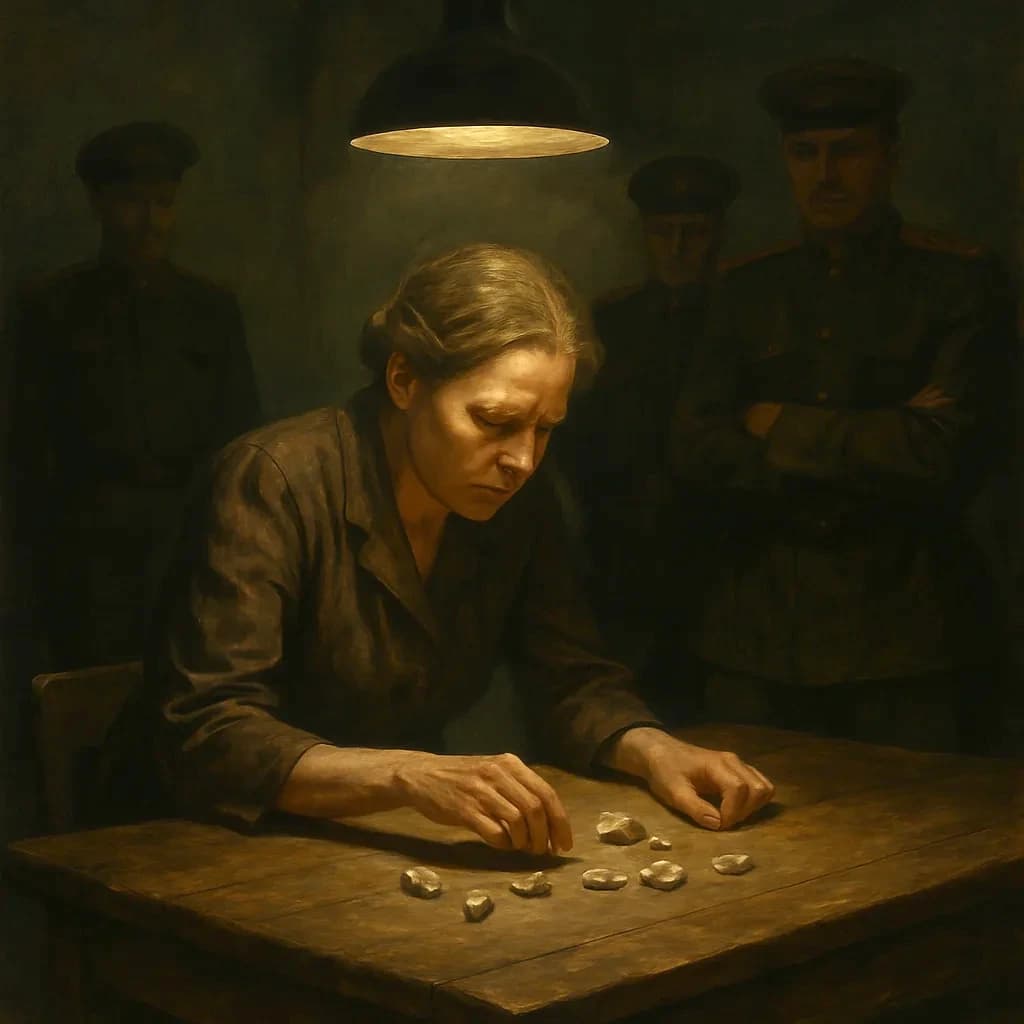
She Could Prove Hitler Died by His Teeth
The Allies thought capturing Hitler's dentist would finally prove the Führer was dead, until his assistant started talking.
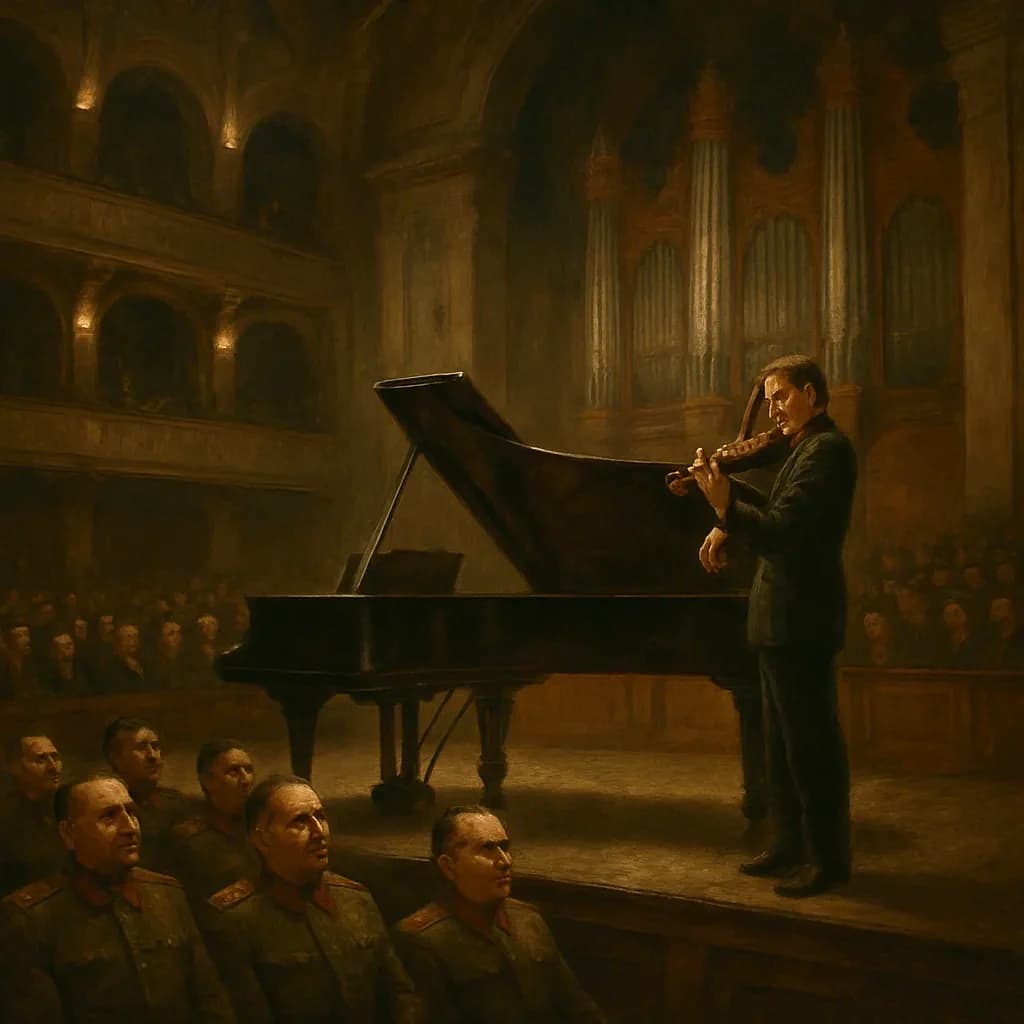
Five Seconds of Silence in a Moscow Theater
A piano accompanist's split-second hesitation during a 1943 concert may have saved Stalin from assassination.
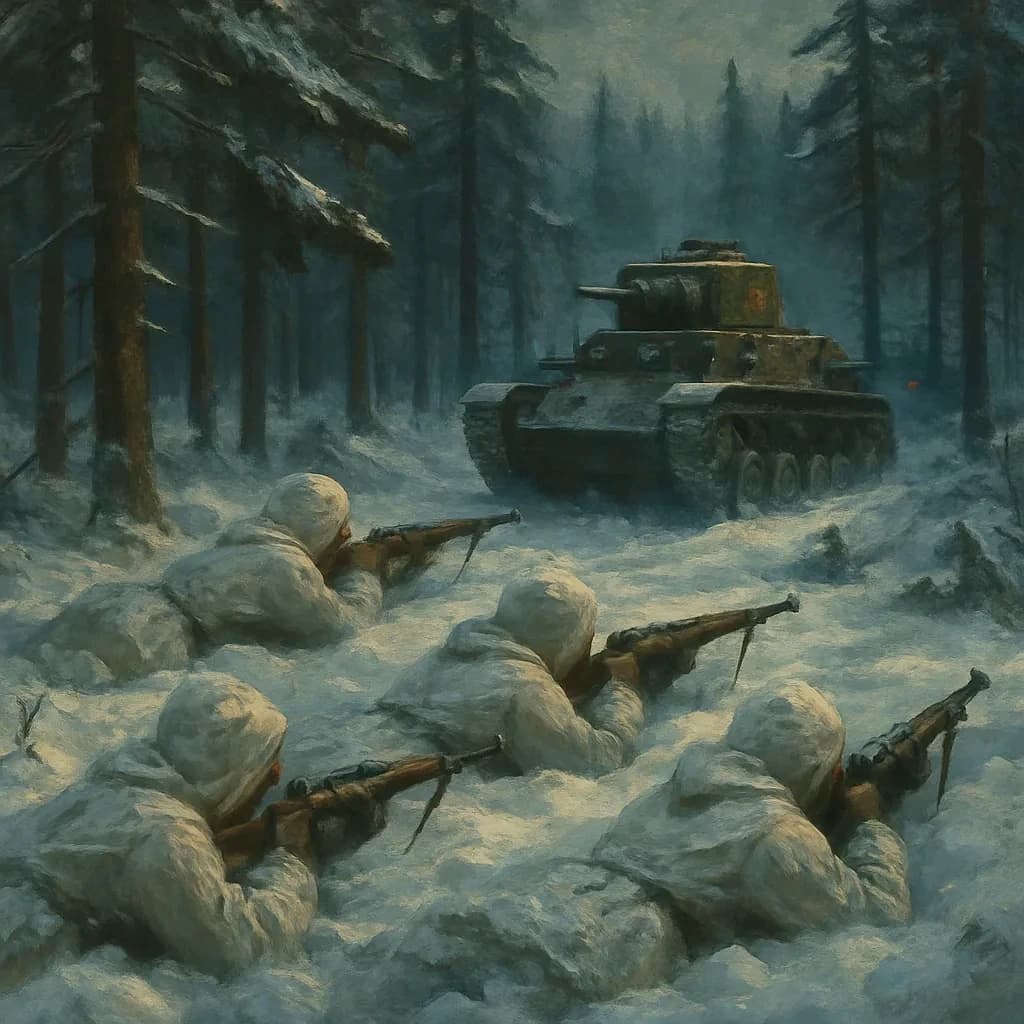
A Parish Priest Caused Military History's Most Embarrassing Defeat
A parish priest picked up a rifle on December 6, 1939, and accidentally created one of military history's most embarrassing defeats.
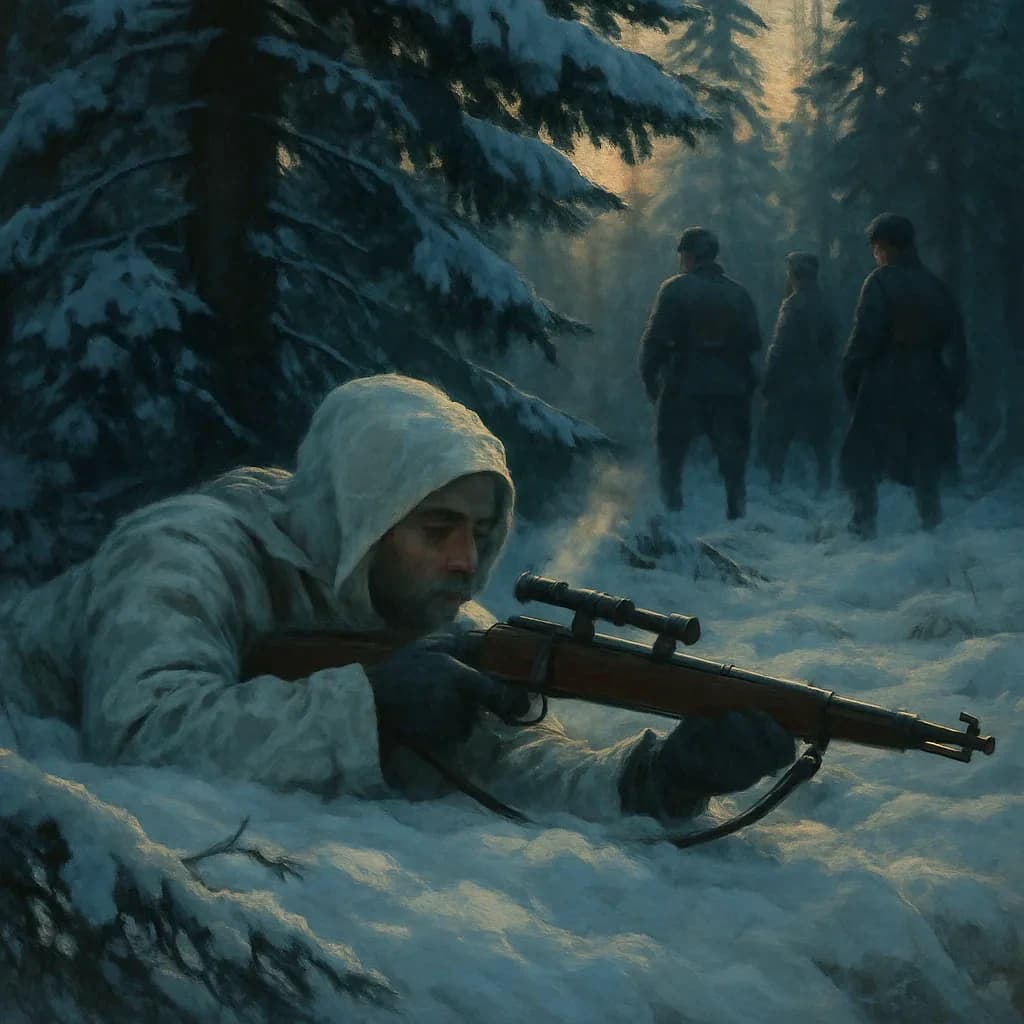
A Deserter Became History's Deadliest Marksman
In the frozen forests of Finland, one man's betrayal became the deadliest marksmanship in history.
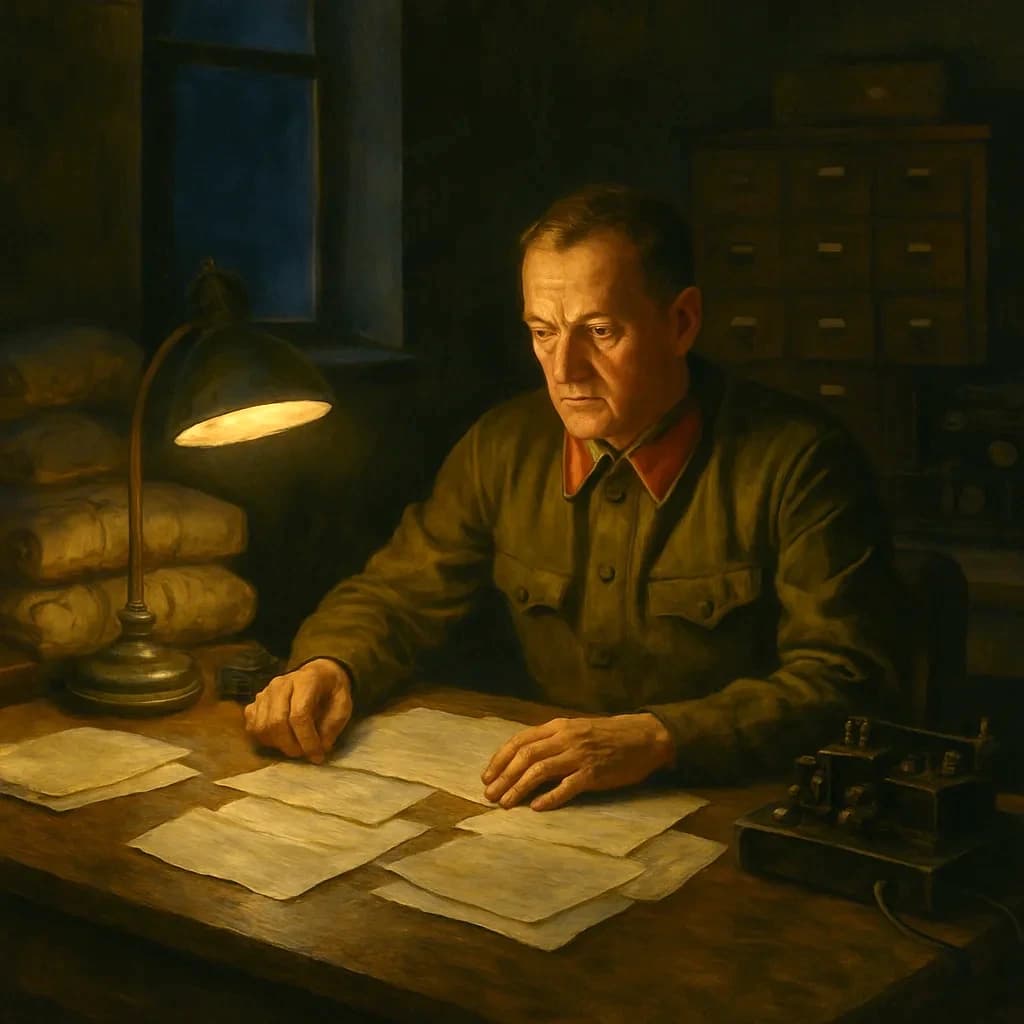
Japan's Surrender Plea Sat in Moscow for Three Days
Japan's surrender message sat undelivered in a Moscow telegraph office for three crucial days while Stalin's armies raced across Manchuria.
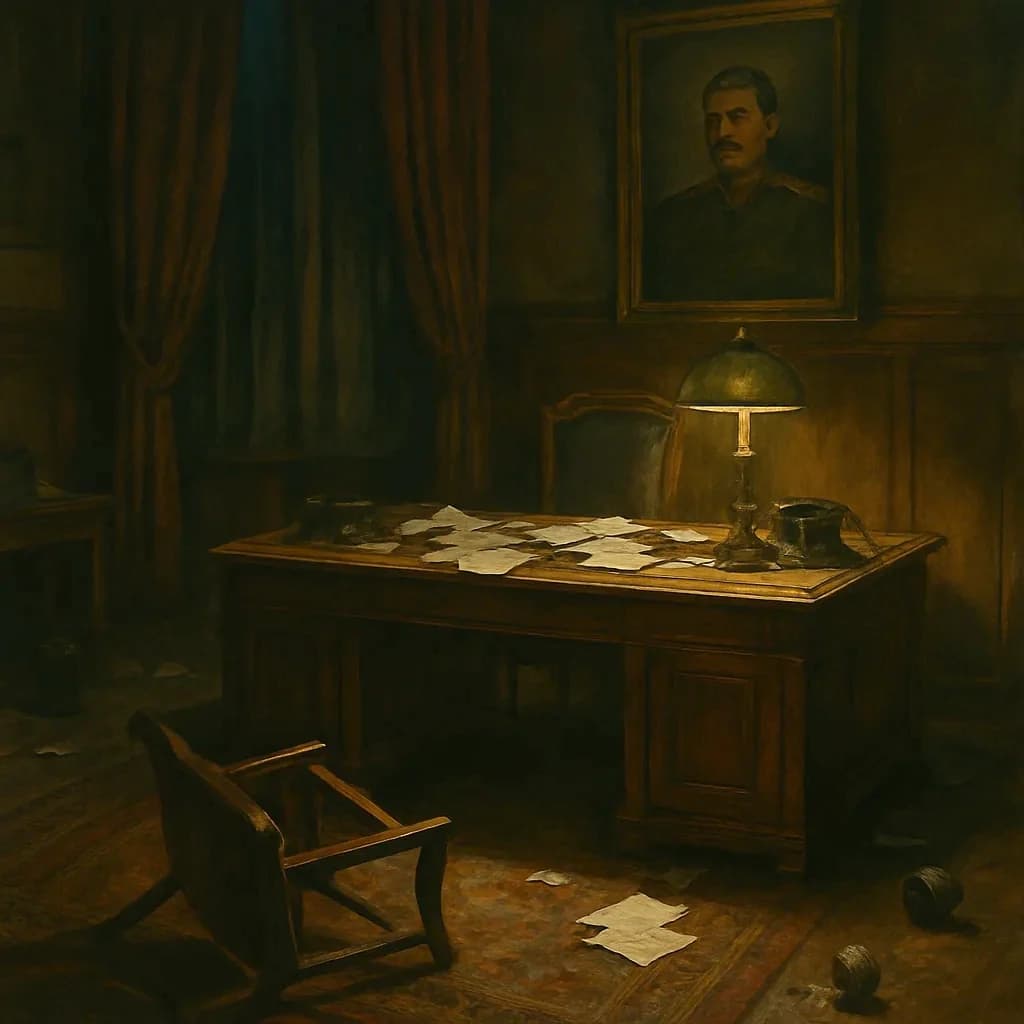
The Night Stalin Couldn't Find His Guards
On March 1, 1953, the most paranoid man in the world lay dying on his office floor while his terrified staff stood outside, afraid to check on him.
- Sebag Montefiore, Simon. Stalin: The Court of the Red Tsar. 2003.
- Kotkin, Stephen. Stalin: Paradoxes of Power, 1878-1928. 2014.
- Brent, Jonathan and Vladimir Naumov. Stalin's Last Crime: The Plot Against the Jewish Doctors. 2003.