
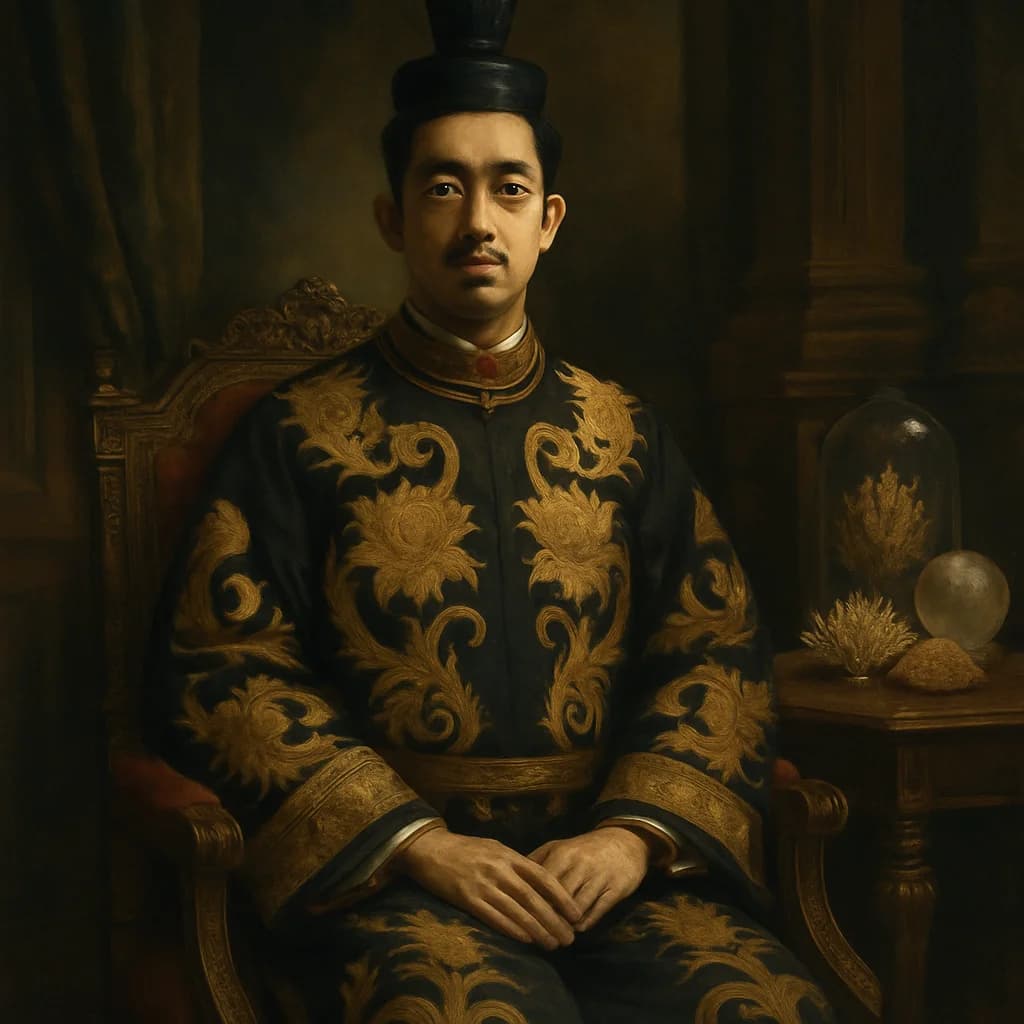
Emperor Hirohito
The emperor who supposedly ruled Japan for sixty-three years never actually made a single political decision until the day he chose to surrender.
Hirohito ascended to the throne in 1926 inheriting a peculiar form of powerlessness. While Western leaders assumed he commanded Japan's military machine, the Meiji Constitution had created something unprecedented: an emperor who reigned as a living god but governed through silence. His role was to ratify decisions made by others, speaking only in classical Japanese so archaic that most of his subjects couldn't understand him.
The man behind the divine mask was a marine biologist obsessed with hydrozoans, tiny jellyfish-like creatures he studied in his palace laboratory. While his generals planned invasions, Hirohito catalogued specimens and published scientific papers under a pseudonym. He discovered several new species and corresponded with researchers worldwide, including Americans who had no idea they were exchanging notes with their enemy's emperor. His happiest moments came not in throne rooms but hunched over microscopes, examining the intricate beauty of creatures most people never noticed.
By 1945, this reluctant deity faced an impossible choice. Japan's military leaders demanded he continue the war; his people were starving. For the first time in his reign, Hirohito broke protocol. He recorded a surrender announcement in his own voice, speaking directly to his subjects in language they could understand. The recording session required multiple takes, not because of emotion, but because he had never spoken informally in public before.
After the war, American occupiers discovered thousands of his scientific specimens and research notes. MacArthur's staff debated whether to publicize the emperor's scholarly pursuits, ultimately deciding that a god who studied jellyfish might seem too human for their purposes.
Hirohito published over thirty scientific papers on marine biology and had several newly discovered species named after him by international researchers who were unaware of his imperial identity.
Why untold: His scientific work was deliberately obscured by both Japanese propagandists who needed him to appear divine and American occupiers who preferred to maintain his mystique for political stability.
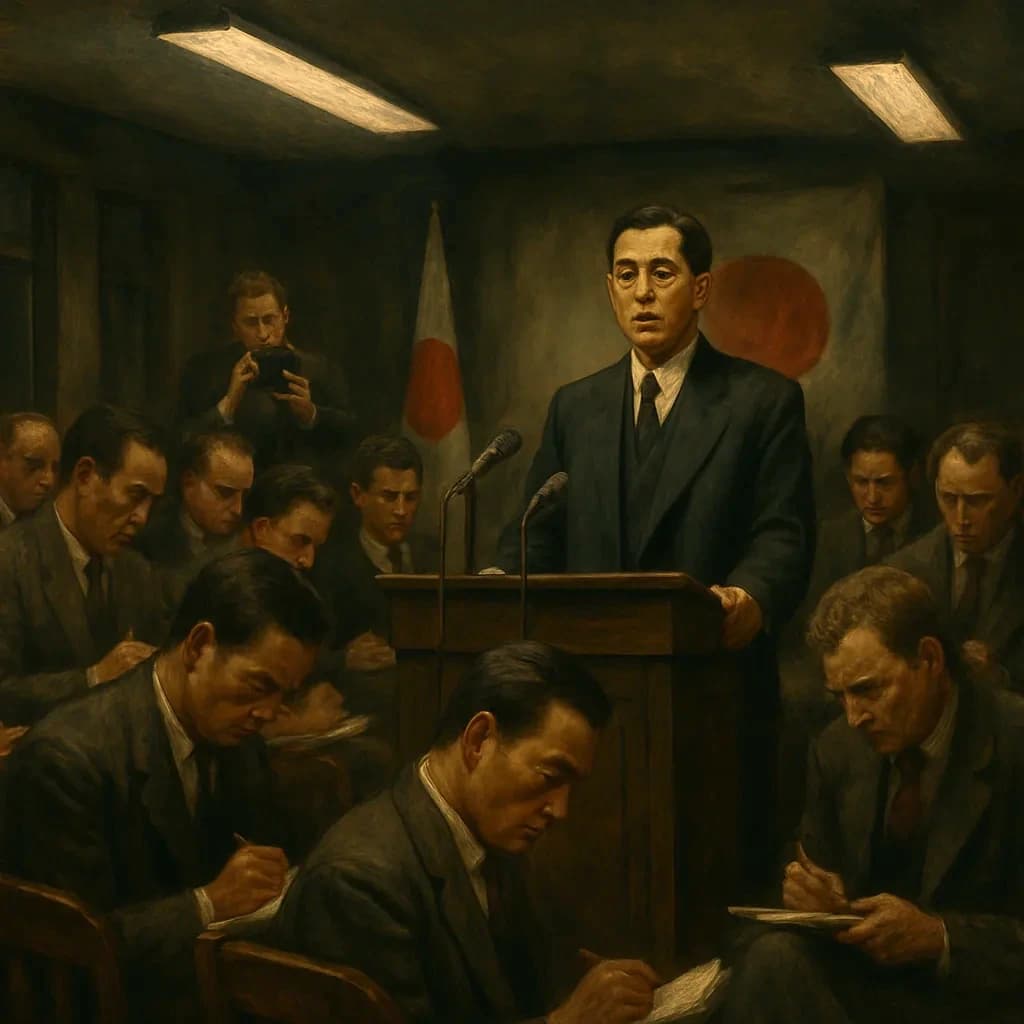
The Japanese Word America Read as Defiance
Japan was ready to negotiate an end to the Pacific War in 1945, and a single Japanese word may have guaranteed that it wouldn't.
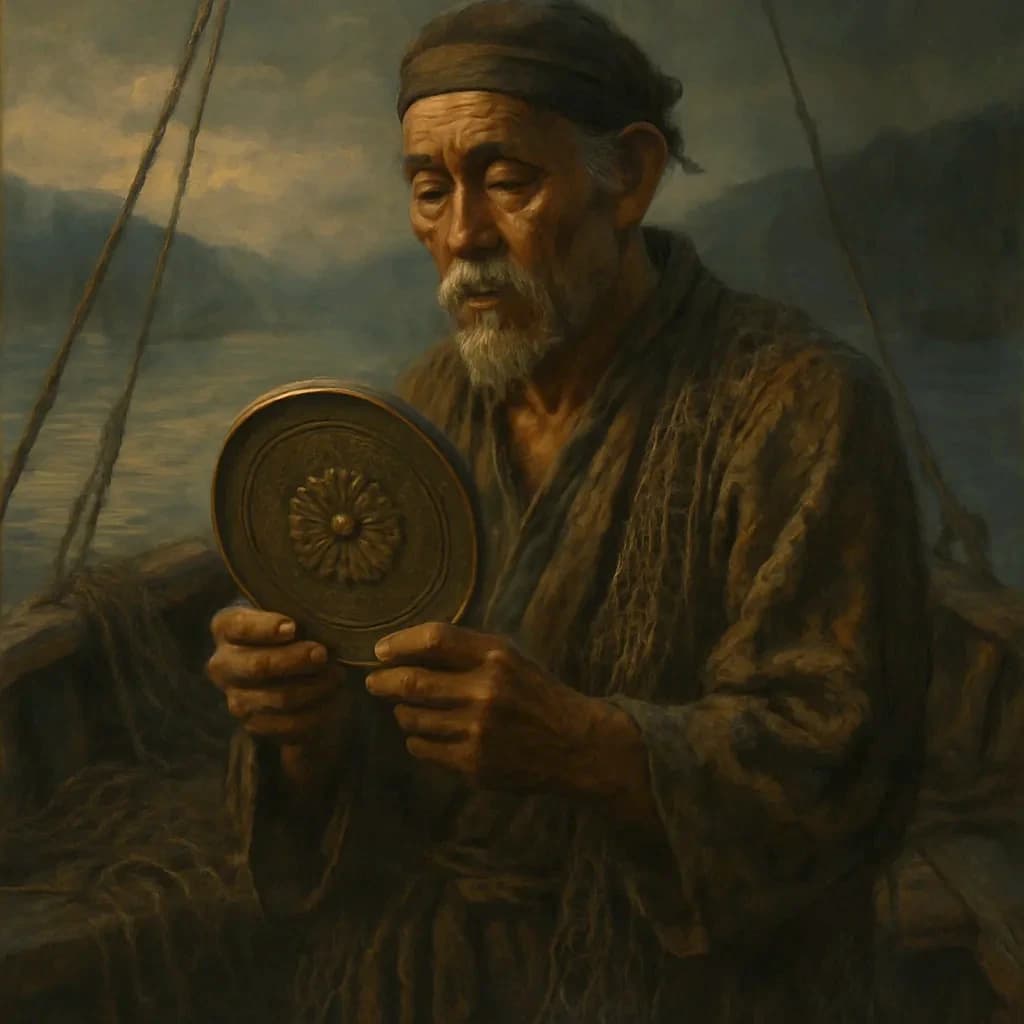
Did This Fisherman Net Japan's Lost Sacred Mirror?
One haul of a fishing net in a remote Japanese village brought up something that could shake the foundations of an ancient faith.
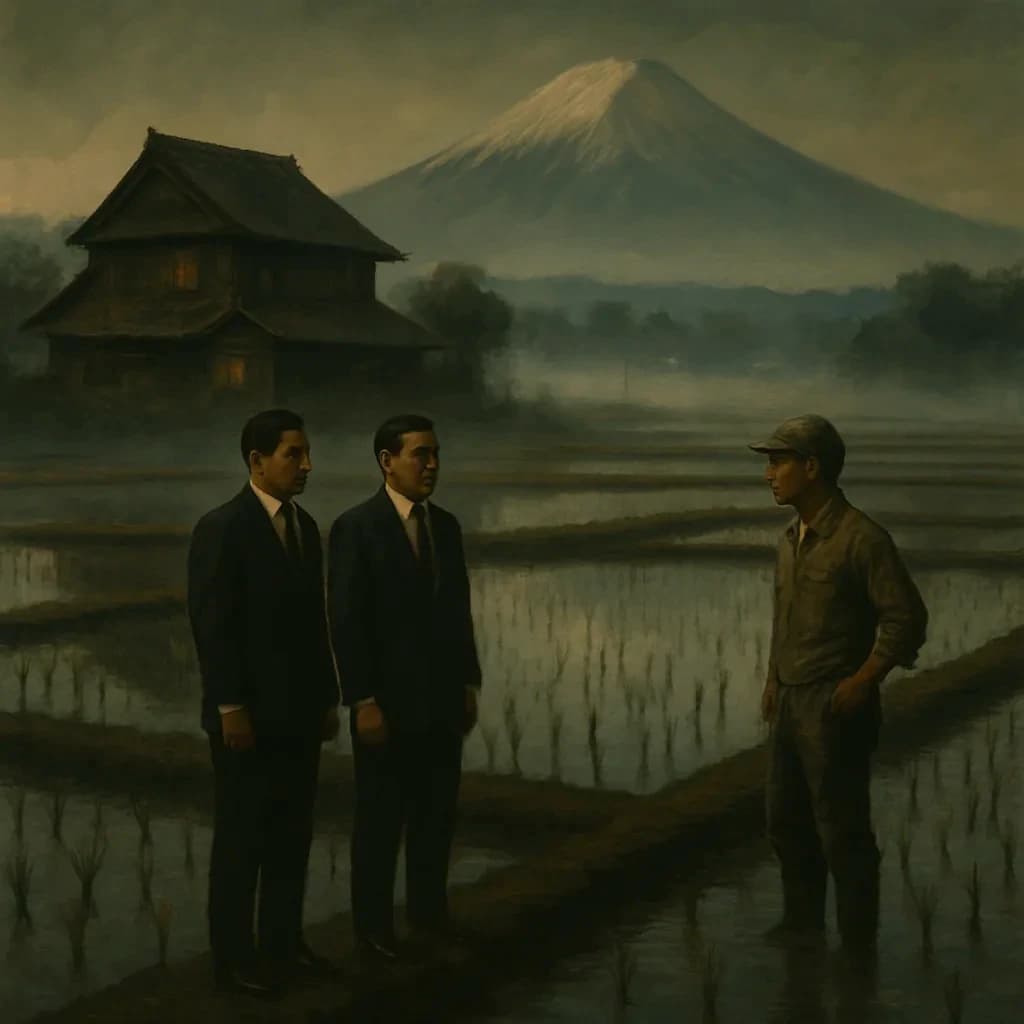
A Farmer's Refusal to Plant Rice Nearly Broke the Gold Standard
A single Japanese farmer's refusal to plant rice in 1964 nearly triggered the collapse of the global gold standard.
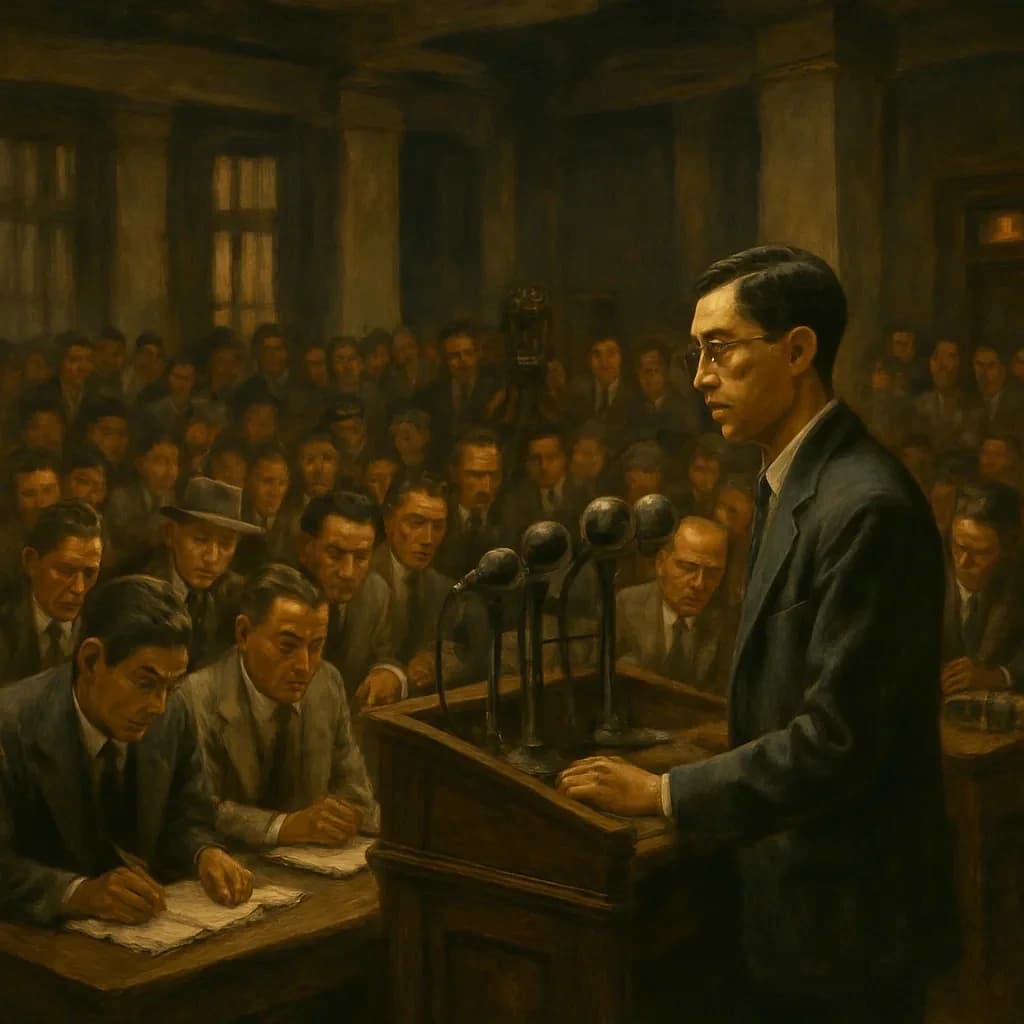
The Mistranslated Word That Doomed Hiroshima
A translator's three-second hesitation in a Tokyo meeting room may have sealed the fate of Hiroshima and Nagasaki.
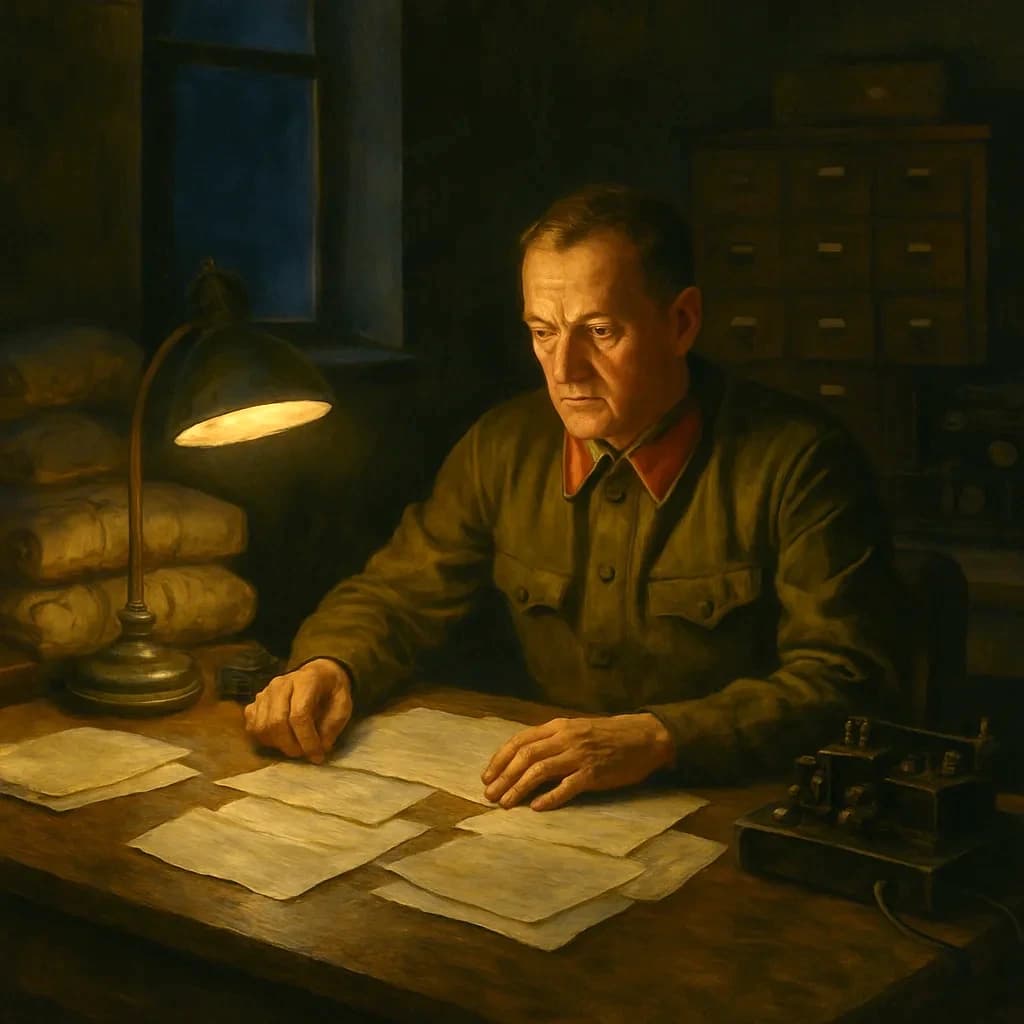
Japan's Surrender Plea Sat in Moscow for Three Days
Japan's surrender message sat undelivered in a Moscow telegraph office for three crucial days while Stalin's armies raced across Manchuria.
- Bix, Herbert P. 'Hirohito and the Making of Modern Japan.' HarperCollins, 2000.
- Kawahara, Toshiaki. 'Hirohito and His Times: A Japanese Perspective.' Kodansha International, 1990.
- Large, Stephen S. 'Emperor Hirohito and Showa Japan: A Political Biography.' Routledge, 1992.