

Adolf Hitler
The man who terrorized the world was afraid of dentists, obsessed with pastries, and spent his final years dosing himself with a cocktail of drugs that included cocaine eye drops and bull testicle extract.
Adolf Hitler's daily routine in the bunker beneath Berlin revealed a man whose grip on reality had long since snapped. He woke at noon, spent hours studying architectural models of cities he planned to rebuild after winning a war he'd already lost, and insisted on tasting every meal before his dog Blondi ate, not from paranoia about poison, but because he'd convinced himself that animals could detect inferior ingredients. His physician, Theodor Morell, administered up to twenty-eight different medications daily, including a preparation called "Vitamultin" that was essentially methamphetamine mixed with vitamins.
The dictator who preached Aryan supremacy was terrified of germs, refused to shake hands without gloves, and had his uniforms burned after every public appearance. He ate the same meal (vegetable soup, mashed potatoes, and cake) for dinner every night, prepared by a chef who had to sign a death oath promising never to reveal the recipes. When his dentist Hugo Blaschke finally examined his rotting teeth in 1944, he found a mouth so diseased that Hitler could barely chew solid food, explaining his liquid diet and the slurred speech that had become increasingly noticeable in his final broadcasts.
Perhaps most telling was his obsession with his nephew William Patrick Hitler, who had emigrated to America and joined the U.S. Navy. Hitler kept a detailed file on William's movements and reportedly offered him a high position in the Nazi hierarchy to return to Germany. When William refused, Hitler had his name legally changed and tried to have him assassinated, twice. The Führer who claimed to embody the destiny of the German people spent his last months fixated on a family member who was dropping depth charges on German submarines in the Atlantic.
Hitler's final meal was spaghetti with tomato sauce, which he ate while dictating his last will and testament, a document that spent more words complaining about his architect's building delays than addressing the collapse of Nazi Germany.
Why untold: The focus on Hitler's political crimes has overshadowed the detailed documentation of his bizarre personal habits and medical records, which reveal the extent of his psychological and physical deterioration.
A Hotel Porter's Mistake Nearly Prevented the 20th Century's Defining Movement
A hotel porter's mistake in 1919 nearly prevented the creation of the most influential political movement of the 20th century.
Where a Rejected Hitler Found His Ideology
A rejected art student's breakfast conversation changed the course of the 20th century.
She Typed Hitler's Final Solution in 1922
A typing-pool stenographer could have prevented the Holocaust, if anyone had bothered to read her memo.
She Typed Hitler's Secret Conversations Without Understanding a Word
In a basement beneath wartime London, one woman listened to every Nazi radio transmission, and realized she held the secret to ending the war.
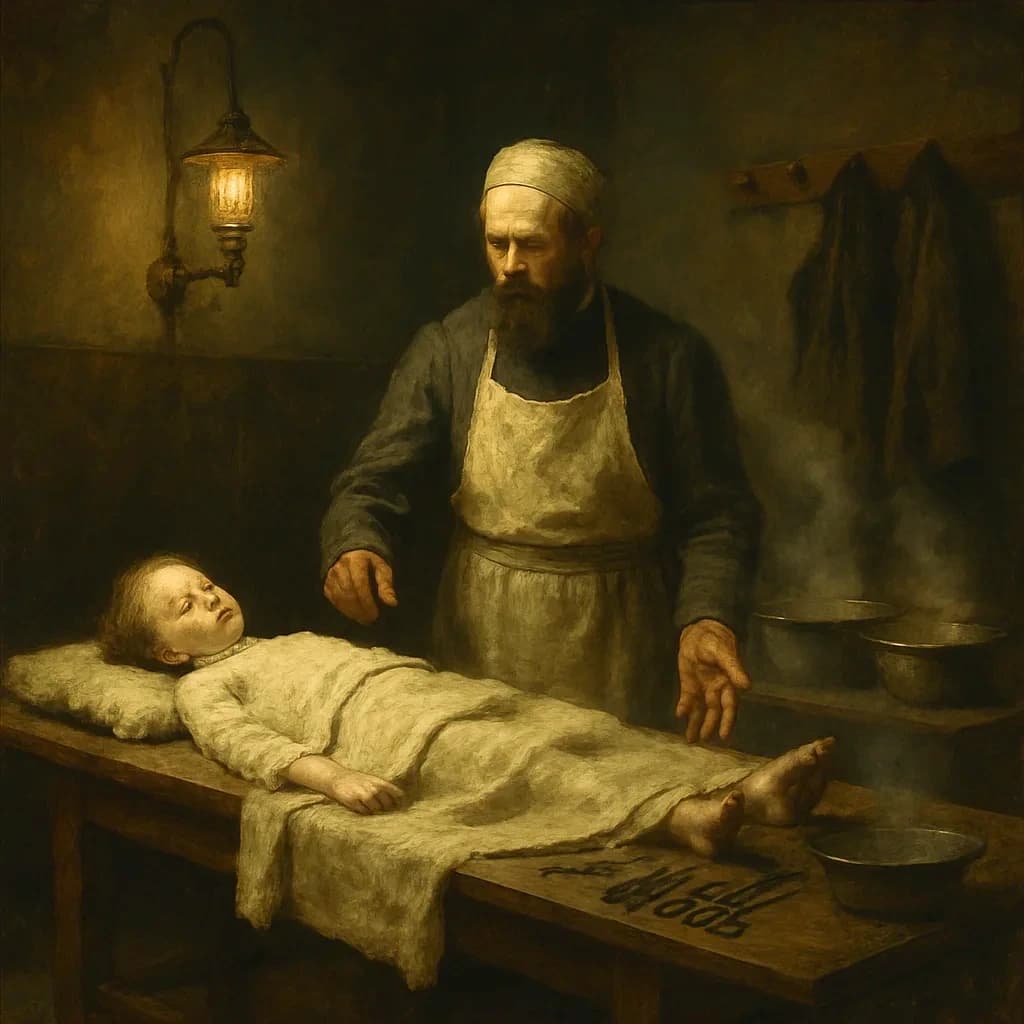
A Surgeon Had Seventy-Two Seconds to Change History
On a January morning in 1889, a doctor in Prague had exactly seventy-two seconds to decide whether to operate on a patient whose identity would reshape the 20th century.
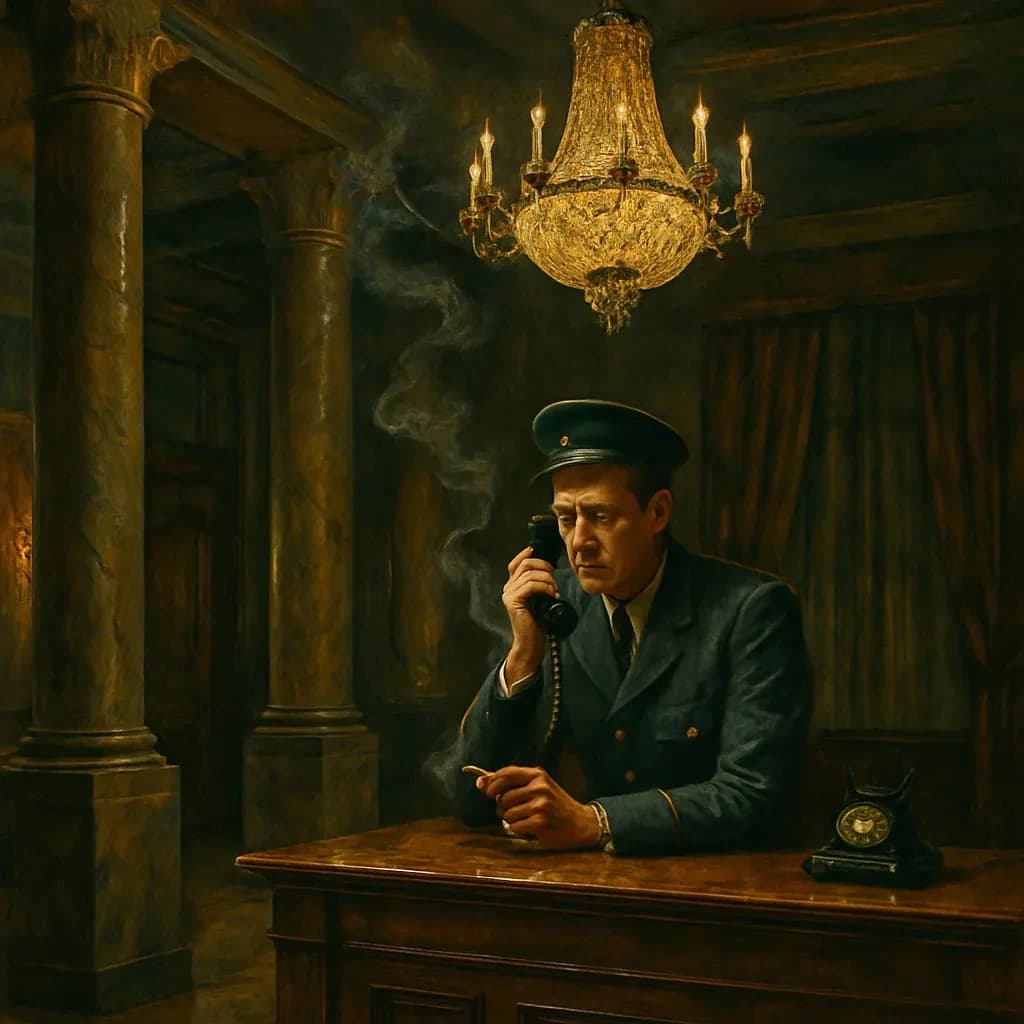
Room 23: The Bucharest Call Romania Tried to Block
A thirty-year-old hotel clerk in Bucharest saved the British Empire in 1940 with a single phone call.
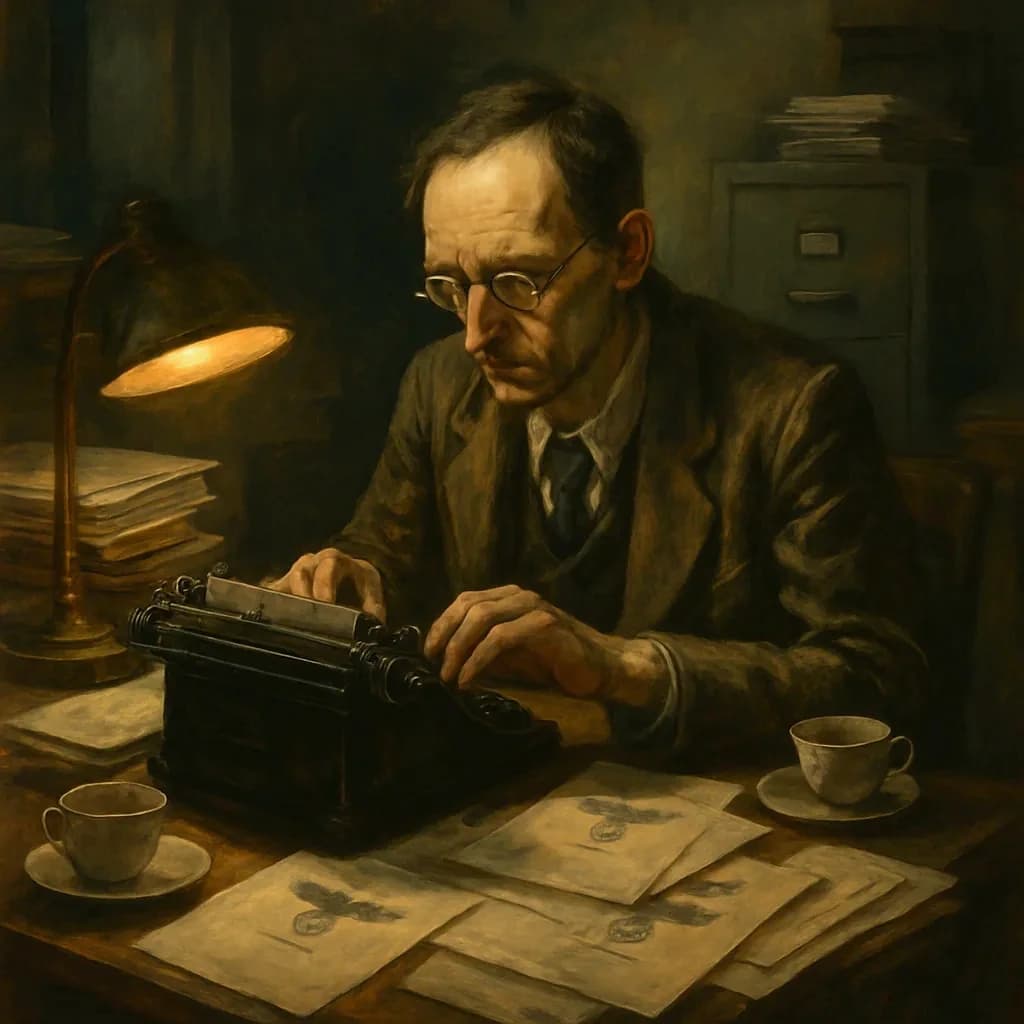
A Prague Clerk's Three Sleepless Days Toppled an Empire
A government clerk in Prague spent three days and nights without food or sleep, and triggered the collapse of an empire.
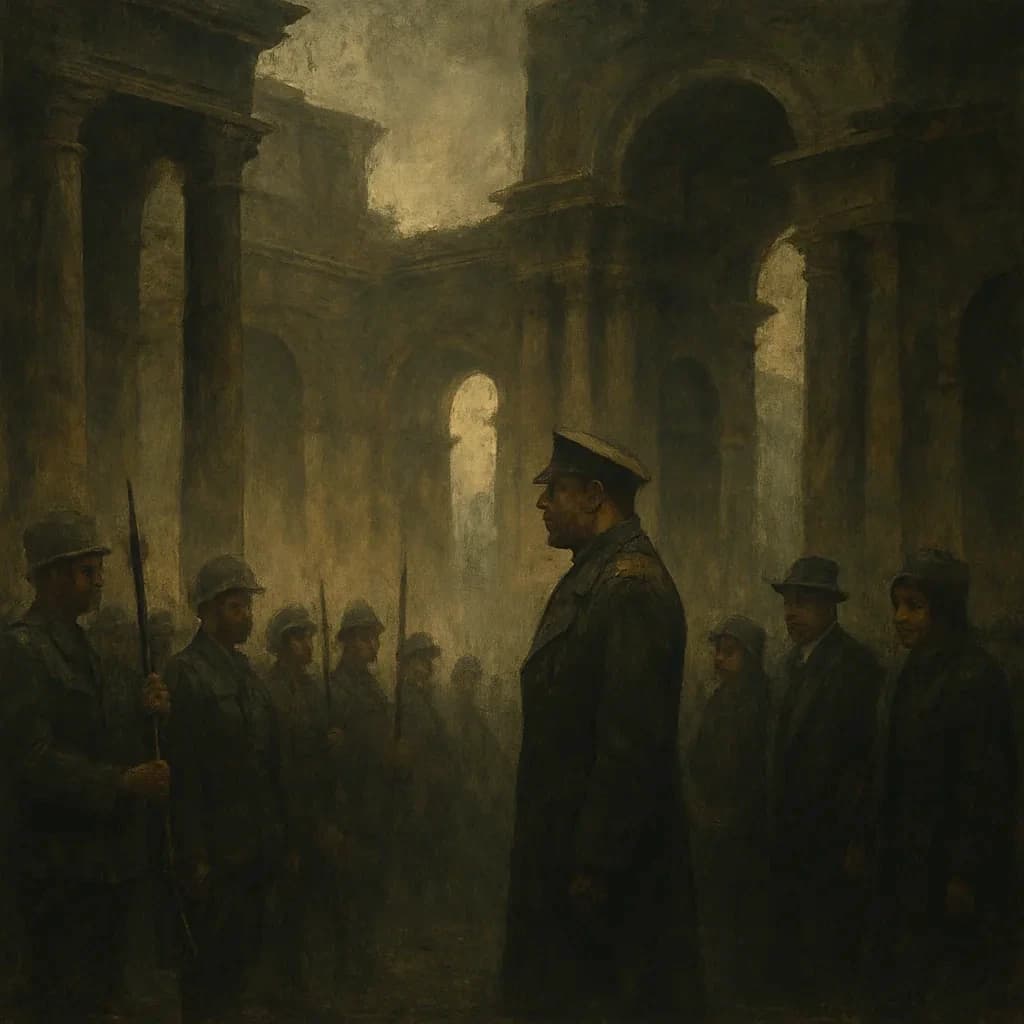
He Bluffed Hitler With an Empty Briefcase
A British civil servant walked into Hitler's office in 1939 carrying nothing but blank papers, and unintentionally kept World War II from starting three months early.
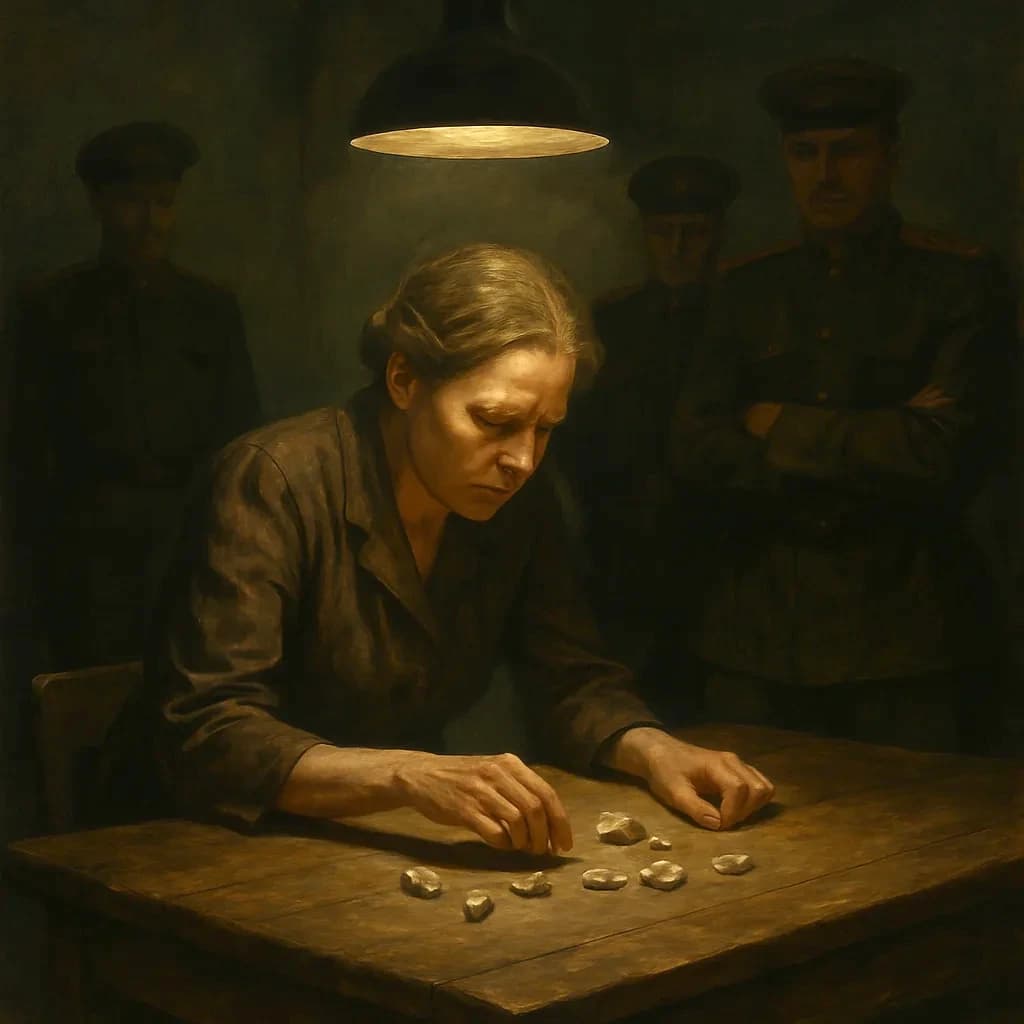
She Could Prove Hitler Died by His Teeth
The Allies thought capturing Hitler's dentist would finally prove the Führer was dead, until his assistant started talking.
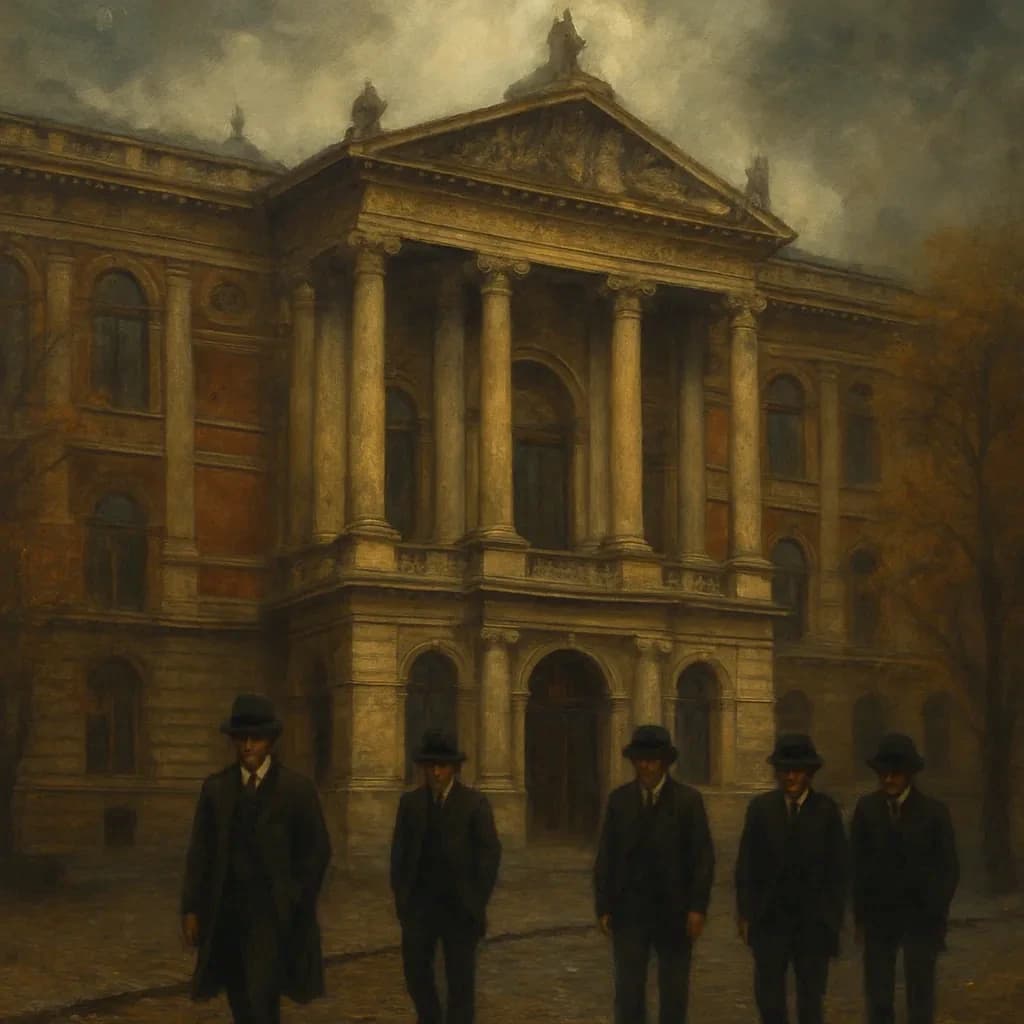
Rejected Twice by Vienna's Art Academy
A frustrated young man walked out of the Vienna Academy of Fine Arts in October 1907 after his second rejection, and changed the course of the 20th century.
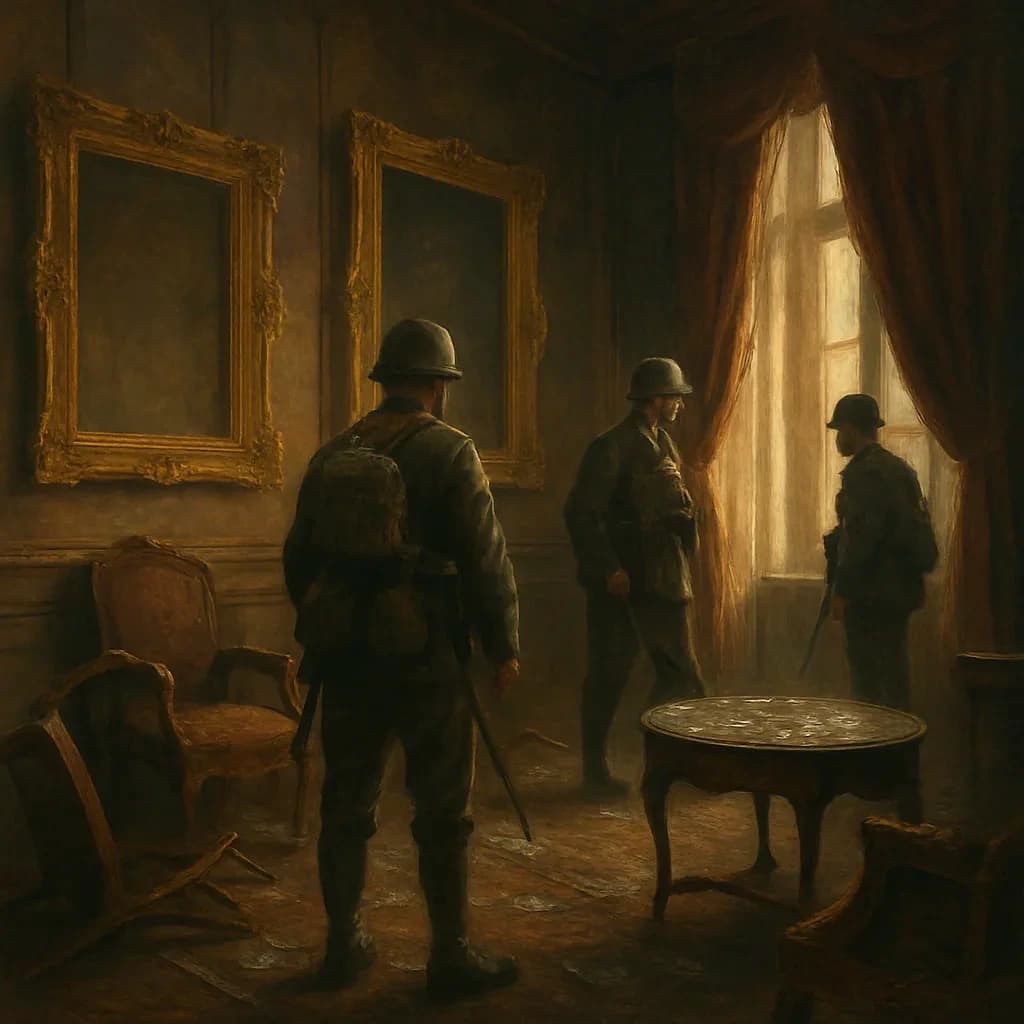
The Raphael Hitler Hunted and Couldn't Keep Buried
A canvas believed destroyed in World War II kept appearing in auction houses for fifty years: always the same painting, always a different story about how it survived.
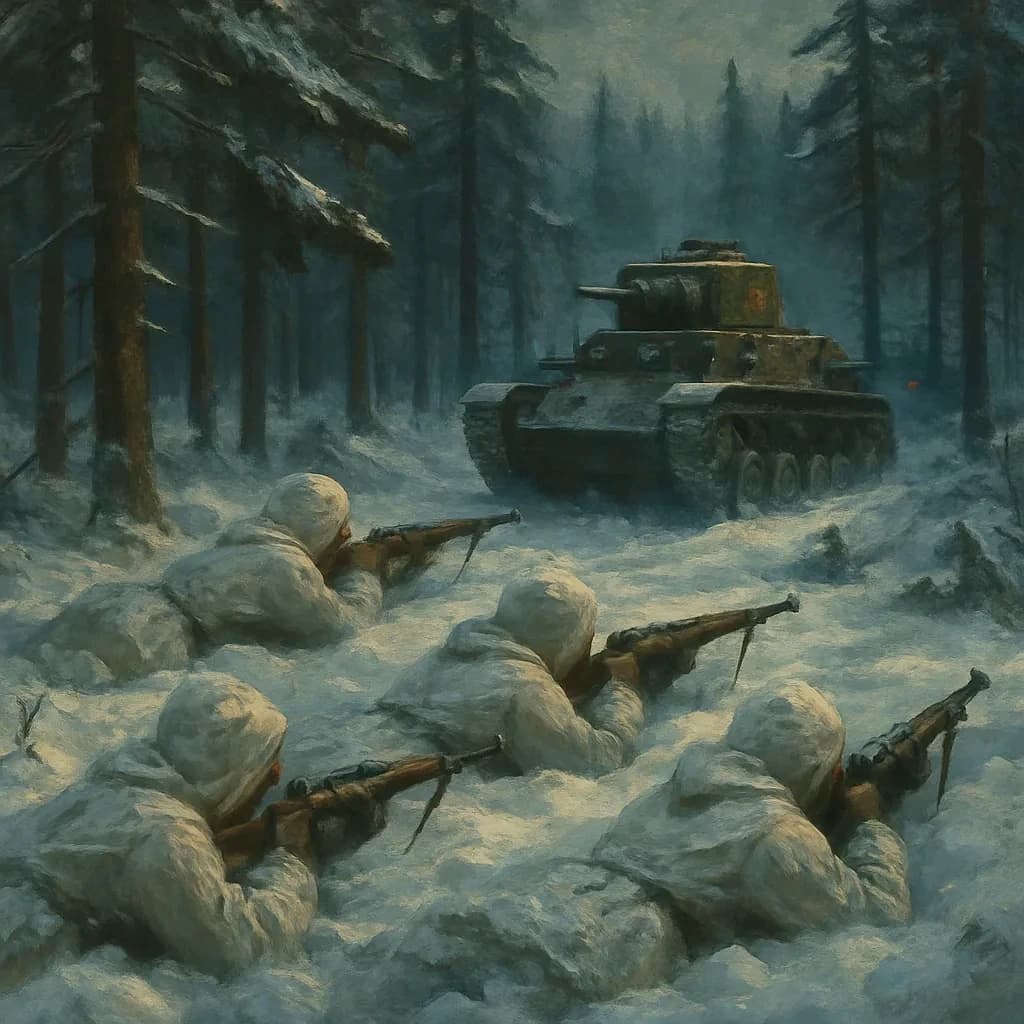
A Parish Priest Caused Military History's Most Embarrassing Defeat
A parish priest picked up a rifle on December 6, 1939, and accidentally created one of military history's most embarrassing defeats.
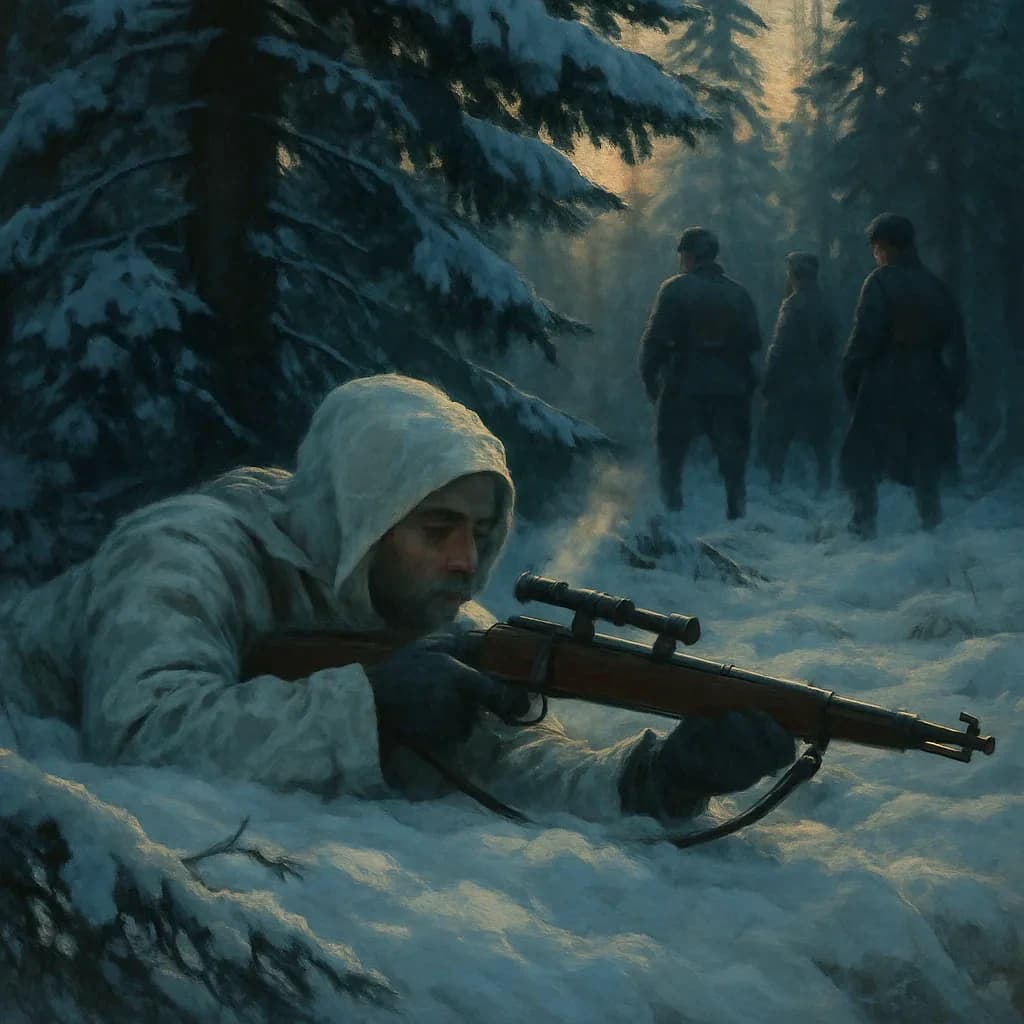
A Deserter Became History's Deadliest Marksman
In the frozen forests of Finland, one man's betrayal became the deadliest marksmanship in history.
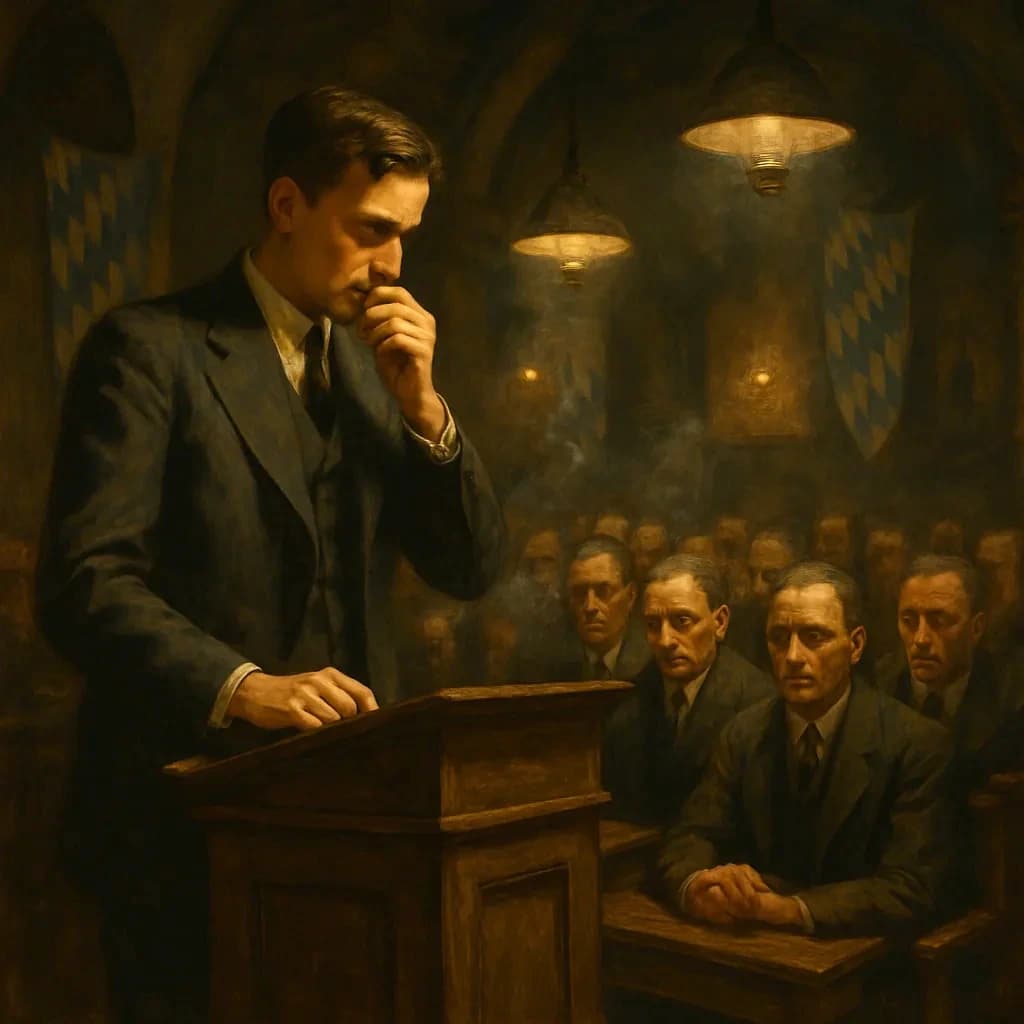
A Brooklyn Dentist's Glue Gave Hitler His Voice
A Brooklyn dentist's experimental denture adhesive would help Hitler mesmerize millions, because nobody could understand what the man was saying.
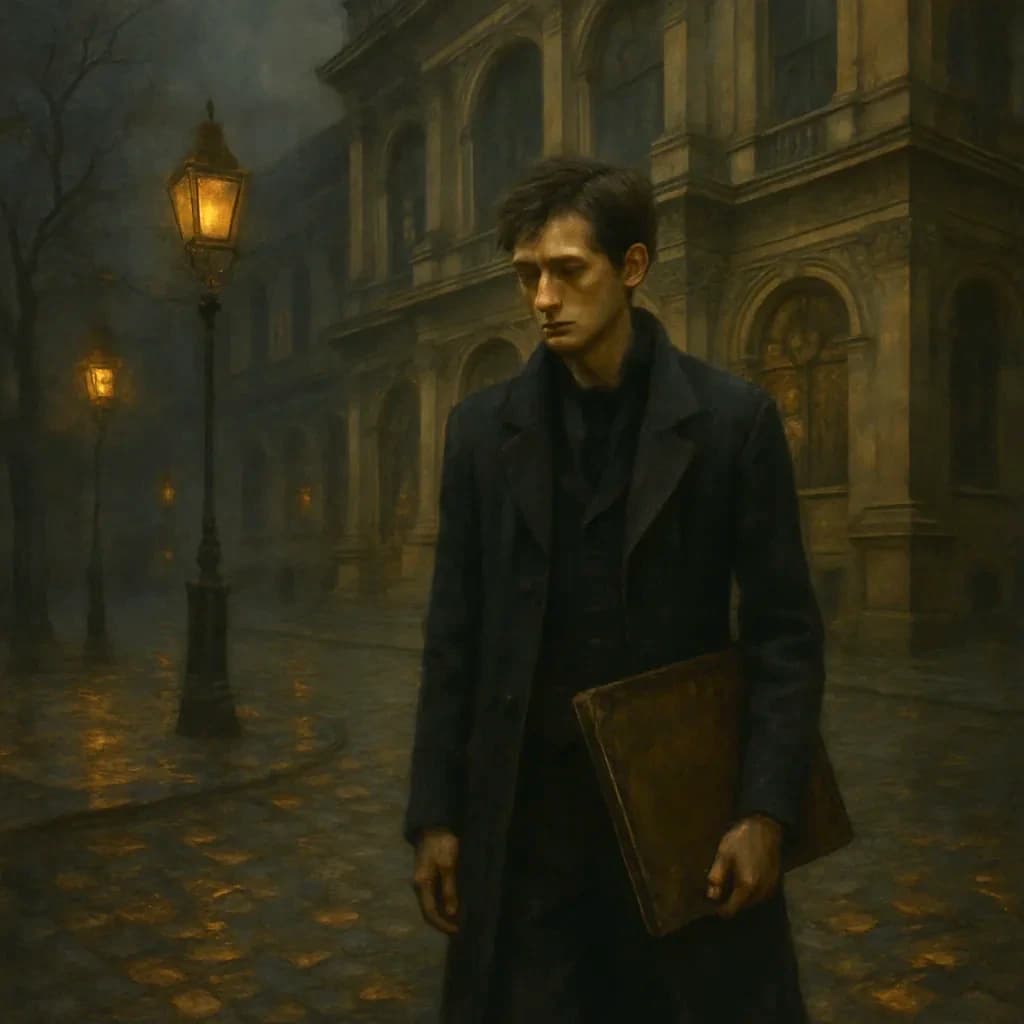
A Drunk Postman Never Delivered Hitler's Rejection Letter
Hitler applied to art school twice and was rejected both times, but the second rejection letter never arrived because the postman was drunk.
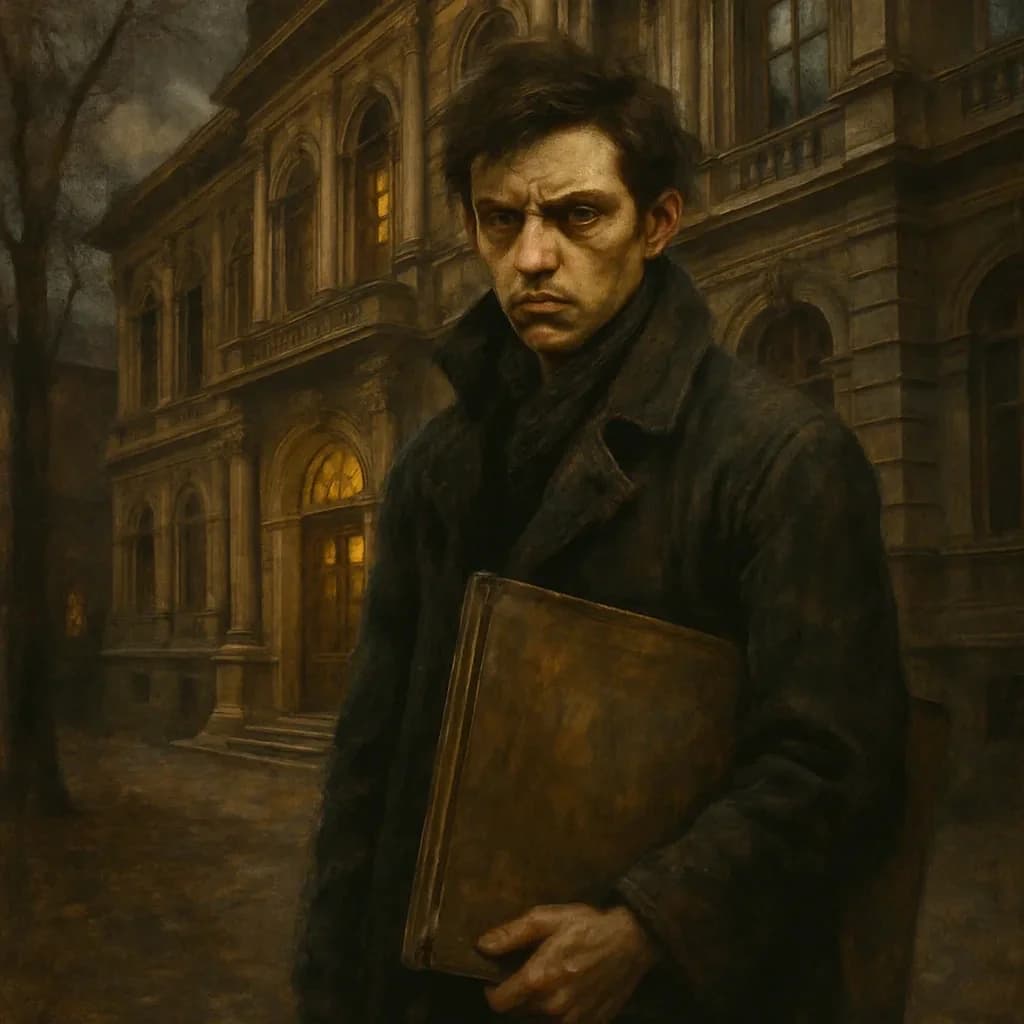
Hitler's History-Changing Rejection Was Never About His Paintings
Adolf Hitler's art teacher said he lacked talent, but the rejection letter that changed history was never about his paintings.
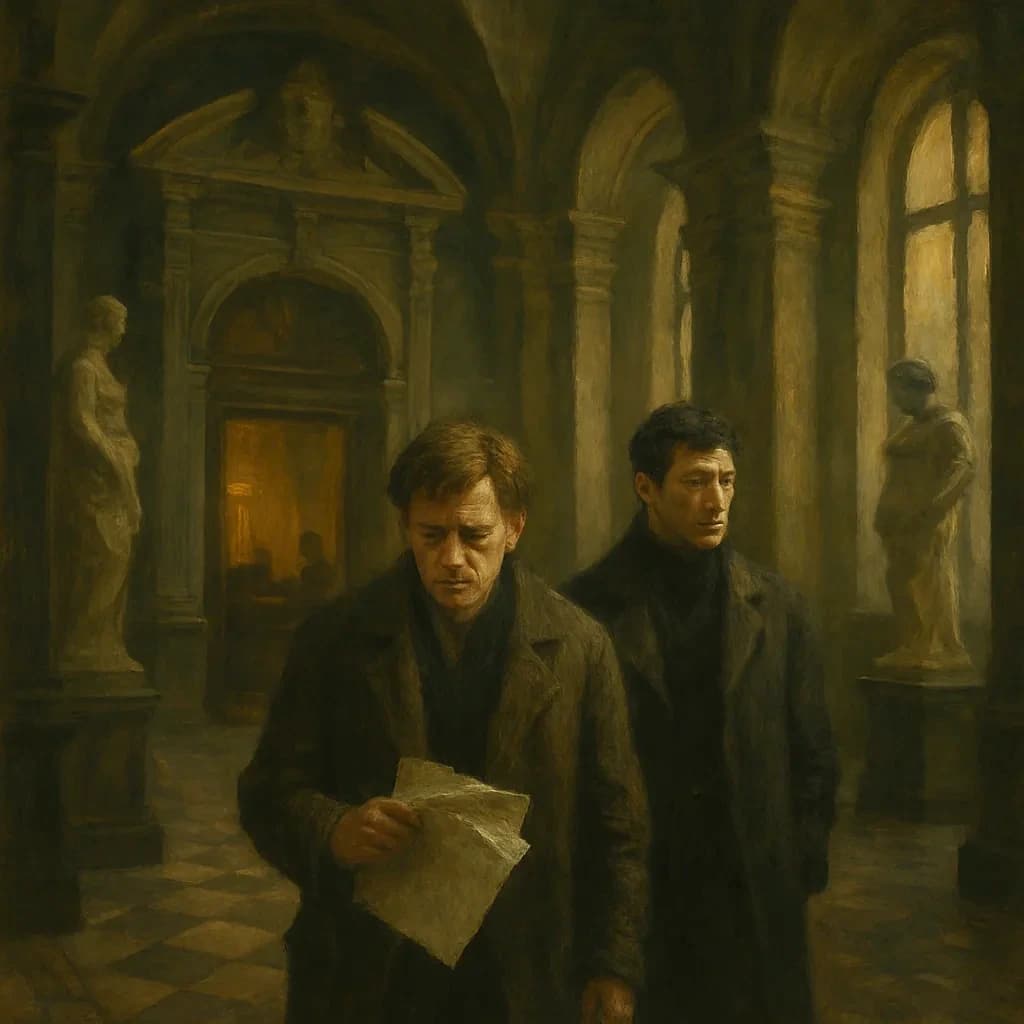
Vienna Rejected Two Artists. One Became Hitler.
Two young men walked out of the same art academy clutching rejection letters, and the century turned on what each chose to do next.
- Rosenbaum, Ron. Explaining Hitler: The Search for the Origins of His Evil. Random House, 1998.
- Kershaw, Ian. Hitler: A Biography. W. W. Norton & Company, 2008.
- Bullock, Alan. Hitler: A Study in Tyranny. Harper Perennial Modern Classics, 2009.