
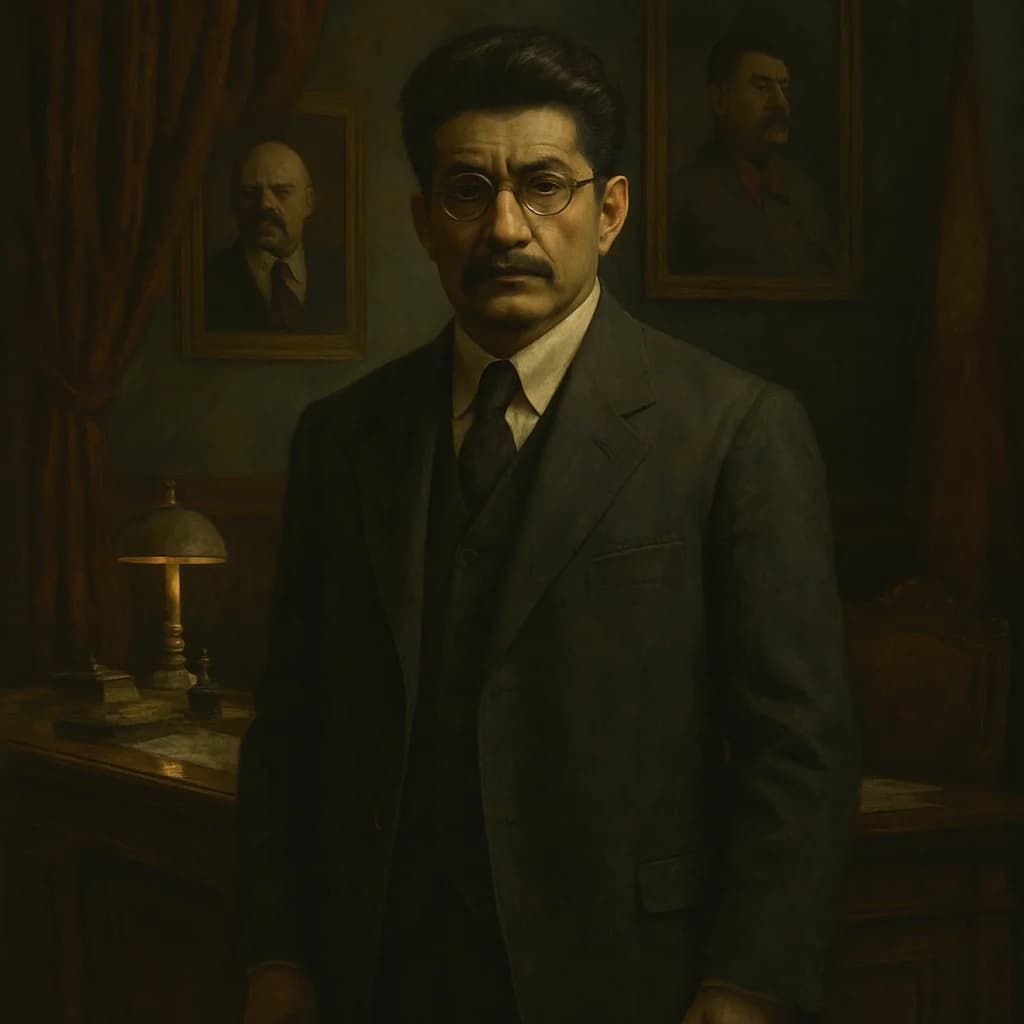
Lavrentiy Beria
The man who tried to save the Soviet Union by destroying everything Stalin built lasted exactly 100 days in power.
Lavrentiy Beria spent twenty years perfecting the art of being indispensable to a madman. While other Soviet leaders lived in terror of Stalin's midnight phone calls, Beria made himself the caller. He ran the secret police, managed the nuclear program, and knew where every body was buried, literally. But the moment Stalin collapsed on March 1, 1953, Beria revealed his true genius wasn't loyalty; it was patience.
Within hours of Stalin's death, Beria began dismantling the police state he'd helped create. He released a million prisoners from the gulags, ended mass deportations, and started withdrawing Soviet troops from East Germany. He proposed Ukrainian and Baltic independence, normalized relations with Yugoslavia, and suggested the East German government negotiate German reunification. In three months, he undid twenty years of Stalinist paranoia with the efficiency of someone who'd been planning every move.
Beria understood what his colleagues didn't: the Soviet system was collapsing under its own weight. His reforms weren't humanitarian gestures. They were desperate attempts to save the empire by jettisoning the ideology. He knew the nuclear program better than anyone because he'd built it. He understood the economics because he'd seen the real numbers. And he grasped that ruling through terror had an expiration date because he'd written the terror manual himself.
On June 26, 1953, his fellow Politburo members arrested him during what he thought was a routine meeting. They shot him six months later, not for the millions he'd killed under Stalin, but for the reforms he'd attempted after. The man who understood power better than anyone had miscalculated one thing: his colleagues preferred the familiar hell to an uncertain heaven.
Beria personally supervised the Soviet atomic bomb program and was present at every nuclear test, making him one of the few people to witness the dawn of the nuclear age from conception to detonation.
Why untold: His genuine reform attempts are overshadowed by his well-documented brutality under Stalin, making it easier to dismiss him as purely evil rather than examining his complex political calculations.
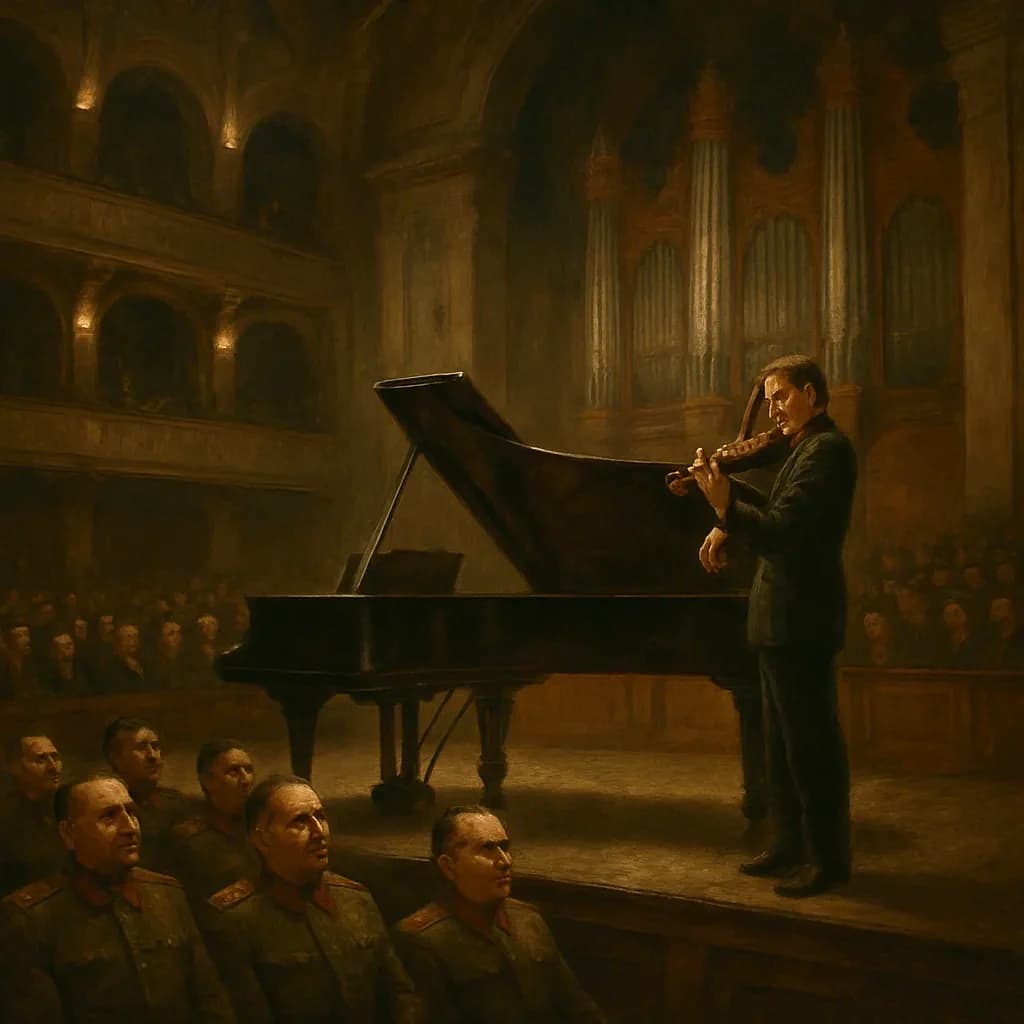
Five Seconds of Silence in a Moscow Theater
A piano accompanist's split-second hesitation during a 1943 concert may have saved Stalin from assassination.
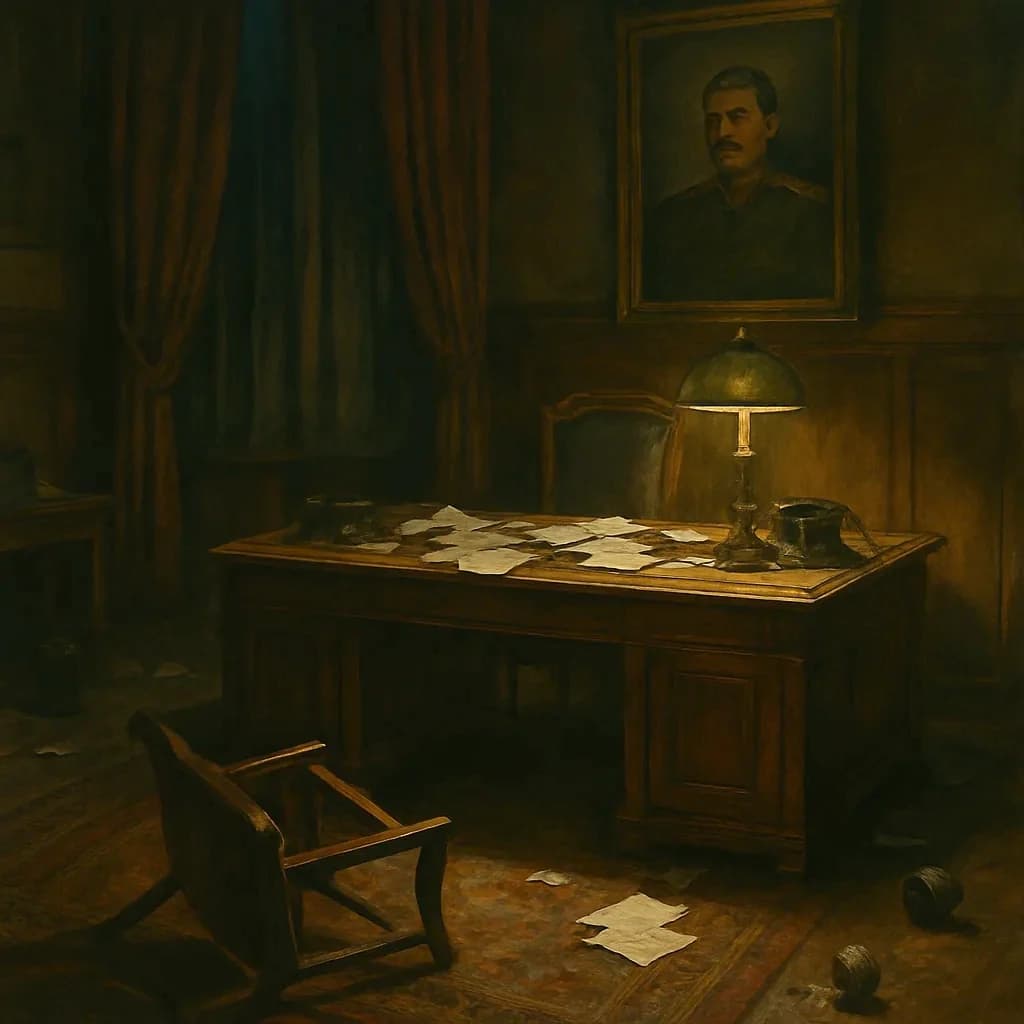
The Night Stalin Couldn't Find His Guards
On March 1, 1953, the most paranoid man in the world lay dying on his office floor while his terrified staff stood outside, afraid to check on him.
- Amy Knight, Beria: Stalin's First Lieutenant (1993)
- Simon Sebag Montefiore, Stalin: The Court of the Red Tsar (2003)
- Sergo Beria, Beria, My Father: Inside Stalin's Kremlin (2001)