
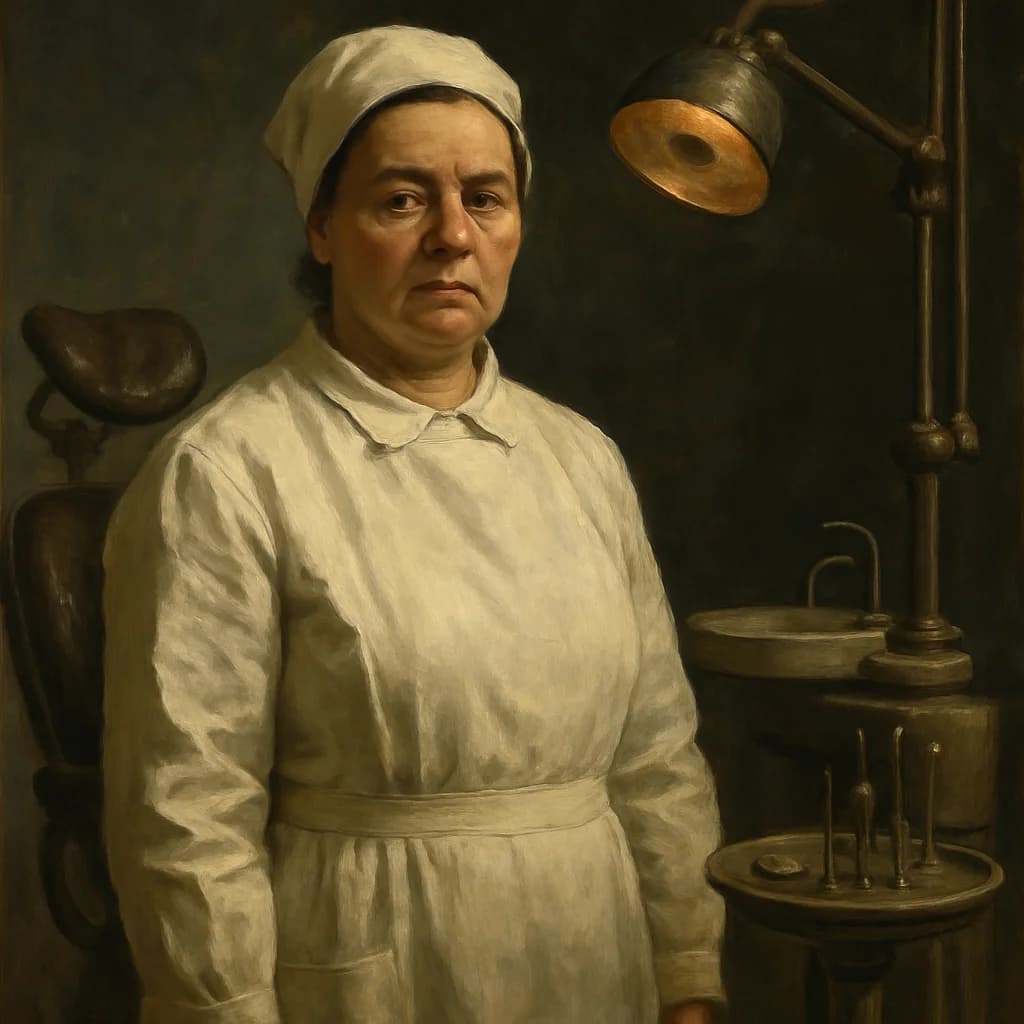
Käthe Heusermann
The woman who could identify Adolf Hitler's corpse by his terrible teeth spent eleven years in Soviet prisons for the privilege.
Käthe Heusermann had the misfortune of being very good at her job. As chief assistant to Hitler's dentist Hugo Blaschke, she knew every crown, every gap, every peculiar detail of the Führer's notoriously problematic mouth. When Soviet forces stormed Berlin in May 1945, they found charred remains in the Chancellery garden, and they needed someone who could confirm what they suspected.
Heusermann identified the dental remains as Hitler's with clinical precision. The distinctive bridge work, the gold crowns, the specific configuration of his dentures. She knew it all. But Stalin wasn't interested in sharing this intelligence with his Western allies. Instead, the Soviets classified Heusermann's testimony and shipped her to the Gulag, where she would spend the next decade in silence.
The irony was brutal. While the world debated whether Hitler had escaped to Argentina or died in his bunker, the one person who could definitively prove his death was breaking rocks in a Siberian labor camp. Stalin preferred the uncertainty. It kept his former allies guessing and maintained Soviet leverage in the emerging Cold War.
When Heusermann finally returned to East Berlin in 1956, she discovered that history had moved on without her. The woman who had provided the most crucial evidence of the twentieth century's greatest monster's demise found herself working as a seamstress, forbidden from discussing what she knew. Her testimony wouldn't become public until decades later, long after the conspiracy theories had taken root and the truth had become just another competing narrative.
Heusermann was arrested by the Soviets specifically because her testimony was too valuable. Stalin wanted to control the narrative of Hitler's death and couldn't risk her speaking to Western intelligence.
Why untold: Soviet secrecy buried the most definitive proof of Hitler's death for decades, allowing conspiracy theories to flourish while the key witness languished in the Gulag.
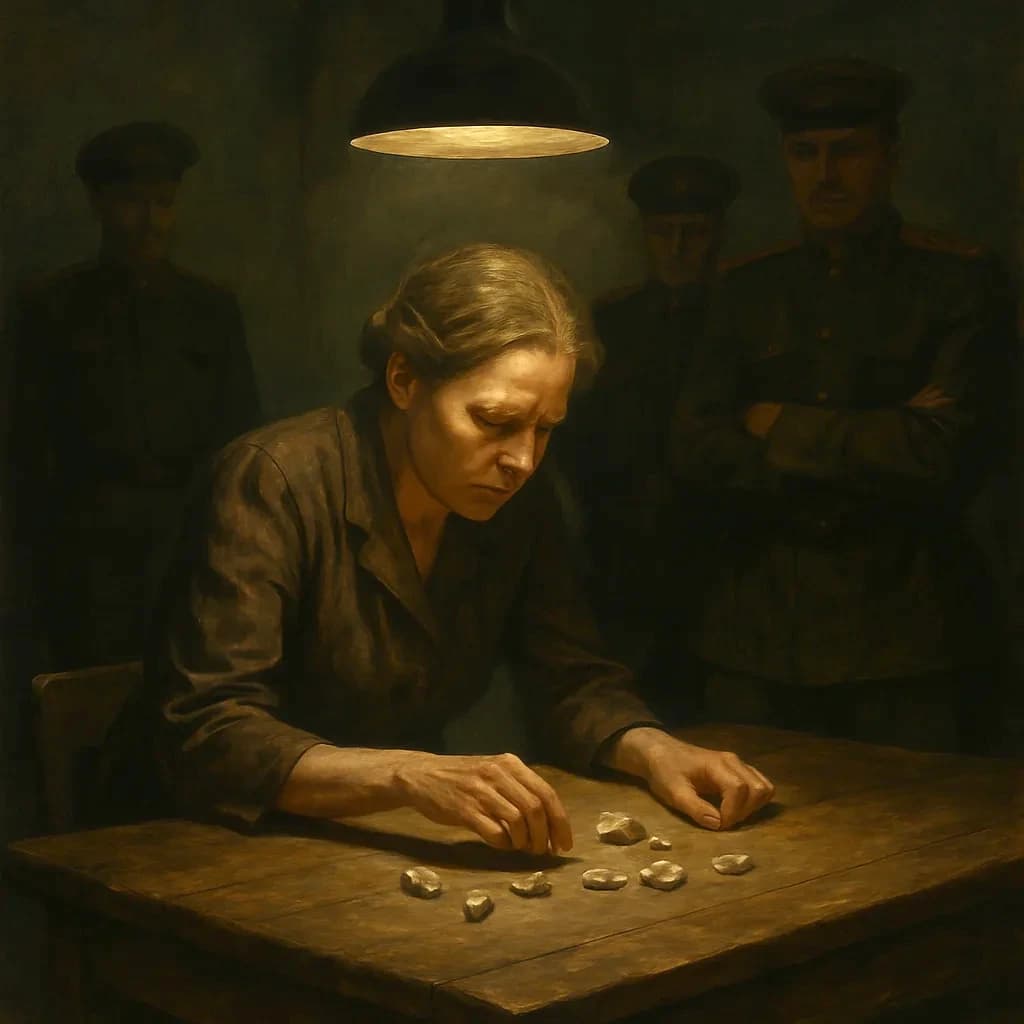
She Could Prove Hitler Died by His Teeth
The Allies thought capturing Hitler's dentist would finally prove the Führer was dead, until his assistant started talking.
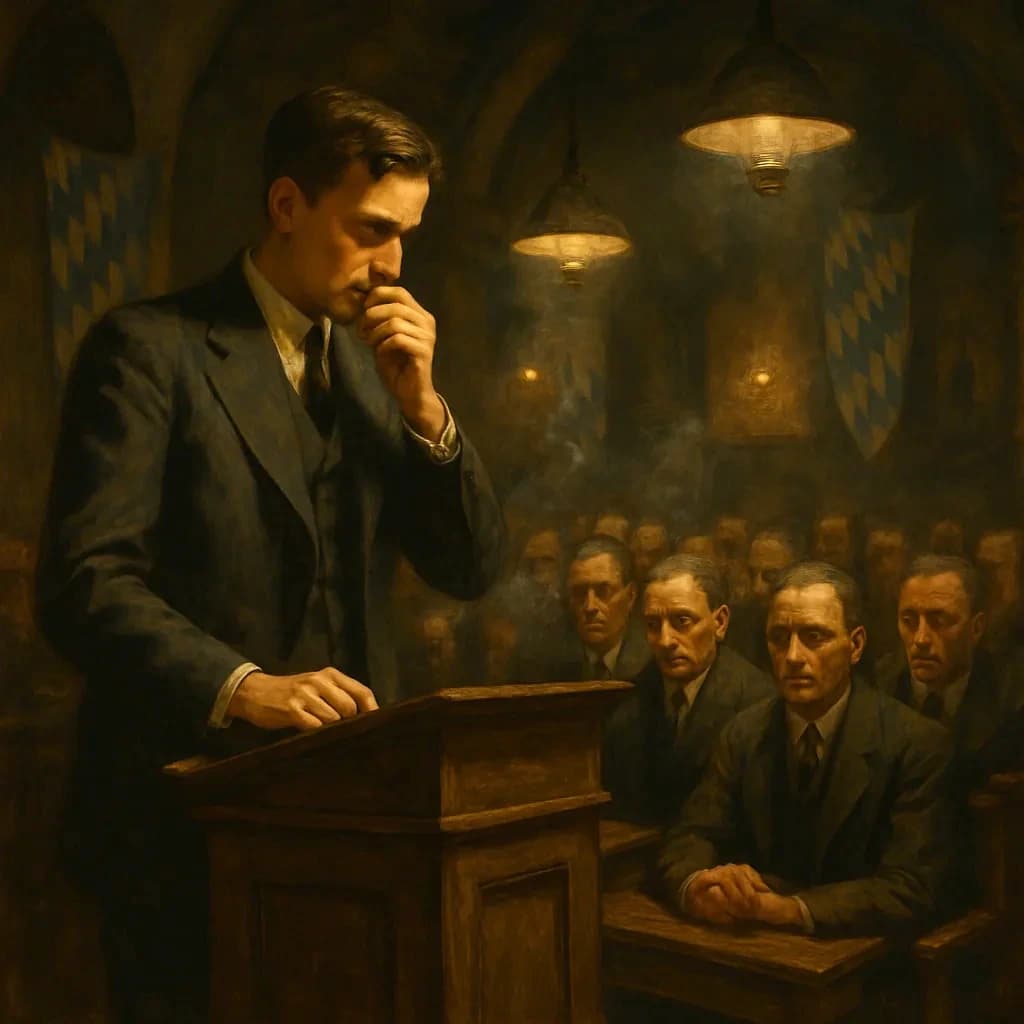
A Brooklyn Dentist's Glue Gave Hitler His Voice
A Brooklyn dentist's experimental denture adhesive would help Hitler mesmerize millions, because nobody could understand what the man was saying.
- Beevor, Antony. The Fall of Berlin 1945. Viking, 2002.
- Vinogradov, V.K., et al. Hitler's Death: Russia's Last Great Secret from the Files of the KGB. Chaucer Press, 2005.
- Rosenbaum, Ron. Explaining Hitler: The Search for the Origins of His Evil. Random House, 1998.