
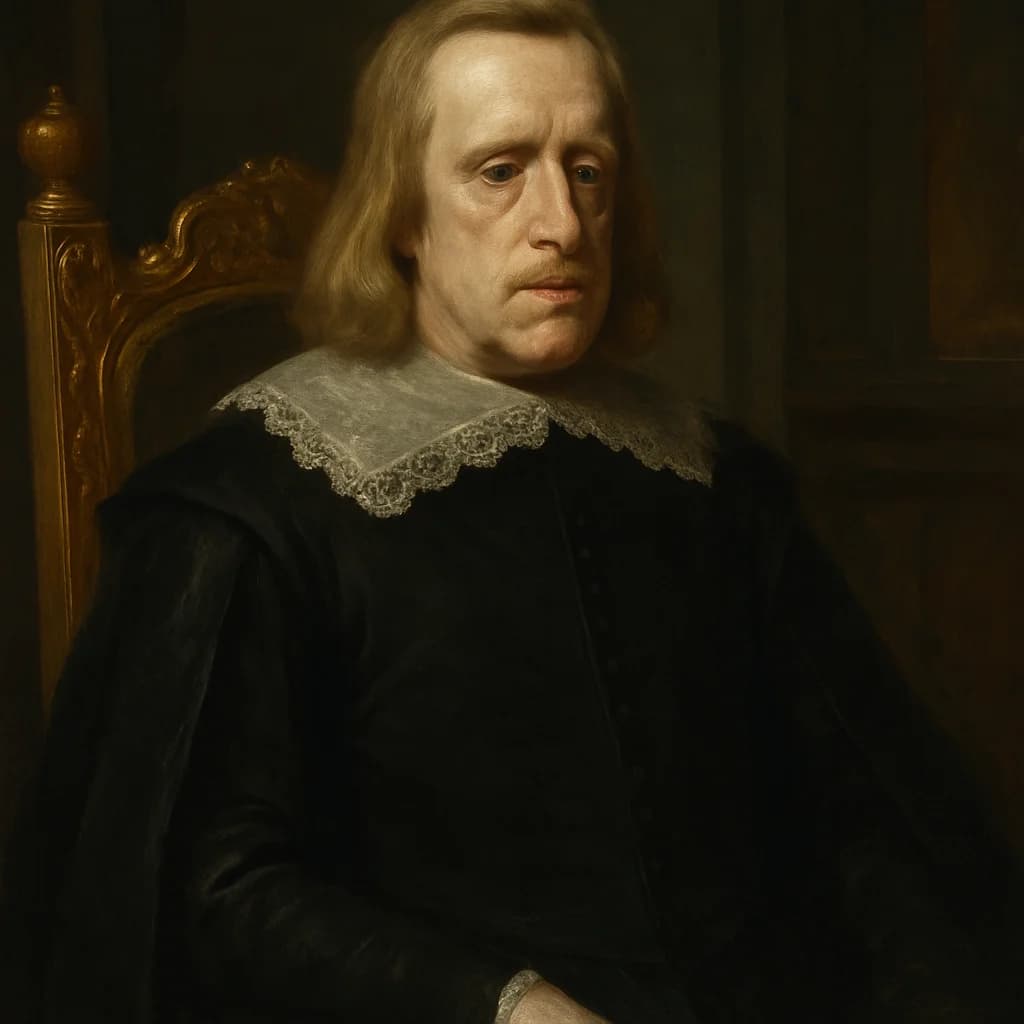
Philip IV
The most powerful man in Europe spent his final years standing up to sleep because a nun convinced him his royal blood would turn poisonous if it ever touched a horizontal surface.
Philip IV inherited an empire where the sun never set, but he would spend most of his reign watching it slowly burn down around him. When he became King of Spain in 1621, his dominions stretched from Peru to the Philippines, yet within decades he had managed to bankrupt the wealthiest nation on earth not once, but multiple times.
The king who controlled more silver than any human in history fell under the spell of a cloistered nun named María de Ágreda, whose mystical visions convinced him to drain Spain's treasury on impossible military campaigns. Sister María claimed to receive direct communications from God about military strategy, and Philip (desperate for divine guidance as his empire crumbled) listened. He poured millions into wars that existed only in her fevered imagination, while real threats like Dutch pirates systematically dismantled Spanish trade routes.
But perhaps most bizarre was Philip's adoption of the standing sleep ritual that swept through European courts in his later years. Convinced by court physicians that royal blood would curdle if allowed to settle horizontally, Philip spent his final decade sleeping upright in specially constructed chairs, even as his empire collapsed from chronic insolvency. His courtiers, terrified of appearing less royal, followed suit, creating a palace where the nobility stumbled through their days in sleep-deprived stupors.
When Philip died in 1665, Spain had fallen from global hegemon to a nation so broke it couldn't afford to defend its own colonies. The king who had started with infinite wealth left behind a treasury so empty that his successor had to borrow money just to pay for the funeral.
Philip IV commissioned over 60 portraits from Diego Velázquez, making him possibly the most painted monarch in history, yet he was so broke by the end of his reign that he couldn't afford to pay the artist's salary.
Why untold: His reign is overshadowed by Spain's earlier golden age under Charles V and Philip II, while his bizarre personal habits are dismissed as footnotes to more 'serious' political history.
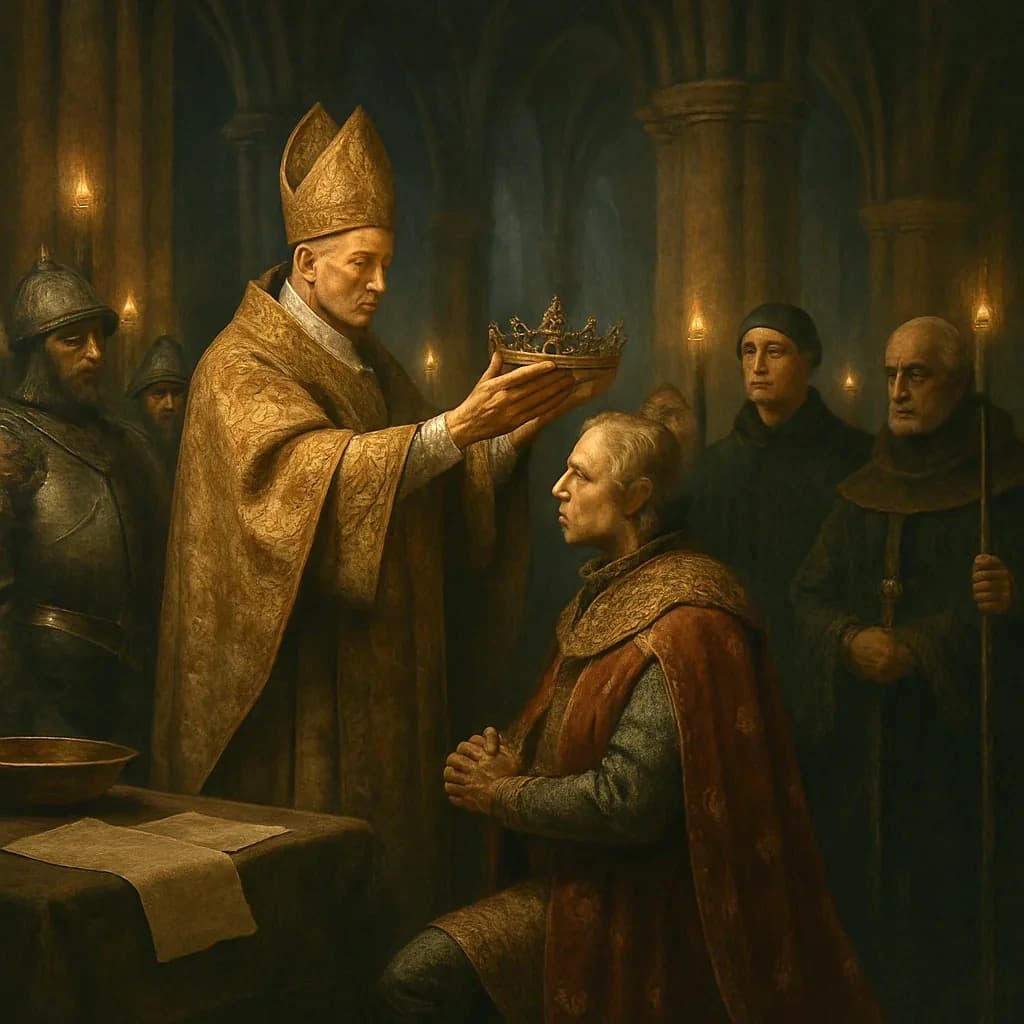
How a 1,000-Year-Old Law Started the Hundred Years' War
A French nobleman took the crown in 1328, and within a decade his claim had ignited a war that would last a hundred years.
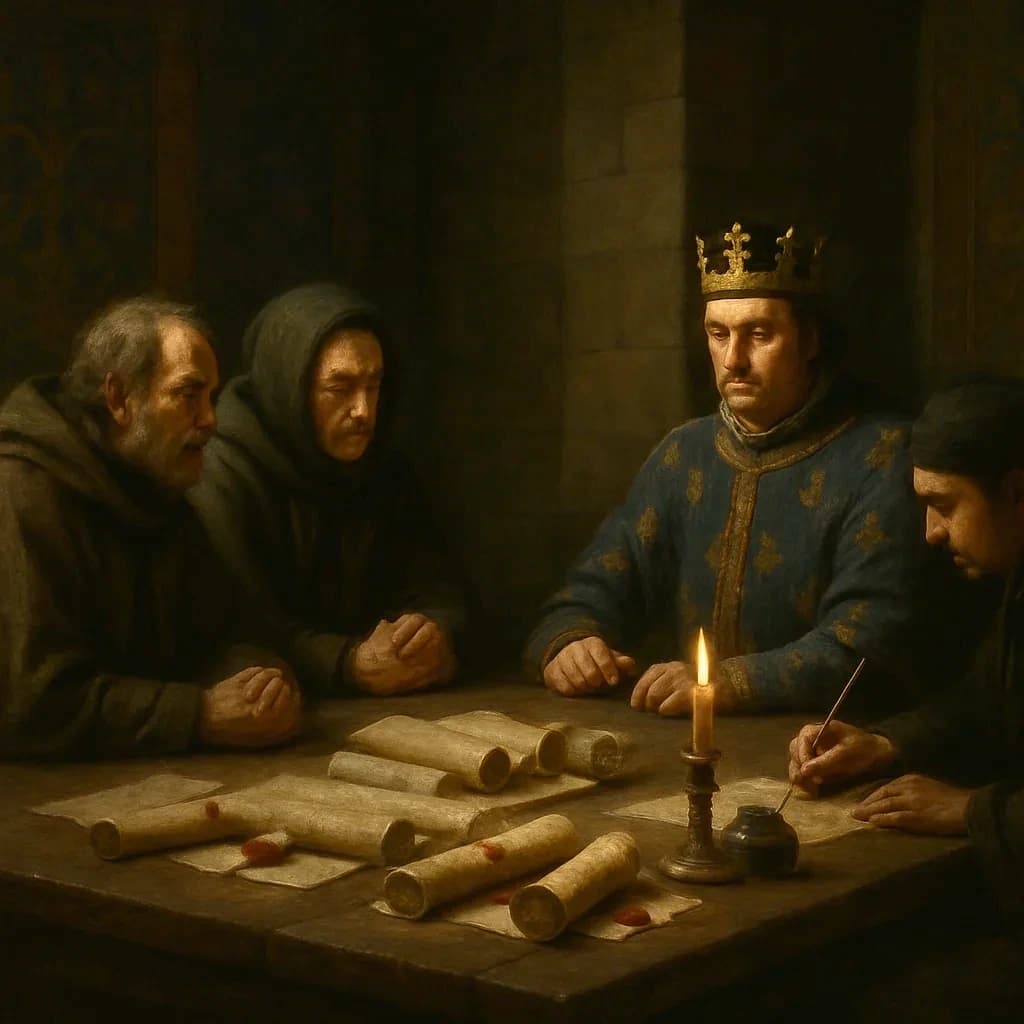
A Shipping Dispute Over a Tiny Island Cost England Gascony
A medieval shipping dispute over a tiny Greek island somehow ended with England losing Gascony, and nobody noticed the connection for centuries.
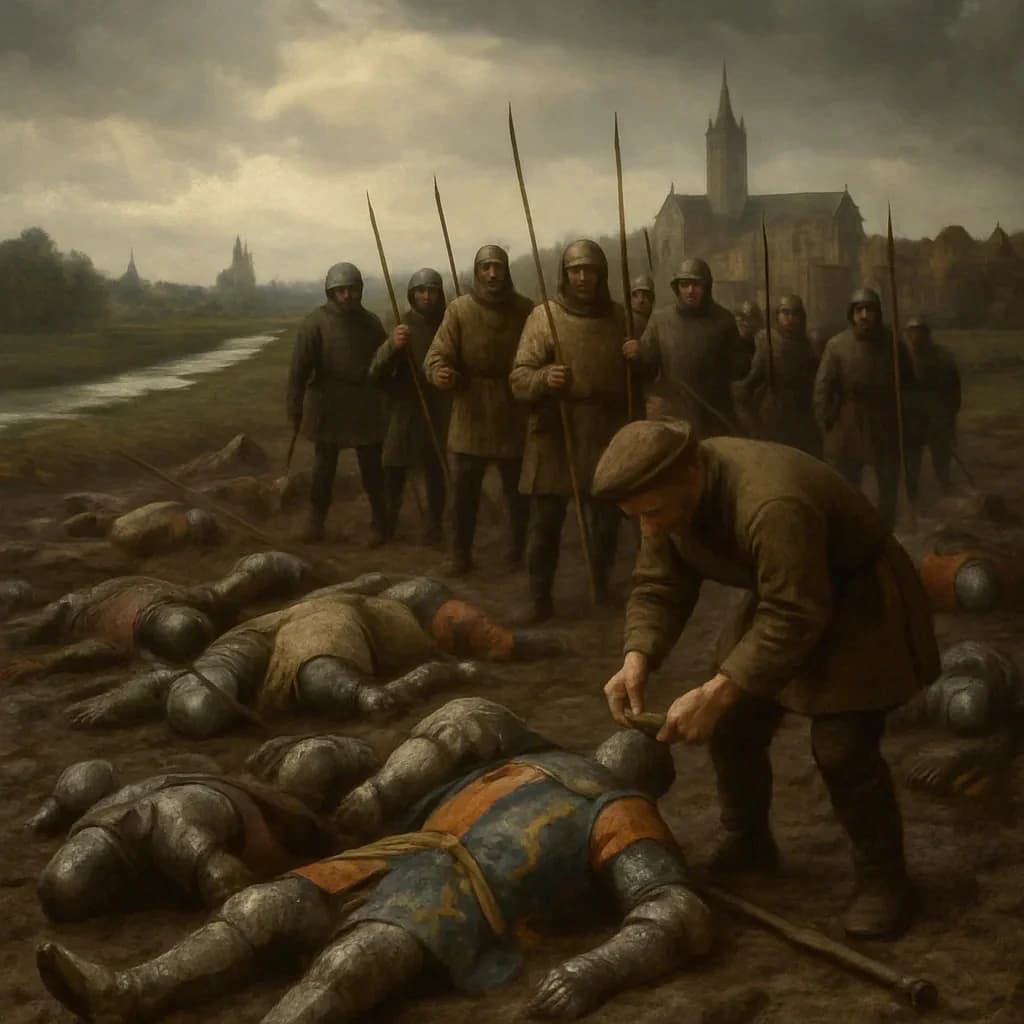
Golden Spurs: How Flemish Weavers Crushed France's Knights
A Flemish militia of cloth-workers and tradesmen humiliated the finest heavy cavalry in Europe in 1302, and did it in a muddy field outside Bruges.
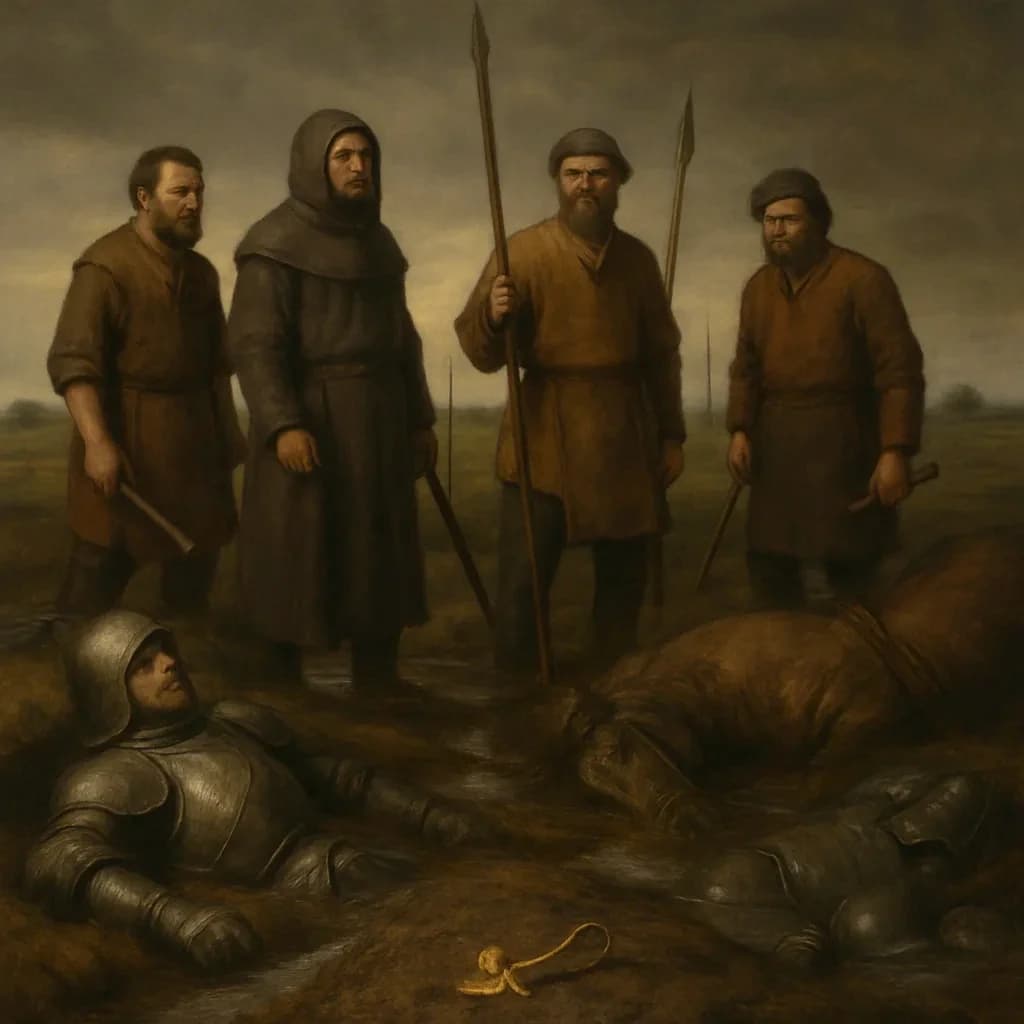
Flemish Weavers Destroyed Europe's Finest Cavalry
Europe's most feared cavalry rode into a Flemish field in 1302 and never came back, stopped not by rival knights, but by cloth merchants and butchers fighting on foot.
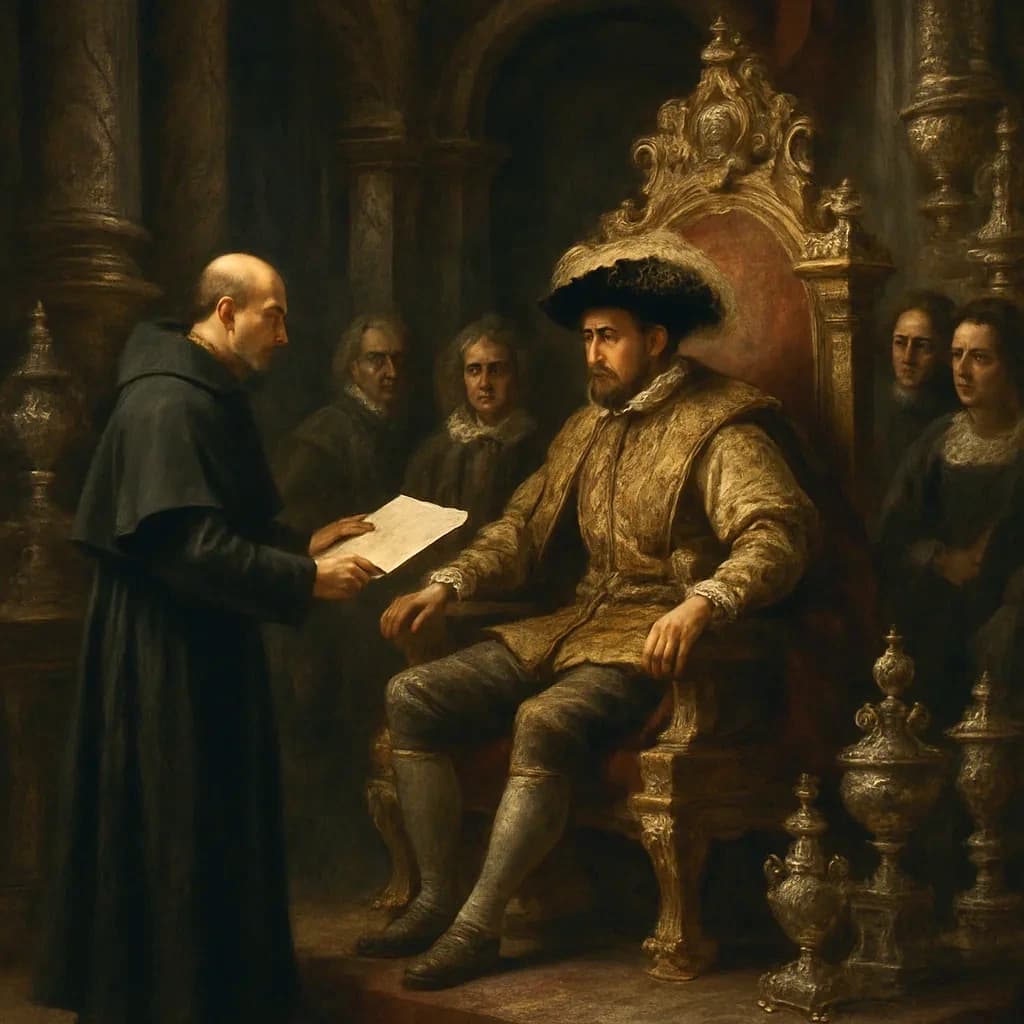
Buried in Silver, Spain Still Went Bankrupt
Spain's treasury had run dry, so the crown turned to a man who had only ever seen money as mathematics.
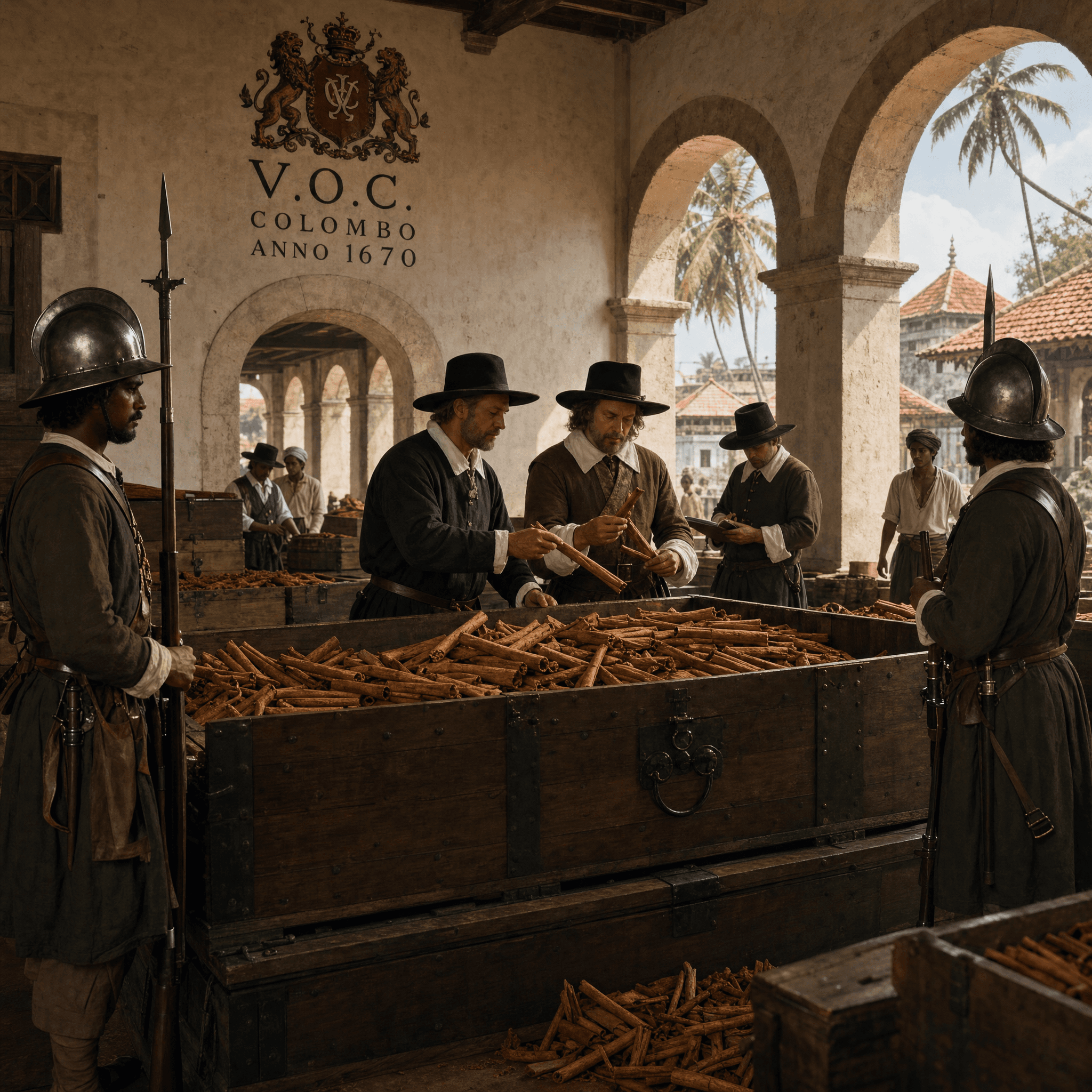
When Cinnamon Cost More Than Gold
A single warehouse in Amsterdam once held enough spice to buy half of Europe, and the Dutch killed to keep it that way.
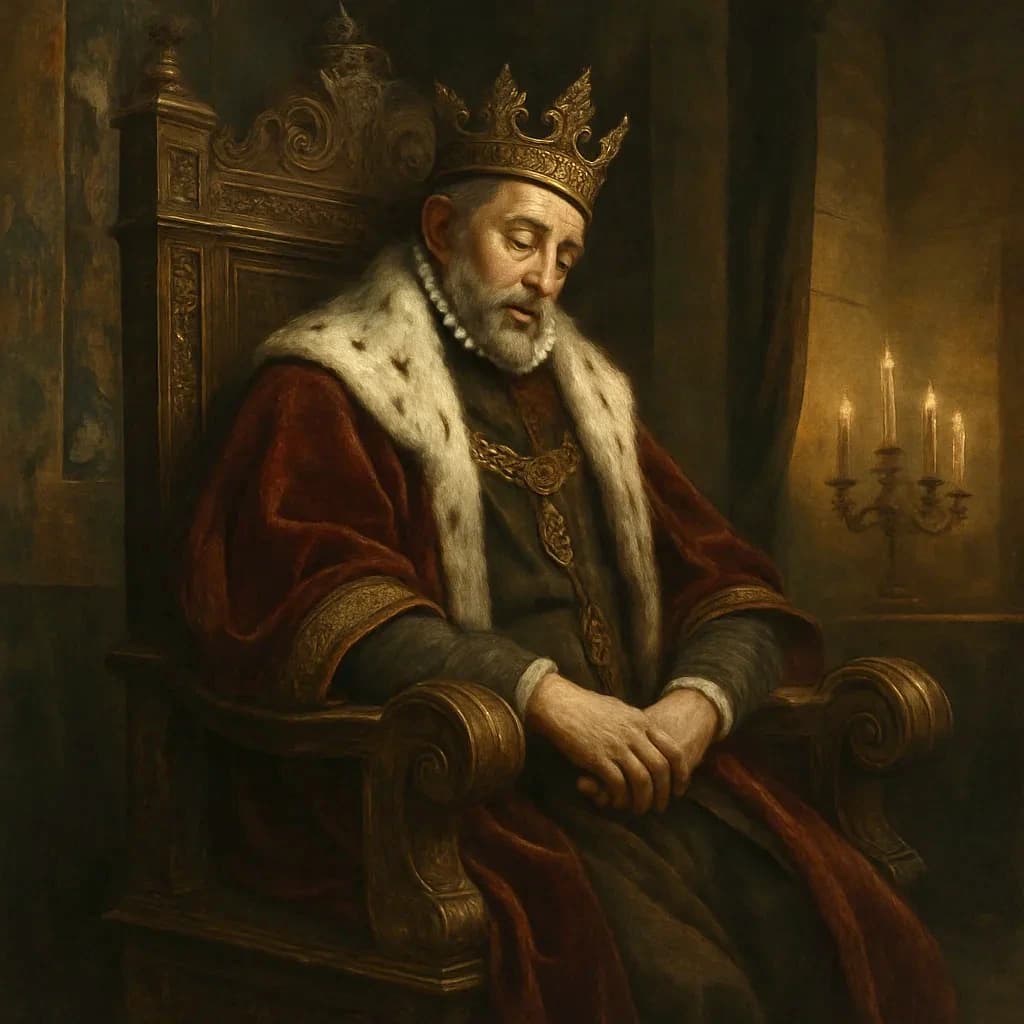
When Kings Went to Sleep Standing Up
For nearly a century, European monarchs believed their royal blood would turn to poison if they ever lay down while sleeping.
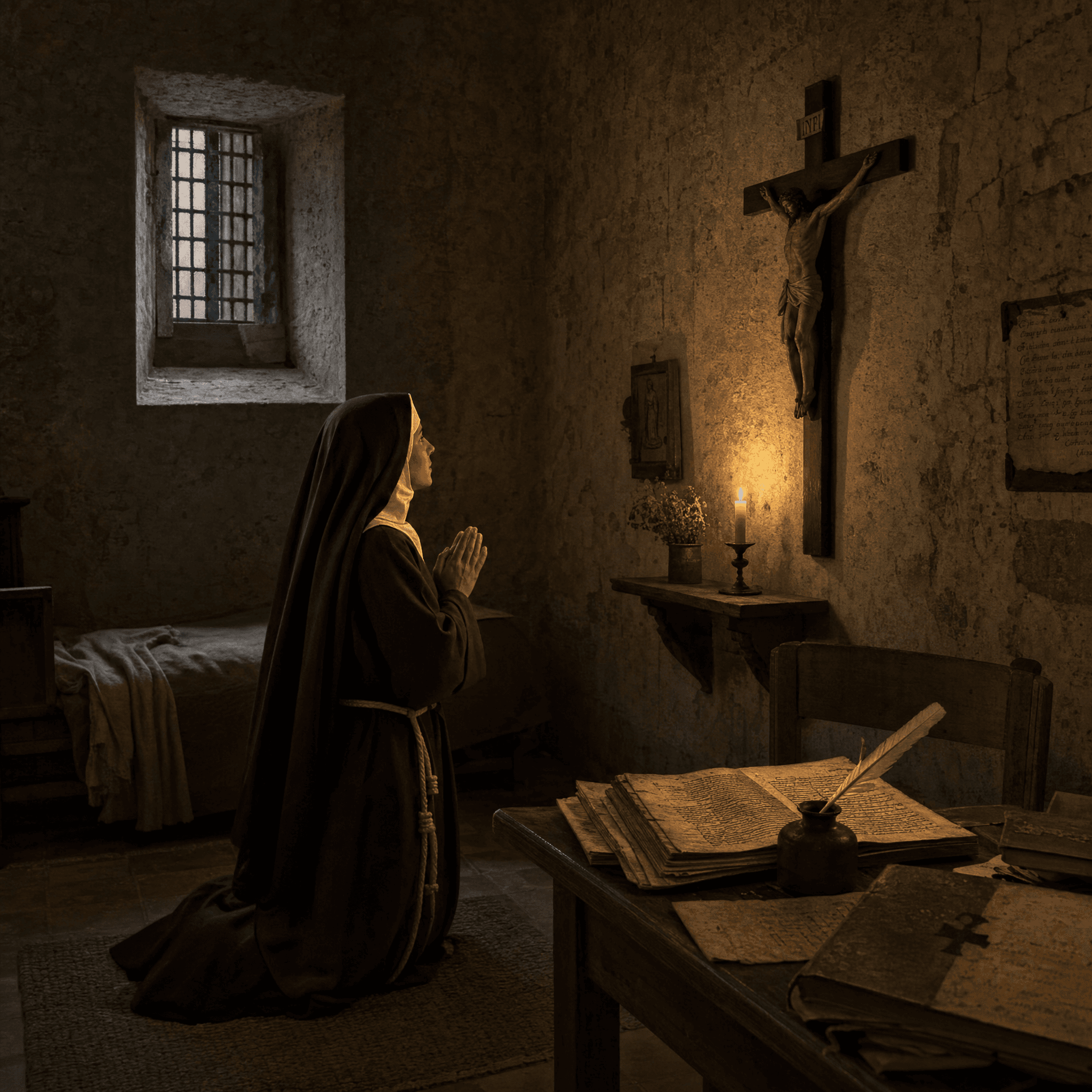
The Prayer That Bankrupted Spain
A single nun's mystical visions convinced the most powerful king in Europe to drain his treasury for a war that would never come.
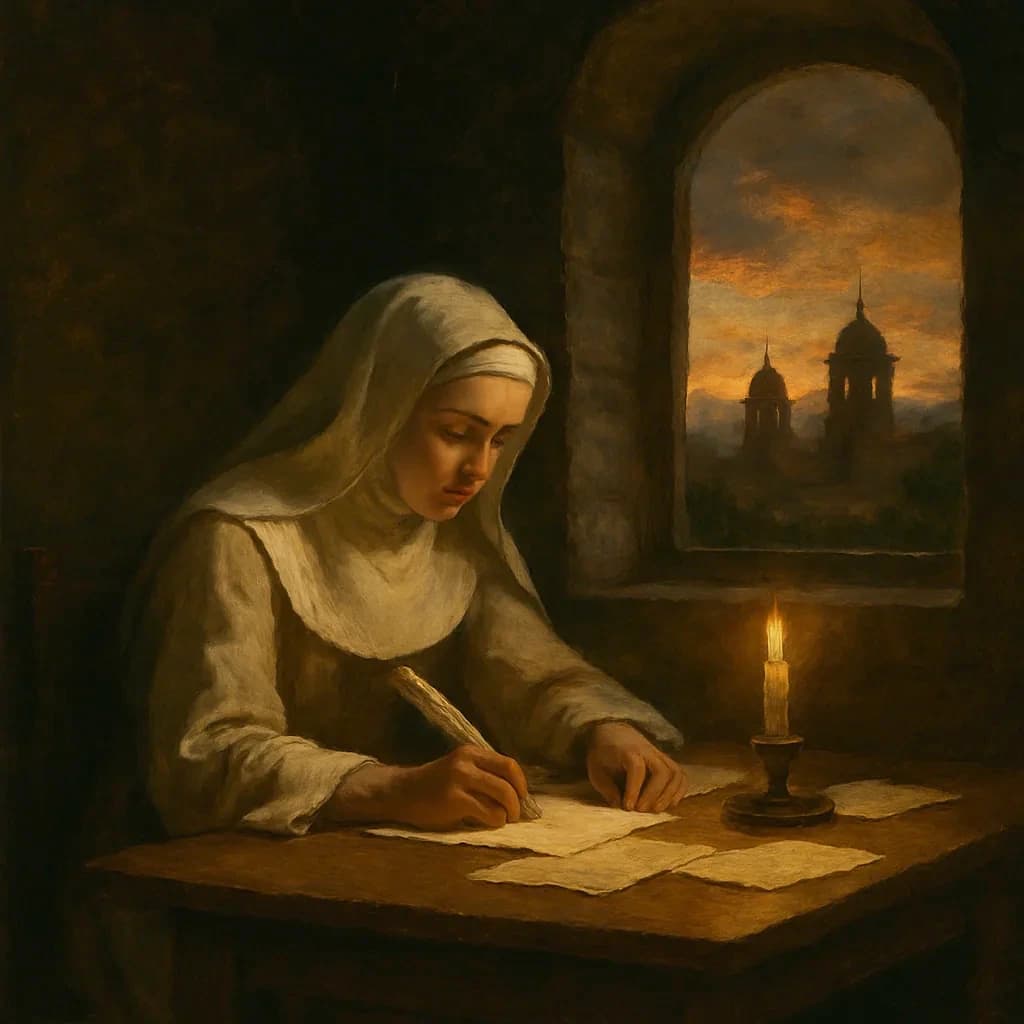
Her Visions Emptied Spain's Treasury
A cloistered mystic's visions convinced a king to spend his empire's entire treasury on a single, impossible military campaign.
- John H. Elliott, The Count-Duke of Olivares: The Statesman in an Age of Decline (1986)
- Geoffrey Parker, The Army of Flanders and the Spanish Road (1972)
- R.A. Stradling, Philip IV and the Government of Spain, 1621-1665 (1988)