
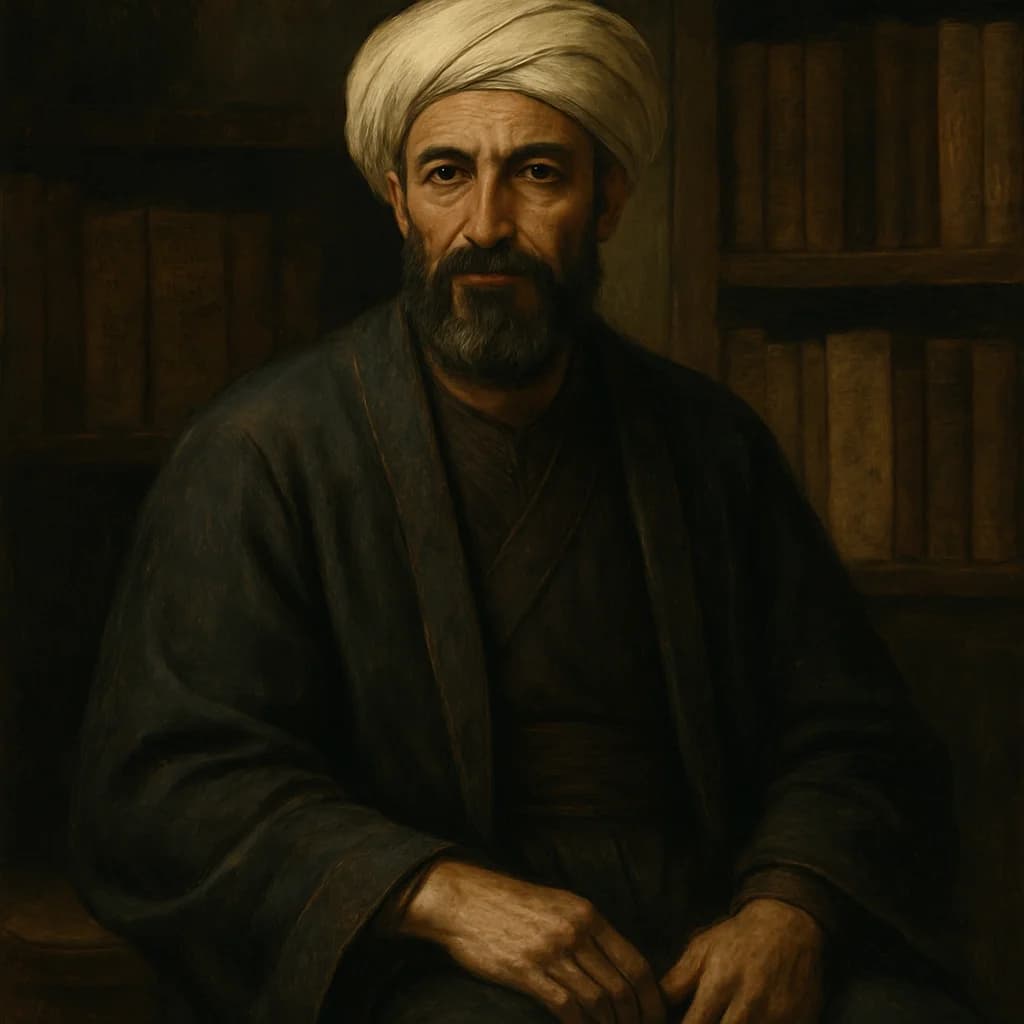
Saladin
The man who conquered Jerusalem learned to speak French so he could personally comfort captured Crusader knights.
Saladin didn't start as Saladin. Born Yusuf ibn Ayyub in Tikrit, he was a reluctant warrior whose uncle Shirkuh literally dragged him on his first military campaign to Egypt. The young Kurdish nobleman wanted to study law and poetry, not wage jihad. His early letters reveal someone far more interested in discussing philosophy than siege tactics. Yet this bookish prince would become the Islamic world's greatest military mind, not through bloodthirst, but through an almost pathological inability to leave suffering enemies unhelped.
What made Saladin legendary wasn't his victories but his mercy. After retaking Jerusalem in 1187, he personally ransomed thousands of poor Christians who couldn't buy their freedom. He sent his own physicians to treat Richard the Lionheart when the English king fell ill with fever. During sieges, he regularly sent gifts of fresh fruit and snow from Mount Hermon to enemy commanders. His secretaries complained that he spent more gold on enemy prisoners than on his own troops. When Crusader nobles mocked his generosity as weakness, Saladin would quote Persian poetry: "A generous man's flaws are hidden by the night of his giving."
The Kurdish sultan who united Egypt and Syria spoke six languages fluently and maintained a library of over 6,000 volumes. He died nearly bankrupt because he'd given away most of his treasury to soldiers, scholars, and former enemies. His estate contained one gold piece, forty-seven silver dirhams, and no property beyond his clothes and weapons. The man who could have lived like an emperor chose to die like a monk.
Europe remembered him as the noble heathen. The Islamic world called him al-Nasir, the Helper. Both got him backwards. Saladin wasn't noble despite being Muslim, or helpful because of his faith. He was simply a man who couldn't stop himself from choosing the harder kindness, even when it cost him everything.
Saladin established the first hospitals in the Islamic world that treated patients regardless of religion, race, or social status, a practice that wouldn't appear in Europe for another two centuries.
Why untold: Western histories focus on his military campaigns against the Crusades while Islamic sources emphasize his religious devotion, obscuring his remarkable personal character and intellectual pursuits.
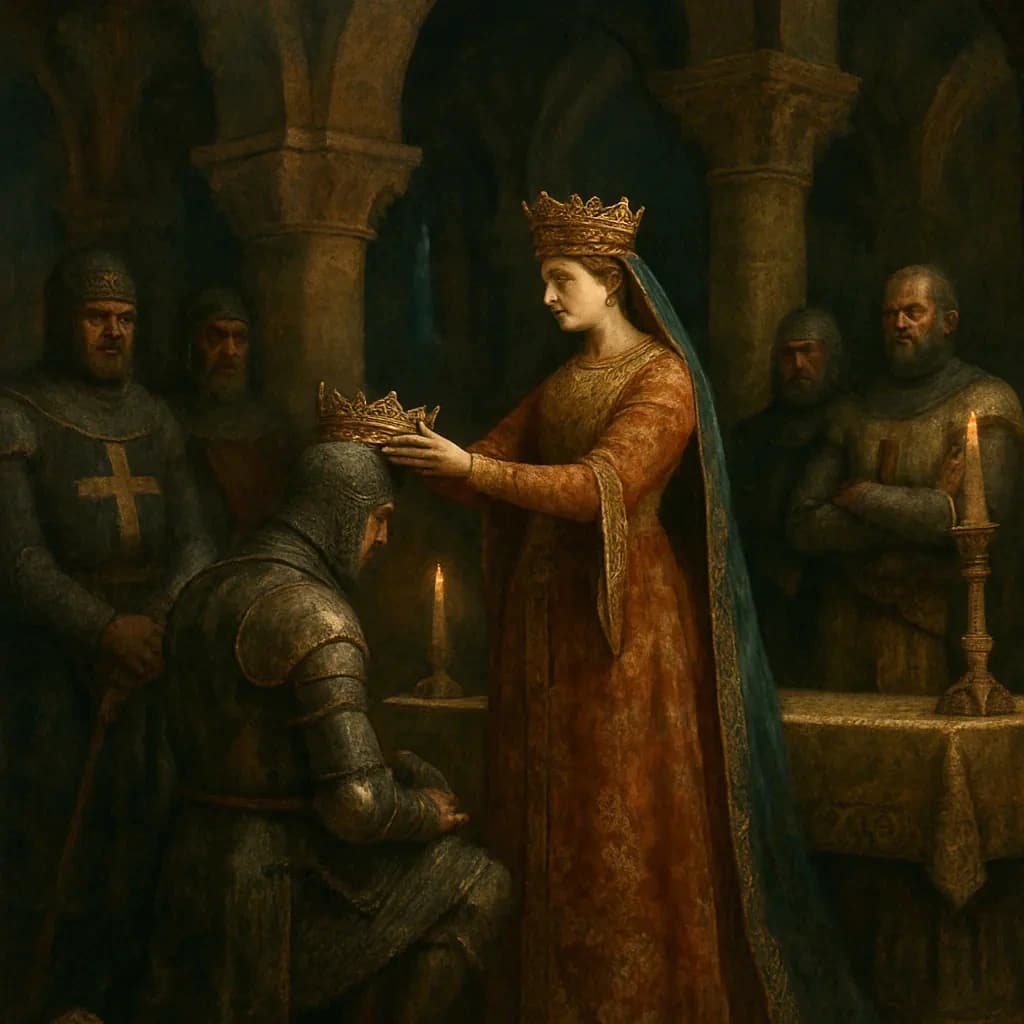
How a Bottle of Rosewater Helped Topple Jerusalem
Saladin swept through the Crusader kingdoms in 1187, but one small bottle of rosewater may have done more damage than his cavalry.
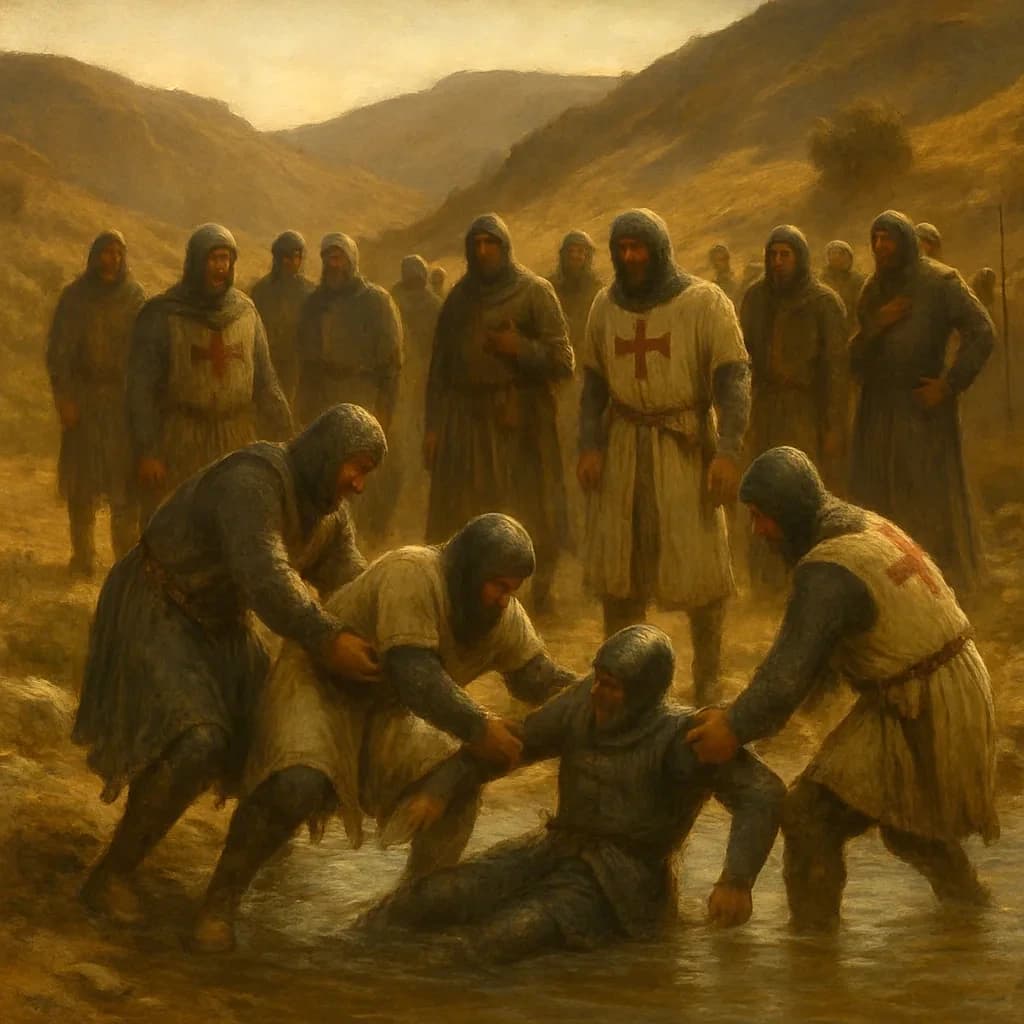
Barbarossa Drowned in a River You Could Wade Across
A single corpse pushed Europe's most powerful rulers toward war in 1191, and it wasn't even the right corpse.
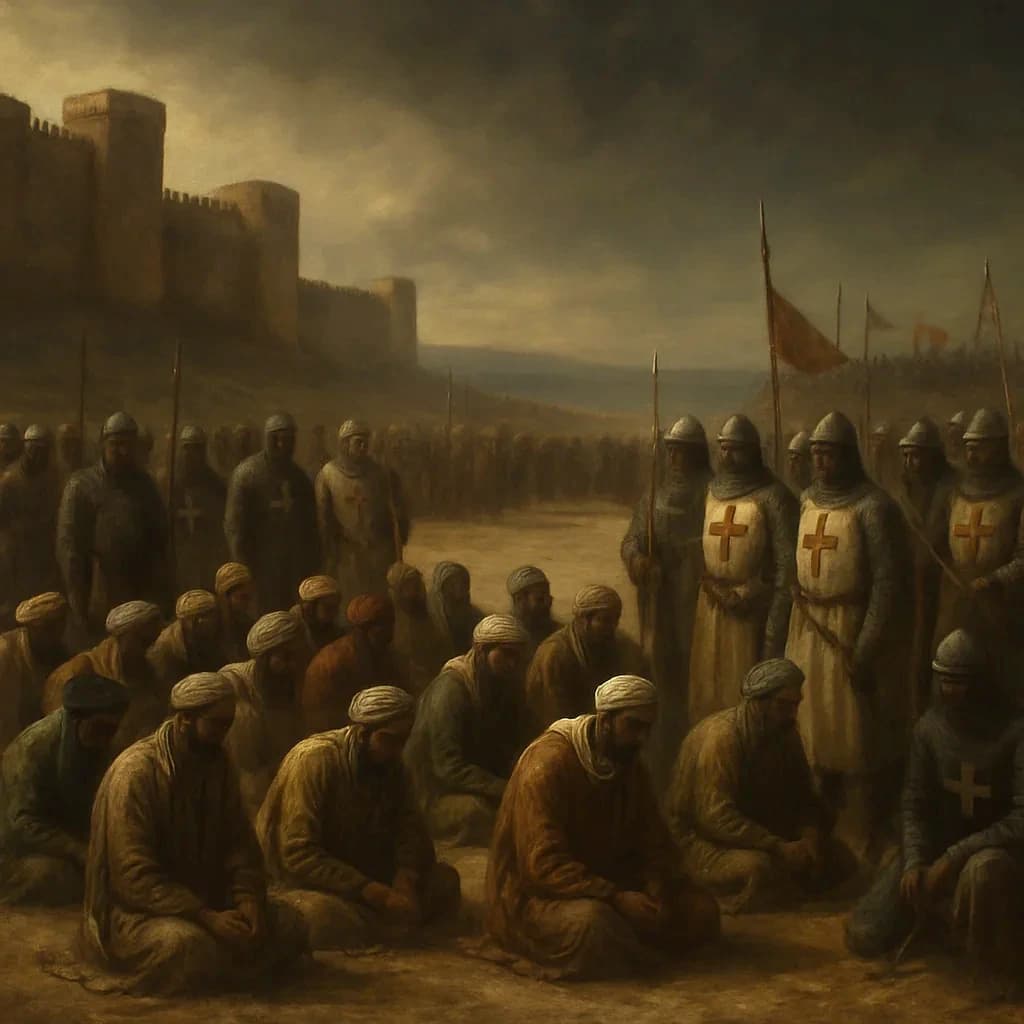
Richard the Lionheart Executed 2,700 Prisoners in One Afternoon
Richard I executed 2,700 Muslim prisoners in broad daylight, and the reason why tells you everything about how crusading warfare actually worked.
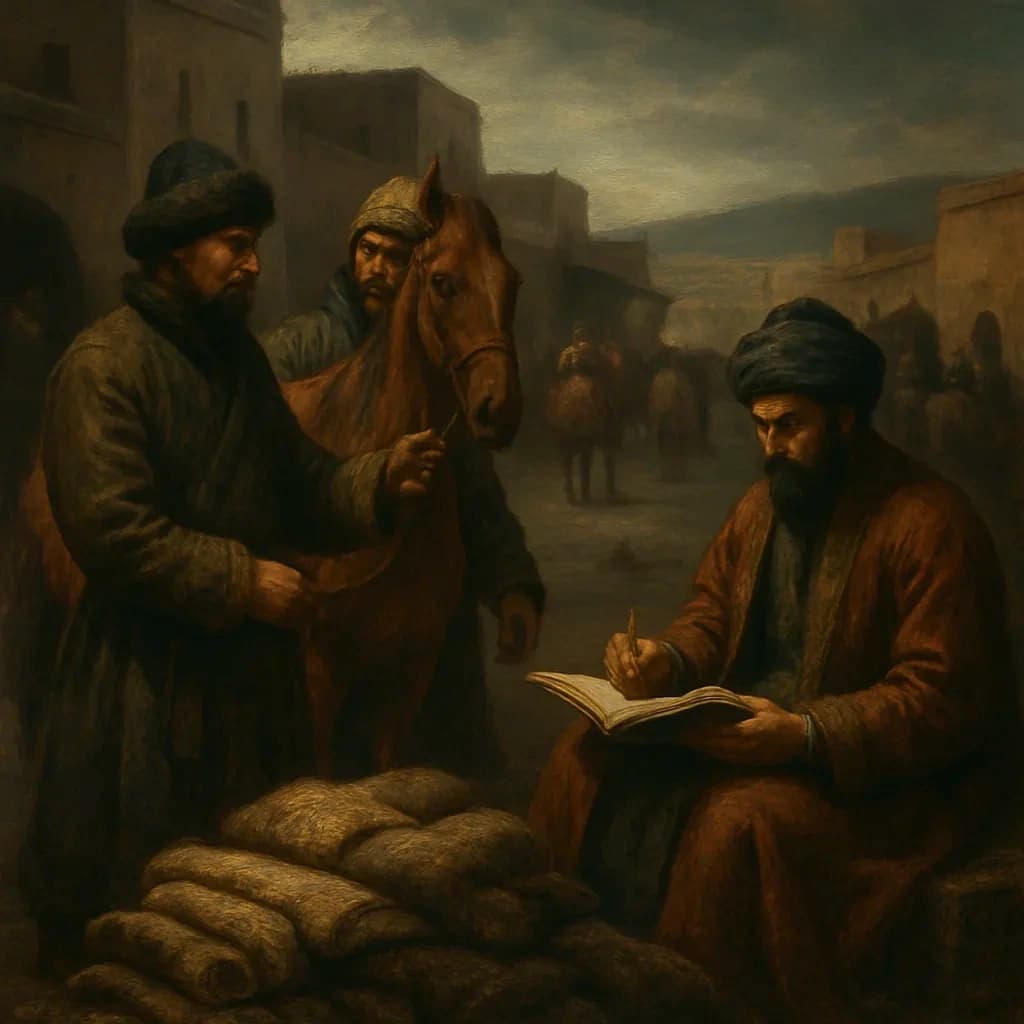
Forty-Seven Horses That Built the Mongol Empire
A single line in a medieval account book records the sale that turned salt traders into the most feared cavalry in history.
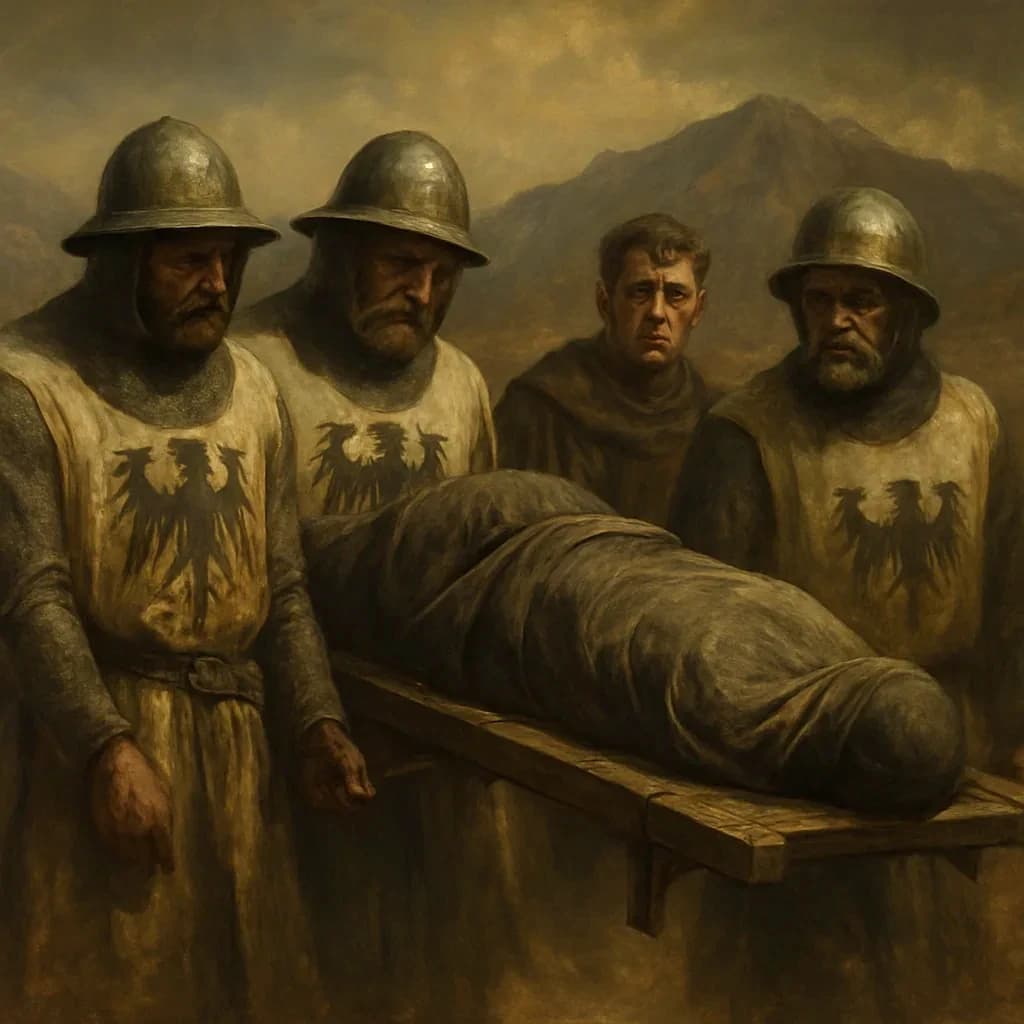
Barbarossa Drowned, So His Army Pickled Him
Frederick Barbarossa drowned crossing a small stream in Turkey, but his knights refused to believe he was dead.
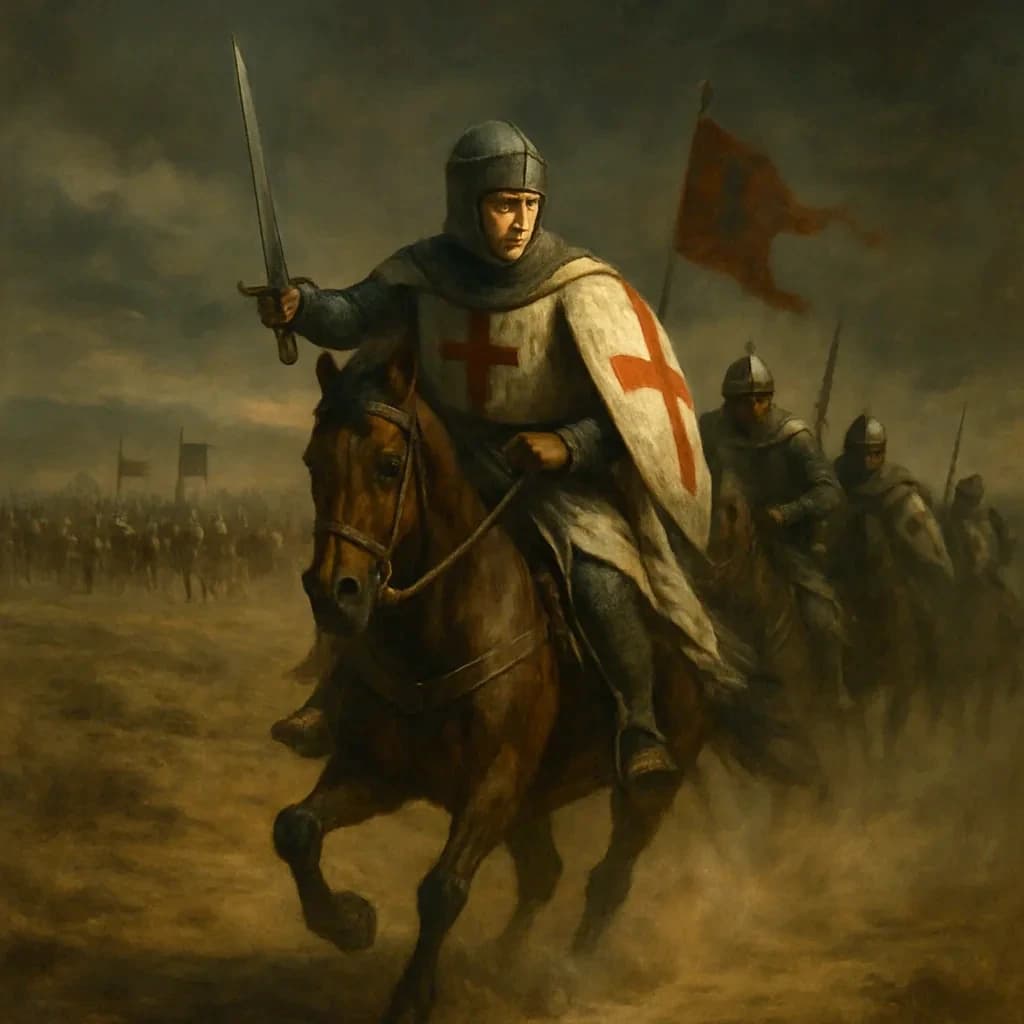
The Leper King Who Terrified Saladin
Medieval Europe's most feared disease became its most effective weapon of war.
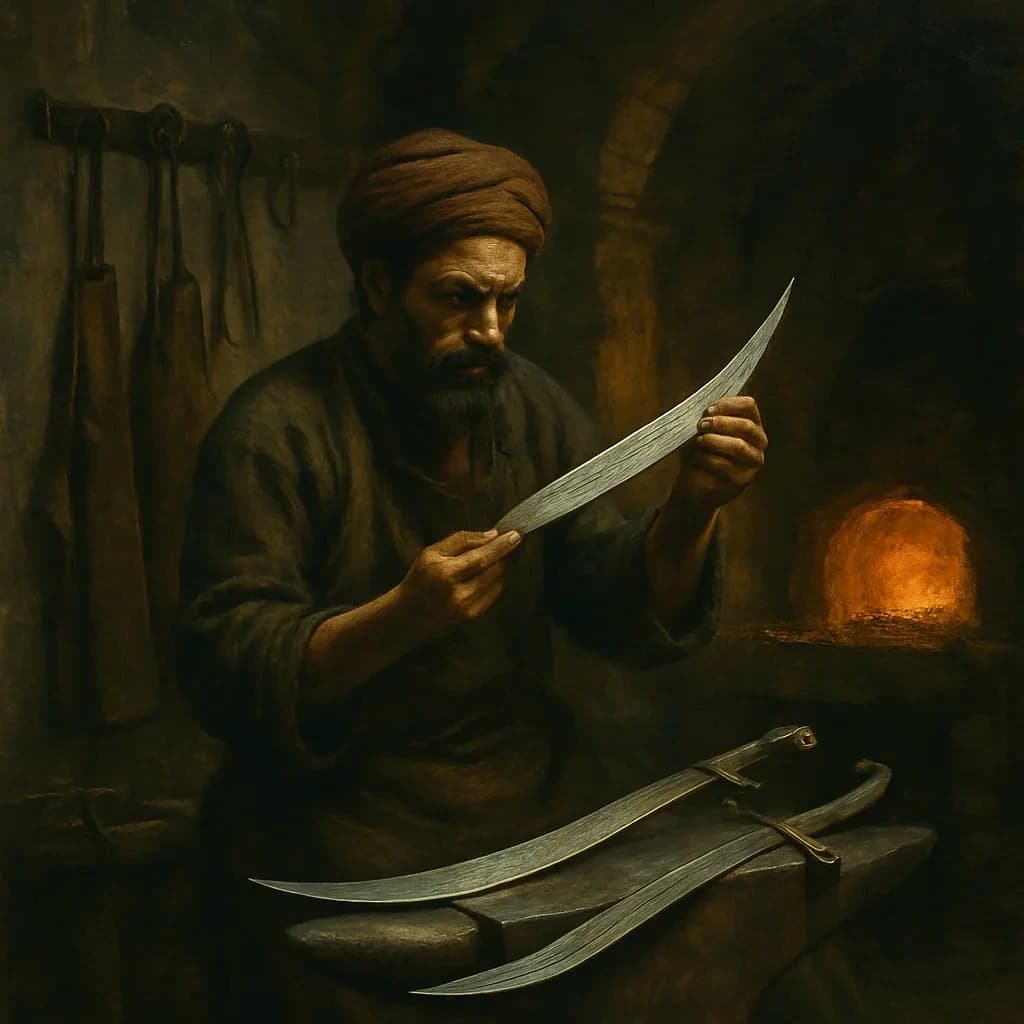
Damascus Steel: The Lost Recipe Behind the World's Best Swords
The world's finest swords were forged in one Syrian city for eight hundred years. Then the secret vanished overnight.
- Lyons, Malcolm Cameron, and D. E. P. Jackson. Saladin: The Politics of the Holy War. Cambridge University Press, 1982.
- Ehrenkreutz, Andrew S. Saladin. Albany: State University of New York Press, 1972.
- Reston, James. Warriors of God: Richard the Lionheart and Saladin in the Third Crusade. Doubleday, 2001.