
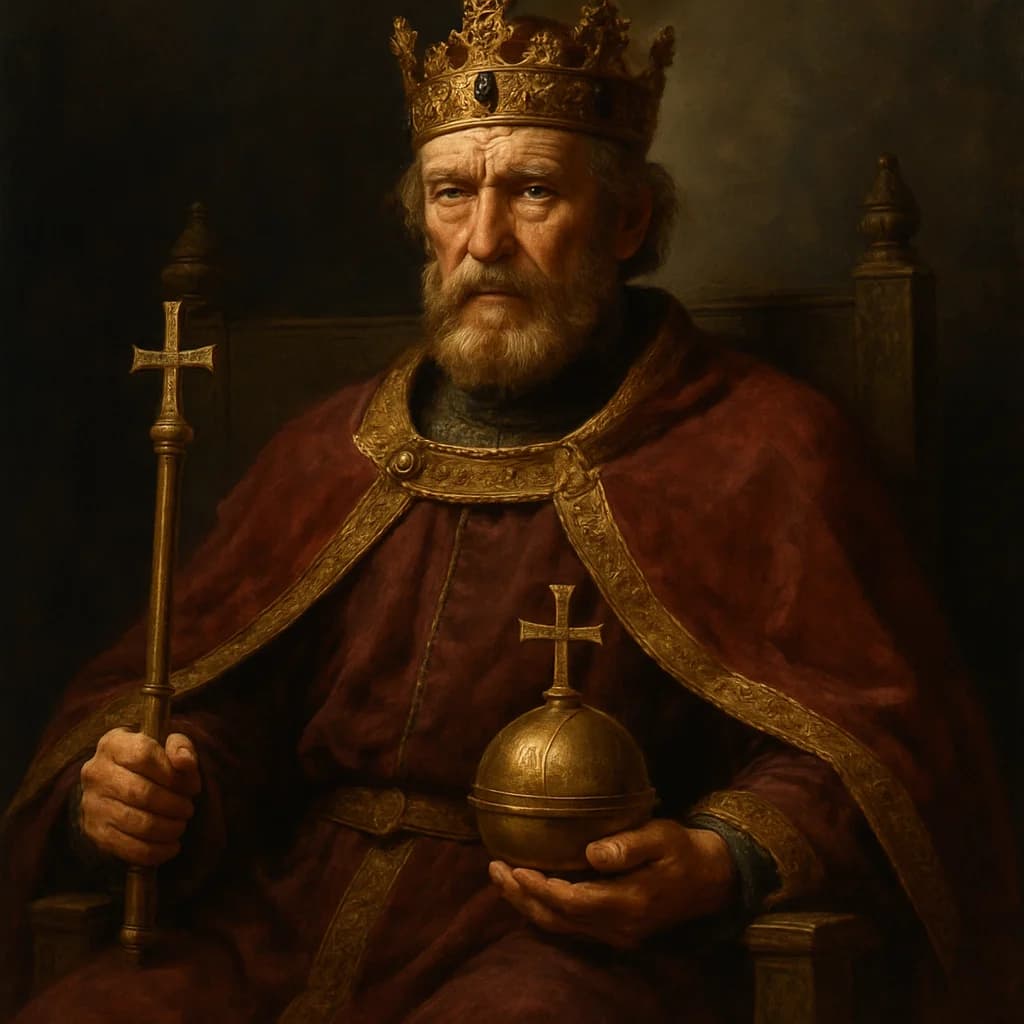
Frederick Barbarossa
The most powerful emperor in medieval Europe died crossing a stream barely deep enough to drown a horse.
Frederick Barbarossa earned his nickname (Red Beard) not from any Germanic tradition, but because Italian chroniclers needed something memorable to call the German king who kept invading their peninsula. Between 1154 and 1186, he crossed the Alps six times with armies that could flatten cities, yet he never quite managed to control Italy for more than a few months at a stretch.
His real genius lay not in conquest but in political theater. When Milan defied him in 1162, Frederick didn't just destroy the city. He had every stone ceremonially scattered and the ground plowed with salt, then forced the survivors to carry the debris to four other cities as a warning. Yet three years later, he was rebuilding Milan and inviting its merchants to imperial feasts. He understood that medieval power was performance, a constant dance between crushing force and strategic mercy.
The Third Crusade should have been his masterpiece. At sixty-seven, with a perfectly organized army and decades of military experience, Frederick marched east in 1189 with 100,000 men, the largest force of the entire crusade. He had negotiated safe passage through Byzantine territory, secured supplies, even arranged diplomatic meetings with Muslim leaders who respected his reputation. Then, on June 10, 1190, while crossing the Saleph River in modern-day Turkey, something went wrong.
Whether his horse stumbled, whether he suffered a heart attack, whether the current was stronger than expected: no one knows. What's certain is that the Holy Roman Emperor, who had survived decades of Italian wars and political intrigue, drowned in water that reached his horse's belly. His knights refused to accept it, carrying his decomposing body for weeks through the heat of Anatolia, convinced their invincible emperor would somehow resurrect himself before they reached Jerusalem.
Frederick Barbarossa's body decomposed so badly during his knights' refusal to bury him that they eventually had to boil the flesh from his bones, planning to reassemble him in Jerusalem, but then lost most of the bones along the way.
Why untold: His absurd death gets overshadowed by his legendary status, and medieval chroniclers preferred mythmaking to admitting their greatest emperor died in a puddle.
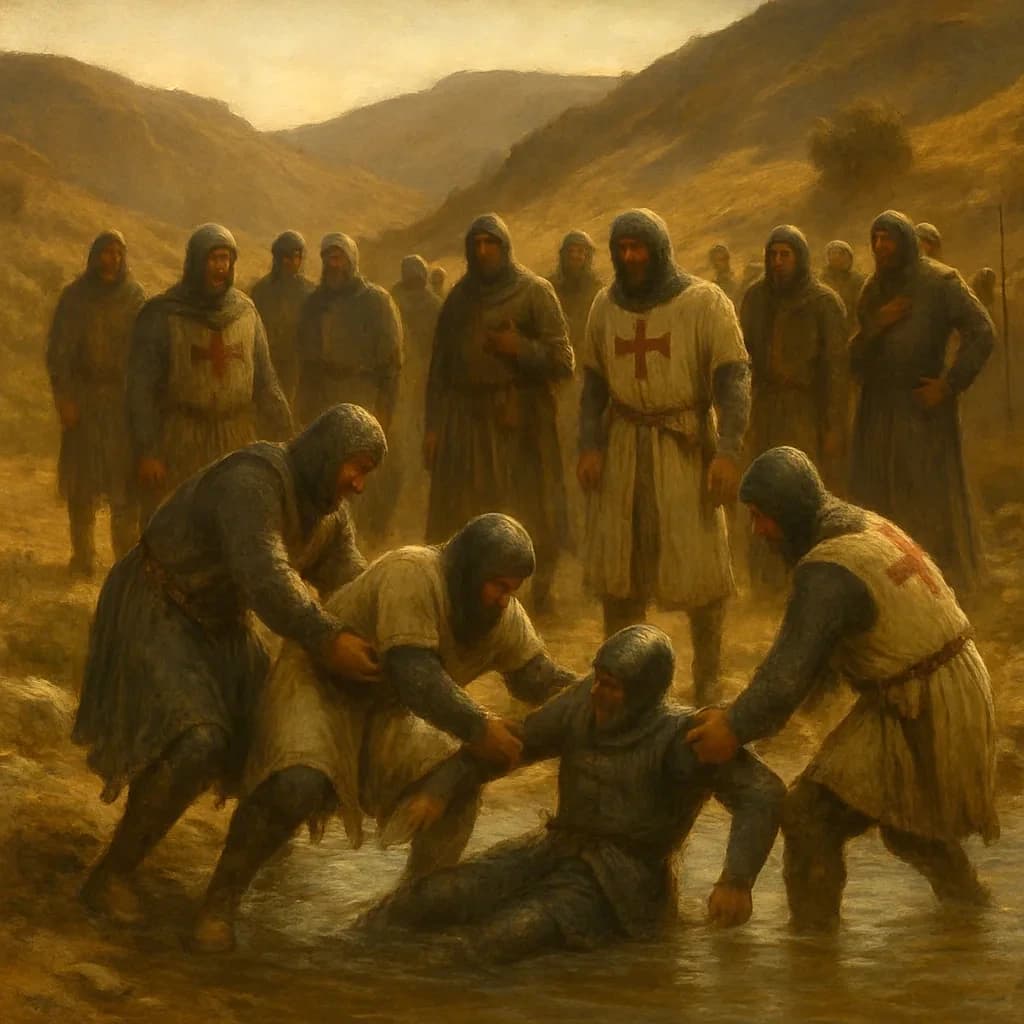
Barbarossa Drowned in a River You Could Wade Across
A single corpse pushed Europe's most powerful rulers toward war in 1191, and it wasn't even the right corpse.
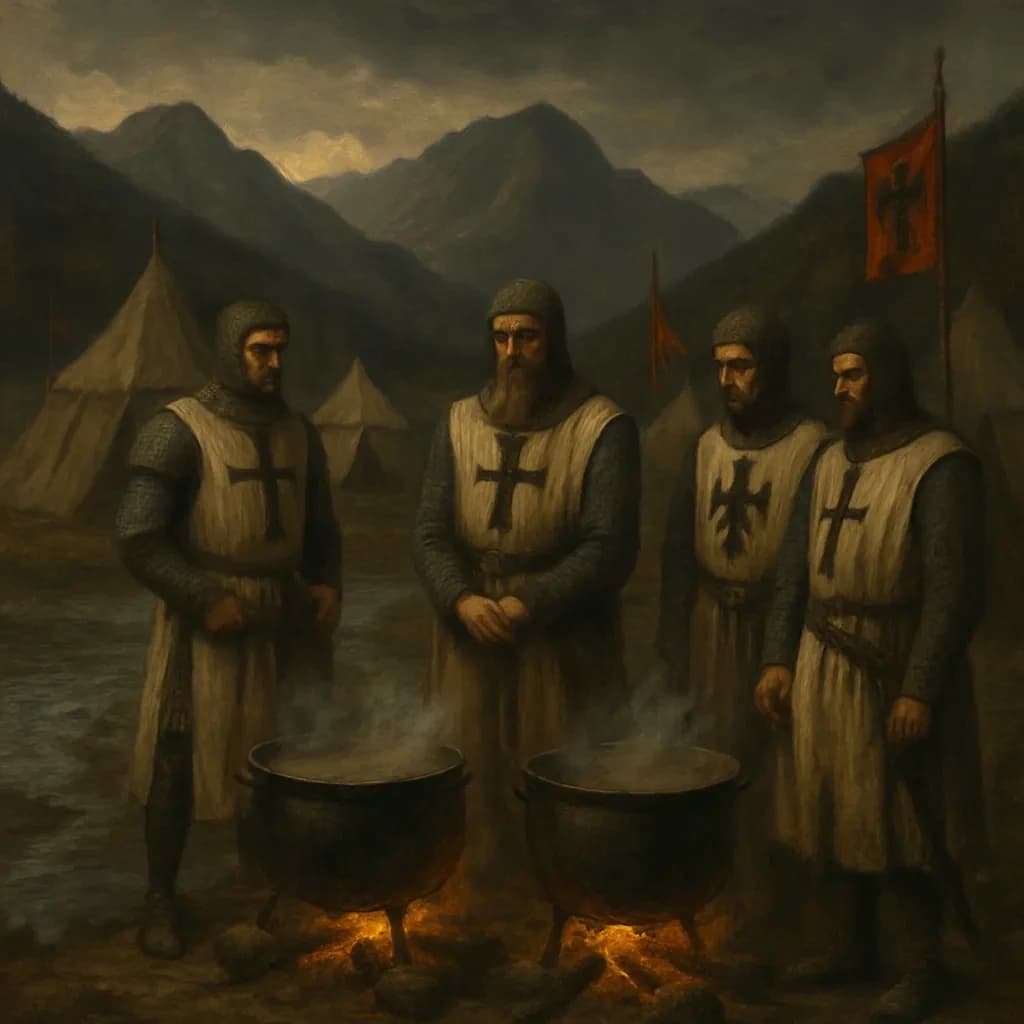
They Boiled Their Emperor to Carry Him Home
The most powerful ruler in the medieval world died in knee-deep water, and the ritual that followed broke every known law of physics and faith.
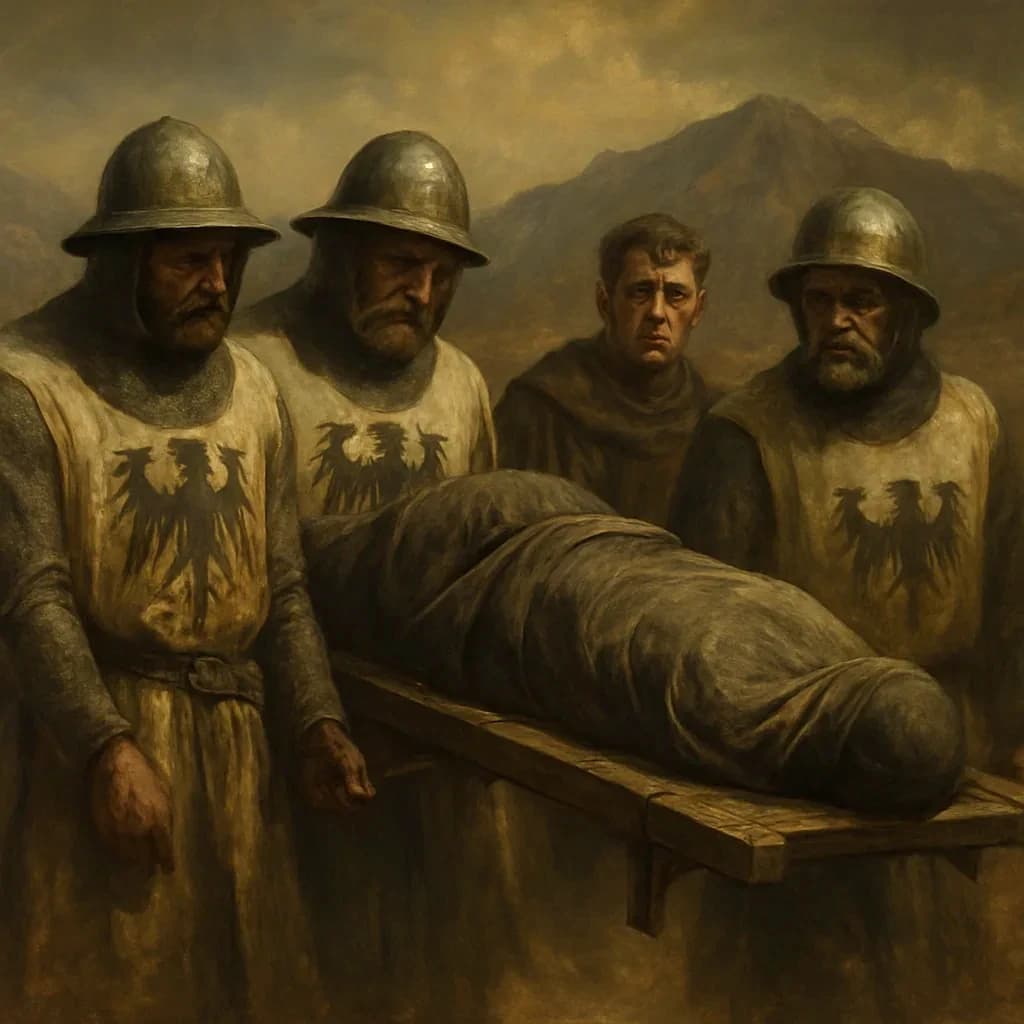
Barbarossa Drowned, So His Army Pickled Him
Frederick Barbarossa drowned crossing a small stream in Turkey, but his knights refused to believe he was dead.
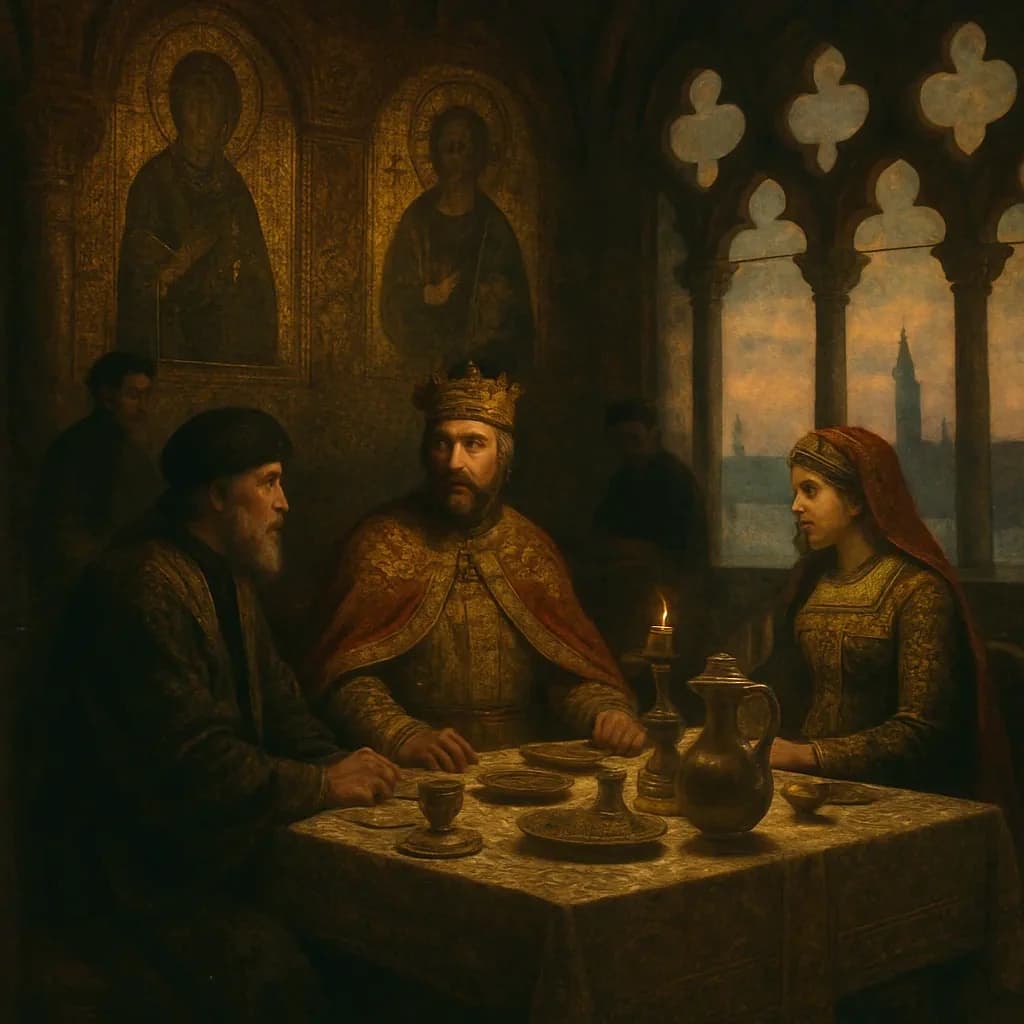
A Pope and an Emperor, Brought to the Same Table
A pope, an emperor, and a doge sat down to dinner in Venice in 1177, and the modern diplomatic summit was born.
- Peter Munz, Frederick Barbarossa: A Study in Medieval Politics (1969)
- Thomas B. Costain, The Three Edwards (1958)
- Geoffrey Barraclough, The Origins of Modern Germany (1946)