
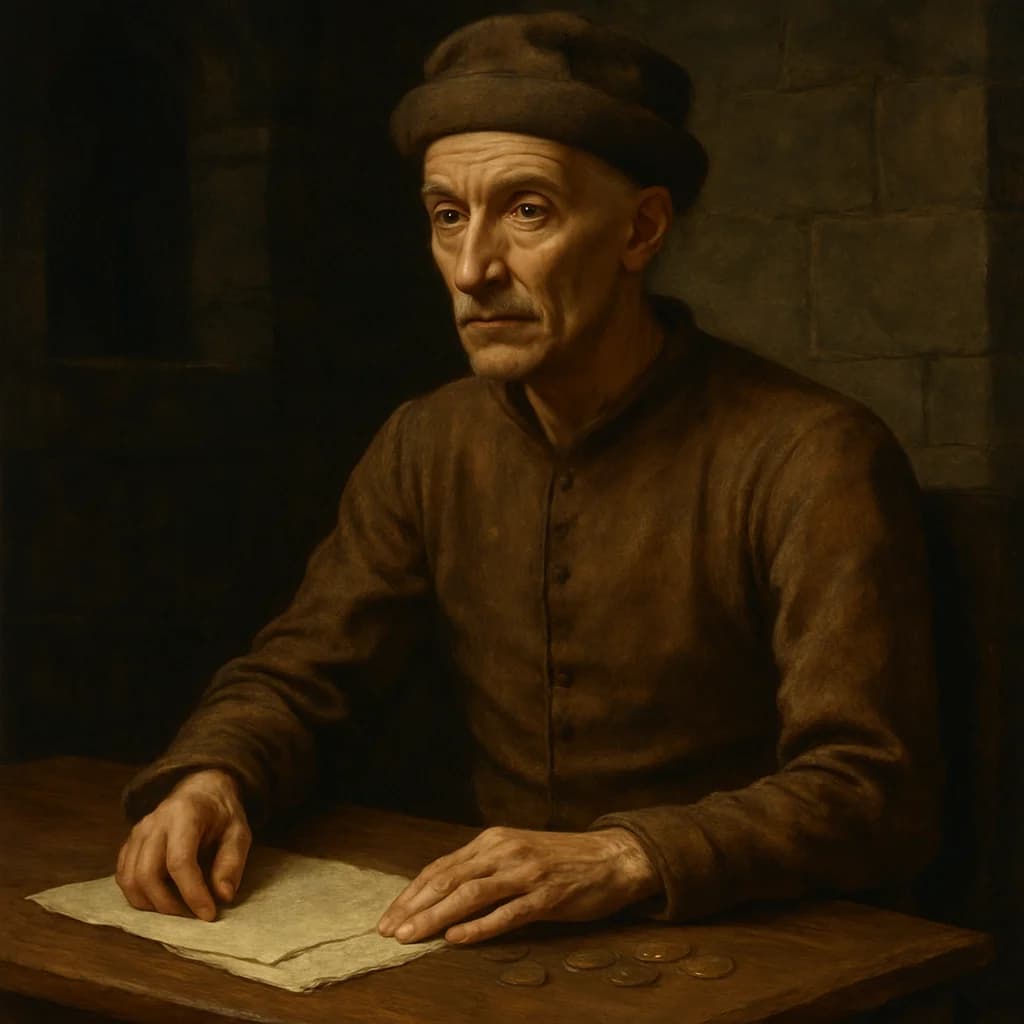
Louis XI
The king who turned espionage into an art form spent more on spies than armies, earning the nickname 'The Universal Spider' for his web of informants that stretched across Europe.
Louis XI transformed medieval kingship by replacing knights with accountants and swords with secrets. While other monarchs still believed in the romance of chivalry, Louis calculated the exact cost of loyalty in silver coins. He maintained a network of informants so vast that foreign ambassadors joked they couldn't sneeze without him knowing about it within the week.
His appearance was deliberately unremarkable: shabby clothes, a beaten felt hat, the demeanor of a traveling merchant. This was no accident. Louis understood that power worked best when invisible. He preferred bribing enemy nobles to fighting them, often purchasing entire territories through careful manipulation rather than siege. When Charles the Bold of Burgundy died at Nancy in 1477, Louis had already bought the loyalty of half his court.
The king's paranoia was legendary and justified. He surrounded himself with Scottish bodyguards because he trusted no Frenchman completely. His castle at Plessis-lès-Tours resembled a fortress-prison more than a royal residence, complete with iron cages for special prisoners and a private chapel where he prayed obsessively to dozens of saints, hedging his bets in both earthly and divine politics.
Louis revolutionized statecraft by making it boring. No grand gestures or glorious battles: just patient, methodical accumulation of power through contracts, bribes, and blackmail. He died in 1483 having doubled the size of France not through conquest but through purchase, leaving behind a kingdom that would dominate European politics for centuries. His greatest victory was making absolutism seem like good bookkeeping.
Louis XI paid his barber 100 times the annual salary of a skilled craftsman because the man knew all his secrets and could literally cut his throat.
Why untold: History prefers dramatic warrior-kings to calculating bureaucrats who built empires through ledger books and spy networks.
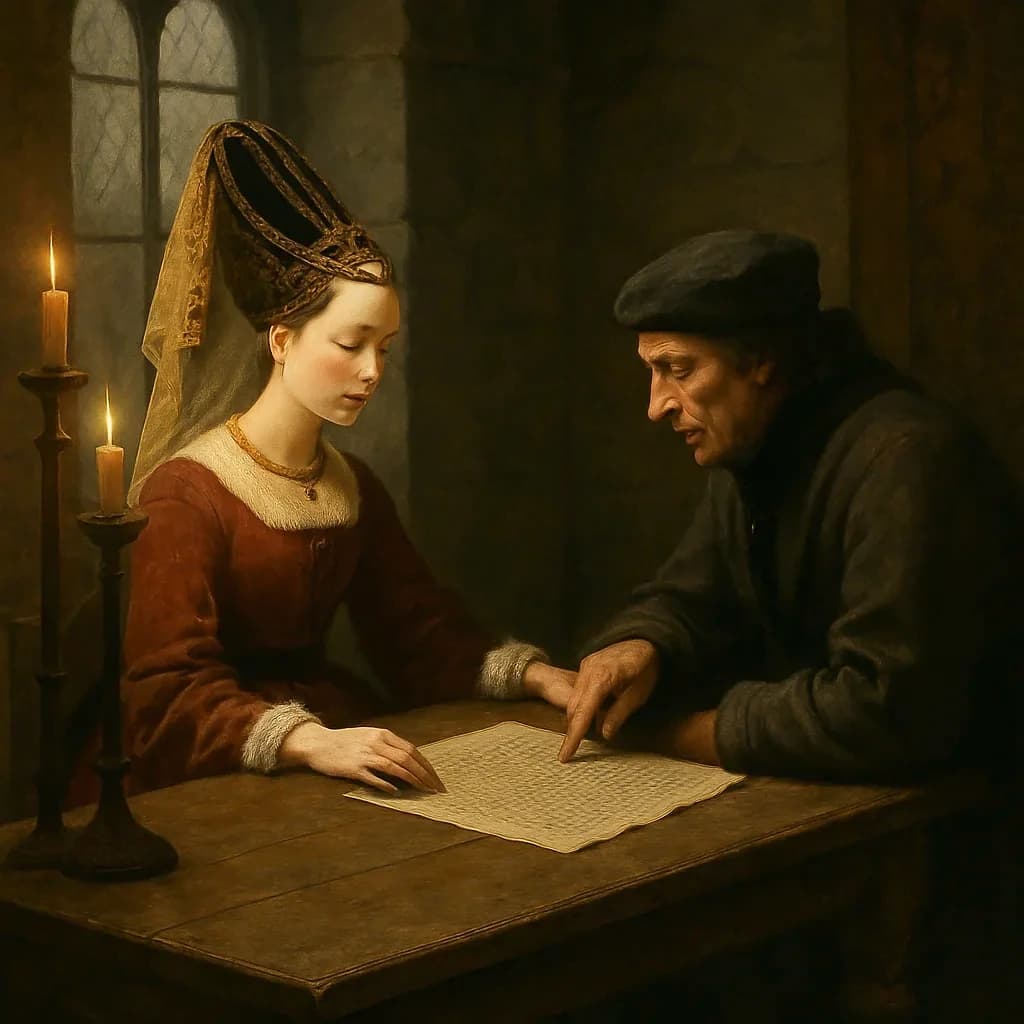
The Debt That Outlived Its Debtor
In 1476, a Venetian merchant loaned money to the Duke of Burgundy. The Duke died. The debt didn't.
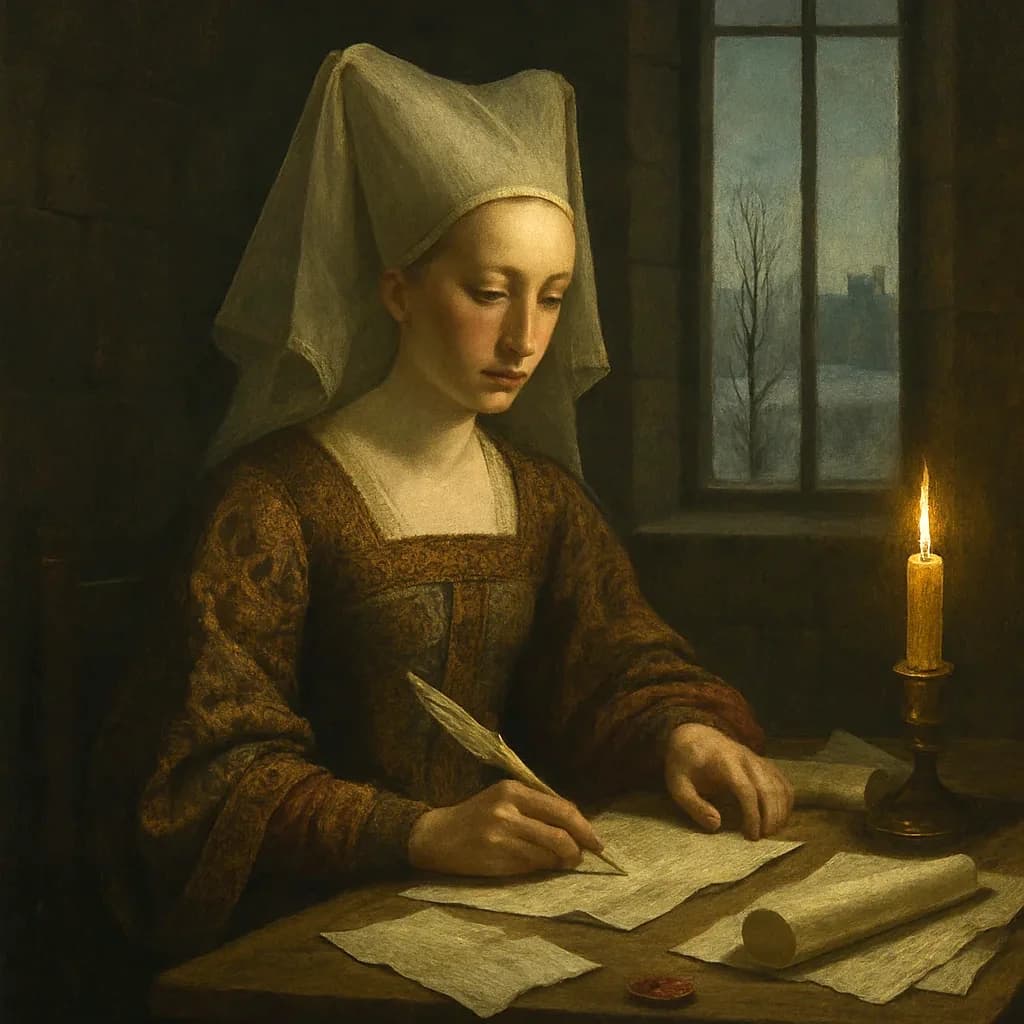
How a Widow's Letter Created the Habsburg Empire
Besieged on all sides, a grieving duchess sat down in 1477 and wrote to a man she'd never met, and rerouted the entire history of Western Europe.
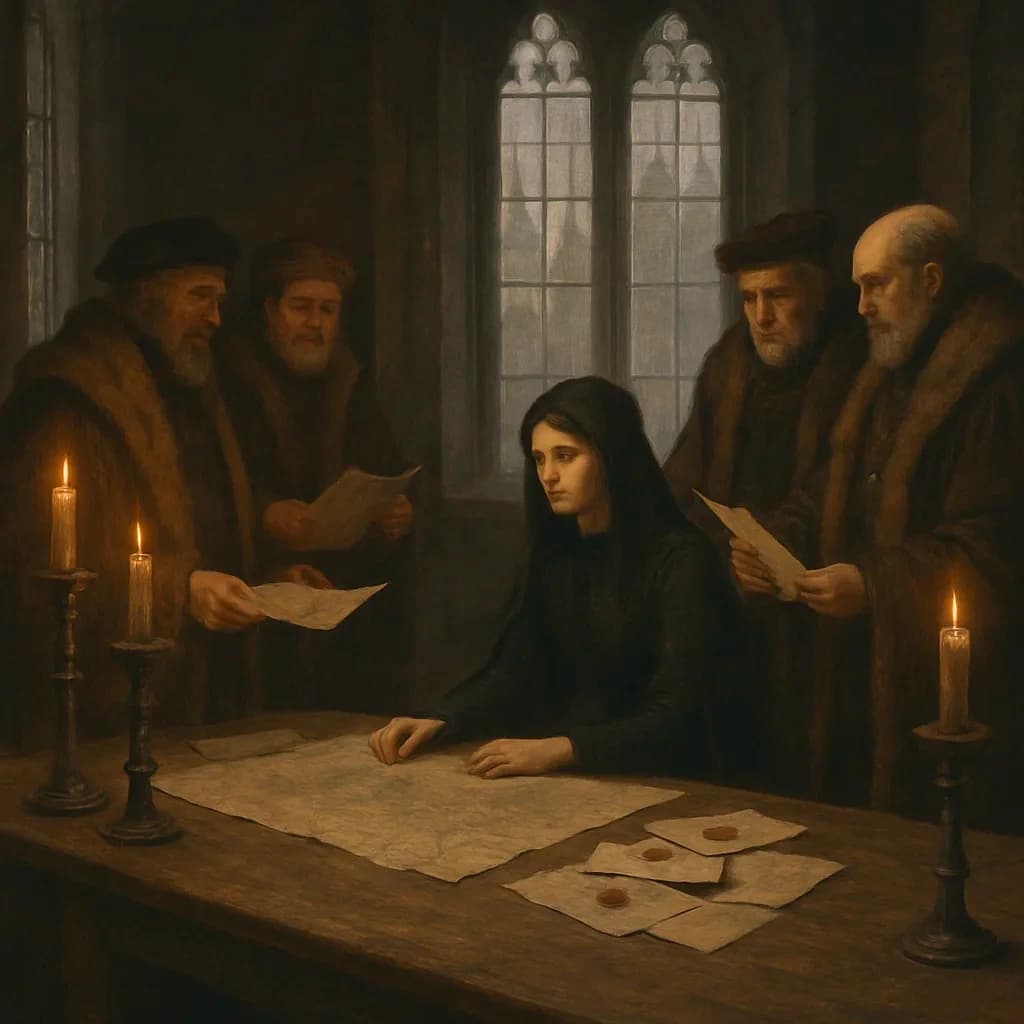
One Battle Left Europe's Richest Duchy to a 19-Year-Old
A single battle in 1477 orphaned the richest duchy in Europe. And the man who swooped in to claim the prize wasn't even supposed to be there.
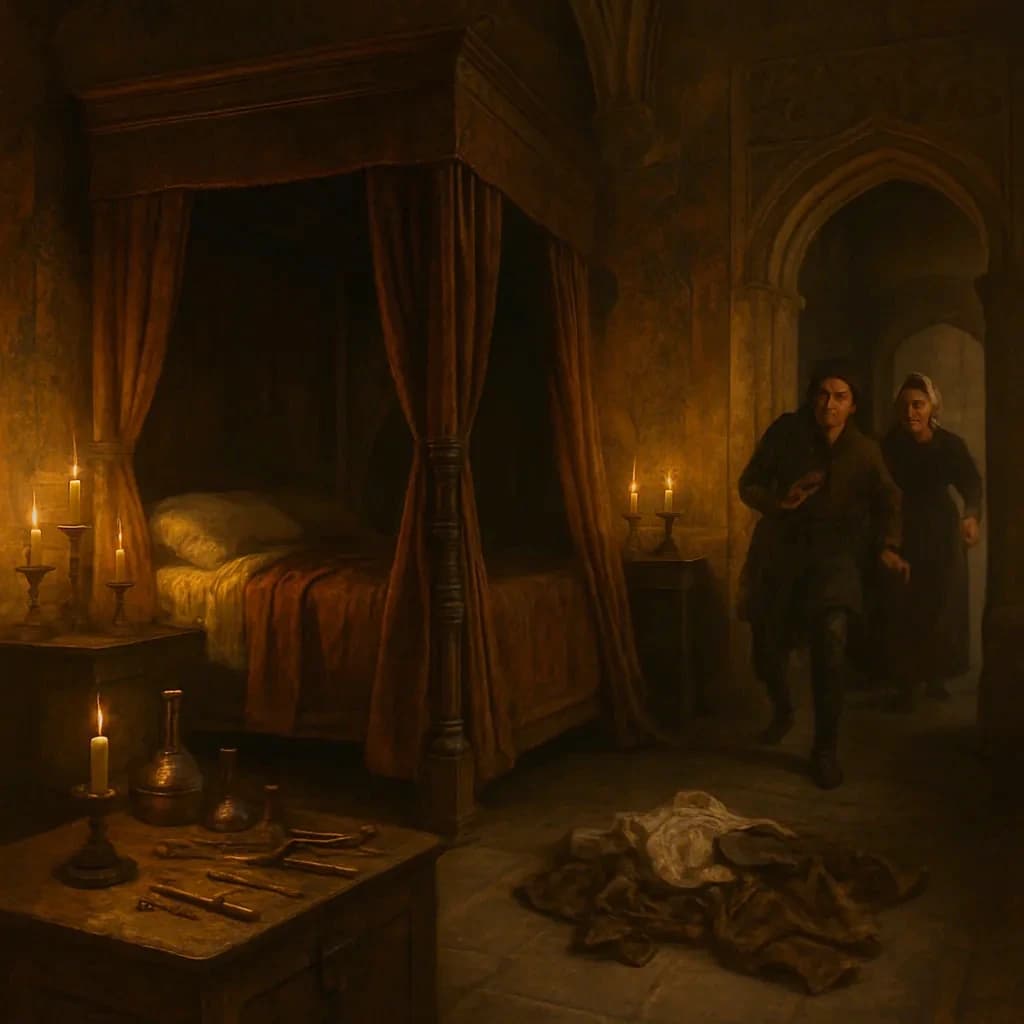
A Wedding Night That Cost Burgundy Its Future
A wedding night in 1477 went so catastrophically wrong that it changed the balance of power in Europe forever.
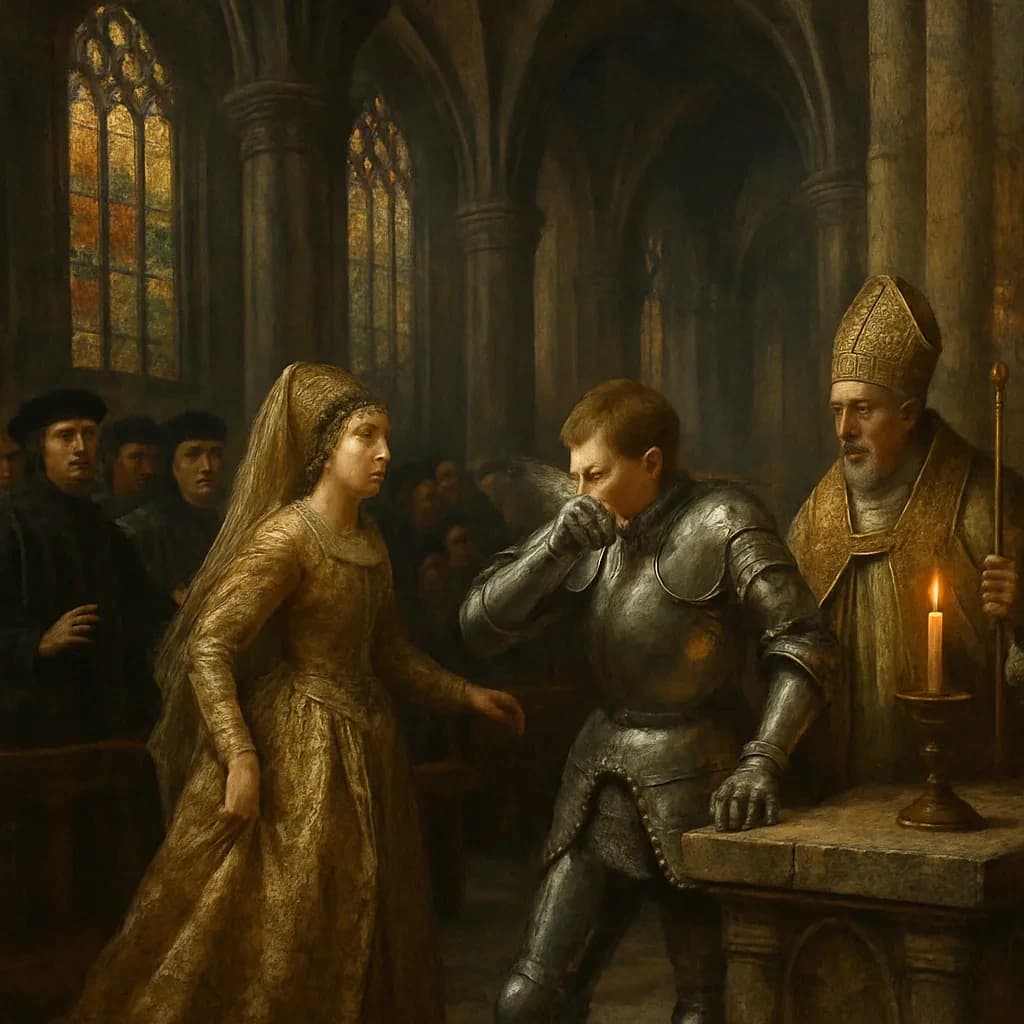
One Sneeze Unraveled a Habsburg Wedding
A single sneeze in a cathedral changed the balance of power between two empires for three centuries.
- Paul Murray Kendall, Louis XI: The Universal Spider (1971)
- Claude Gauvard, Louis XI: Un Roi entre Deux Mondes (2020)
- Philippe Contamine, Histoire de la France politique: Le Moyen Âge (2002)