
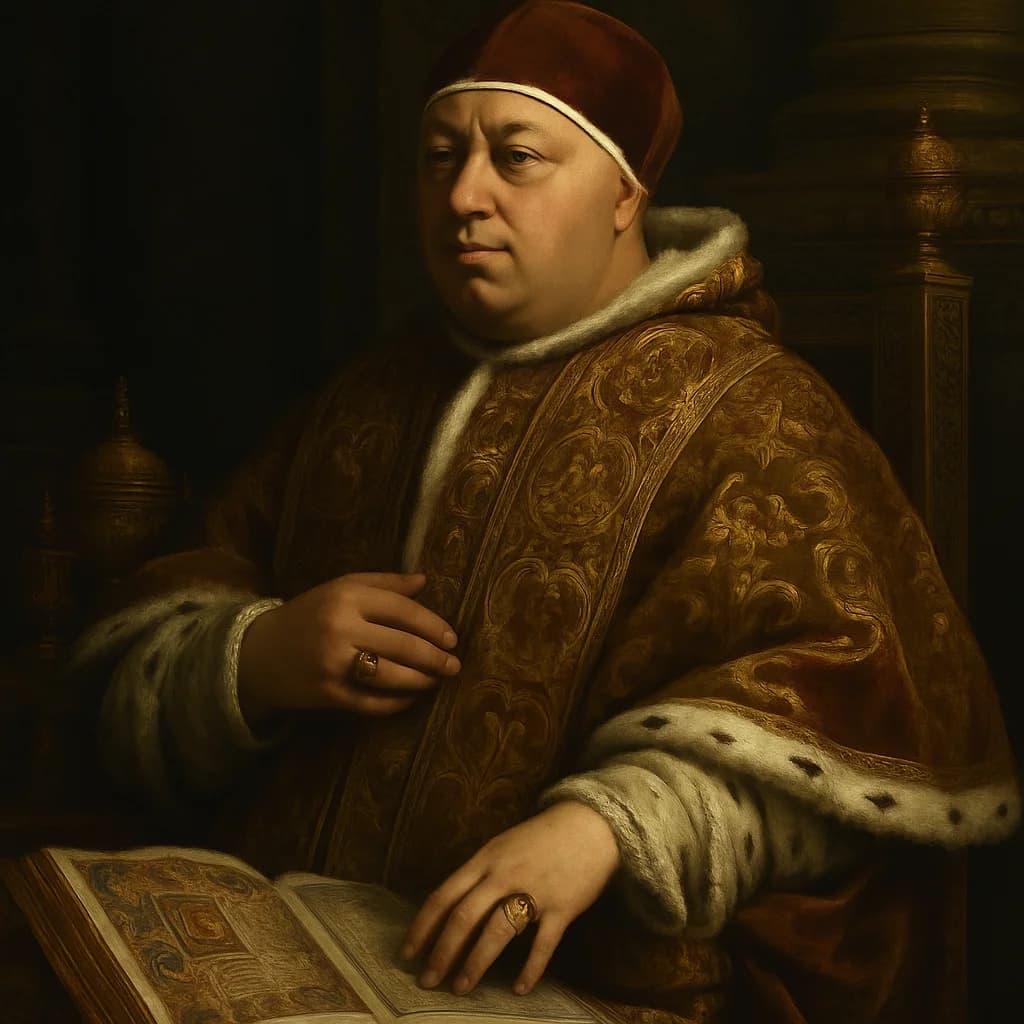
Pope Leo X
The Pope who bankrupted the Vatican throwing the most expensive party in history also accidentally created Protestantism.
Giovanni de' Medici became Pope Leo X in 1513 with a problem: the papal treasury was empty, but he had already planned a celebration that would make Roman emperors blush. His coronation festivities lasted weeks and cost more than most kingdoms' annual budgets. Exotic animals paraded through Rome, fountains flowed with wine, and the Pope himself appeared dressed in ermine and jewels worth a fortune. The bills nearly doubled the Vatican's debt overnight.
Leo's solution was elegantly corrupt. He expanded the sale of indulgences (pieces of paper that promised forgiveness for sins) into history's first mass-marketed spiritual franchise. Local bishops became salesmen, offering bulk discounts and payment plans. One German merchant, Johann Tetzel, developed such an effective sales pitch ("As soon as the coin in the coffer rings, the soul from purgatory springs") that he was outselling entire monasteries. The Pope got his cut from every transaction.
But Leo X wasn't just spending church money on parties. He was funding Renaissance art on an unprecedented scale. Raphael painted his portrait. He commissioned Michelangelo's designs for St. Peter's Basilica. He threw cash at every artist, architect, and musician in Italy, creating a cultural explosion that defined the Renaissance. When a German monk named Martin Luther posted complaints about indulgence sales in 1517, Leo X dismissed him as "a mere squabble among monks."
That squabble split Christianity in half. Leo X had been so busy spending money that he missed the brewing religious revolution. By the time he realized Luther's movement was serious, it was too late. The Pope who threw history's most expensive party had accidentally funded the Protestant Reformation.
Leo X was so confident about his religious authority that when Martin Luther first challenged indulgence sales, the Pope reportedly said "God has given us the papacy, let us enjoy it."
Why untold: His image as a patron of Renaissance art overshadows the financial recklessness that directly enabled the Protestant Reformation.
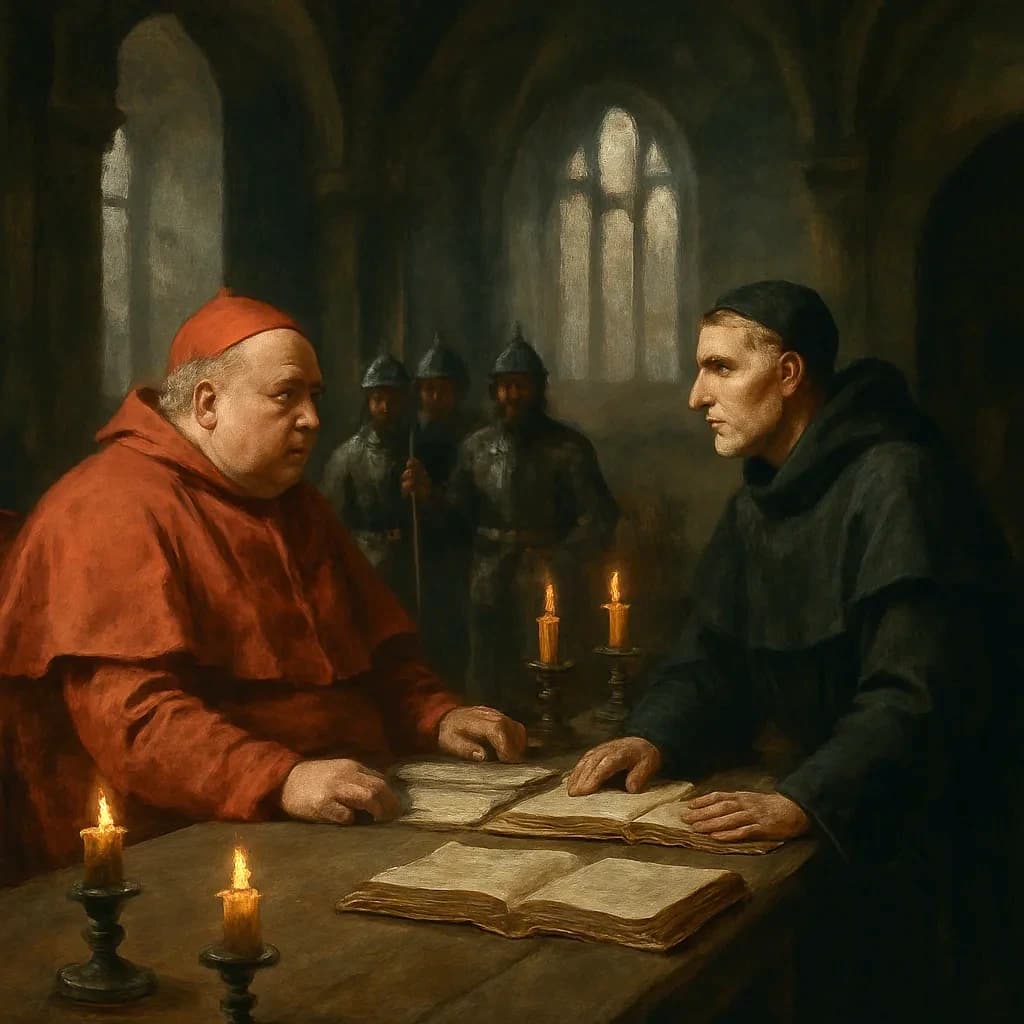
A Cattle Raid Bought Luther the Time to Survive
Martin Luther's revolution almost ended in a courtroom before it began, stopped not by theology, but by a border war over stolen livestock.
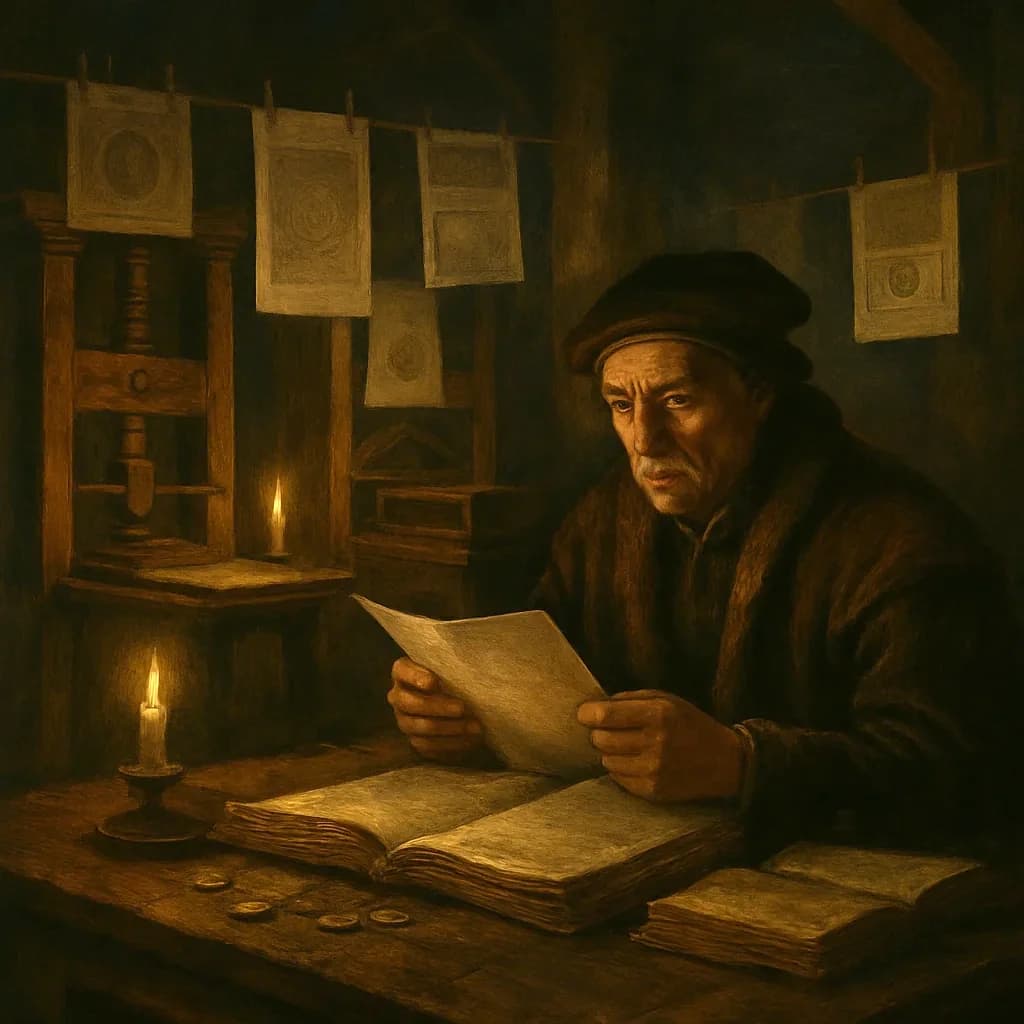
When Florence Caught God Counterfeiting
A Renaissance banker discovered that the Pope's indulgences were printed using stolen currency plates.
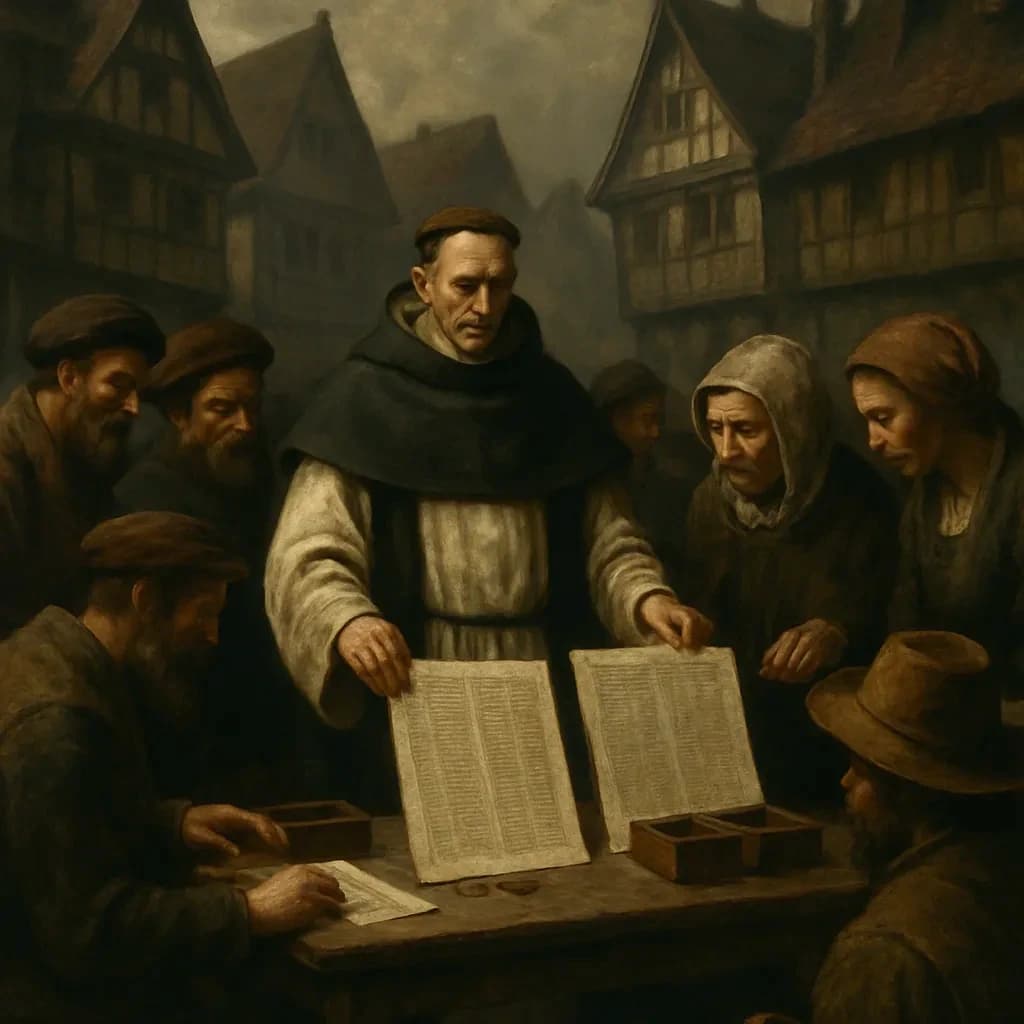
A Monk's Side Business in Salvation Created Modern Banking
A German monk's side business in salvation turned the Catholic Church inside out and accidentally created modern banking.
- Ludwig von Pastor, 'History of the Popes, Volume VII'
- Christine Shaw, 'Julius II: The Warrior Pope'
- Diarmaid MacCulloch, 'The Reformation: A History'