
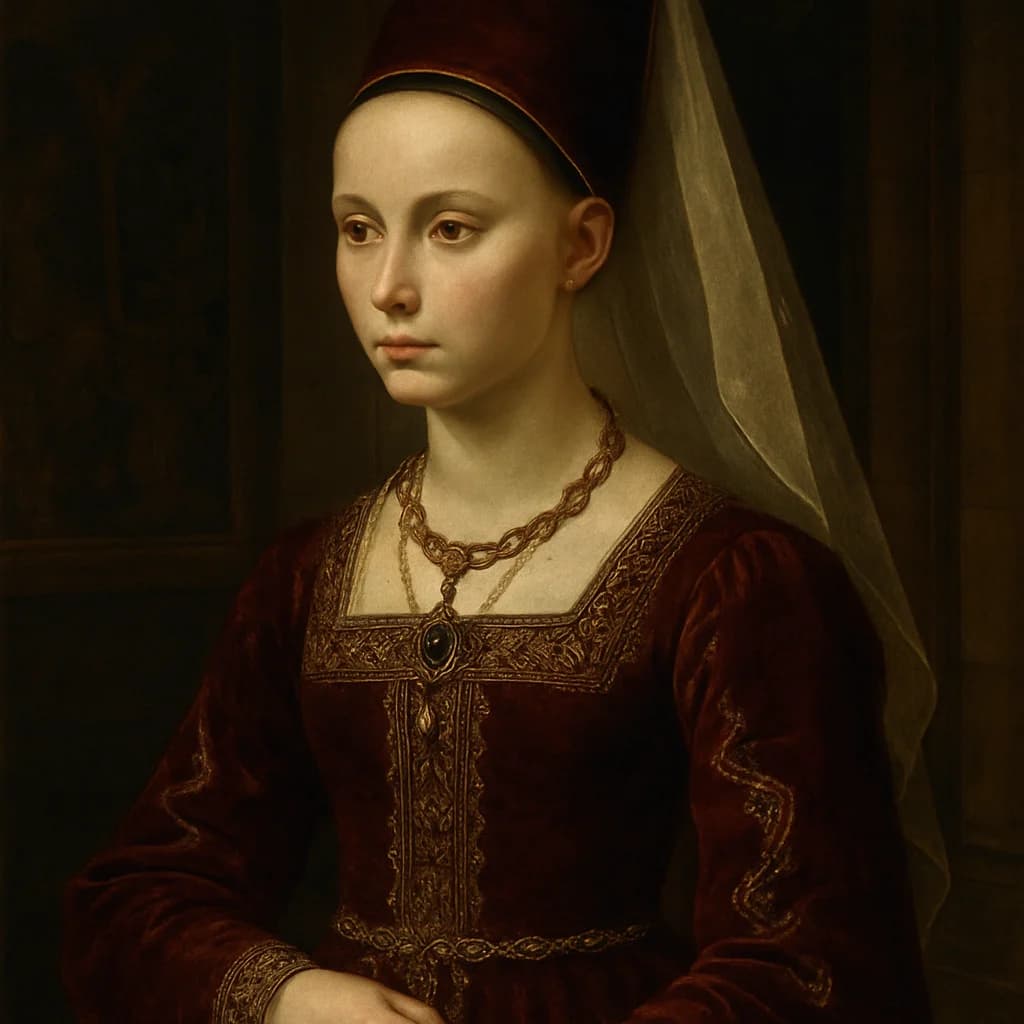
Mary of Burgundy
The most powerful woman in Europe died because she refused to ride sidesaddle.
Mary of Burgundy inherited the richest territory in medieval Europe at age nineteen, then spent the next five years fighting off marriage proposals that were actually invasion plans. Her father Charles the Bold had died at the siege of Nancy in 1477, leaving her the Duchy of Burgundy, a realm so wealthy it made kings jealous and so strategically placed that every major power wanted to absorb it. Louis XI of France immediately declared her lands forfeit and invaded. The Holy Roman Emperor Frederick III proposed his son Maximilian as a husband, but really wanted Burgundy as a dowry.
Mary chose Maximilian, but the marriage contract she signed in 1477 contained a clause that would haunt her dynasty for centuries. In her desperation to secure military aid against France, she agreed that if she died without male heirs, Burgundy would pass to the Habsburg line rather than remaining independent. She probably never imagined this mattered. She was young, healthy, and expected to have sons.
But Mary had always been unconventional. She hunted with falcons, spoke multiple languages, and insisted on riding astride rather than sidesaddle despite court protests. On March 27, 1482, during a falcon hunt near Bruges, her horse stumbled and threw her. The fall broke her back. She died three weeks later at twenty-five, leaving only a daughter and an infant son.
That clause in her marriage contract meant Burgundy passed entirely to the Habsburgs. Within decades, her son Philip would marry into the Spanish royal family, creating the empire where the sun never set. The wealth of Burgundy had funded Spanish dominance of Europe for the next two centuries, all because a young duchess refused to ride like a lady.
Mary of Burgundy's death led directly to the Spanish Armada, since the wealth from her territories eventually funded Philip II's attempt to invade England over a century later.
Why untold: Her story is overshadowed by the male Habsburg emperors who inherited her lands, obscuring how one woman's marriage contract reshaped European power.
The Debt That Outlived Its Debtor
In 1476, a Venetian merchant loaned money to the Duke of Burgundy. The Duke died. The debt didn't.
How a Widow's Letter Created the Habsburg Empire
Besieged on all sides, a grieving duchess sat down in 1477 and wrote to a man she'd never met, and rerouted the entire history of Western Europe.
One Battle Left Europe's Richest Duchy to a 19-Year-Old
A single battle in 1477 orphaned the richest duchy in Europe. And the man who swooped in to claim the prize wasn't even supposed to be there.
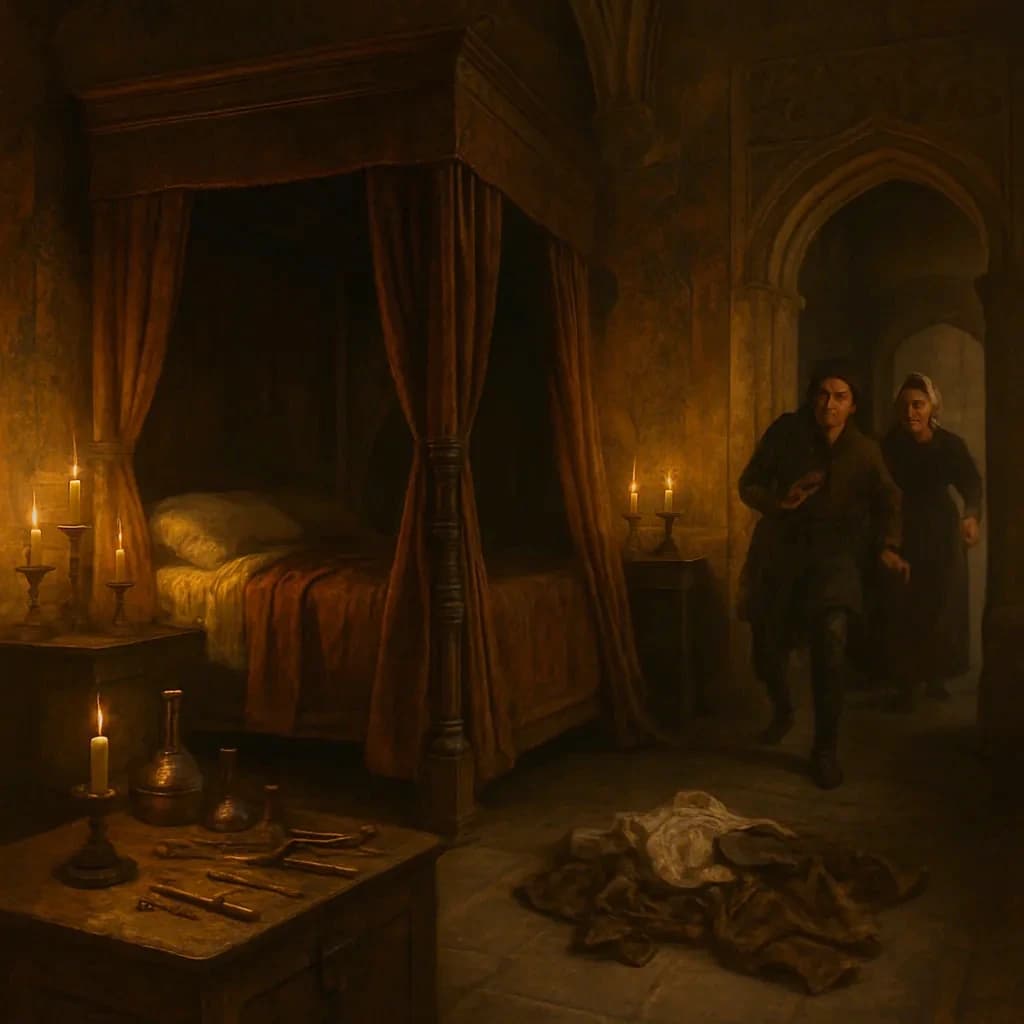
A Wedding Night That Cost Burgundy Its Future
A wedding night in 1477 went so catastrophically wrong that it changed the balance of power in Europe forever.
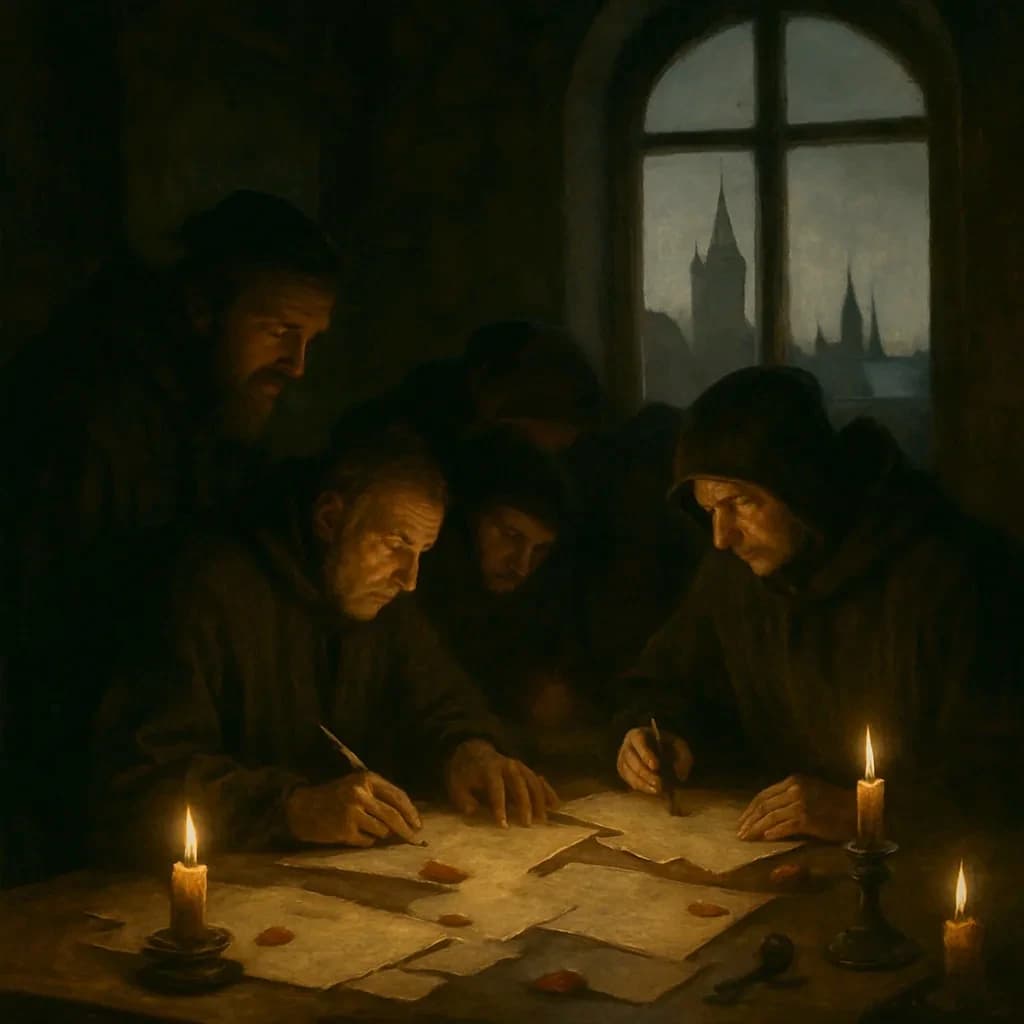
Mary of Burgundy Kept Ruling Three Days After She Died
A dead woman's marriage contract rewrote the map of Europe.
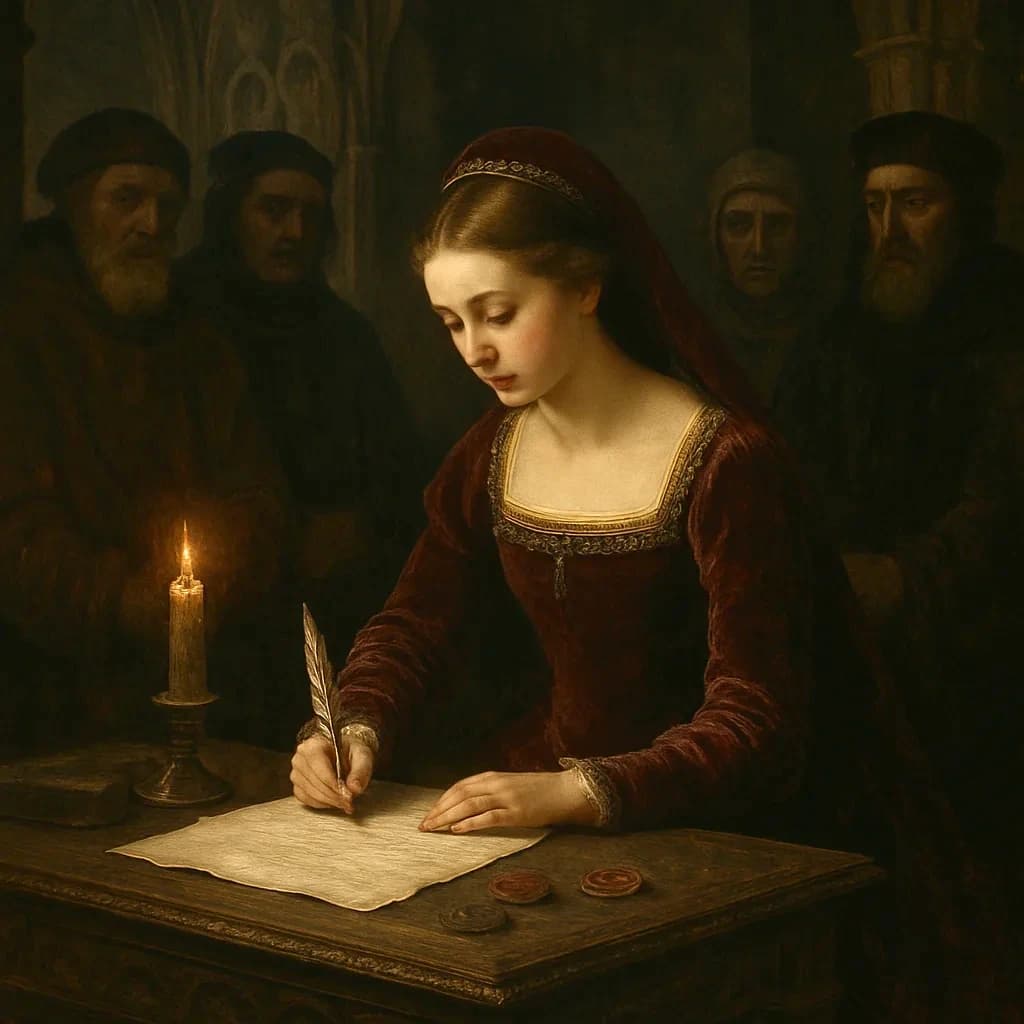
The Marriage Contract That Nobody Read
In 1477, a duchess signed her own death warrant thinking she was signing a marriage agreement.
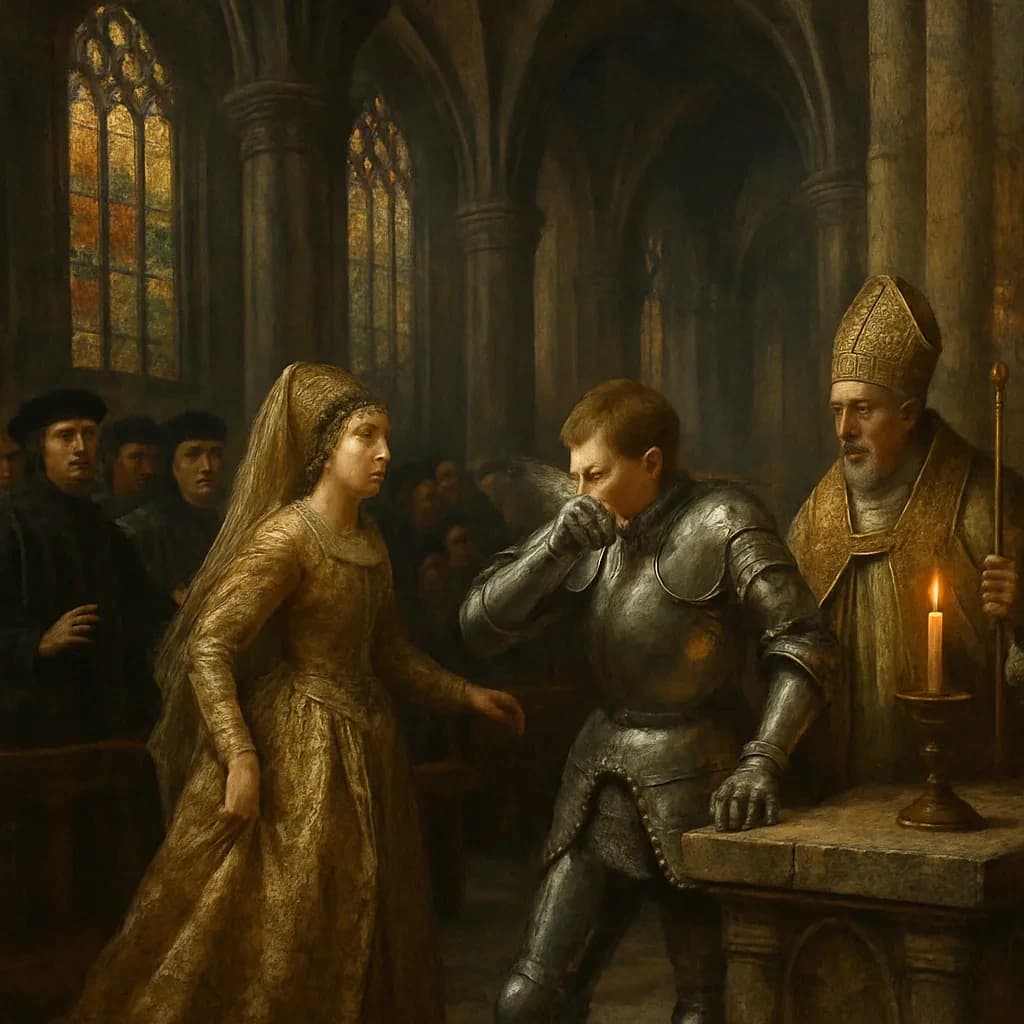
One Sneeze Unraveled a Habsburg Wedding
A single sneeze in a cathedral changed the balance of power between two empires for three centuries.
- Vaughan, Richard. Charles the Bold: The Last Valois Duke of Burgundy. Boydell Press, 2002.
- Blockmans, Wim. Emperor Charles V, 1500-1558. Oxford University Press, 2002.
- Cartellieri, Otto. The Court of Burgundy. Routledge, 2019.