
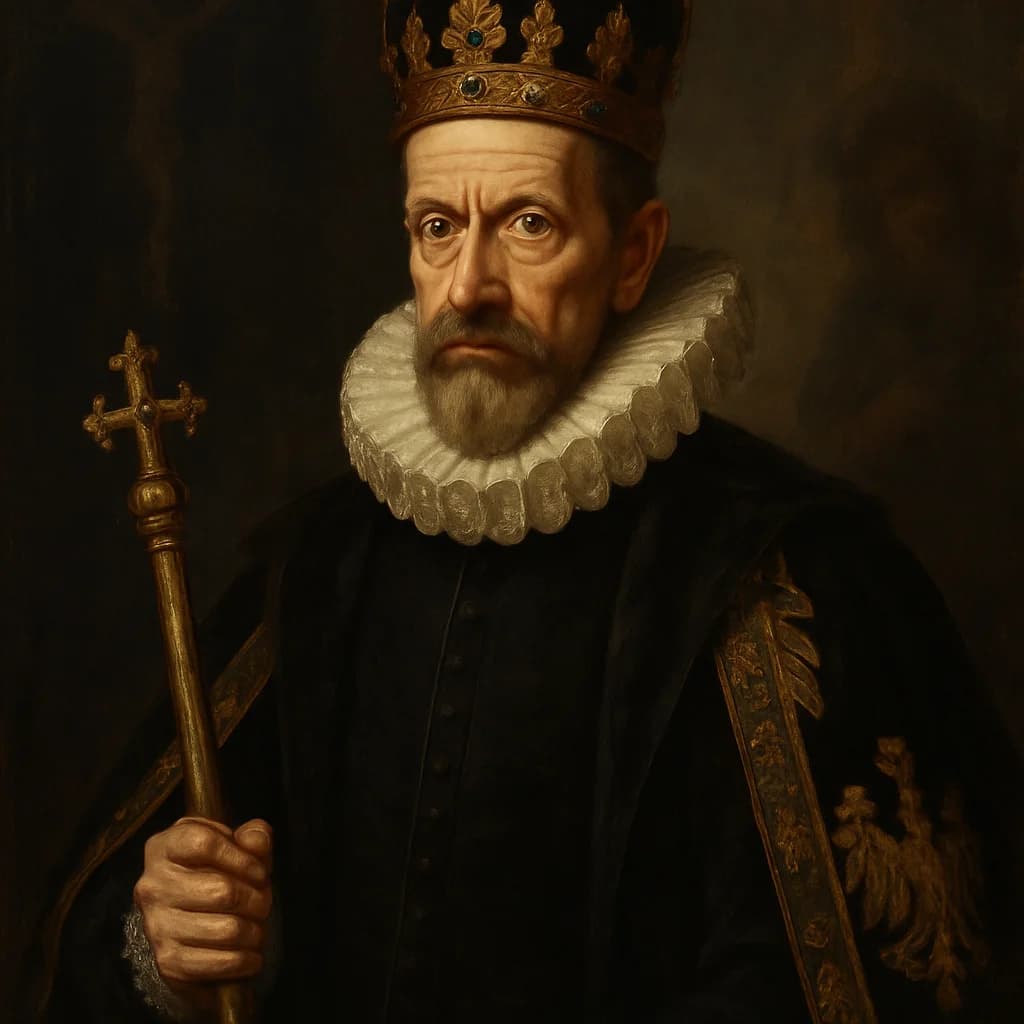
Ferdinand II
The Holy Roman Emperor who spent thirty years trying to force God's will on Europe had originally wanted to be a priest.
Ferdinand II entered the world in 1578 with every intention of serving God quietly in a monastery. The younger son of an Austrian archduke, he studied with the Jesuits who filled his head with dreams of Catholic purity and religious unity. Then his older brother died, and suddenly the boy destined for prayer books found himself heir to the most fractured empire in Europe.
By 1618, Ferdinand had been elected Holy Roman Emperor over a collection of German states that practiced every imaginable form of Christianity. He genuinely believed that religious diversity was a cosmic mistake: that God had made him emperor specifically to correct this error. When Protestant nobles in Prague threw his representatives out a castle window, Ferdinand saw it as divine providence handing him the excuse he needed. What followed was his methodical attempt to re-Catholicize Central Europe through systematic warfare.
The Thirty Years' War consumed Ferdinand's entire reign. He imported Spanish armies, hired mercenary companies, and turned diplomacy into a weapon of conversion. Cities that converted received imperial protection; those that resisted faced siege and slaughter. Ferdinand treated each military victory as confirmation that God approved of his methods. When Swedish armies finally threatened Vienna itself in 1632, he reportedly spent hours in prayer, asking God why the righteous were suffering.
Ferdinand died in 1637, five years before the Peace of Westphalia would officially end his war. He never lived to see that the treaty enshrined exactly the religious diversity he had spent decades trying to eliminate. The former seminarian's attempt to impose divine will on politics had instead established the principle that rulers could choose their subjects' religion, a concept that would have horrified the young man who once dreamed of taking holy orders.
Ferdinand II kept a detailed personal diary throughout the Thirty Years' War, recording his prayers and asking God for guidance before every major military decision.
Why untold: Historical focus on military campaigns overshadows Ferdinand's genuine religious motivations and his original calling to the priesthood.
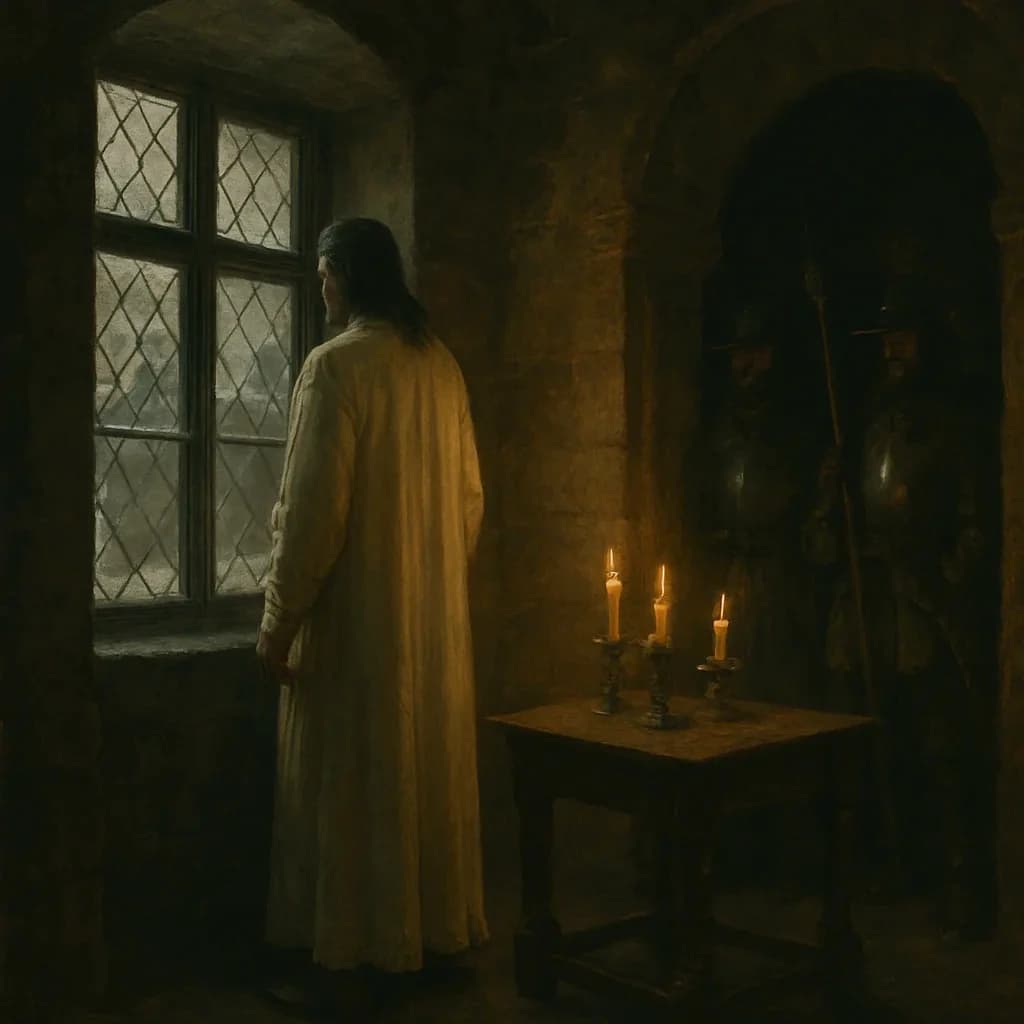
The General His Own Emperor Had Killed
Wallenstein commanded the largest private army in European history, and a single astrologer's chart decided whether he lived or died.
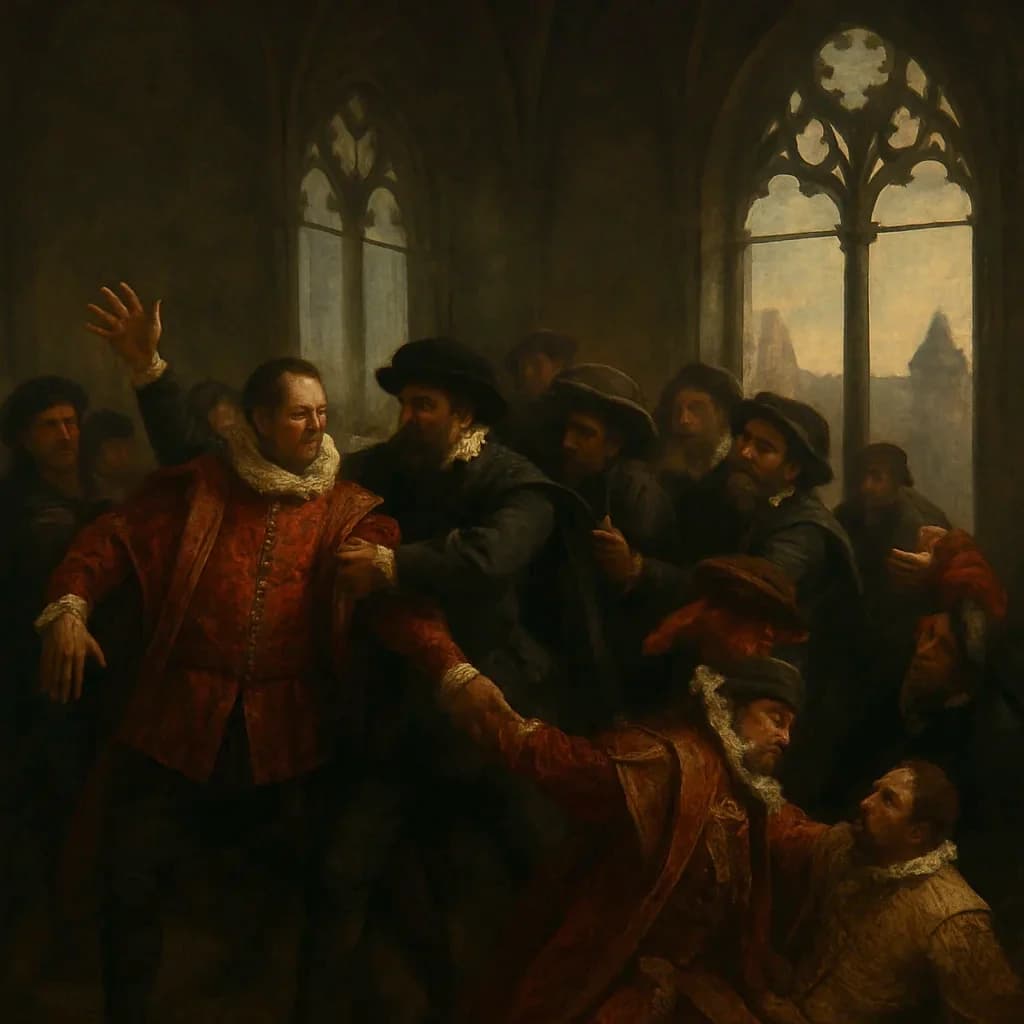
The Prague Defenestration That Sparked a 30-Year War
Two Catholic officials and their secretary were hurled from a castle window by Protestant nobles in 1618, launching a war that killed a third of Europe.
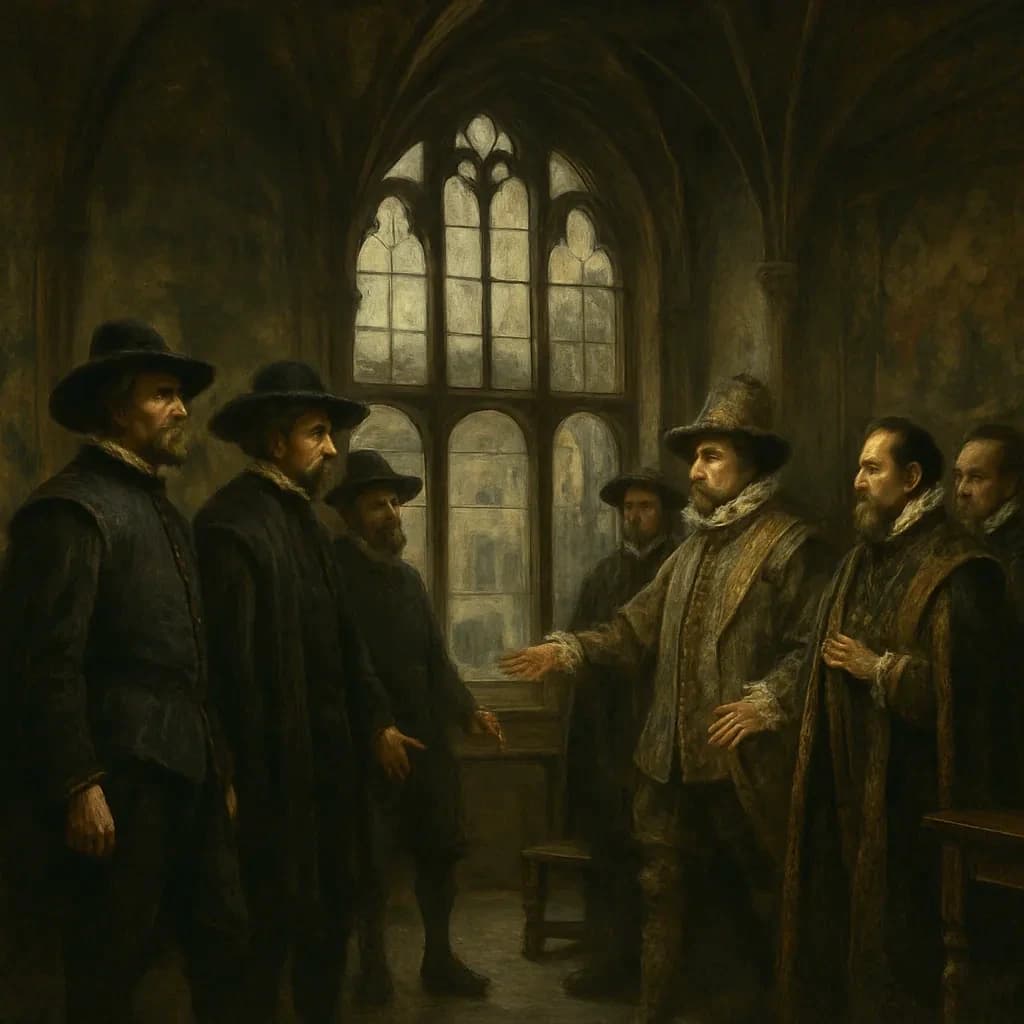
Prague, 1618: A Wrong Window Launched the Thirty Years' War
Three Protestant nobles planned to throw two Catholic officials from Prague Castle's window in 1618, but they chose the wrong room, the wrong window, and lit the fuse on the Thirty Years' War.
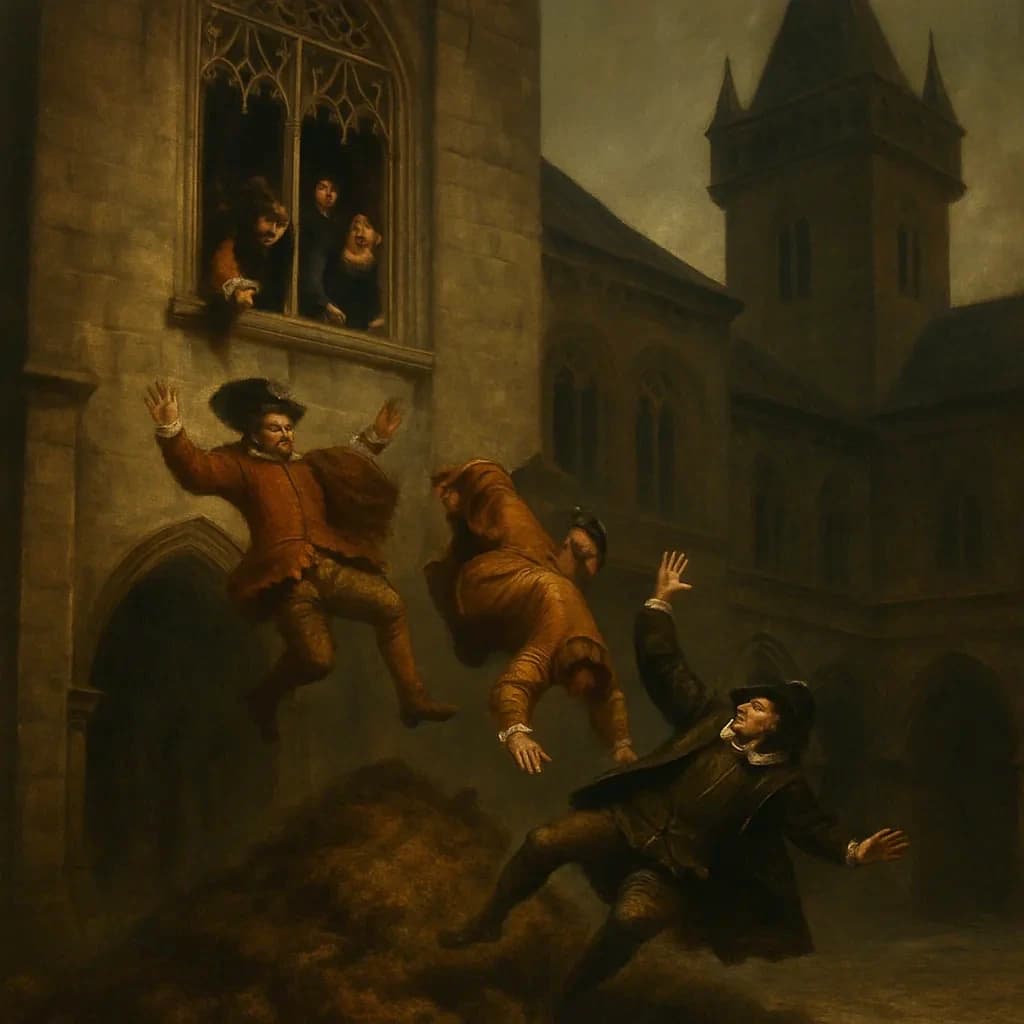
A Prague Window Started Thirty Years of War
A Prague window cost the Holy Roman Empire its unity, sparking thirty years of religious warfare across Europe.
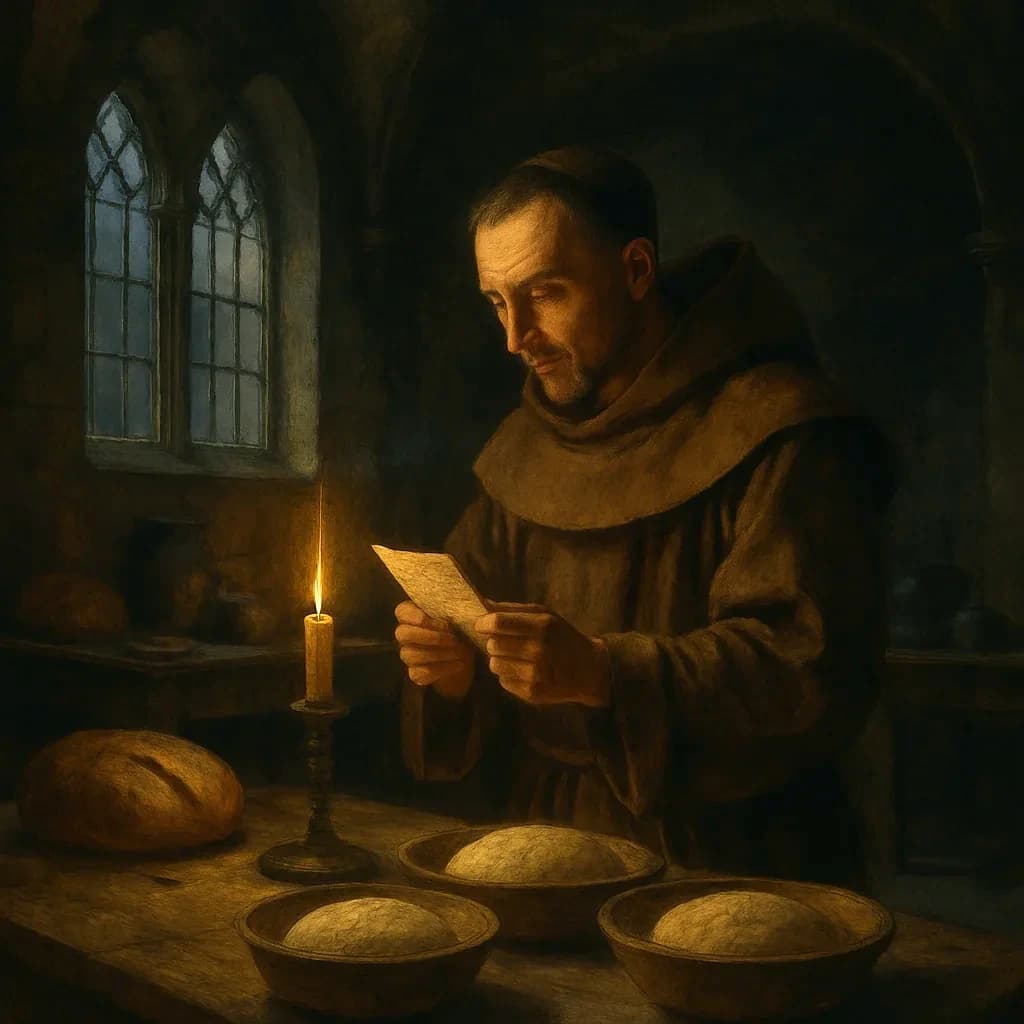
A Bread Recipe Triggered Europe's Deadliest Religious War
A cook's measurements for bread dough accidentally triggered the deadliest religious war in European history.
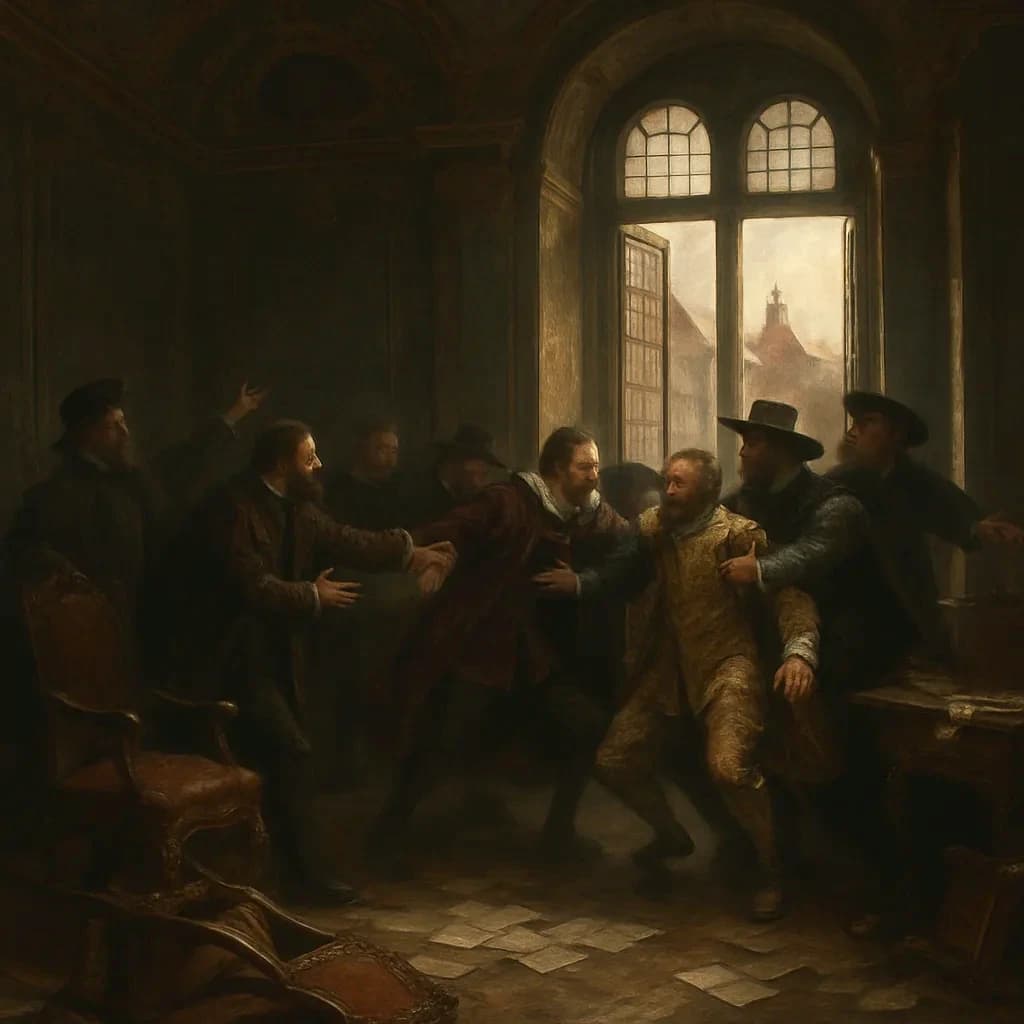
When Prague Lost Its Windows
A single diplomatic meeting in 1618 accidentally invented the world's most dangerous form of political protest.
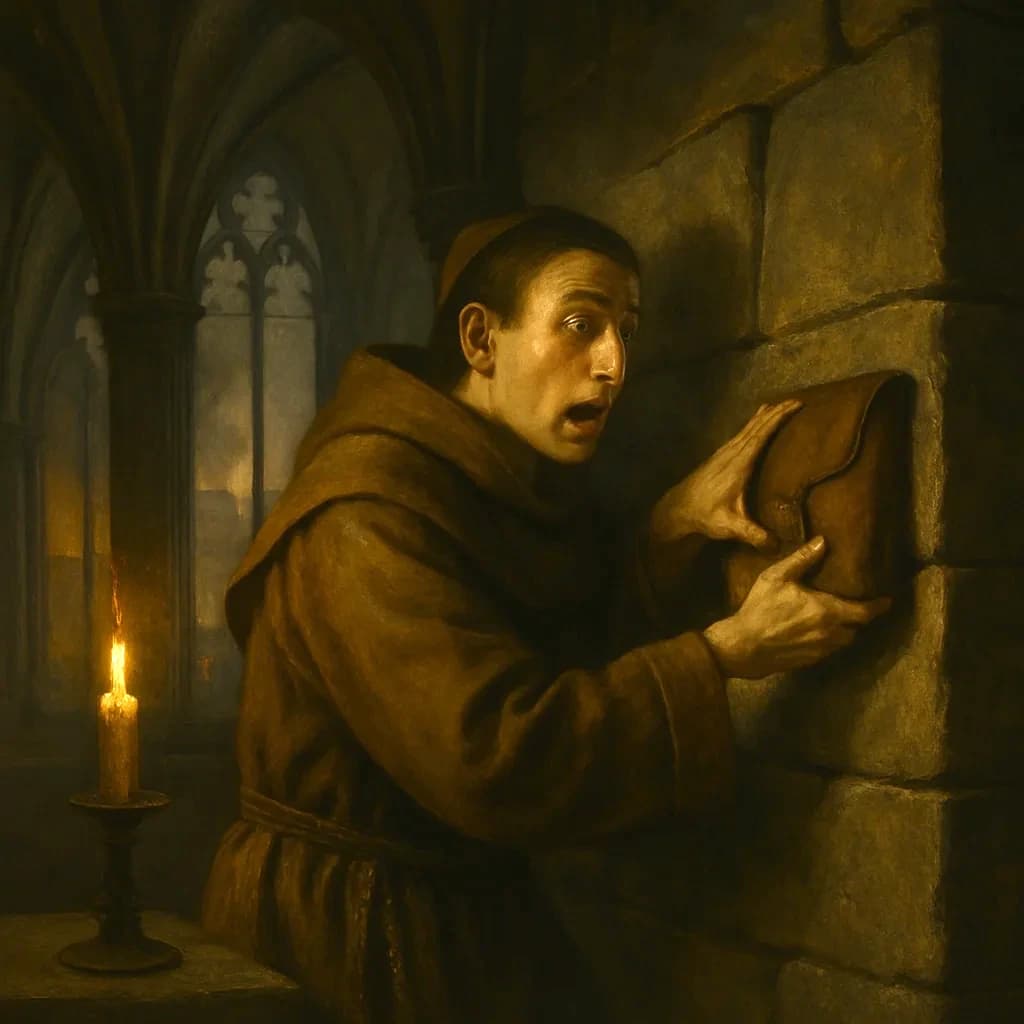
The Letter That Arrived Four Hundred Years Late
In 1974, construction workers in Prague discovered a letter that could have prevented the Thirty Years' War.
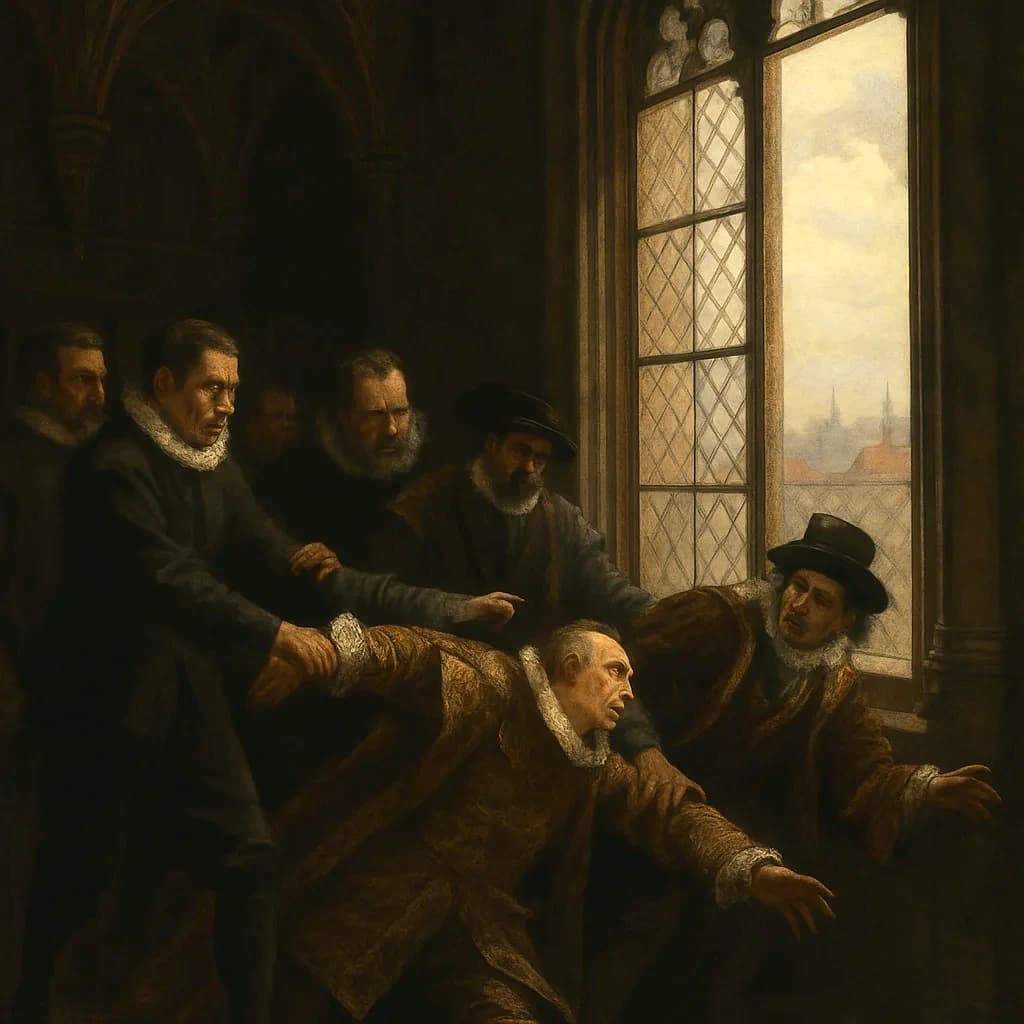
A Mob Threw Three Men From a Window and Eight Million Died
A mob threw three men out of a castle window, and somehow started a war that killed eight million people.
- Robert Bireley, Ferdinand II, Counter-Reformation Emperor, 1578-1637
- C.V. Wedgwood, The Thirty Years War
- R.J.W. Evans, The Making of the Habsburg Monarchy 1550-1700