
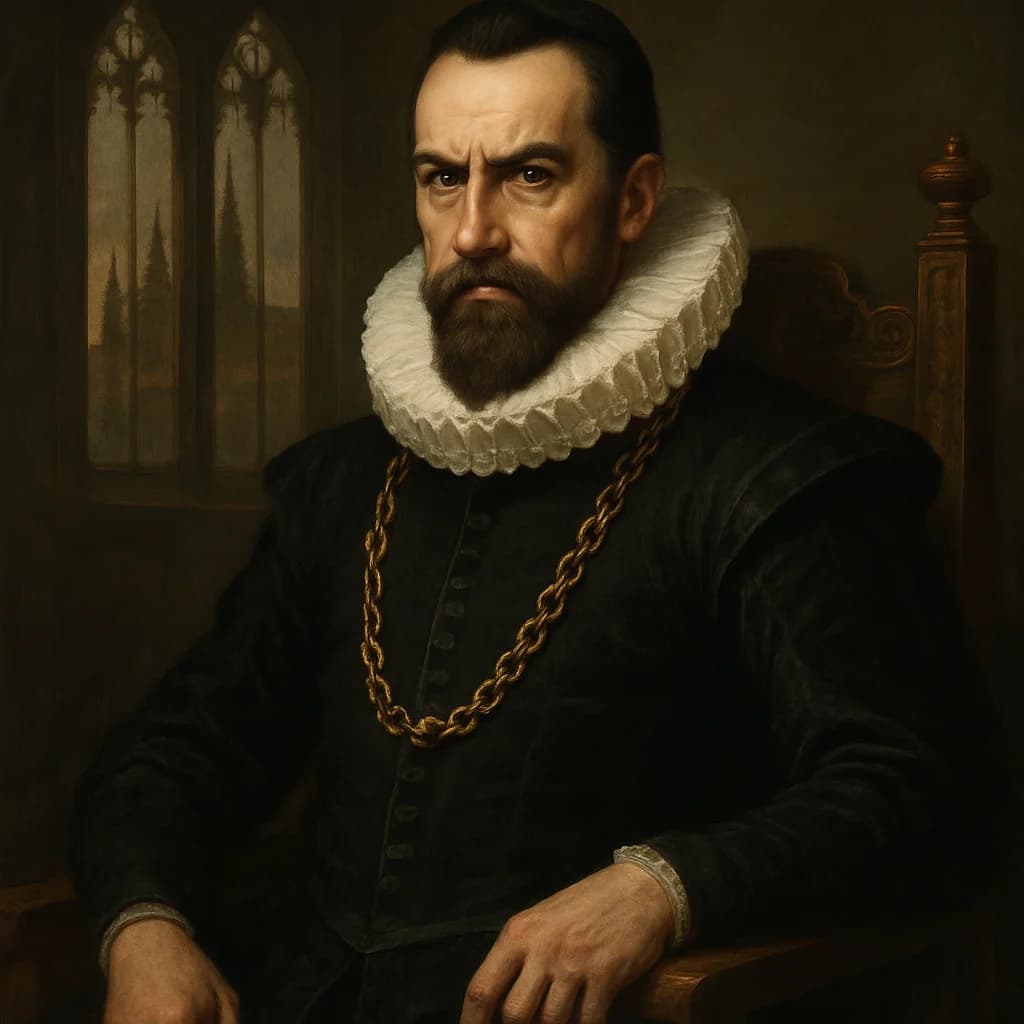
Wilhelm Slavata
Wilhelm Slavata survived being thrown out of a window, then spent thirty years methodically destroying the people who threw him.
On May 23, 1618, Wilhelm Slavata plummeted seventy feet from Prague Castle's windows and landed in a pile of manure. Most men would consider this the worst day of their lives. Slavata saw it as the beginning of his life's work.
The Bohemian Protestant nobles who defenestrated him expected him to die, or at least disappear. Instead, this minor Habsburg bureaucrat transformed into Europe's most patient architect of revenge. Slavata didn't just survive. He meticulously documented every Protestant leader involved in his humiliation, tracking their movements across battlefields from Prague to Stockholm. His private correspondence reveals a man obsessed not with grand religious ideology, but with settling very personal scores.
What made Slavata particularly dangerous was his gift for administrative warfare. While other Catholic leaders favored spectacular military campaigns, Slavata preferred the slow strangulation of bureaucracy. He systematically stripped Protestant families of their property through legal technicalities, manipulated inheritance laws to transfer estates to Catholic cousins, and used his position to ensure that key Protestant strongholds never received adequate supplies or reinforcements. His ledgers, preserved in Vienna, read like a hit list checked off over decades.
The man who became the face of Catholic triumph in Bohemia had actually been a moderate before his flight from the window. Slavata's pre-1618 letters show him advocating for religious compromise and peaceful coexistence. The defenestration didn't just launch the Thirty Years' War. It created one of its most ruthlessly effective prosecuting attorneys, a man who turned personal vendetta into continental catastrophe.
Slavata kept a private diary for twenty-seven years after the defenestration, recording the death or exile of every Protestant nobleman who participated in throwing him from the window. The last entry celebrated outliving his final tormentor in 1645.
Why untold: History remembers the dramatic defenestration but overlooks how Slavata's methodical, decades-long revenge campaign shaped the war's devastating persistence.
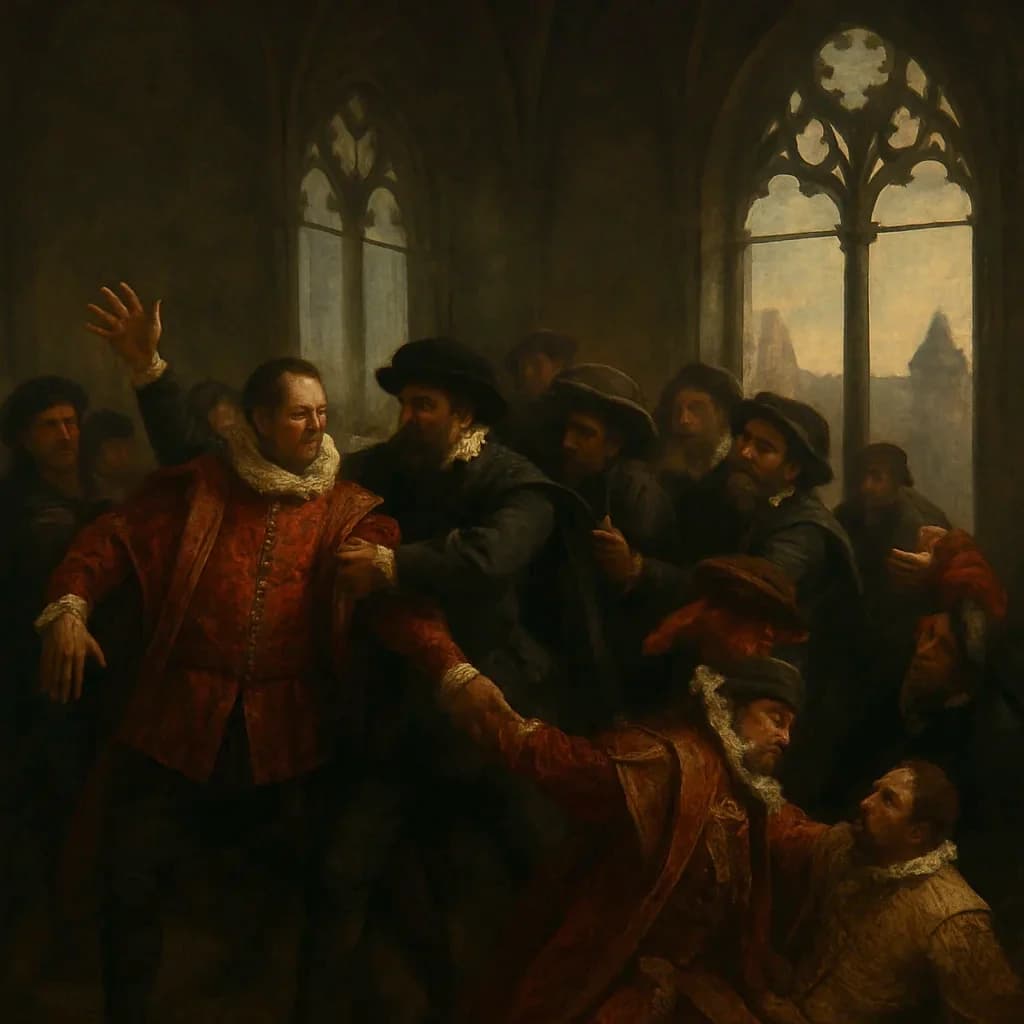
The Prague Defenestration That Sparked a 30-Year War
Two Catholic officials and their secretary were hurled from a castle window by Protestant nobles in 1618, launching a war that killed a third of Europe.
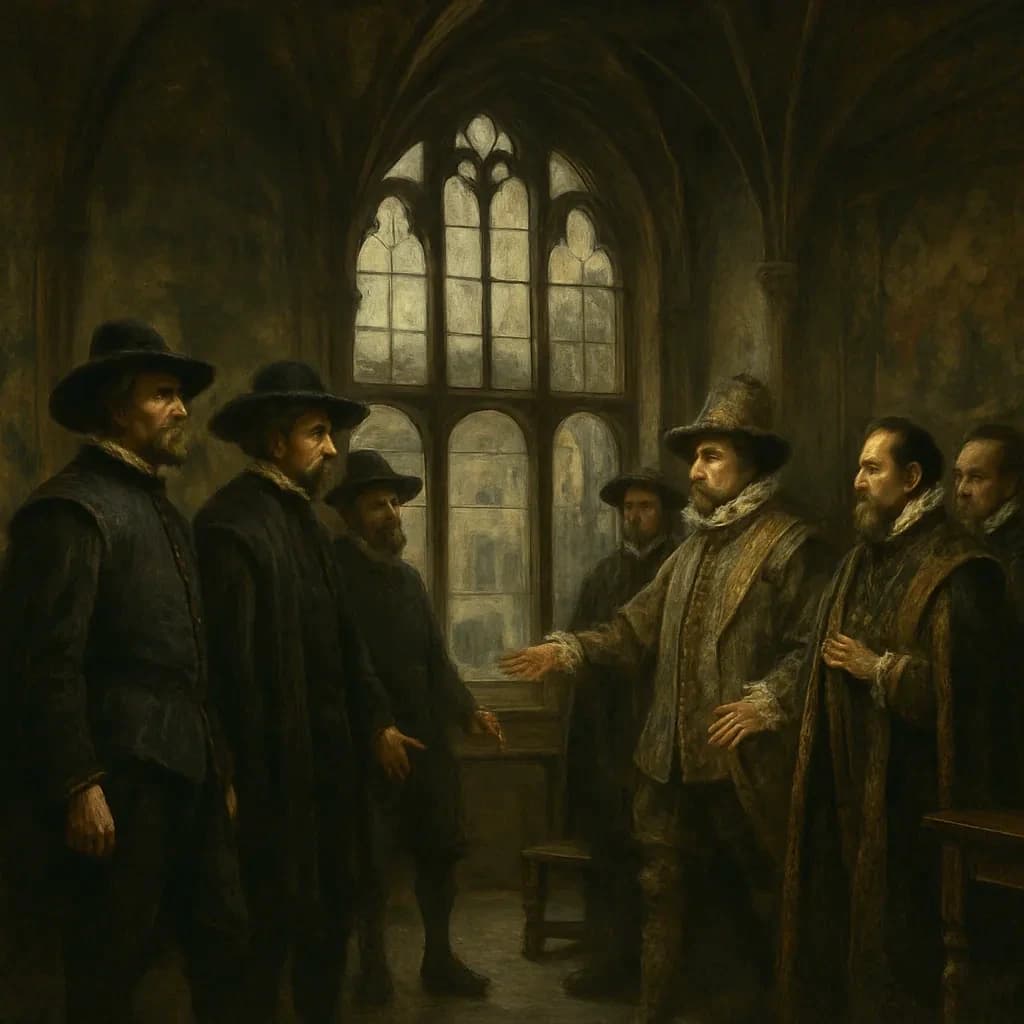
Prague, 1618: A Wrong Window Launched the Thirty Years' War
Three Protestant nobles planned to throw two Catholic officials from Prague Castle's window in 1618, but they chose the wrong room, the wrong window, and lit the fuse on the Thirty Years' War.
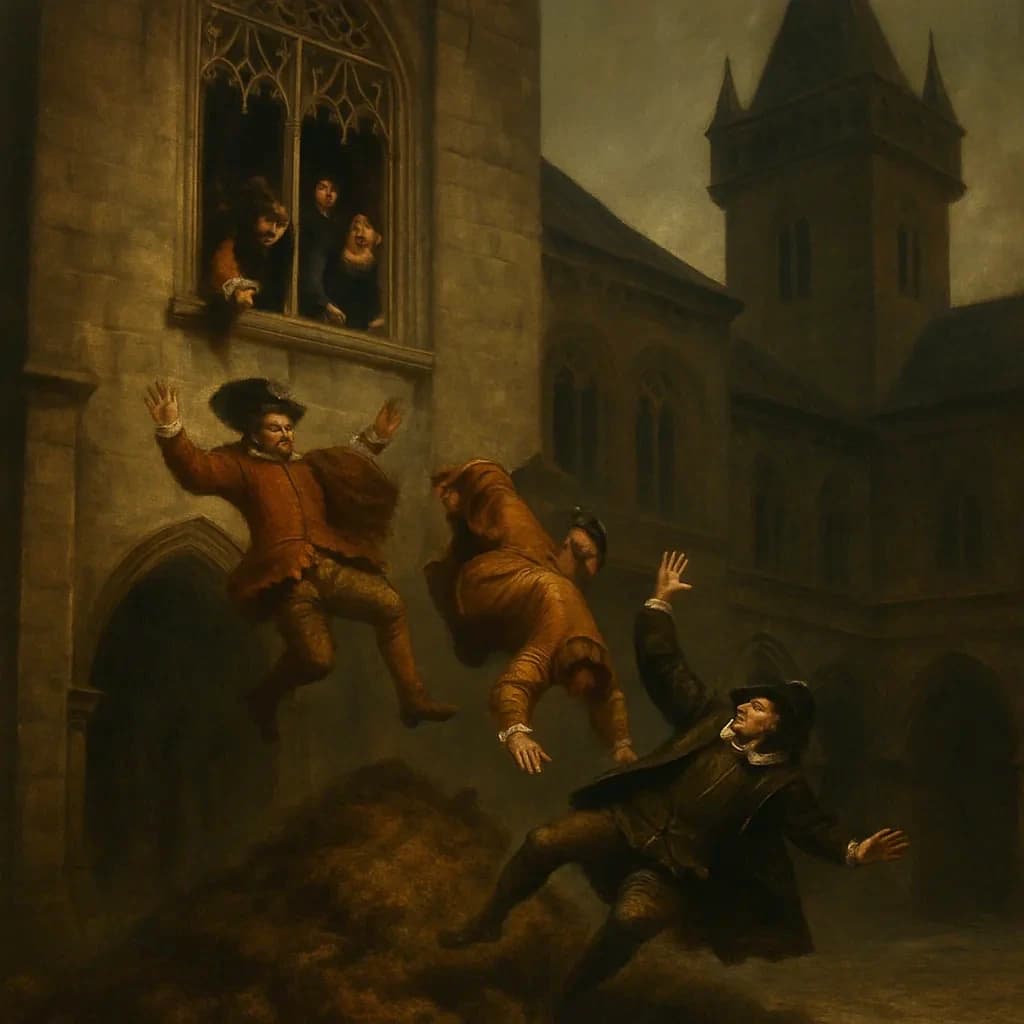
A Prague Window Started Thirty Years of War
A Prague window cost the Holy Roman Empire its unity, sparking thirty years of religious warfare across Europe.
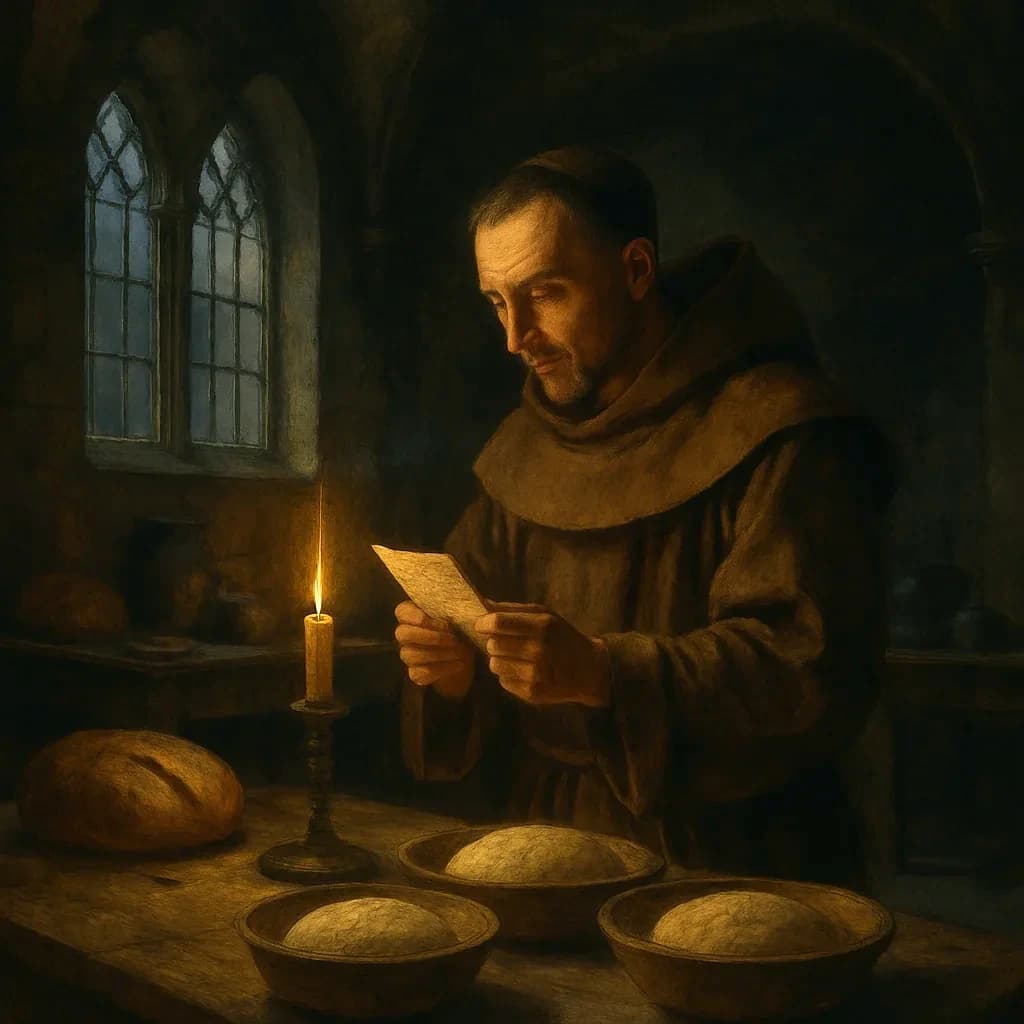
A Bread Recipe Triggered Europe's Deadliest Religious War
A cook's measurements for bread dough accidentally triggered the deadliest religious war in European history.
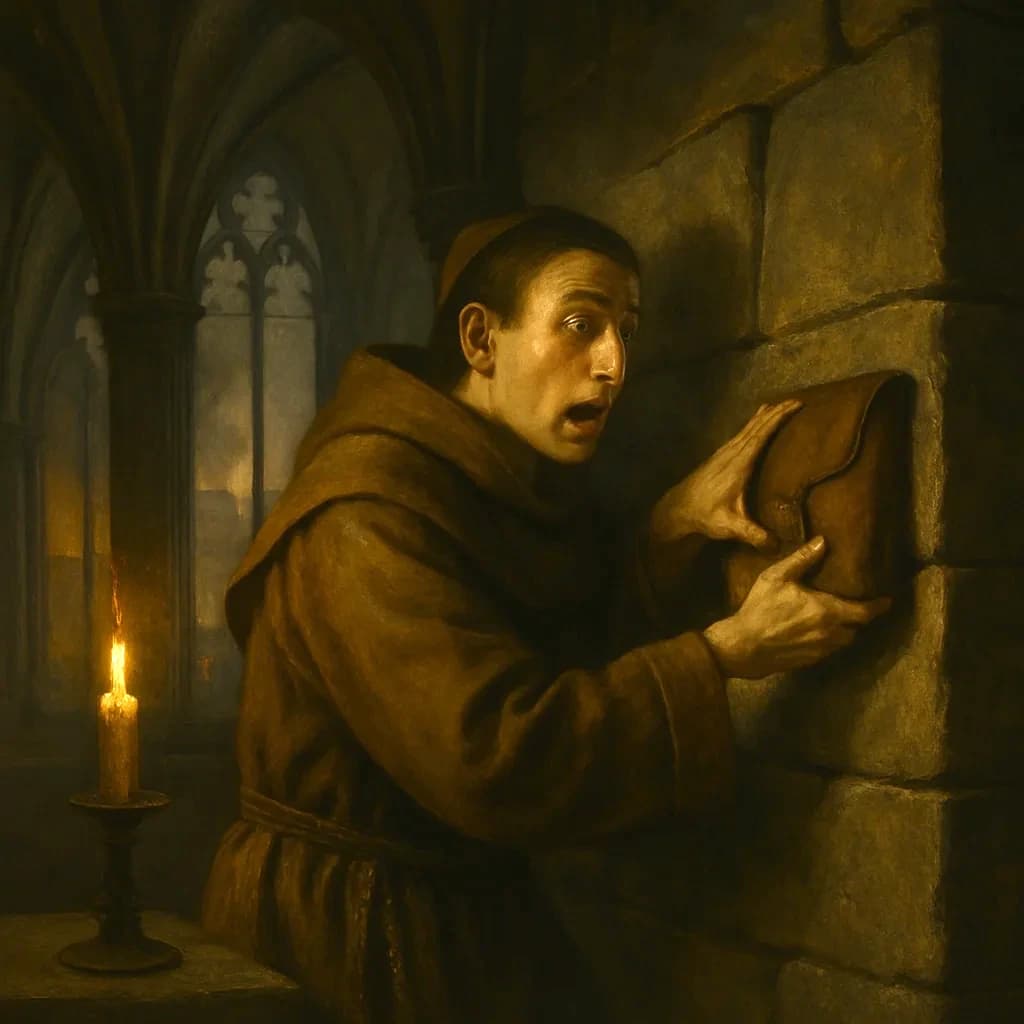
The Letter That Arrived Four Hundred Years Late
In 1974, construction workers in Prague discovered a letter that could have prevented the Thirty Years' War.
- Polišenský, Josef. The Thirty Years War. University of California Press, 1971.
- Fichtner, Paula Sutter. The Habsburg Monarchy, 1490-1848. Palgrave Macmillan, 2003.
- Wilson, Peter H. The Thirty Years War: Europe's Tragedy. Harvard University Press, 2009.