
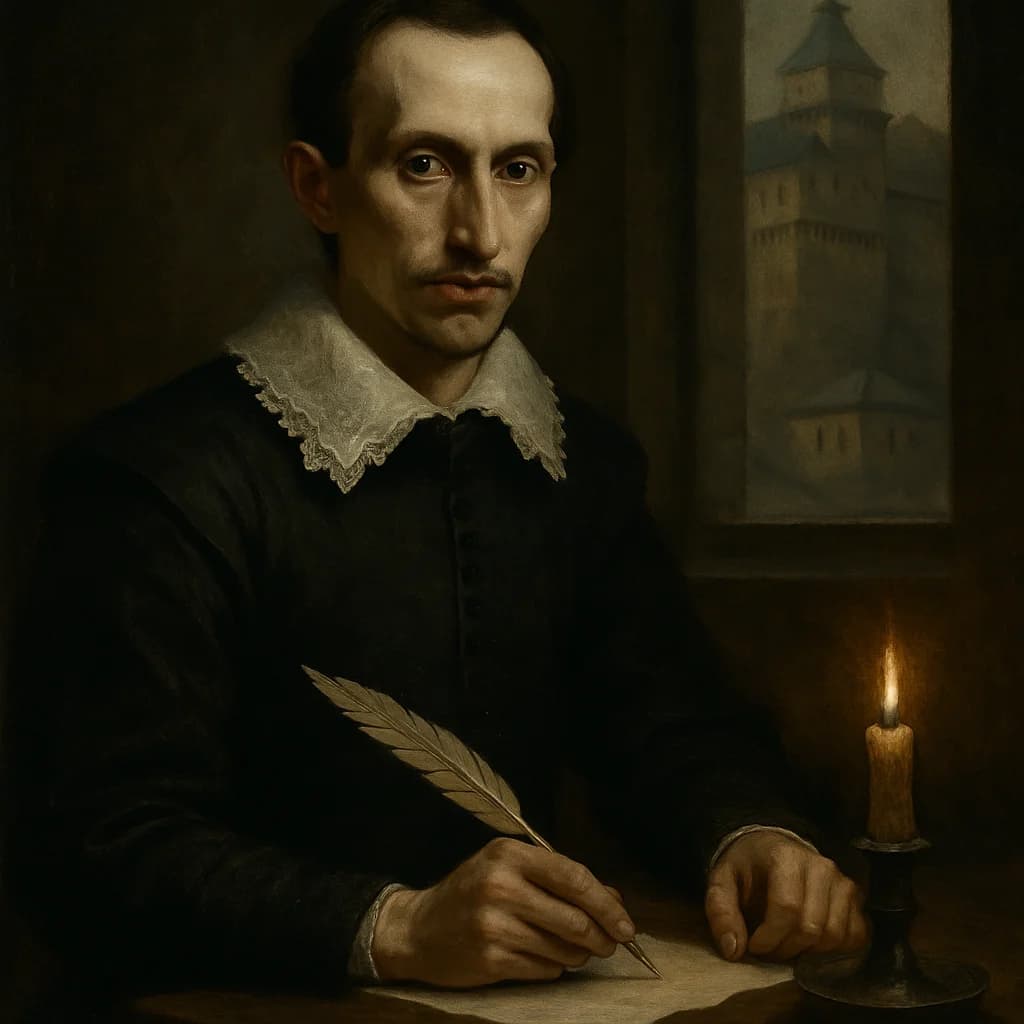
Philip Fabricius
He fell sixty feet from a castle window and landed in a garbage heap, and then got a promotion.
On May 23, 1618, Philip Fabricius was having the worst morning of his life. As secretary to the Catholic imperial governors in Prague Castle, he was present when a group of Protestant Bohemian nobles burst into the room, conducted a brief and furious mock trial, and then threw his employers out of the third-floor window of the Chancellery. Then they threw Fabricius out too, apparently deciding that witnesses were bad for business.
Here is where history gets strange. Fabricius, along with the two governors, survived. The Catholic press immediately declared it a miracle, a sign of divine favor for the Emperor's cause. The Protestant side had a different explanation: the three men had fallen into a pile of horse manure and rotting refuse accumulated against the castle wall. Fabricius himself later confirmed the garbage heap version, which makes his survival less miraculous and considerably more undignified. He climbed out, covered in filth, and walked away from what should have been a killing fall.
Ferdinand II, Holy Roman Emperor, was not a man who forgot loyalty, especially loyalty demonstrated by surviving defenestration. In 1621, he ennobled Philip Fabricius, granting him the title of Baron von Hohenfall. The name was not subtle. Hohenfall translates roughly to 'high fall.' Ferdinand had given his secretary a noble title that was essentially a permanent reminder of the day he bounced off a garbage pile. Fabricius used the title without apparent irony for the rest of his life.
The fall itself lasted seconds. The war it launched lasted thirty years, killing somewhere between four and eight million people across Central Europe. Fabricius outlived the conflict, dying in 1659, which means he spent four decades living with the knowledge that his particular Tuesday morning had cascaded into the largest military catastrophe Europe had seen in a century. His memoir of the event, recorded for imperial posterity, focused heavily on the providential nature of his survival. The garbage heap received considerably less emphasis.
The window from which Fabricius was thrown was not the famous window Protestant tour guides pointed to for decades. Historians later confirmed that generations of visitors had been shown the wrong room entirely, a mix-up that somehow feels appropriate.
Why untold: Fabricius is perpetually flattened into a footnote of the defenestration story, his subsequent life (the title, the memoir, the four decades of living inside a catastrophe he accidentally helped ignite) entirely ignored in favor of the more dramatic arc of the men who threw him.
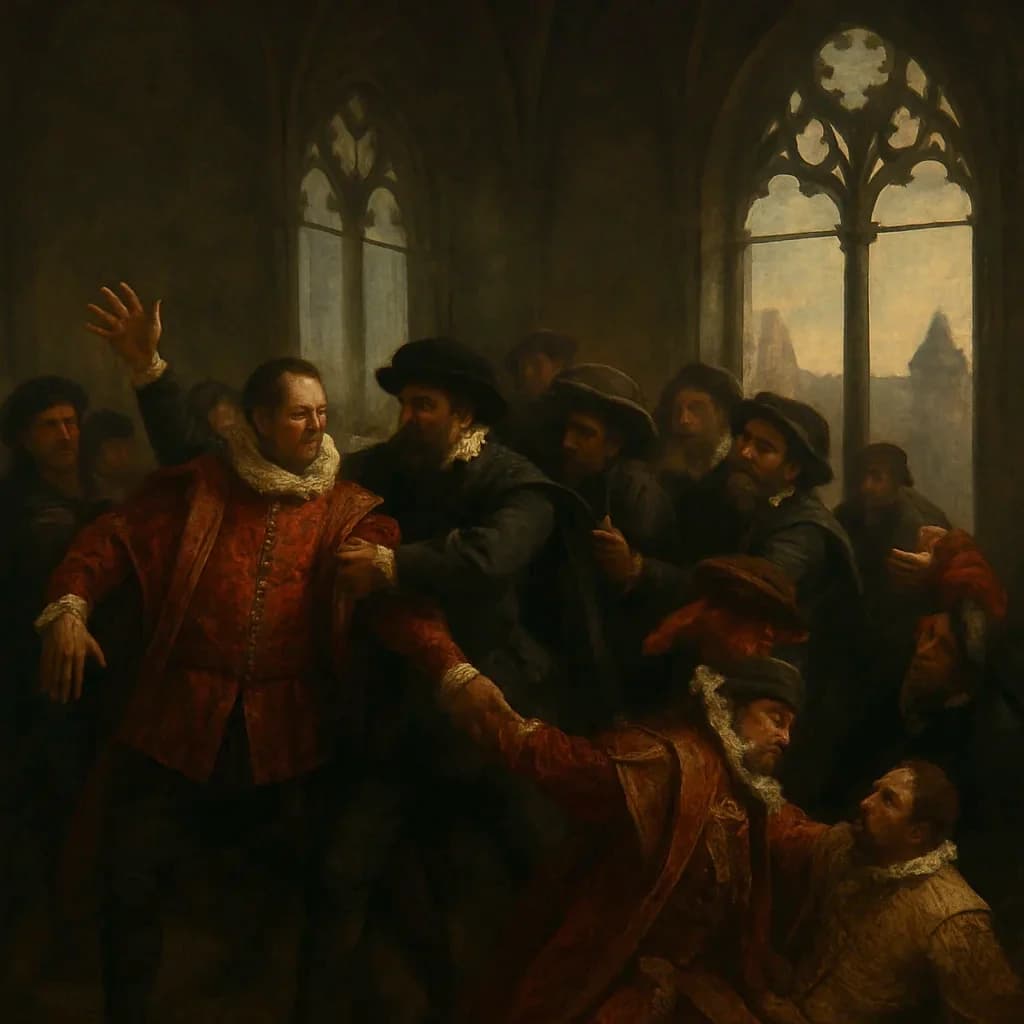
The Prague Defenestration That Sparked a 30-Year War
Two Catholic officials and their secretary were hurled from a castle window by Protestant nobles in 1618, launching a war that killed a third of Europe.
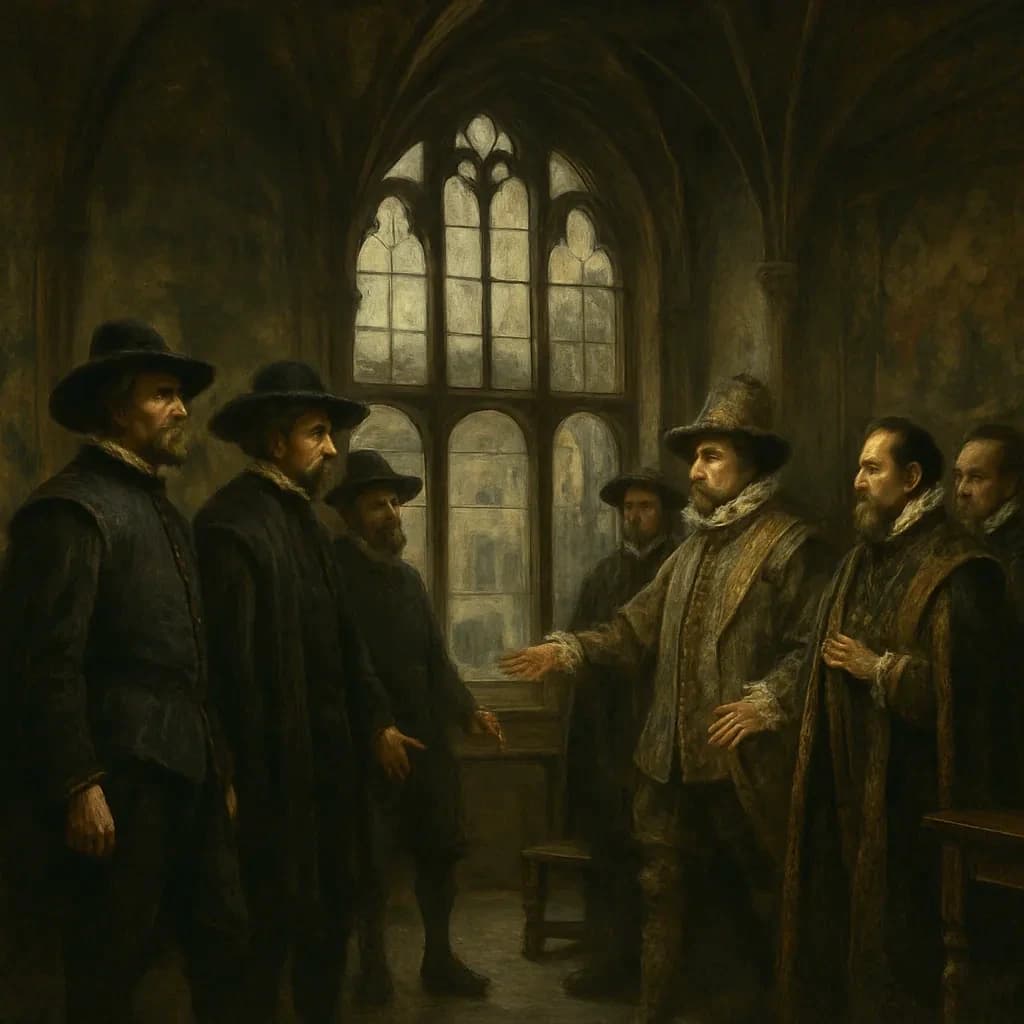
Prague, 1618: A Wrong Window Launched the Thirty Years' War
Three Protestant nobles planned to throw two Catholic officials from Prague Castle's window in 1618, but they chose the wrong room, the wrong window, and lit the fuse on the Thirty Years' War.
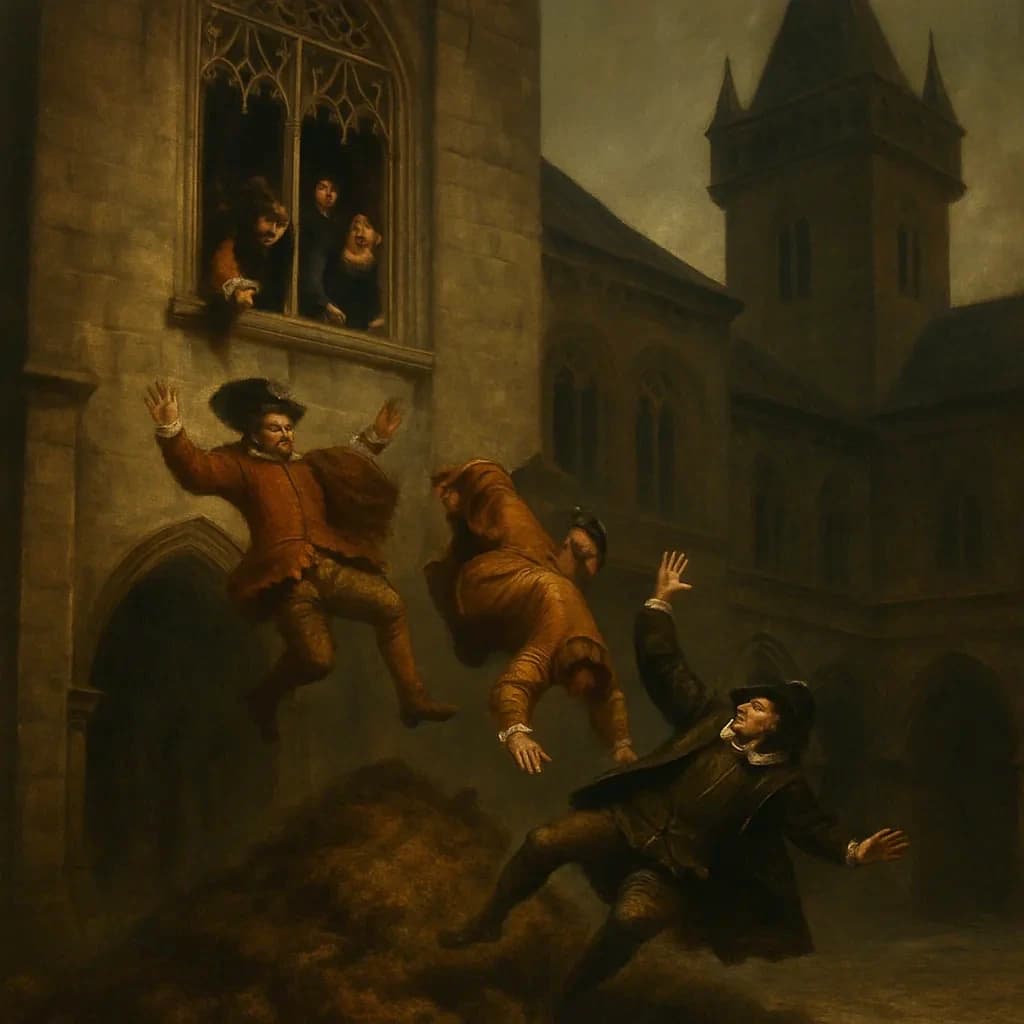
A Prague Window Started Thirty Years of War
A Prague window cost the Holy Roman Empire its unity, sparking thirty years of religious warfare across Europe.
- Peter H. Wilson, 'The Thirty Years War: Europe's Tragedy' (Harvard University Press, 2009)
- C.V. Wedgwood, 'The Thirty Years War' (Jonathan Cape, 1938)
- Geoff Mortimer, 'Eyewitness Accounts of the Thirty Years War 1618-48' (Palgrave Macmillan, 2002)